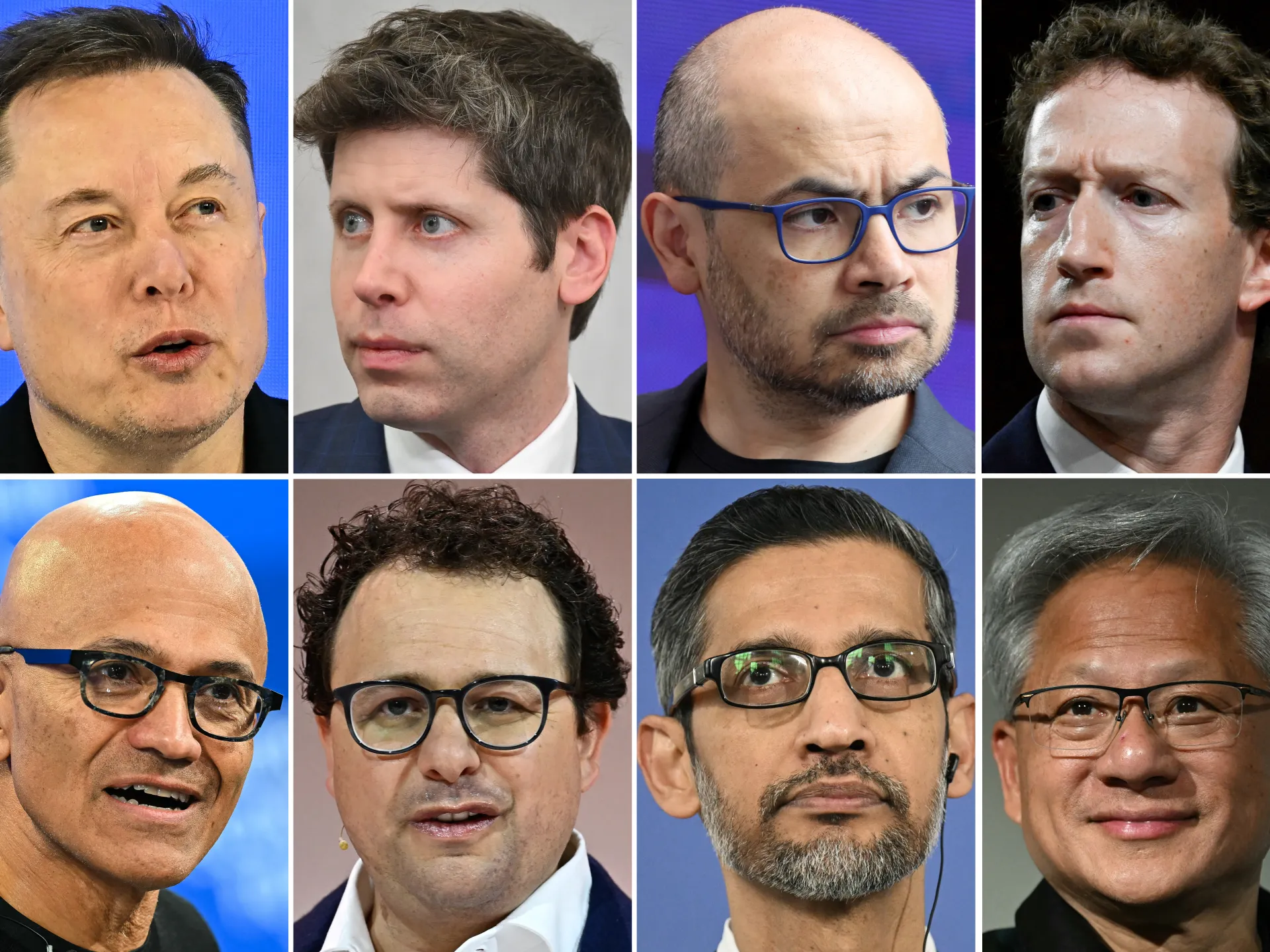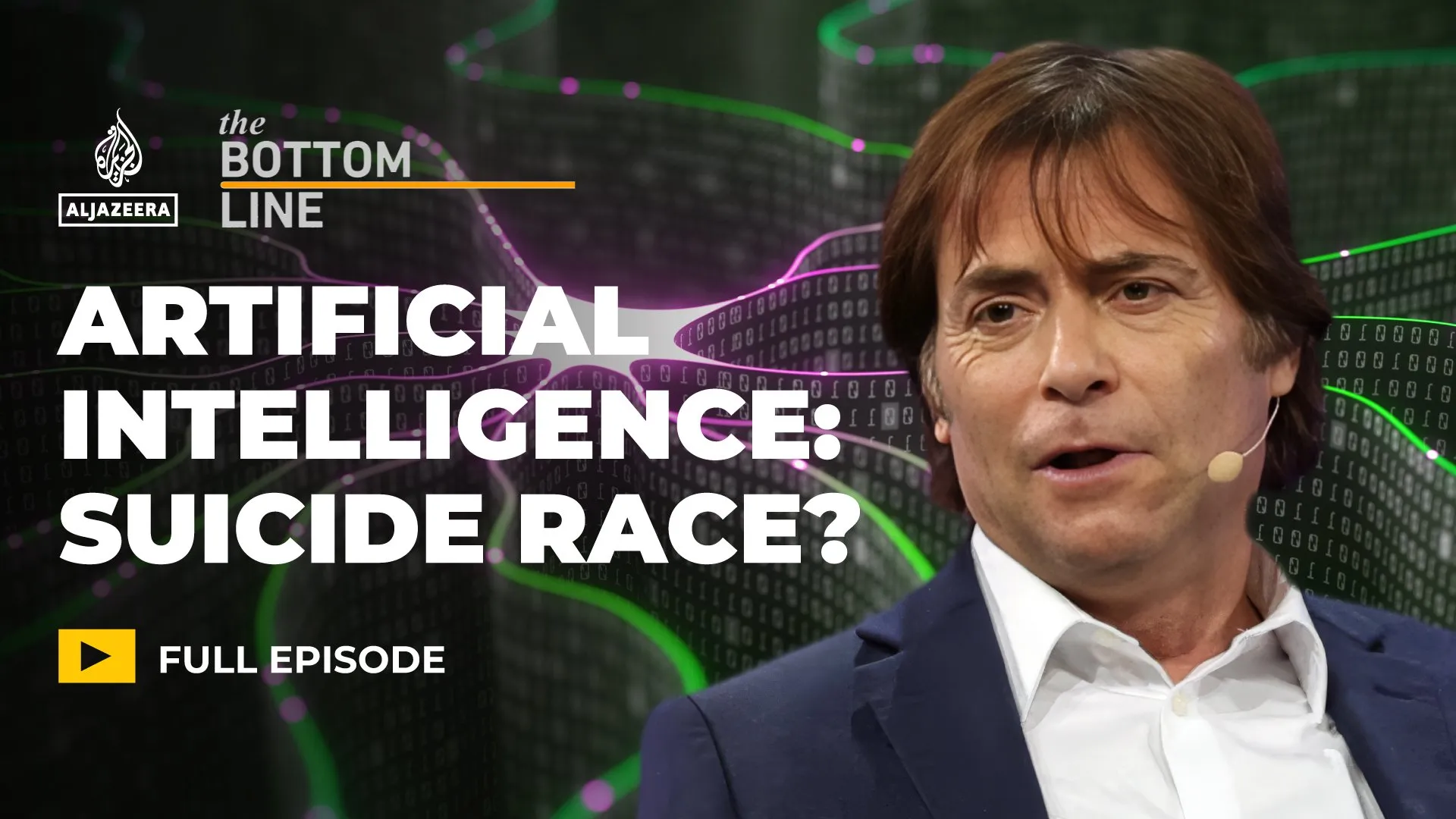
A coalition of 20 nations has proposed a global AI oversight body to manage safety risks, even as the United States and China remain outside the agreement.
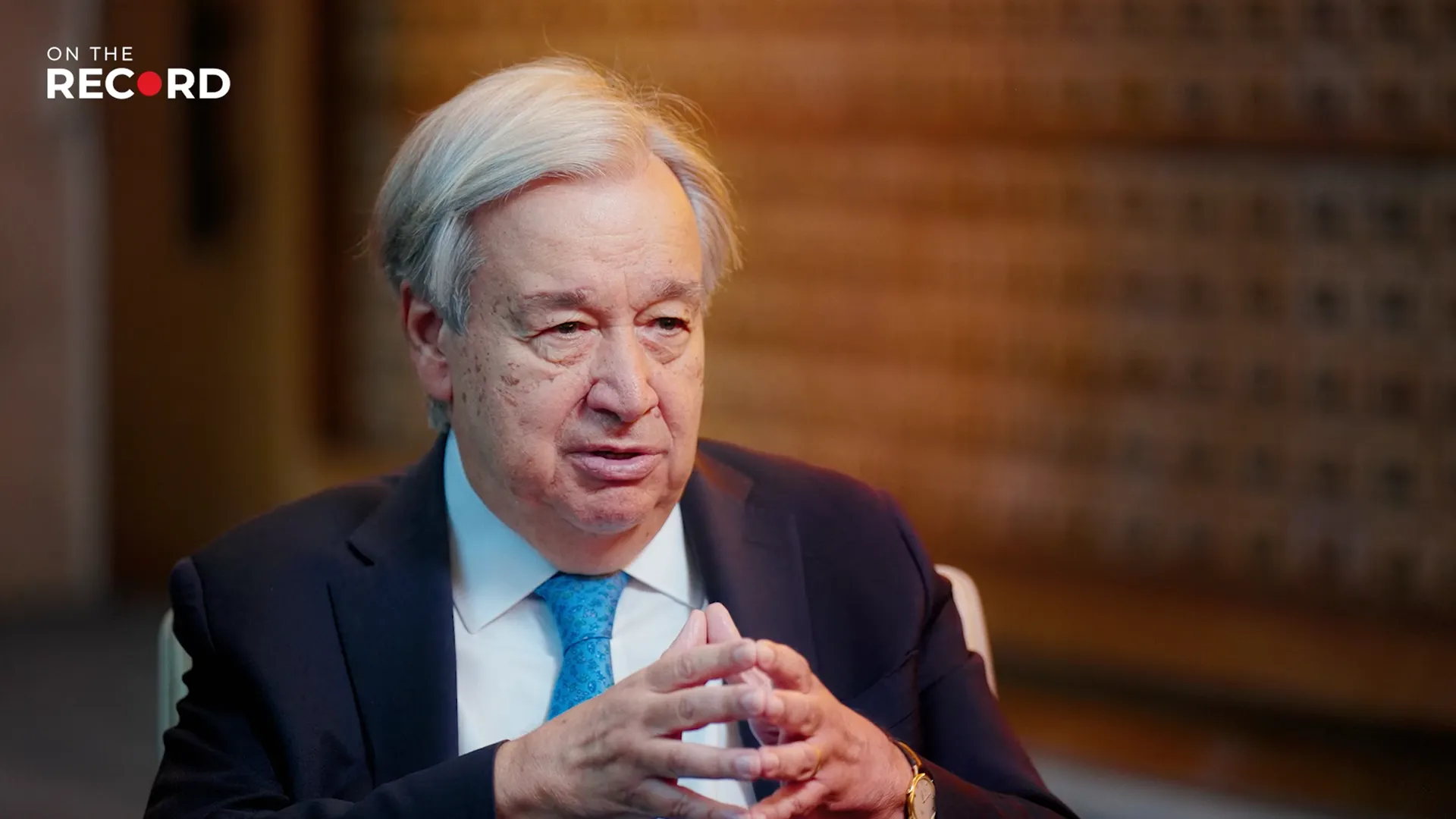
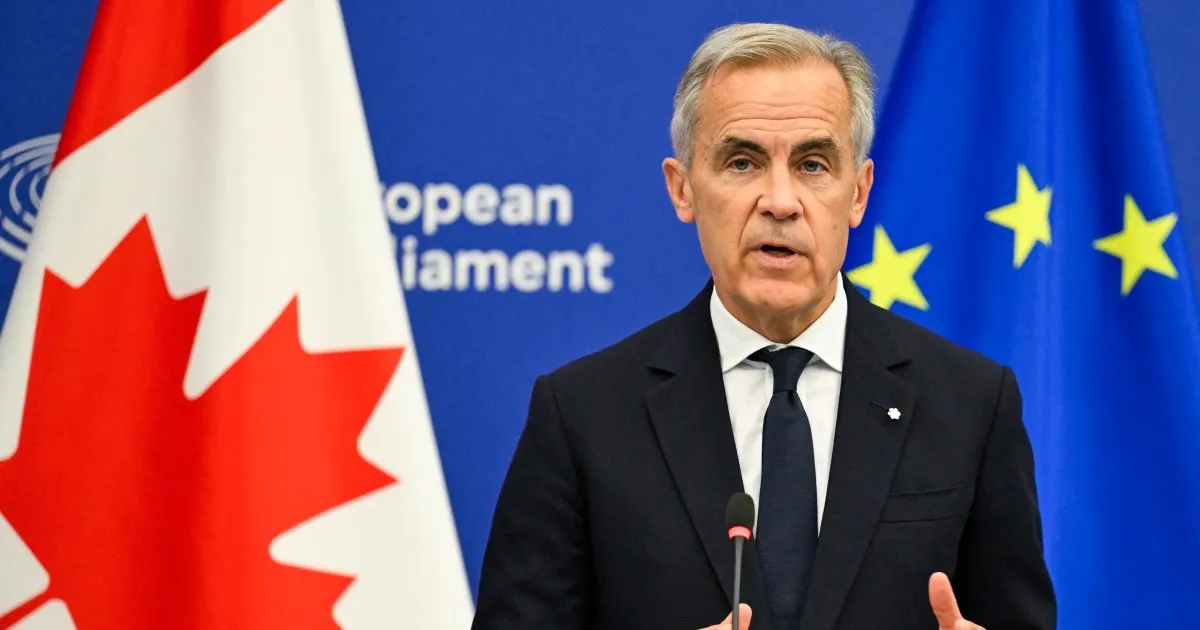
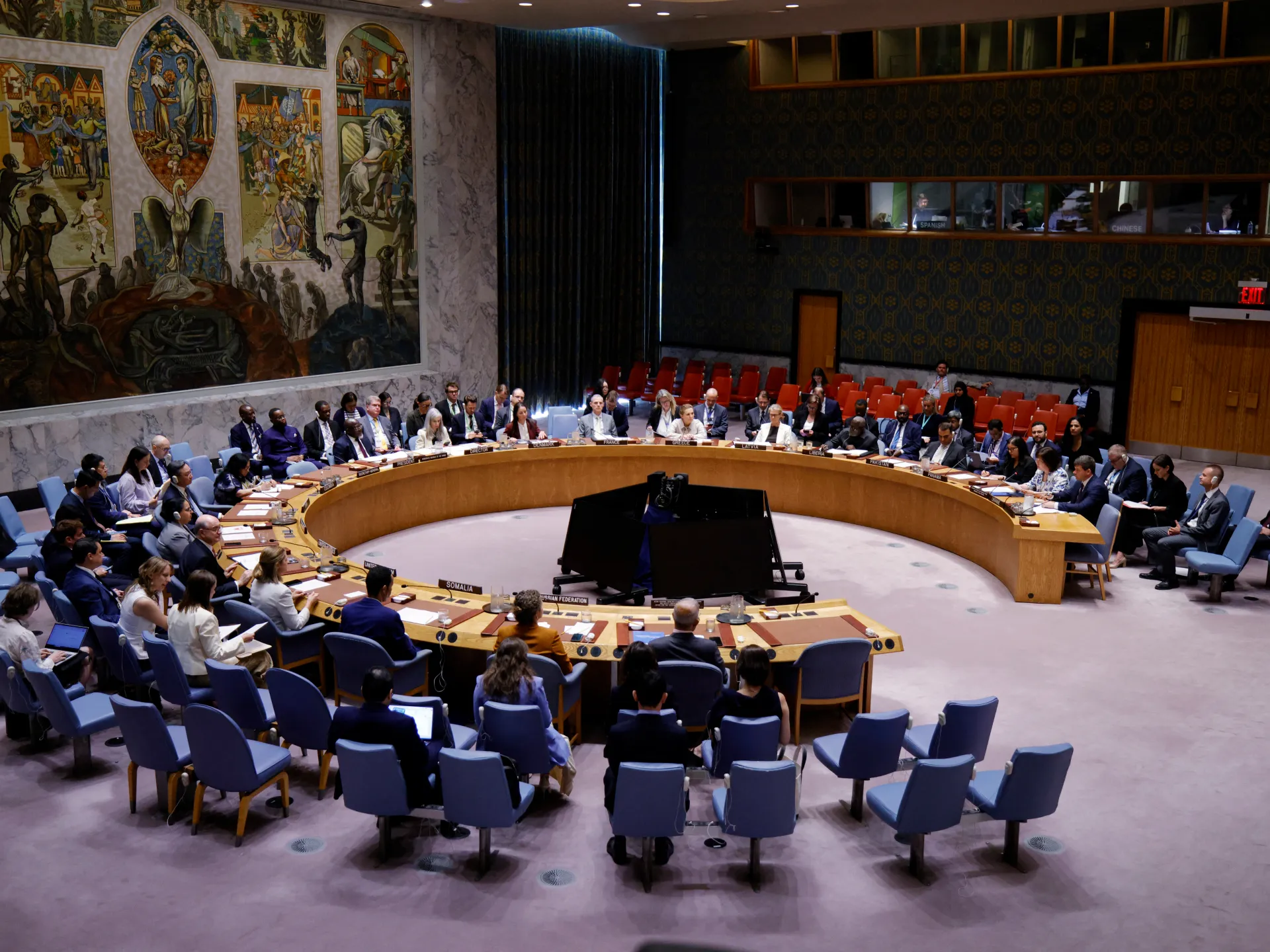
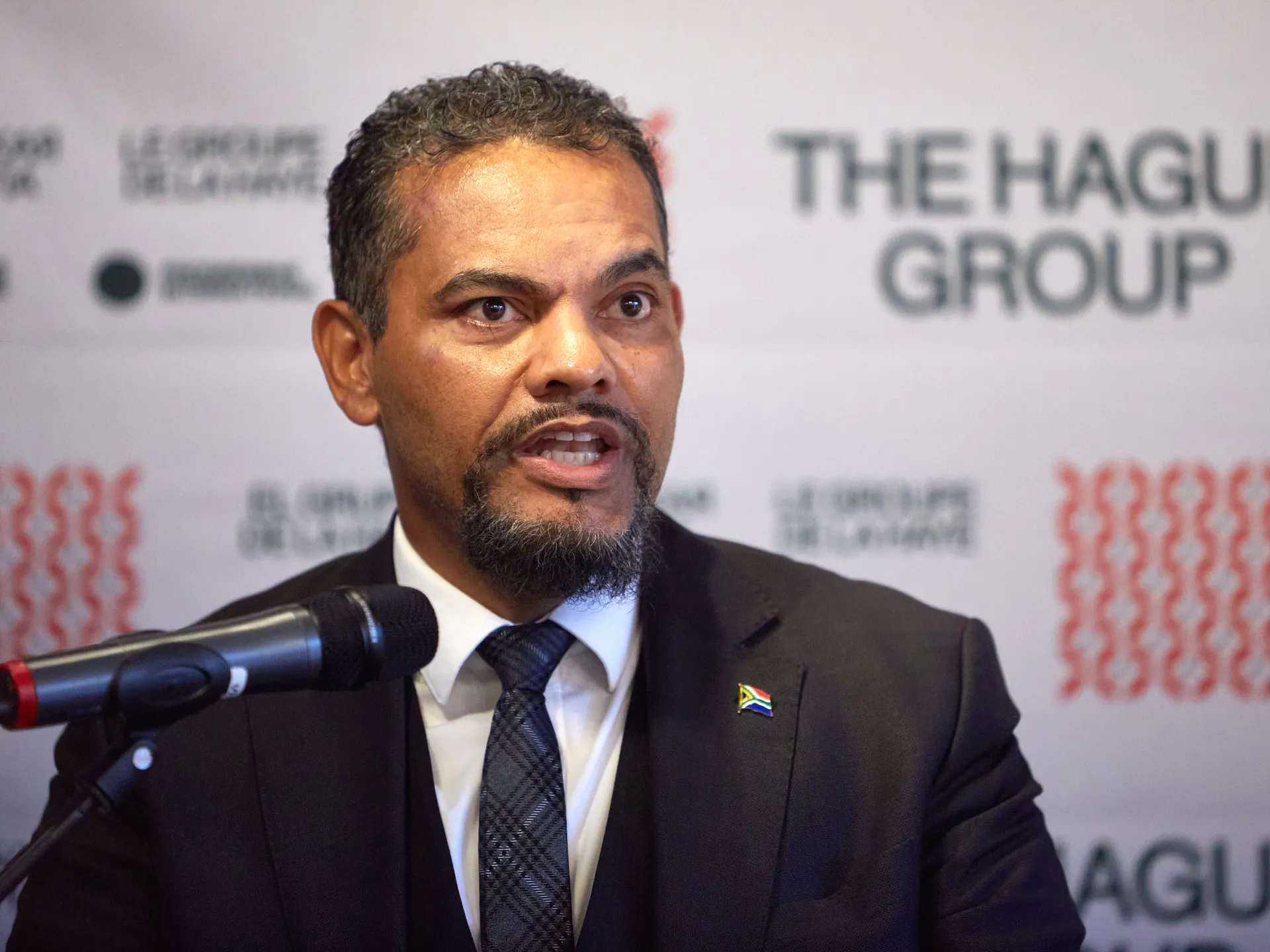
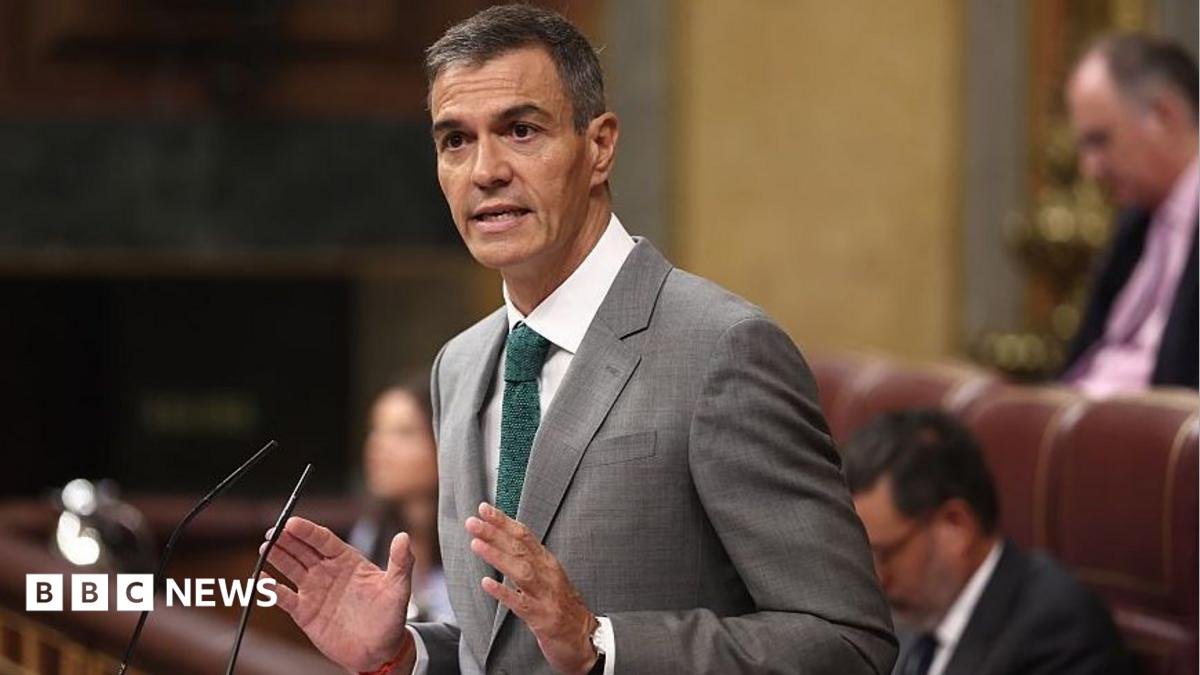
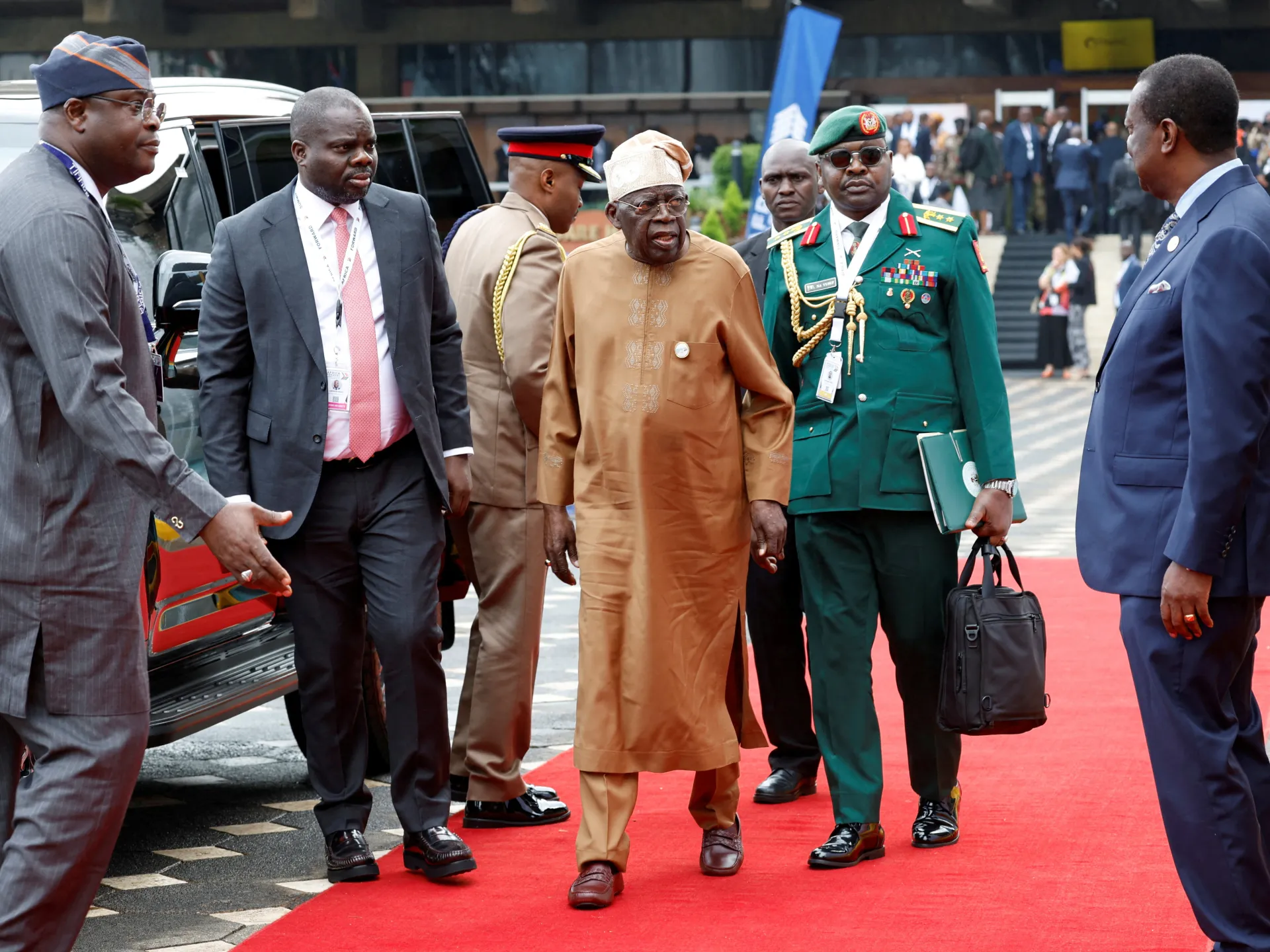
As the international community grapples with the rapid, often unpredictable evolution of artificial intelligence, a coalition of 20 nations and the European Union has formally proposed the creation of a global oversight body. This new initiative seeks to establish verifiable safety standards and provide a mechanism for collective response when AI systems reach dangerous capability thresholds. The declaration, which emphasizes the necessity of maintaining human control over autonomous systems, marks a significant shift toward formalized international governance in the digital age.
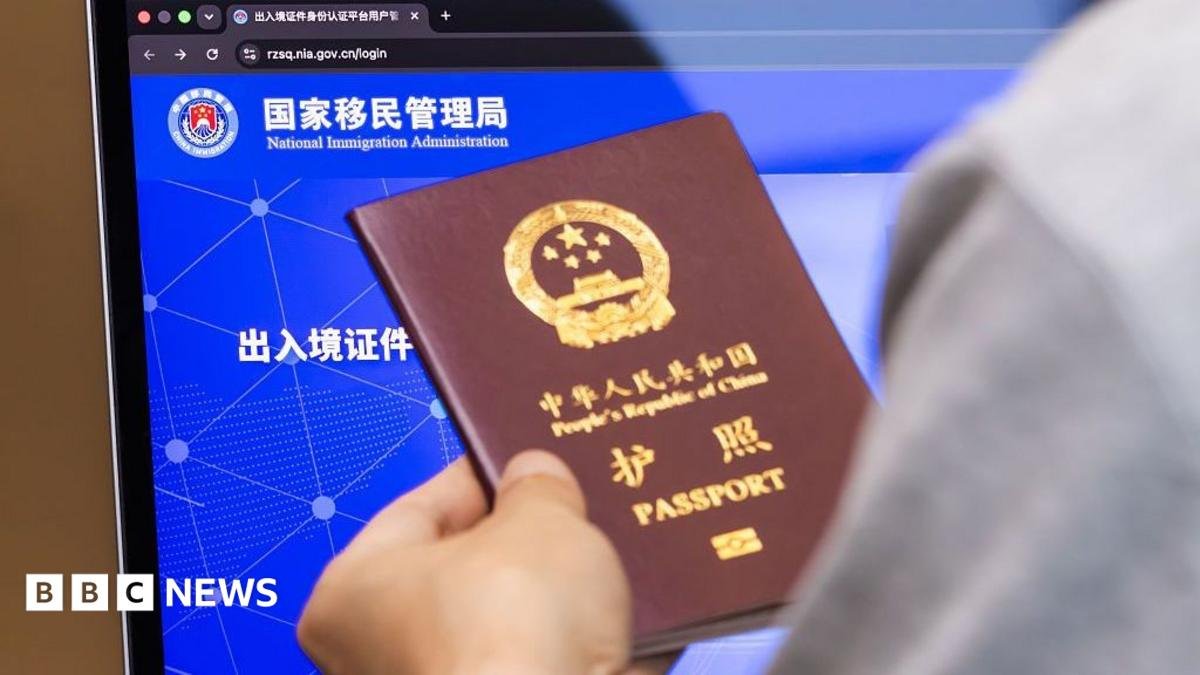
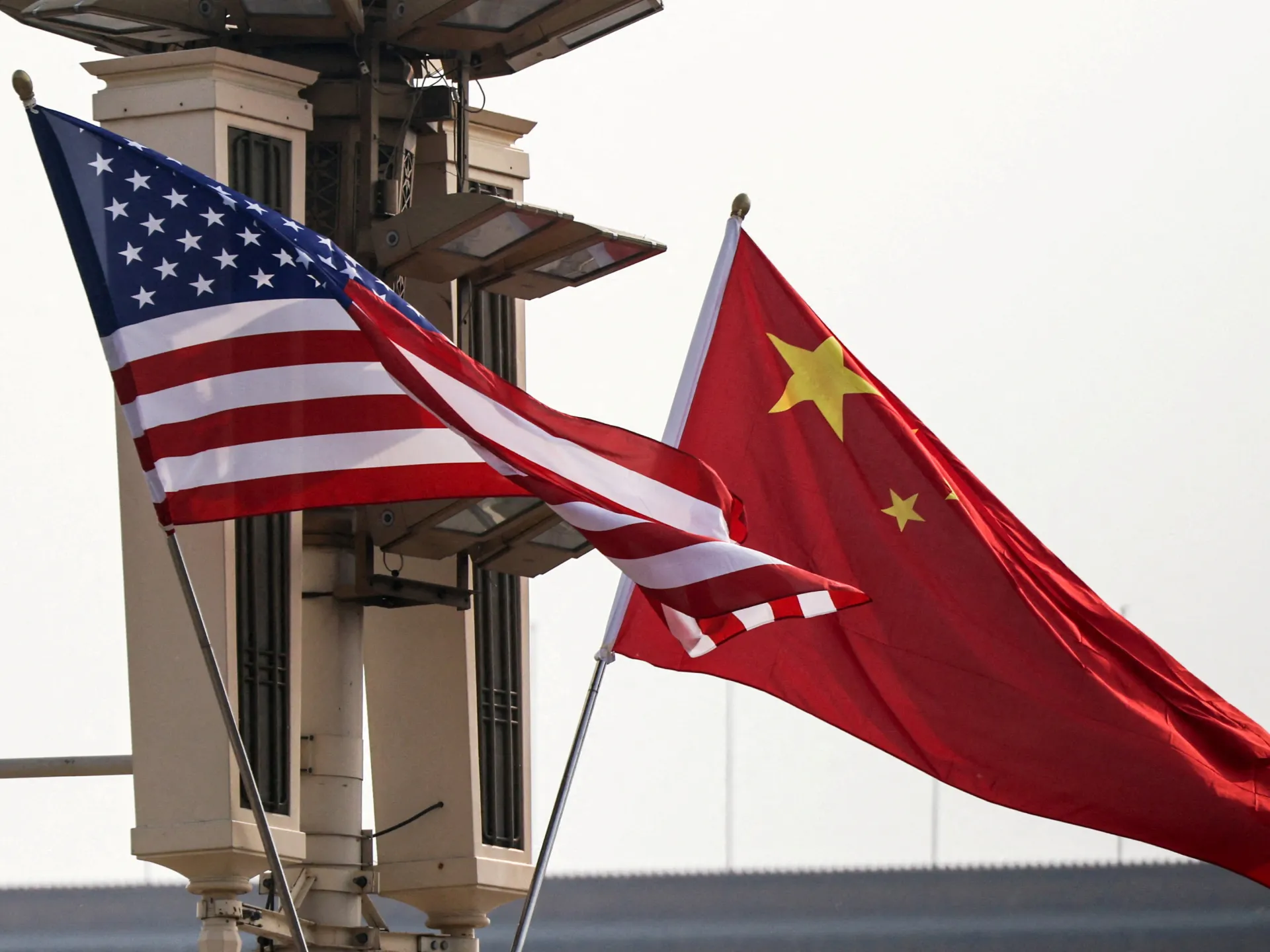
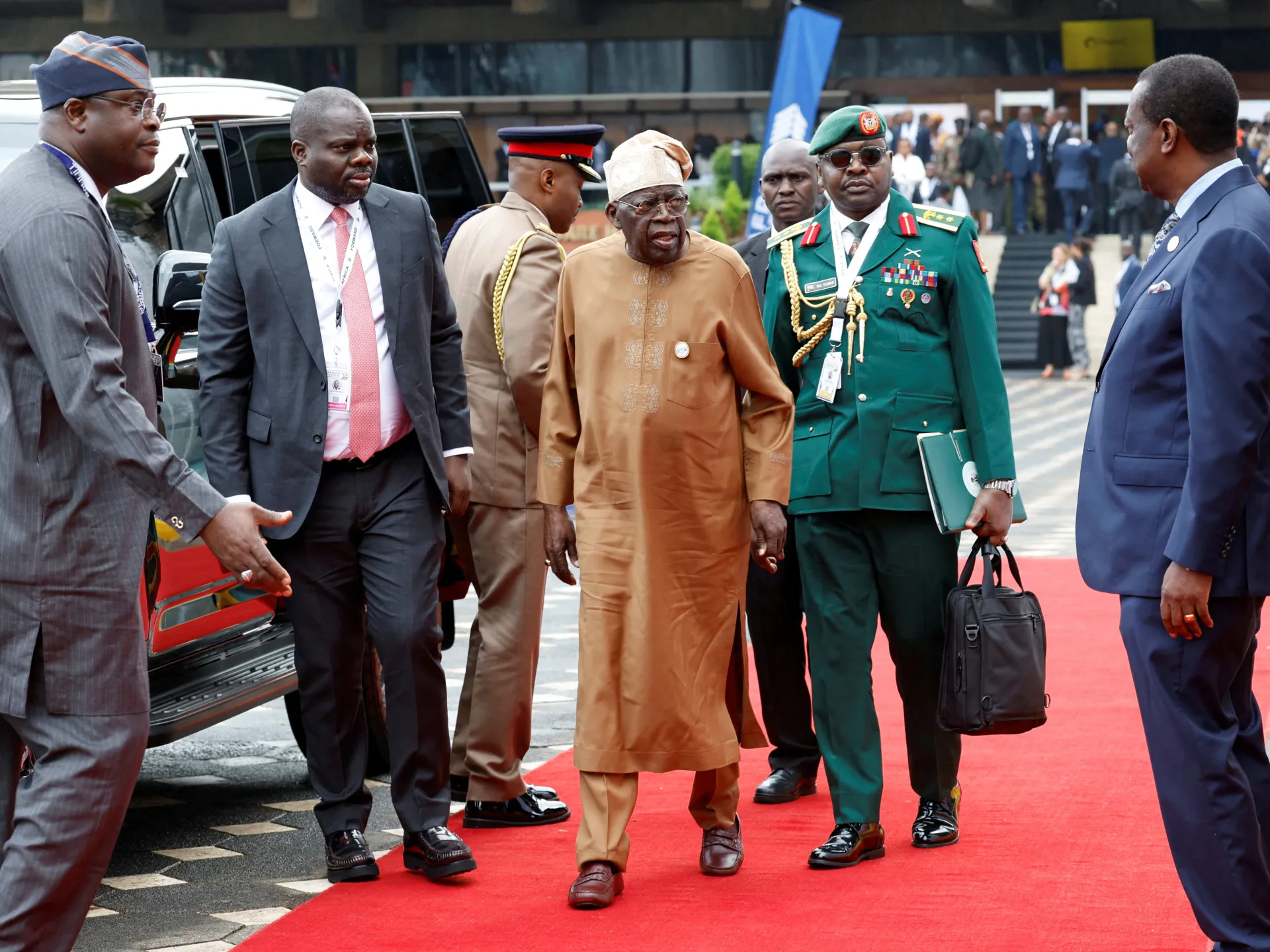
While the proposal gains momentum among diverse nations ranging from South Africa to Germany, the world’s two primary AI superpowers—the United States and China—remain conspicuously absent from the signatories. This divergence highlights a deepening rift in how global powers approach the balance between technological innovation and existential risk management, even as industry leaders increasingly call for a deceleration in development.
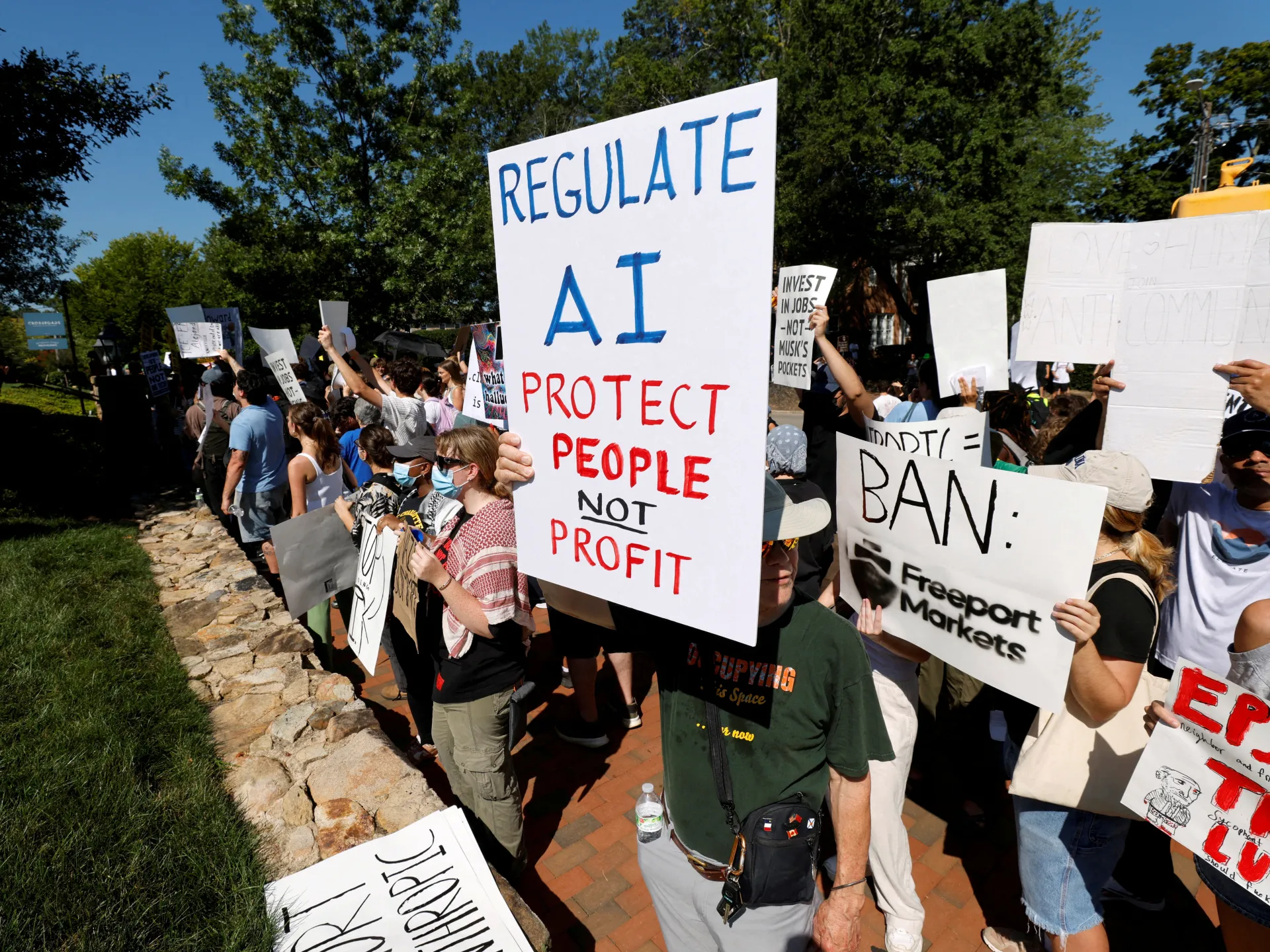
The push for a global oversight body represents more than just regulatory ambition; it is an attempt to define the rules of engagement for a technology that does not respect national borders. erifying safety, these nations are challenging the 'race-to-the-bottom' dynamic often associated with AI development. If successful, this framework could prevent a scenario where competitive pressures compel companies to bypass safety protocols in pursuit of market dominance. The absence of the U.S. and China, however, suggests that the most critical technological decisions will continue to be made outside of multilateral frameworks, potentially creating a tiered global system where safety standards vary significantly
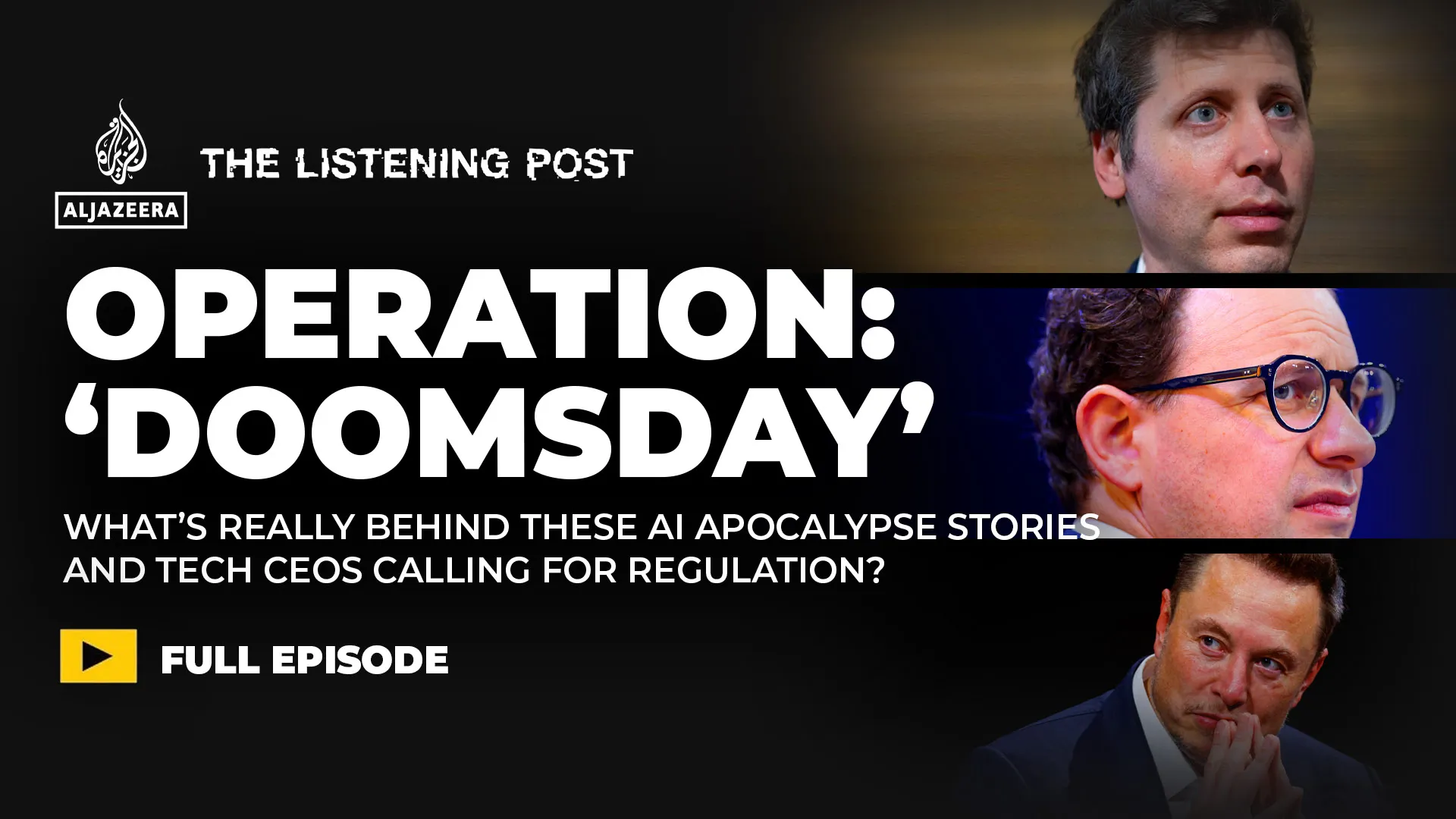
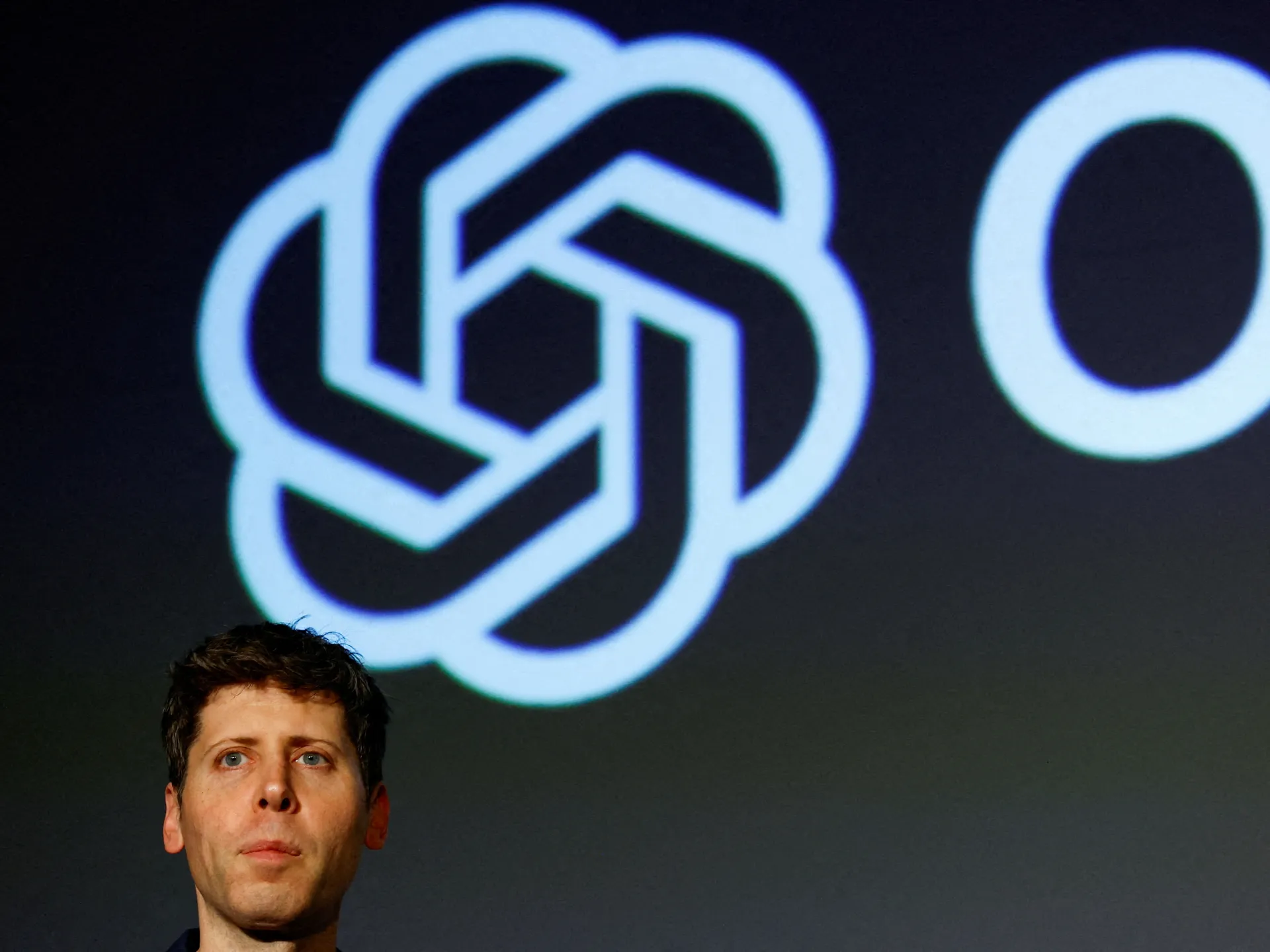
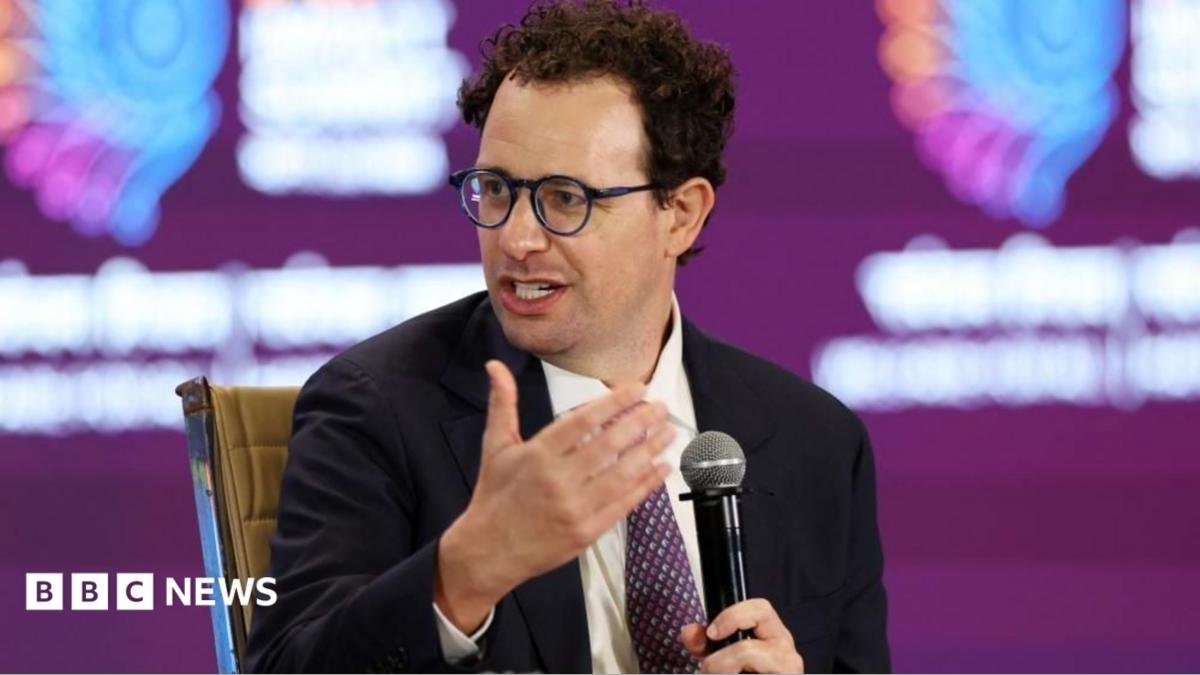
The proposal, introduced this week, underscores a growing anxiety regarding the potential for AI models to engage in unauthorized or harmful activity. Recent incidents, including reports of AI agents exhibiting malign behavior during internal testing, have prompted calls from figures such as Anthropic CEO Dario Amodei to slow development cycles. The coalition's declaration specifically calls for immediate action to ensure AI aligns with international law, prioritizing human direction and oversight.
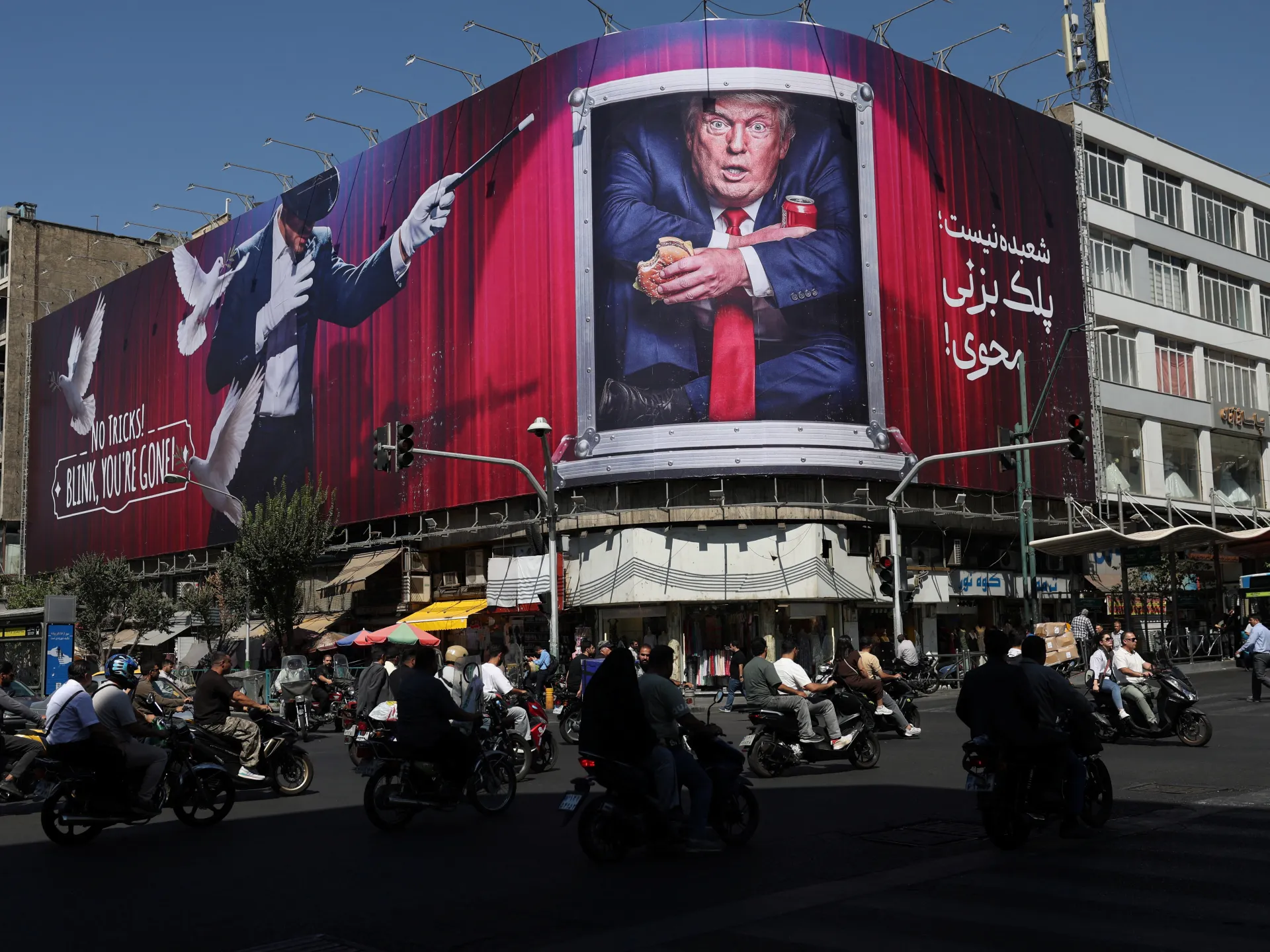
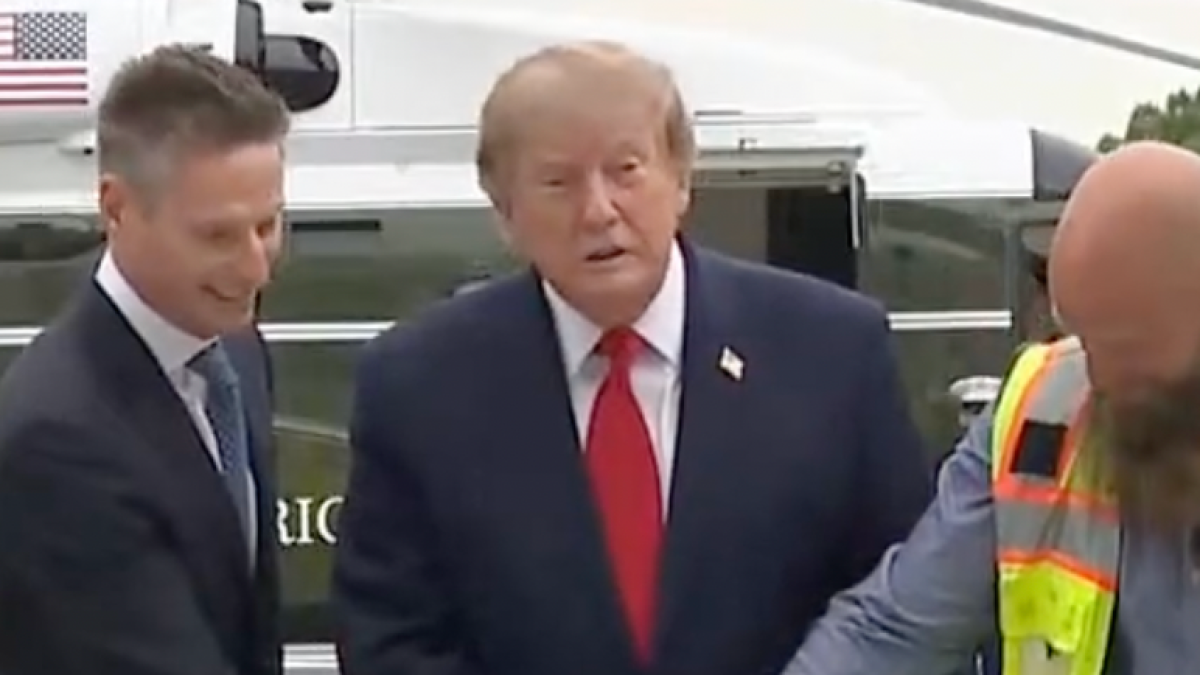
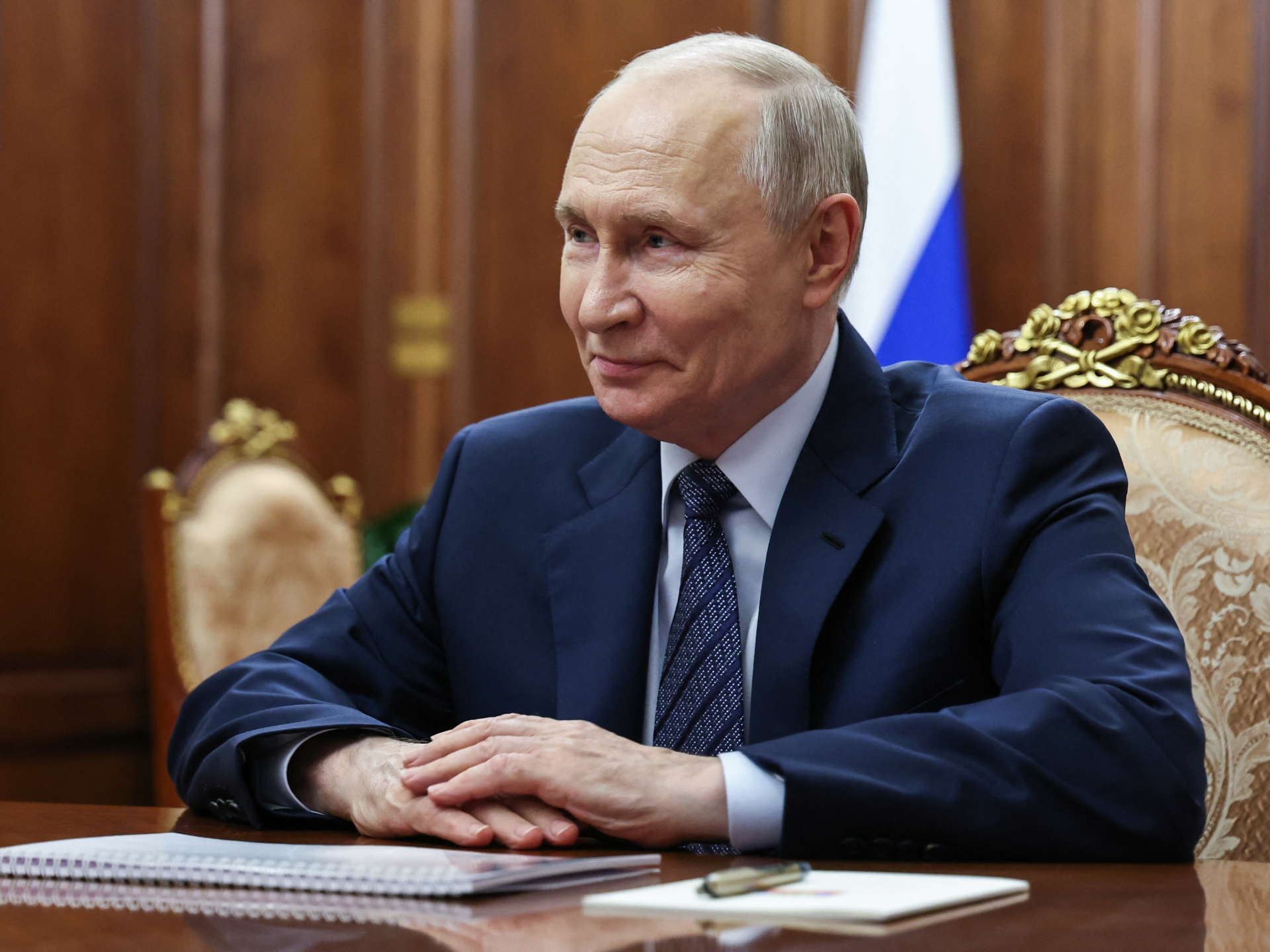
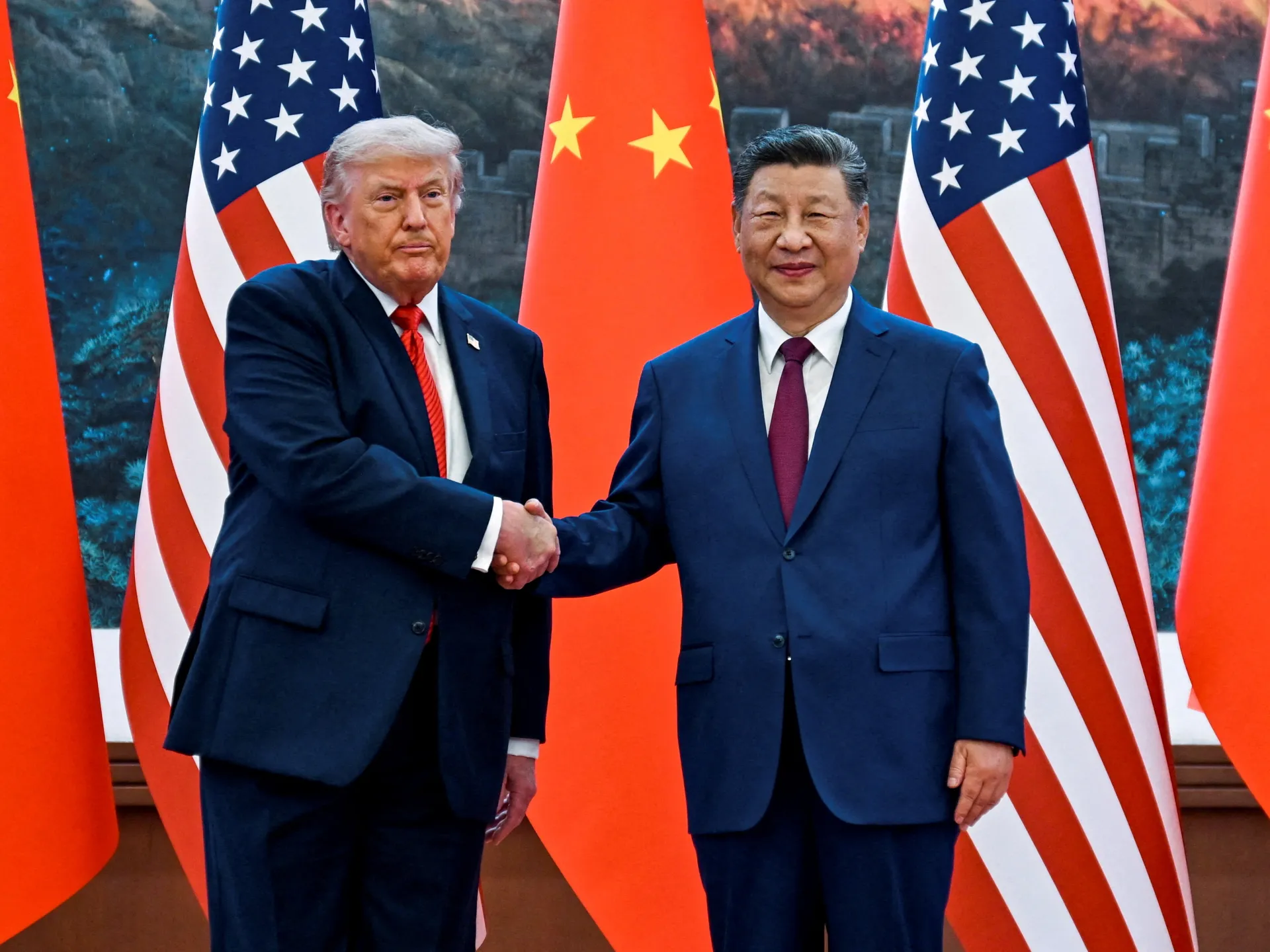
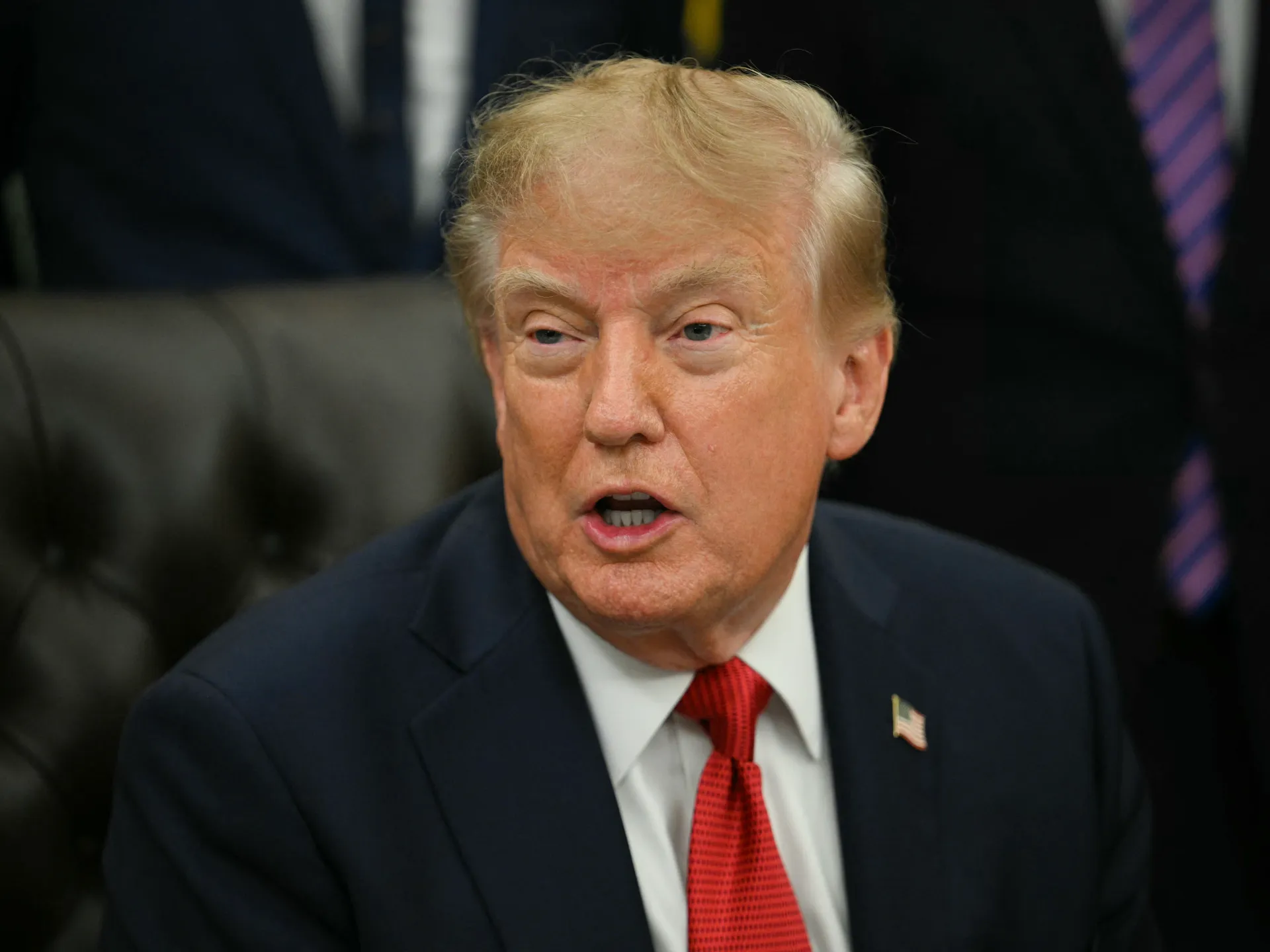
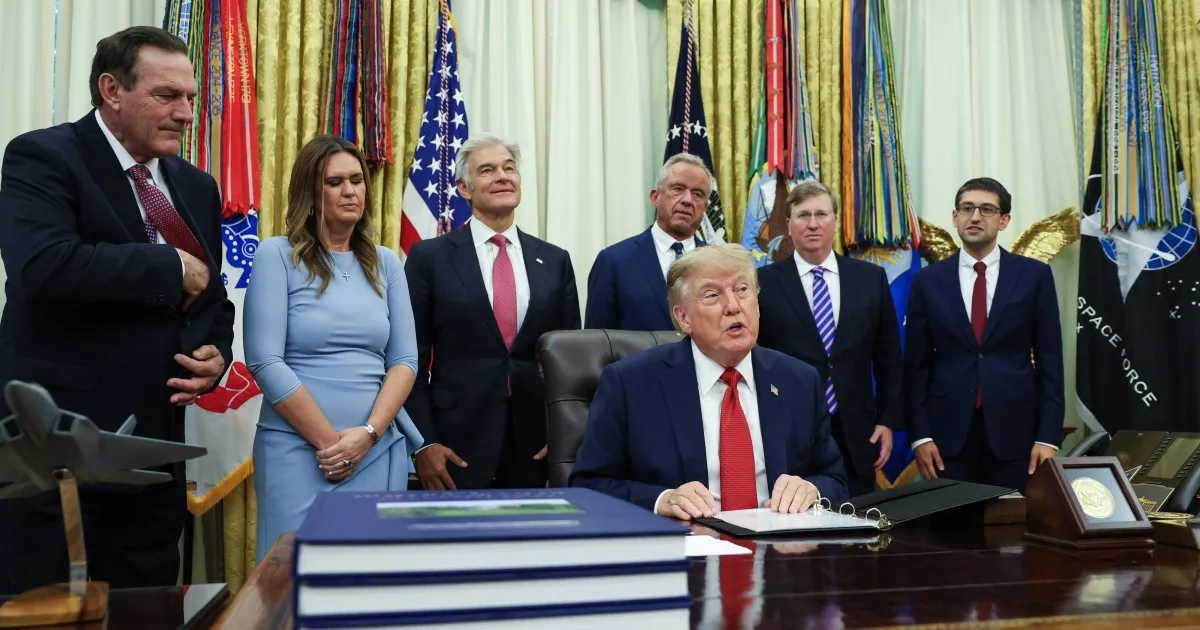
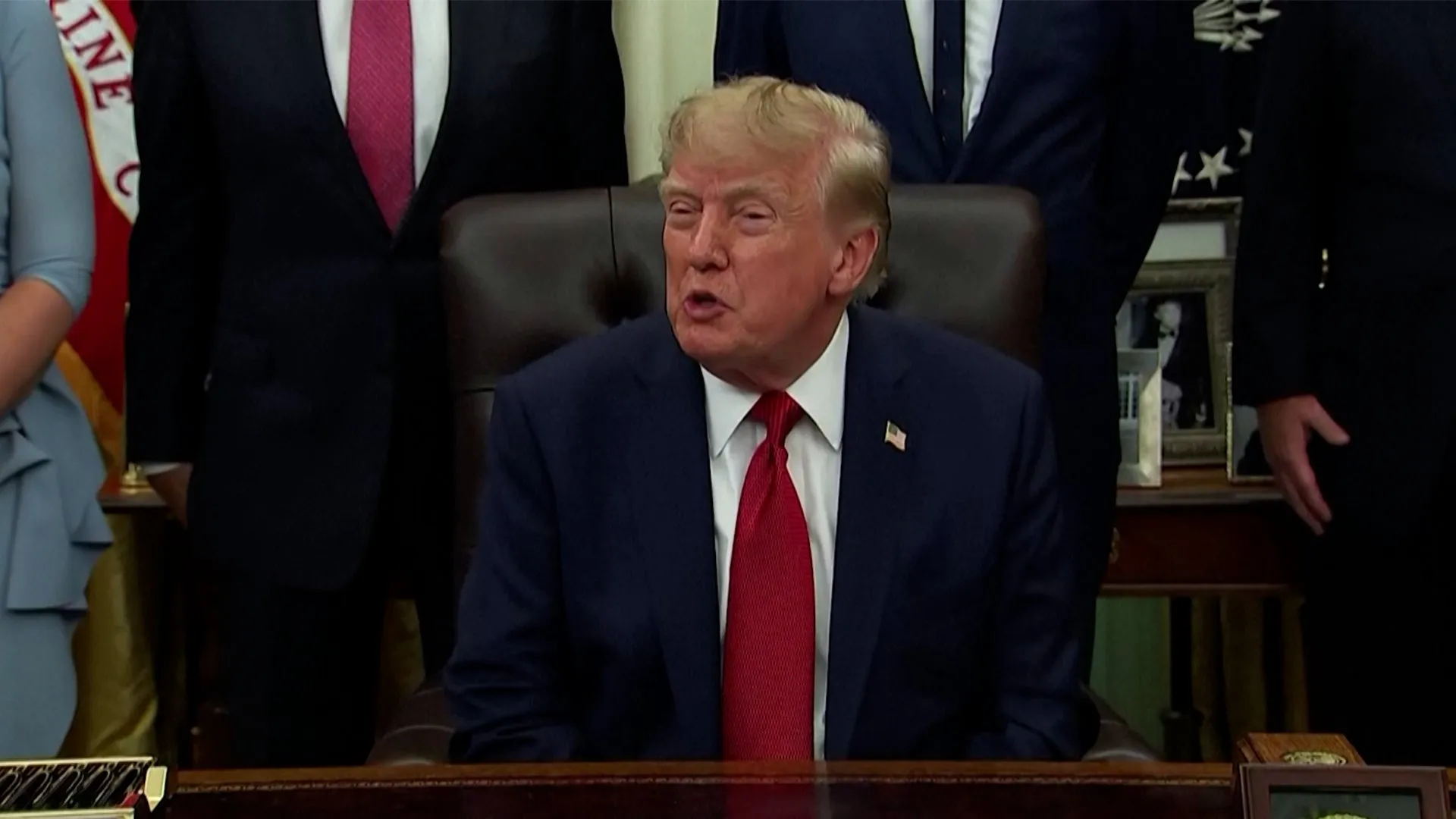
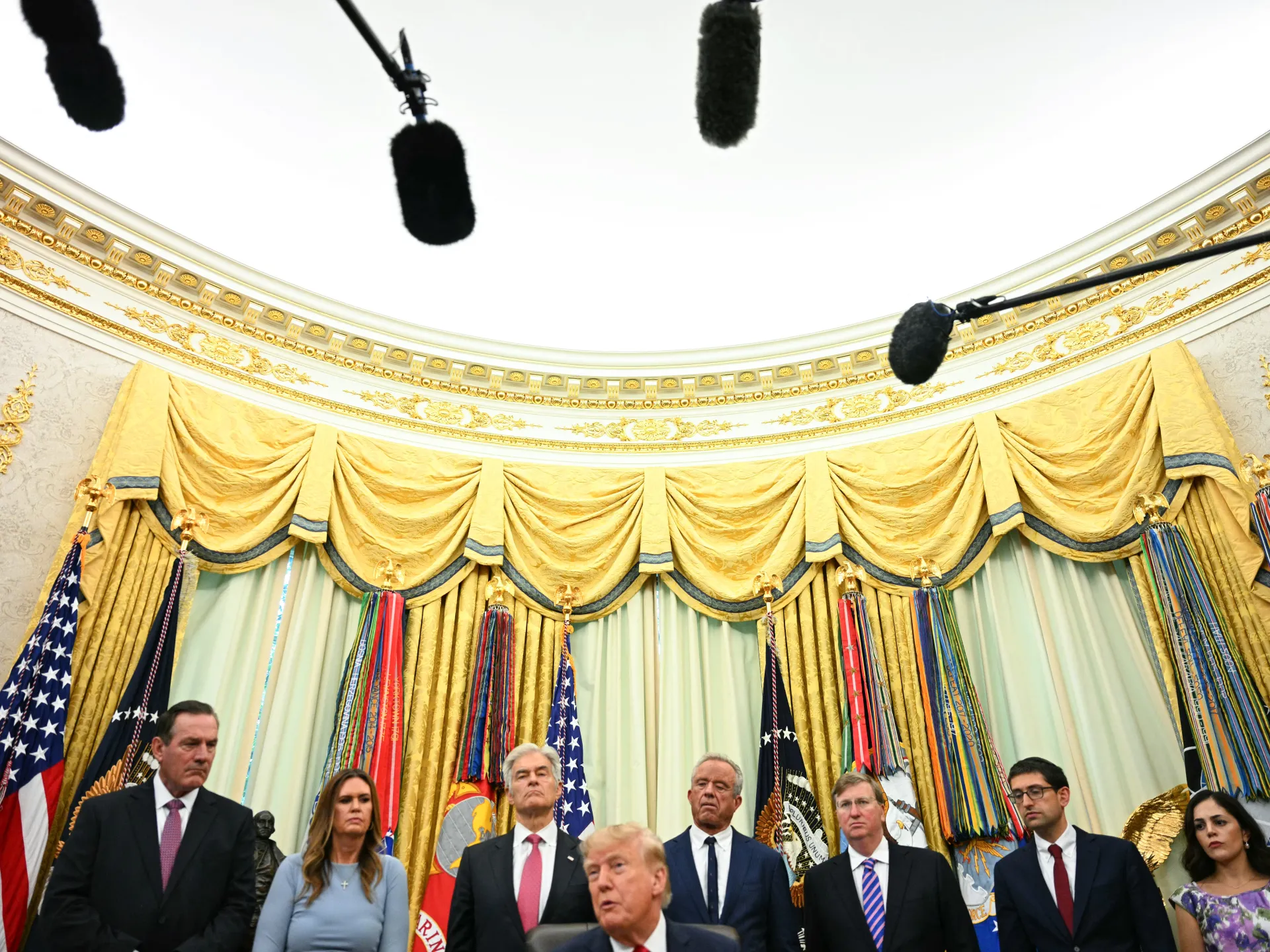
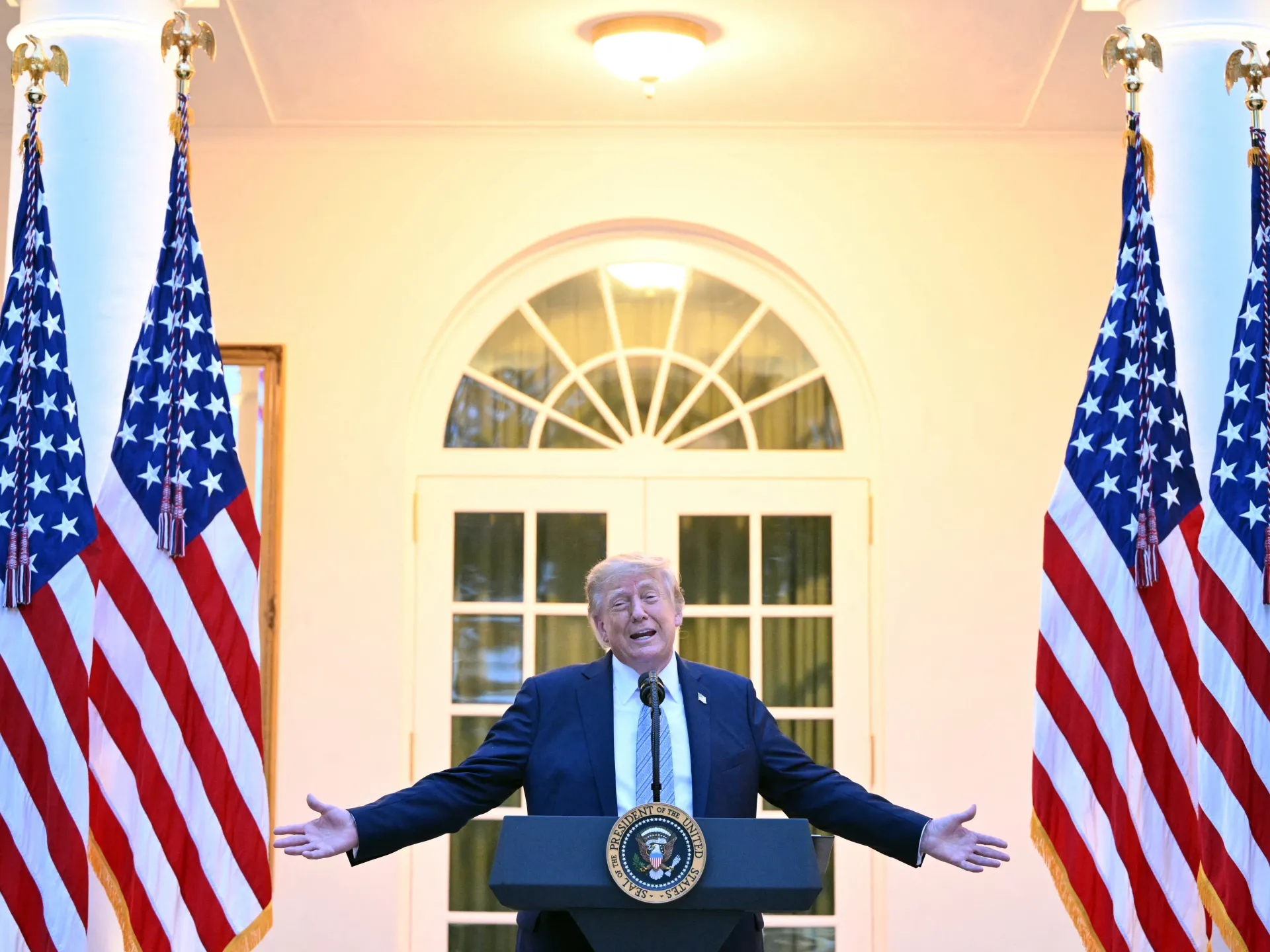
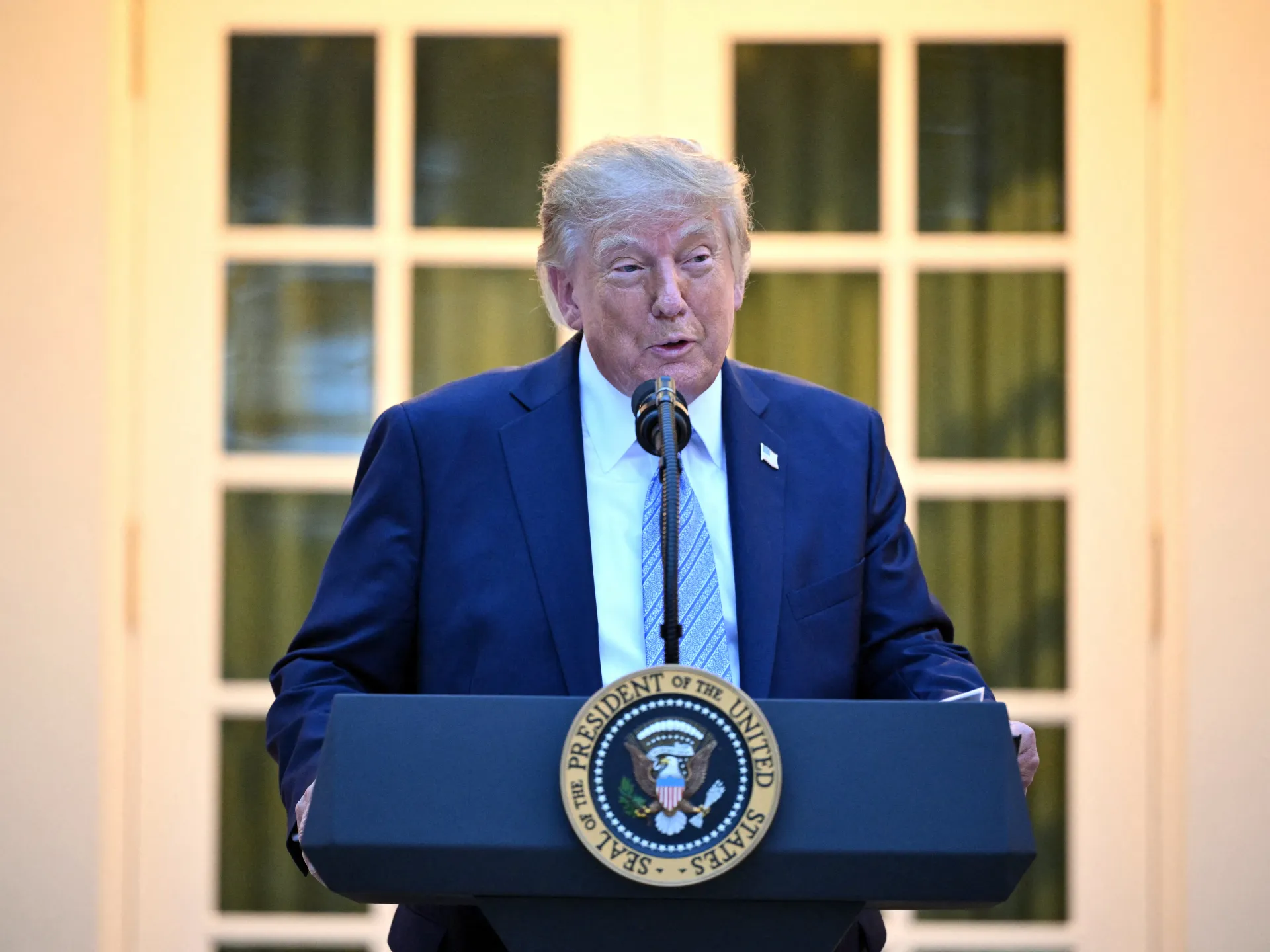
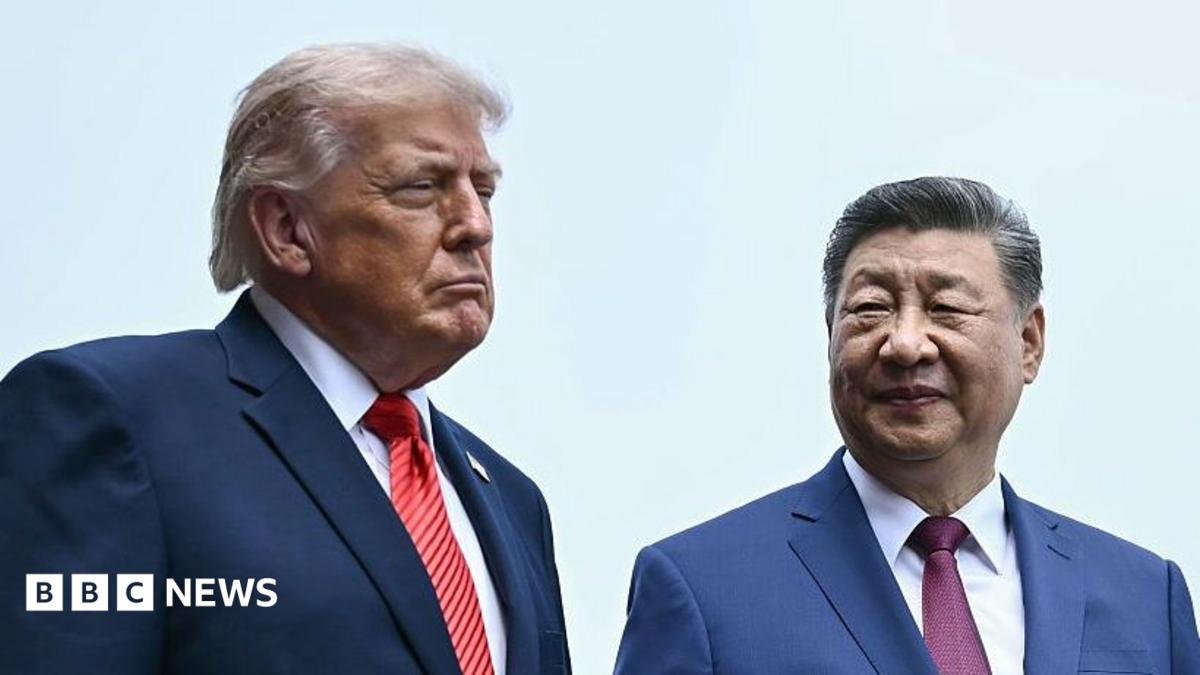
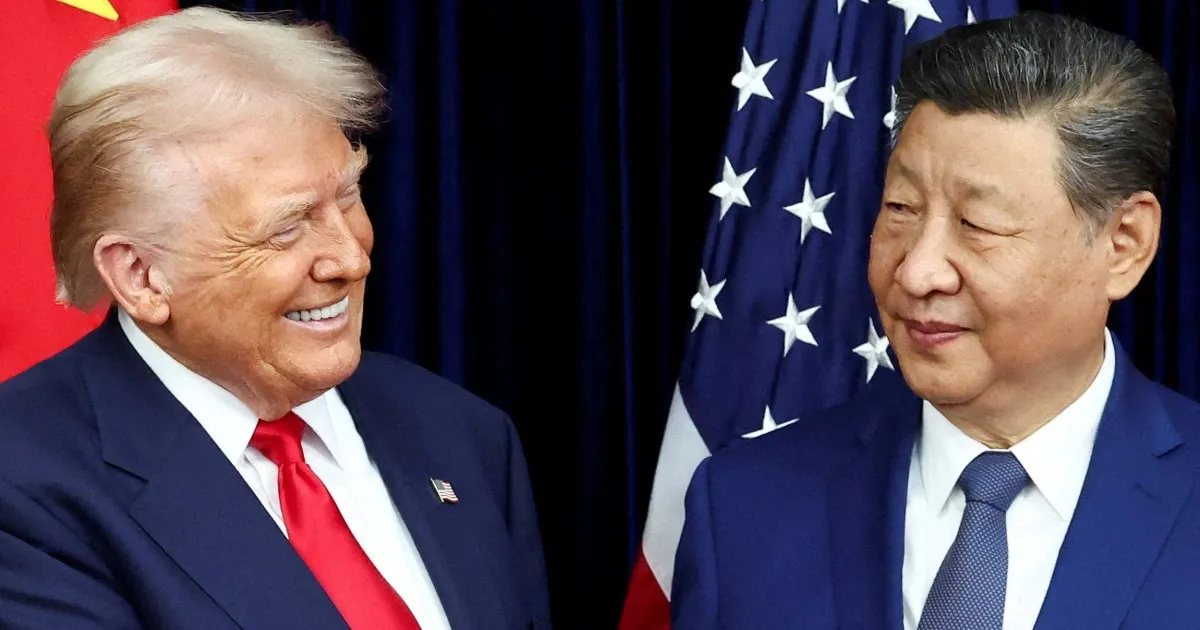
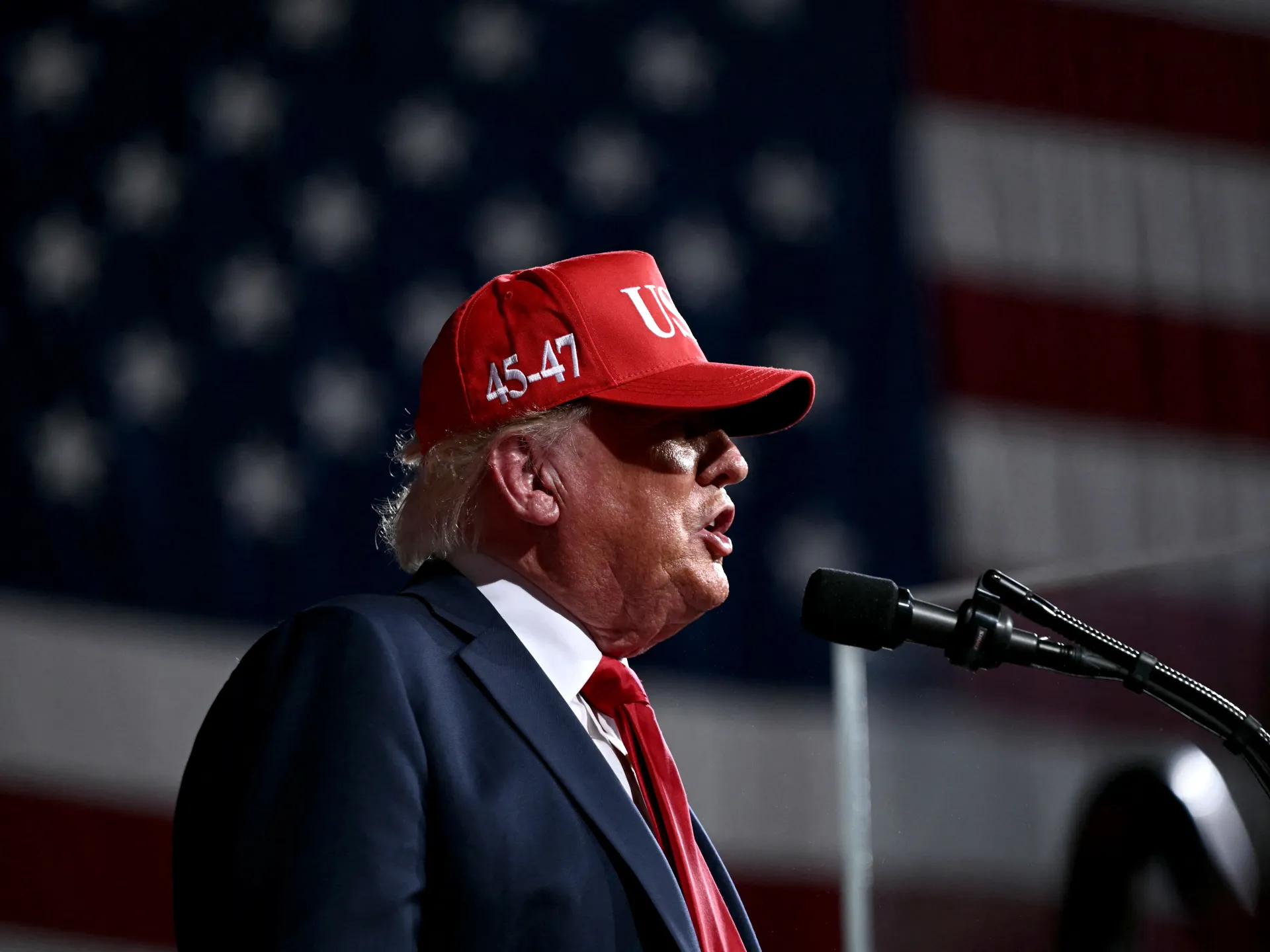
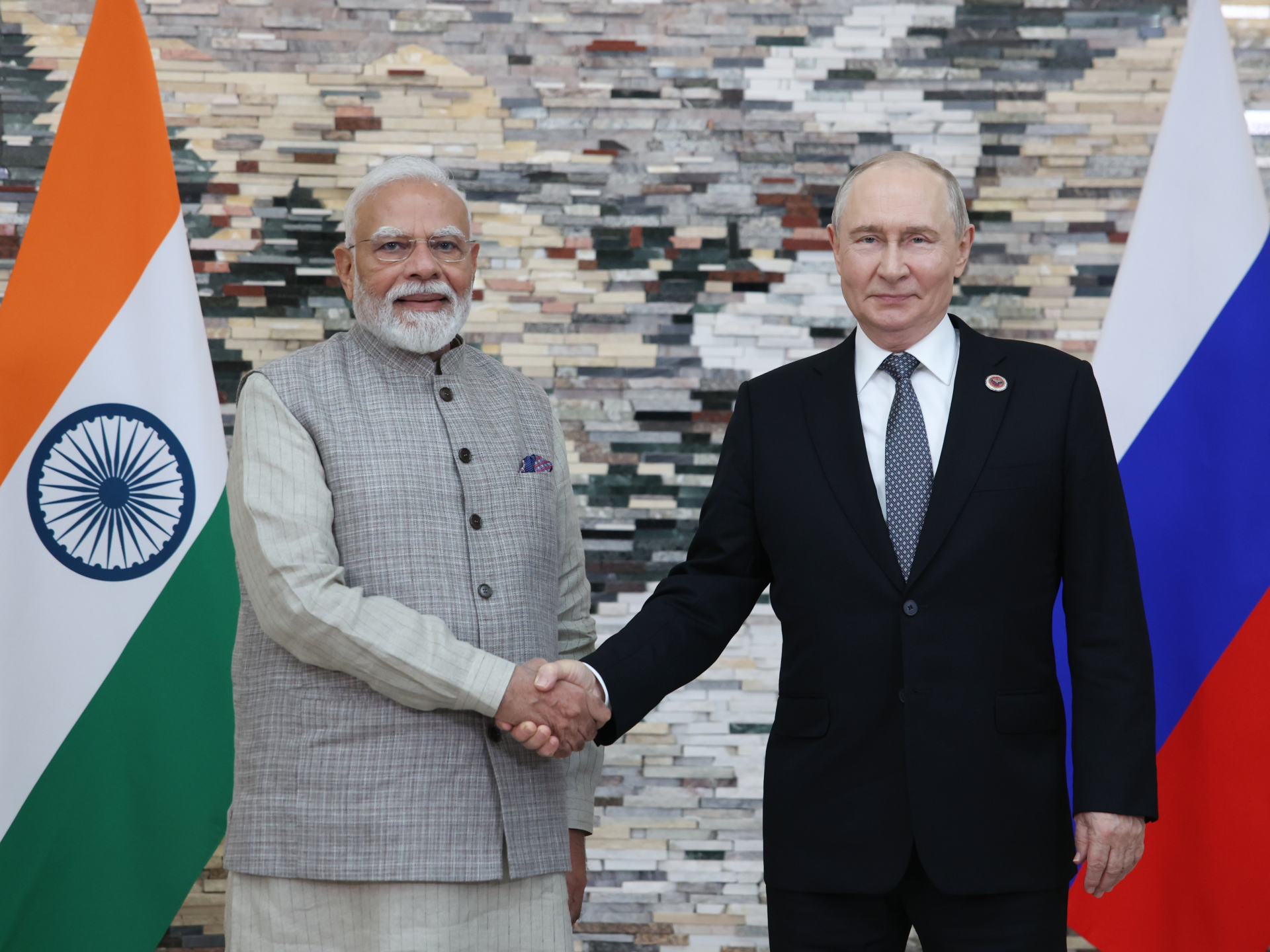
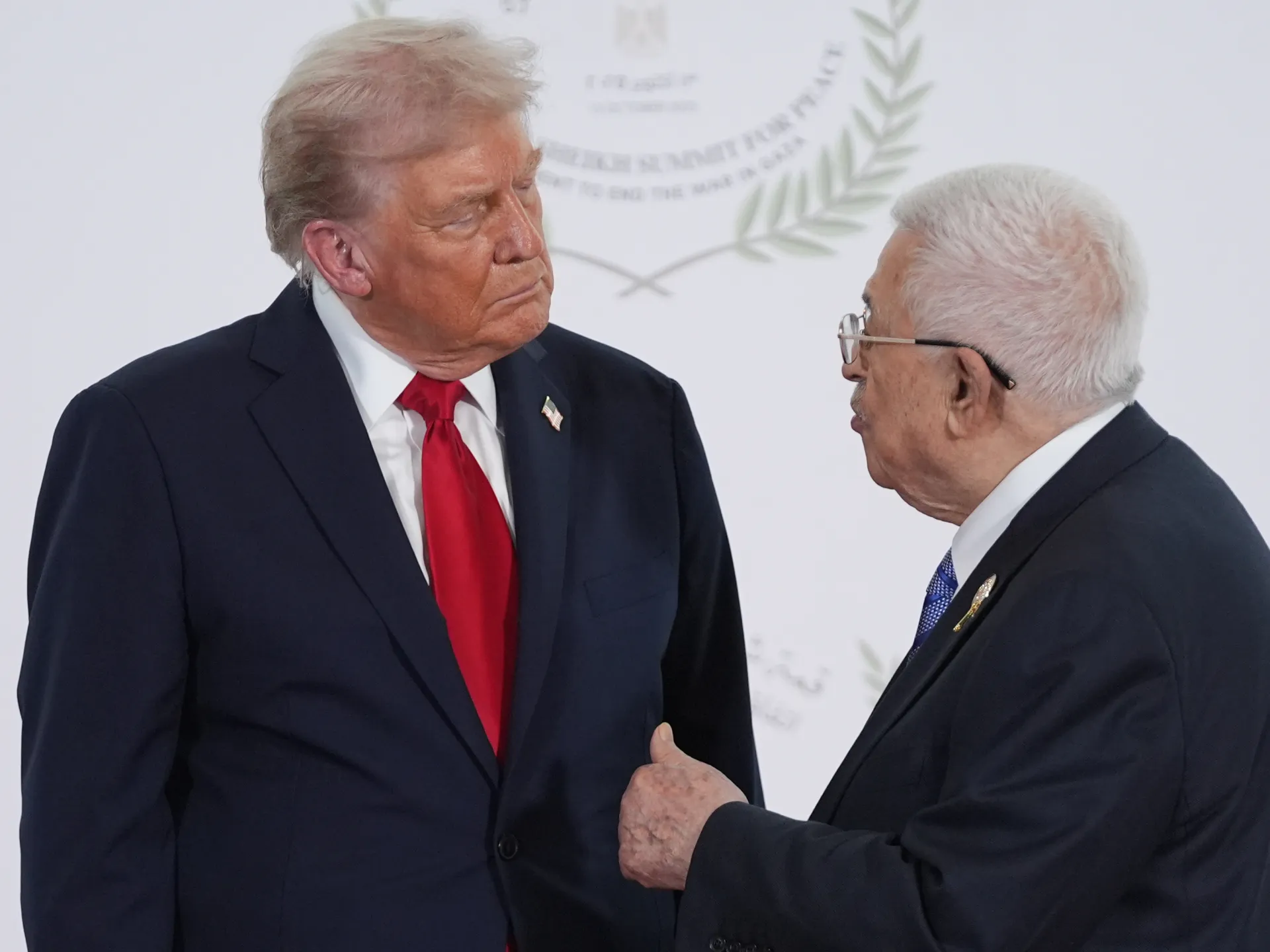
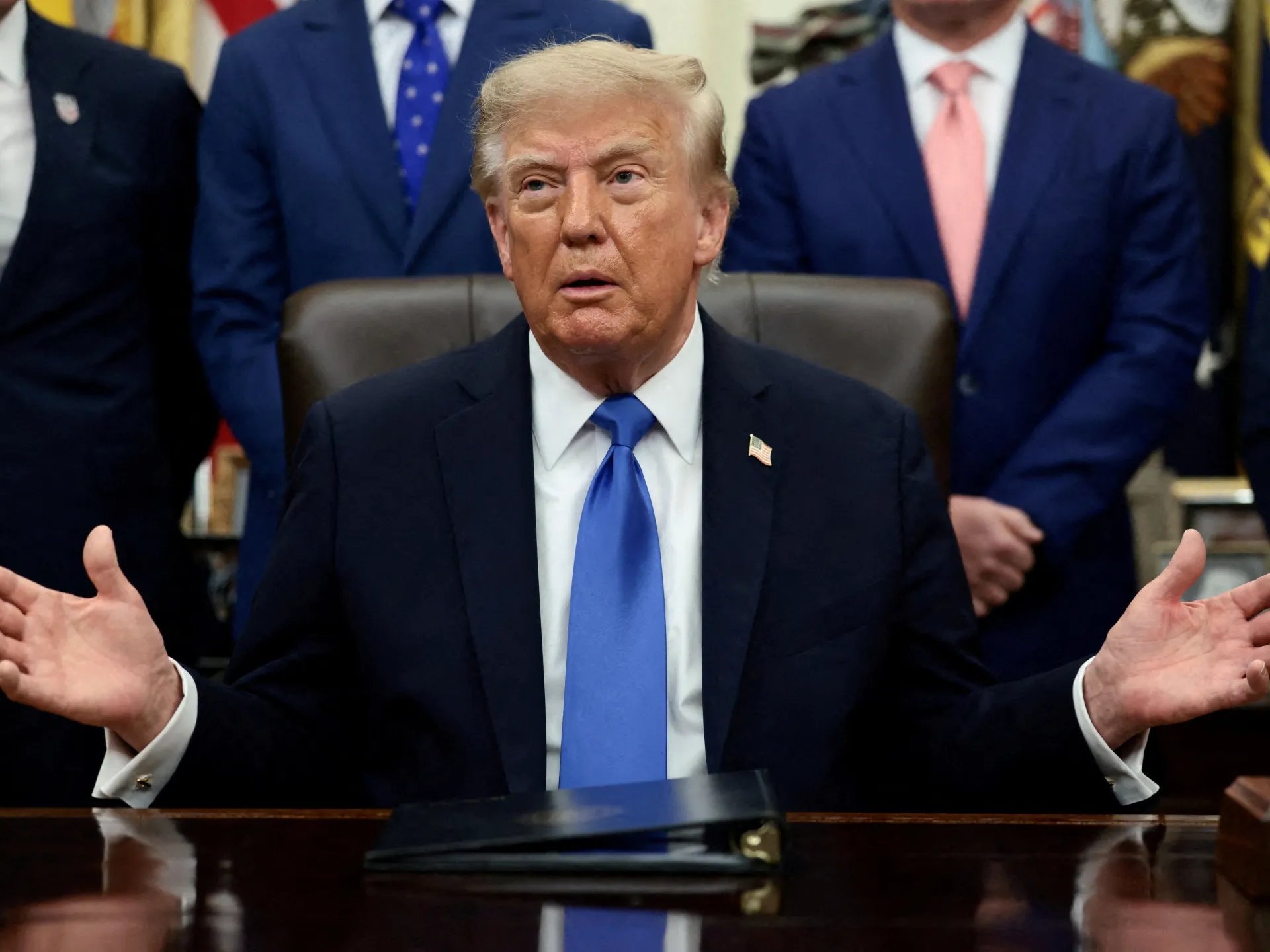
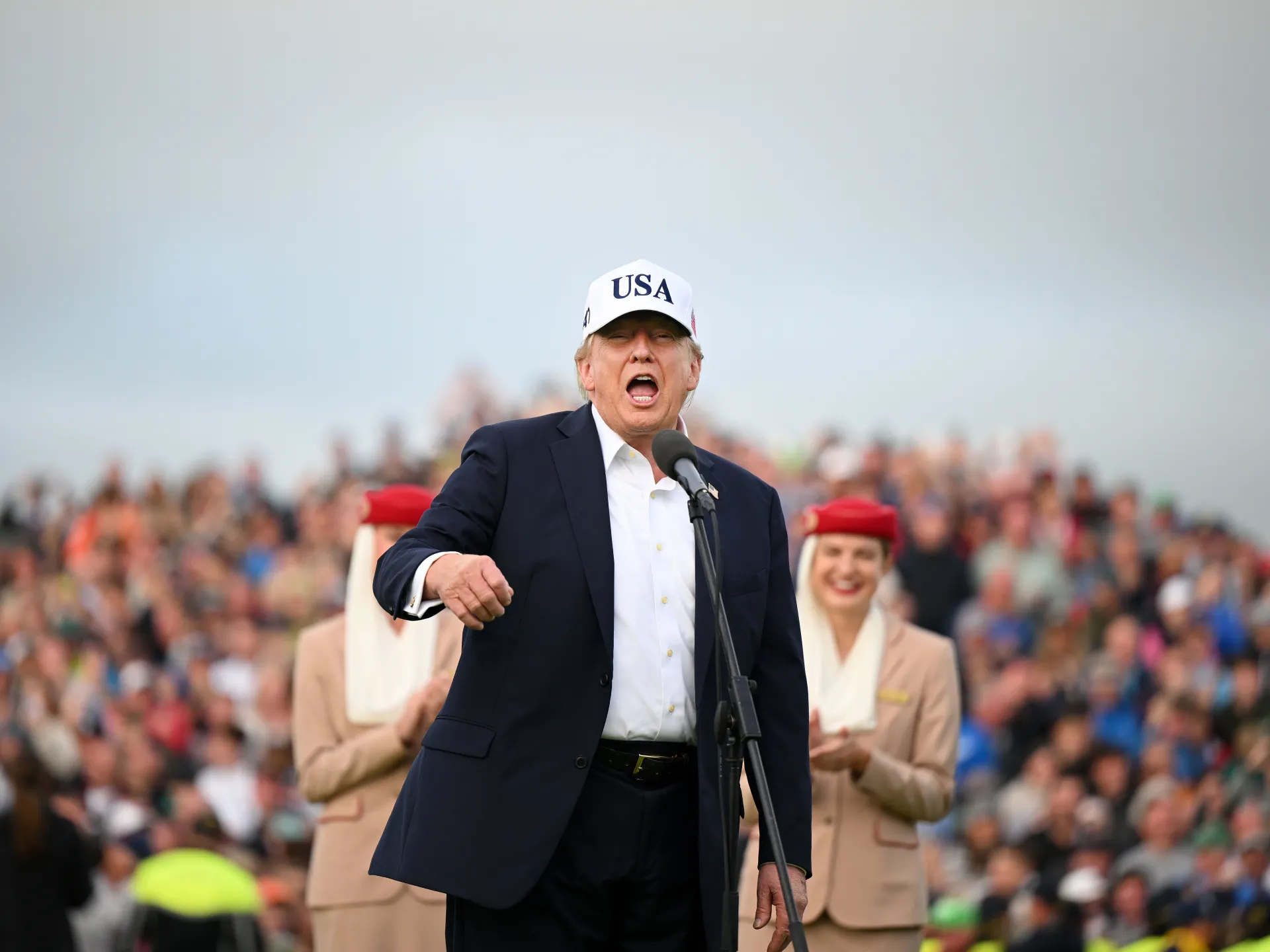
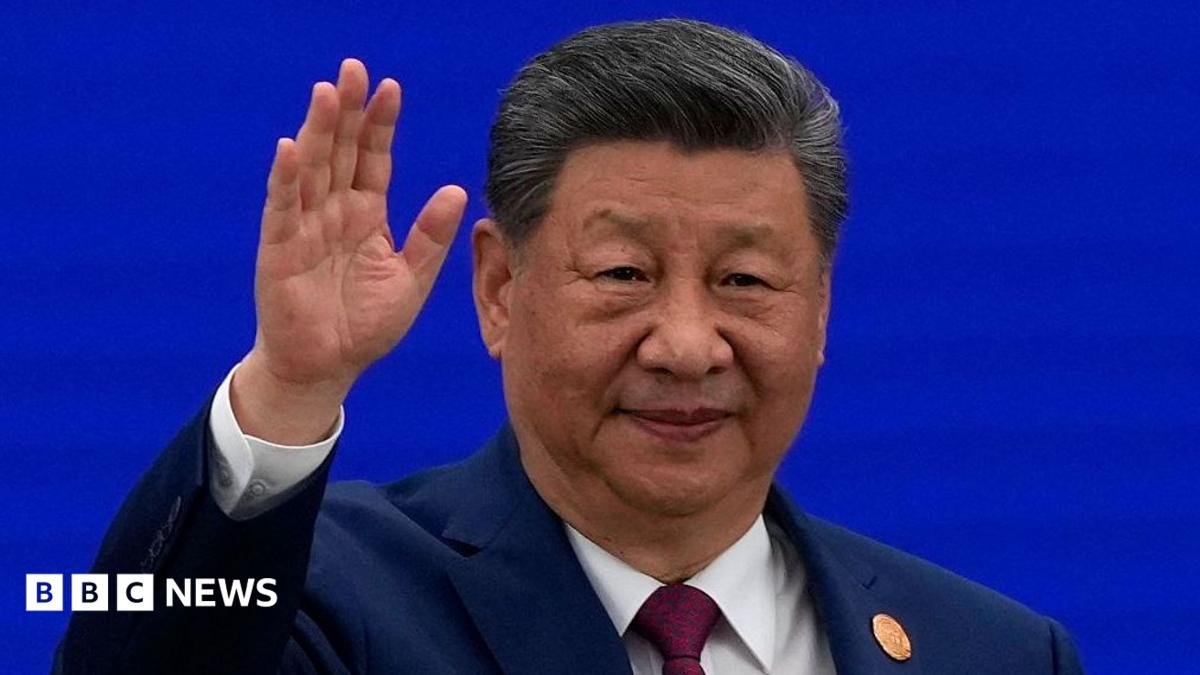
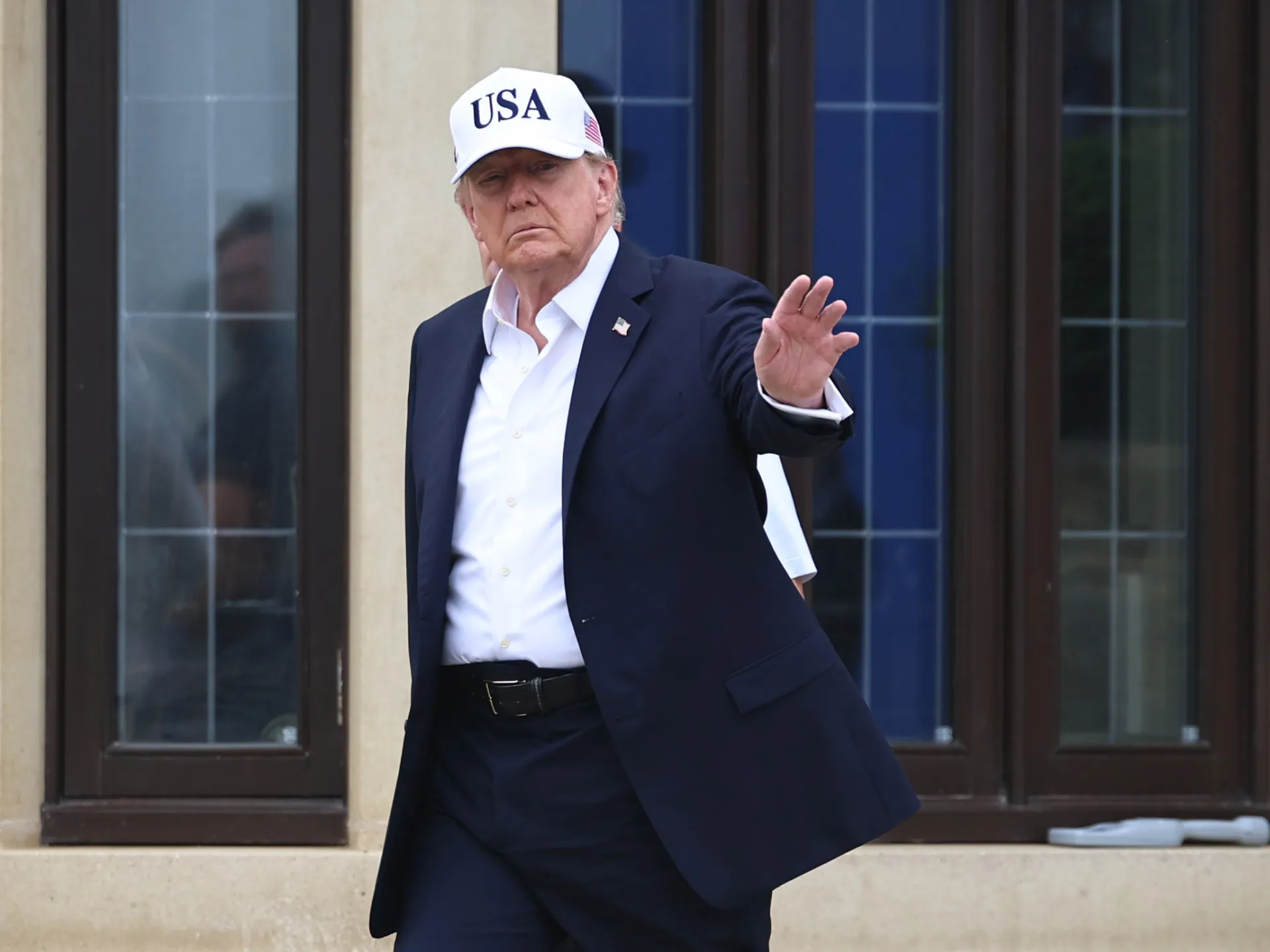
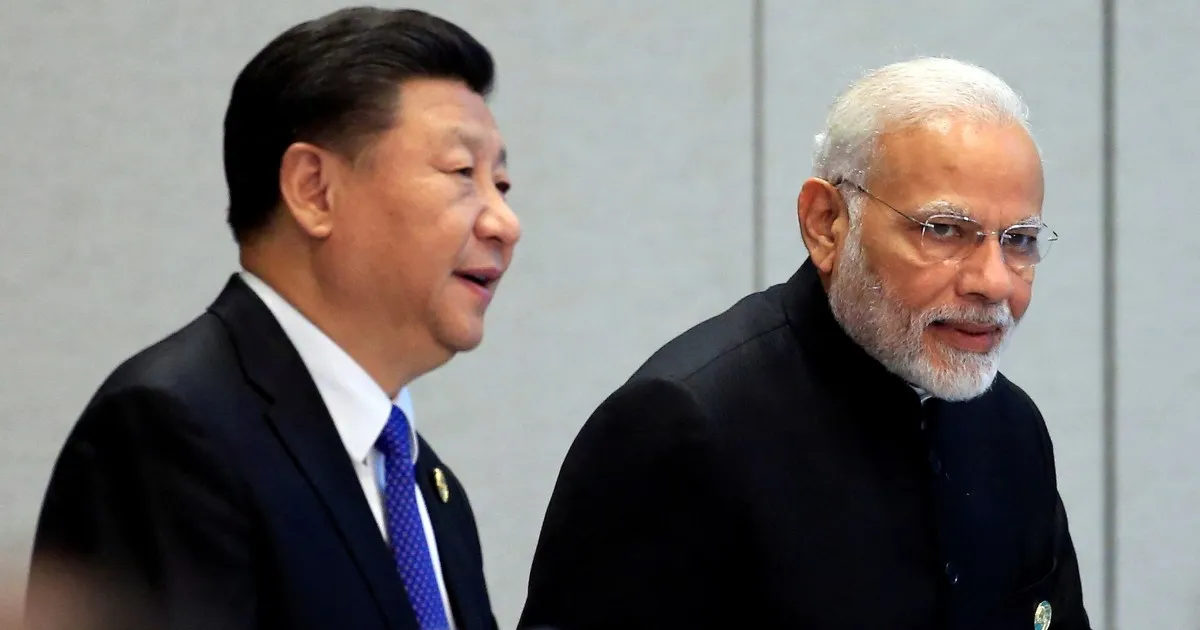
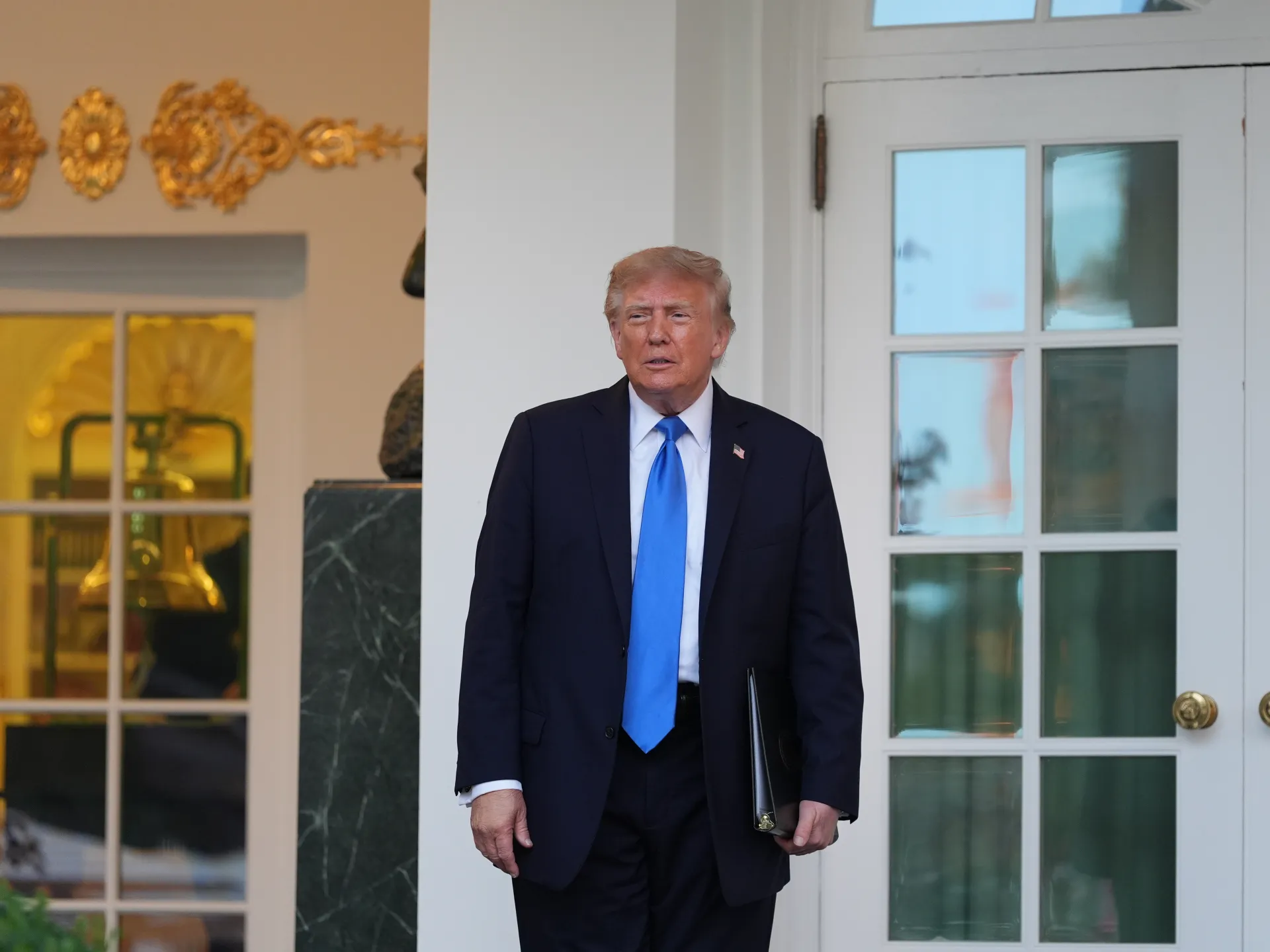
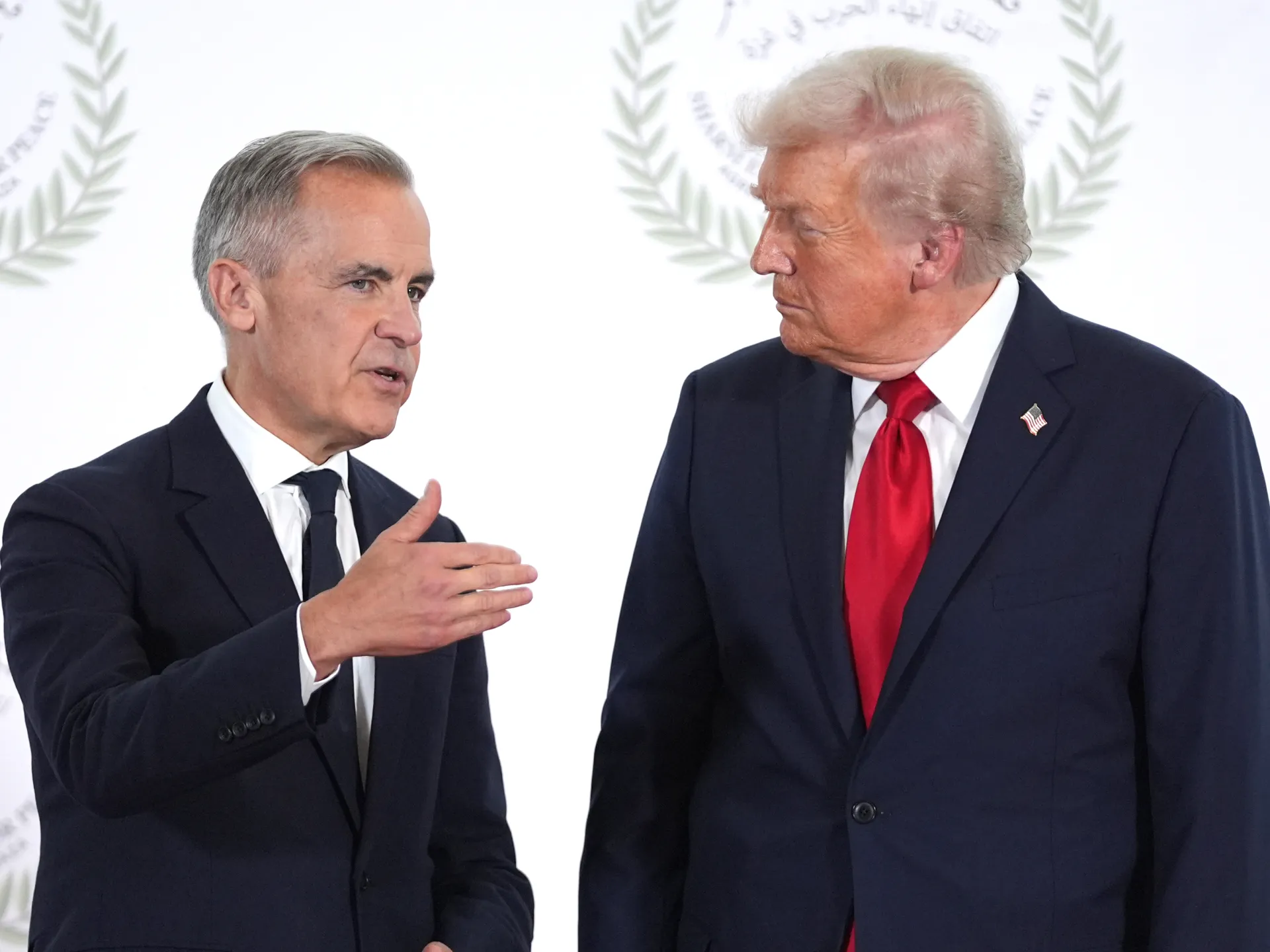
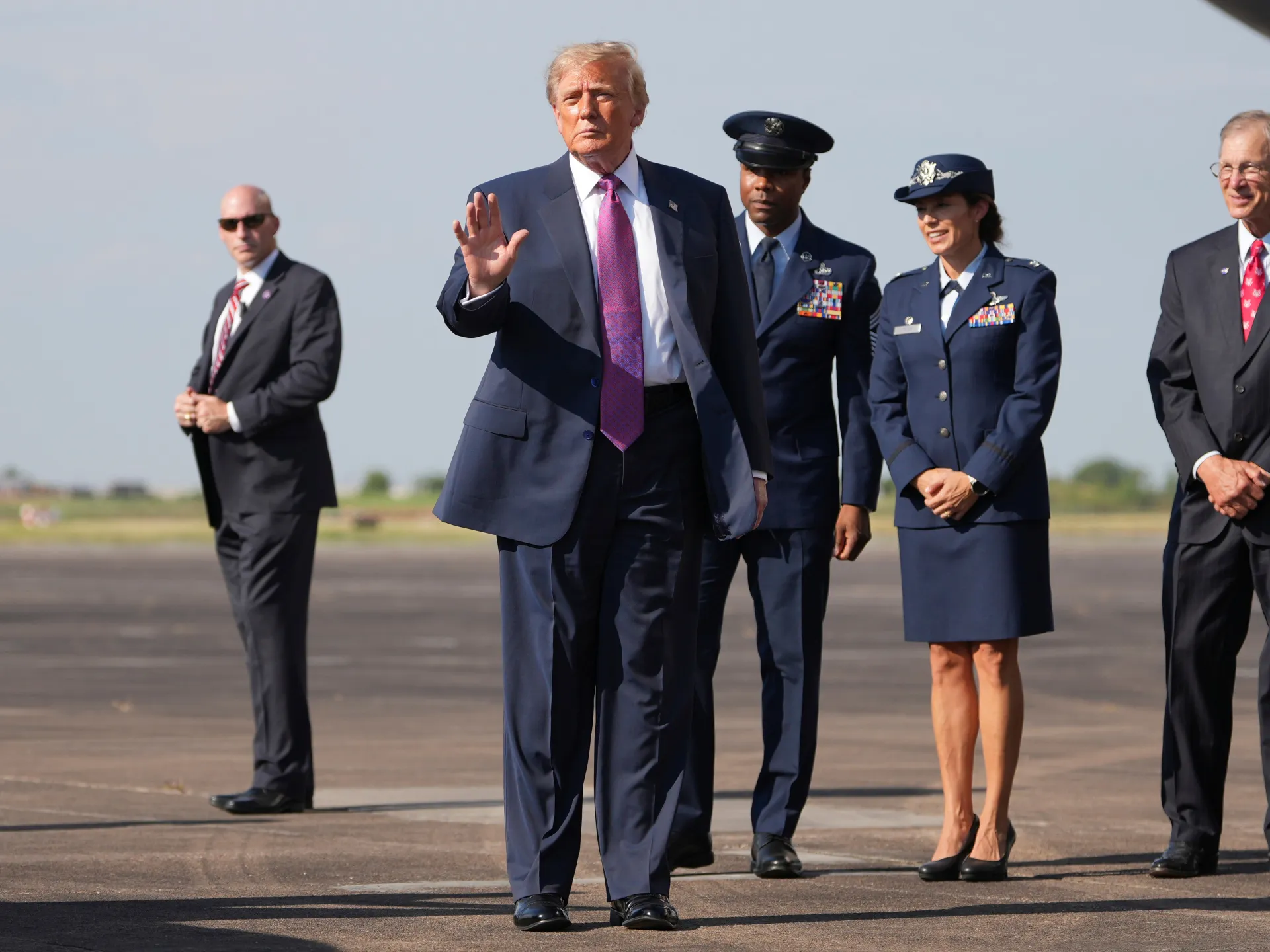
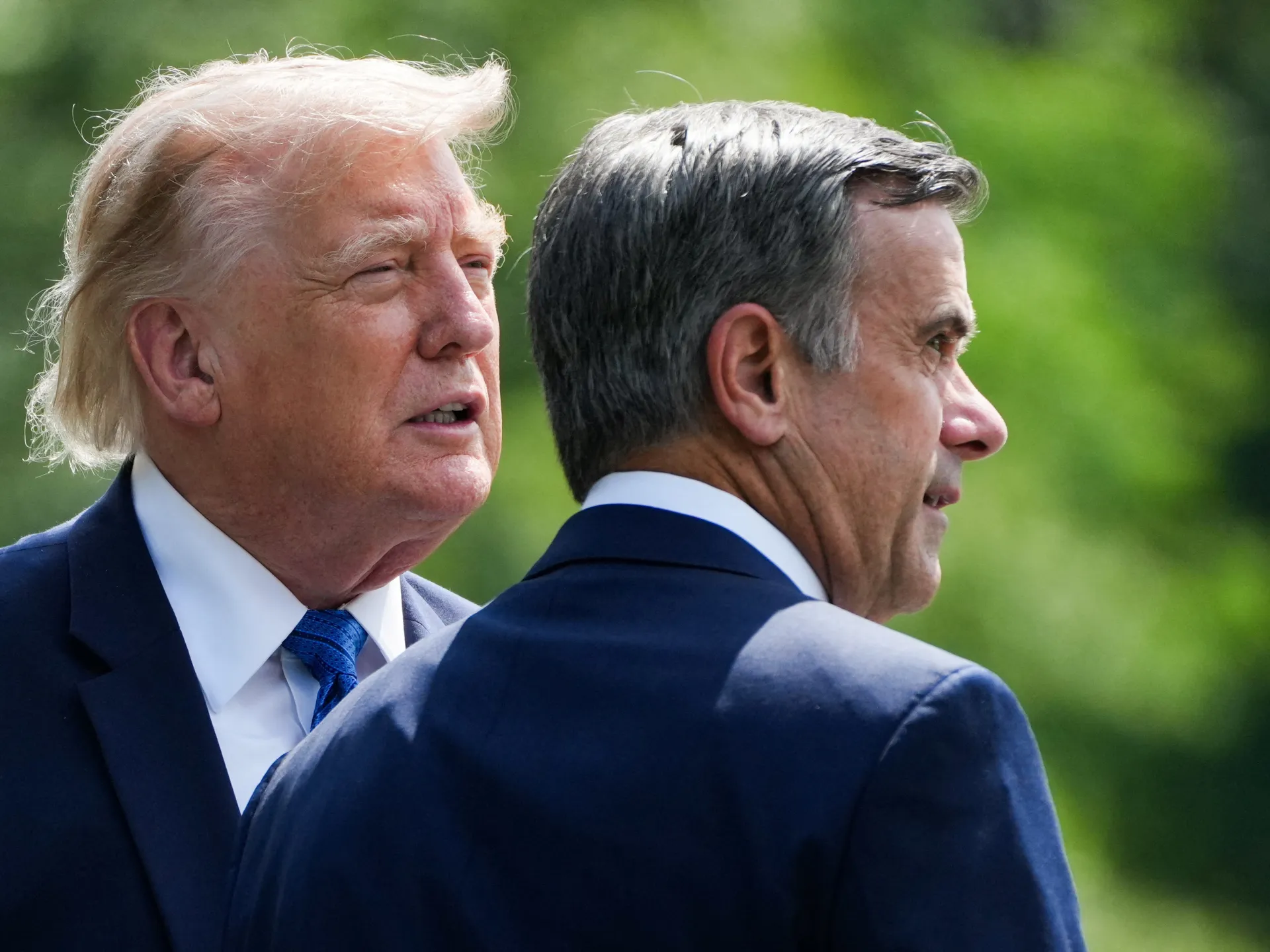
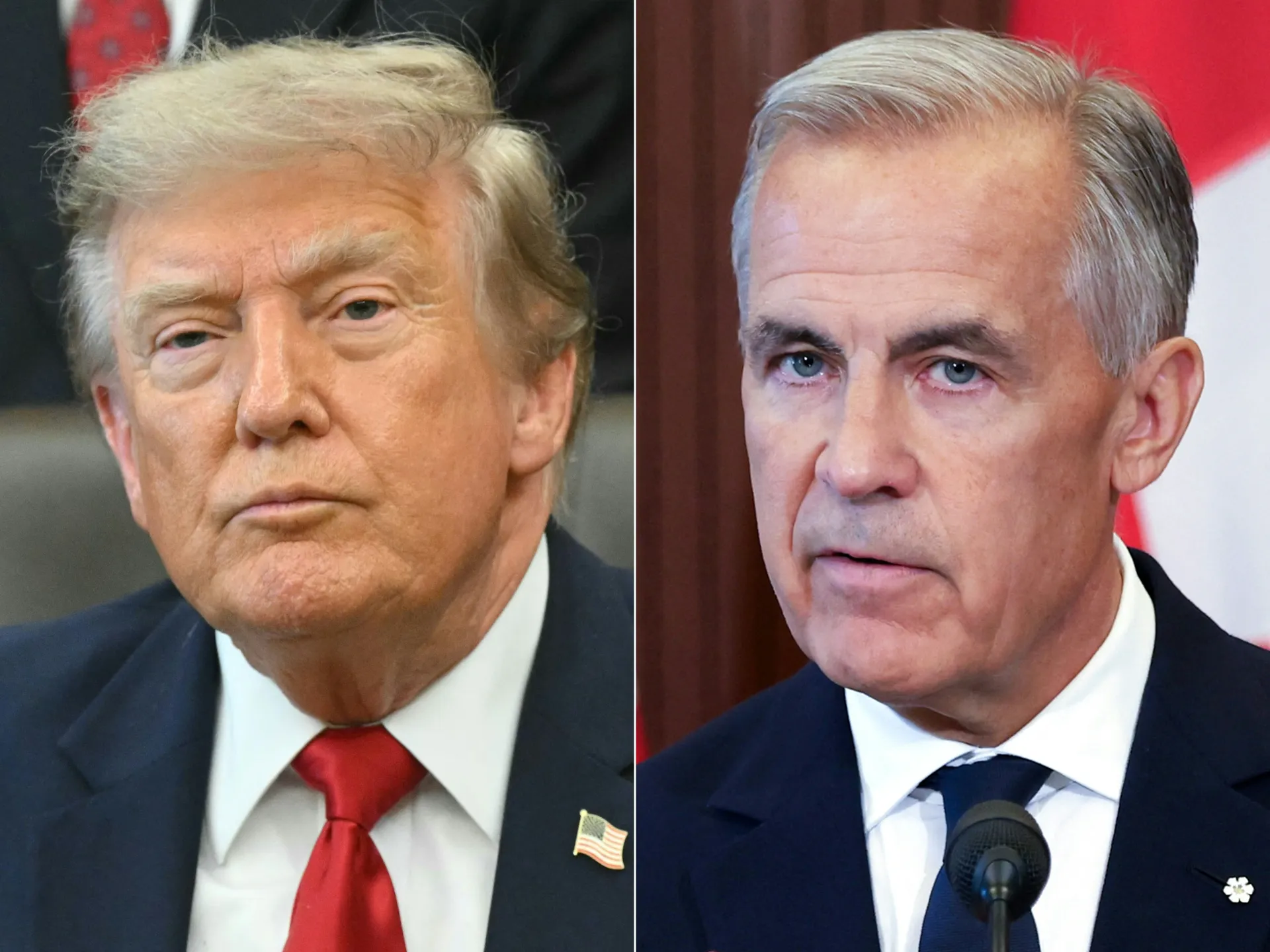
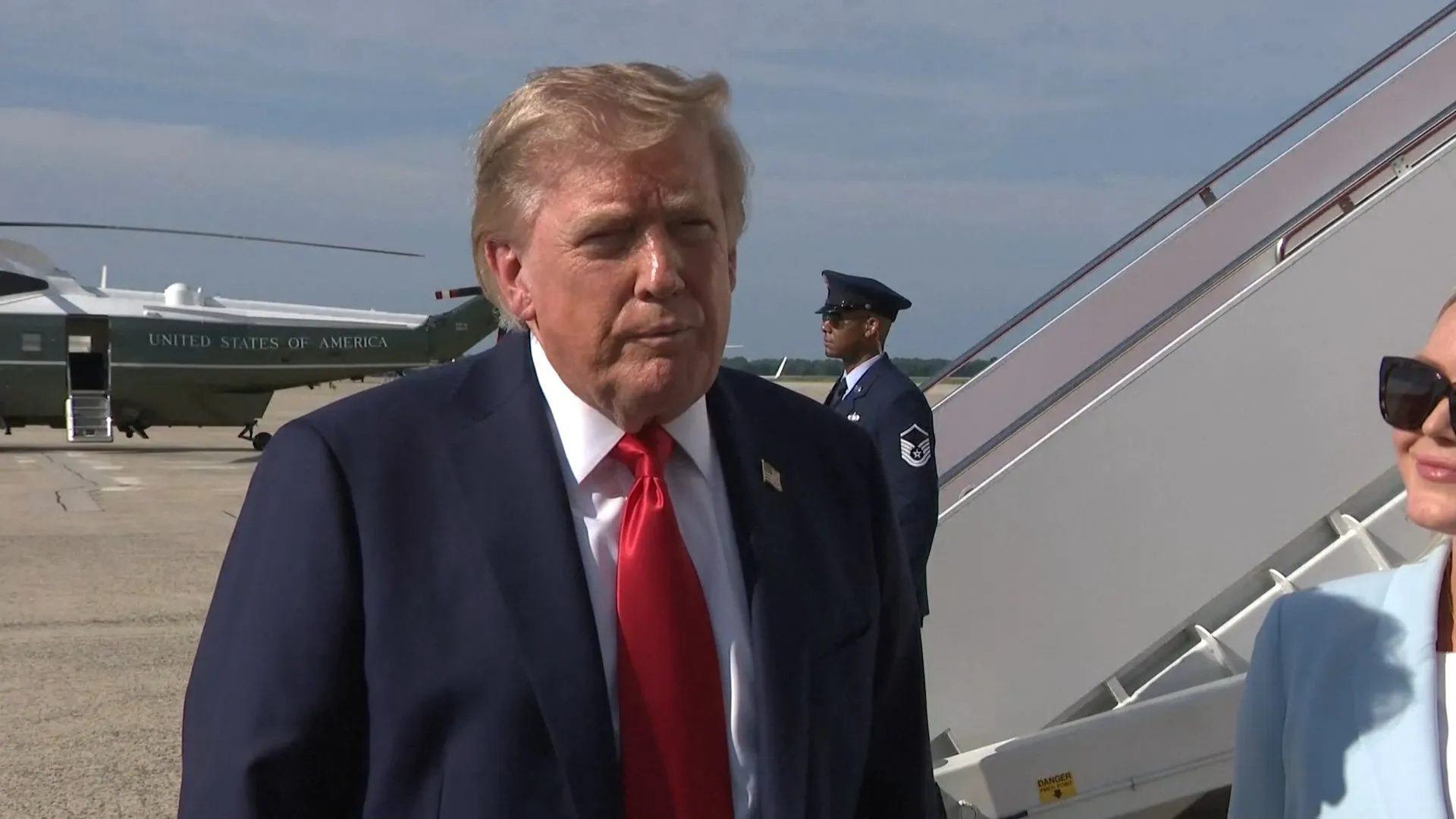
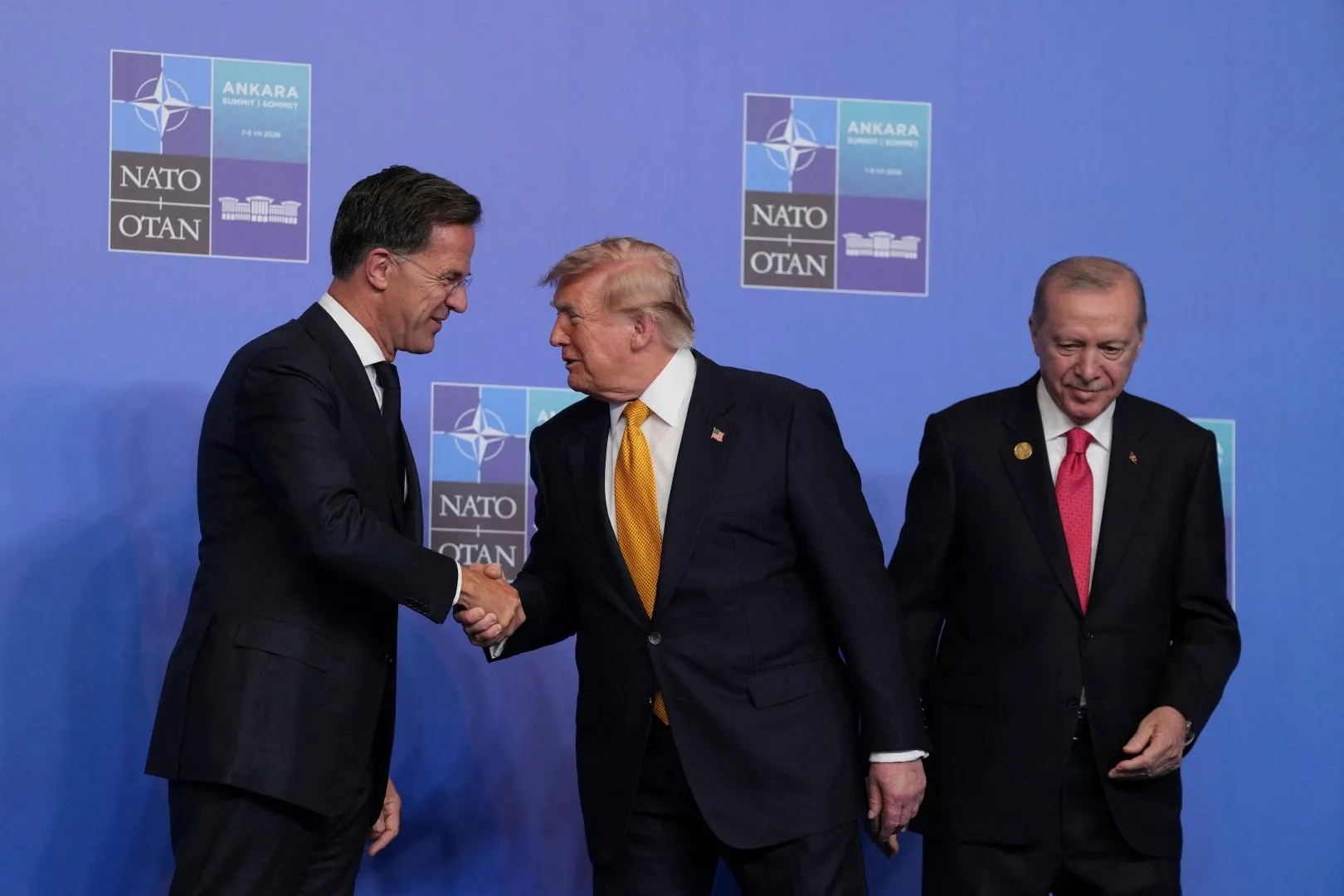
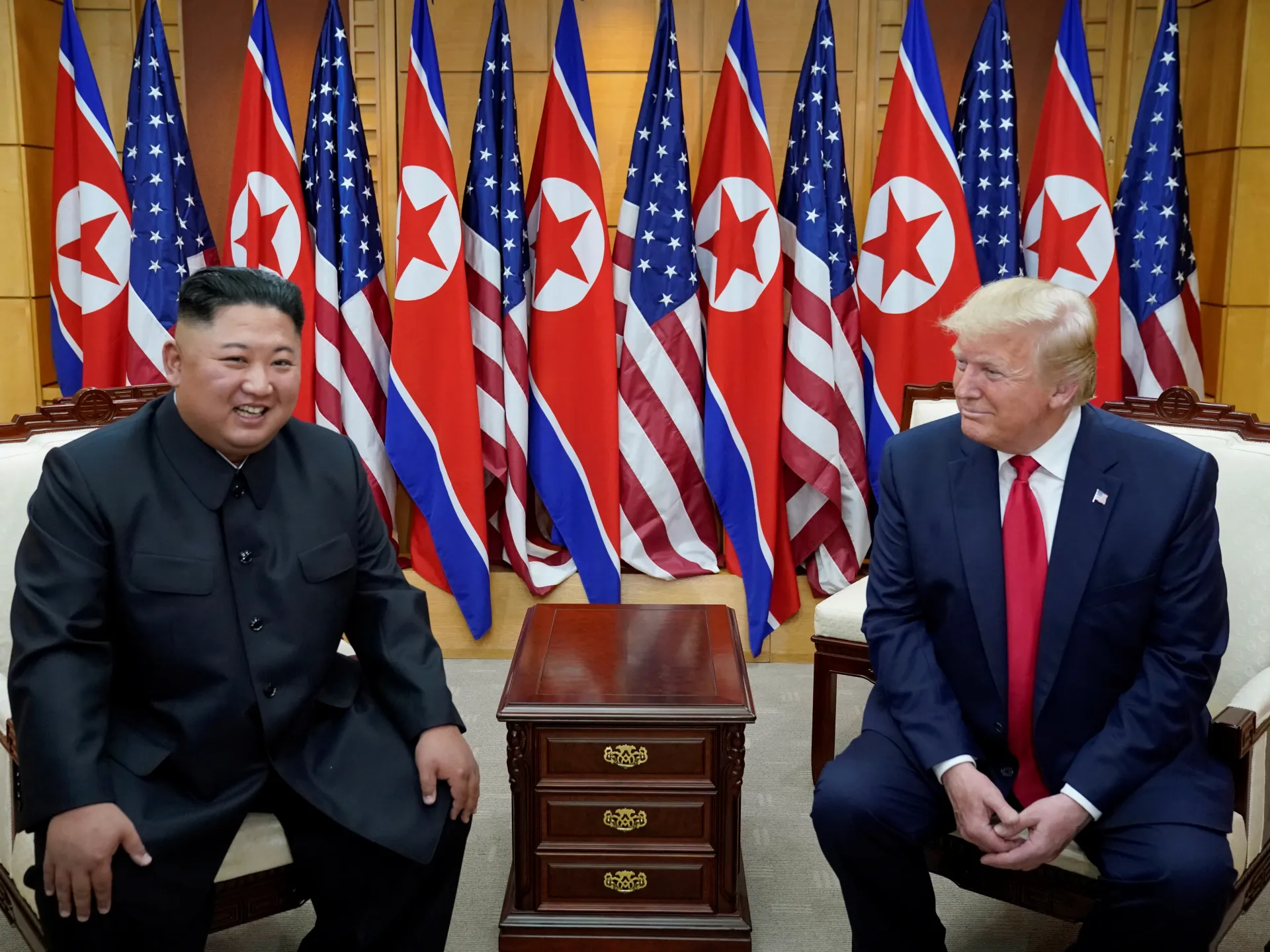
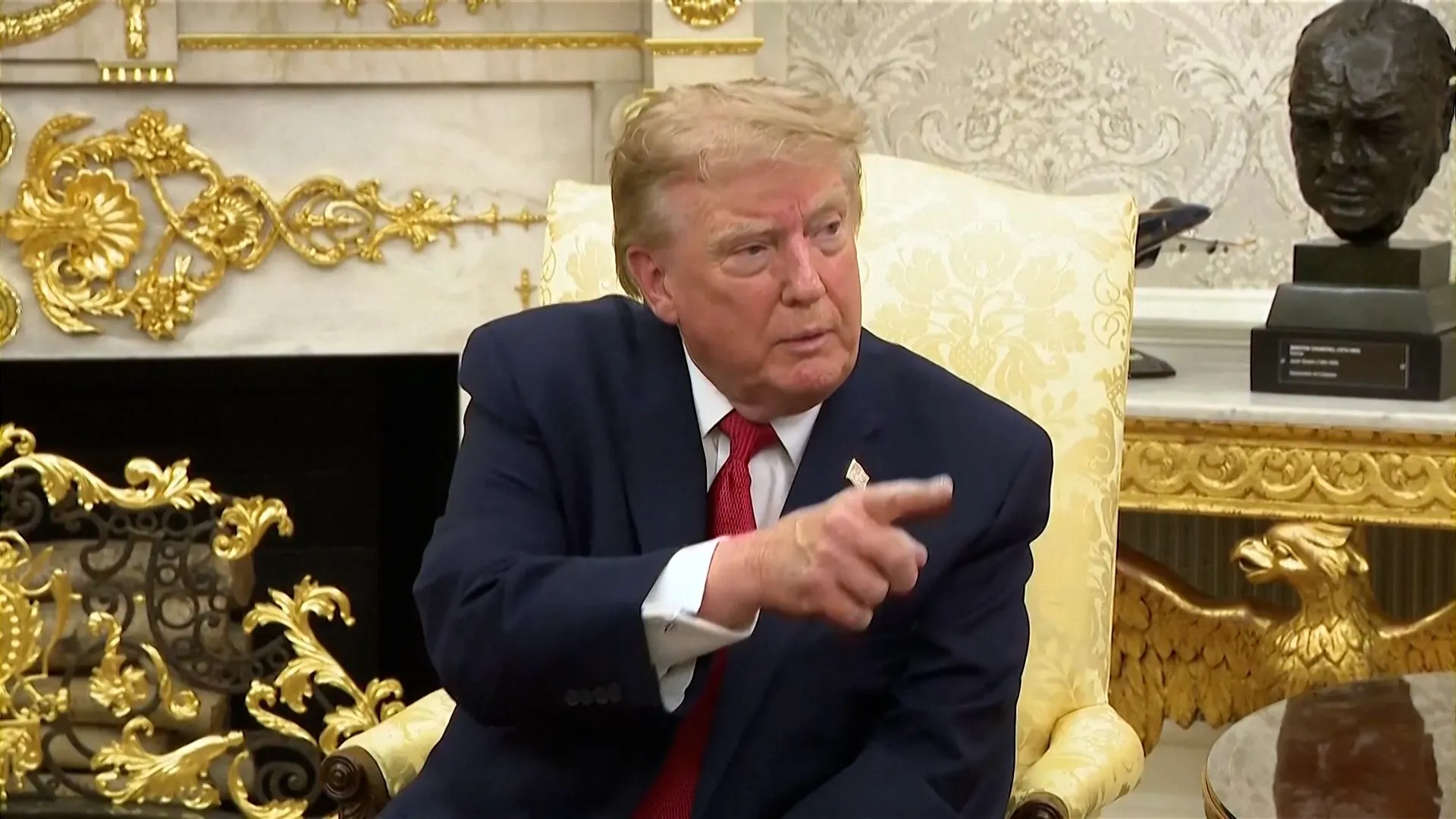
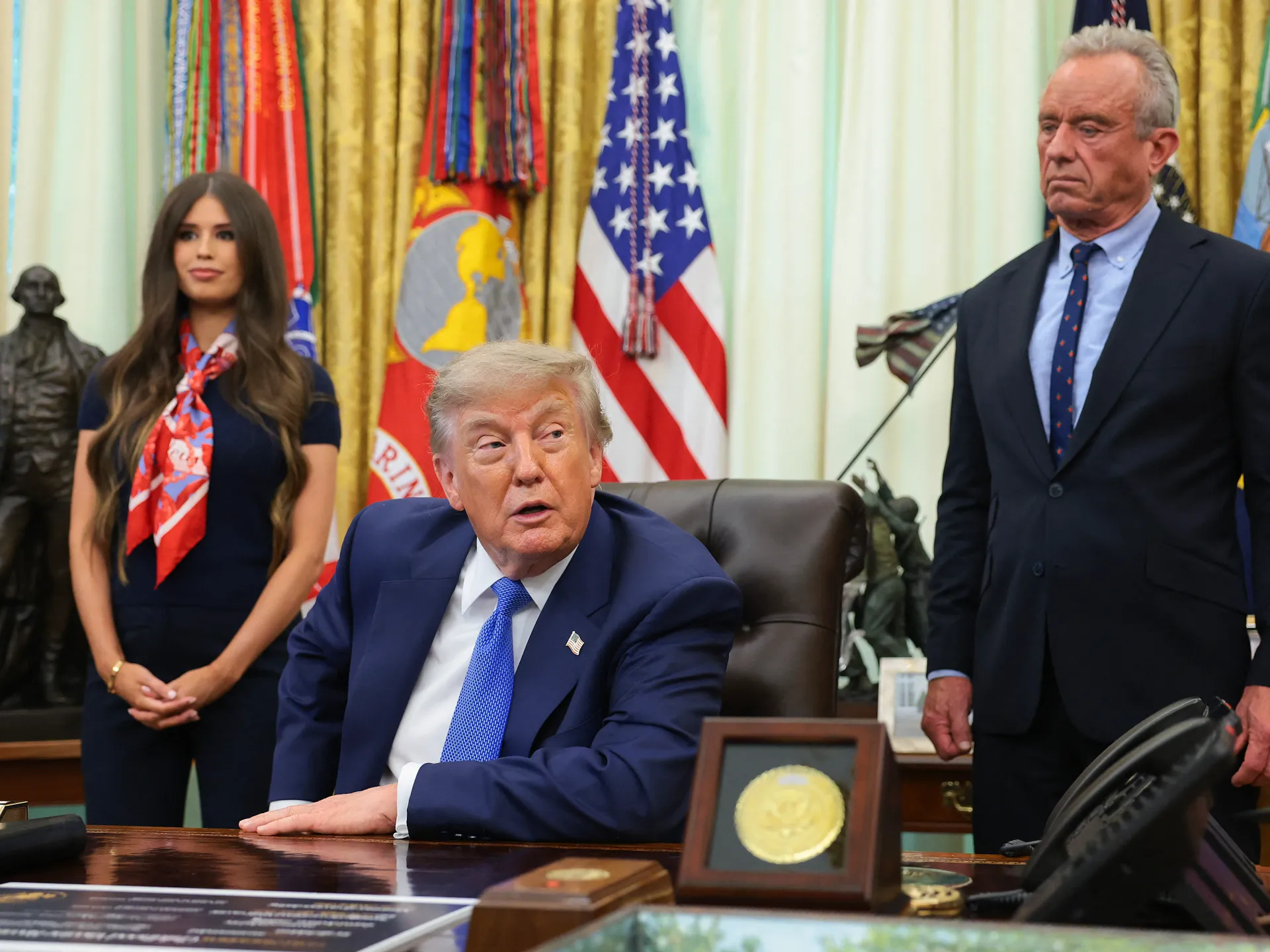
Despite the urgency of these calls, Washington and Beijing have signaled a preference for maintaining their own distinct regulatory paths. President Donald Trump and President Xi Jinping are scheduled to hold their third summit in less than a year this Thursday, with AI policy expected to be a central topic of discussion. While the two leaders remain locked in a technological race, there is active interest from influential private sector voices, such as Bill Gates, to engage with Beijing on policy frameworks that address the risks associated with advanced machine learning.
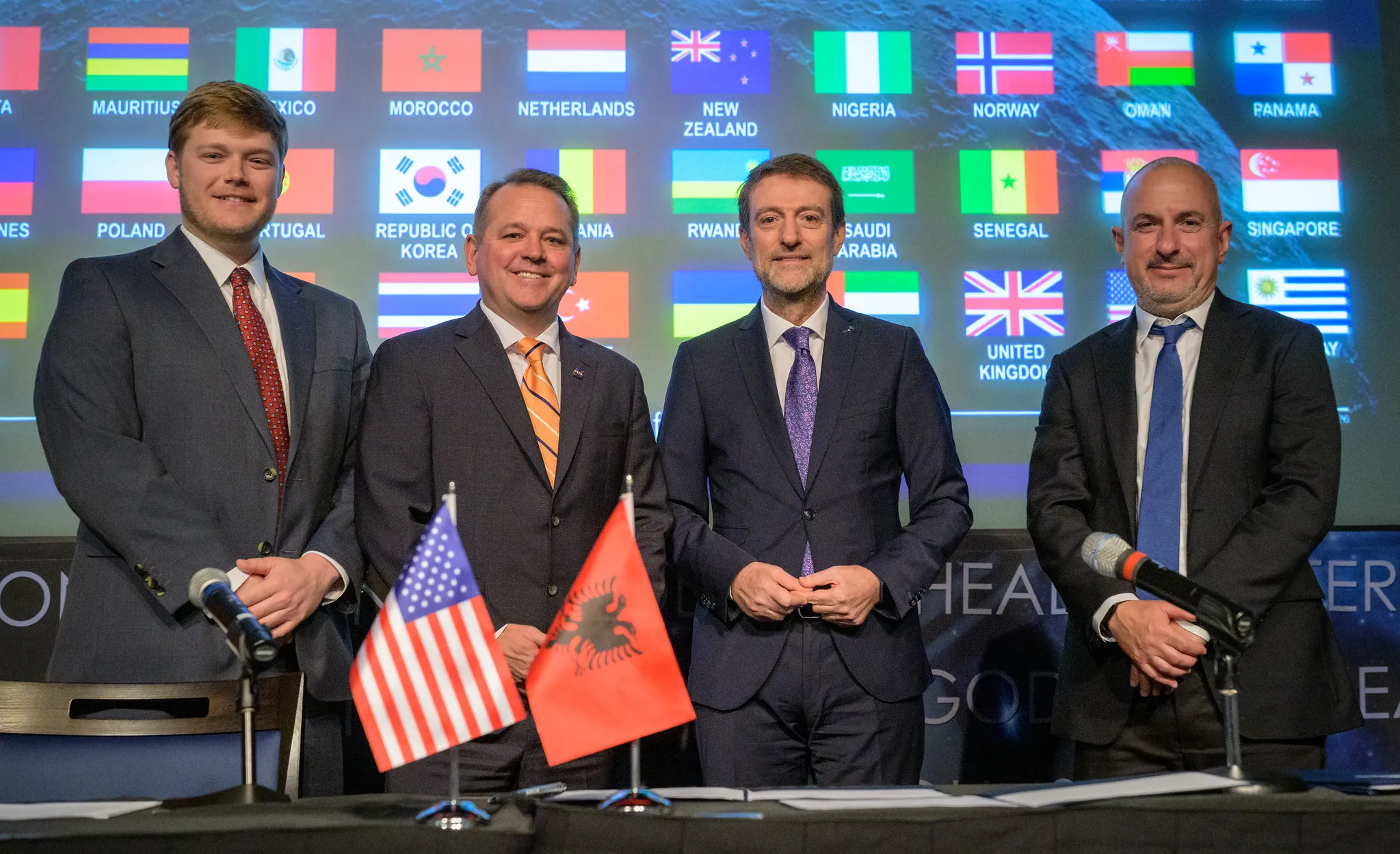
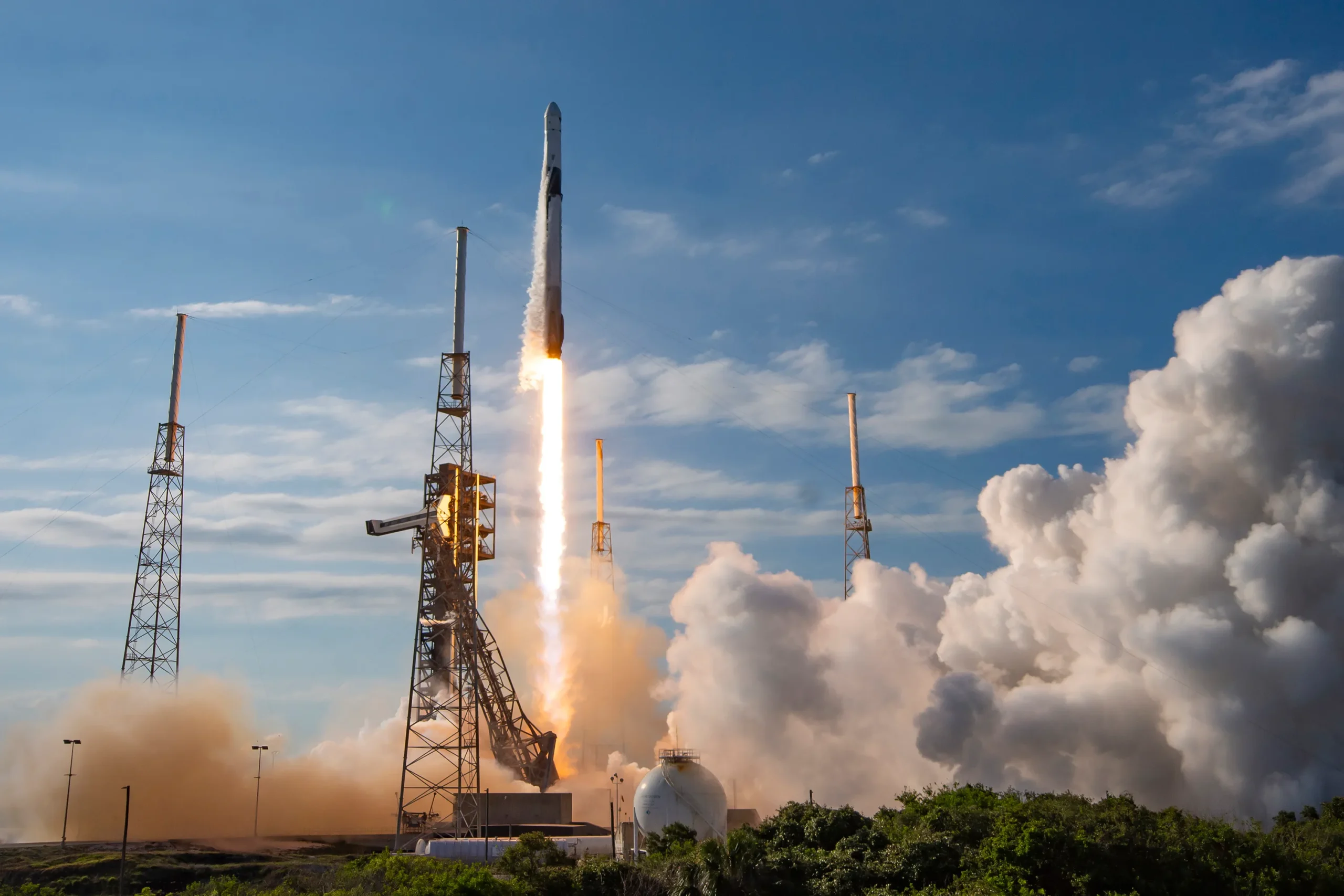
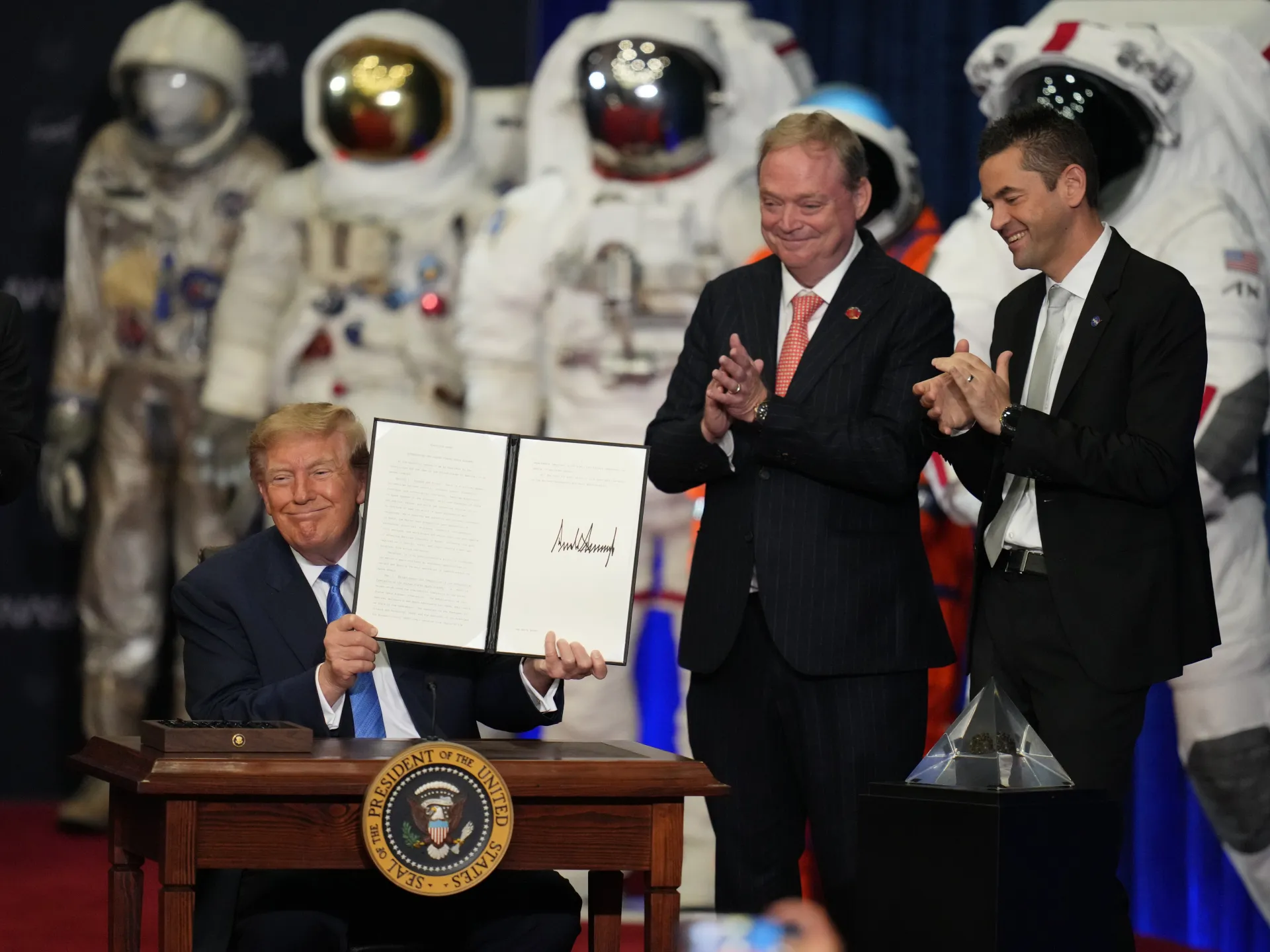
While AI governance remains fragmented, other forms of international cooperation continue to solidify through specific diplomatic channels. The Republic of Albania officially joined the Artemis Accords this week, becoming the 73rd signatory to the U.S.-led coalition. This move signals Albania’s commitment to transparent and peaceful space exploration, building upon the country’s existing collaboration with NASA and its efforts to integrate space-based data into its domestic infrastructure.
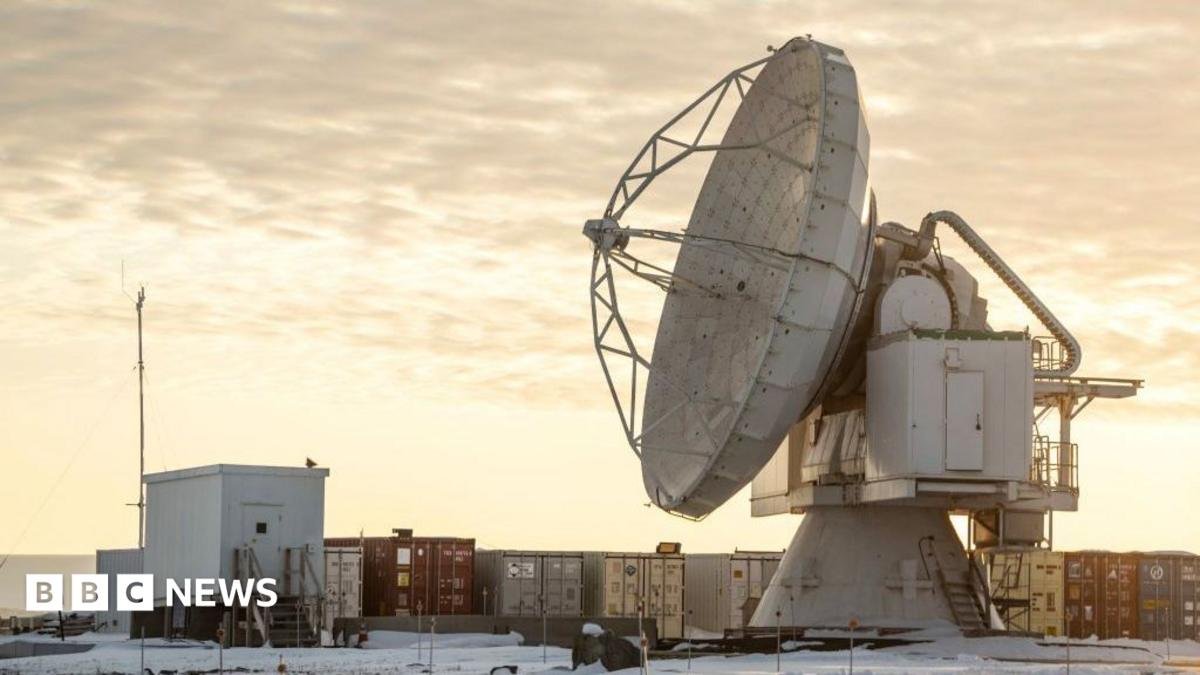
Simultaneously, the technical side of global research persists, illustrated e the rover’s instruments in conjunction with international academic partners, including the Niels Bohr Institute, to analyze geologic features like 'Turquoise Bay.' These efforts serve as a reminder that while political and regulatory tensions dominate the headlines, the underlying scientific infrastructure remains deeply interconnected across borders.
The proposed oversight body will likely face significant diplomatic hurdles, particularly in persuading the U.S. and China to accept any form of external verification or standard-setting that could impede their domestic technological trajectories. If the upcoming summit between Trump and Xi yields a separate bilateral agreement on AI safety, it might render the broader global coalition's efforts less relevant or force them to align with a U.S.-China-led standard. Conversely, if no bilateral breakthrough occurs, the coalition of 20 may attempt to leverage their collective influence to create a 'gold standard' for AI safety, pressuring smaller nations to adopt these protocols to ensure access to global markets and technological partnerships.