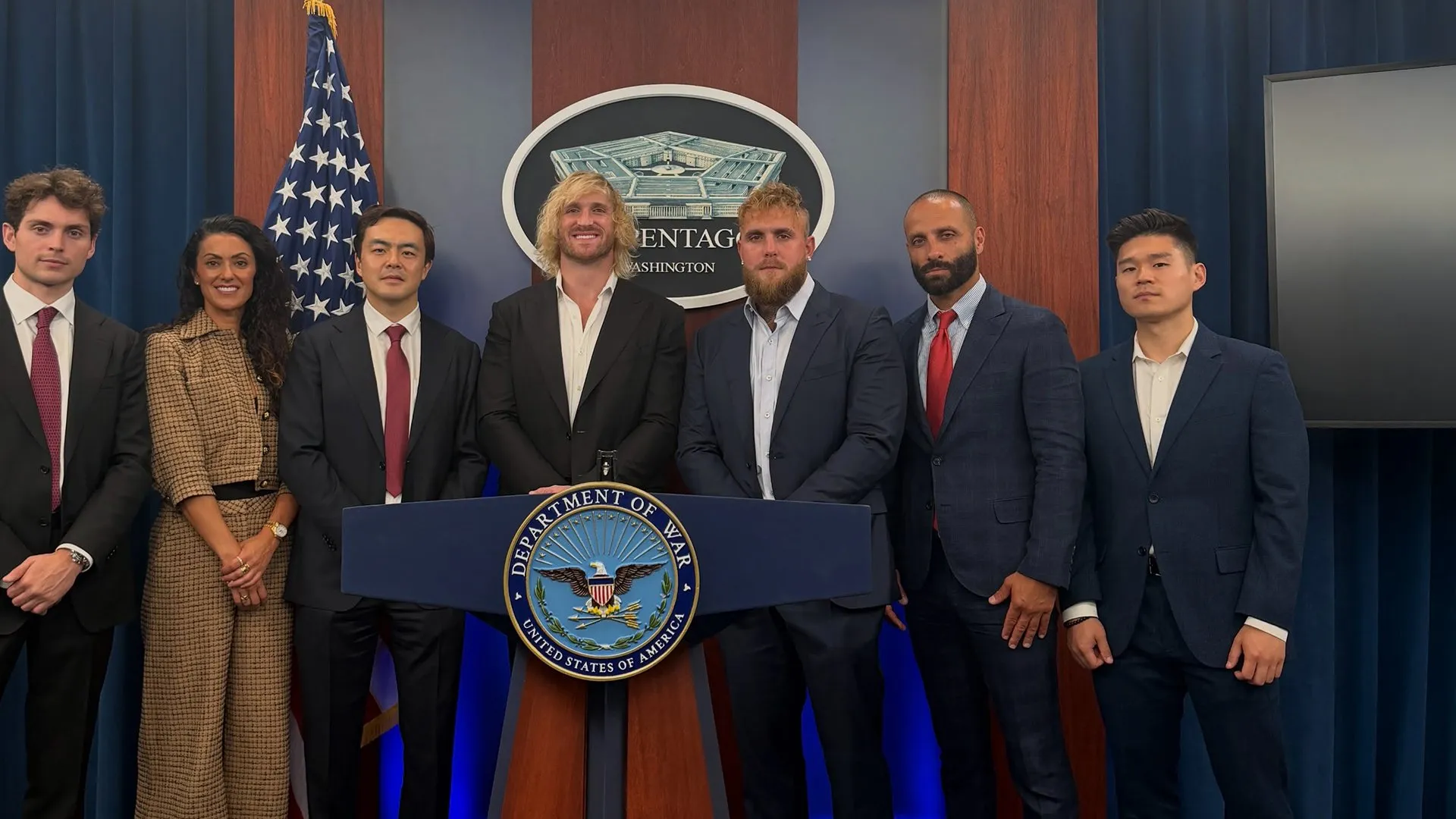
The Defense Department is facing criticism after hosting social media influencers Jake and Logan Paul for an appearance at the Pentagon.
The recent appearance of social media influencers Jake and Logan Paul at the Pentagon represents an unusual intersection of modern digital celebrity culture and the traditional gravitas associated with the United States military headquarters. While the Department of Defense maintains its prerogative to host guests who can boost troop morale, the decision to grant high-profile influencers access to one of the most secure facilities in the world has ignited a debate regarding the institutional standards of the Defense Department. The incident underscores a broader tension in the digital age, where government agencies increasingly leverage popular figures to bridge the gap with younger demographics, often at the risk of appearing to diminish the seriousness of their official functions.
Critics point to this event as evidence of a shift toward a populist aesthetic within the current defense administration, suggesting that the line between public relations outreach and genuine military discourse has become increasingly blurred. The lack of transparency regarding the invitation process has further fueled speculation, with detractors arguing that official government resources should be reserved for policy discussions, veteran advocacy, or strategic briefings rather than influencer engagement.
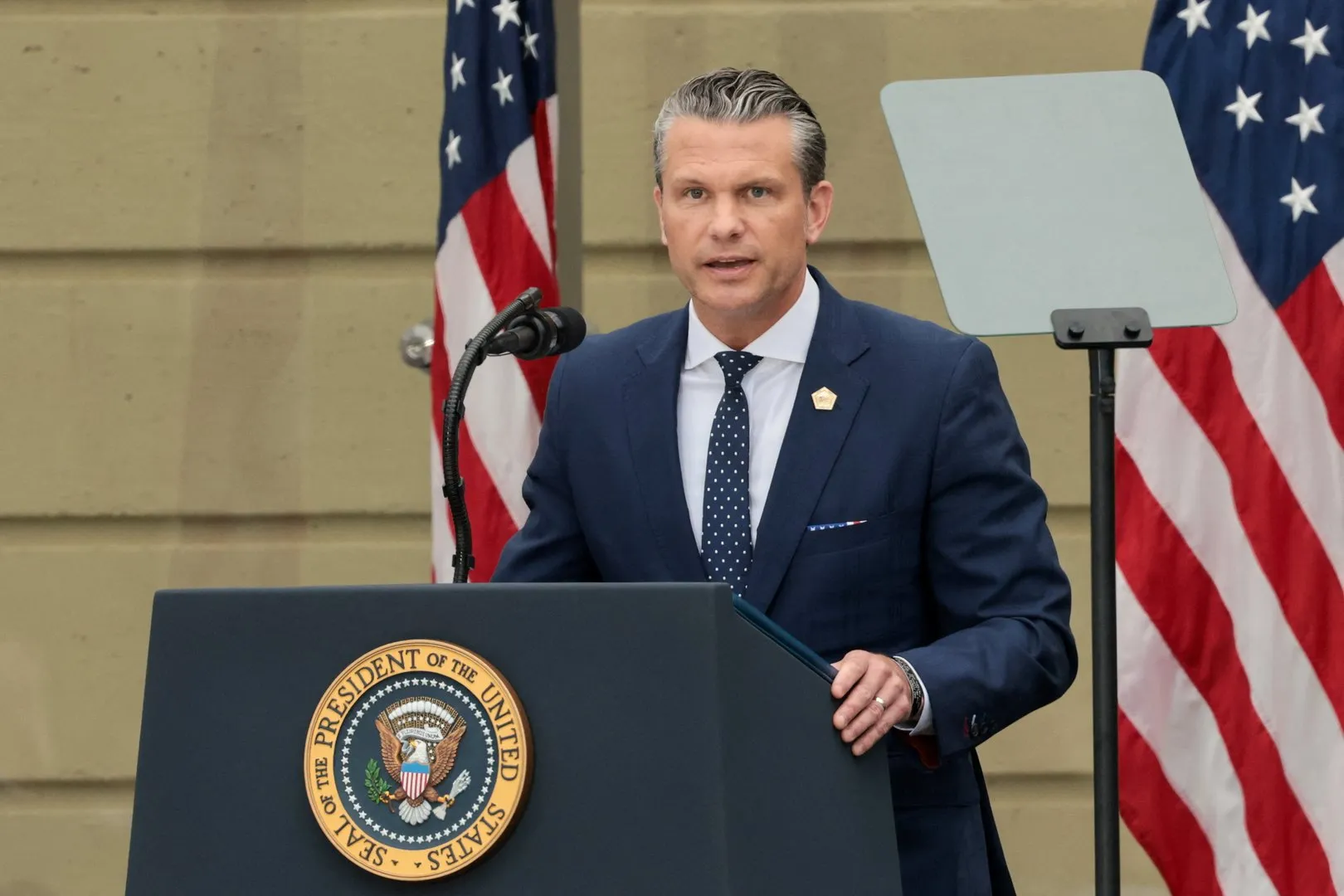
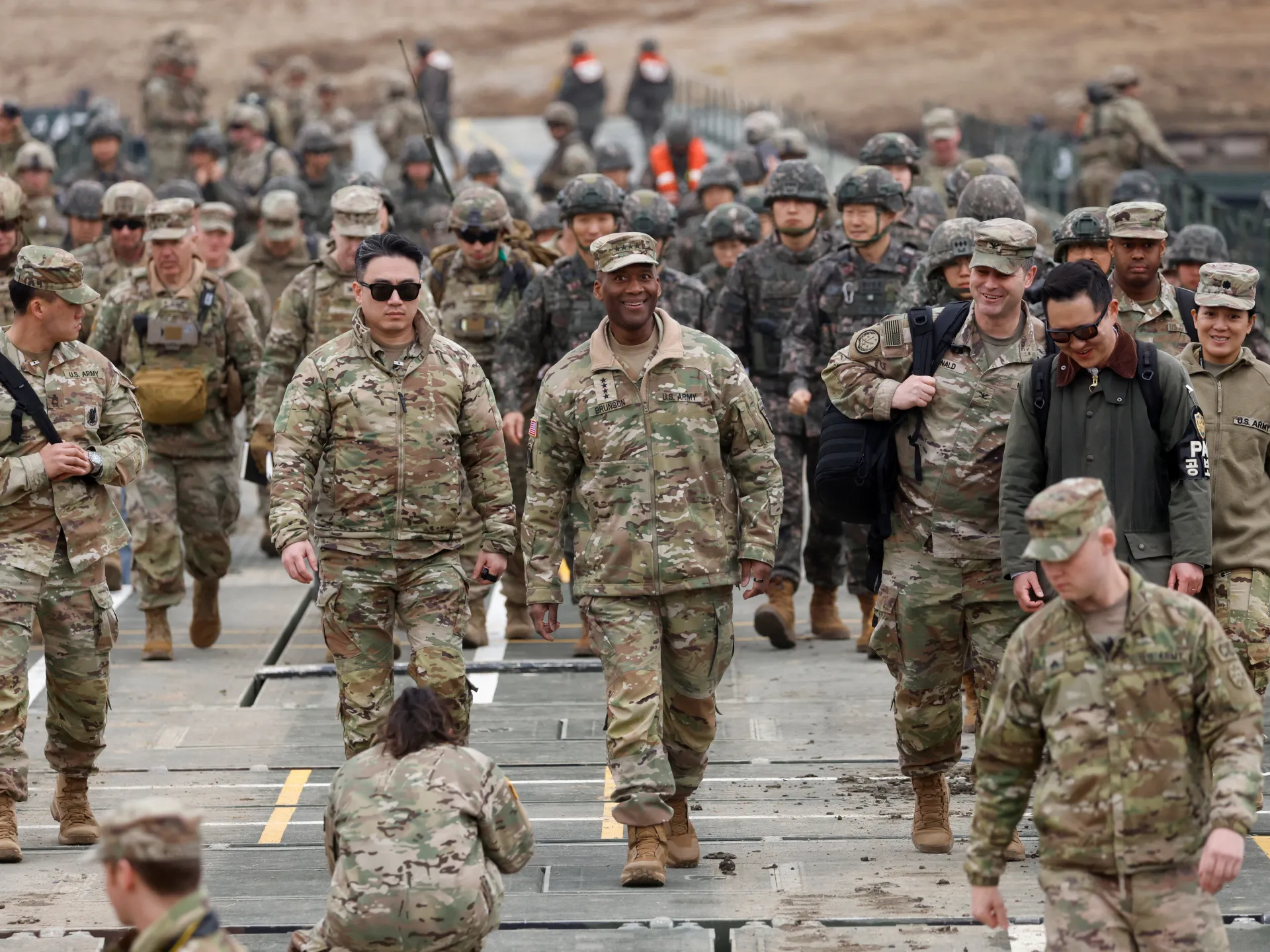
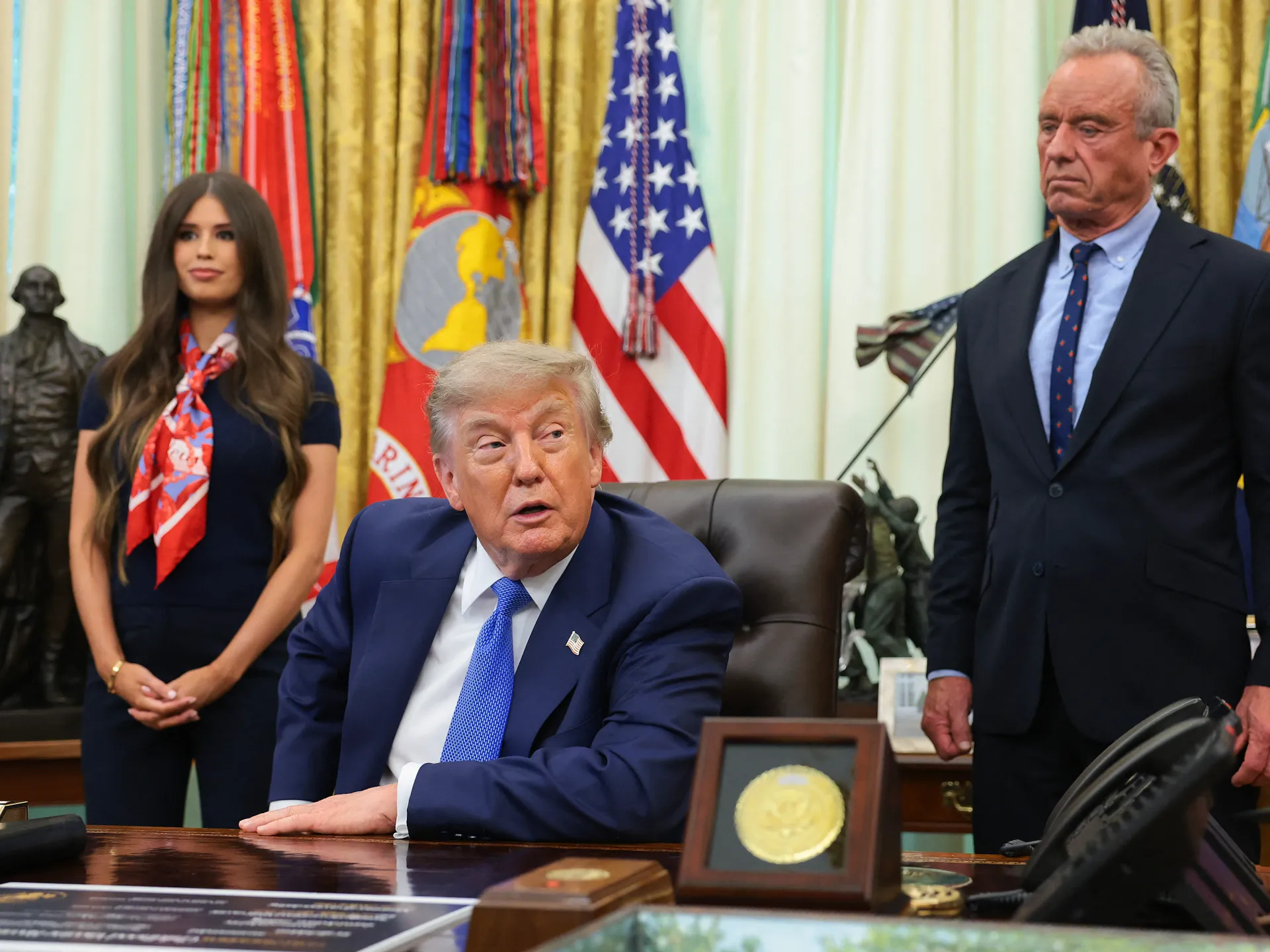
Defense Secretary Pete Hegseth hosted the Paul brothers last week, an event that the Department of Defense officially categorized as an opportunity for the influencers to “meet with our warriors.” During their visit, the brothers delivered remarks to assembled U.S. troops, utilizing the platform to express appreciation for military service. Despite the official framing of the visit as a morale-boosting exercise, the event was met with immediate skepticism from political commentators and observers who questioned the necessity and appropriateness of involving figures known primarily for online entertainment in a military setting.
The Pentagon has remained relatively tight-lipped regarding the administrative oversight of the visit. While the Department confirmed the meeting with Secretary Hegseth, it has not disclosed who initiated the invitation or the specific criteria used to justify the use of government time and space for such an engagement. This ambiguity has left the Department of Defense vulnerable to charges of prioritizing optics and digital reach over traditional protocols.
As the conversation surrounding the visit continues, it is likely that the Department of Defense will face further inquiries from congressional oversight committees regarding the logistics of the event and the vetting processes for non-official guests. Analysts suggest that unless the Pentagon provides a clearer justification for the influence-based engagement, the incident may be cited as a precedent in future discussions about the appropriate use of military facilities for civilian outreach.
Furthermore, the incident may force a reevaluation of the Pentagon’s communications strategy. If the Department of Defense intends to continue leveraging social media personalities for recruitment or morale initiatives, they may be forced to implement more rigid transparency standards to avoid the appearance of political or superficial favoritism. Whether this event serves as a one-off anomaly or a sign of a new, highly unconventional approach to public relations remains to be seen.