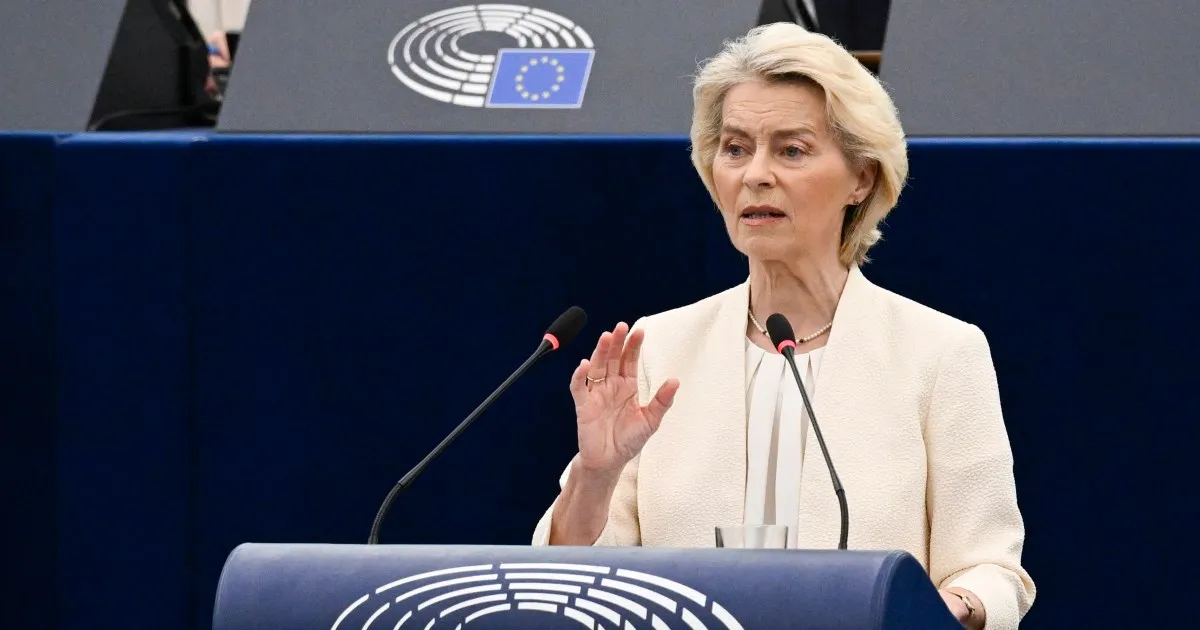
Canada is exploring a historic associate membership with the European Union amid rising trade tensions with the U.S. and ongoing concerns over hybrid warfare in Europe.
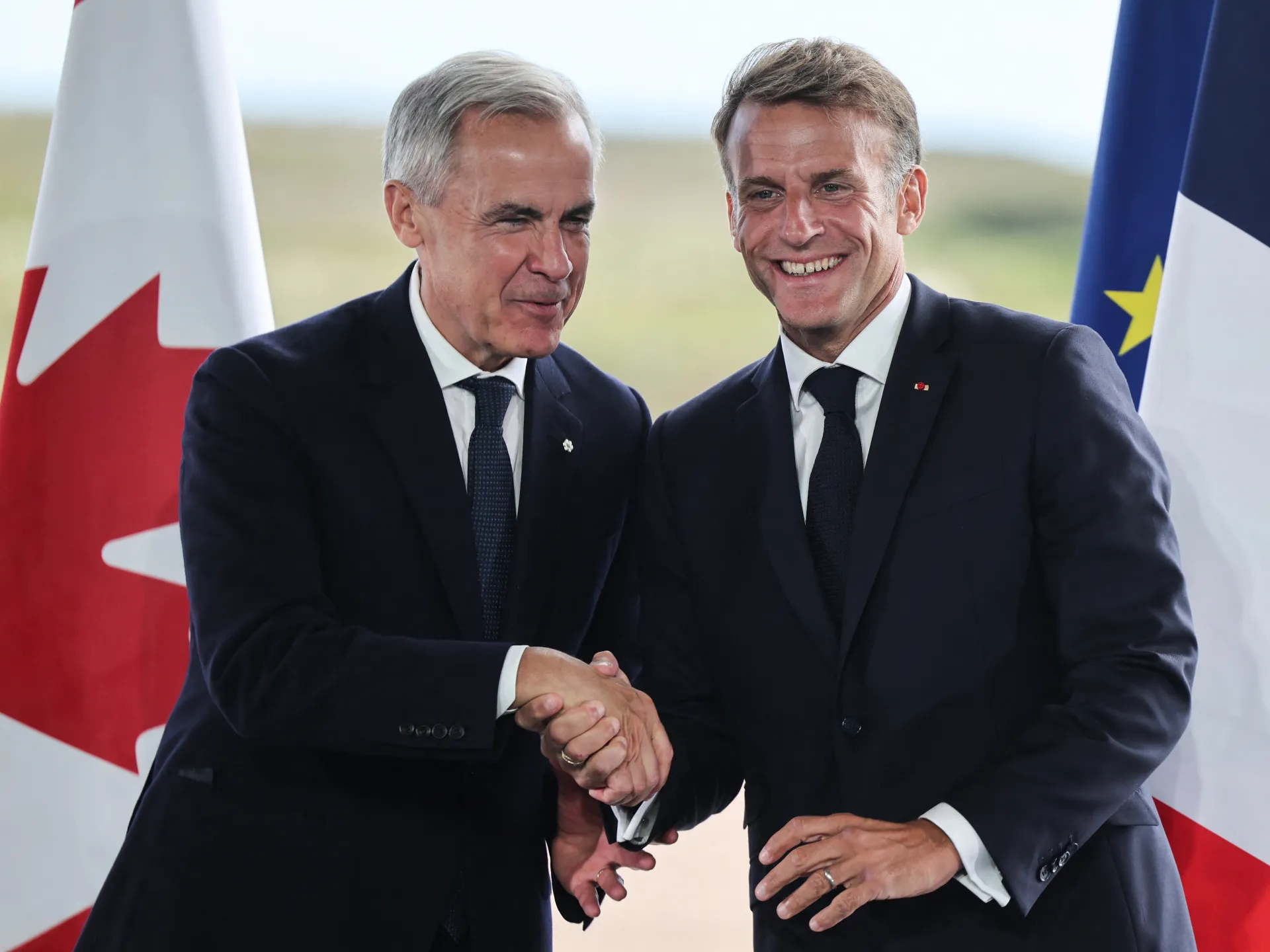
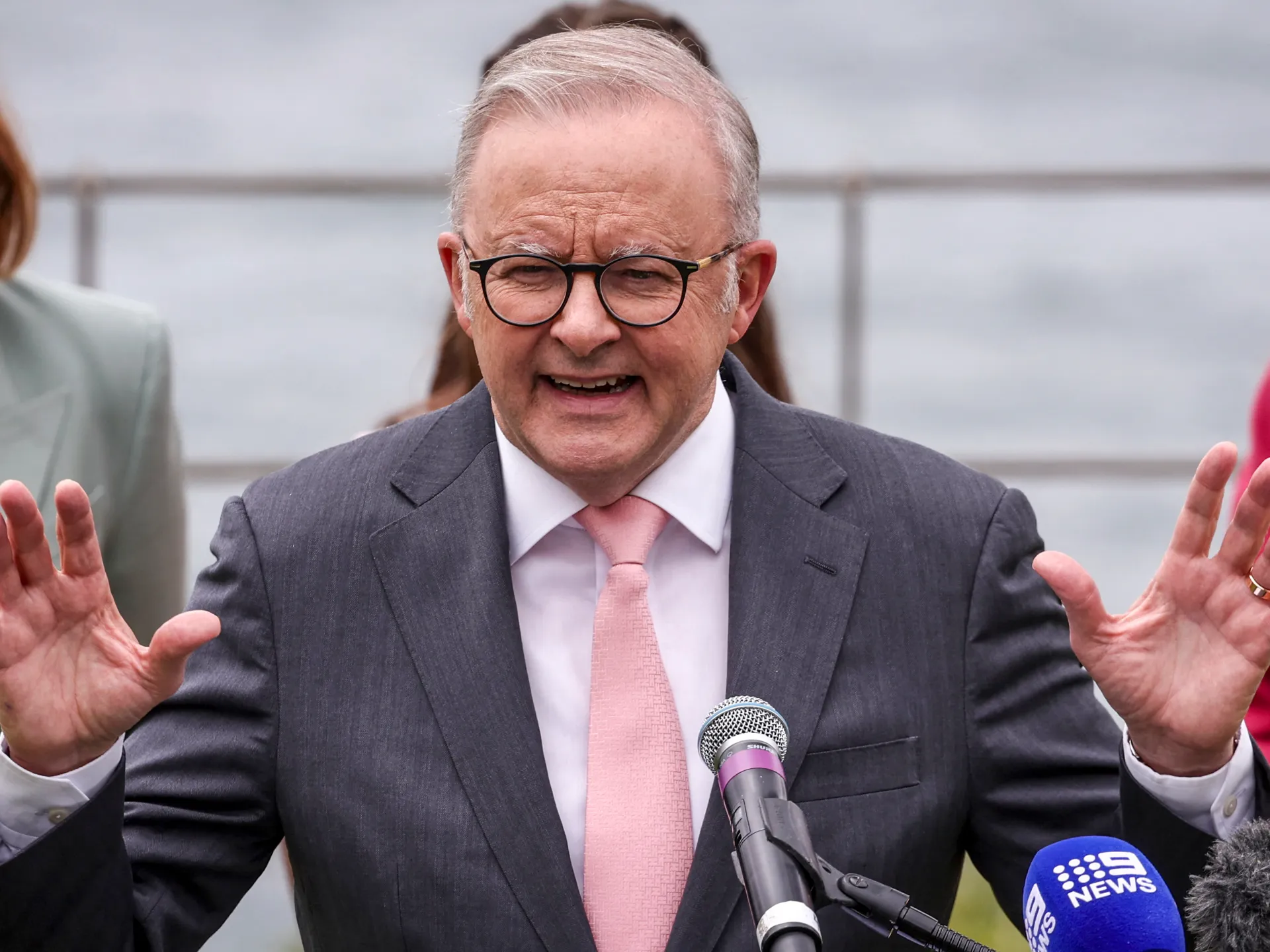
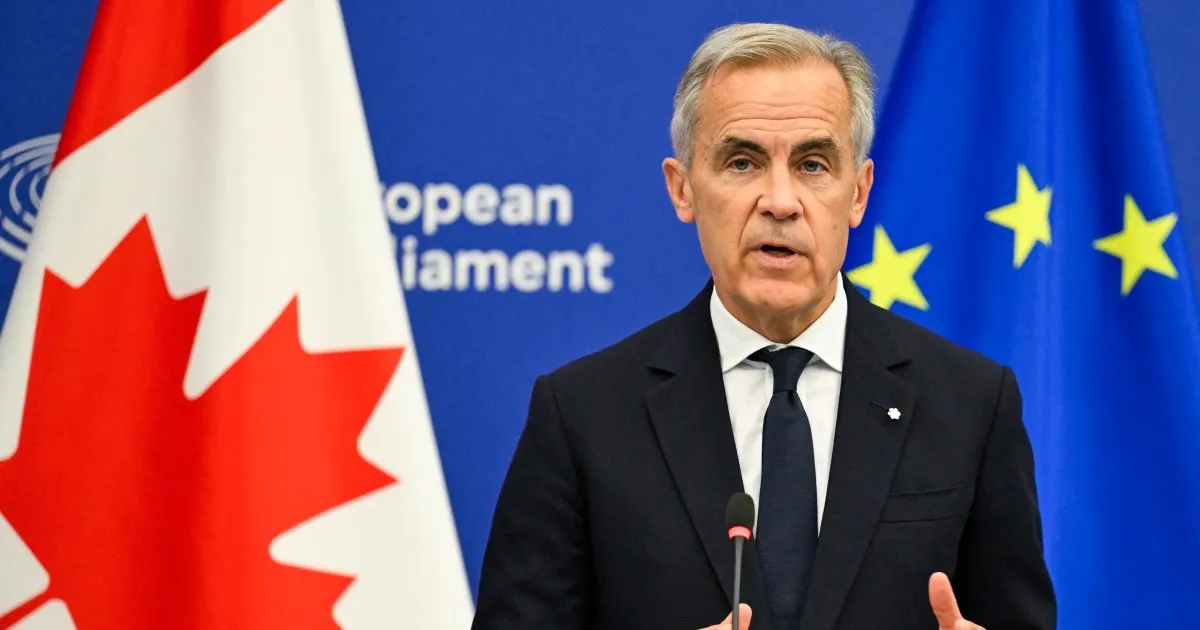
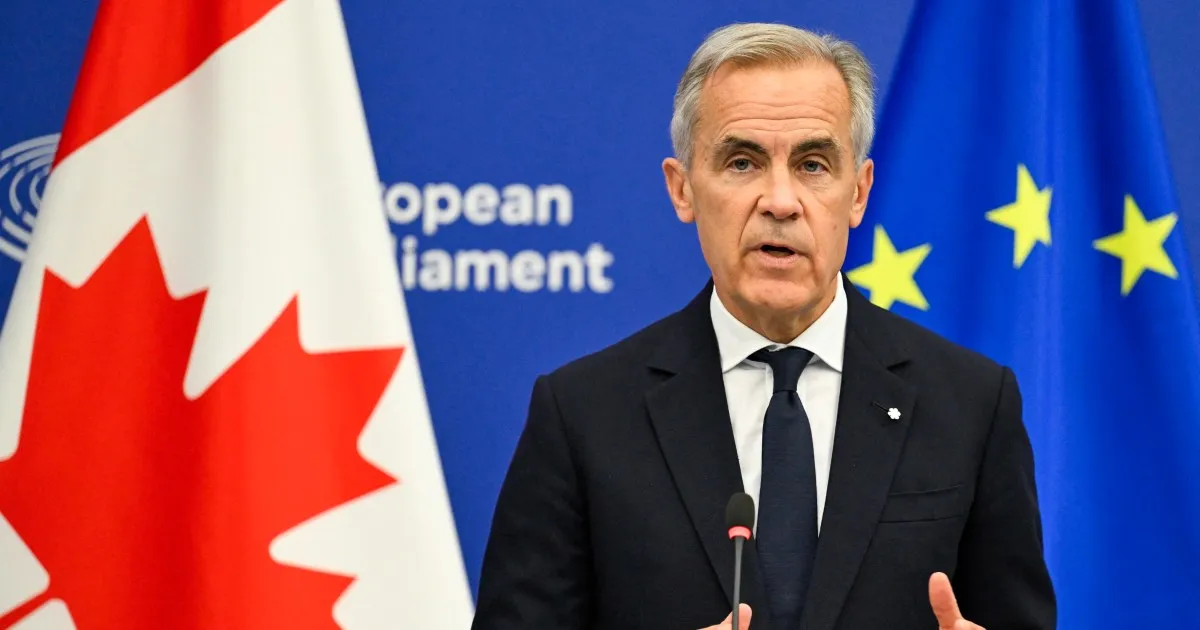
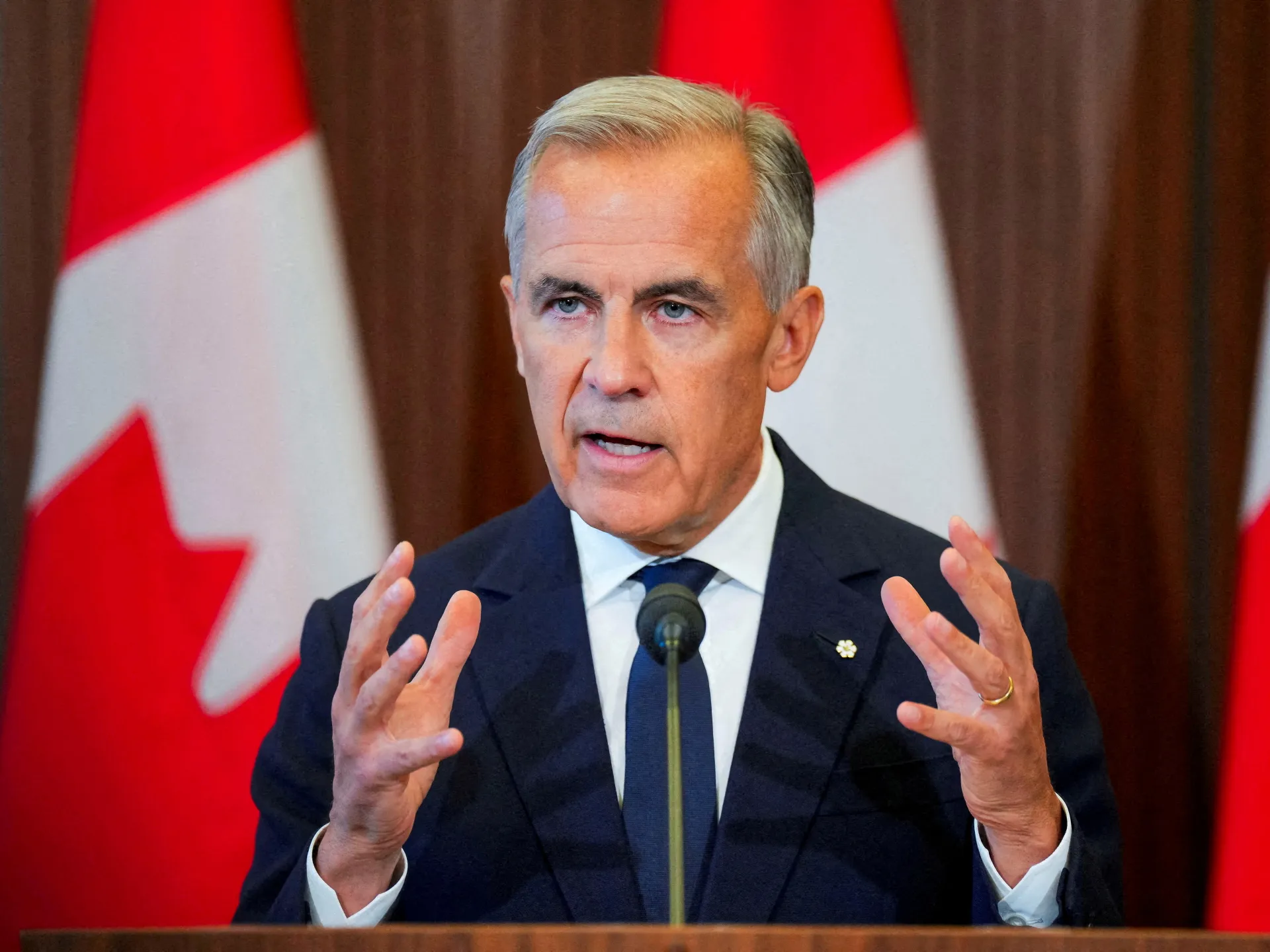
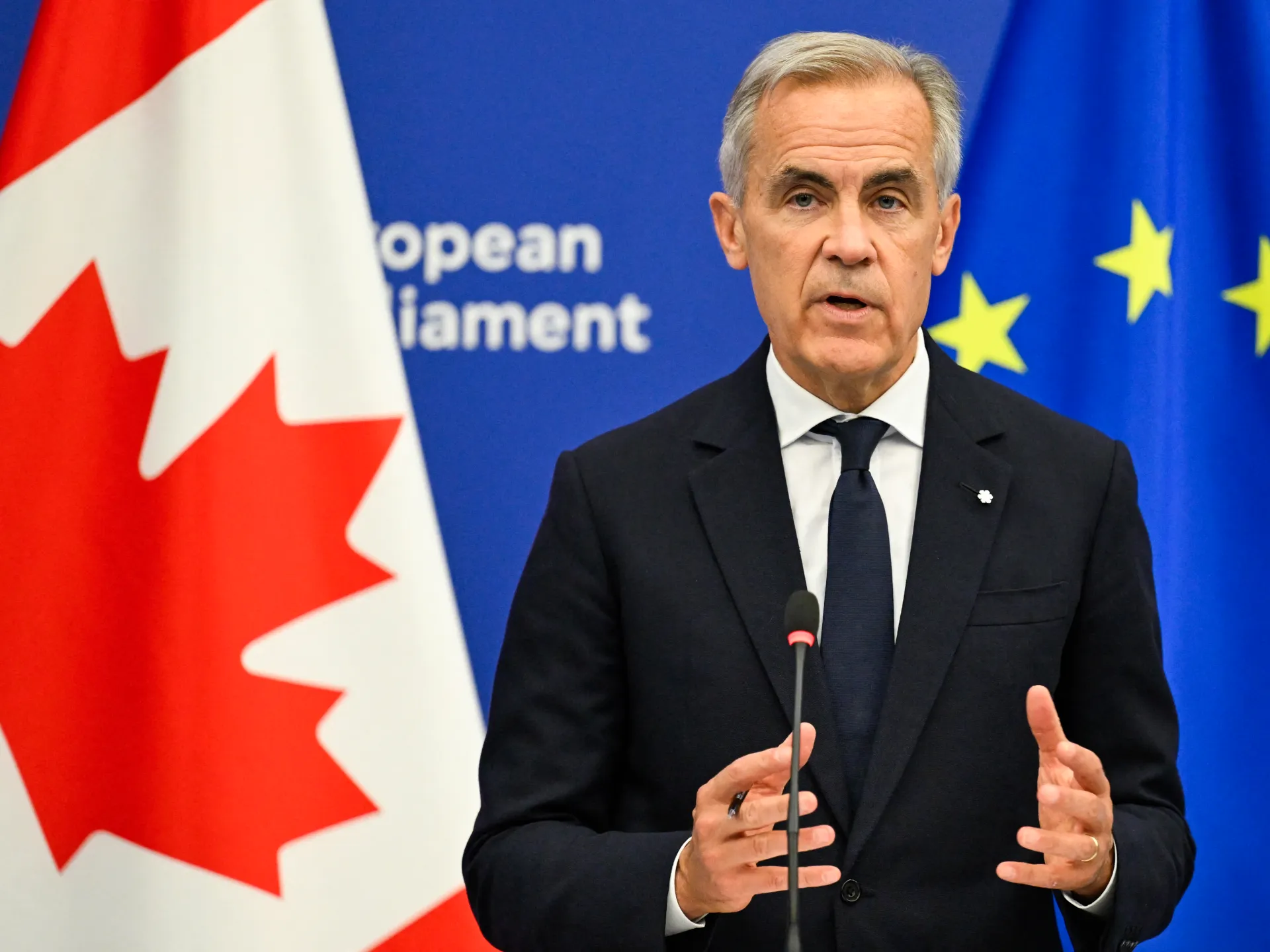
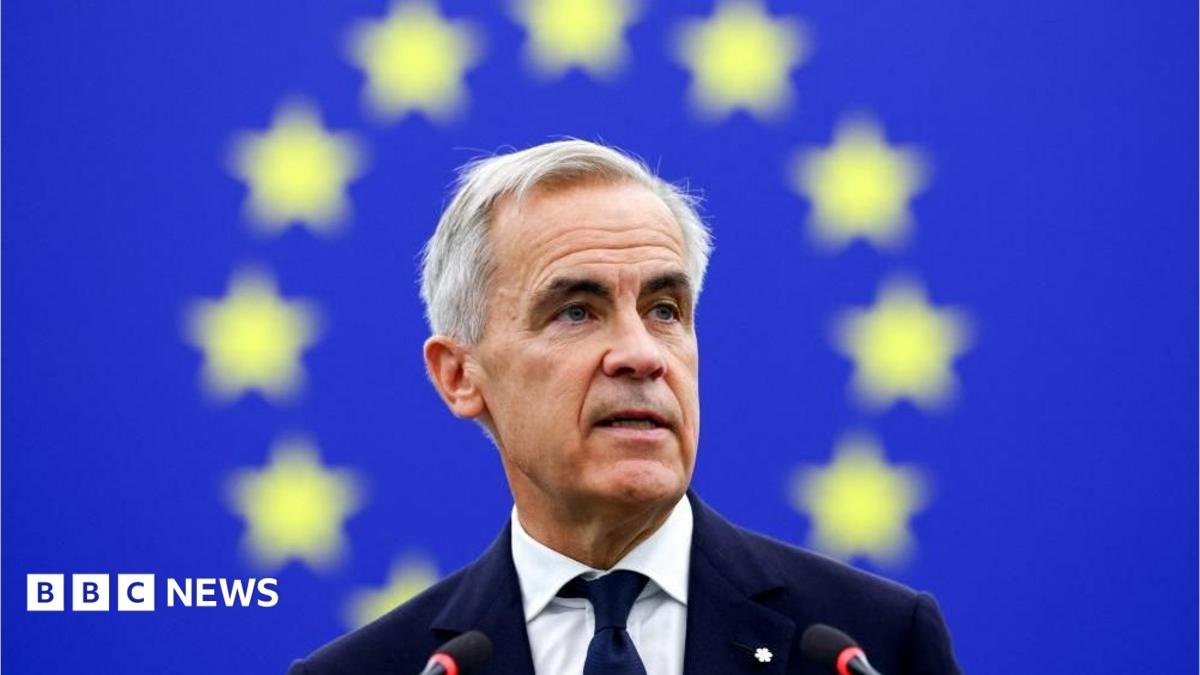
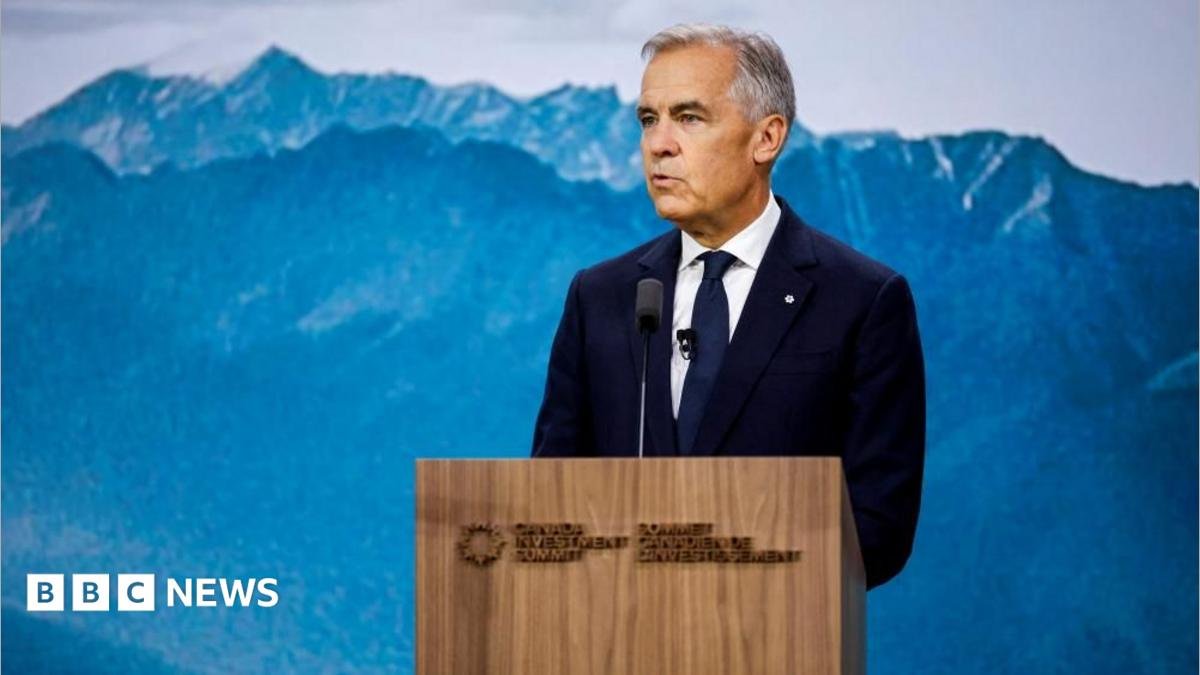
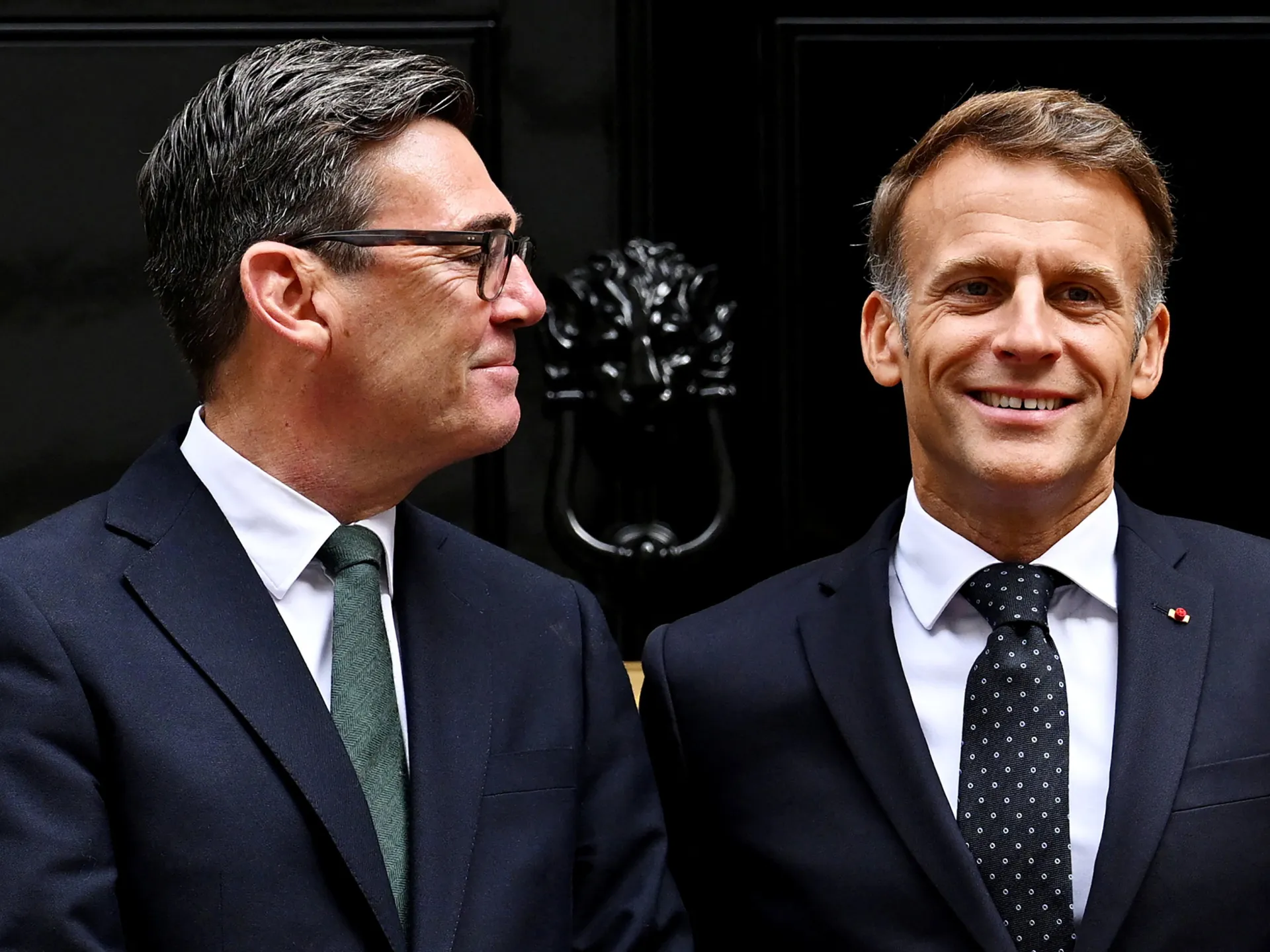
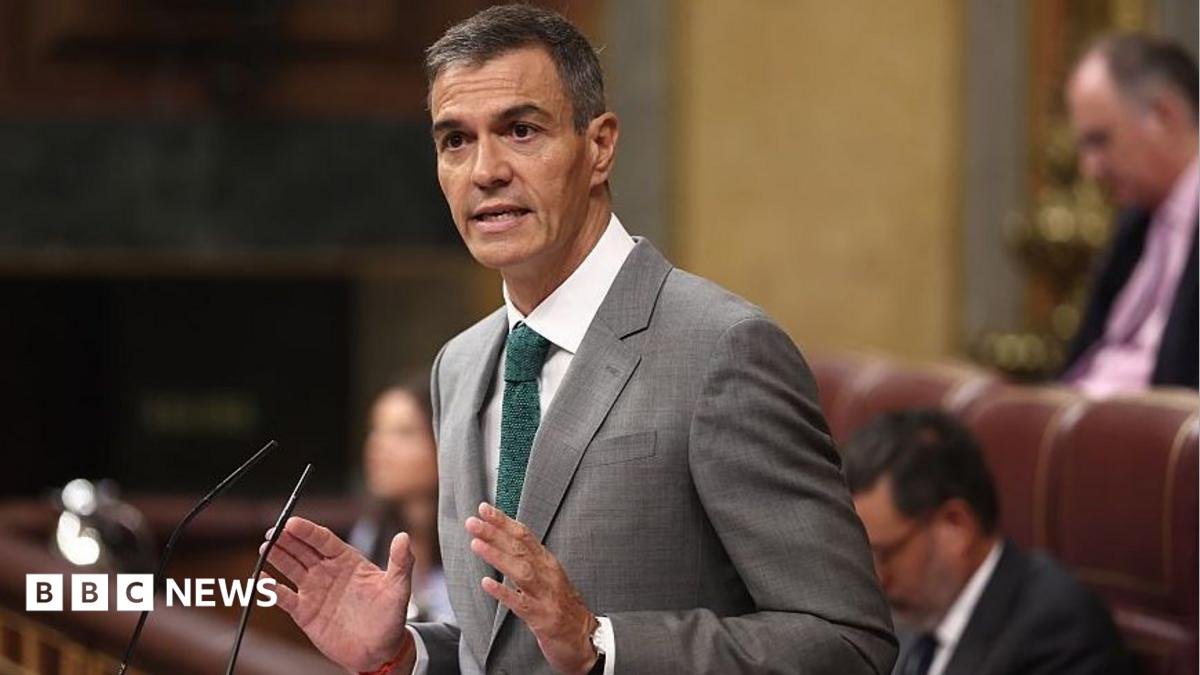
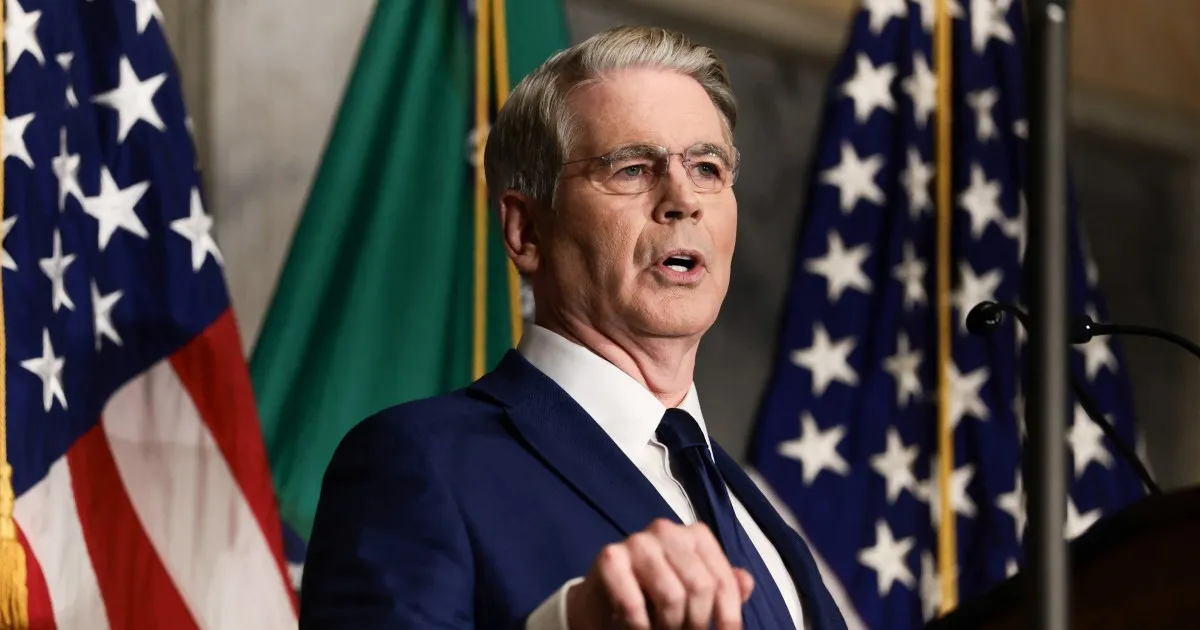
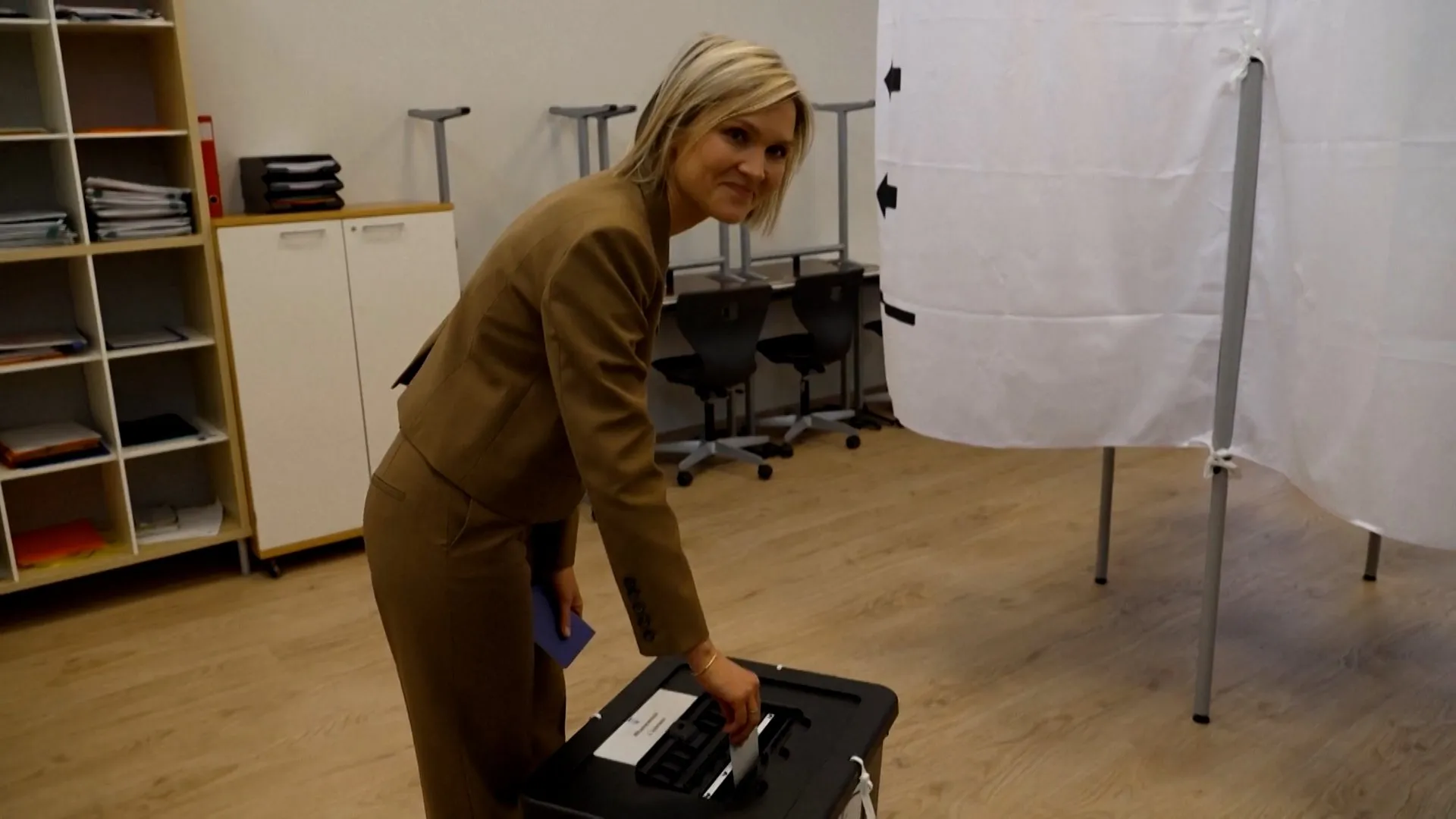
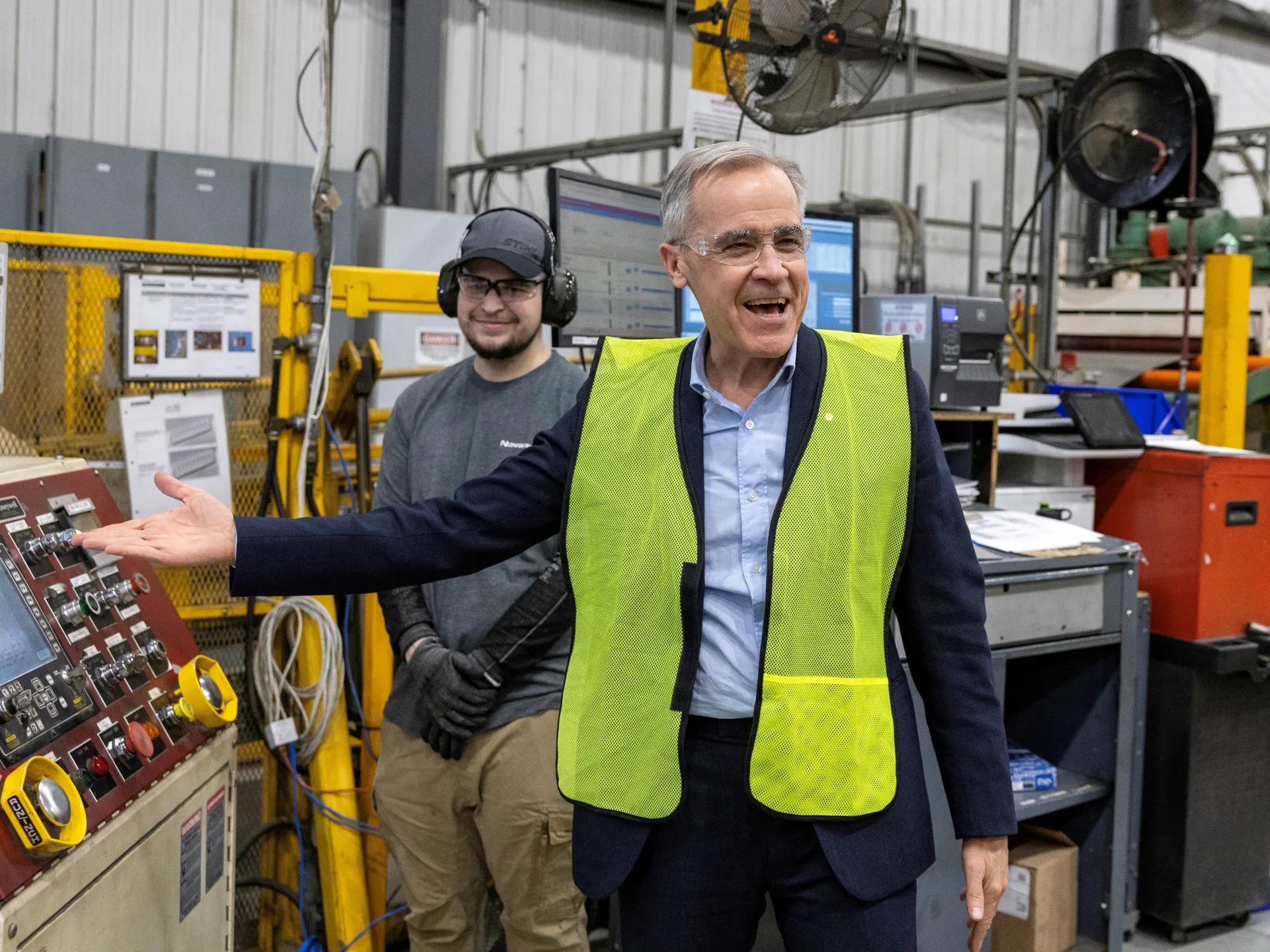
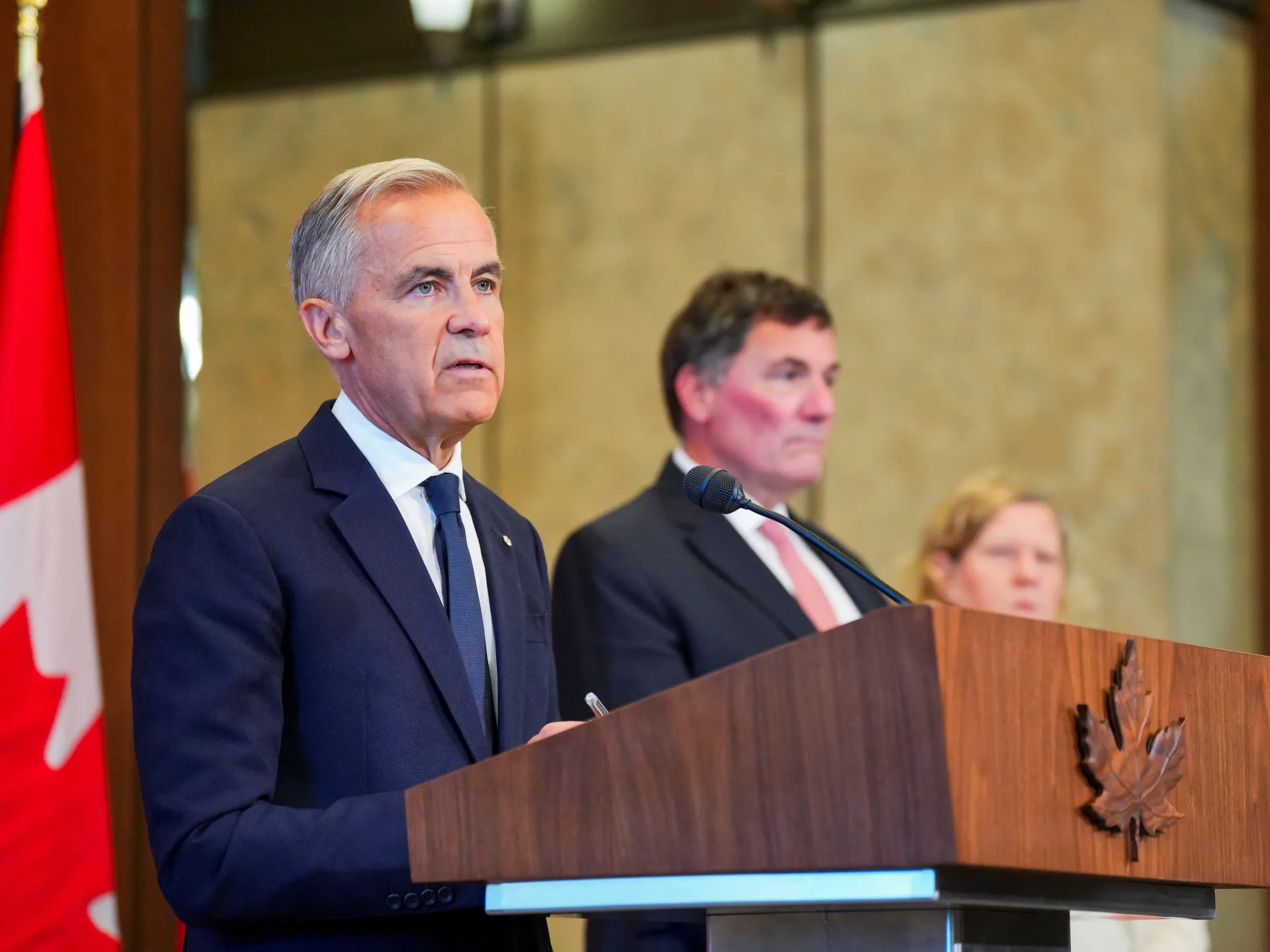
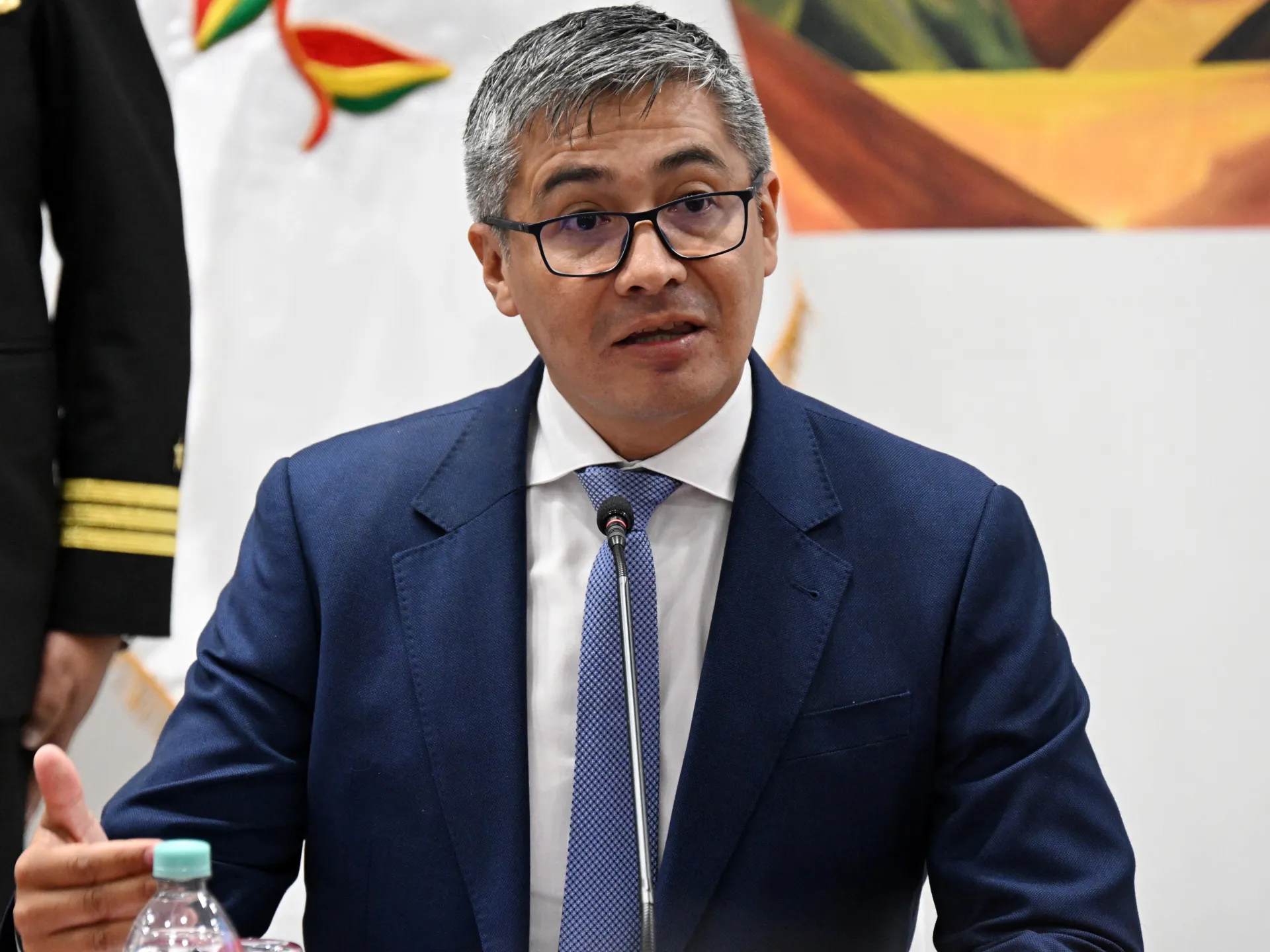
As Canada moves toward an unprecedented associate membership with the European Union, the transatlantic landscape is undergoing a profound shift. Prime Minister Mark Carney’s recent address to the European Parliament in Strasbourg signaled a decisive pivot, aiming to insulate the Canadian economy from the escalating trade friction with the United States. This move, however, comes at a time when European stability is increasingly challenged Russia.
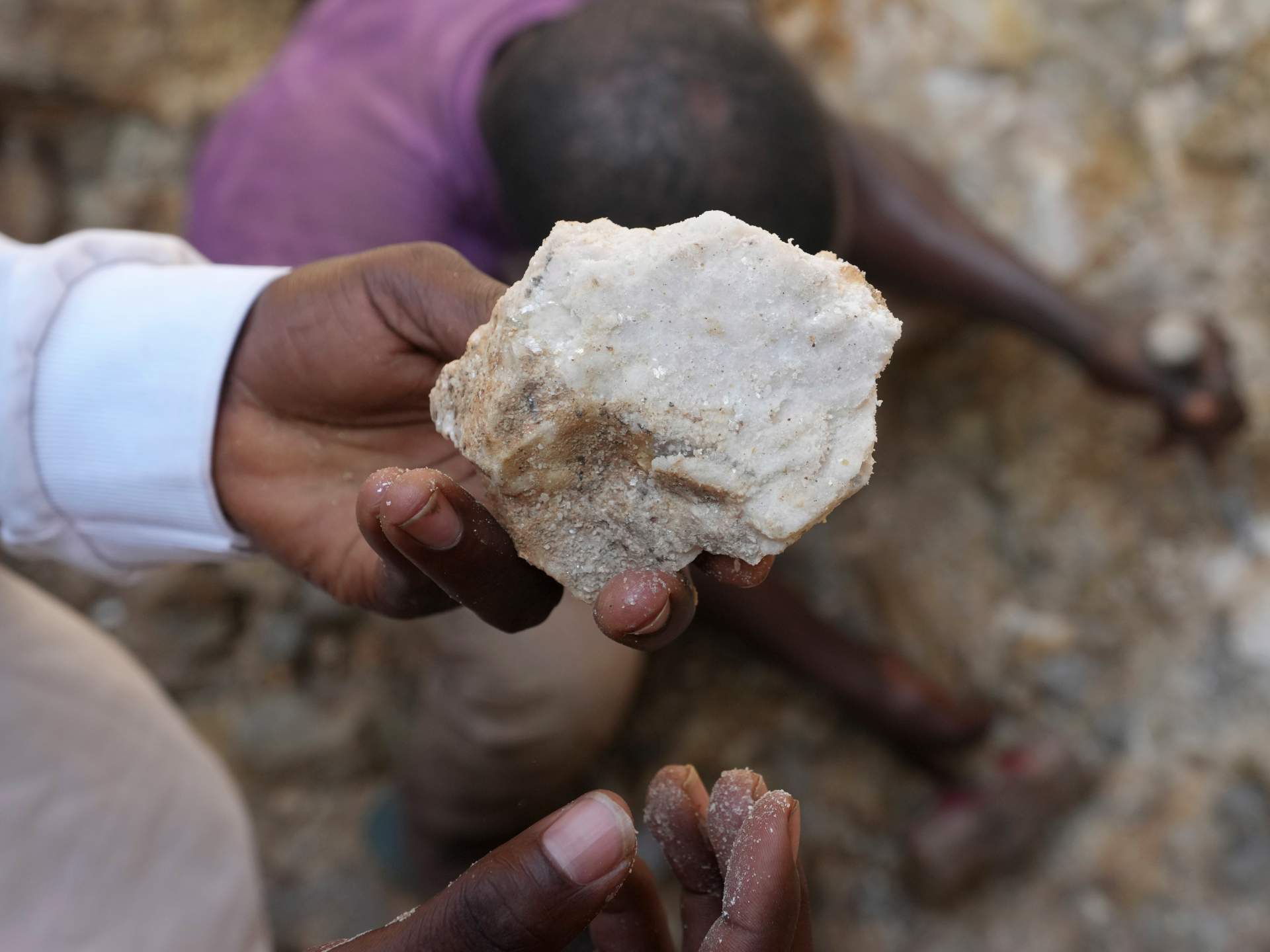
The convergence of a potential North American trade isolation and a heightened security environment in Europe has created a volatile geopolitical climate. While the proposed EU-Canada alliance is being marketed as a partnership focused on critical minerals, energy security, and collective democratic resilience, it is viewed iffs hanging over the Atlantic, the diplomatic maneuvering between Ottawa, Brussels, and Washington represents a critical test of post-war international alliances.
The proposed associate membership status represents an experimental shift in international relations. Historically, the European Union has maintained rigid criteria for membership, requiring full political and economic alignment. rint for a new tier of geopolitical integration. This matters because it creates a pathway for non-European nations to access the internal market and security apparatus of the bloc without the burden of full integration, potentially altering the global balance of power.
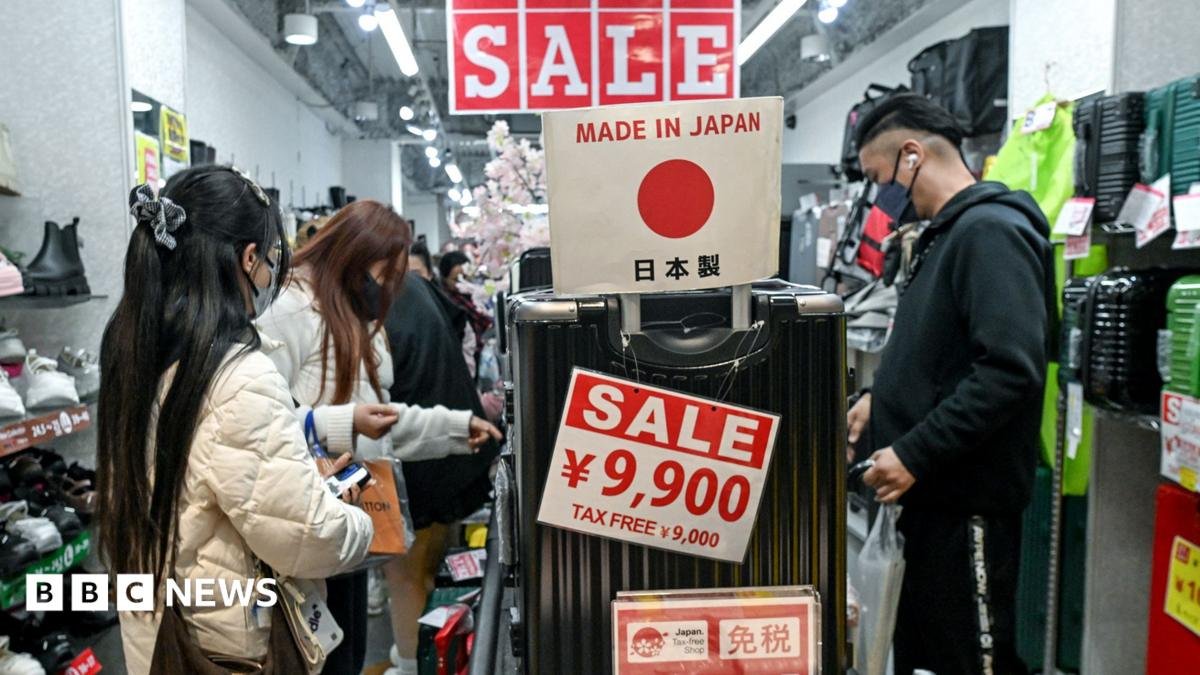
For the average citizen, the stakes are tangible. Should the U.S. follow through on threats to impose heavy tariffs on European goods as a response to this pact, the resulting trade war could disrupt global supply chains, drive up consumer prices, and deepen the economic polarization between the Western powers. Furthermore, the debate surrounding "hybrid war"—defined ts that the modern battlefield is no longer confined to traditional borders. The ability of Canada and the EU to secure their critical infrastructure under this new partnership will be the definitive measure of whether such alliances can survive in a hostile, digitized security environment.
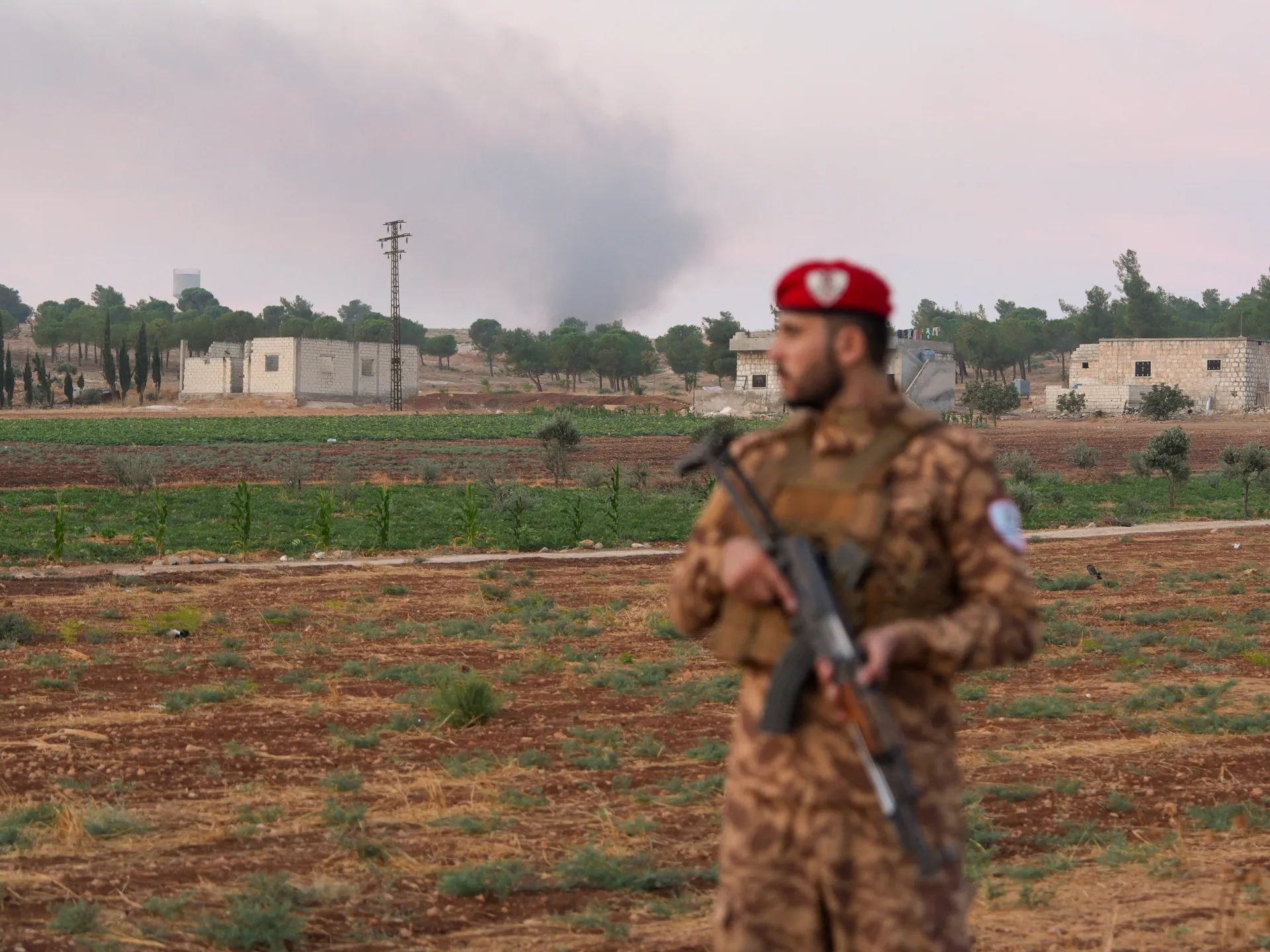
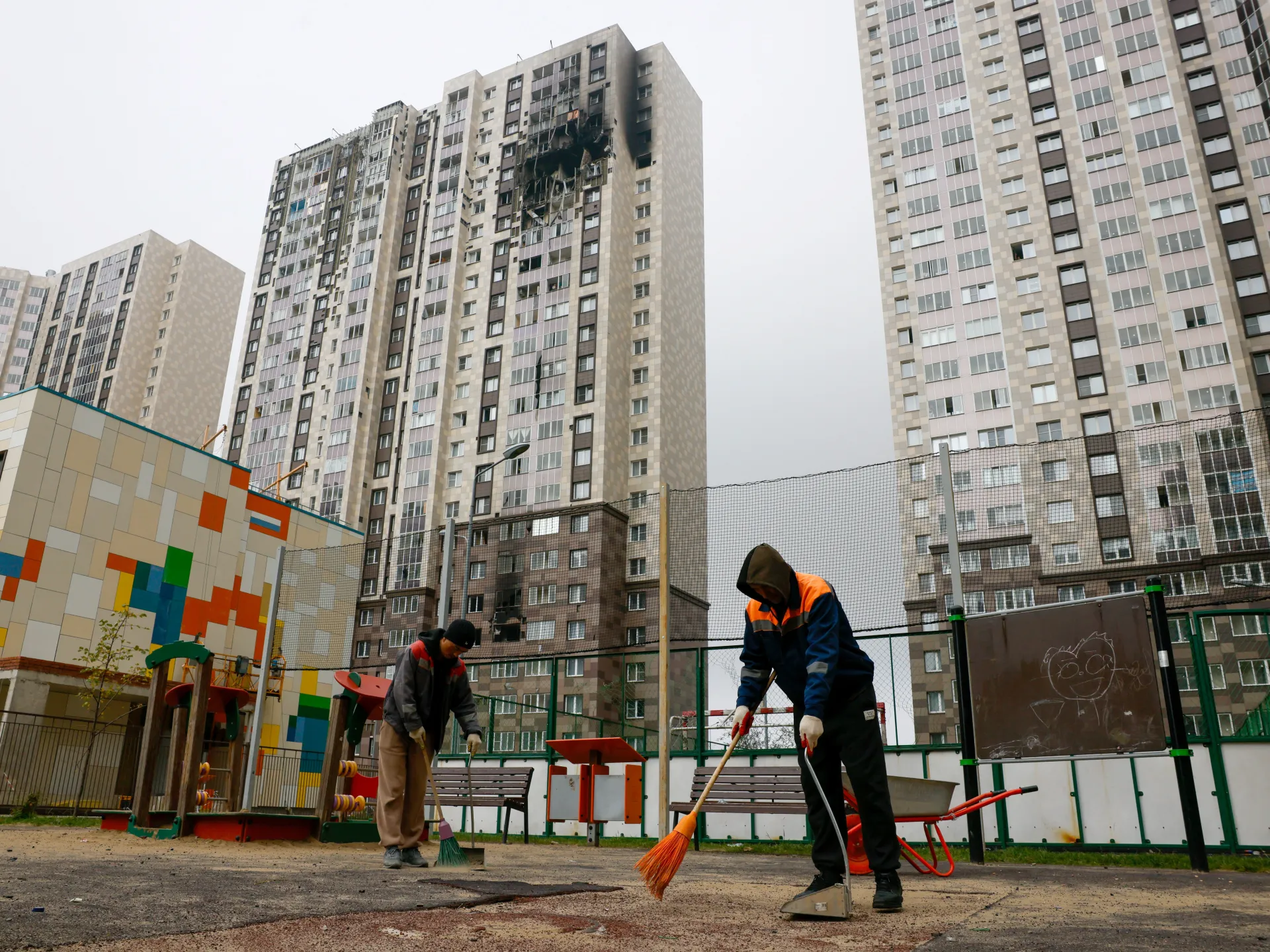
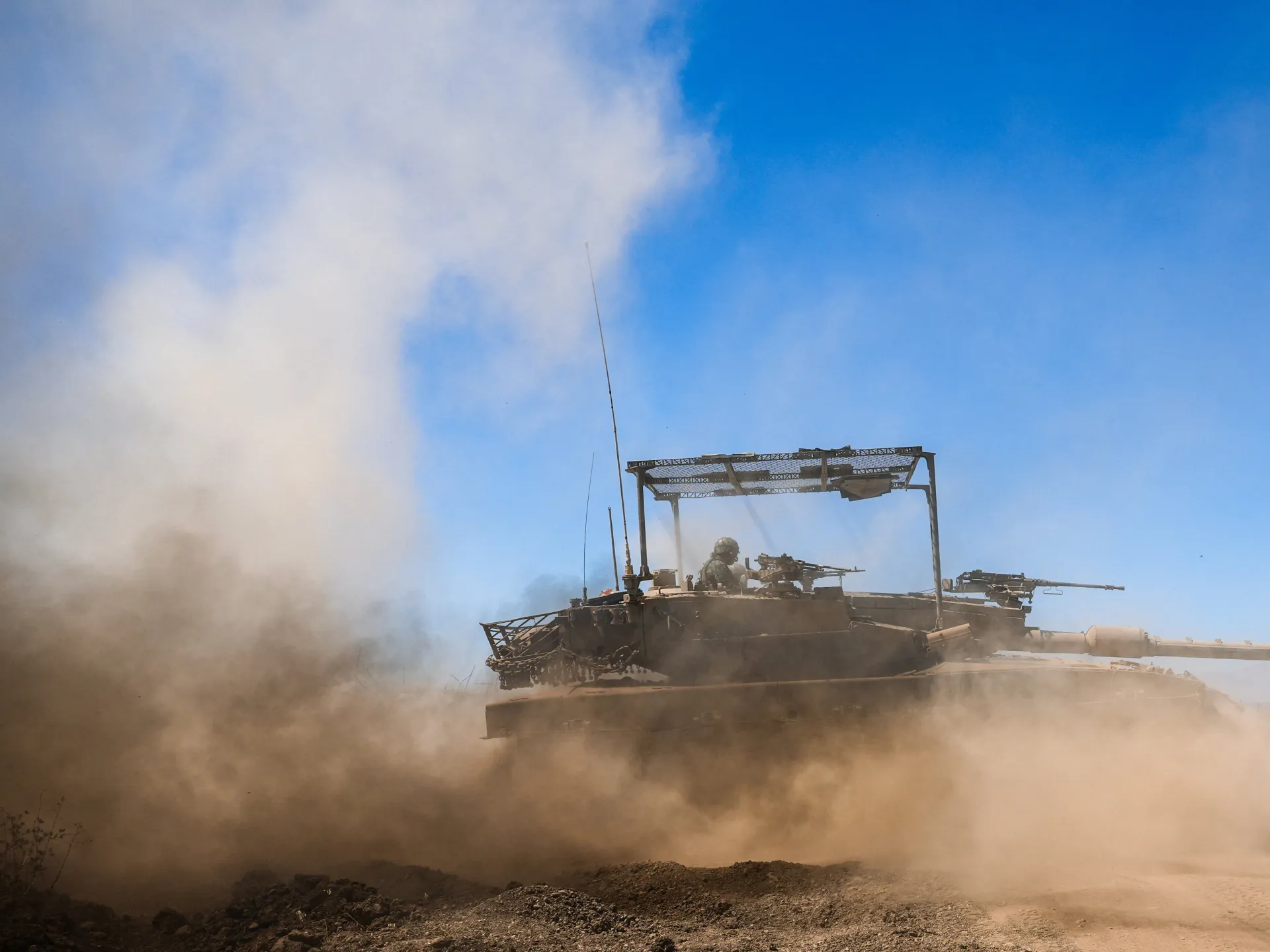
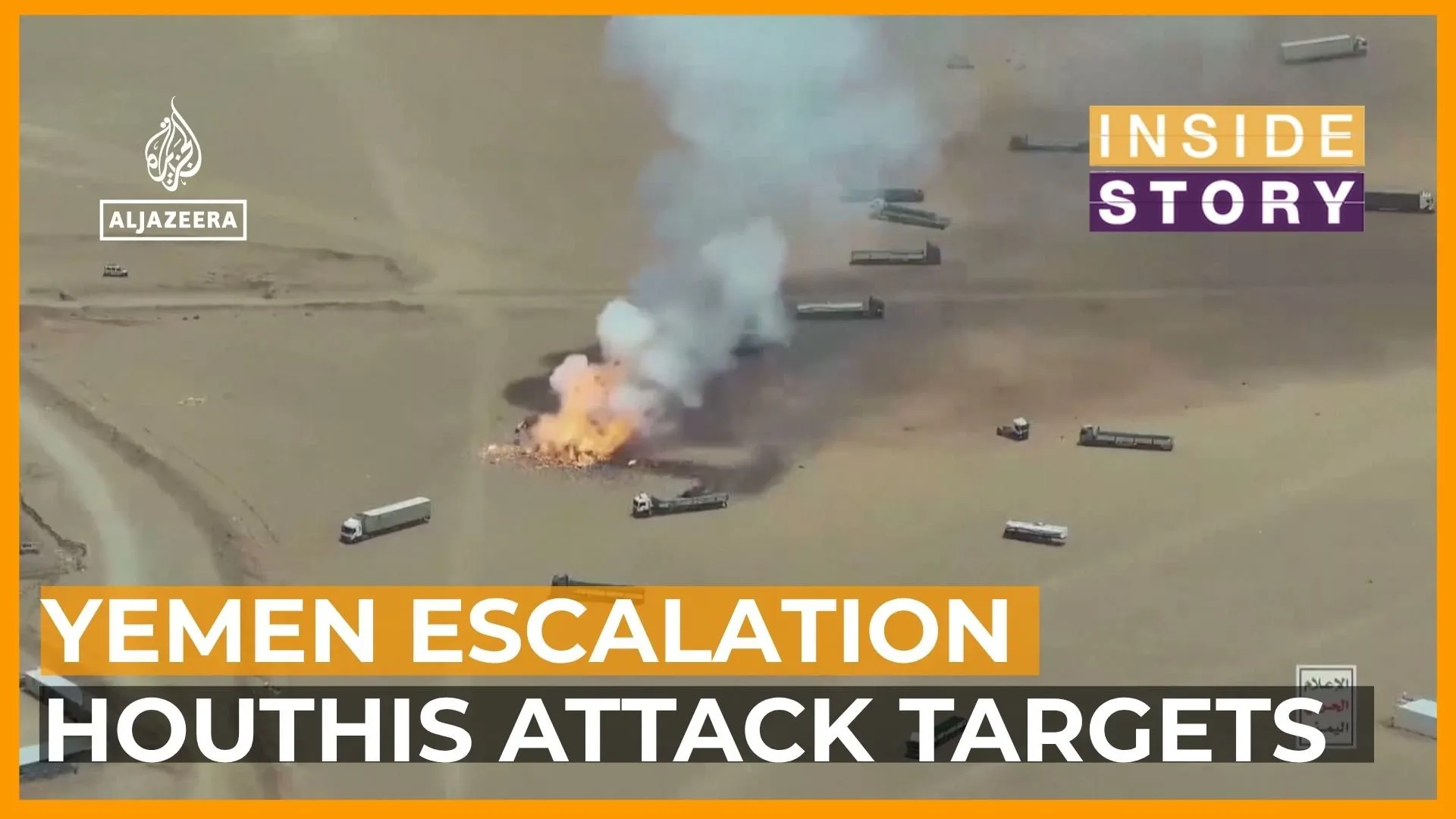
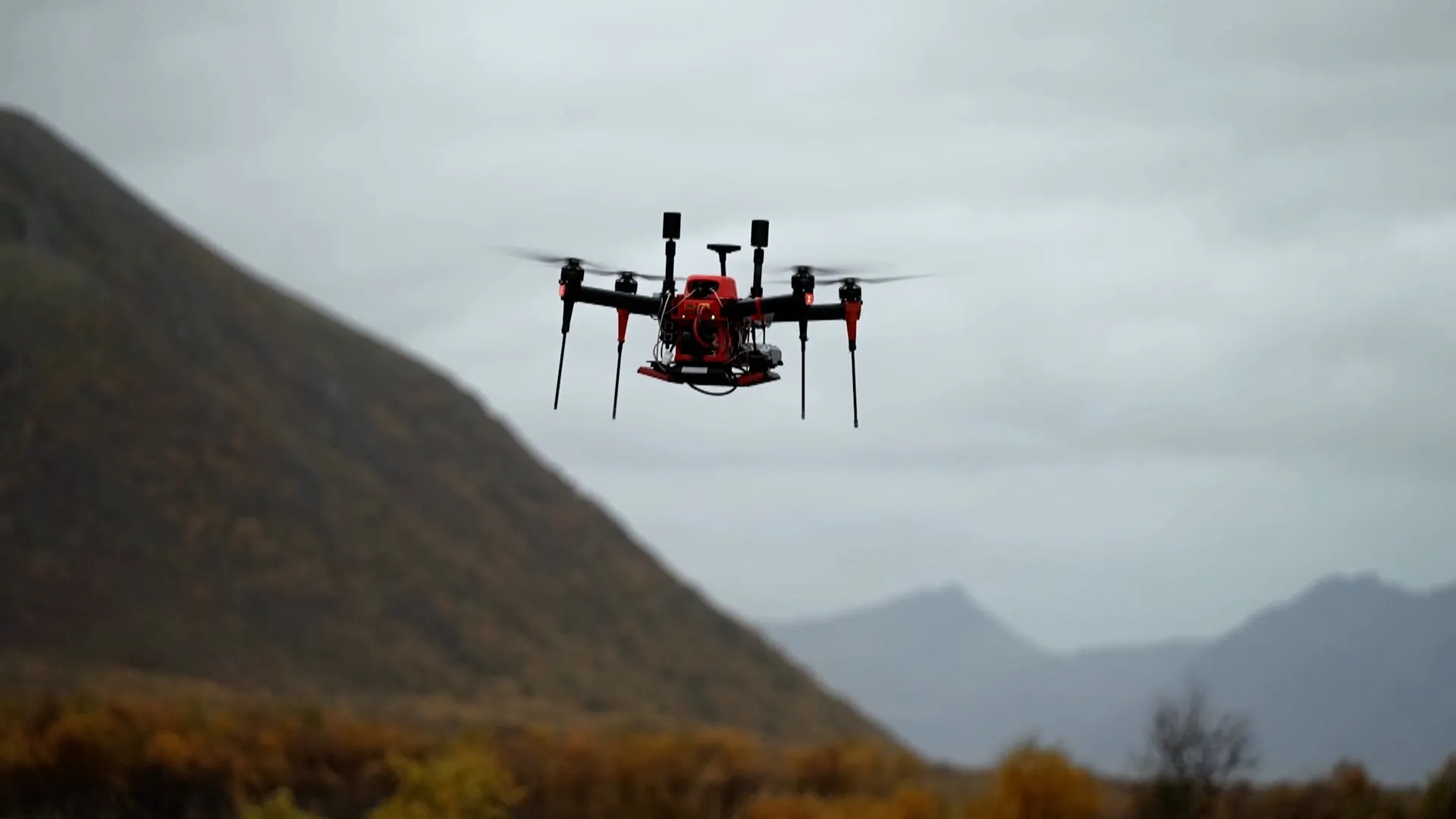
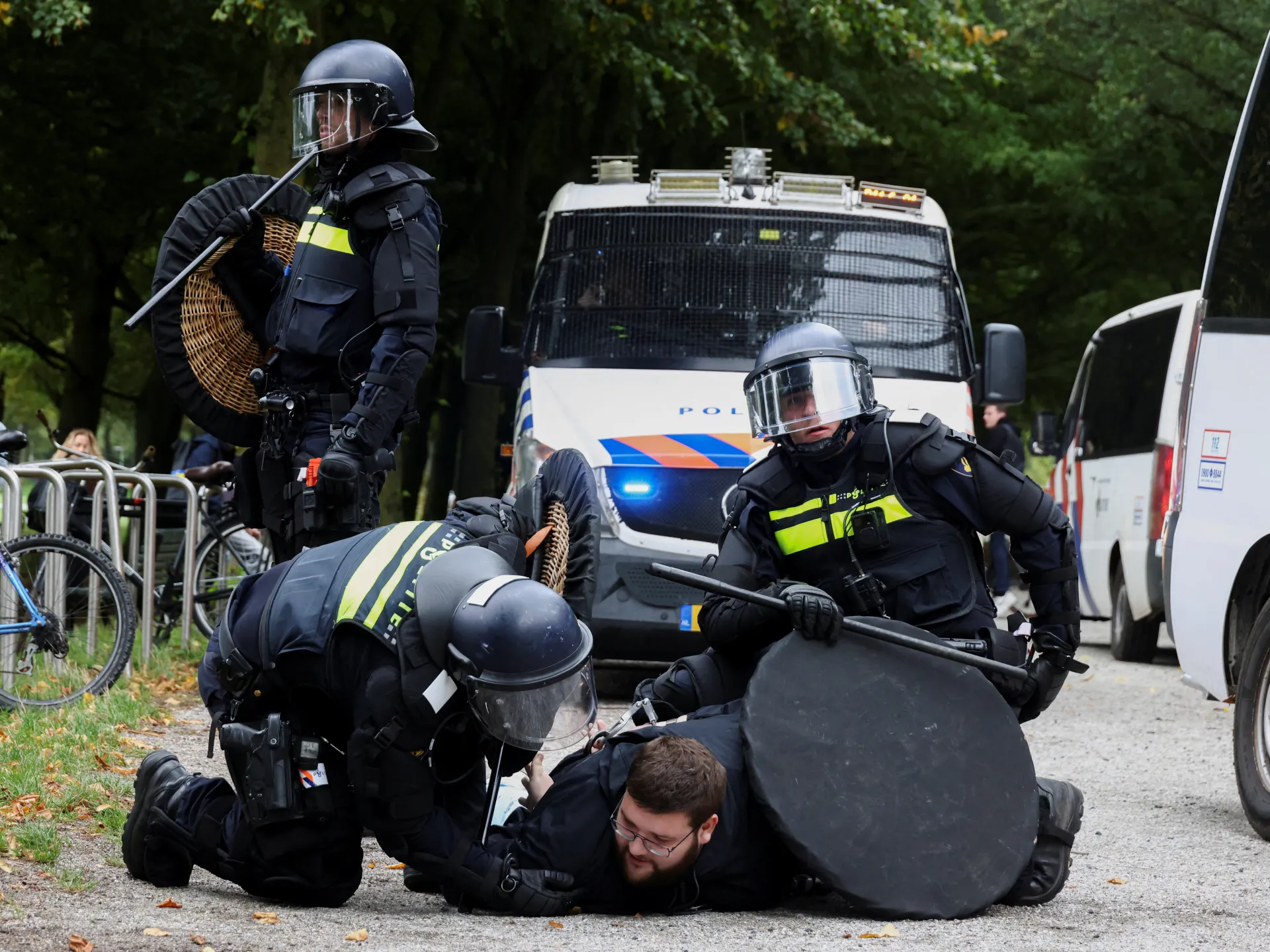
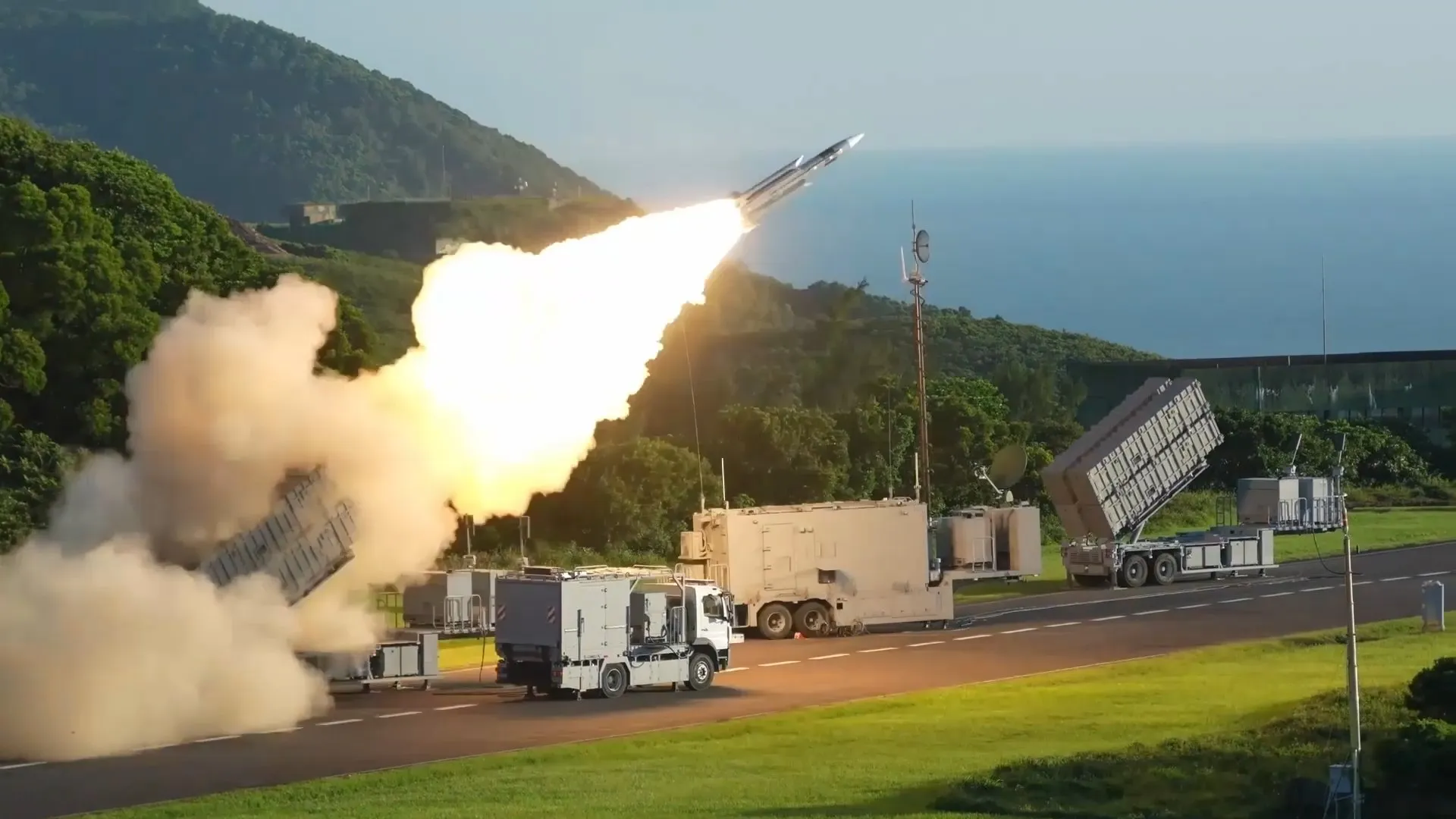
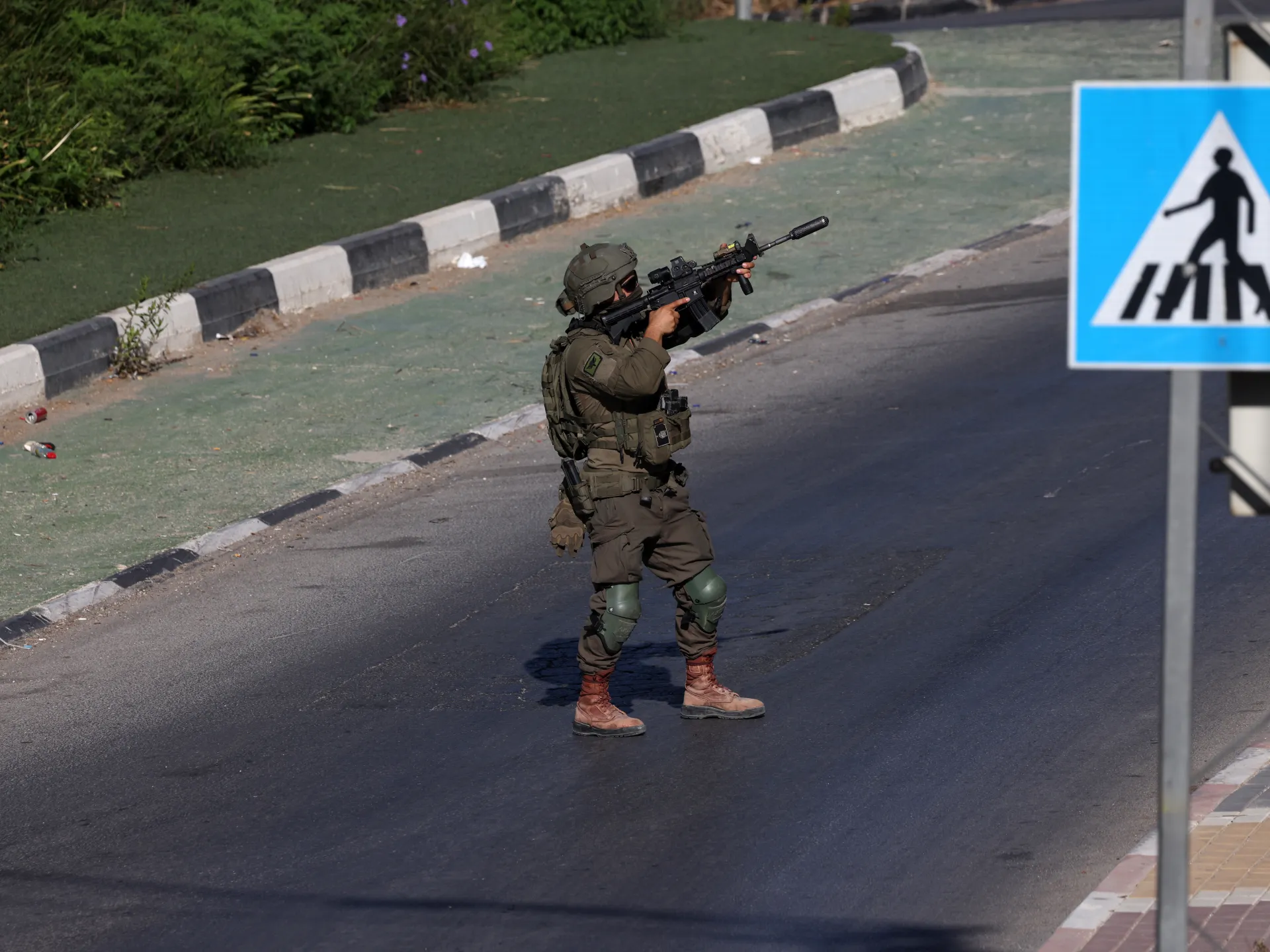
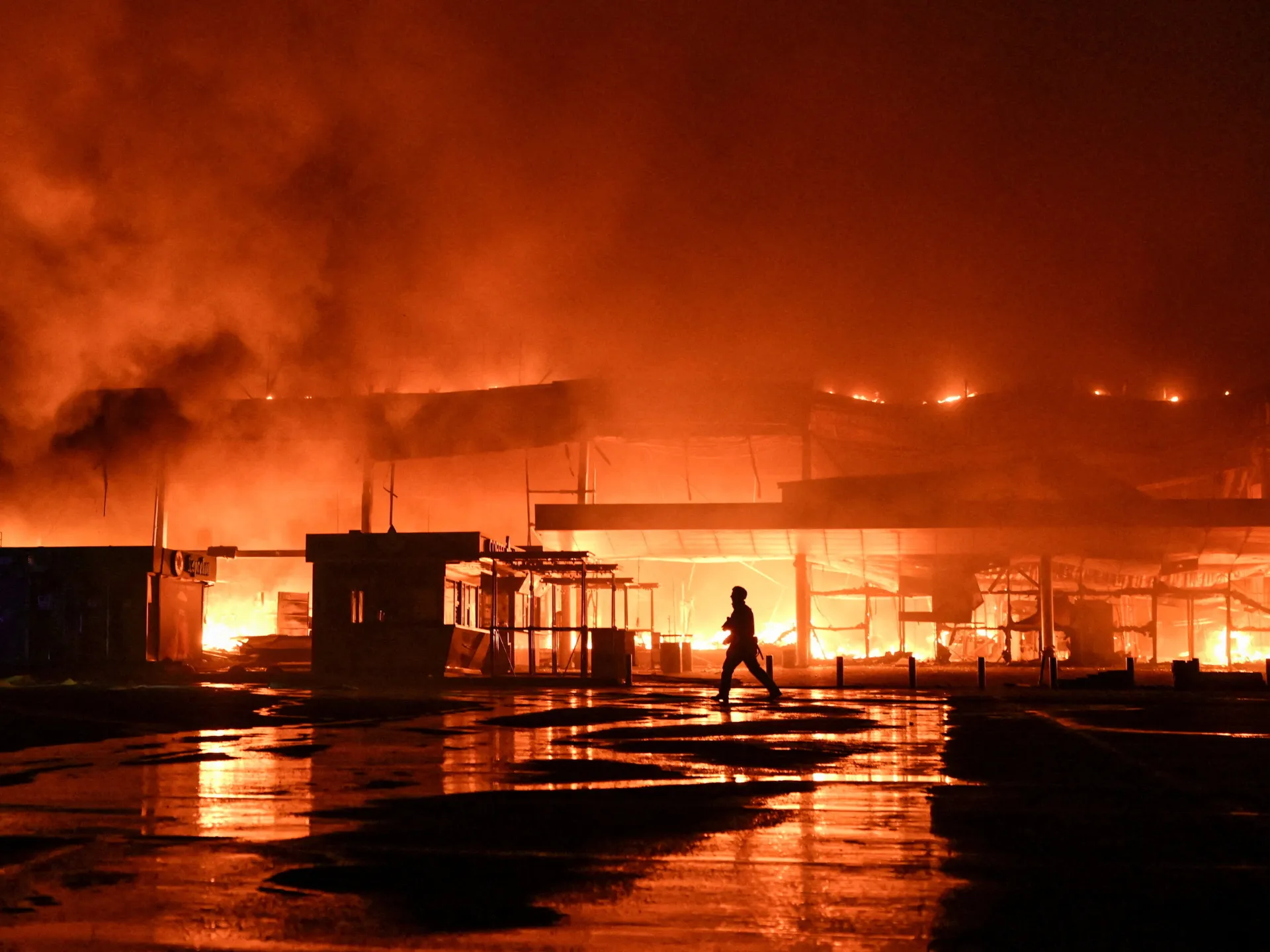
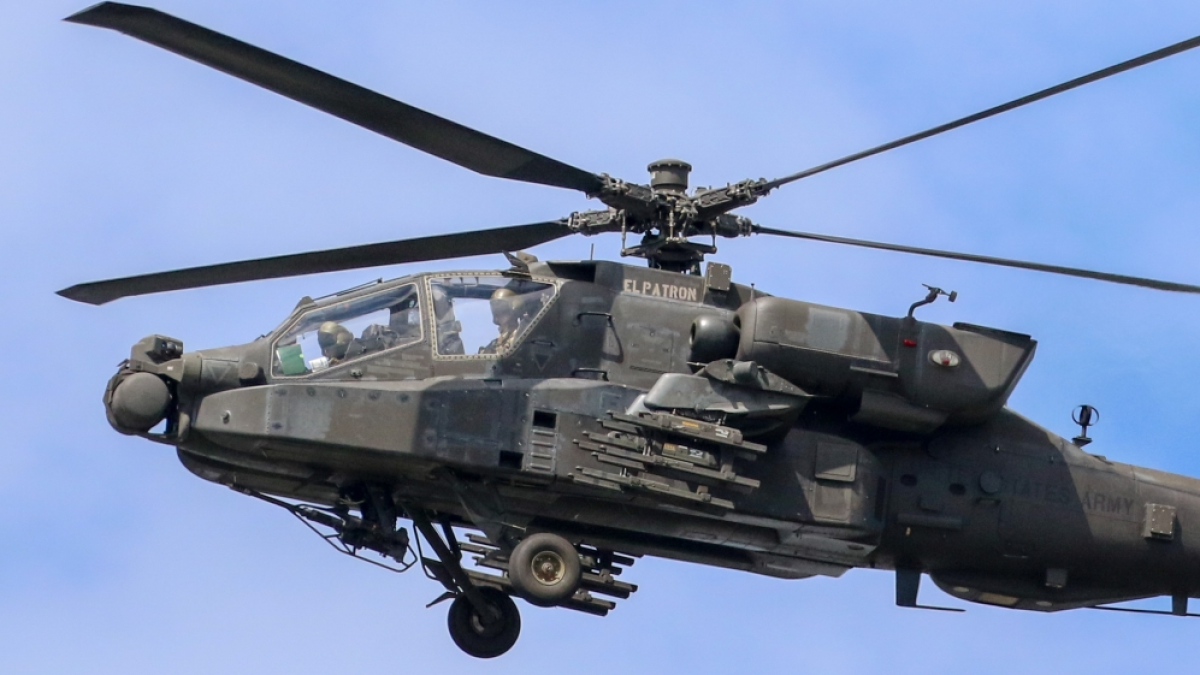
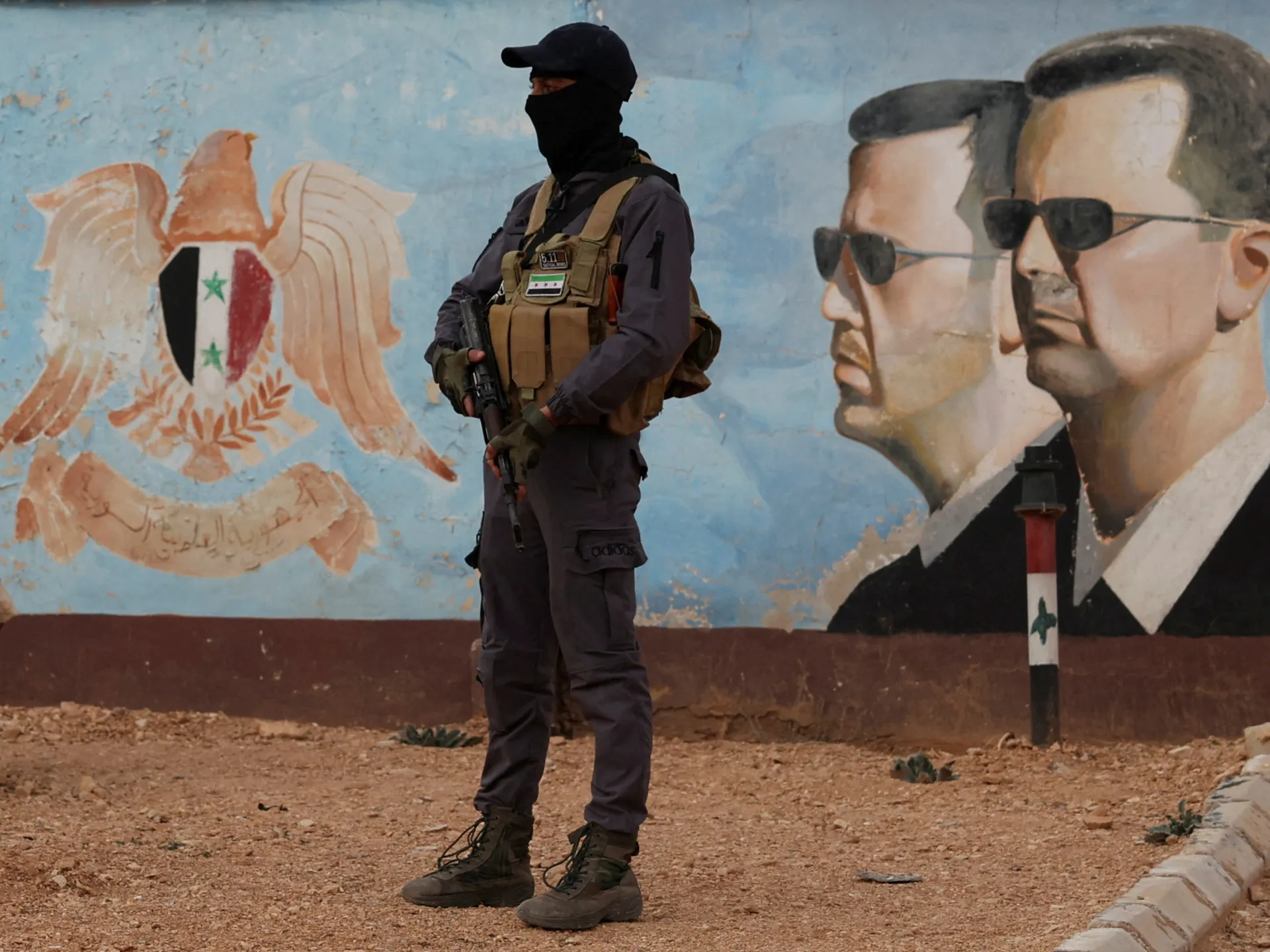
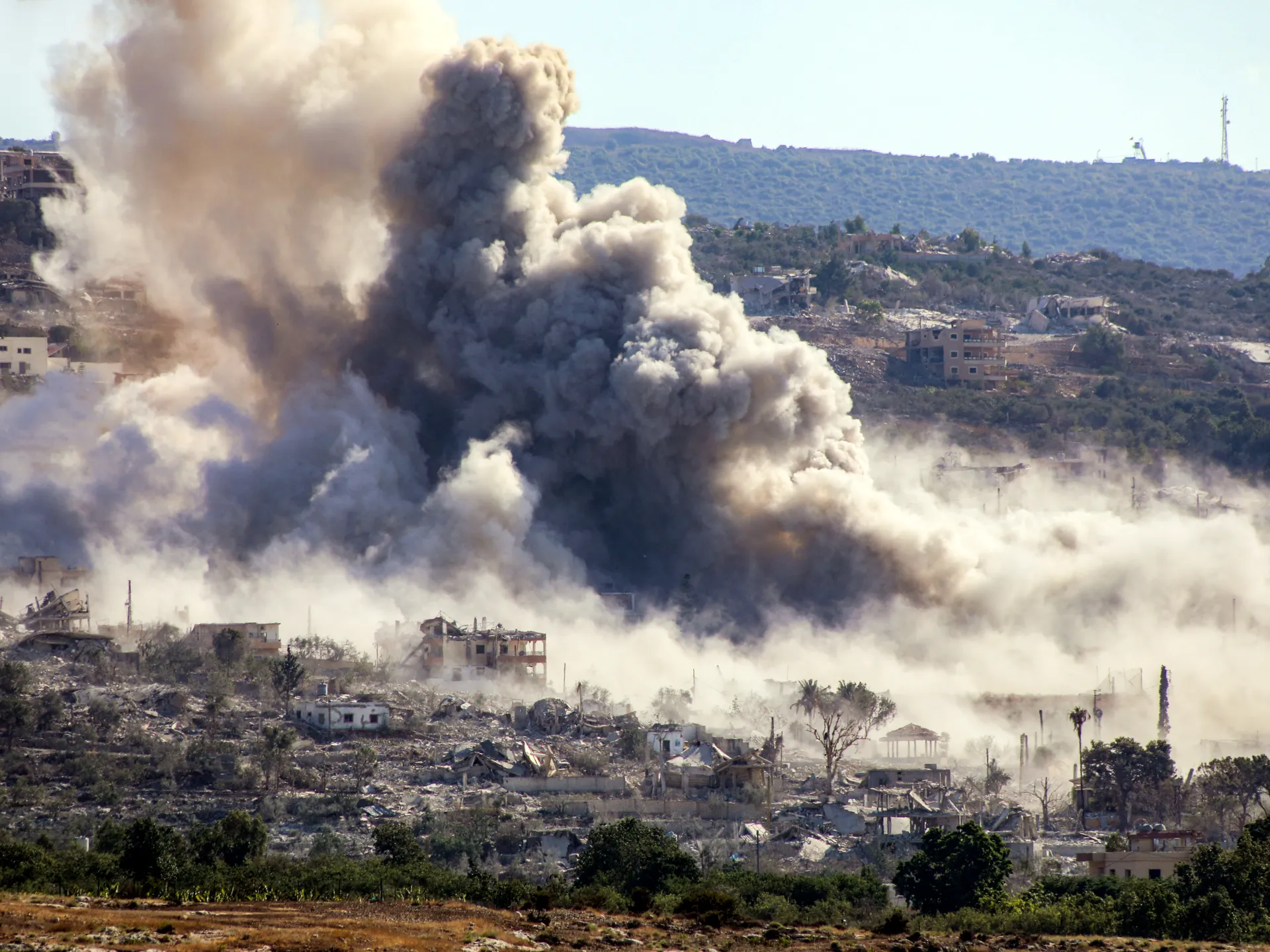
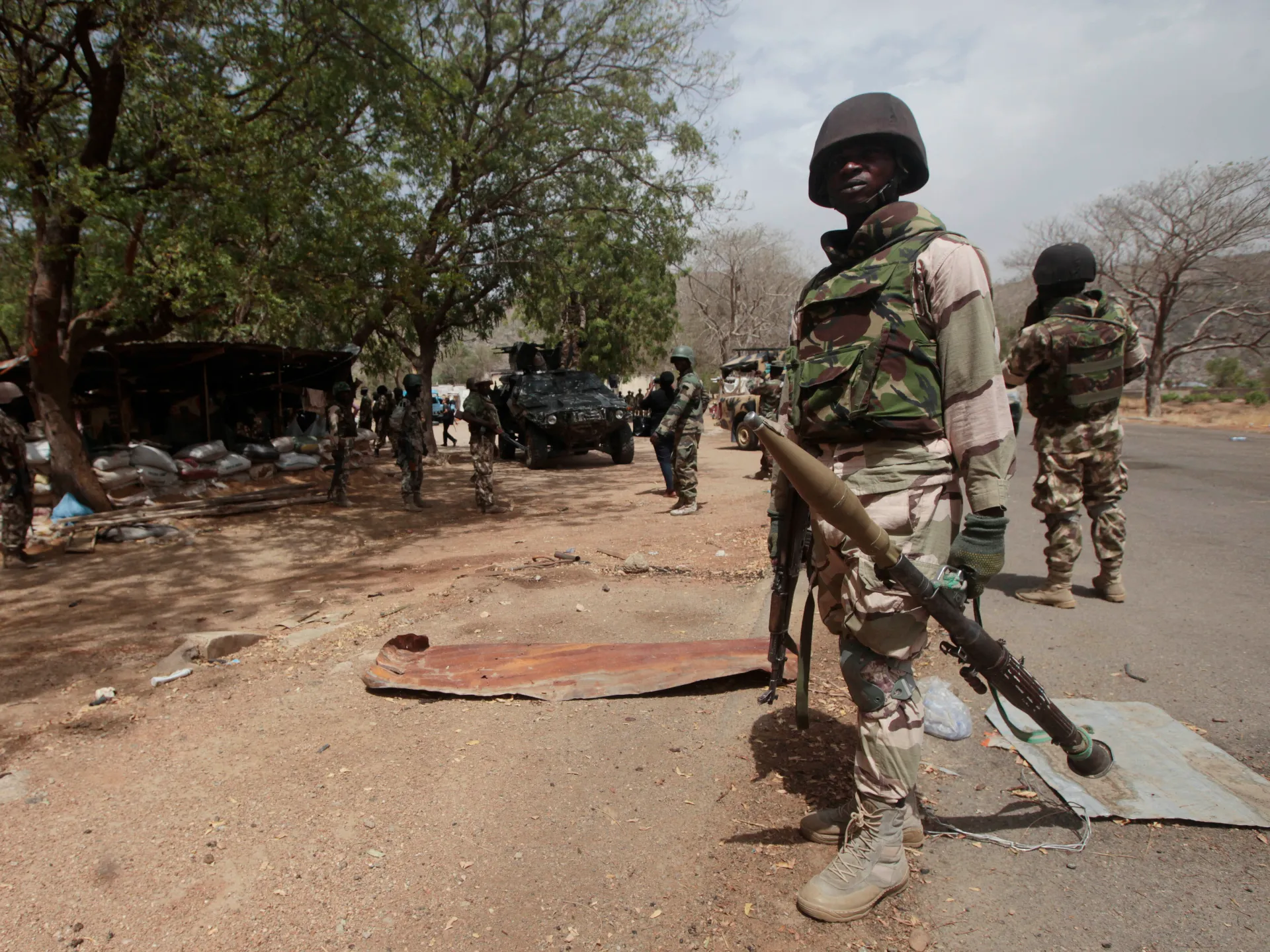
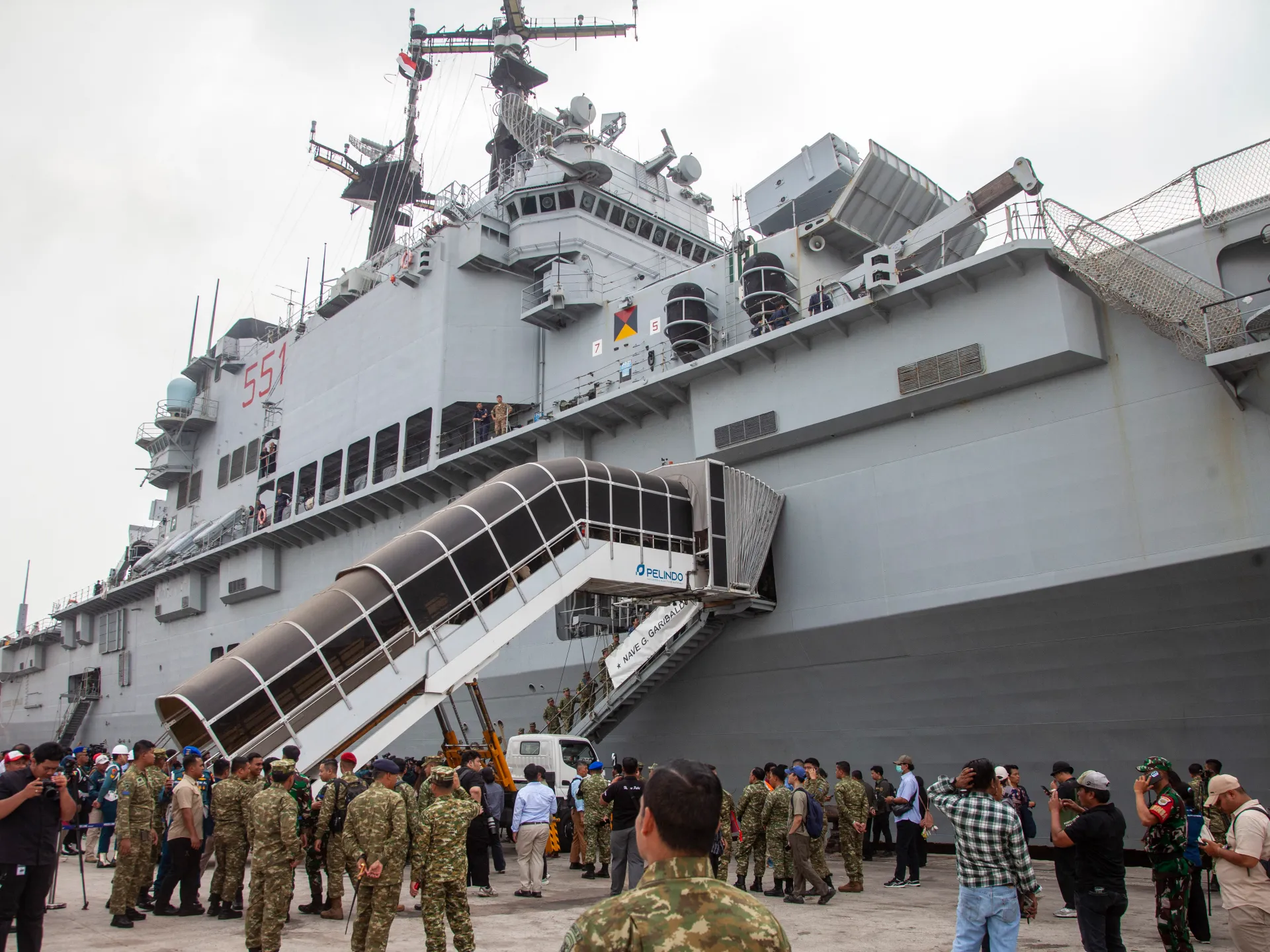
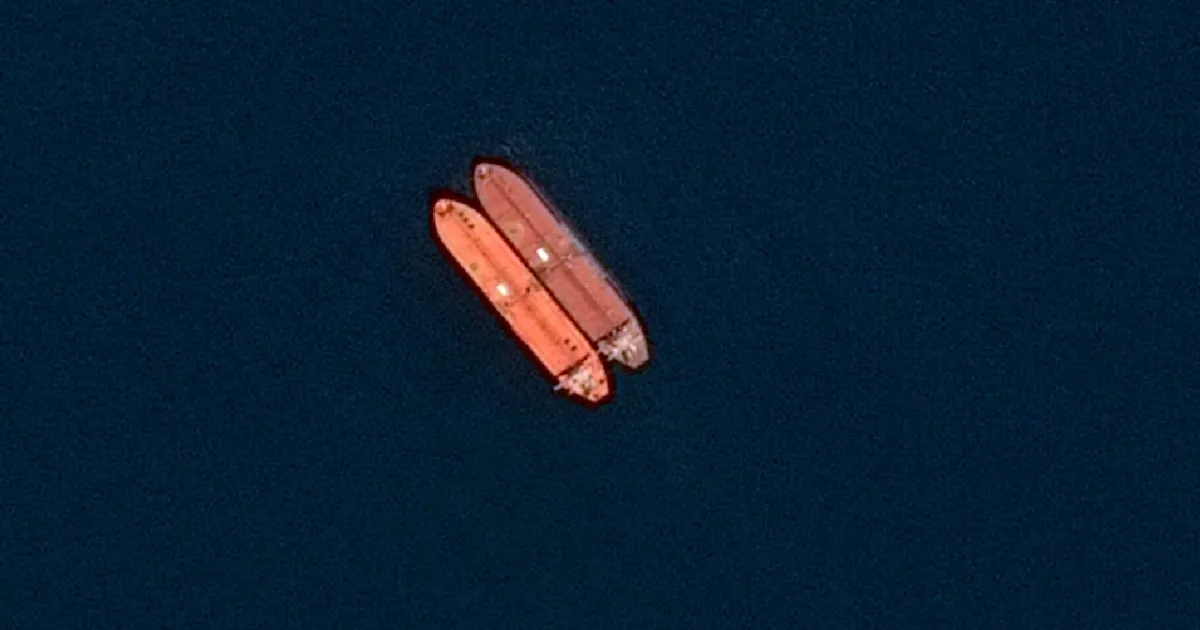
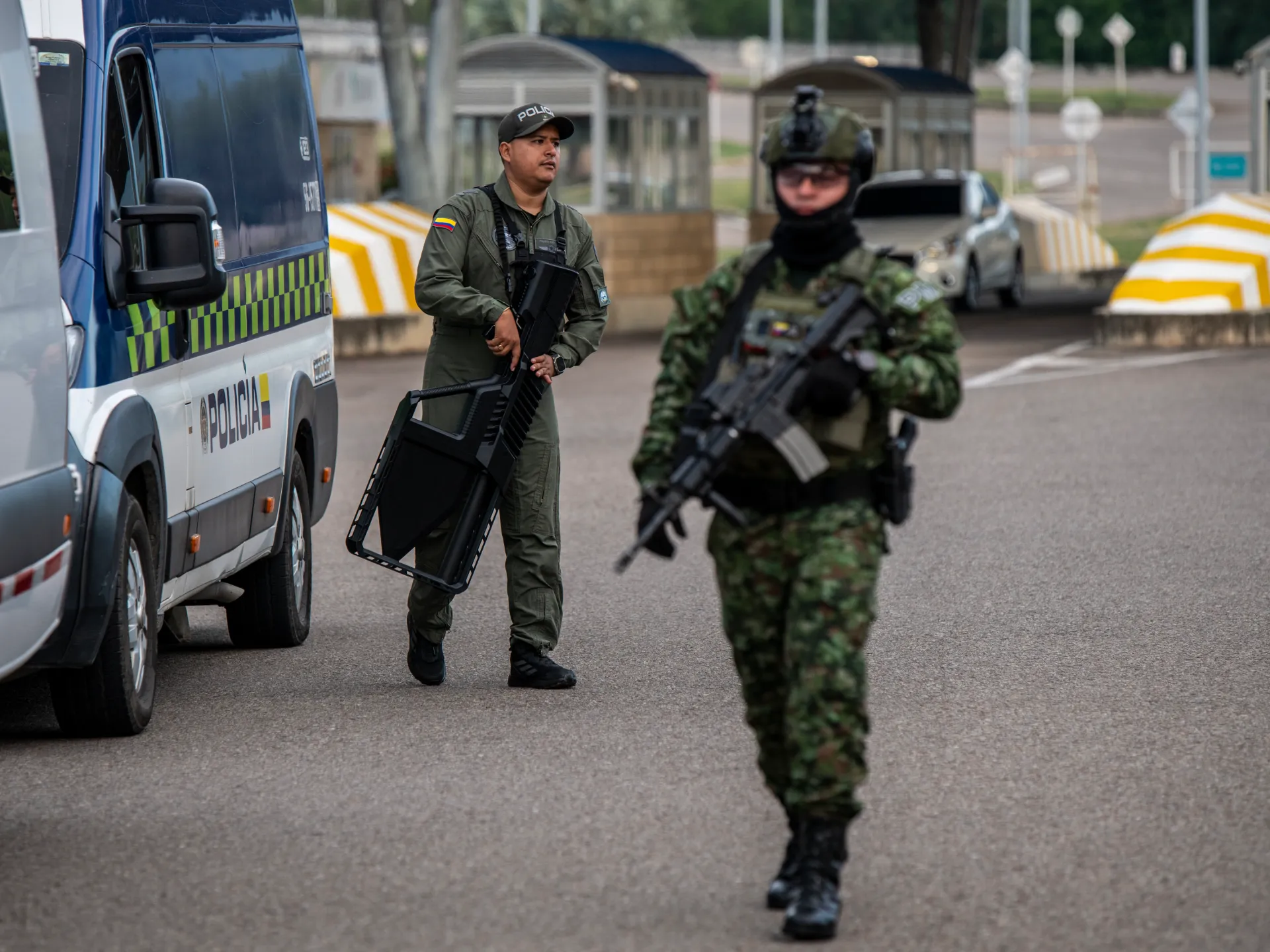
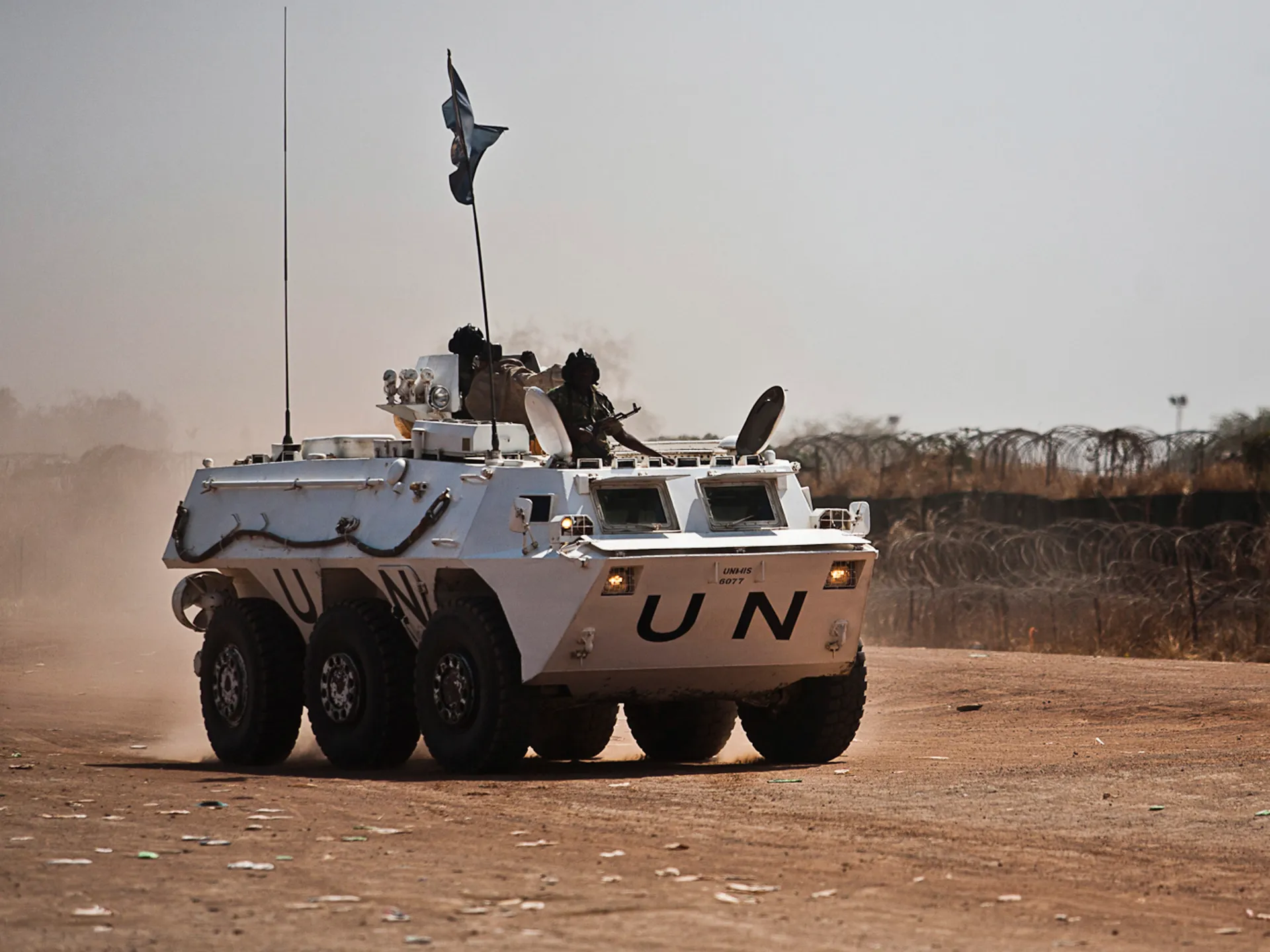
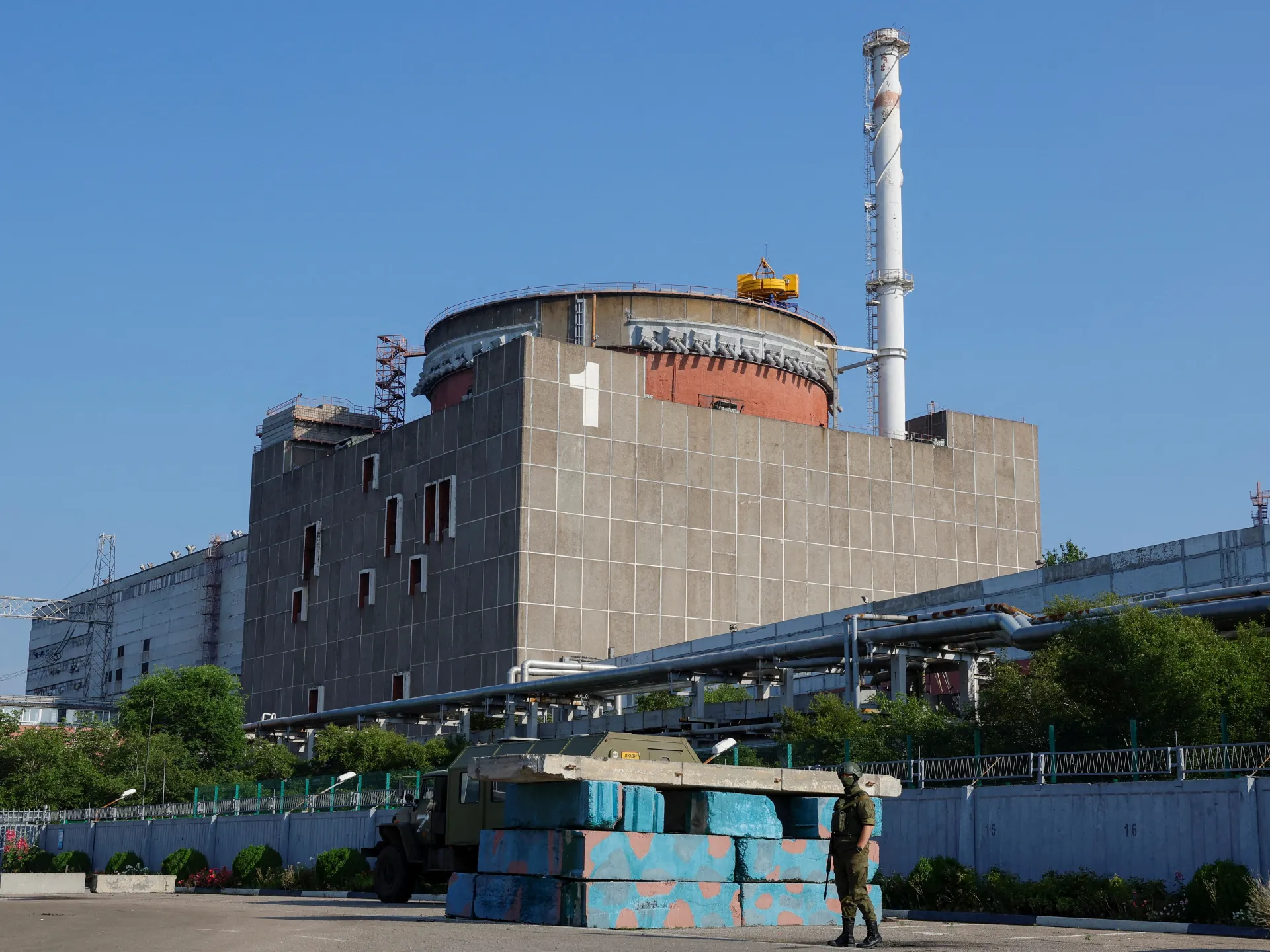
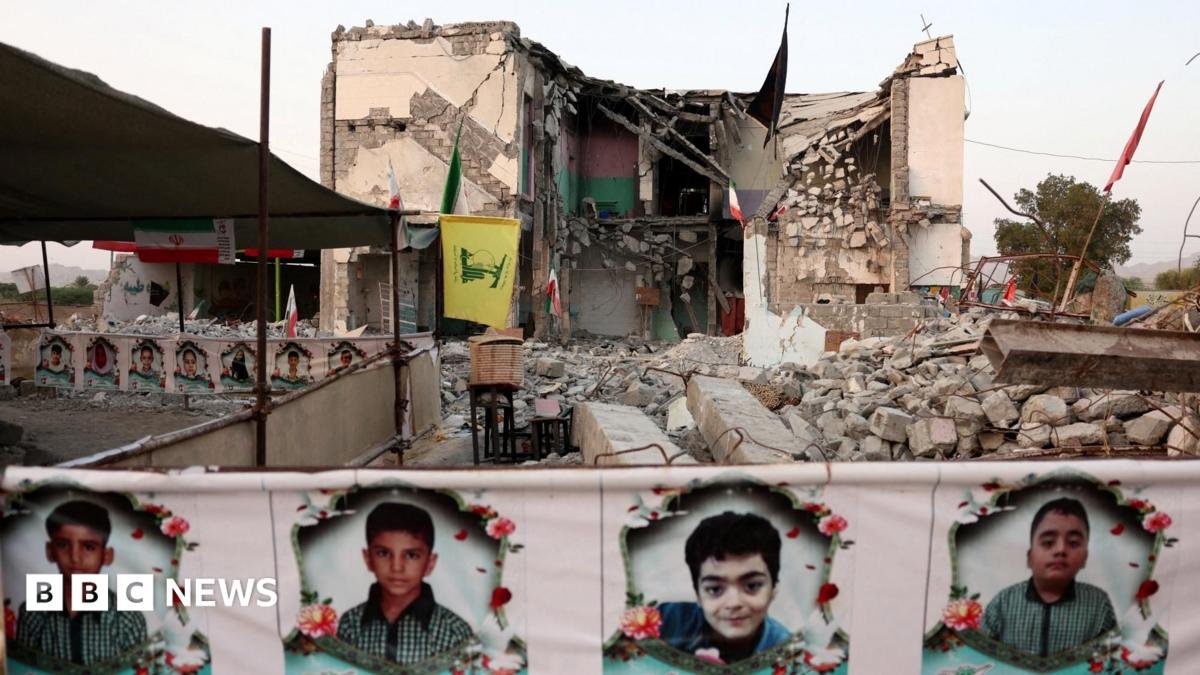
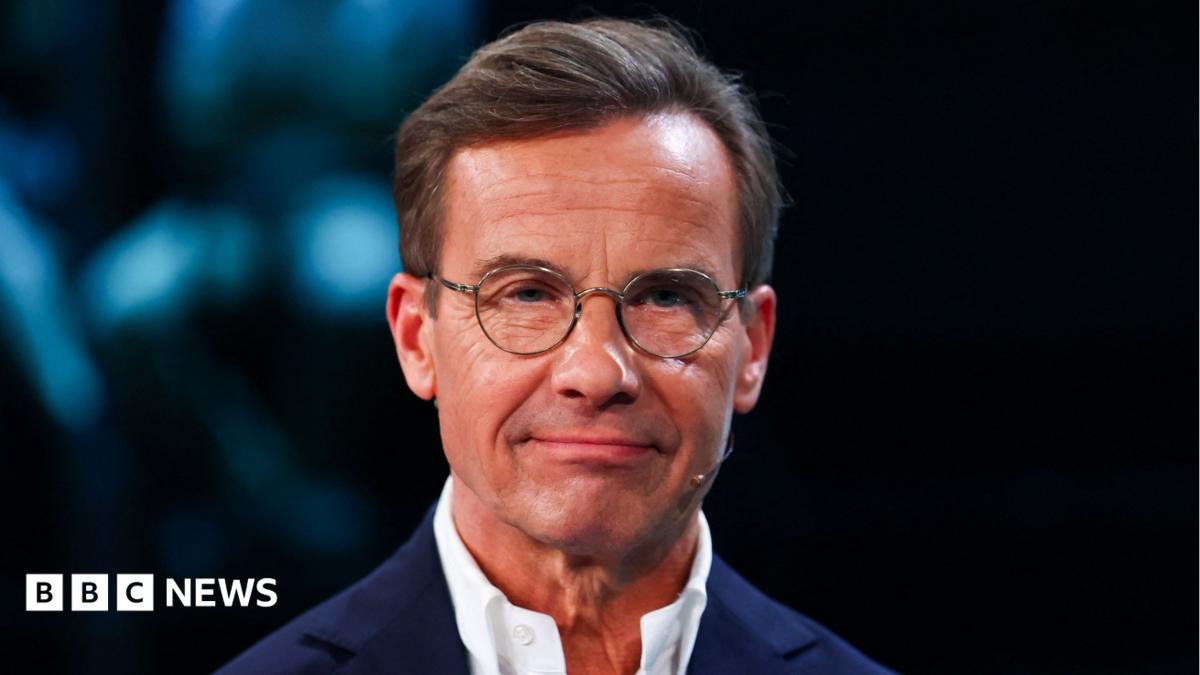
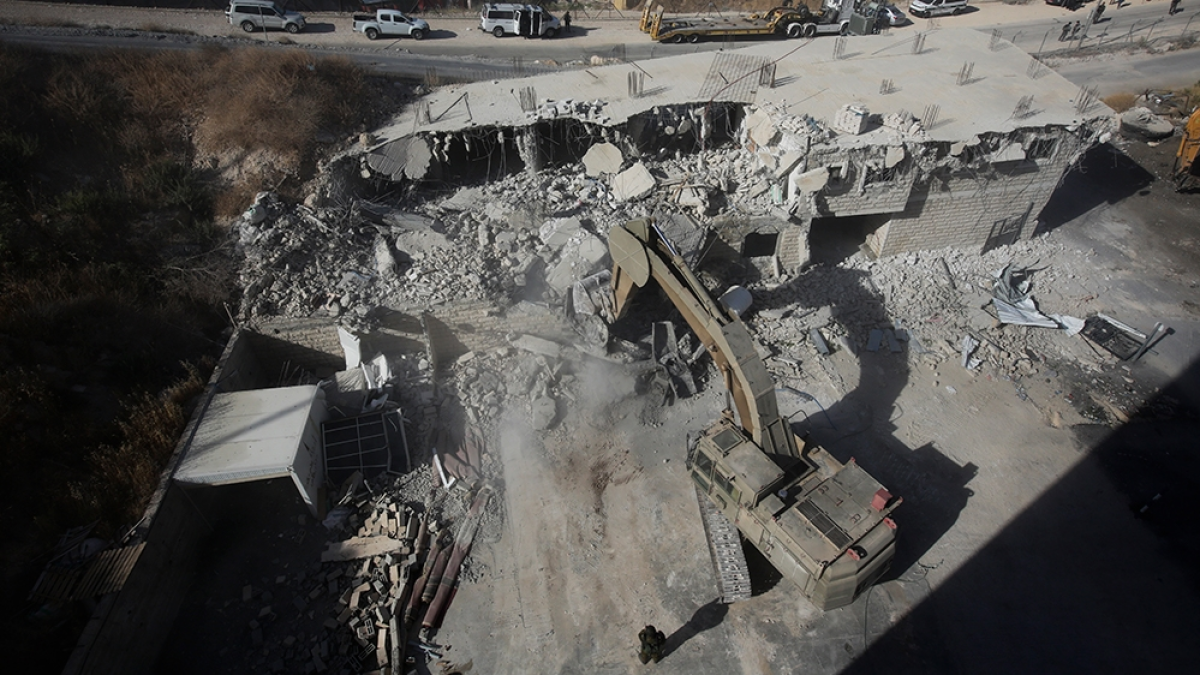
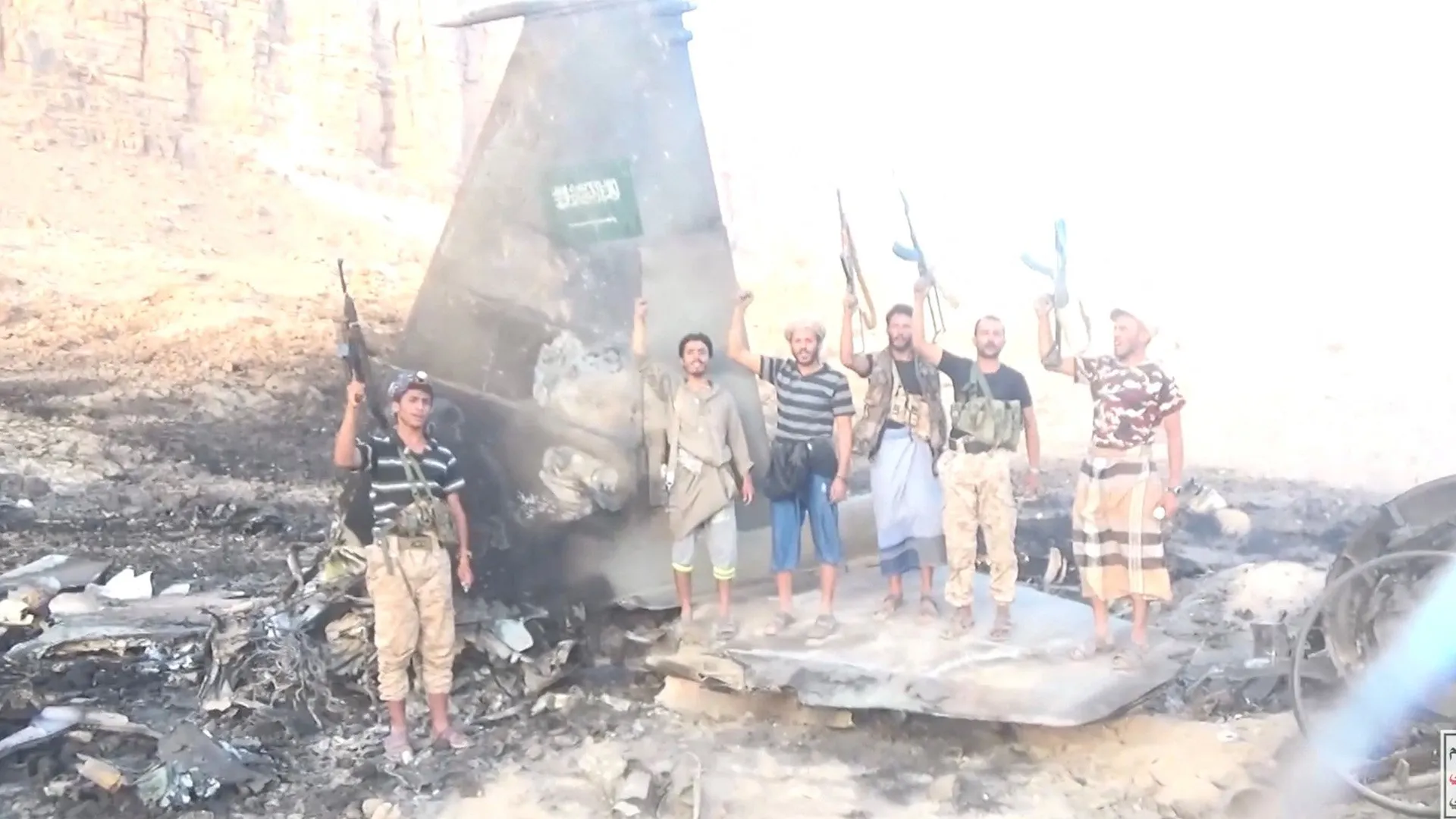
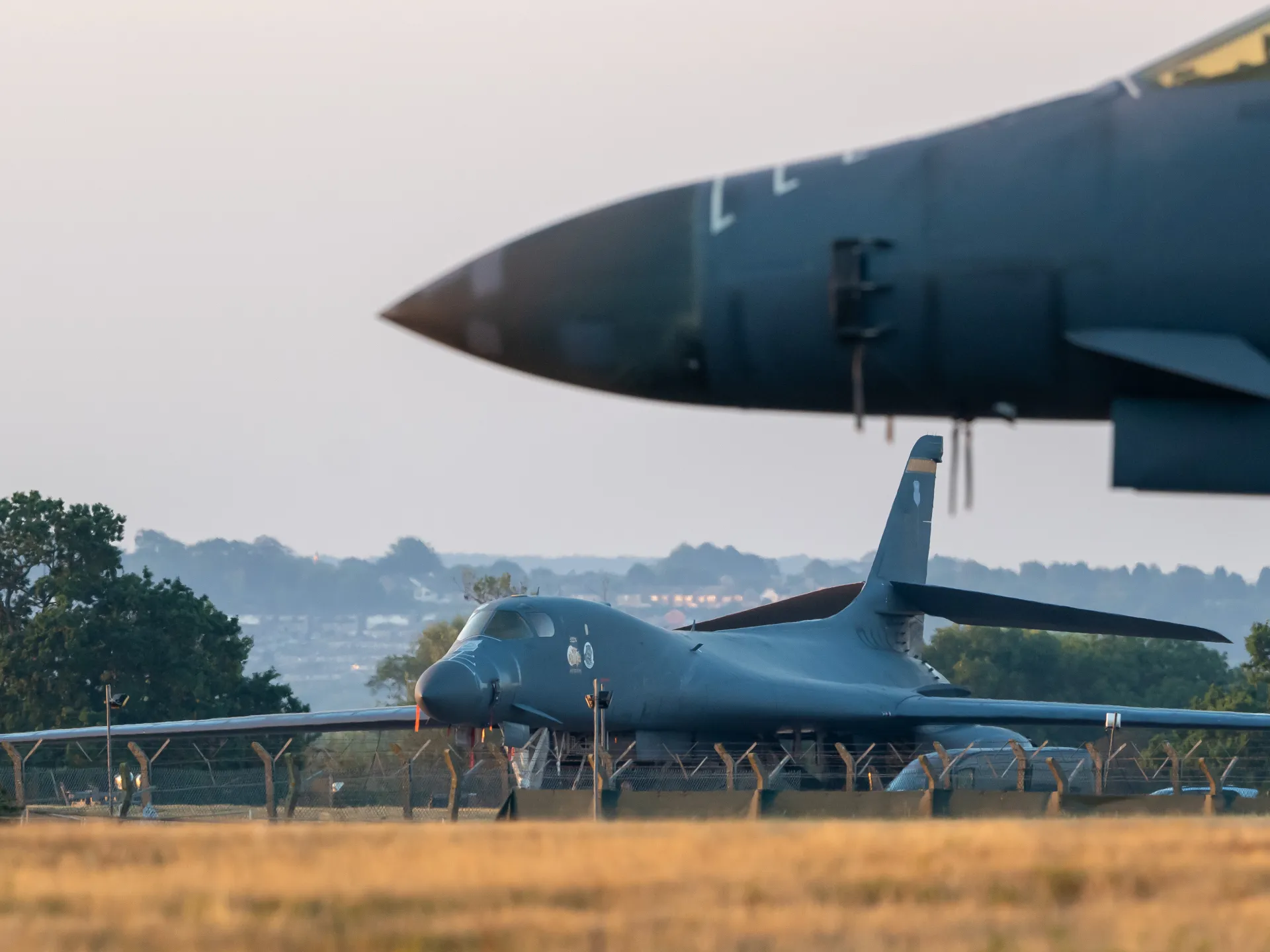
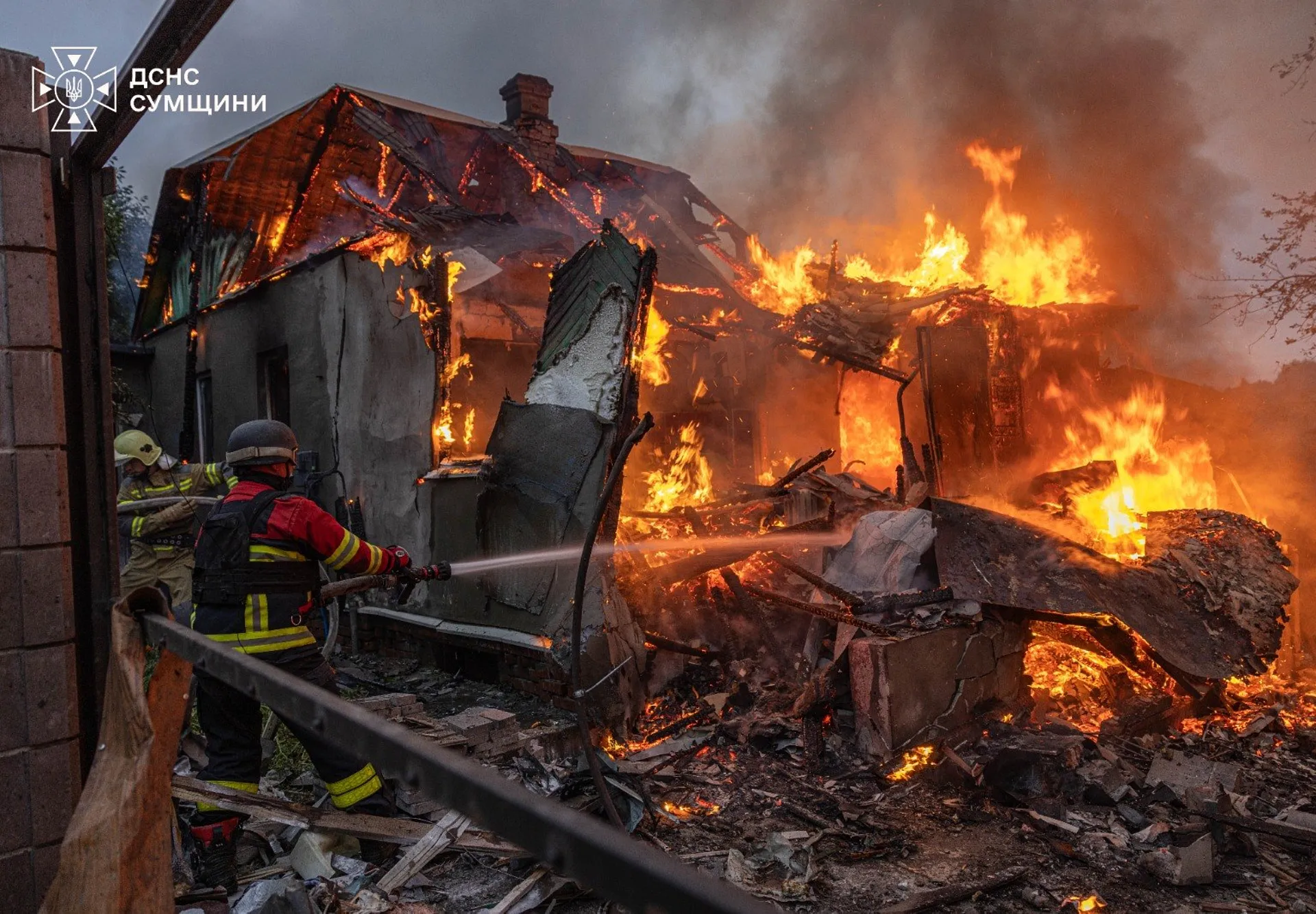
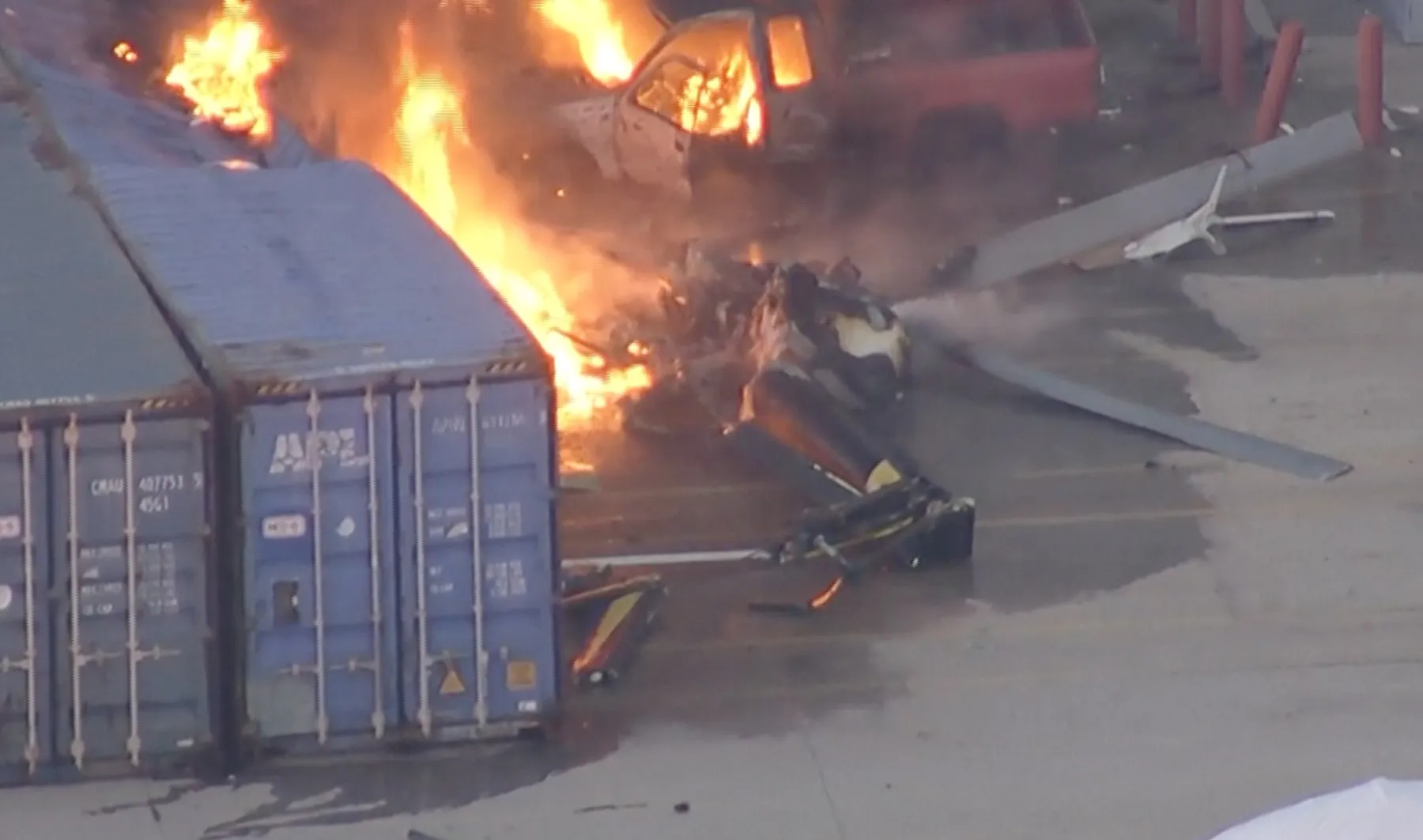
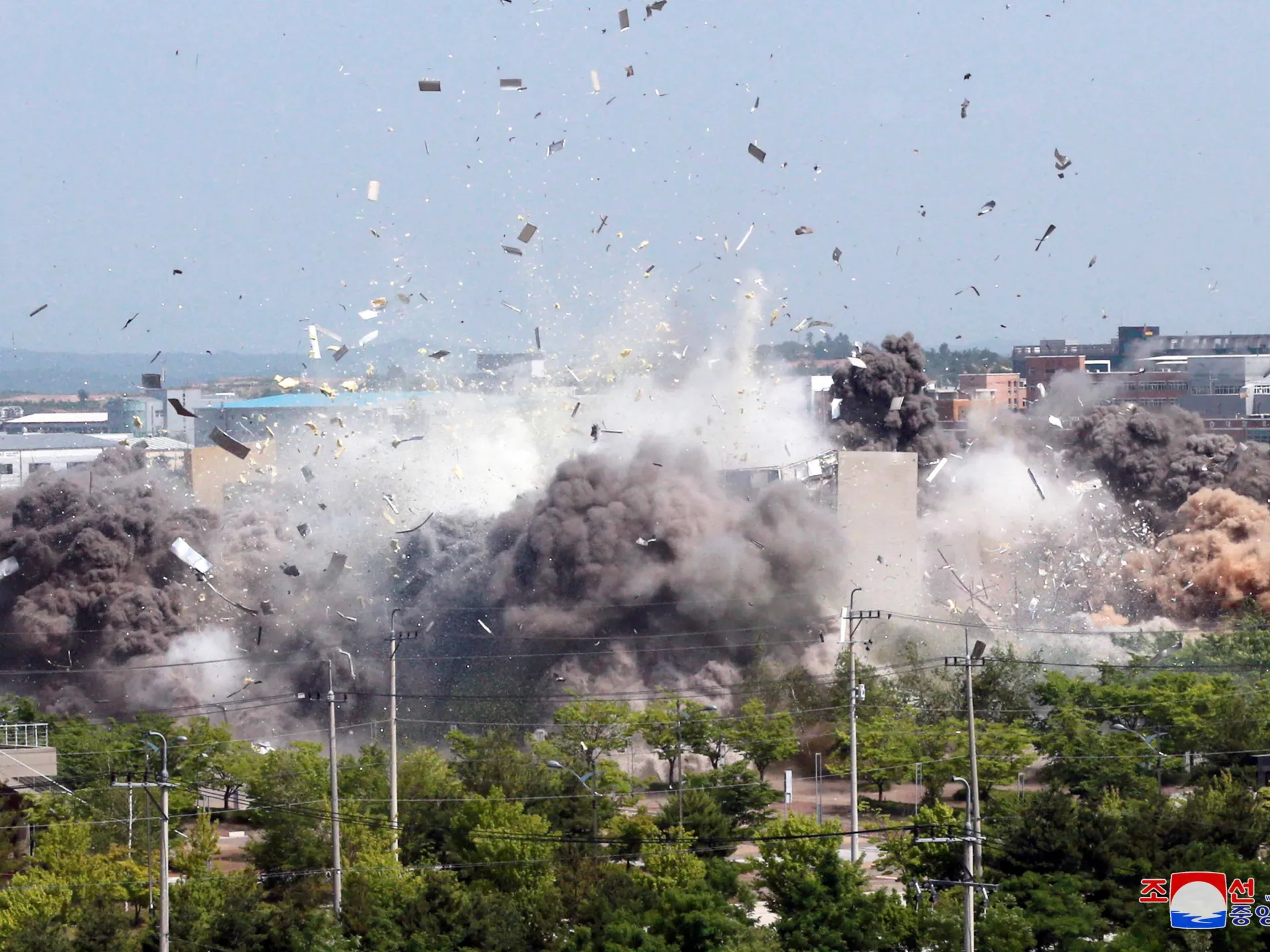
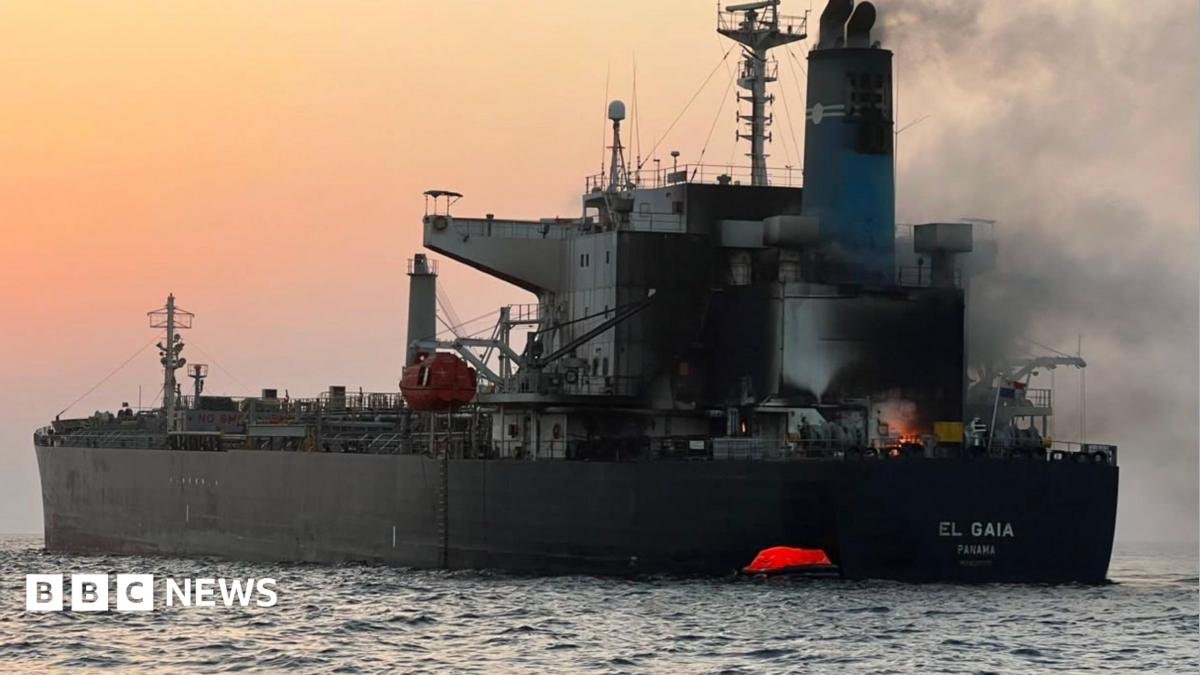
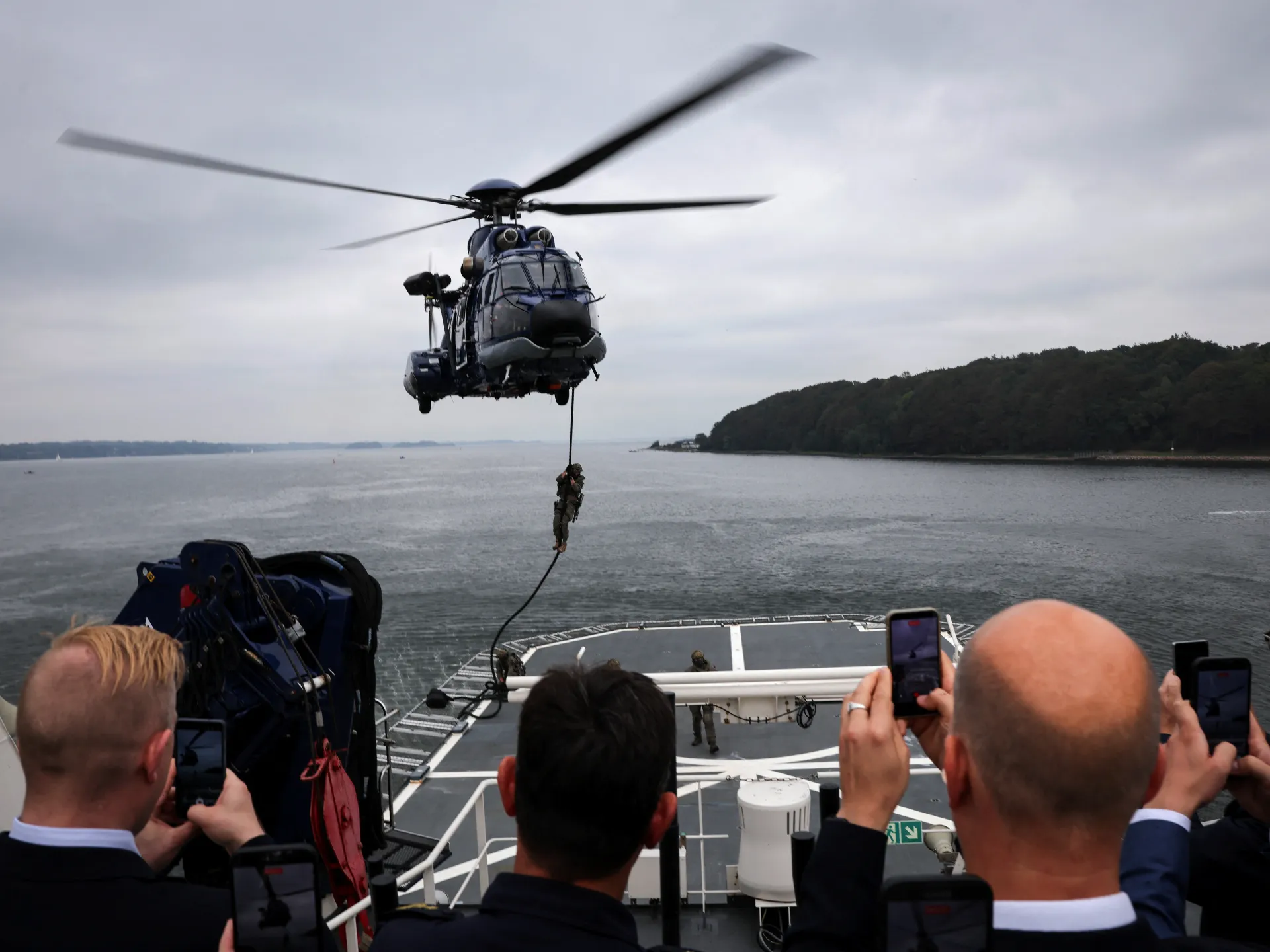
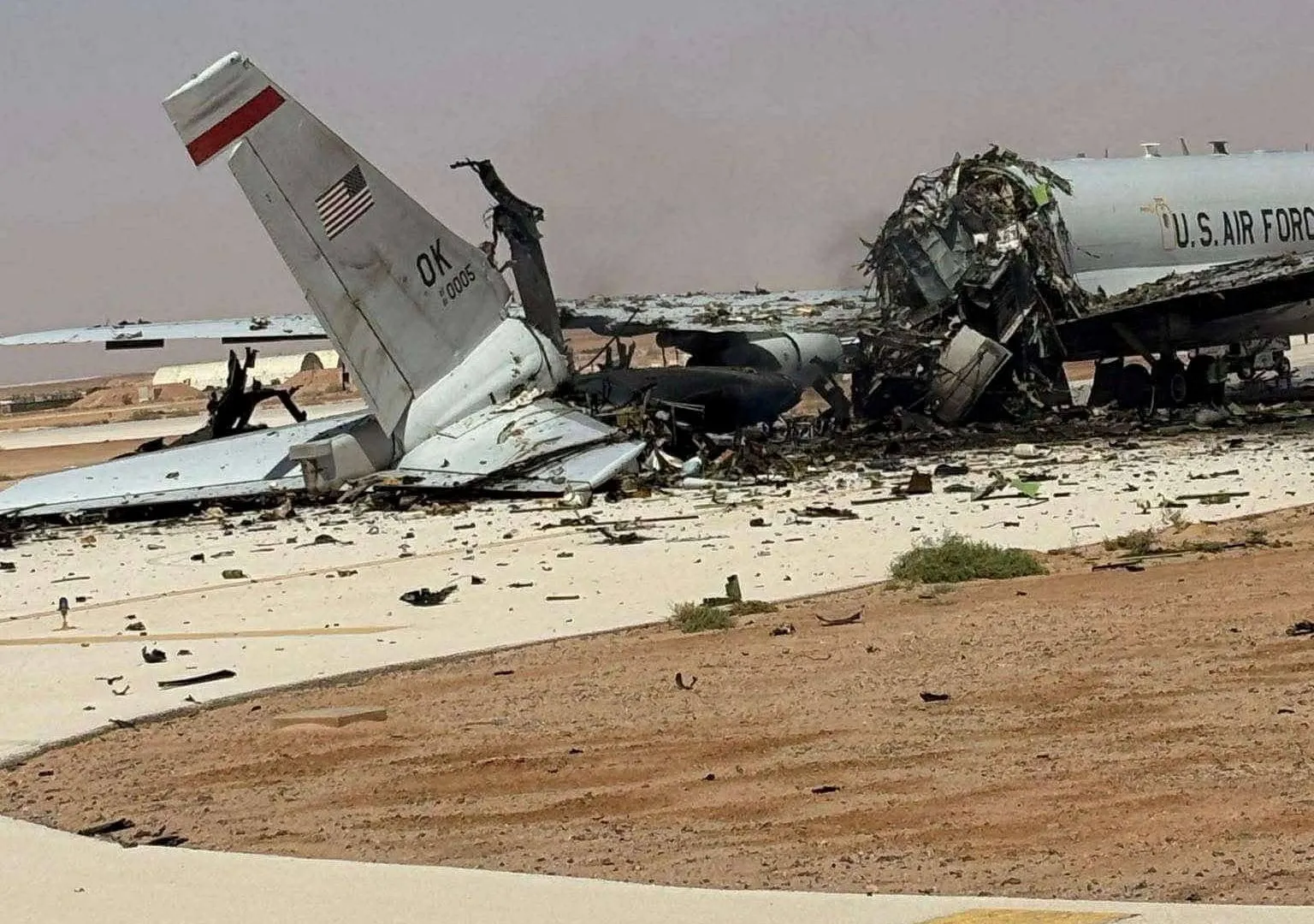
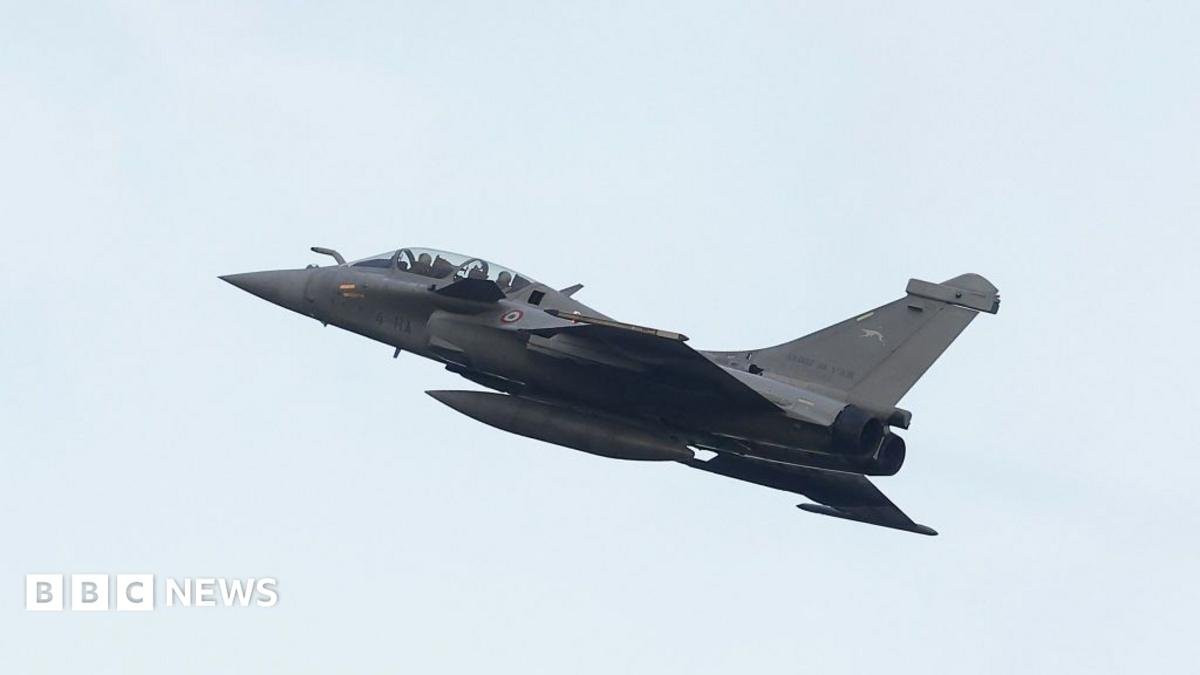
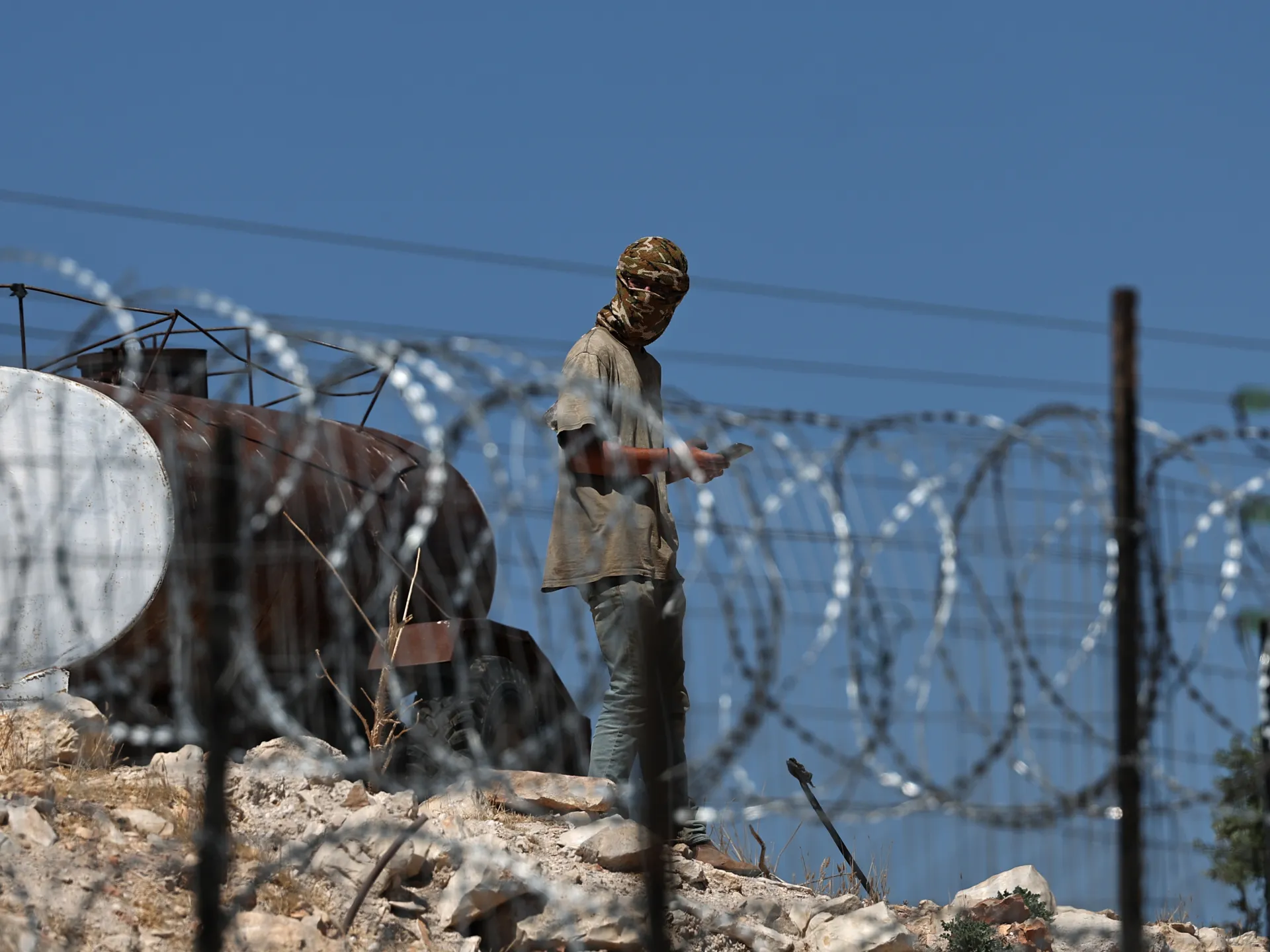
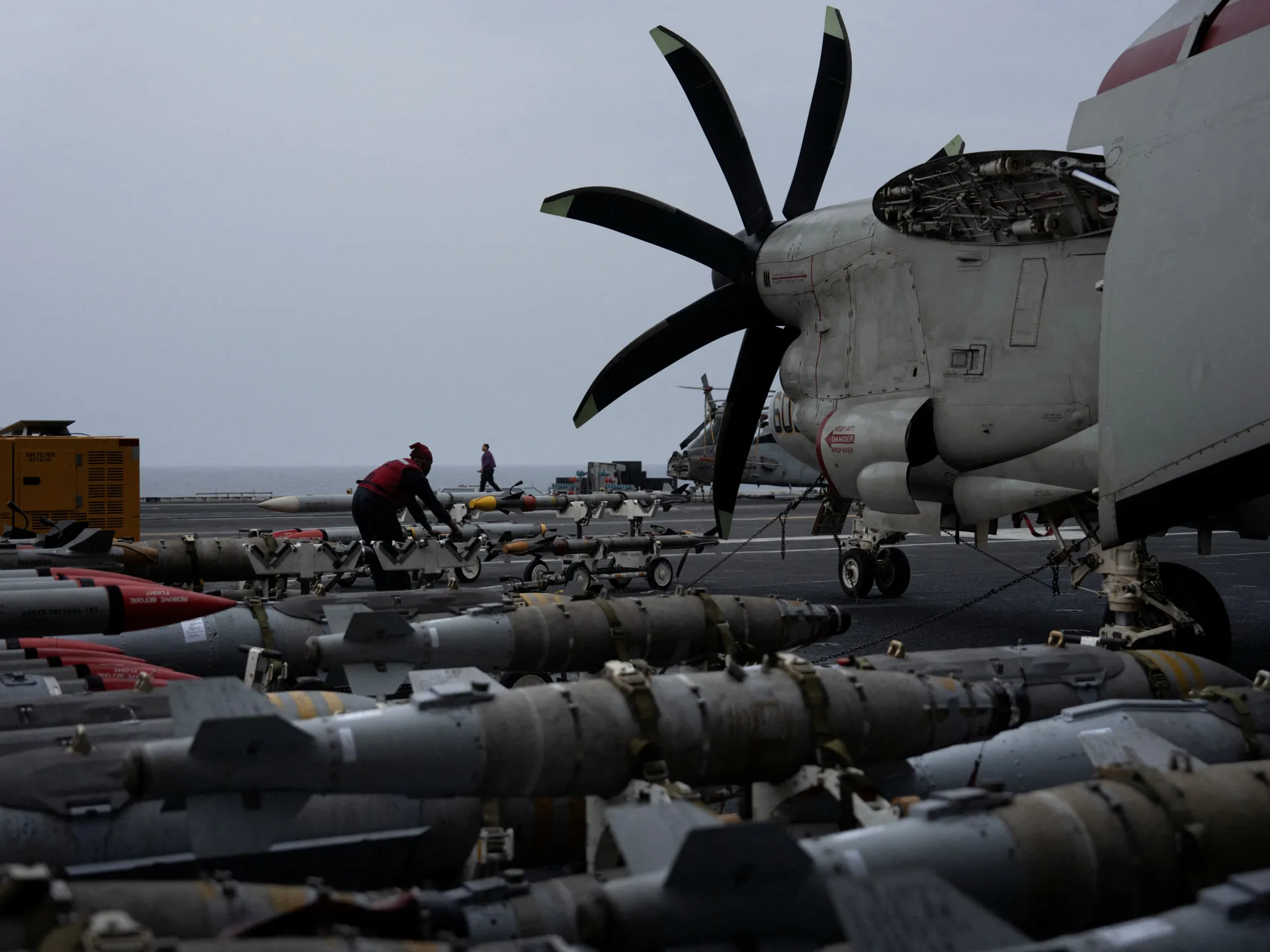
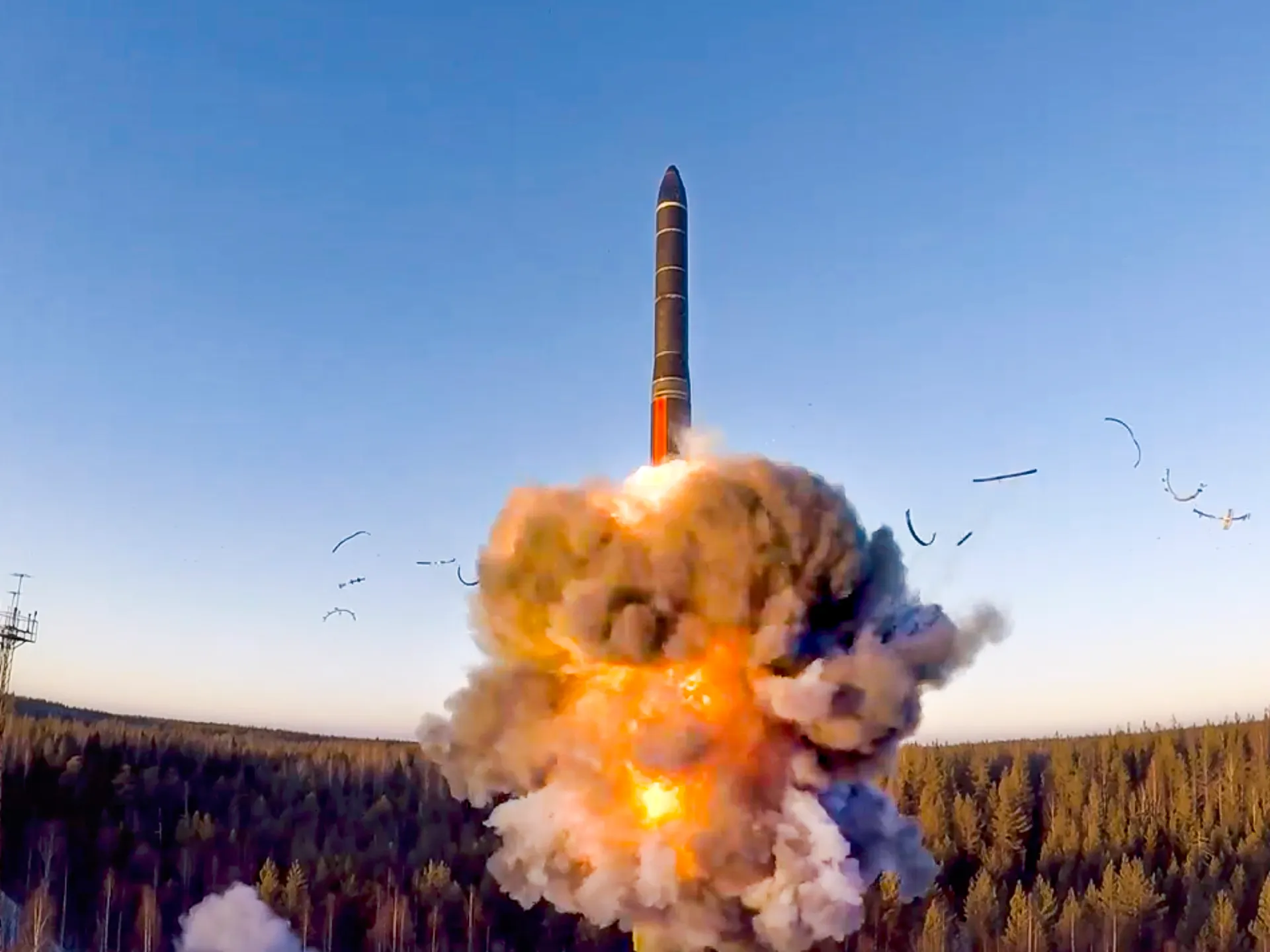
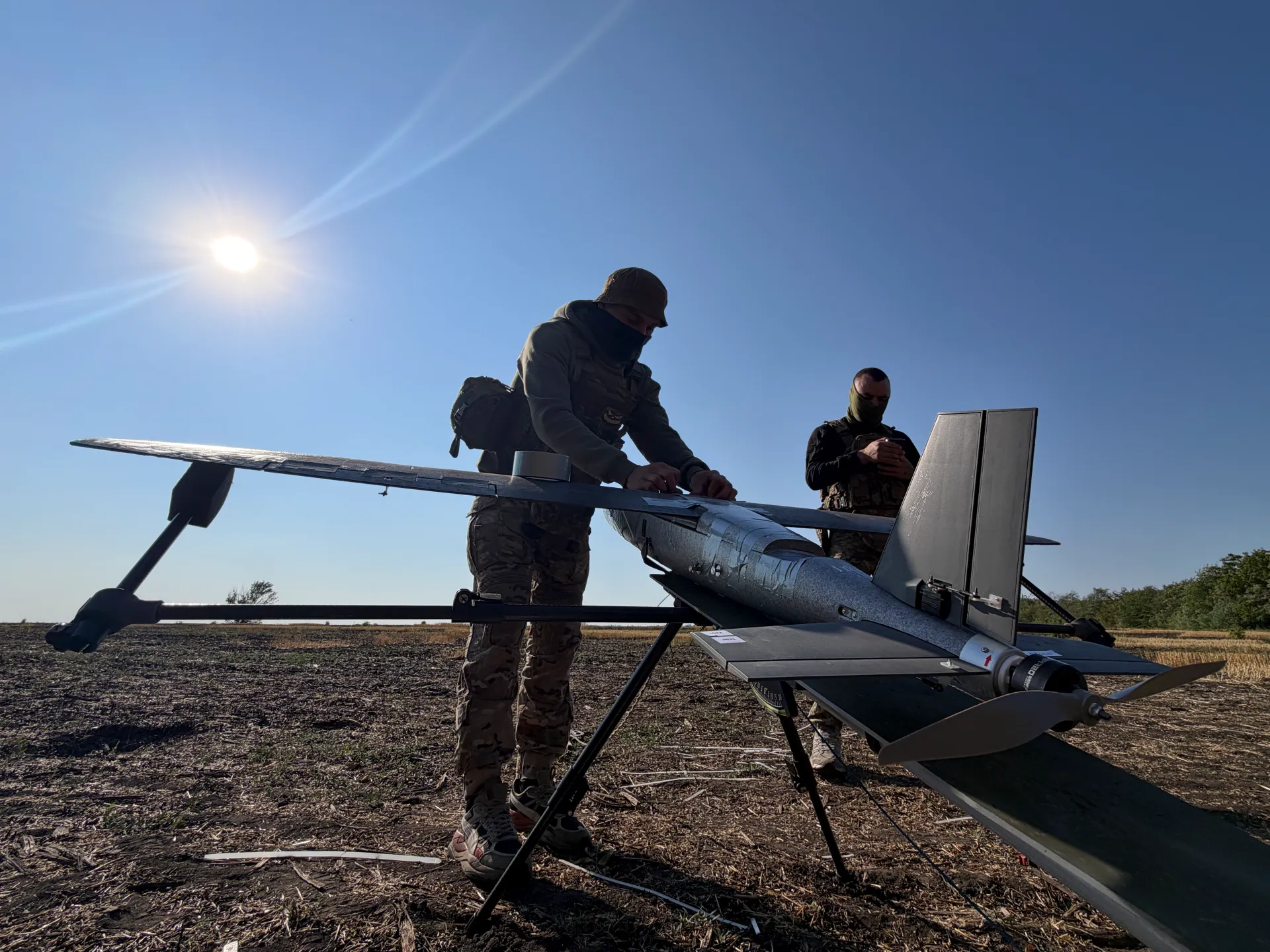
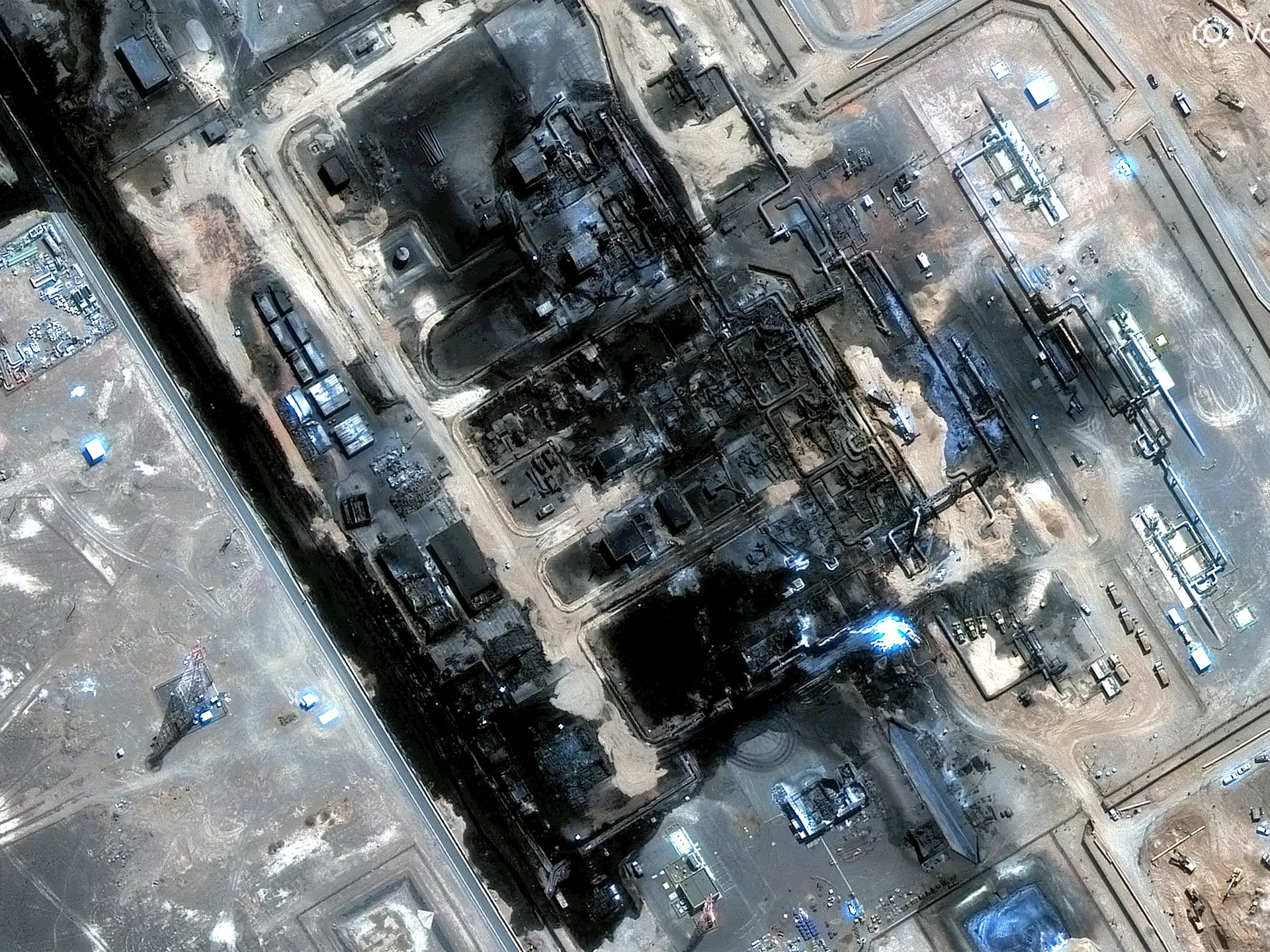
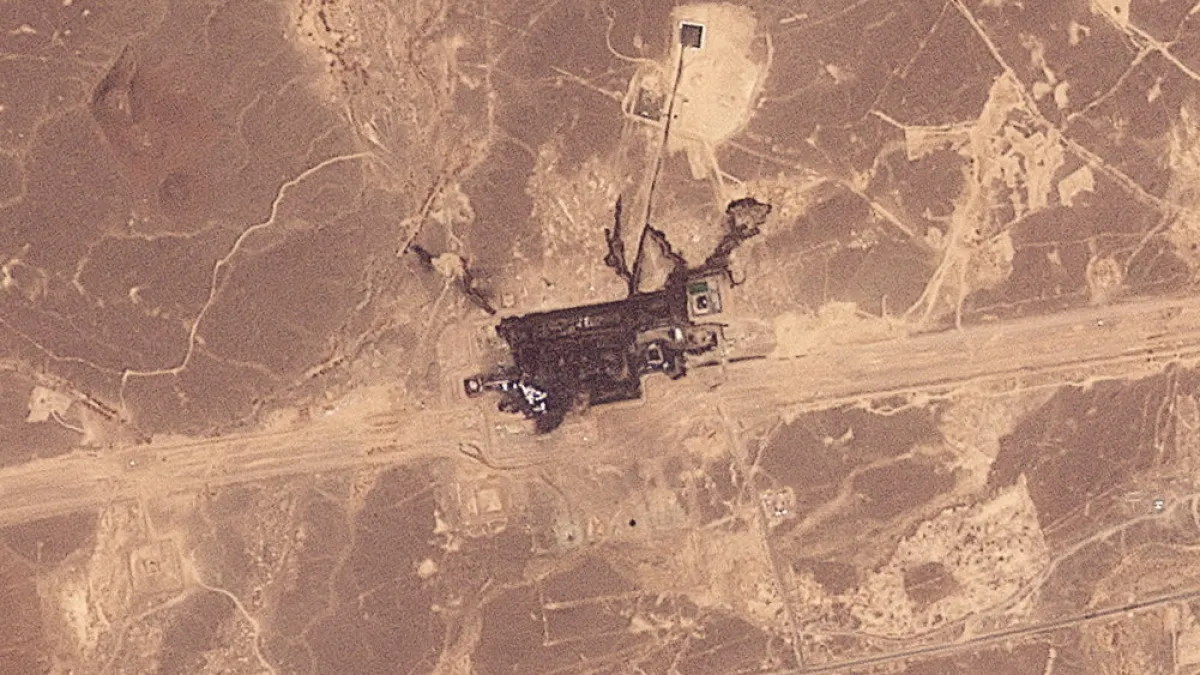
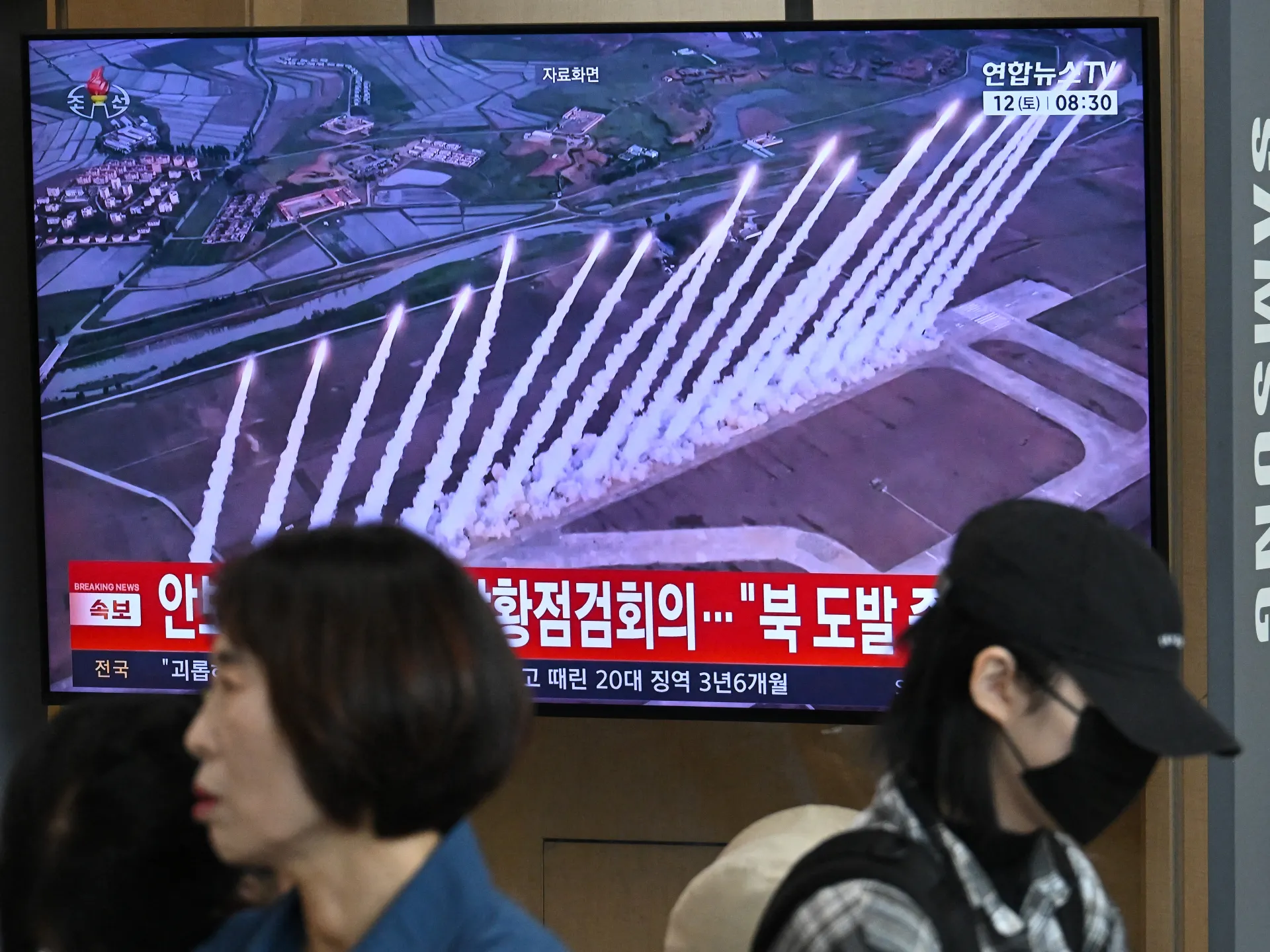
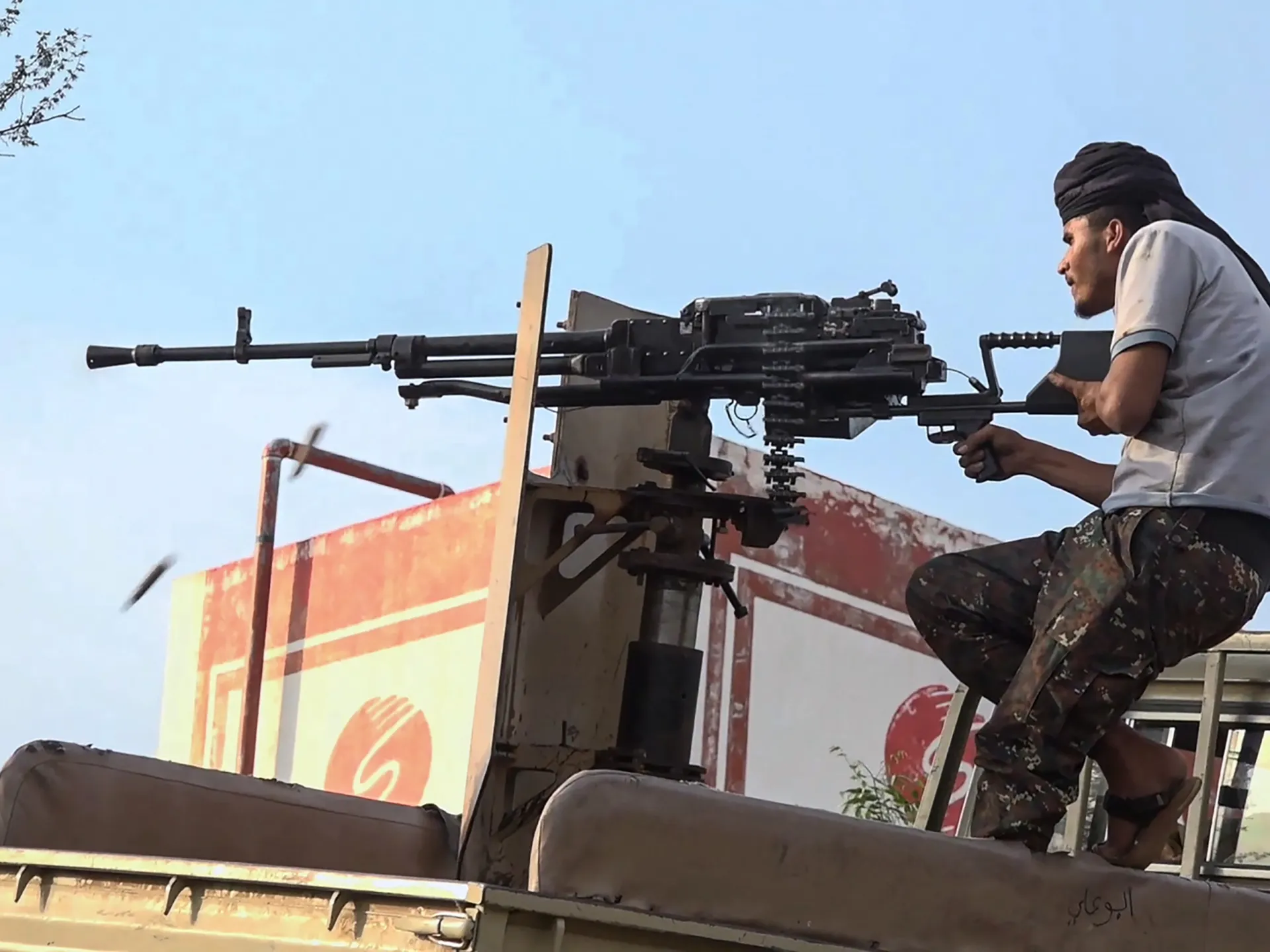
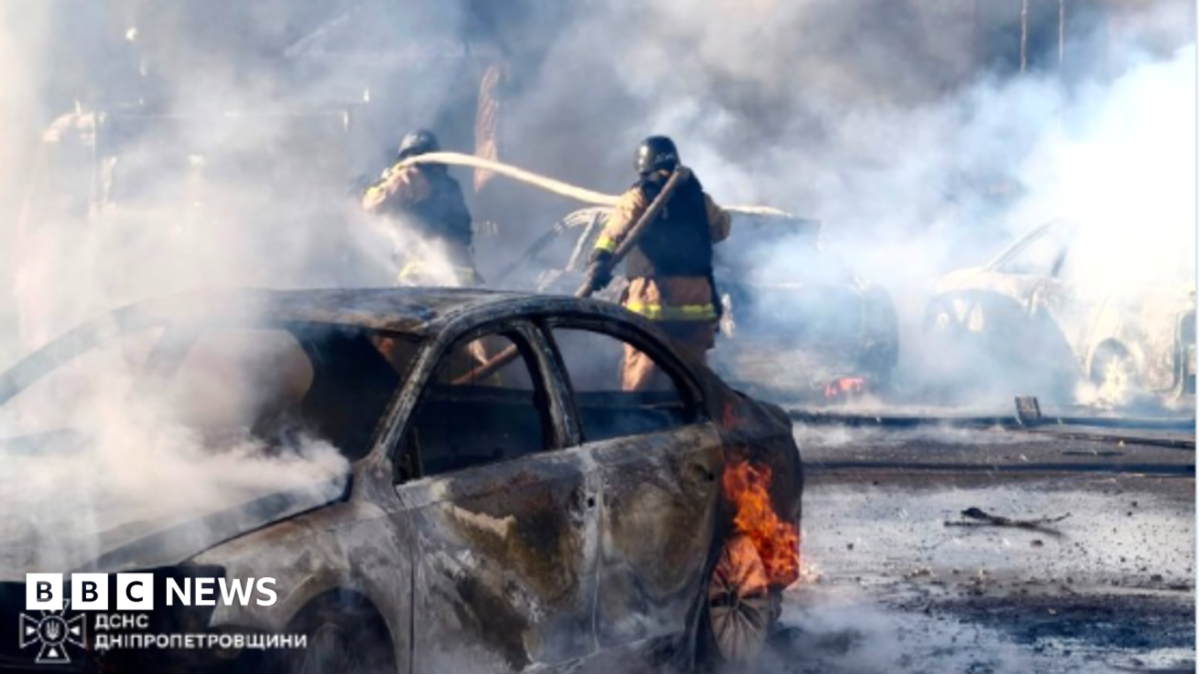
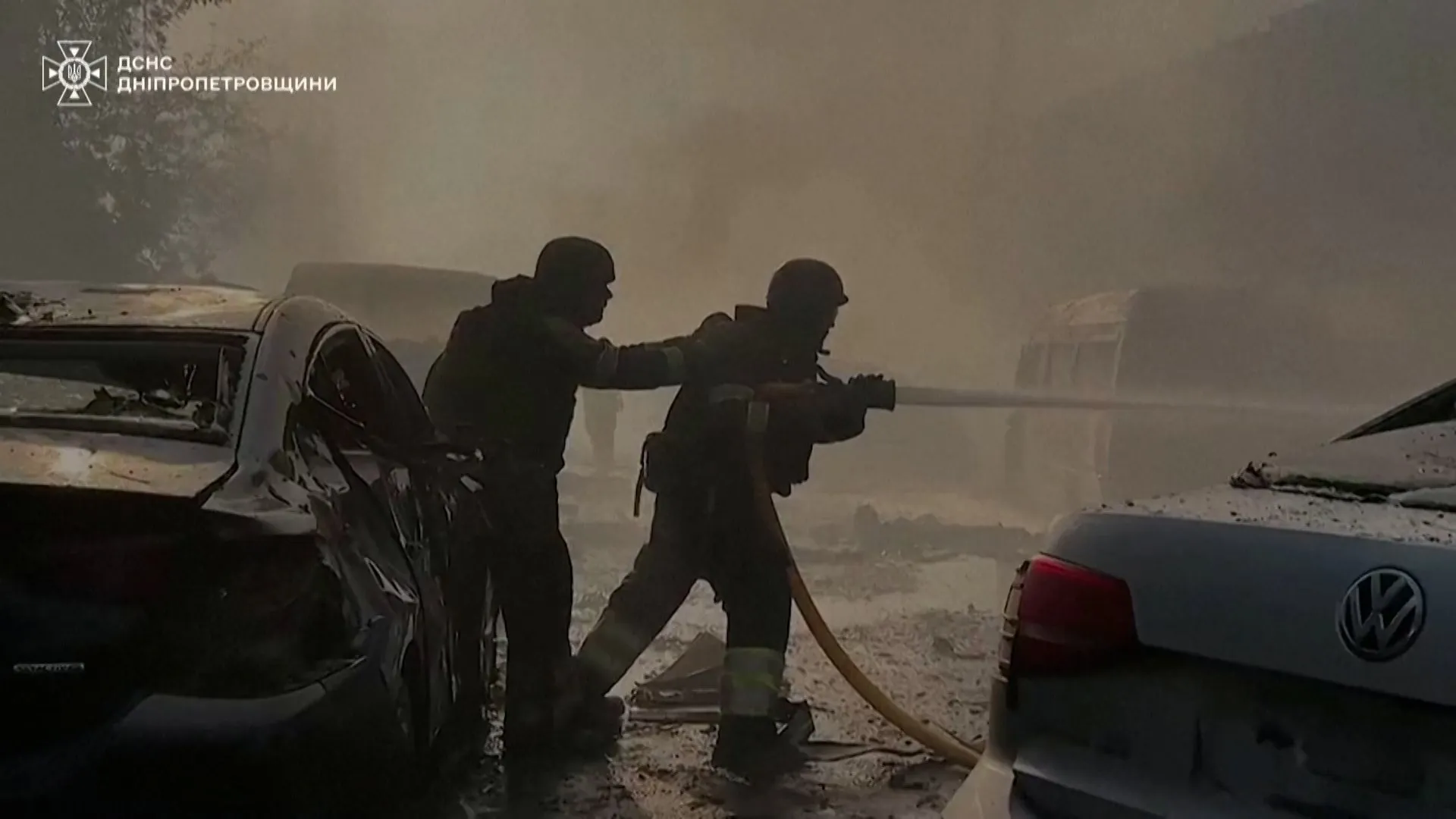
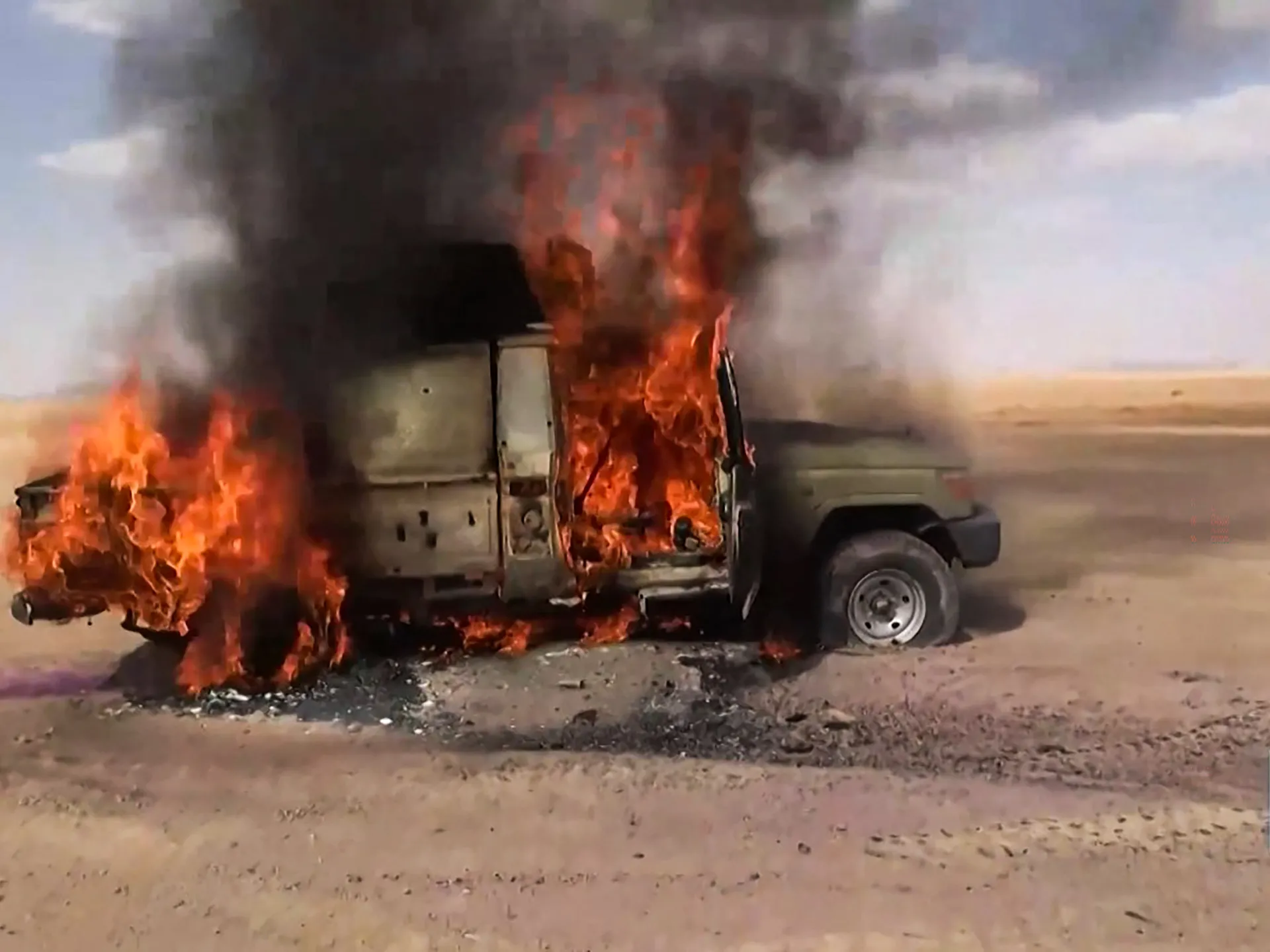
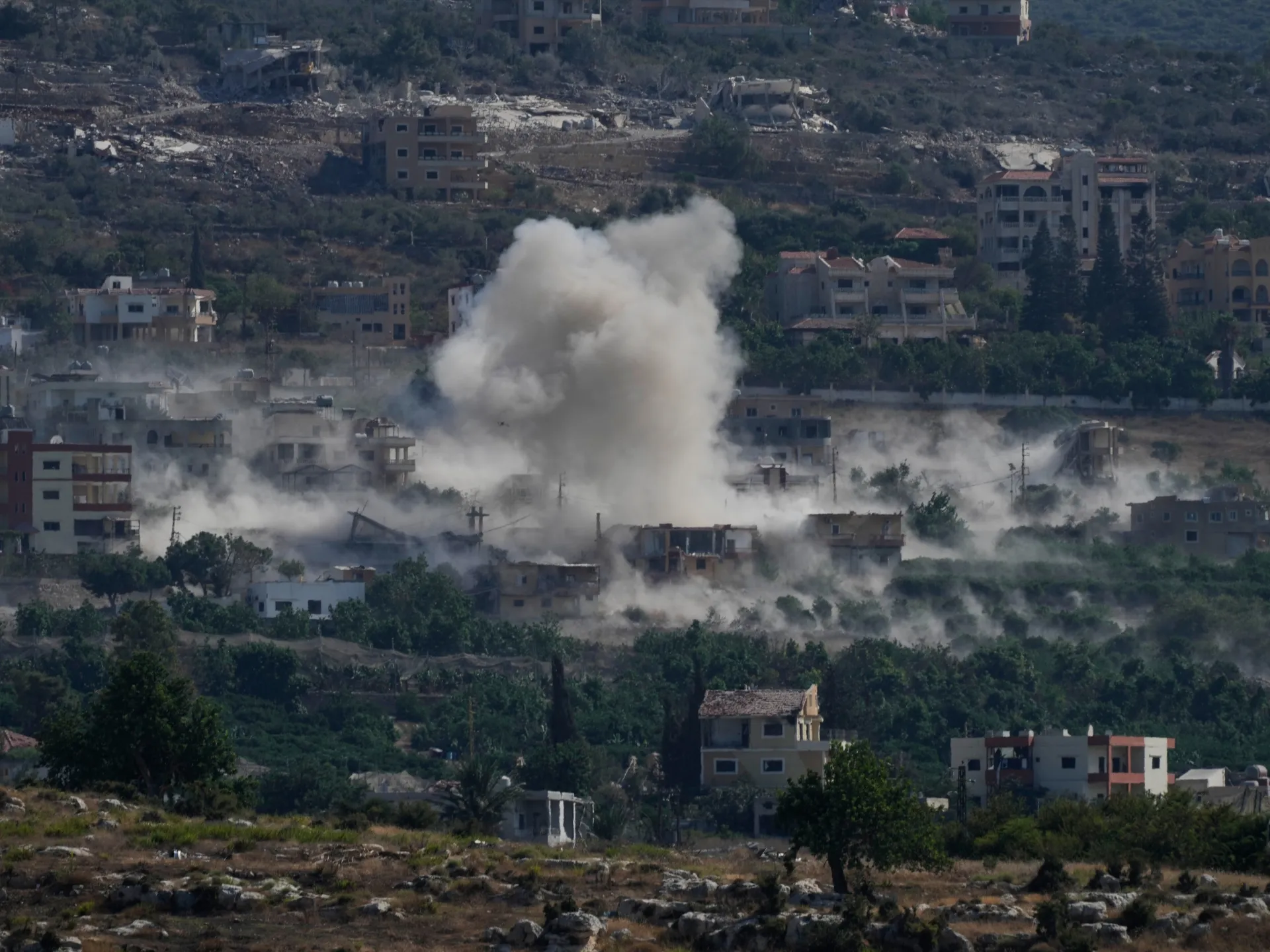
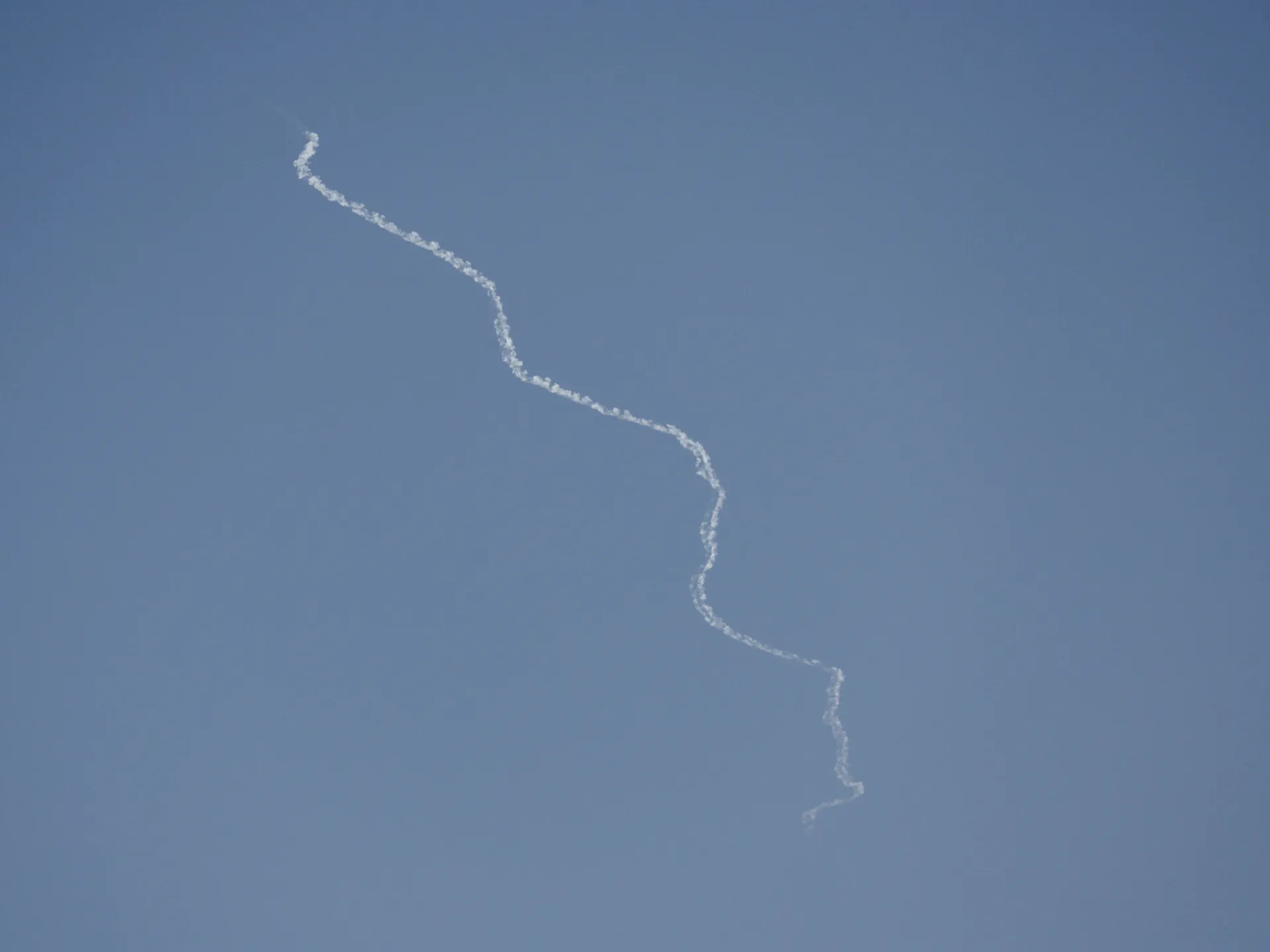
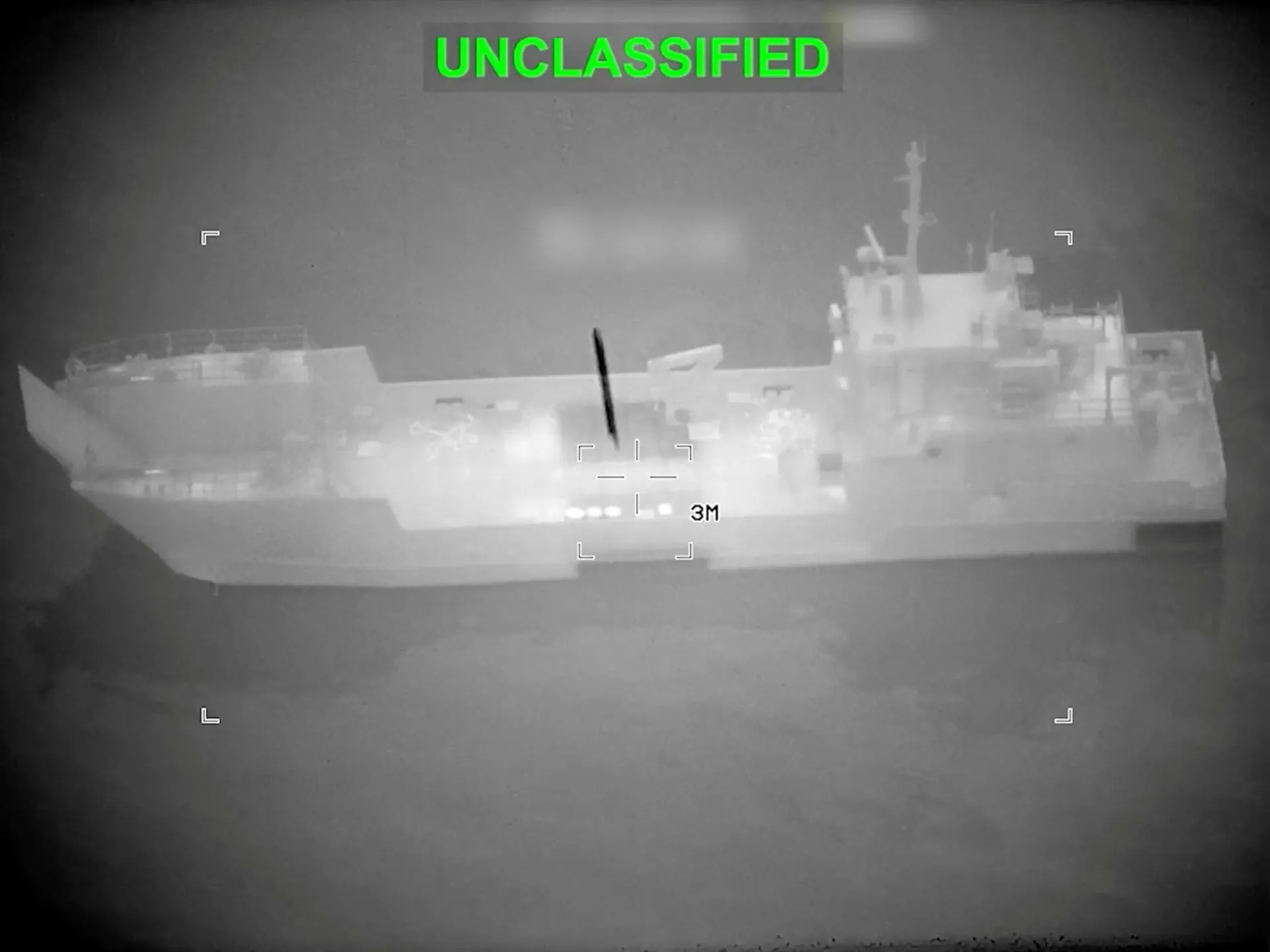
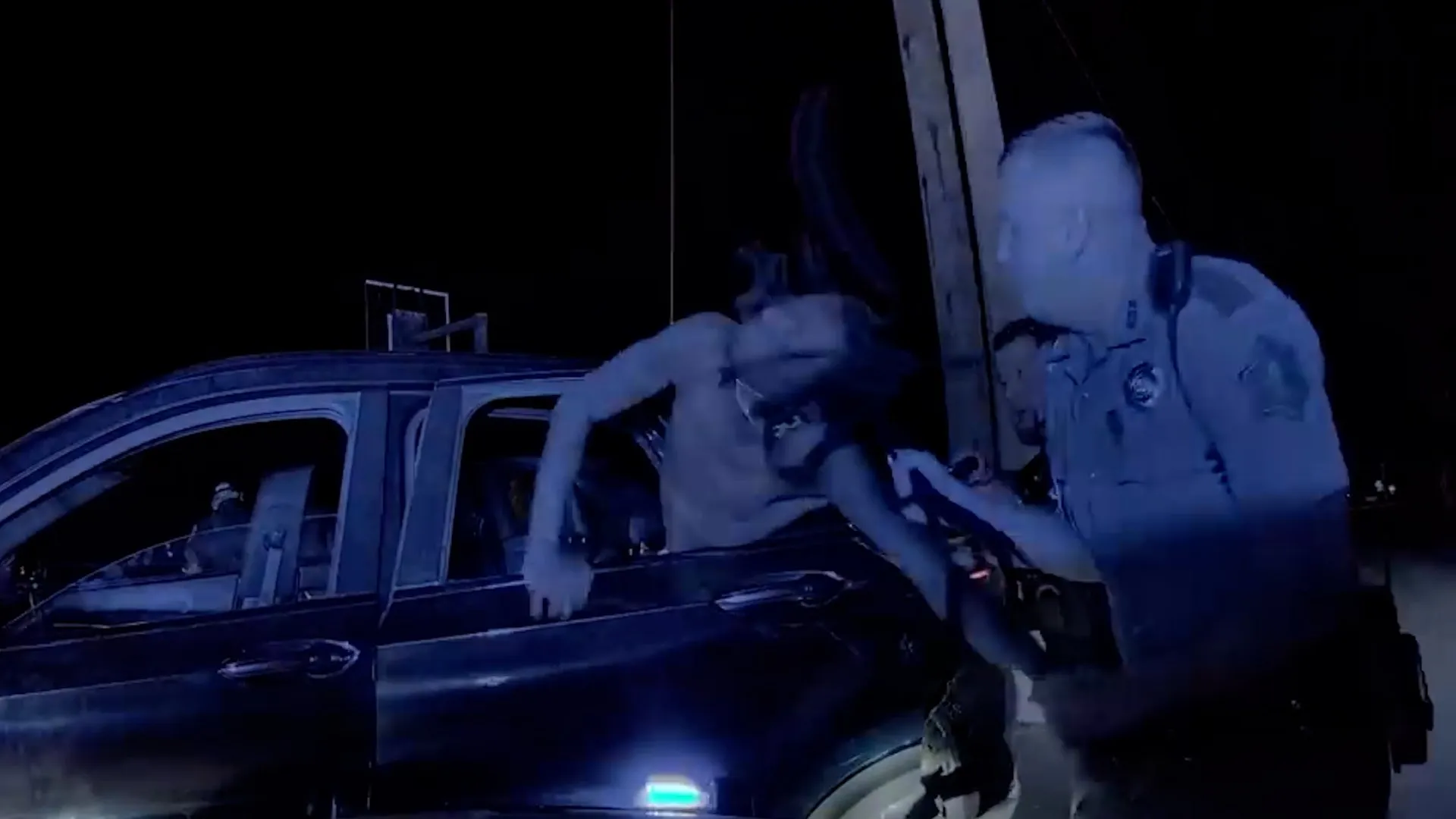
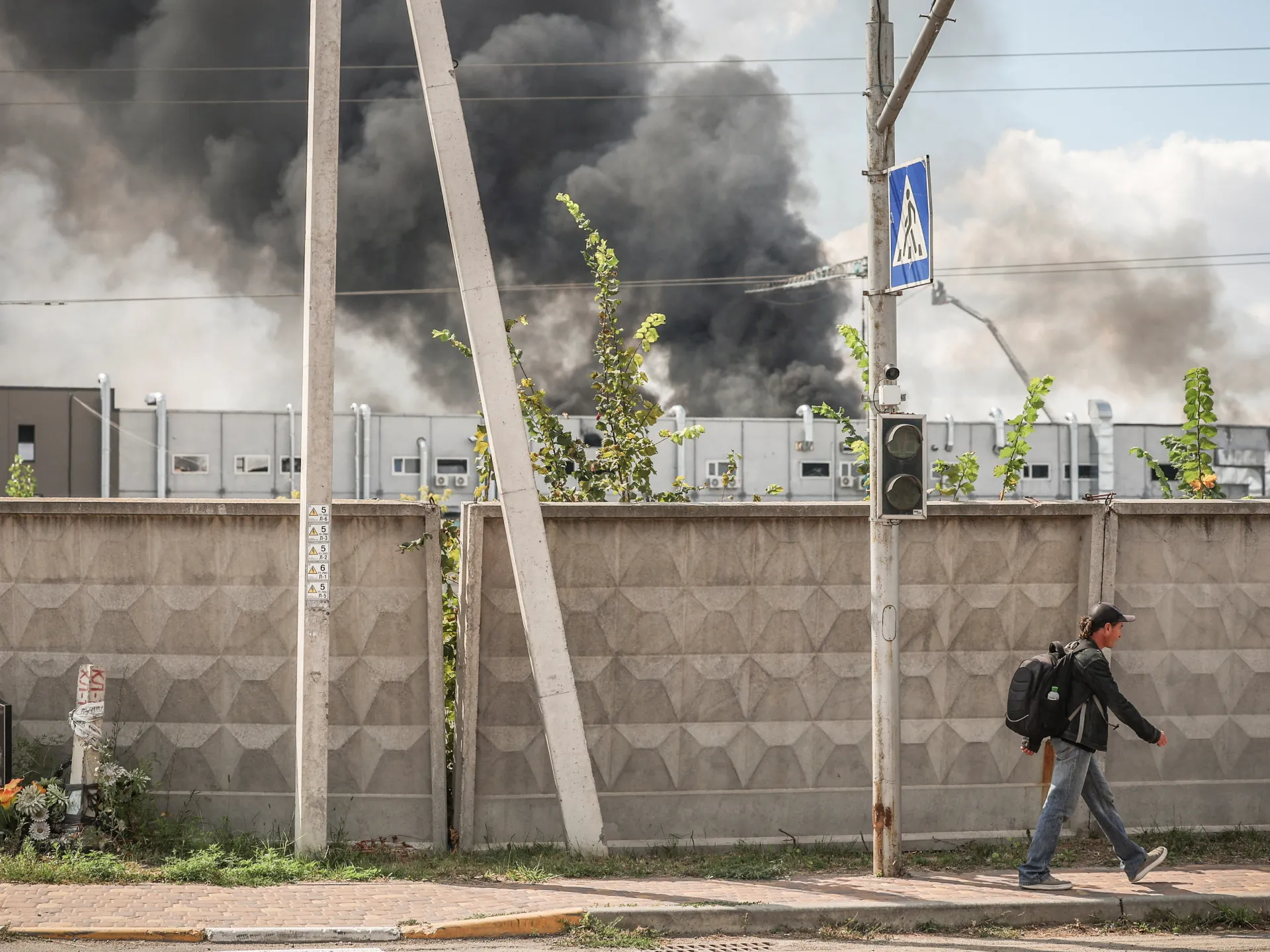
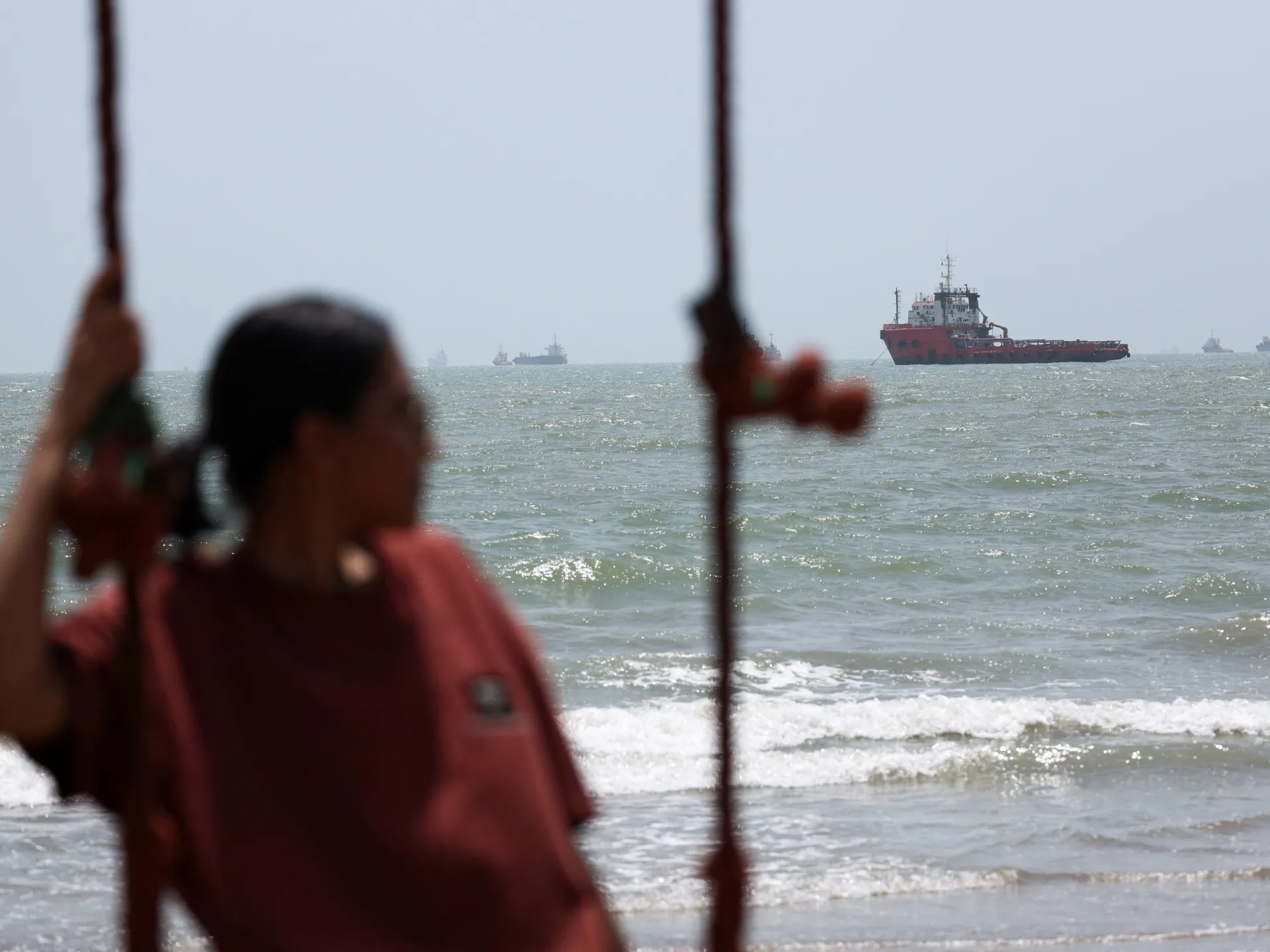
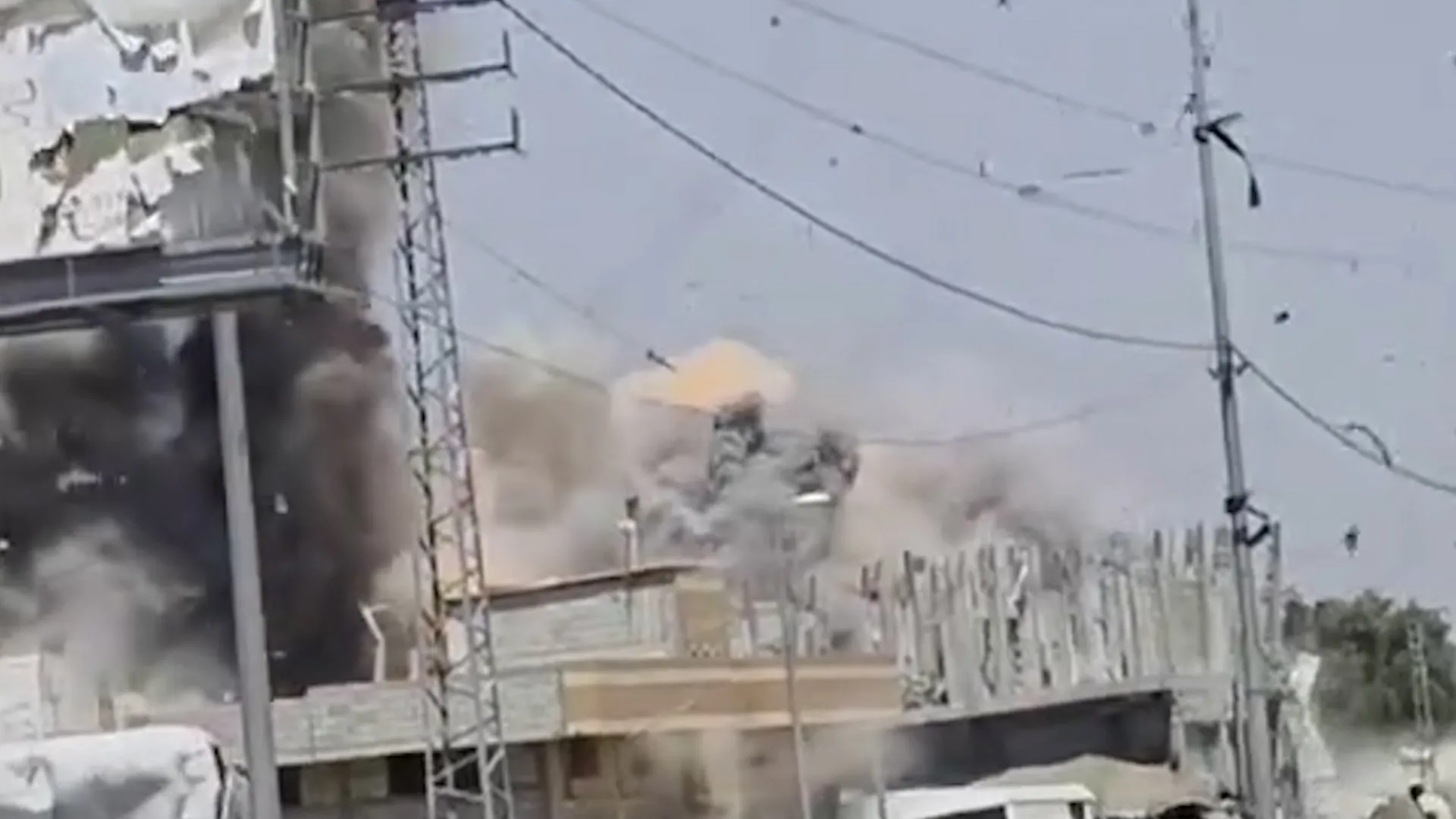
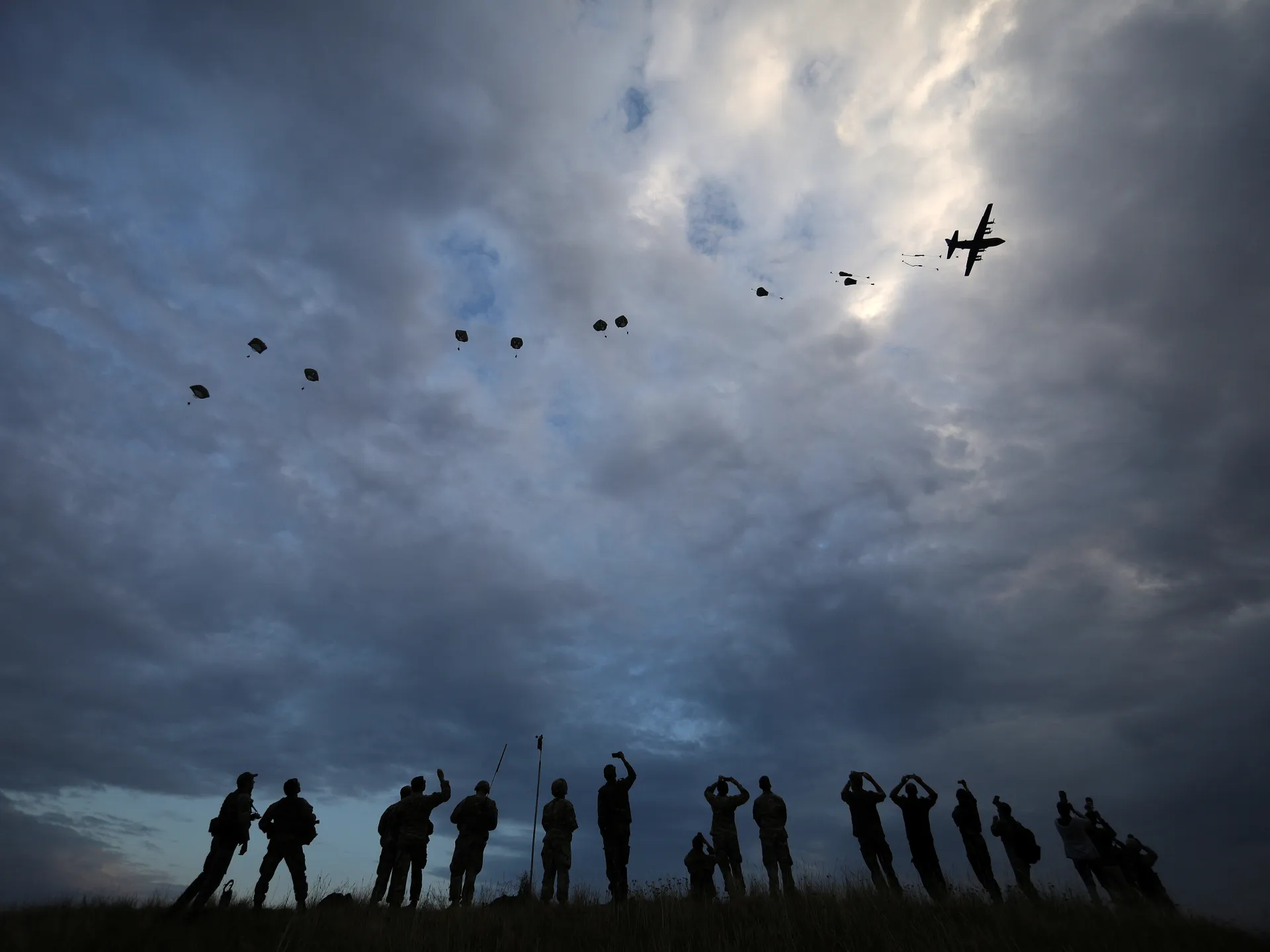
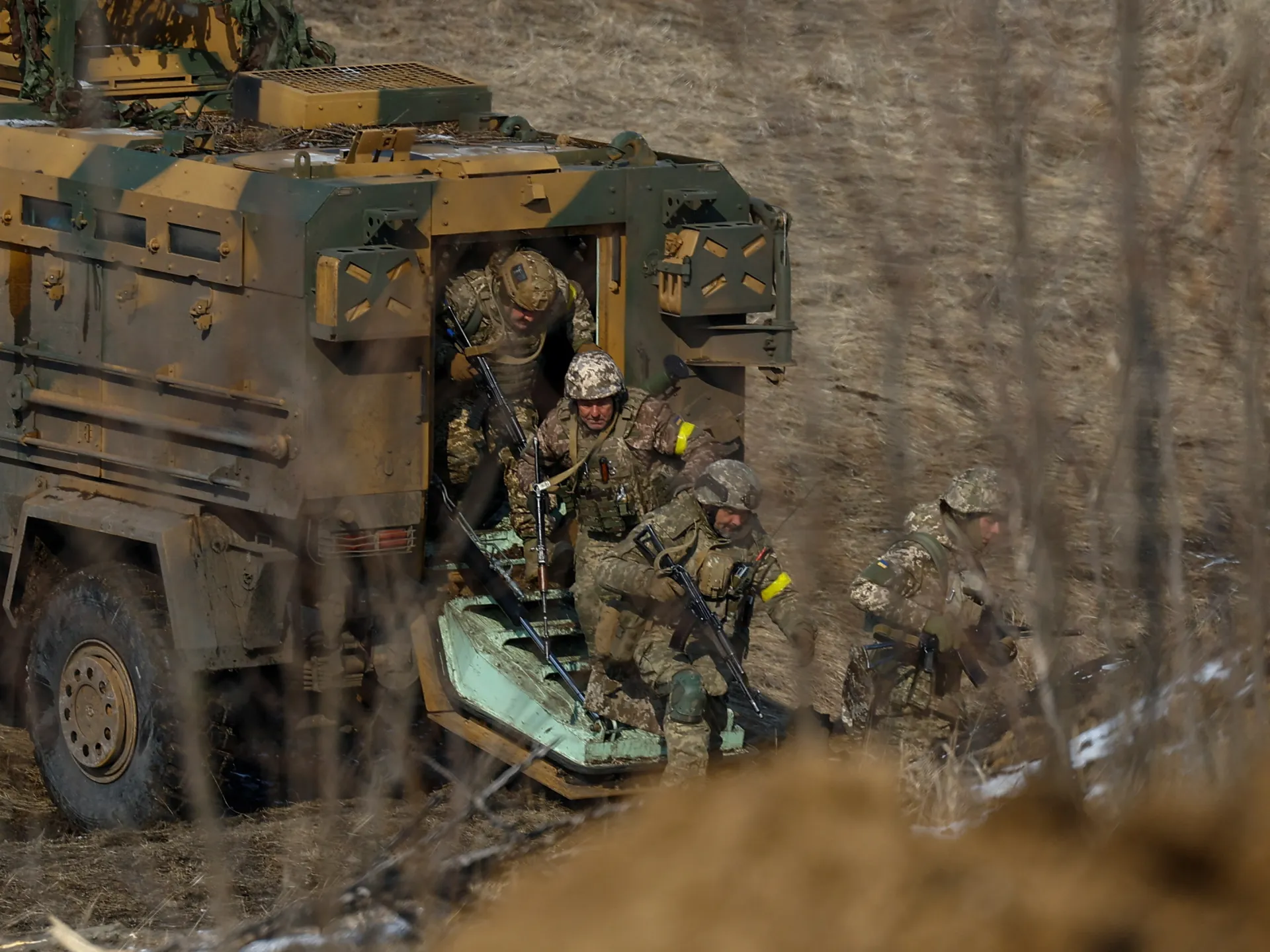
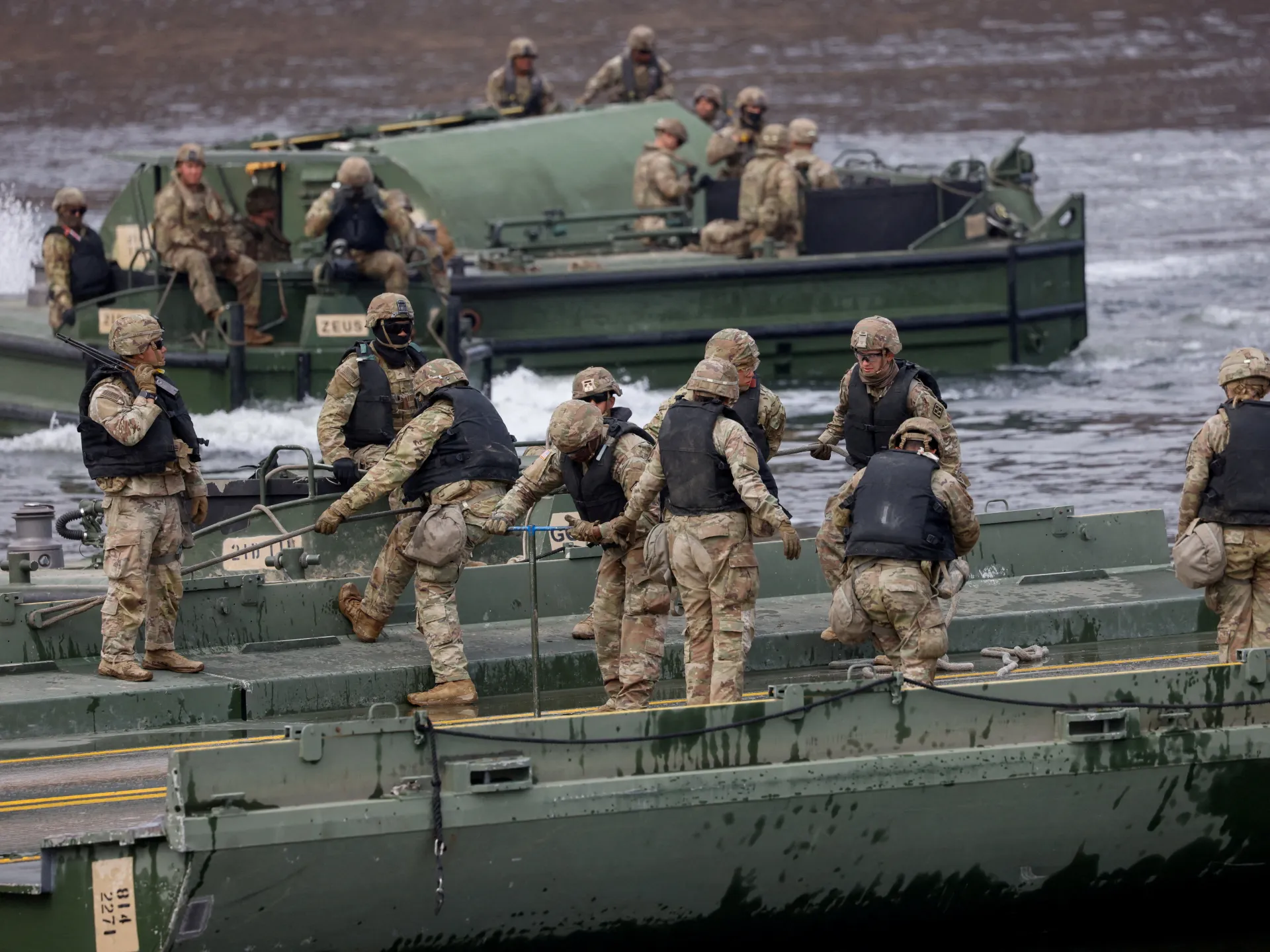
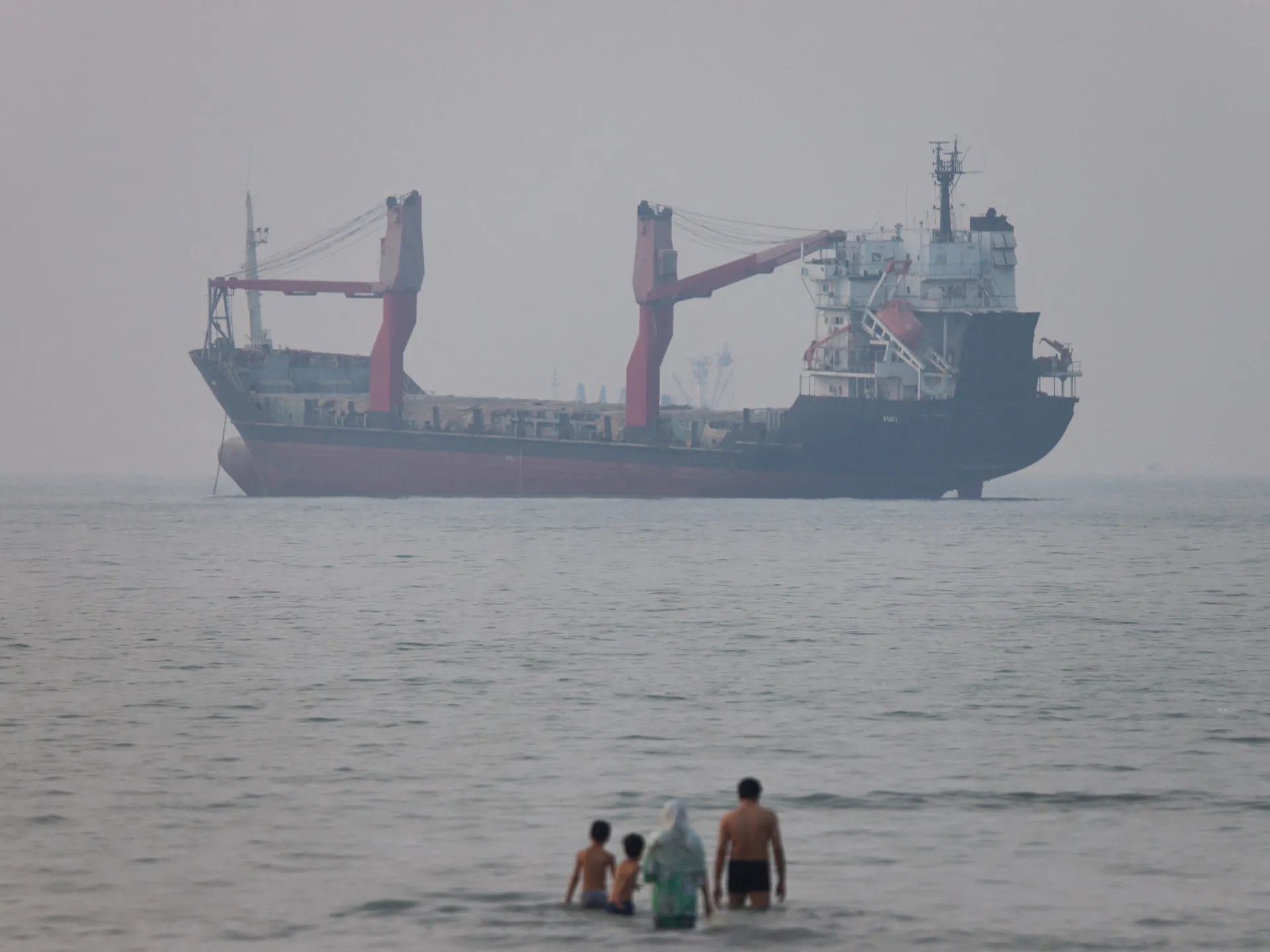
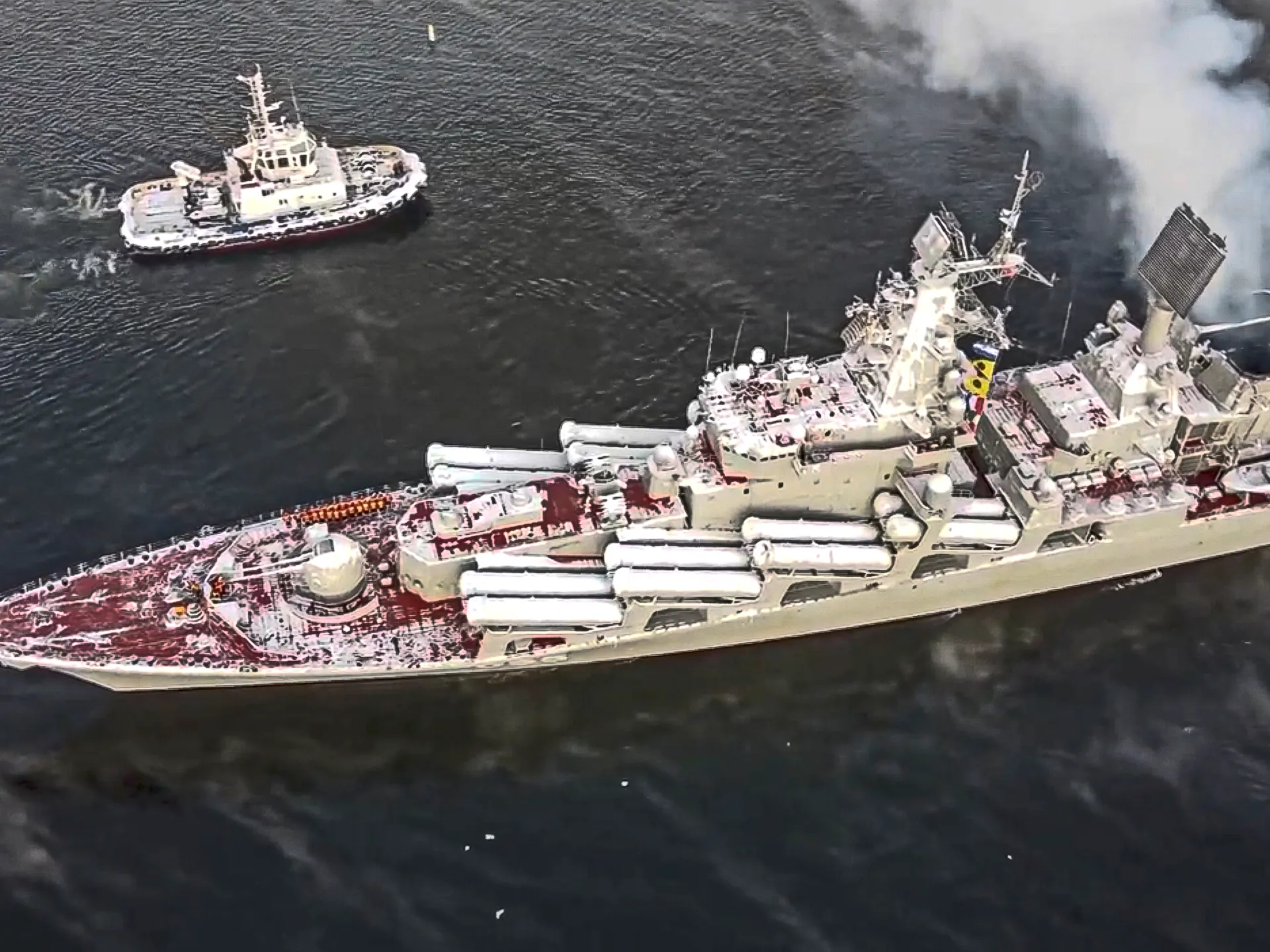
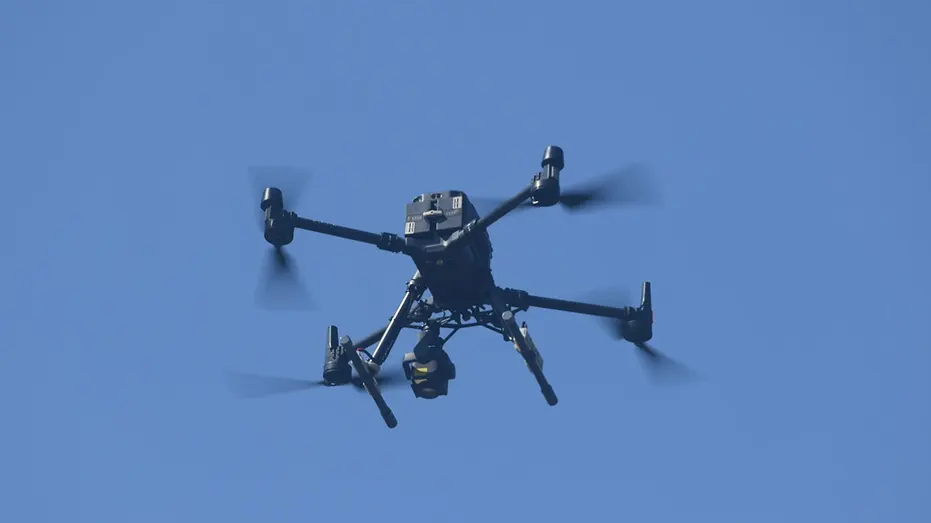
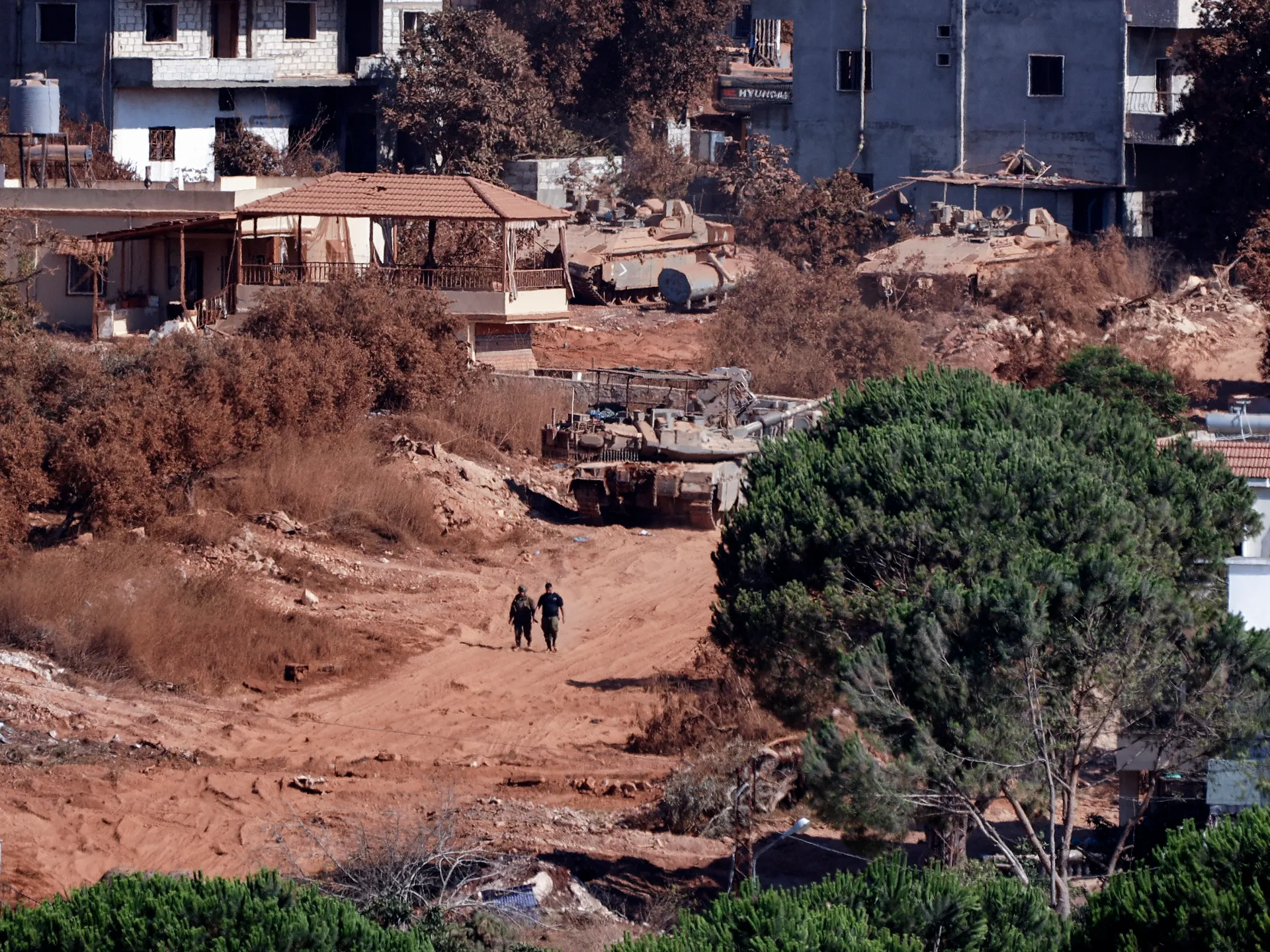
European leaders are currently grappling with an array of security concerns that analysts identify as hybrid warfare. According to European officials, the continent has faced a sustained barrage of tactics ranging from the use of explosive-laden drones to sophisticated cyber-targeting of democratic institutions. While Russia has consistently denied these allegations, security experts at the University of Bath and other policy institutions argue that the lack of open military conflict does not imply a lack of war. Instead, it indicates a shift toward asymmetric tactics that keep nations in a state of perpetual, low-level instability.
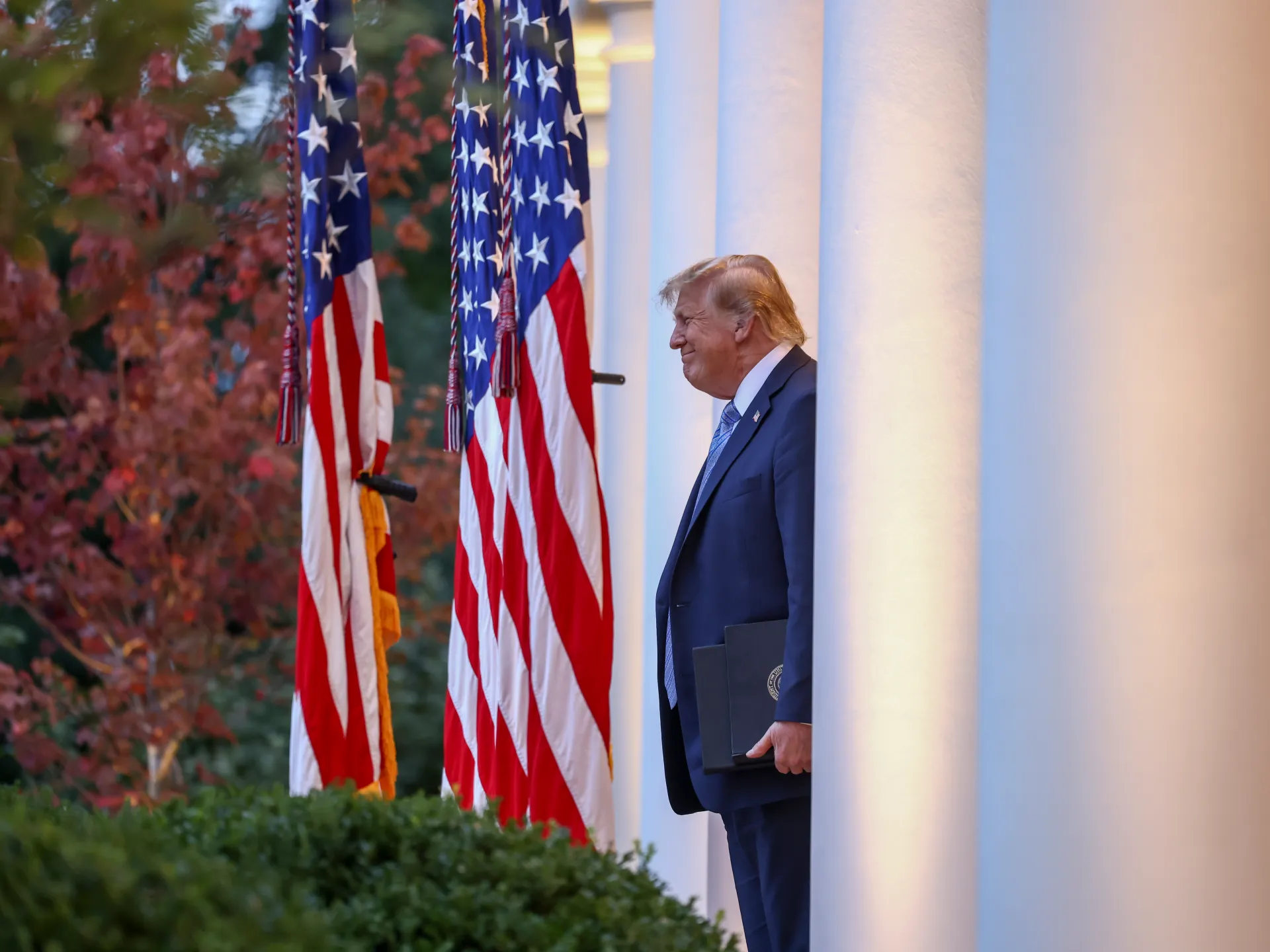
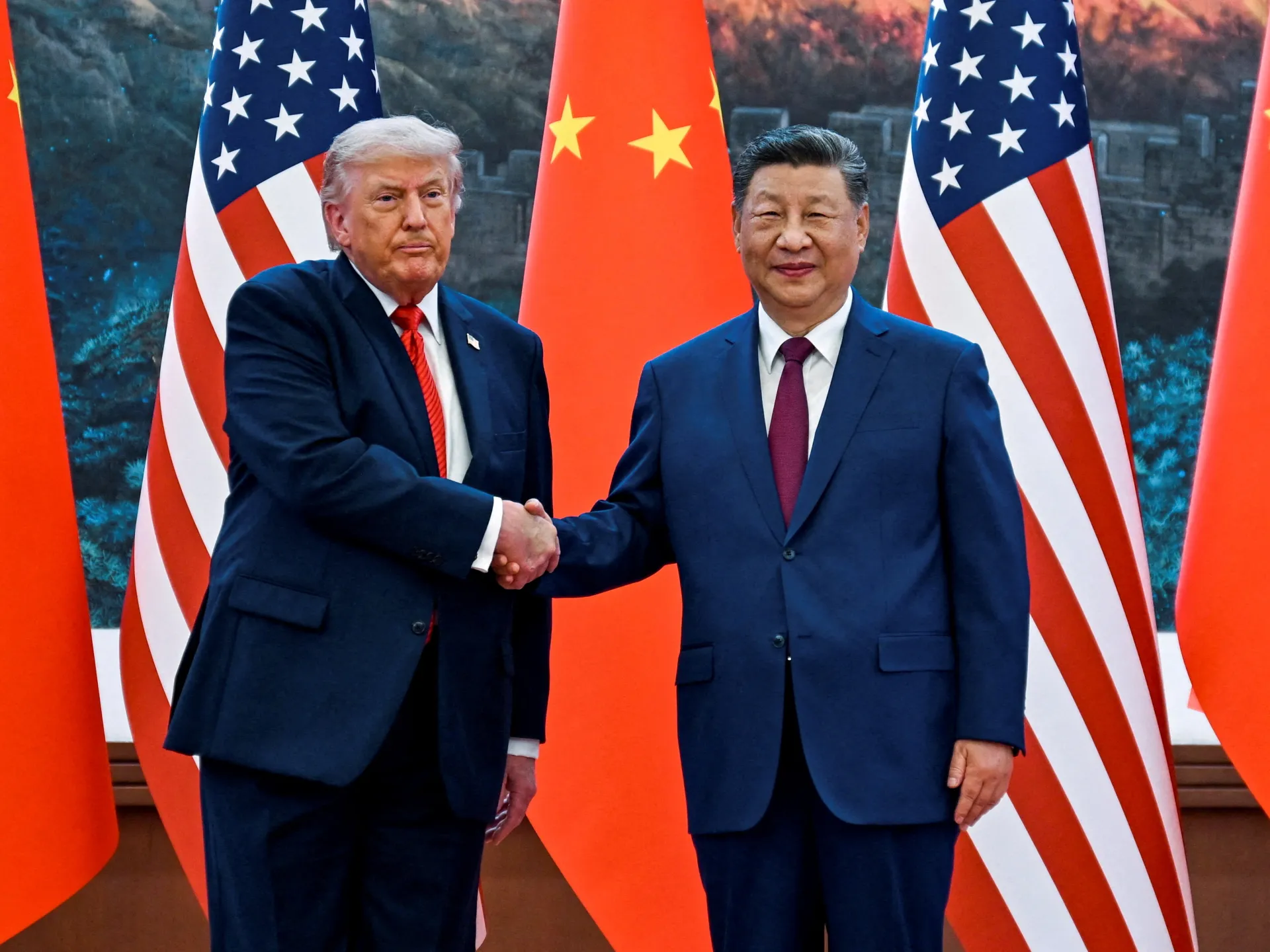
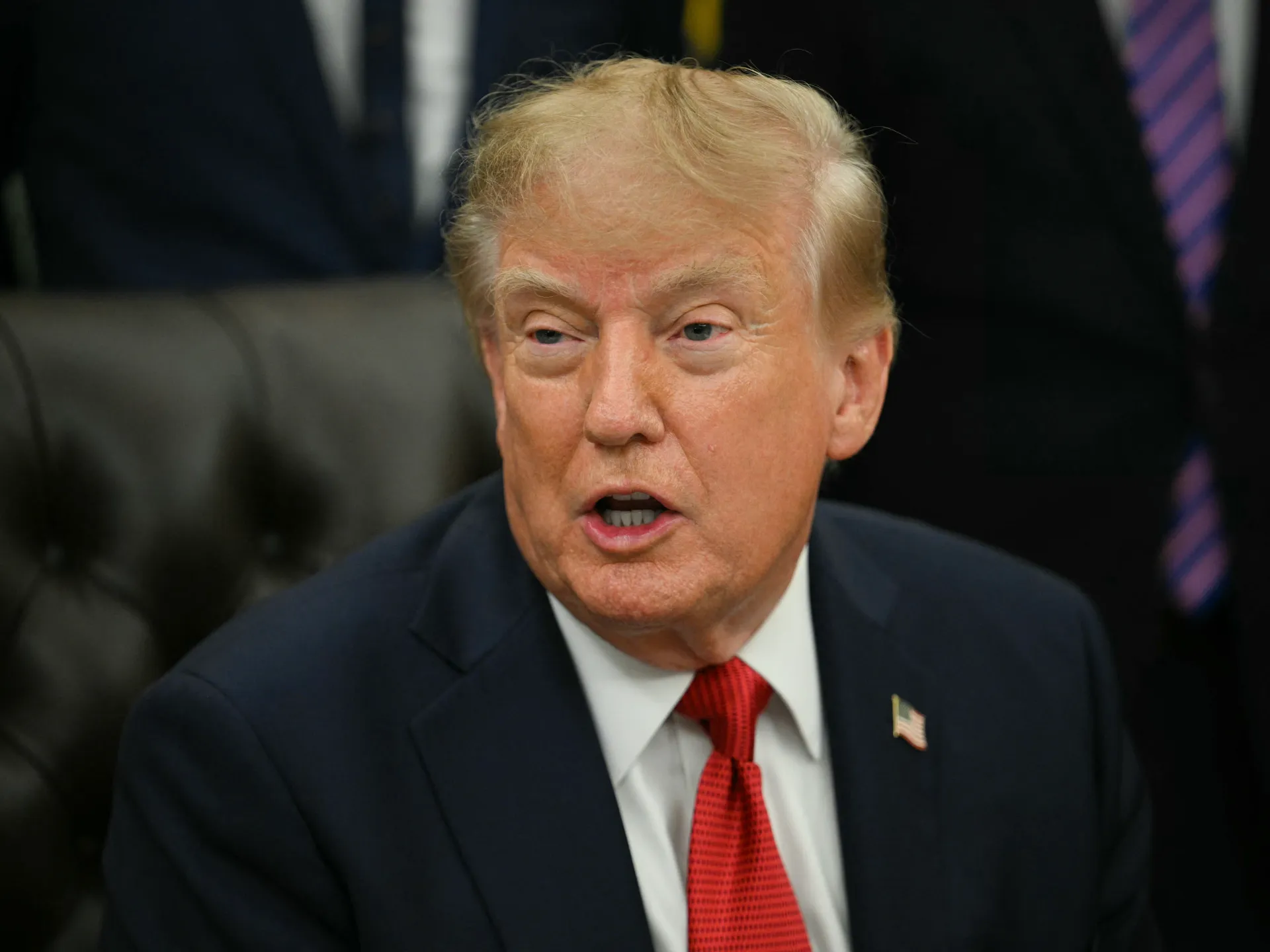
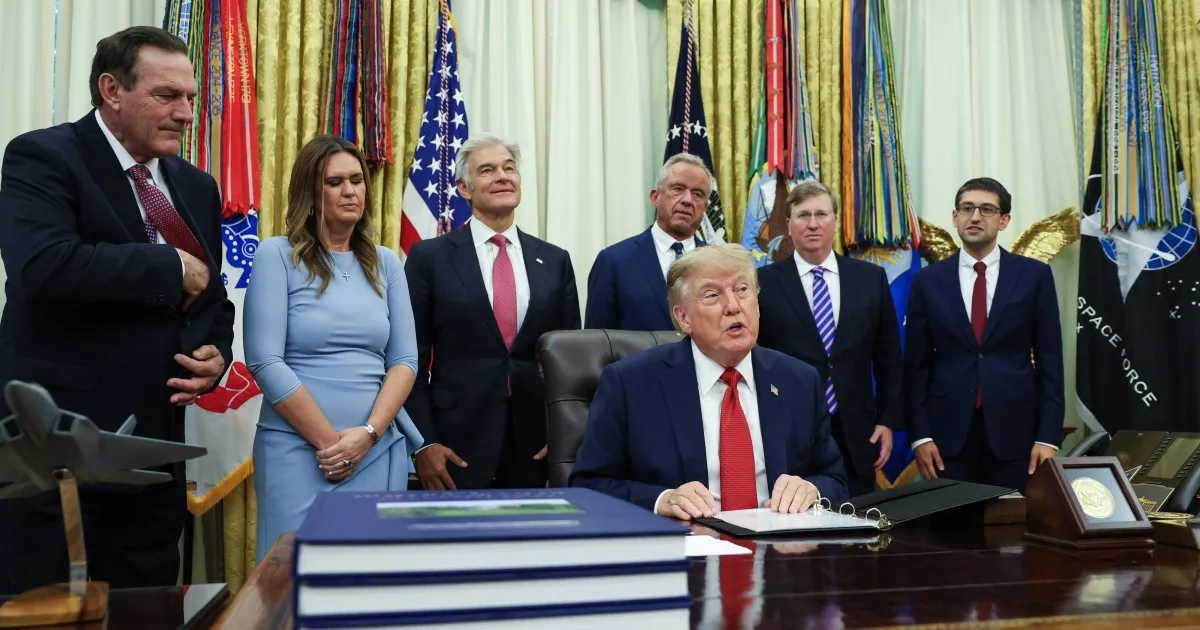
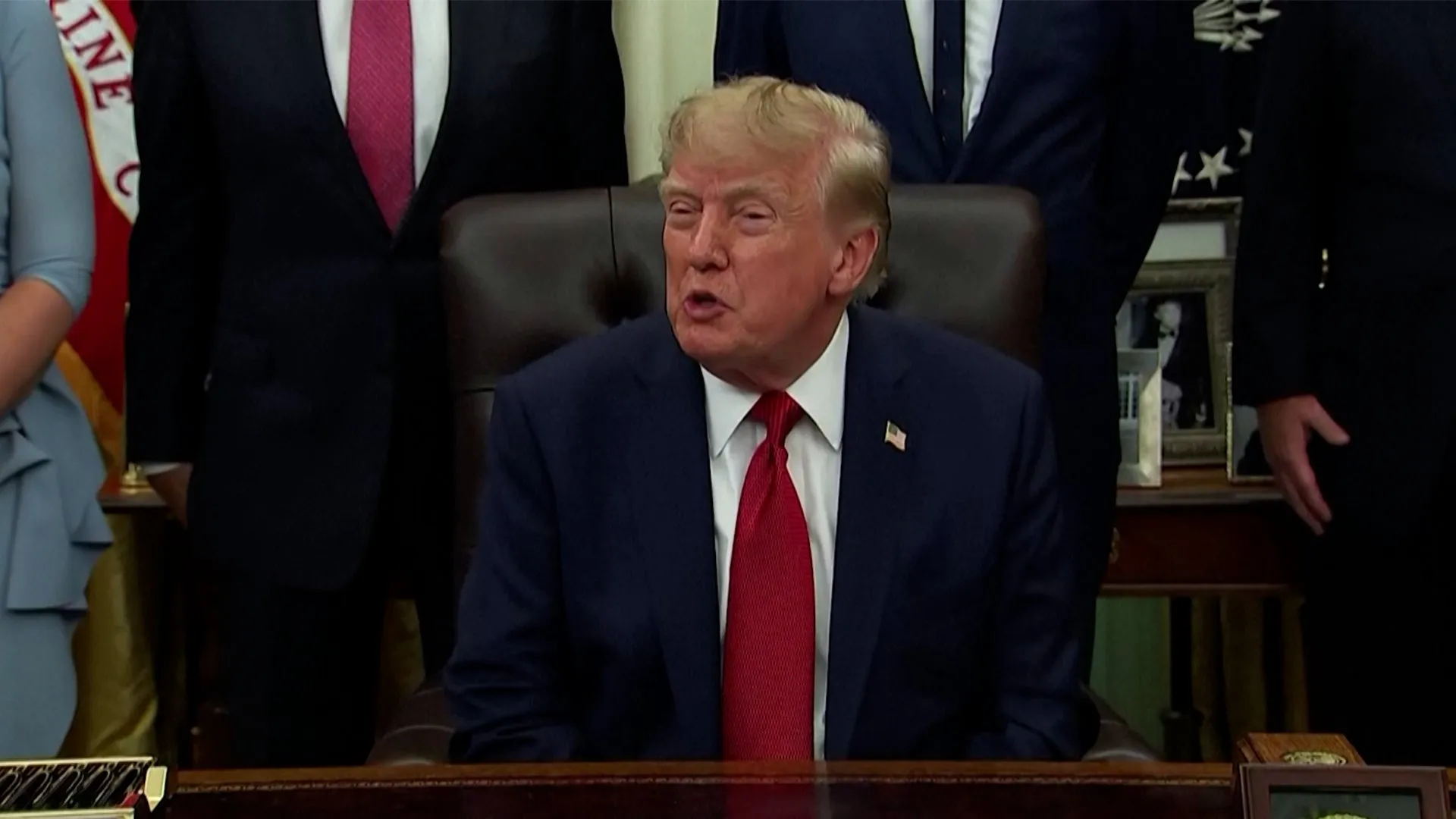
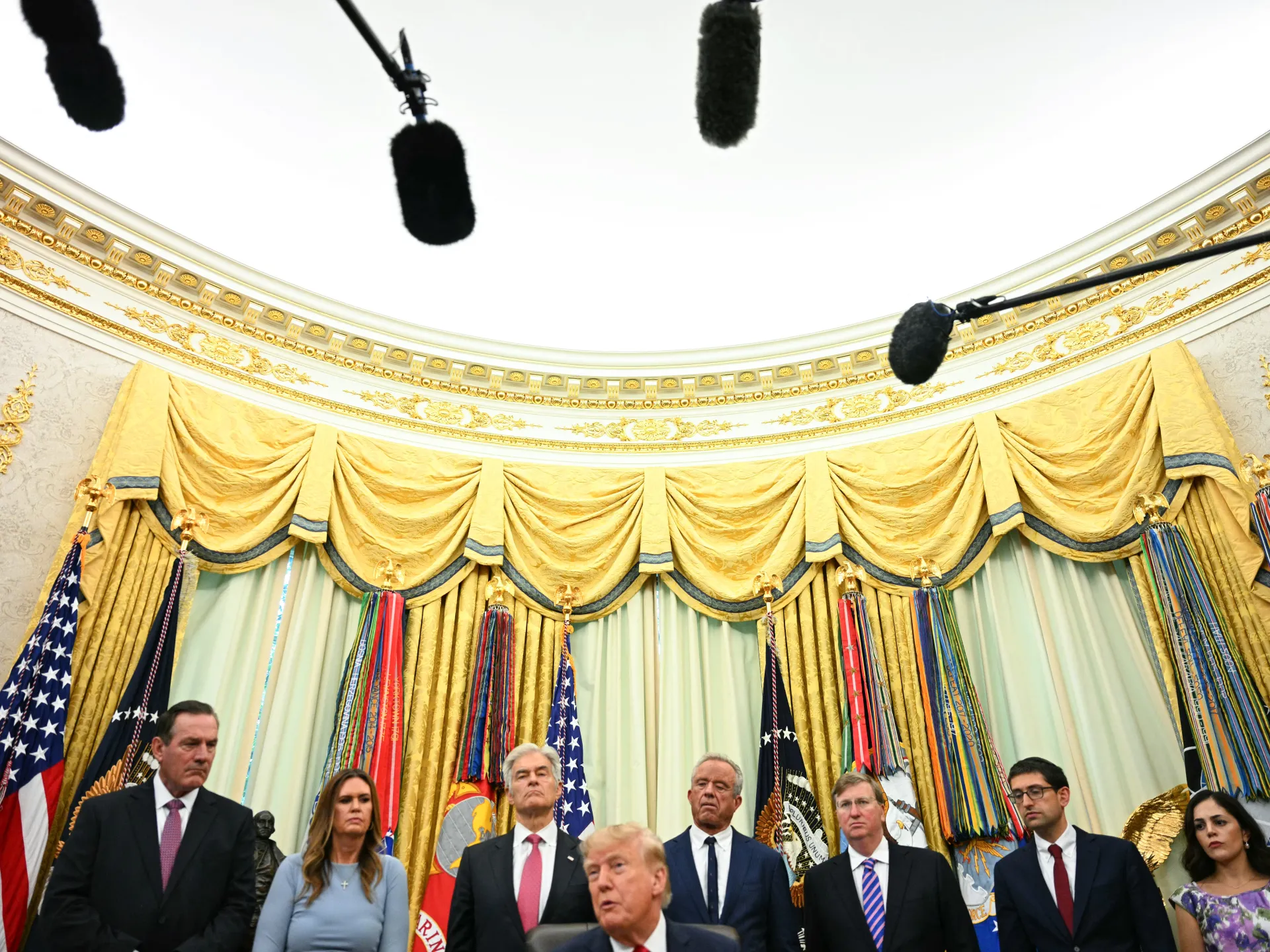
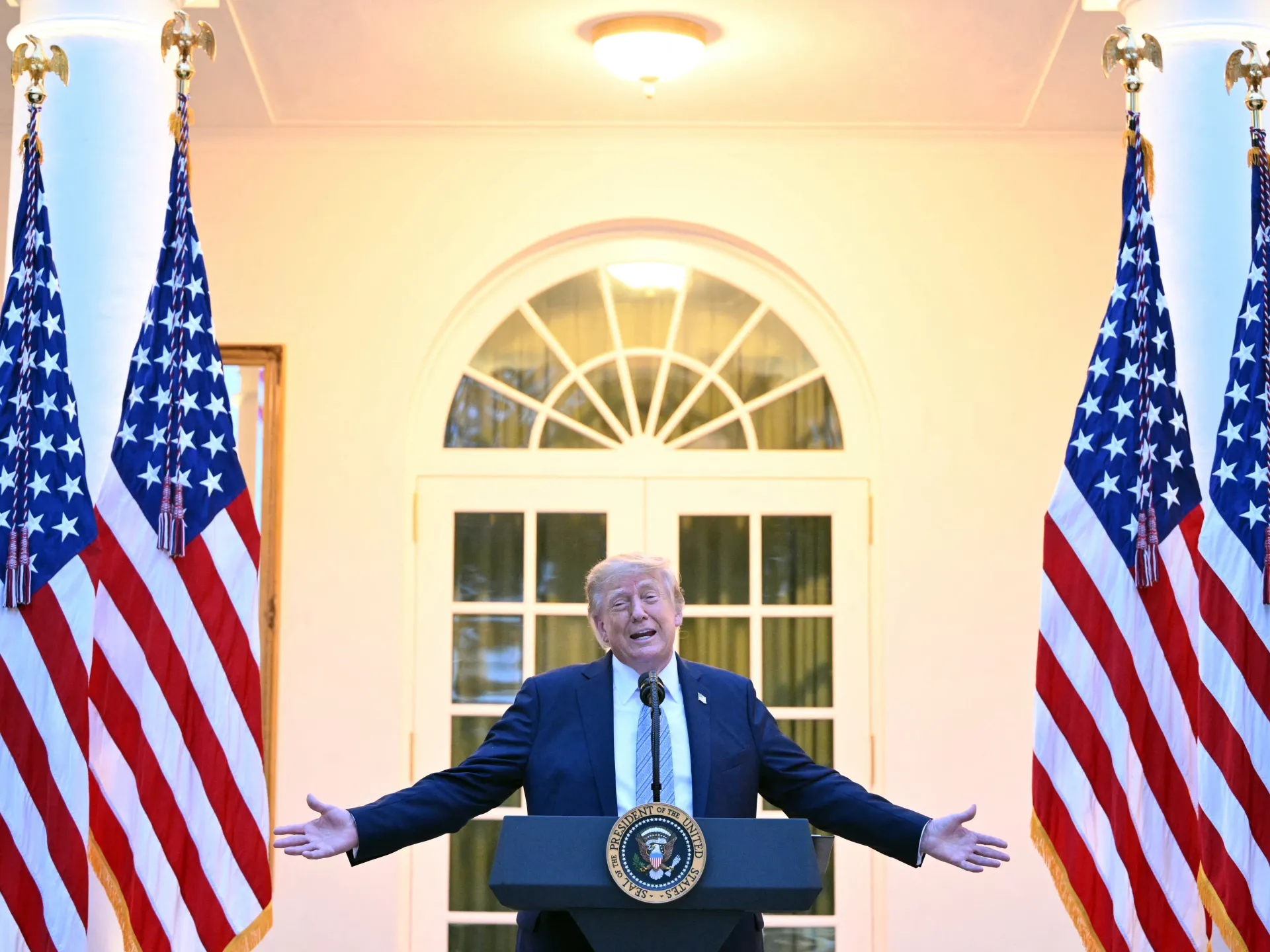
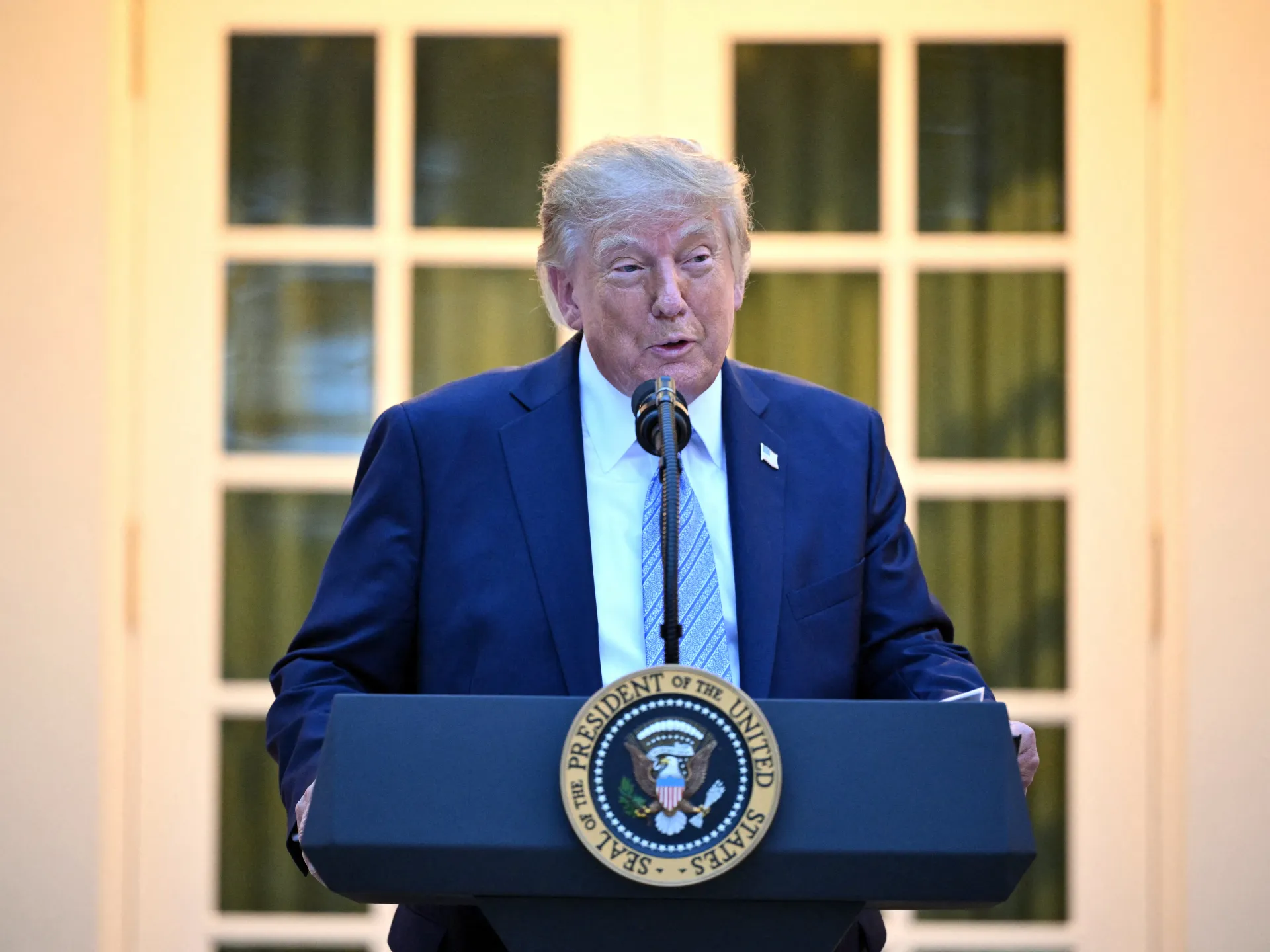
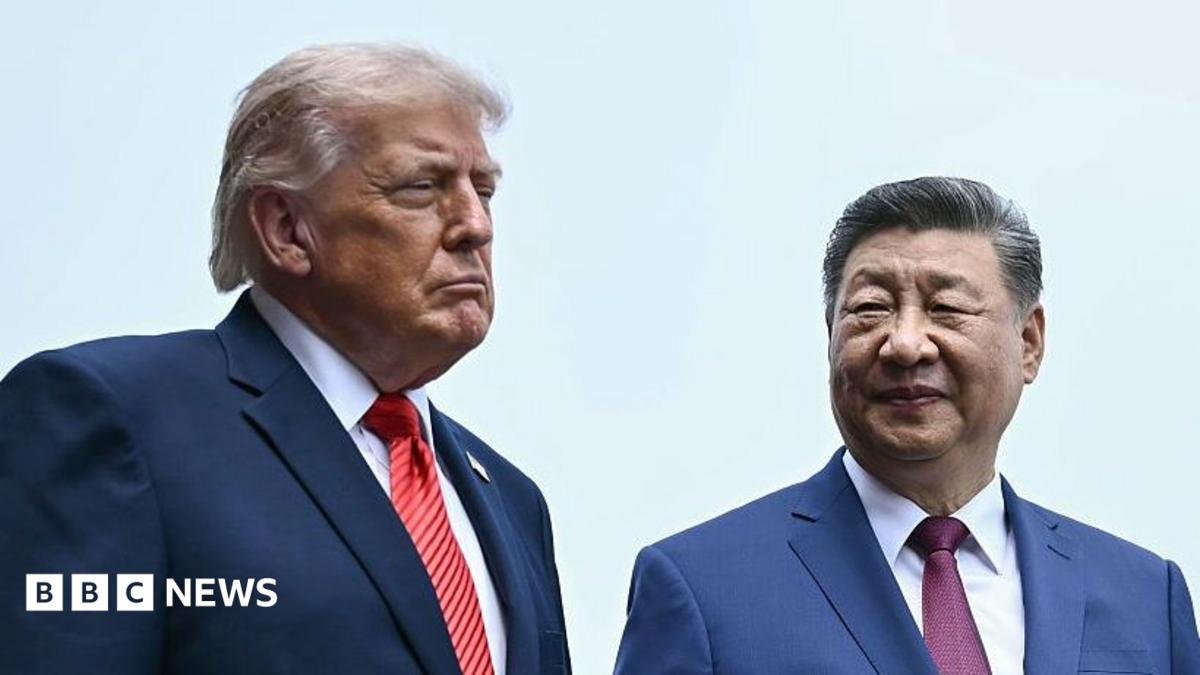
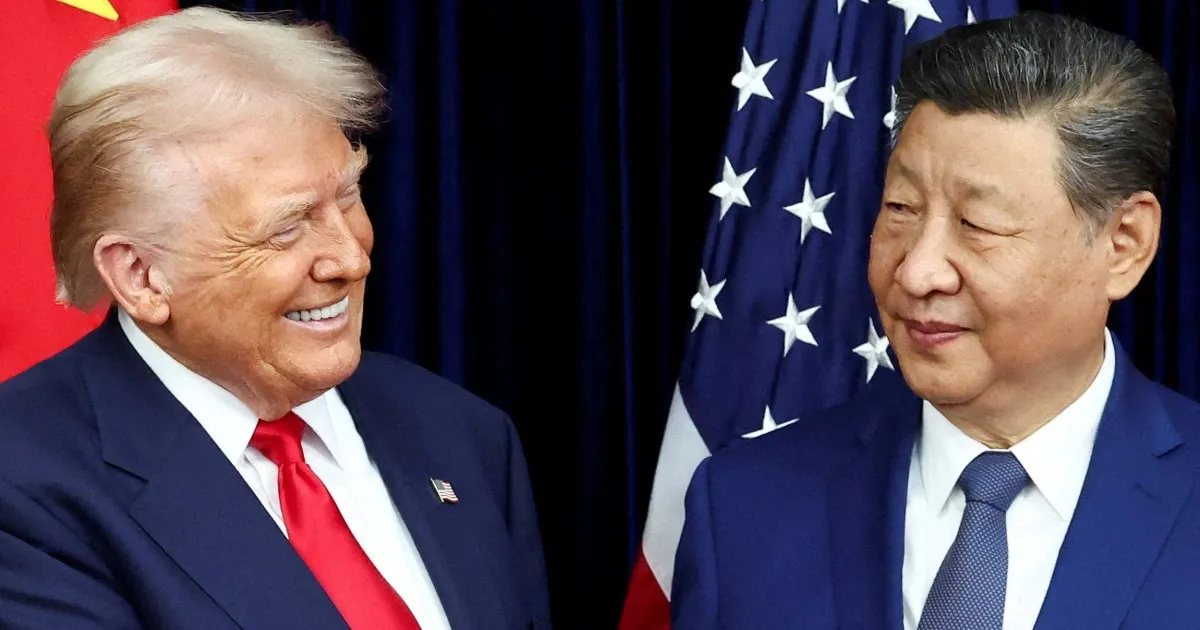
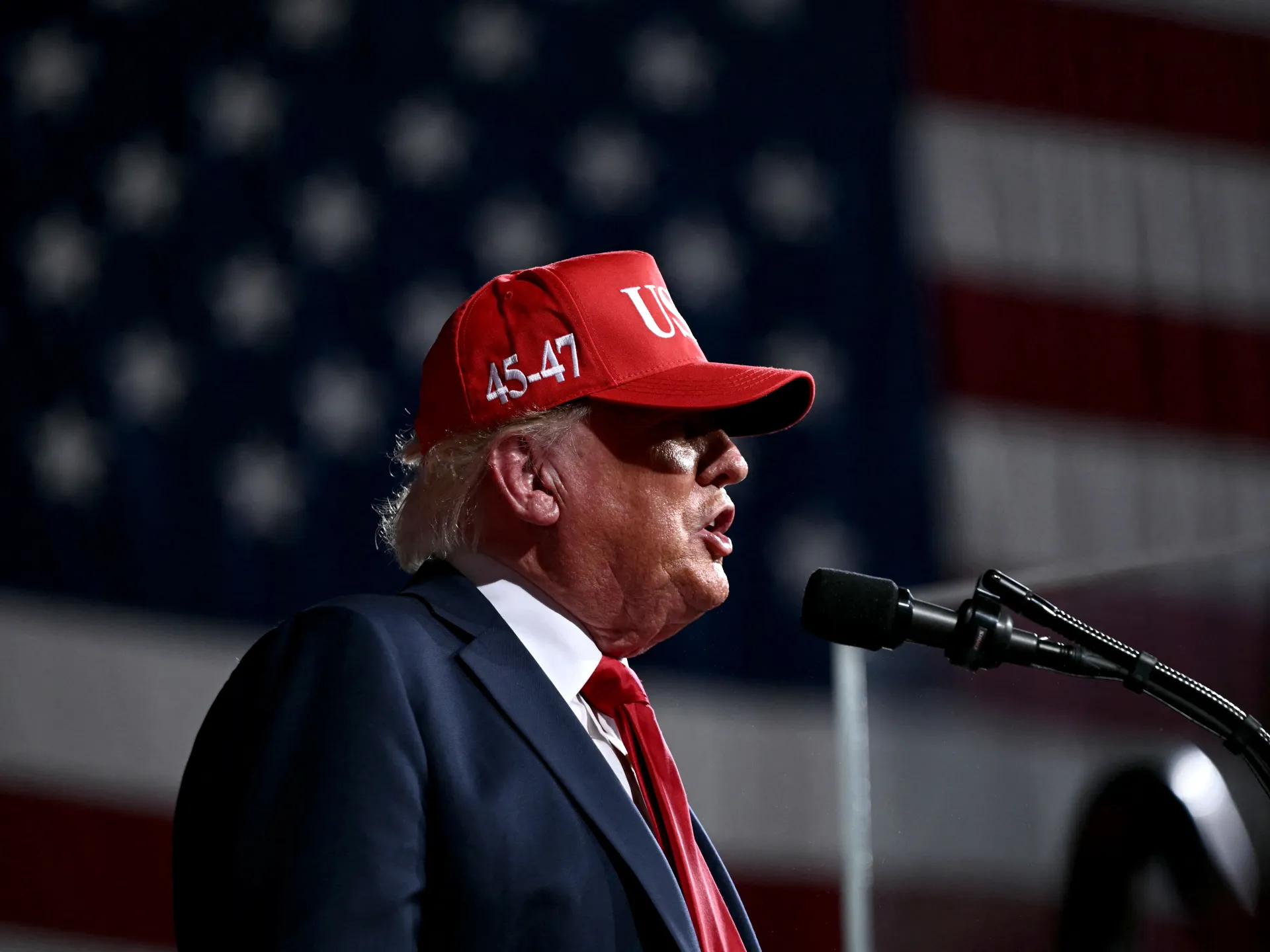
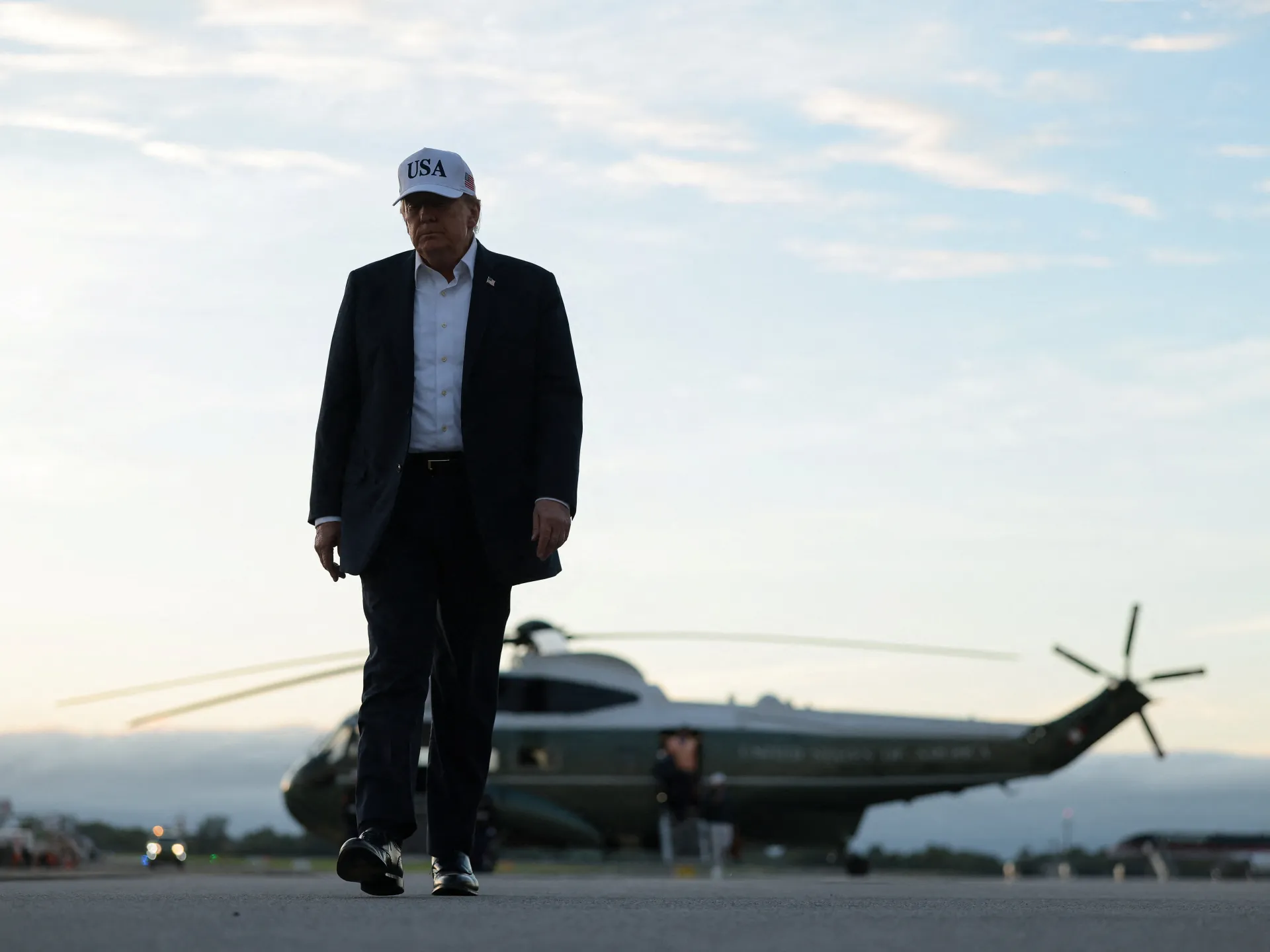
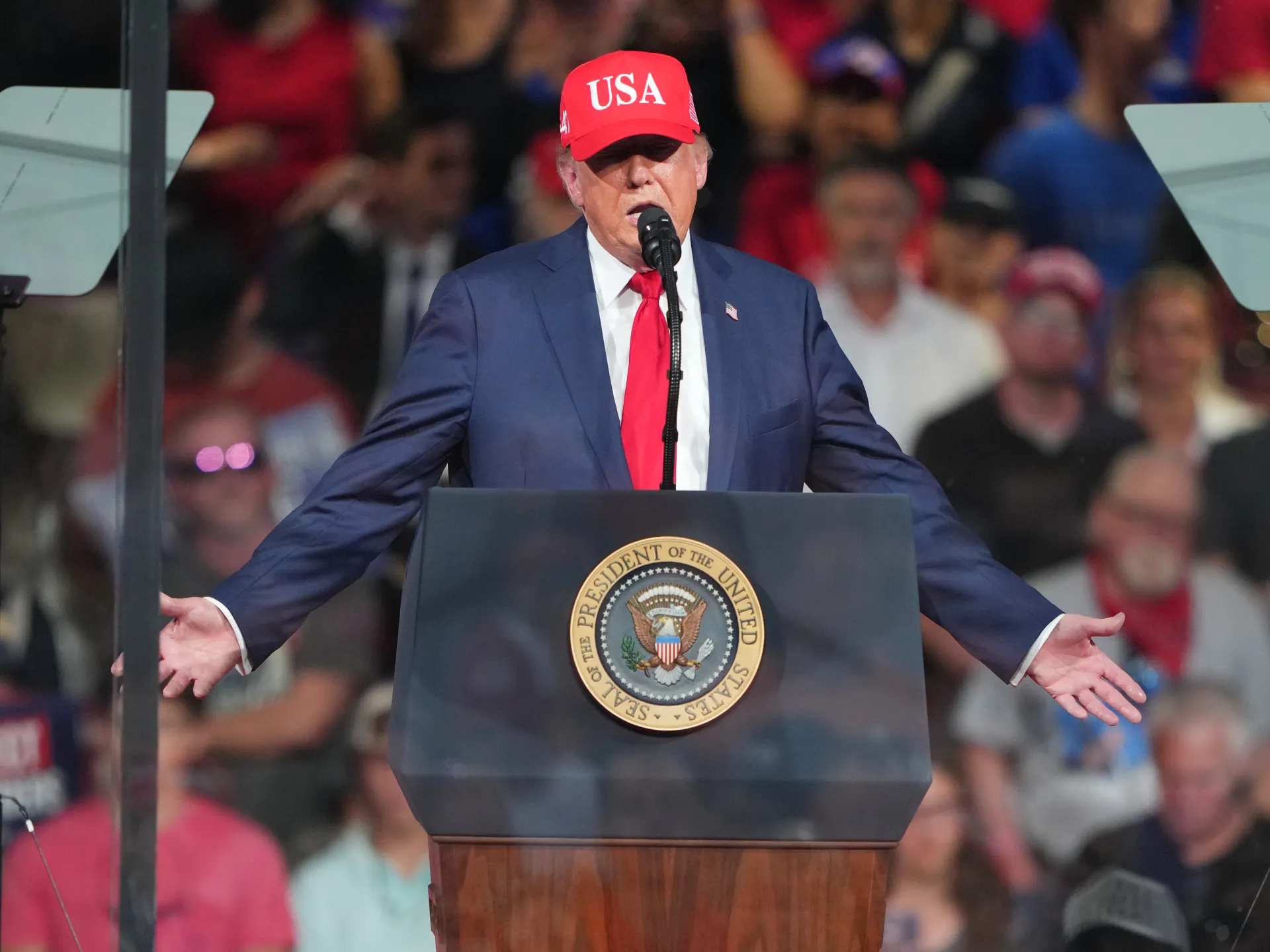
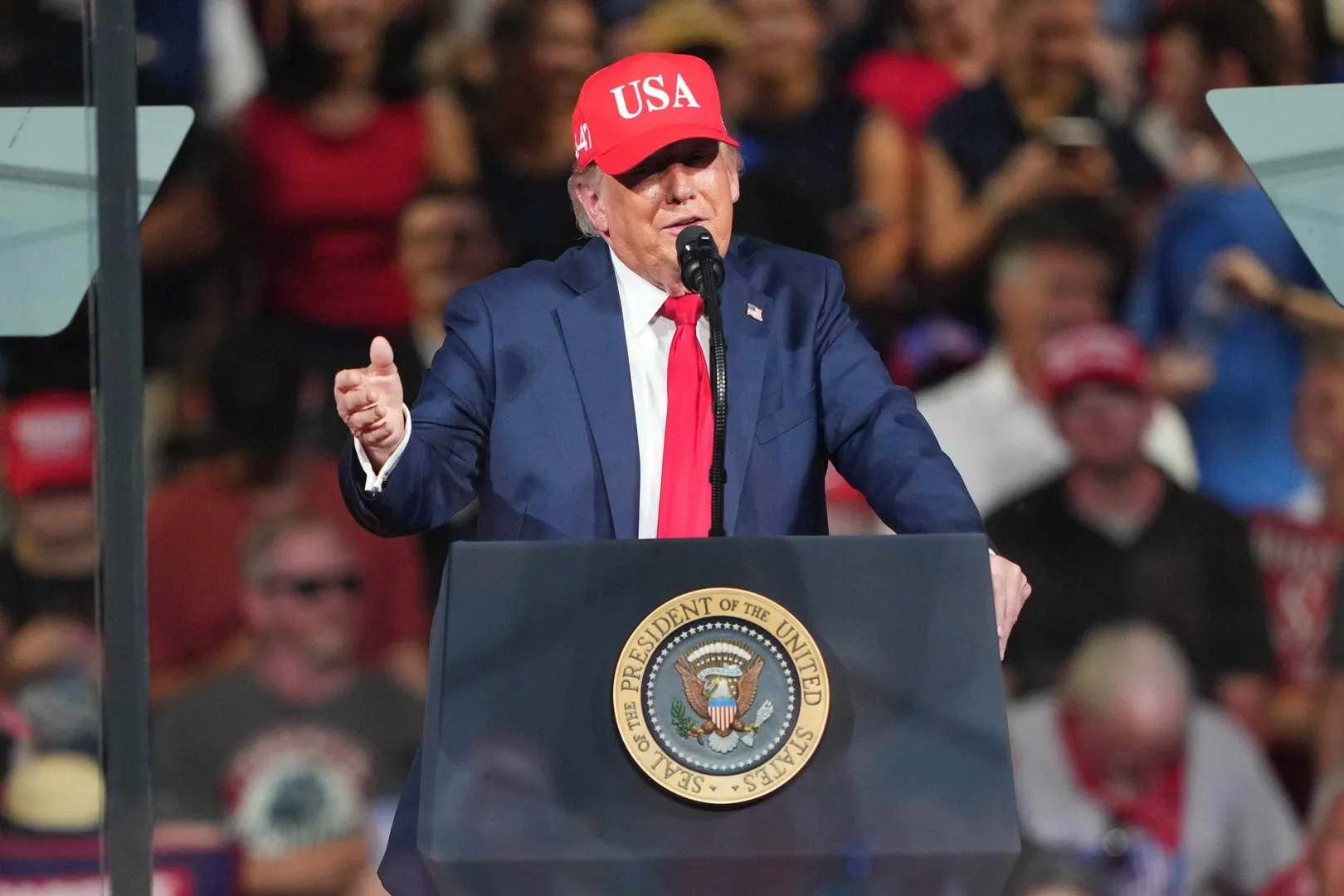
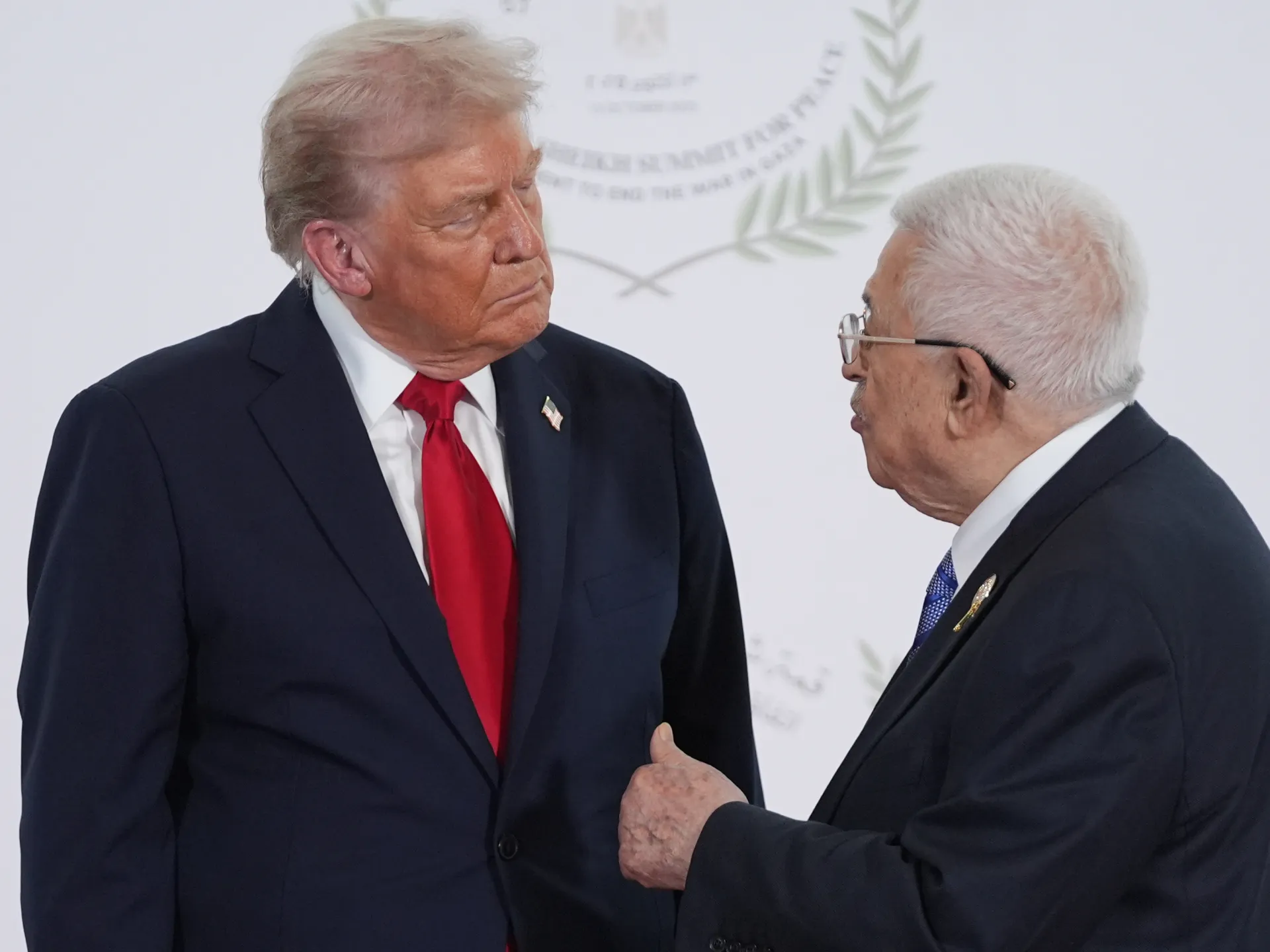
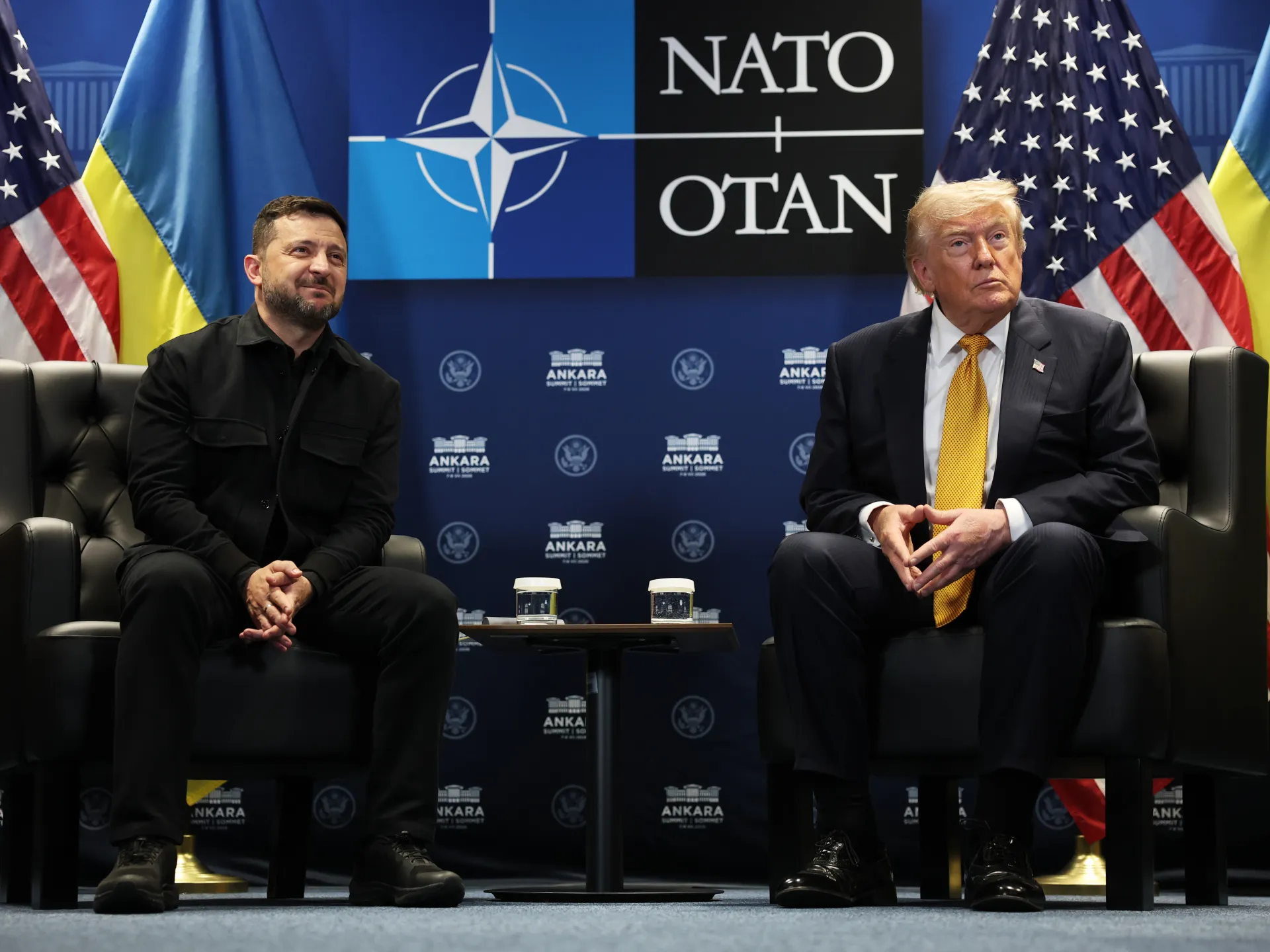
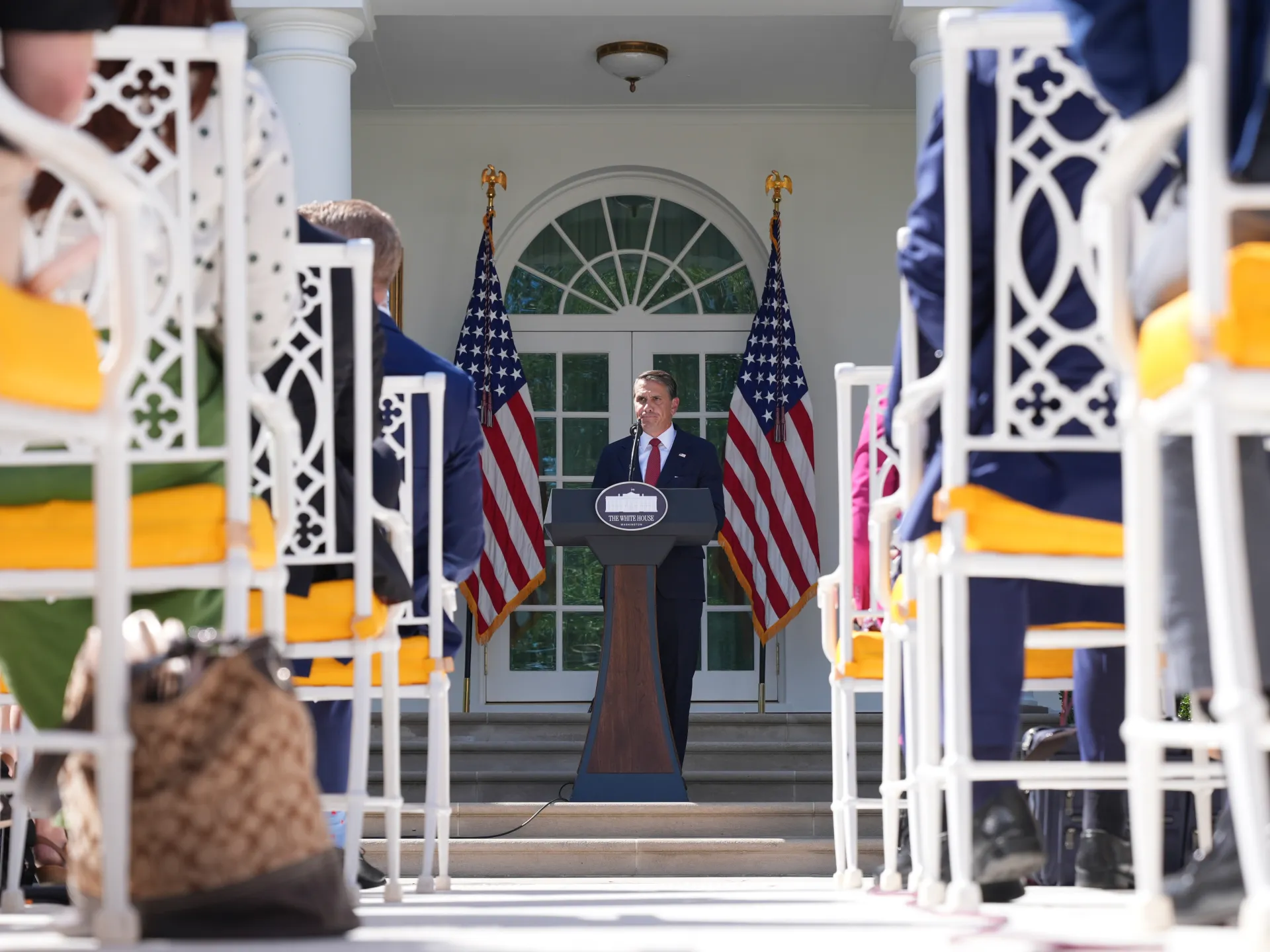
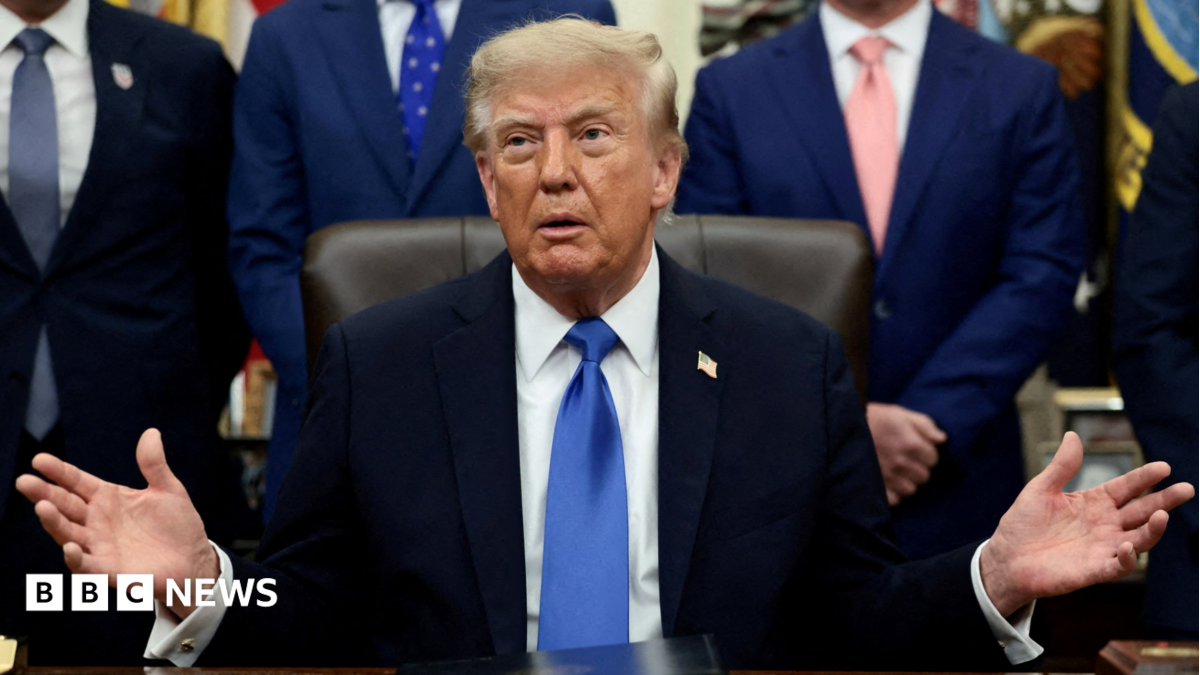
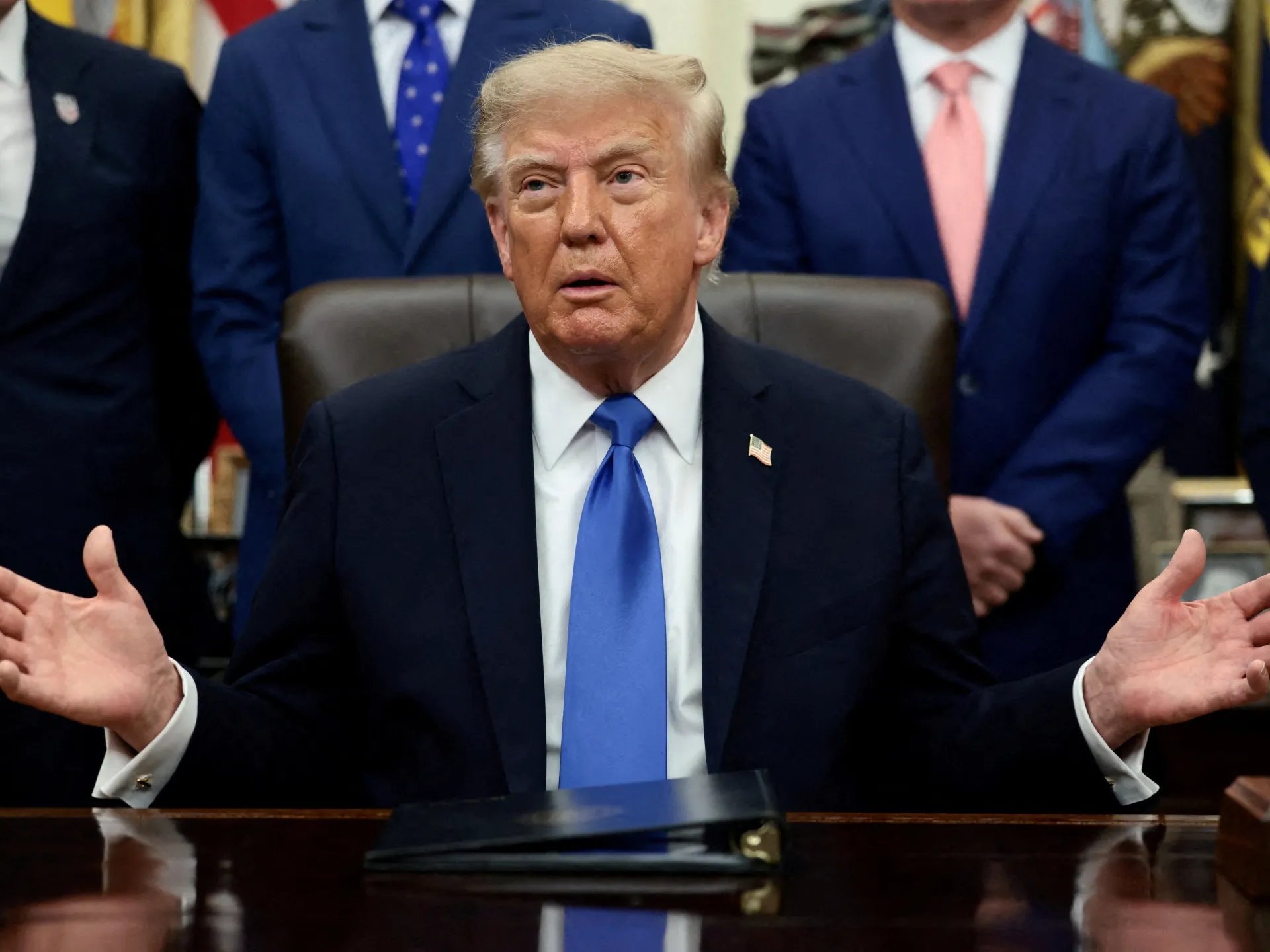
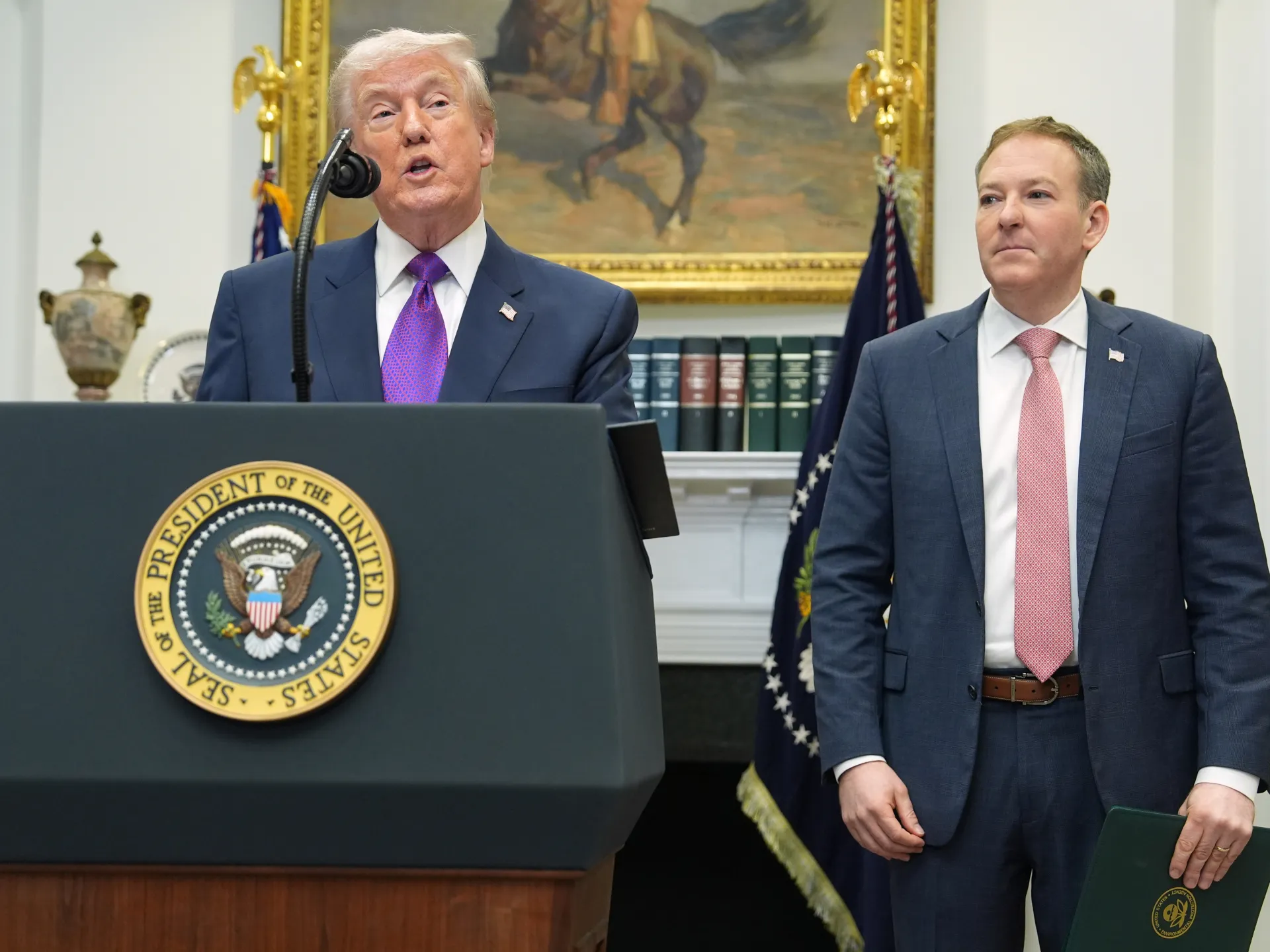
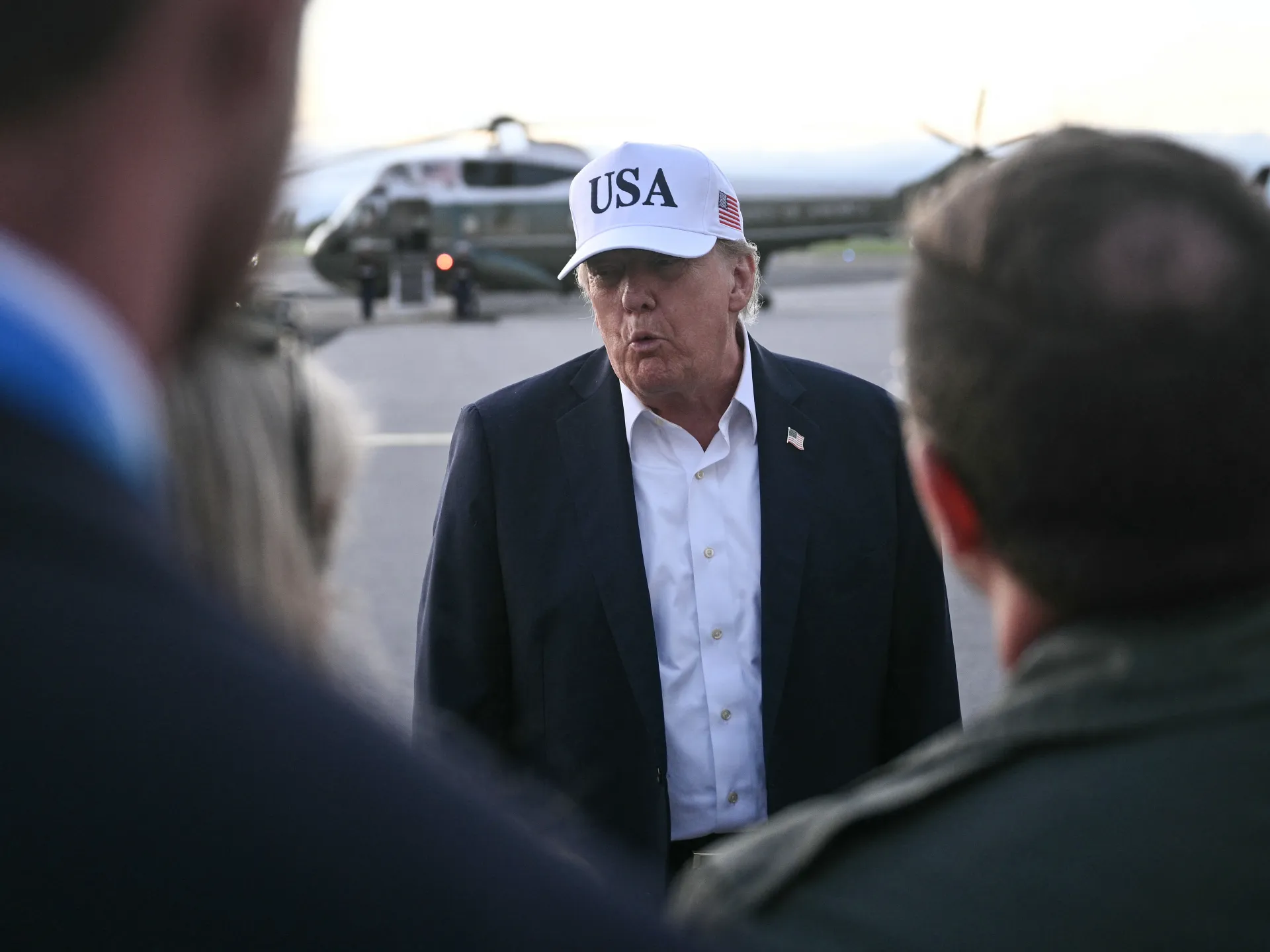
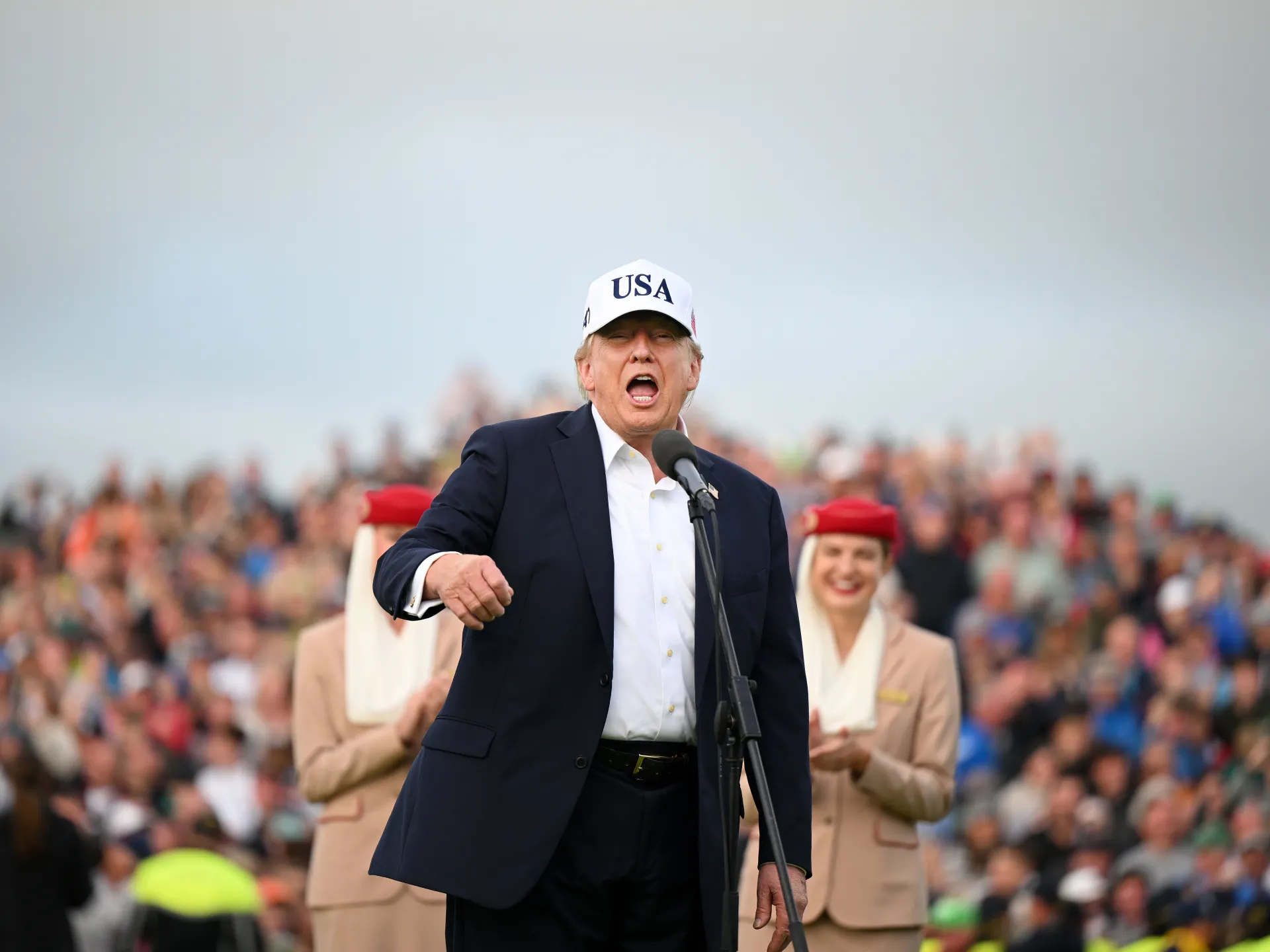
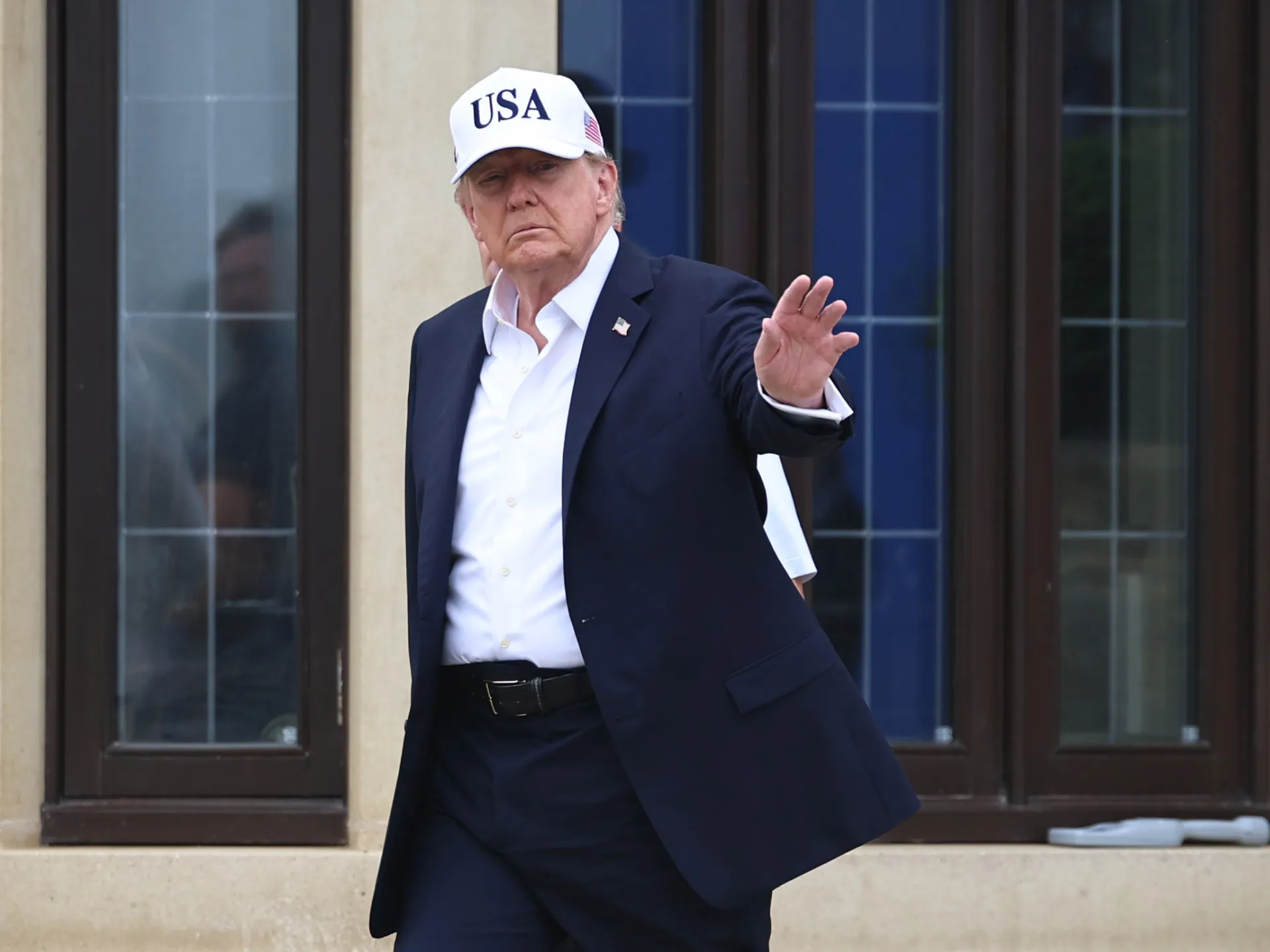
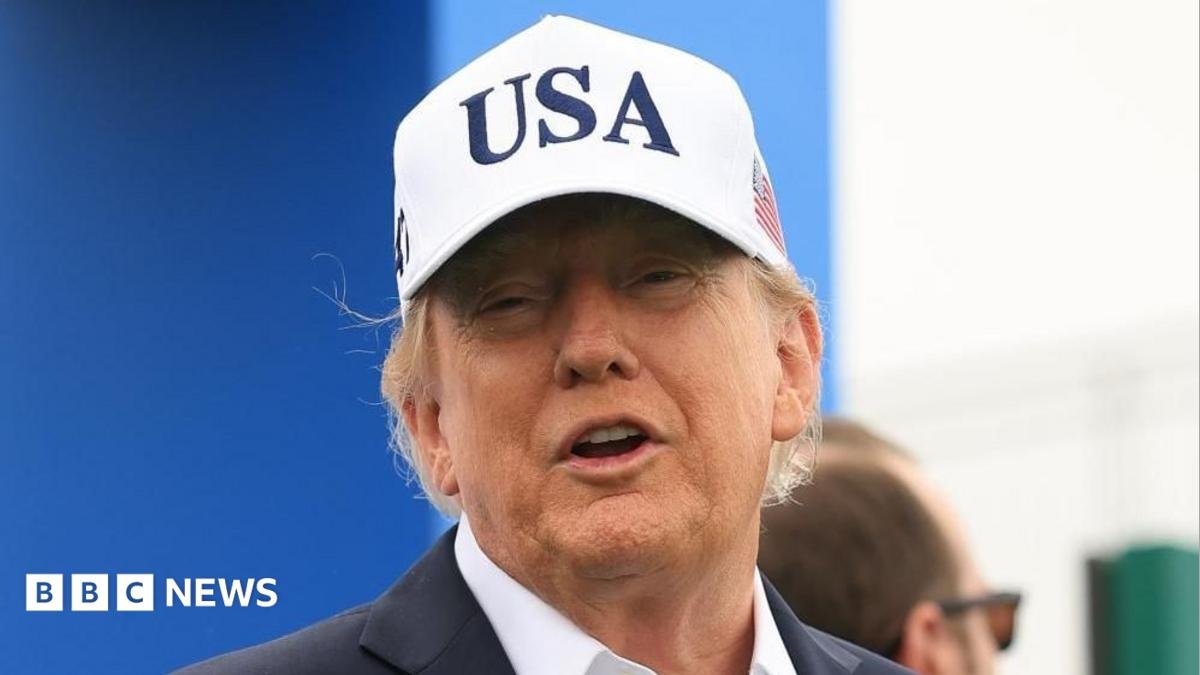
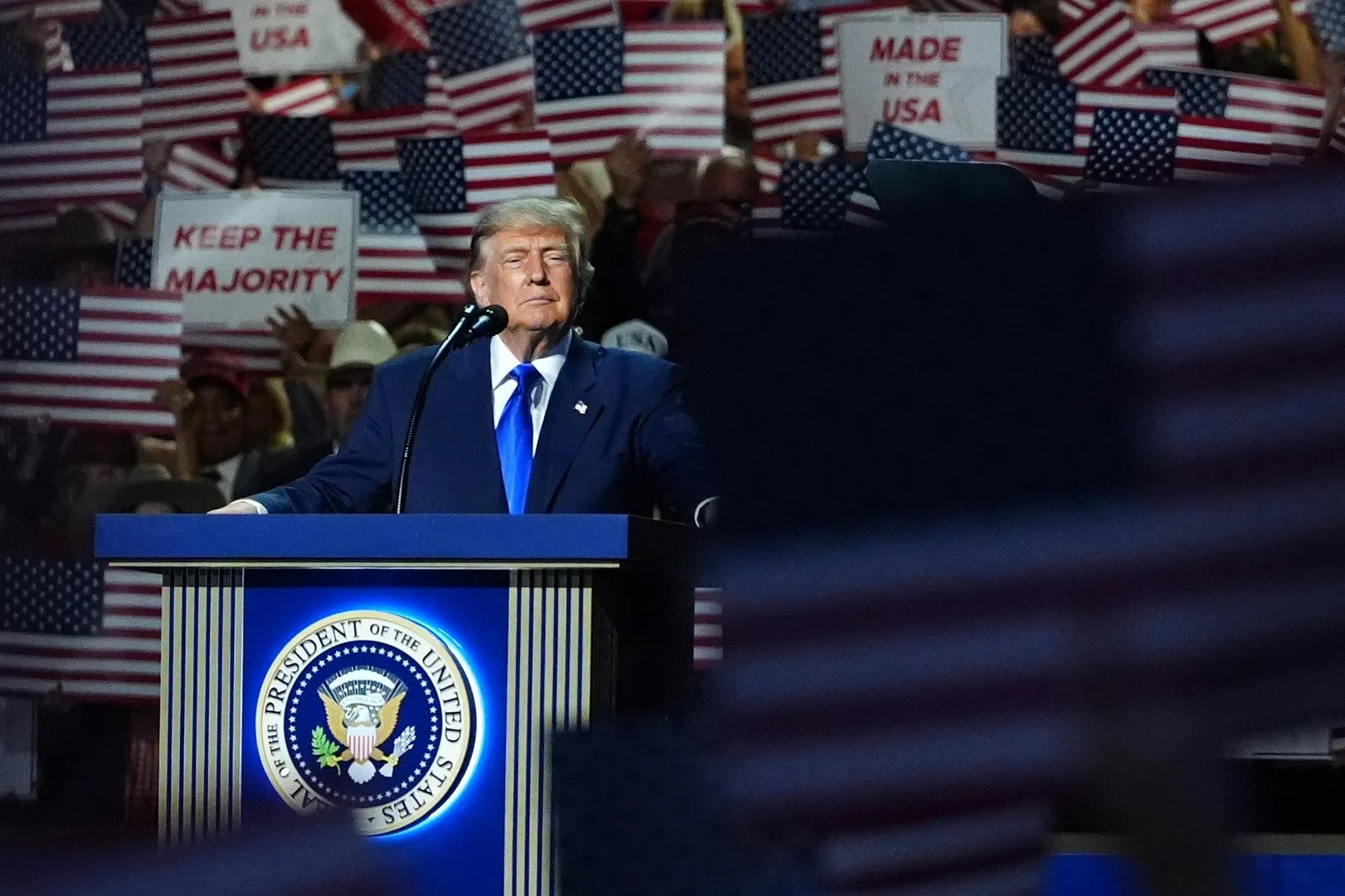
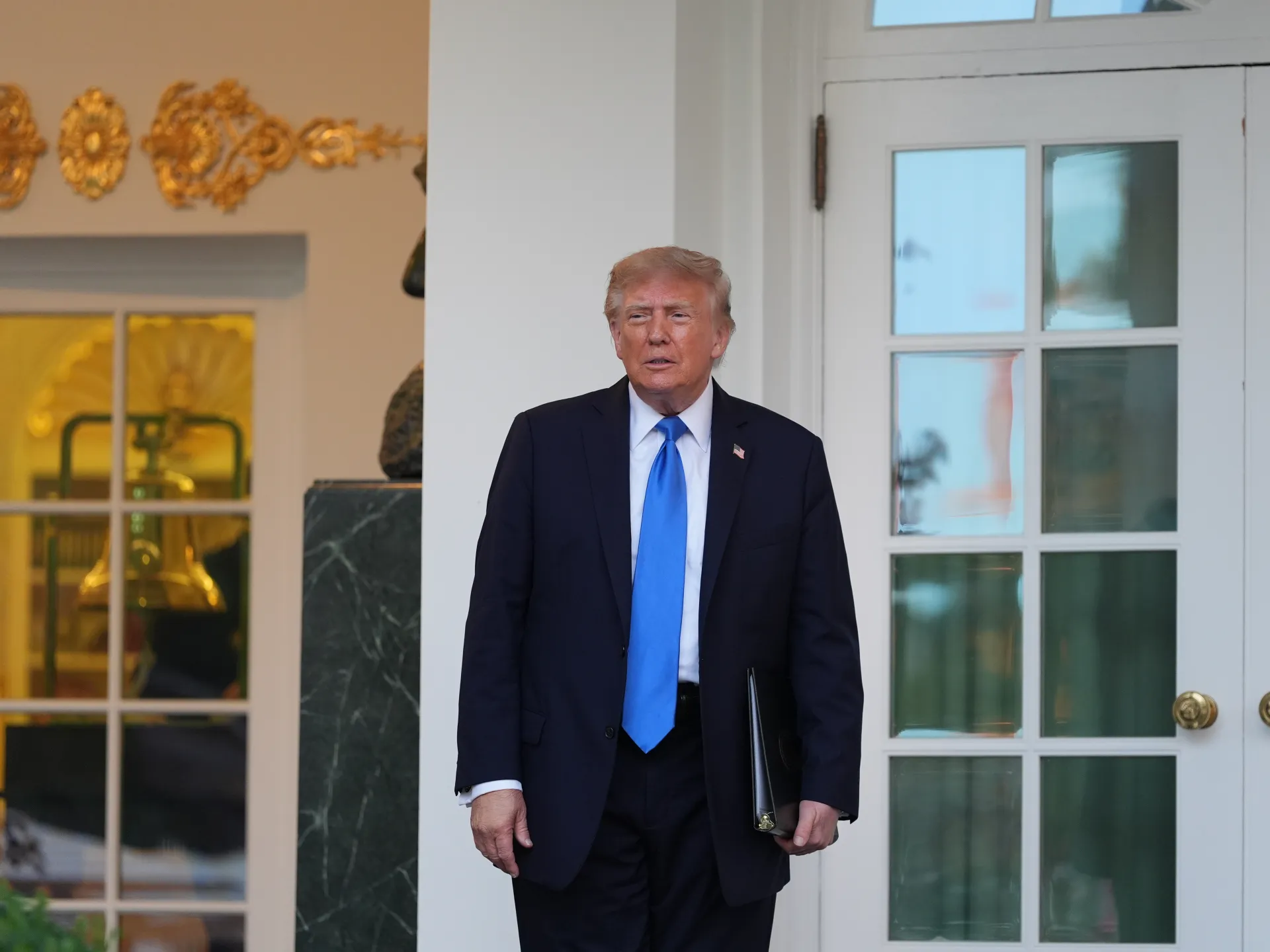
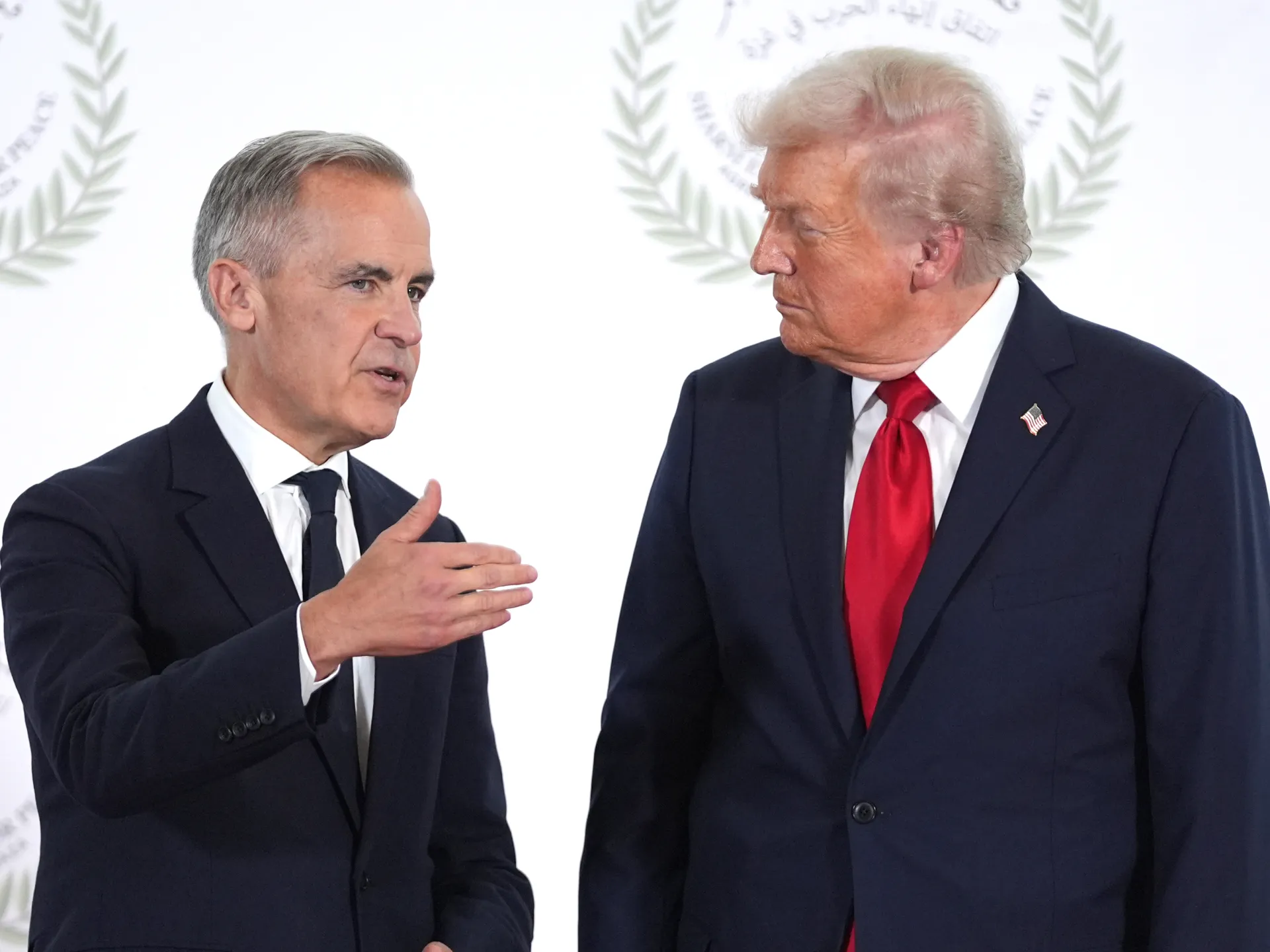
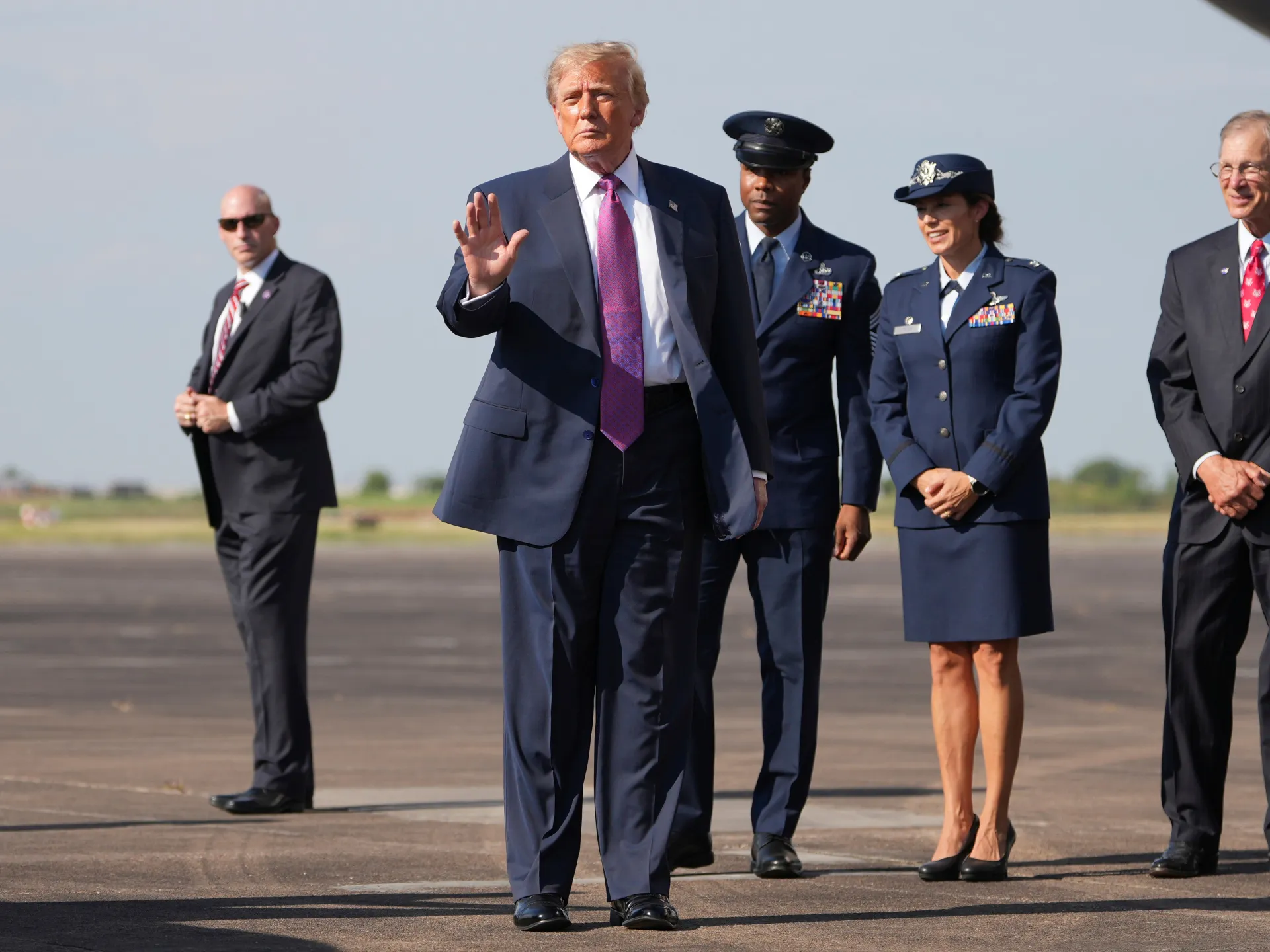
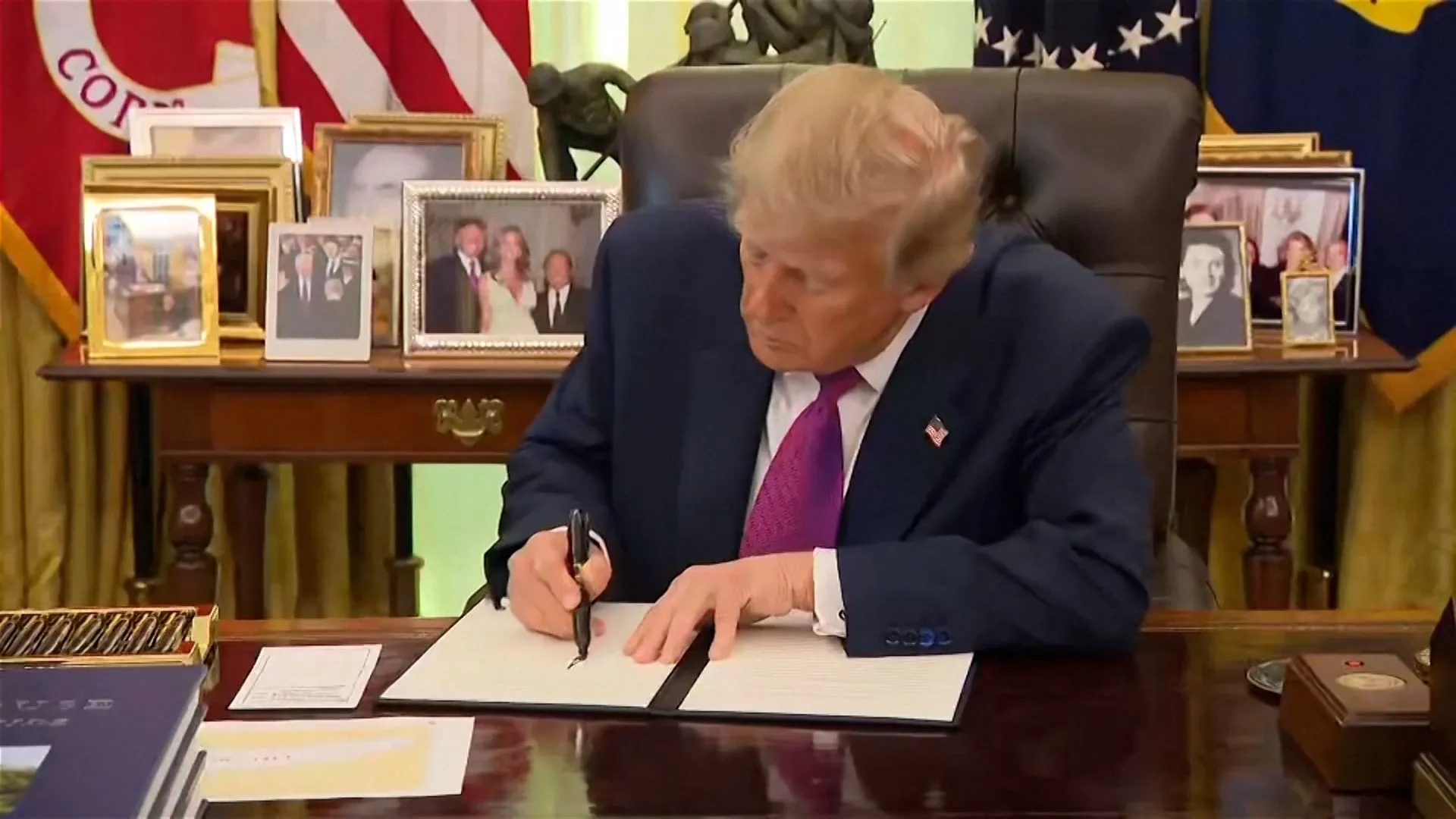
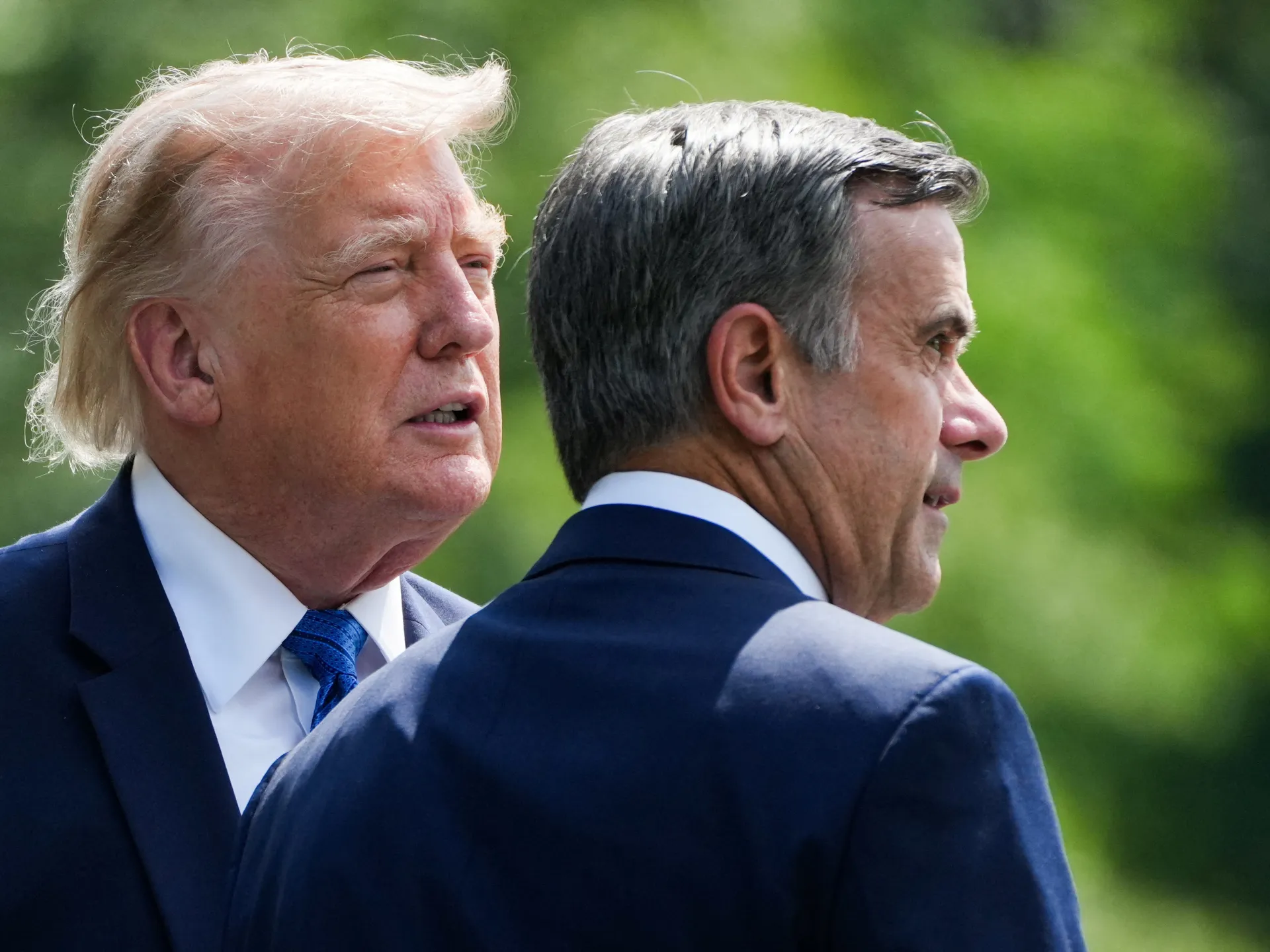
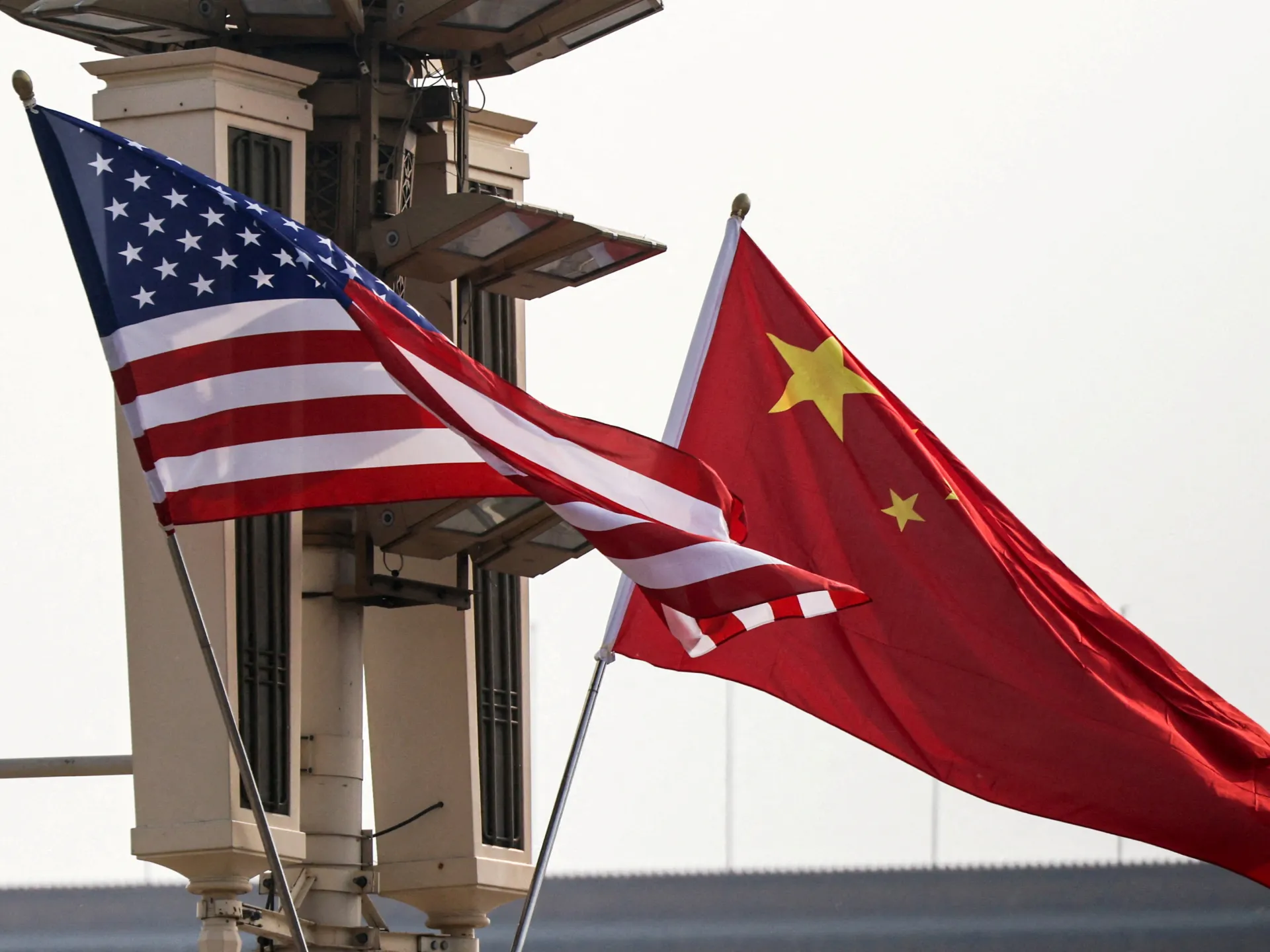
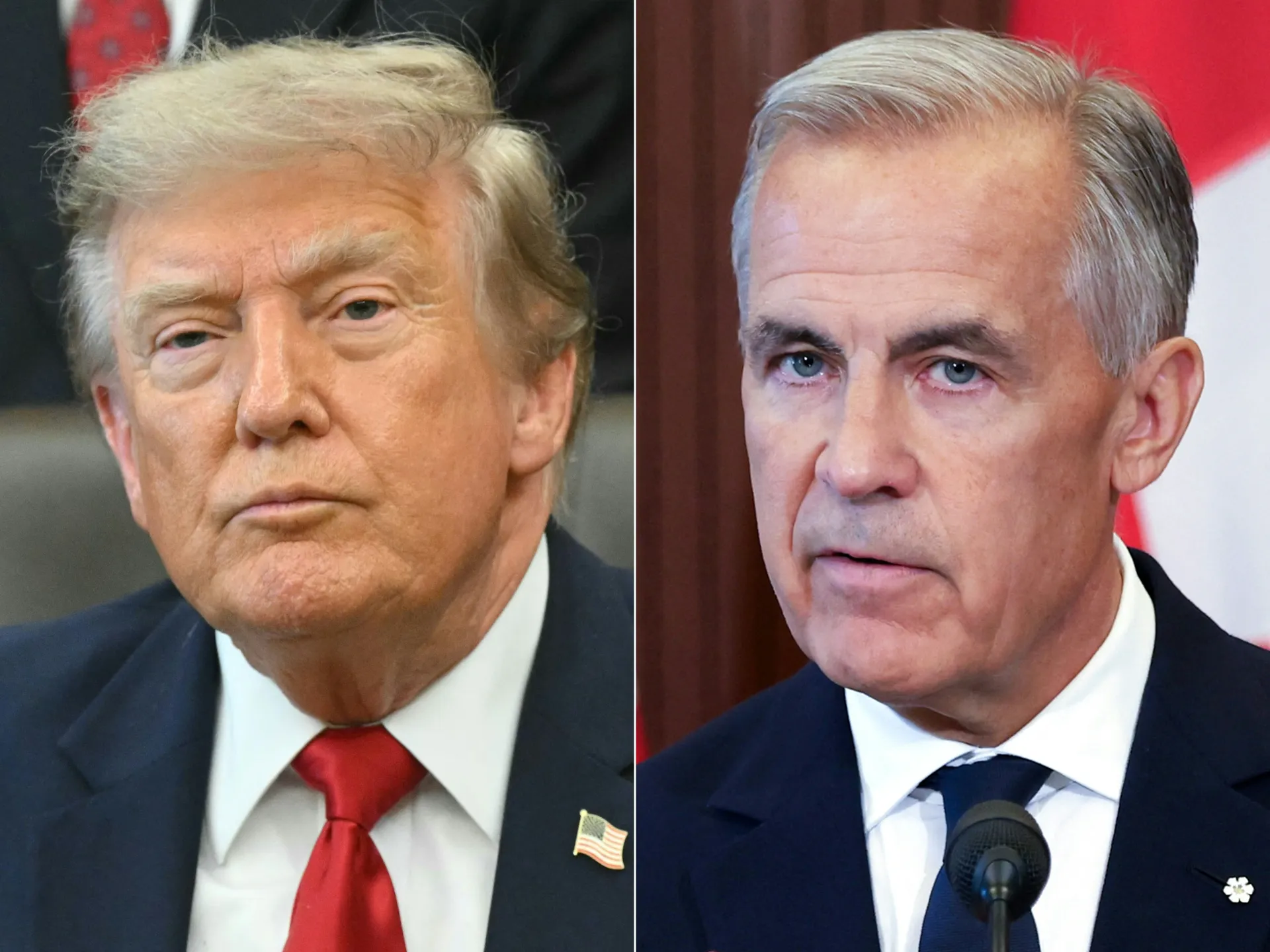
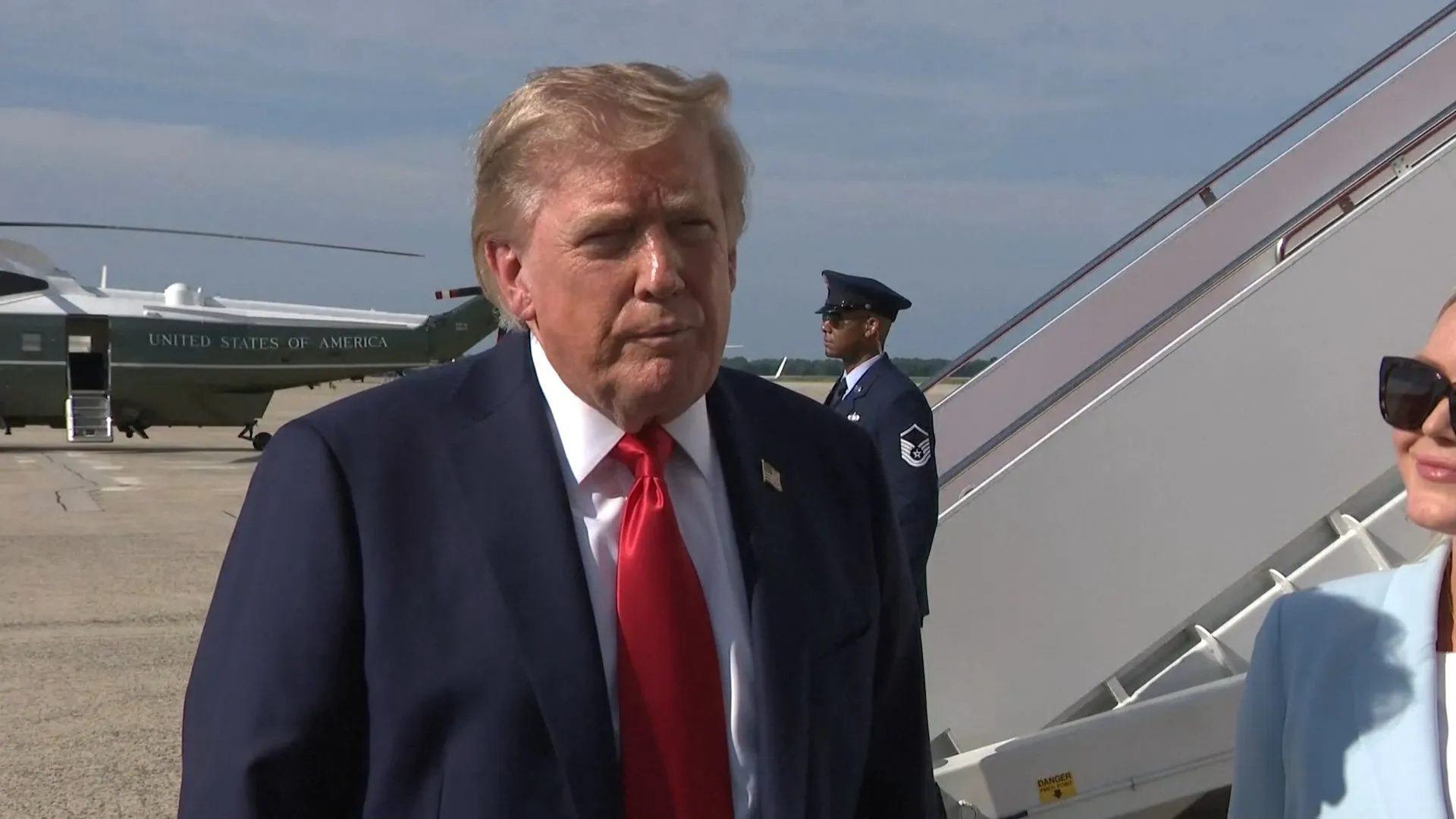
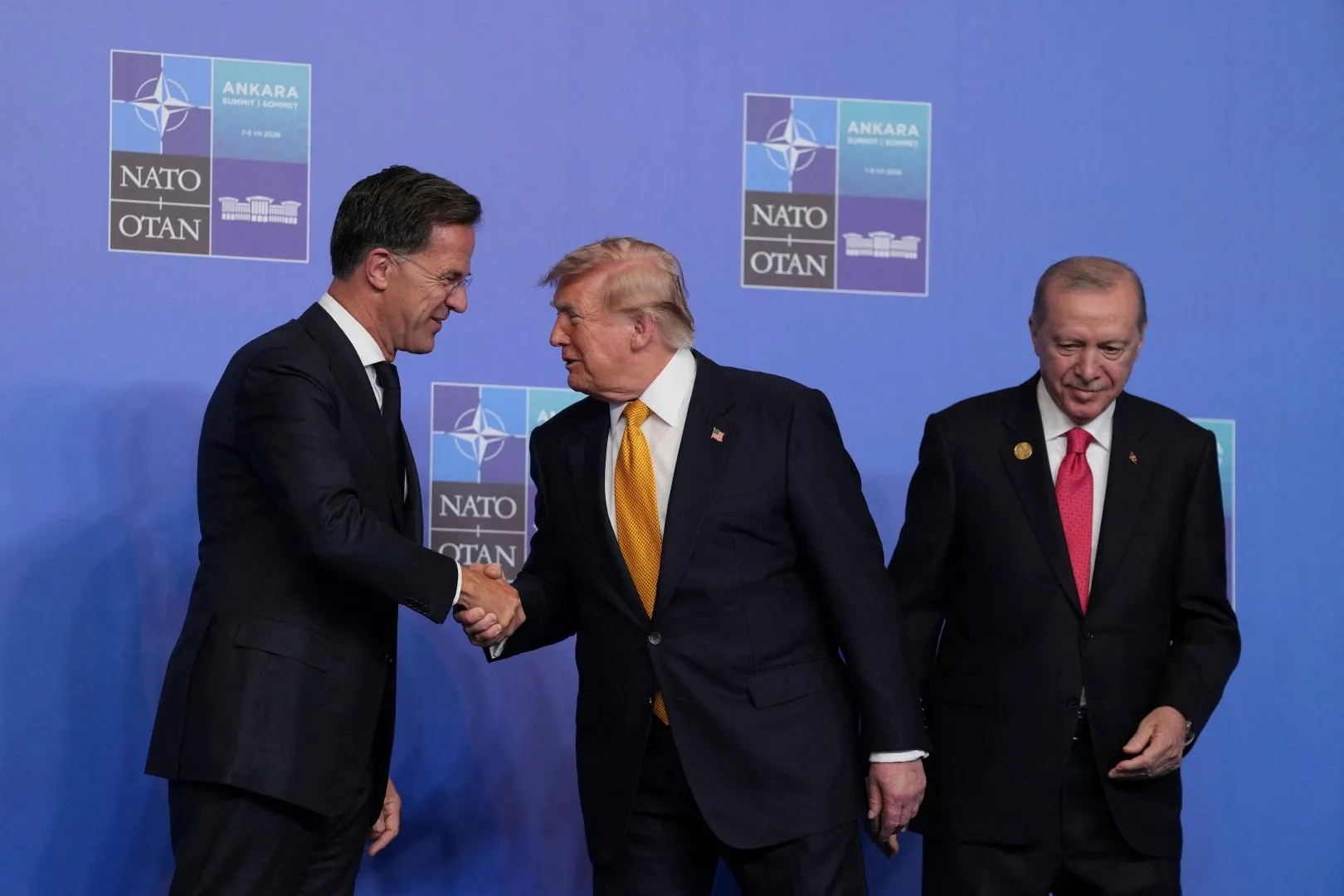
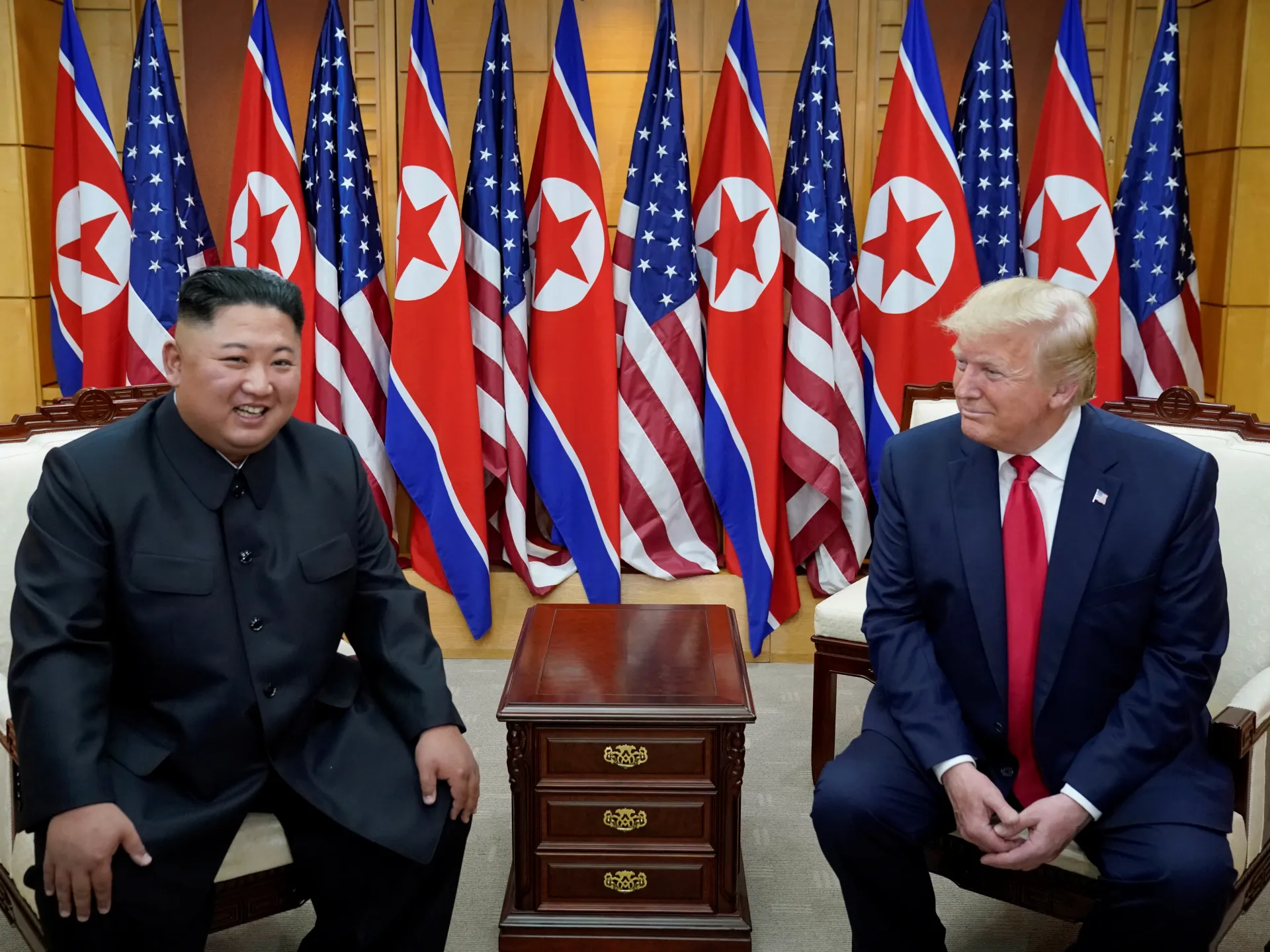
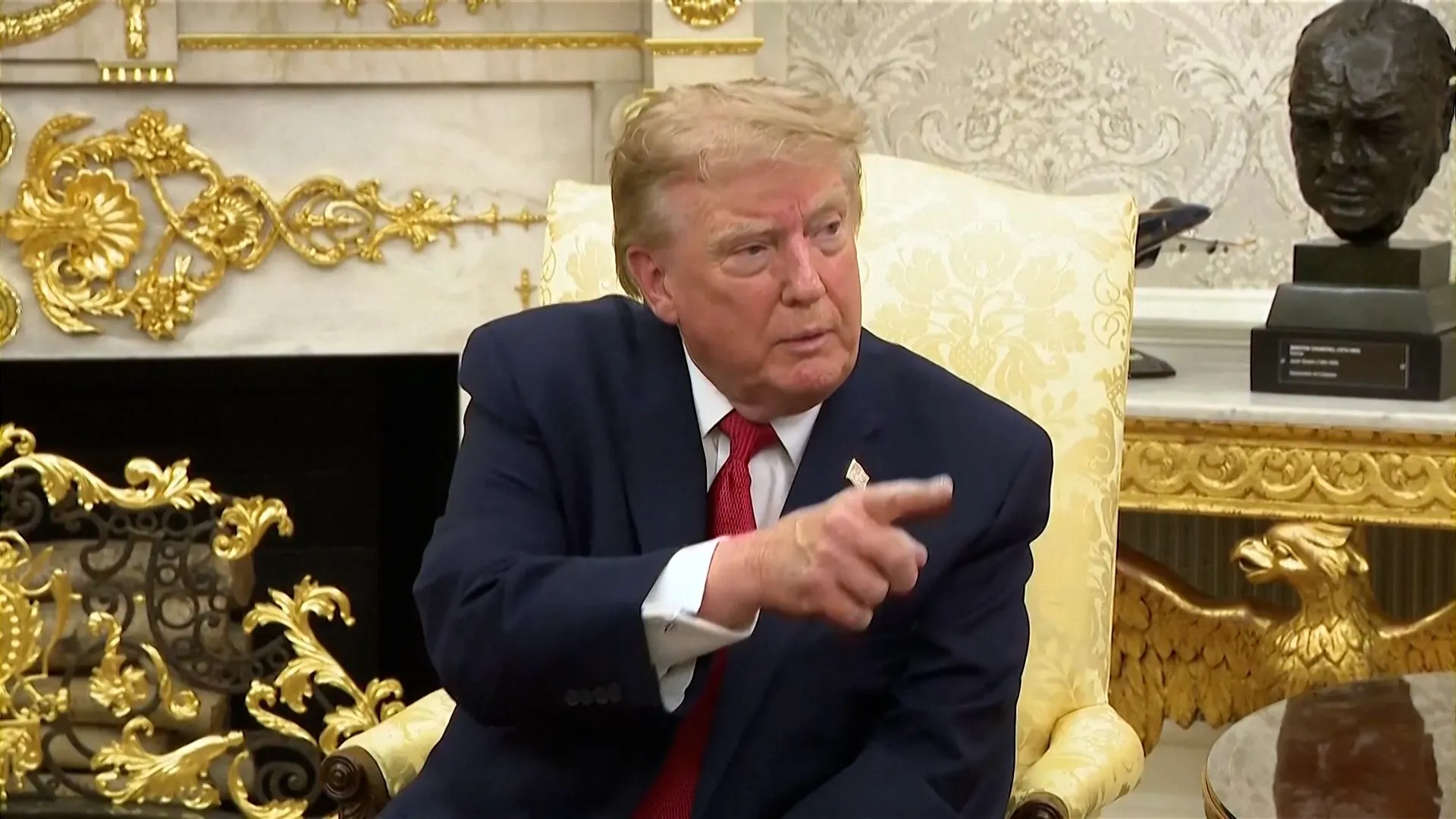
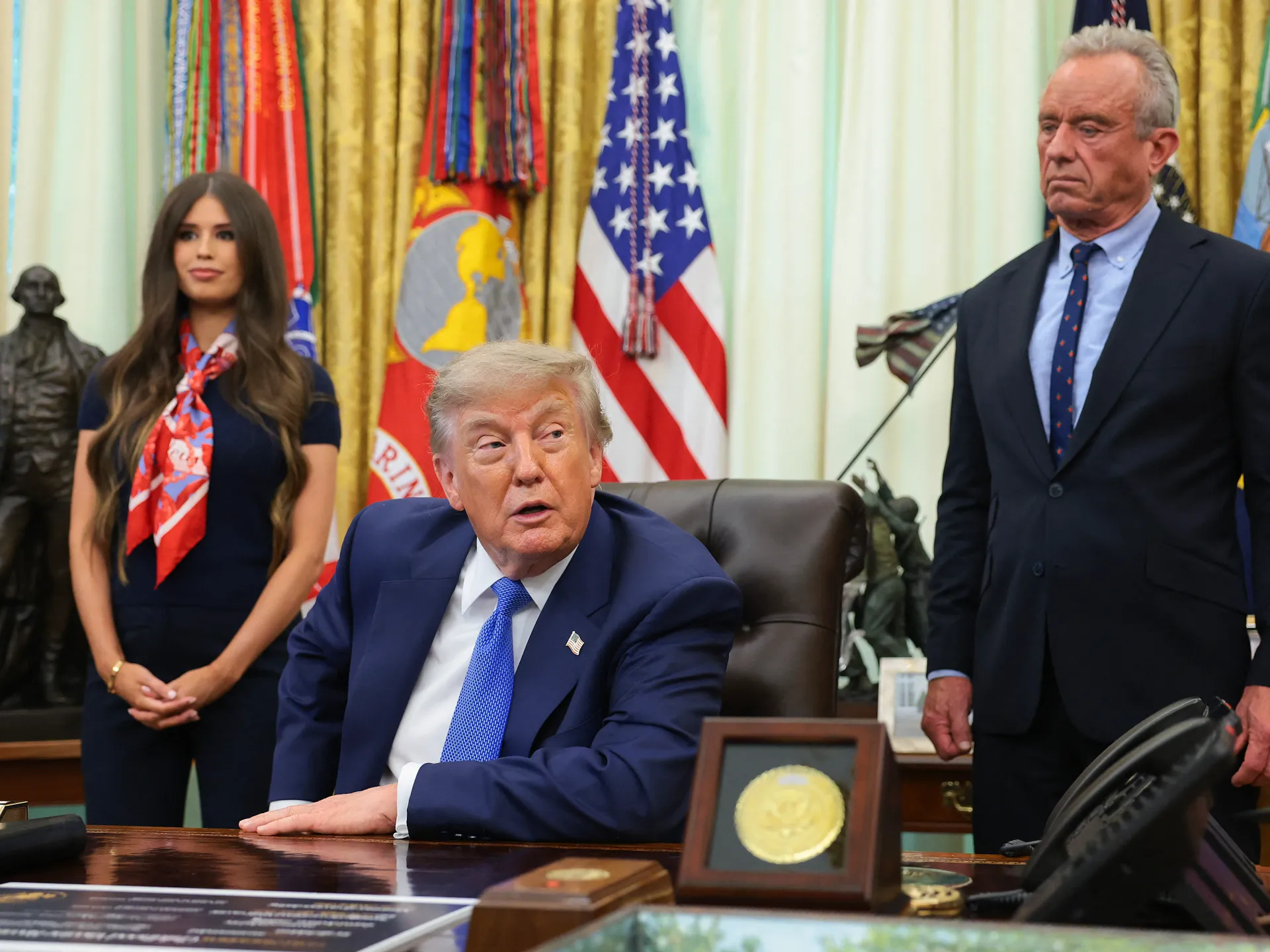
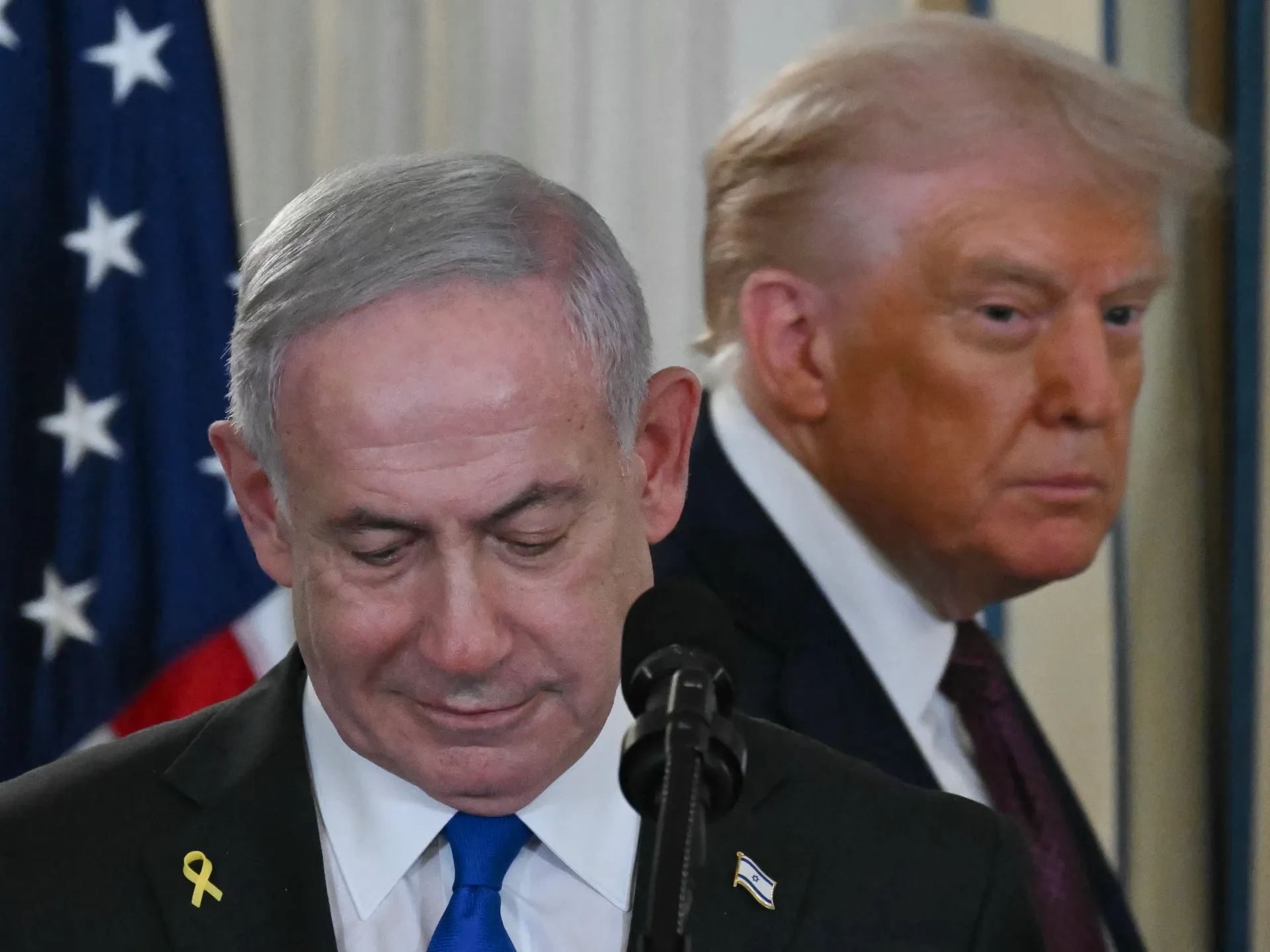
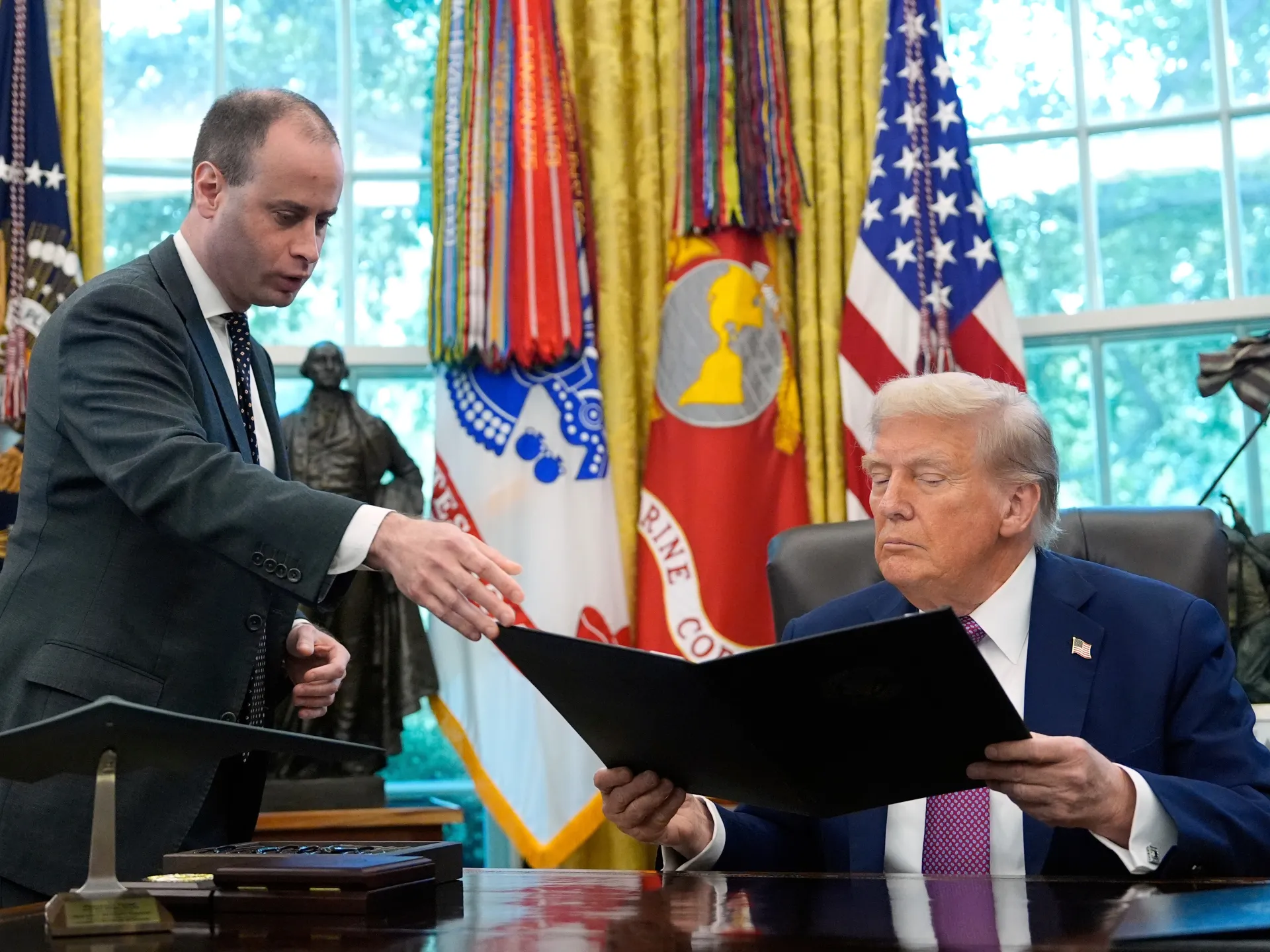
Simultaneously, the economic sphere is being weaponized. Prime Minister Carney highlighted the use of financial mechanisms for coercion and the exploitation of supply chain vulnerabilities as significant threats to Canadian and European sovereignty. ures. However, the proposal has drawn immediate and sharp criticism from Washington. President Donald Trump has publicly characterized the potential deal as a possible "hostile act," threatening significant tariffs if he determines the alliance is intended to undermine U.S. interests.
The immediate future of this alliance depends heavily on the upcoming diplomatic sessions between Brussels and Ottawa. Analysts suggest that the EU will likely proceed with caution, attempting to define the parameters of "associate status" in a way that avoids triggering a full-scale trade war with the United States. If the EU-Canada framework remains focused on mineral extraction and energy security rather than military defense pacts, the tension with Washington might be successfully contained.
However, if the rhetoric from Washington regarding "serious tariffs" translates into policy, we can expect a rapid escalation of economic protectionism. In the security domain, the persistence of hybrid warfare suggests that European states will likely intensify their focus on domestic counter-sabotage measures, potentially seeking deeper intelligence sharing with Canada as a non-EU partner. The coming months will likely see whether this "third bloc" approach, as Carney described it, becomes a lasting model for democratic cooperation or a temporary reaction to the shifting political winds in Washington.