New data reveals a plateau in Arctic melt trends, while Japan prepares to charge for off-season mountain rescues to curb safety risks.
As the global climate undergoes volatile shifts, the intersection of human policy and environmental behavior reveals a complex struggle for adaptation. Whether it is the stabilization of Arctic melt patterns or the implementation of punitive financial measures for mountaineers in Japan, these developments highlight a pivot toward managing the consequences of extreme phenomena. The data surrounding Arctic ice suggests that while the era of rapid, linear melt may have entered a phase of unpredictable variability, the stakes remain high. Simultaneously, the introduction of rescue fees for Mount Fuji climbers signifies a shift in how authorities approach individual responsibility in an age where environmental conditions are increasingly hostile to human activity.
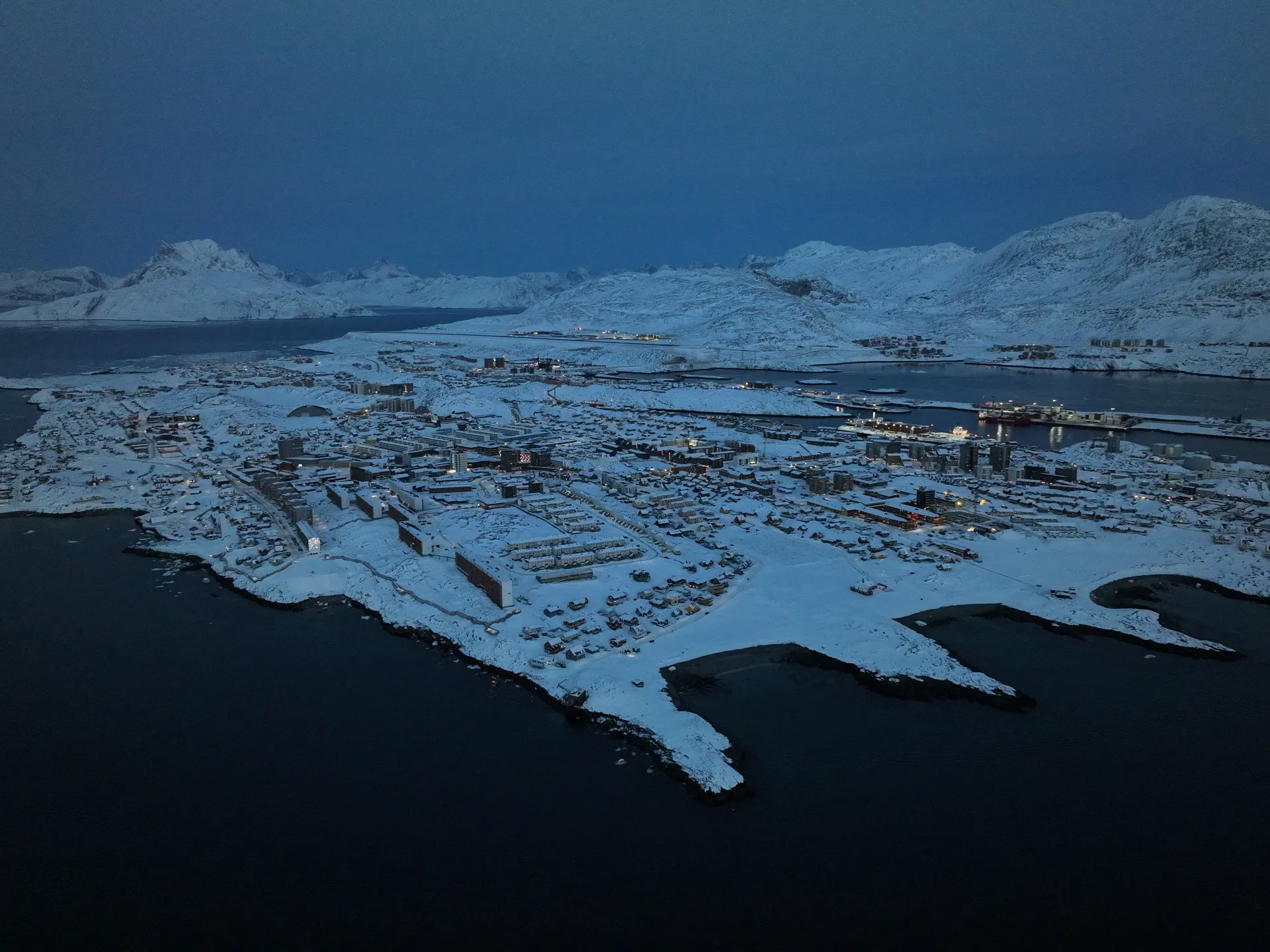
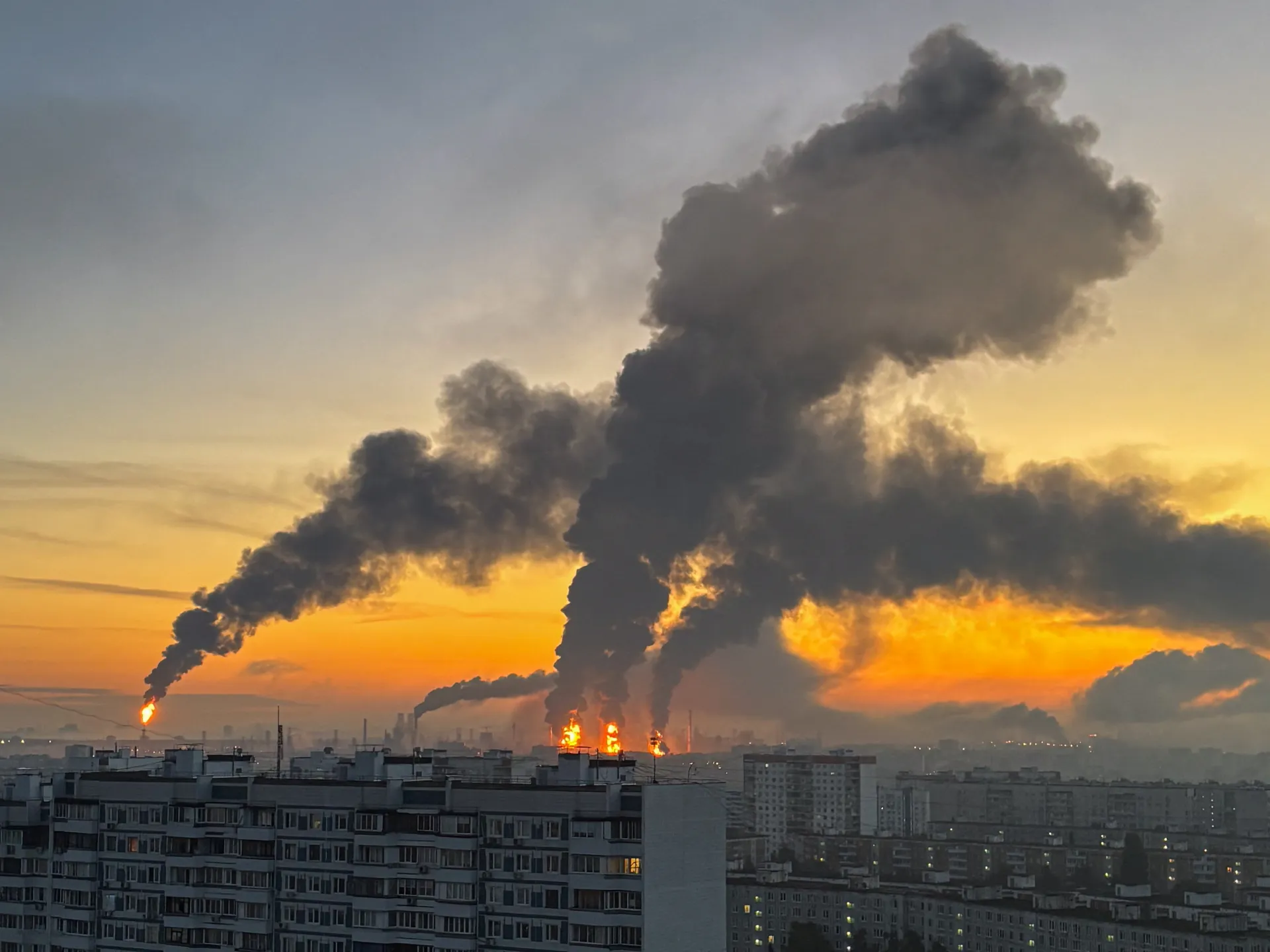
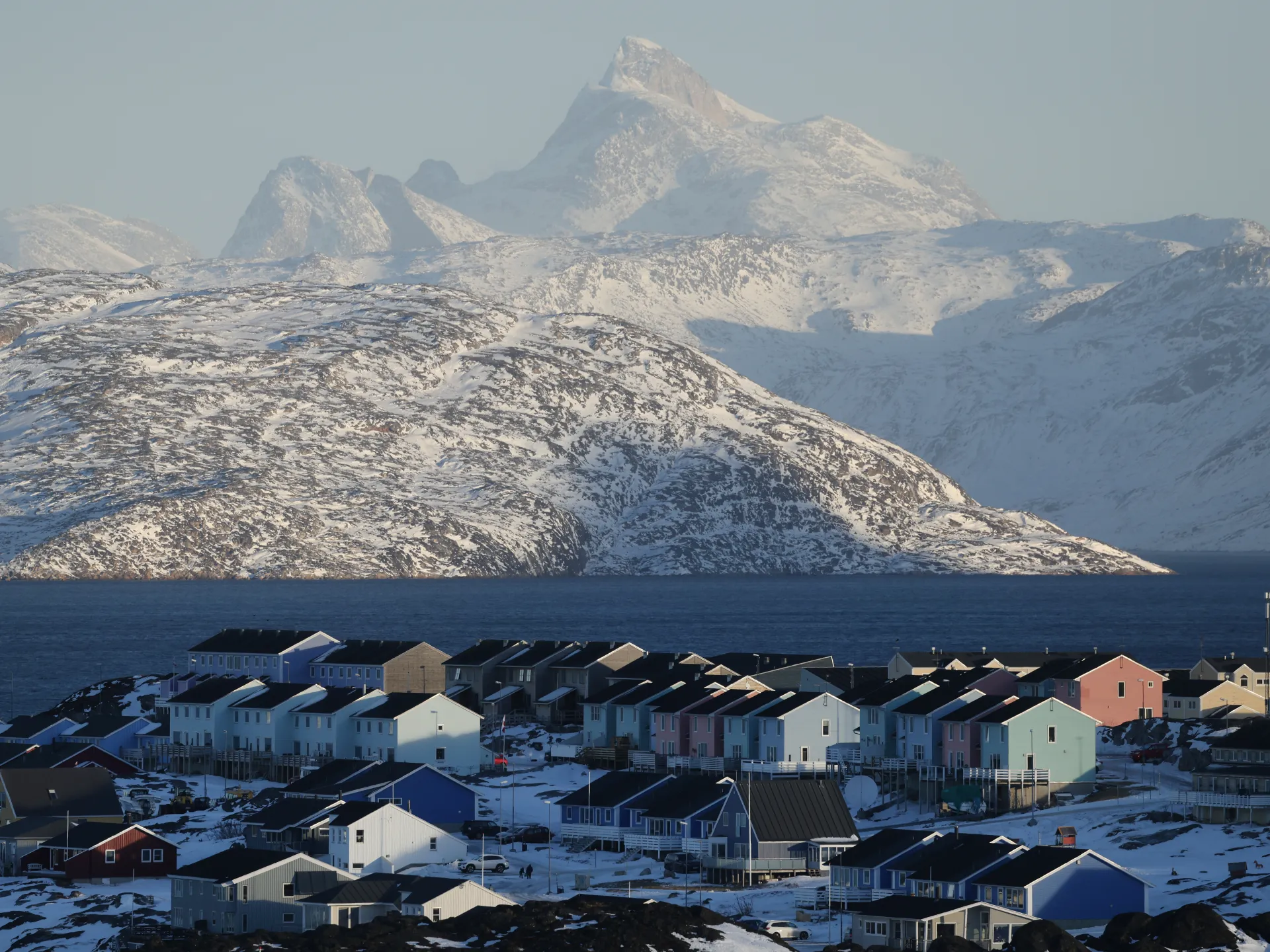
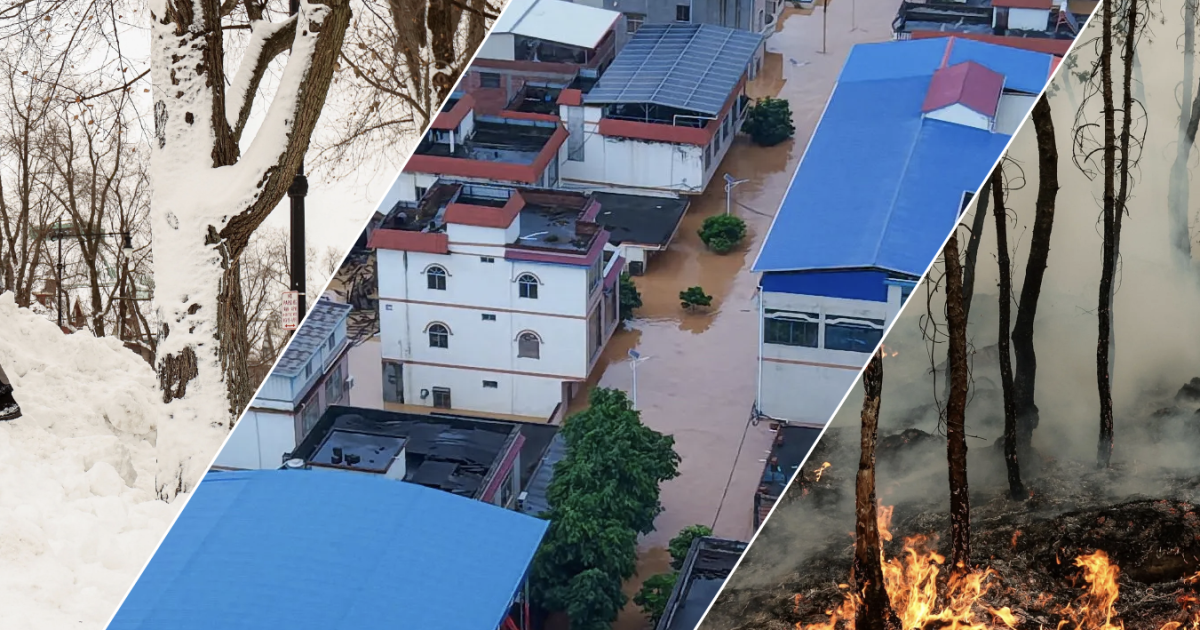
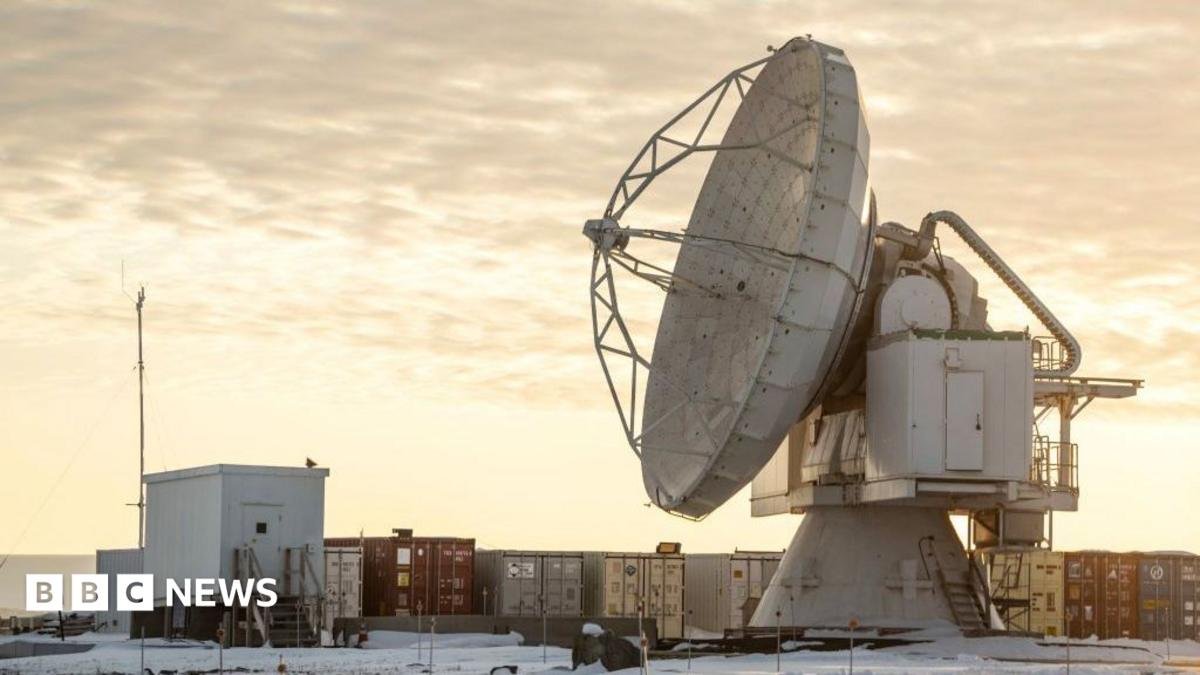
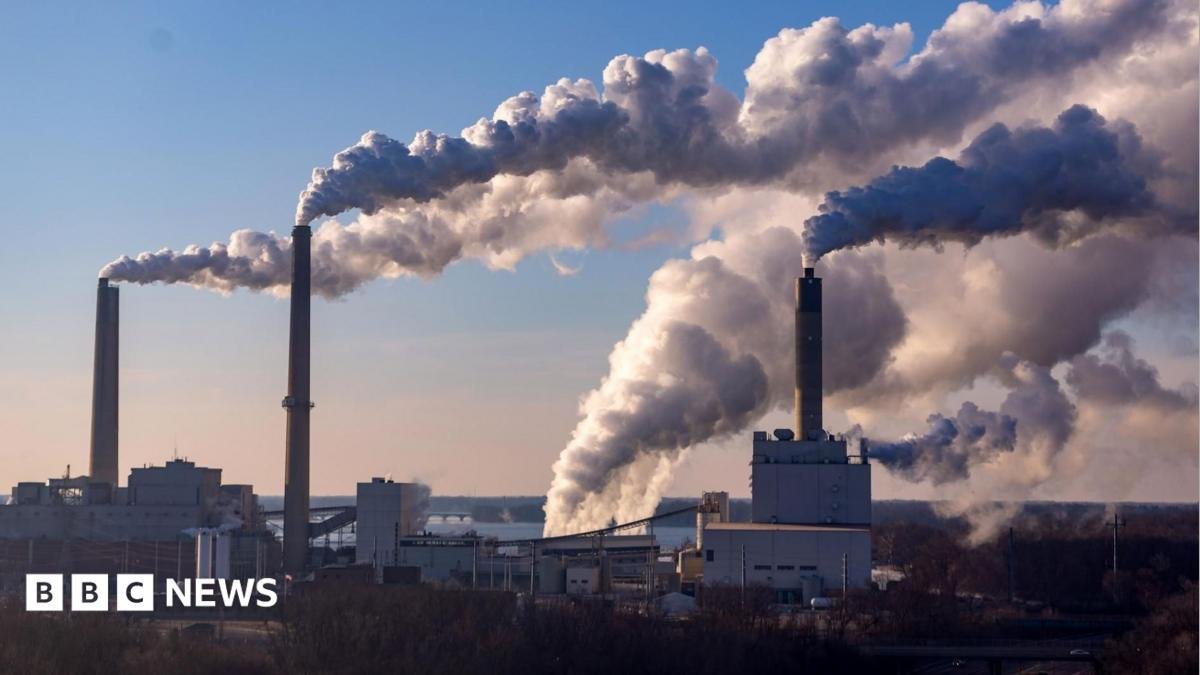
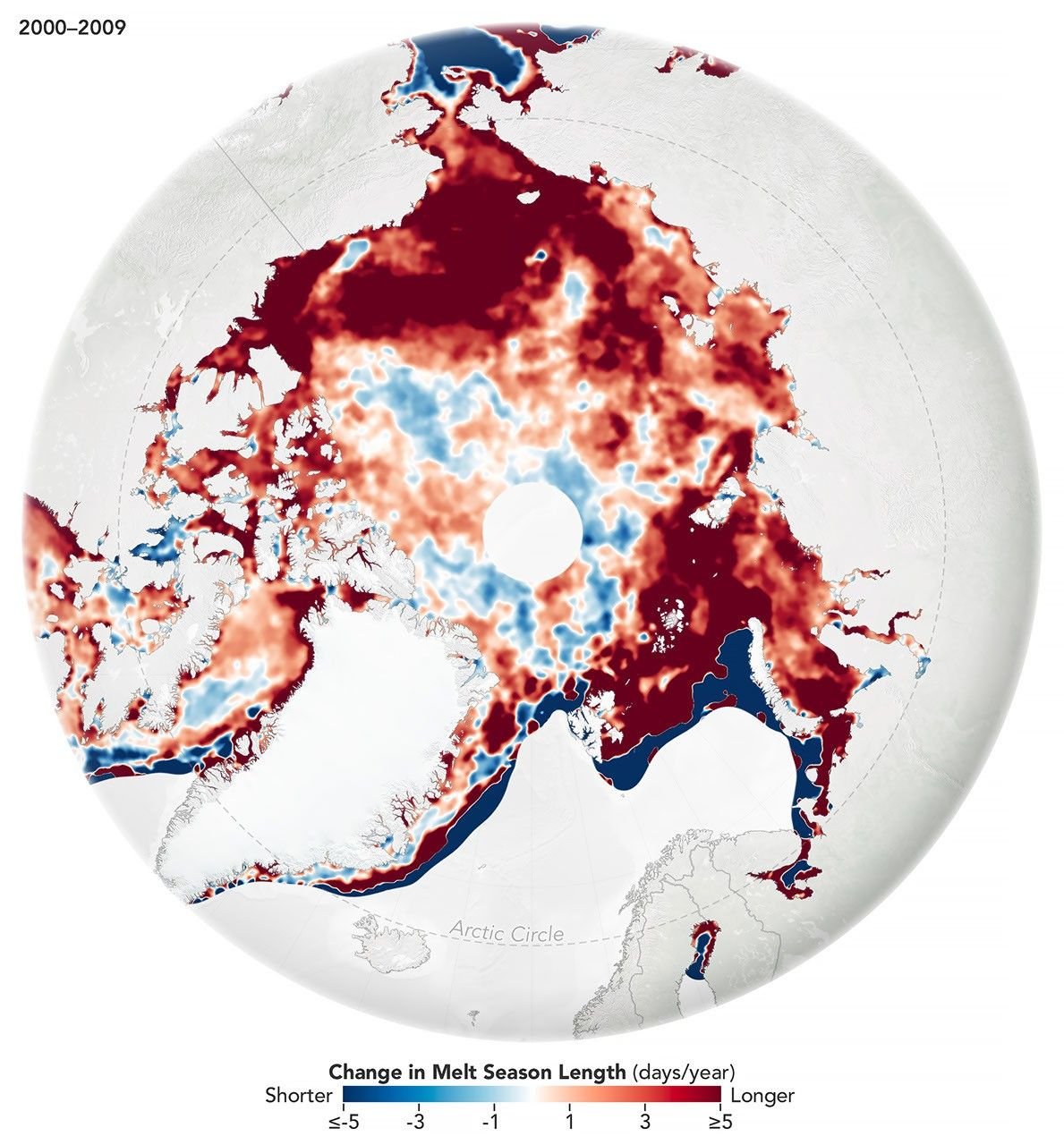
Long-term satellite analysis has revealed a surprising shift in the behavior of Arctic sea ice. While the melt season has extended s reached a plateau. NASA-led research indicates that the trend of earlier spring melting and delayed autumn refreezing stabilized around 2010. Experts suggest this is not necessarily a sign of recovery, but rather a reflection of the loss of multiyear ice, which has left the remaining, thinner ice more susceptible to local weather patterns, such as cloud cover and wind, rather than consistent solar heating.
The energy balance of the Arctic remains the primary driver of these fluctuations. During the 2000s, the exposure of darker ocean water created a feedback loop that accelerated ice loss. However, shifting cloud patterns over the last decade and a half have intercepted more incoming solar radiation, contributing to the current period of relative, albeit volatile, stability. Despite these findings, scientists caution that the Arctic environment remains highly sensitive to atmospheric changes, and this period of equilibrium should not be mistaken for a cessation of long-term climatic impacts.
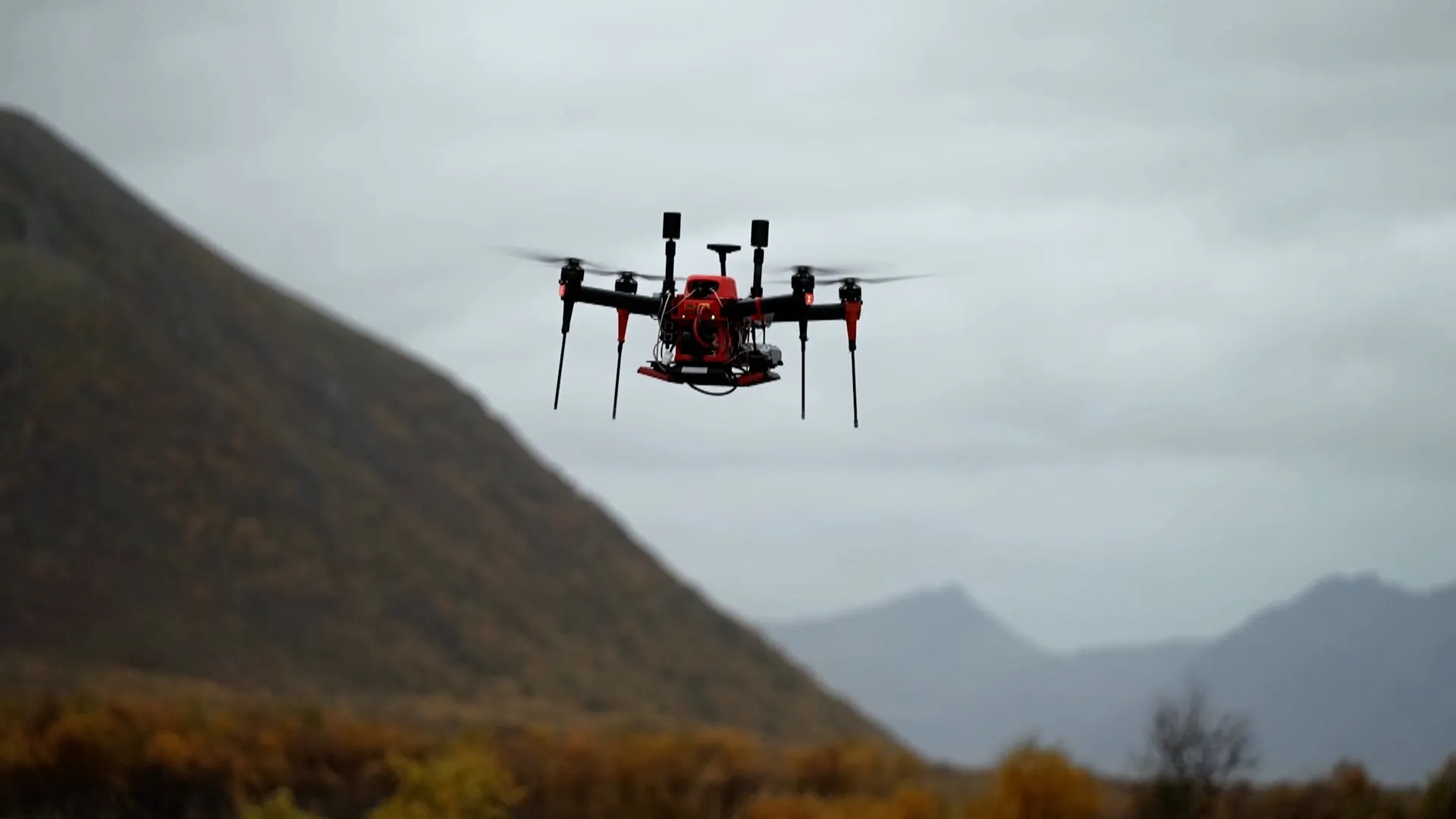
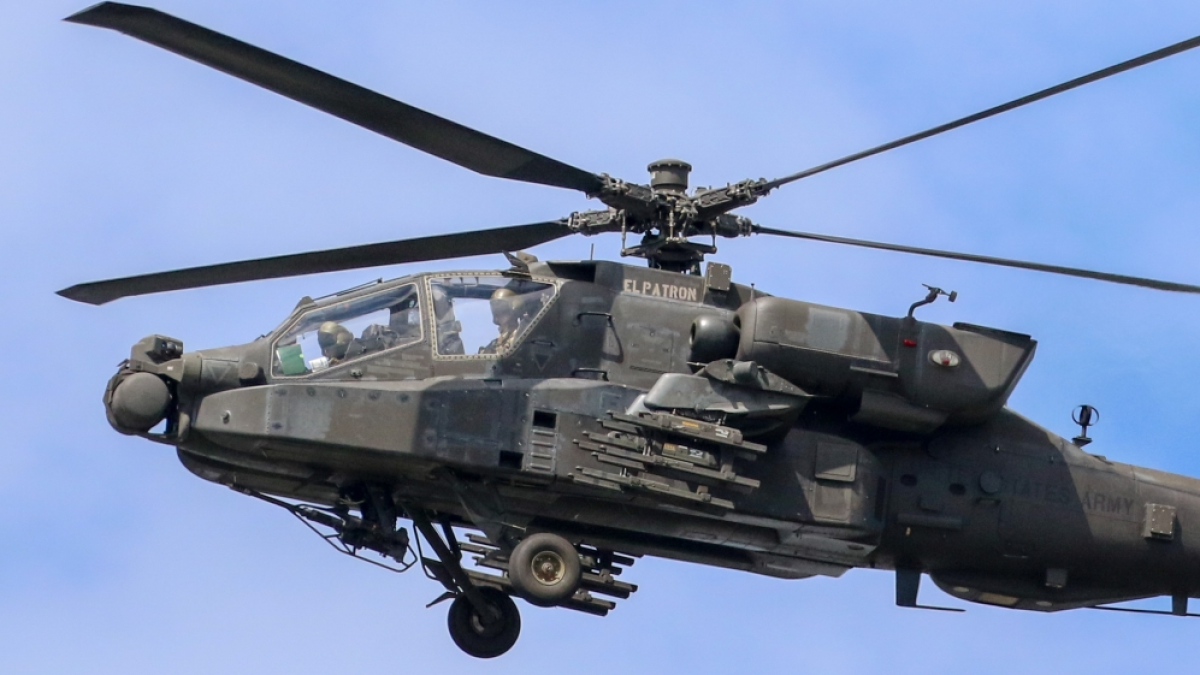
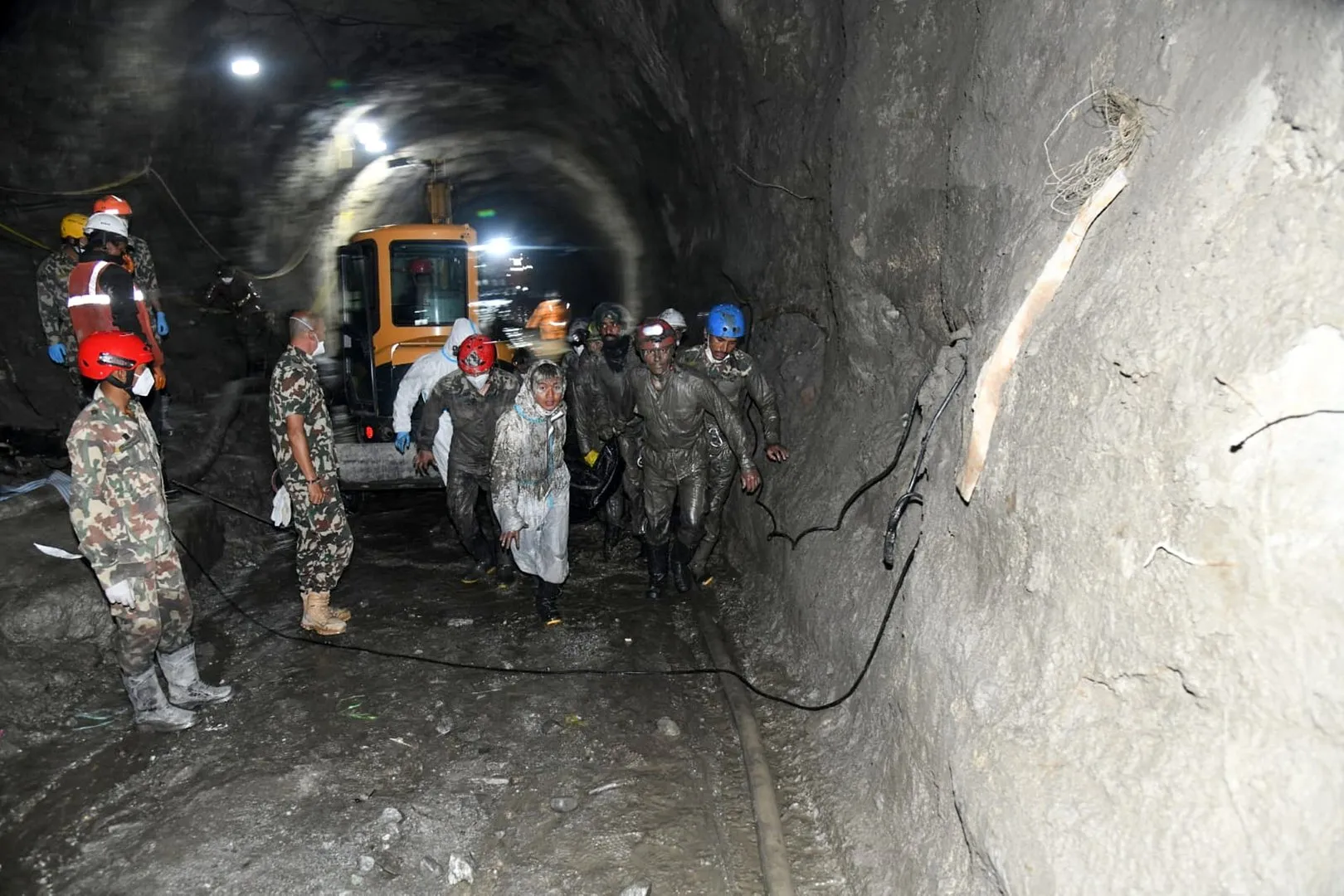
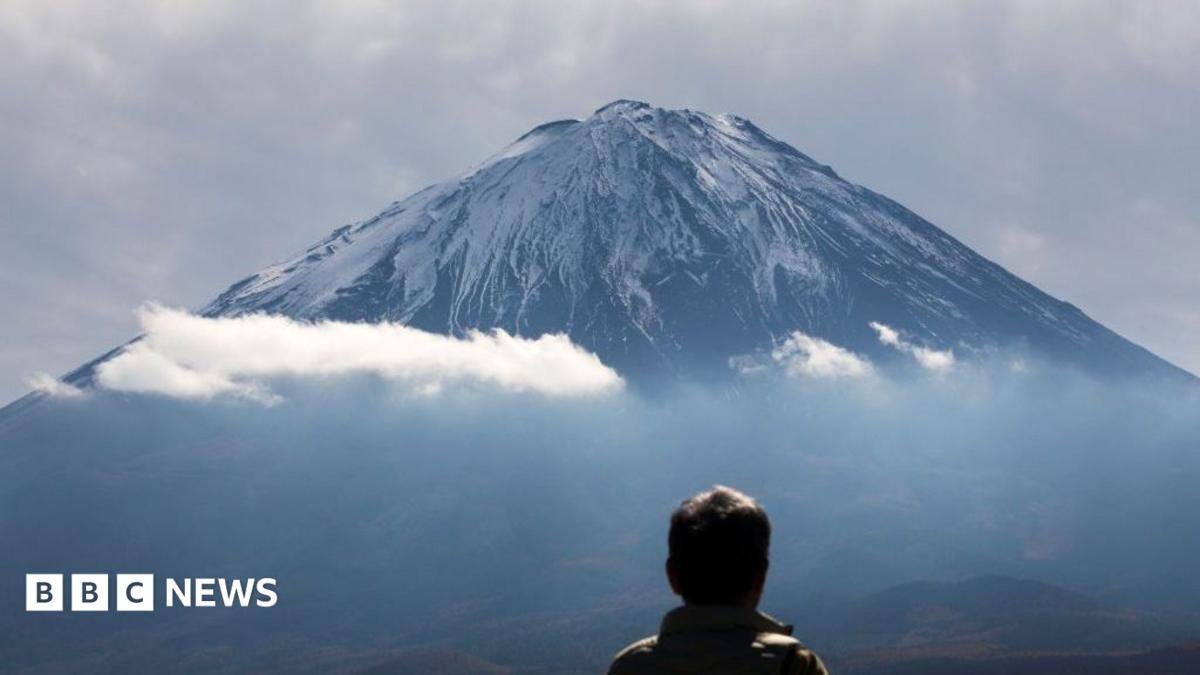
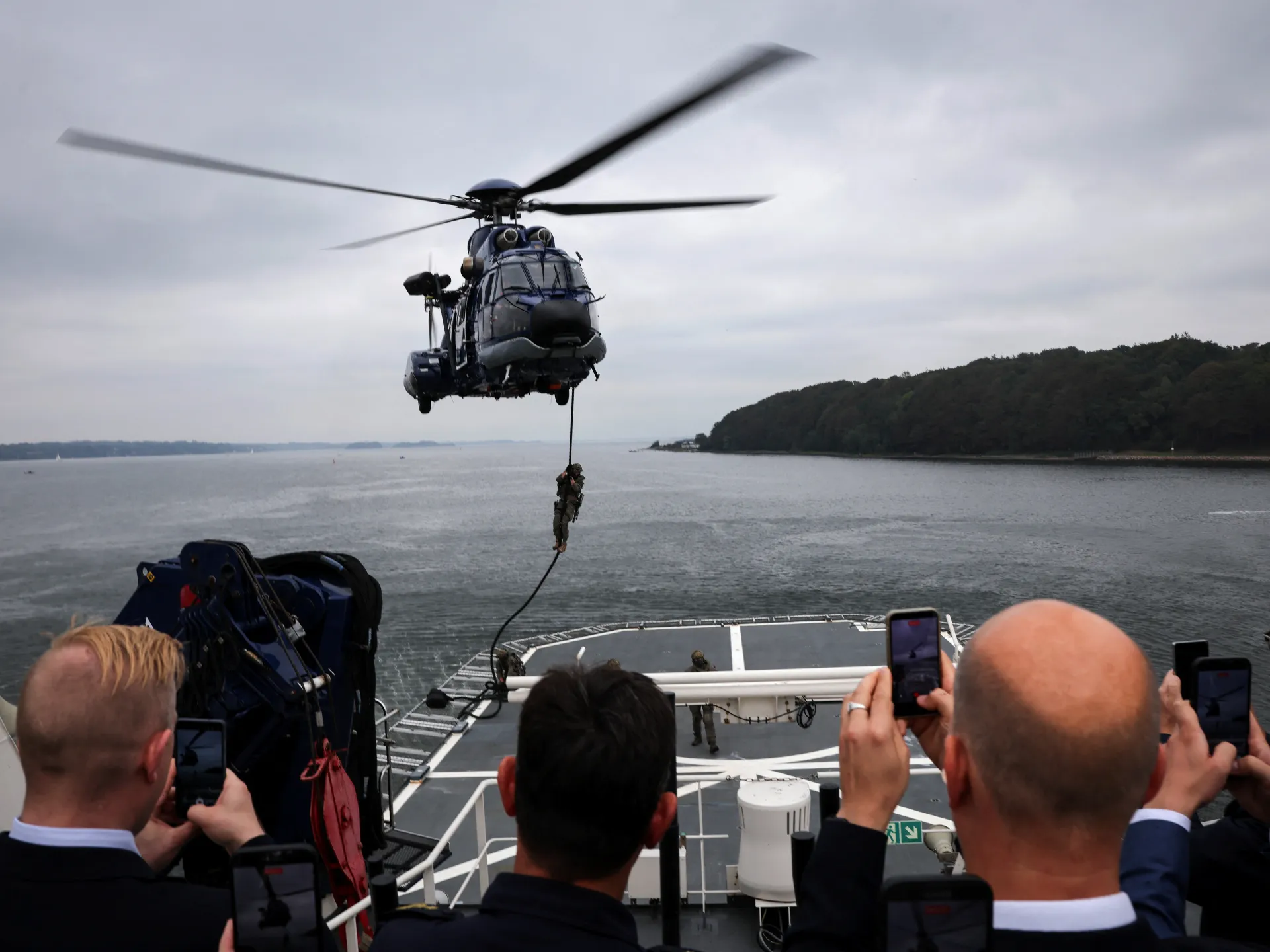
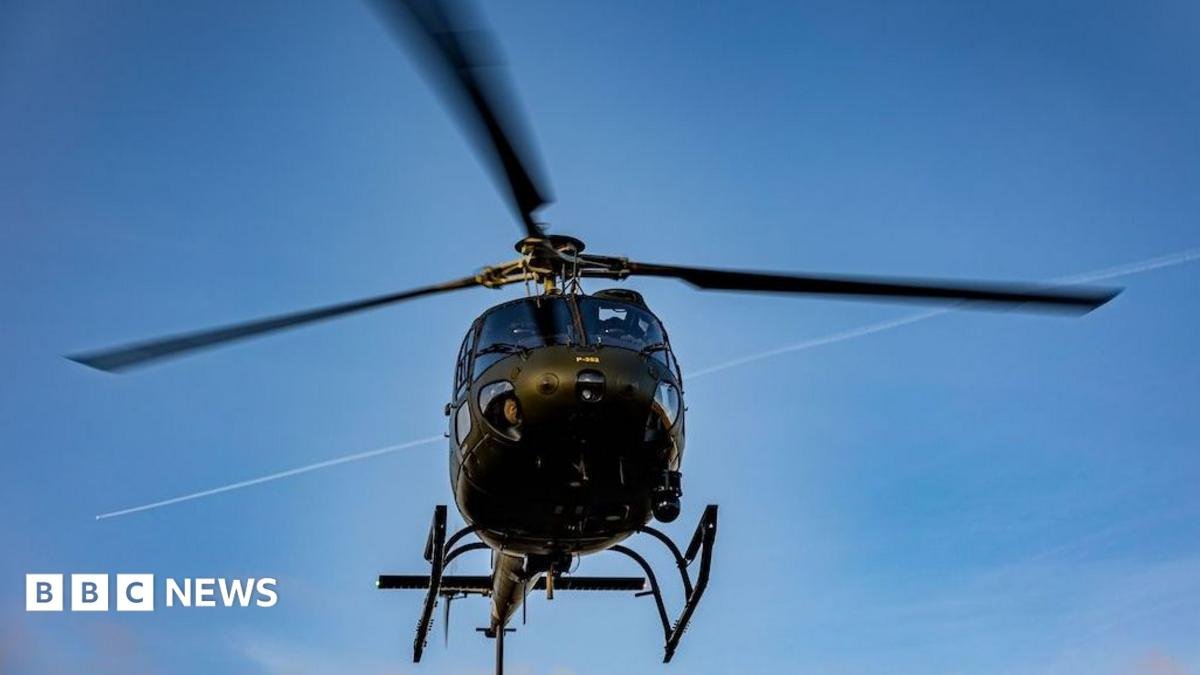
While the Arctic faces structural environmental changes, authorities in Japan are confronting the human element of environmental risk on Mount Fuji. Starting next year, the Yamanashi prefecture will implement a recovery fee for climbers who require helicopter rescue during the dangerous off-season, which spans from early September through July. This policy aims to curb the surge in reckless, poorly prepared excursions that have increasingly strained local emergency services.
The fee structure is expected to mirror existing models in the Saitama prefecture, where rescues currently incur costs of approximately 8,000 yen (roughly $51 USD) per five minutes. In addition to the financial deterrent, authorities will mandate the submission of detailed climbing itineraries for those entering the mountain during off-peak times. While the official climbing season remains limited to the summer months, the increase in stranded hikers has prompted both Yamanashi and the neighboring Shizuoka prefecture to pursue stricter enforcement of restricted areas and mandatory registration, signaling a zero-tolerance approach to unauthorized winter ascents.
The stabilization of the Arctic melt season will likely prompt further investigation into the role of cloud-albedo feedback loops, as researchers attempt to determine if this equilibrium can hold against future temperature anomalies. For Mount Fuji, the introduction of financial penalties will likely serve as a test case for whether fiscal disincentives are sufficient to deter high-risk tourism. If the policy effectively reduces the number of emergency interventions, other prefectures facing similar alpine challenges may adopt comparable legislation to mitigate the burden on their respective search-and-rescue infrastructures.