As institutional trust faces challenges from political scandals in Colombia to structural deadlock at the United Nations, critical scientific endeavors continue to push forward in the vacuum of international stability.
In an era defined ant to ensure stability—ranging from the high-stakes diplomacy of the United Nations to the internal protocols of national governments—are facing a profound crisis of legitimacy. Whether it is the consolidation of power within a small circle of veto-wielding nations or the misuse of state resources in domestic criminal investigations, the common thread remains the tension between formal authority and ethical accountability.
As international focus shifts toward the upcoming United Nations assembly and the technical logistics of maintaining the International Space Station, the underlying theme is clear: institutions are only as robust as the people and policies that govern them. The intersection of space exploration, global diplomacy, and legal scrutiny reveals a world where the abuse of power, whether at a national or international level, threatens to undermine the very infrastructure of human cooperation and scientific progress.
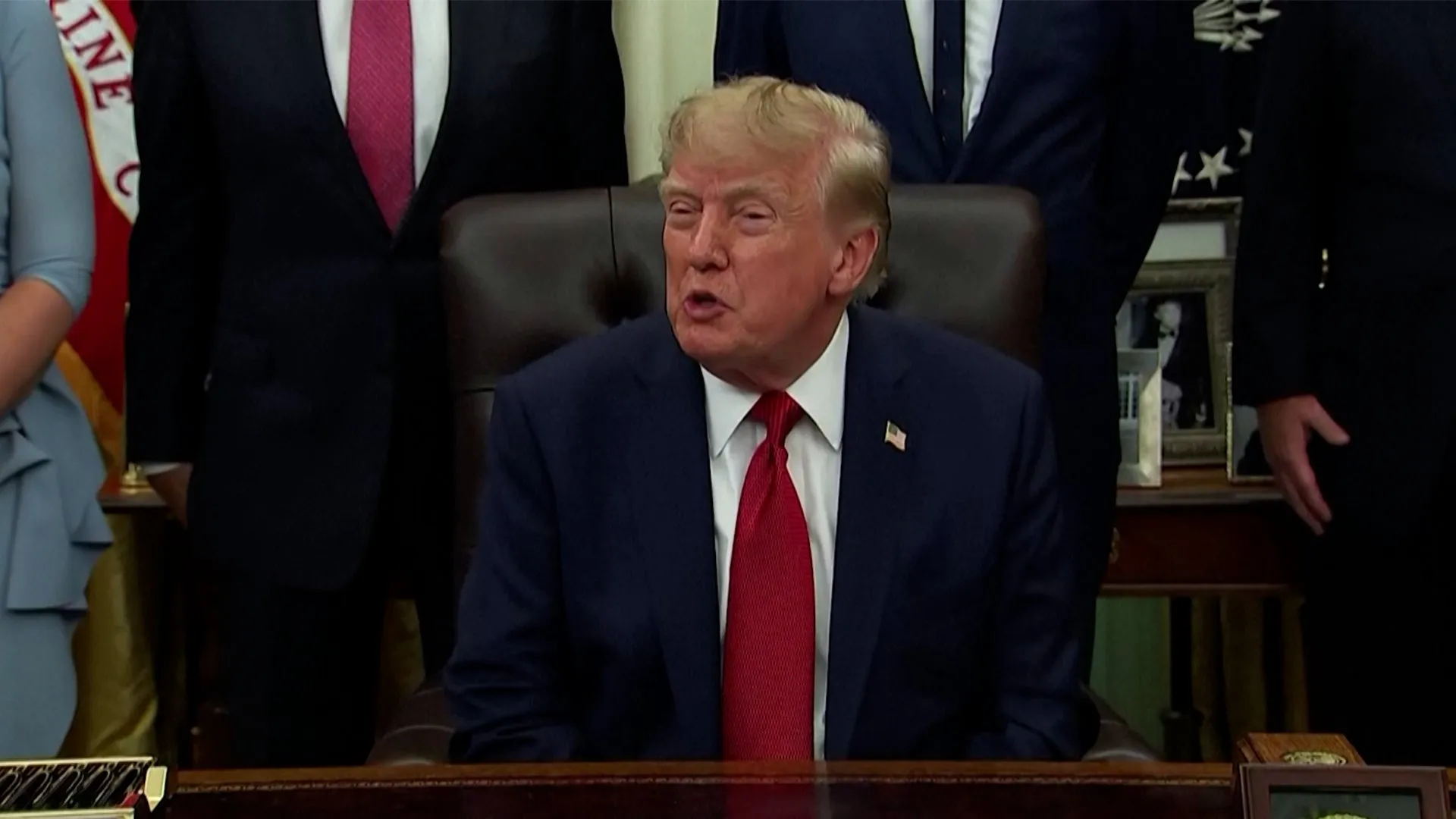
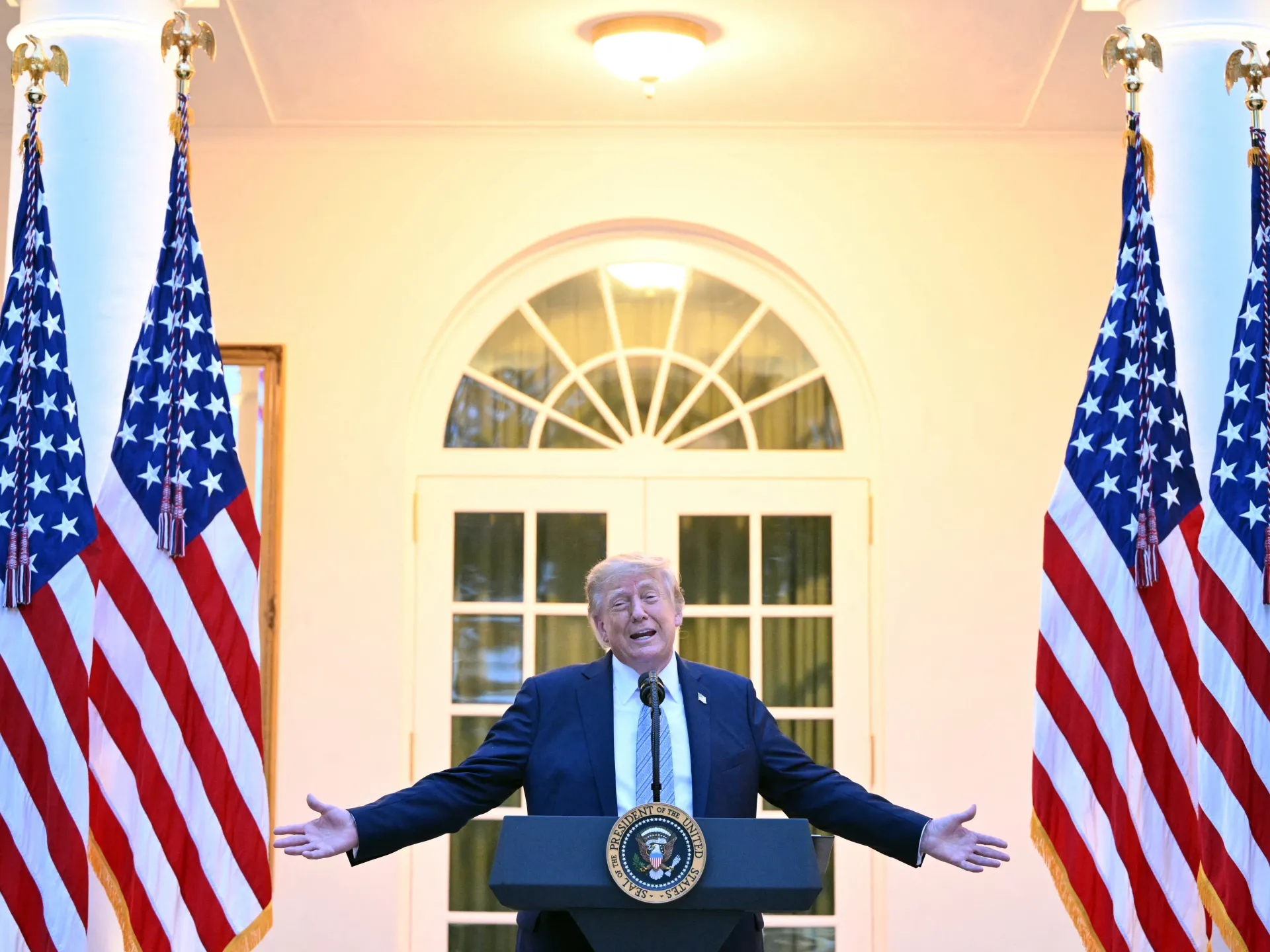
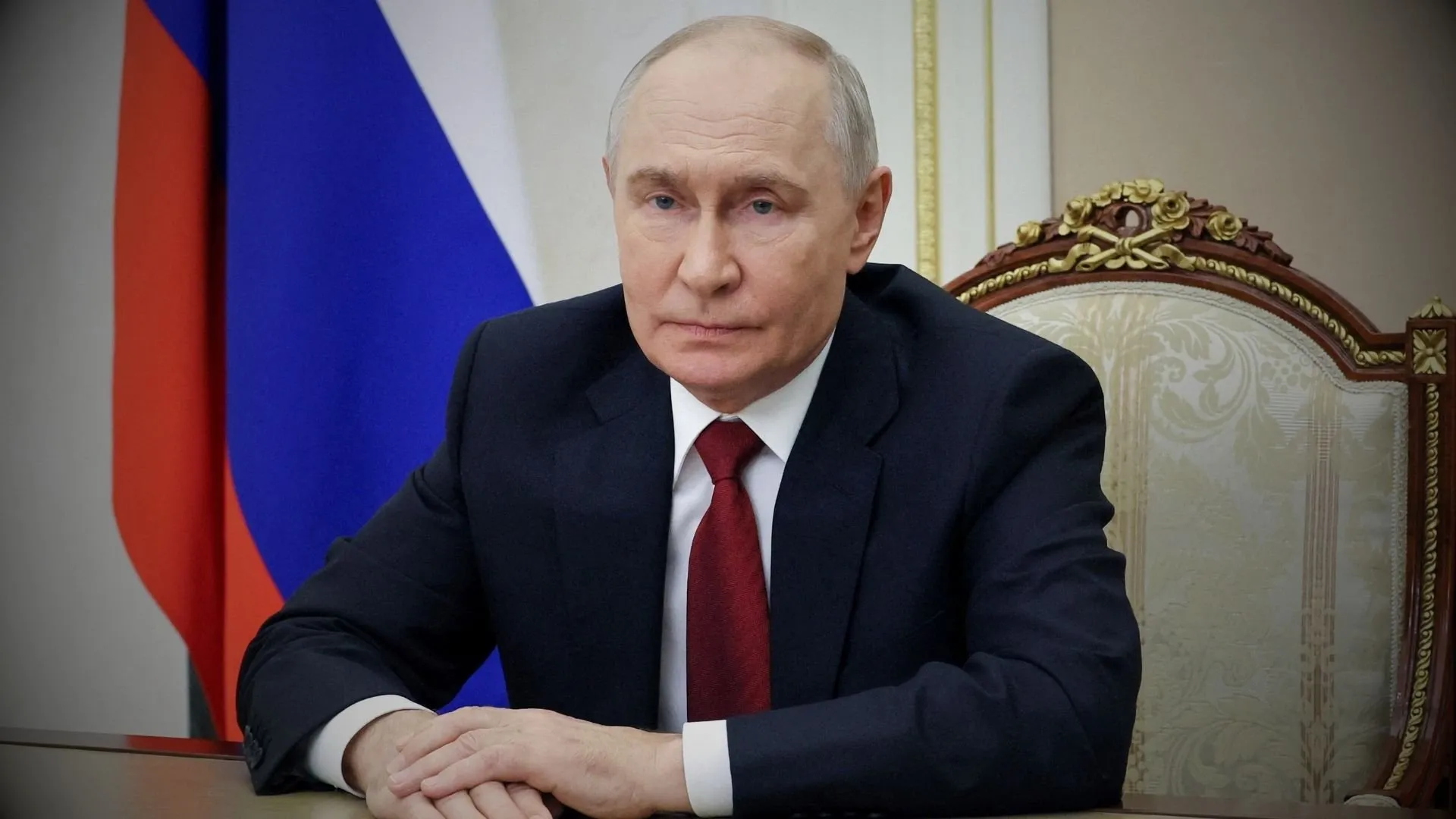
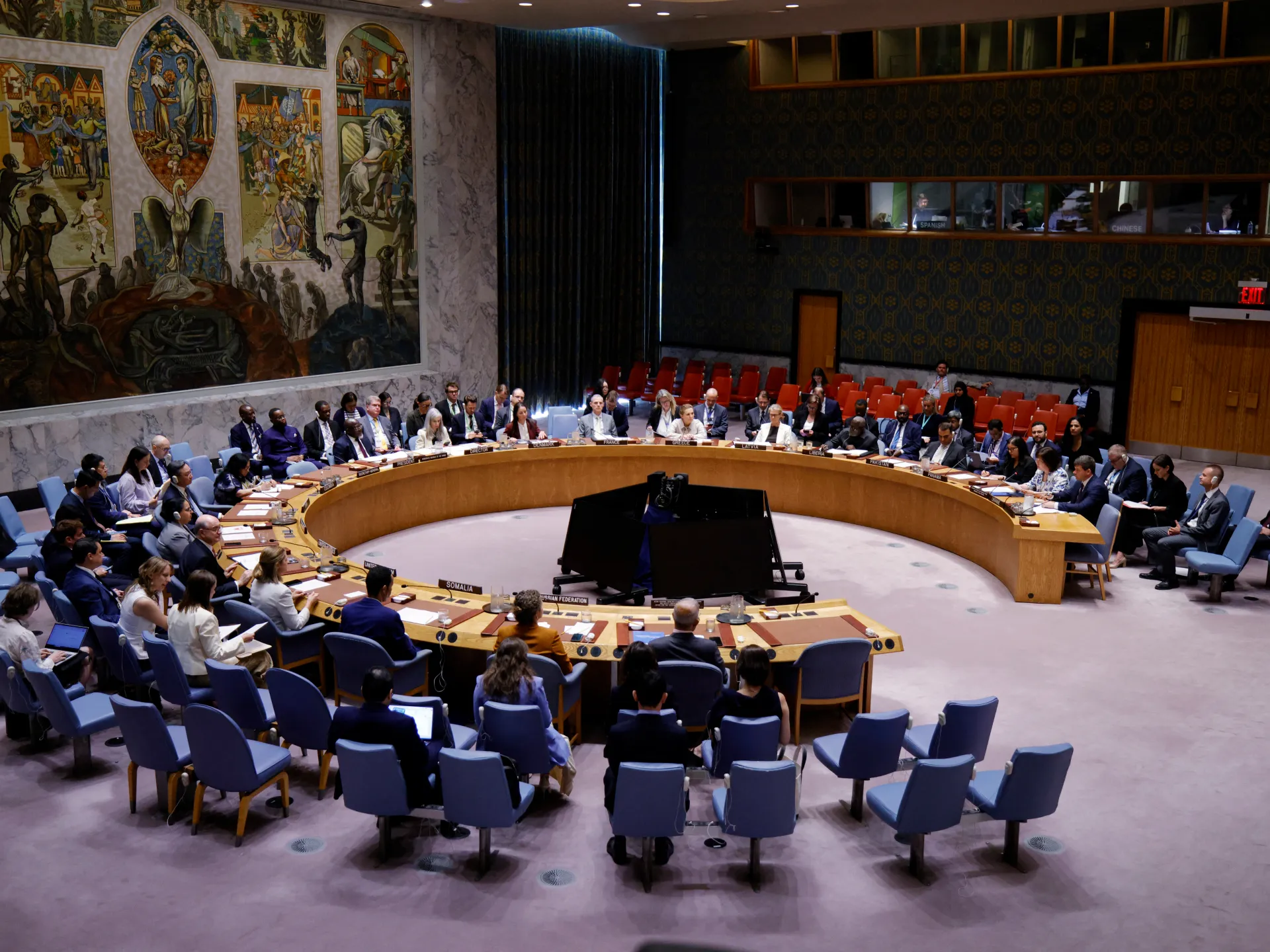
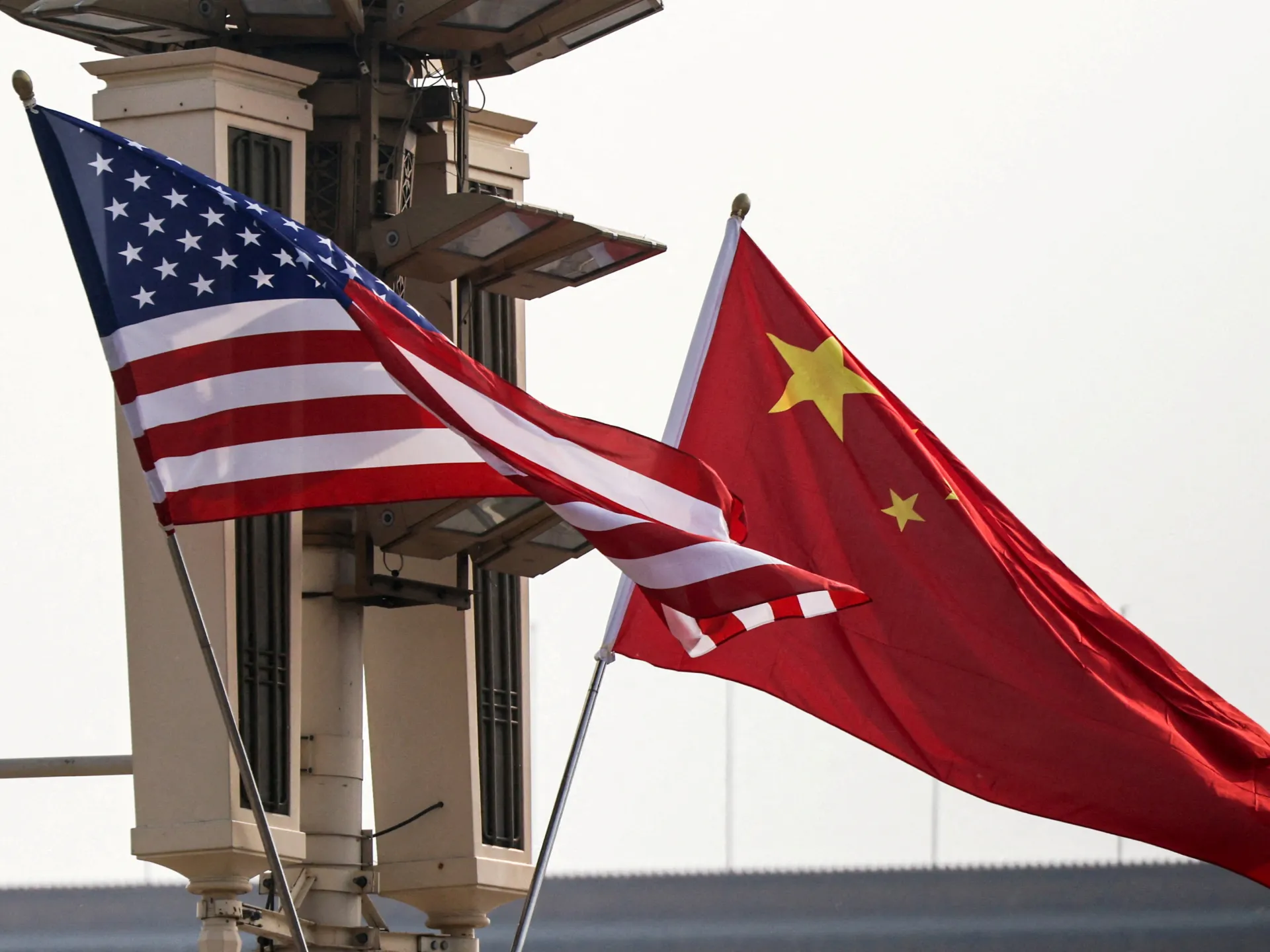
The concentration of power—whether in the hands of the five permanent UN Security Council members or within the private offices of government ministers—creates a dangerous precedent for impunity. When systemic frameworks like the UN veto allow a handful of nations to dictate the global agenda, smaller states are effectively silenced, leading to a sense of disenfranchisement that destabilizes international relations. Similarly, at the domestic level, when officials utilize state resources for personal ends, it erodes public trust in the rule of law.
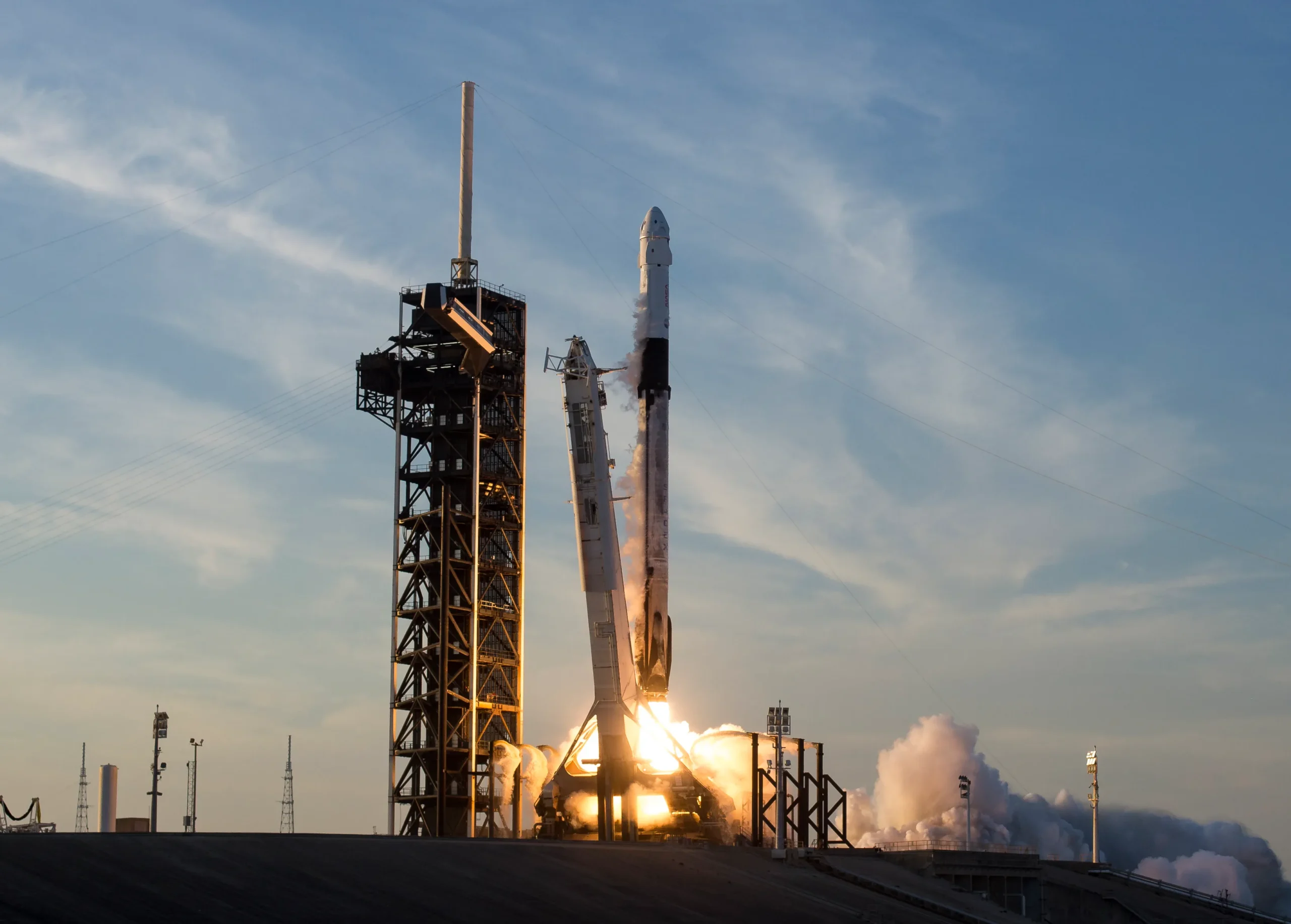
These developments occur against a backdrop of increasing complexity. As NASA prepares for its 35th commercial resupply mission, the focus is on technical augmentation and scientific breakthroughs, yet even this endeavor relies on stable international cooperation and the safe operation of the station. If the political foundations upon which such international projects rest are weakened r beyond the political arena, potentially jeopardizing the collaborative future of space exploration and global scientific research.
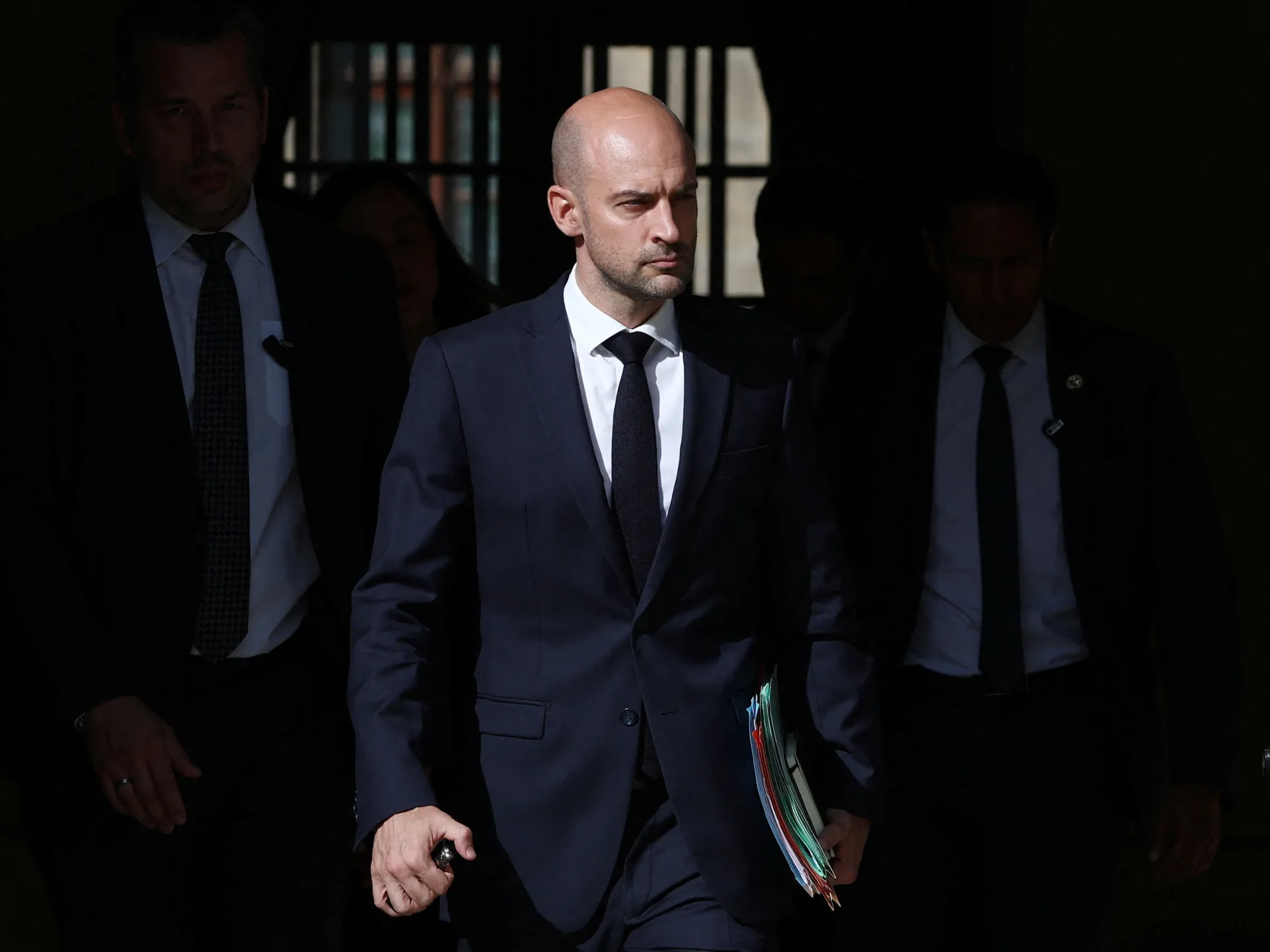
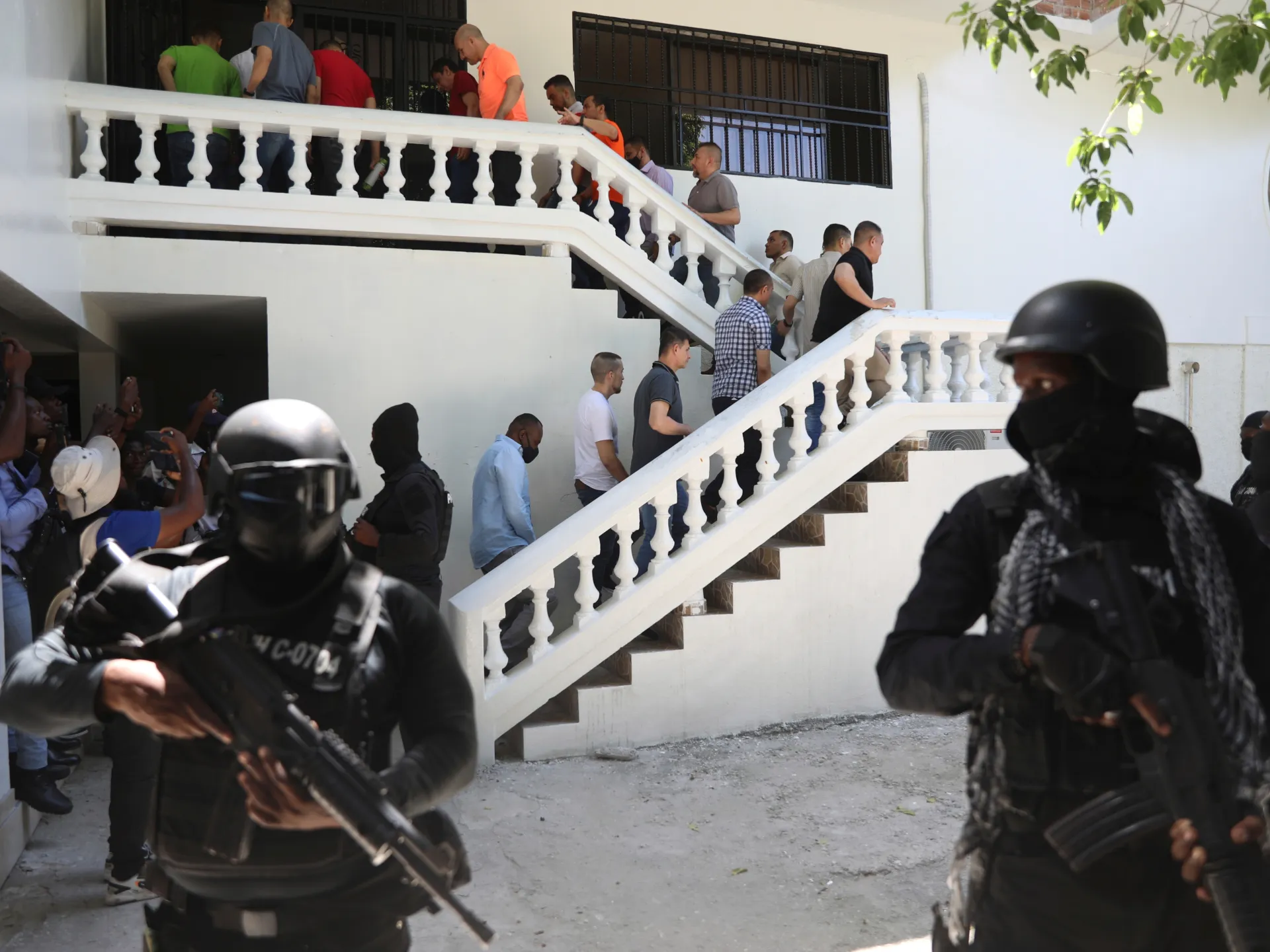
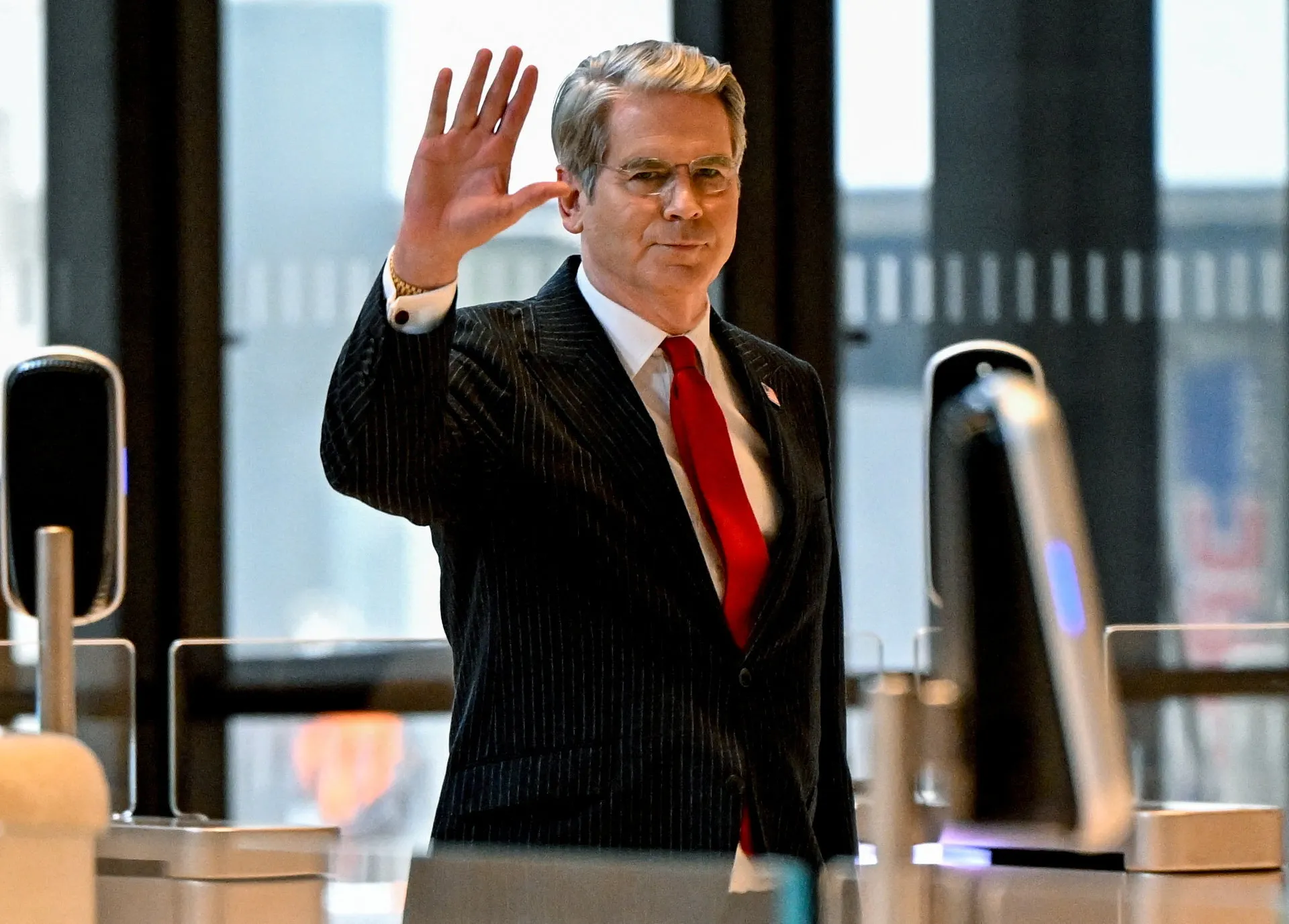
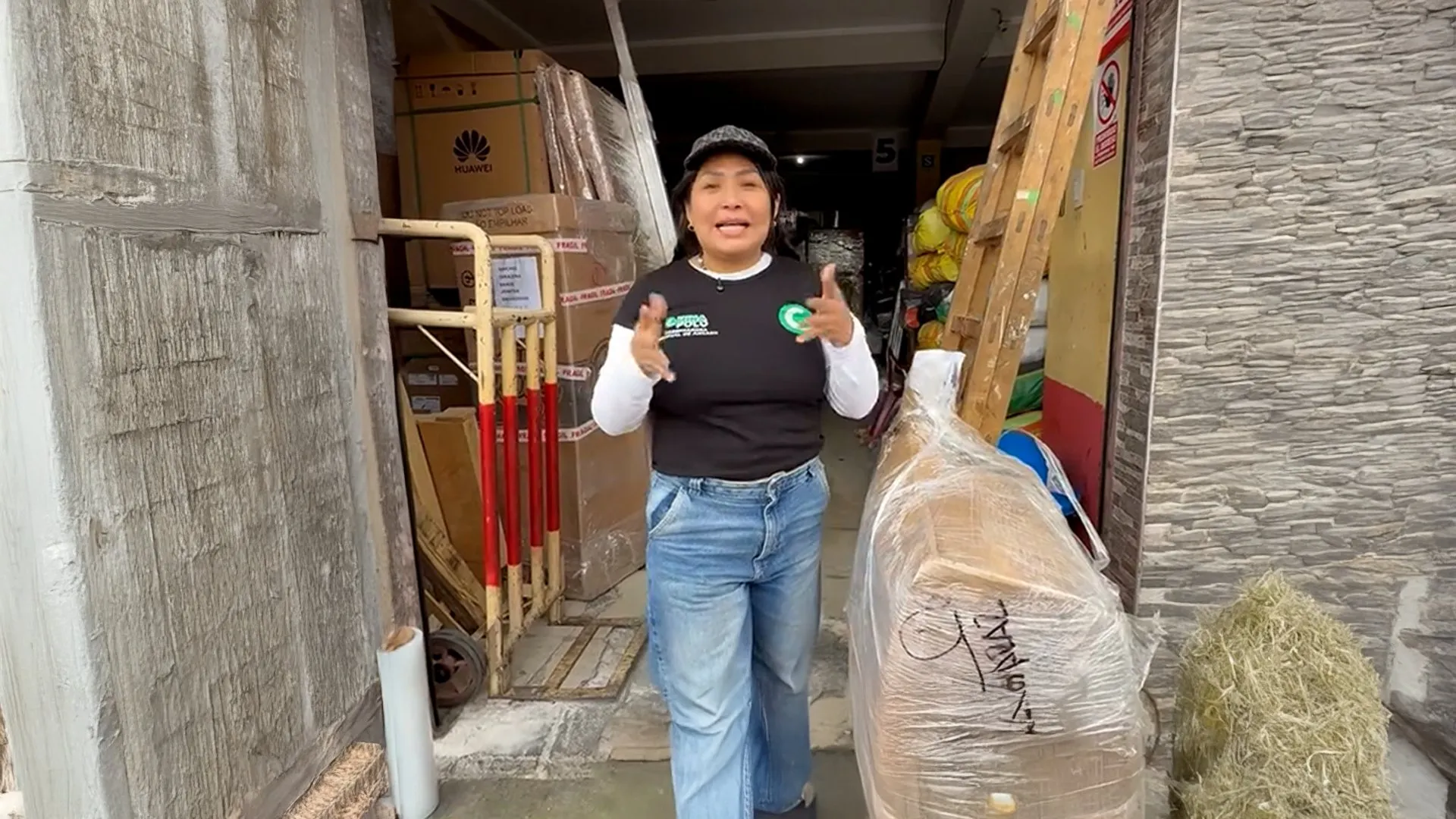
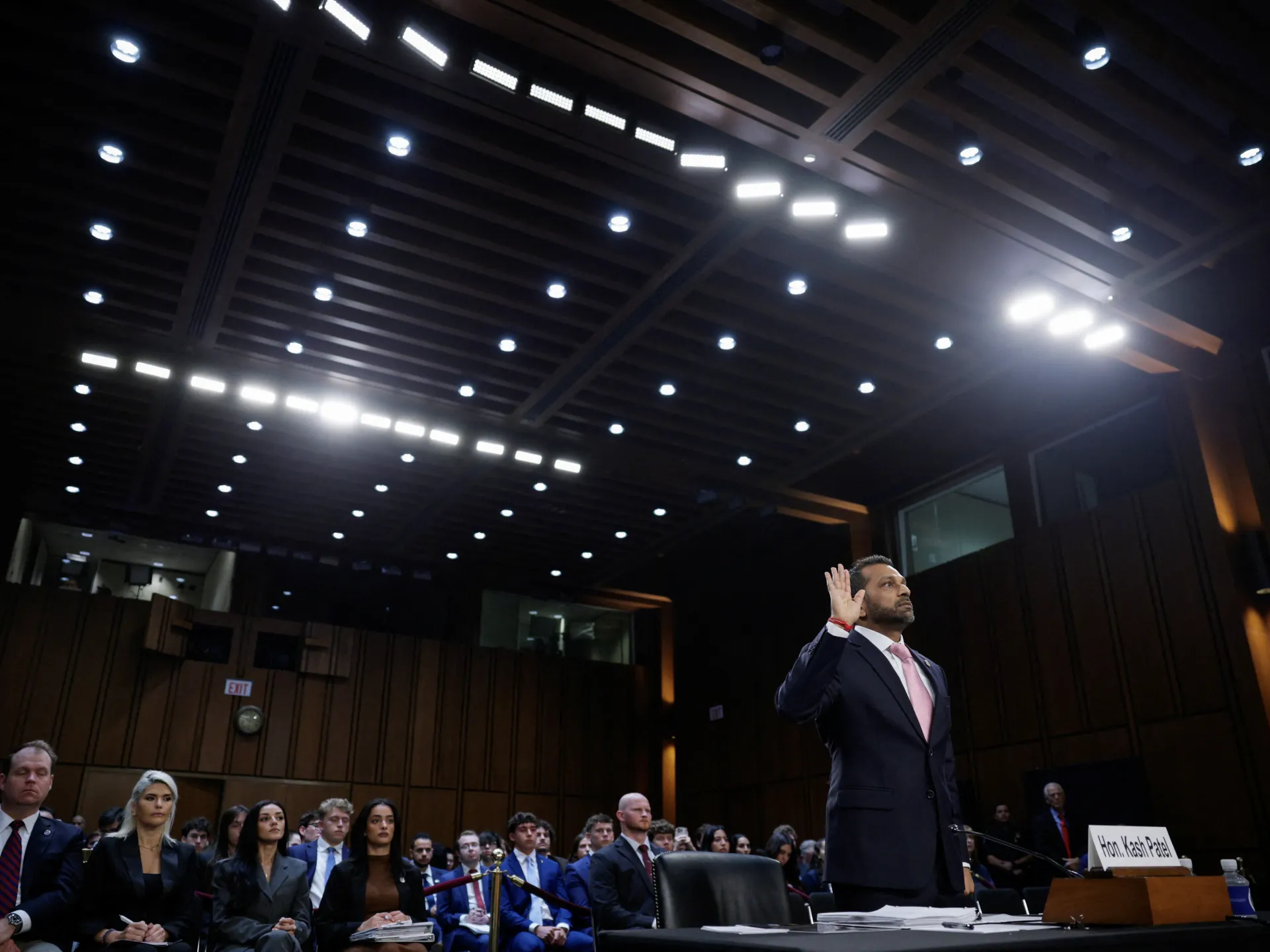
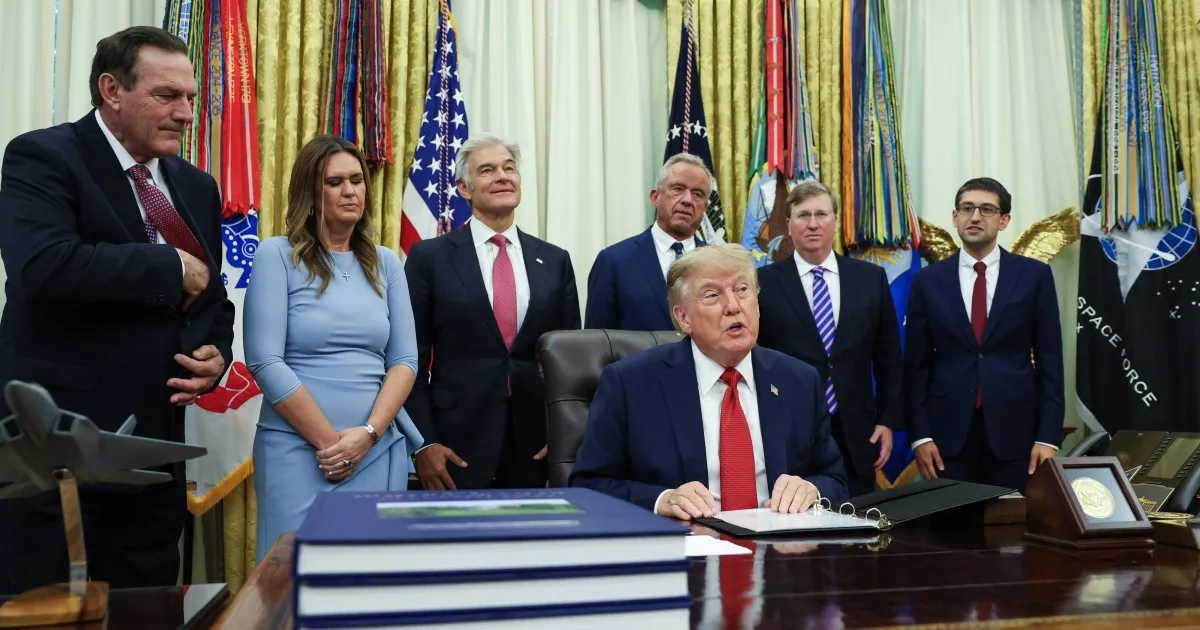
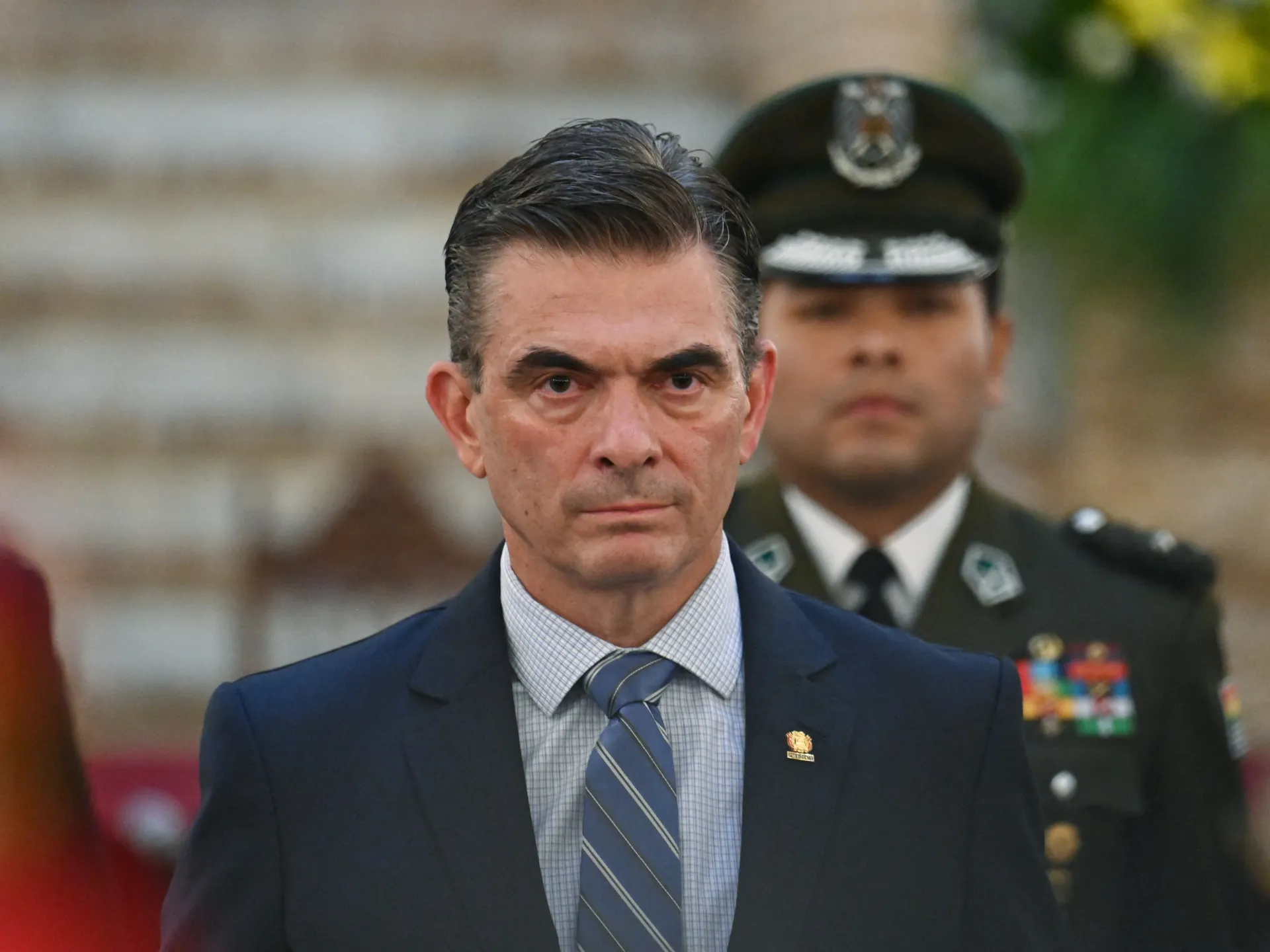
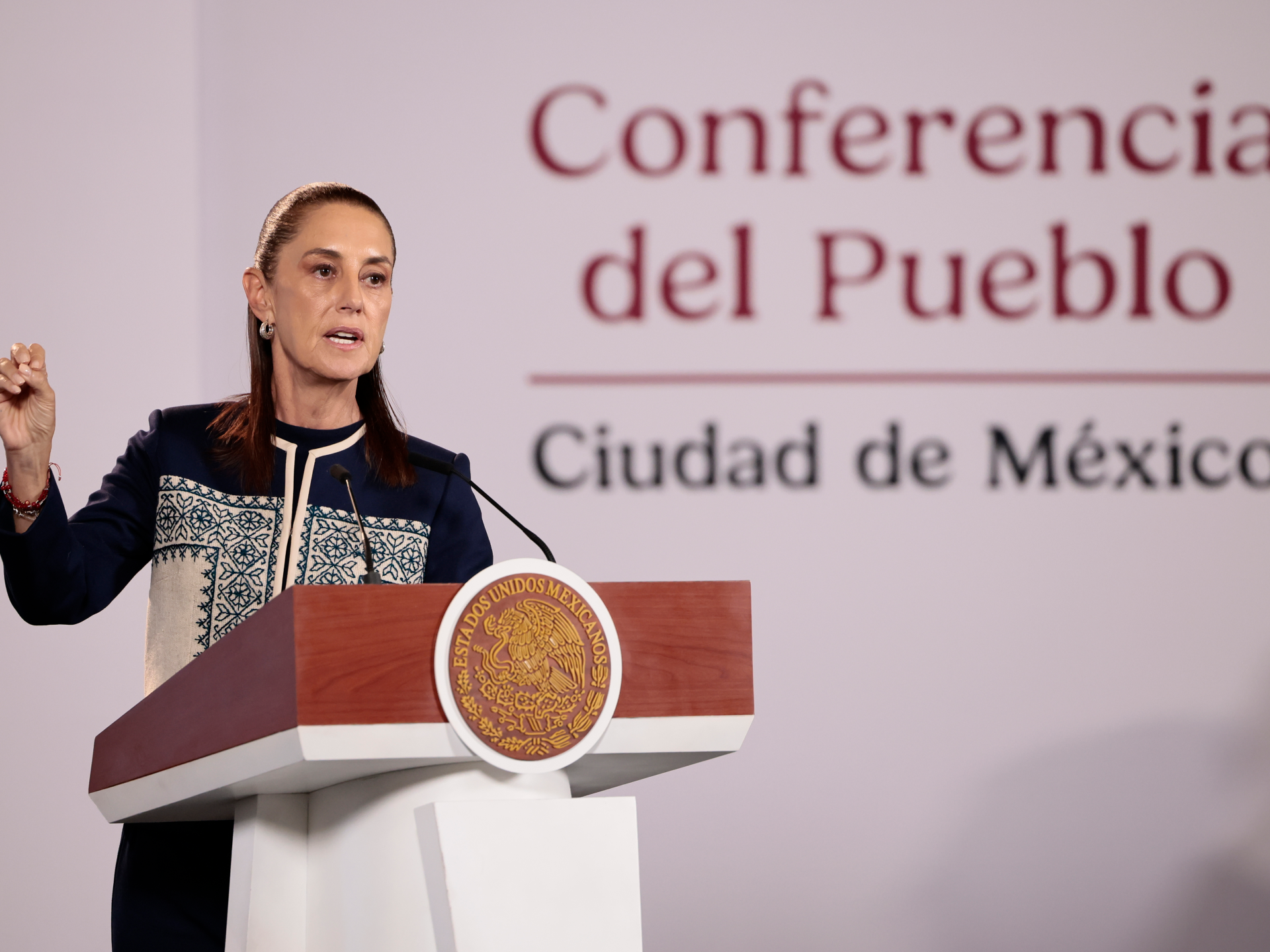
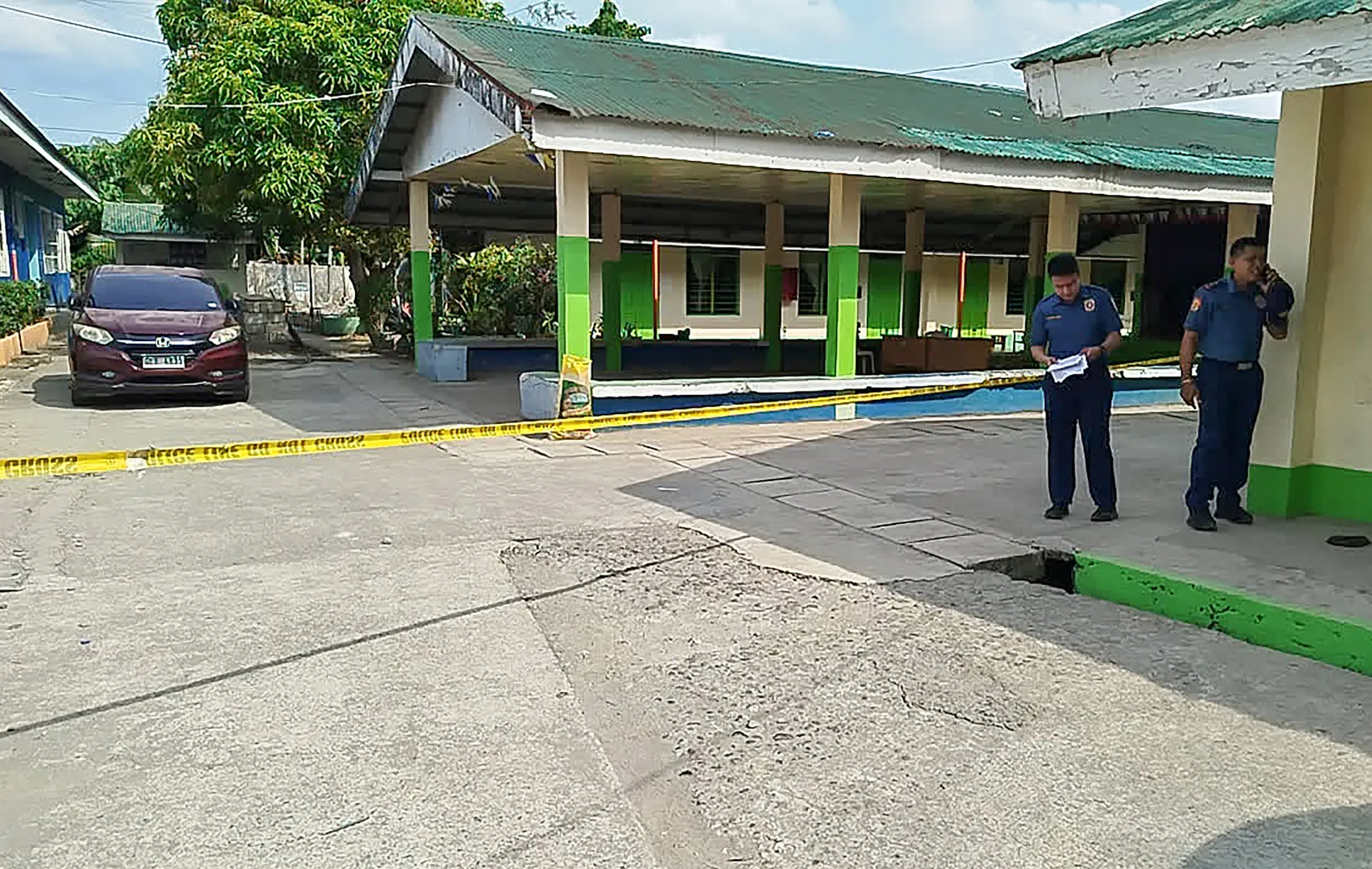
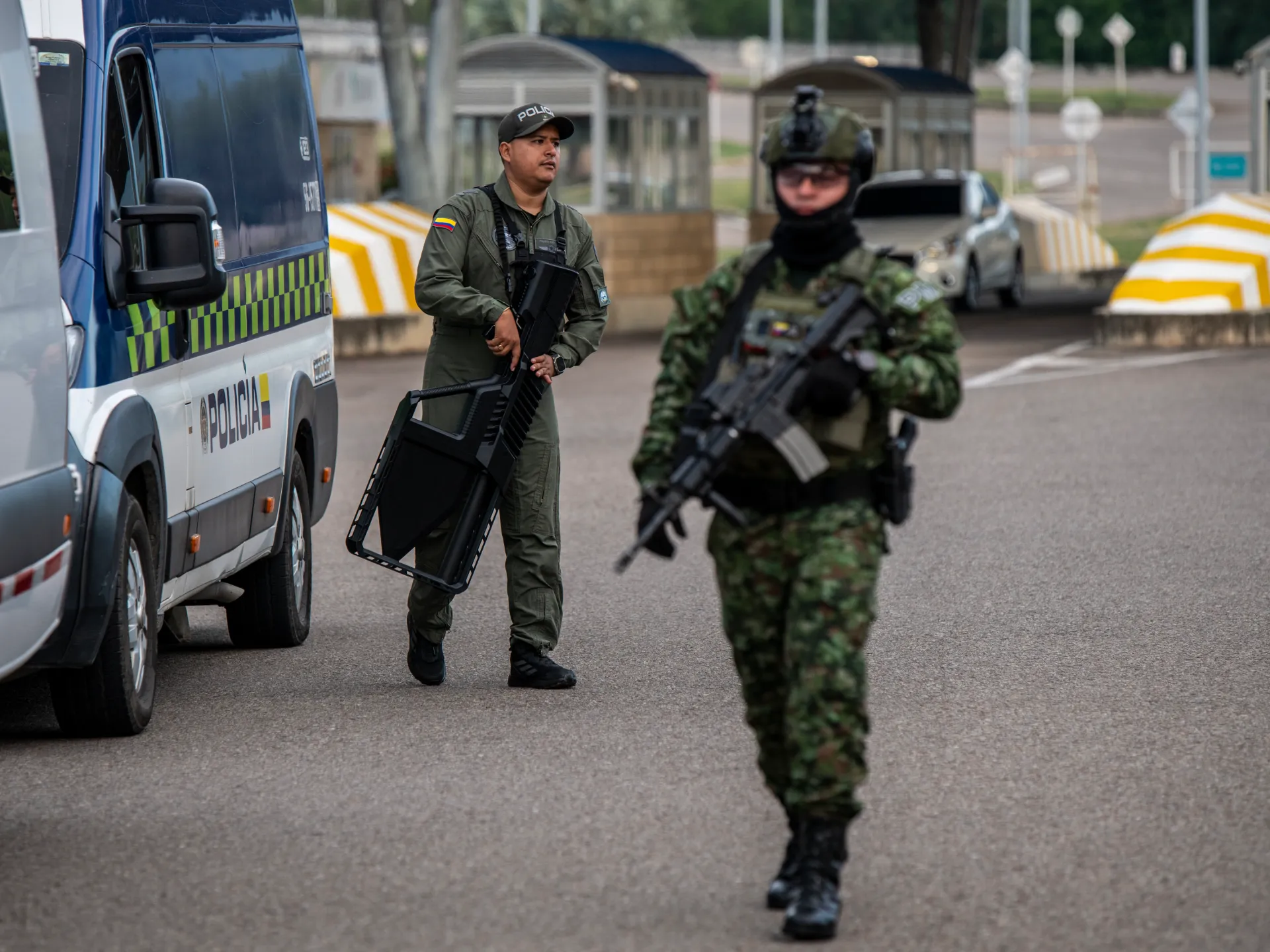
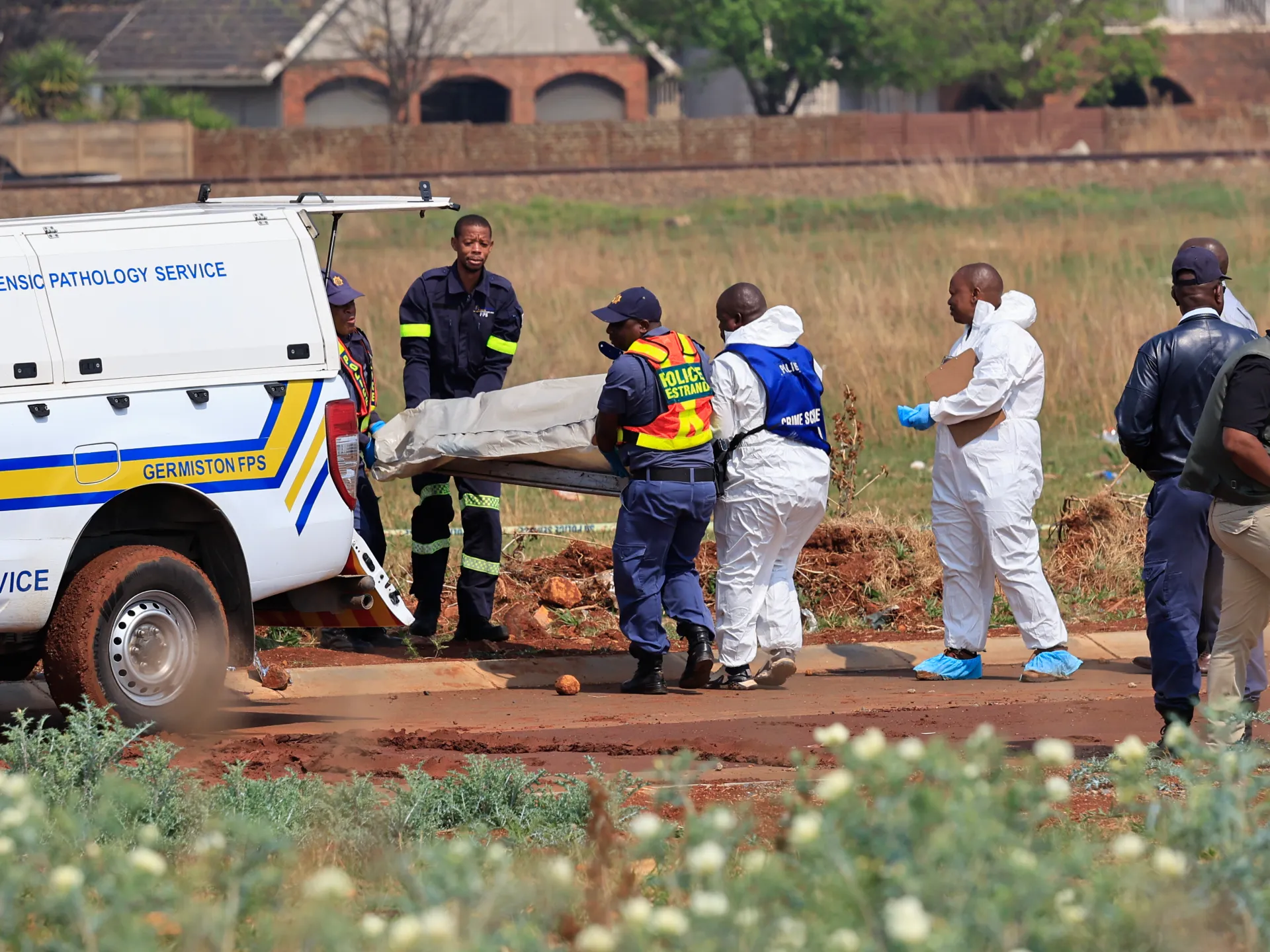
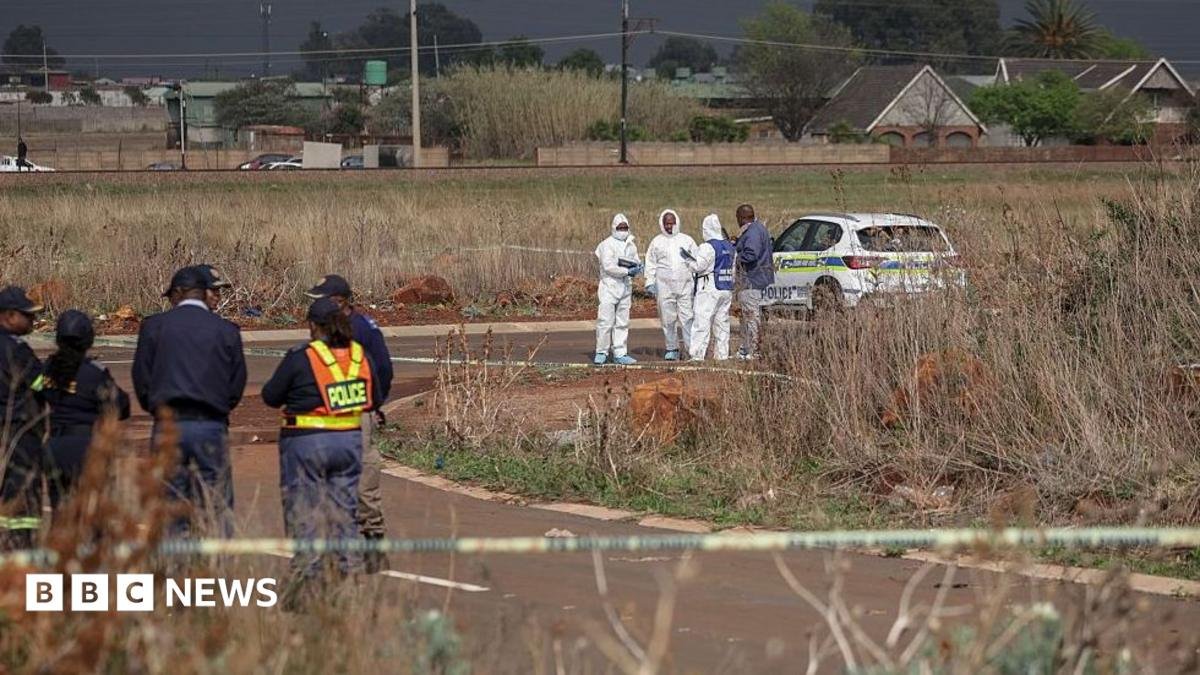
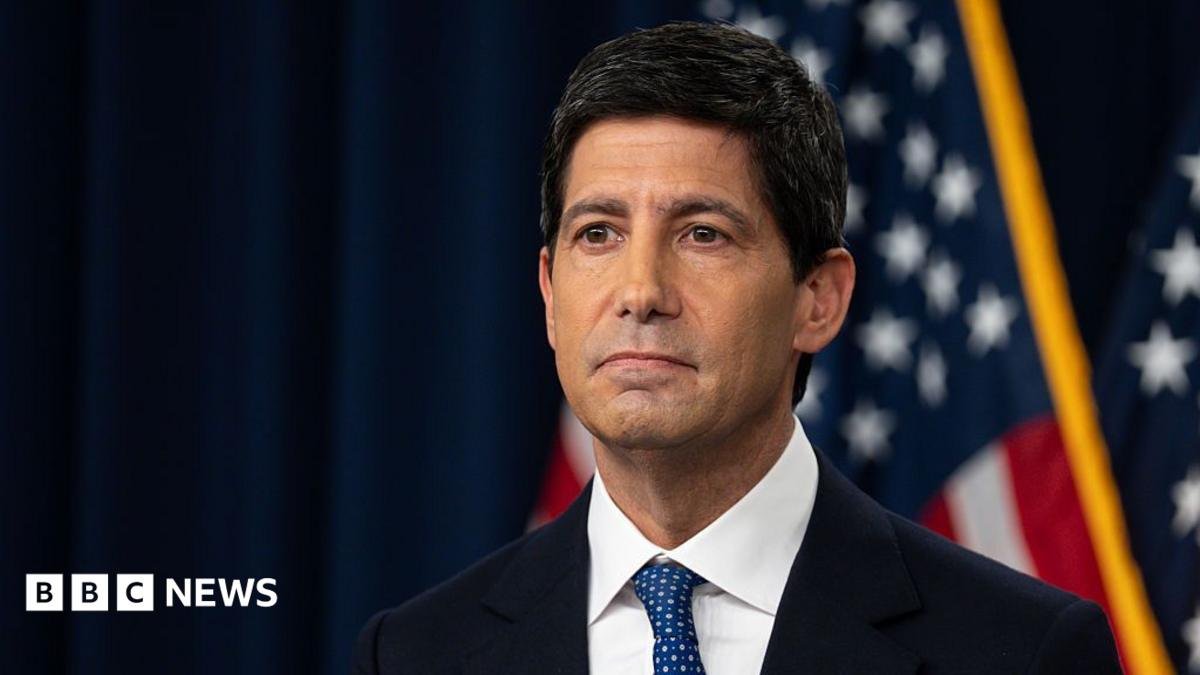
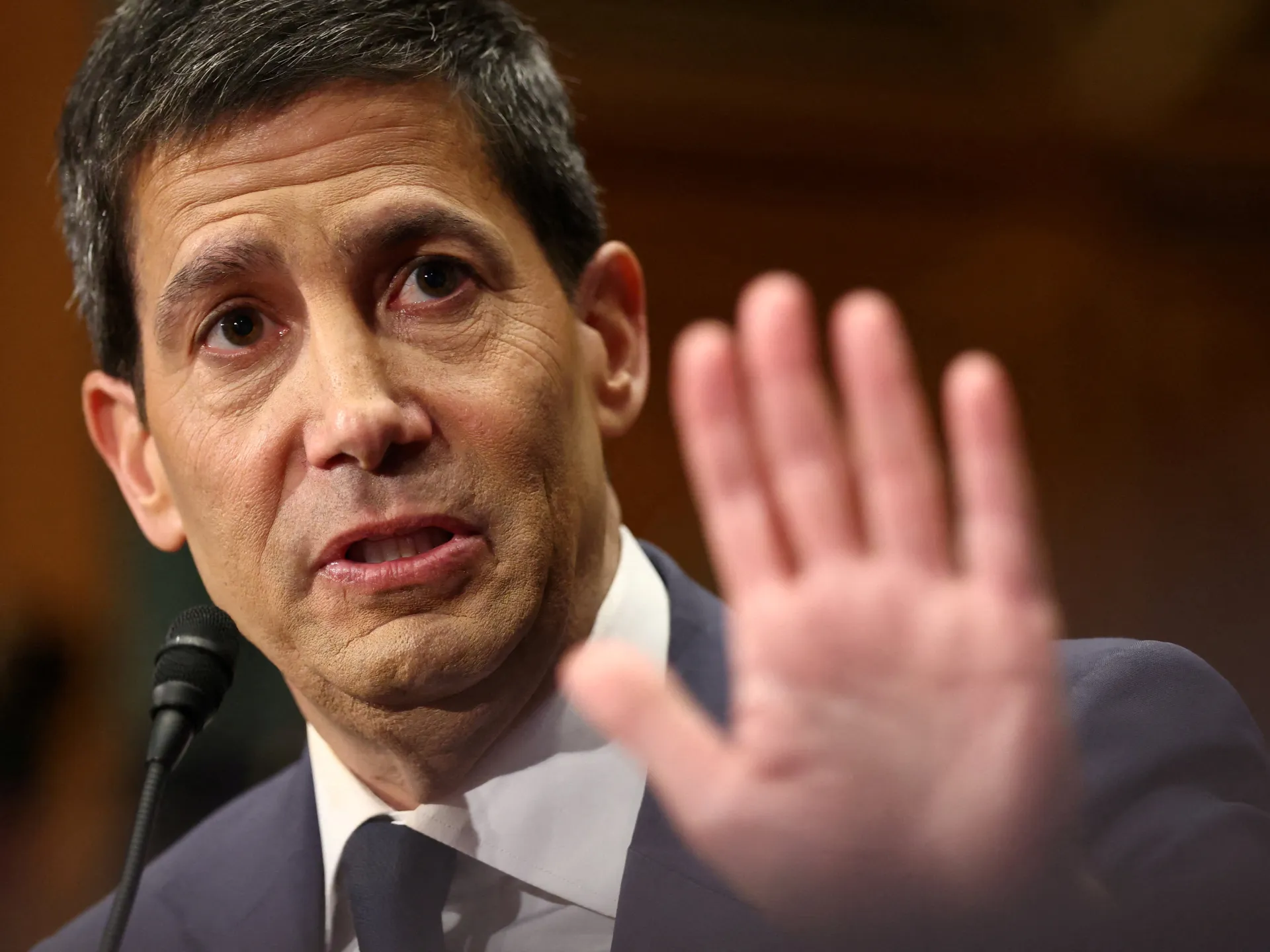
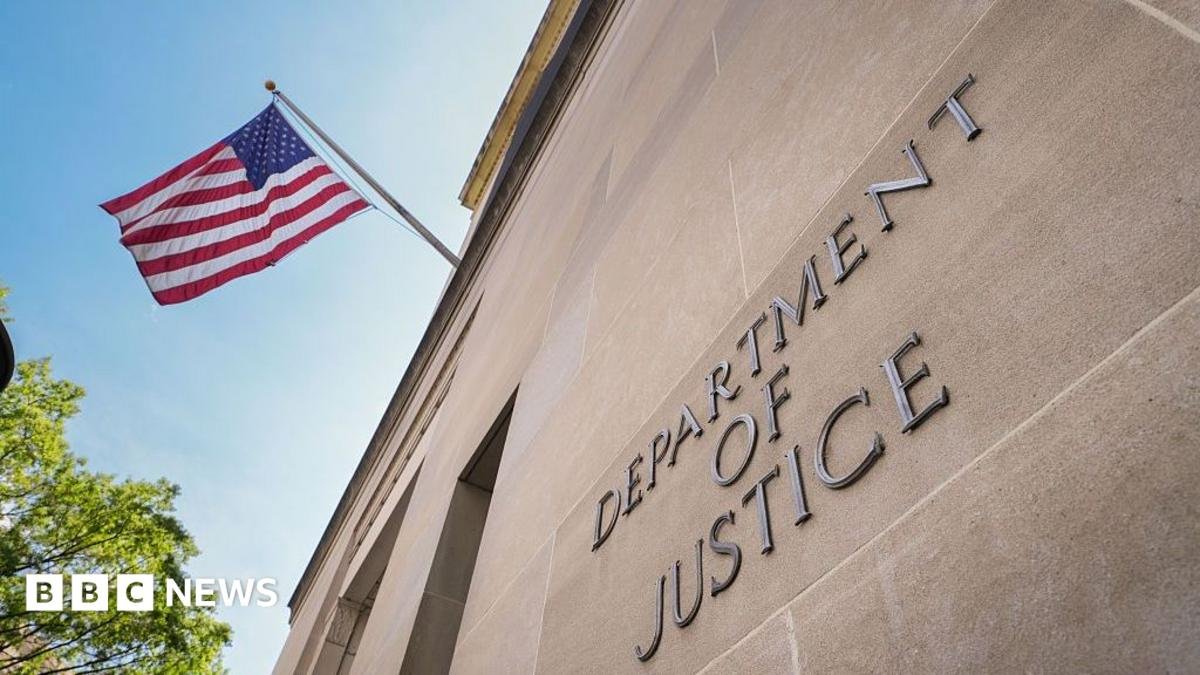
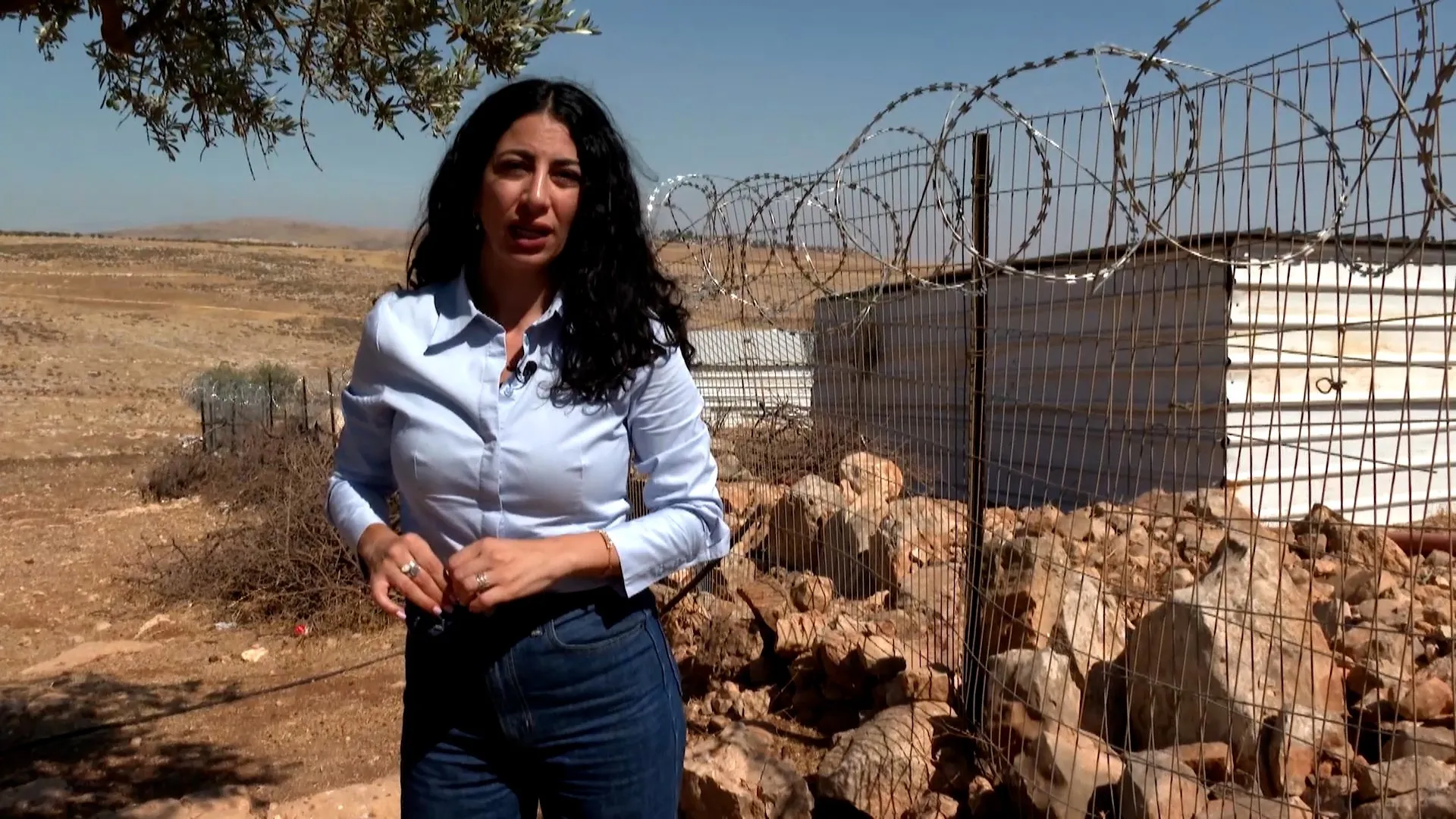
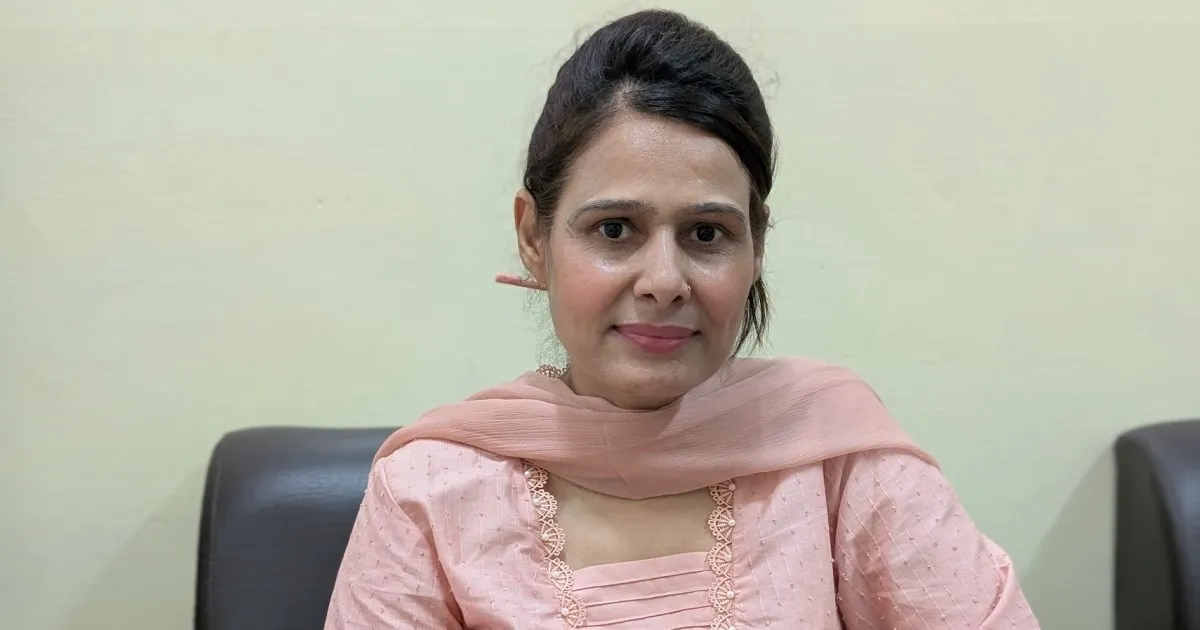
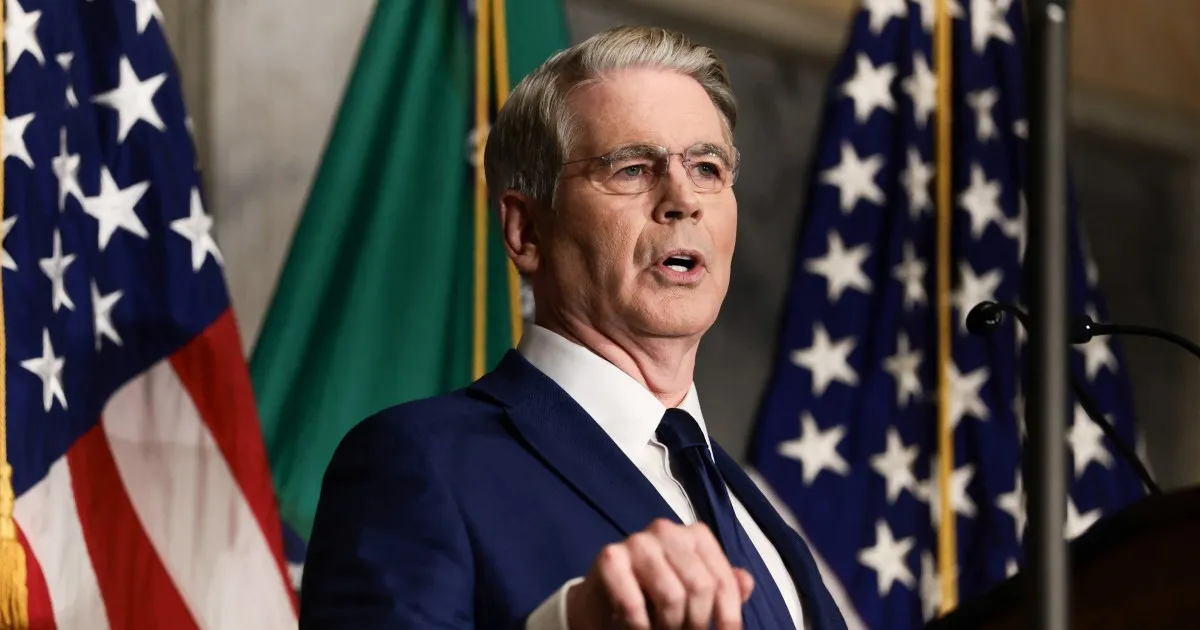
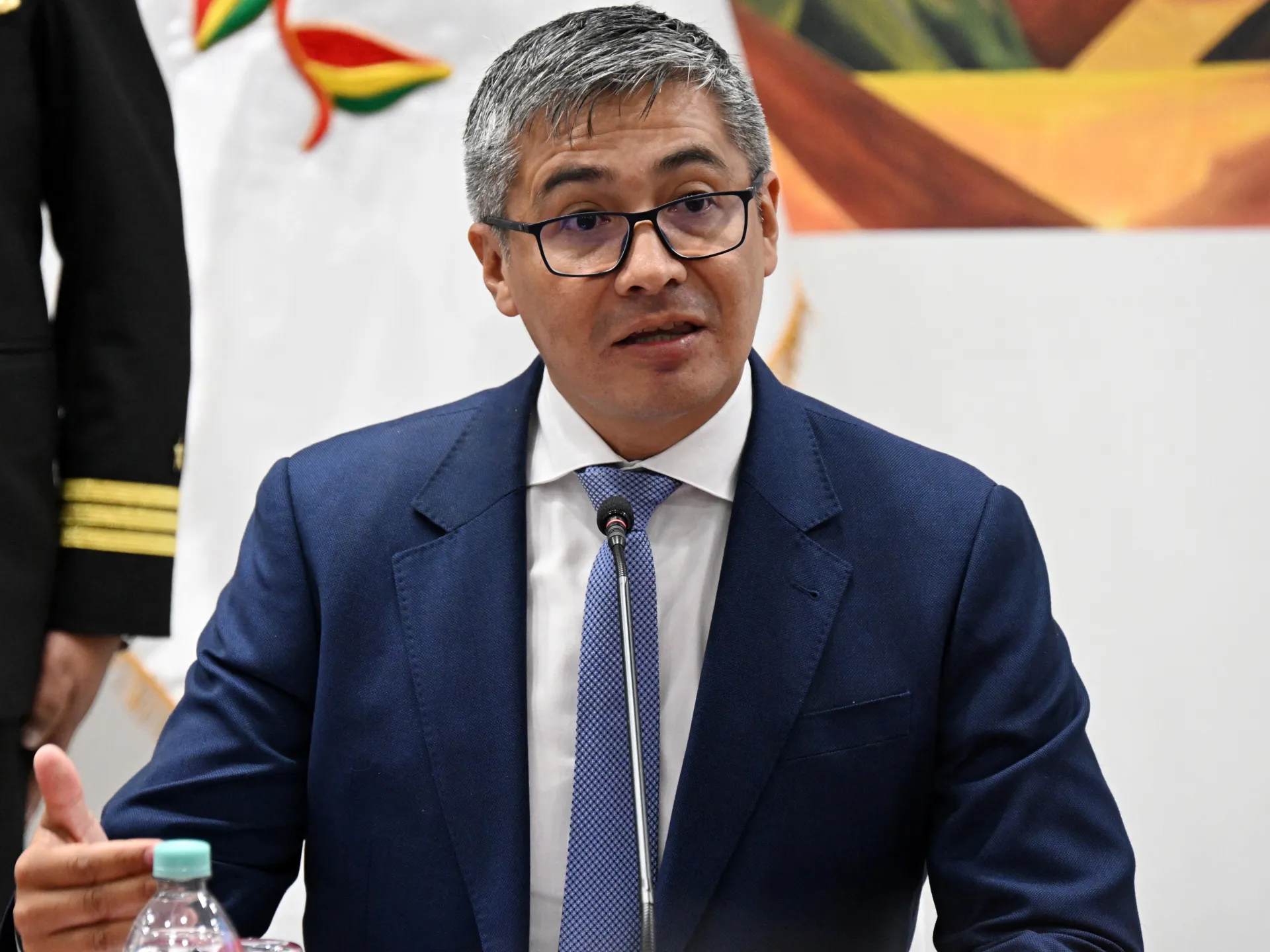
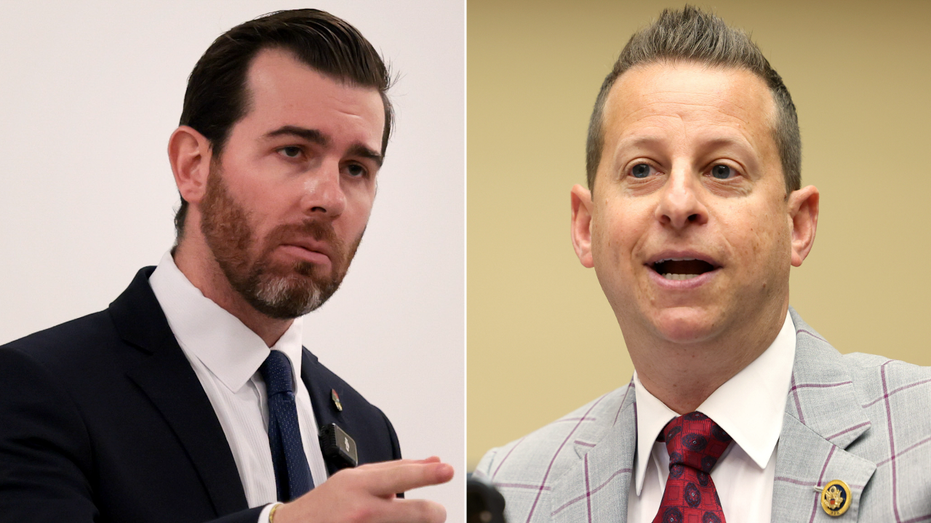
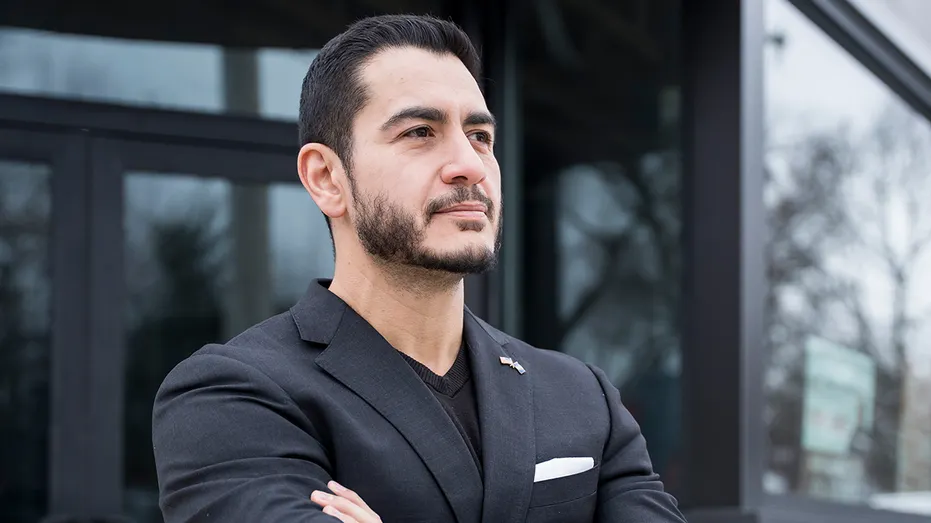
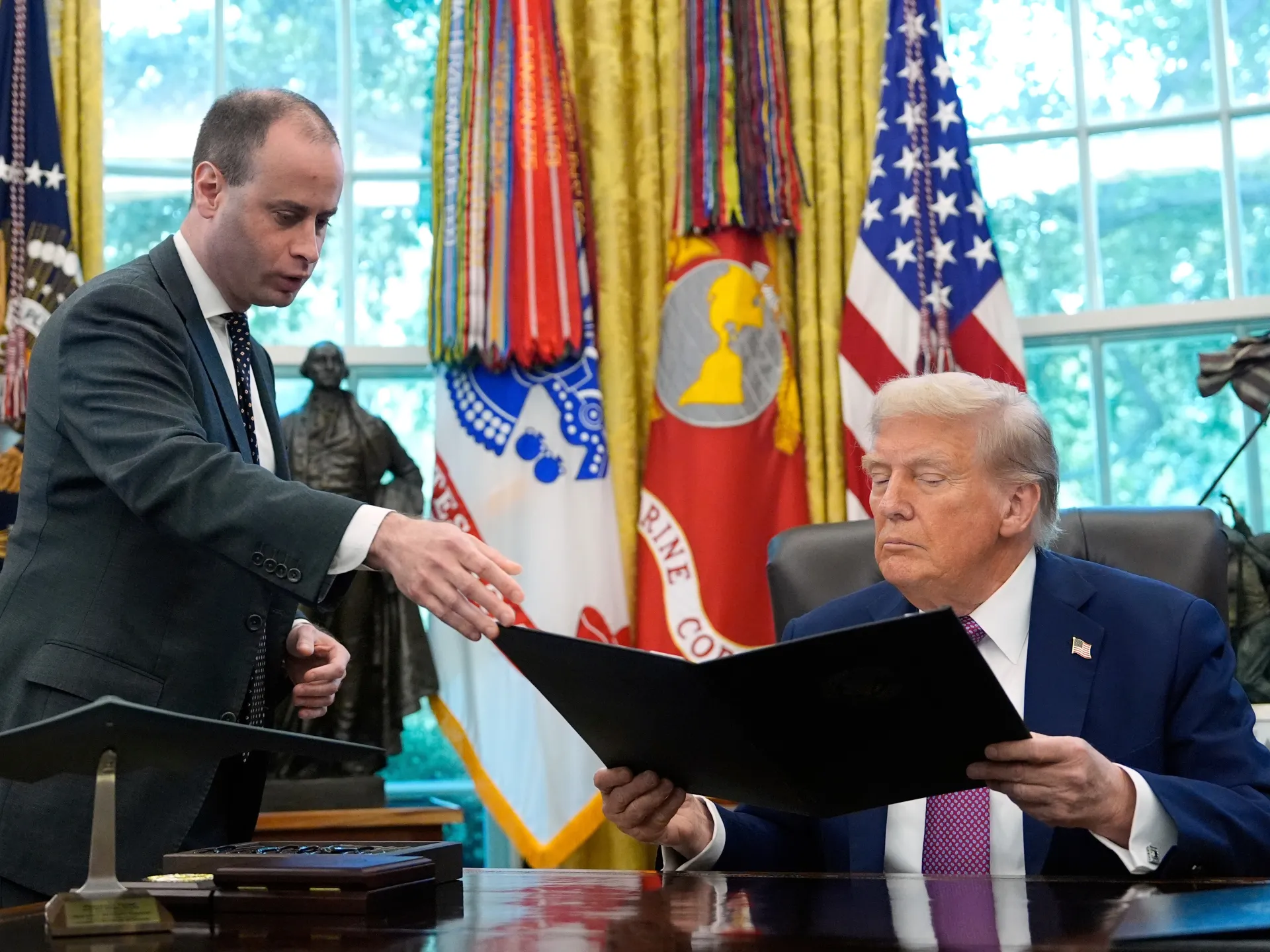
In Colombia, the legal system is currently grappling with the fallout from the alleged abuse of power ction with a 2023 incident in which her nanny, Marelbys Meza, was subjected to a polygraph test regarding missing funds from Sarabia’s residence. The case has evolved into a significant political scandal, as it suggests an improper use of state police resources to resolve a personal matter. While Sarabia has consistently denied any wrongdoing, the case highlights the risks inherent in blurring the lines between private grievances and public authority.
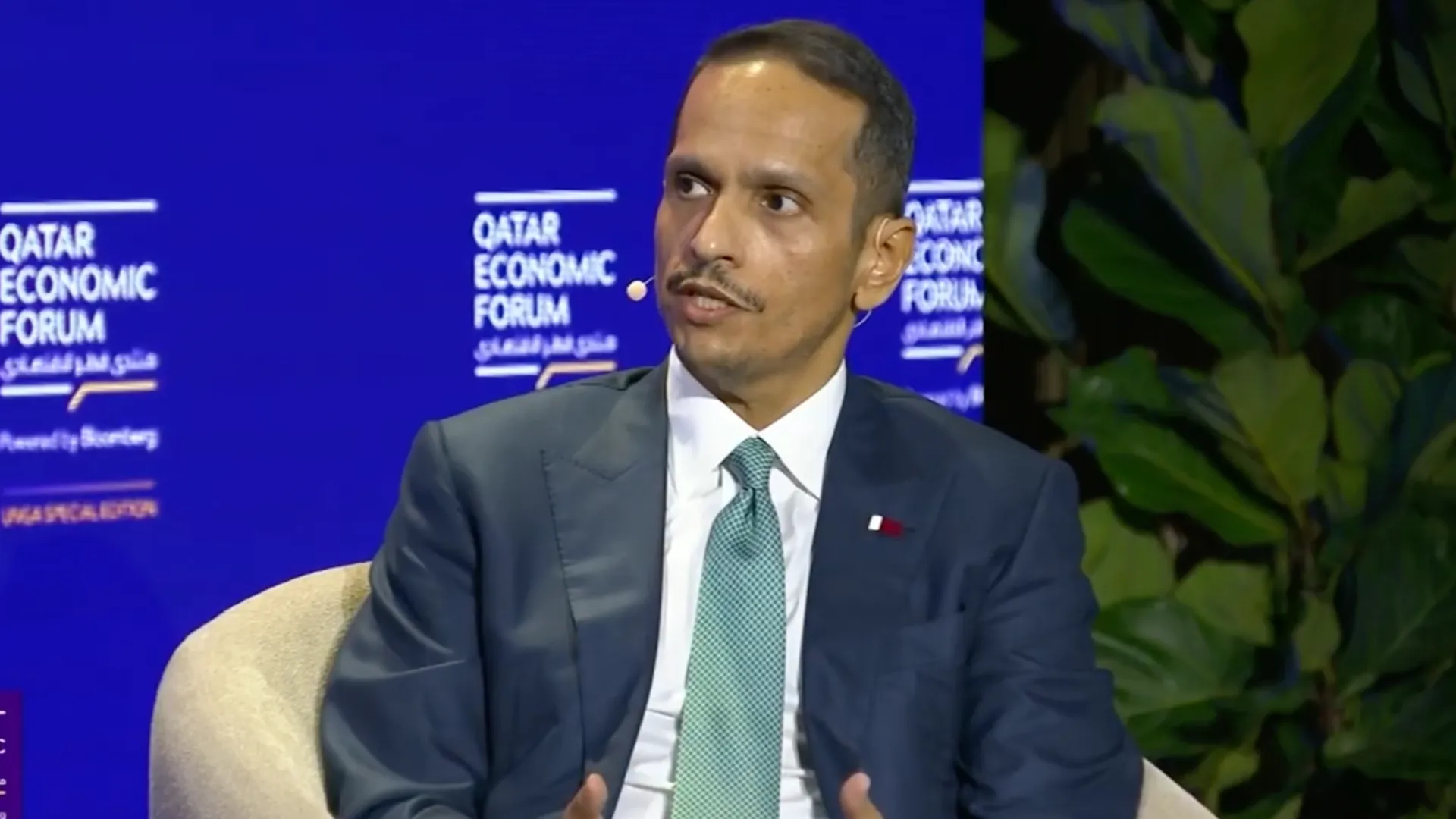
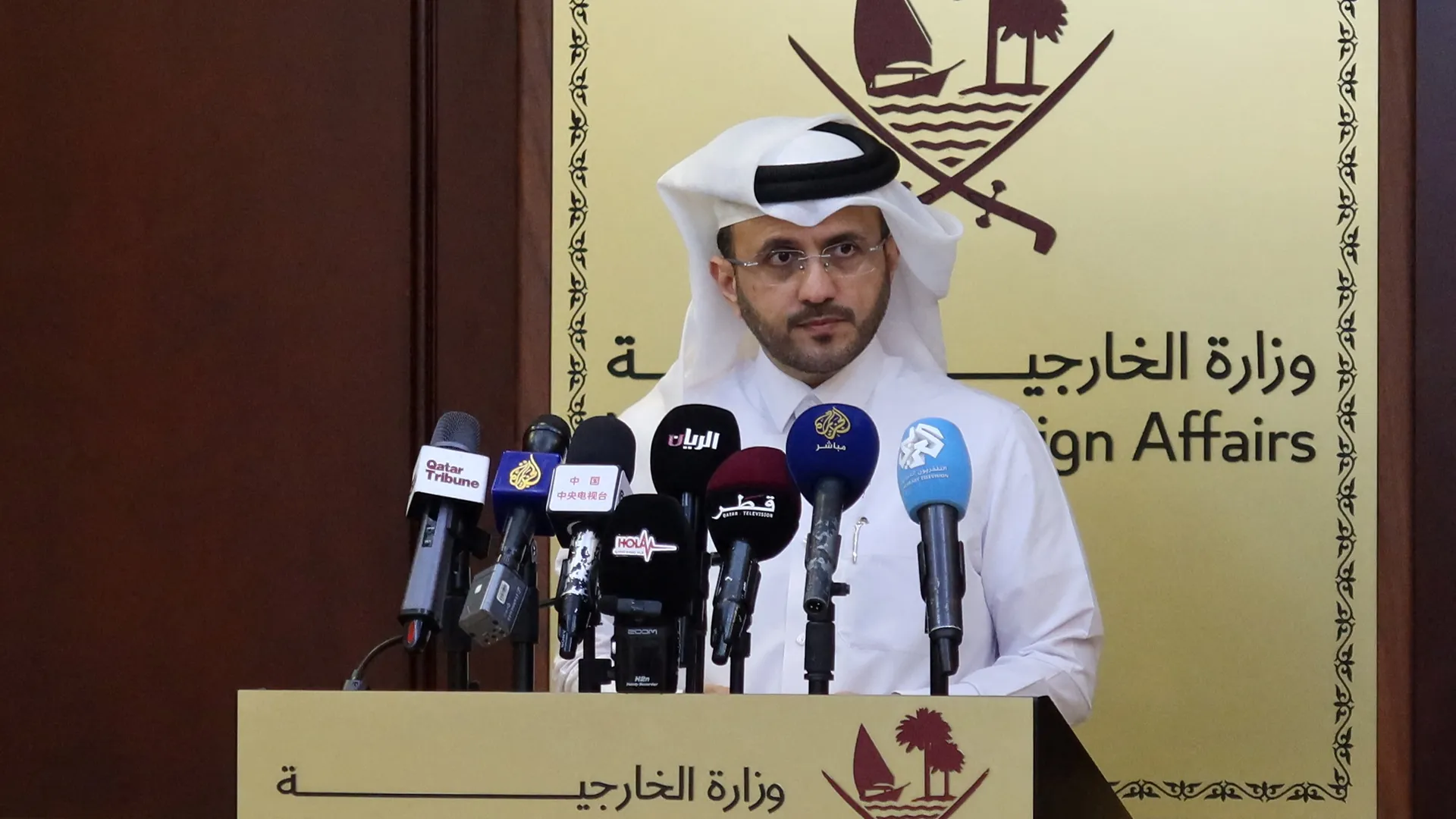
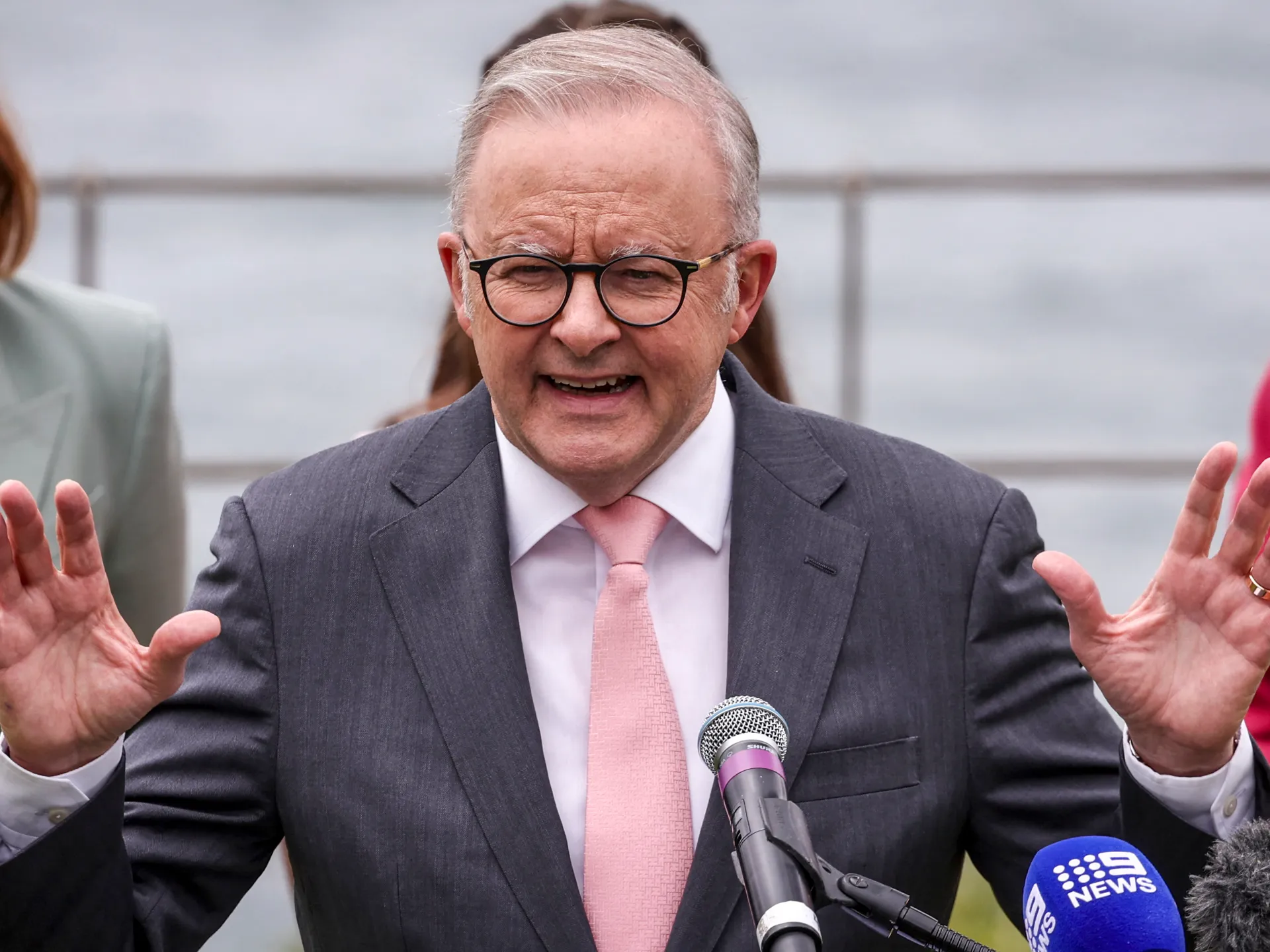
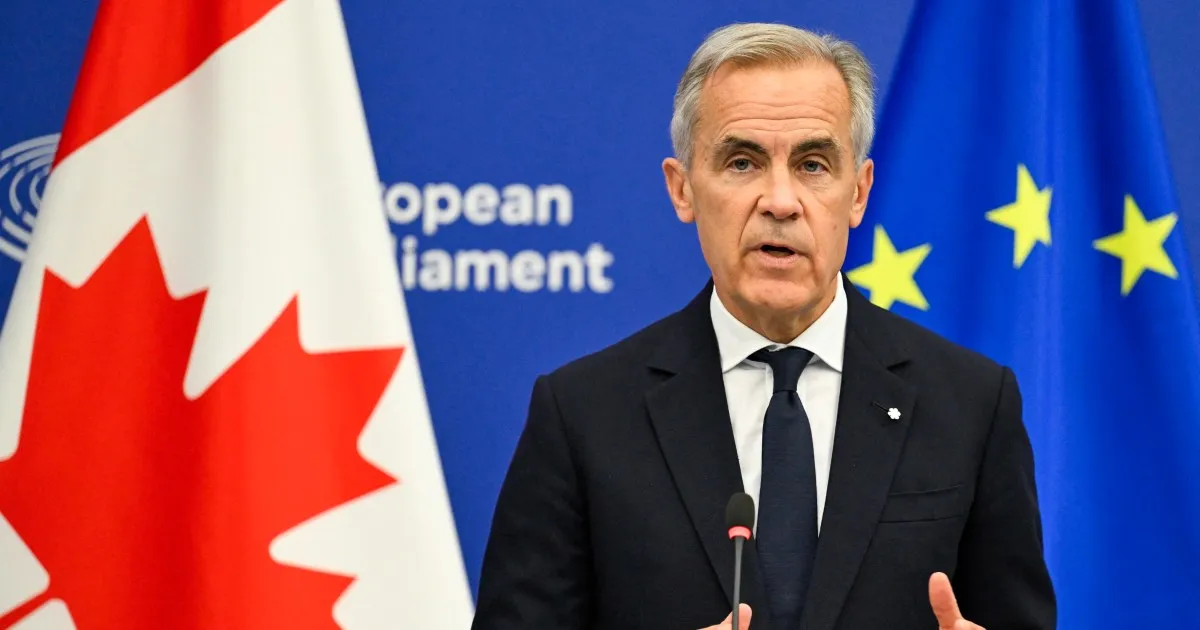
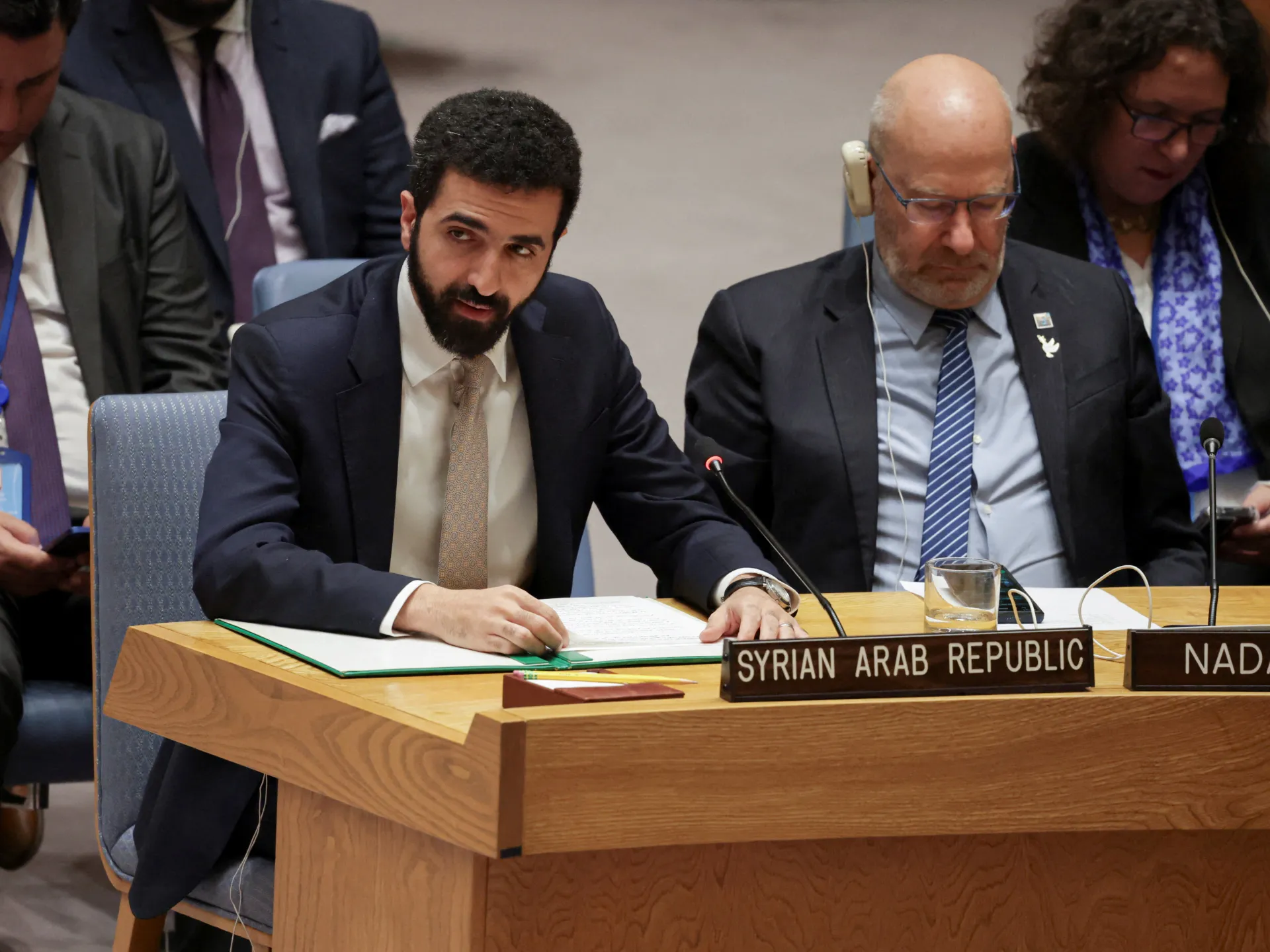
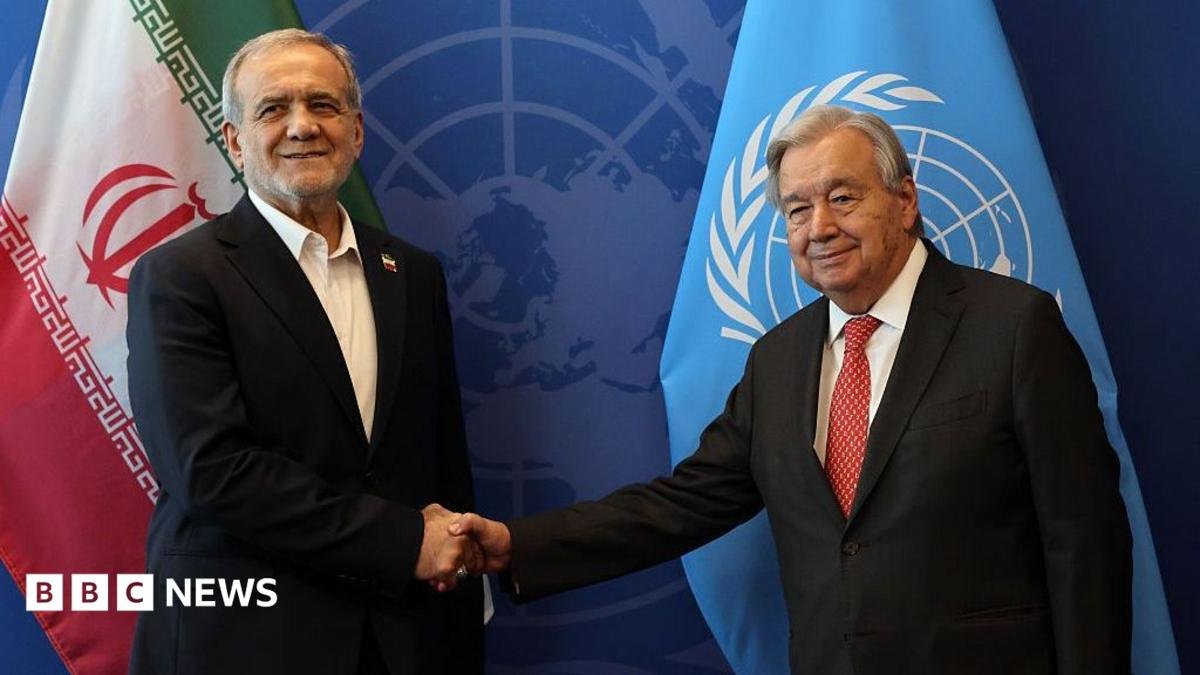
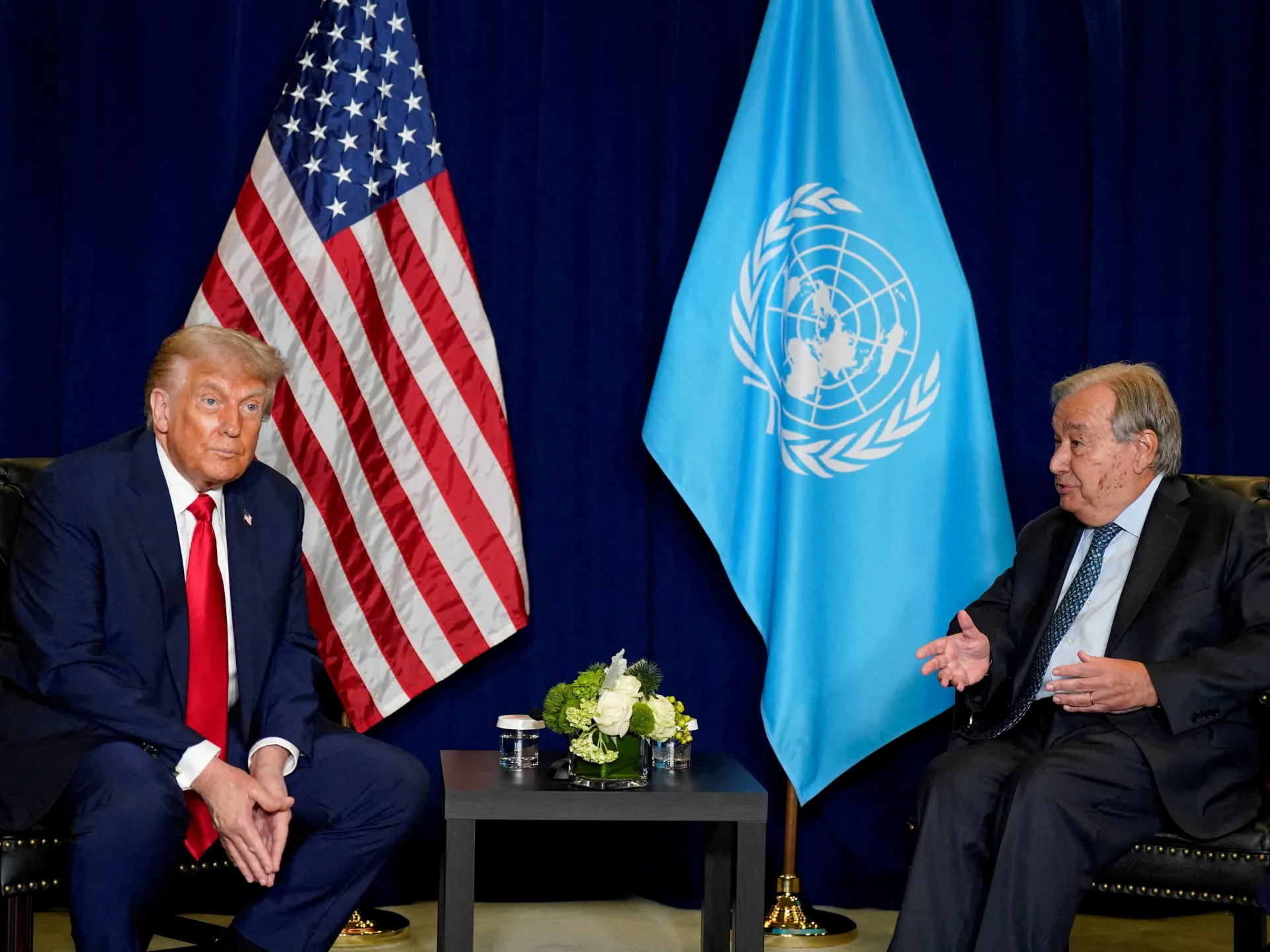
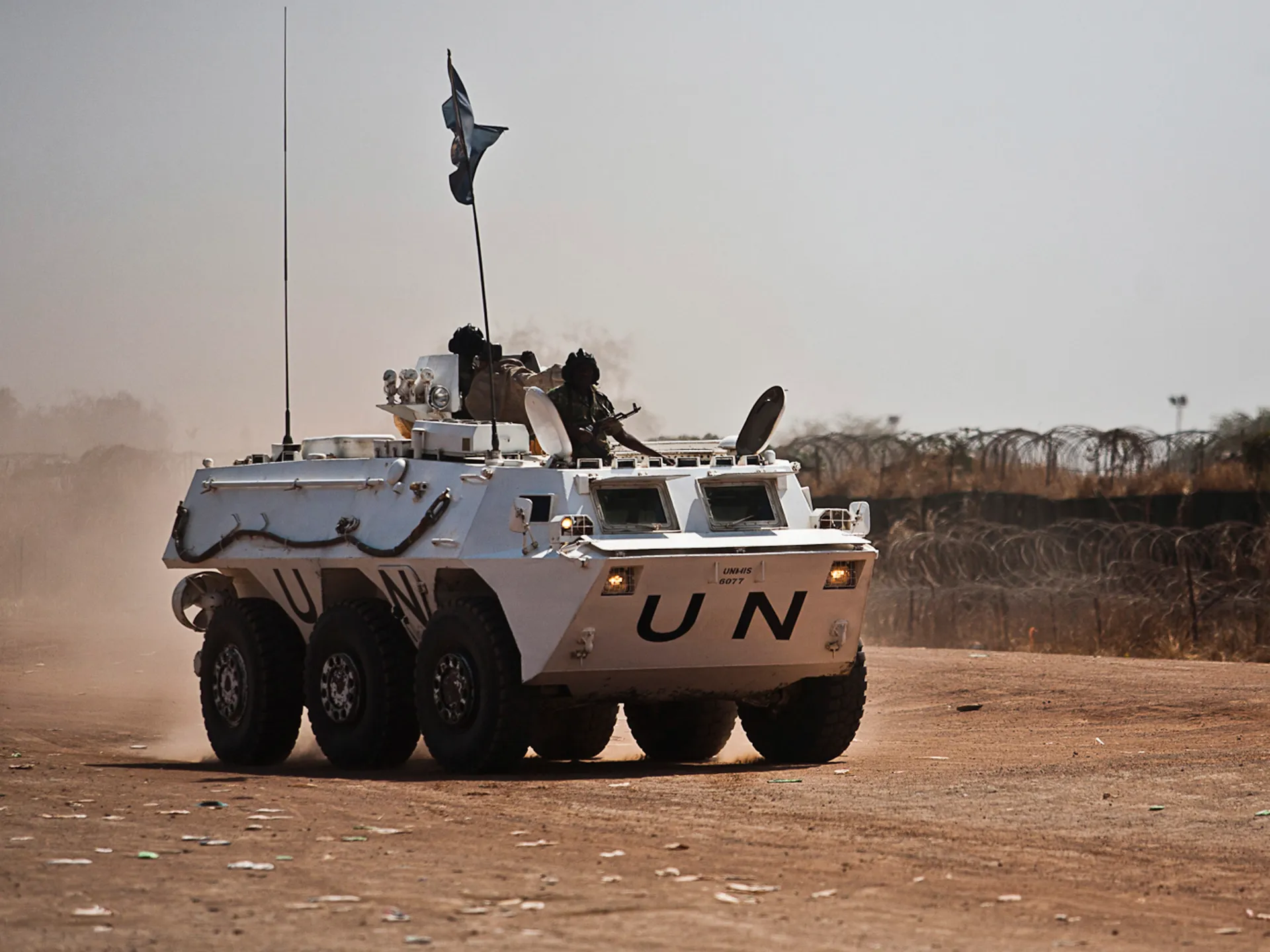
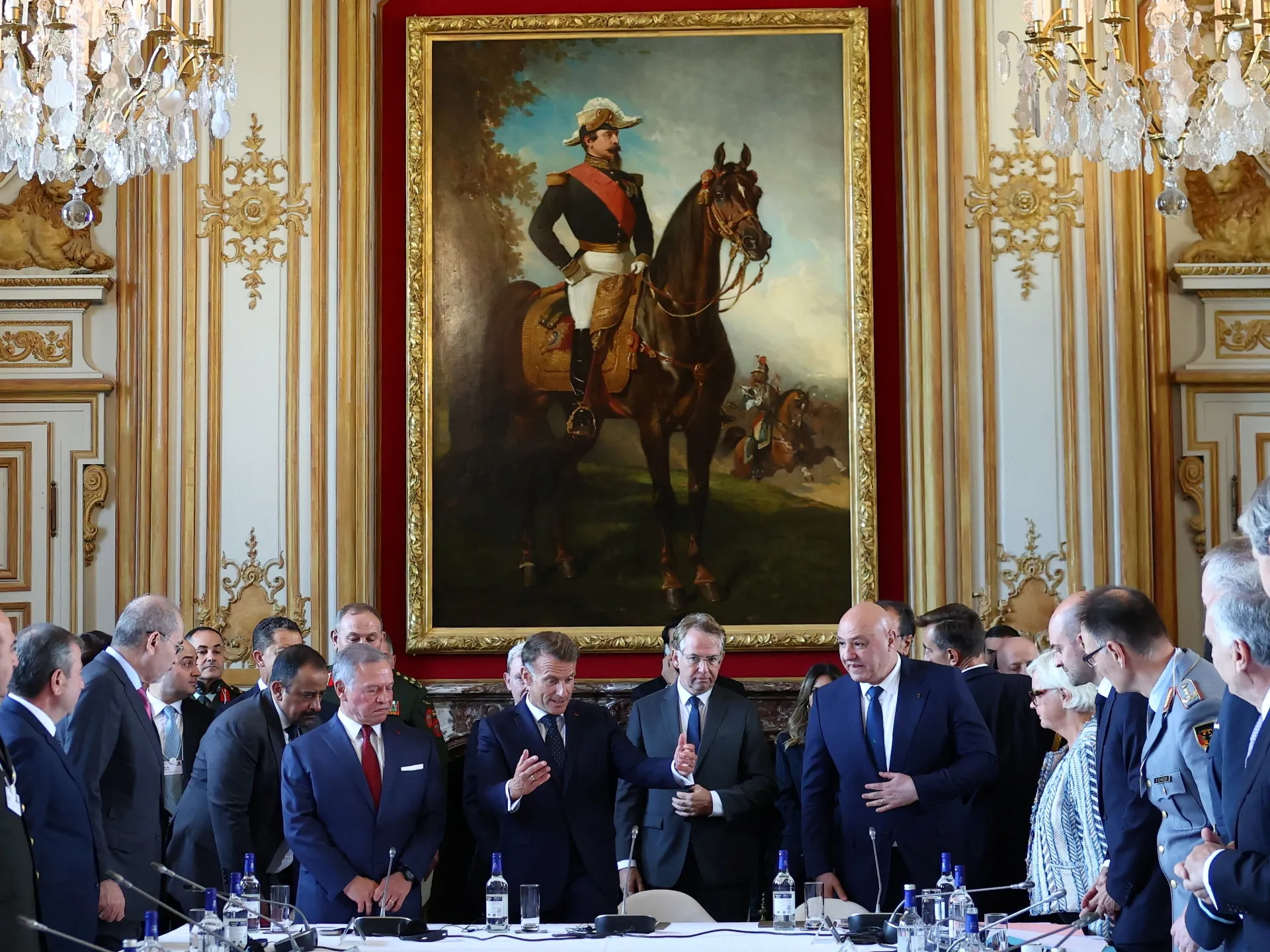
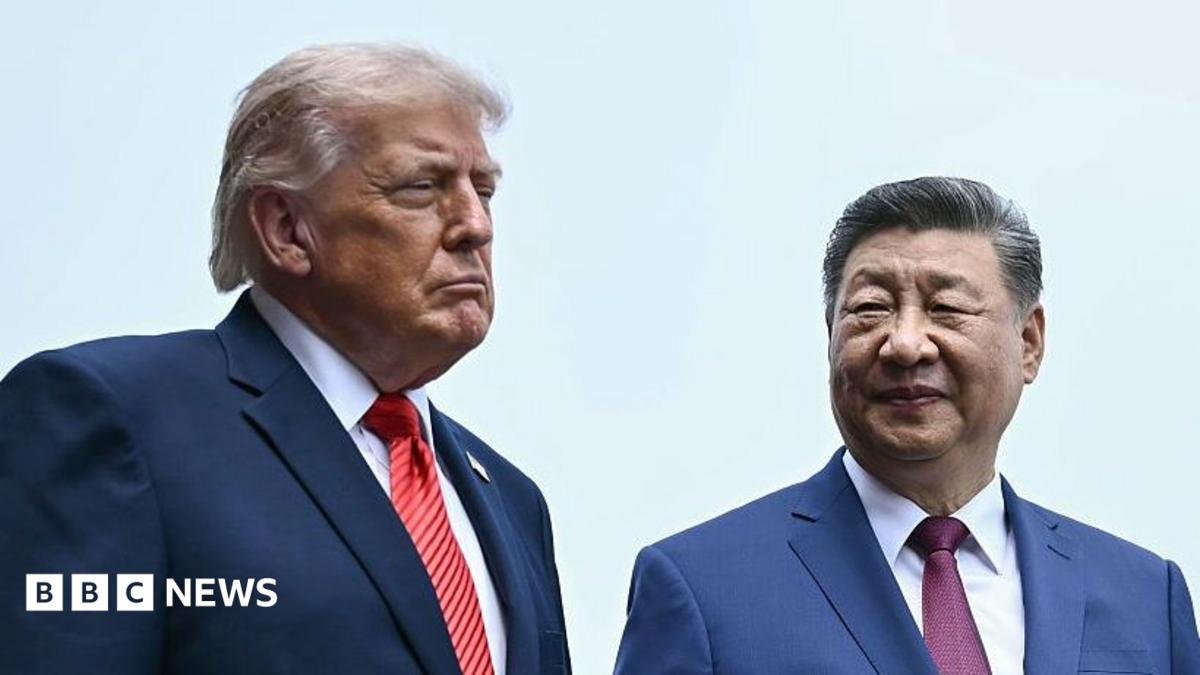
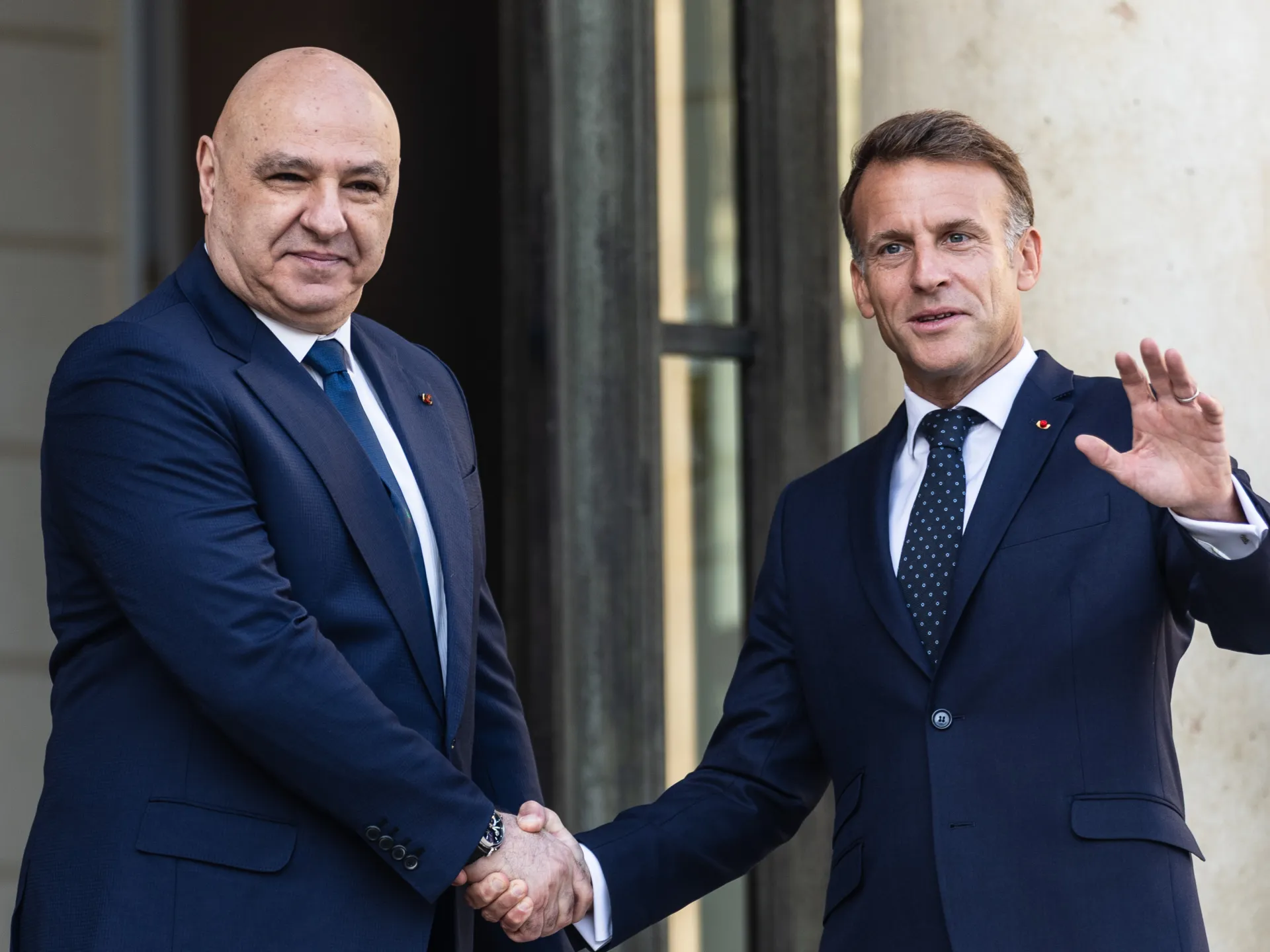
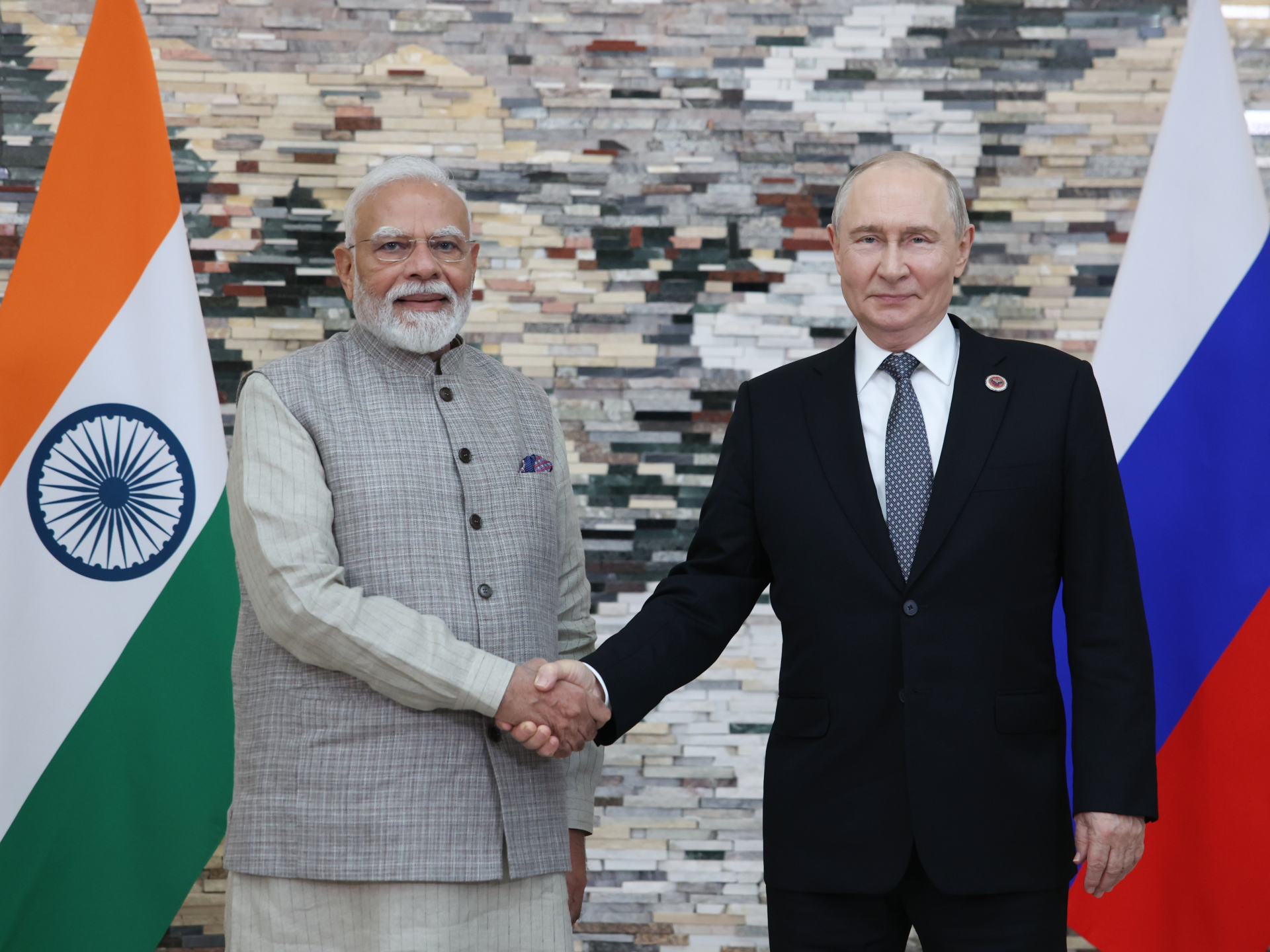
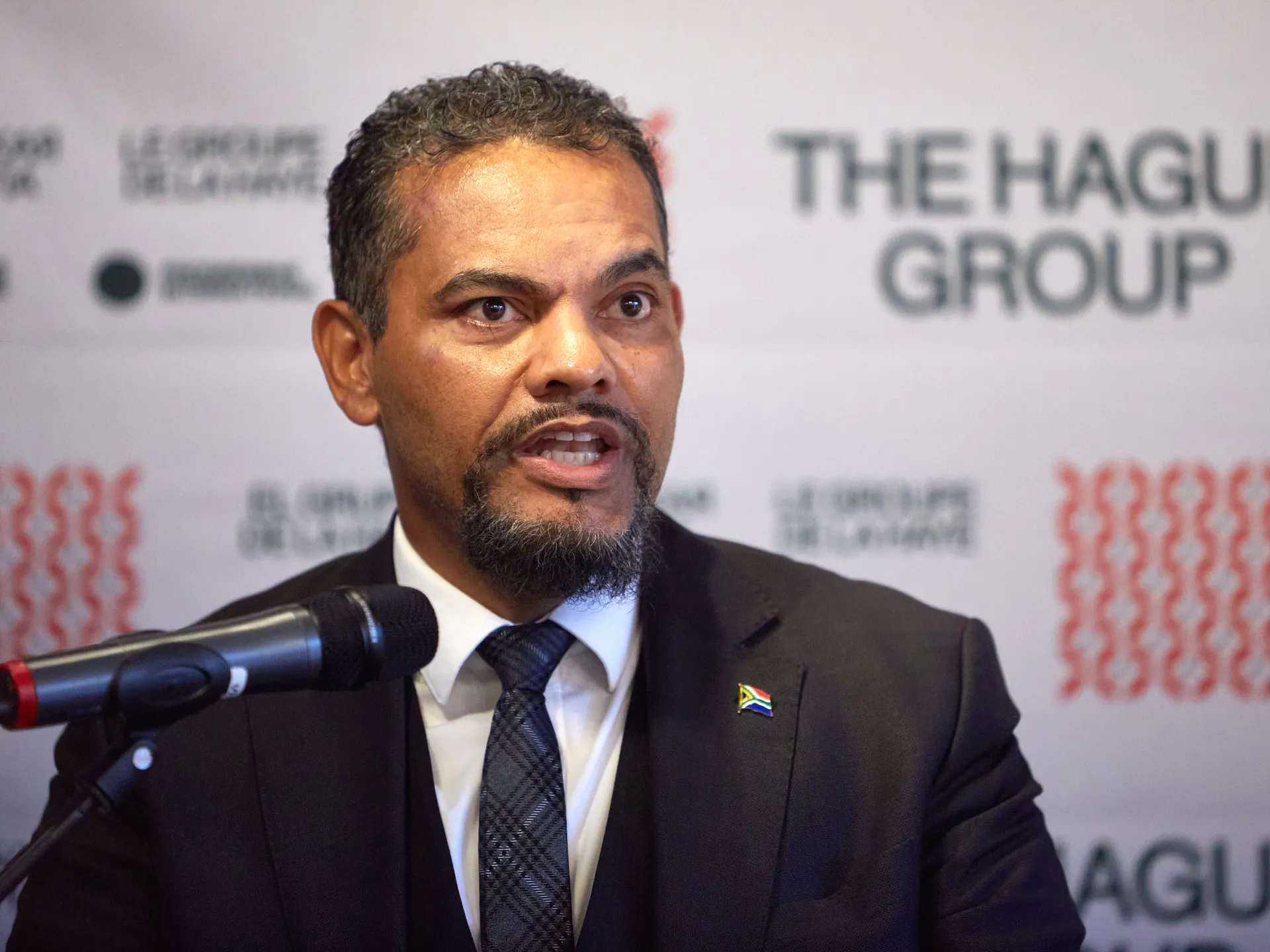
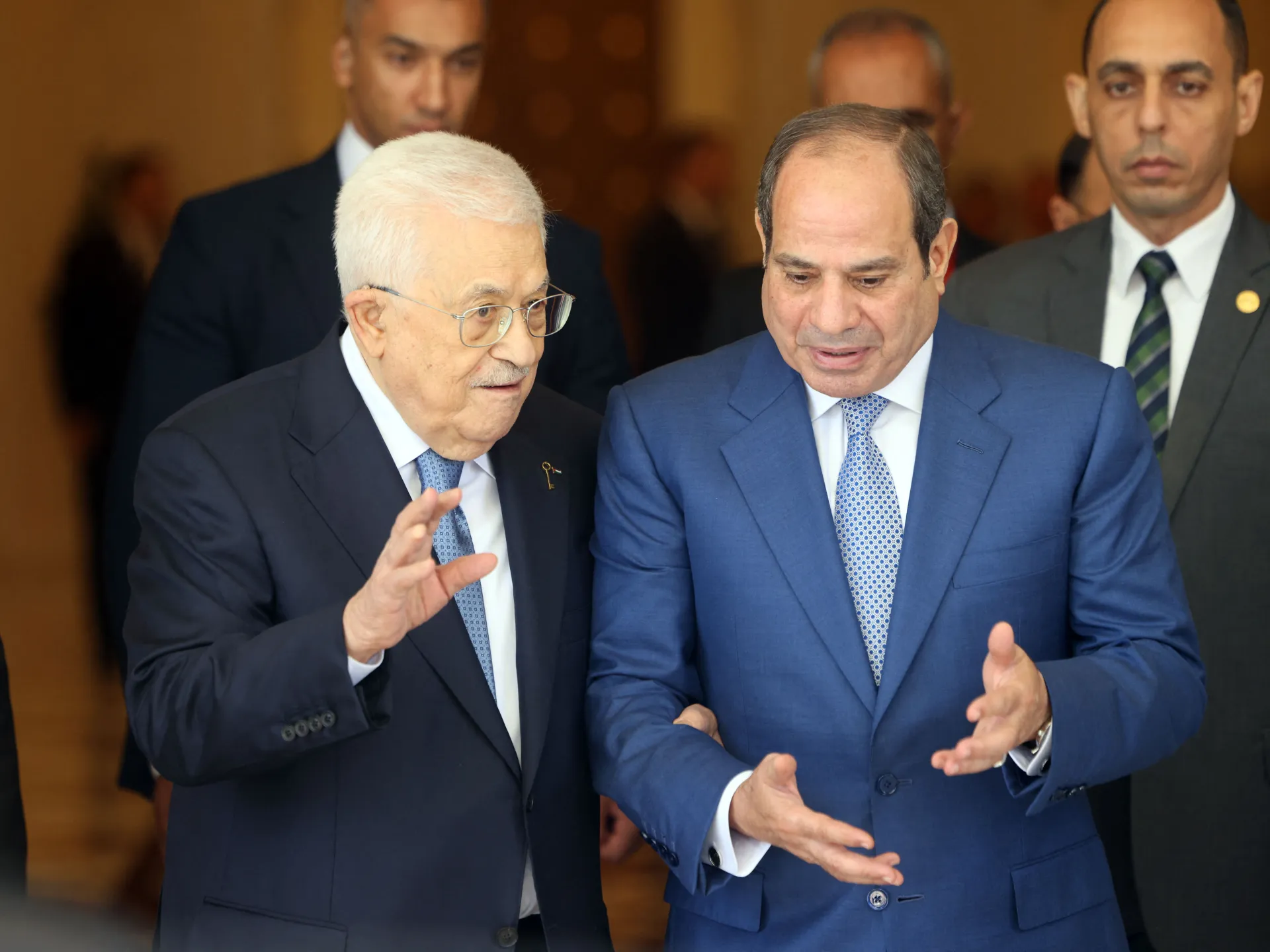
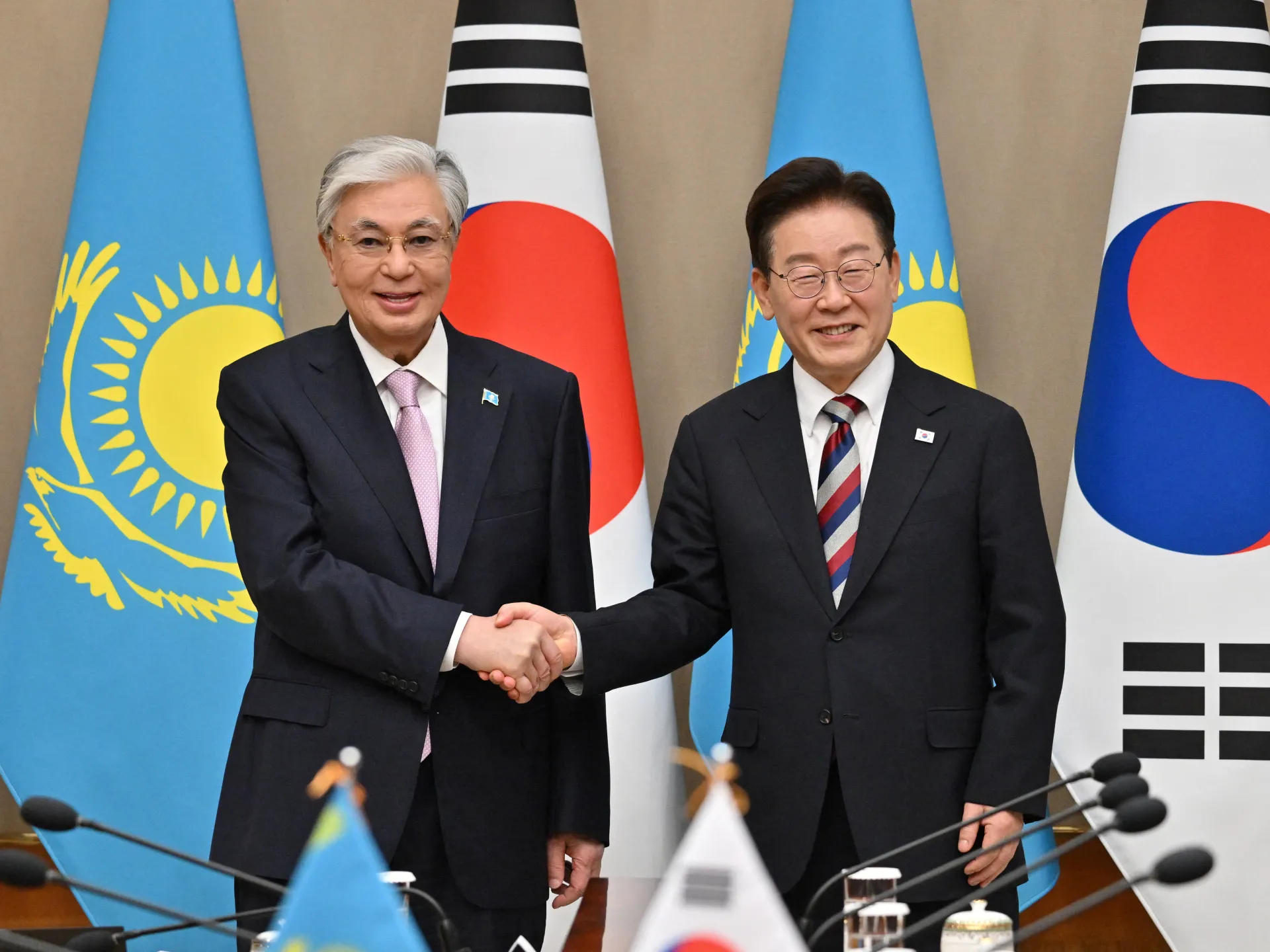
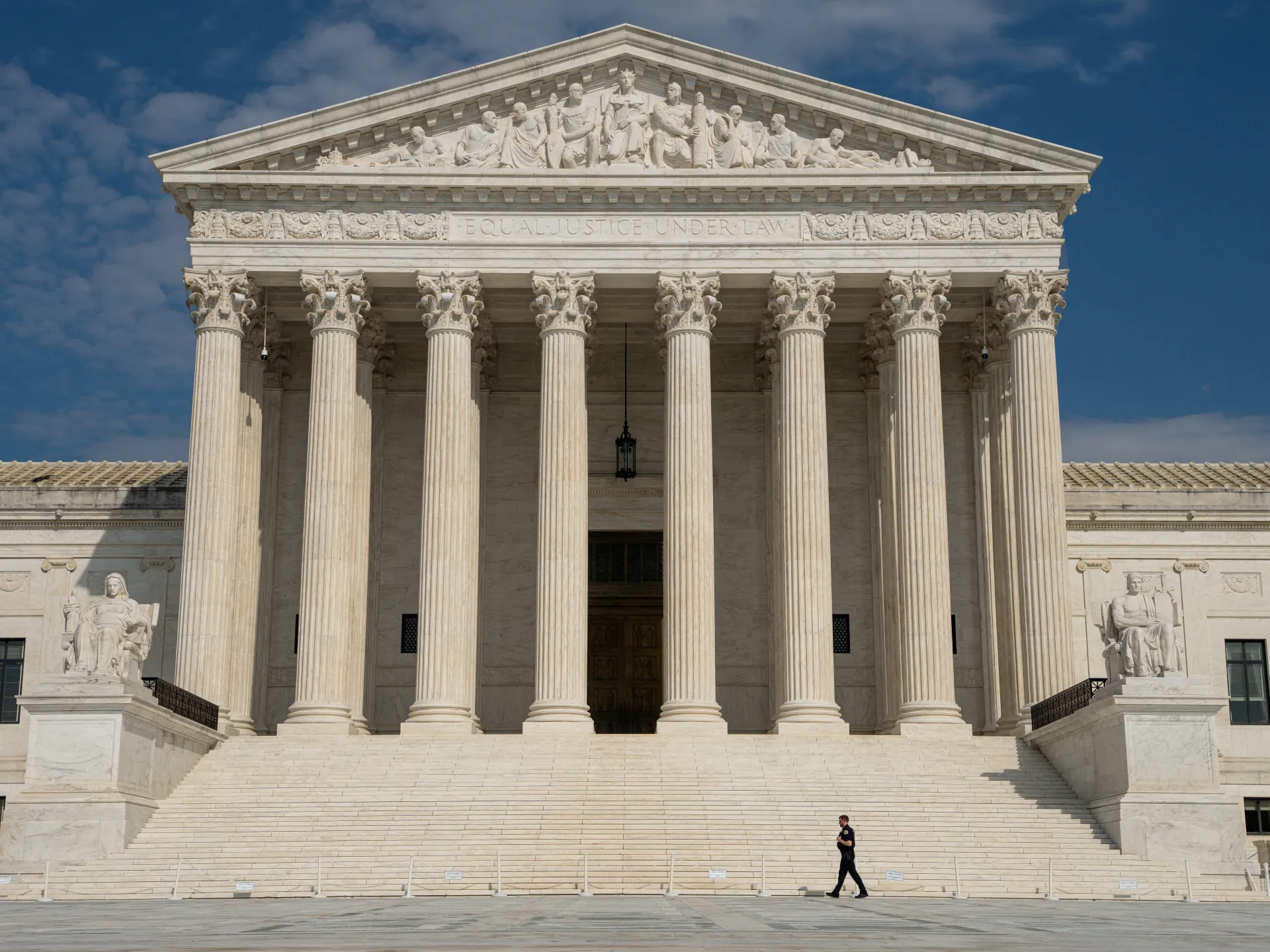
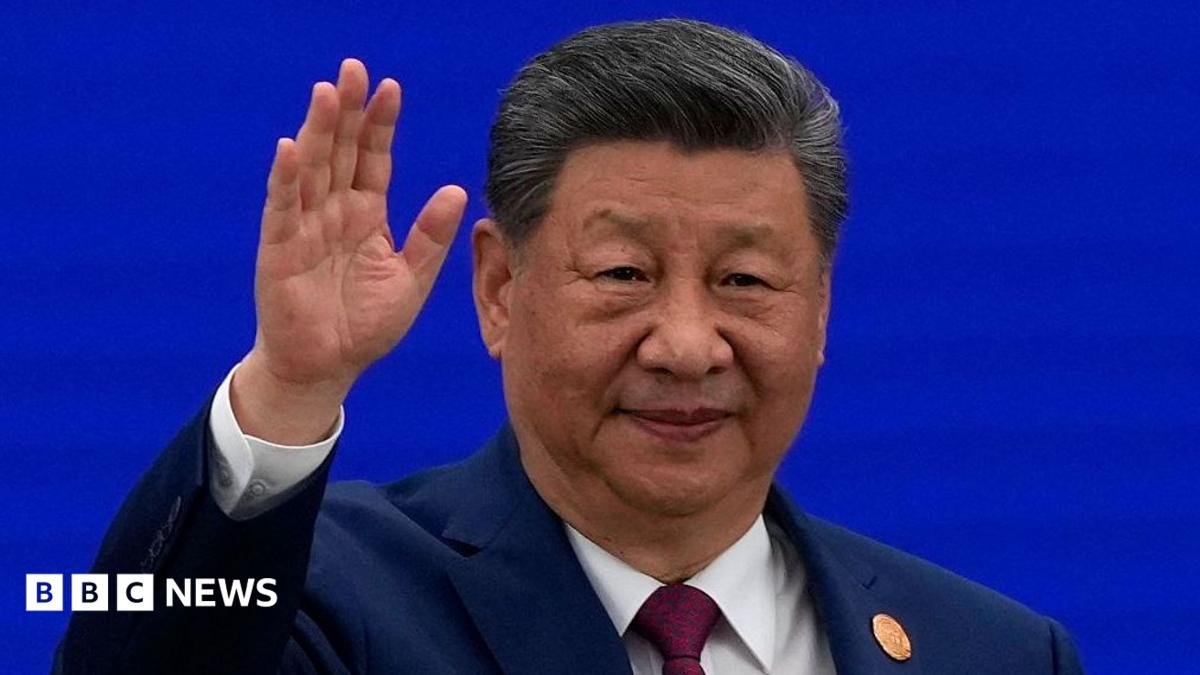
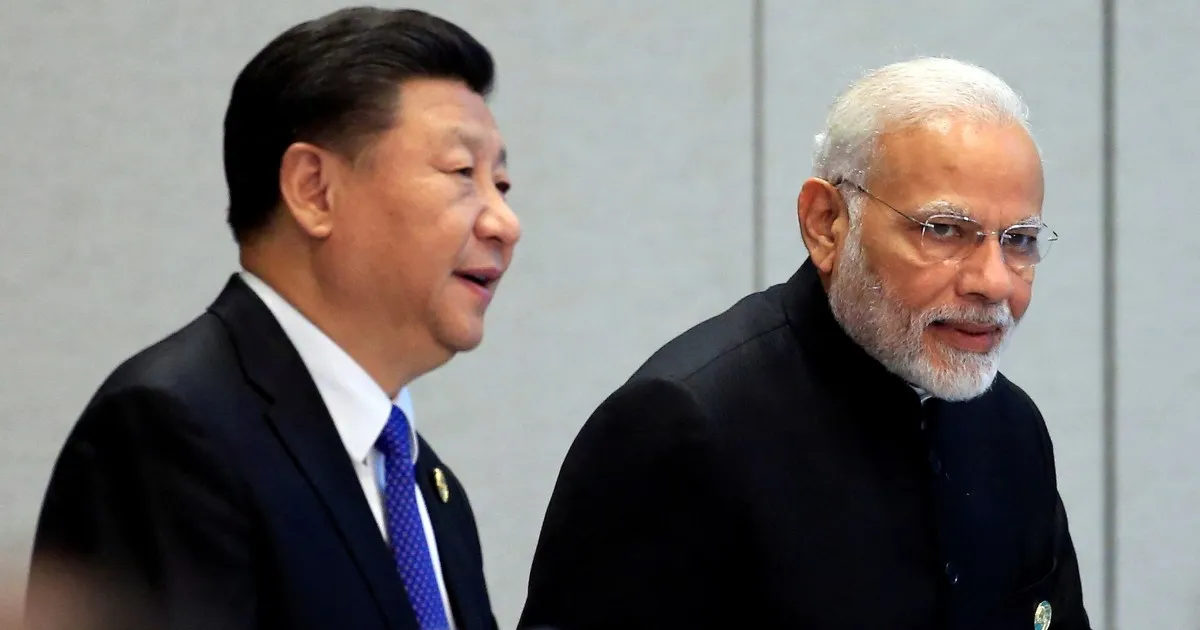
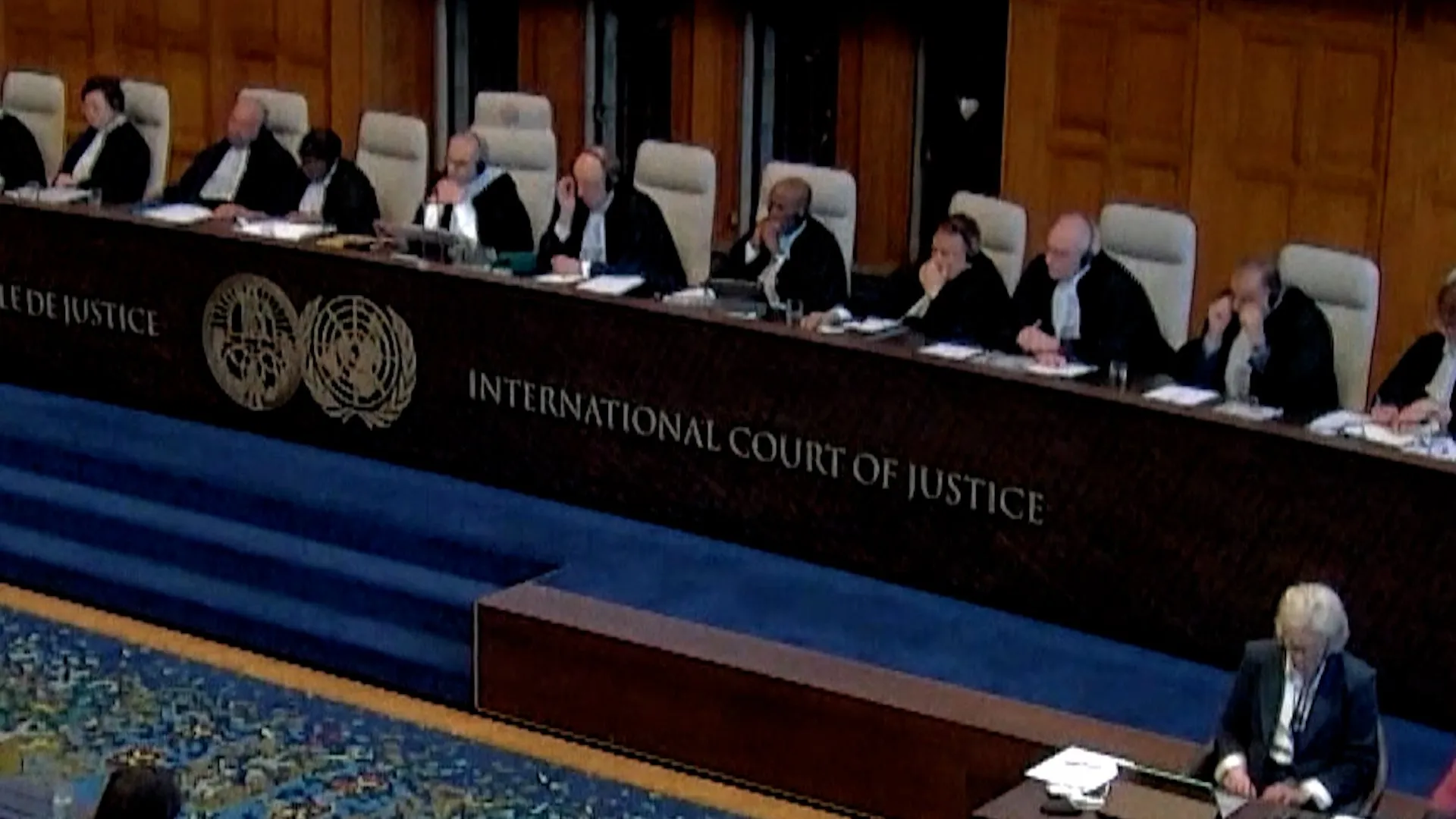
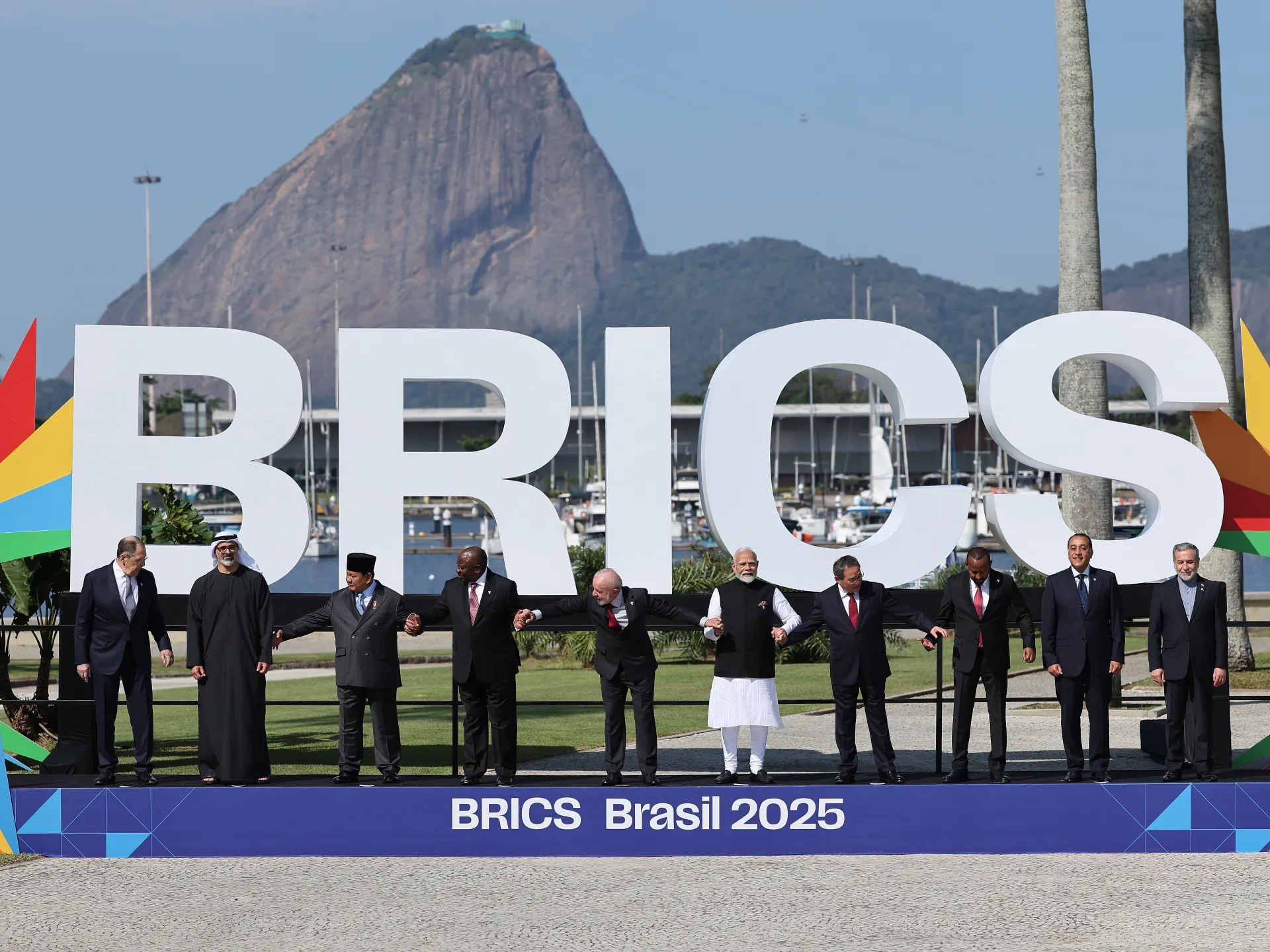

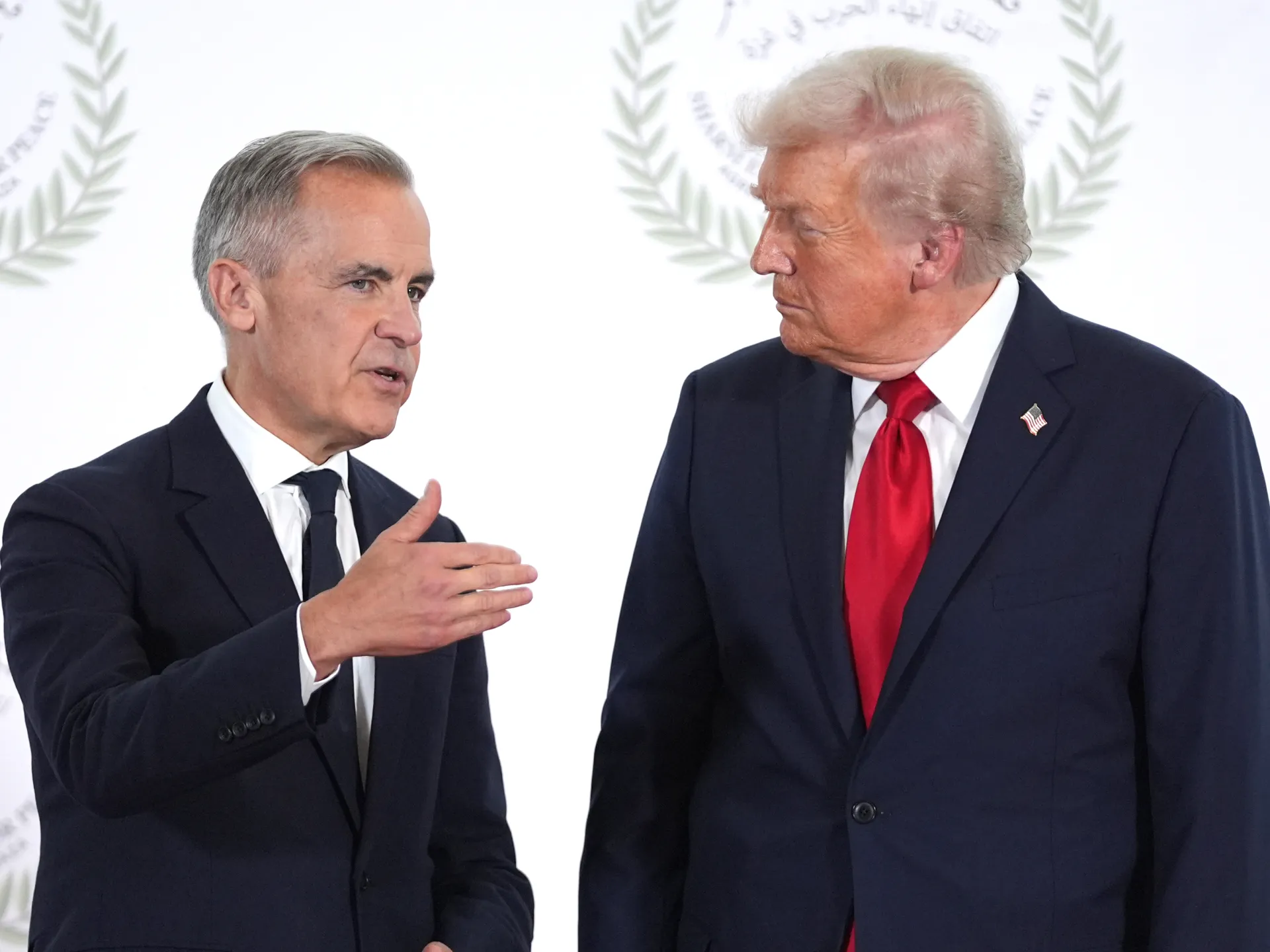
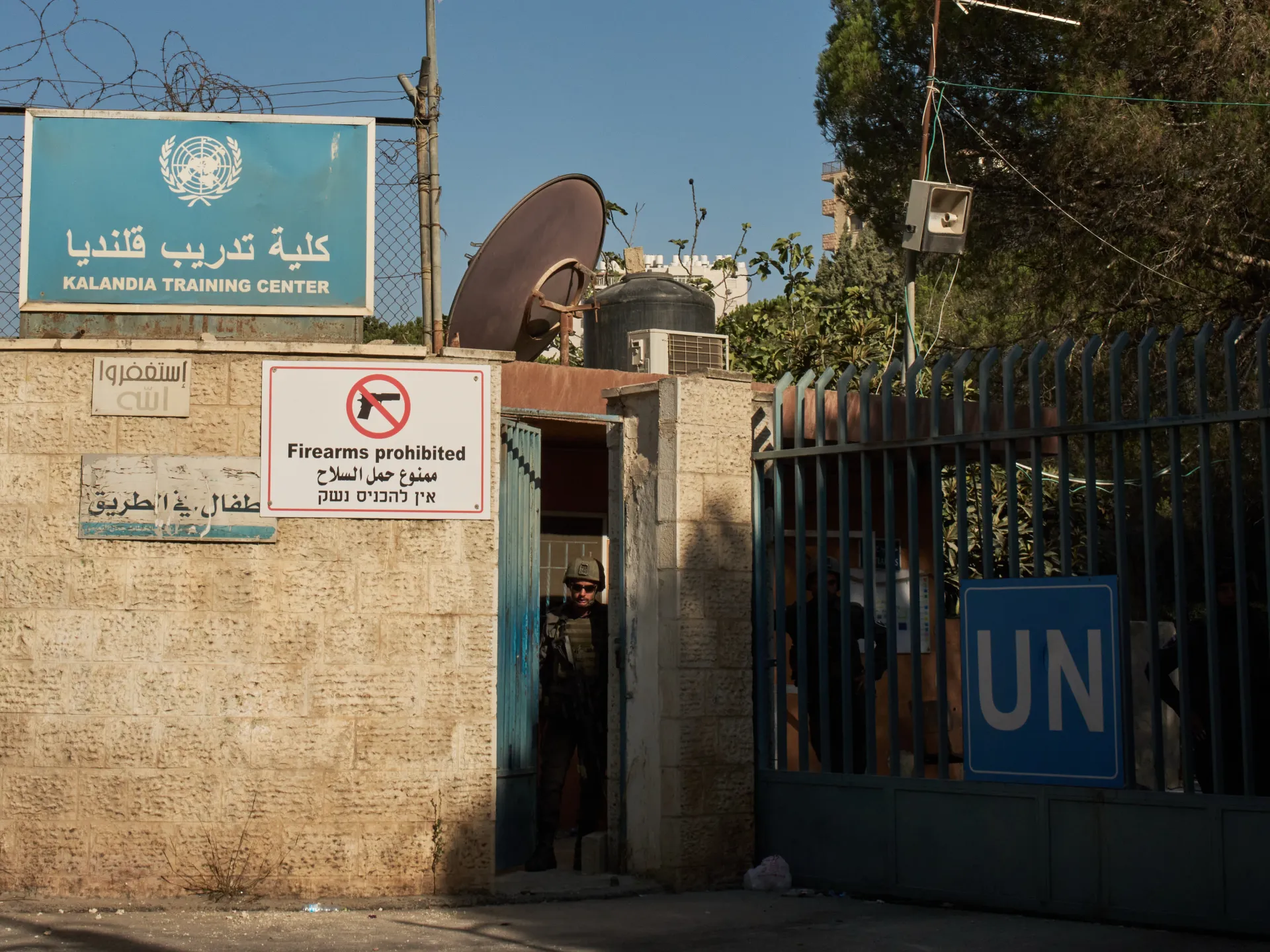
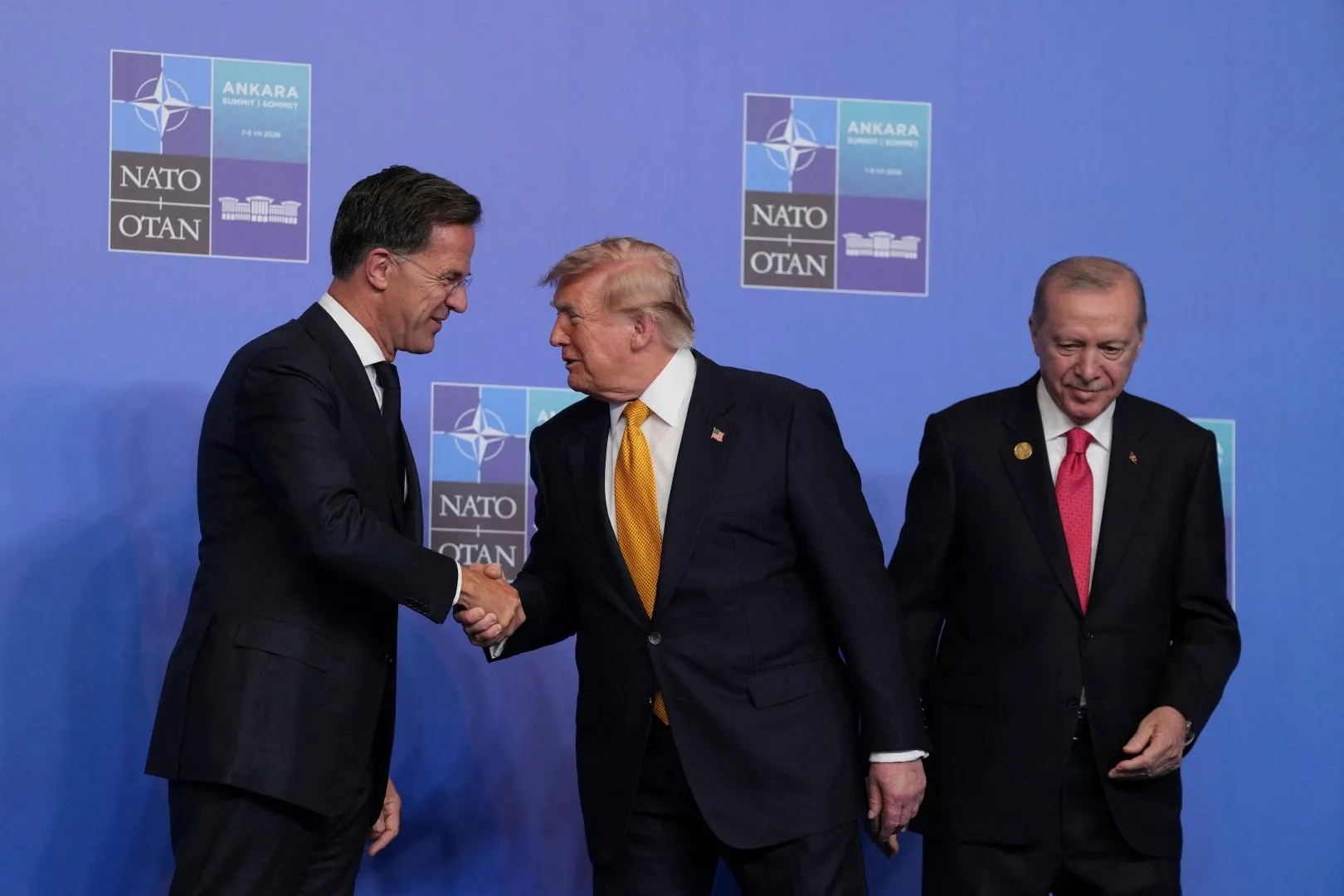
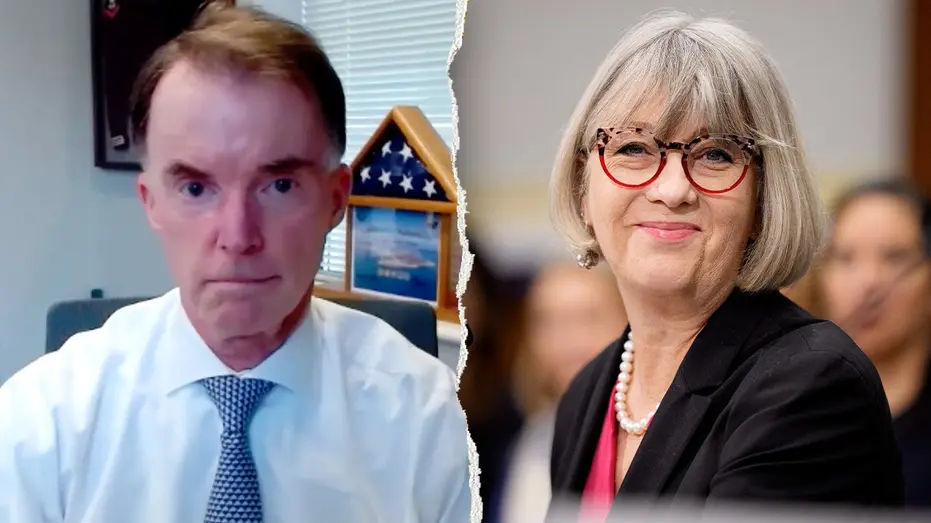
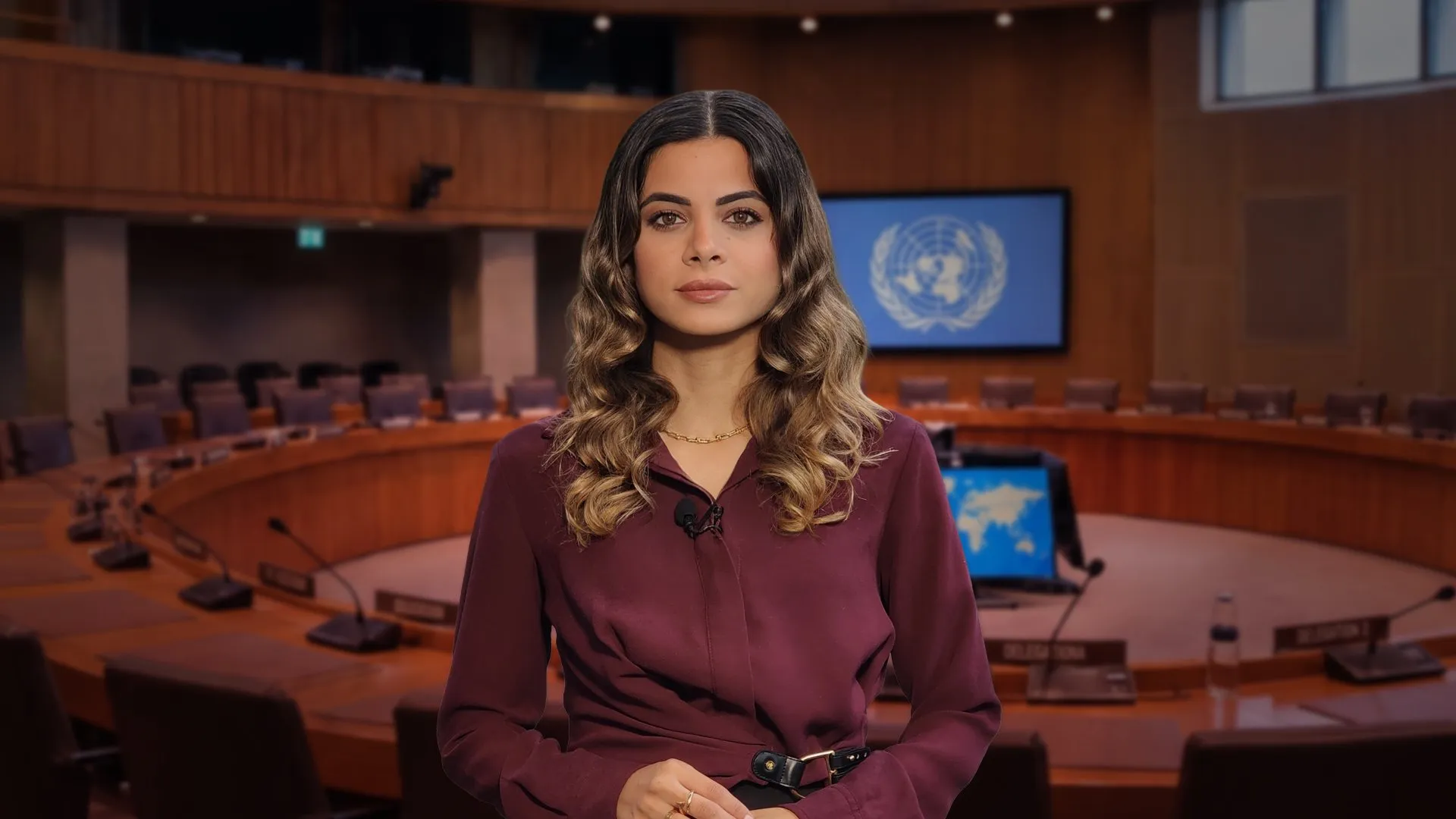
Simultaneously, the global community faces a different kind of structural issue at the United Nations. With 188 nations often sidelined ption of a top-down, exclusionary hierarchy persists. Analysts suggest that this structural imbalance is a primary driver of current international friction, as middle powers and smaller nations seek alternative alliances in the face of a perceived lack of democratic representation within the world's most prominent diplomatic forum.
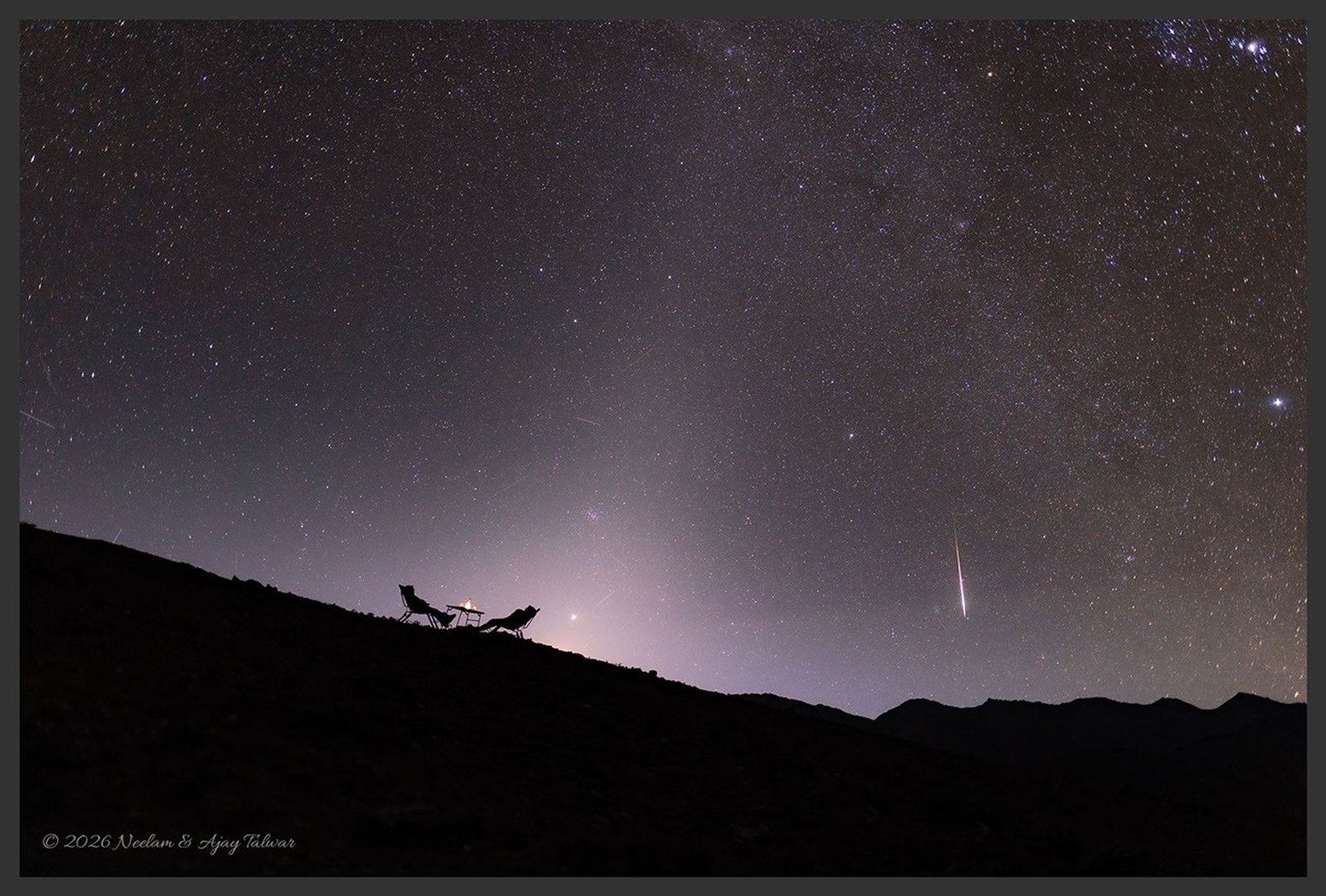
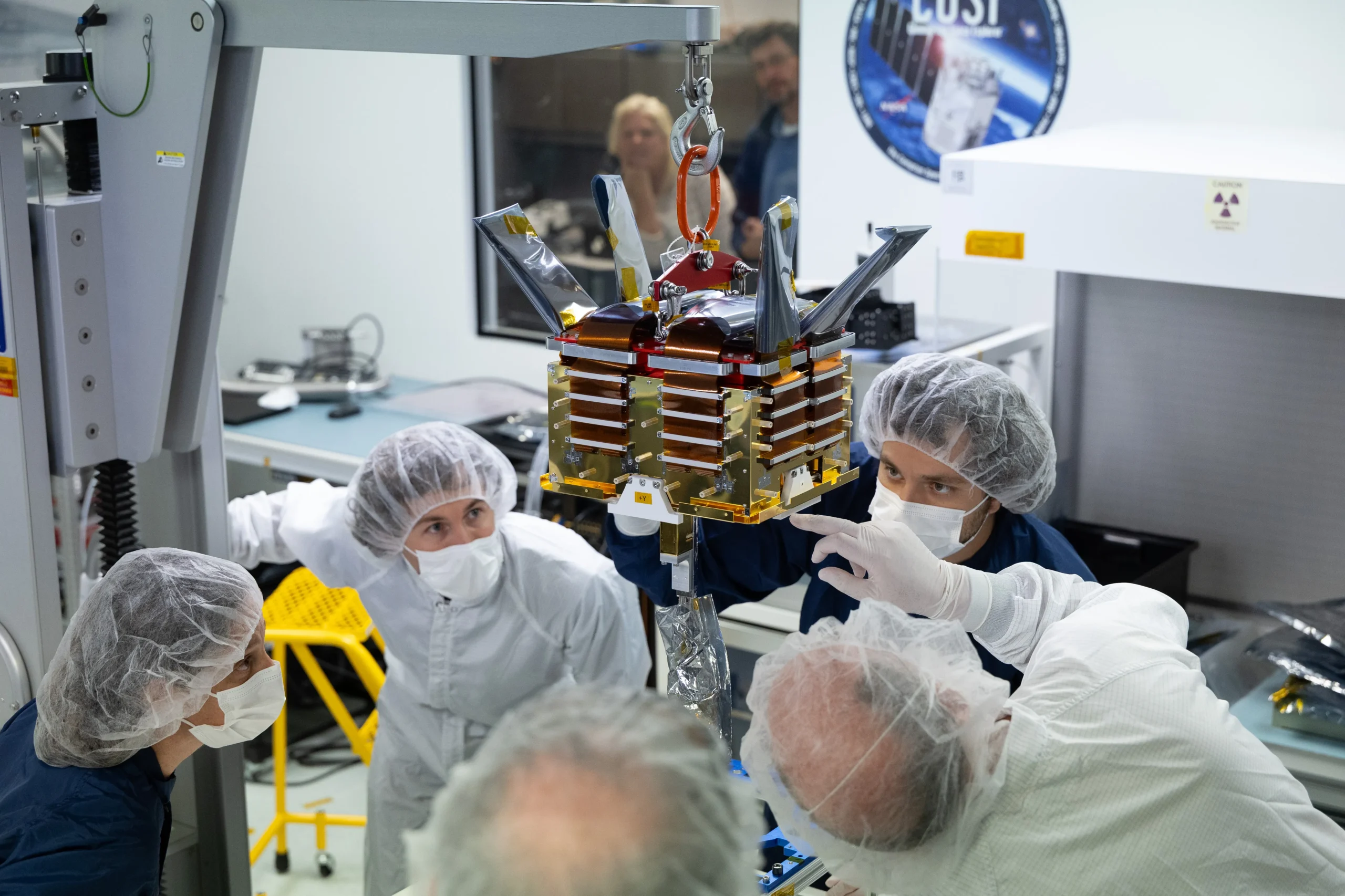
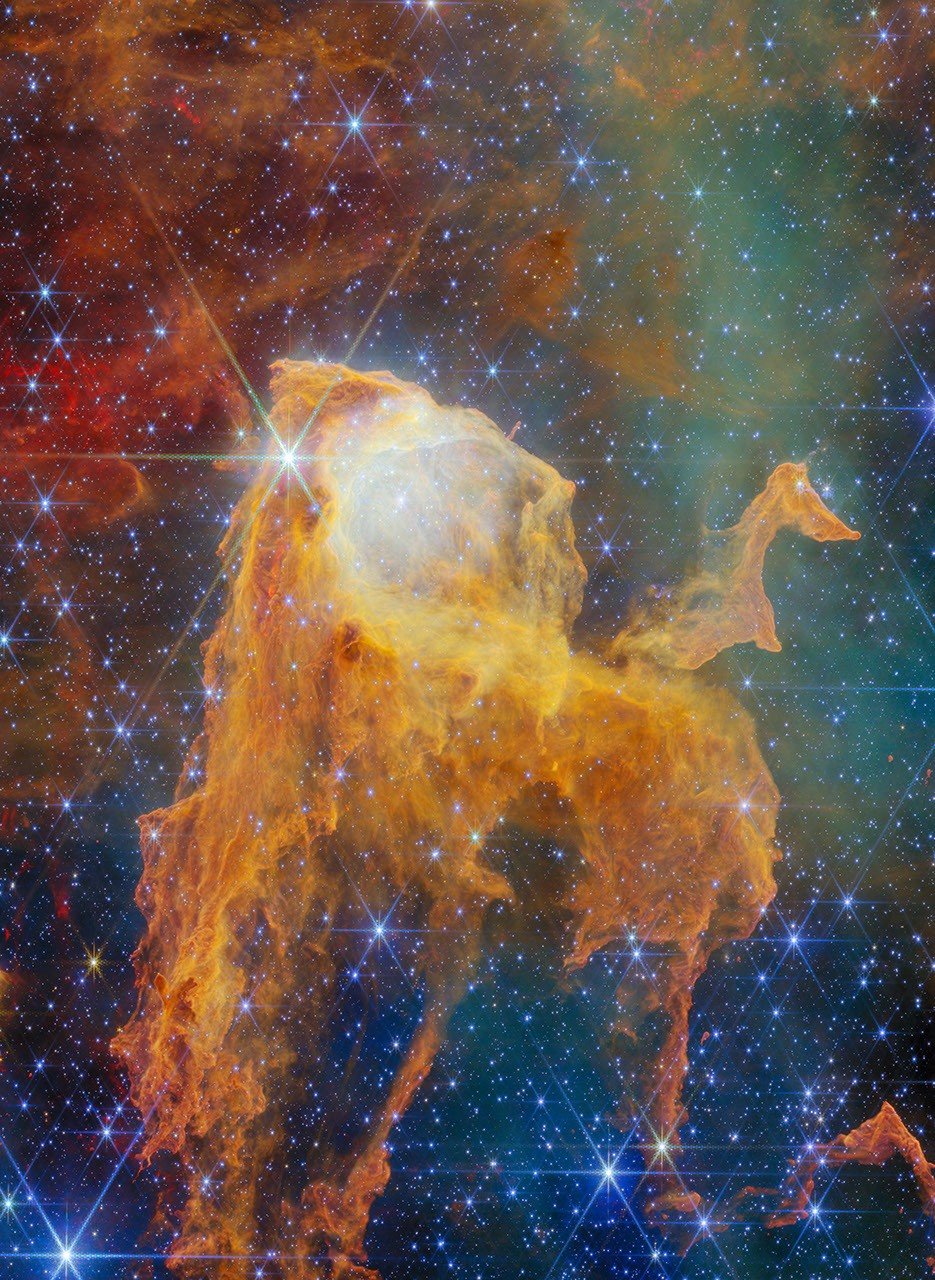
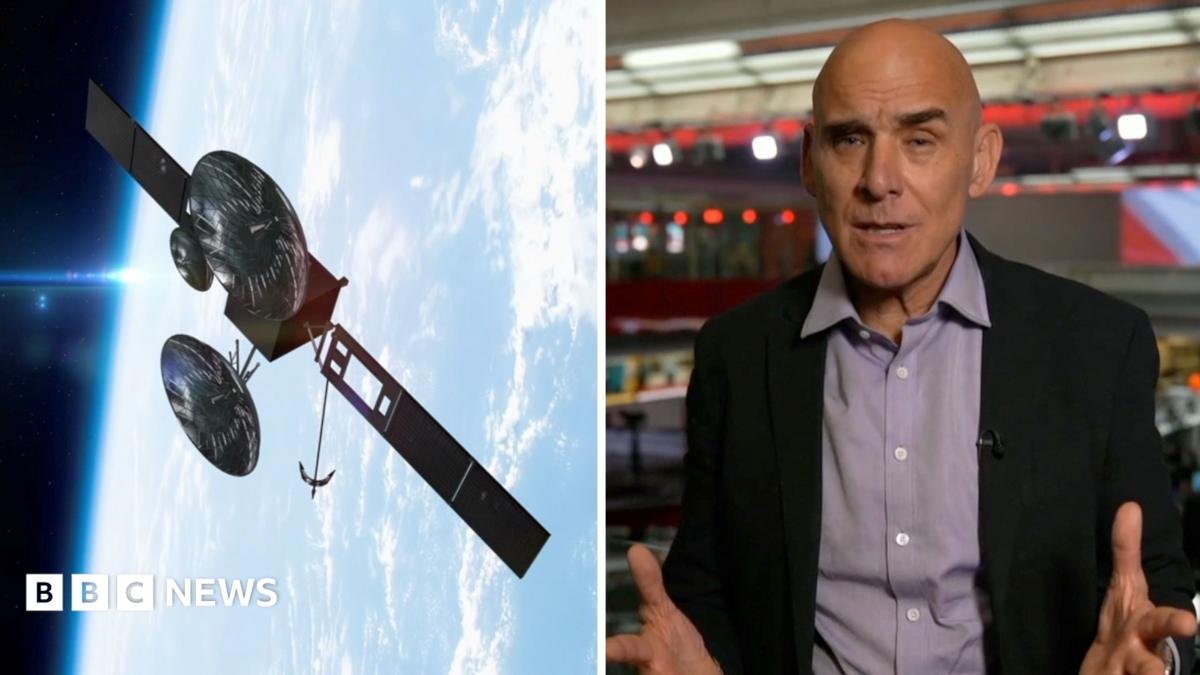
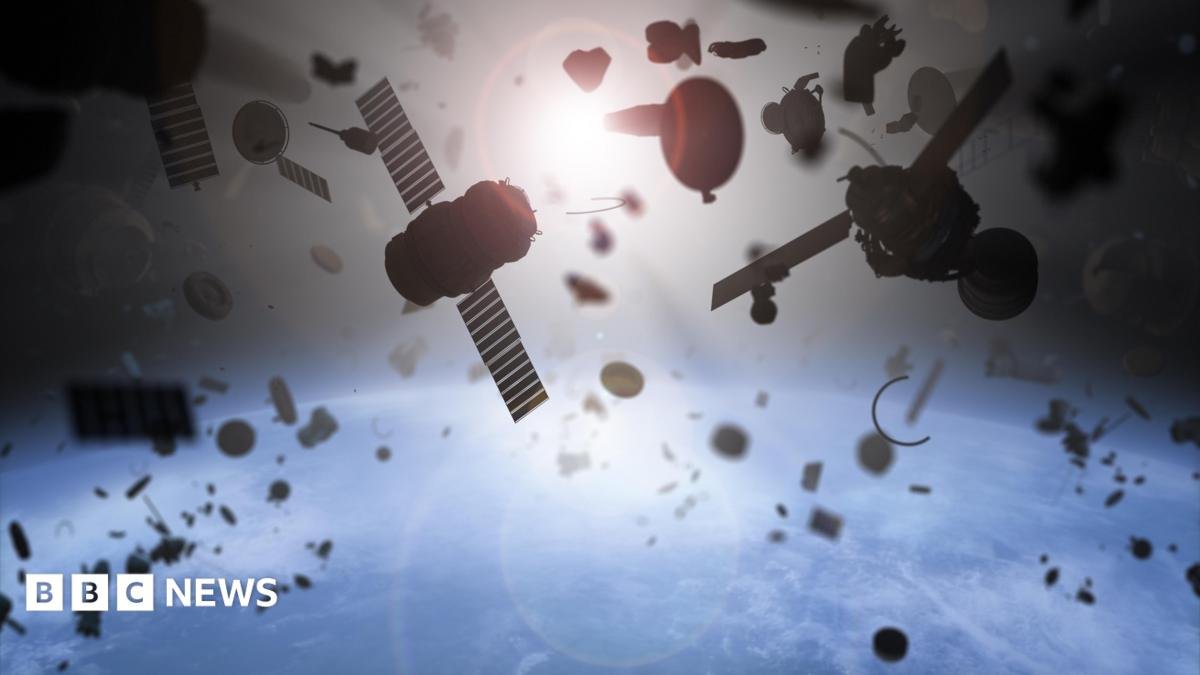
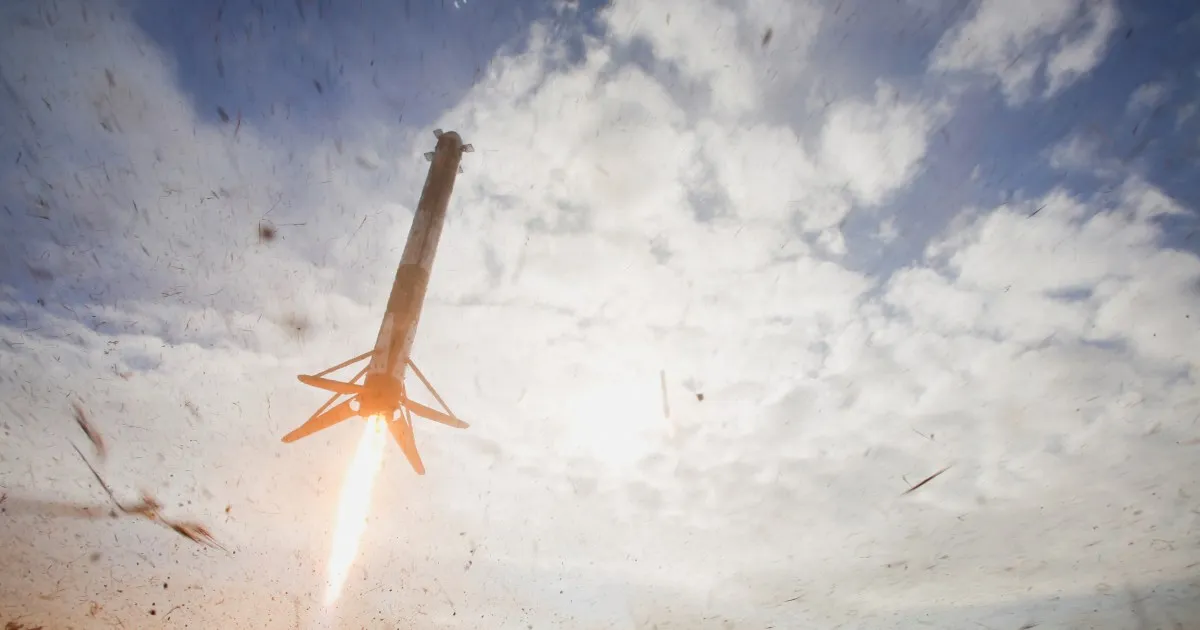
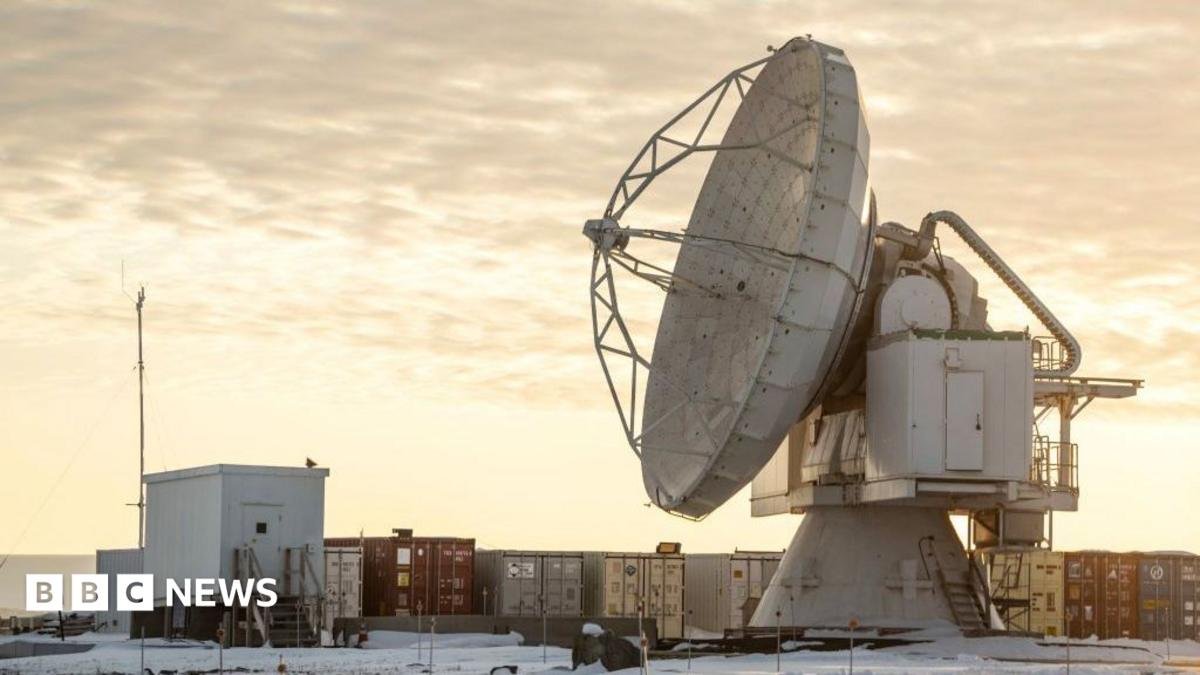
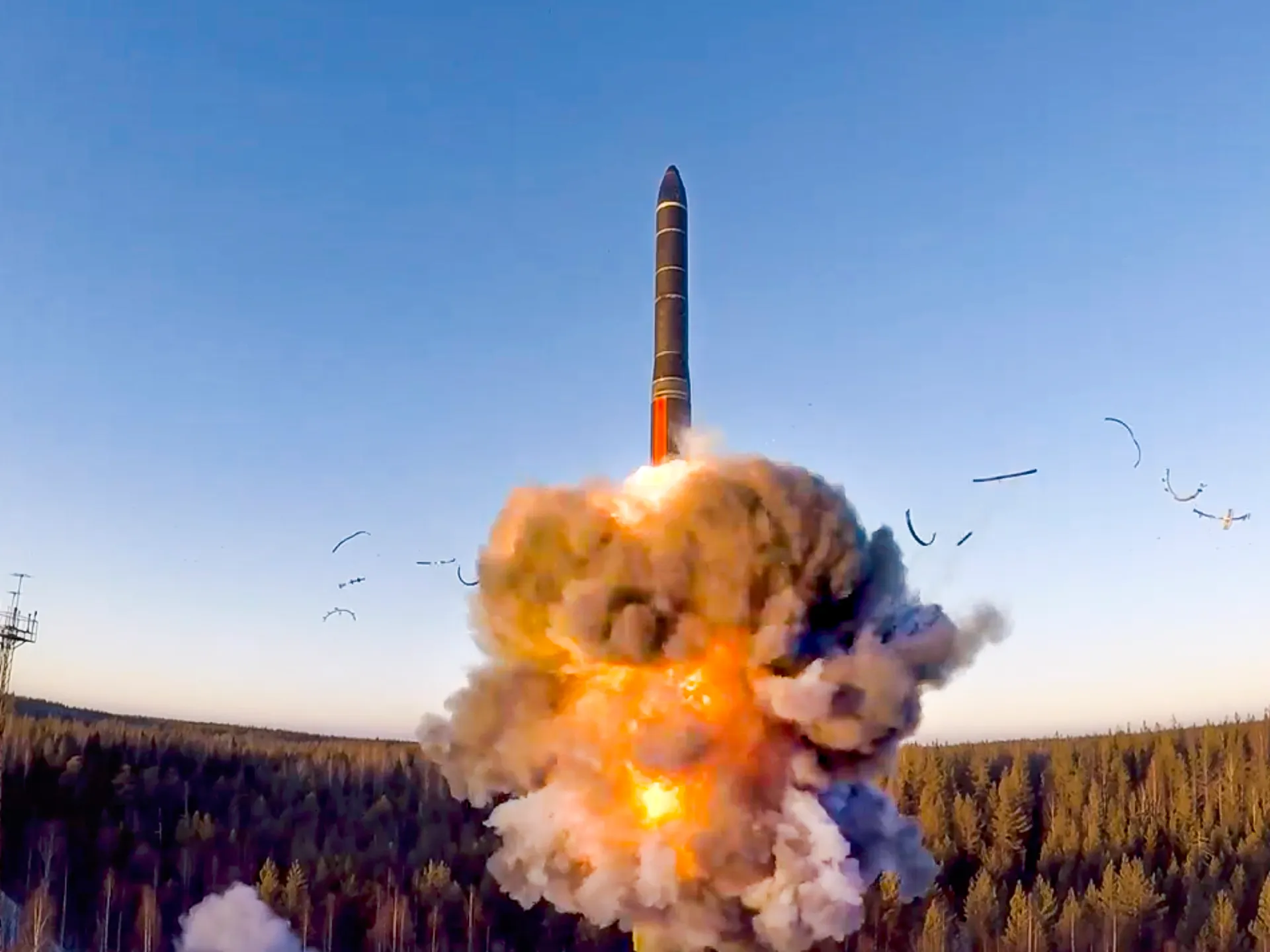
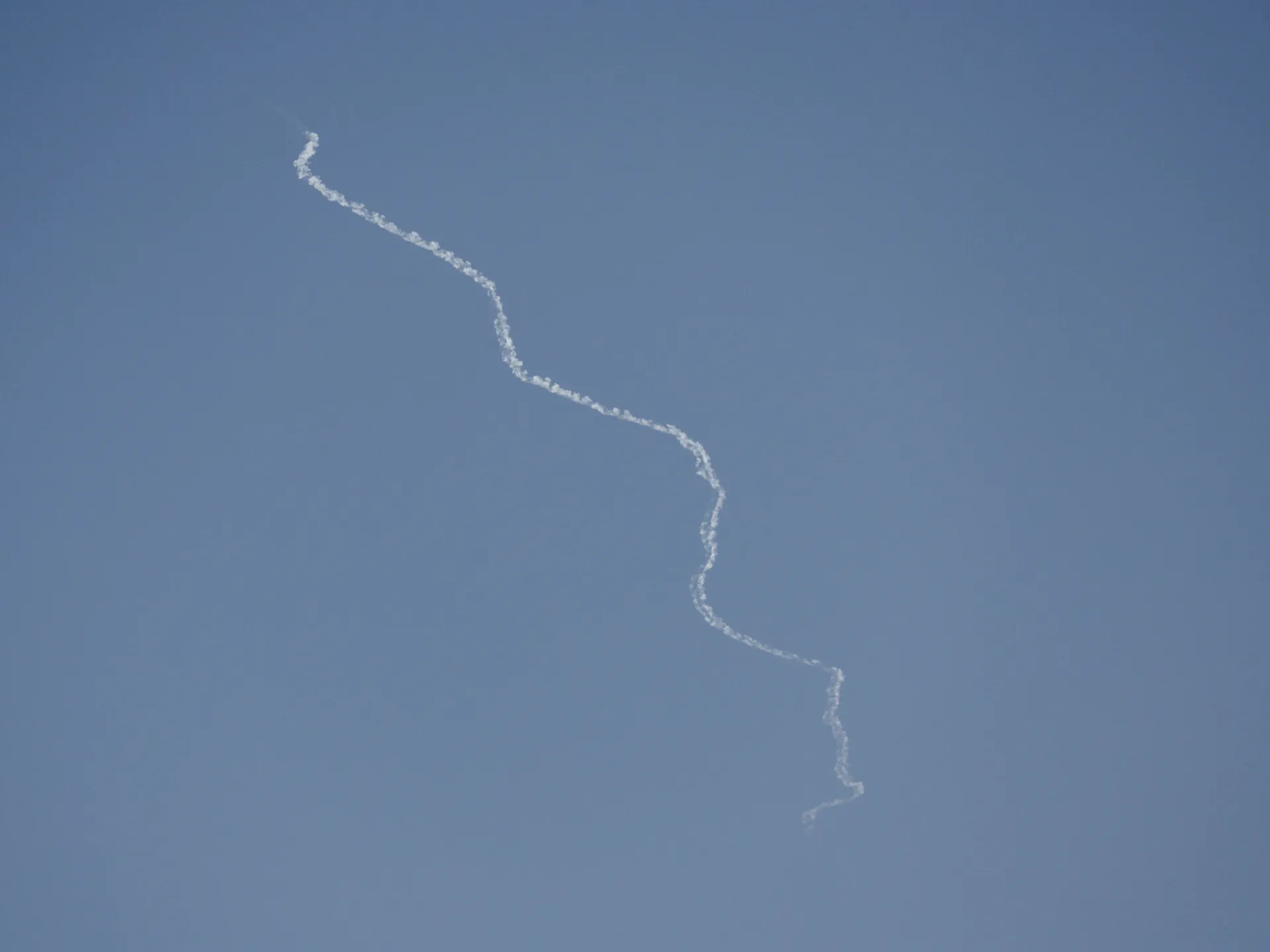
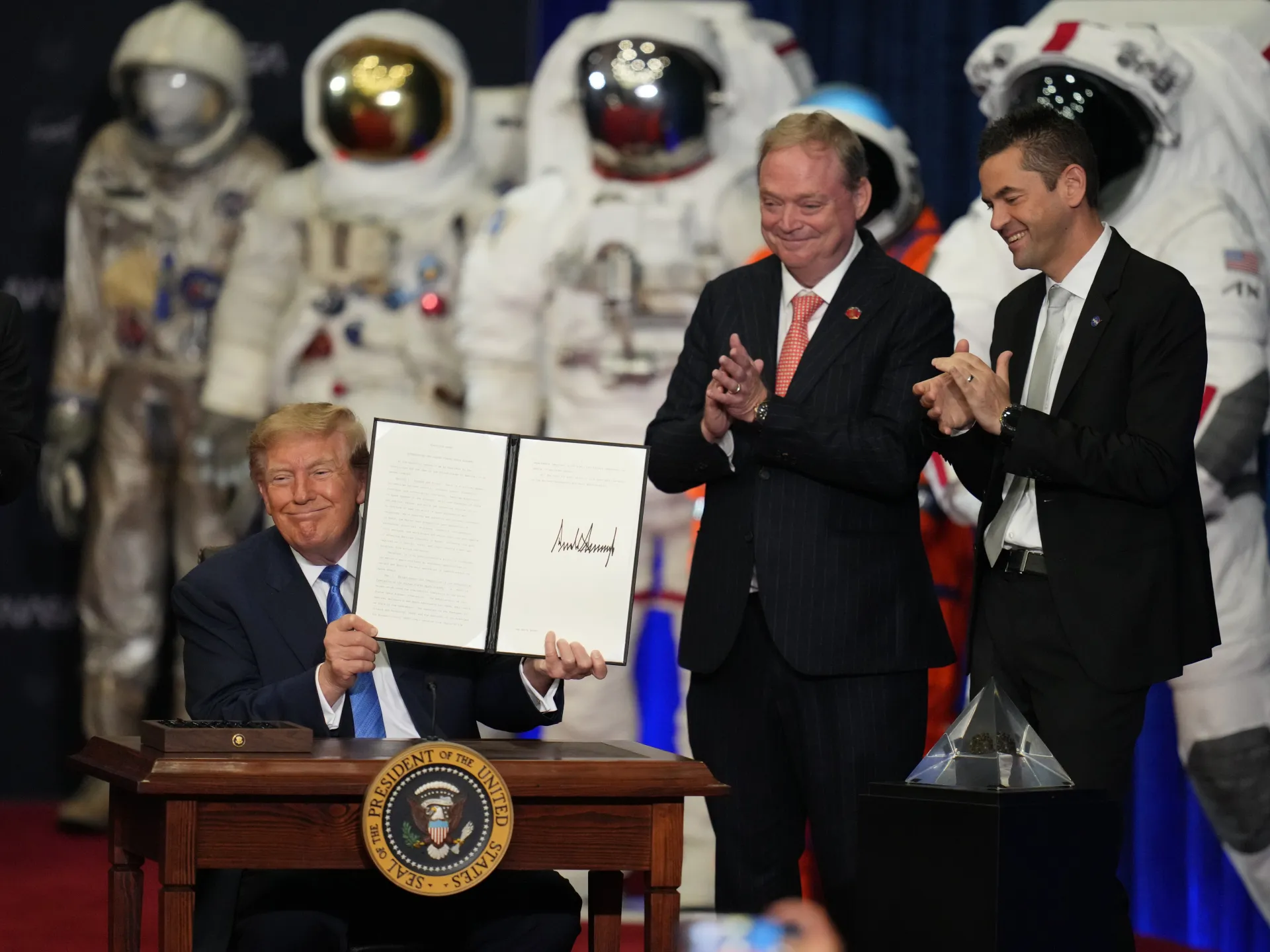
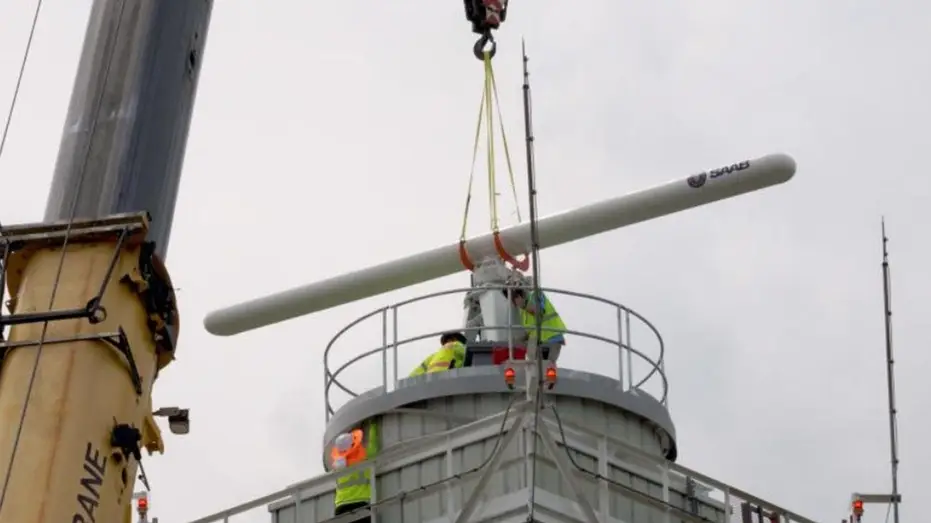
While political scandals occupy the headlines, scientific and logistical operations remain on a strict timeline. NASA and SpaceX are currently finalizing preparations for a critical mission to the International Space Station. Scheduled for no earlier than October, the mission will deliver the final set of International Space Station Roll-Out Solar Arrays (IROSA). These arrays are vital for the station’s long-term power augmentation and are necessary to facilitate a safe, controlled deorbit when the station’s service life eventually concludes.
Beyond the hardware, the mission is set to advance complex research in microgravity, including the manufacturing of artificial retinas and 3D heart cell models. This convergence of high-stakes technology and human oversight underscores the necessity for stability. As the legal landscape for officials and the geopolitical landscape for nations remain in flux, the reliance on transparent, reliable systems—from space logistics to judicial integrity—has never been more critical to ensuring that progress is not derailed
The immediate path forward for the Colombian judicial system involves a rigorous examination of the evidence against Sarabia. If the prosecution successfully proves that state resources were misappropriated, it could lead to significant legal consequences for the former minister and might force a broader re-evaluation of how public officials in Colombia are held accountable for the use of state assets. In the international sphere, the demand for reform of the UN Security Council is unlikely to dissipate. As long as the current veto structure remains, middle powers will likely continue to hedge their bets, forming smaller, more agile coalitions that operate outside of the traditional UN framework, potentially further fragmenting global governance. Meanwhile, for the scientific community, the successful installation of the final IROSA arrays will mark a milestone in station operations, securing the power needed for future deorbit procedures and sustaining the next phase of microgravity research.