New investigations confirm a regime-led plot behind the 2012 abduction of Austin Tice, even as modern-day explosions continue to threaten Syrian civilians.
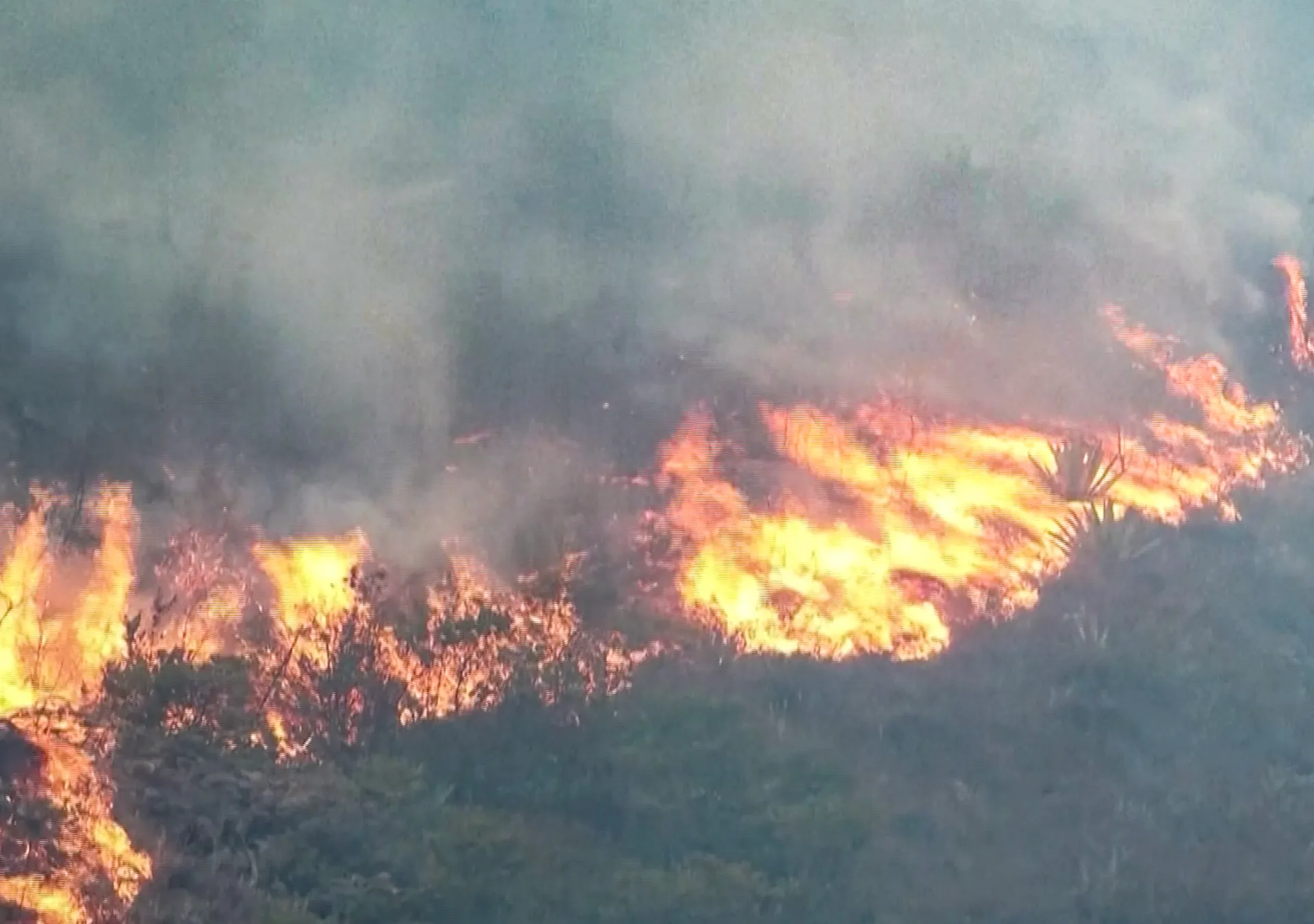
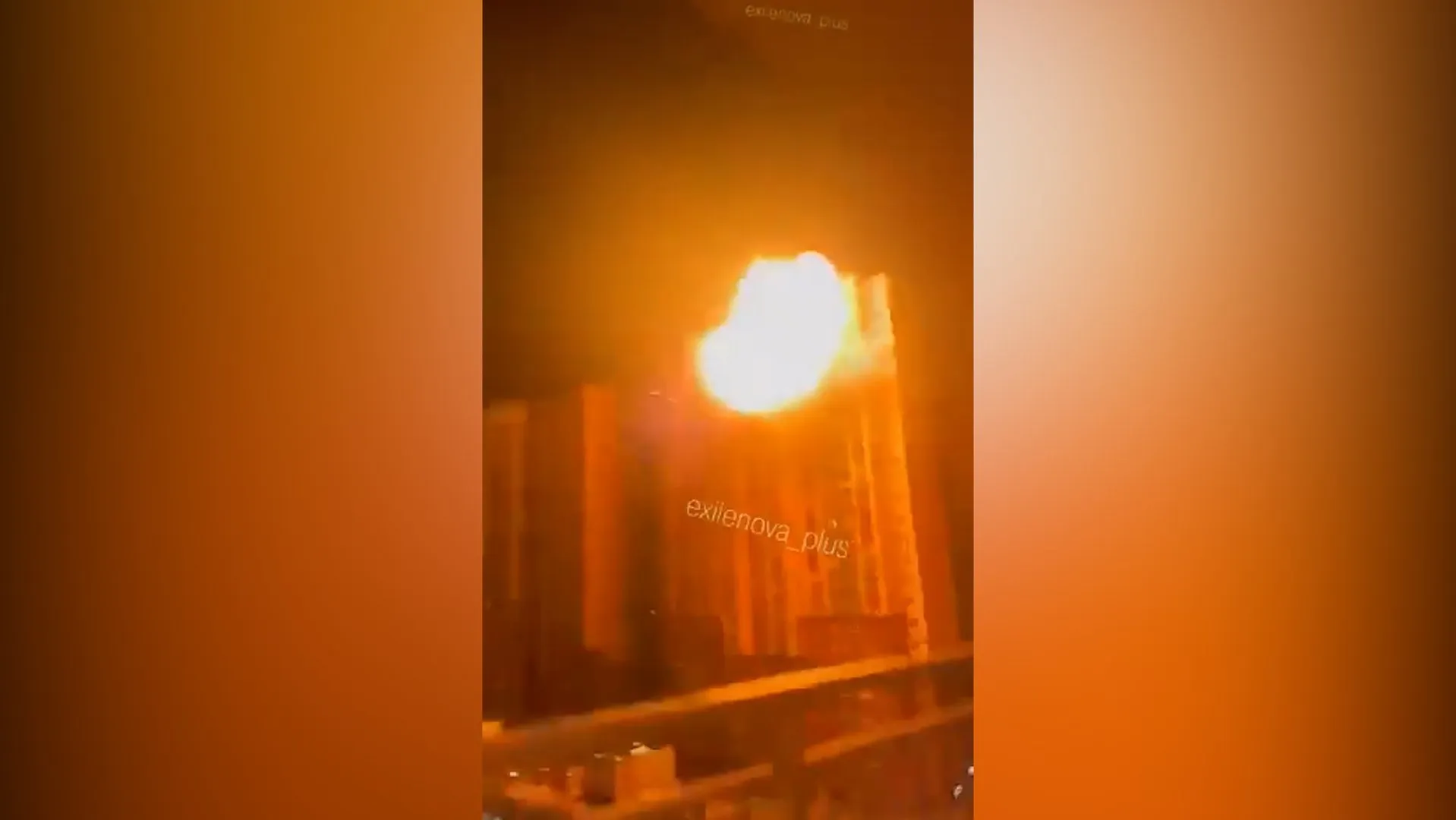
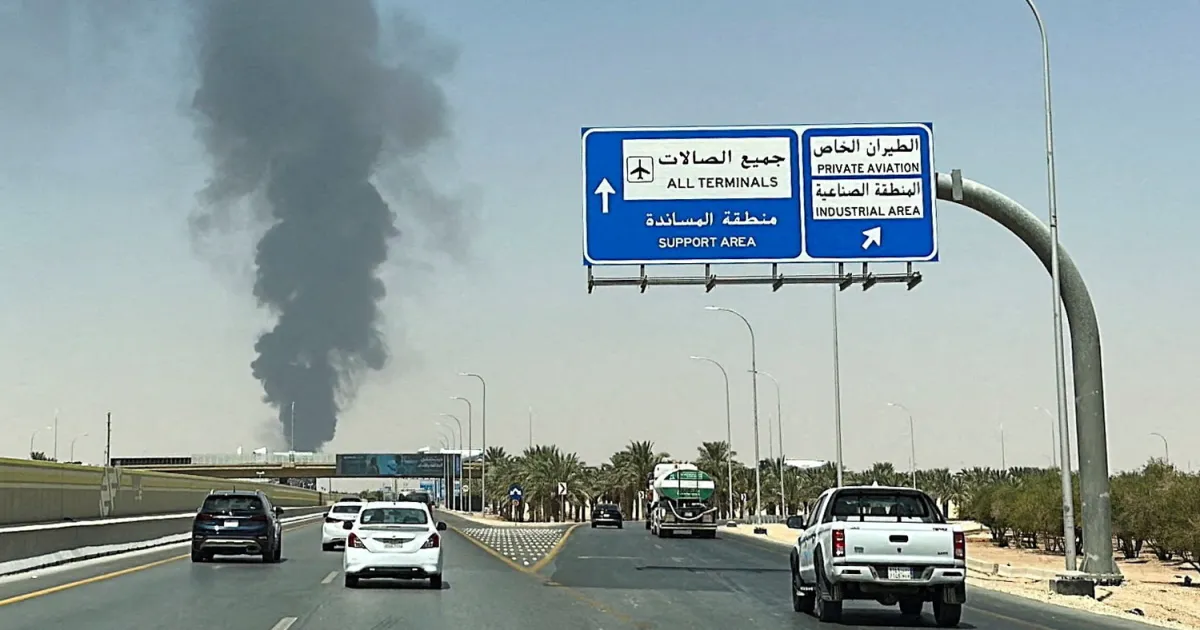
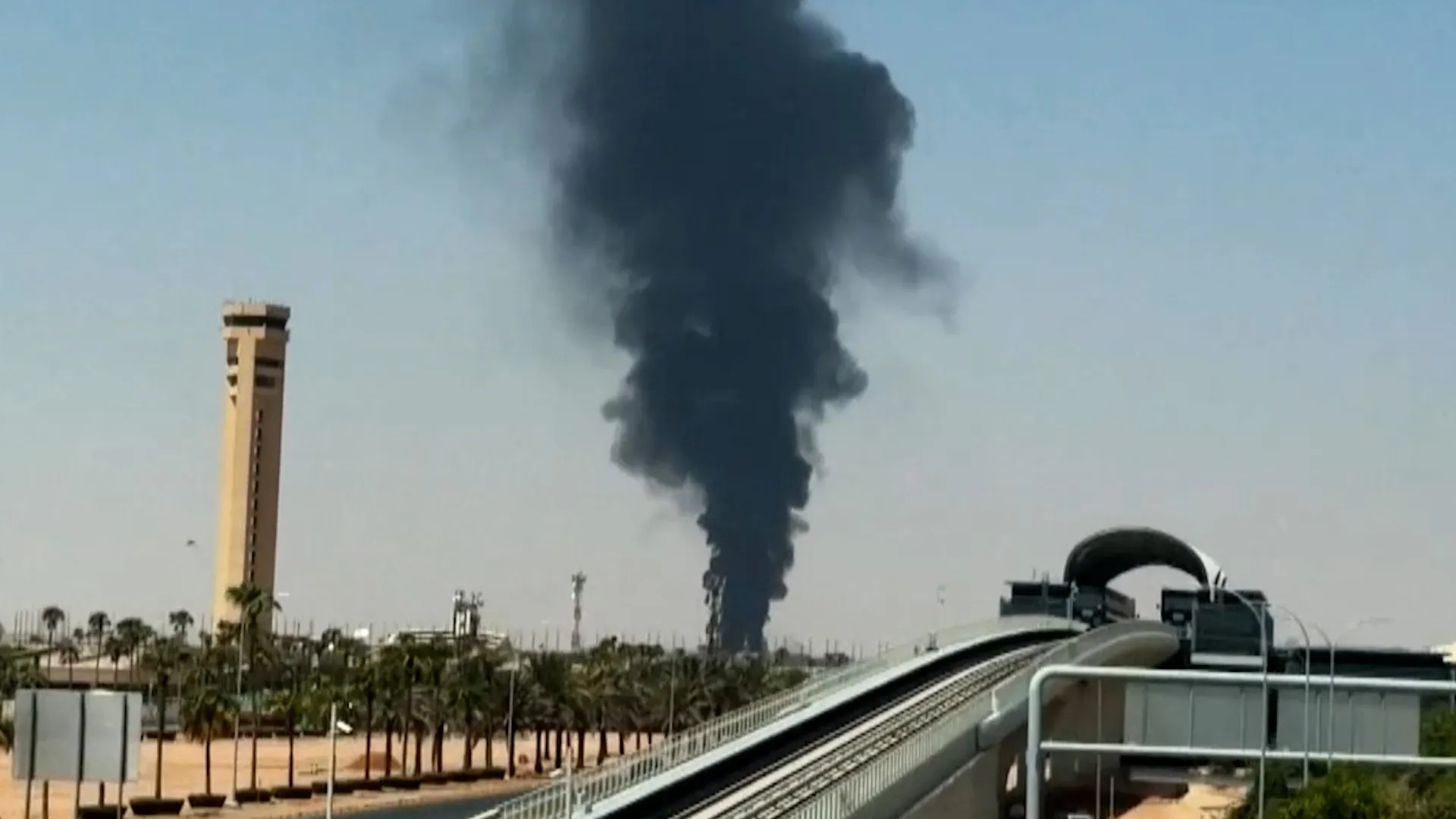
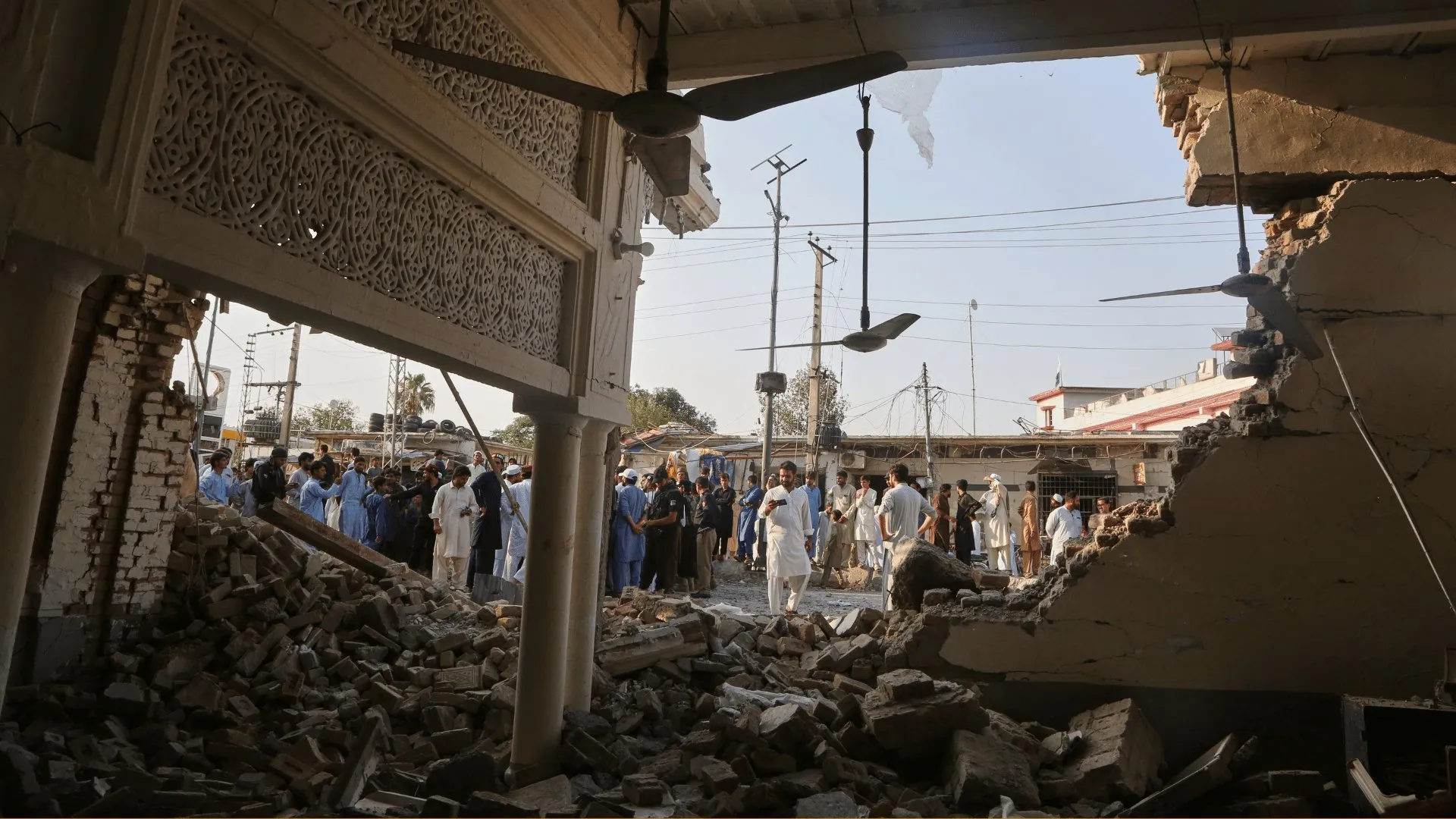
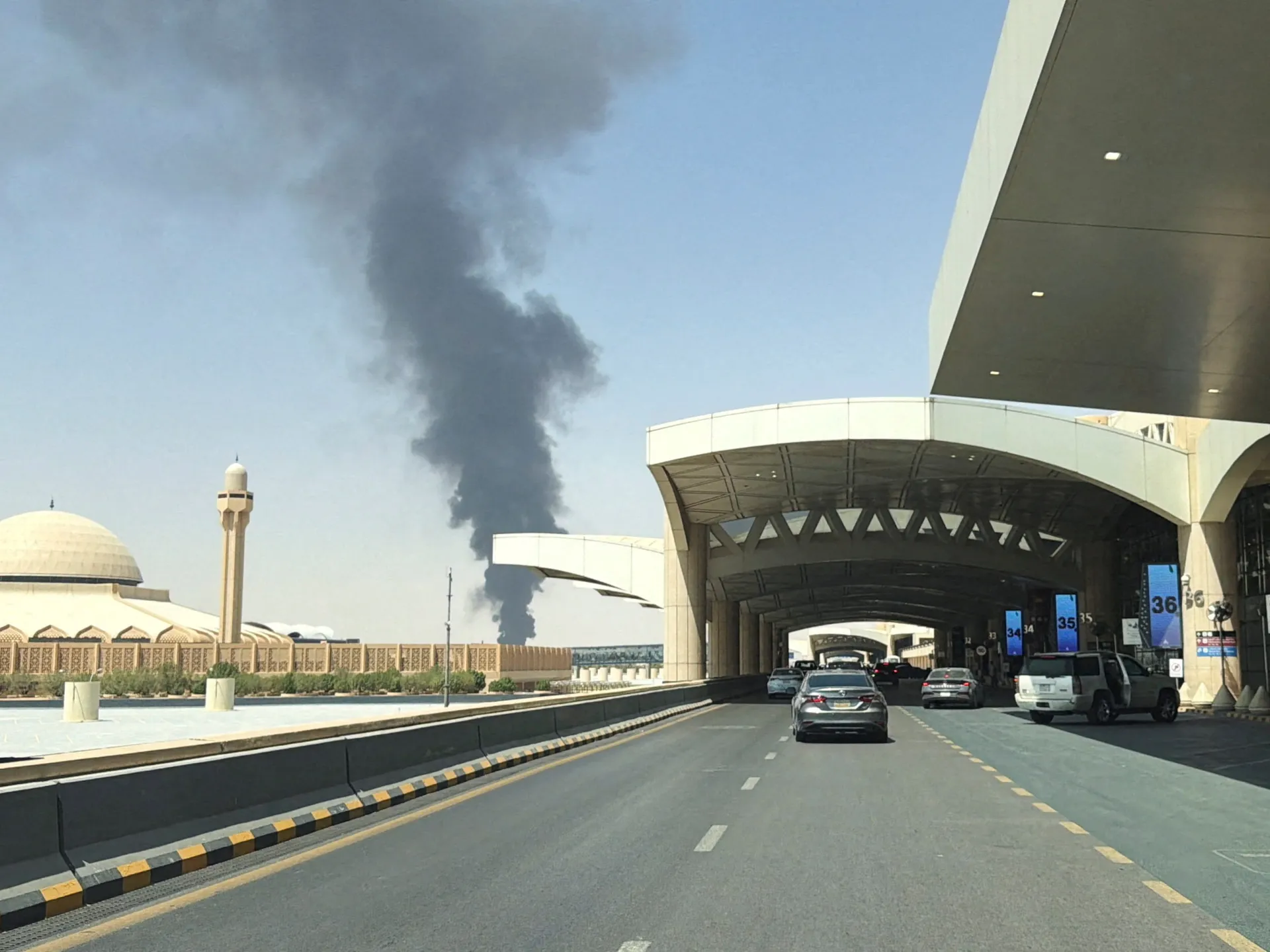
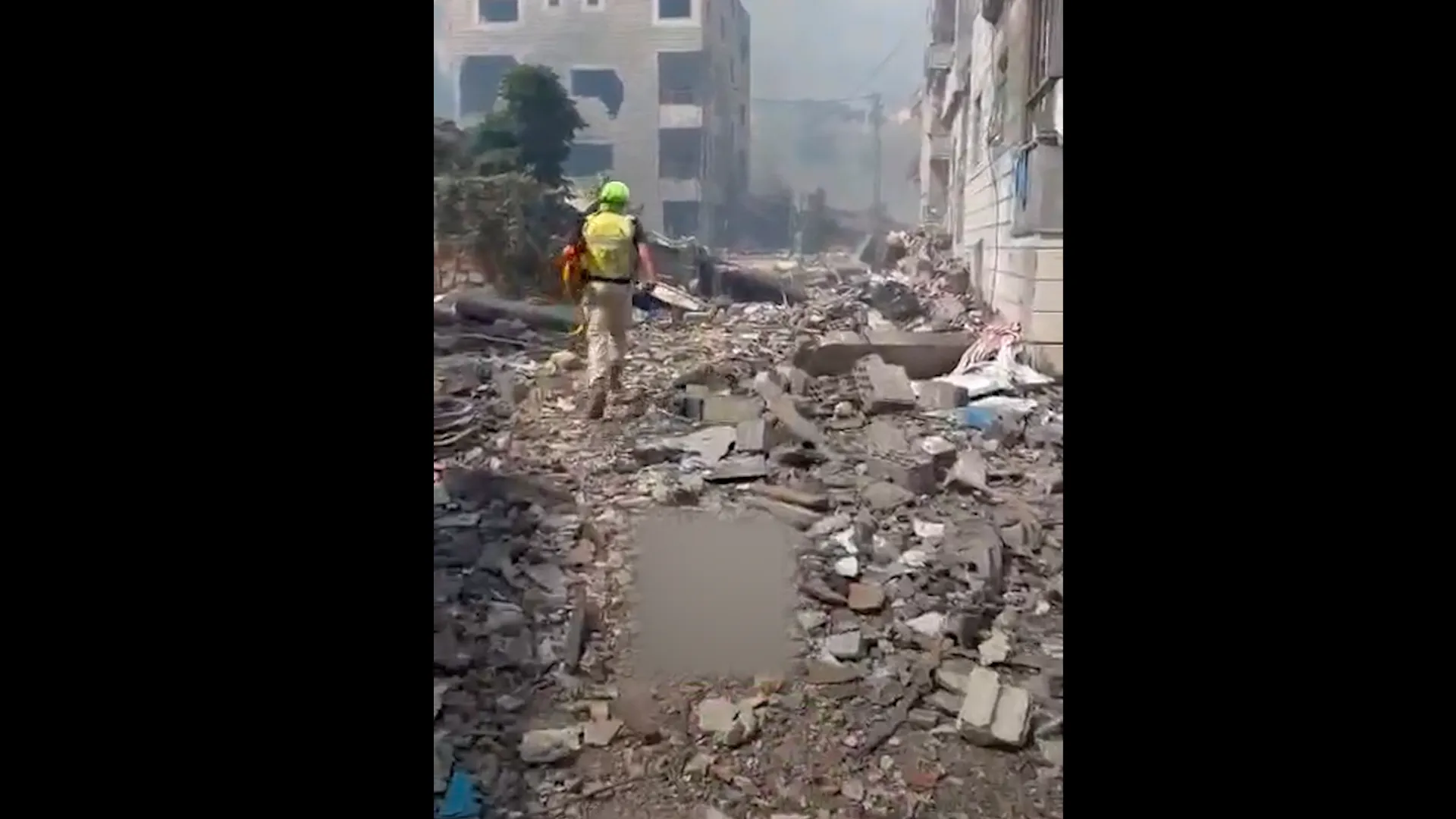
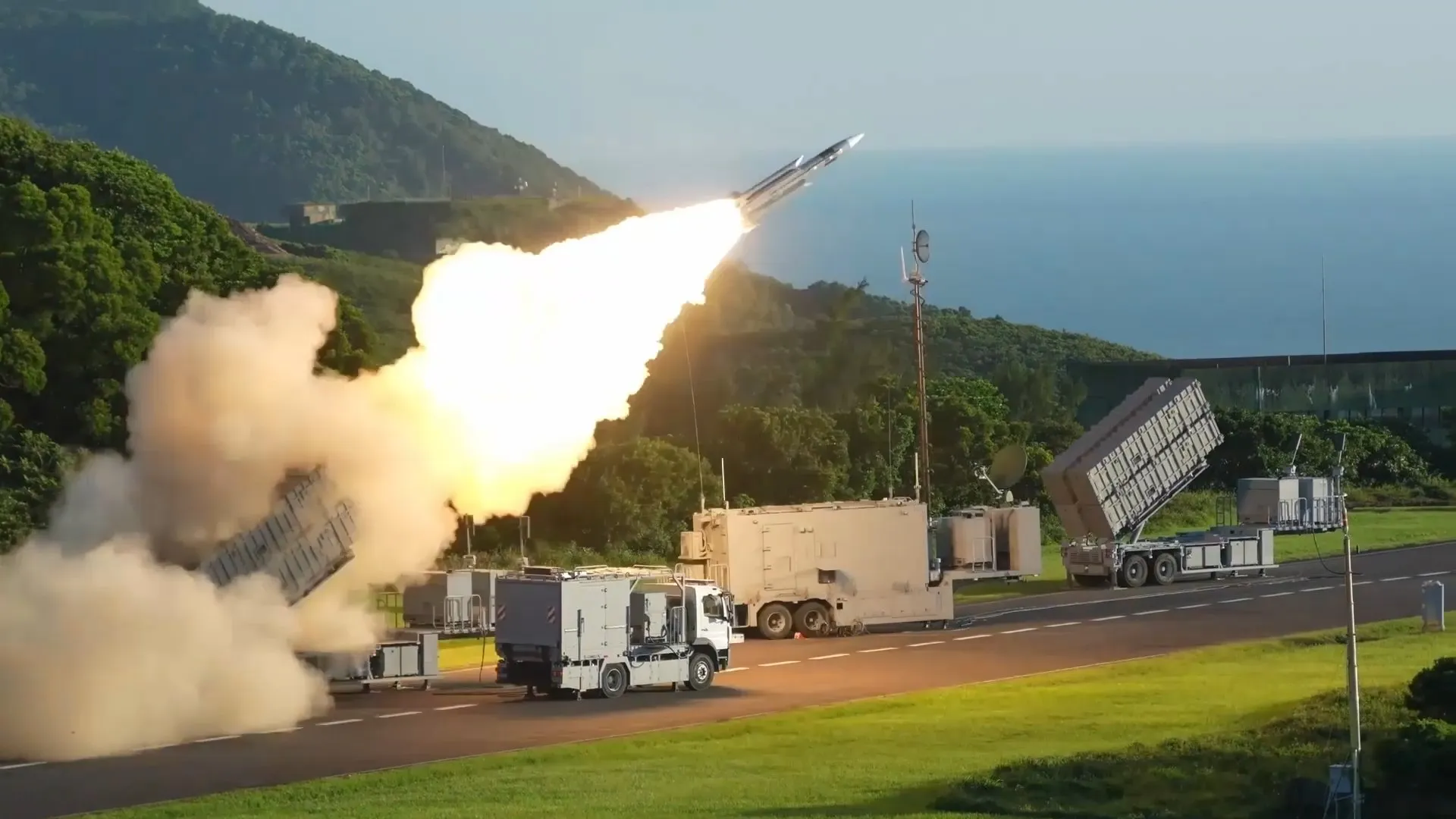
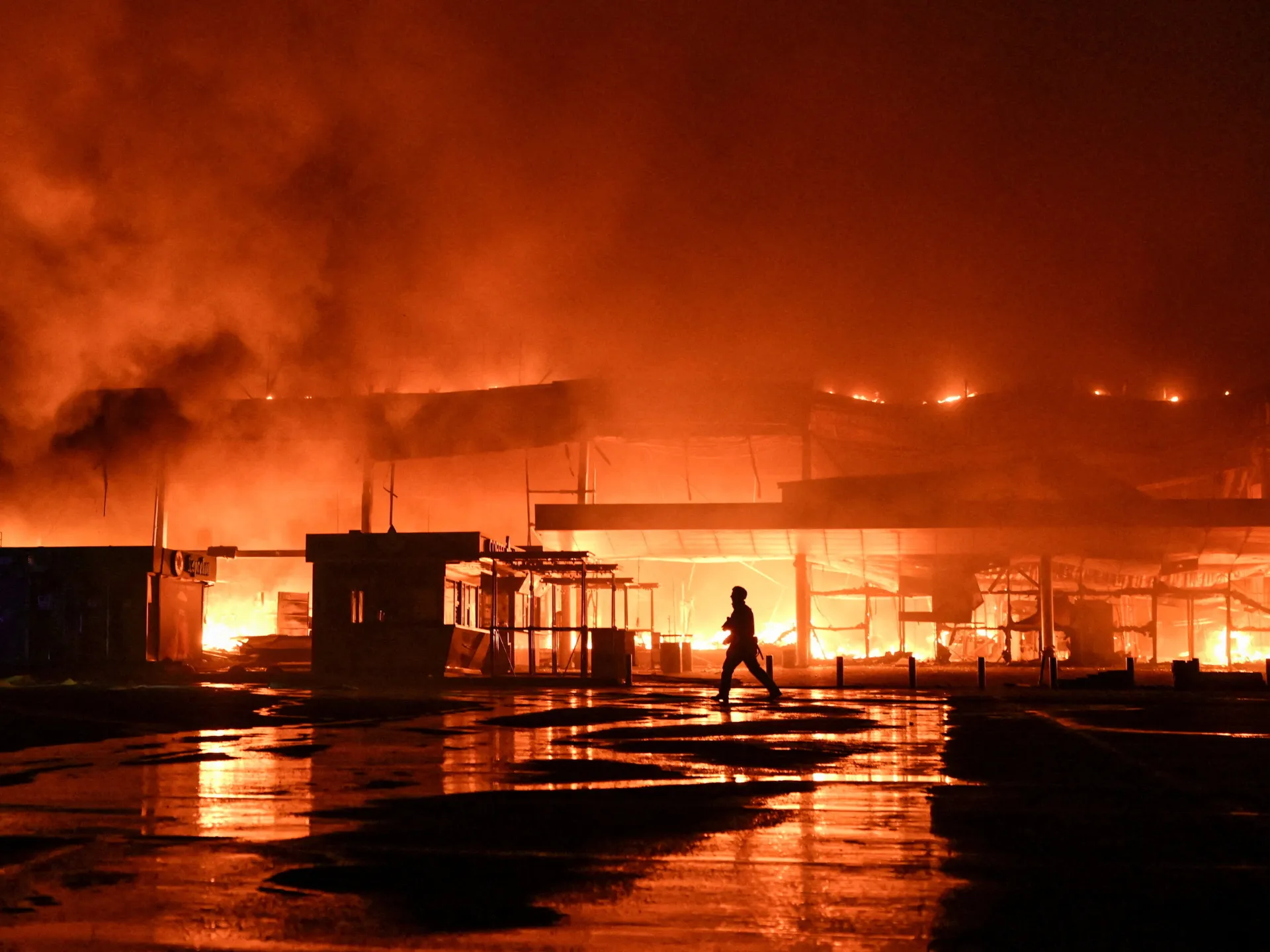
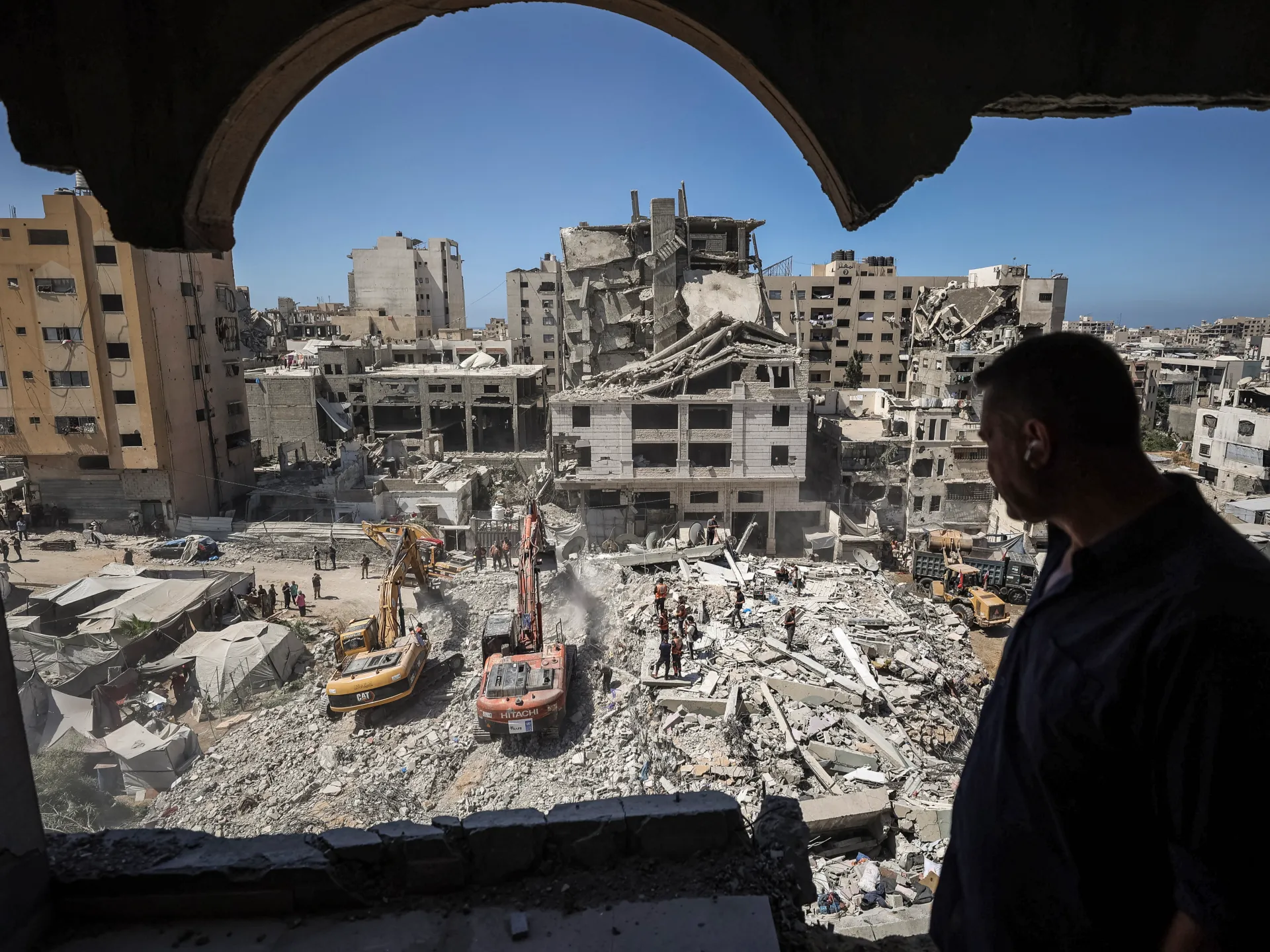
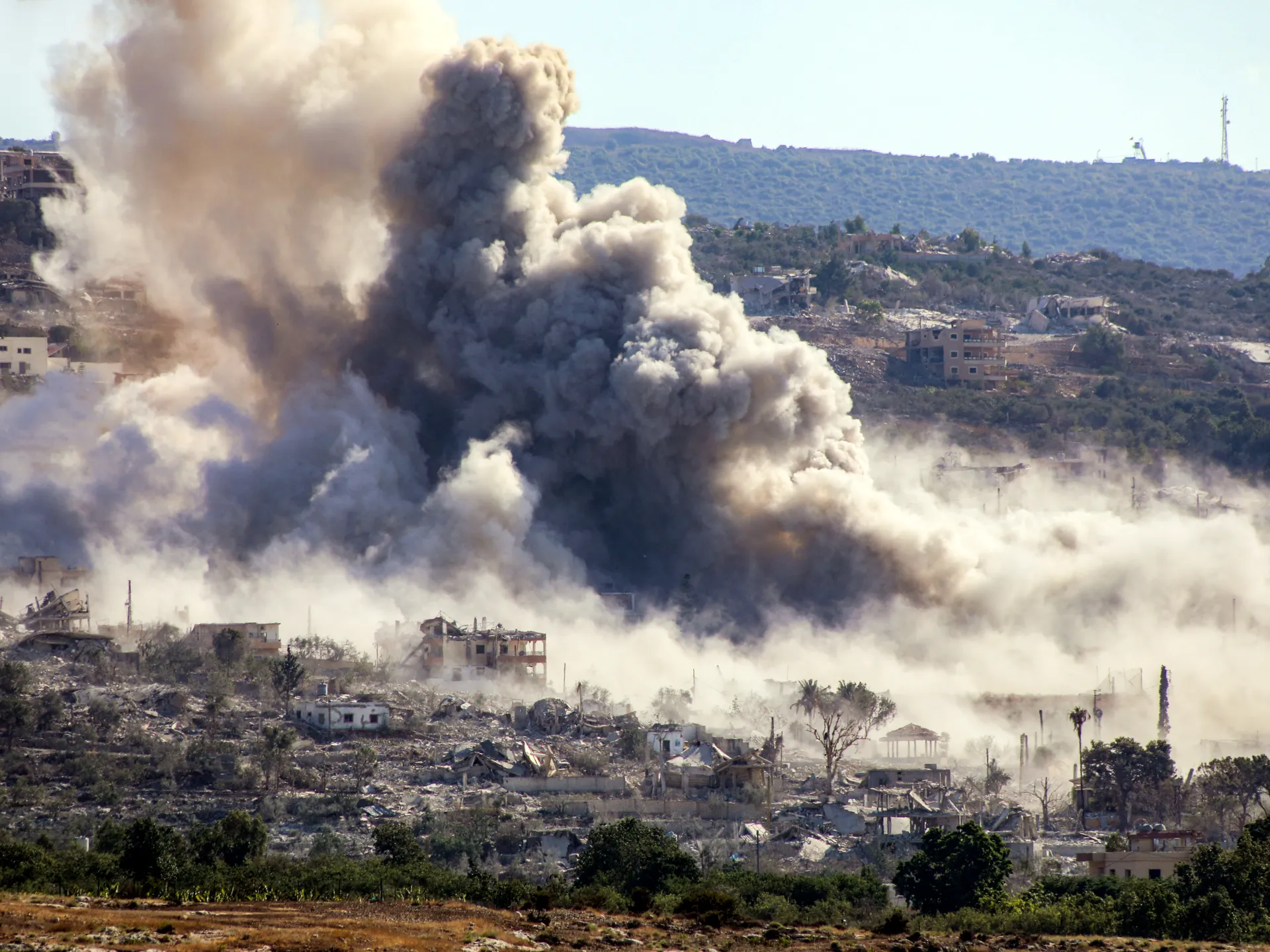
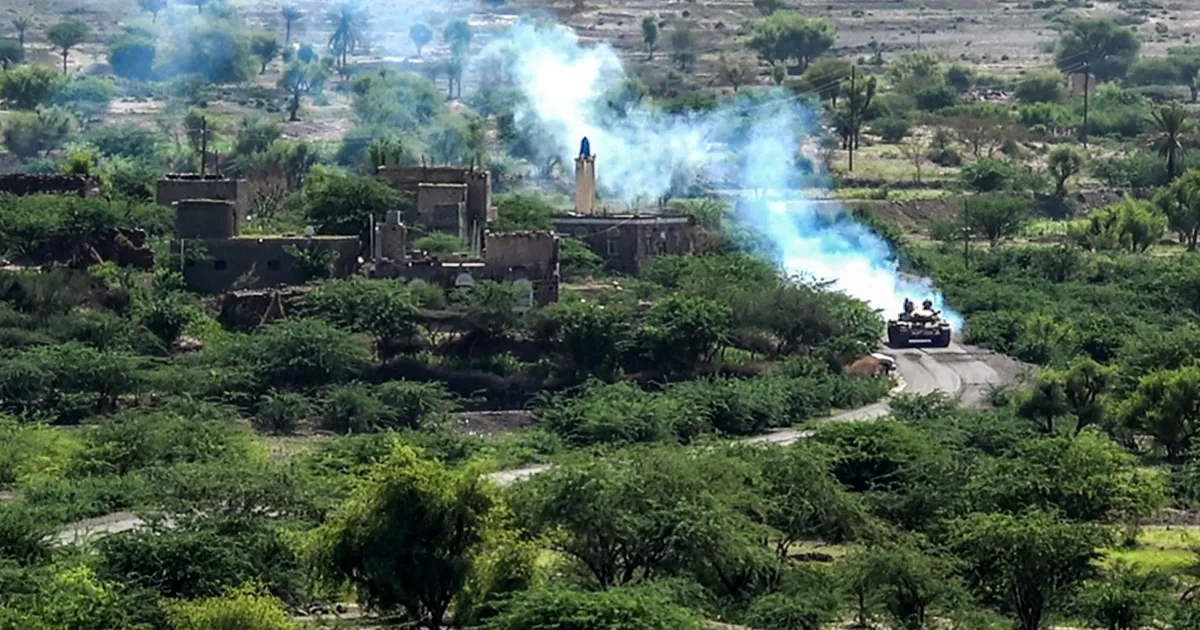
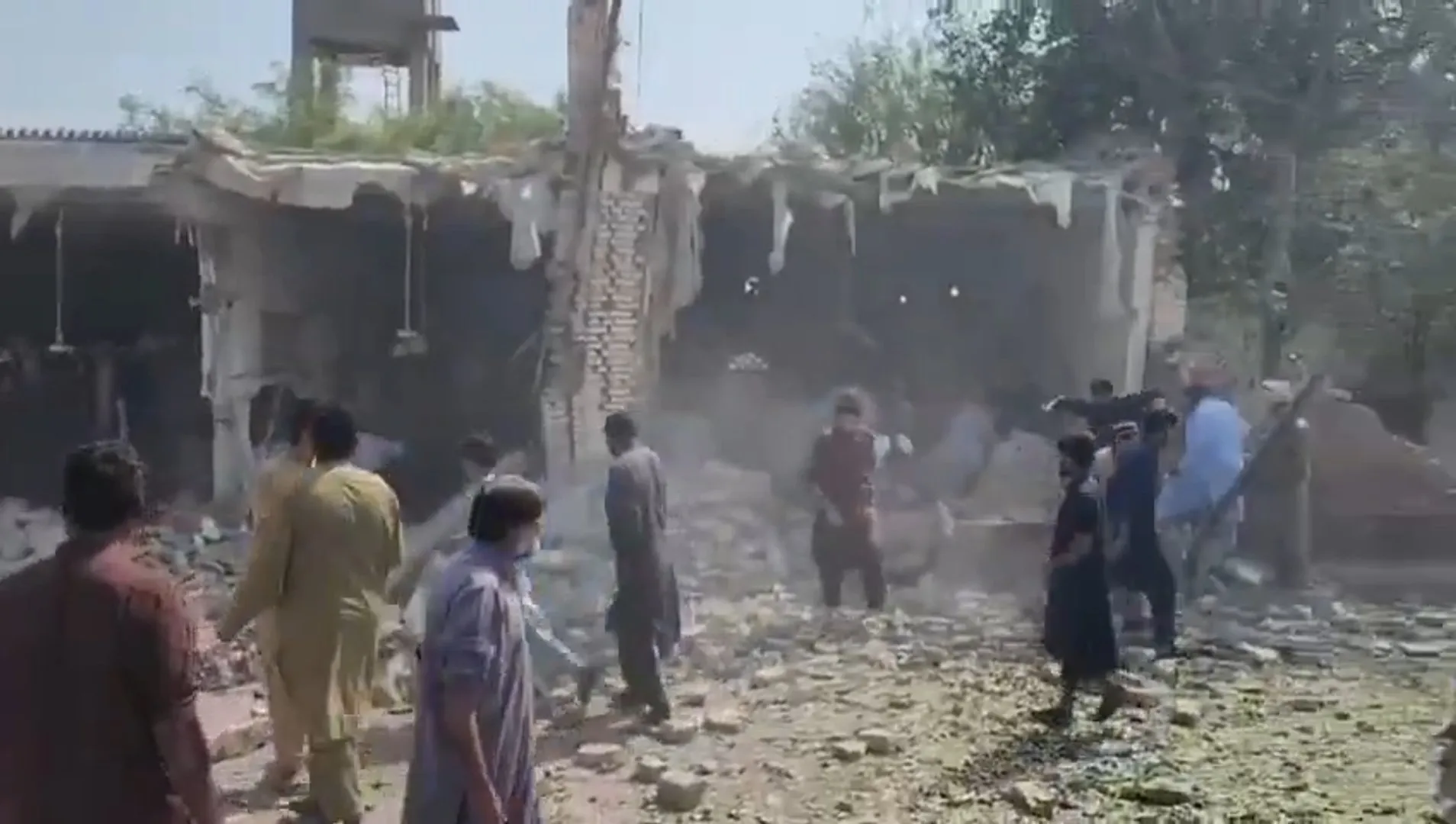
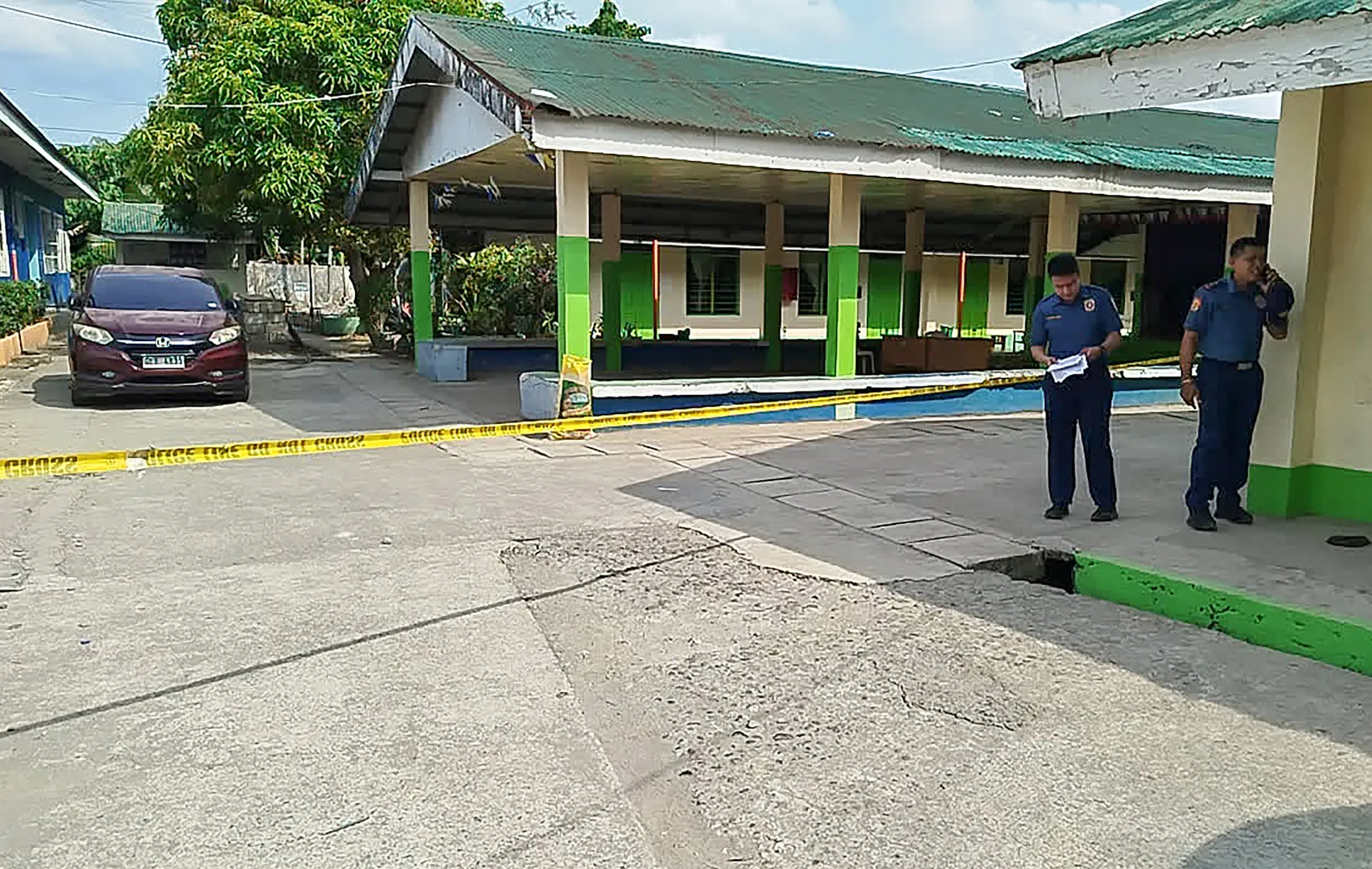
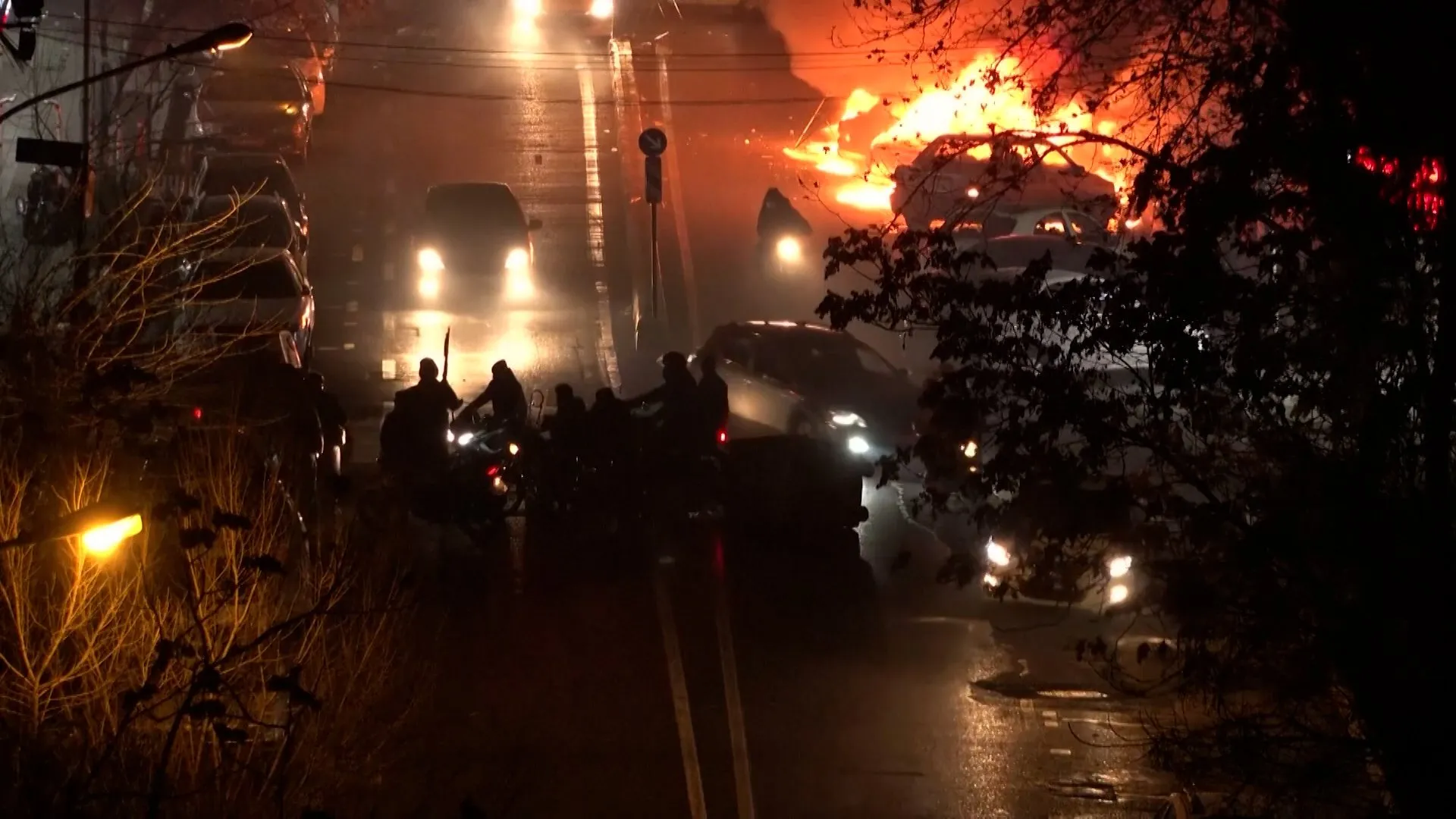
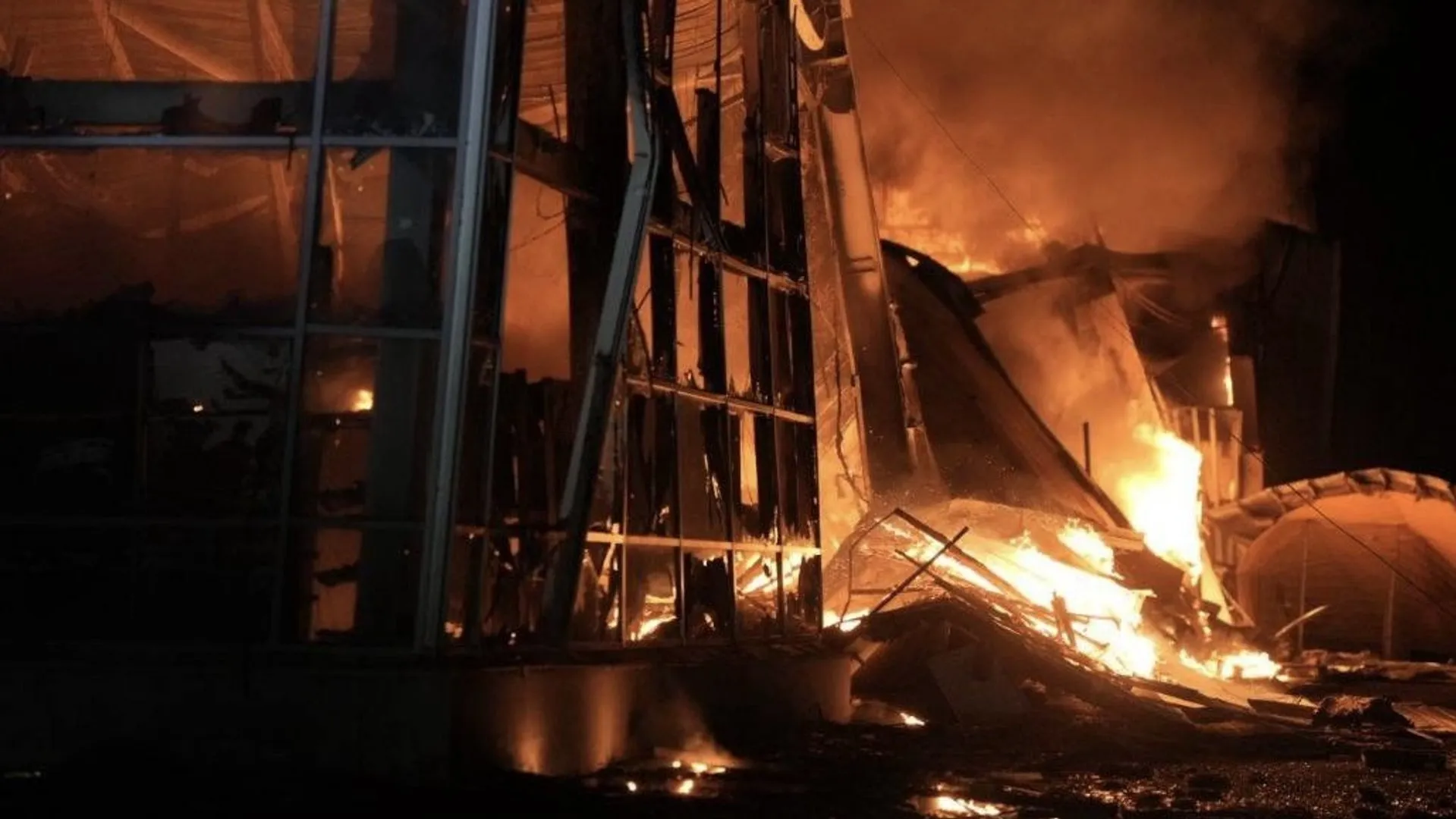
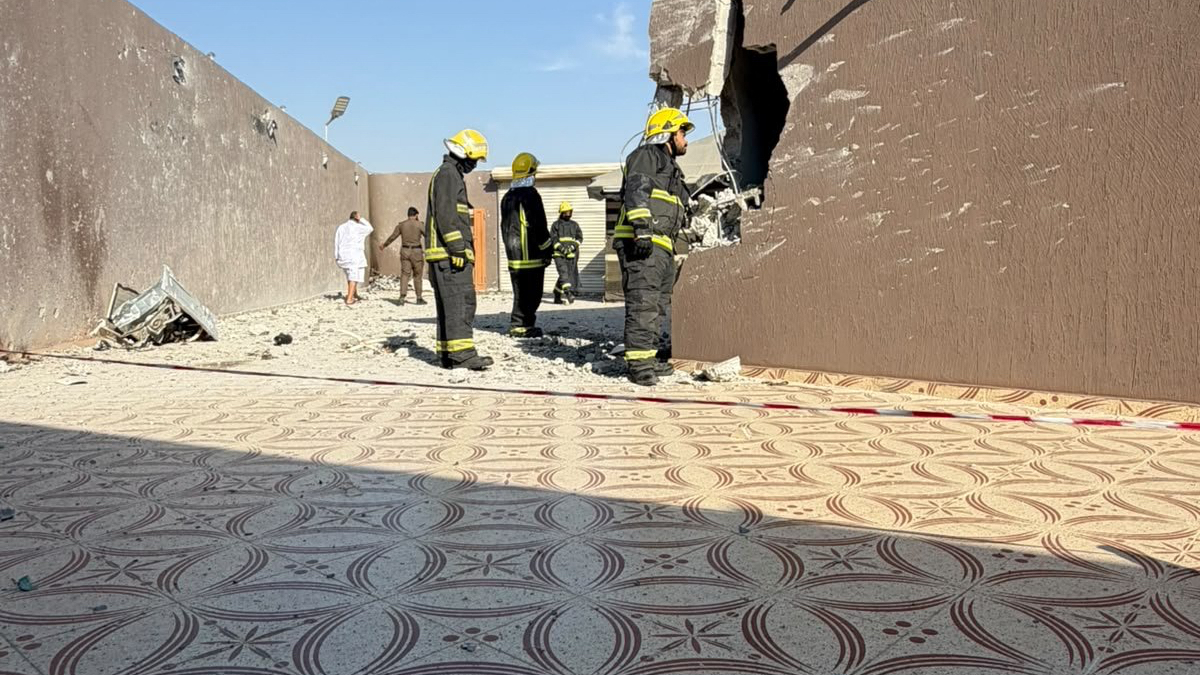
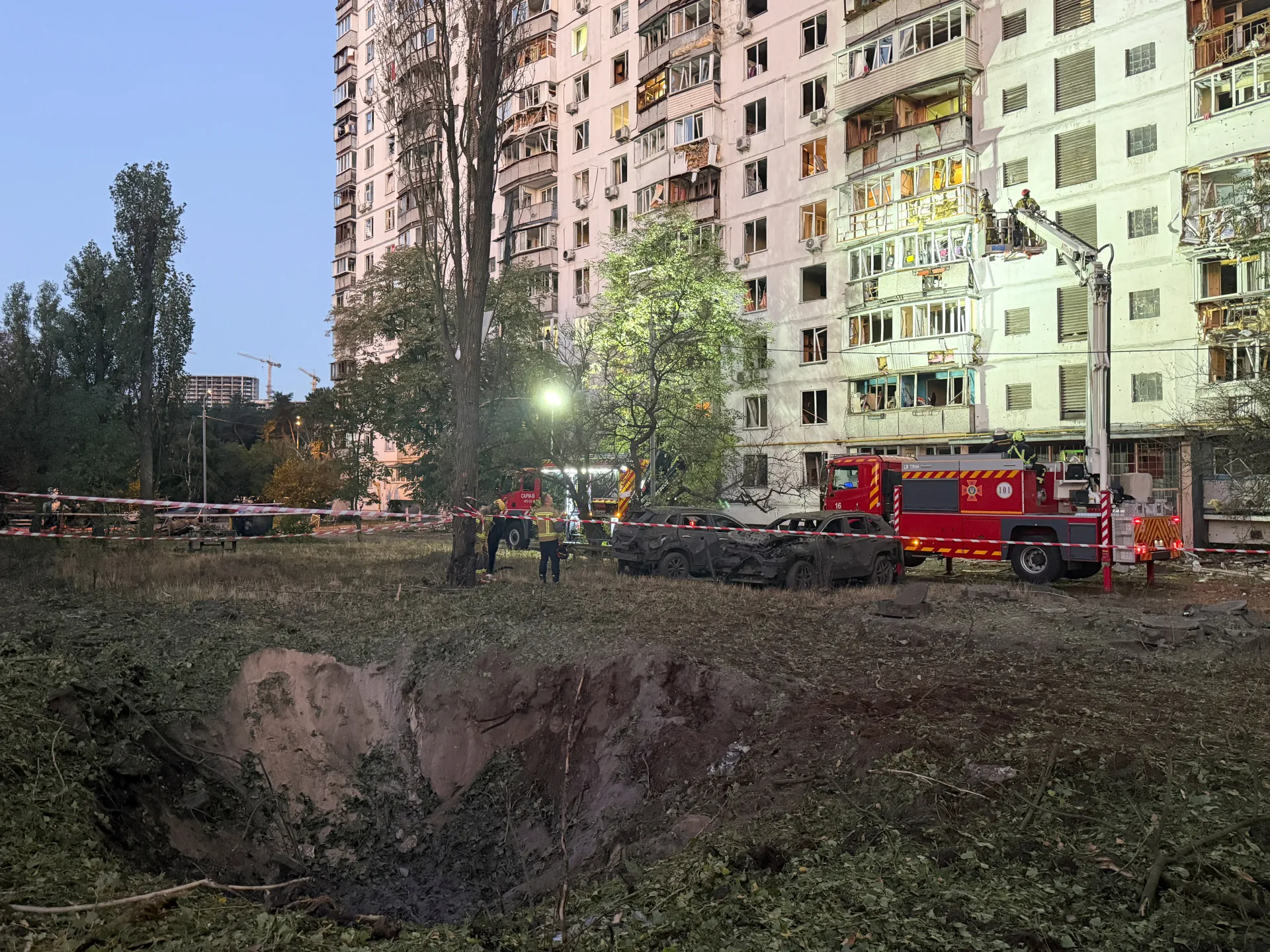
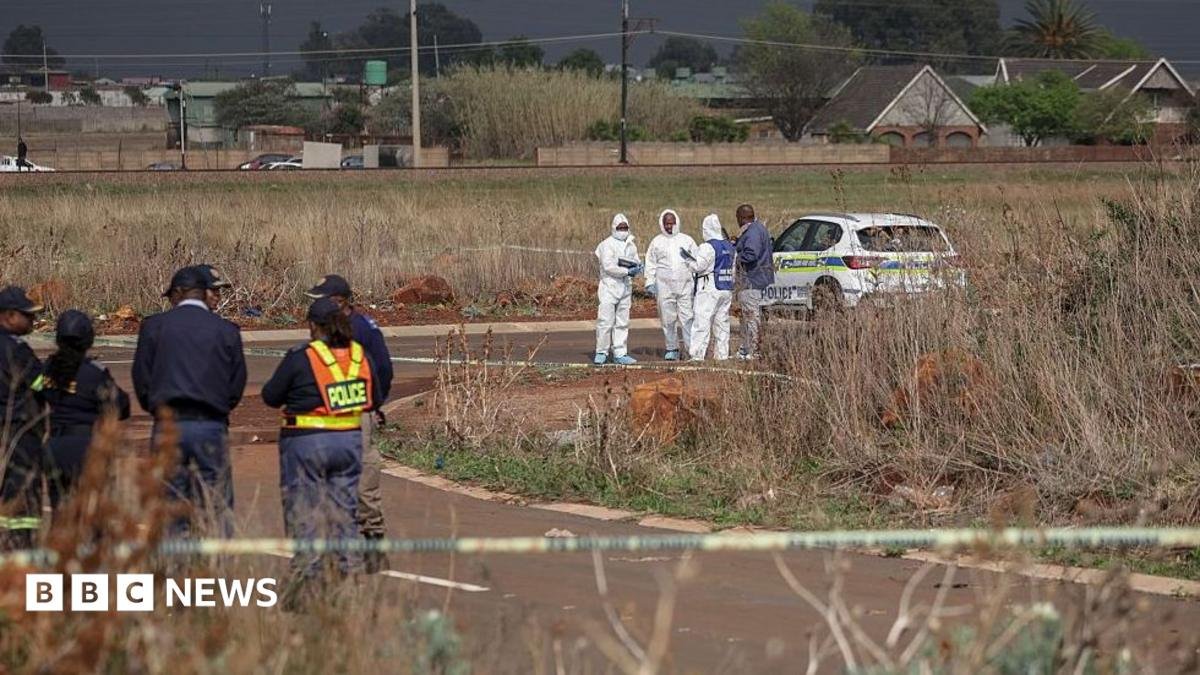
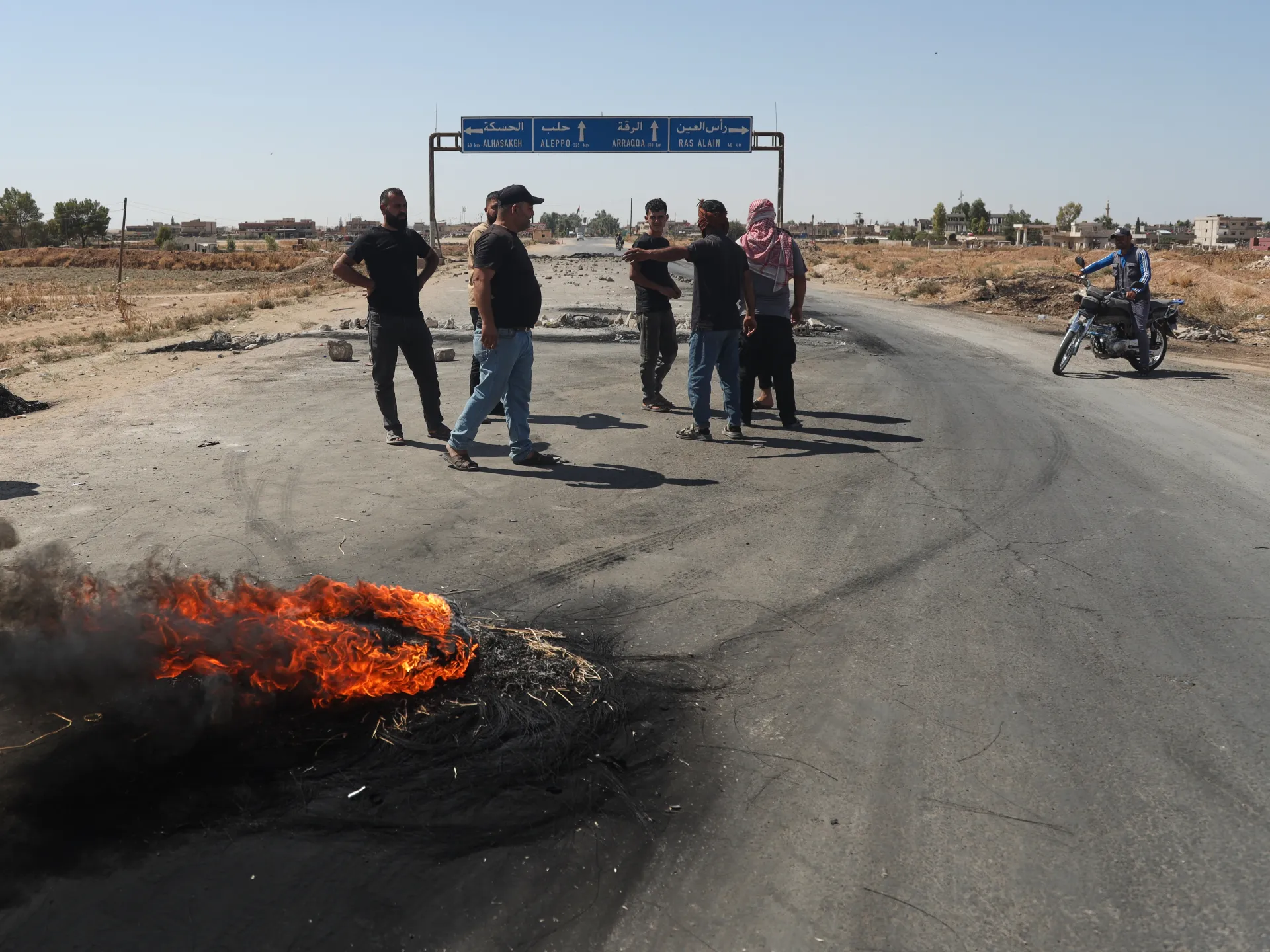
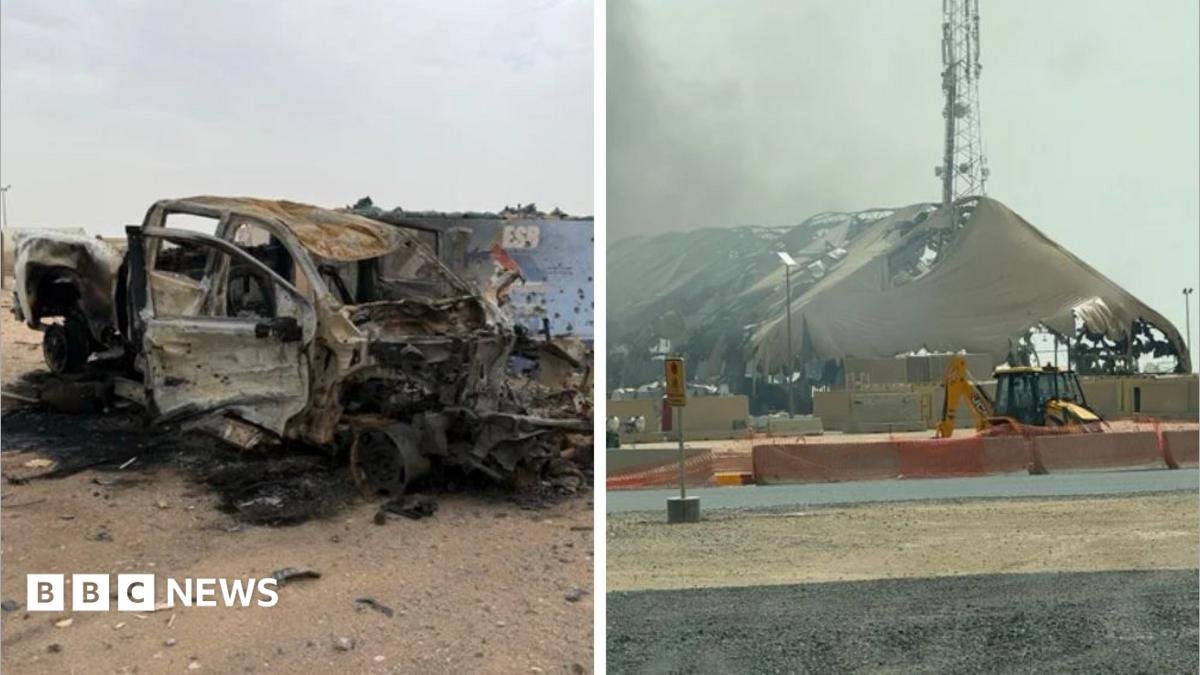
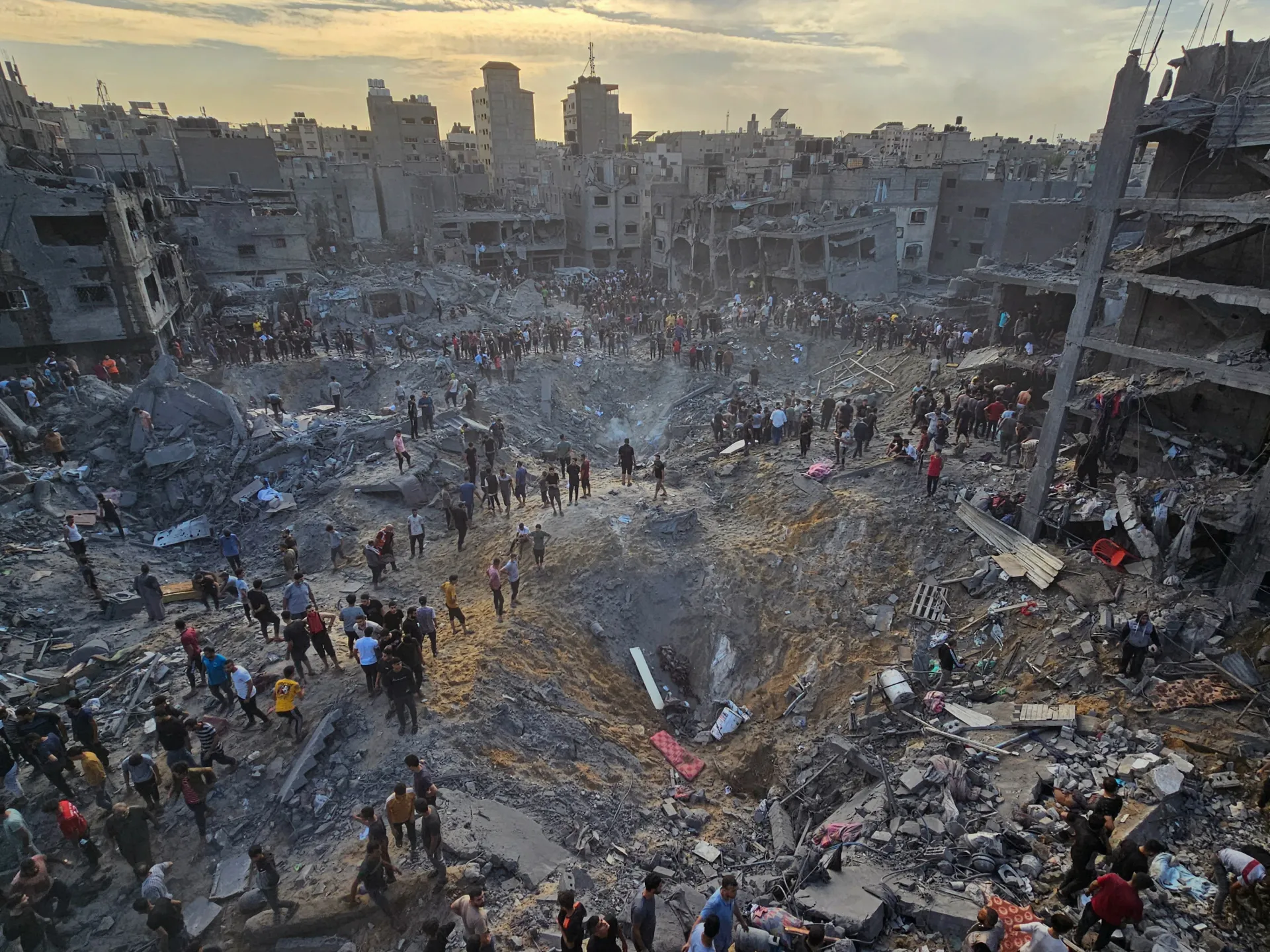
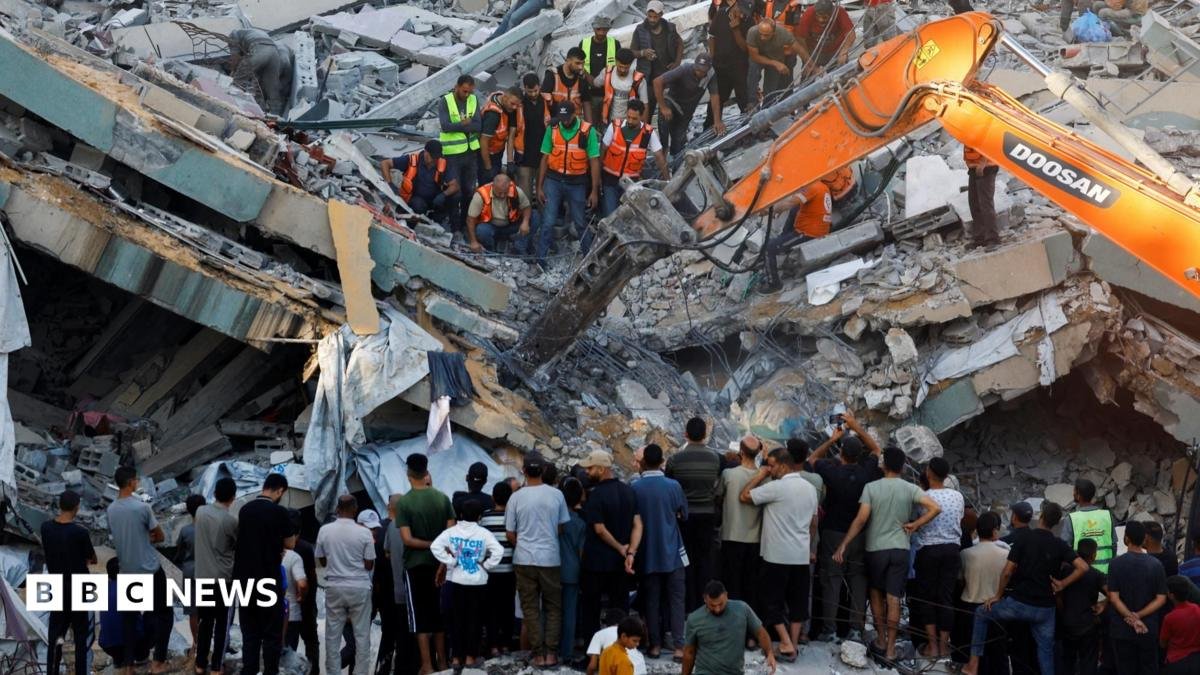
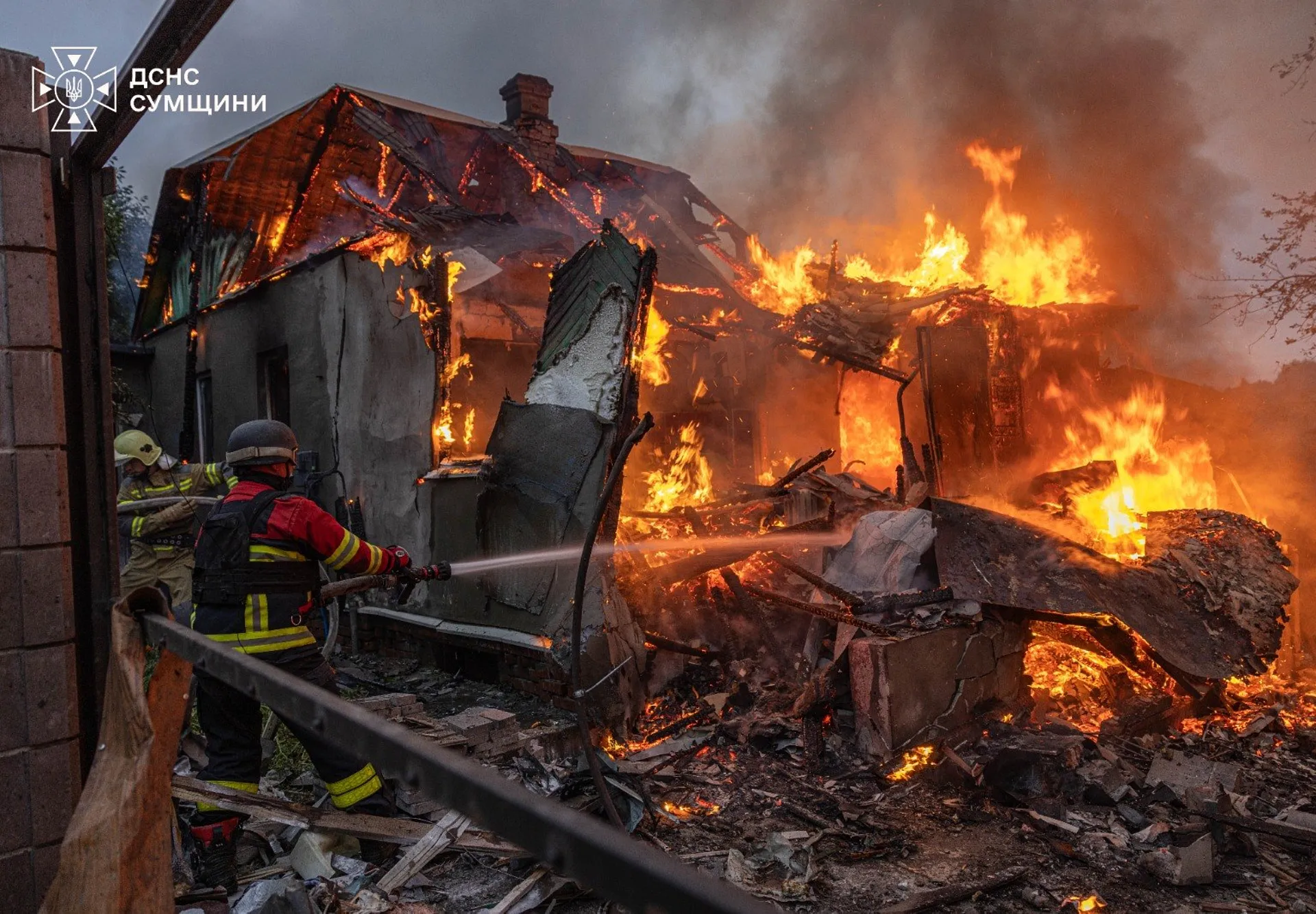
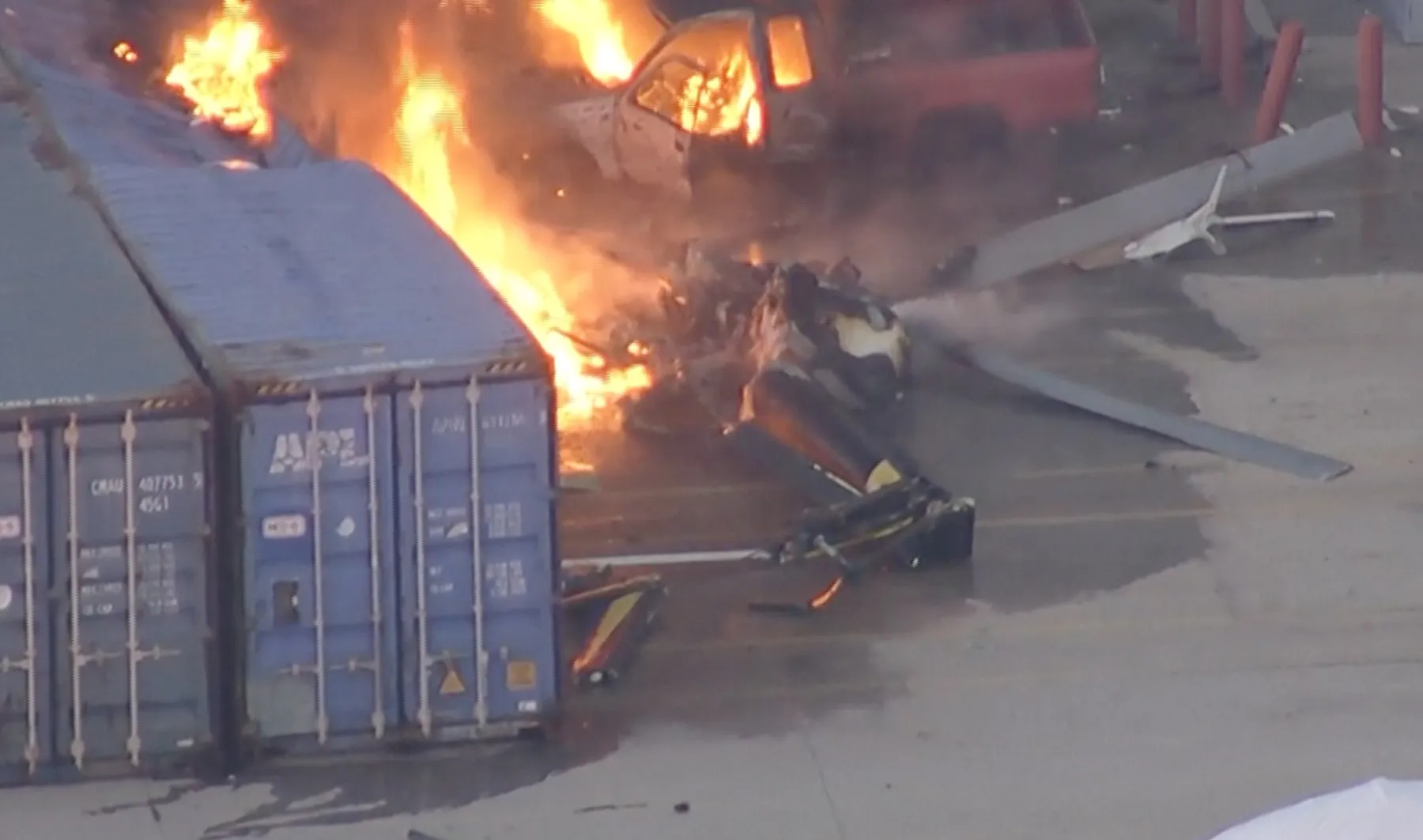
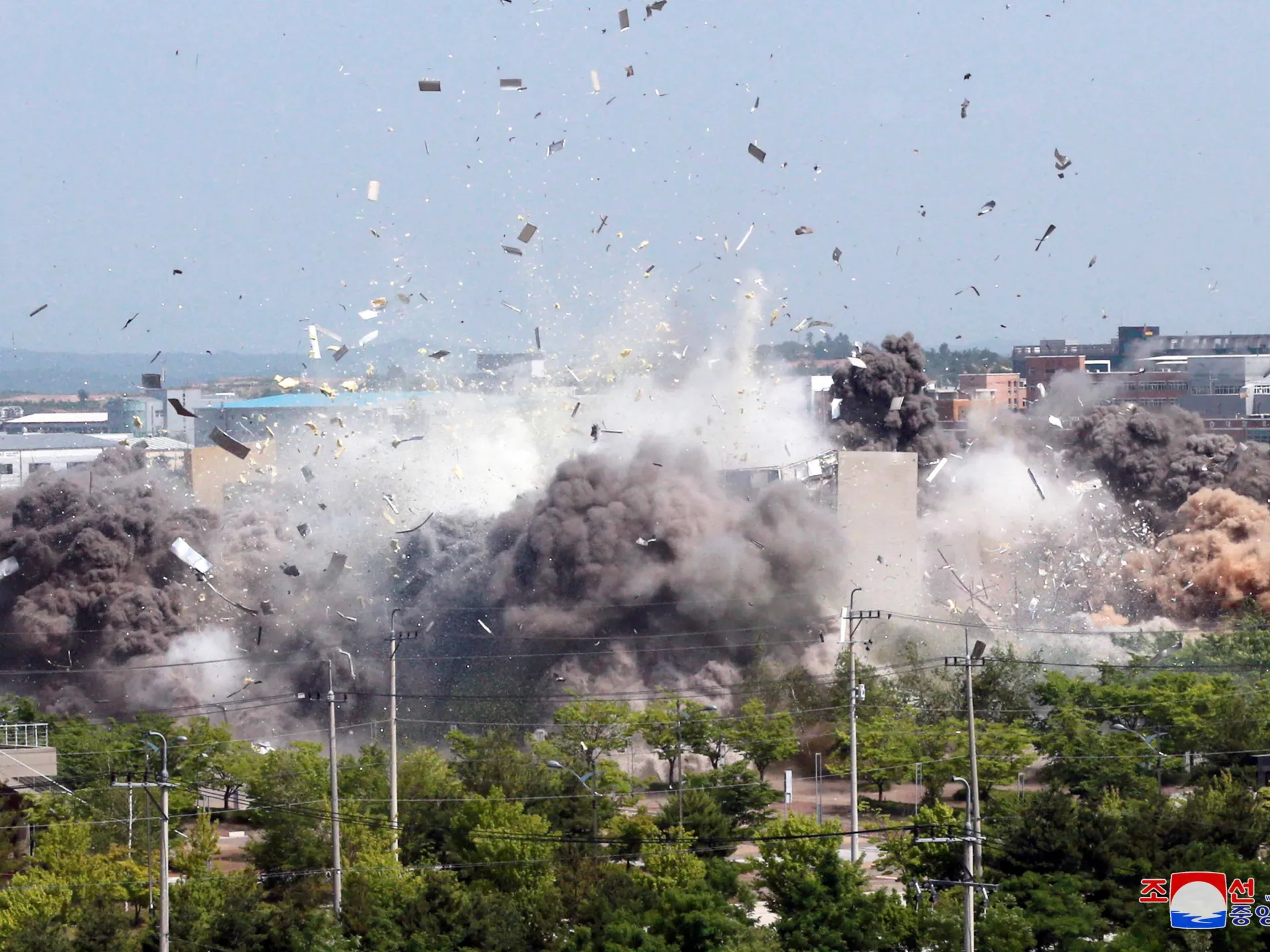
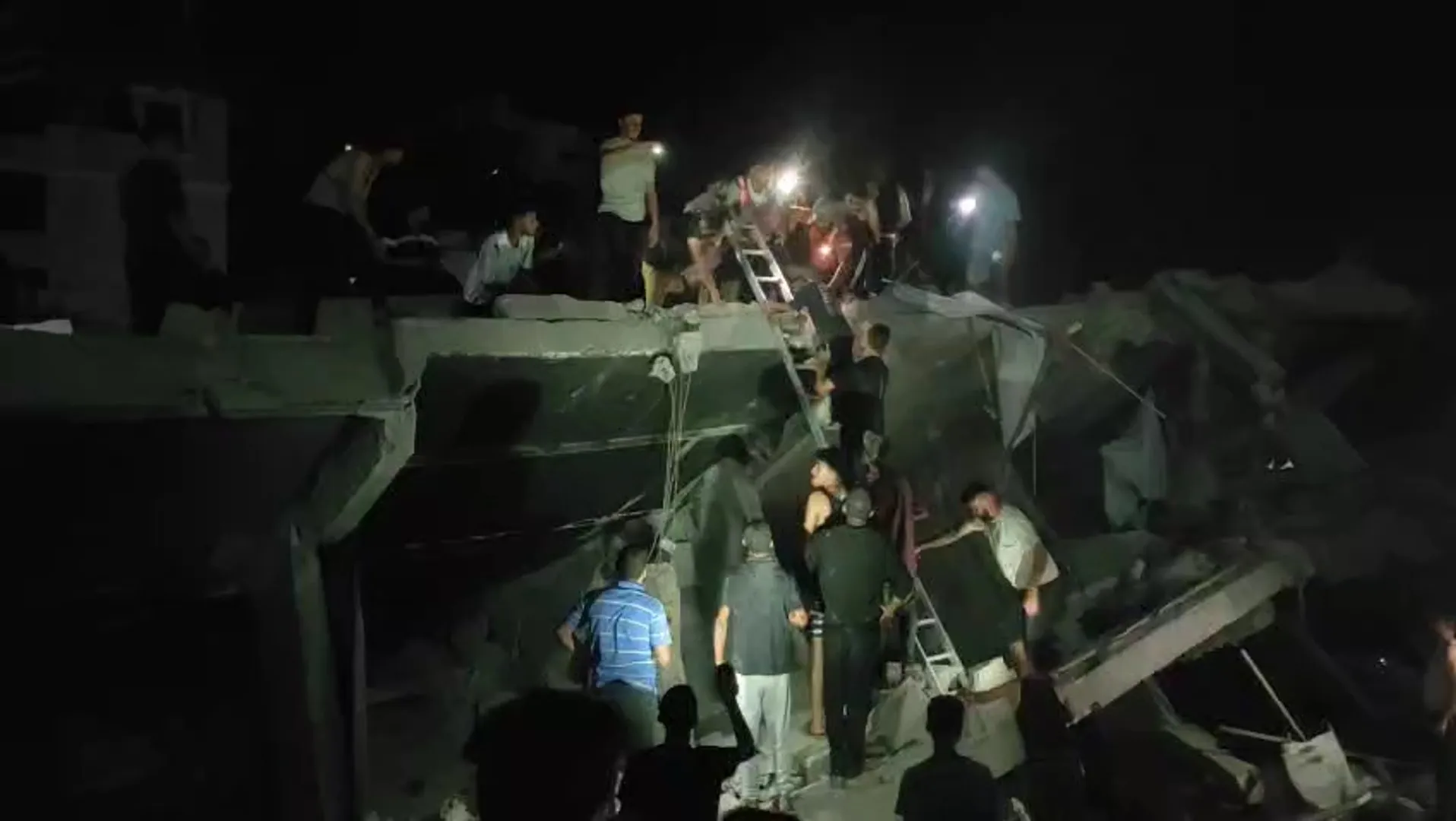
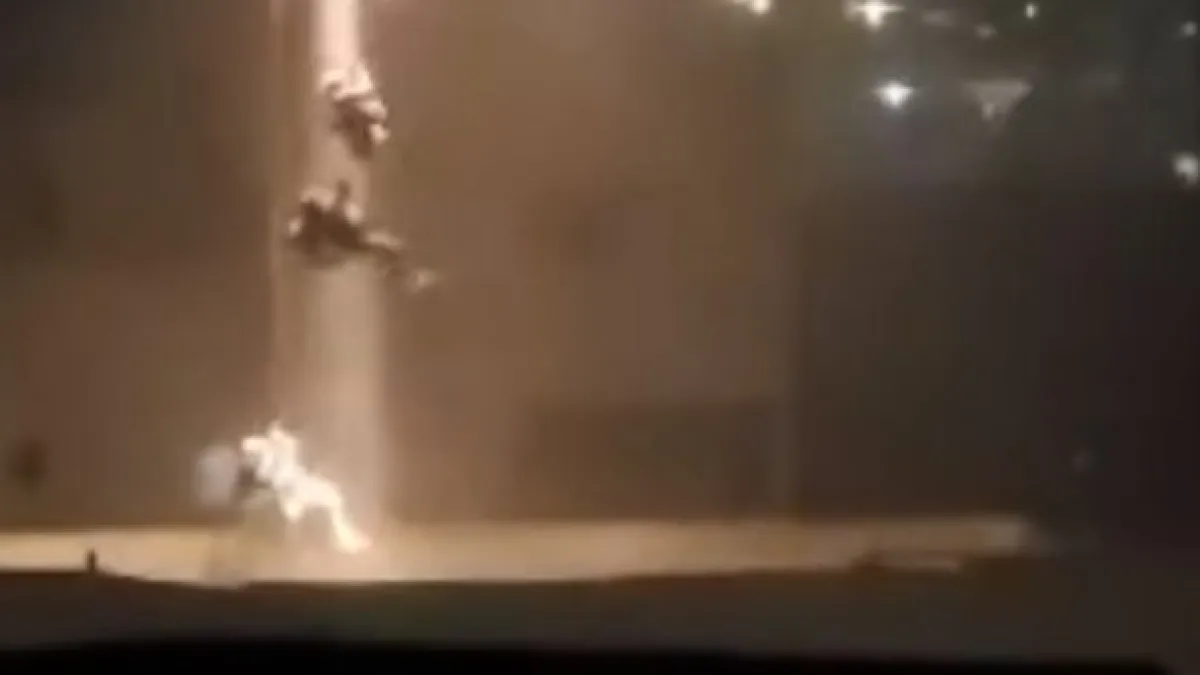
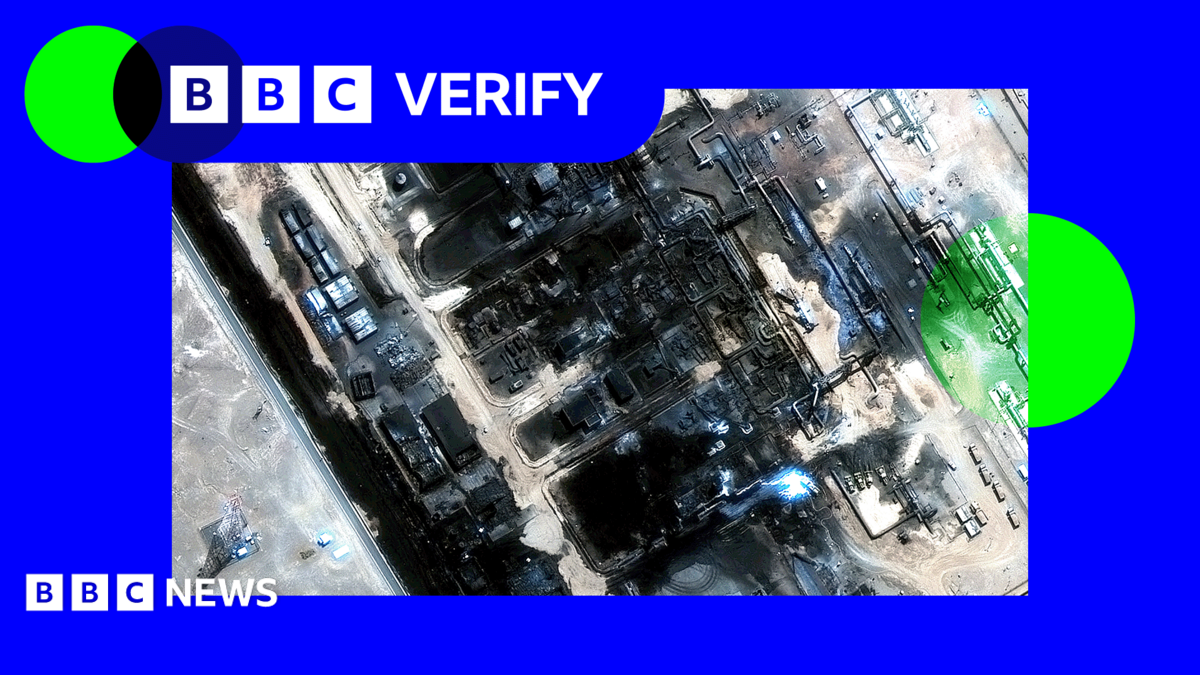
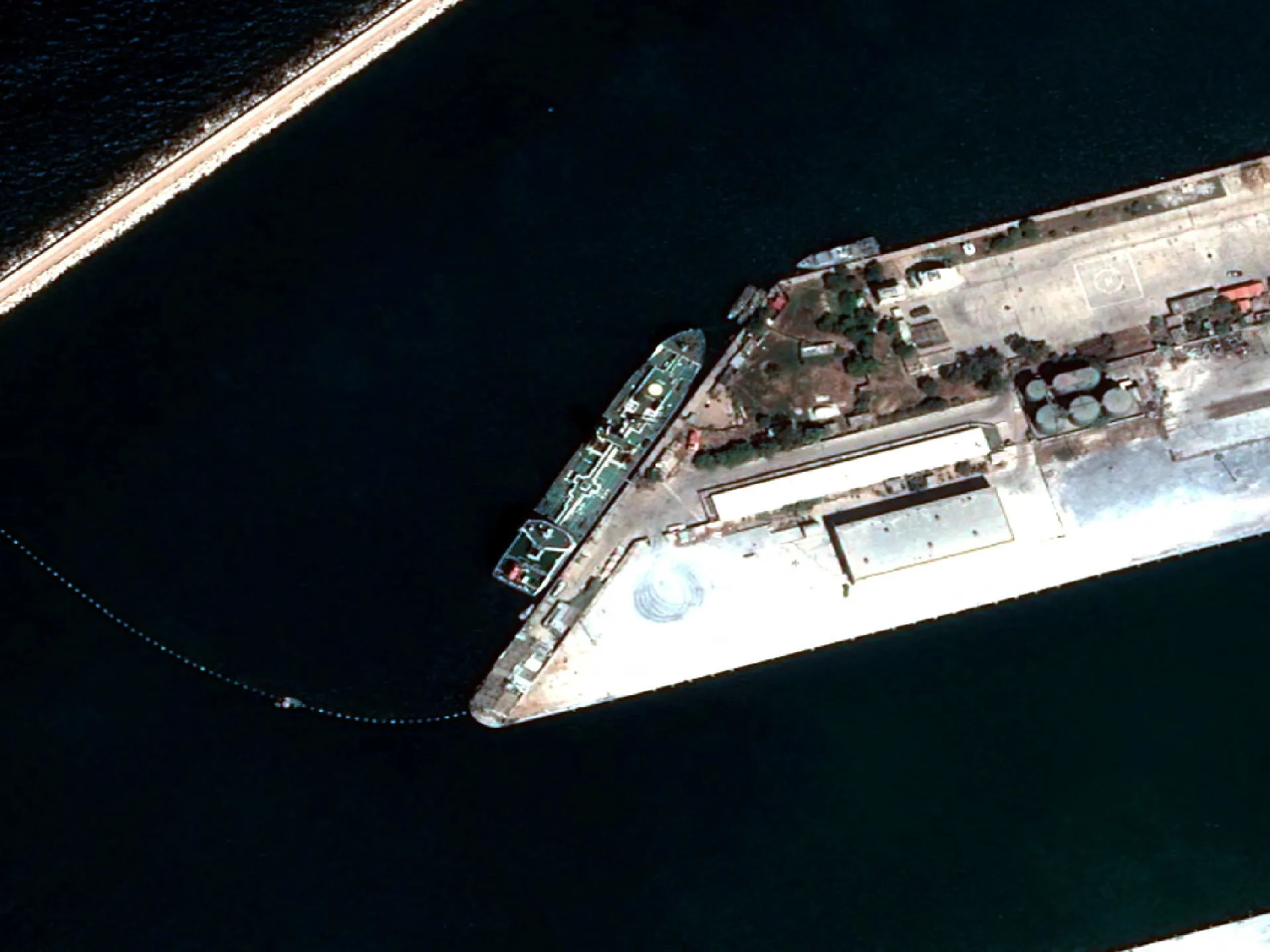
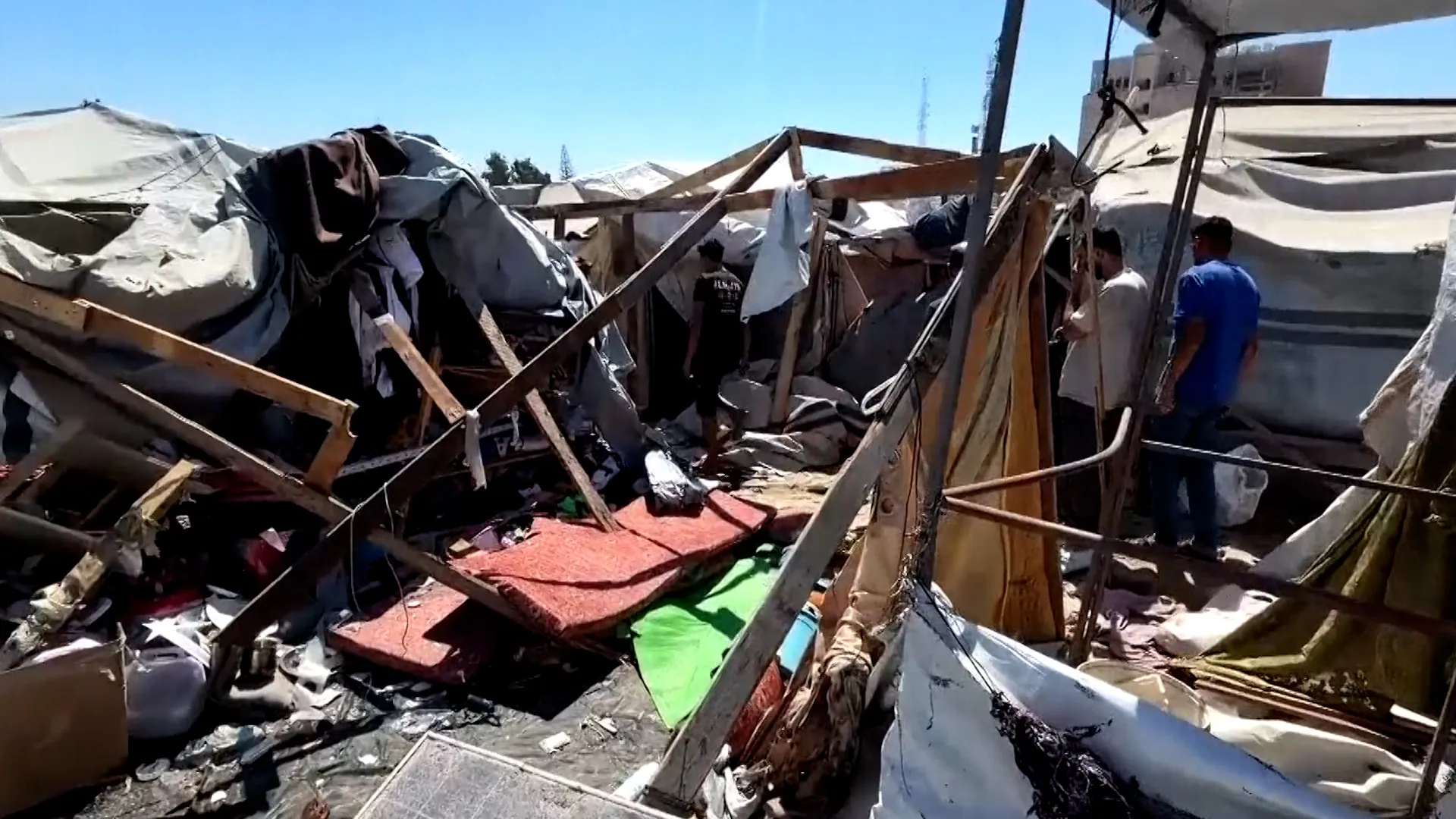
A recent series of powerful explosions at a Syrian military facility near the town of al-Eis, south of Aleppo, has left at least four individuals injured, highlighting the ongoing volatility within the nation's security landscape. Local emergency services, led operations due to the secondary detonations occurring at the site. As Aleppo Governor Azzam al-Gharib directed residents to remain indoors, the incident underscores a broader pattern of instability that has defined the Syrian experience for over a decade.
This latest security breach arrives at a time when investigators are finally uncovering the dark mechanics behind high-profile disappearances from the early years of the civil war. New revelations have surfaced regarding the 2012 abduction of American journalist Austin Tice, contradicting long-held assumptions that his capture was an opportunistic encounter at a government checkpoint. Instead, investigative findings now suggest a deliberate, month-long operation sanctioned chestrate the journalist's detention.
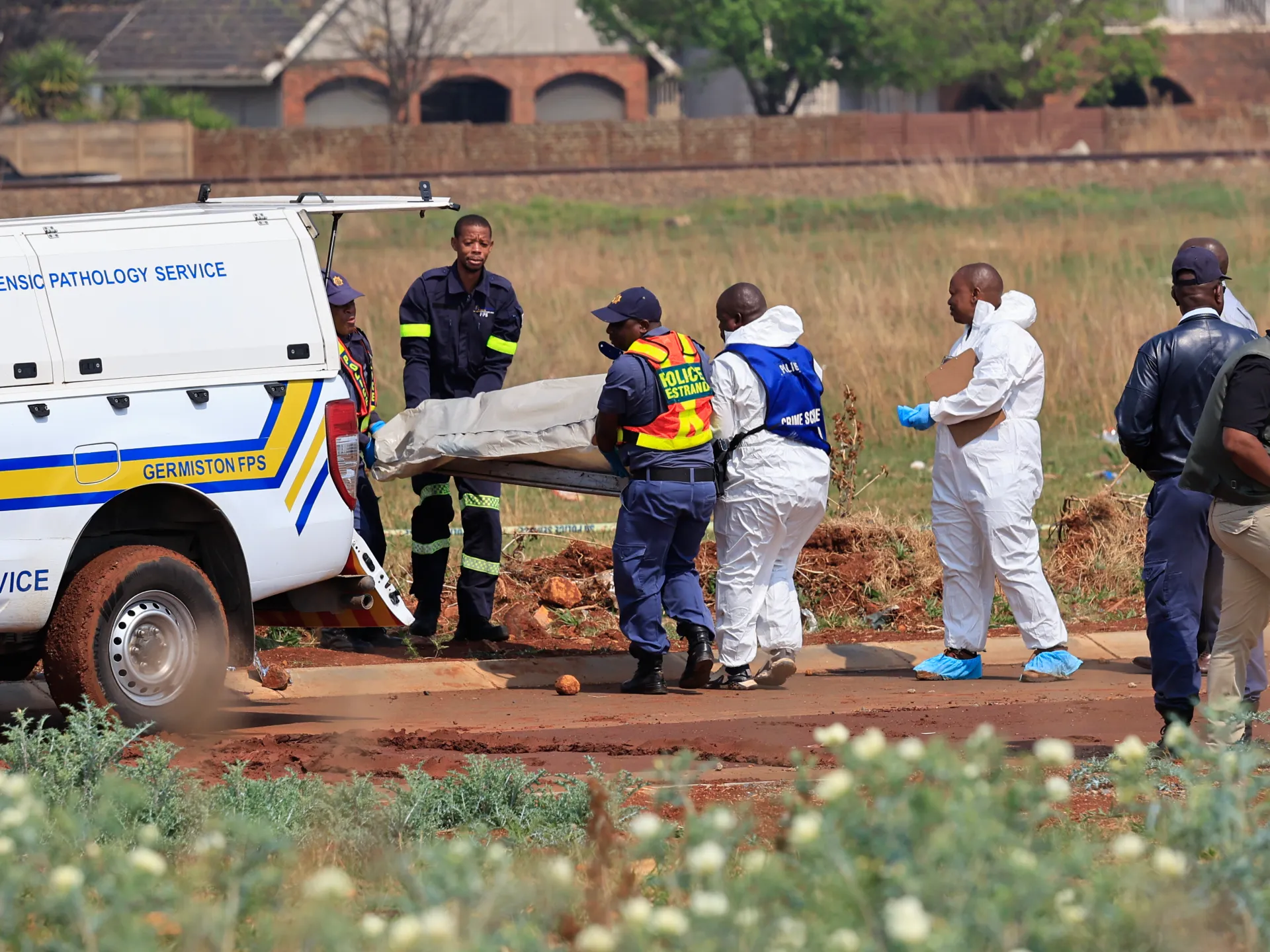
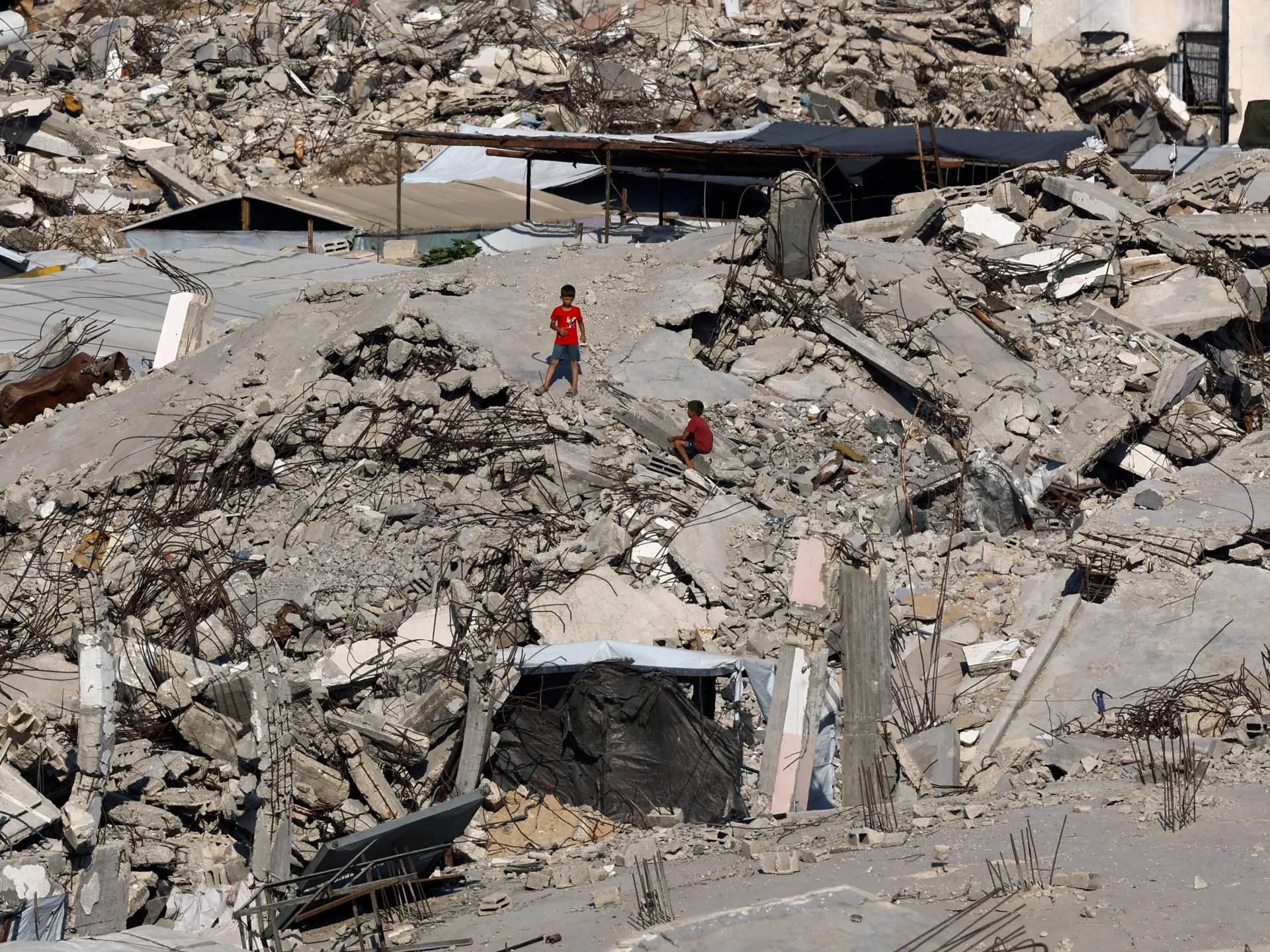
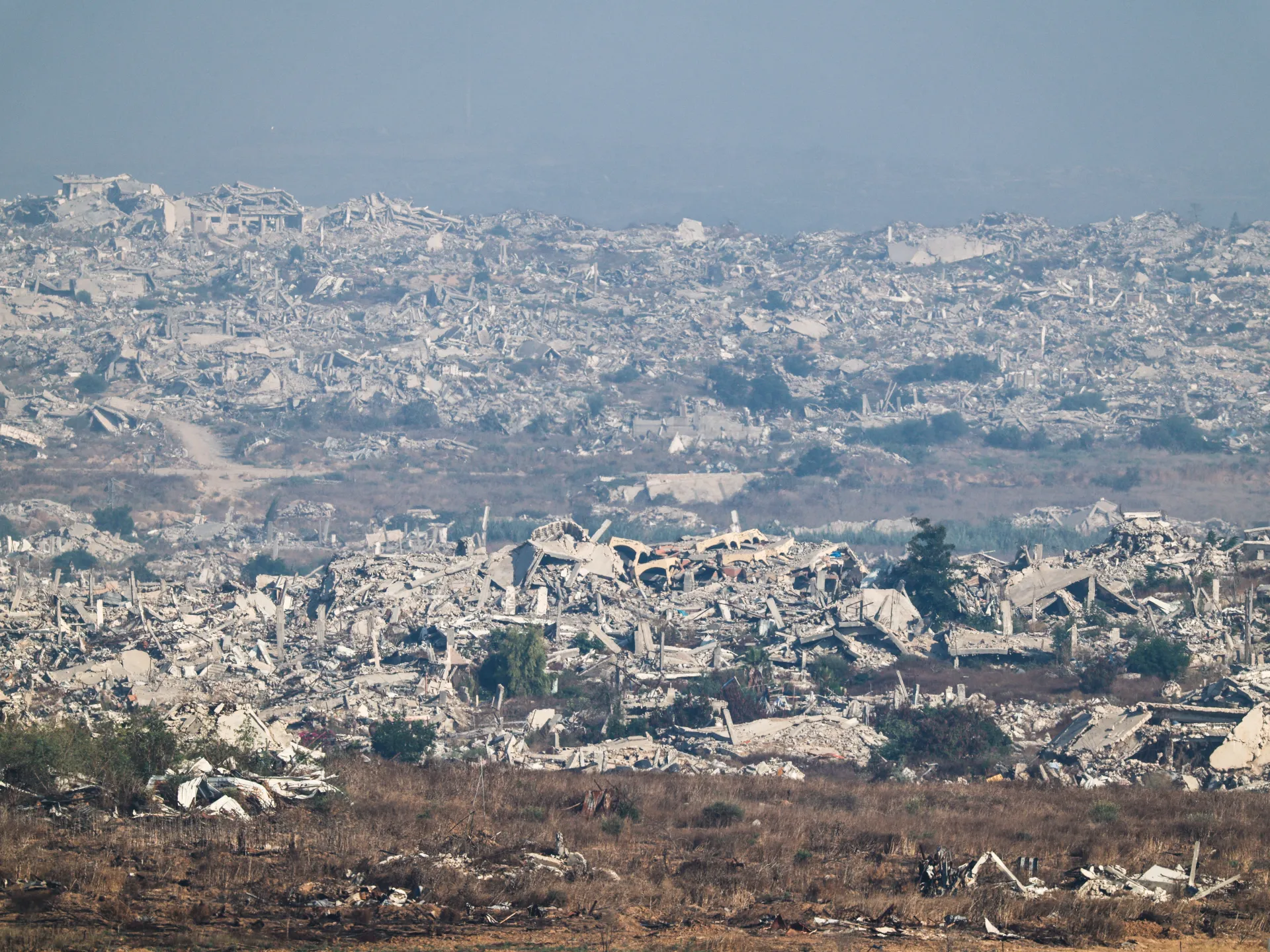
The convergence of current military accidents and historical revelations provides a grim view of the Syrian security apparatus. The persistence of unexploded ordnance and volatile weapons depots remains a public safety crisis for civilians, even as the country navigates the aftermath of massive political shifts. Furthermore, the confirmation of a state-sanctioned plot in the Tice case sets a chilling precedent for how foreign nationals were targeted during the conflict. It transforms a case of a journalist disappearing into a narrative of cold, bureaucratic calculation, suggesting that for many missing individuals, the truth was never an accident of war but a deliberate act of state policy. These events serve as a reminder that the trauma of the past is inextricably linked to the dangers faced
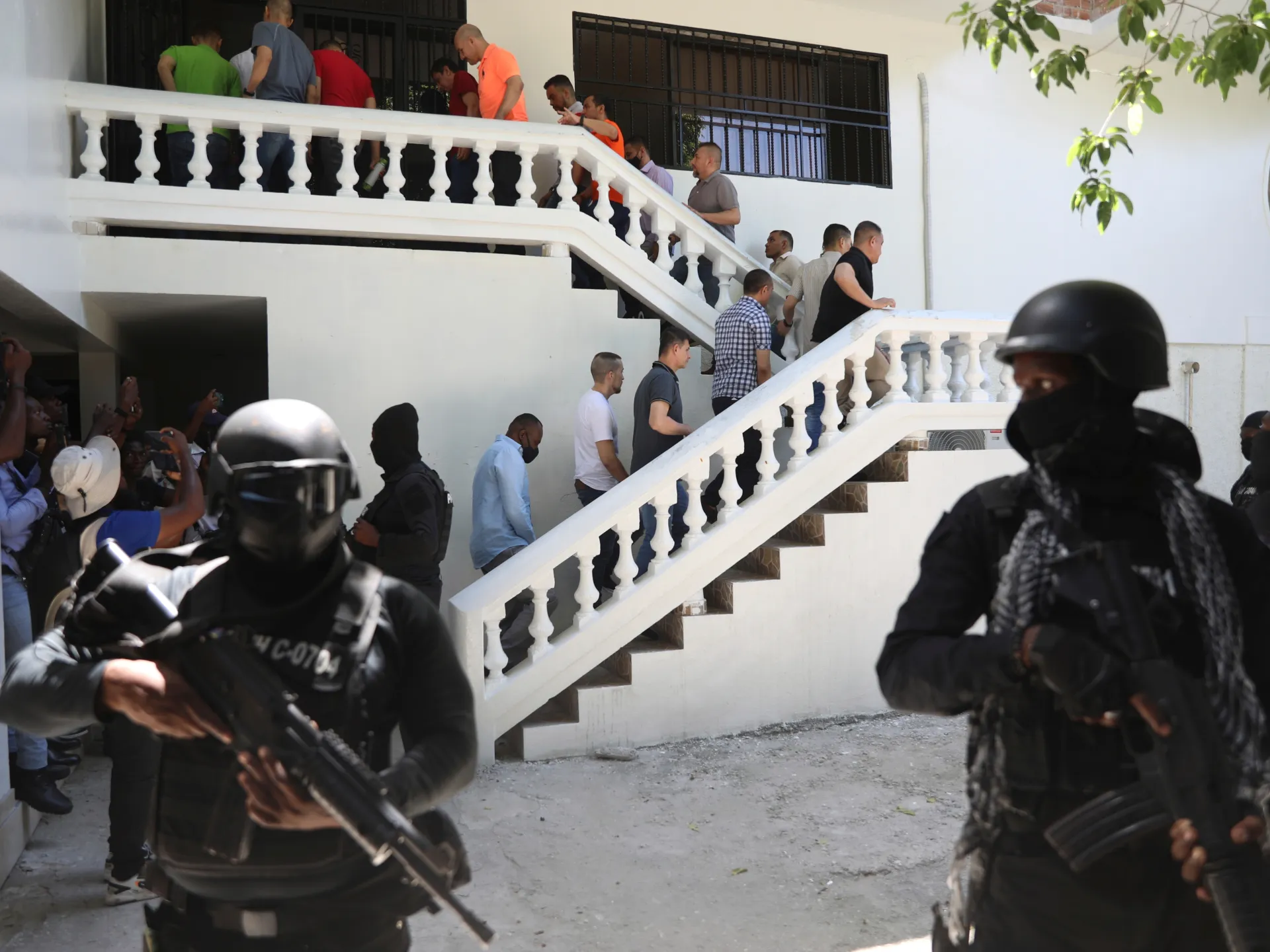
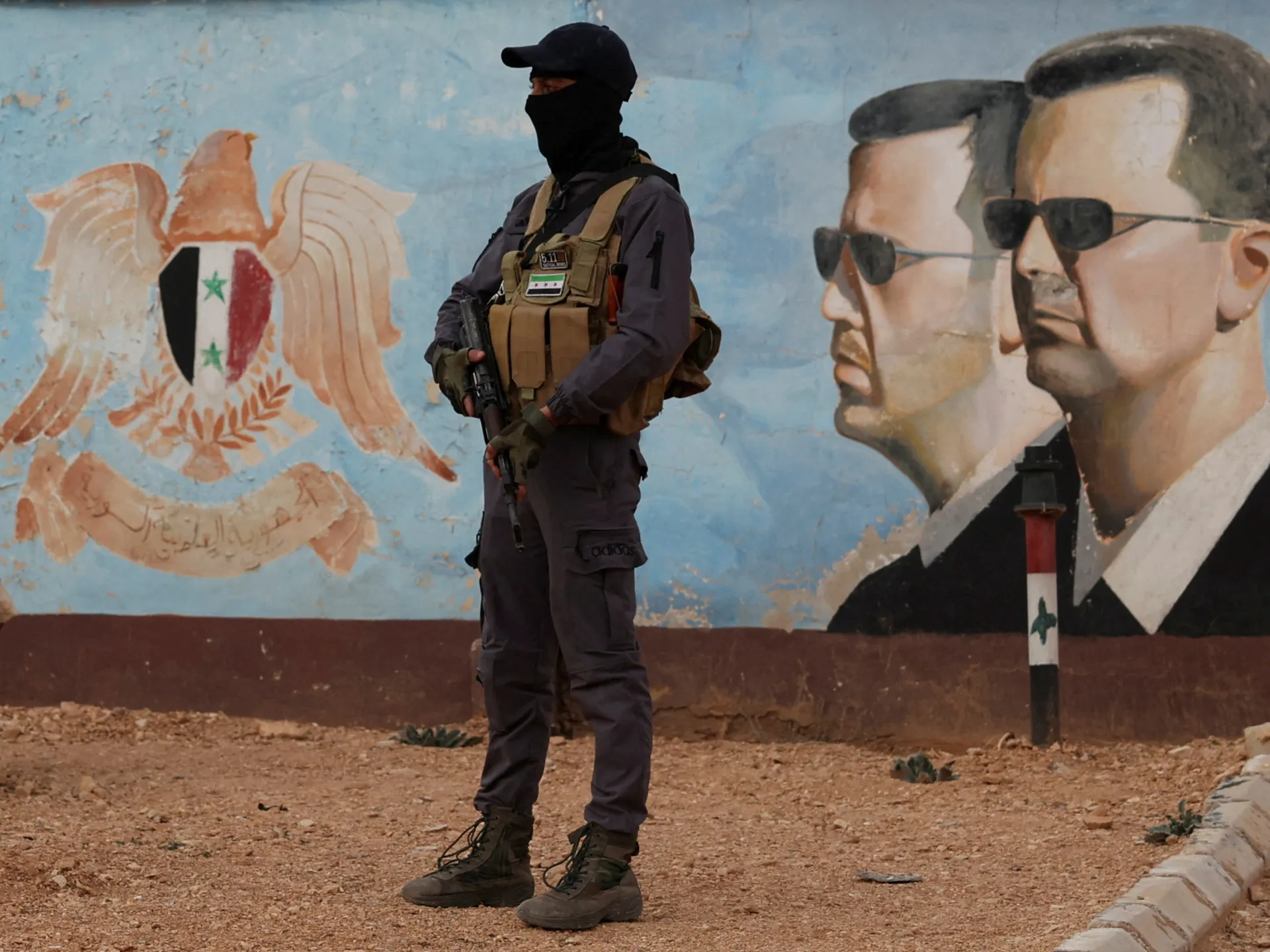
For years, the abduction of Austin Tice was shrouded in speculation, with many believing the former Marine captain had simply wandered into a chaotic government checkpoint. However, recent investigations involving testimony from former members of the National Defence Forces—a militia loyal to the former administration—have dismantled that theory. Internal intelligence files recovered following the regime's collapse provided long-sought documentation confirming state involvement in Tice's initial detention.
The operation was reportedly facilitated to regime loyalists long before the abduction occurred. This betrayal allowed for a calculated intercept, moving the incident from a chance encounter to a targeted kidnapping. While some former commanders have suggested that Tice was executed, the absence of human remains and the conflicting accounts from various intelligence sources leave the final chapter of his story unresolved, maintaining the mystery that has haunted diplomatic efforts for over twelve years.
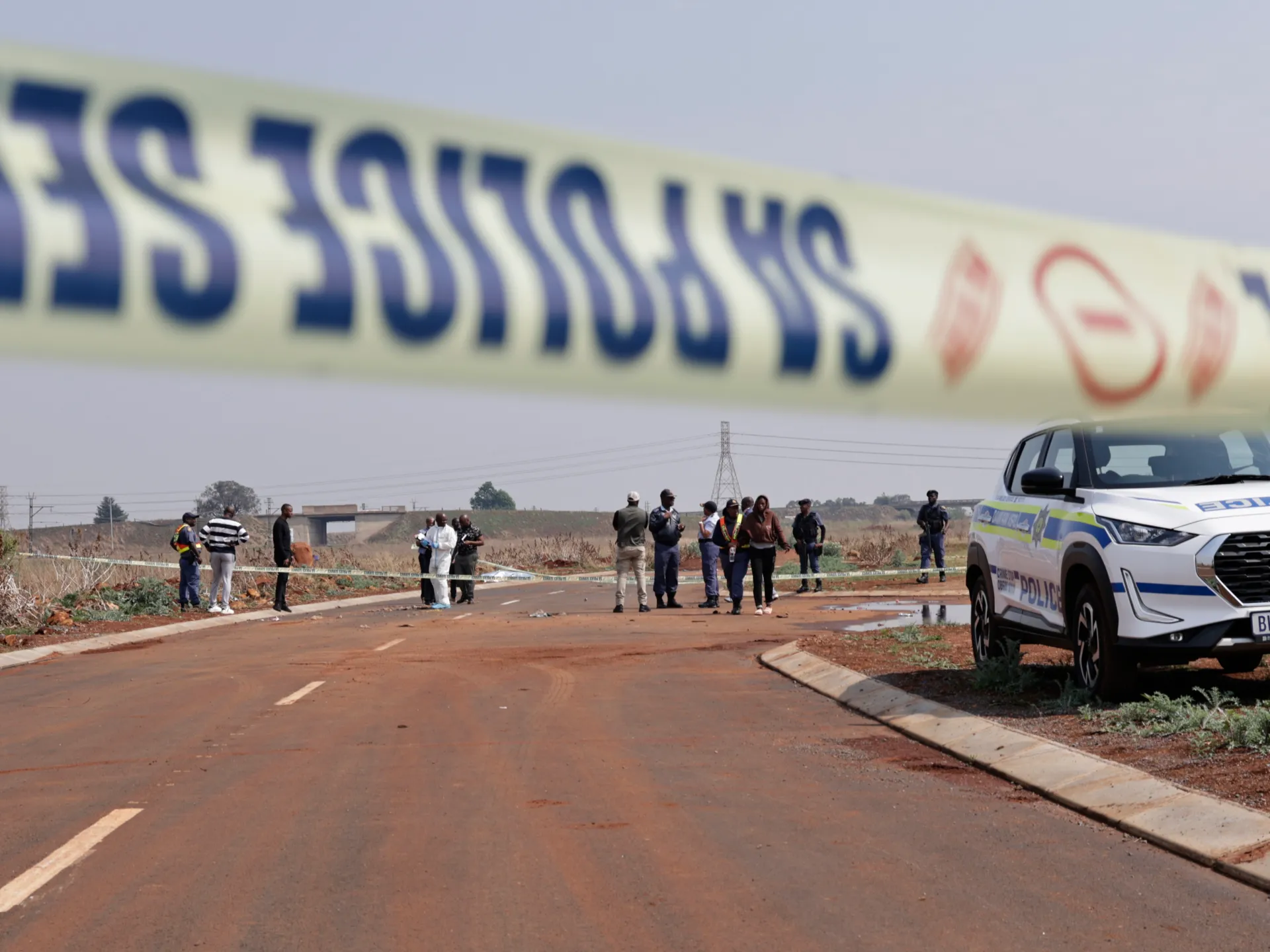
The explosions at the al-Eis depot are part of a wider trend of violence that continues to disrupt civilian life in Syria. While the state-run SANA news agency has not provided a definitive cause for the Monday morning blasts, the necessity of cordoning off roads and placing emergency medical services on high alert indicates a significant security failure. The event has forced a suspension of normal activity in the Aleppo countryside, illustrating the fragile nature of reconstruction efforts.
These incidents follow other recent security failures, including high-casualty car bombings in various sectors and targeted attacks on security personnel. Whether these explosions are the result of systemic negligence in weapon storage or the byproduct of ongoing insurgency, the immediate impact remains the same: a population forced to navigate a landscape where the threat of sudden, violent disruption is a daily reality.
The revelations concerning Austin Tice are likely to reignite diplomatic pressure on remnants of the former security apparatus to account for the thousands of individuals who remain missing or were held in secret detention centers. As researchers gain access to more intelligence archives, the scope of state-sanctioned operations during the civil war will likely become clearer, potentially leading to further legal or political challenges. Meanwhile, the incident at the al-Eis depot serves as a cautionary tale for local authorities; unless the state manages to secure and neutralize abandoned or unstable military stockpiles, such explosions are likely to remain a recurring danger, further complicating the stabilization of the Aleppo region.