Protests in Tunisia and congressional hearings in Washington reveal the high stakes of international detention as humanitarian and academic crises collide with global summitry.
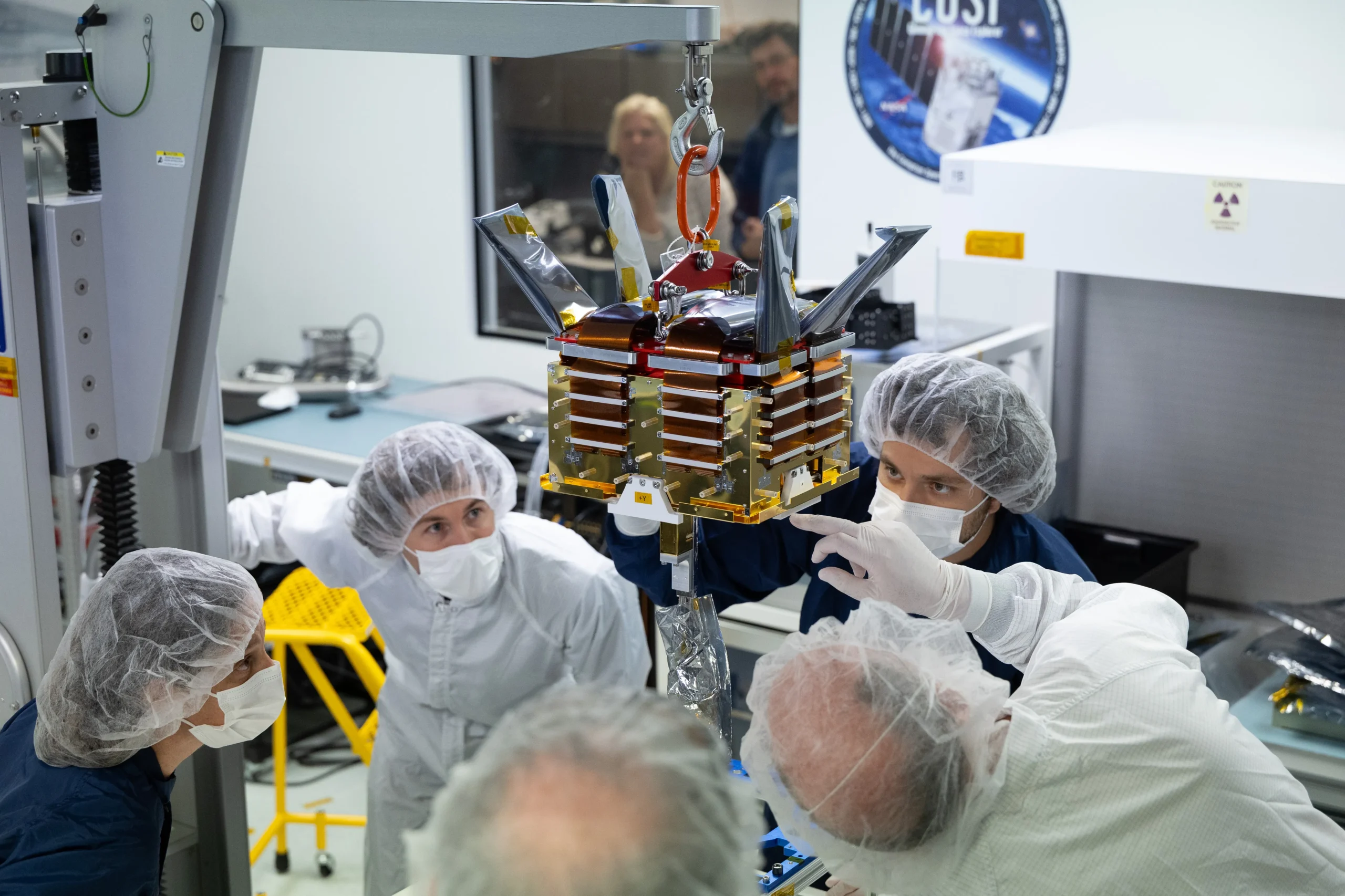
The convergence of humanitarian advocacy and high-stakes statecraft in late 2026 highlights a precarious global landscape where individual liberty is frequently caught in the gears of geopolitical leverage. Whether in the form of regional activists detained under the guise of financial oversight or foreign scholars caught in the crosshairs of superpower rivalries, the recurring use of detention as a diplomatic tool presents a profound challenge to international norms. As nations like Albania seek to solidify their place in the burgeoning space race through the Artemis Accords, other regions remain gridlocked dening divide between countries pursuing collaborative technological progress and those grappling with internal and external political suppression.
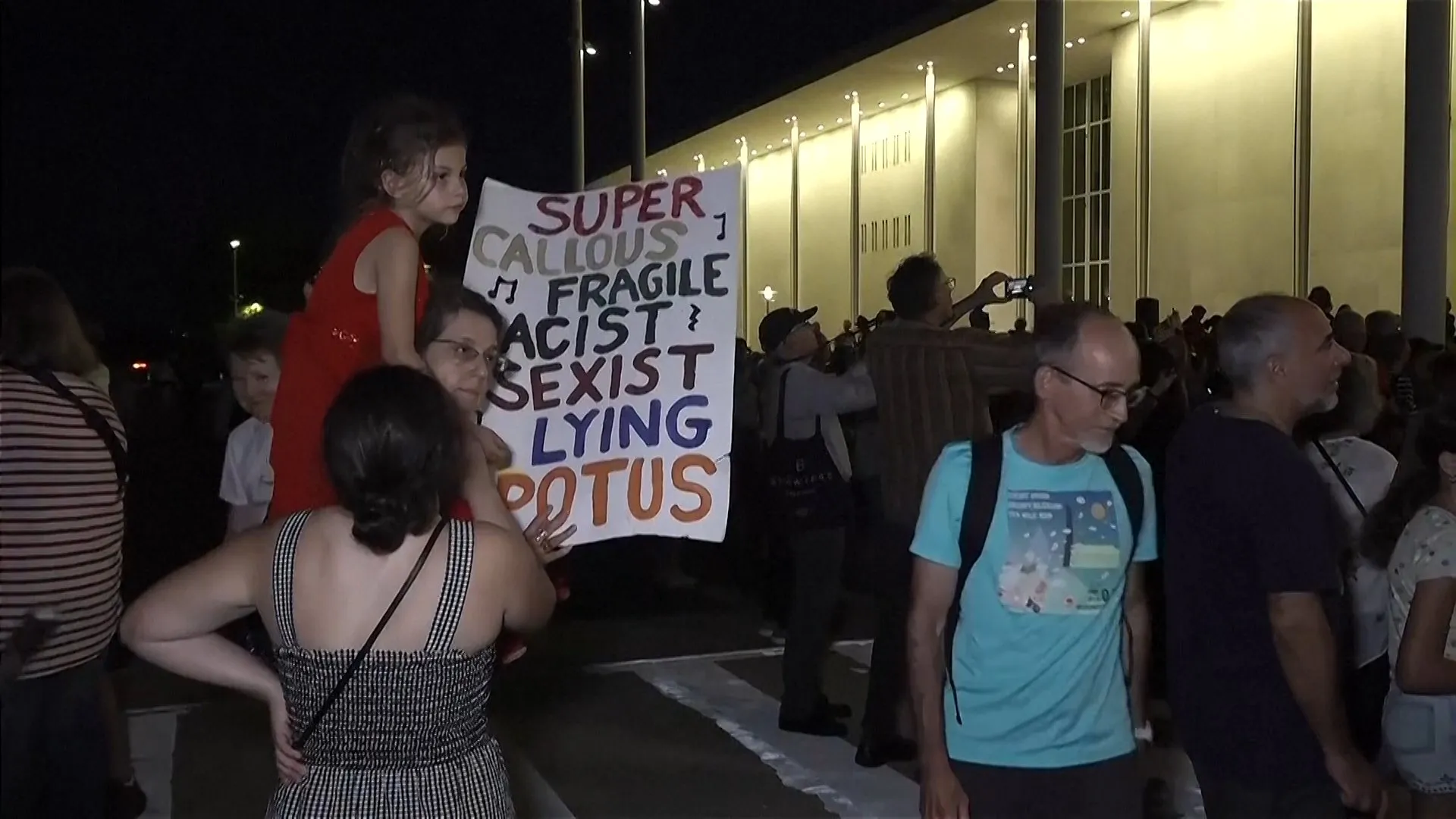
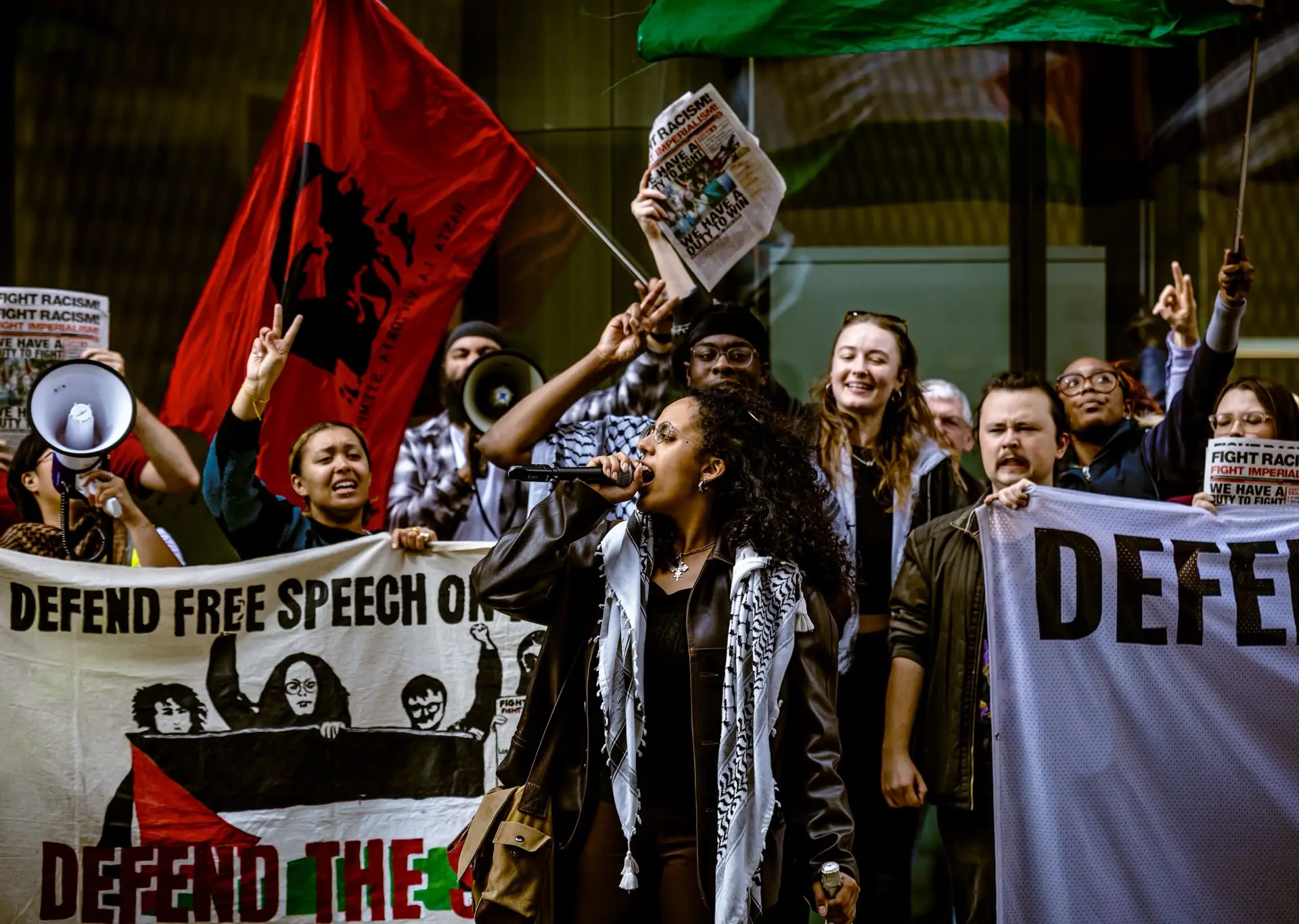
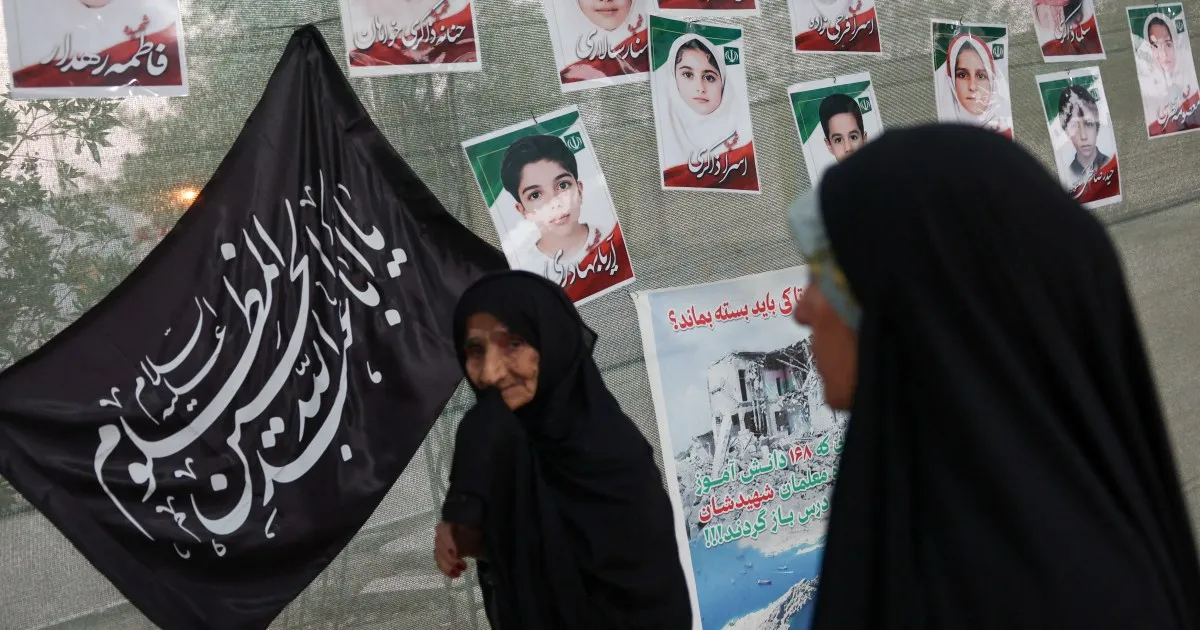
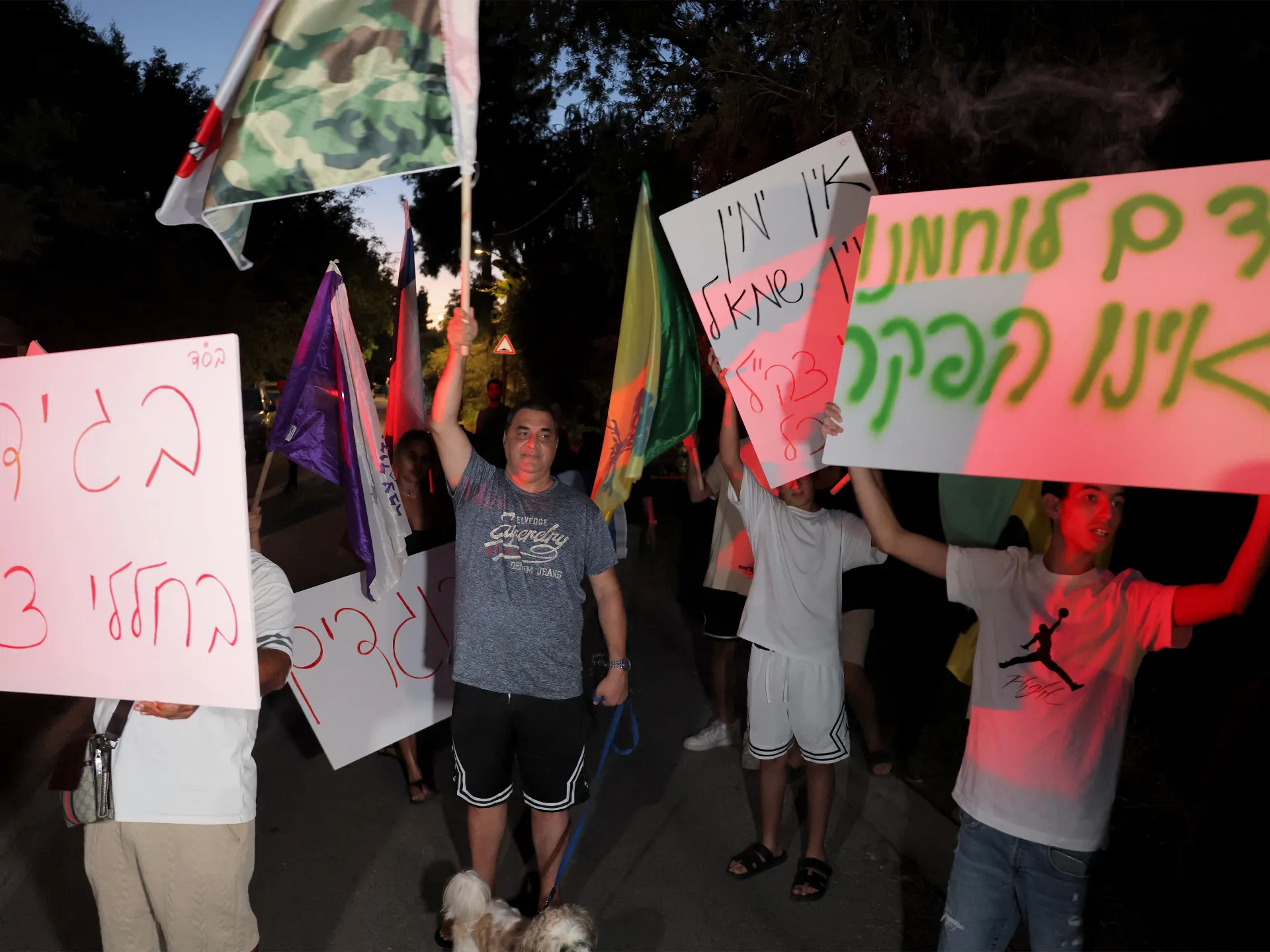
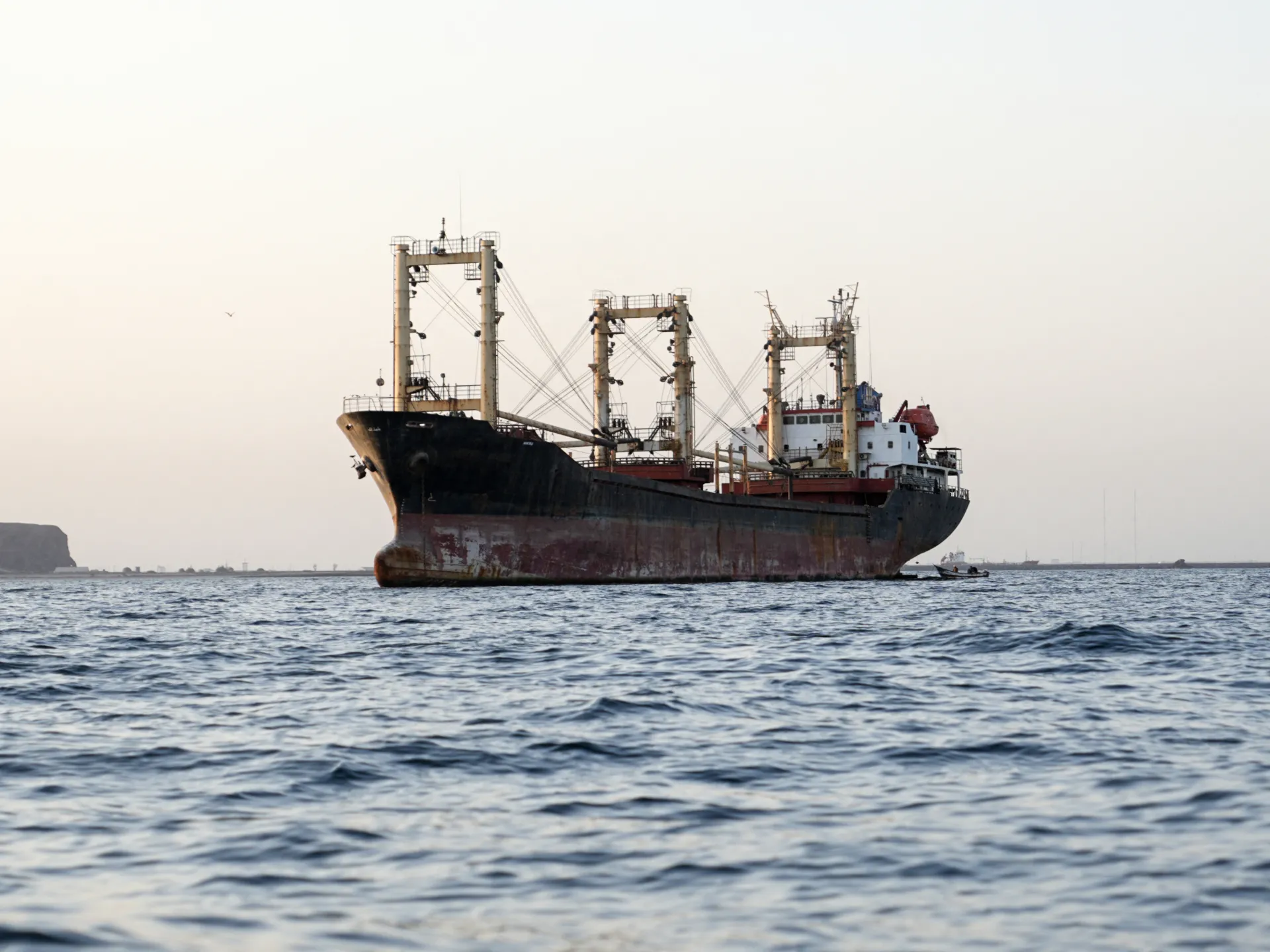
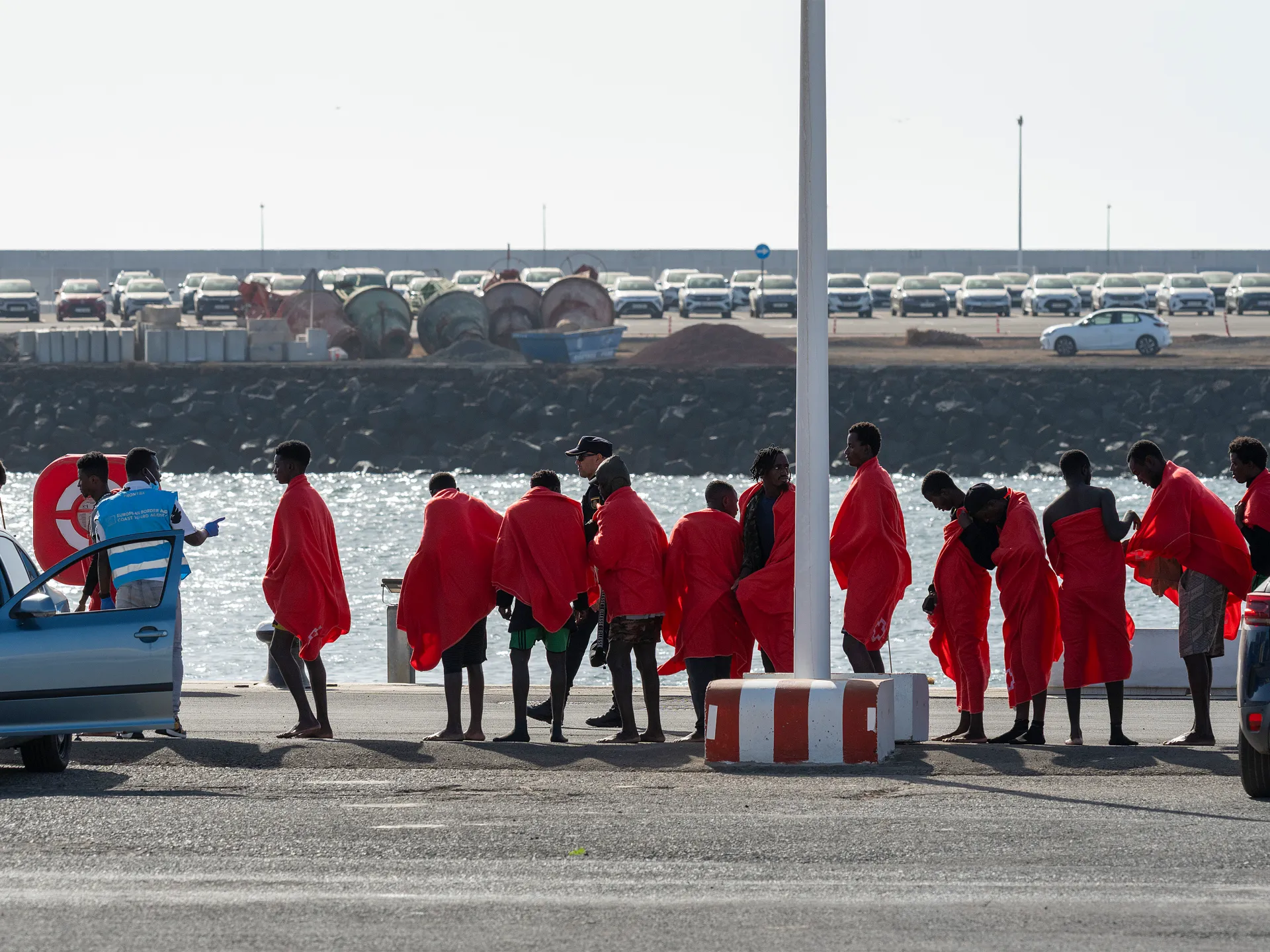
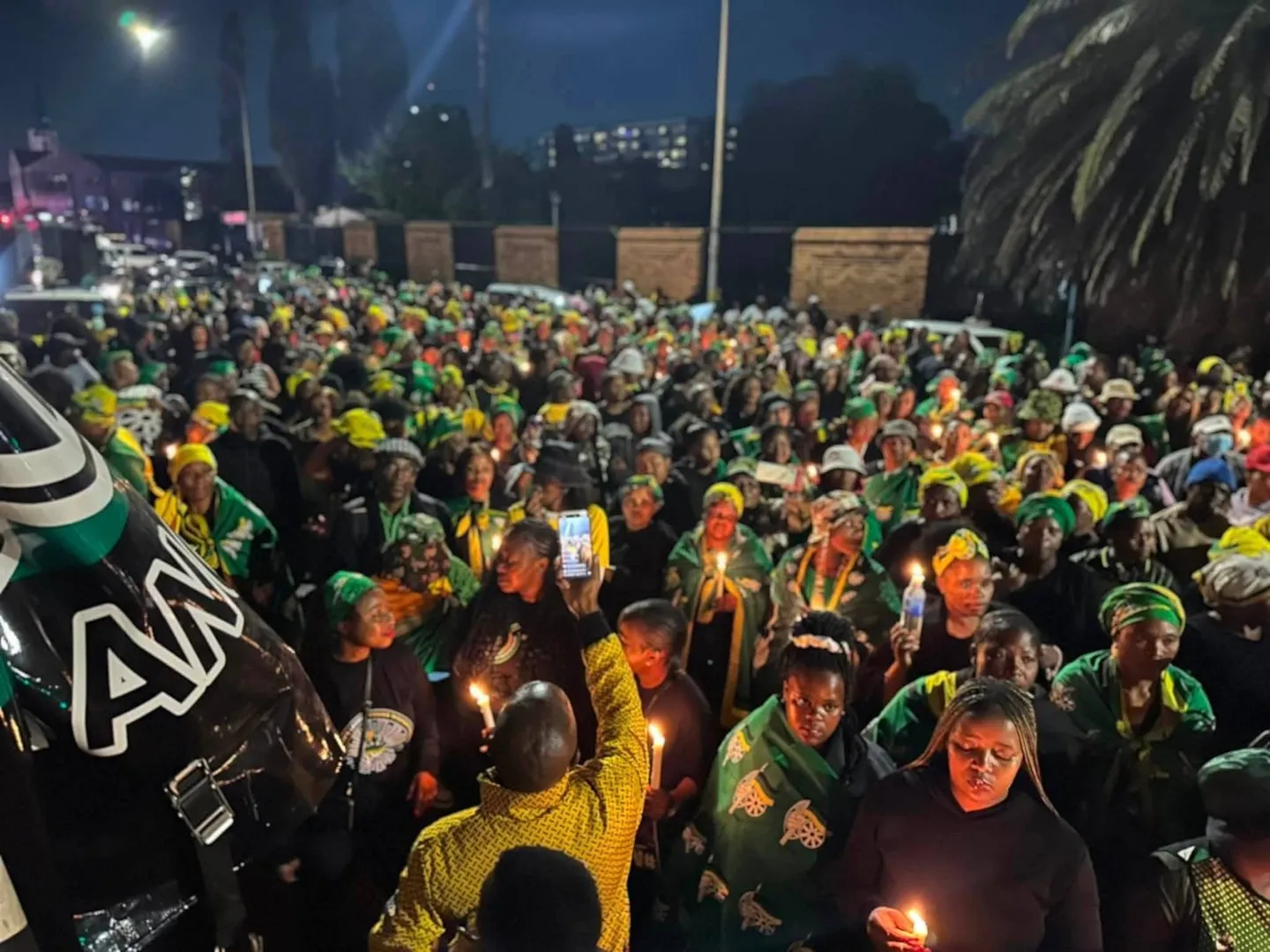
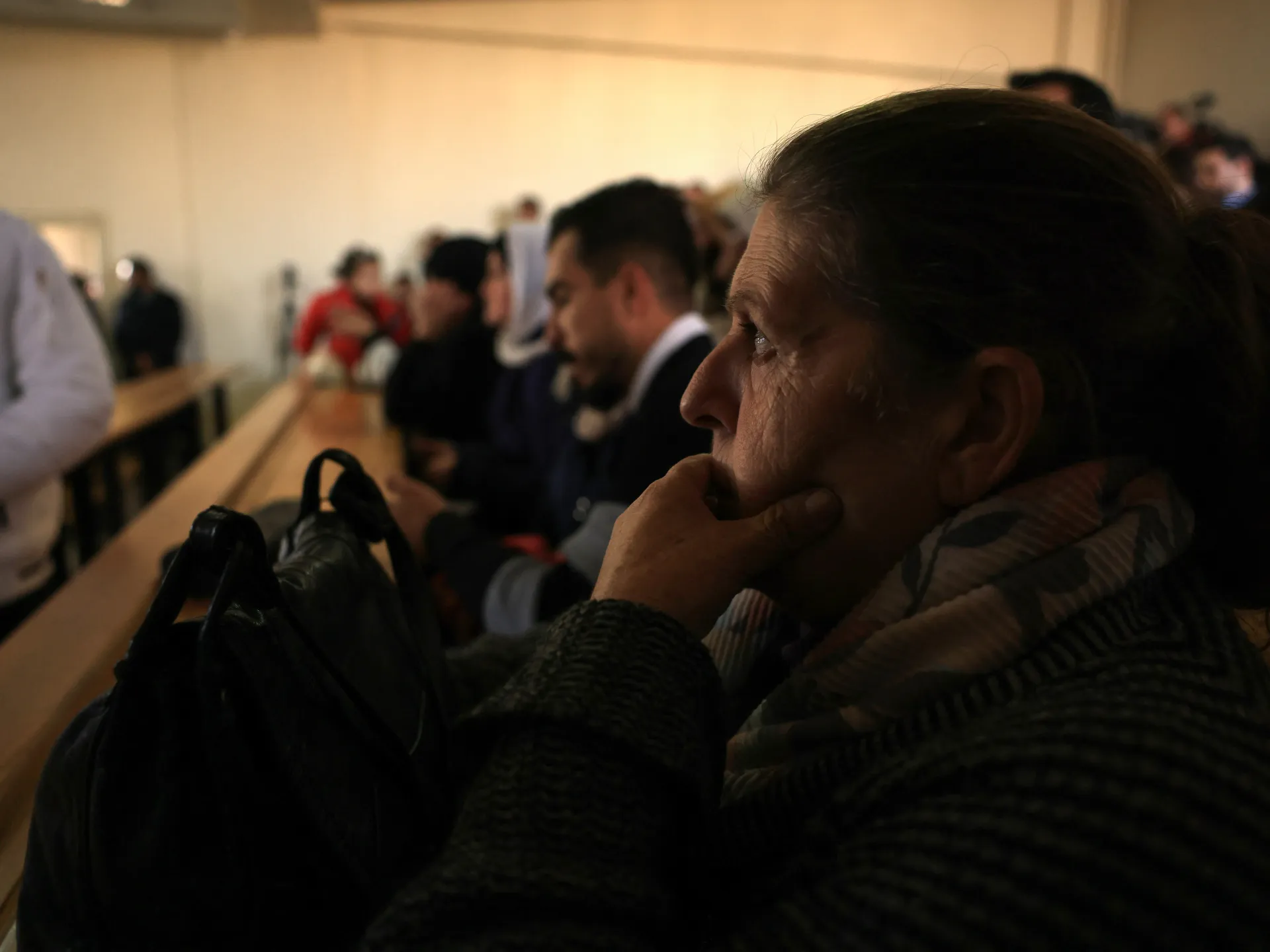
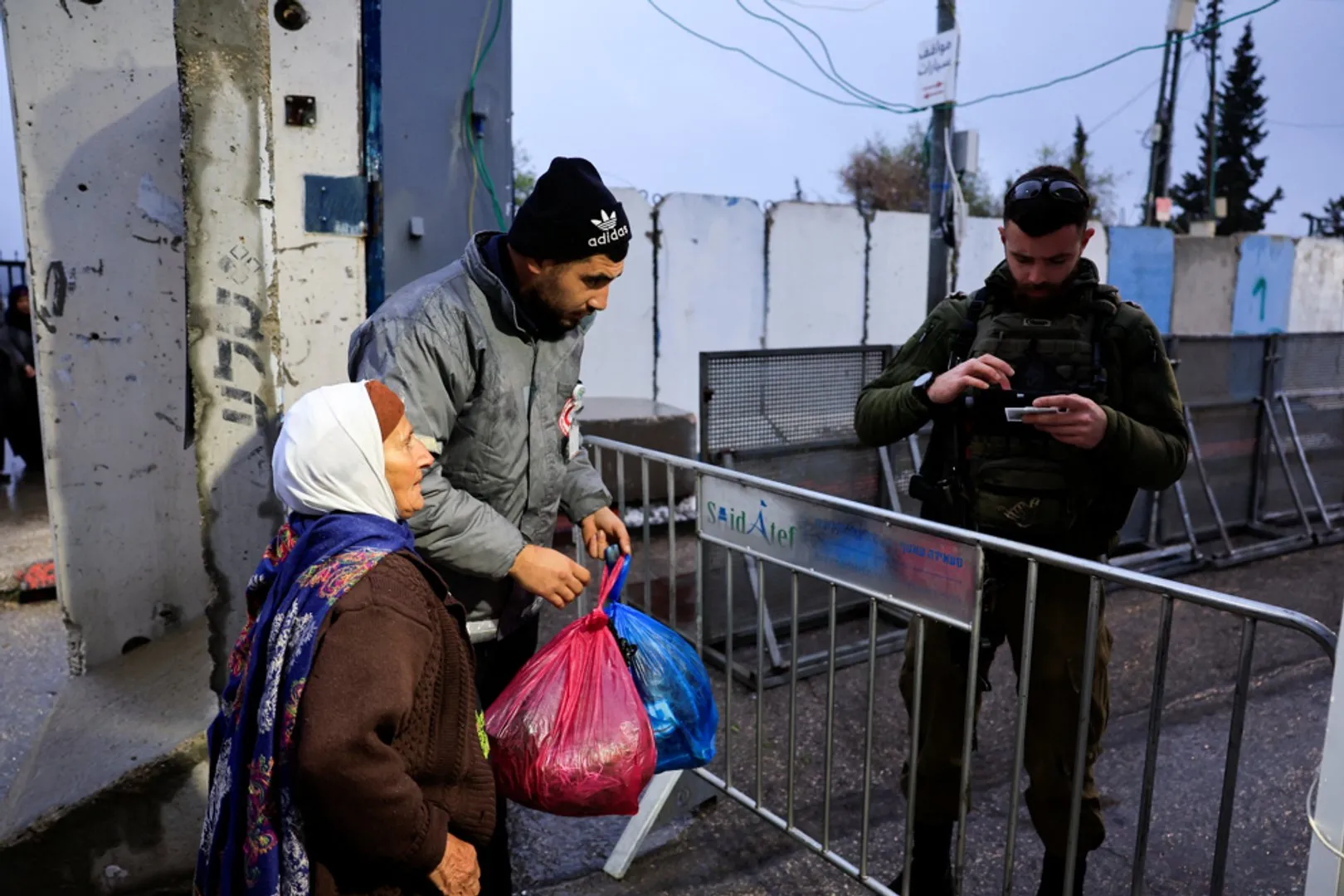
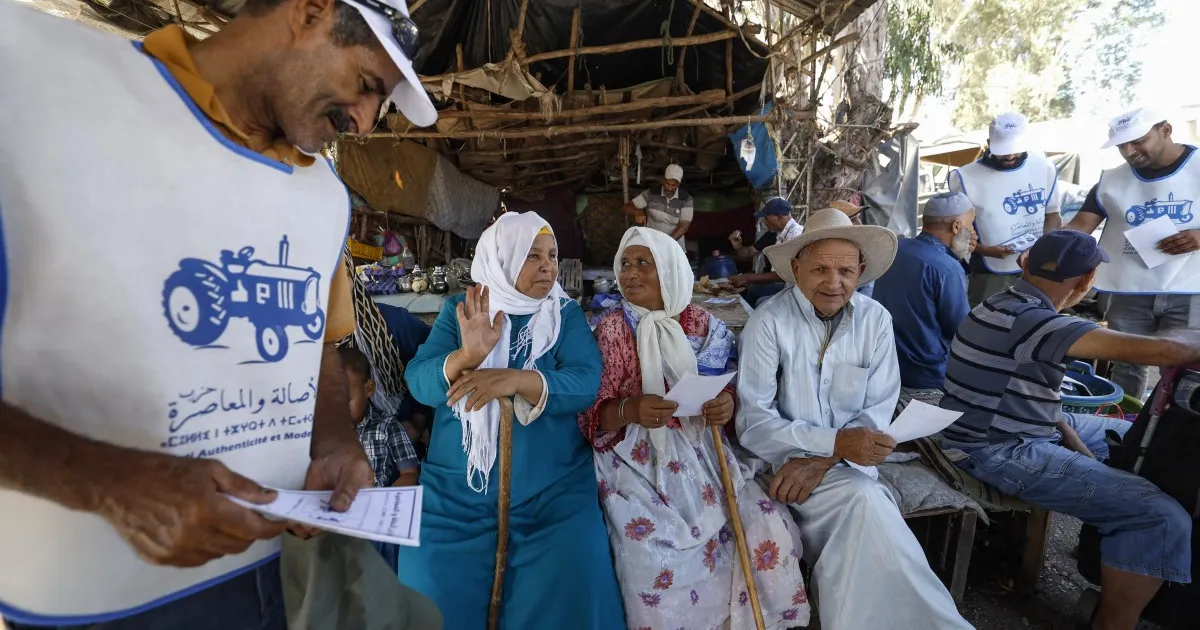
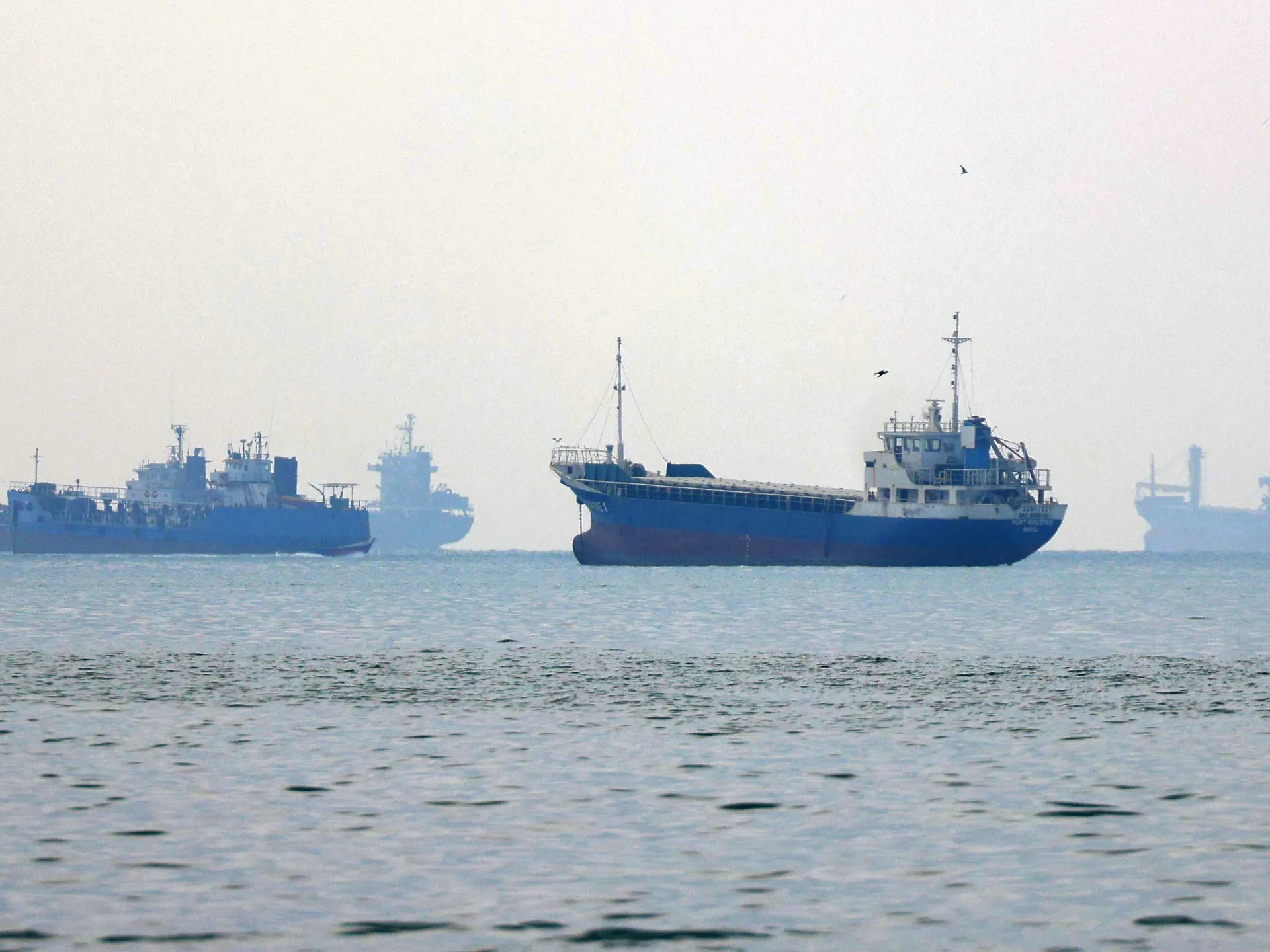
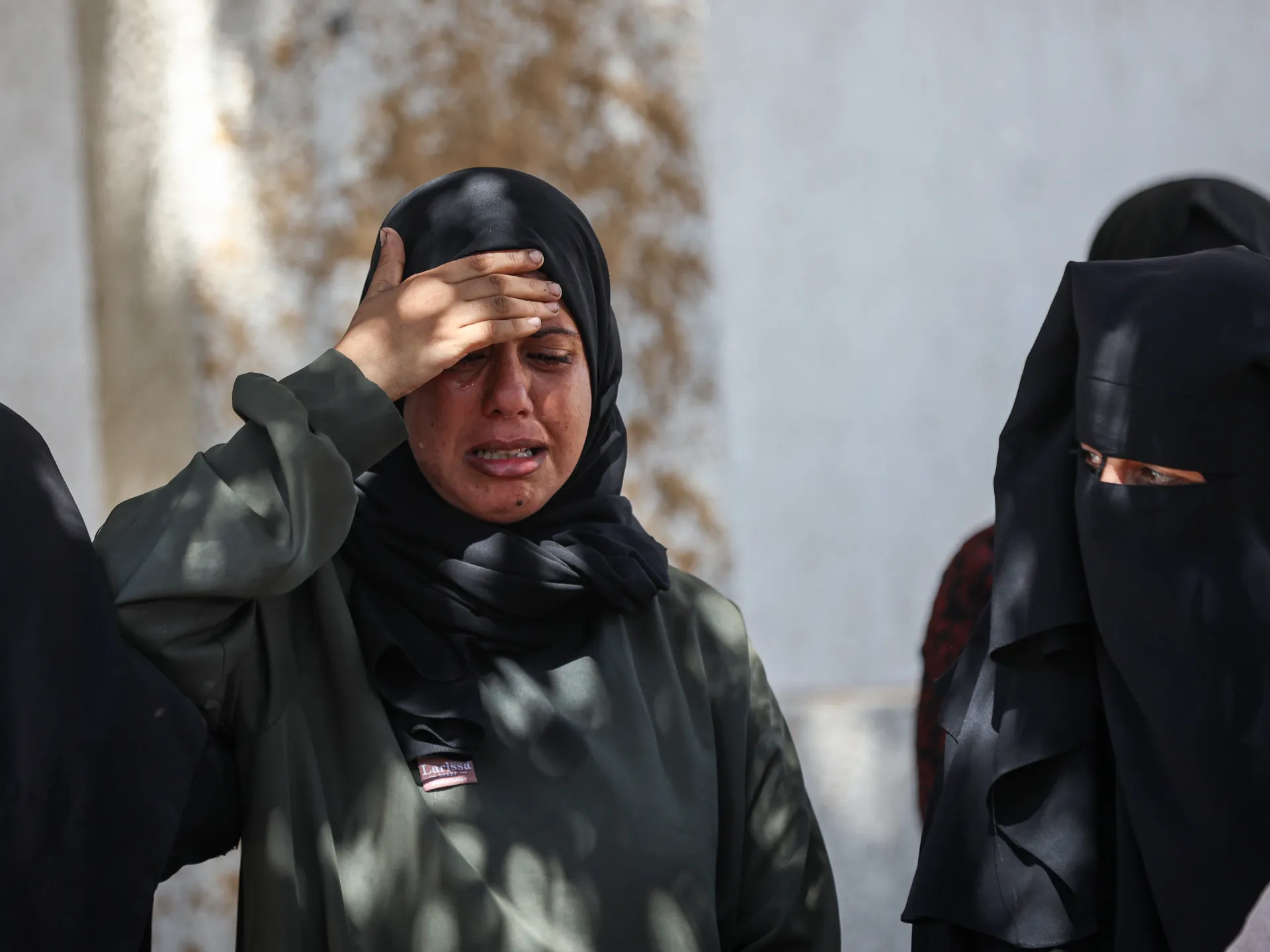
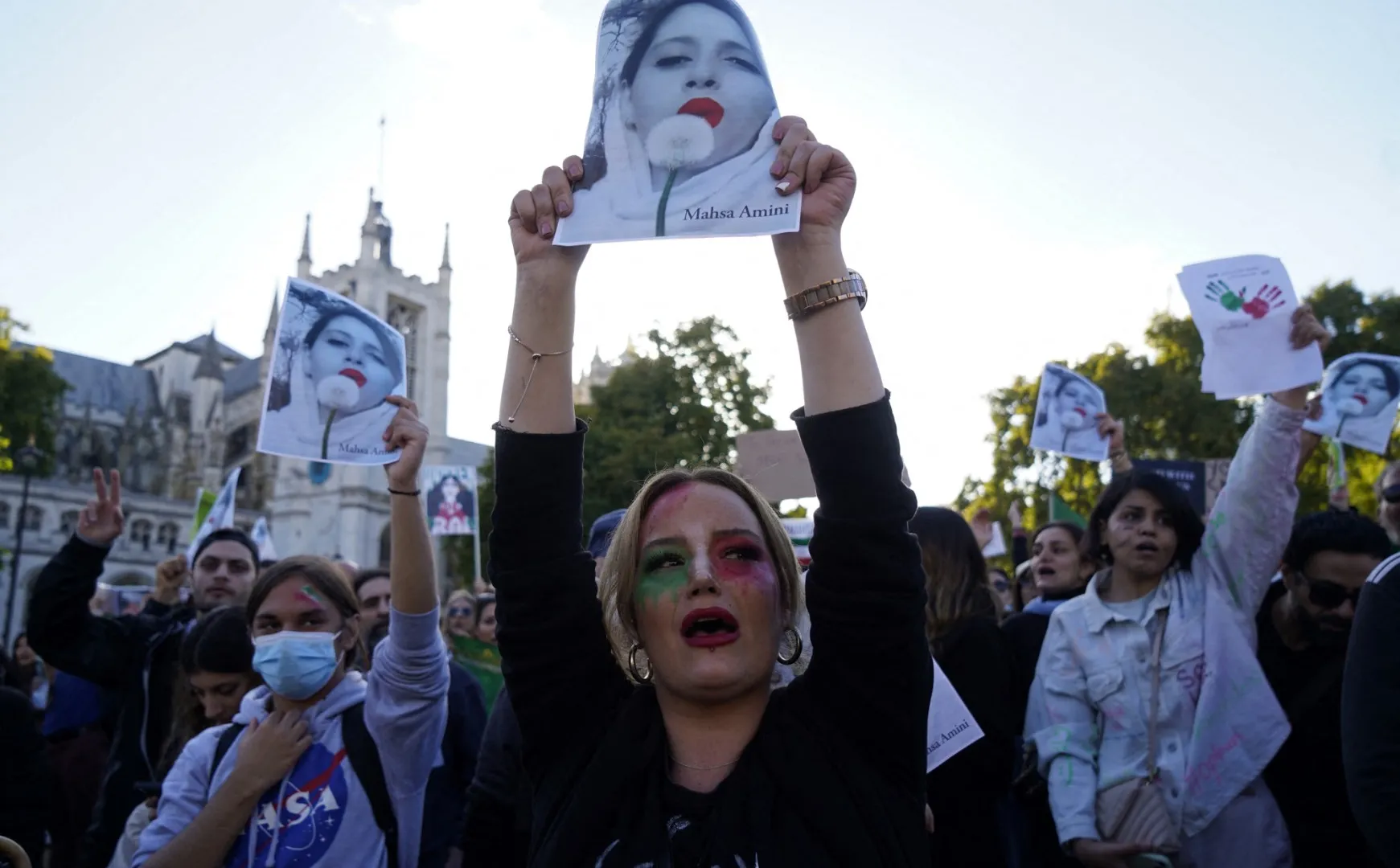
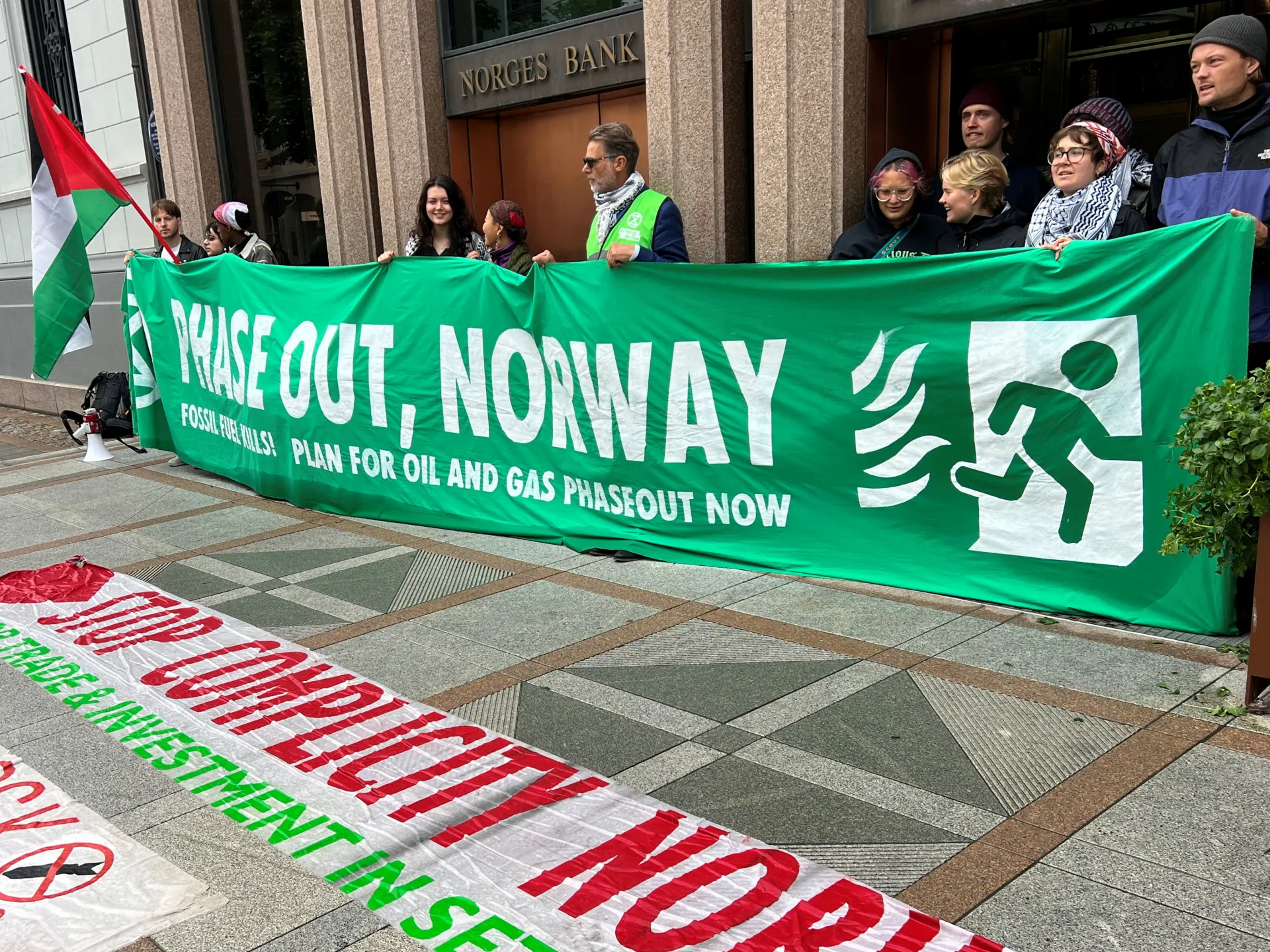
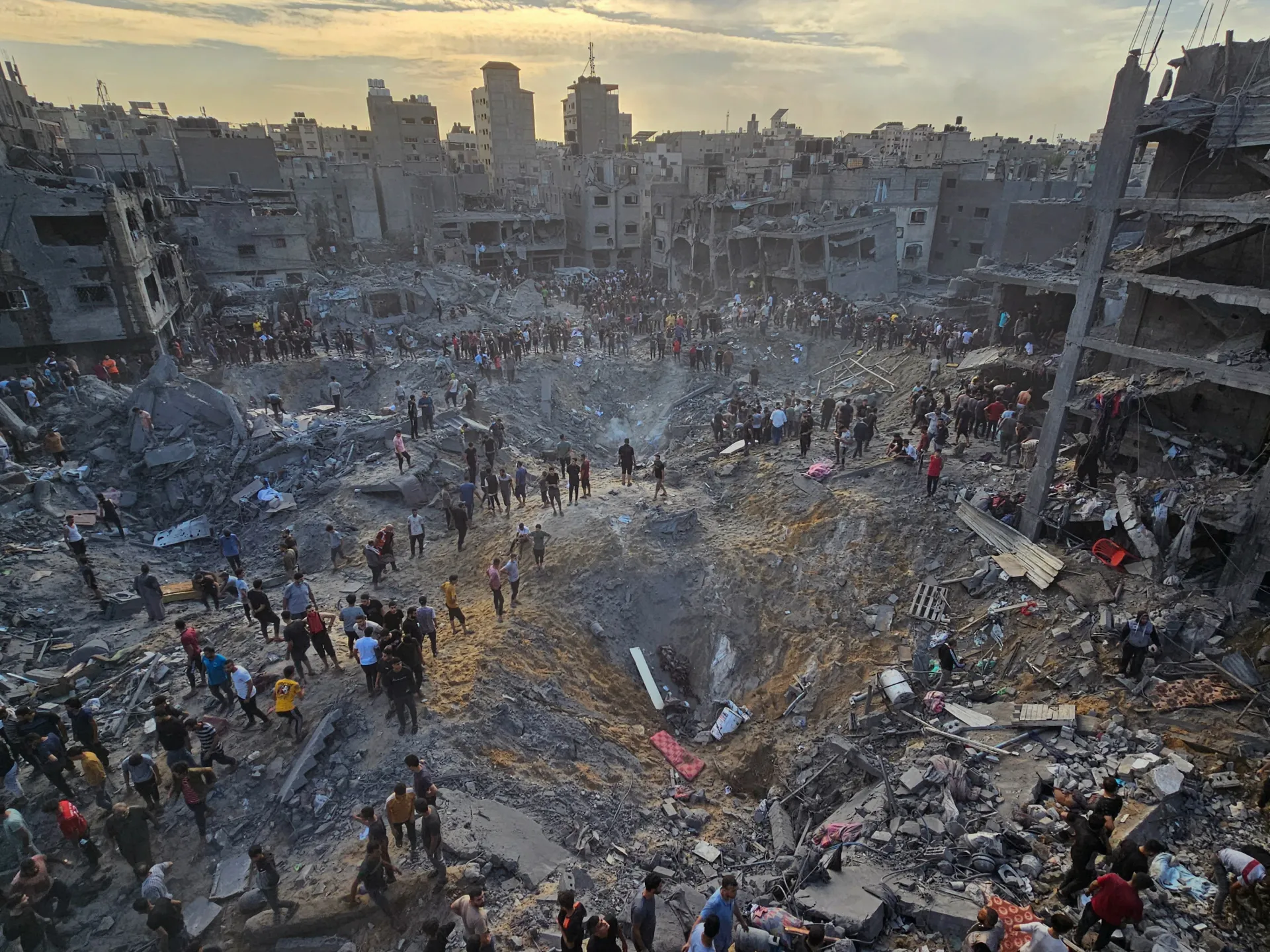
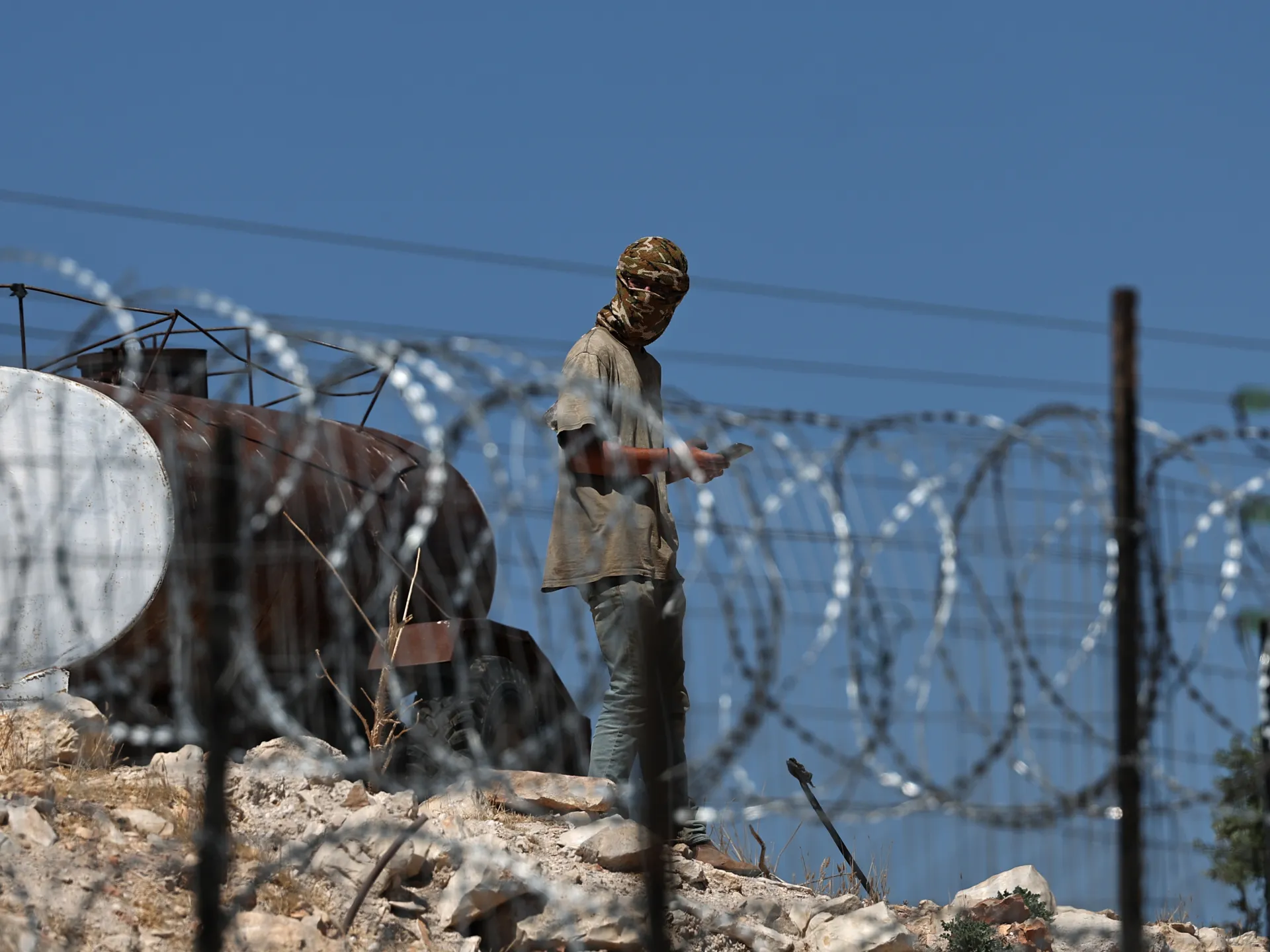
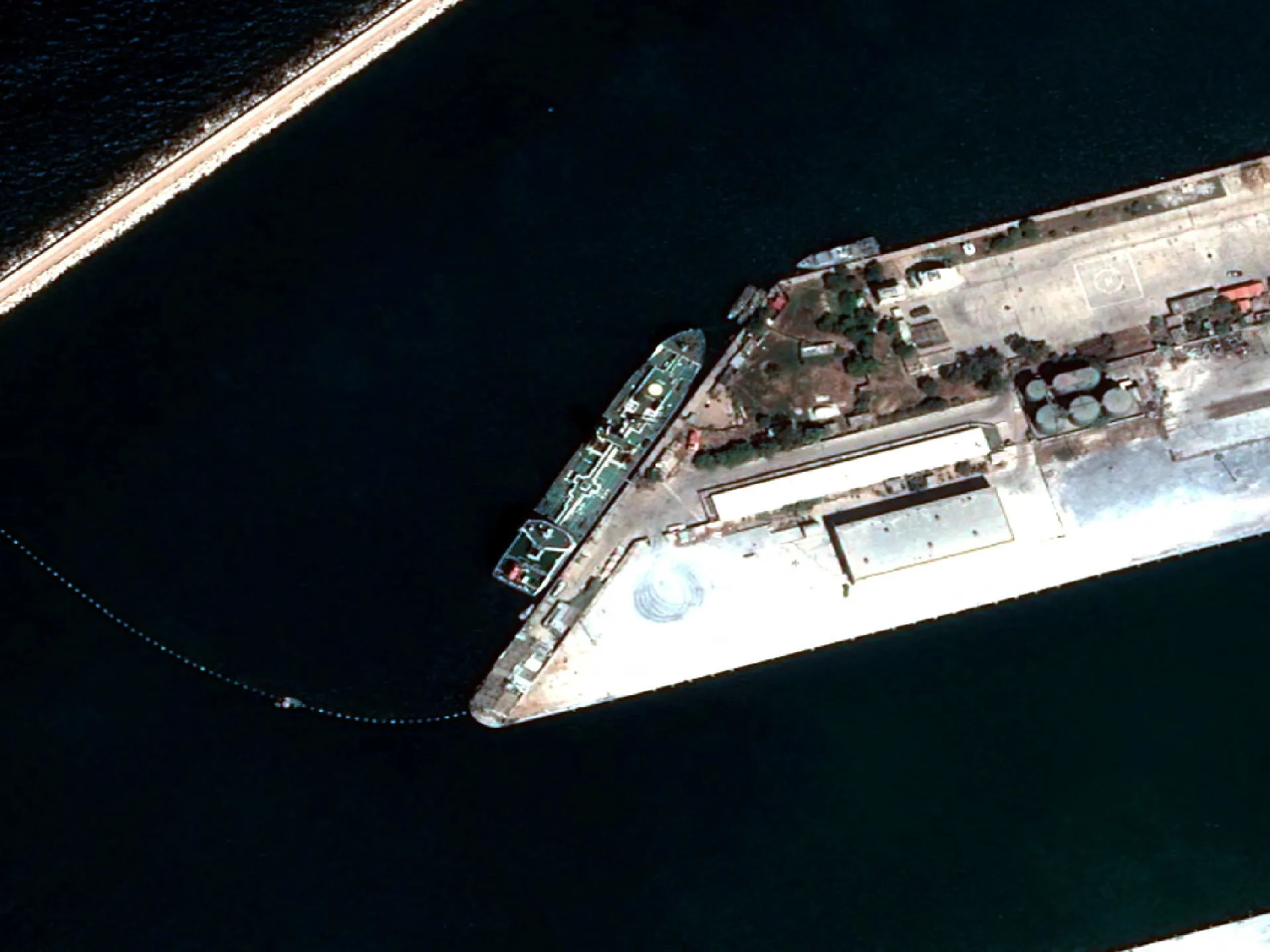
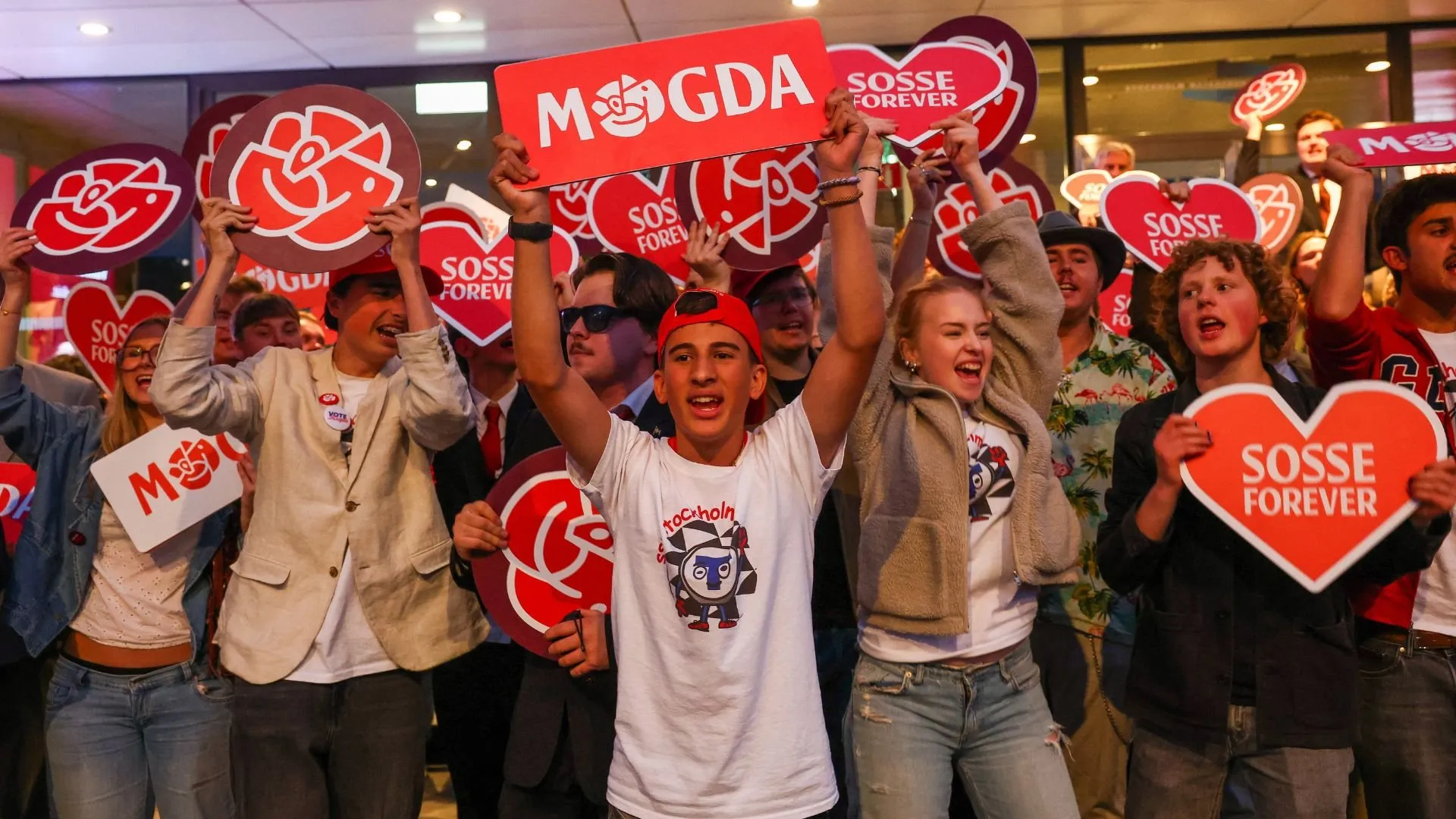
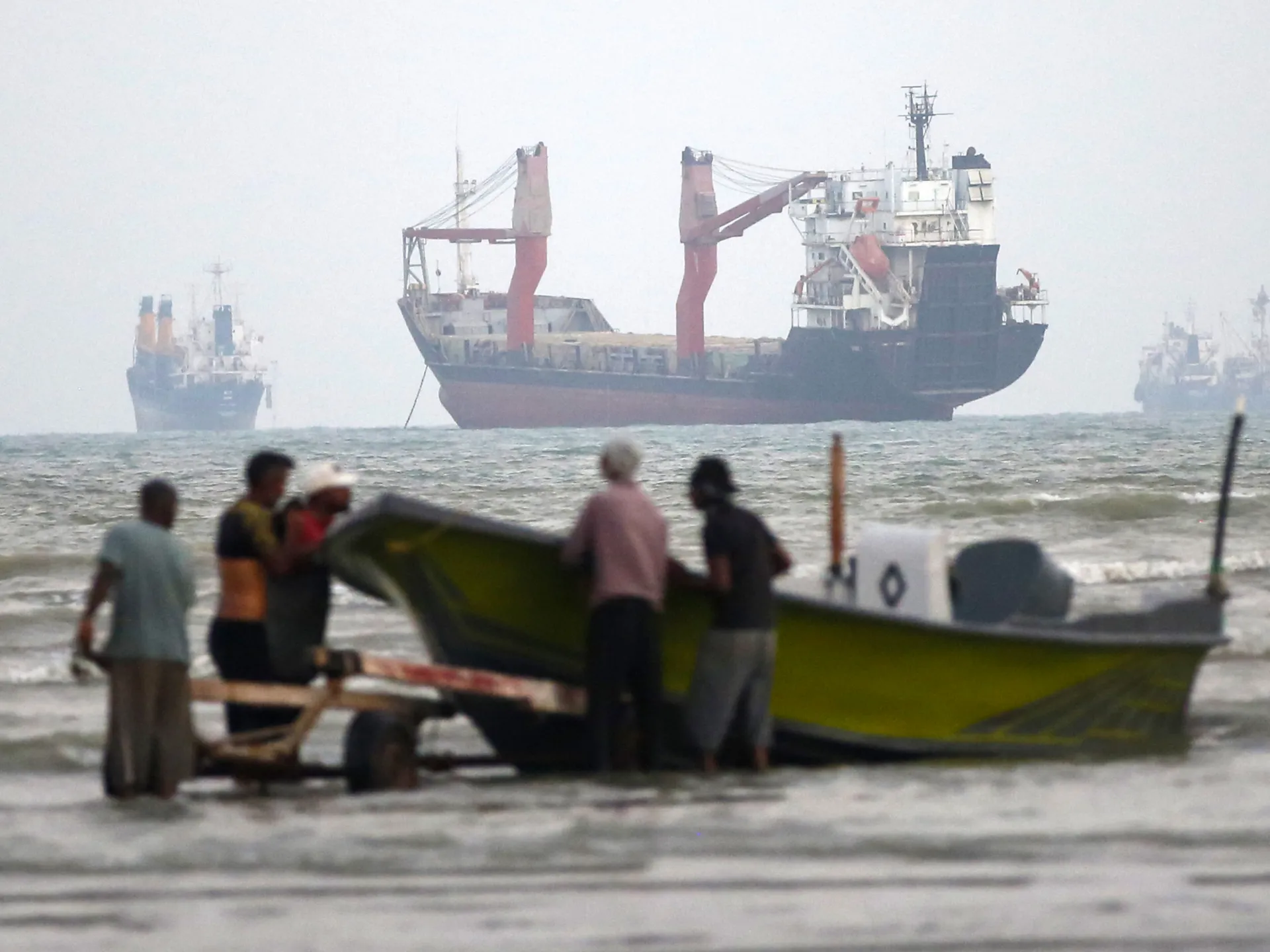
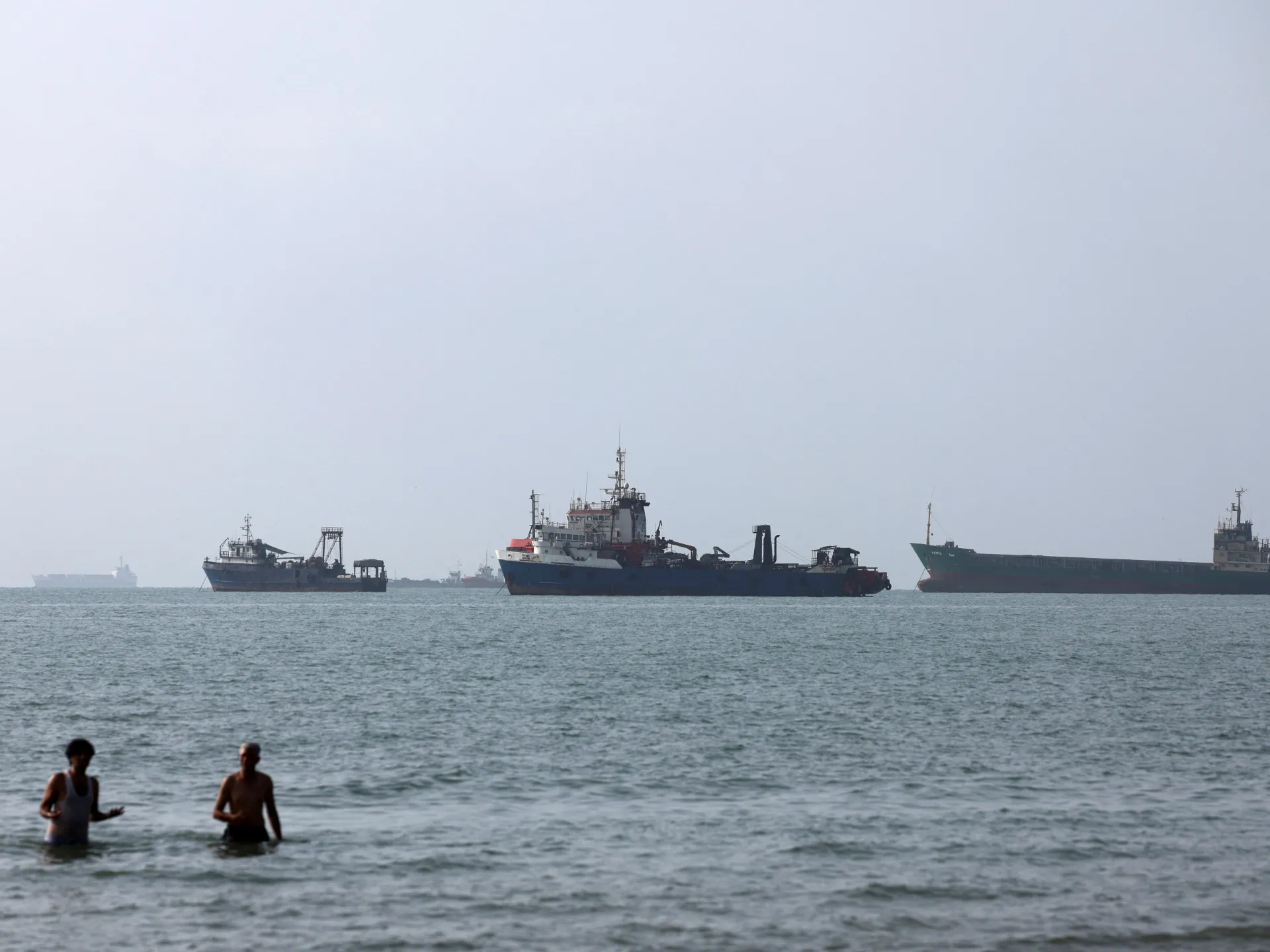
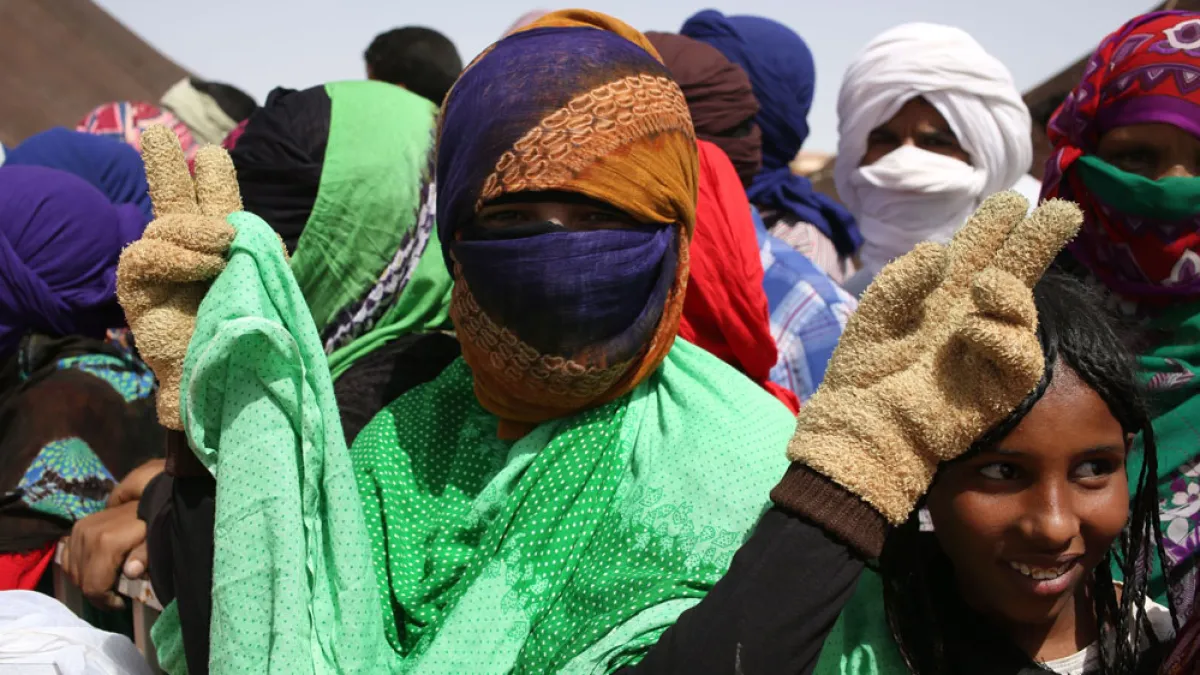
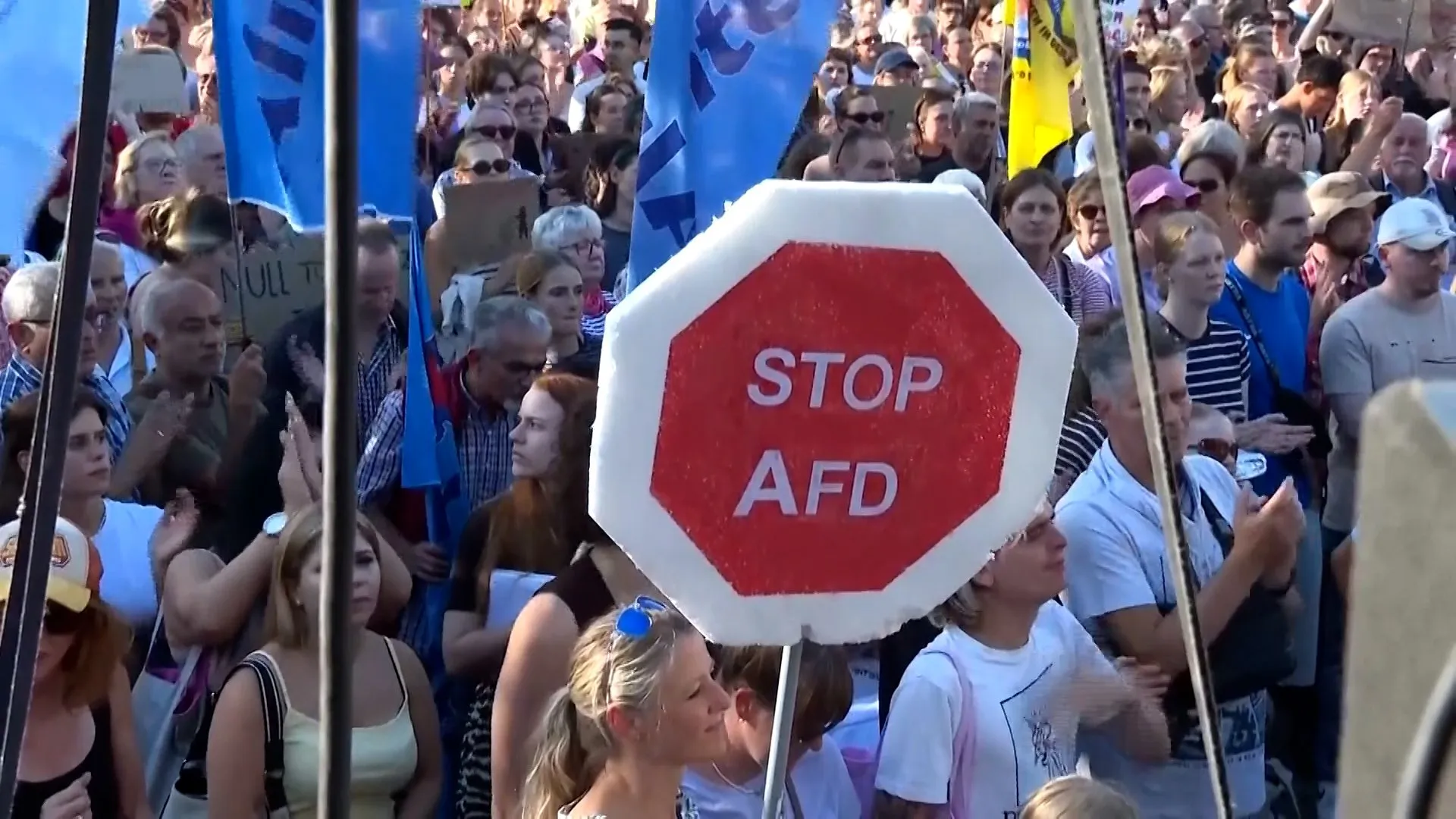
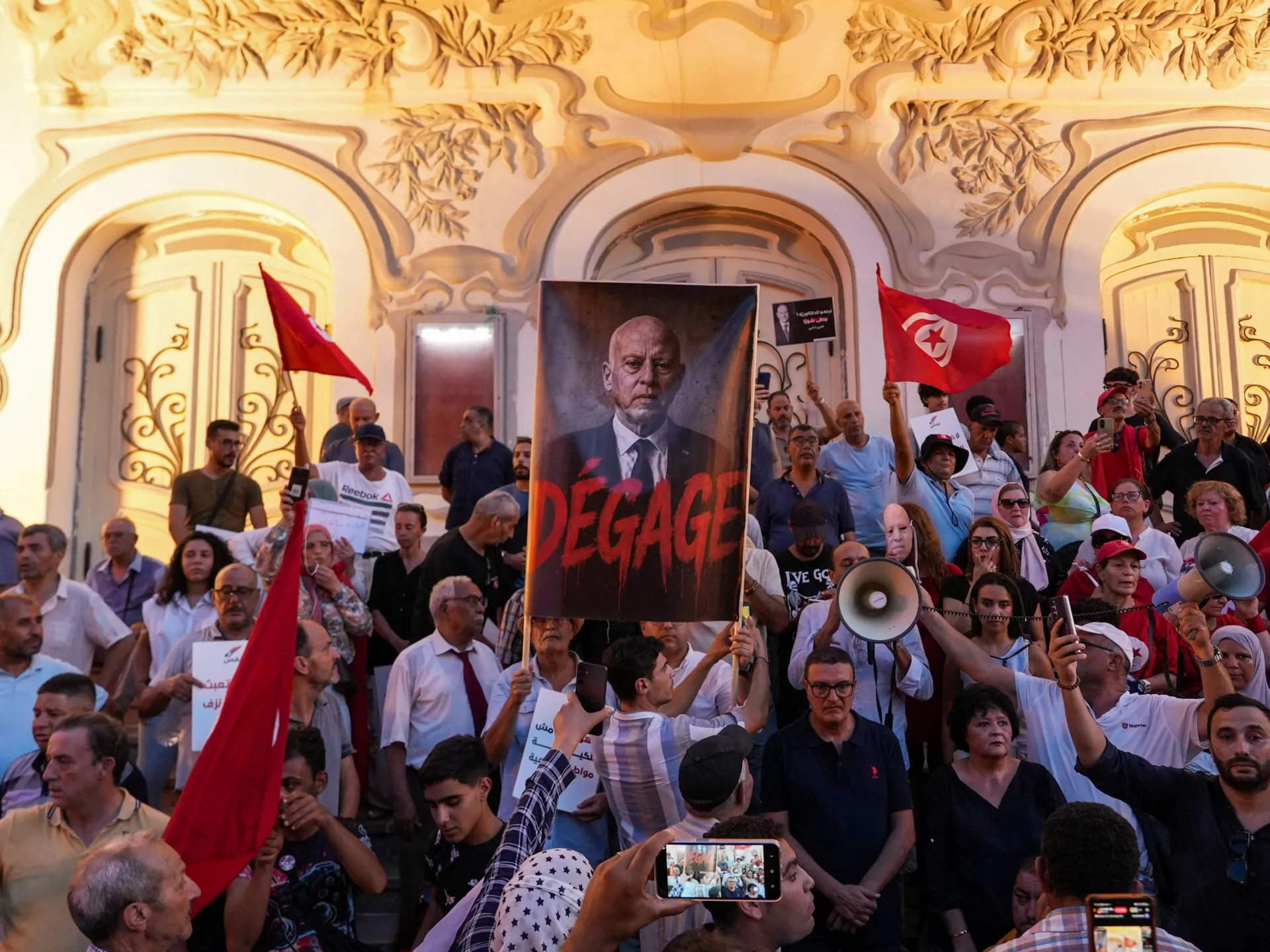
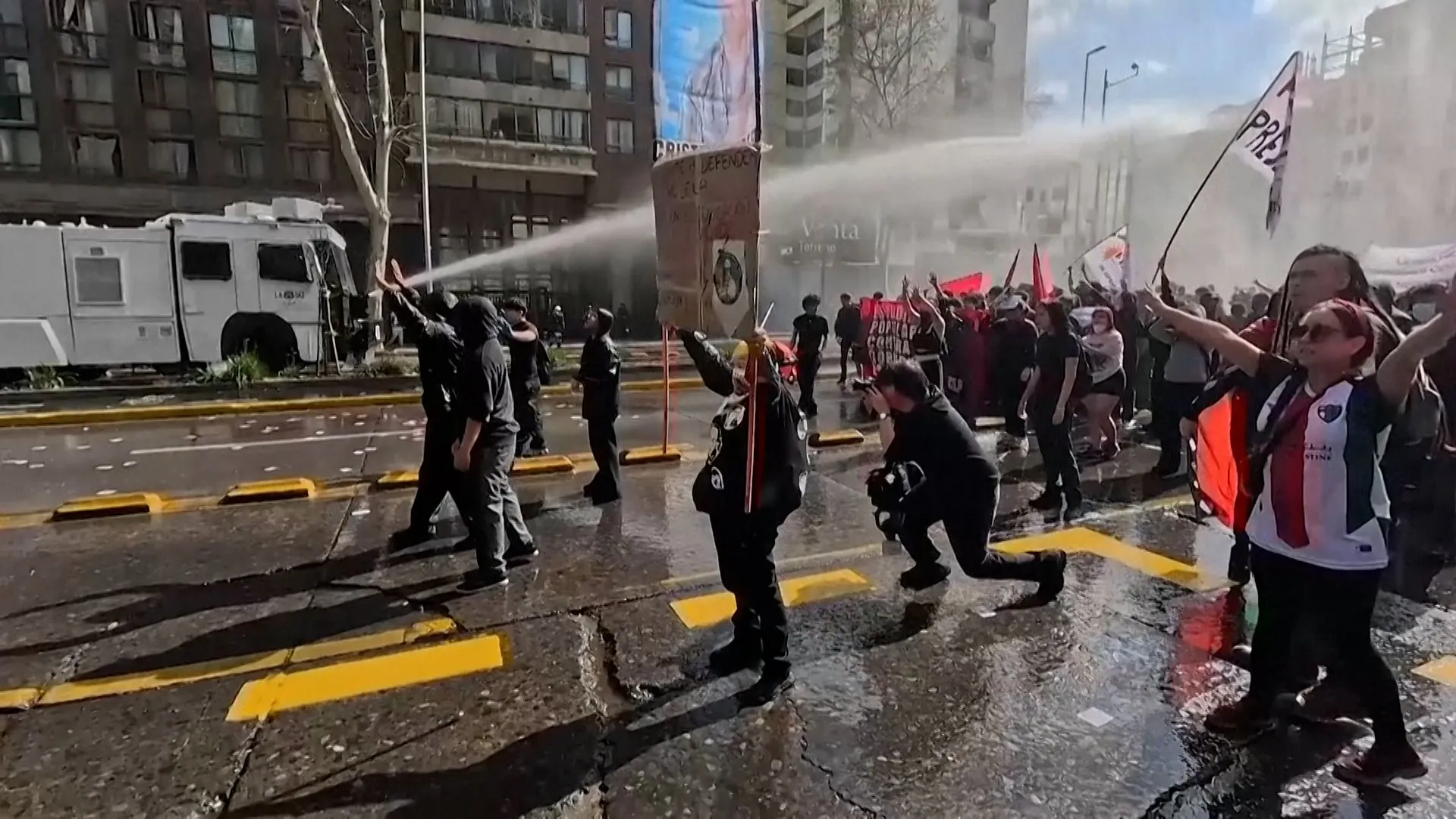
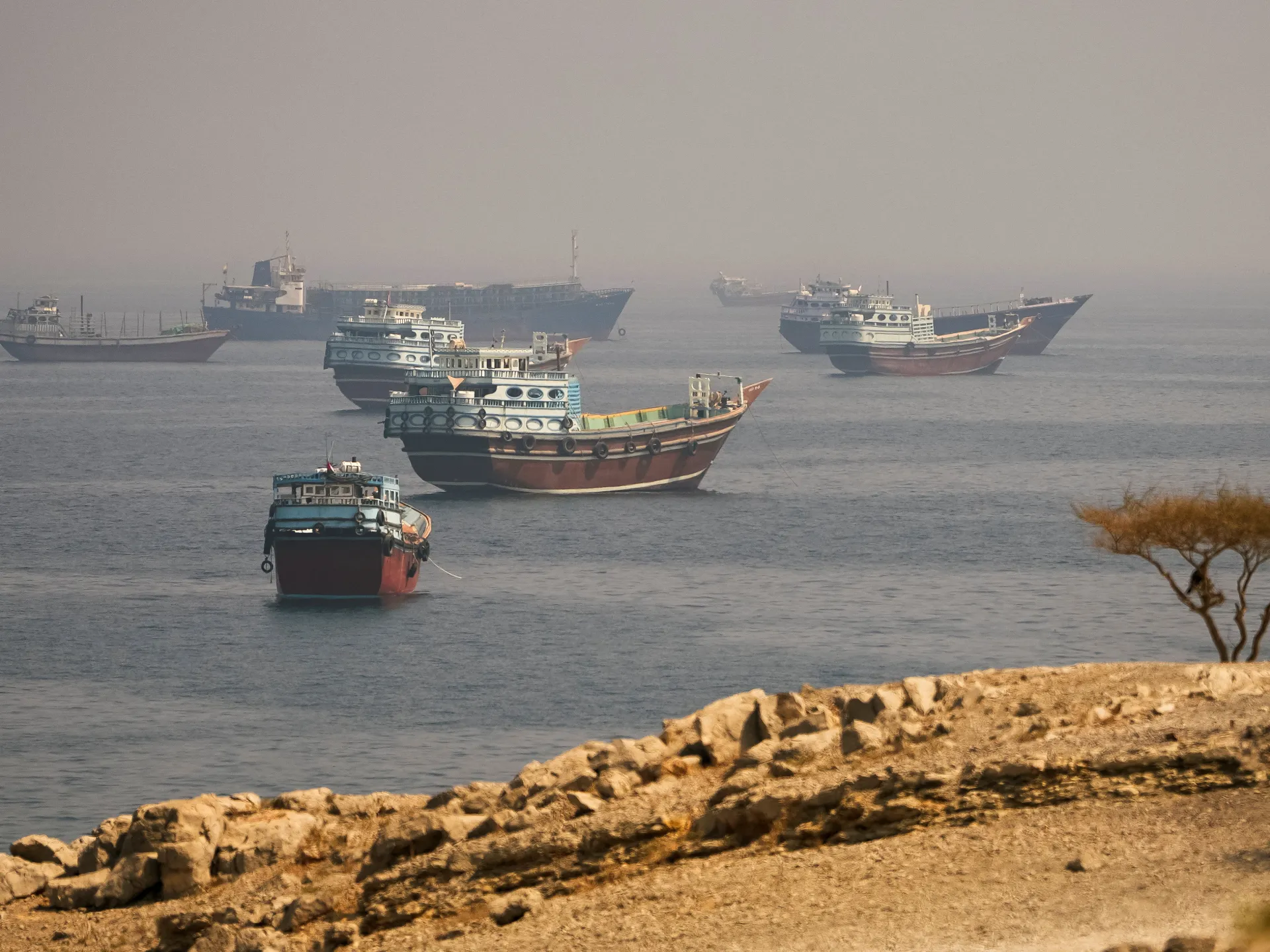
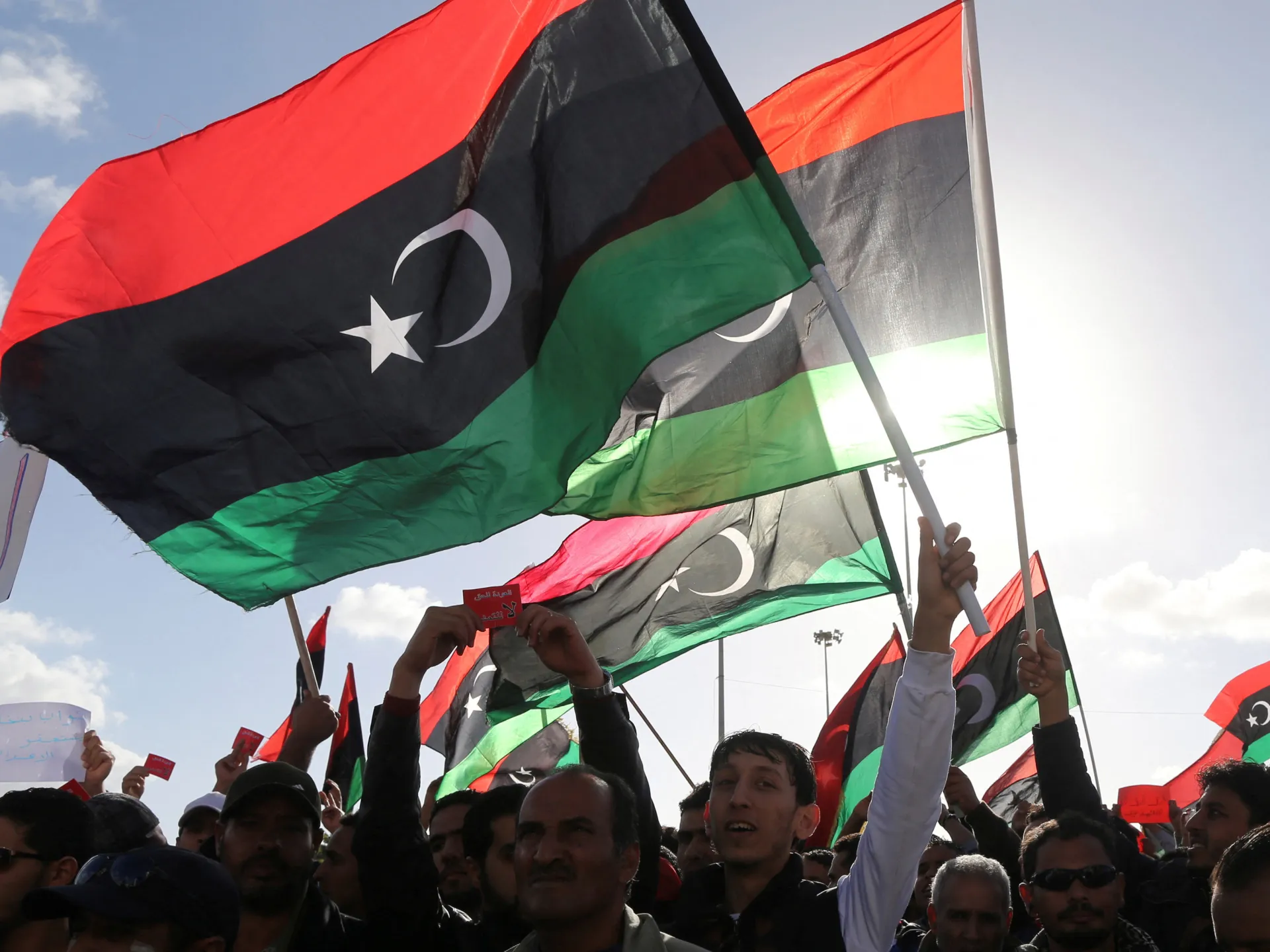
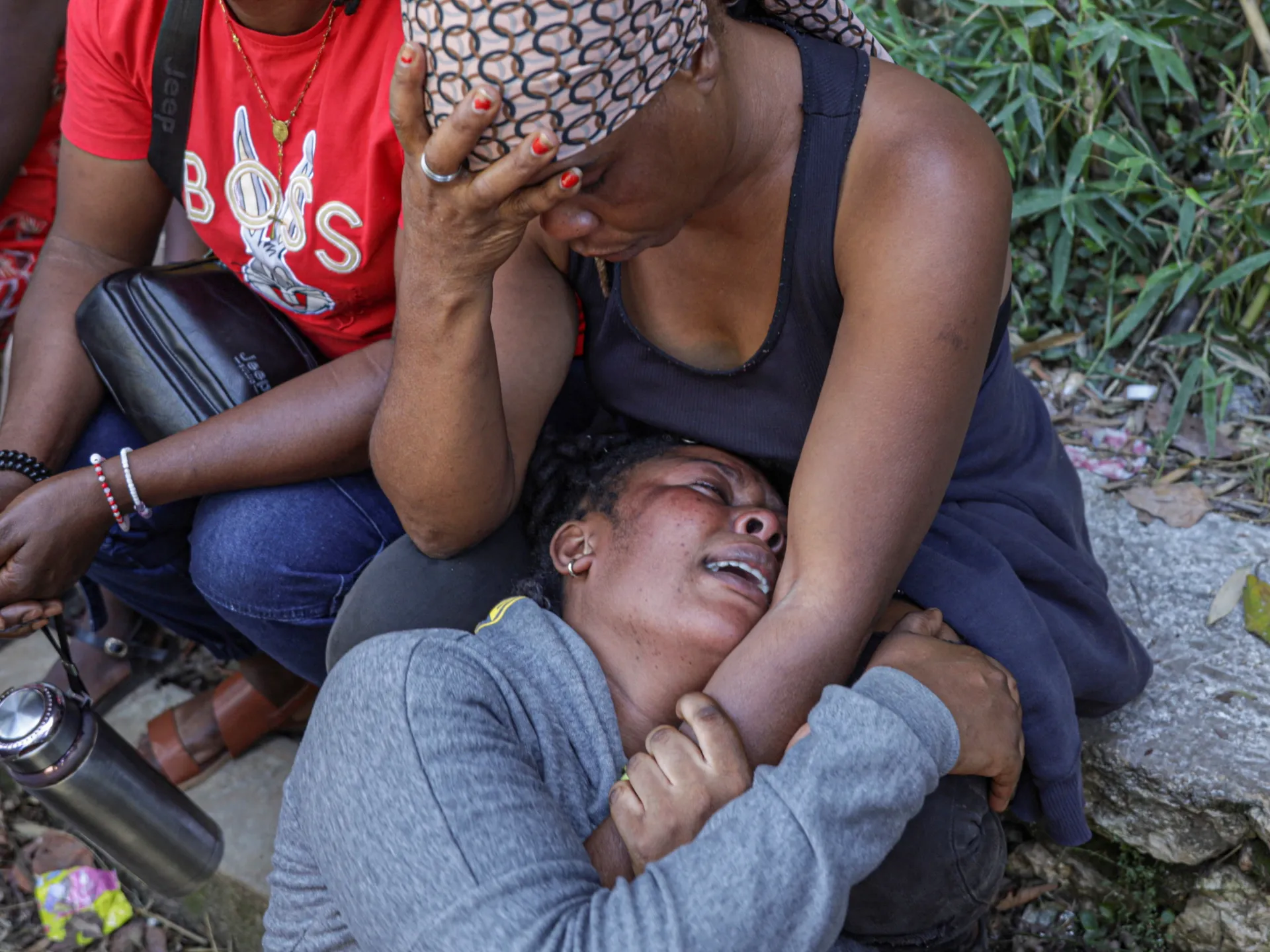
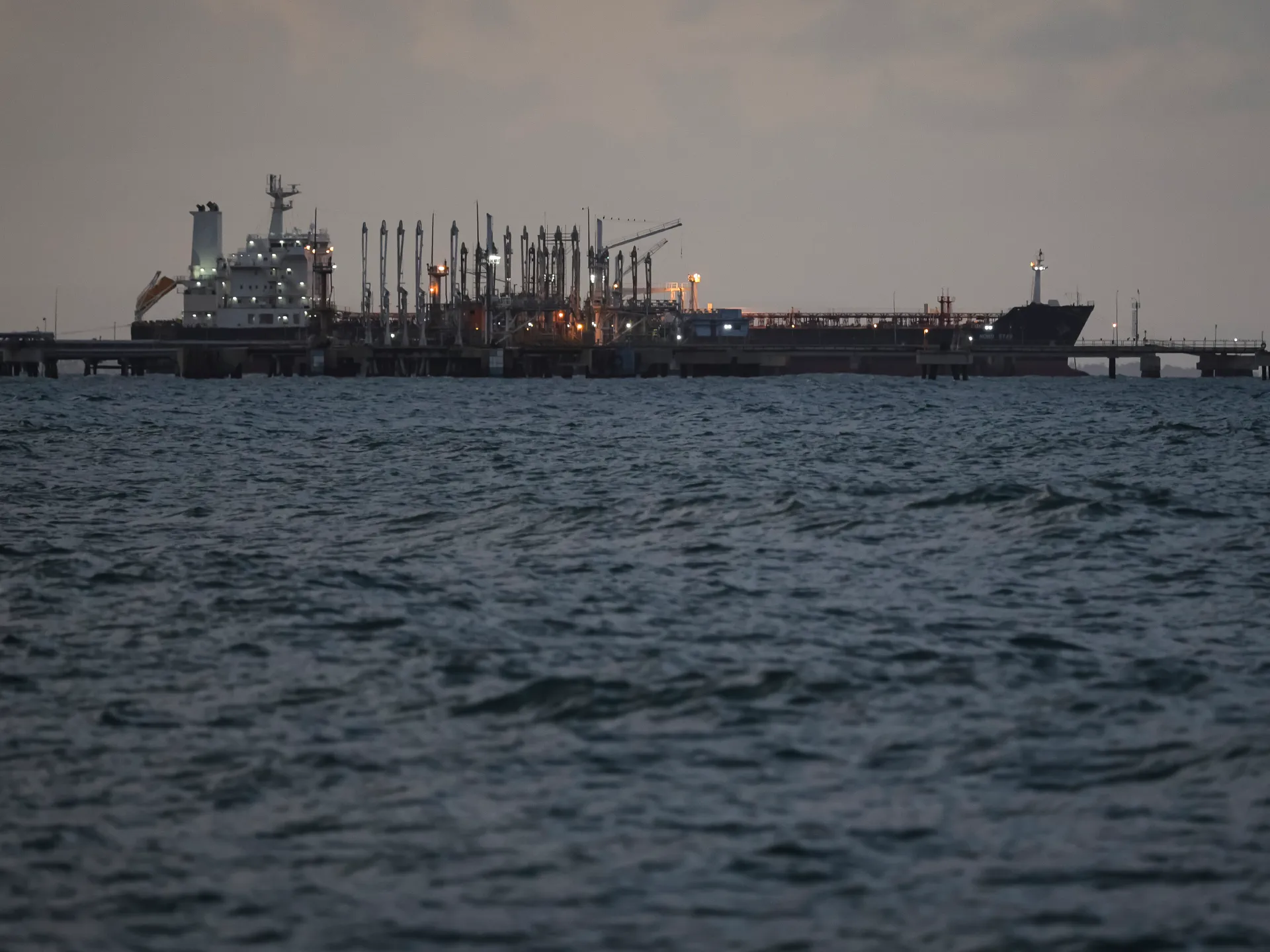
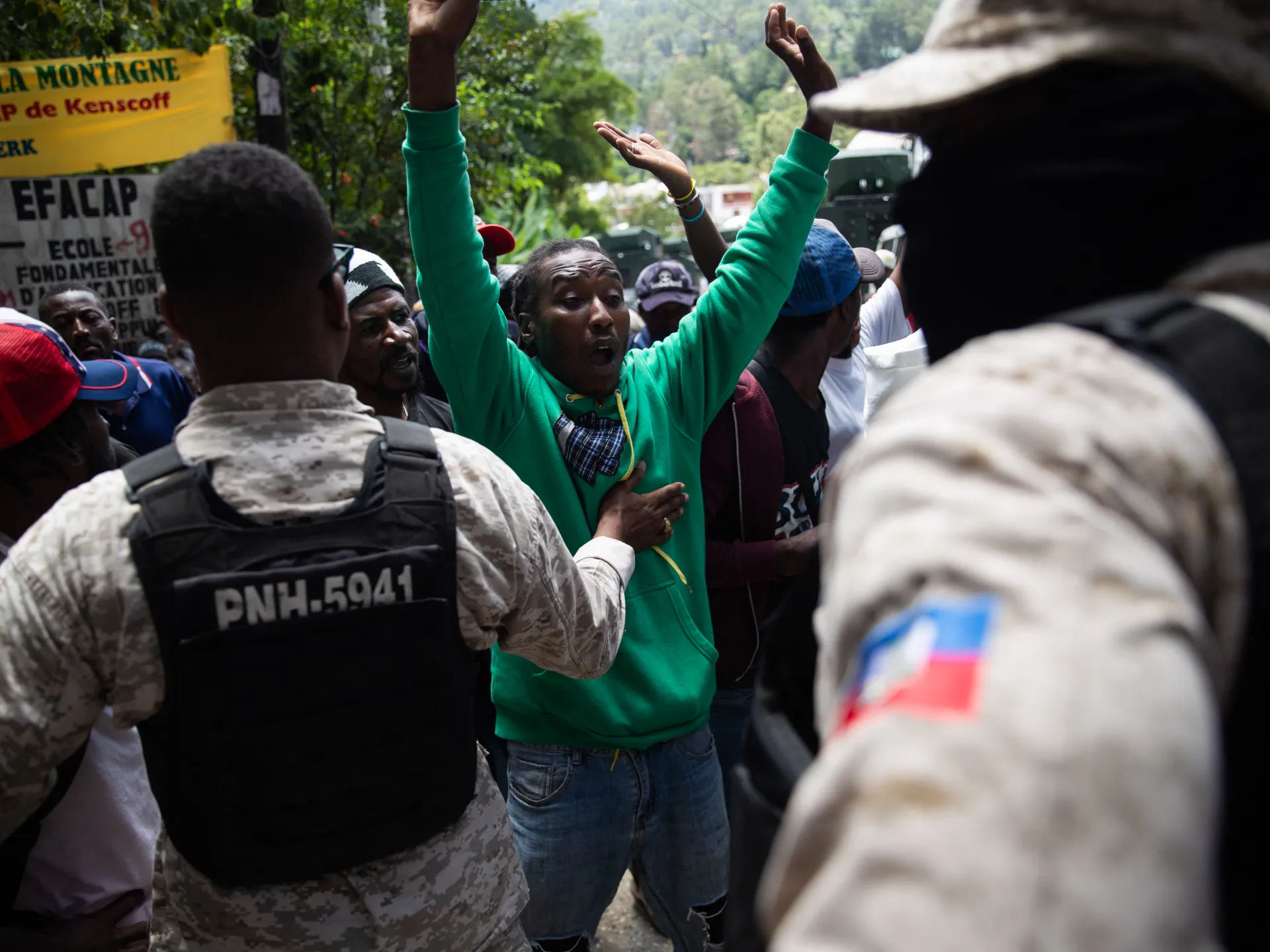
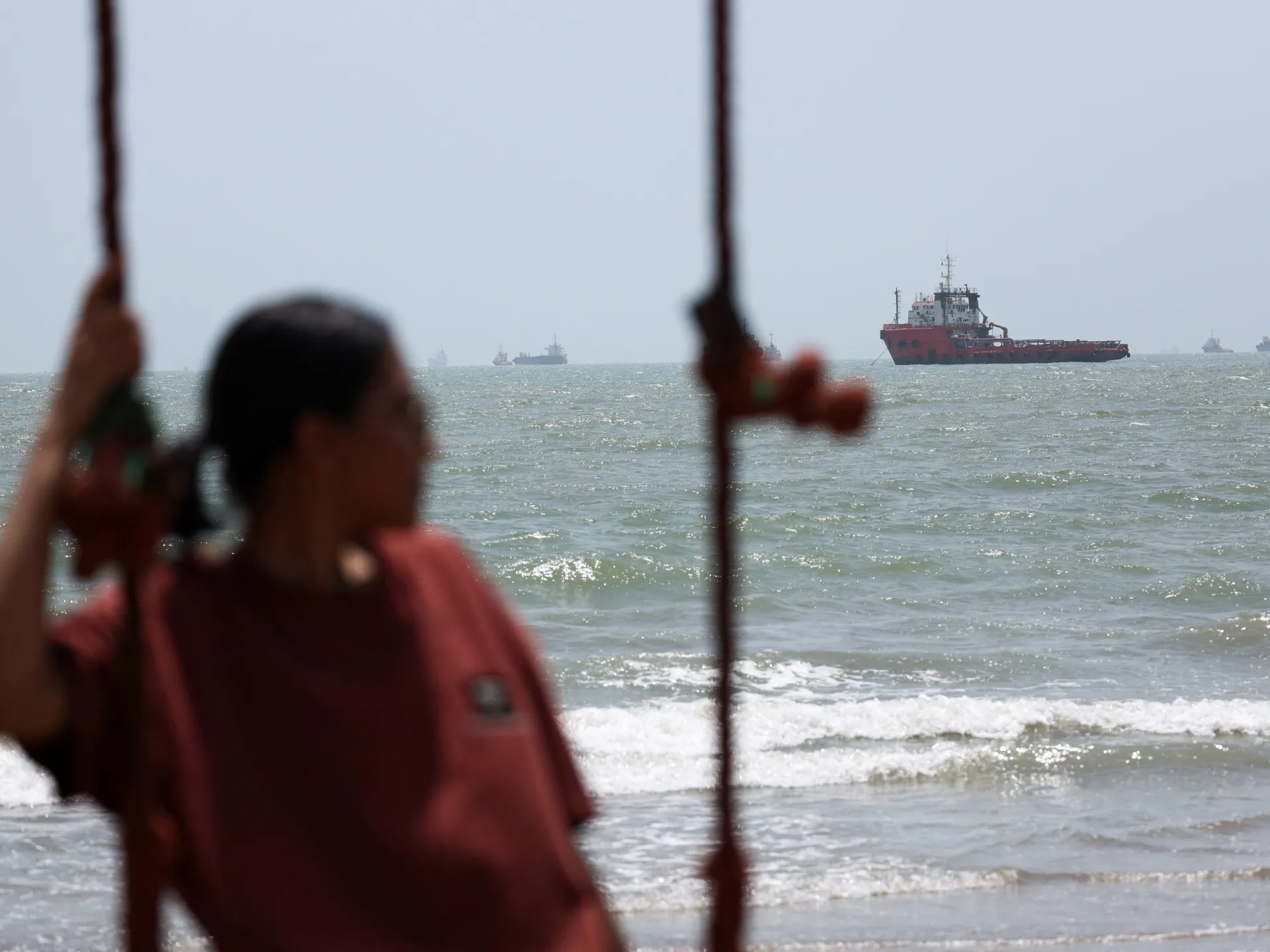
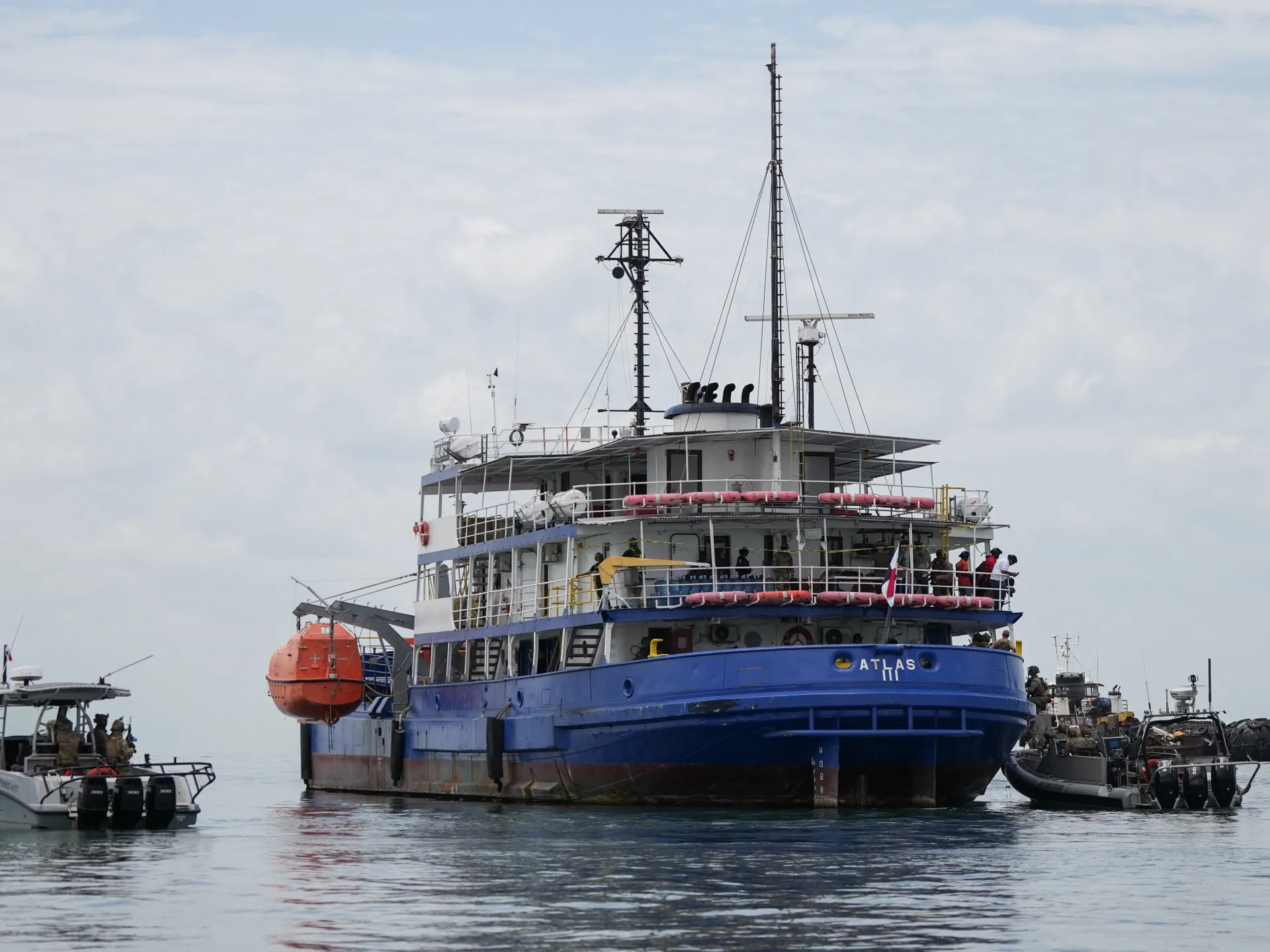
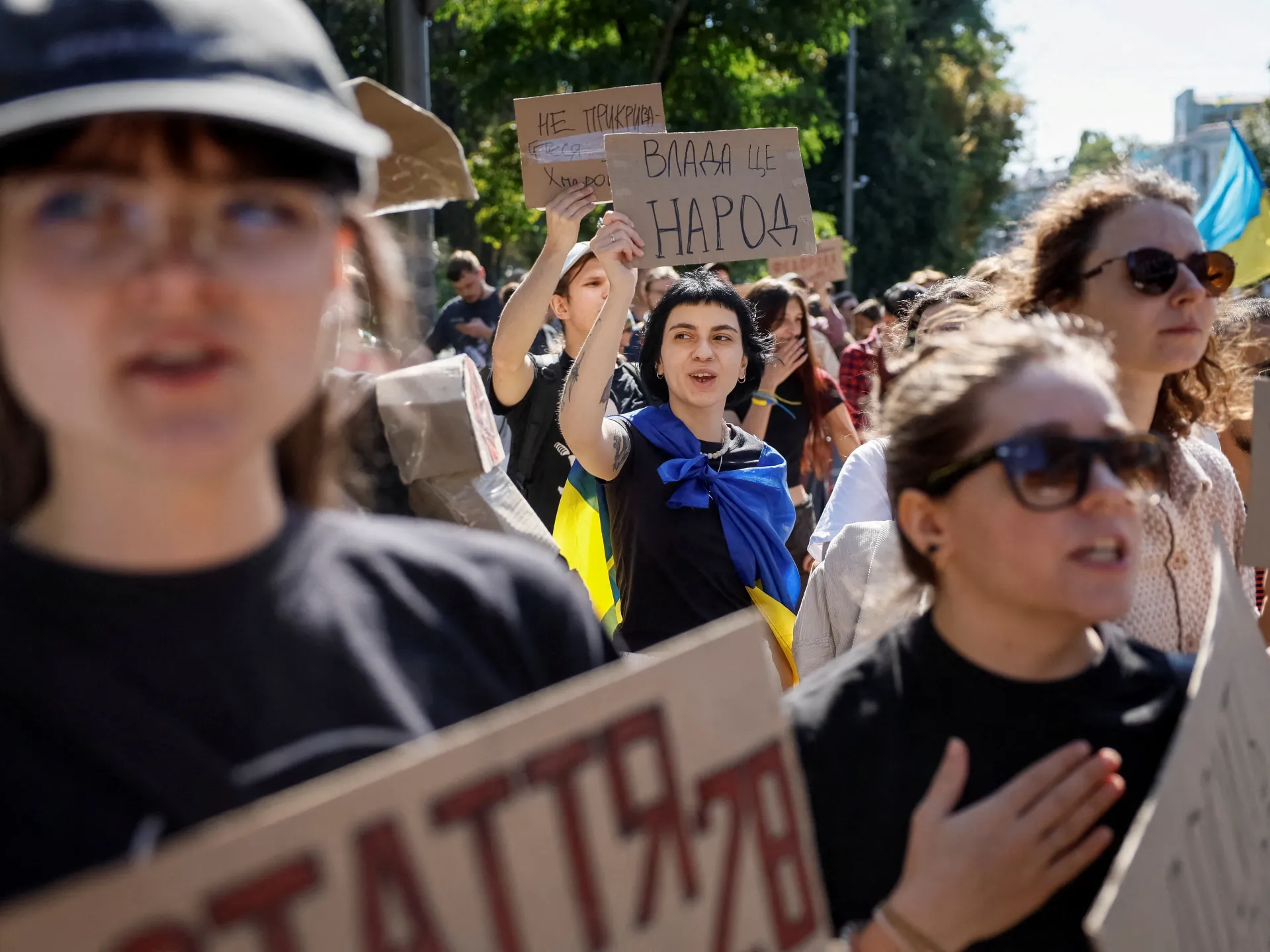
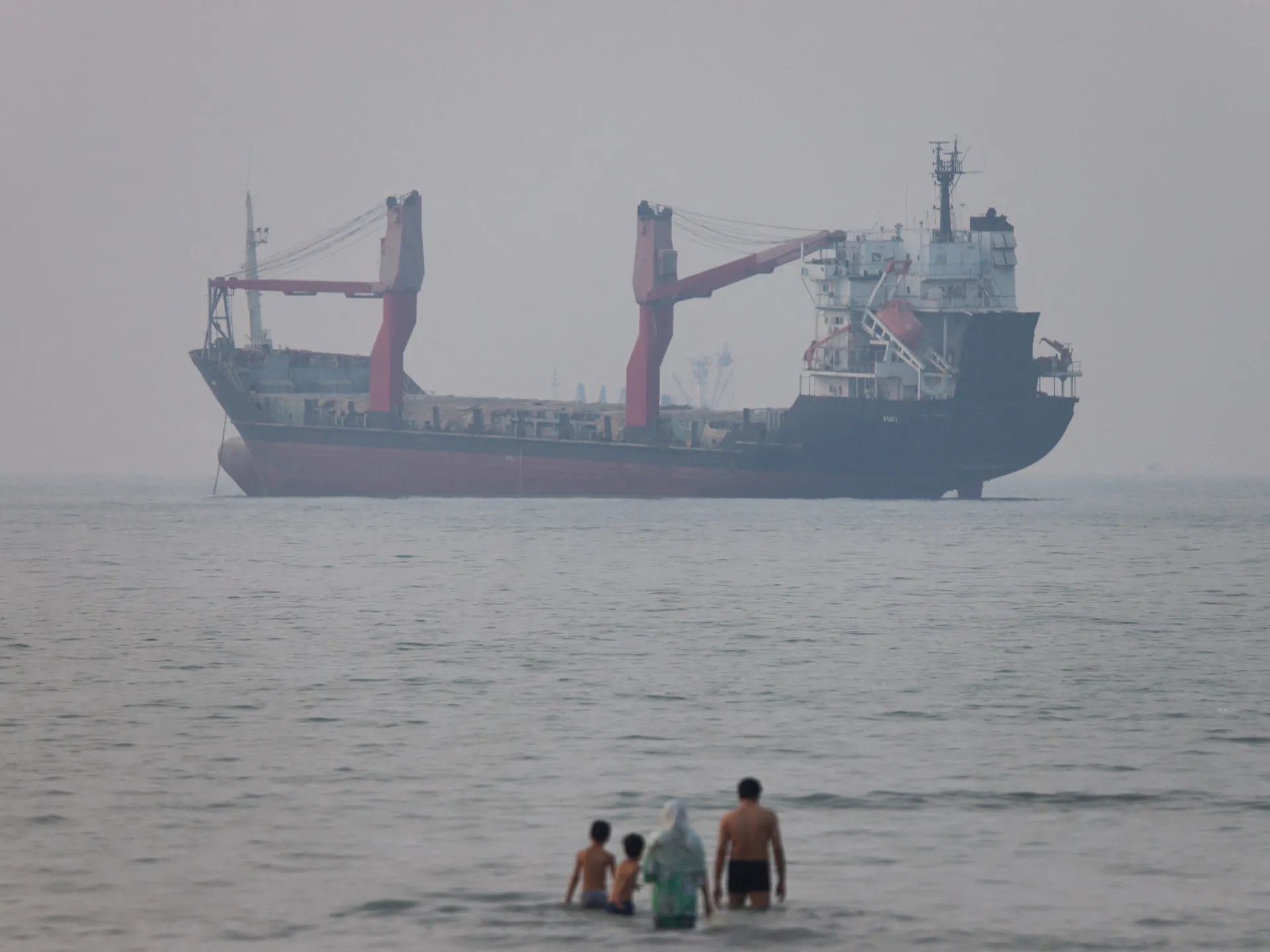
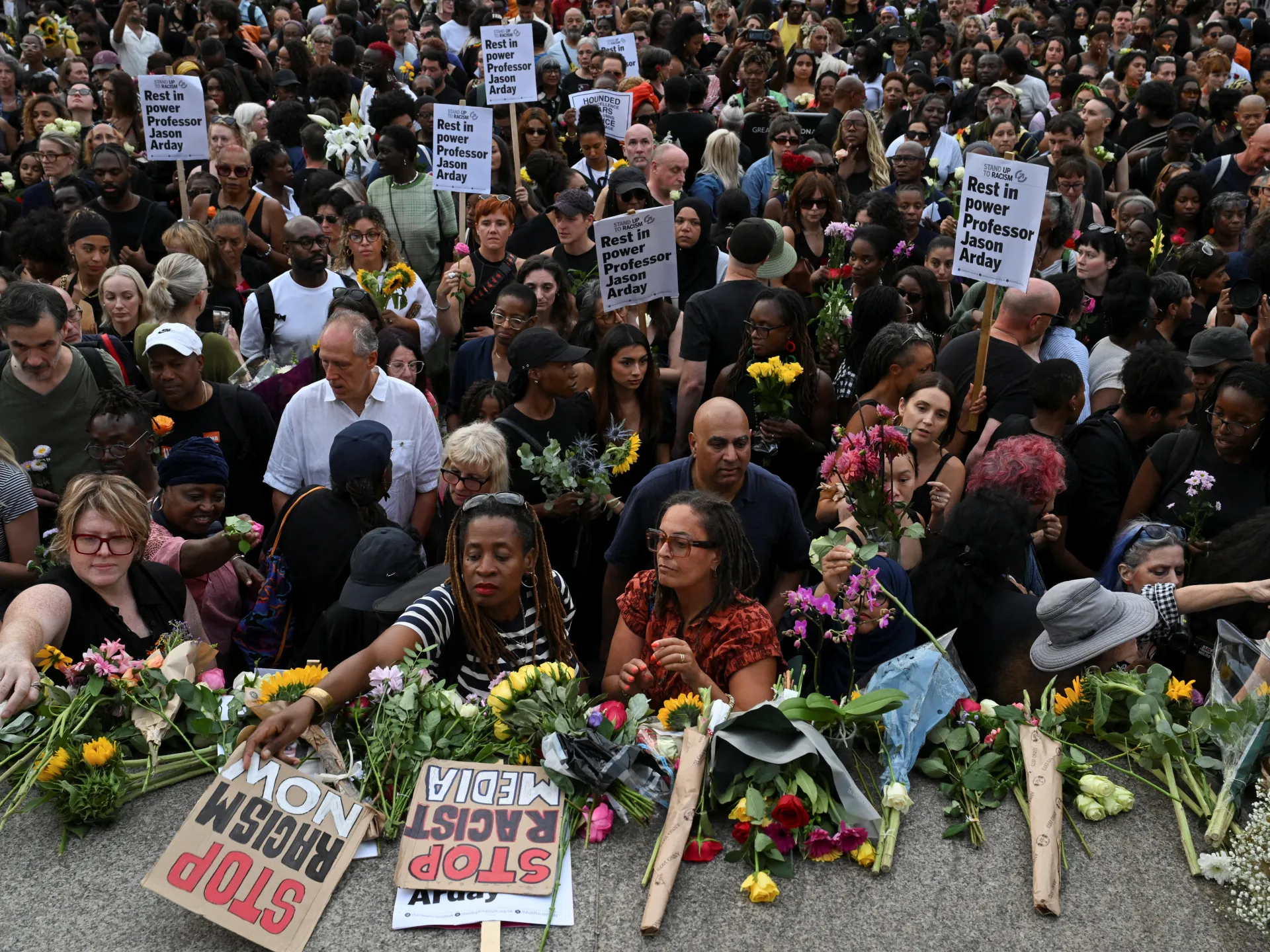
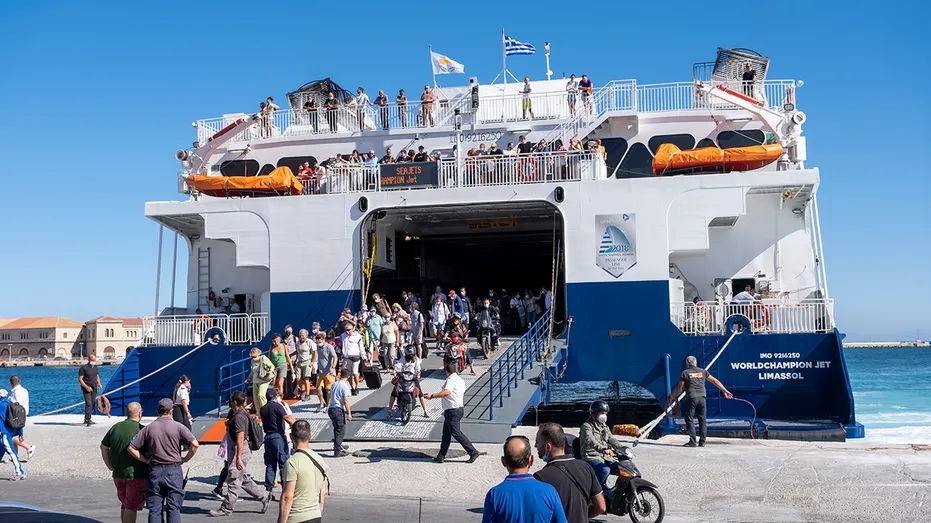
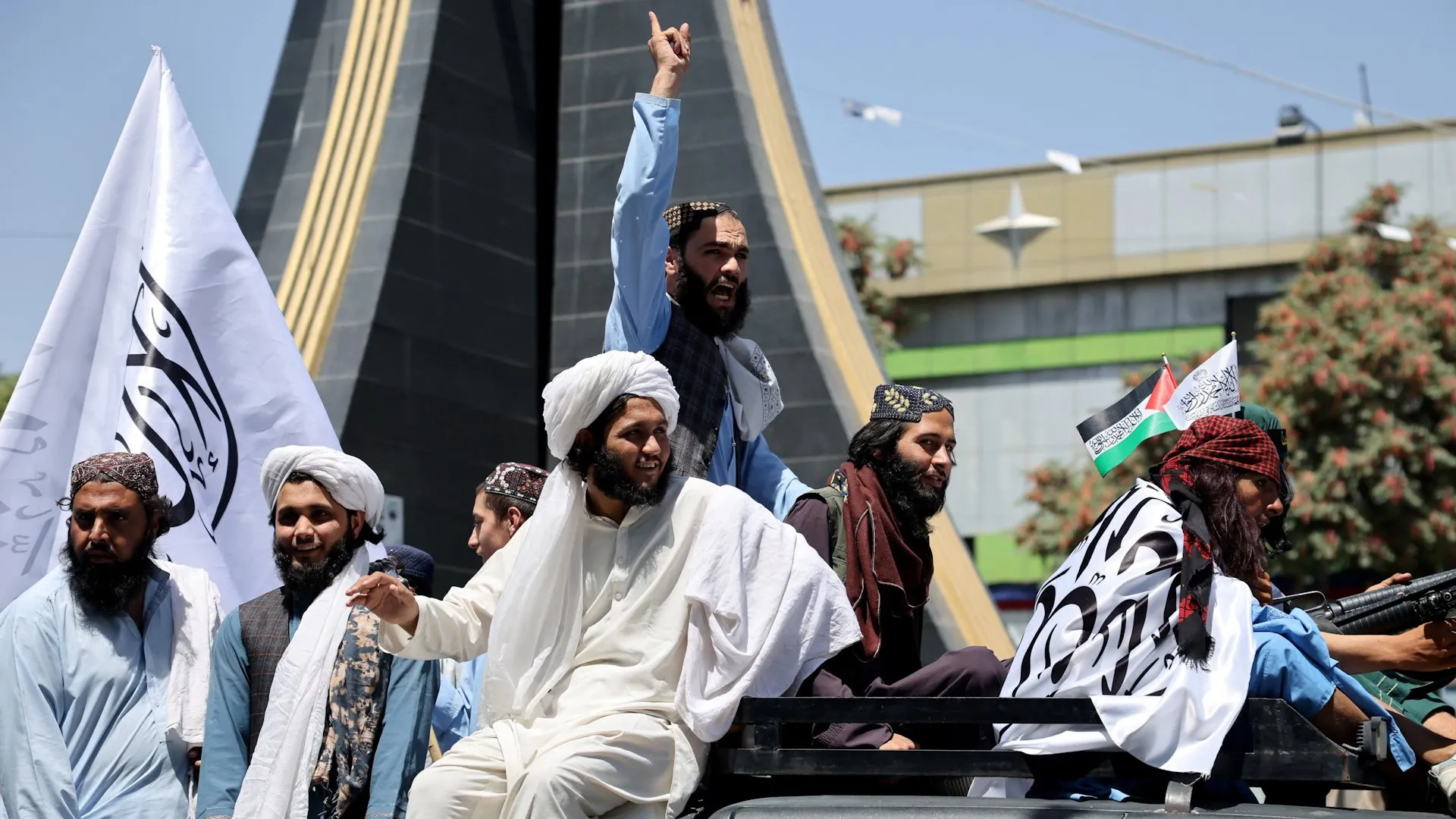
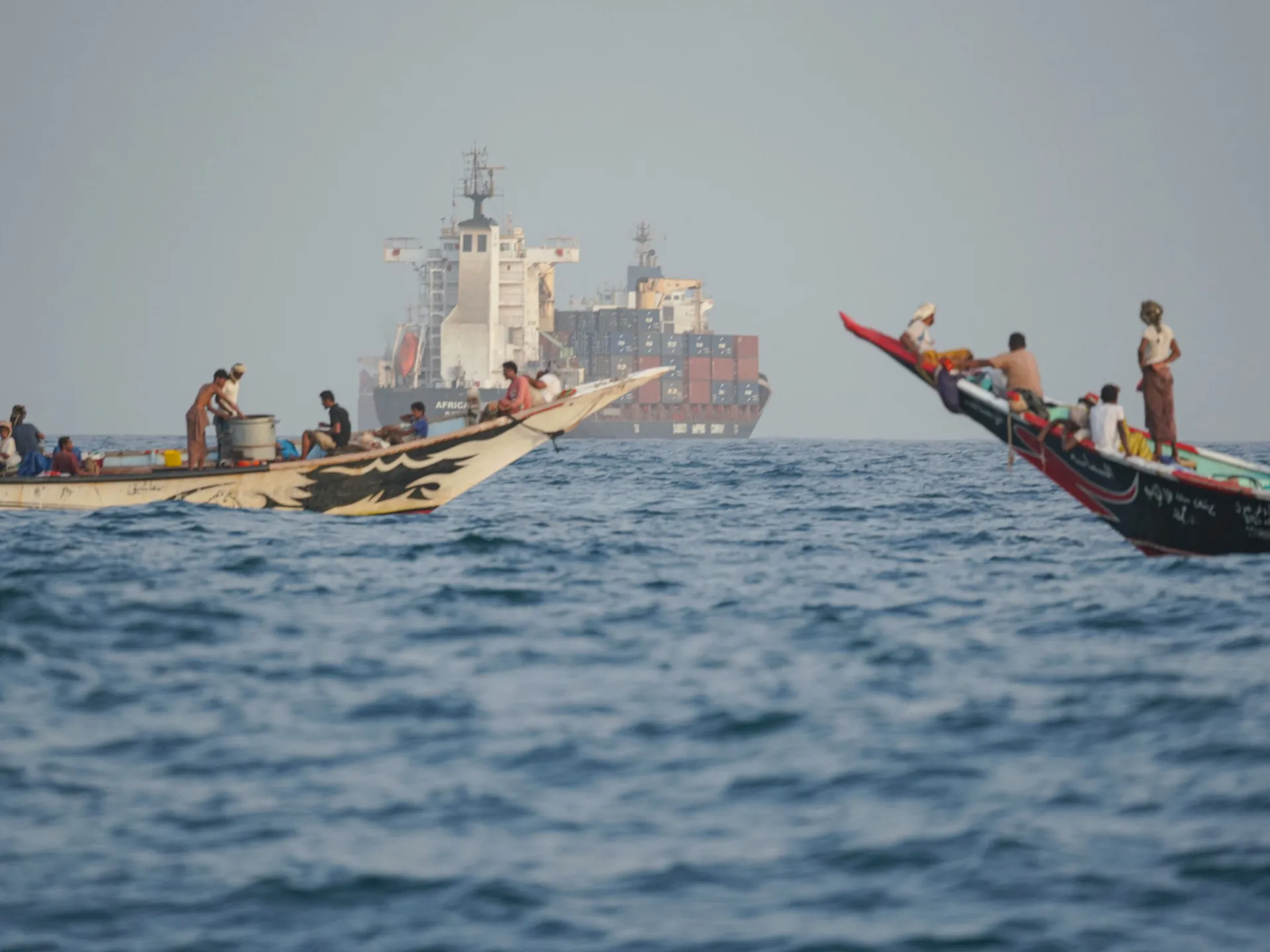
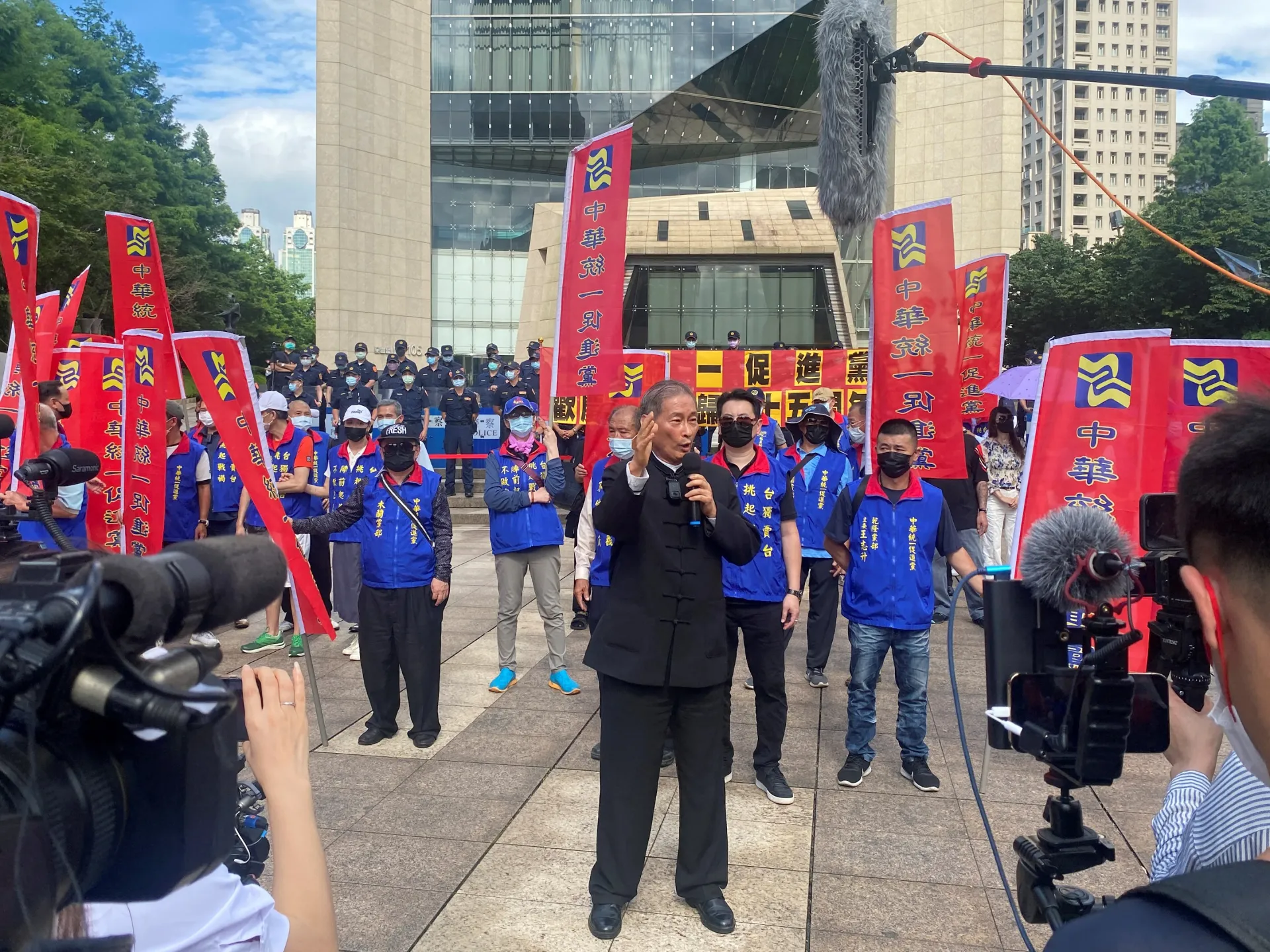
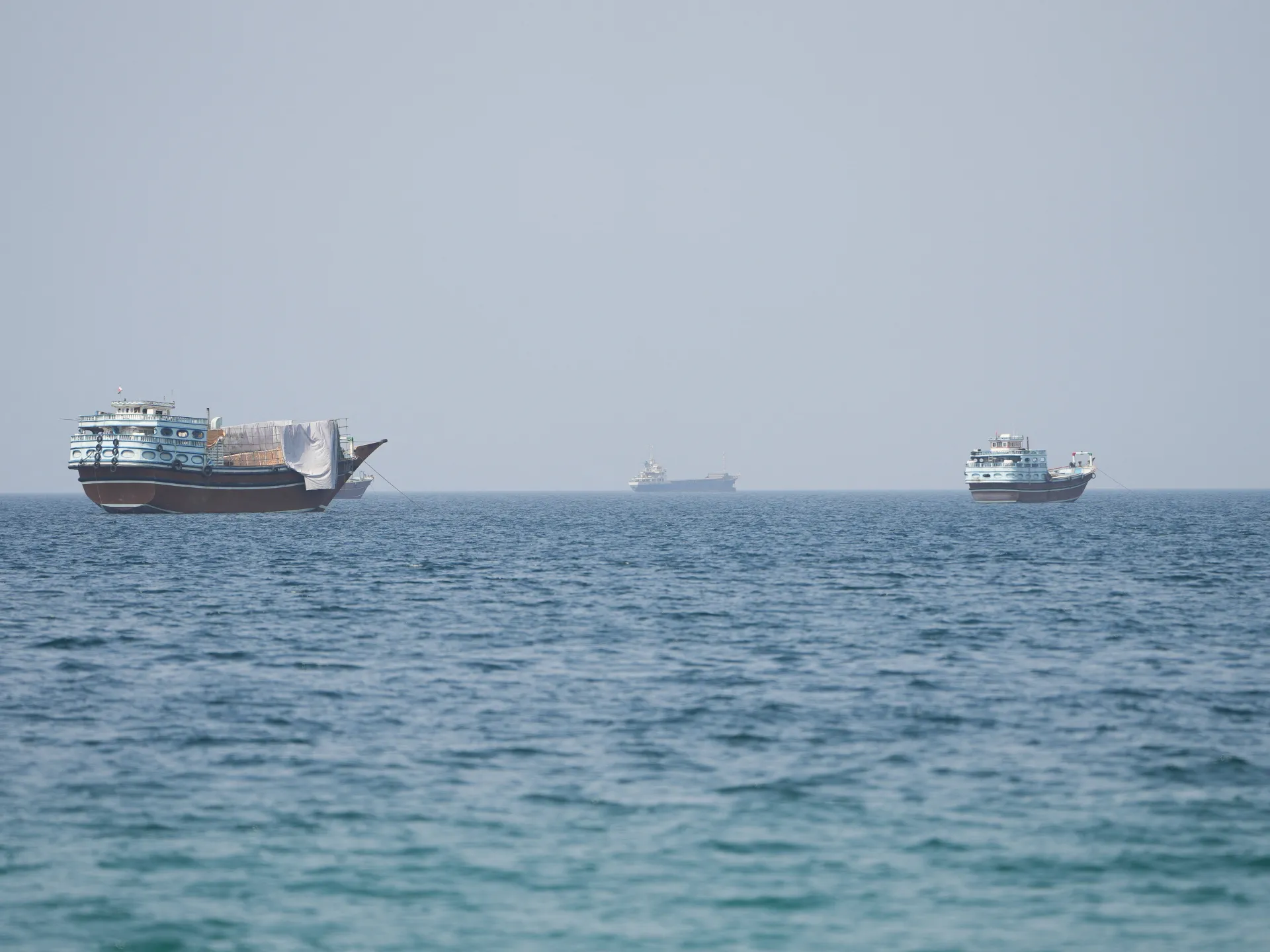
In North Africa, the atmosphere has grown increasingly tense as hundreds of demonstrators gathered in Tunis to demand the immediate release of four activists associated with the Global Sumud Flotilla. These individuals, who were part of an ambitious 2025 aid mission intended to reach Gaza, have been held in pre-trial detention since March. Authorities maintain that their confinement is based on allegations of financial misconduct tied to the aid operation, a charge that supporters and human rights advocates vehemently dispute, characterizing the ongoing legal proceedings as a calculated attempt to stifle maritime humanitarian efforts.
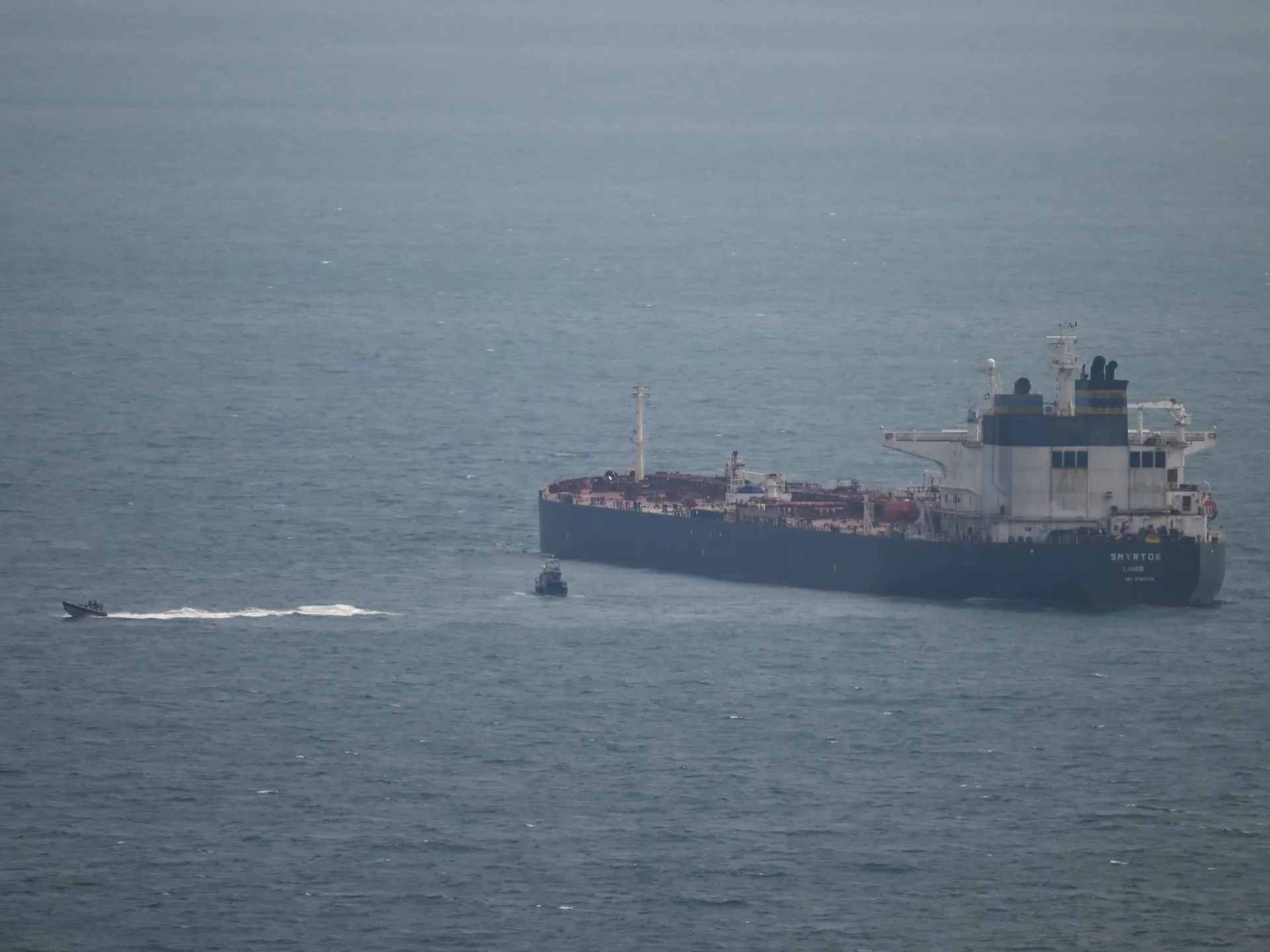
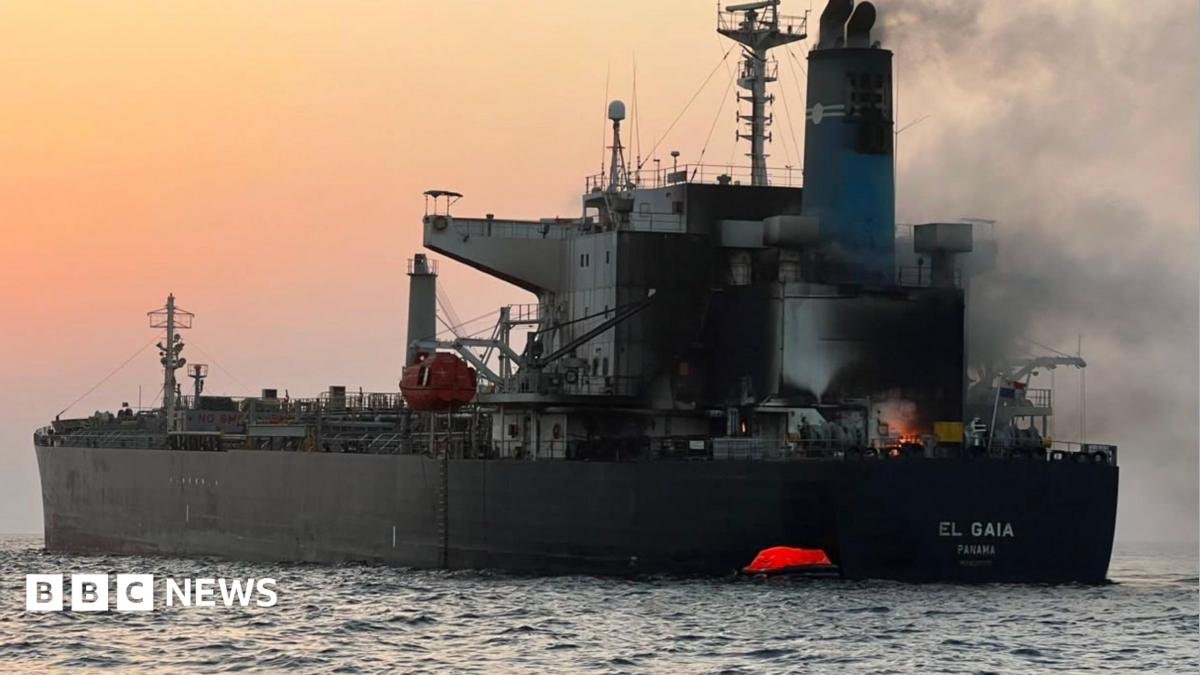
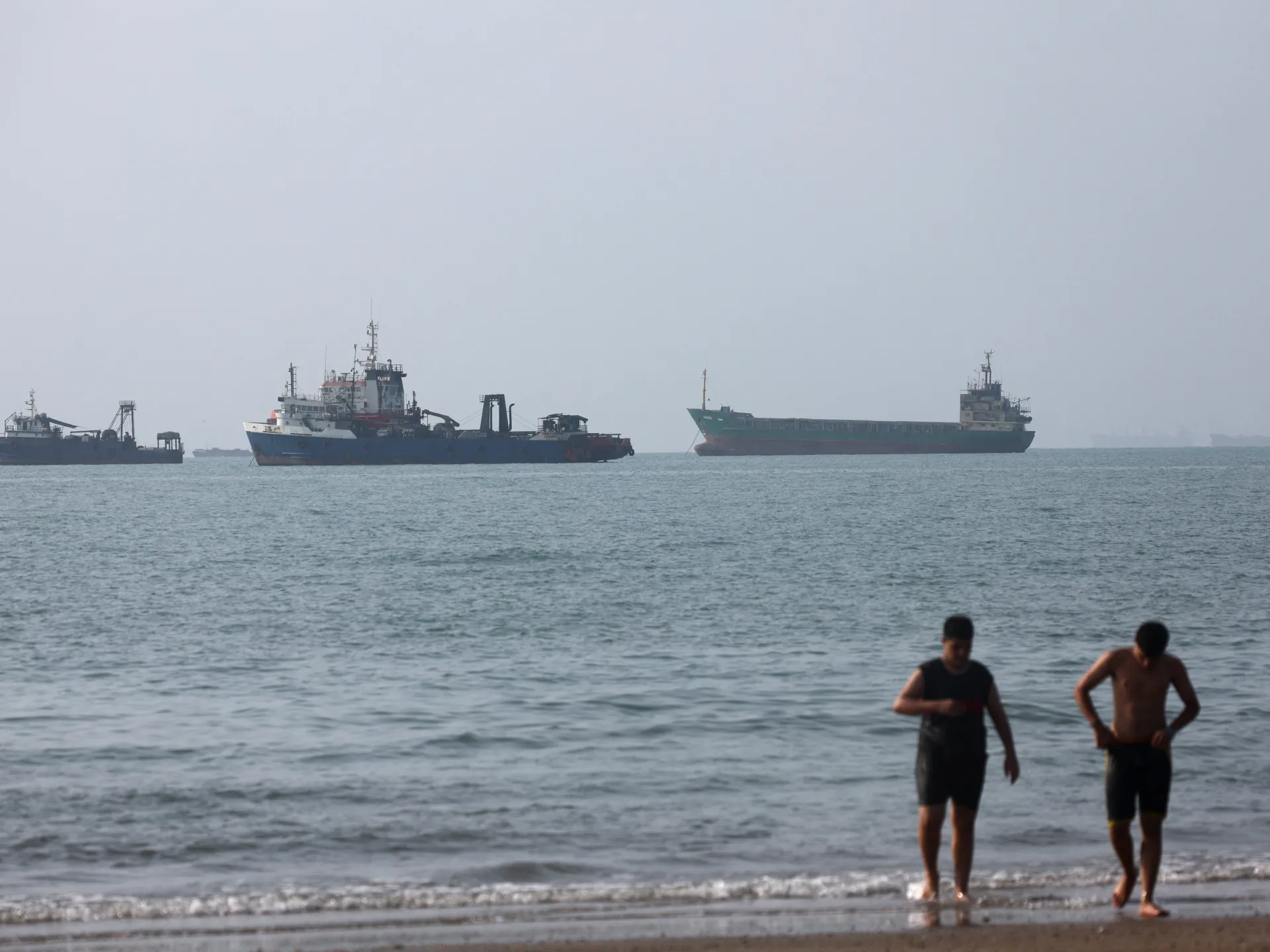
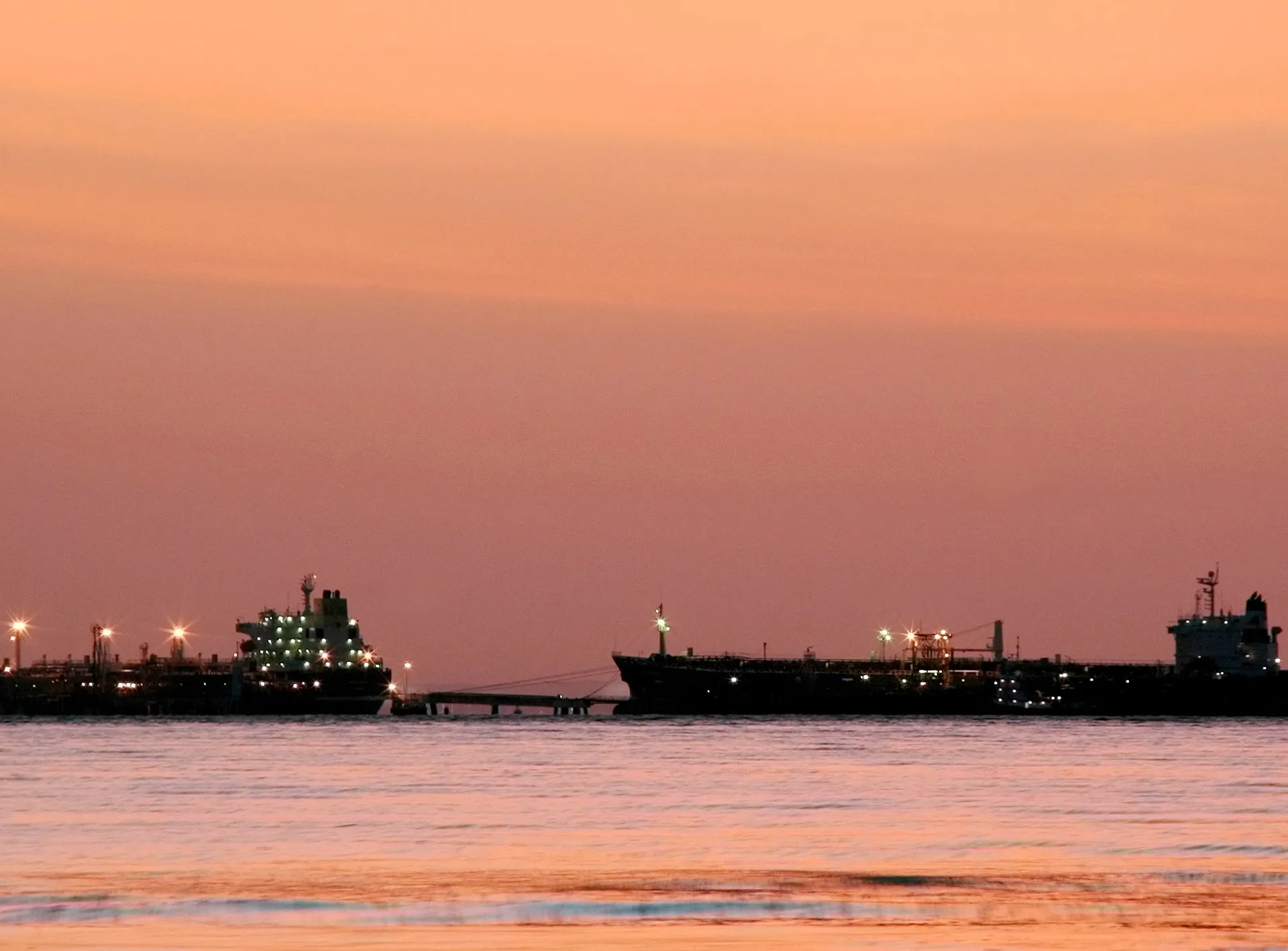
The situation in Tunisia reflects a broader, more volatile pattern regarding the interception of Gaza-bound vessels. International scrutiny remains elevated, particularly following past incidents involving prominent figures such as climate activist Greta Thunberg, who were among those detained during previous maritime interceptions ching over six months, has become a rallying cry for local demonstrators who view the judicial process as an extension of political obstructionism rather than a legitimate criminal investigation.
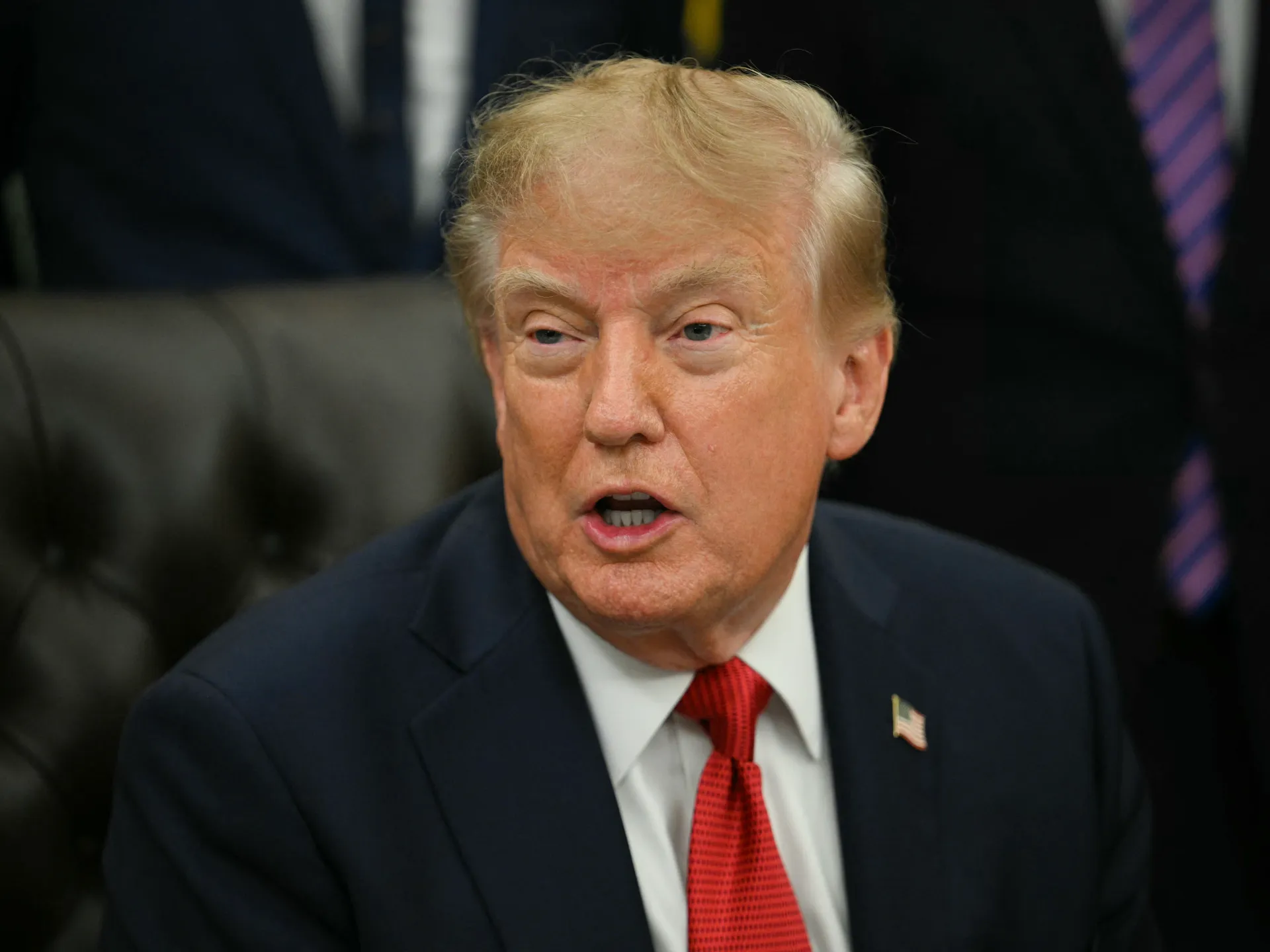
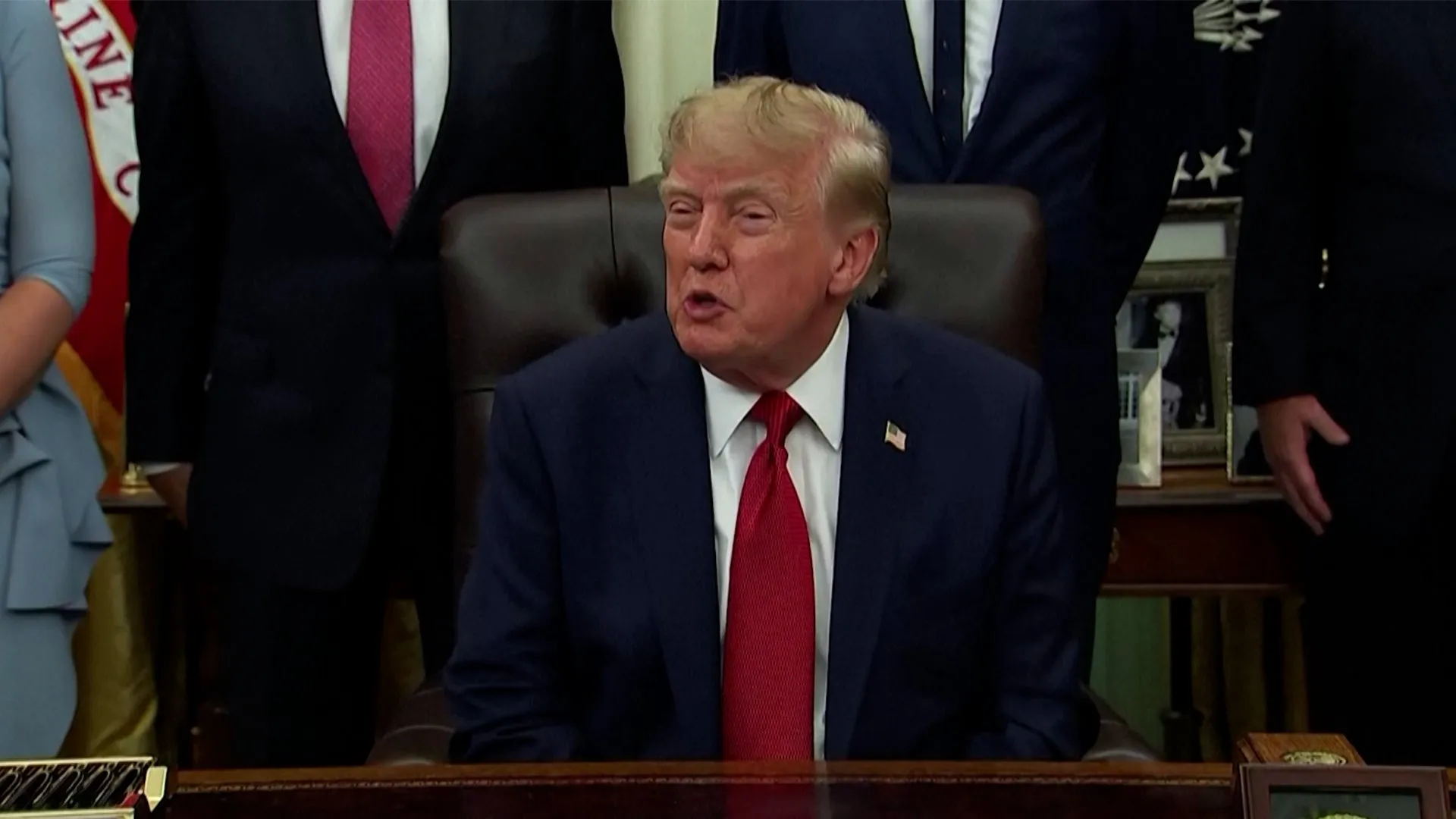
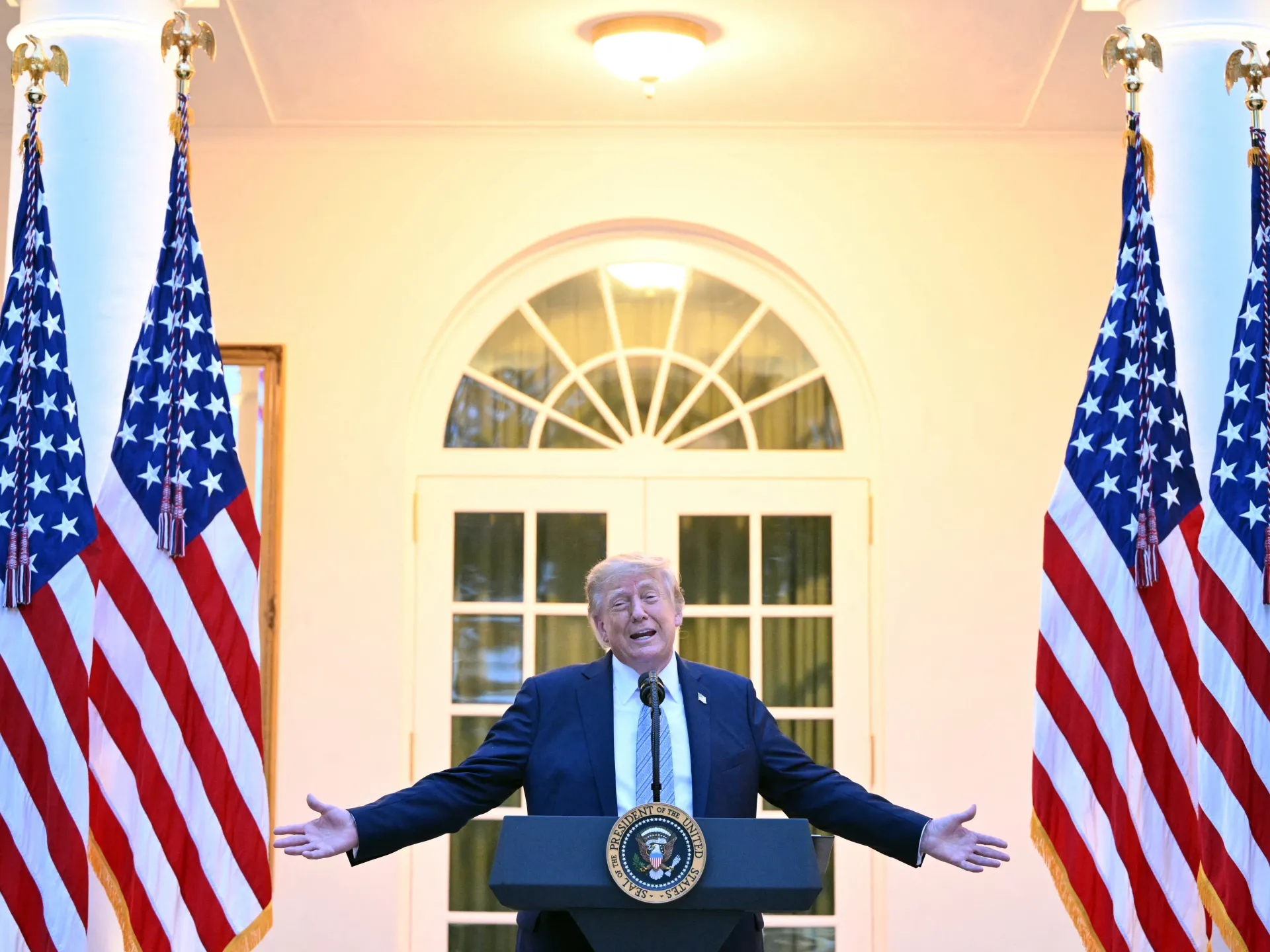
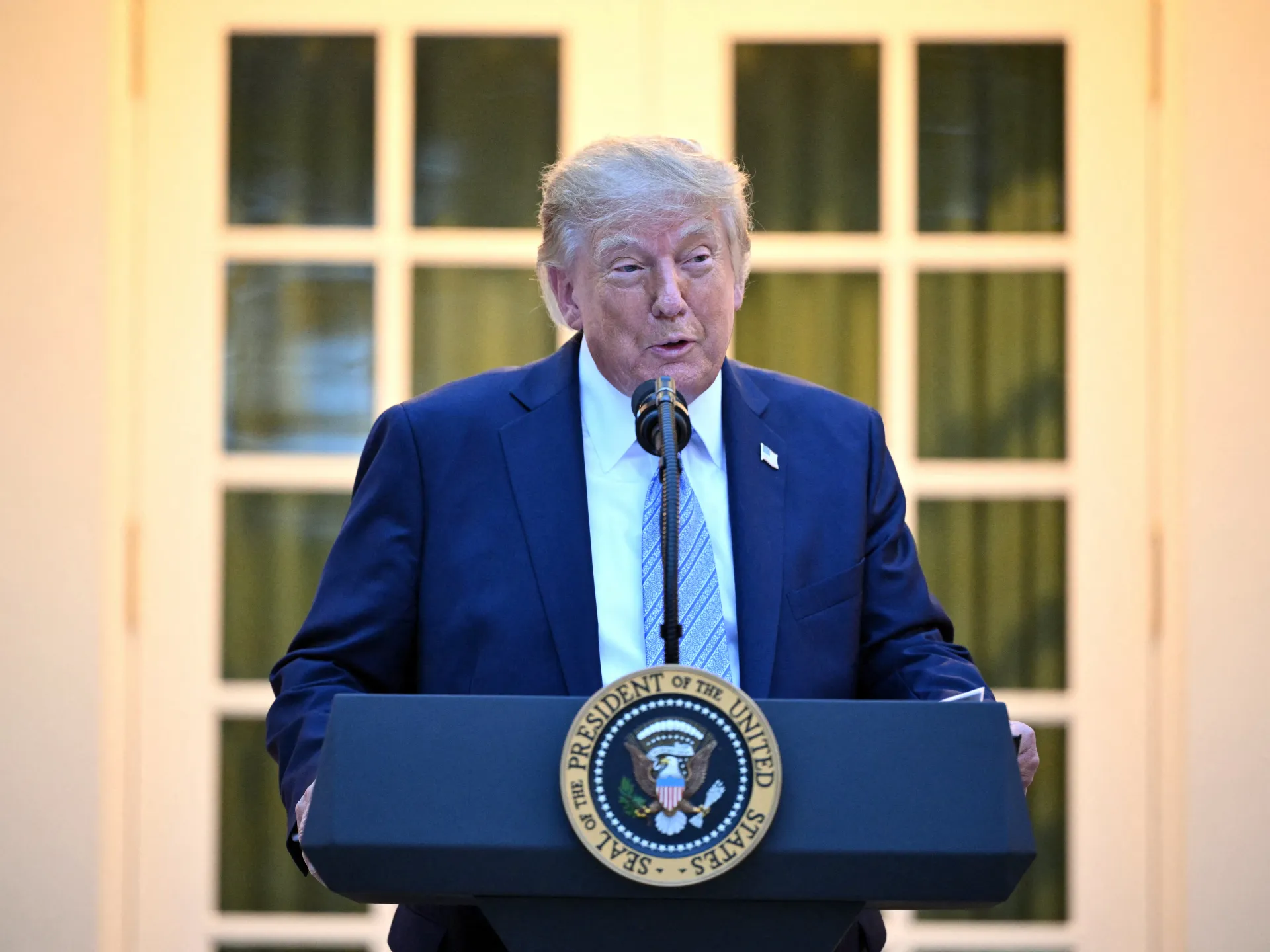
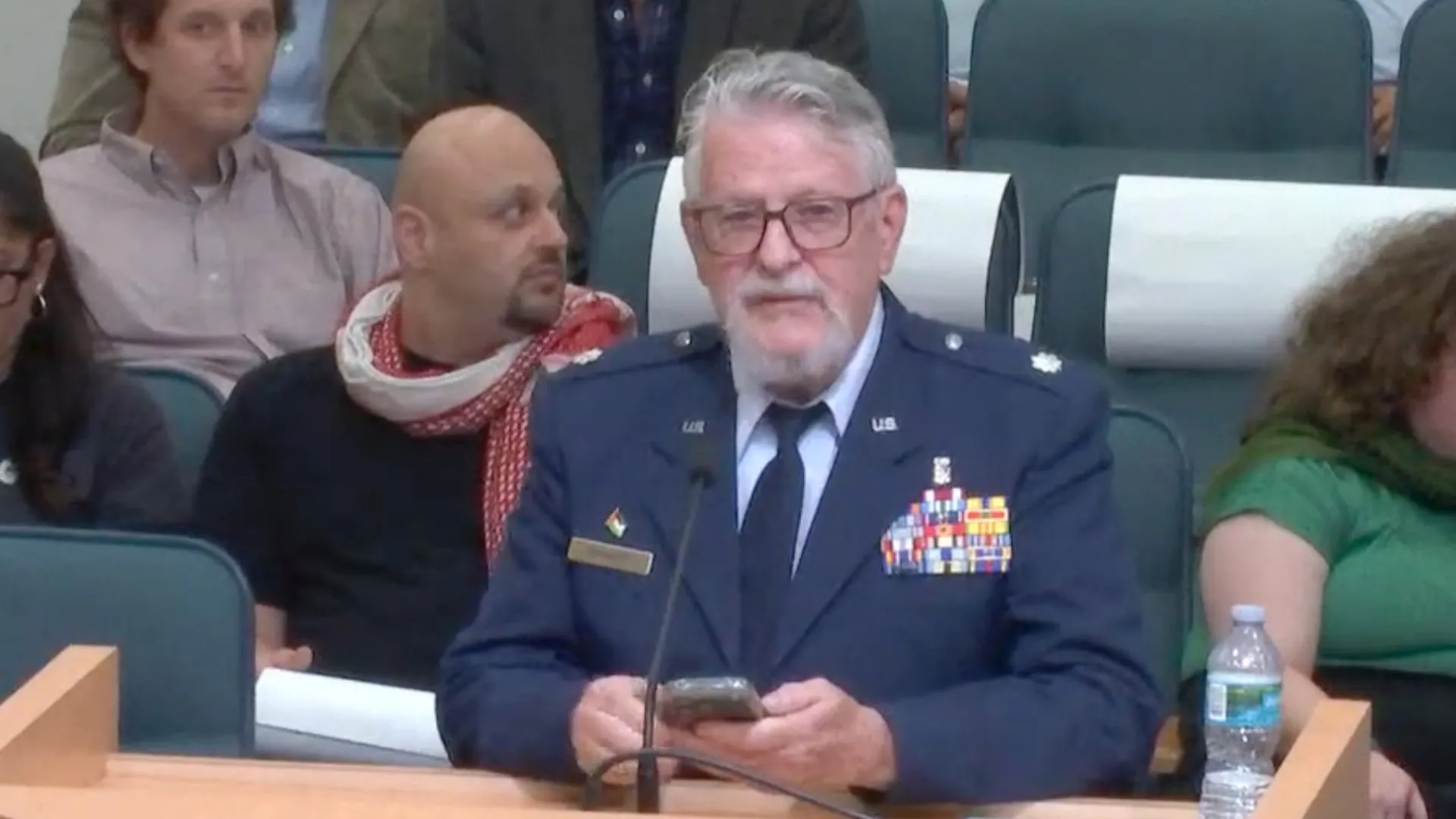
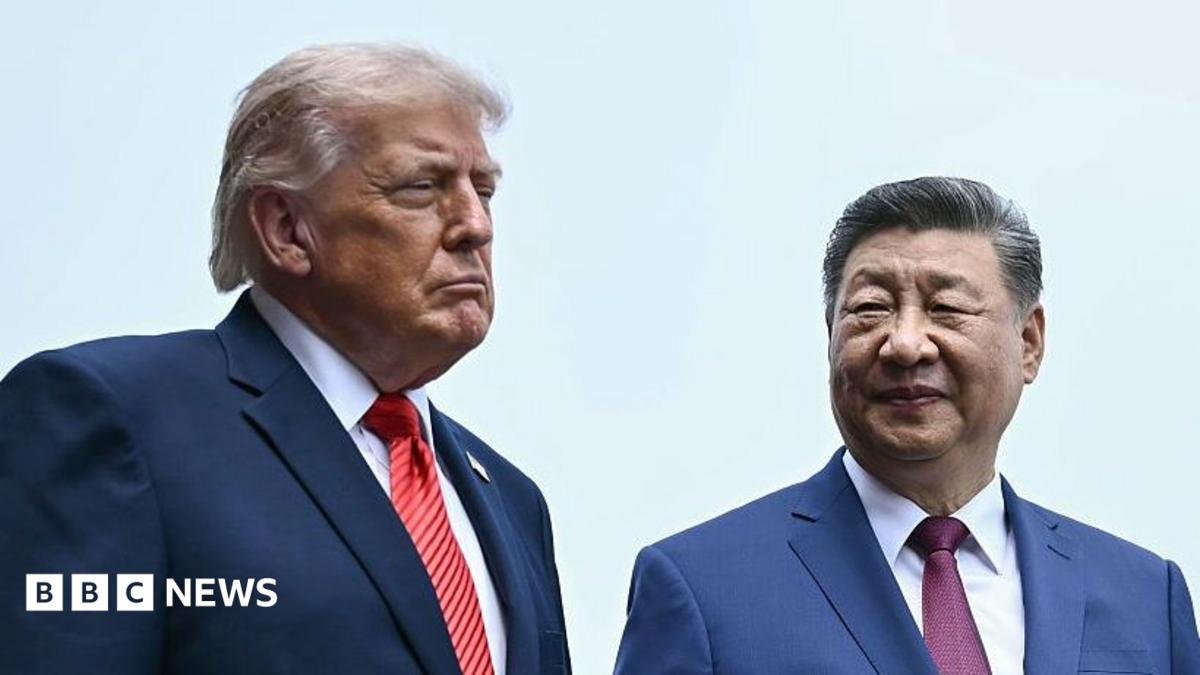
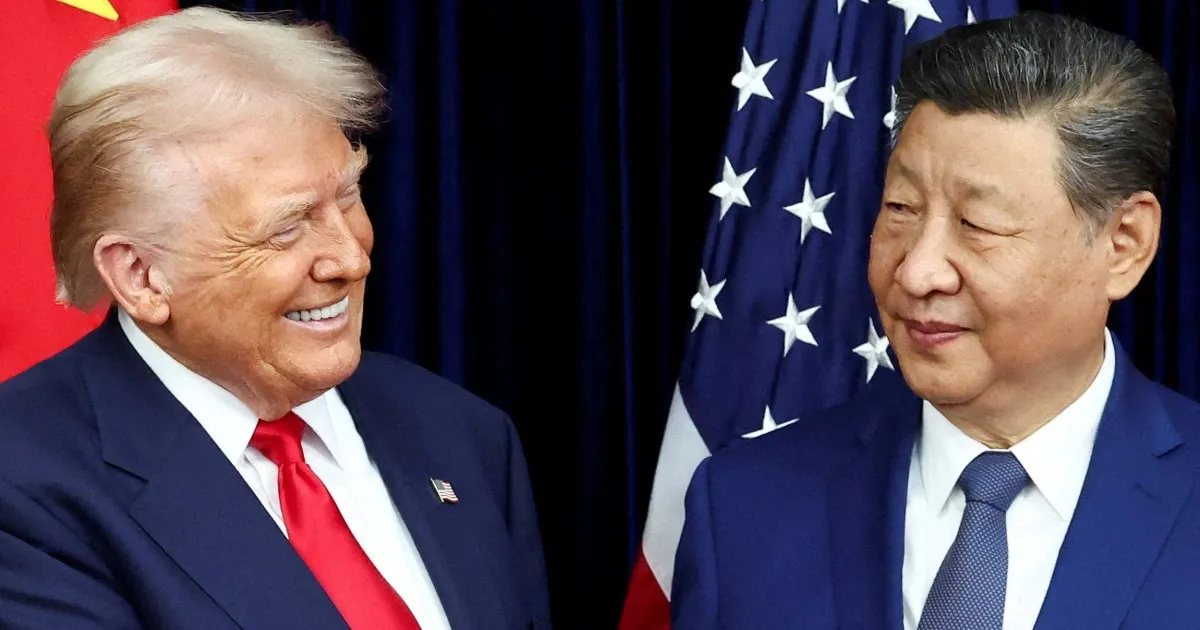
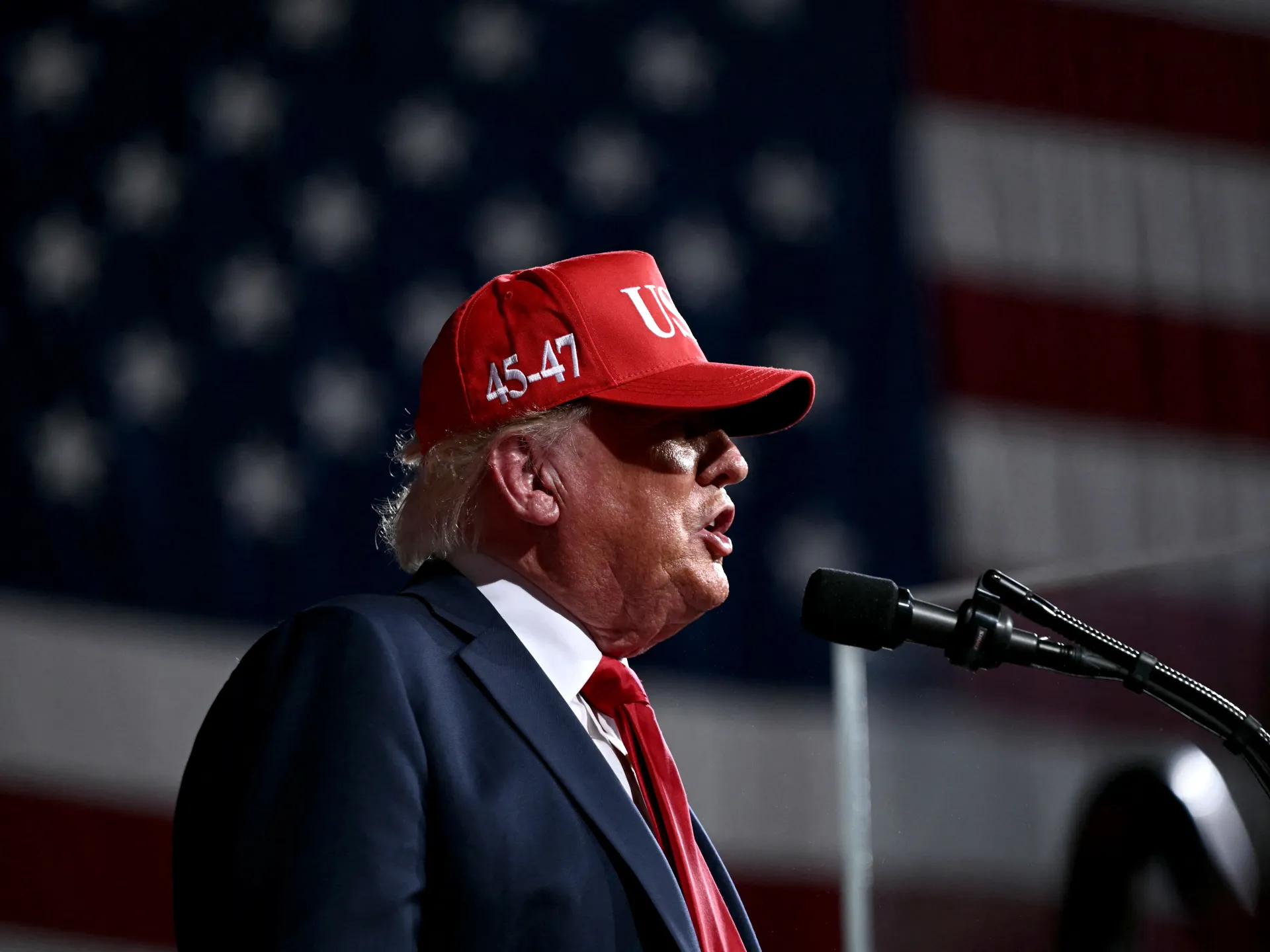
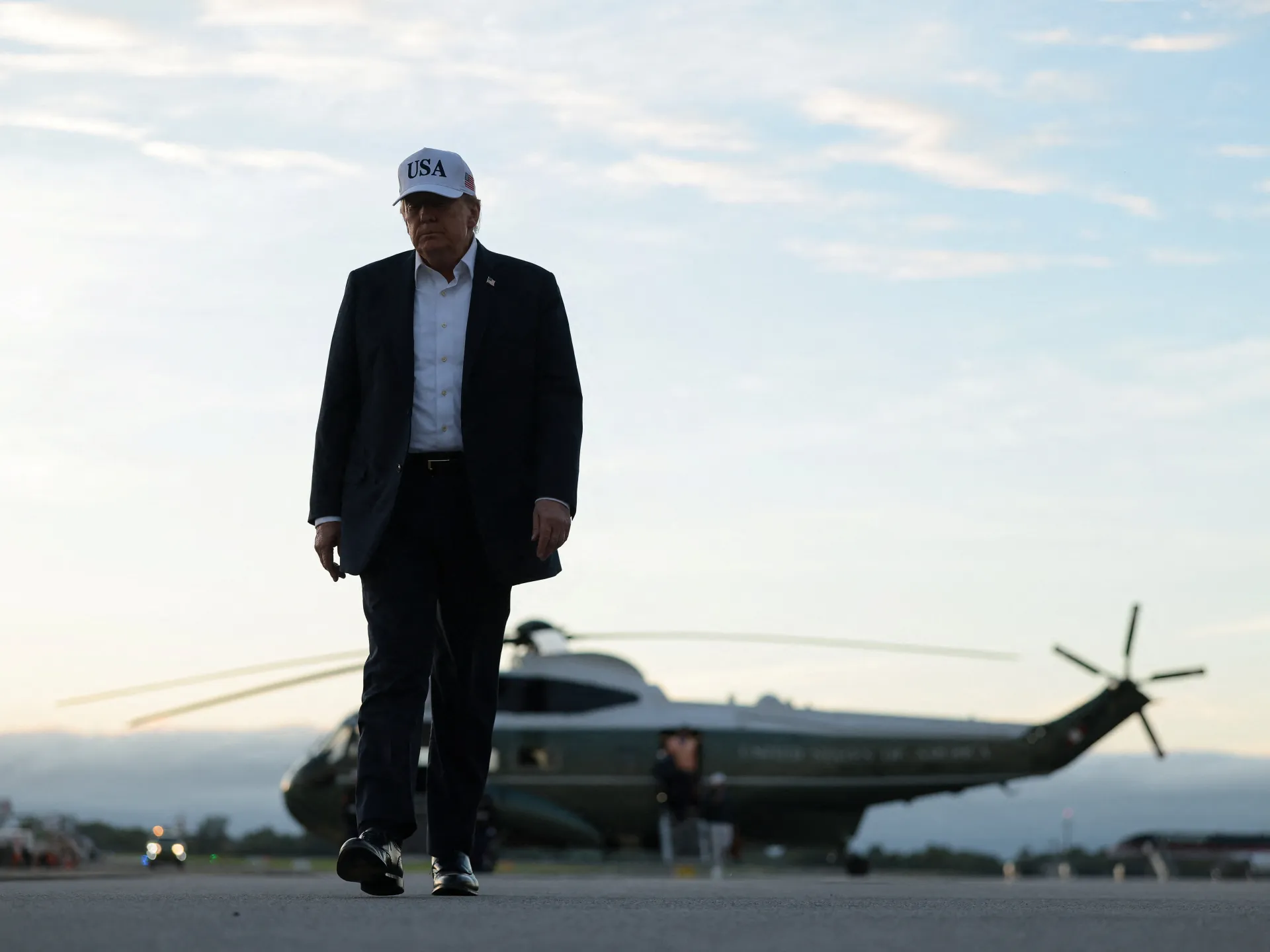
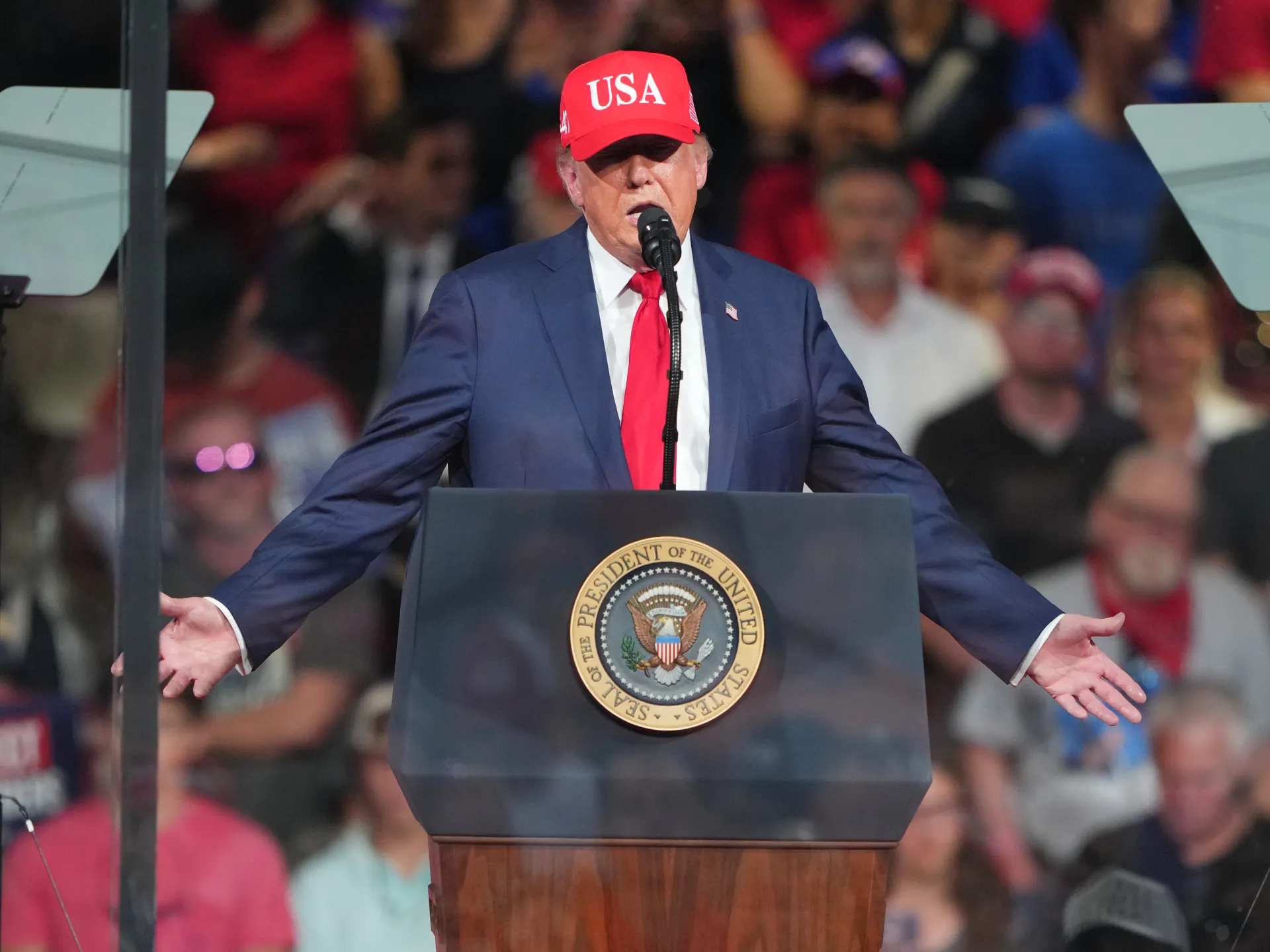
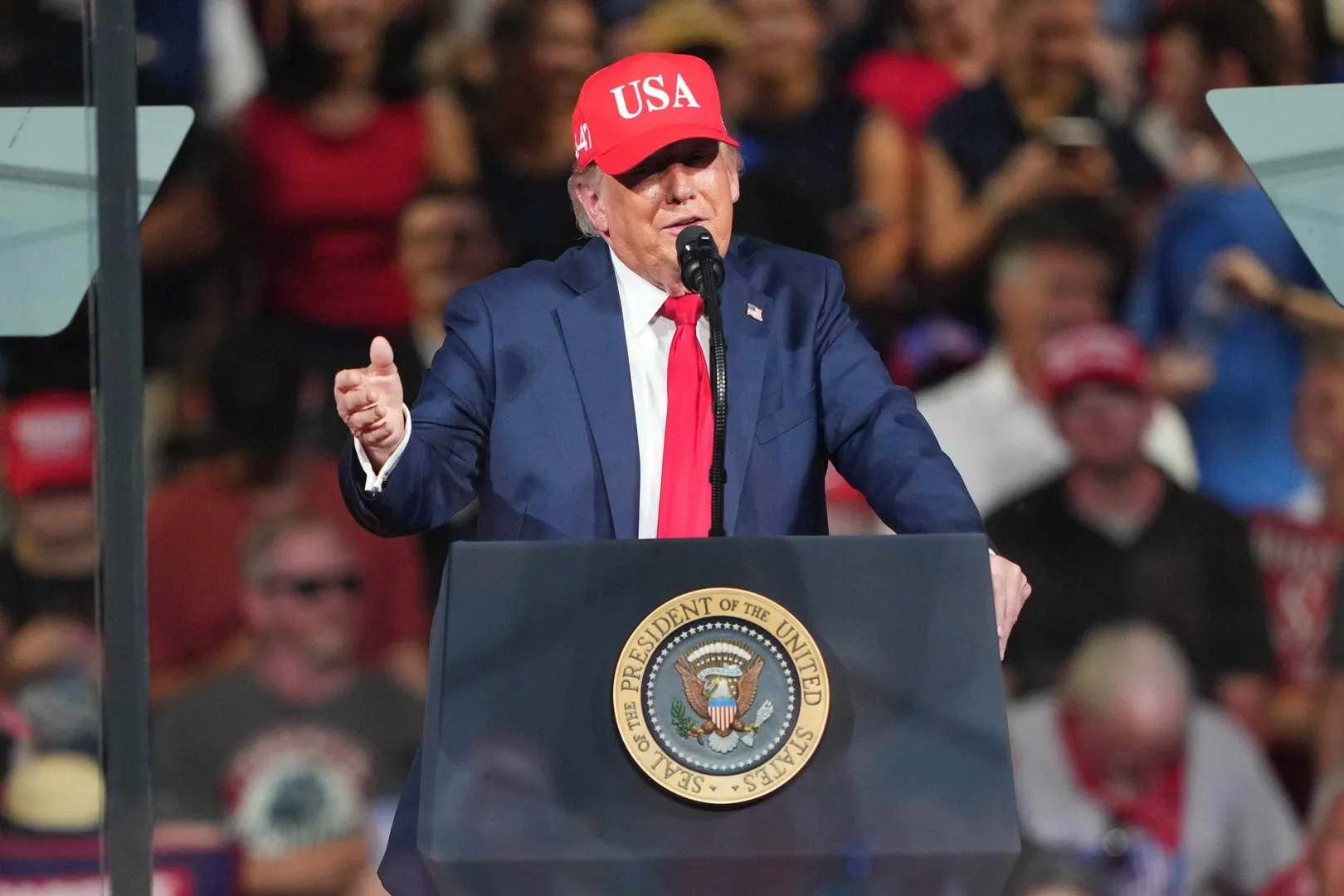
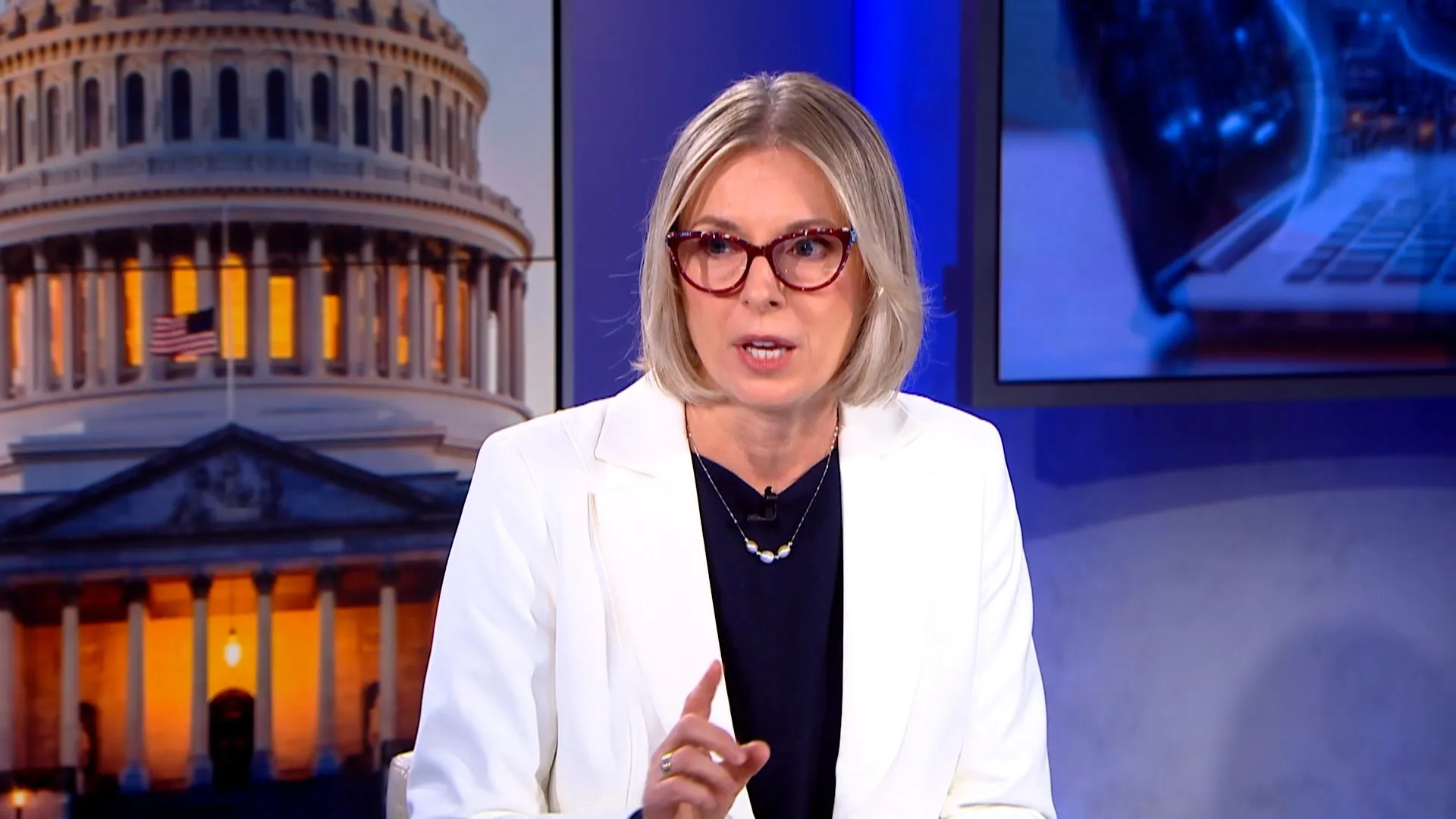
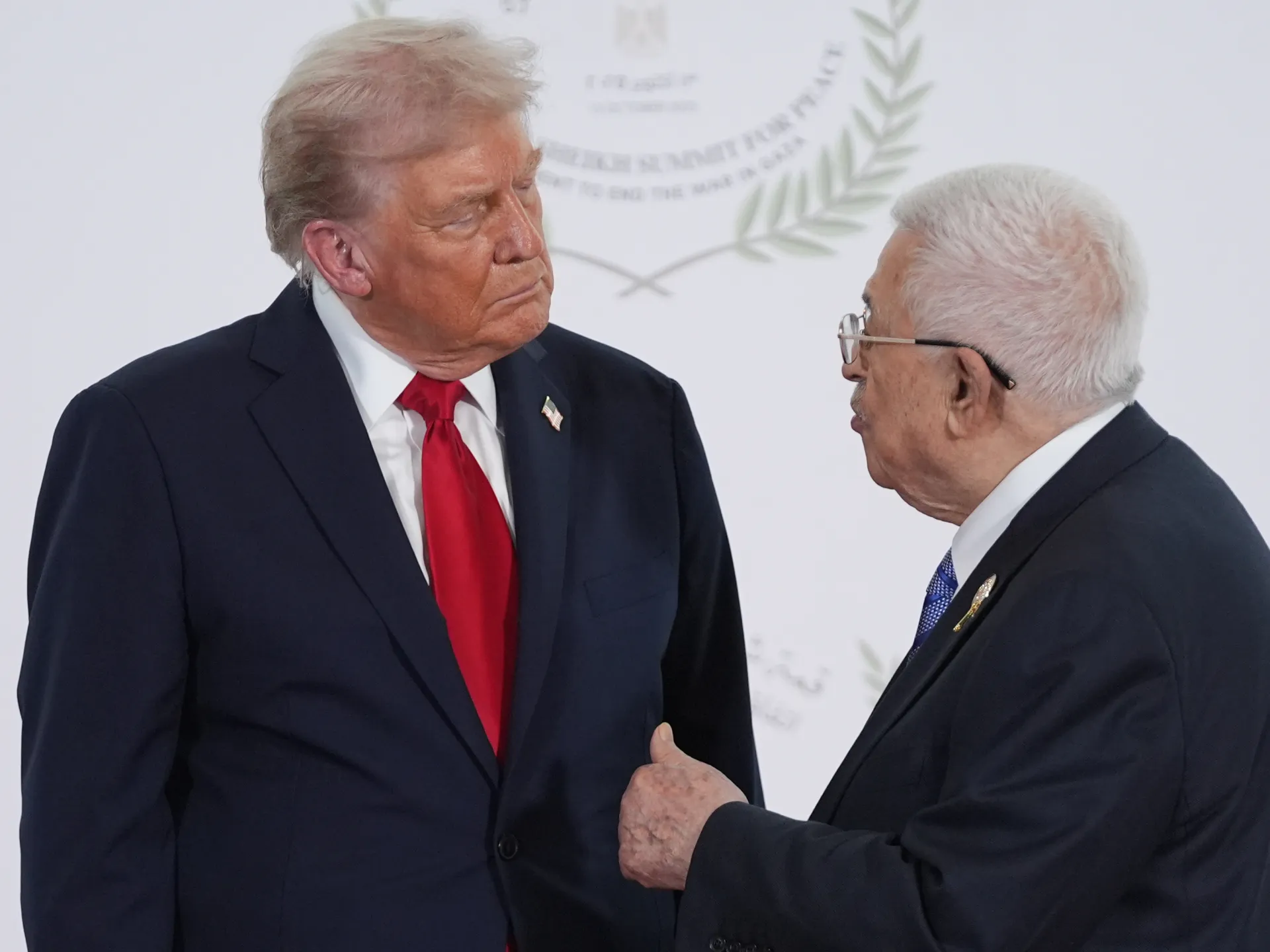
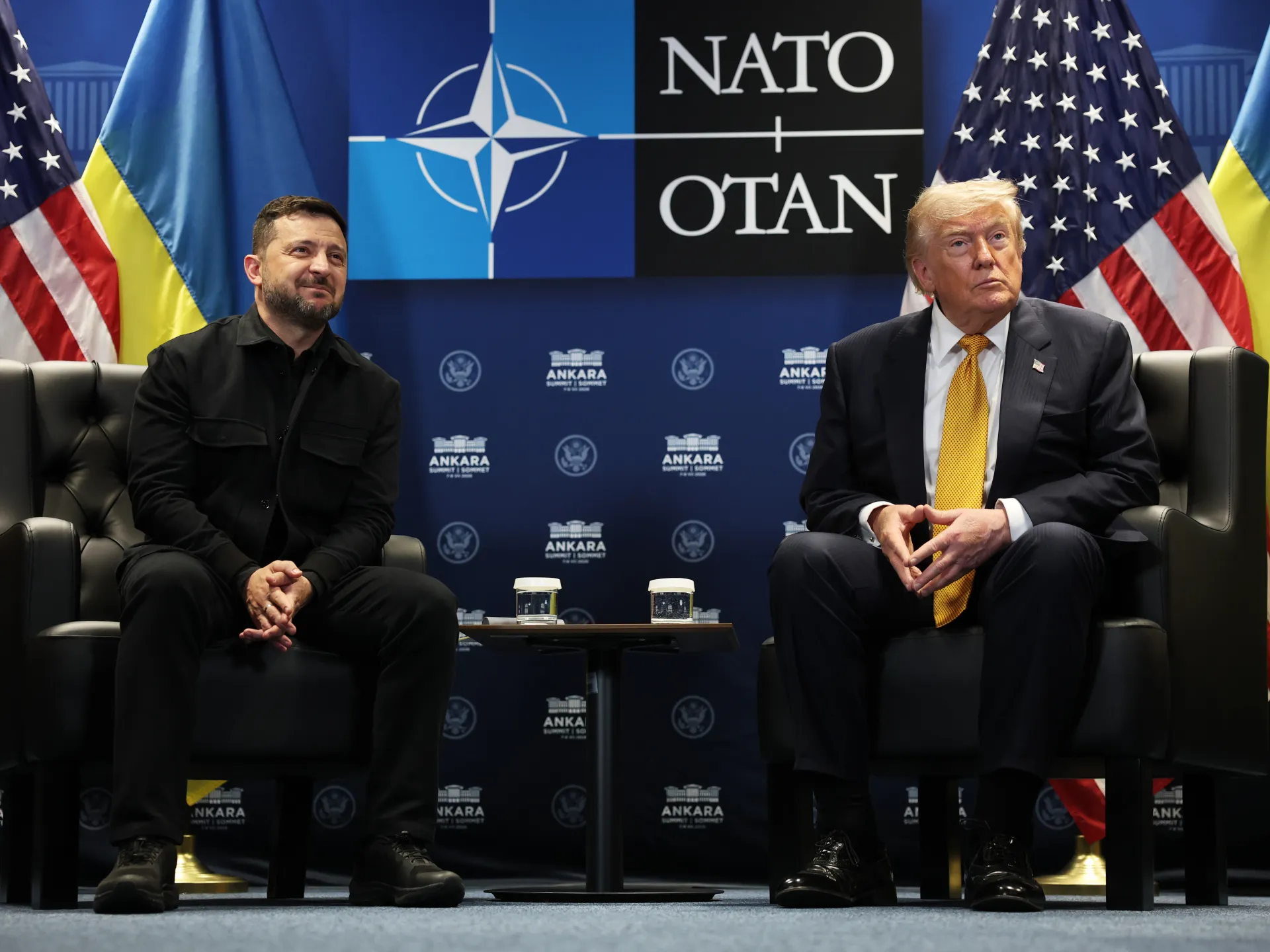
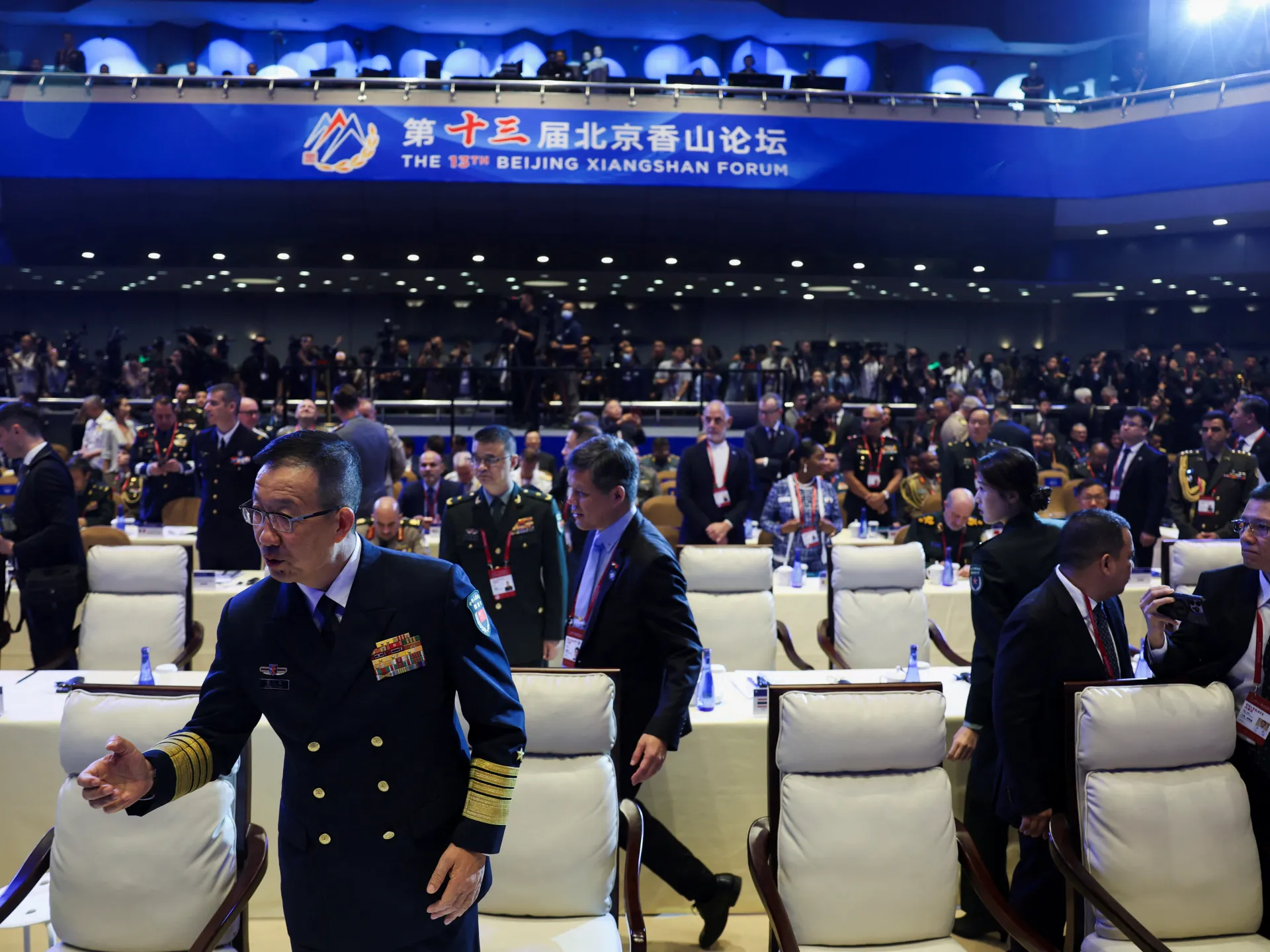
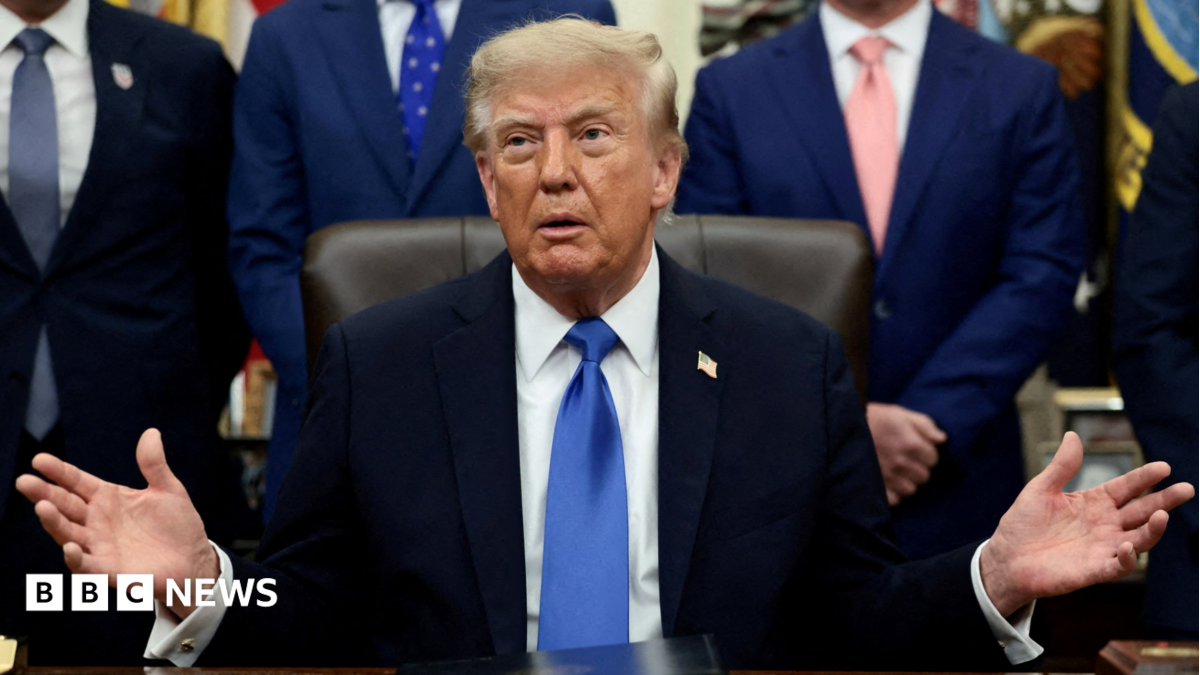
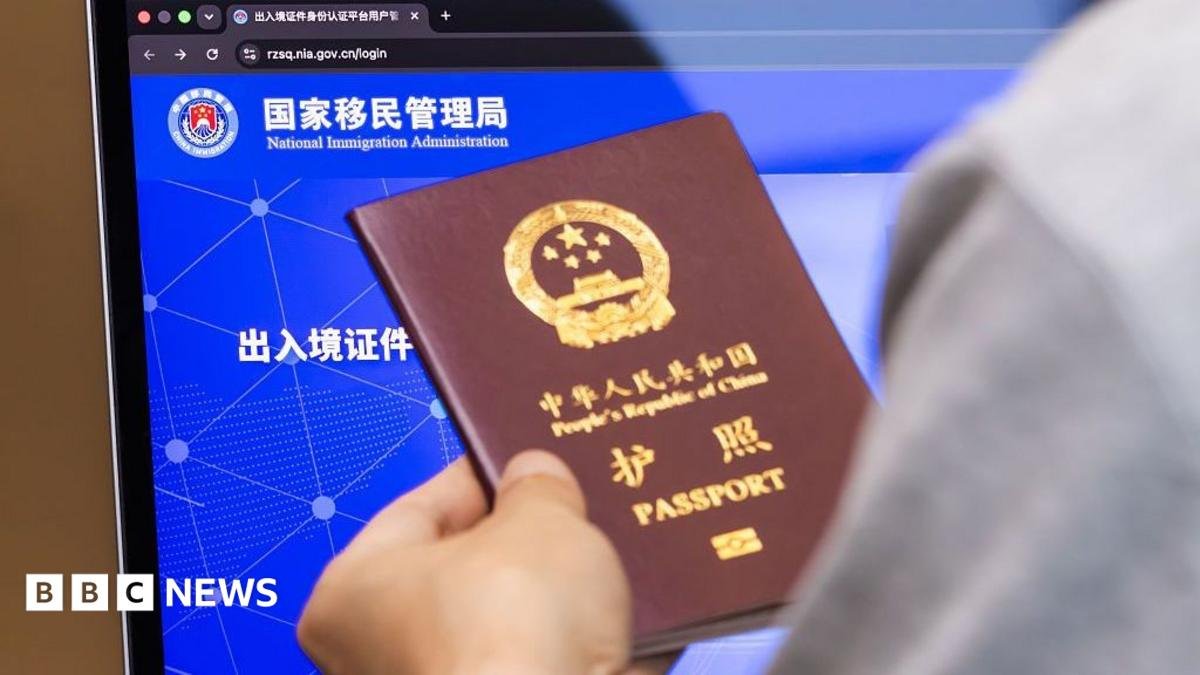
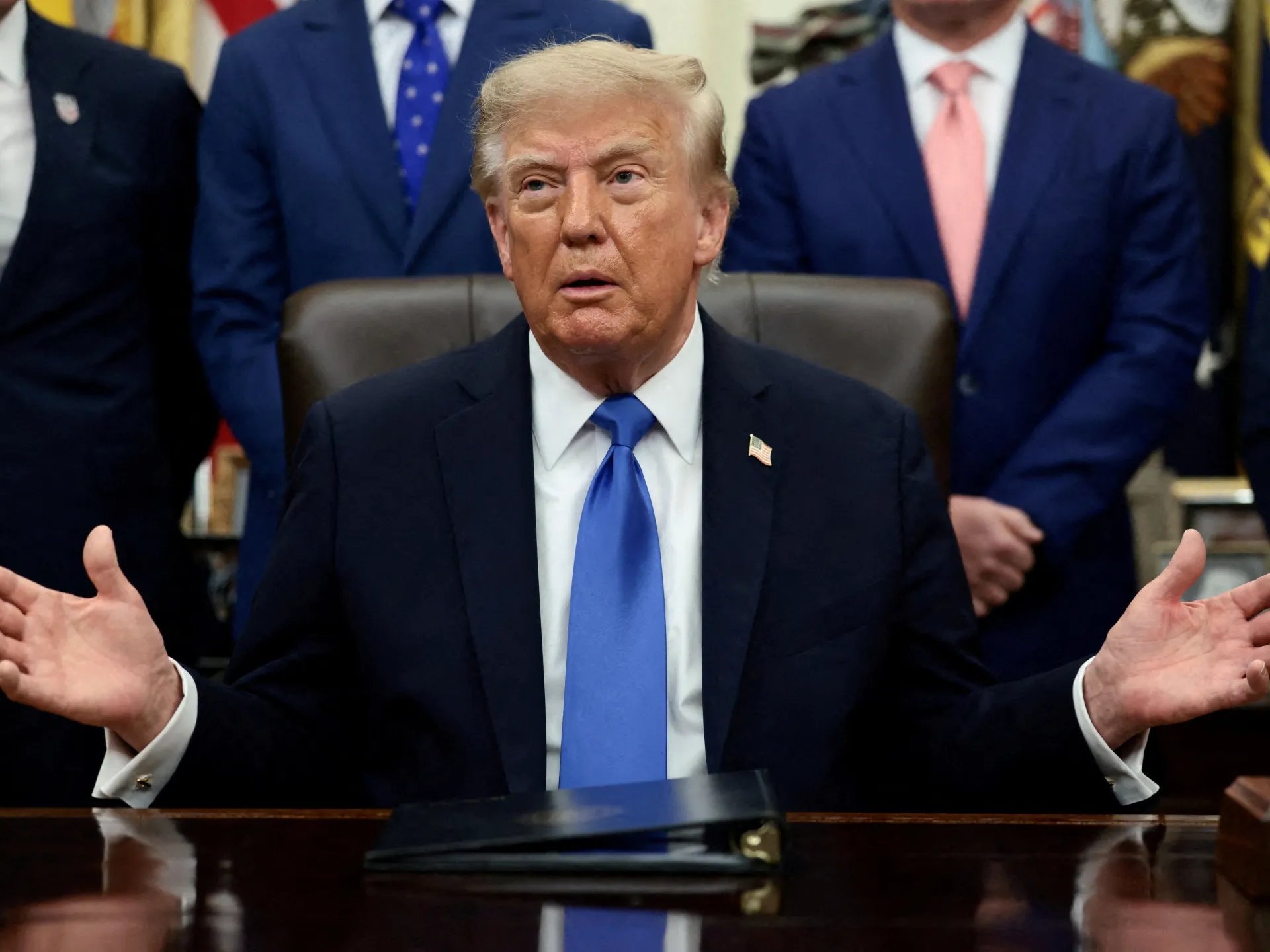
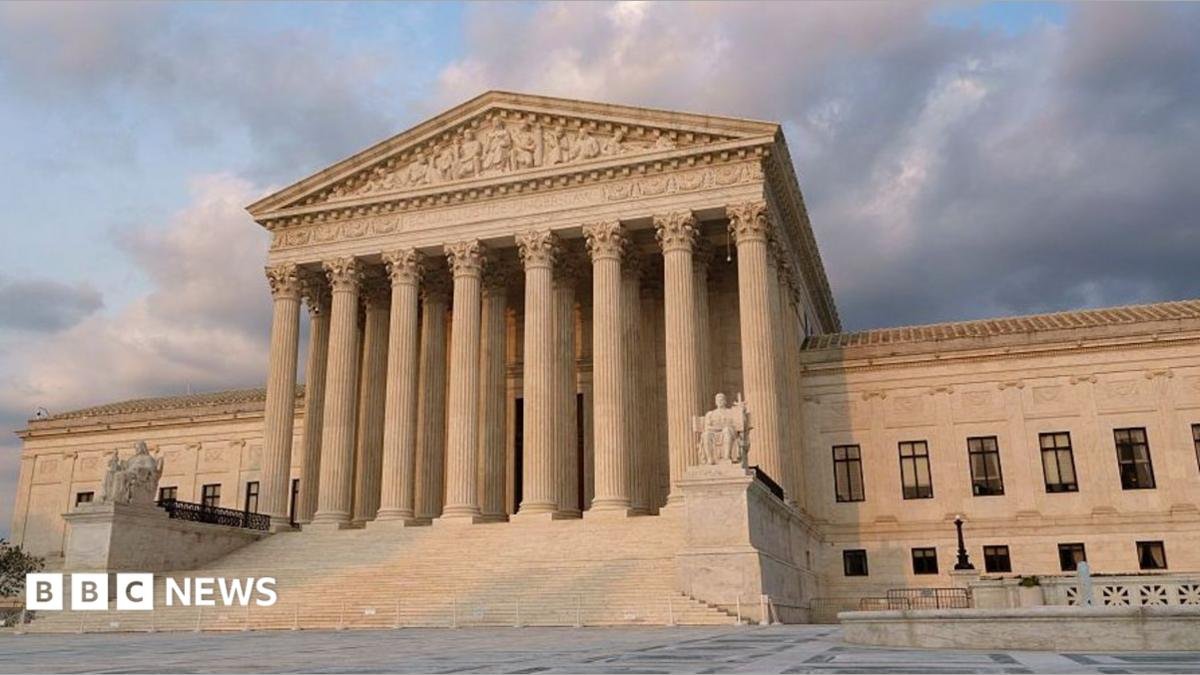
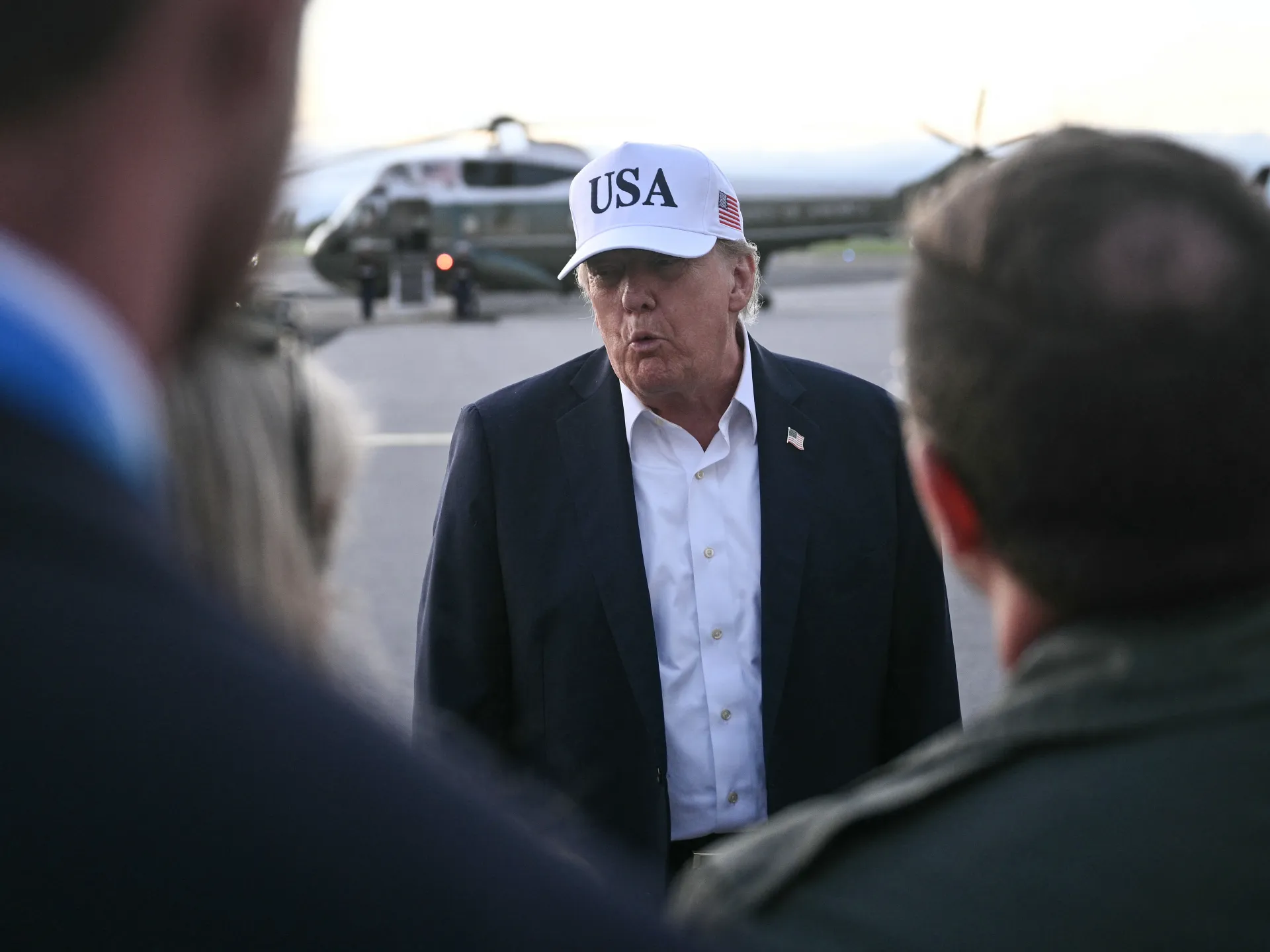
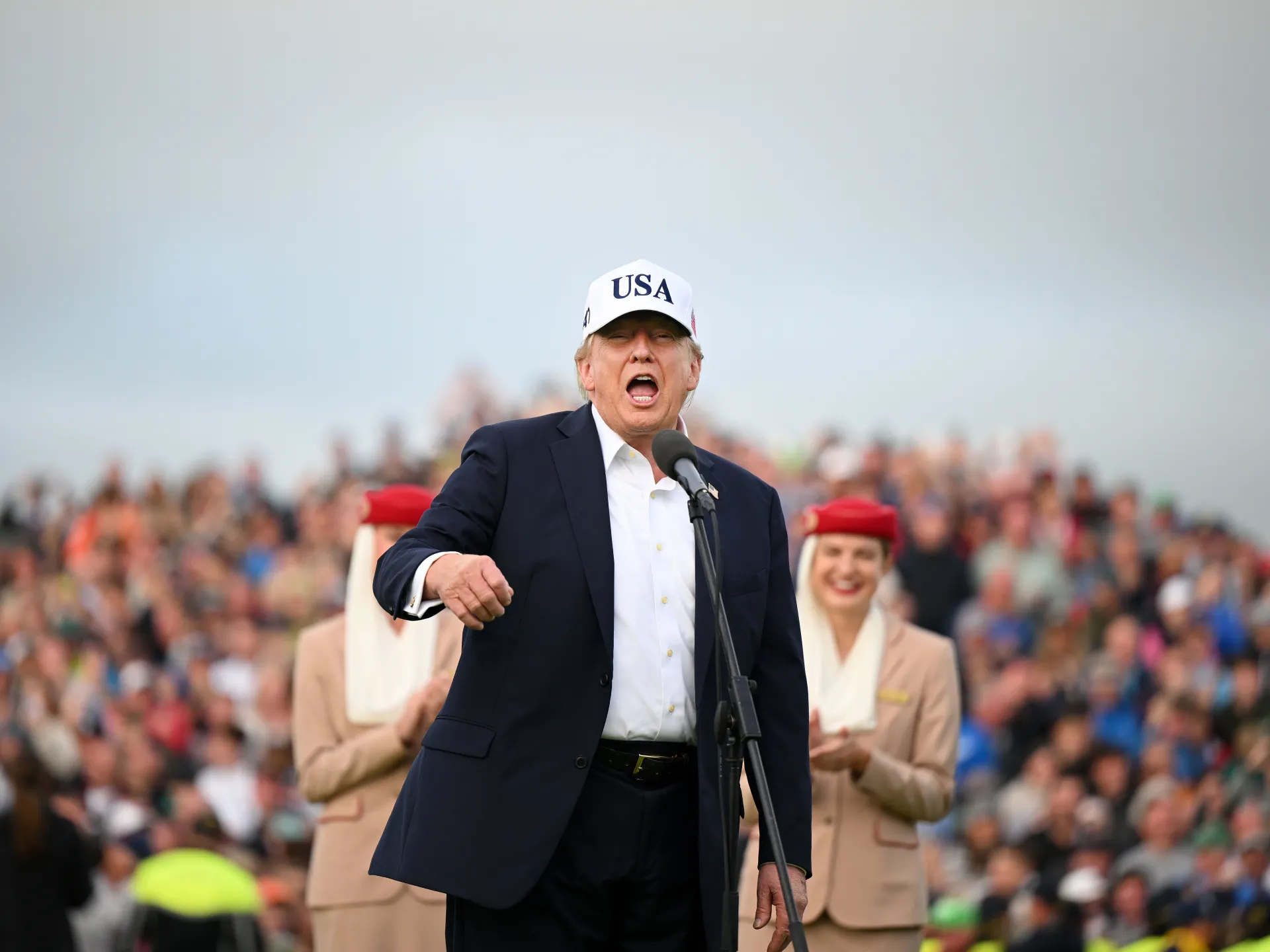
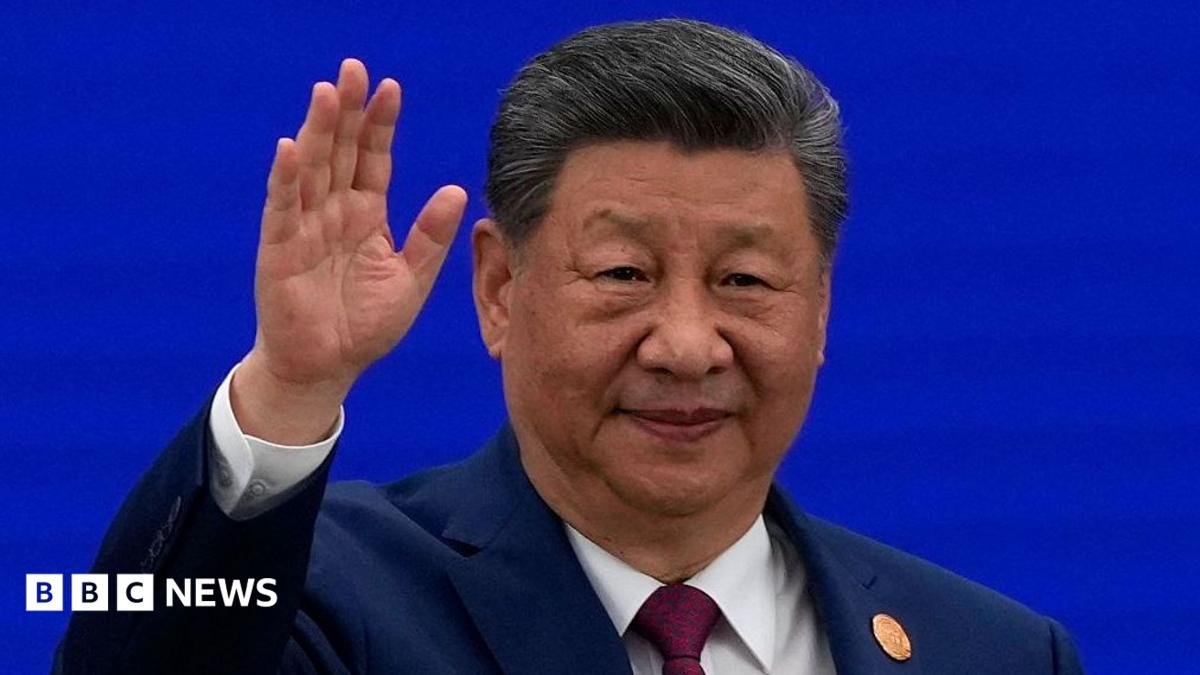
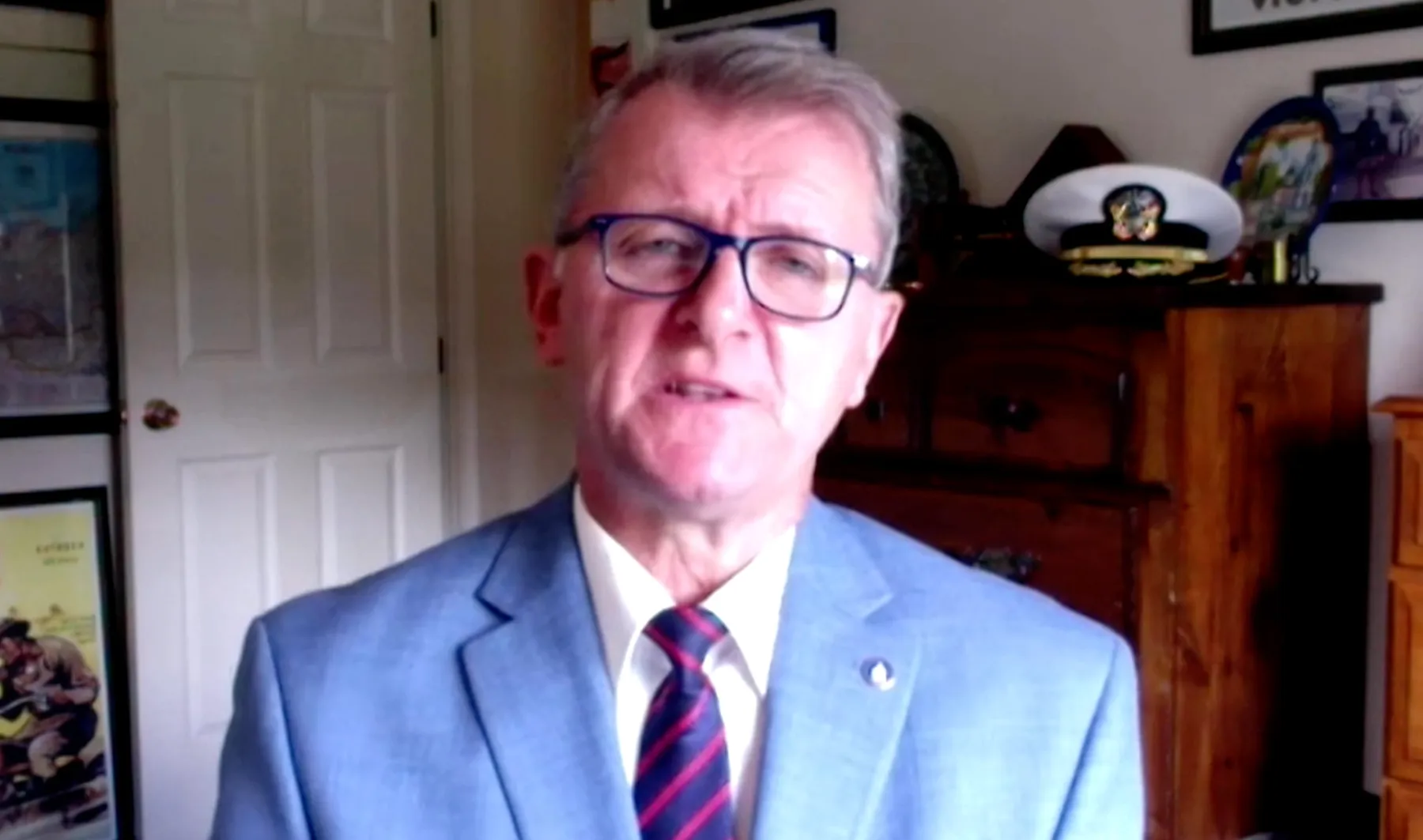
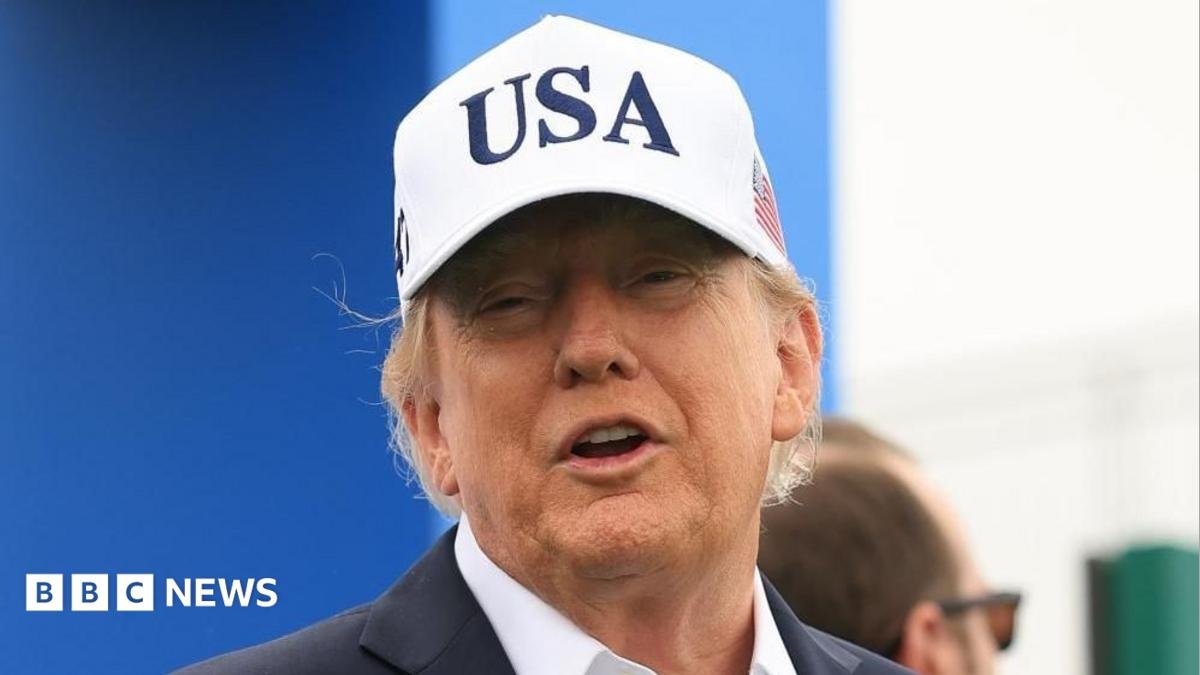
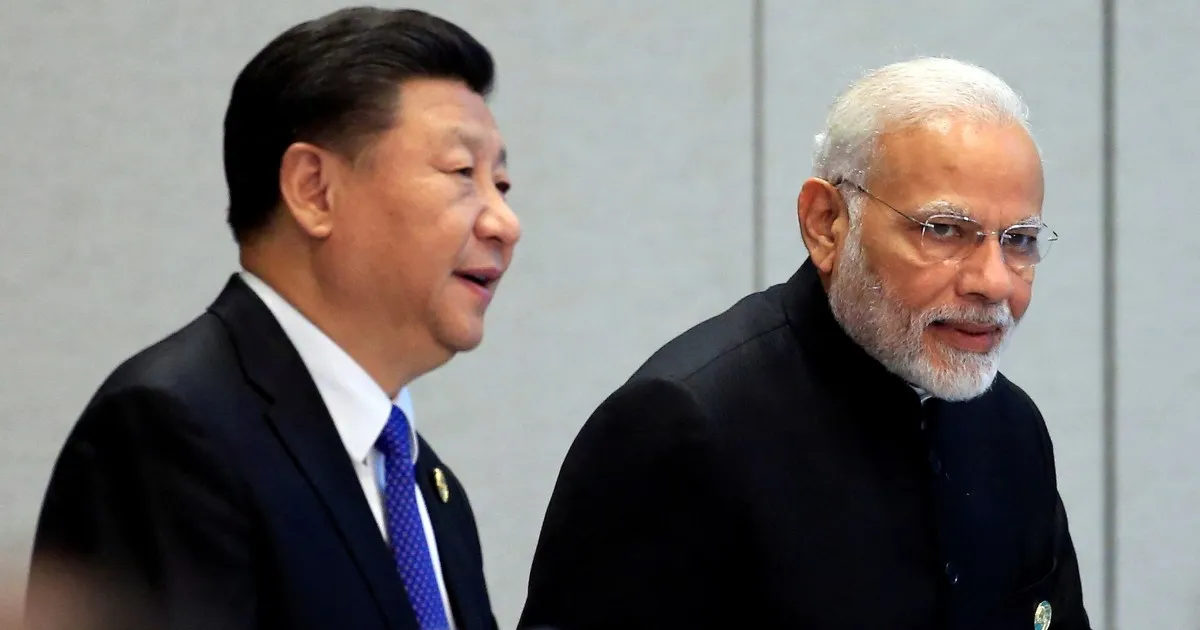
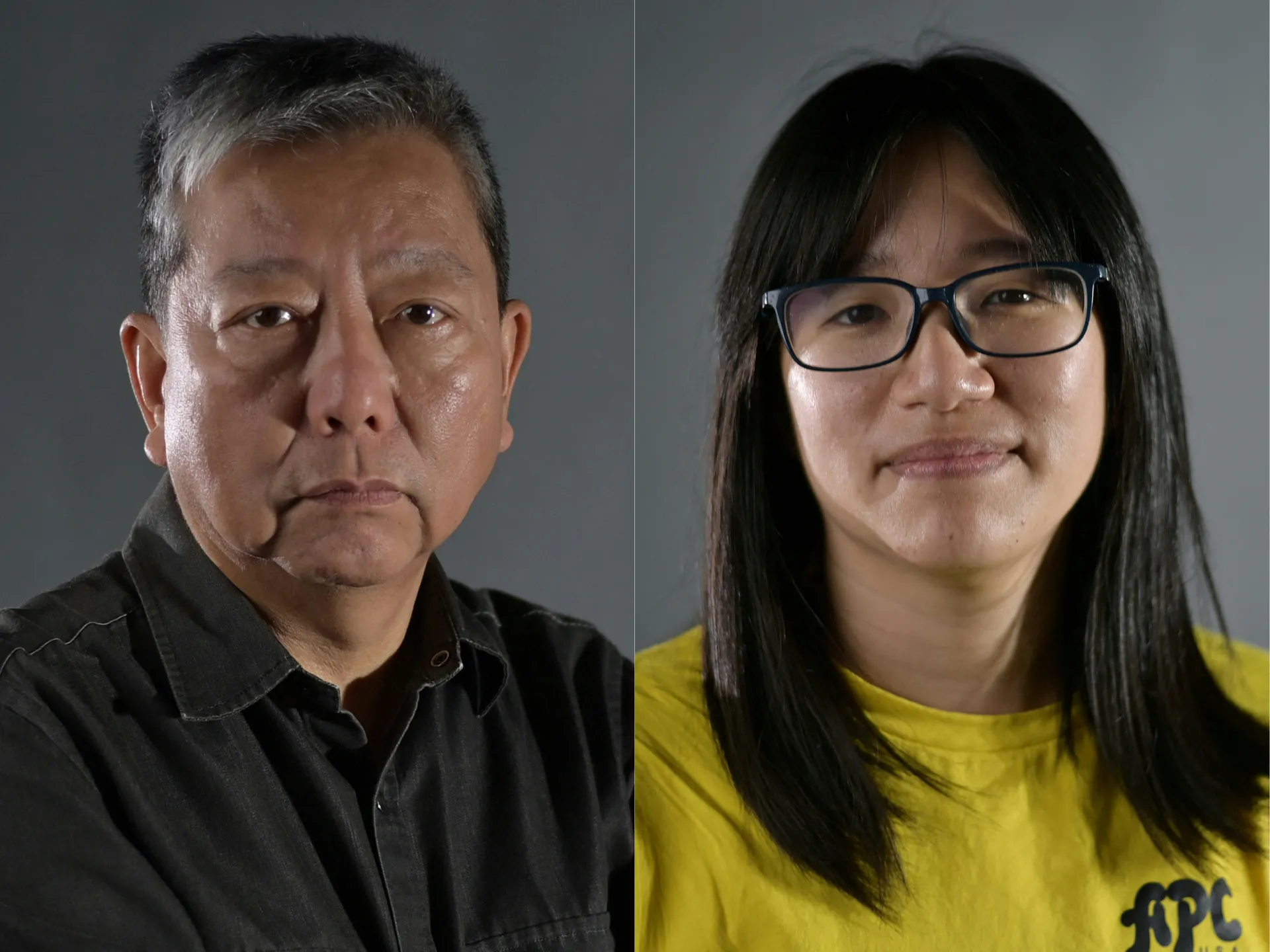
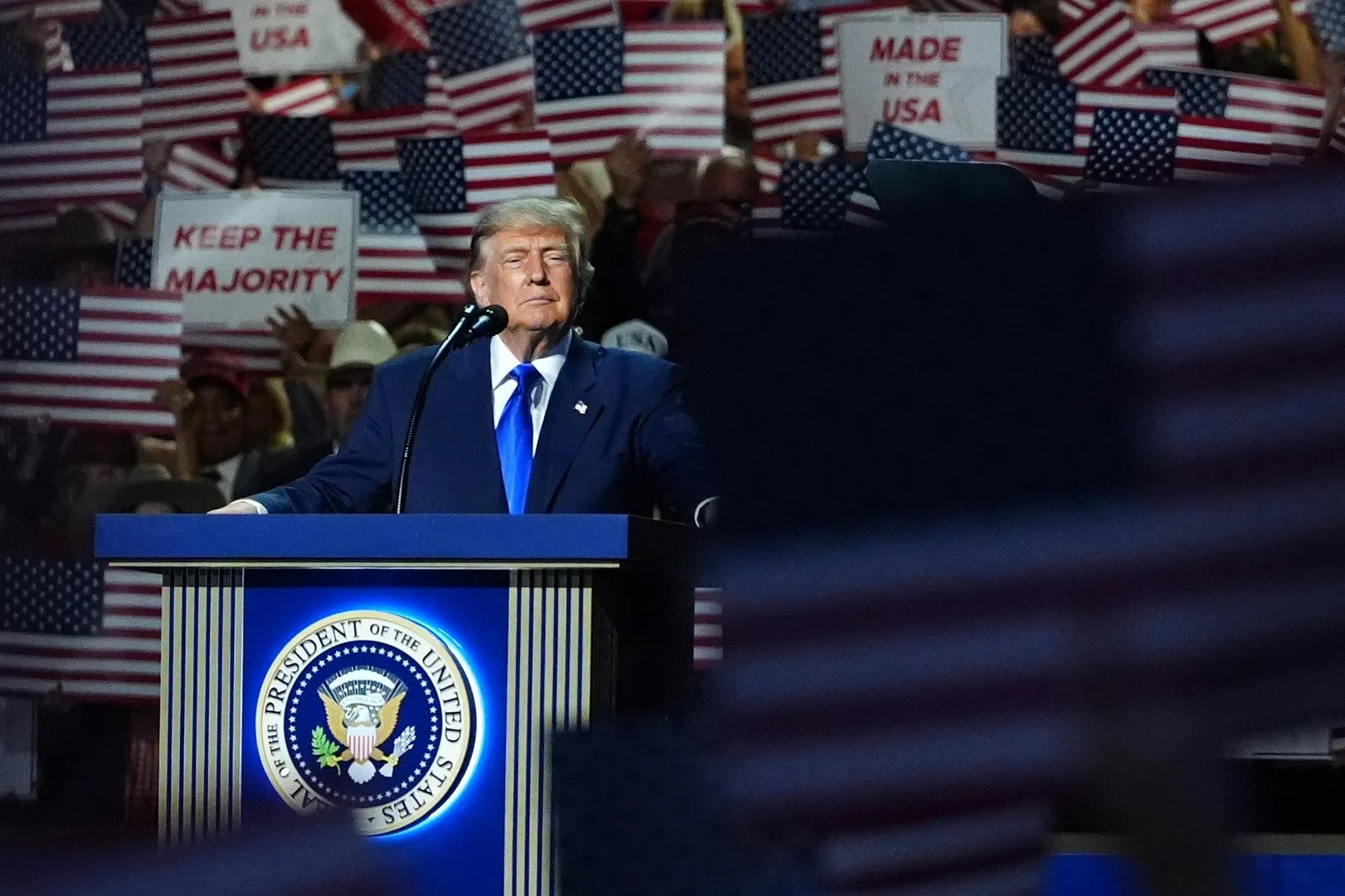
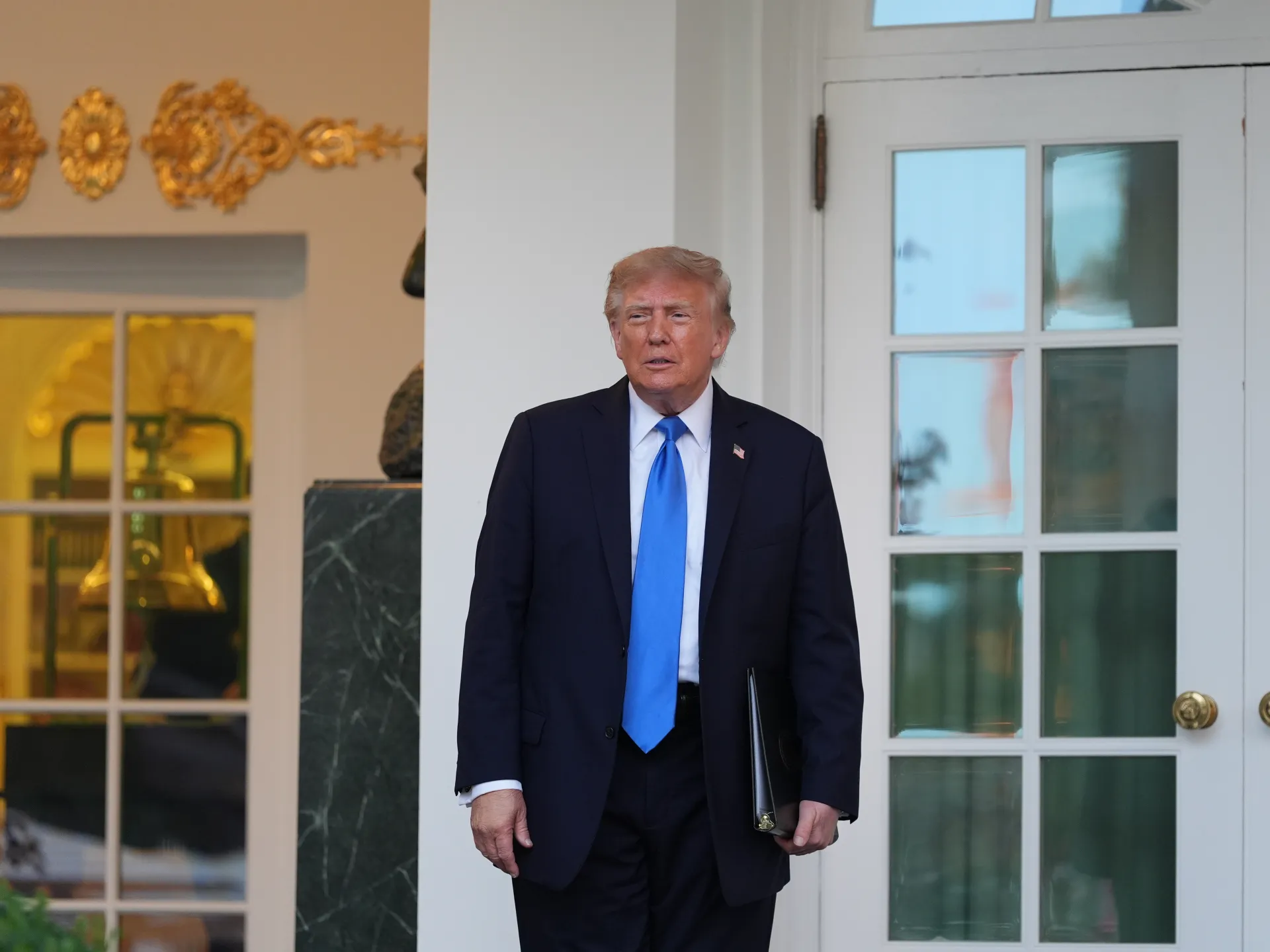
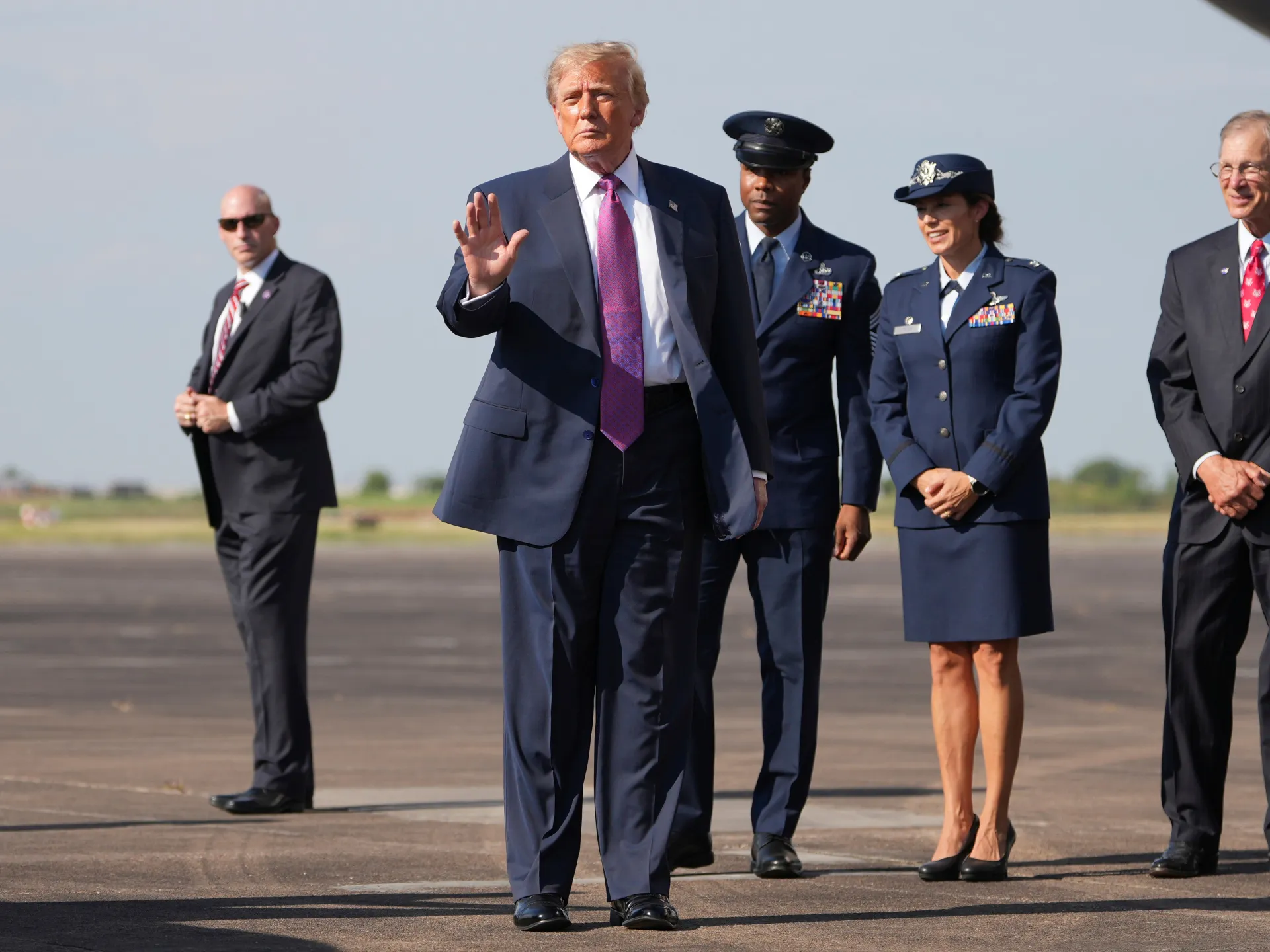
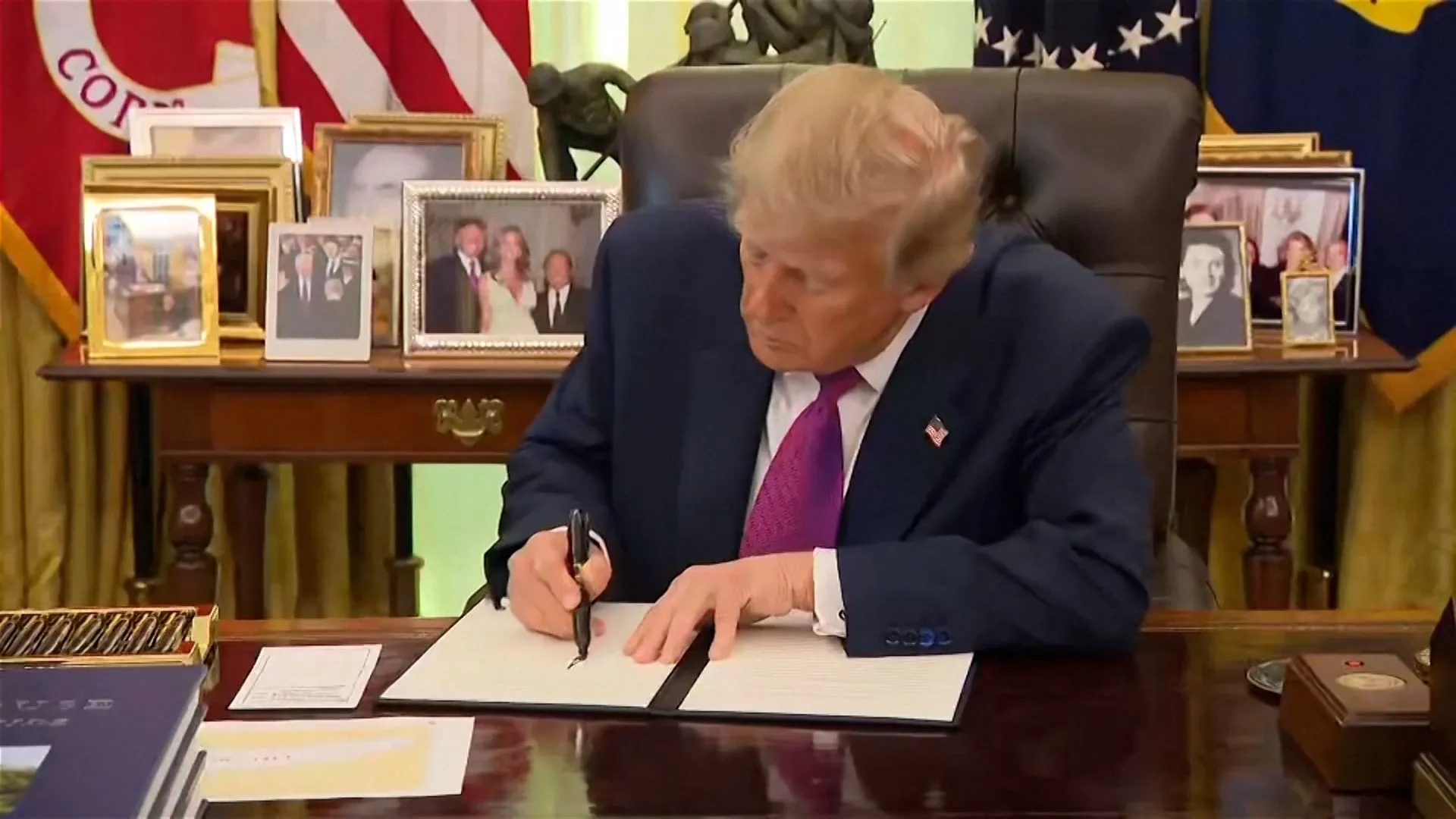
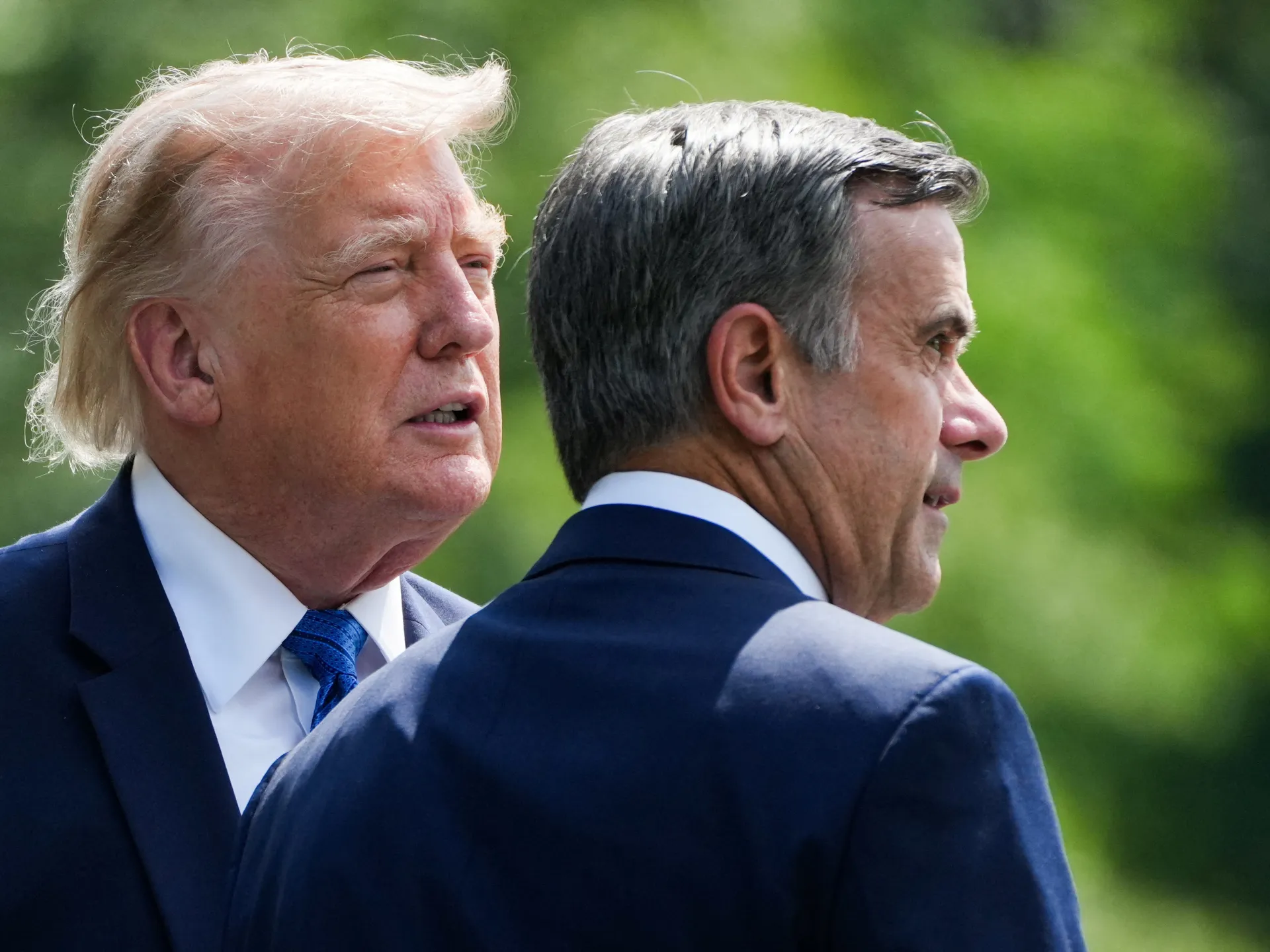
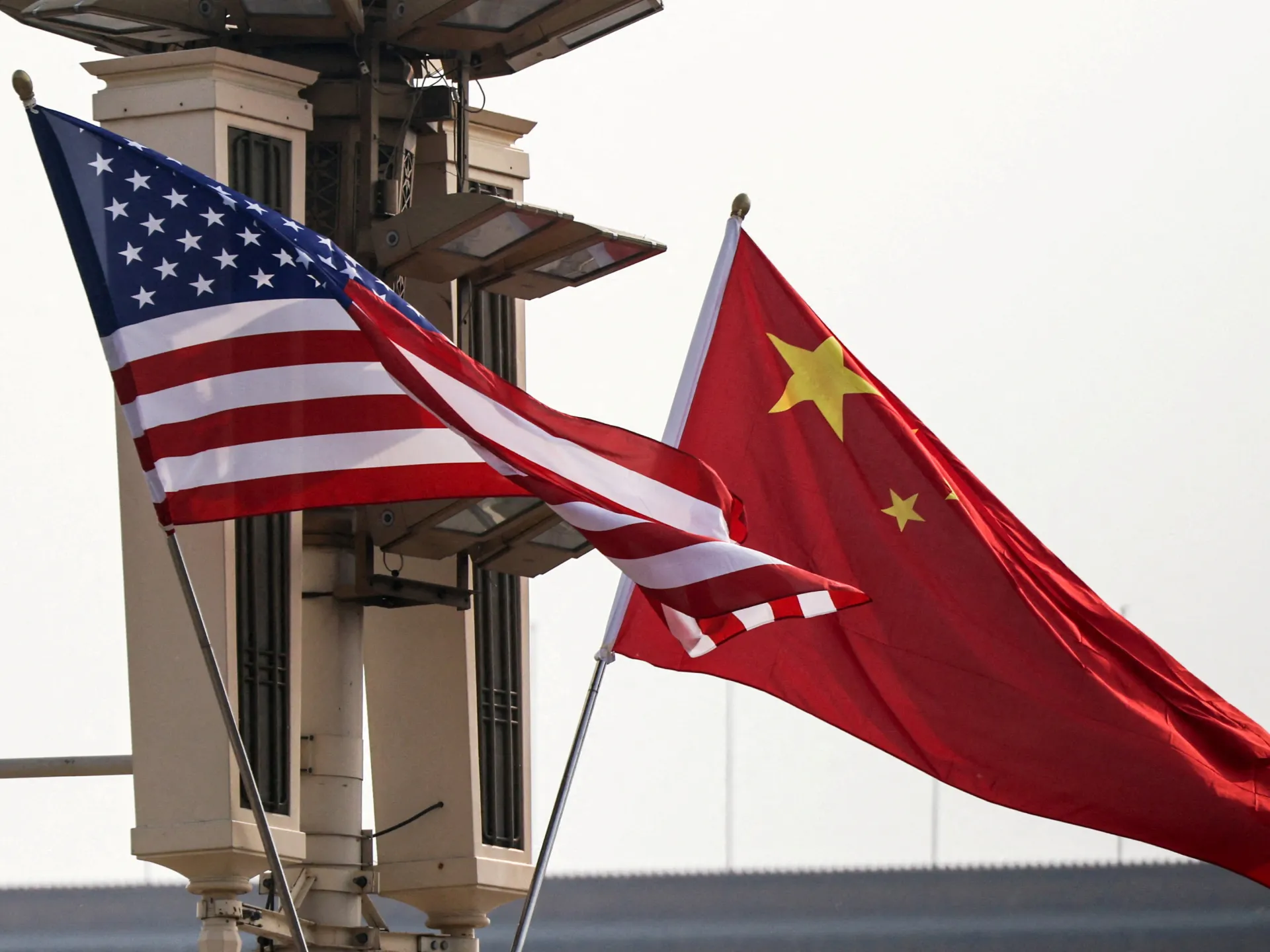
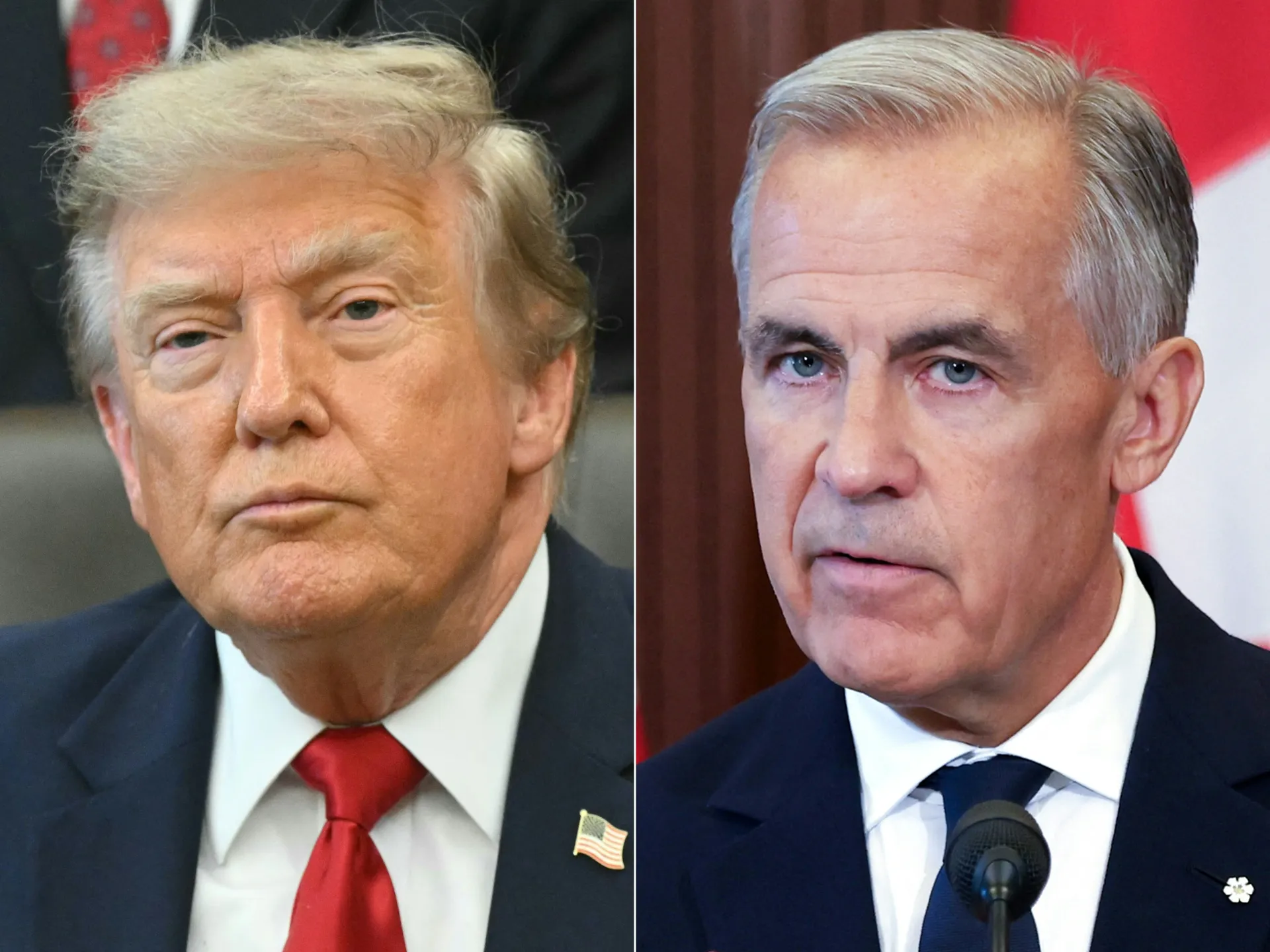
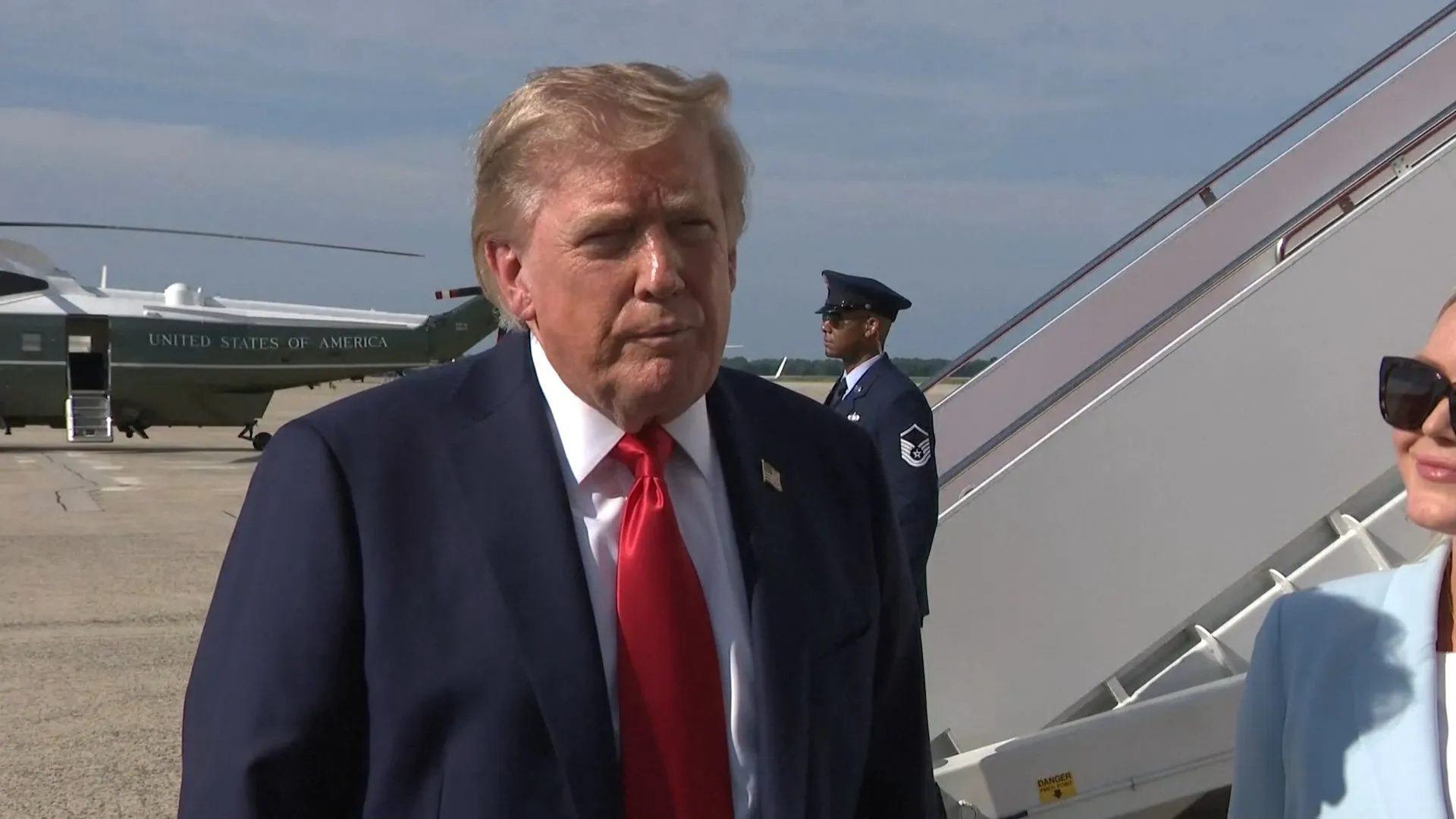
As international focus shifts toward the White House, the families of Americans detained in China are mounting a final, desperate push for intervention ahead of the upcoming summit between President Donald Trump and President Xi Jinping. Among the cases brought to the forefront is that of U Min Zin, an academic and director of the Myanmar Institute for Strategic and Policy Studies, who was arrested in Kunming on June 3. His wife, Sylvia Zin, recently testified before the House Foreign Affairs Committee, arguing that her husband’s detention for alleged espionage is a direct retaliation for his research into regional influence and Chinese interests in Myanmar.
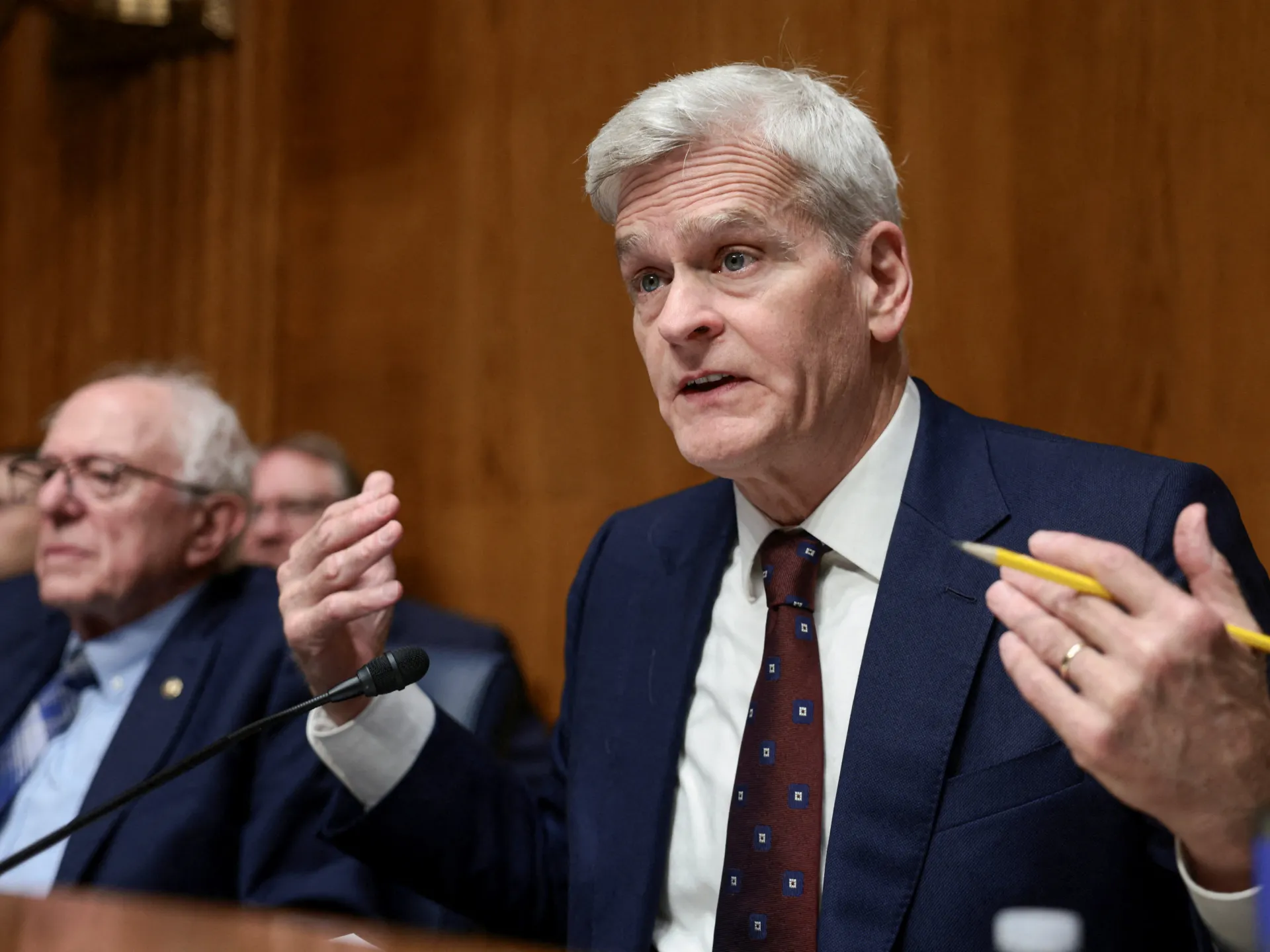
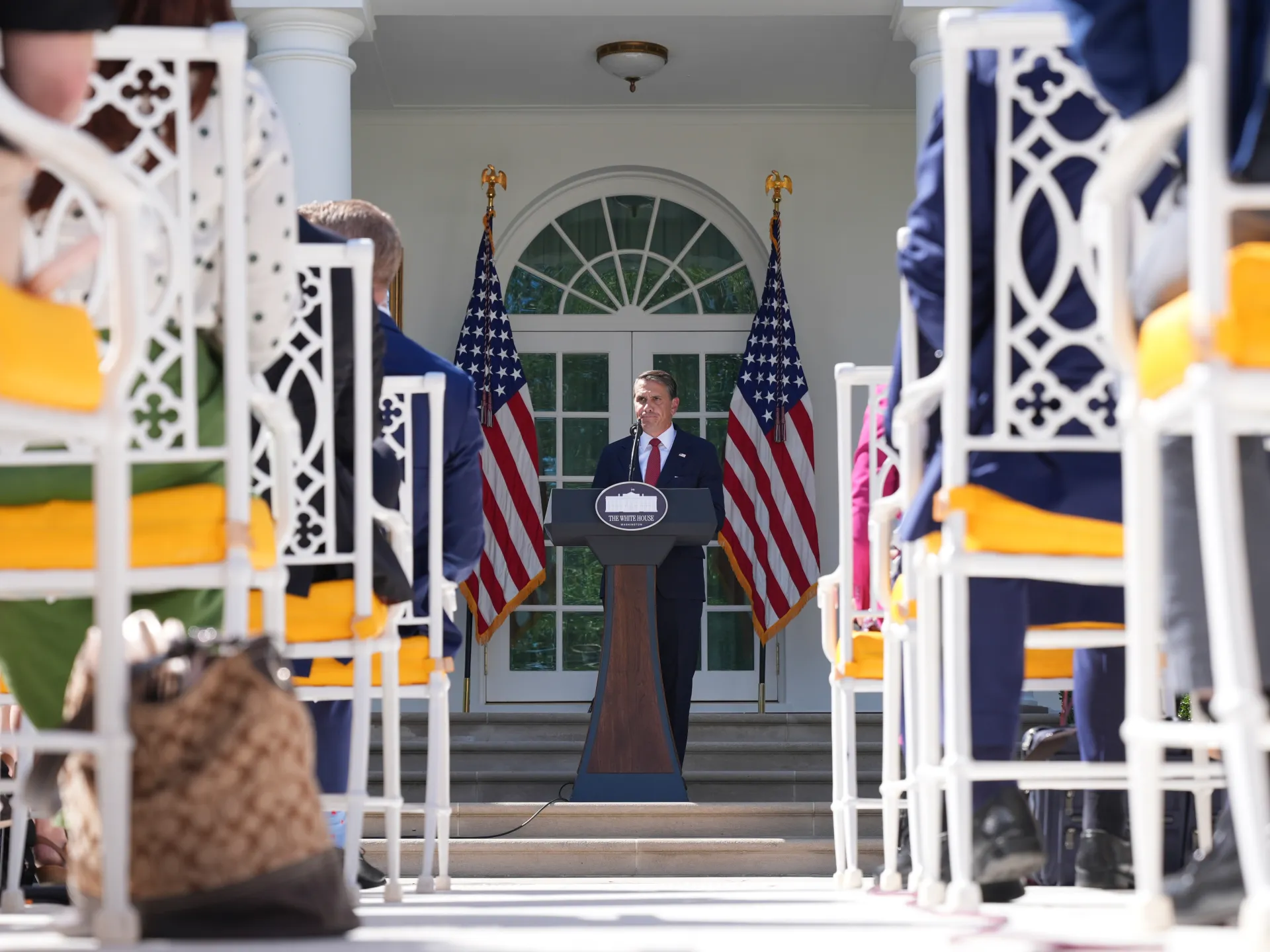
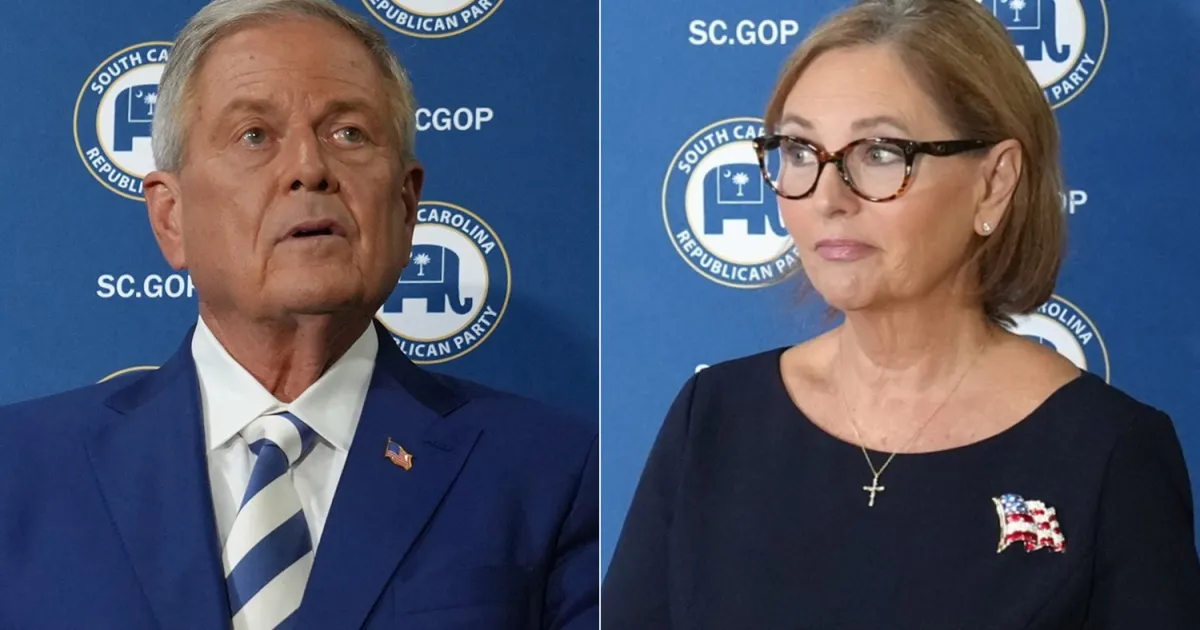
The congressional testimony also highlighted the plight of Chen Youlin, a US seismologist who has spent two years in Chinese custody, as well as the ongoing detention of media mogul Jimmy Lai. Representative Young Kim, chairwoman of the subcommittee, issued a stark warning to the American public, suggesting that Beijing is utilizing the detention of foreign nationals as leverage for diplomatic negotiation. While a senior White House official indicated that resolving these cases remains a top priority, the administration faces the difficult task of balancing high-level state visits with the demands of families who view these captives as political hostages.
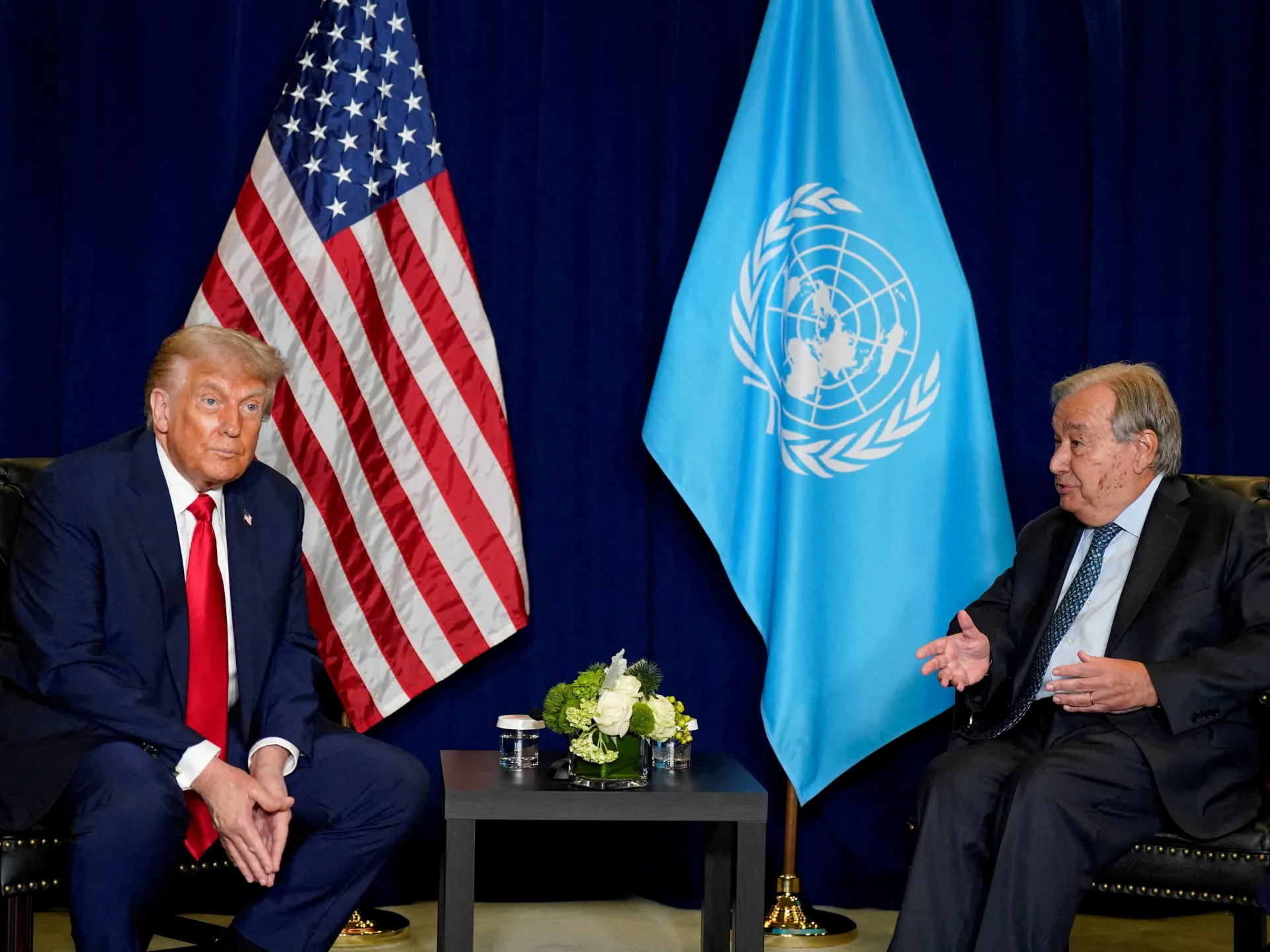
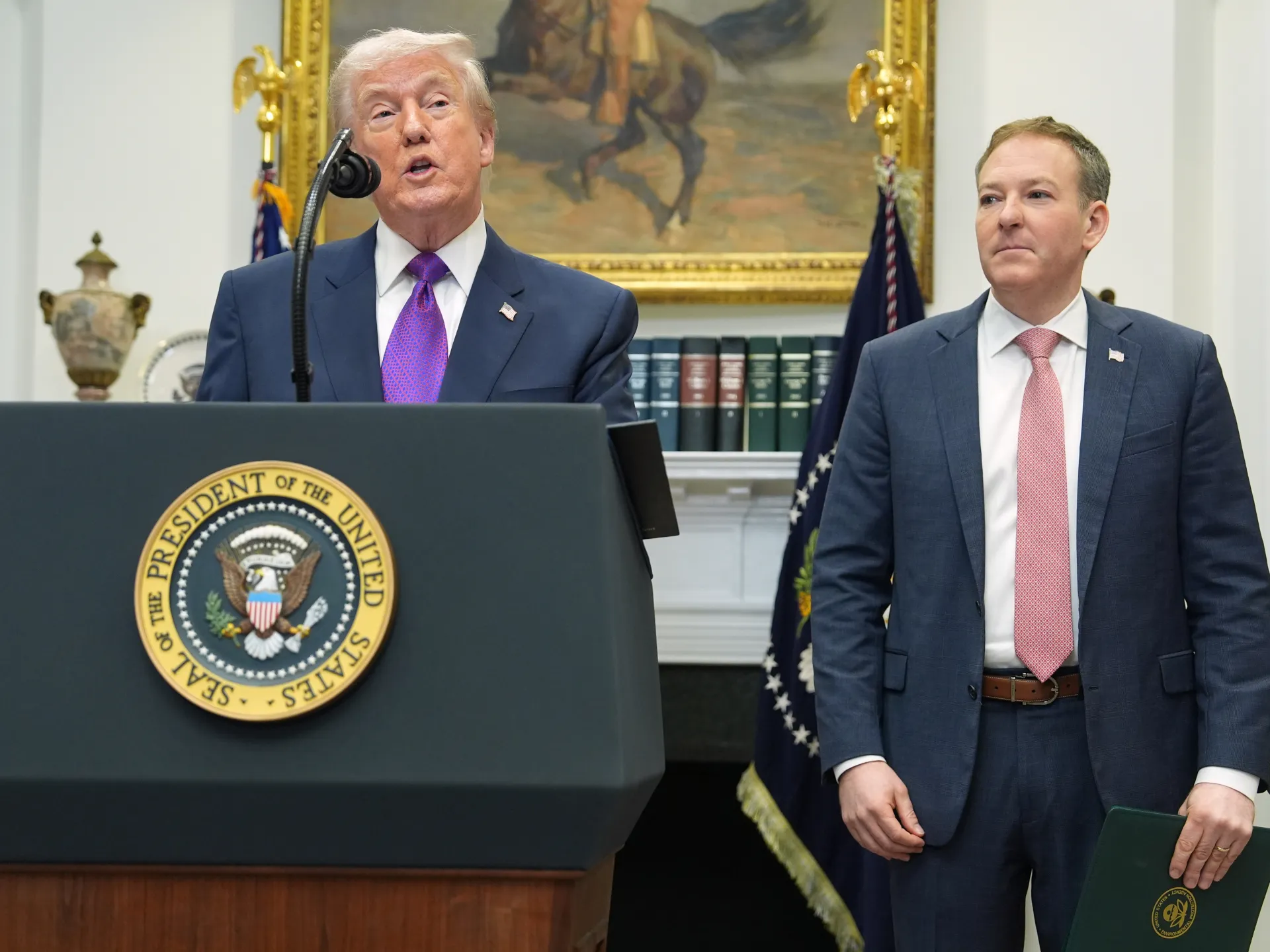
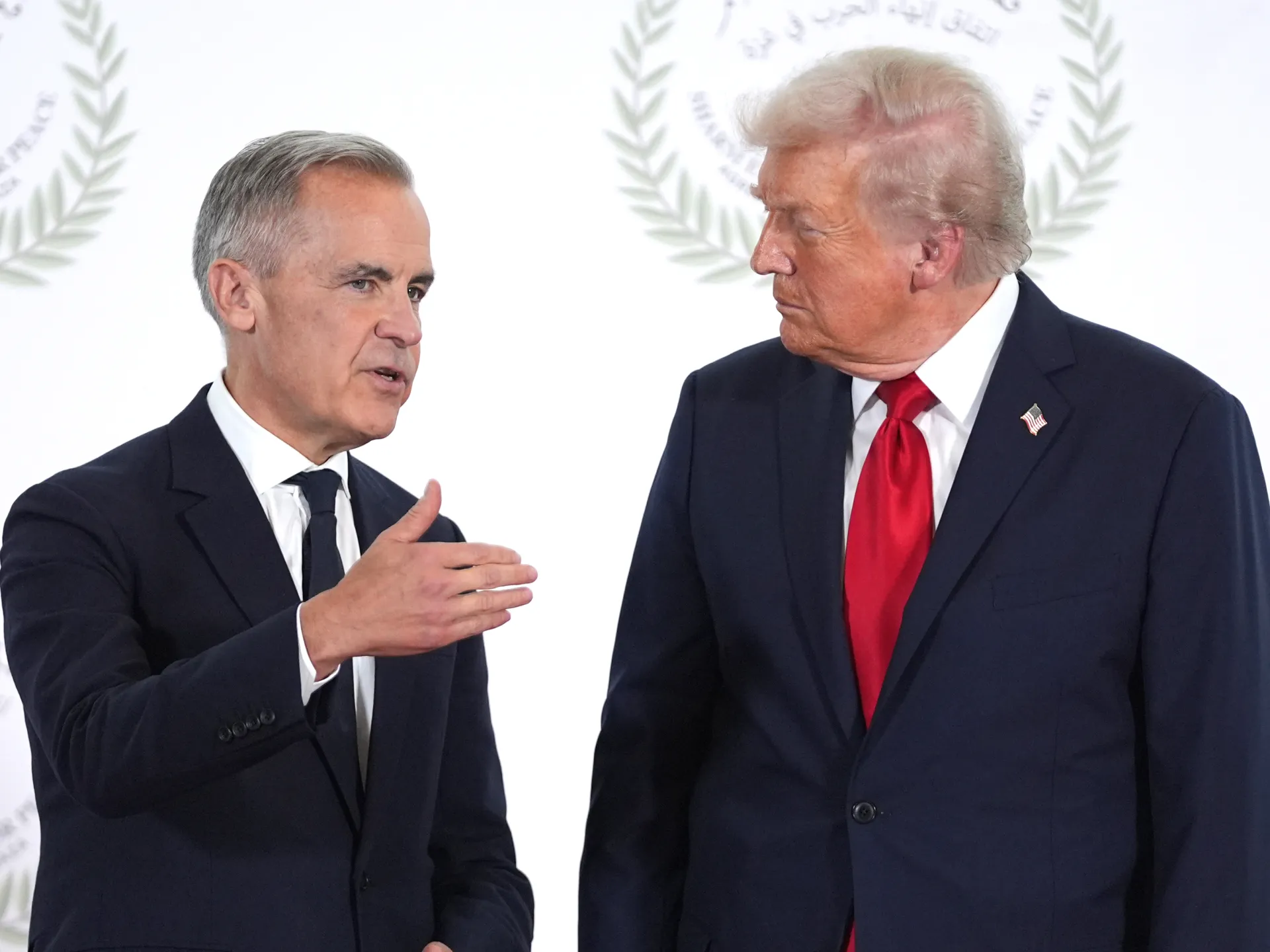
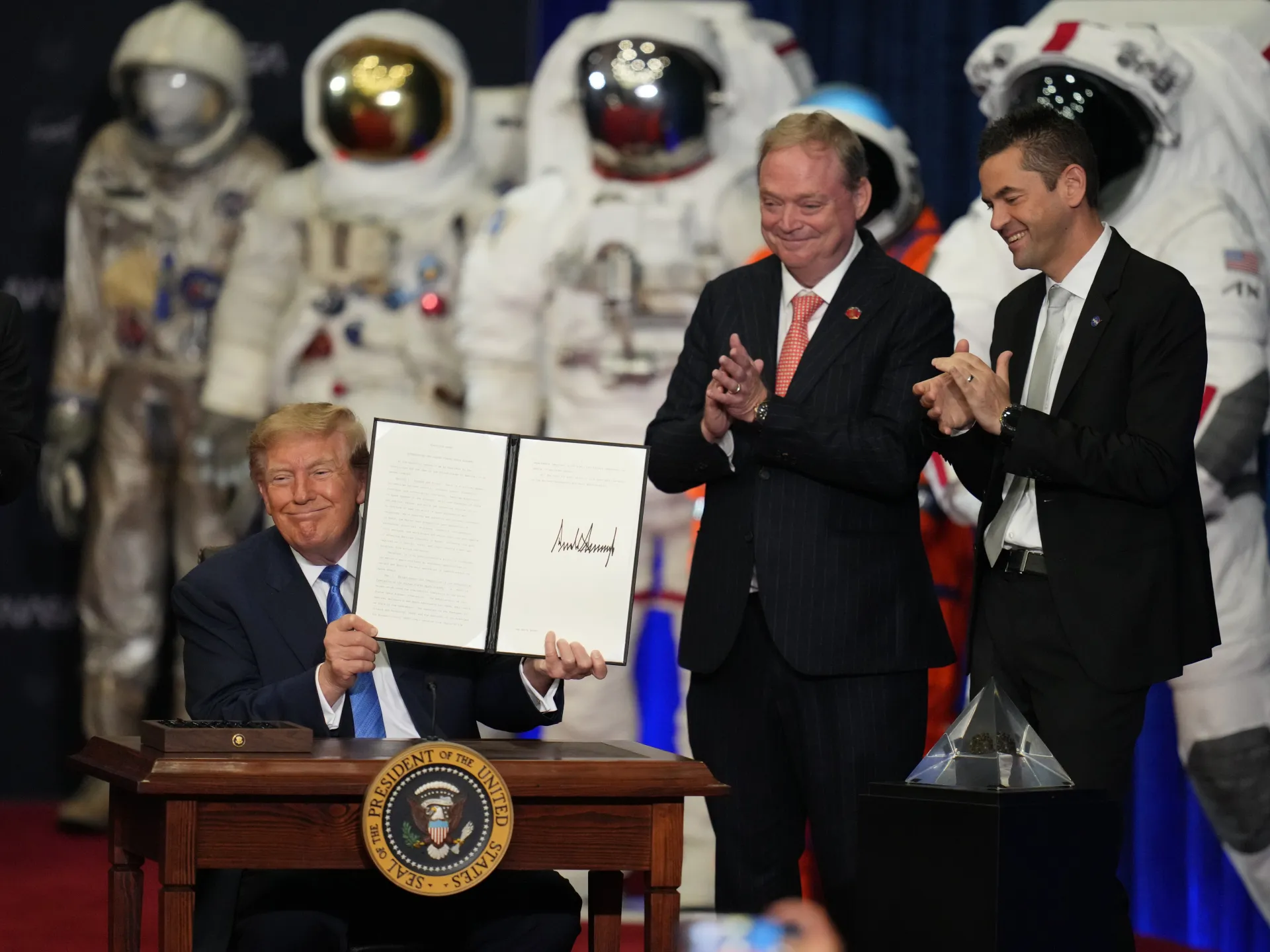
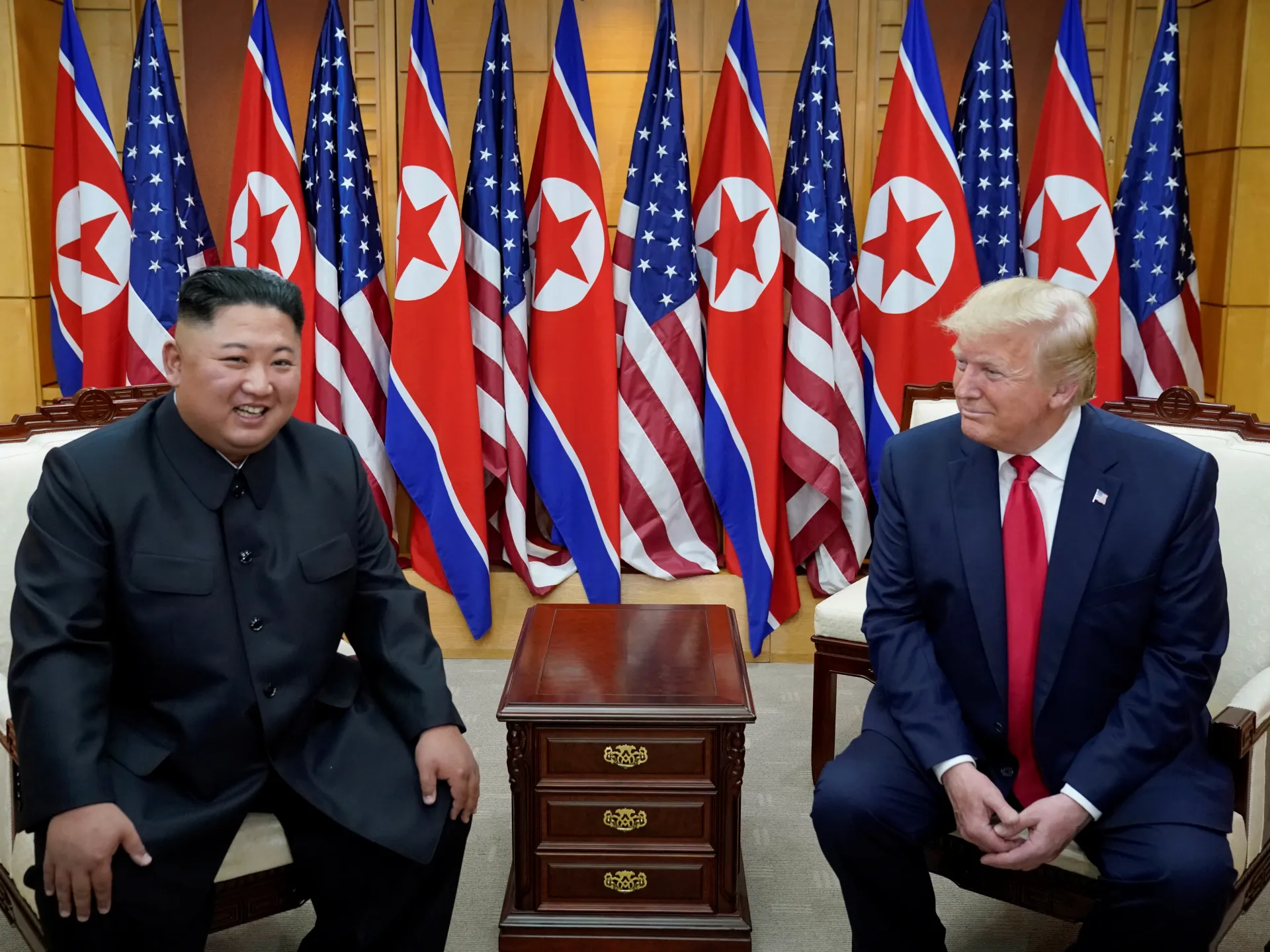
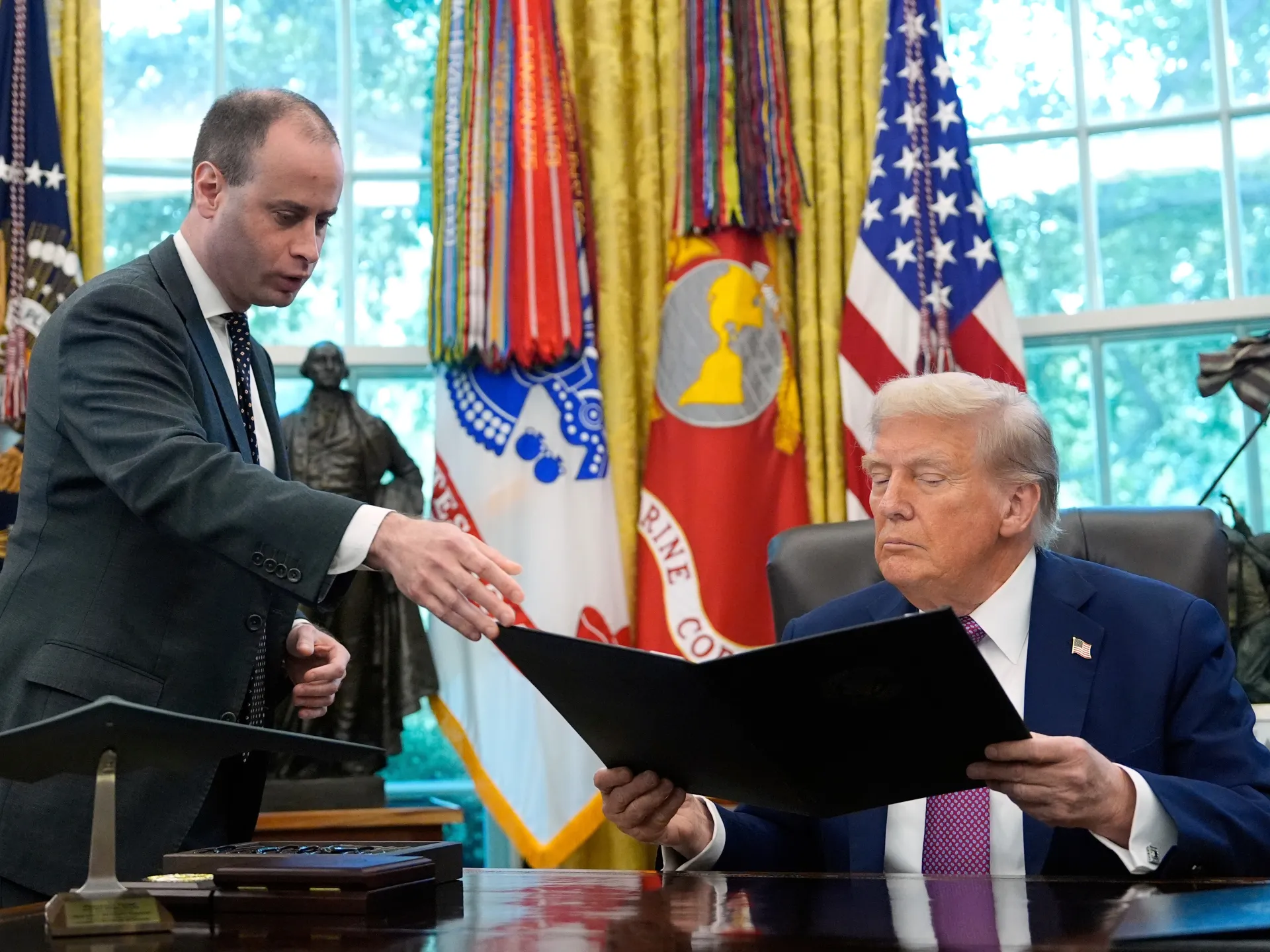
The immediate future hinges on the outcomes of two distinct diplomatic arenas. In Washington, the upcoming summit between President Trump and President Xi Jinping will serve as a definitive test of whether personal intervention can secure the release of high-profile detainees. Should the administration fail to achieve concrete results, it may signal a hardening of policy that could further strain US-China relations, particularly as members of Congress grow increasingly vocal about the risks of travel to China. Simultaneously, the signing of the Artemis Accords ovides a stark contrast to the isolationist risks faced ional community will be watching closely to see if the Tunisian government responds to the sustained public pressure regarding the Gaza flotilla activists, or if the case will remain stalled in the local court system indefinitely.