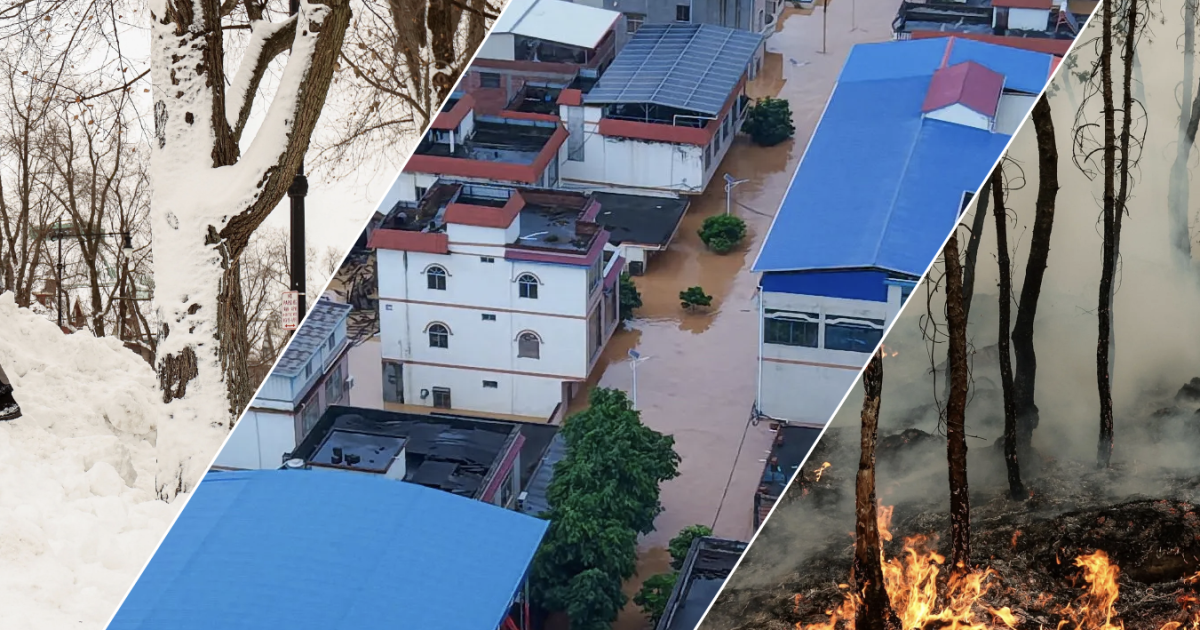
As Japan introduces fees for off-season mountain rescues, Venezuela celebrates the heroic efforts of a rescue dog, reflecting two distinct approaches to emergency response.
Emergency response protocols are facing a global re-evaluation as authorities grapple with the balance between public safety and the allocation of critical resources. While the international community recently paused to commemorate the life-saving efforts of a single rescue animal in Venezuela, Japanese officials in the Yamanashi Prefecture are finalizing a stringent new financial framework designed to curb the prevalence of high-risk mountain expeditions.
These two disparate developments underscore a broader trend in how disaster management and rescue operations are being shaped her through the symbolic immortalization of heroic service or the implementation of user-pays models for search and rescue, governments are increasingly seeking ways to manage the human and financial costs of environmental hazards and extreme terrain.
The dichotomy between the celebration of 'Tsunami,' the Border Collie in Venezuela, and the punitive fee structure proposed for Mount Fuji climbers highlights a growing divide in how societies view emergency services. In the case of Venezuela, the focus remains on the heroic, altruistic nature of search and rescue, emphasizing the emotional necessity of acknowledging those—human or animal—who mitigate the fallout of catastrophic events. Conversely, the Japanese policy shift towards charging for helicopter rescues represents a shift toward a 'user-pays' logic, which reflects the rising economic burden on local municipalities that must manage the consequences of individual recklessness.
This policy pivot suggests that local governments are no longer willing to subsidize the risks taken ies are attempting to deter amateur climbers from entering dangerous environments, thereby protecting first responders from unnecessary danger and local budgets from the strain of frequent, avoidable aerial extractions.
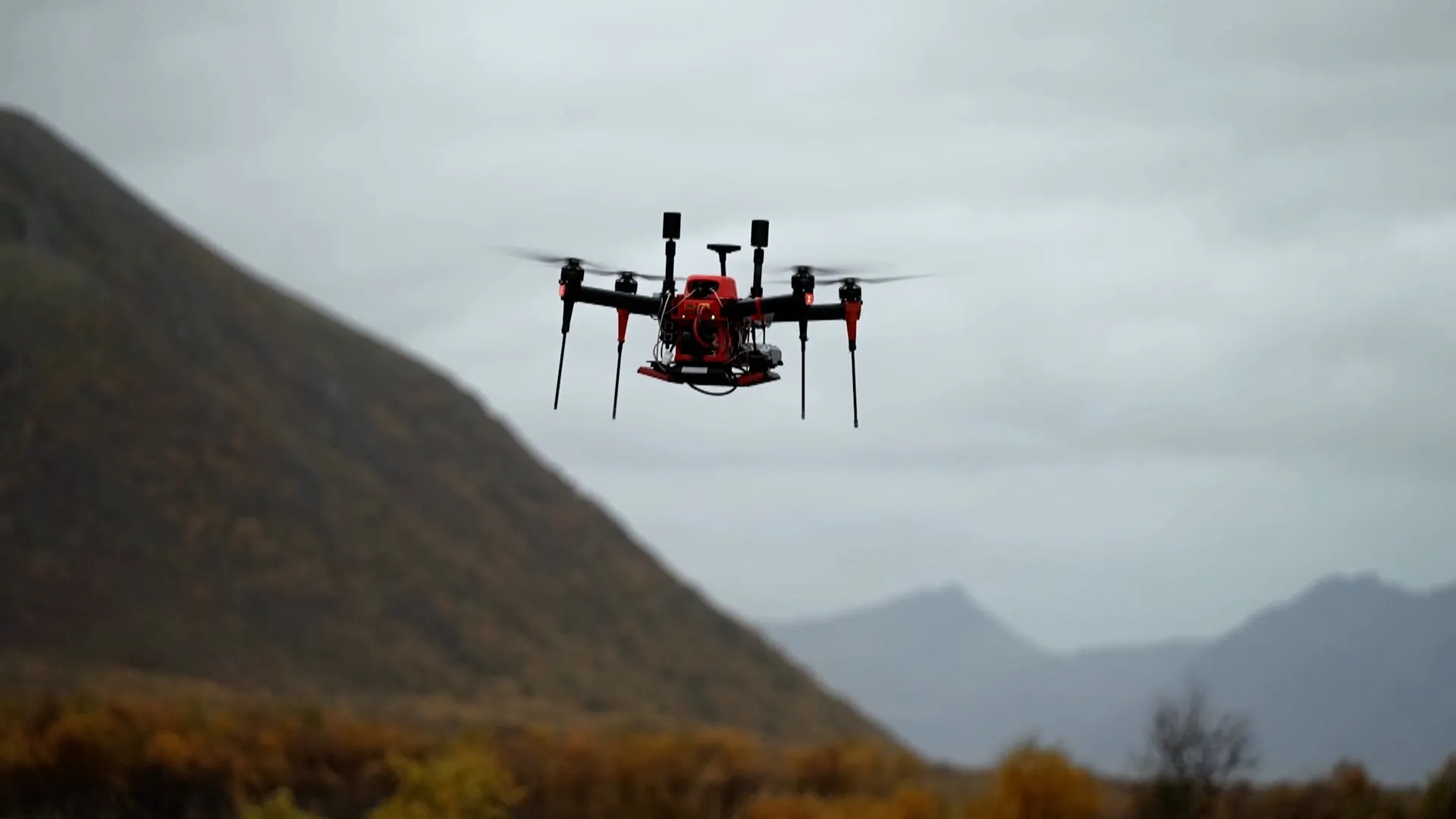
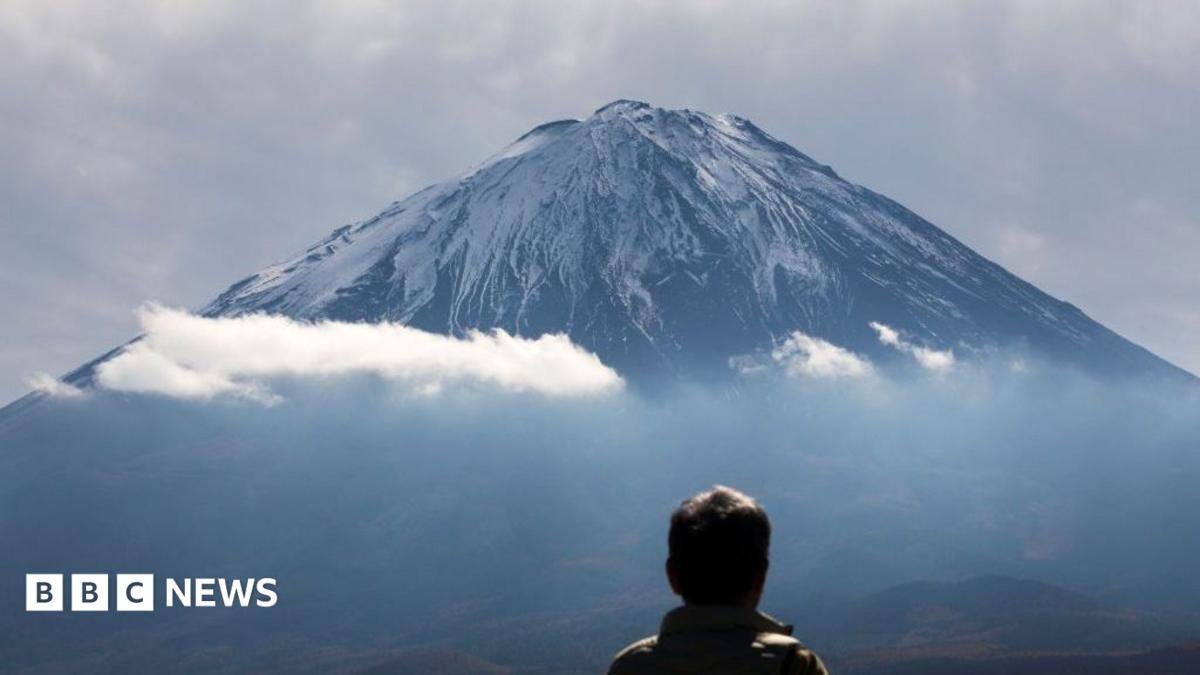
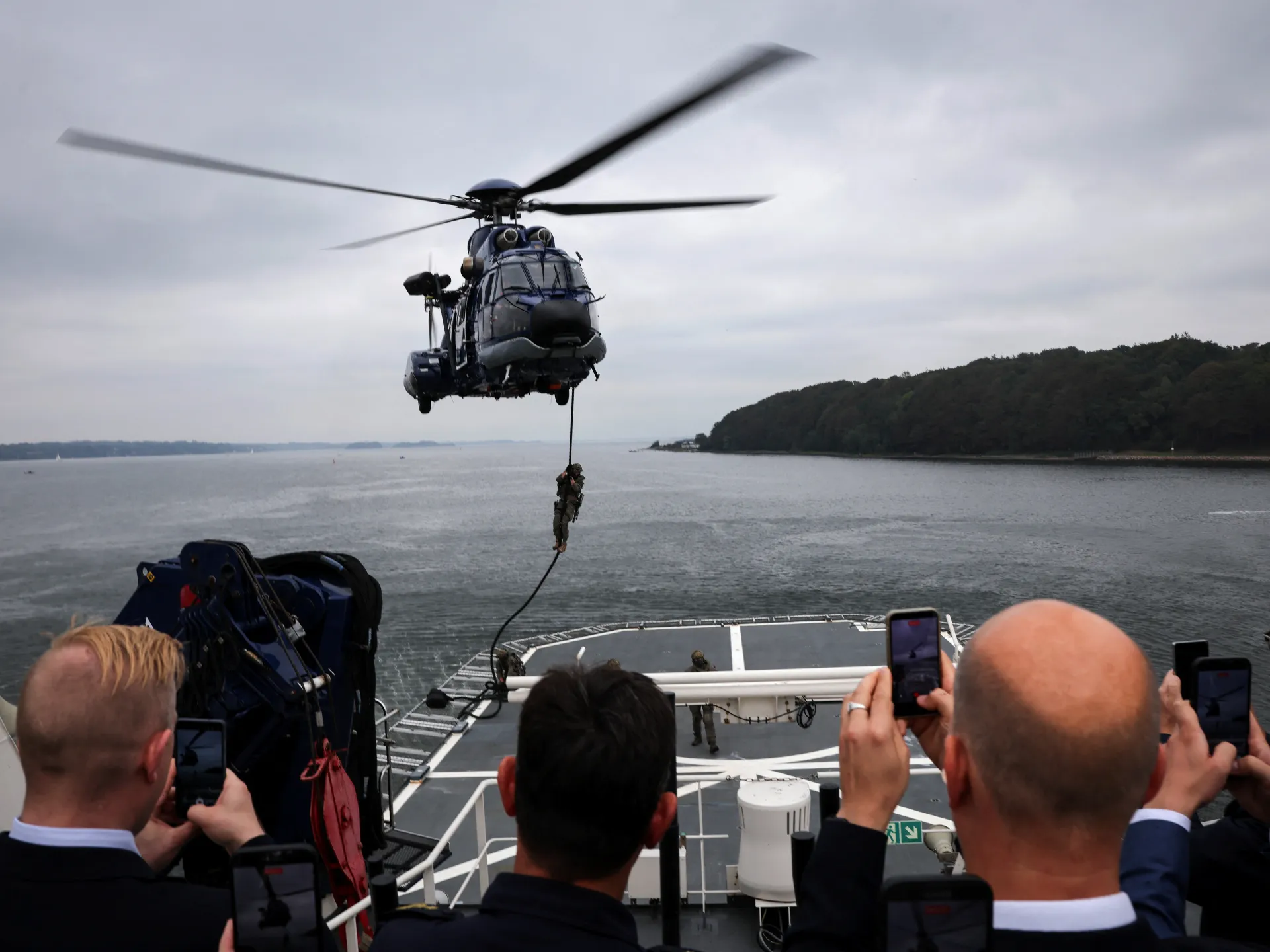
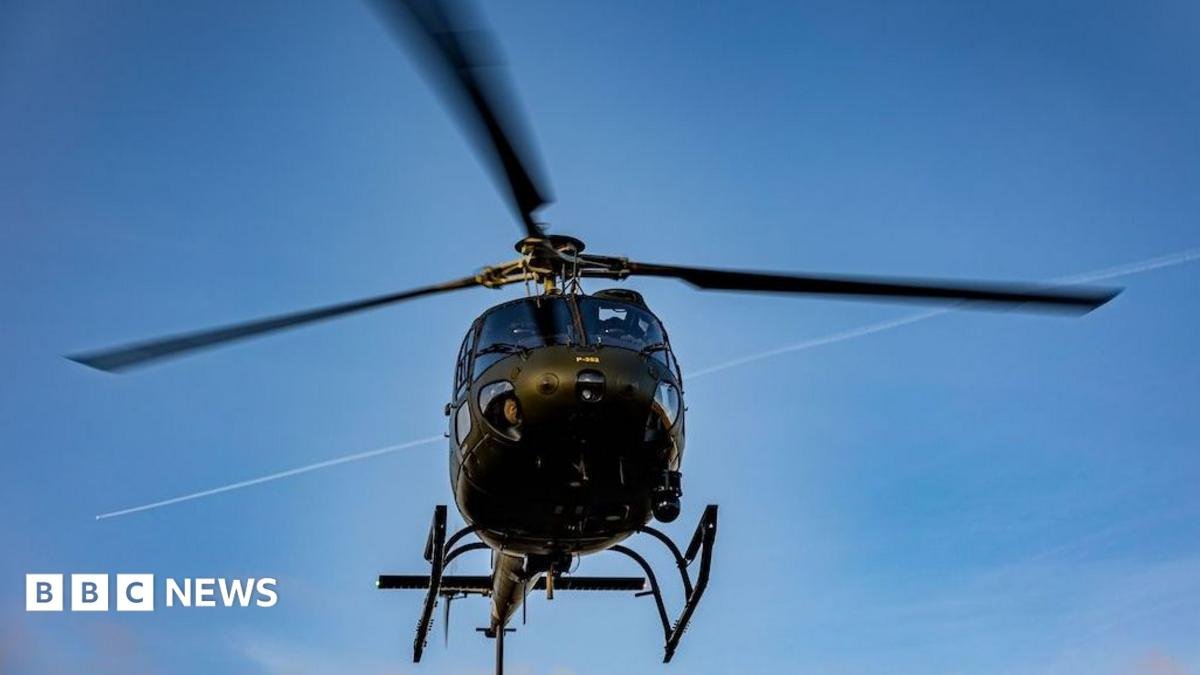
In Japan, the Yamanashi Prefecture has announced that, starting next year, climbers who require helicopter rescue after attempting to scale Mount Fuji during the off-season will be held financially responsible for the operation. This decision arrives as authorities observe a persistent rise in off-season, poorly planned expeditions that routinely result in hikers becoming stranded. Officials indicate that they will use the fee structure currently employed in the Saitama Prefecture—roughly 8,000 yen, or approximately $51, for every five minutes of flight time—as a benchmark for these new charges.
Beyond the financial deterrent, Yamanashi officials have implemented a mandatory submission process for climbing plans, aimed at ensuring that those who do attempt to scale the mountain have demonstrated adequate preparation. Meanwhile, in the neighboring Shizuoka Prefecture, which governs the southern reaches of the peak, the approach is centered on administrative penalties rather than direct rescue fees. Shizuoka authorities have pledged to tighten enforcement against climbers who bypass registration requirements or ignore restricted zone warnings, signaling a collaborative but distinct effort to curb the culture of 'reckless' climbing that has plagued the region.
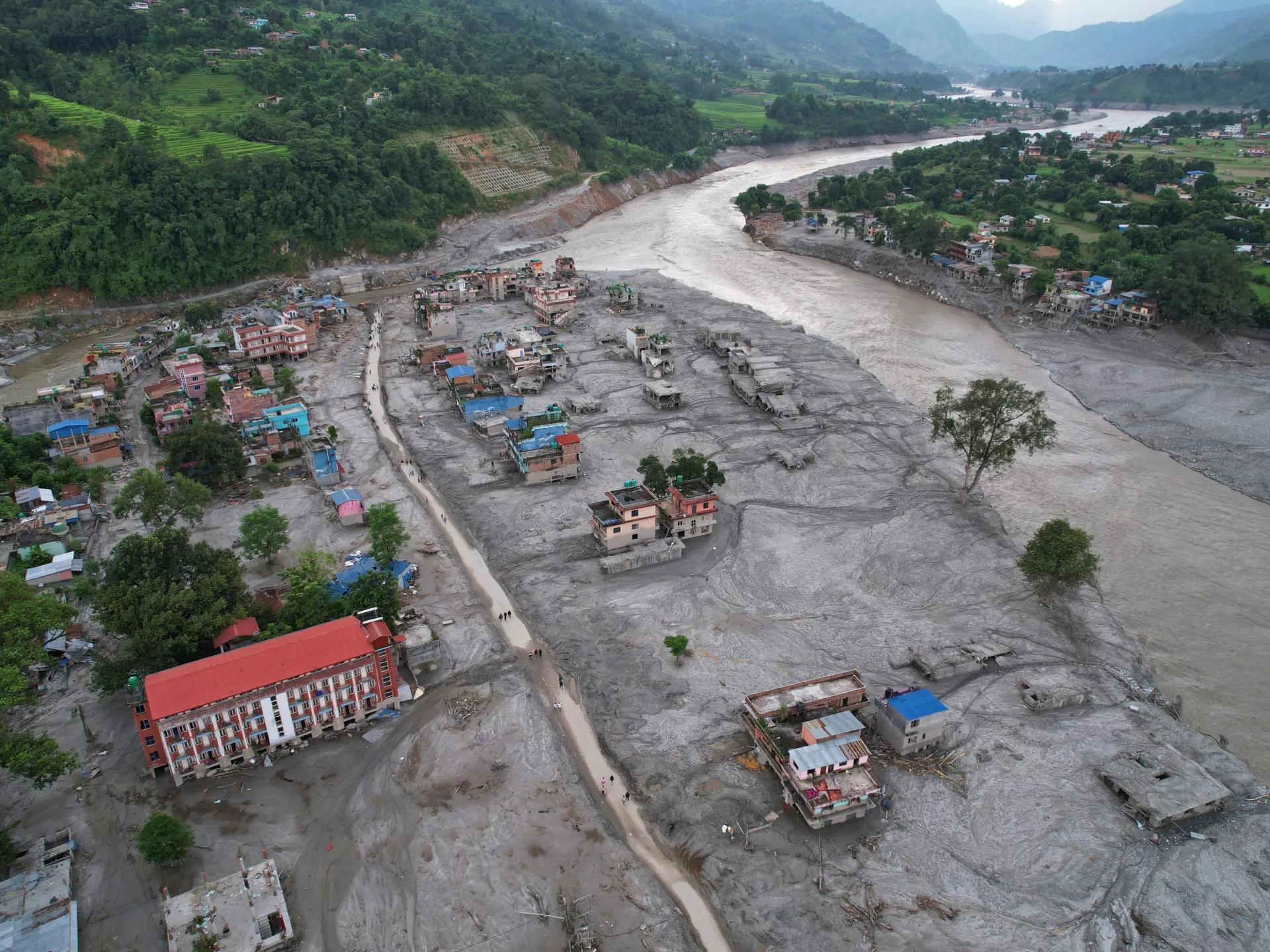
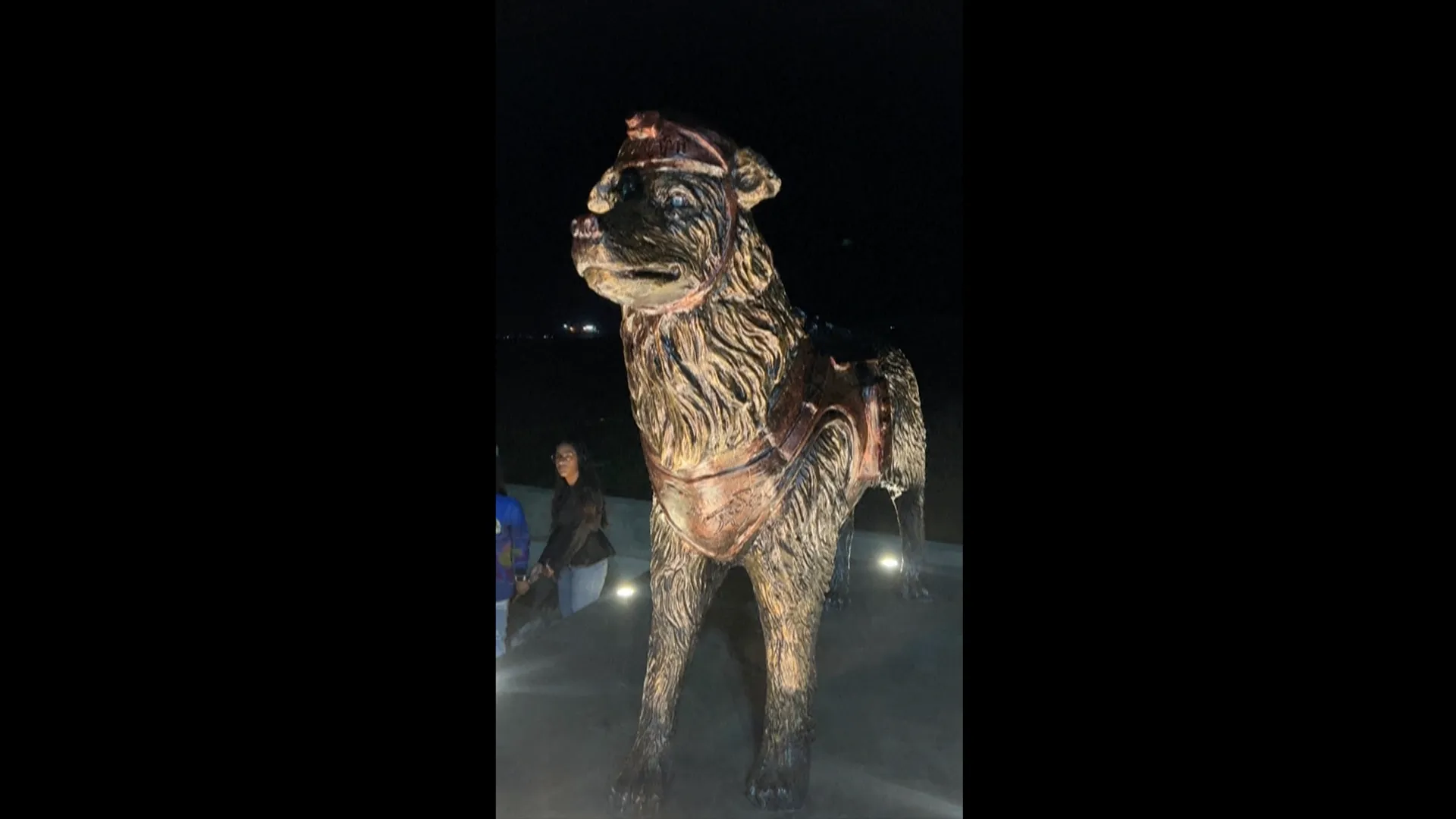
In stark contrast to the regulatory atmosphere in Japan, the city of Maracaibo, Venezuela, has opted for a gesture of gratitude following a national tragedy. A bronze statue has been unveiled to honor 'Tsunami,' a Border Collie credited with locating at least 26 survivors in the wake of the devastating earthquakes that struck the region in June. These seismic events resulted in over 6,500 deaths, leaving a profound mark on the nation and highlighting the essential role played
The installation of the statue serves as both a memorial for the victims and a tribute to the utility of canine assets in disaster zones. Unlike the logistical challenges facing Japanese climbers, the Venezuelan experience focuses on the human and animal efforts that persist when traditional infrastructure fails during large-scale catastrophes. The recognition of Tsunami reflects a societal desire to validate the selflessness inherent in emergency work, a sharp departure from the cold, deterrent-based logic currently being deployed in Japan’s mountaineering sector.
As the Yamanashi Prefecture moves toward full implementation of its rescue fee policy, it is highly probable that other regions in Japan will monitor the efficacy of these measures. If the fees successfully deter off-season climbing, other jurisdictions managing dangerous terrain may adopt similar financial disincentives. Meanwhile, in Venezuela, the commemoration of Tsunami is likely to sustain a focus on the necessity of maintaining trained search-and-rescue capabilities. Ultimately, these two cases suggest a future where the cost of rescue is increasingly tied to personal accountability in private risk-taking, while public-funded disaster response continues to lean heavily on the valorization of those who perform the rescue work.