As humanoid robots enter the public eye through competitive cage matches, U.S. firms are pushing to deploy similar autonomous technology for border security.
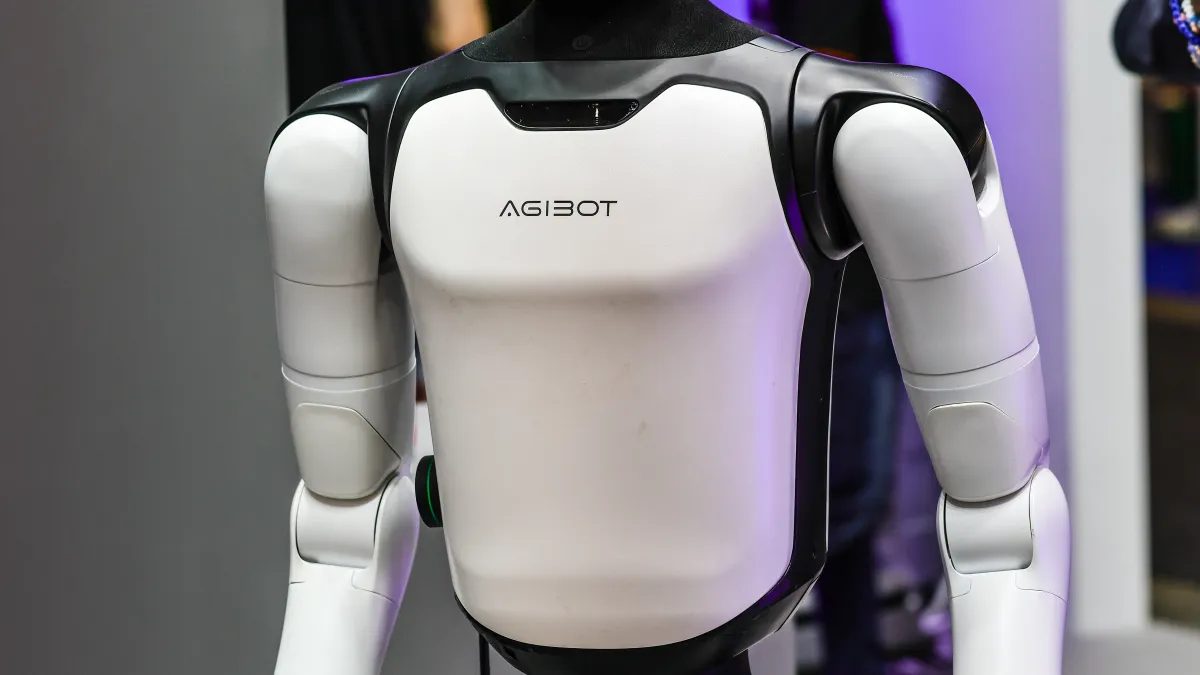
While technology enthusiasts are currently captivated in Shanghai, a more pragmatic, albeit controversial, application of this technology is being debated in the United States. As the Ultimate Robot Knock-out Legend (URKL) league showcases the physical capabilities of advanced robotics in controlled environments, domestic security firms are pitching these same humanoid platforms as the next evolution in border surveillance and rugged terrain reconnaissance.
This dichotomy highlights the dual nature of current robotics development: a move toward both entertainment-focused athletic performance and high-stakes national security integration. As companies like Foundation push for the deployment of humanoid units to assist federal agents, the industry is simultaneously normalizing the presence of these machines in our cultural landscape.
The transition of humanoid robotics from specialized industrial settings to public entertainment and national security sectors signals a shift in societal risk assessment. As these machines become more adept at navigating complex human environments—whether that is a confined fighting arena or the unforgiving landscape of the southern border—policymakers are faced with a lack of precedent regarding their autonomous decision-making in high-pressure situations. The potential for these robots to operate in dangerous zones offers significant advantages for human safety, yet the integration of AI-driven autonomy into security operations raises profound ethical questions about accountability, surveillance, and the potential for technological over-reliance.
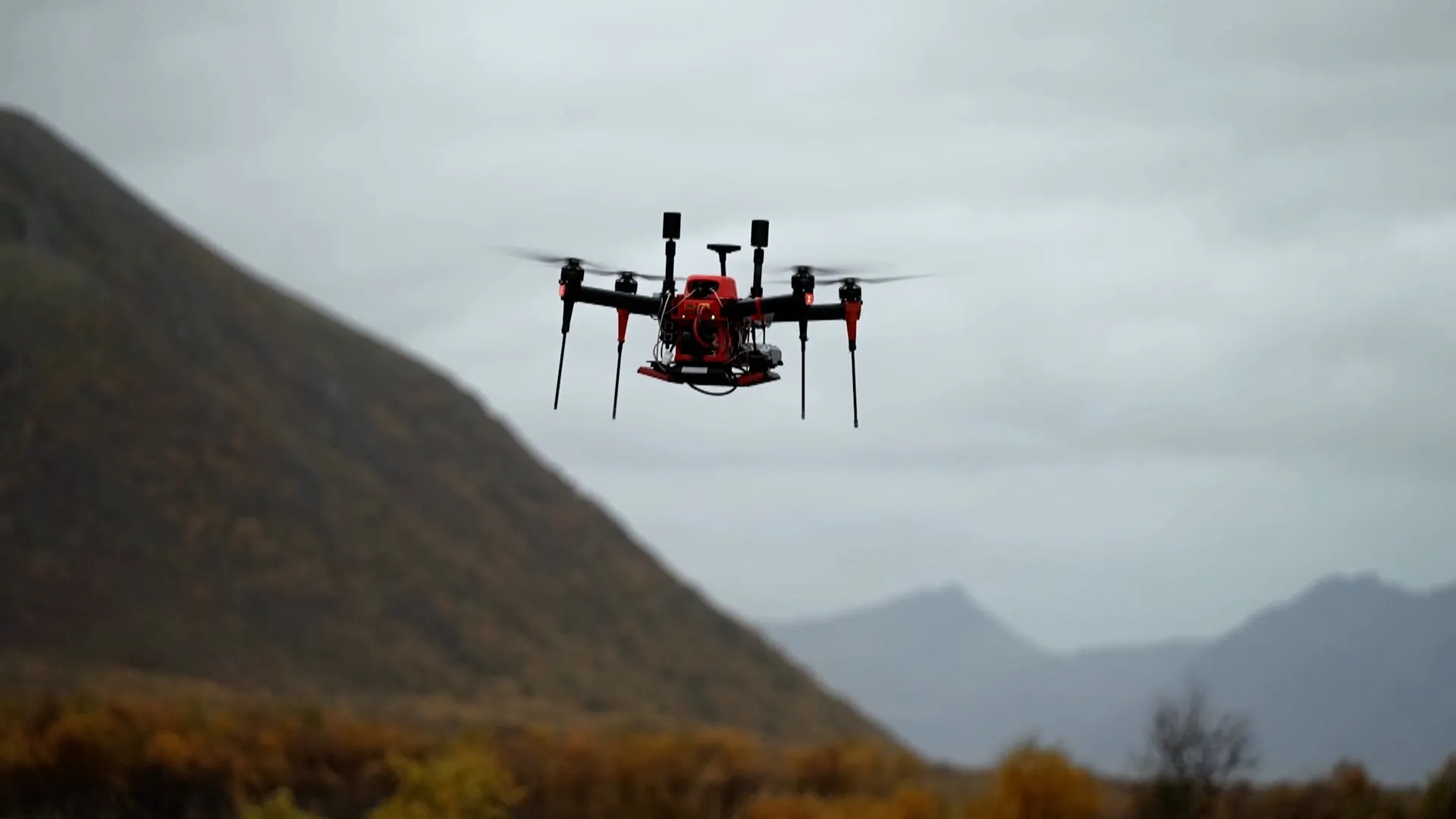
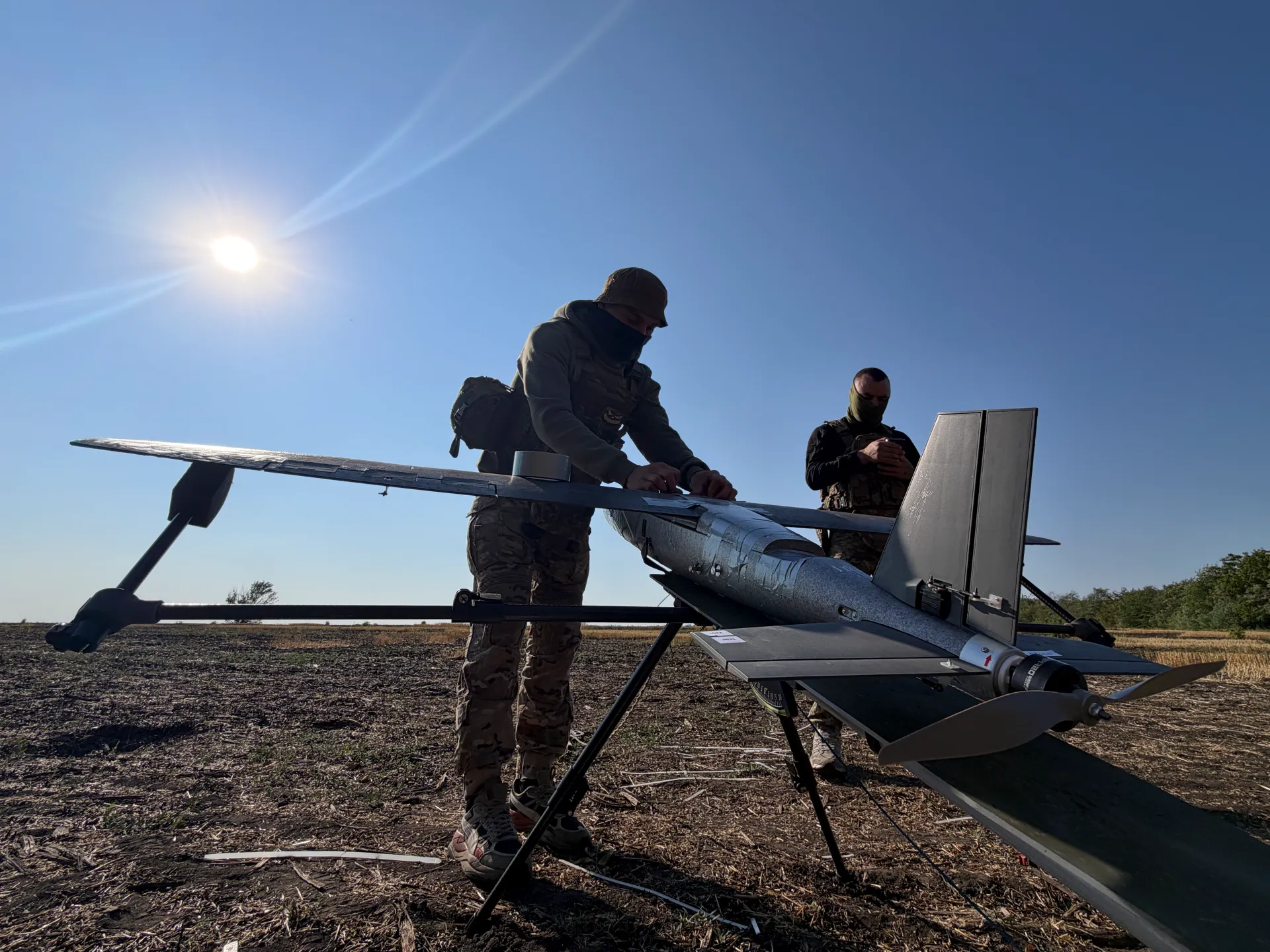
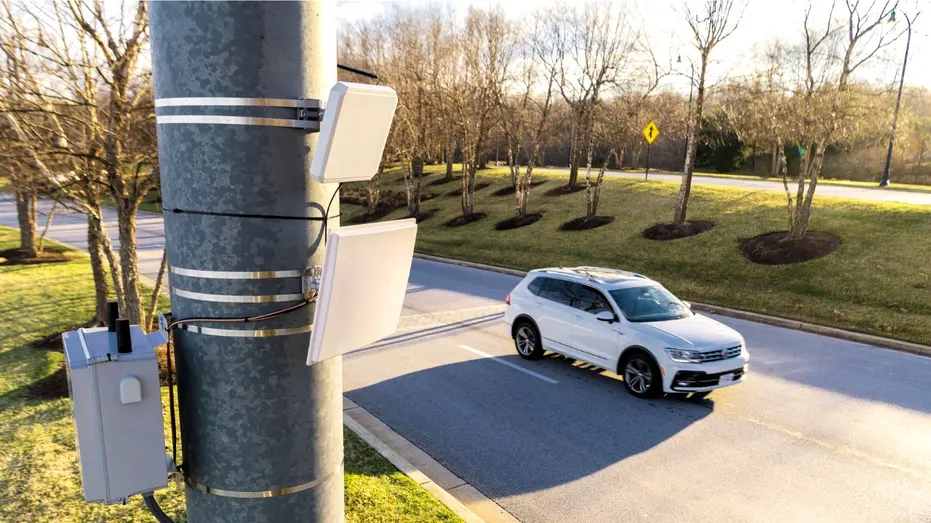
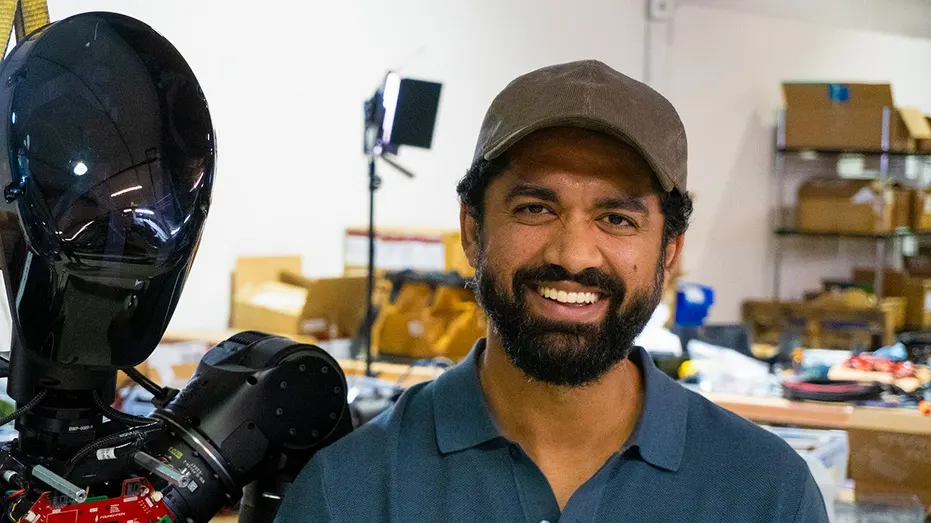
Foundation, a robotics firm based in the U.S., has publicly proposed utilizing its 'Phantom' humanoid robot to augment existing surveillance technology at the southern border. The CEO, Sankaet Pathak, argues that while traditional drones and static watchtowers have value, they struggle to traverse the rugged, uneven terrain that human agents must currently patrol. rm suggests that the physical burden on border agents could be significantly reduced.
Despite these ambitions, the Department of Homeland Security (DHS) has provided a clear counter-narrative regarding the status of such proposals. A spokesperson for the agency explicitly stated that no formal arrangements, pilot programs, or active prime contracts exist with Foundation. While Pathak maintains that the company is engaged in ongoing dialogues with various national security entities—including the Army, Navy, and Air Force—the firm has yet to secure a foothold in official federal operations.
The engineering roadmap for these machines is currently focused on extreme durability. Foundation is developing iterations of the Phantom robot equipped with enhanced waterproof and dustproof capabilities, designed to withstand environmental factors that would typically disable delicate electronics. These robots are intended to perform reconnaissance and map environments in real-time, effectively serving as an autonomous scouting layer that flags suspicious activity for human review.
Concurrent with these security developments, the public perception of humanoid capabilities is being shaped litmus test for motor control, impact resistance, and software responsiveness. While a cage match involves combat programming, the underlying technology—specifically autonomous movement and rapid obstacle reaction—mirrors the fundamental requirements for a robot expected to patrol desolate or inaccessible border regions.
The immediate future of the Hawk Fire in Nevada remains precarious, as meteorologists forecast two days of unfavorable weather that could hinder containment efforts. As the fire remains less than one-third contained, the focus for officials will likely stay on protecting urban infrastructure and managing the thousands of displaced residents currently utilizing emergency shelters.
Simultaneously, the robotics sector will face increased scrutiny as firms seek government contracts for surveillance technology. For Foundation and similar companies, the next phase will be the successful demonstration of ruggedized, weather-resistant hardware. Whether or not these companies can move beyond informal discussions to secure actual federal contracts will depend on their ability to prove that humanoid platforms offer a distinct operational advantage over existing, lower-cost autonomous solutions like specialized ground vehicles or advanced aerial drone swarms.