As Morocco's PJD attempts a comeback through policy reform and personality-driven politics, Germany's CDU faces internal instability and a surging far-right opposition.
The contemporary political landscape across disparate regions reveals a common tension between established party systems and the volatile realities of voter dissatisfaction. Whether through the lens of Morocco’s Justice and Development Party (PJD) attempting to navigate a return from electoral obscurity or the German Christian Democratic Union (CDU) grappling with an unprecedented surge from the far-right, these developments highlight a broader global trend. Voters are increasingly moving away from traditional centers of power, forcing parties to choose between doubling down on polarizing, recognizable leadership figures or attempting to pivot toward more technocratic, issue-based policy platforms. The stakes for these entities involve not just short-term governance, but the long-term survival of their institutional relevance in societies where the electorate is increasingly disillusioned
In Morocco, the Justice and Development Party (PJD) is currently engaged in an intensive effort to rehabilitate its image following the catastrophic 2021 legislative elections. After holding power for a decade, the party saw its representation in parliament collapse from 125 seats to a mere 13. This decline marked a significant reversal for a movement that had once been the primary beneficiary of post-2011 constitutional reforms.
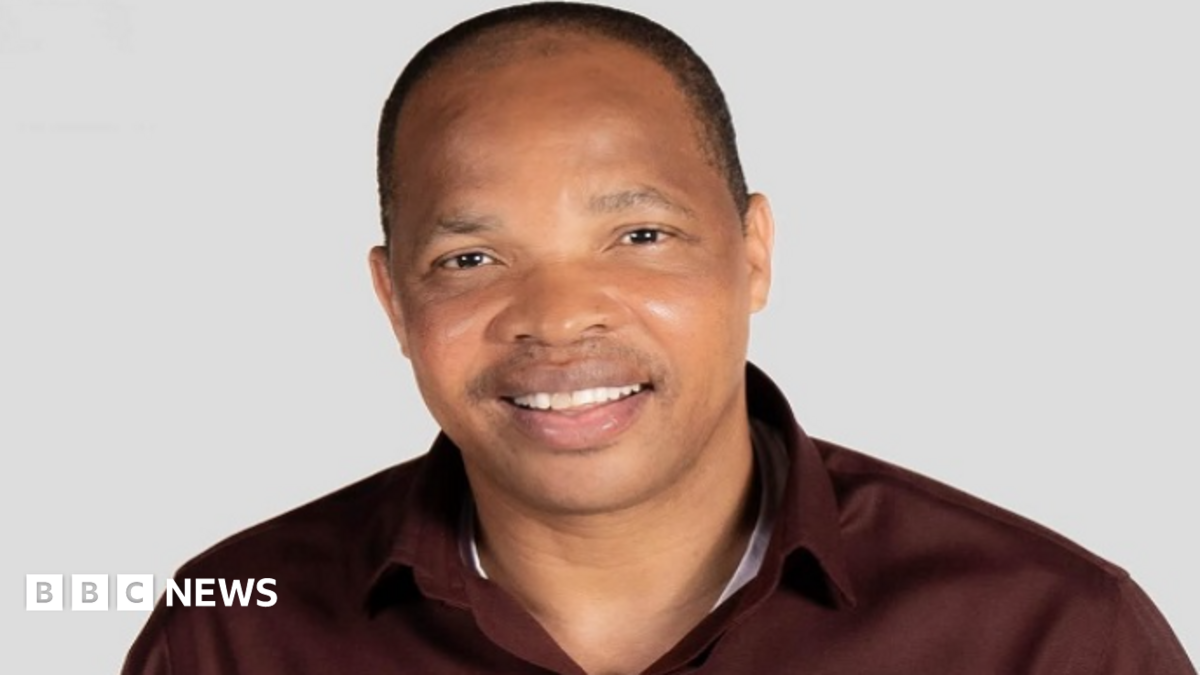
Central to the PJD's current strategy is the controversial re-emergence of Abdelilah Benkirane. Viewed his confrontational communication style, Benkirane’s return is nevertheless a subject of internal debate. To complement this reliance on a singular personality, the party has unveiled a comprehensive 2026 platform comprising 467 specific measures. This agenda shifts the focus toward granular, populist concerns, including public procurement transparency, social protection, and food and energy sovereignty, moving away from the ideological positioning that defined the party’s earlier tenure.
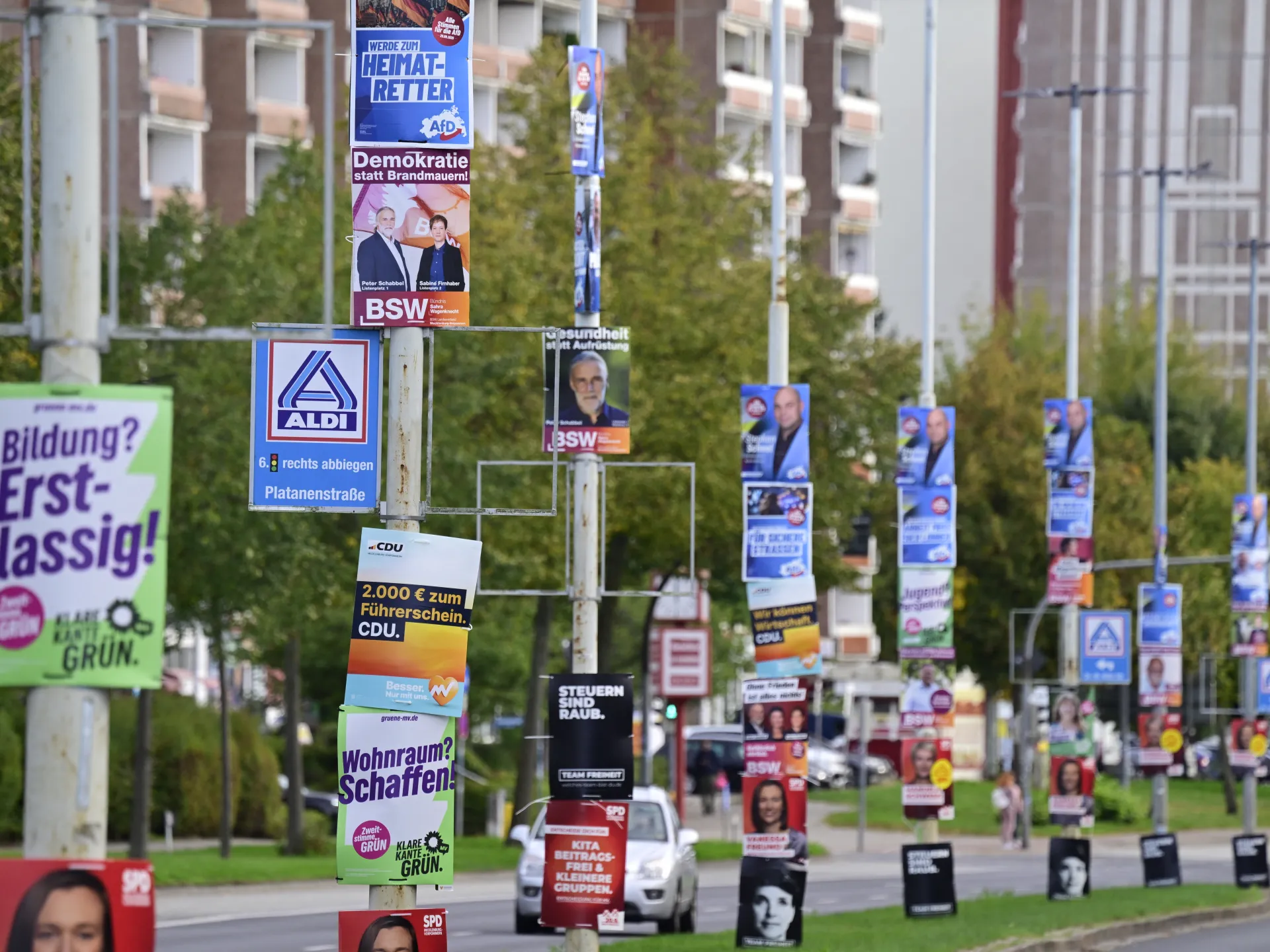
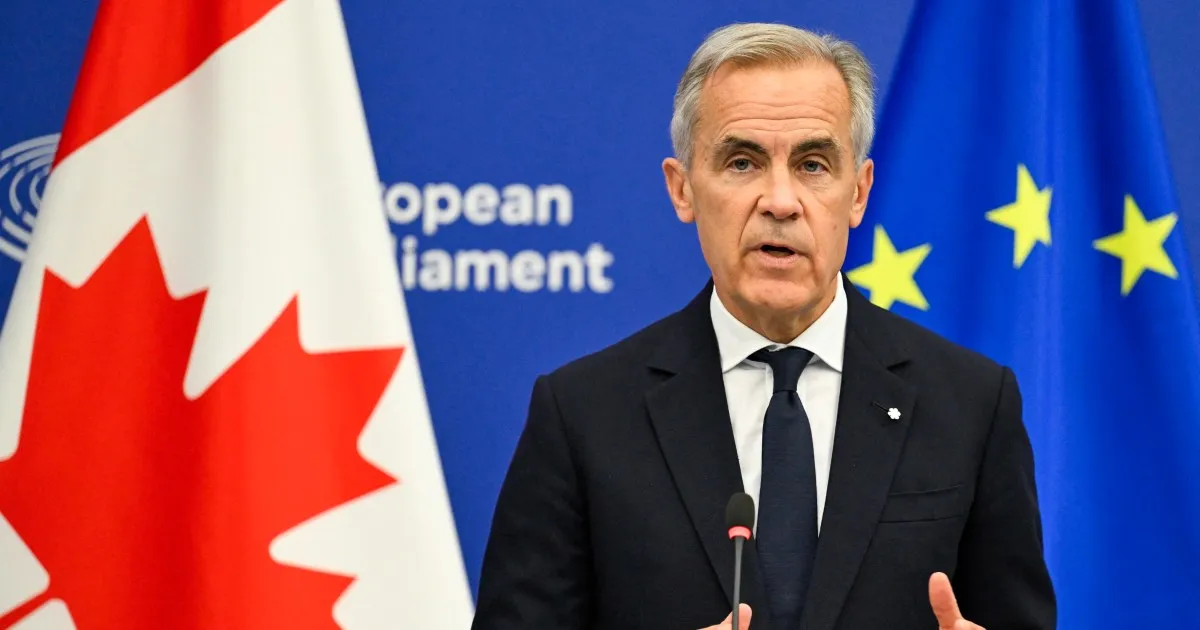
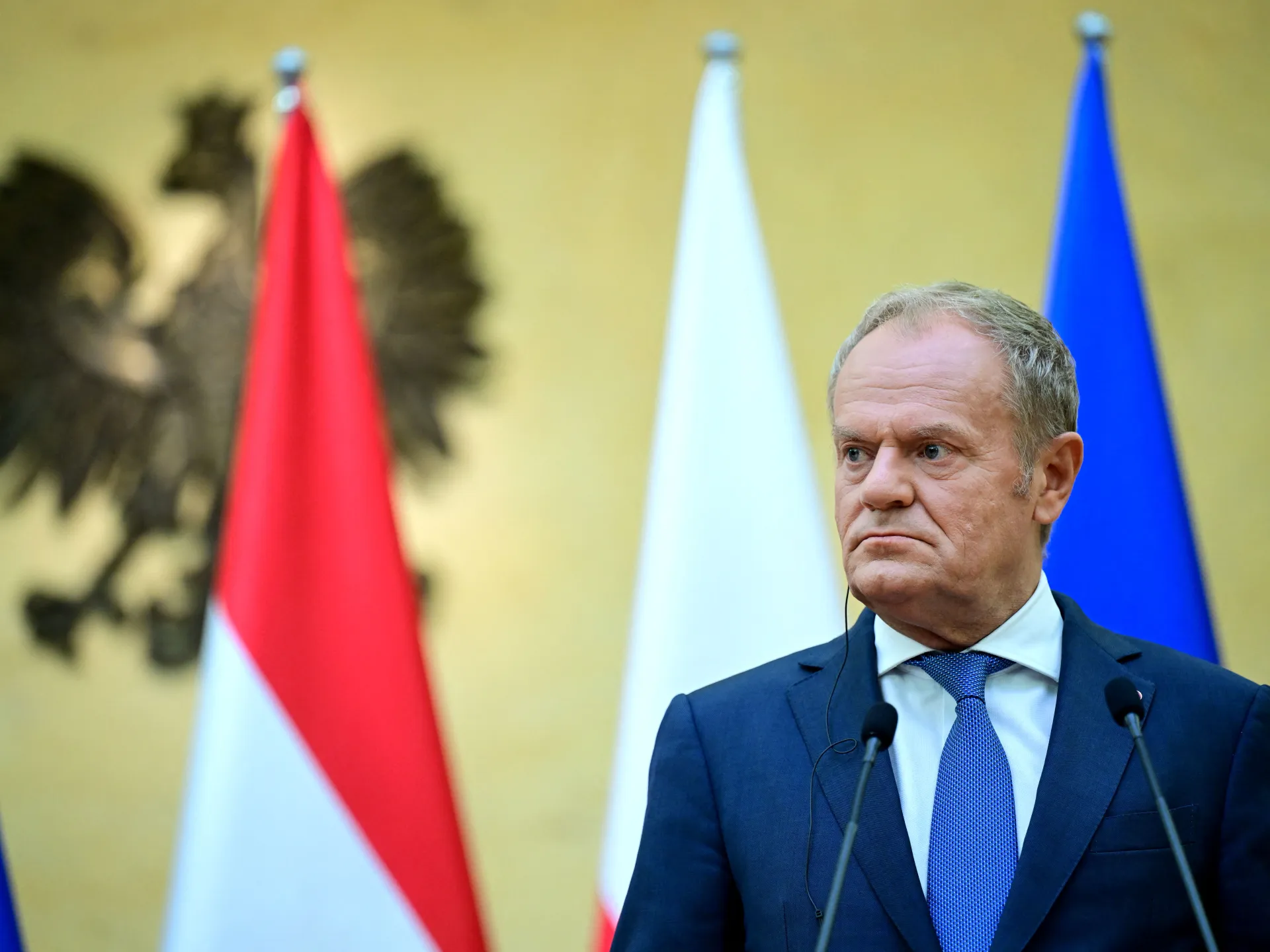
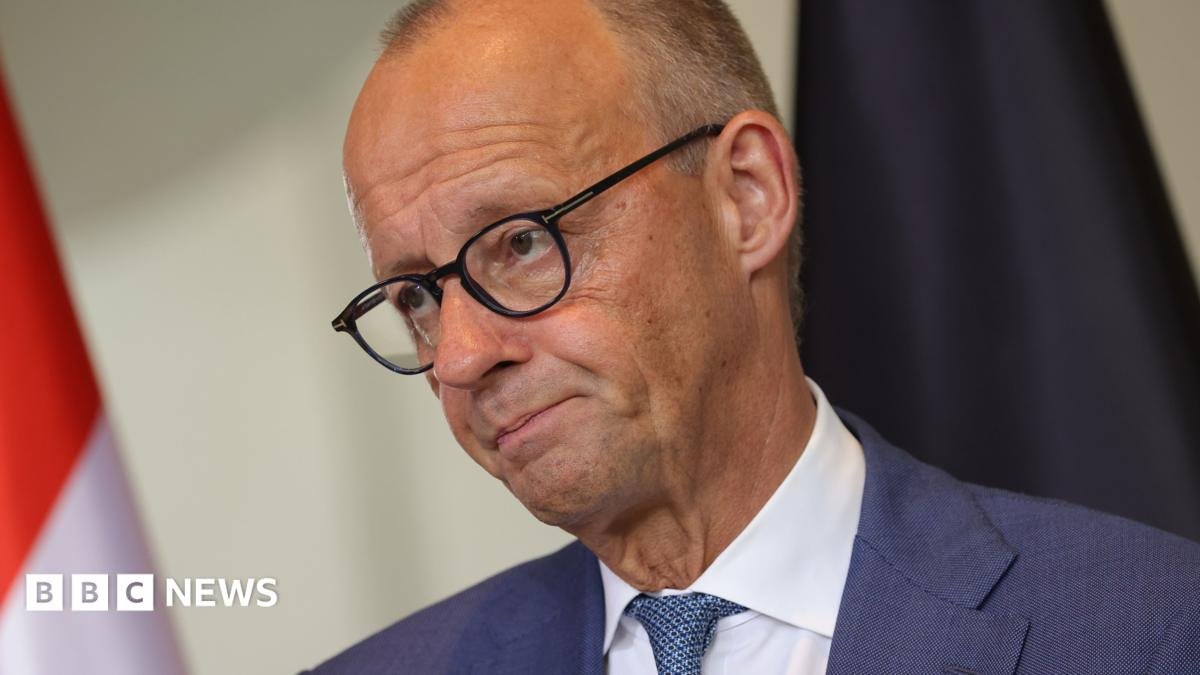
Conversely, Germany’s governing apparatus is currently facing a localized crisis of confidence centered on Chancellor Friedrich Merz. Despite having served for only 16 months, Merz is struggling with approval ratings as low as 14% according to recent polling. The pressure on his leadership has intensified following a dramatic electoral shift in Saxony-Anhalt, where the Alternative for Germany (AfD) party secured 43.8% of the vote, effectively relegating the CDU to a distant second place with 17.2%.
The fallout from these results has prompted a defensive posture from the chancellor, who characterized the AfD as a “destructive force.” This rhetoric has triggered a legal escalation, with the AfD filing a defamation complaint against the chancellor. Despite calls for a “Kanzlertausch”—a leadership swap—eight state premiers from the CDU have publicly signaled their support for the chancellor, arguing that the party must prioritize institutional stability over leadership debates. This coalition of state leaders emphasized that the federal government requires a stable majority to navigate the current climate, though the chancellor’s future remains tethered to upcoming state-level tests.
For the PJD, the immediate future hinges on whether the “Benkirane brand” can effectively translate into a grassroots recovery, or if the party’s 467-point policy program will be overshadowed ate a distinct vision that resonates with younger voters in urban centers will be the primary metric for its recovery.
In Germany, the stability of the federal government appears predicated on the results of impending state elections. Should the CDU continue to lose ground to the AfD, the support currently offered a leadership change. The legal dispute between Merz and the AfD will likely further polarize the political discourse, potentially hardening the positions of both parties and making future coalition building even more complex for the established conservative bloc.