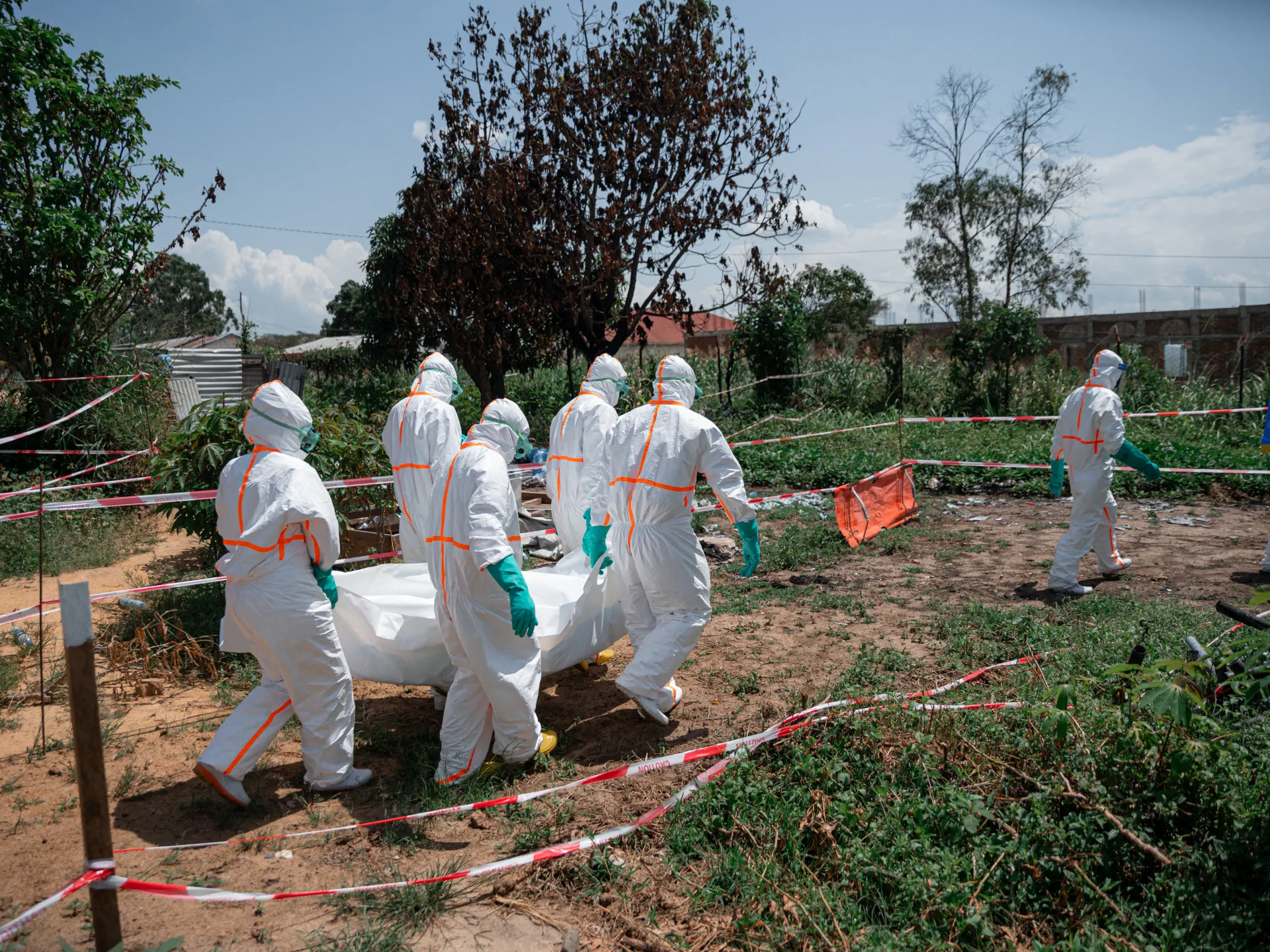
As DR Congo launches emergency Ebola vaccination trials, the nation simultaneously mourns the loss of 24 schoolchildren in a devastating fire in Bukavu.
The Democratic Republic of Congo is currently navigating a period of profound instability, as a convergence of public health crises and structural catastrophes threatens the civilian population in its eastern regions. The combination of an escalating Ebola outbreak and a massive, lethal fire in a densely populated commune underscores the extreme vulnerability of the nation’s infrastructure. These events force a complex balancing act upon authorities, as they attempt to manage a medical emergency while simultaneously addressing the aftermath of a disaster that has left hundreds homeless and families mourning dozens of children. The situation highlights the fragility of life in areas impacted the most vulnerable—students and healthcare providers—at the greatest risk.
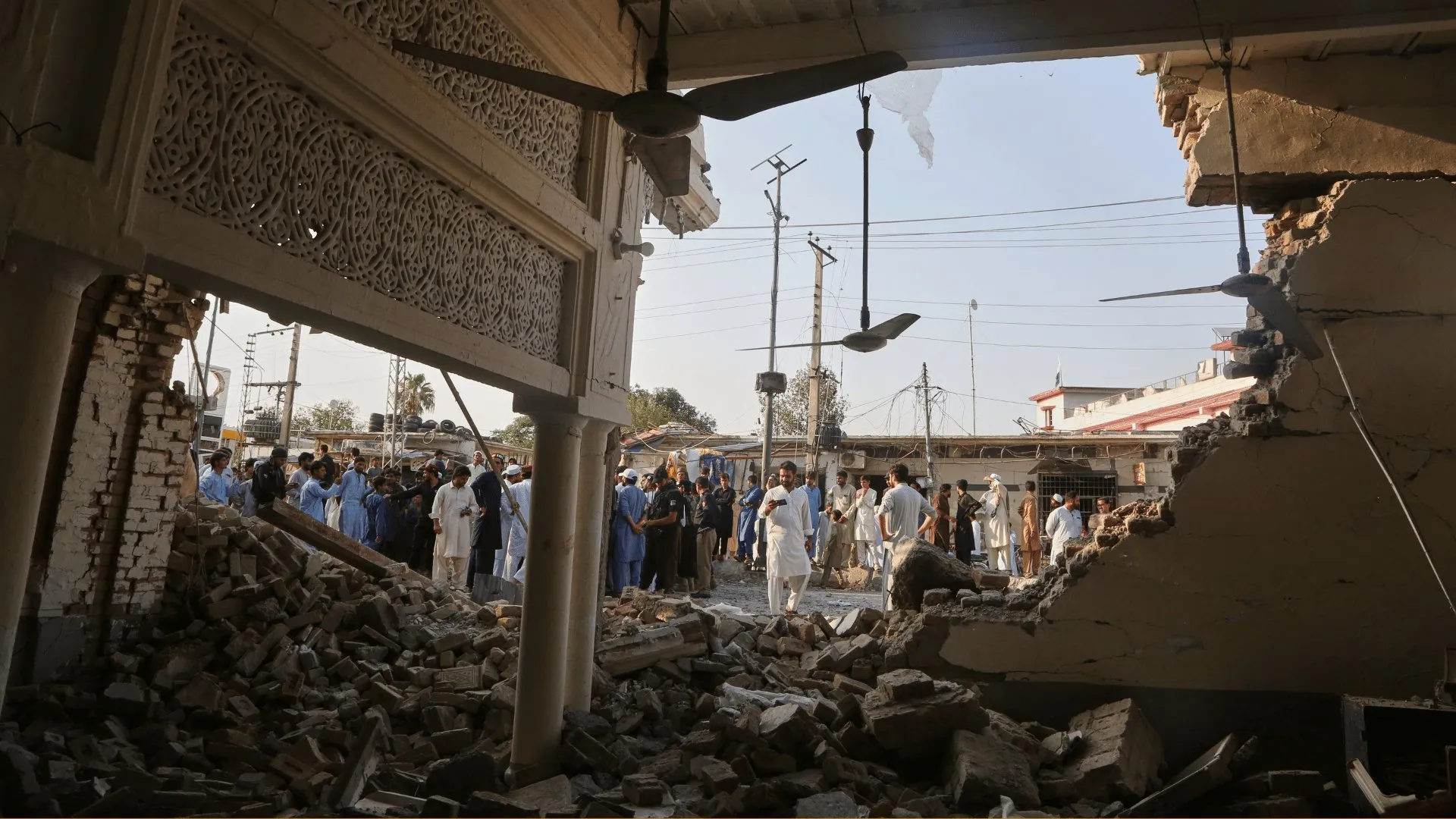
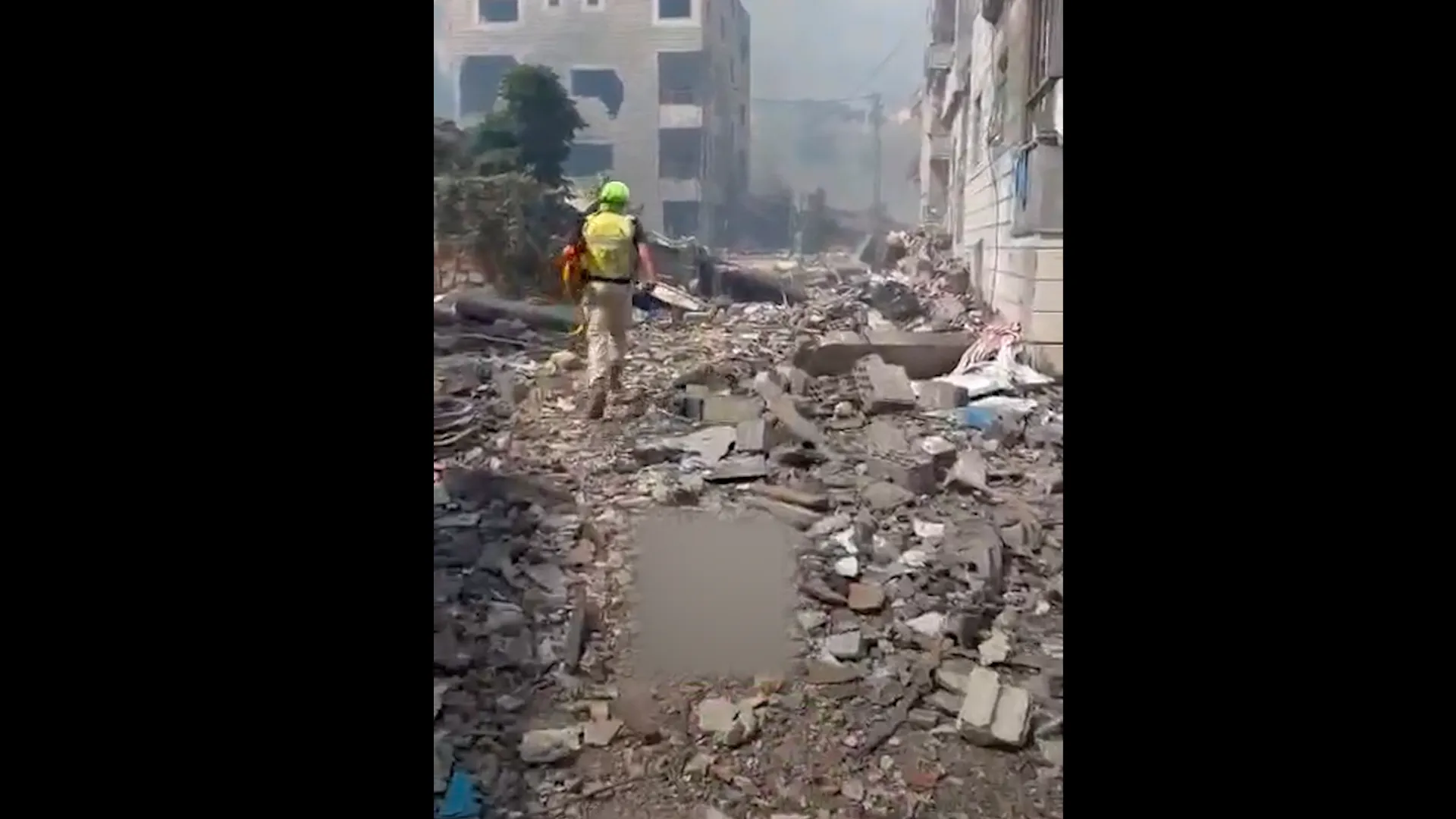
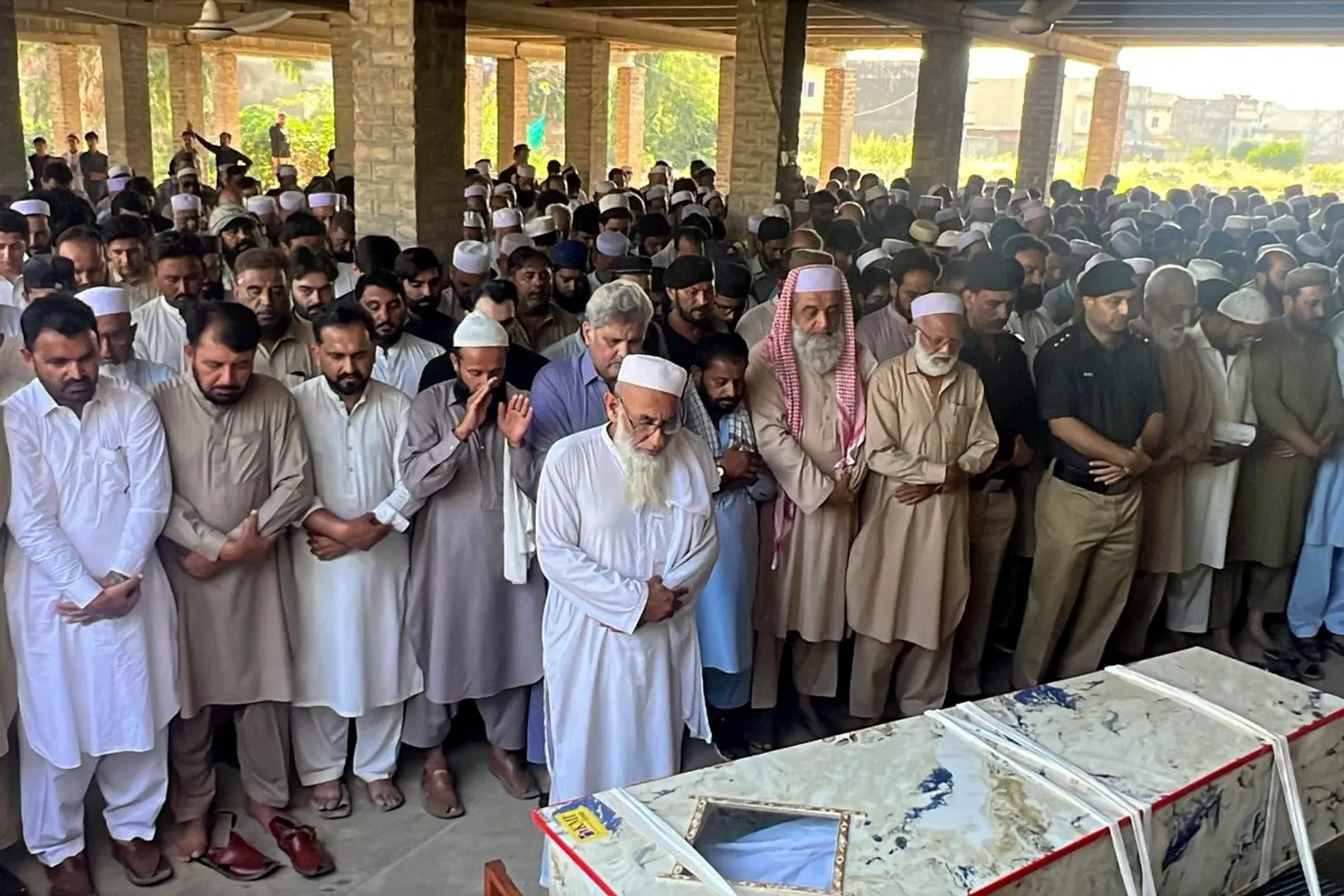
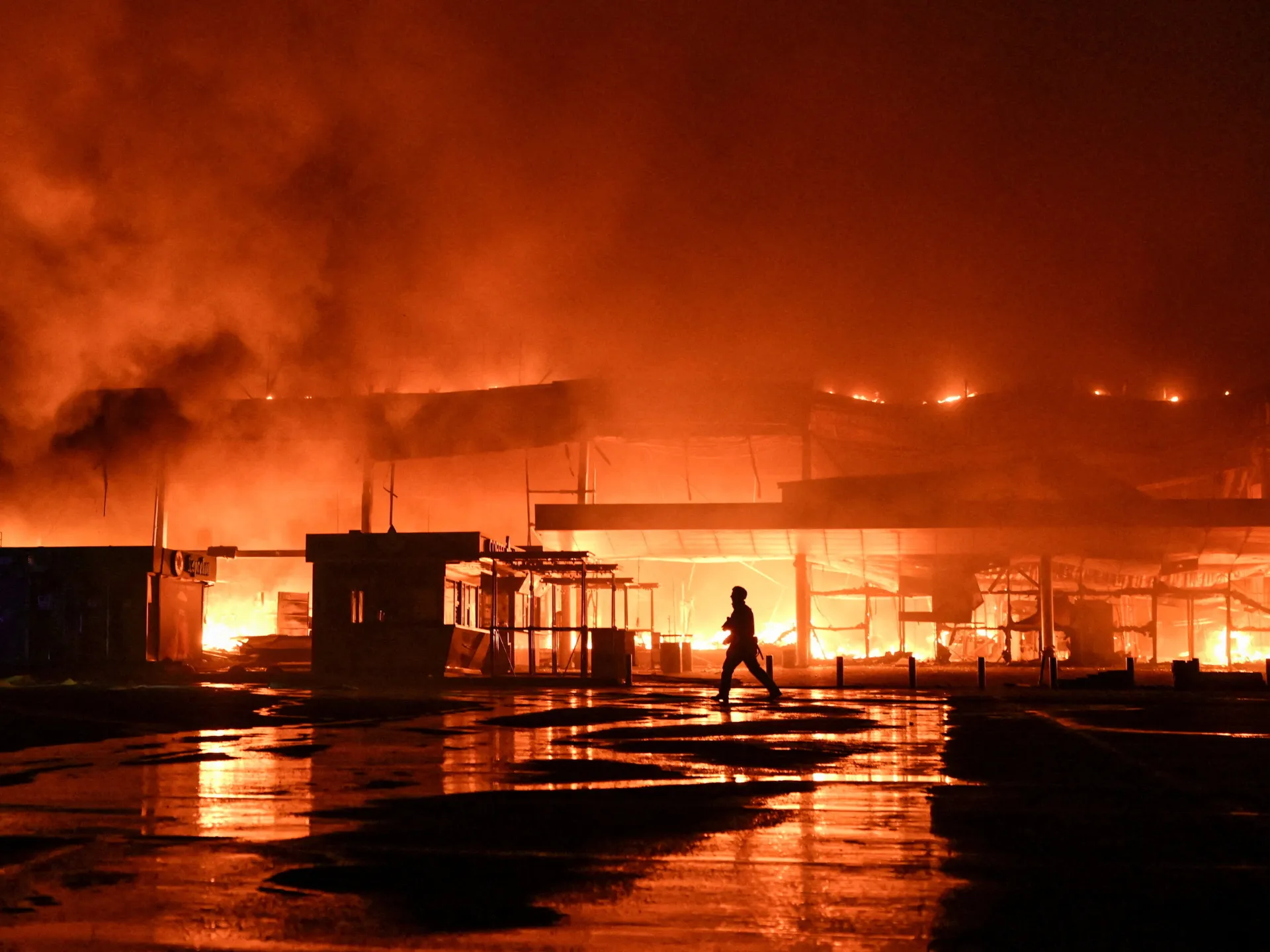
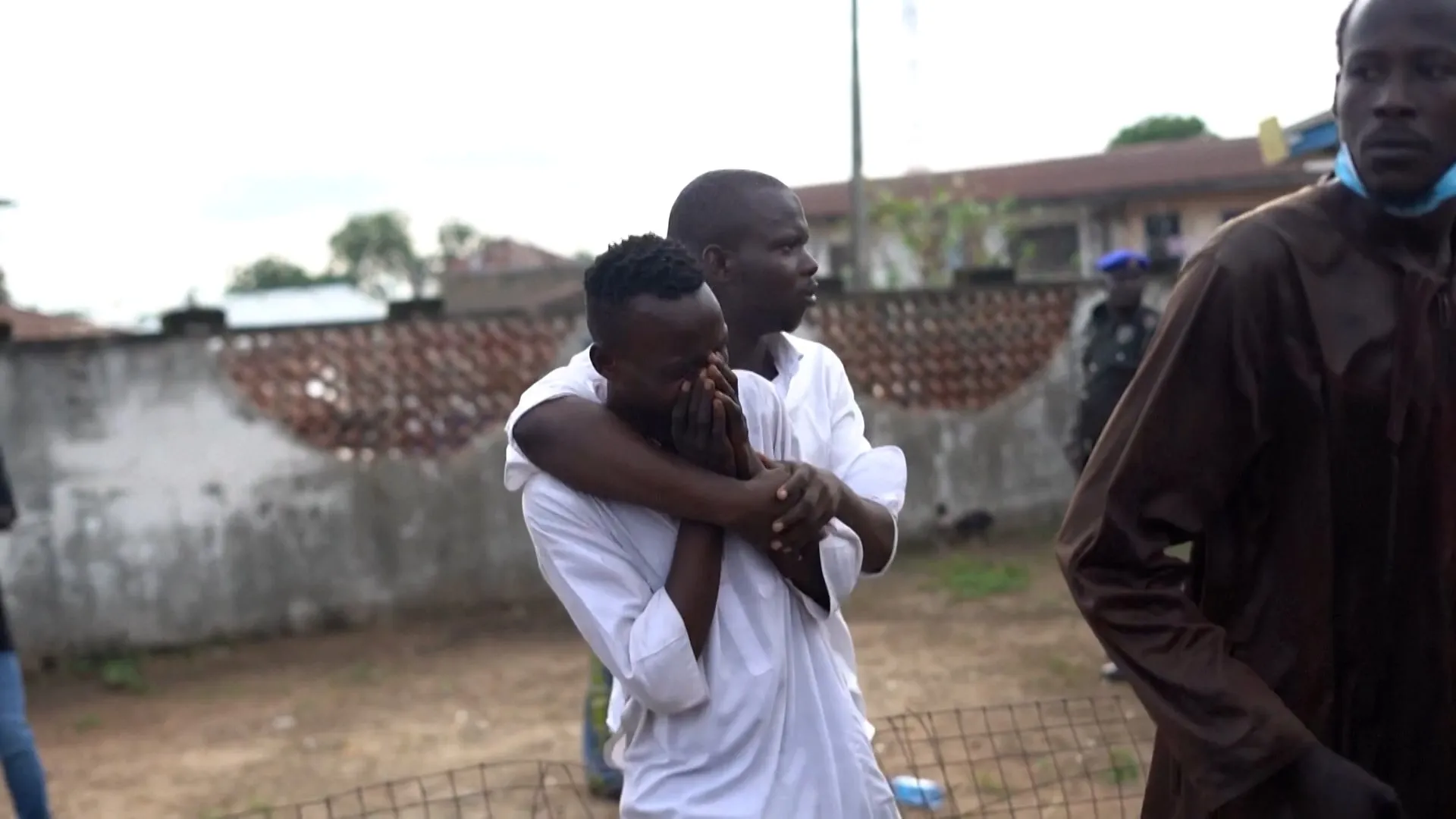
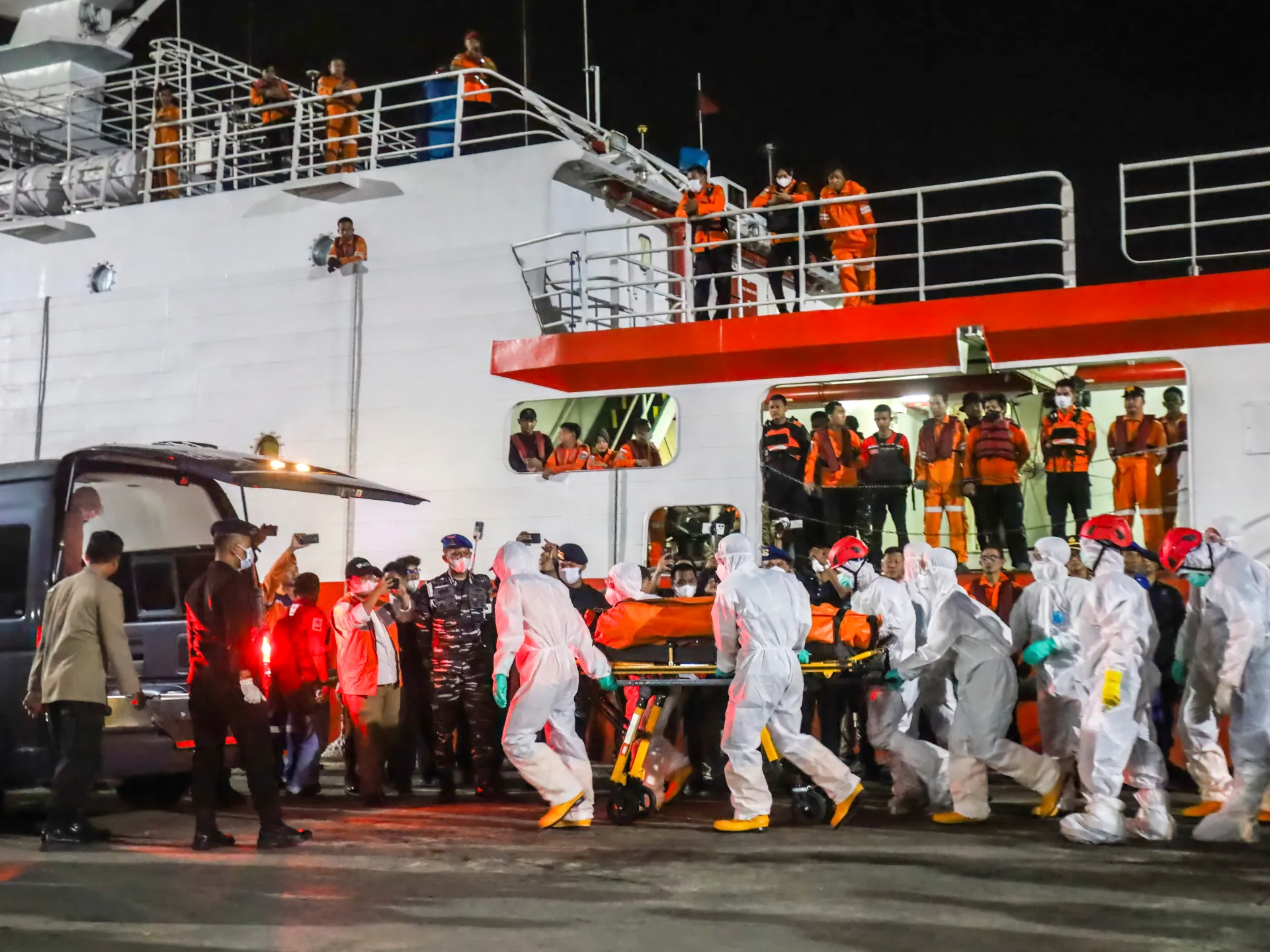
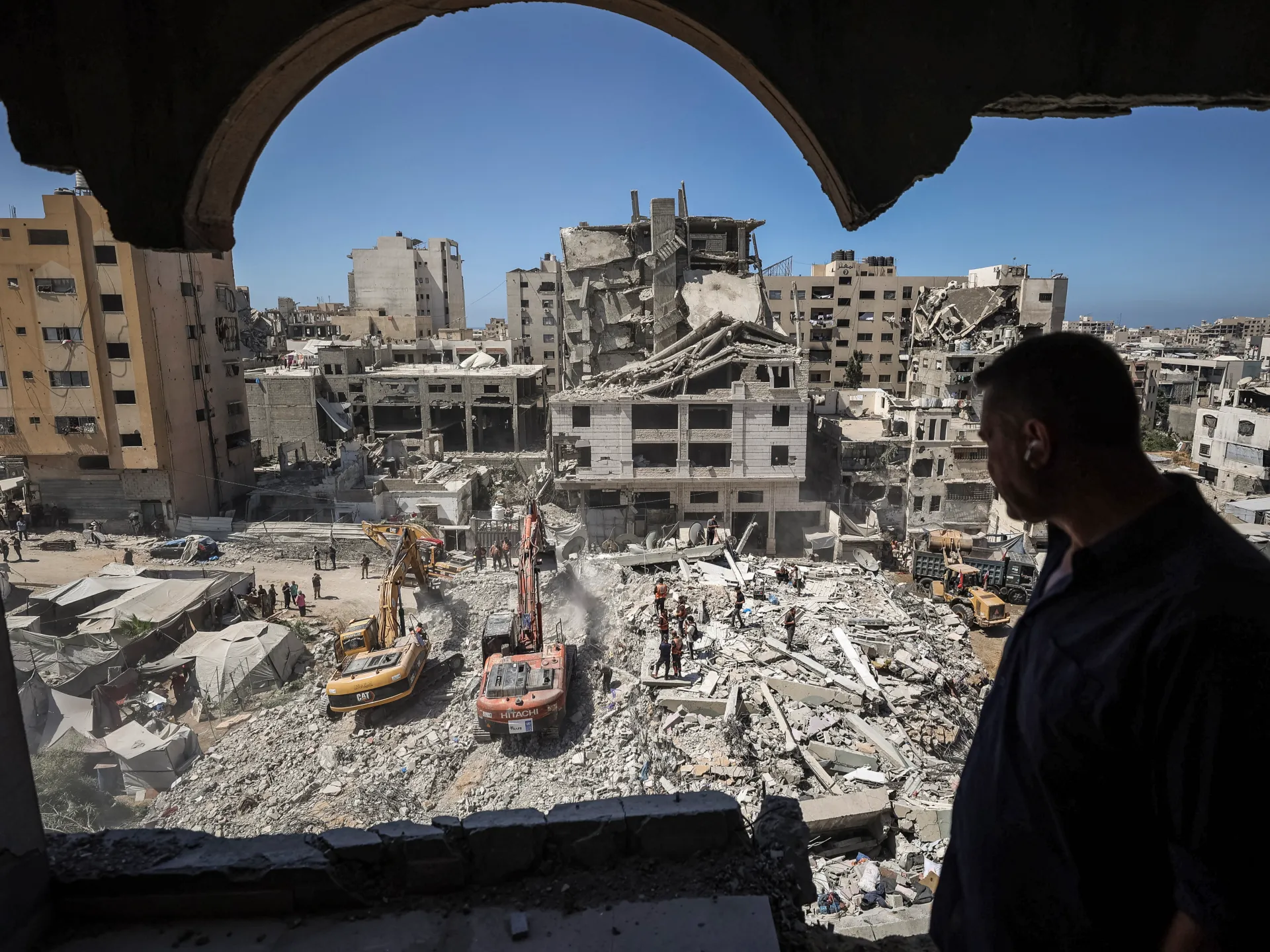
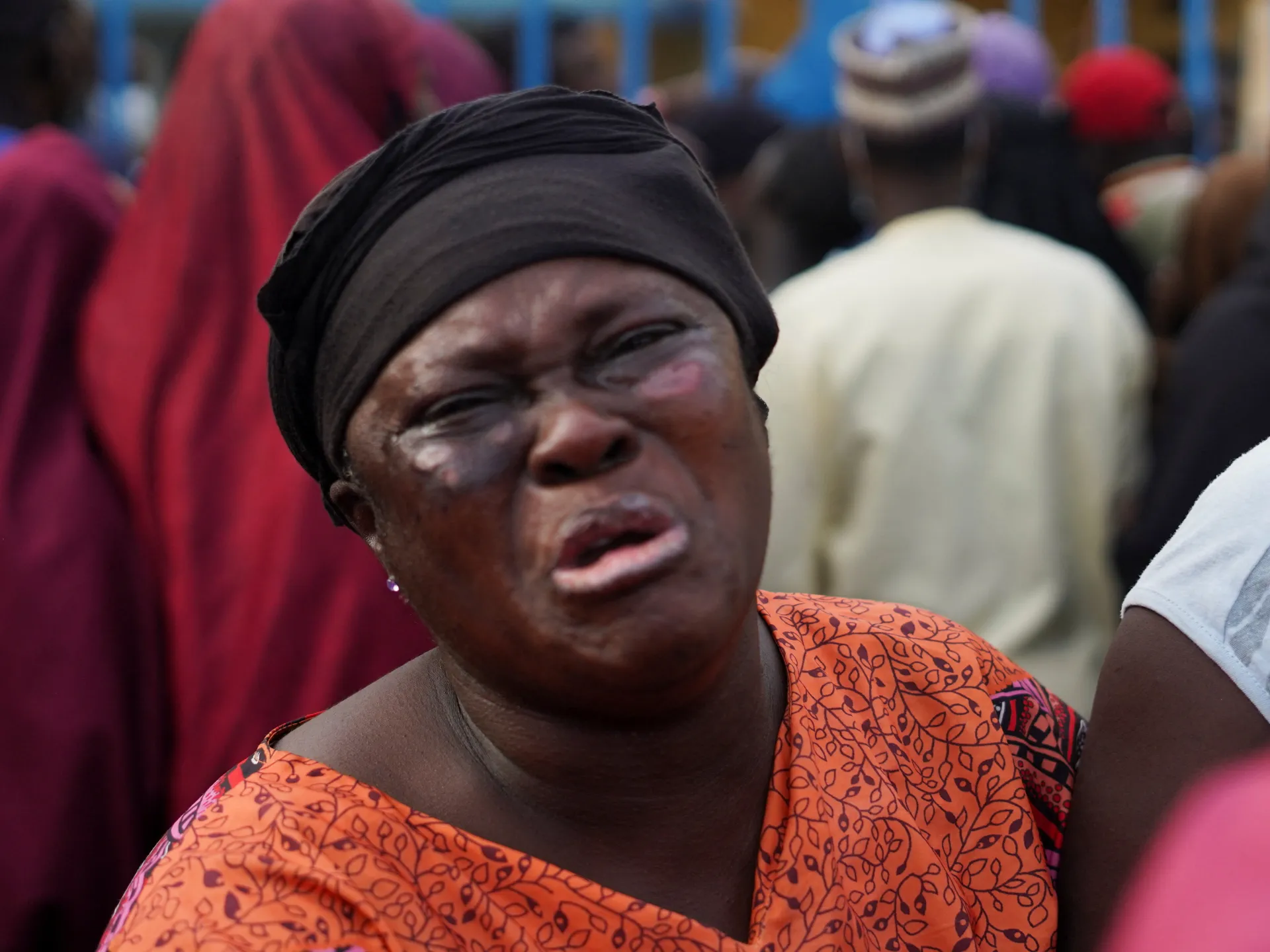
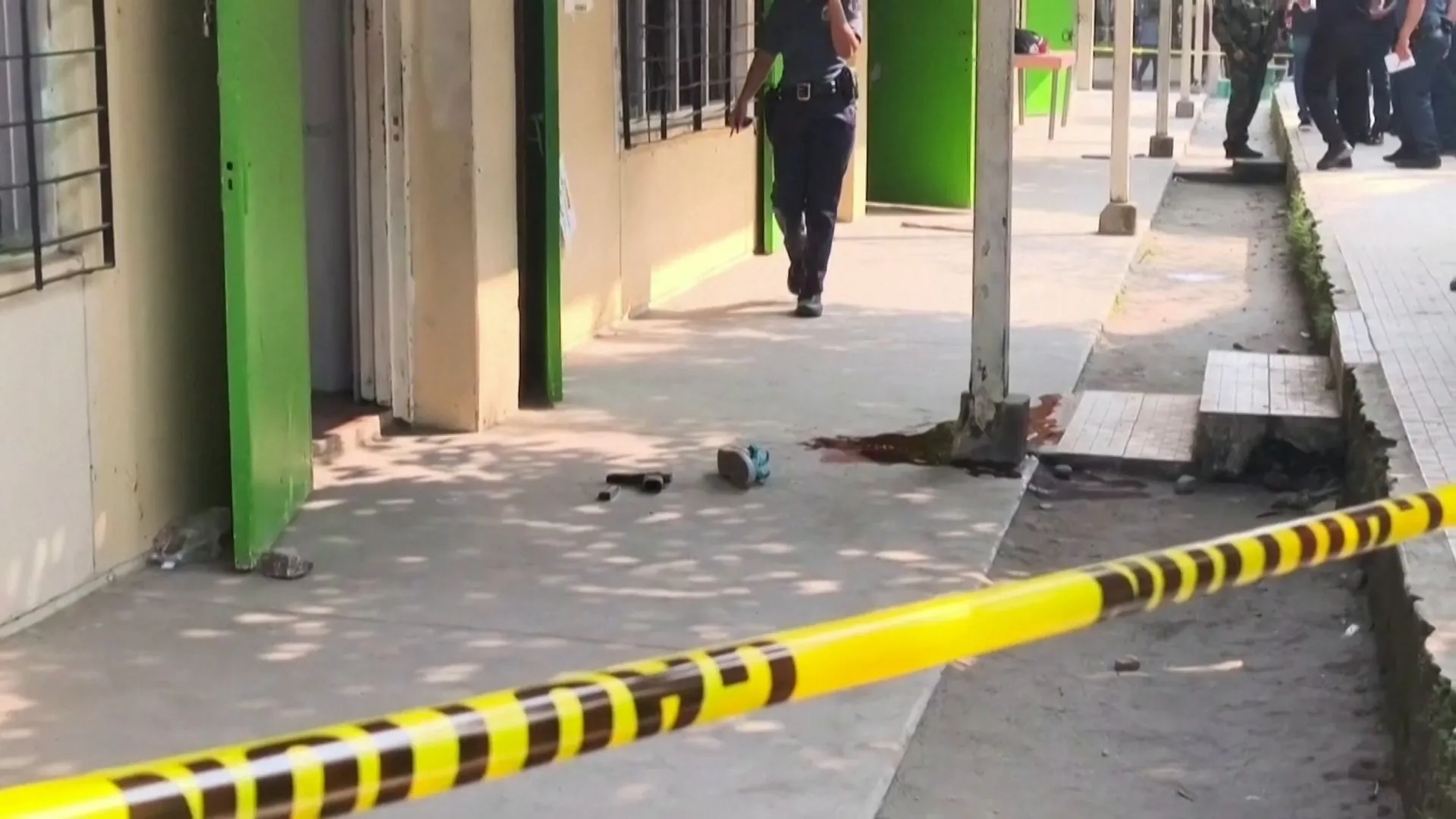
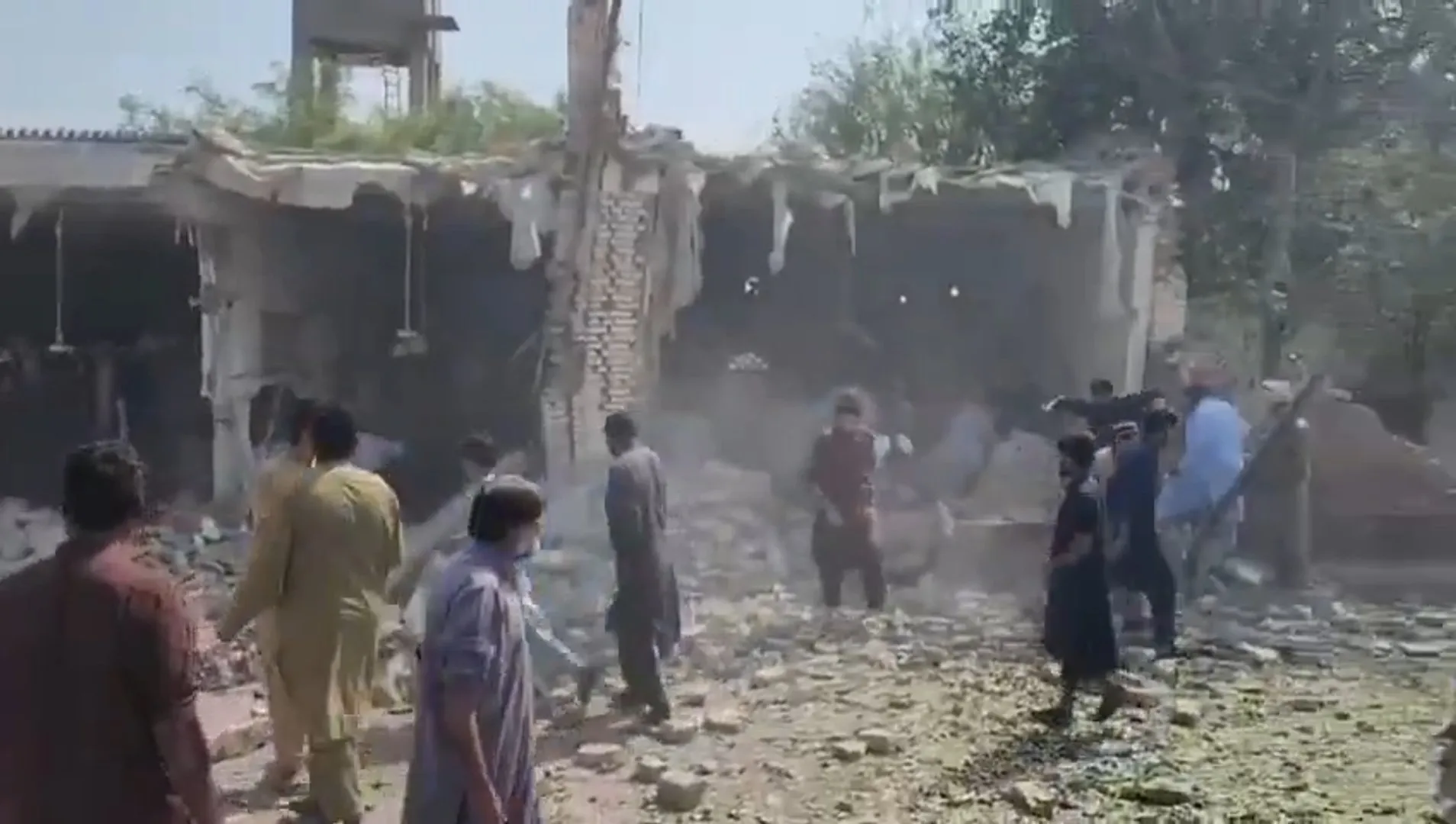
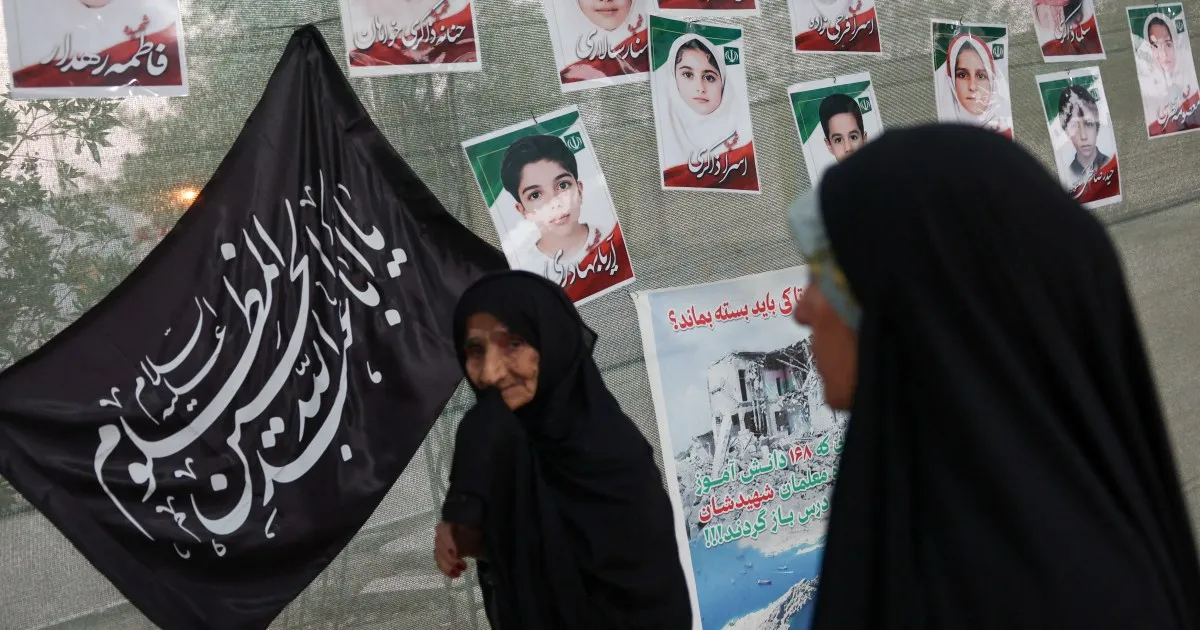
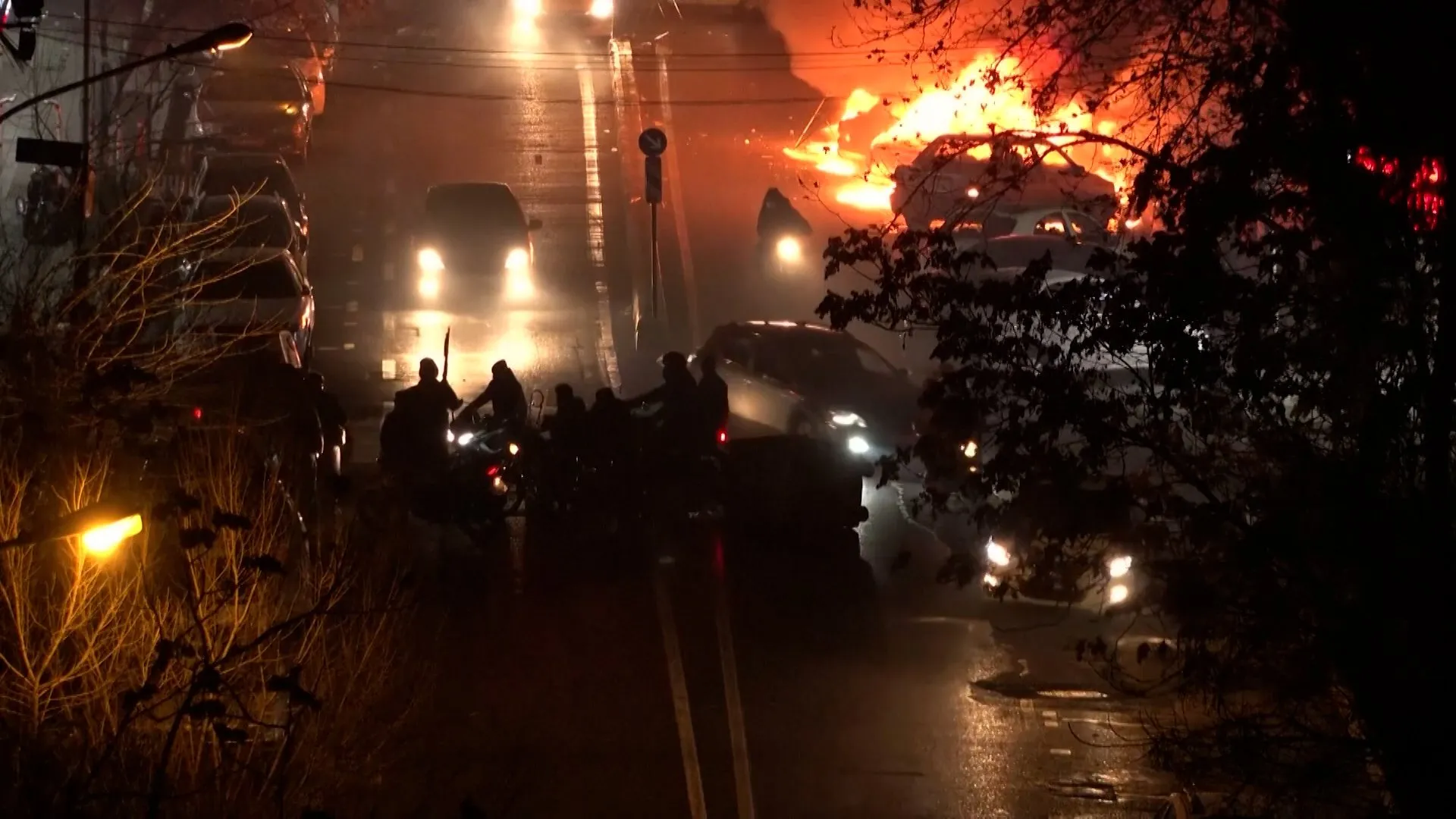
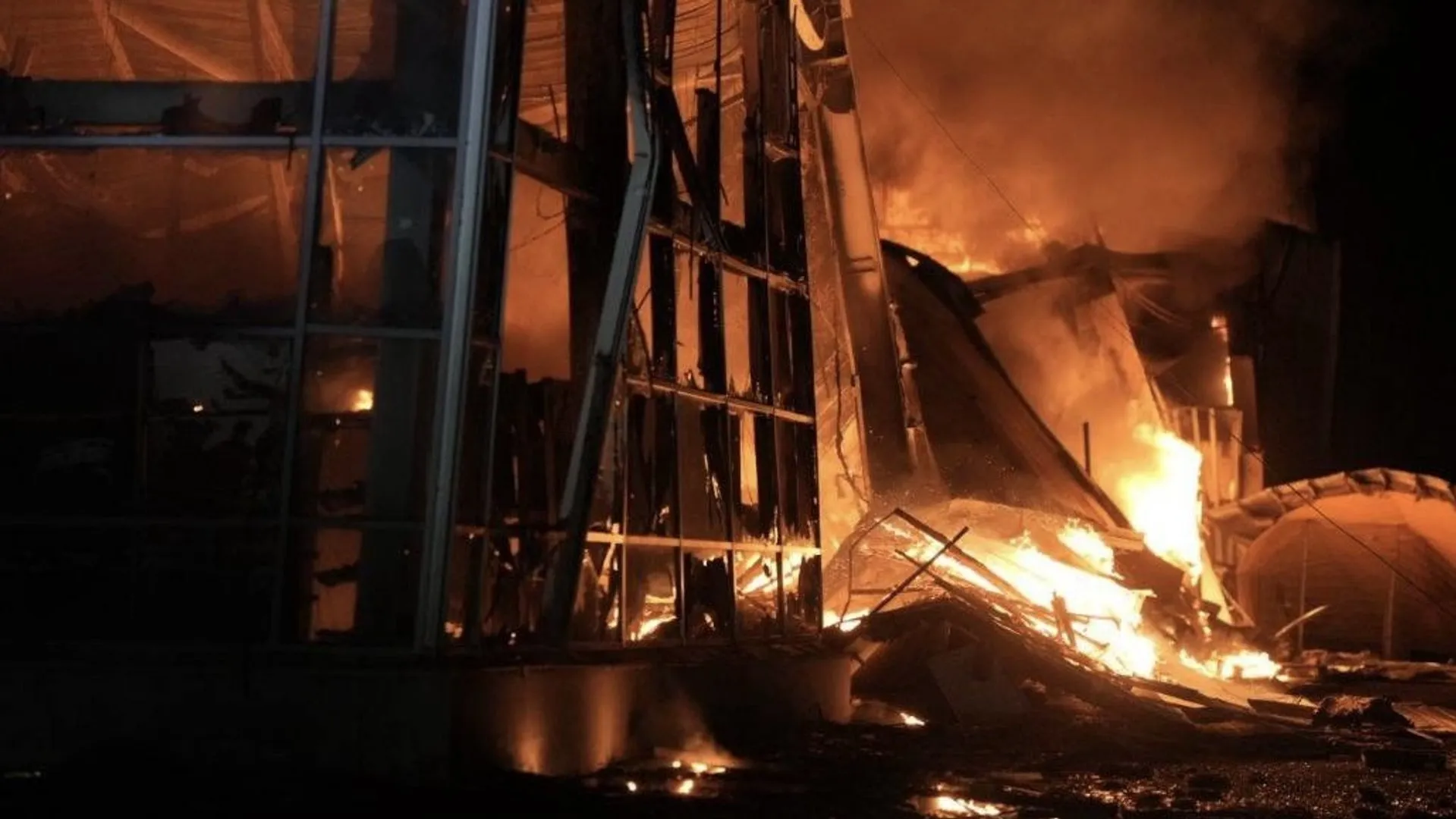
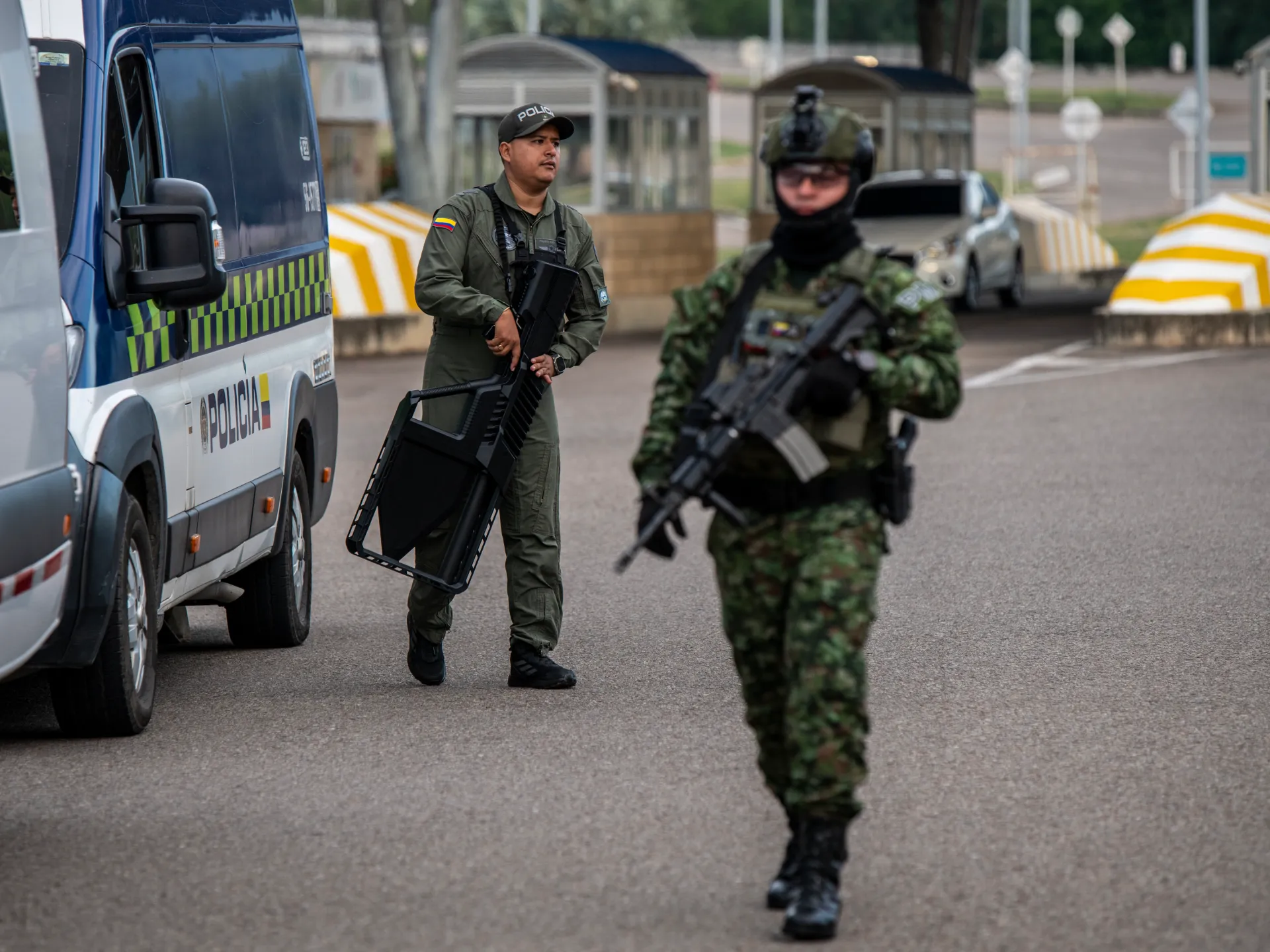
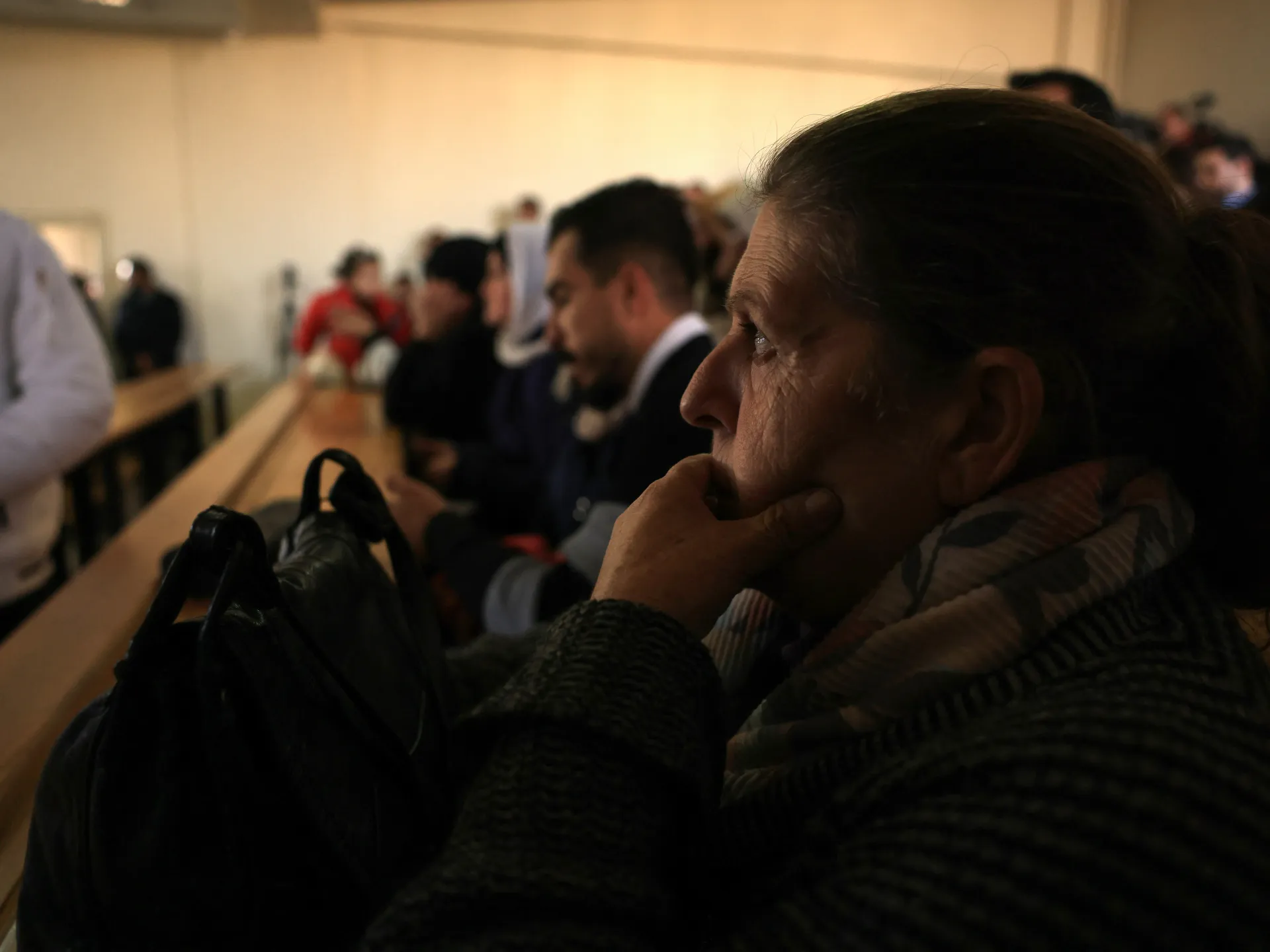
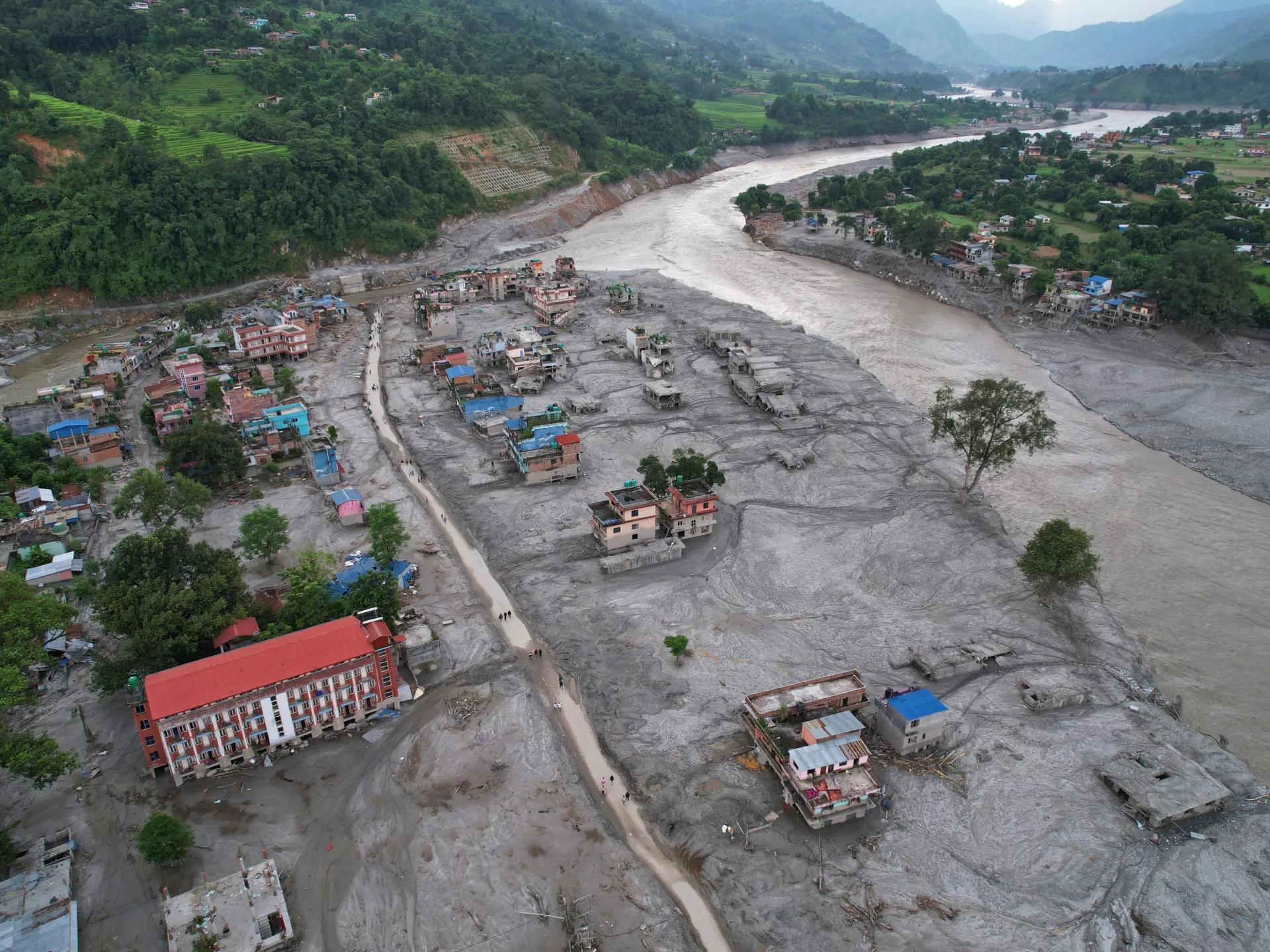
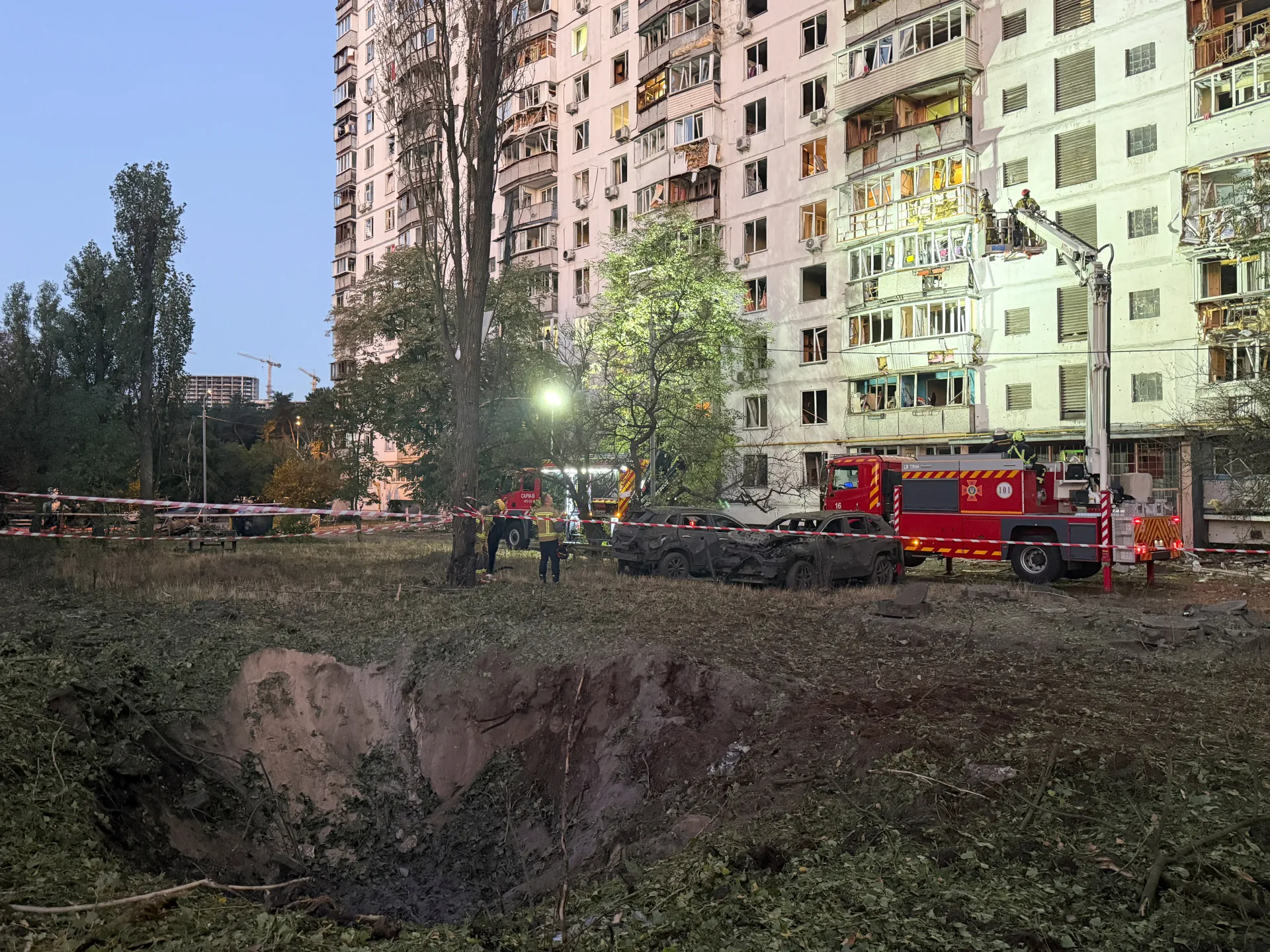
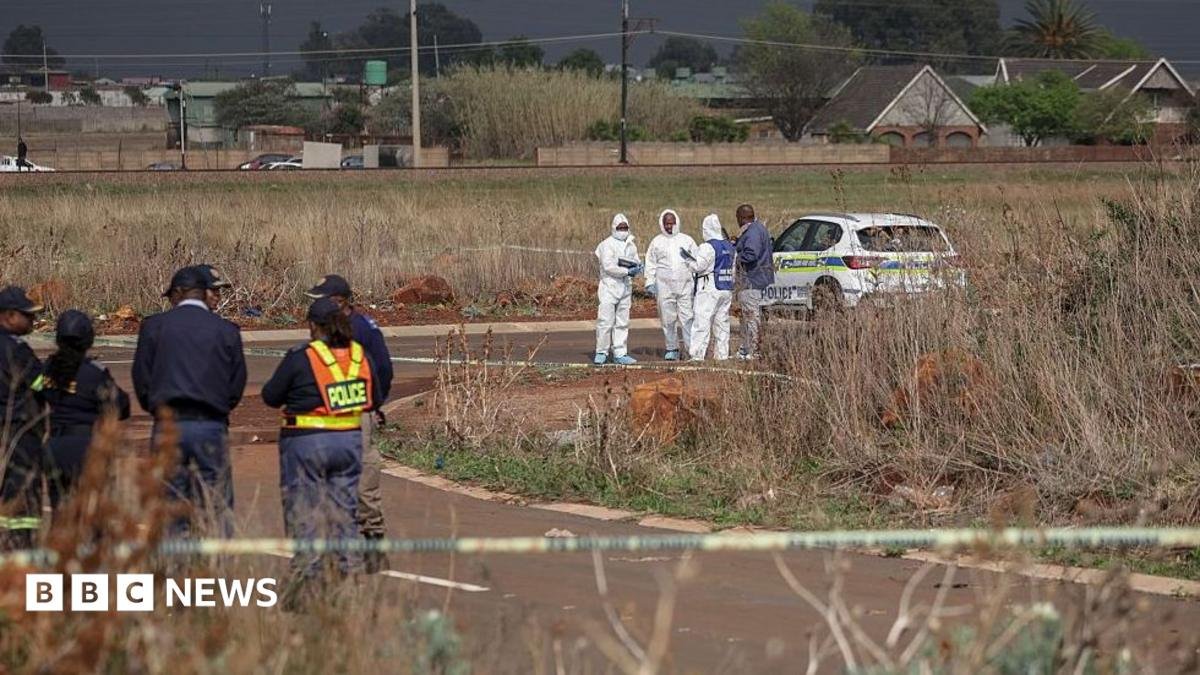
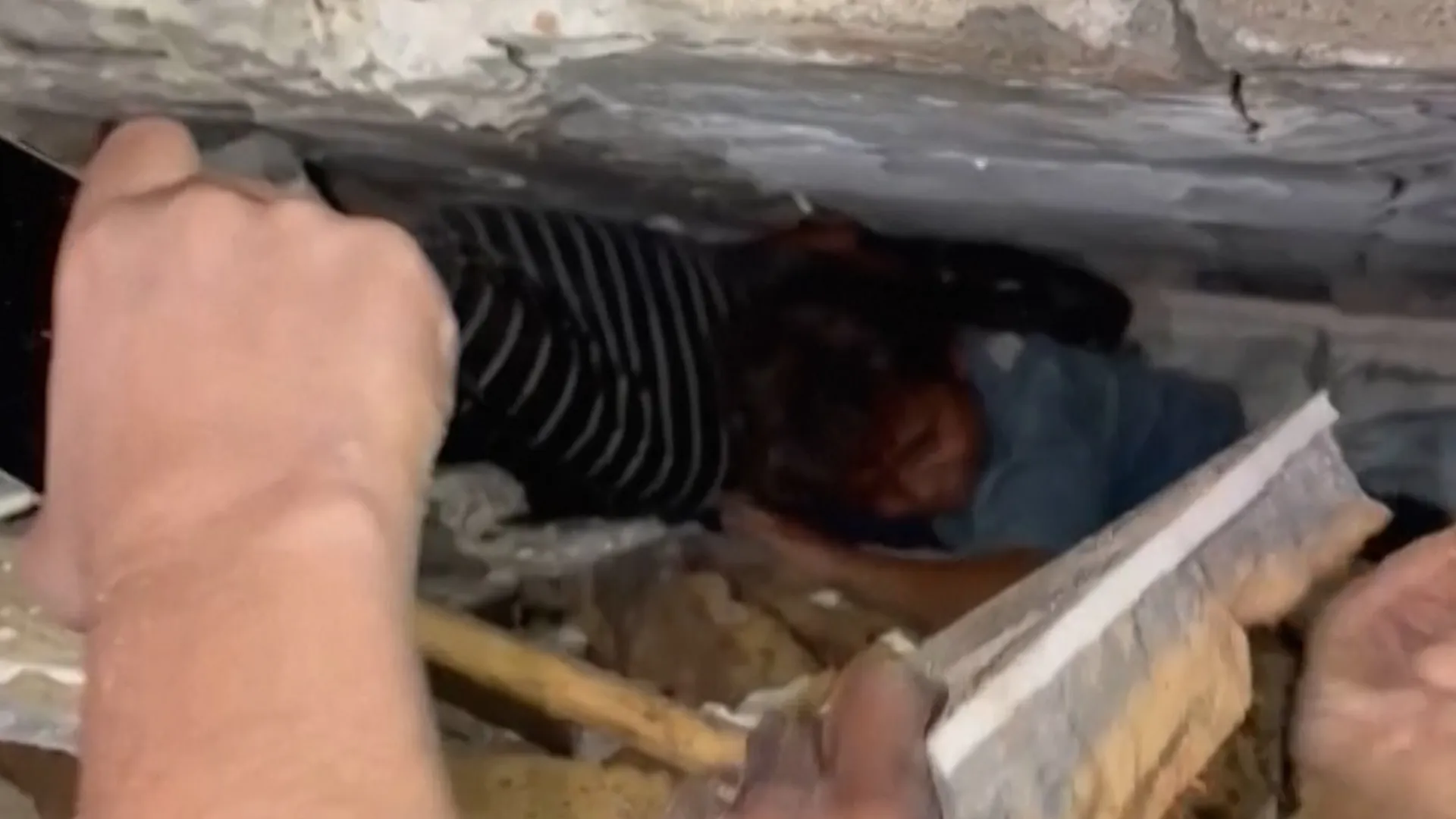
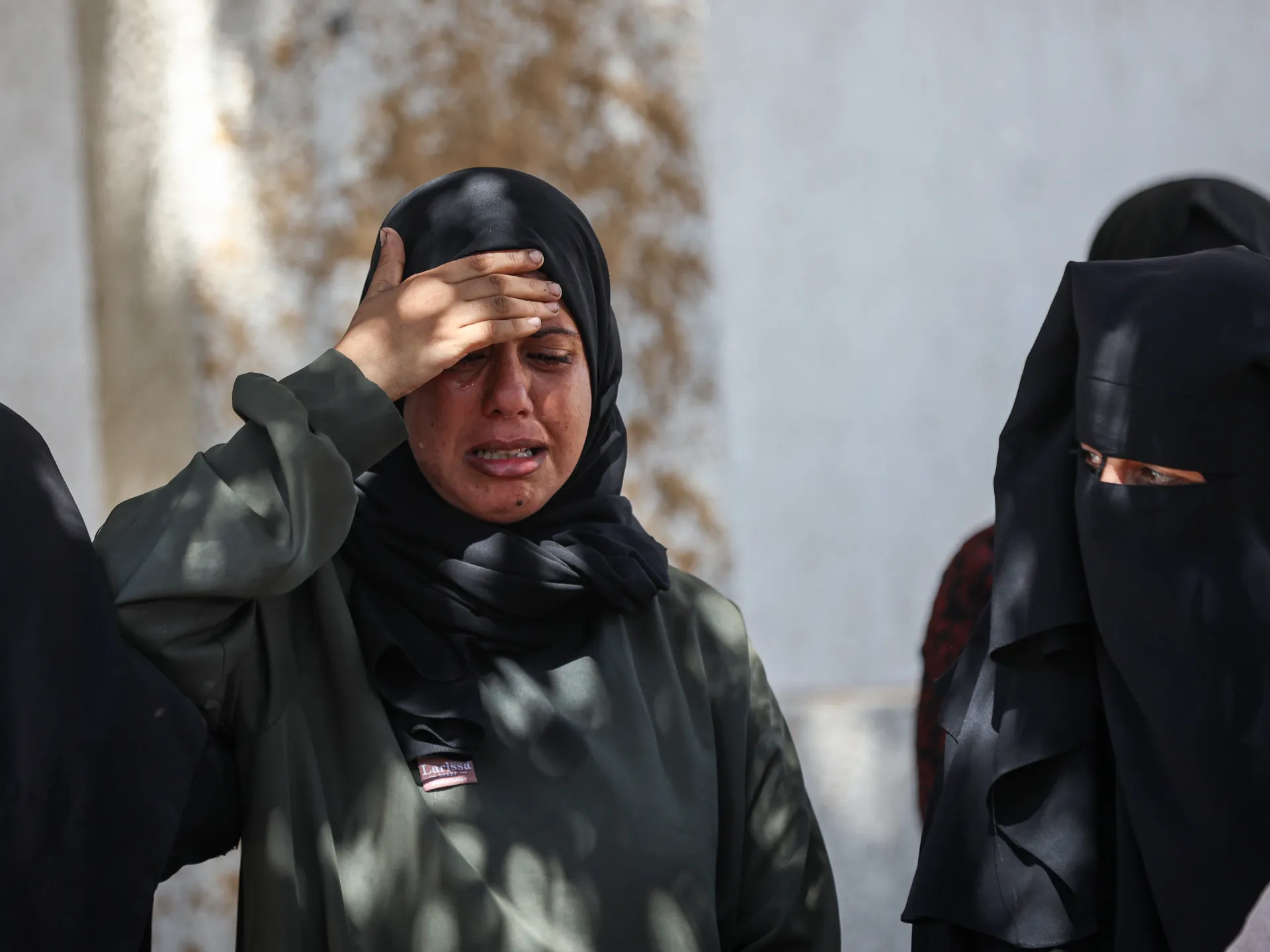
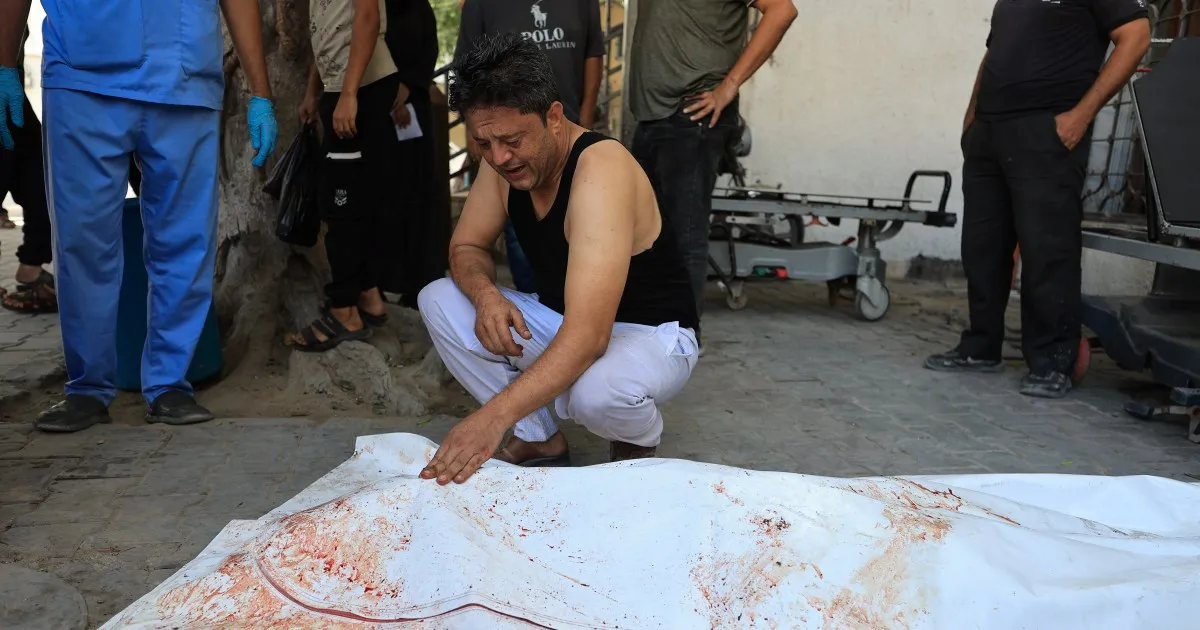
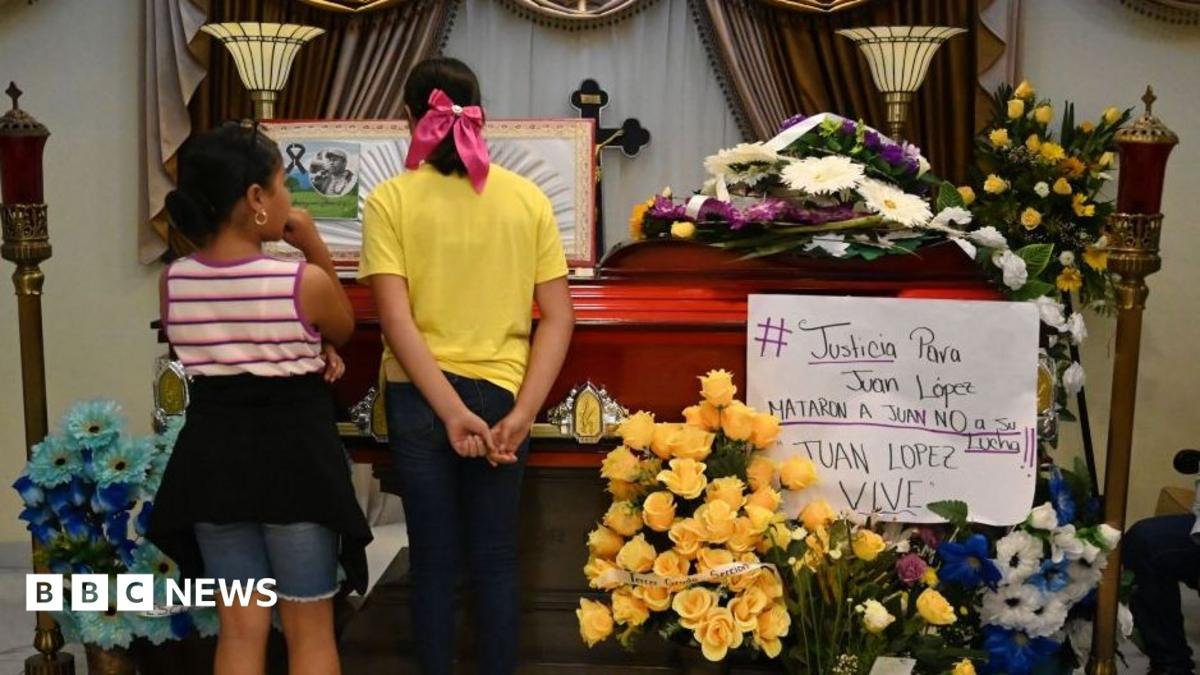
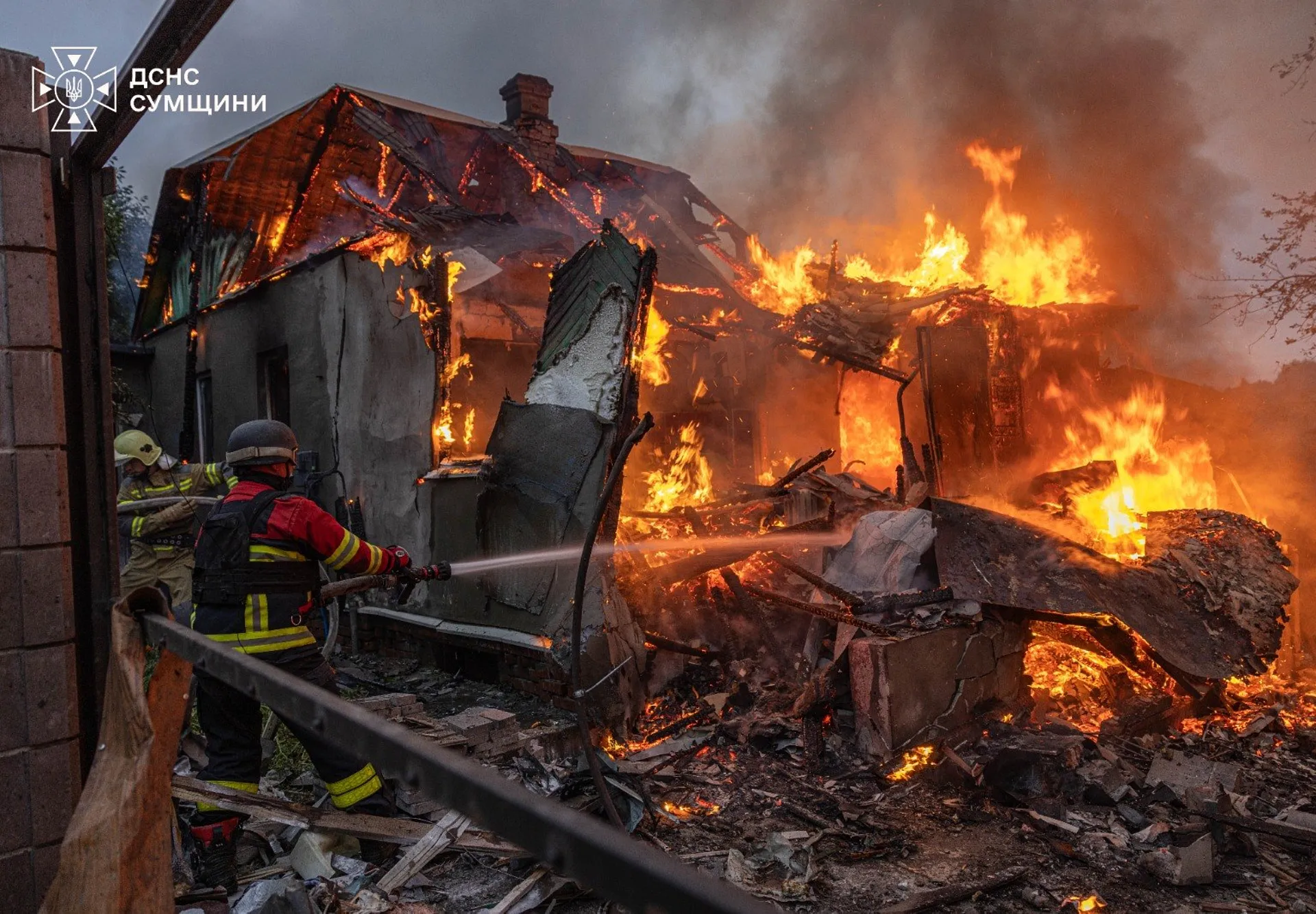
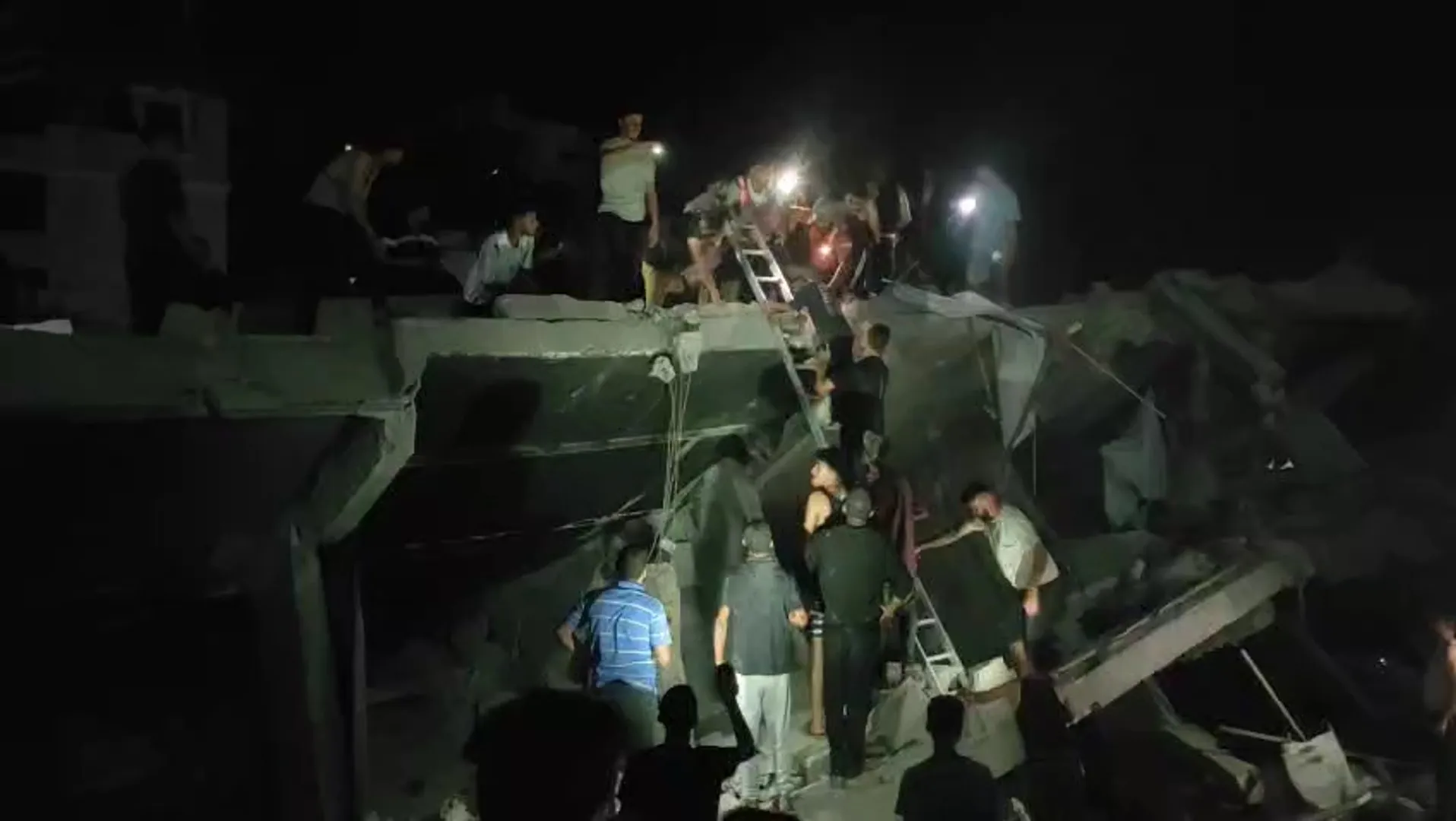
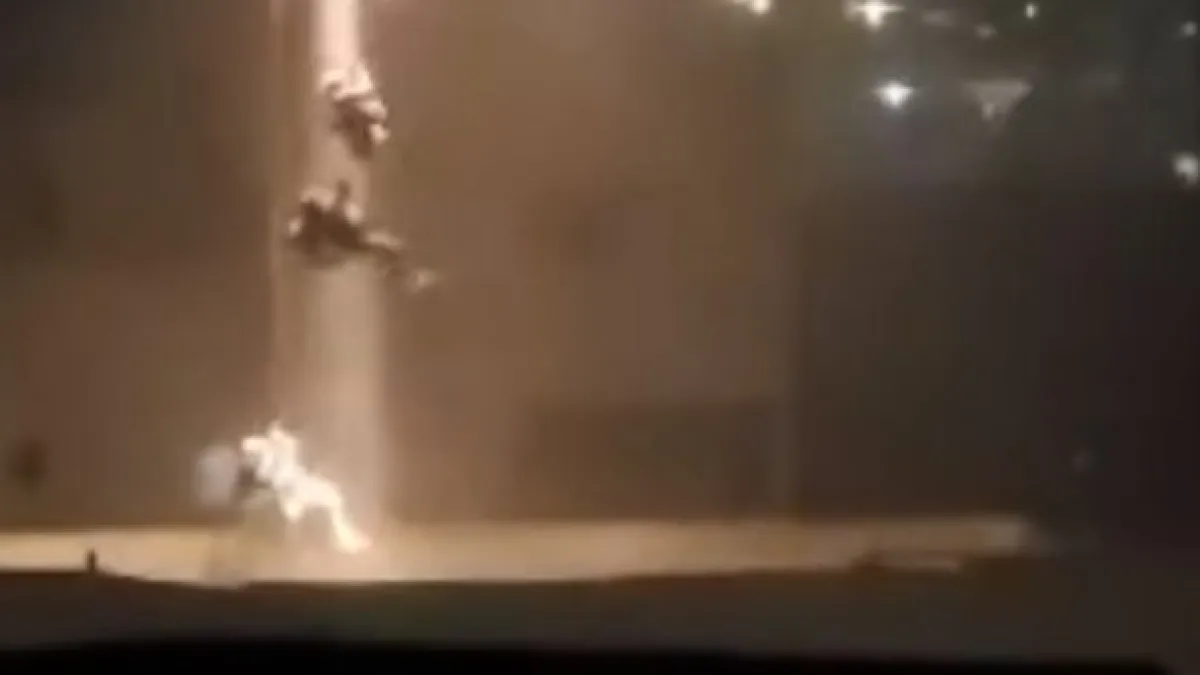
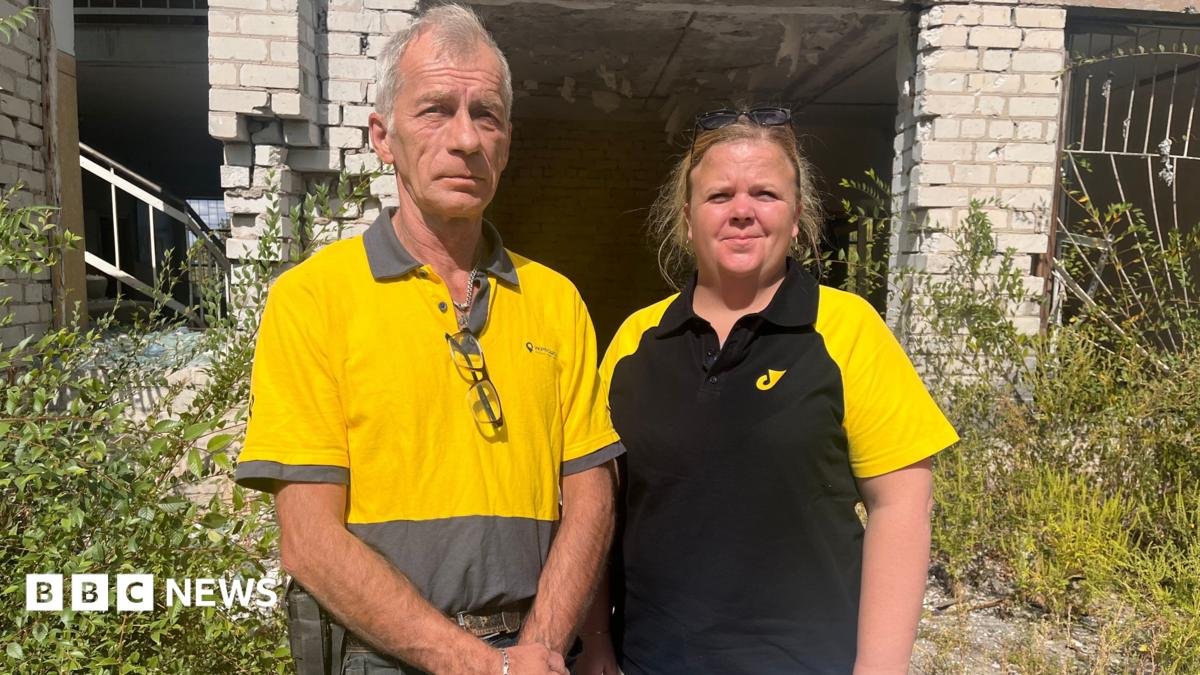
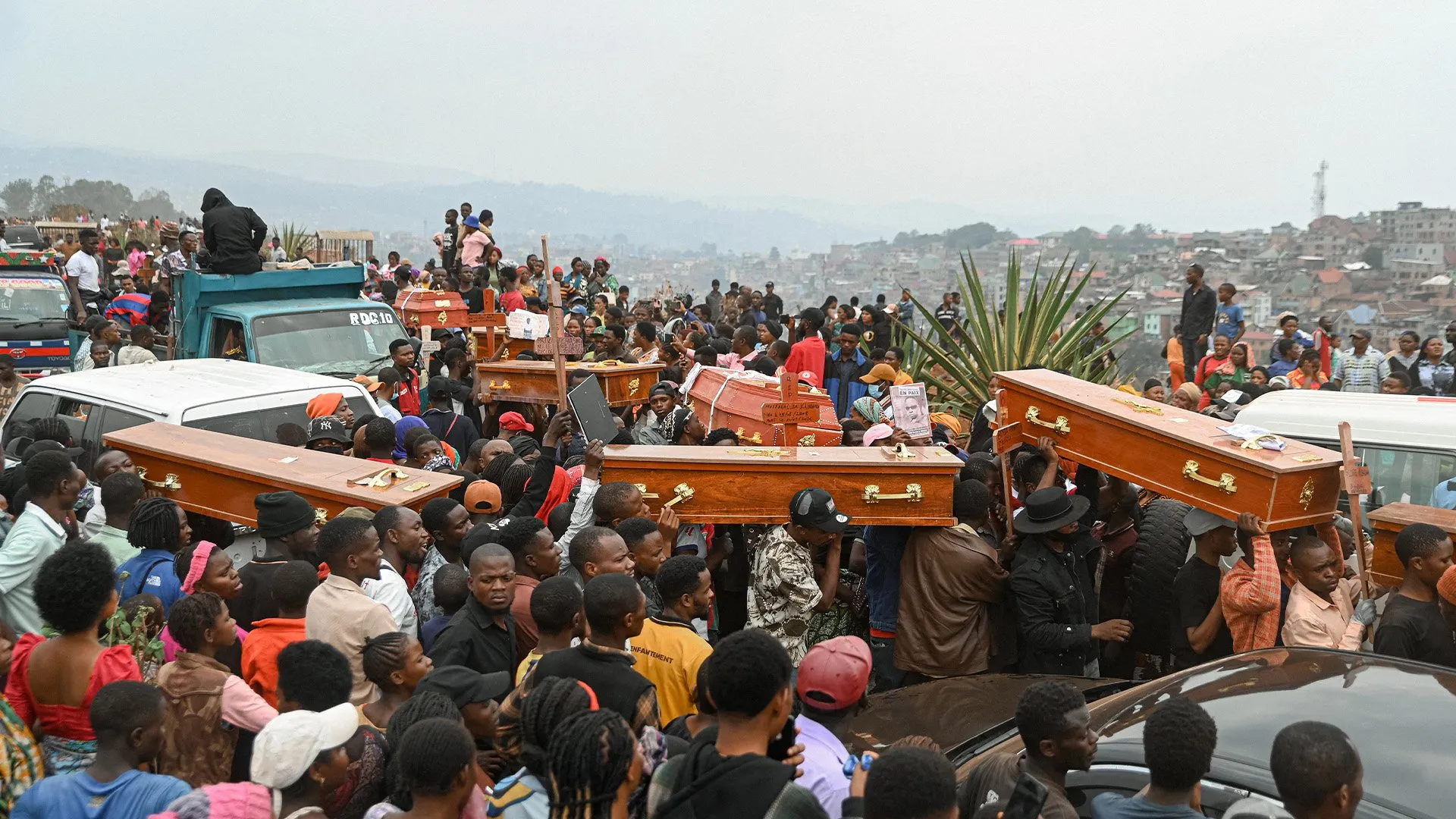
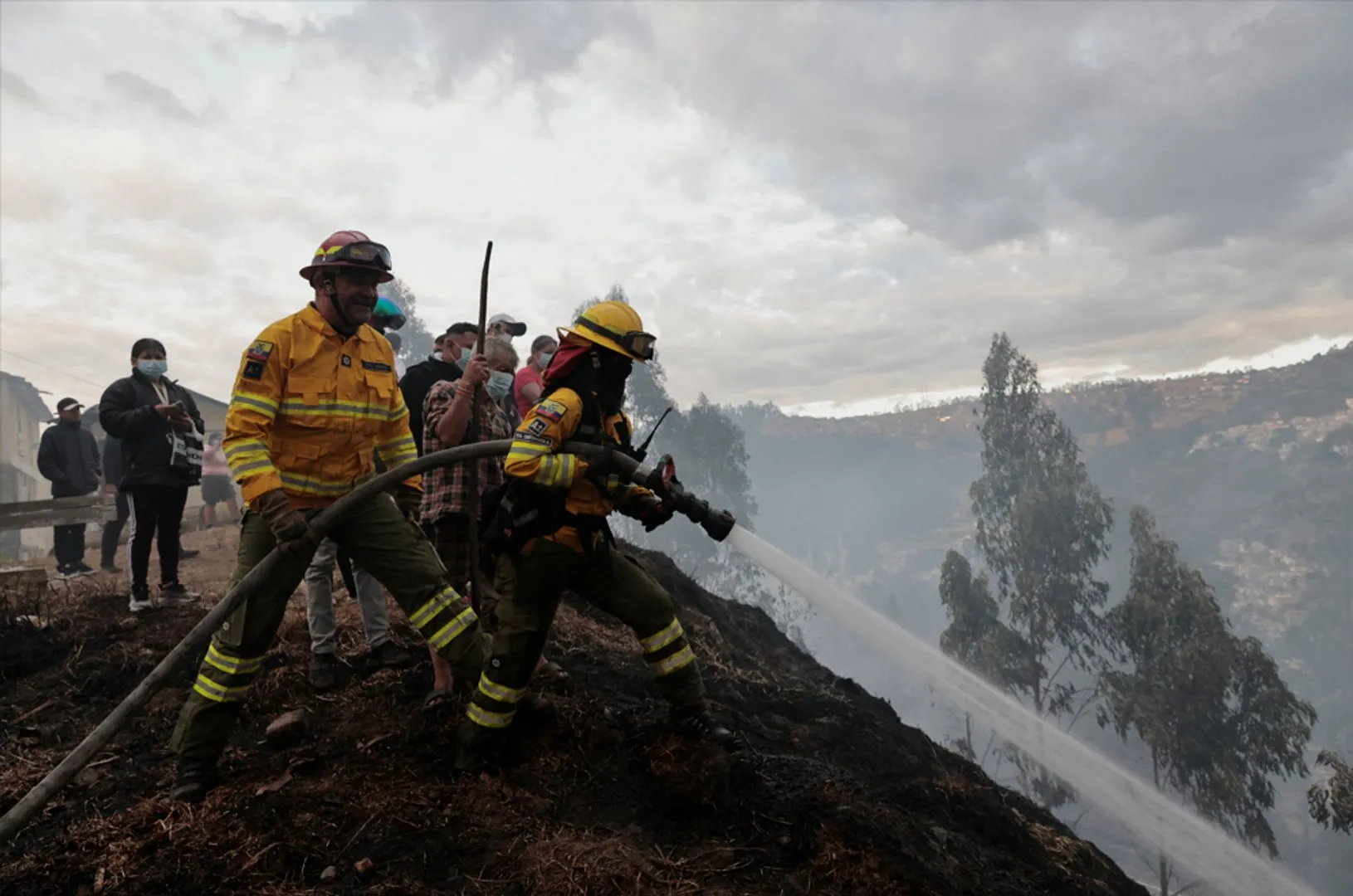
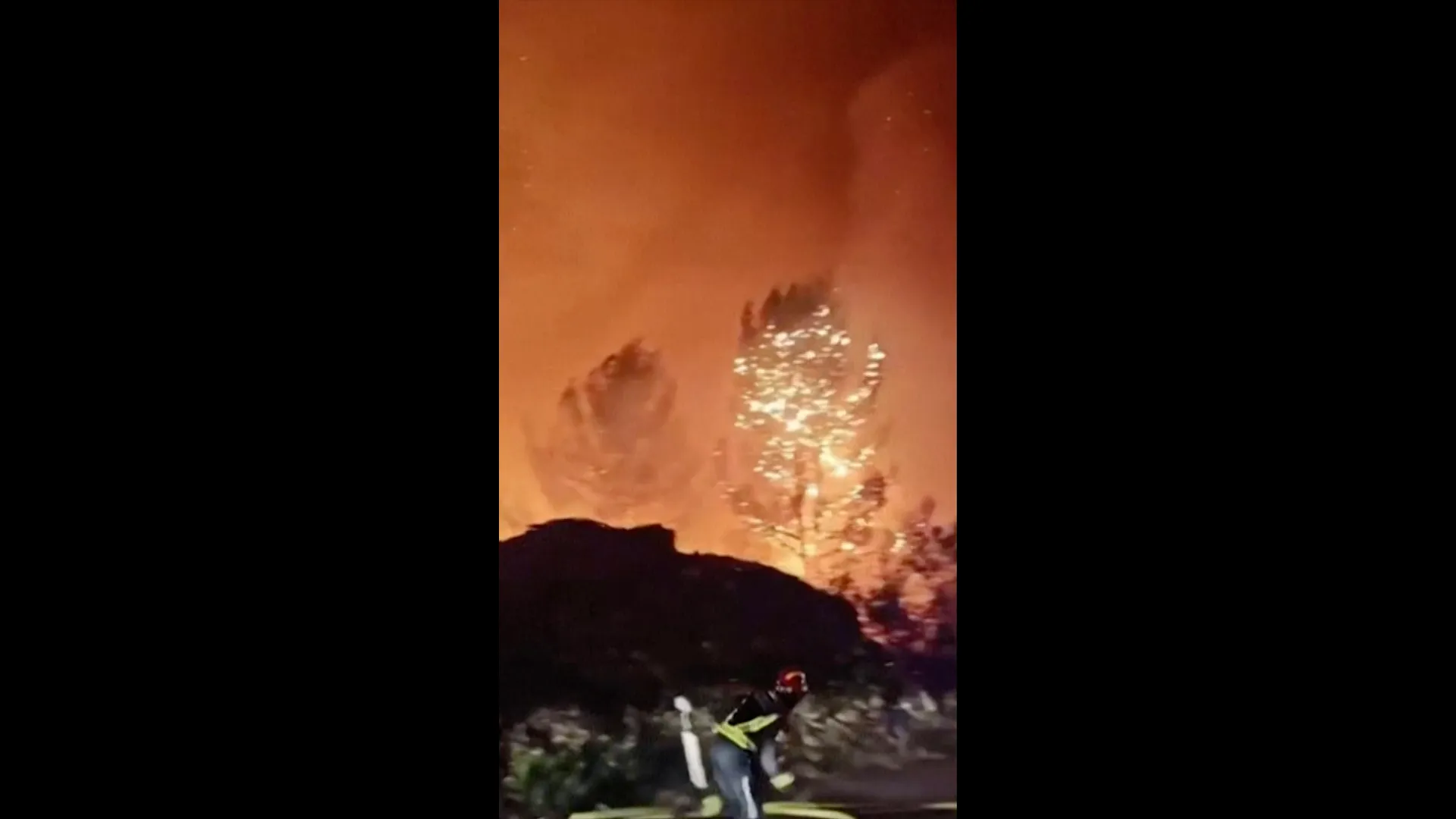
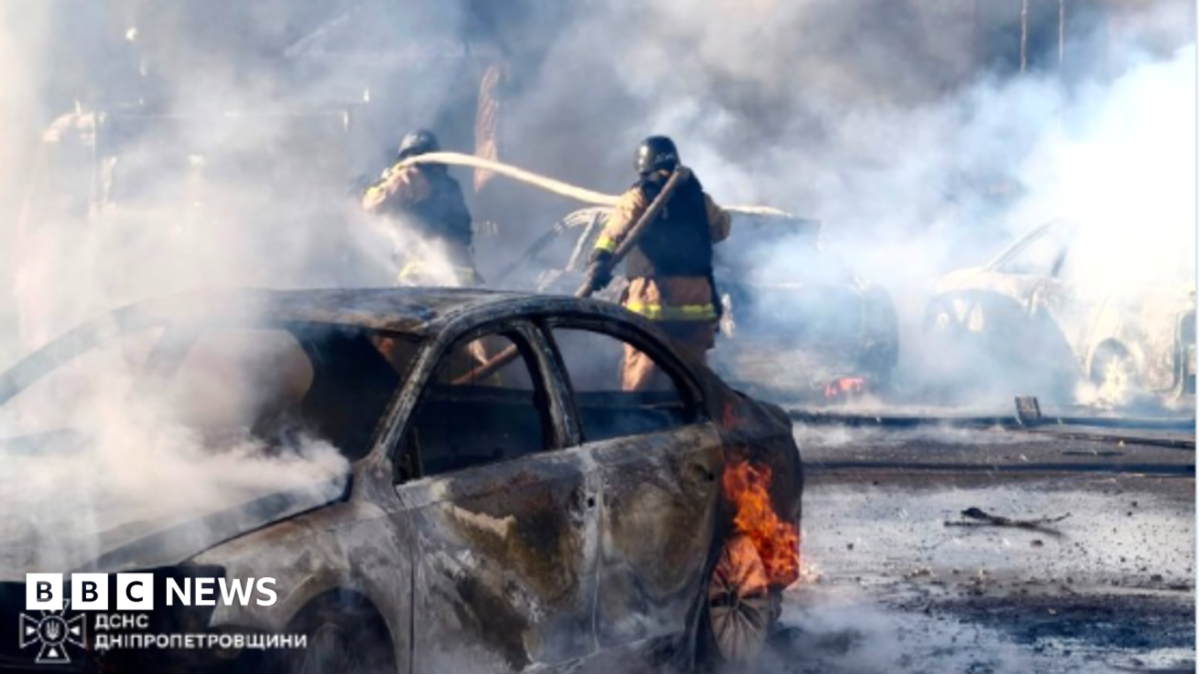
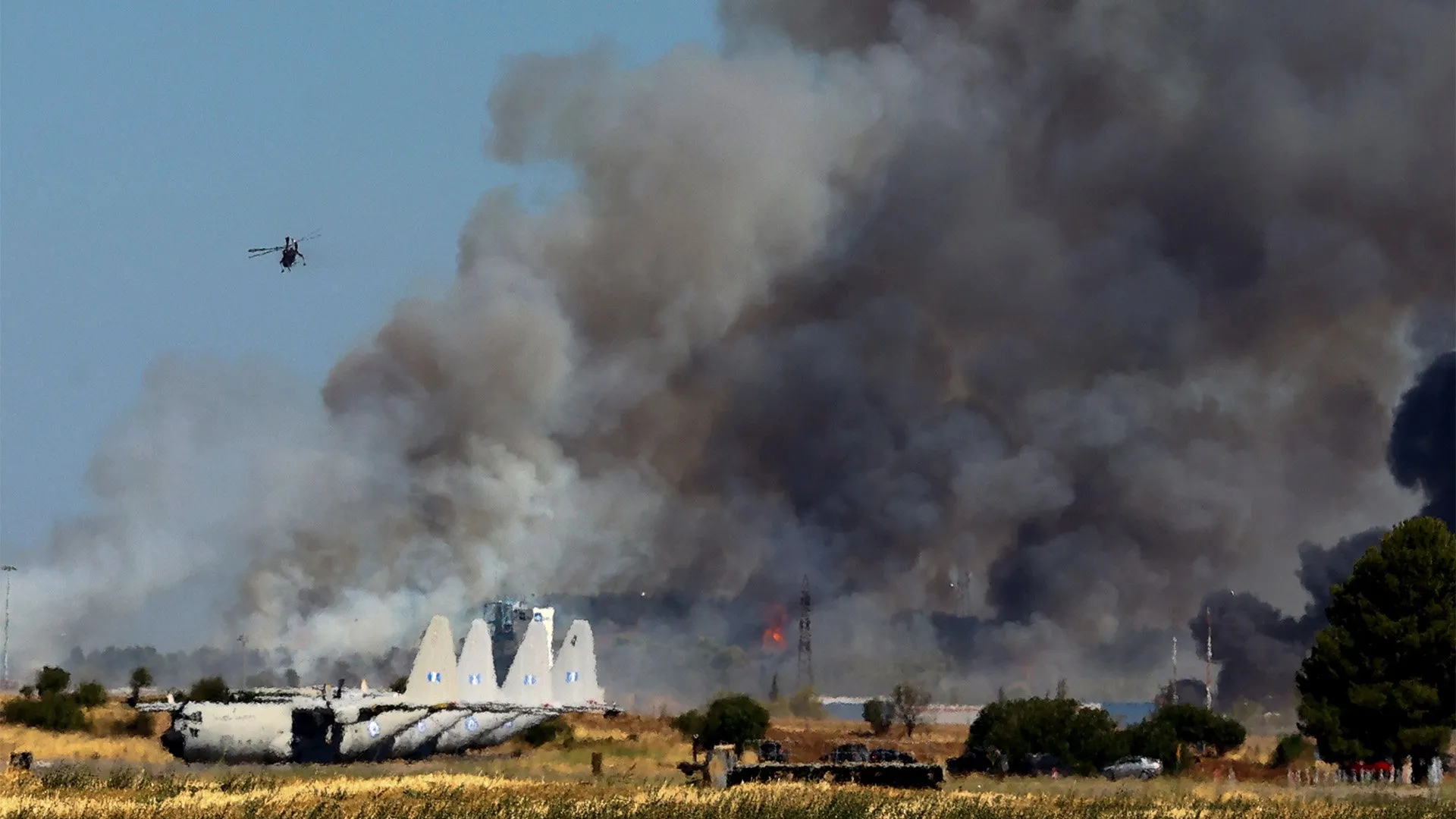
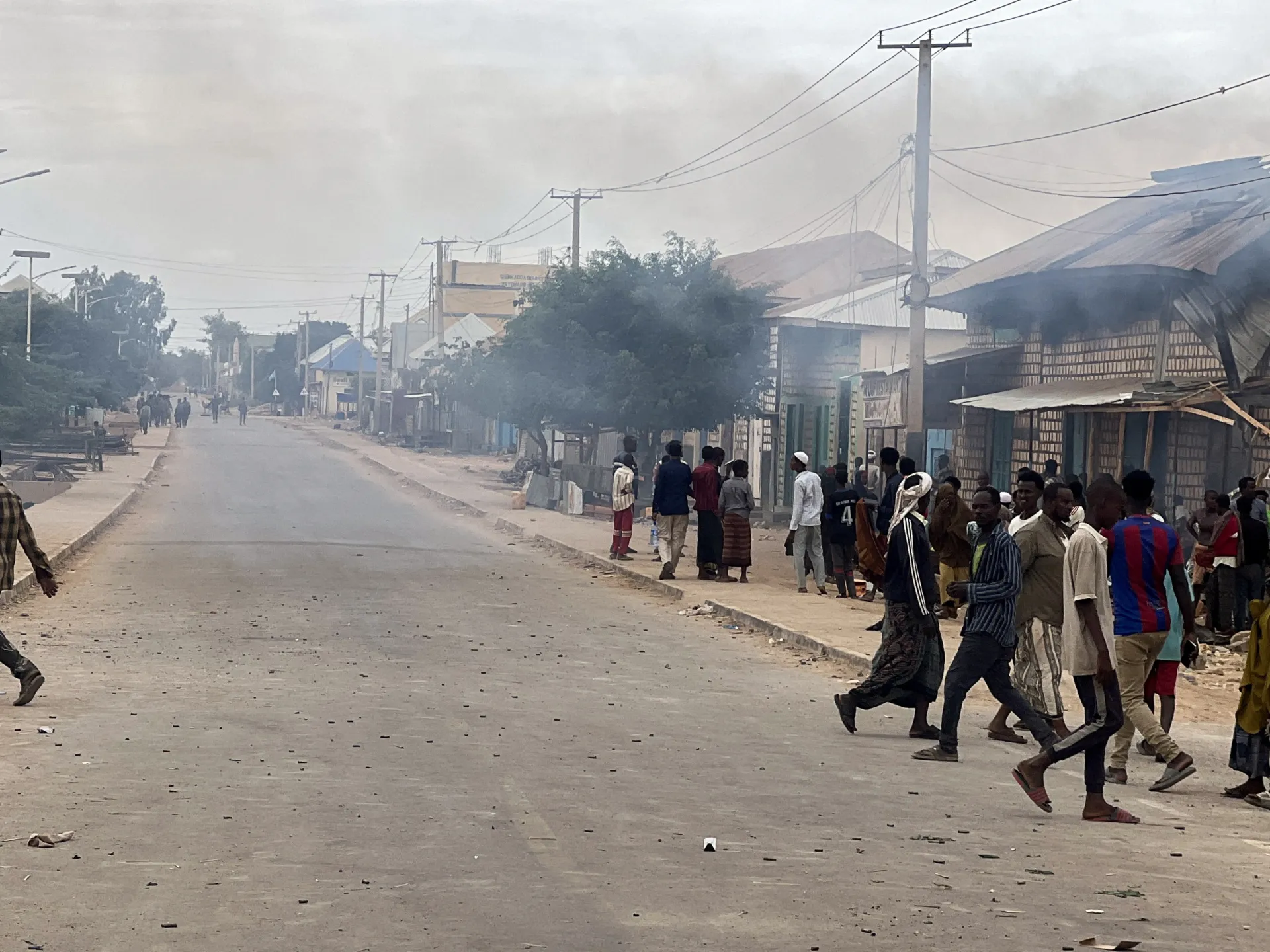
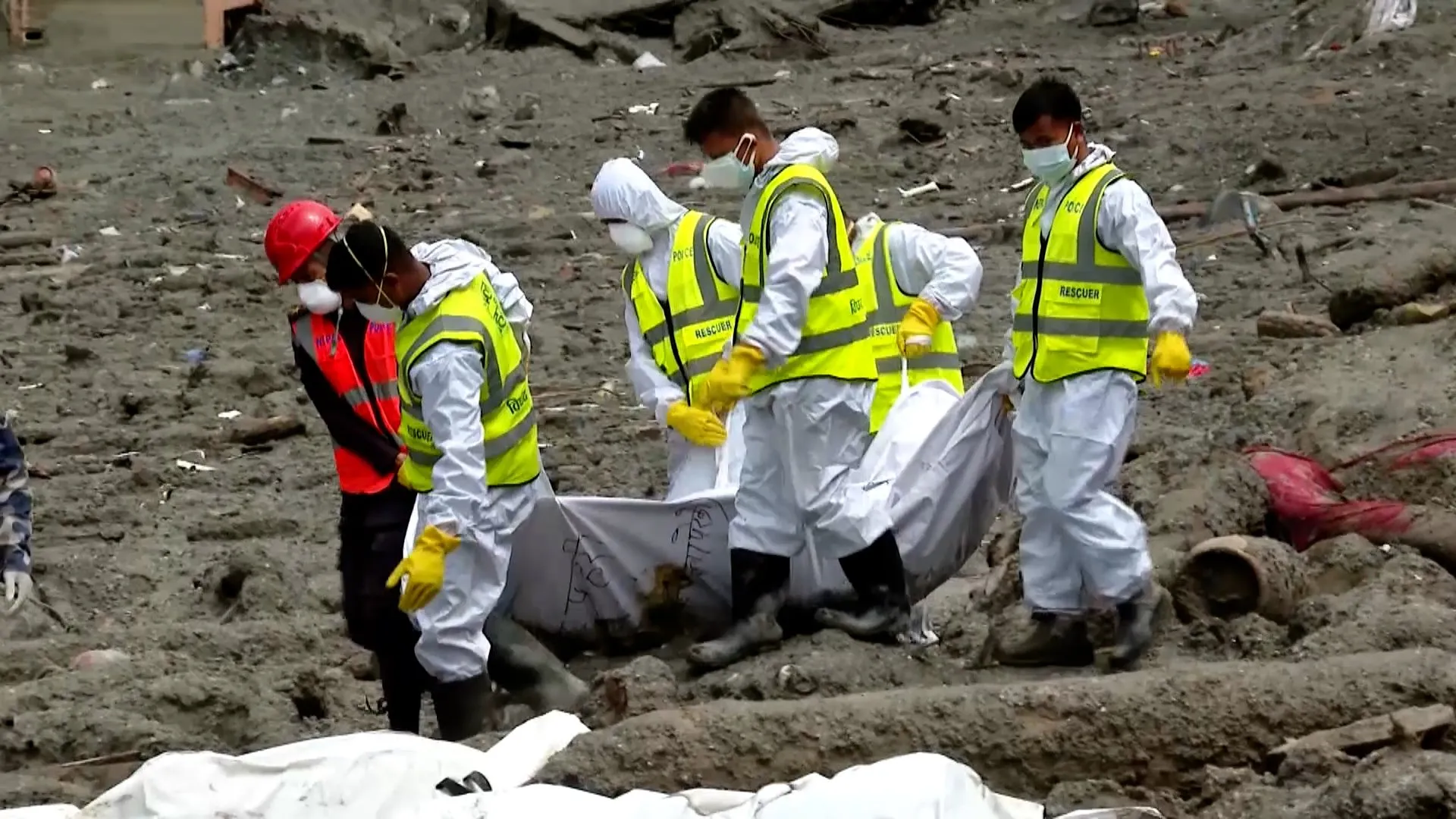
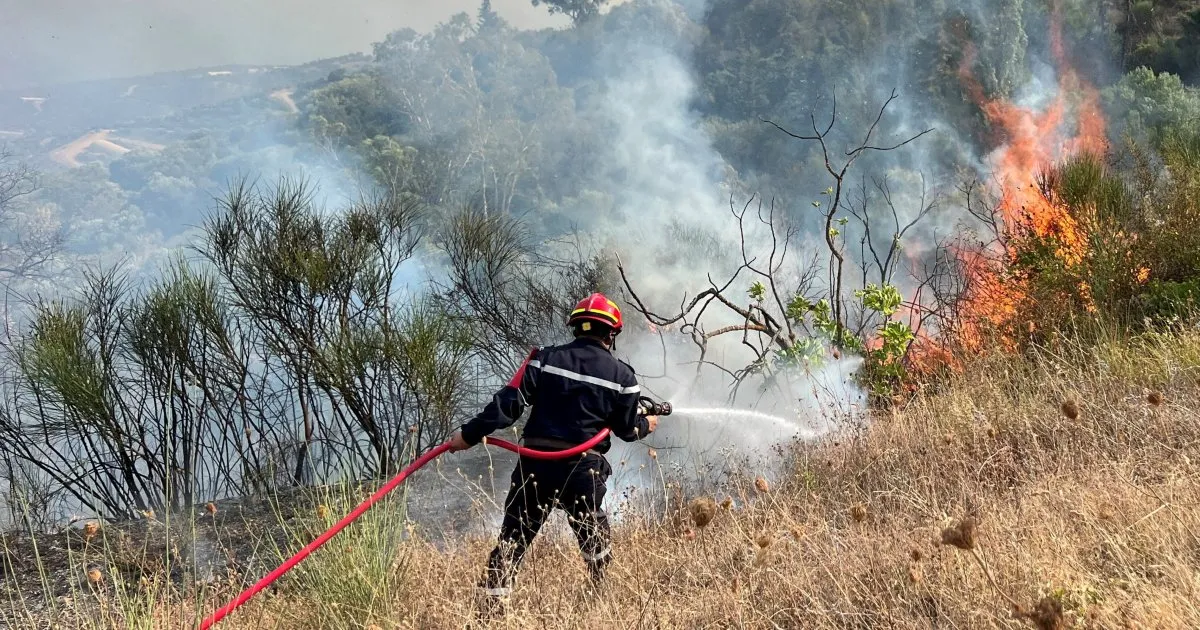
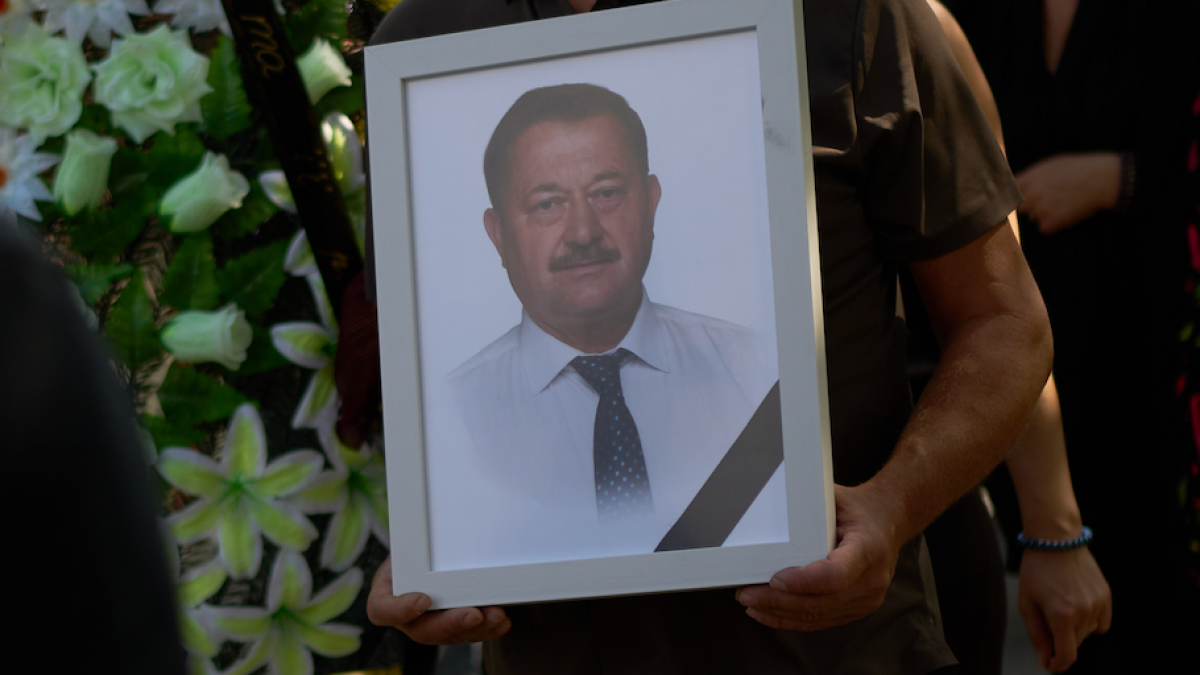
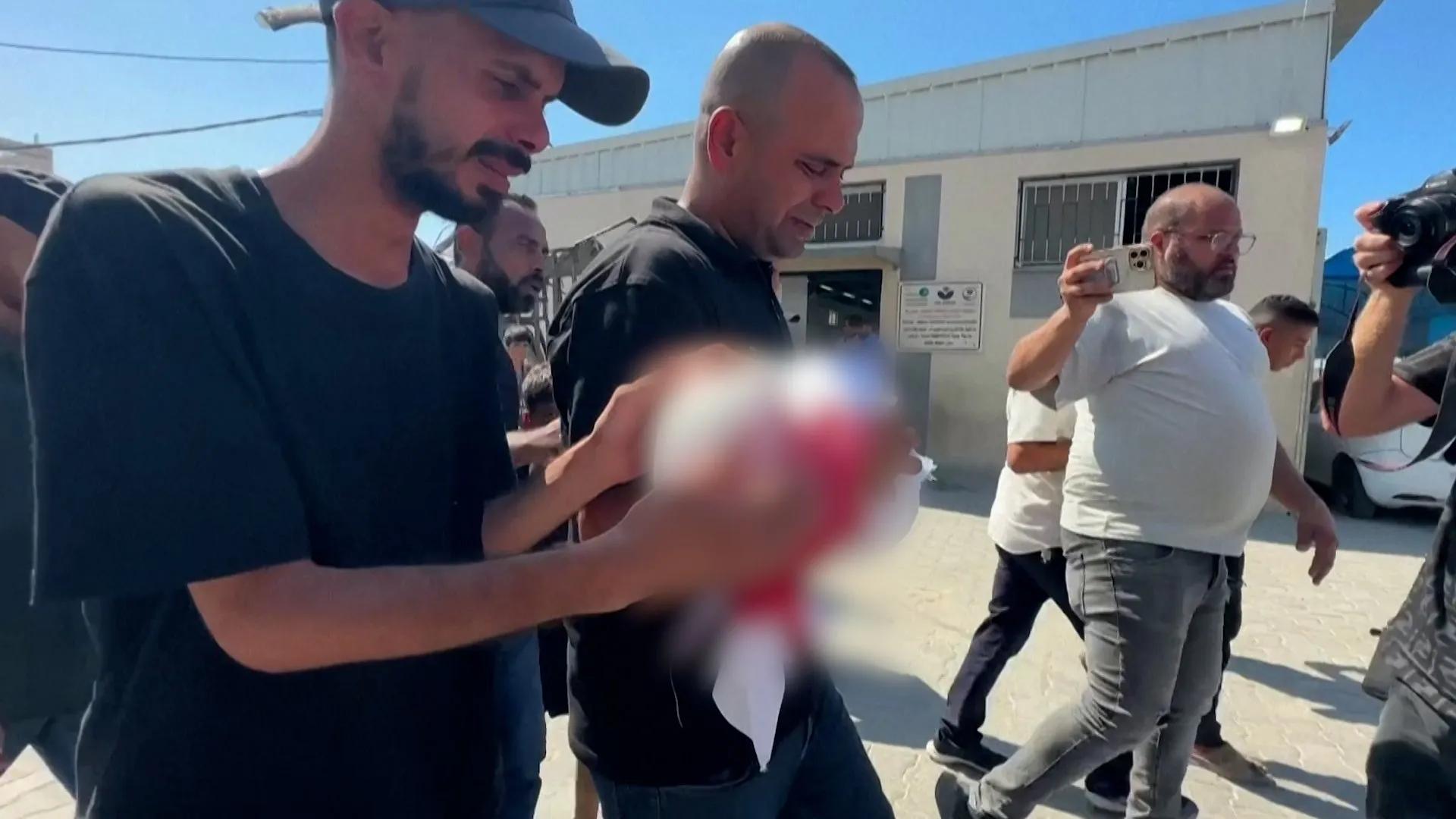
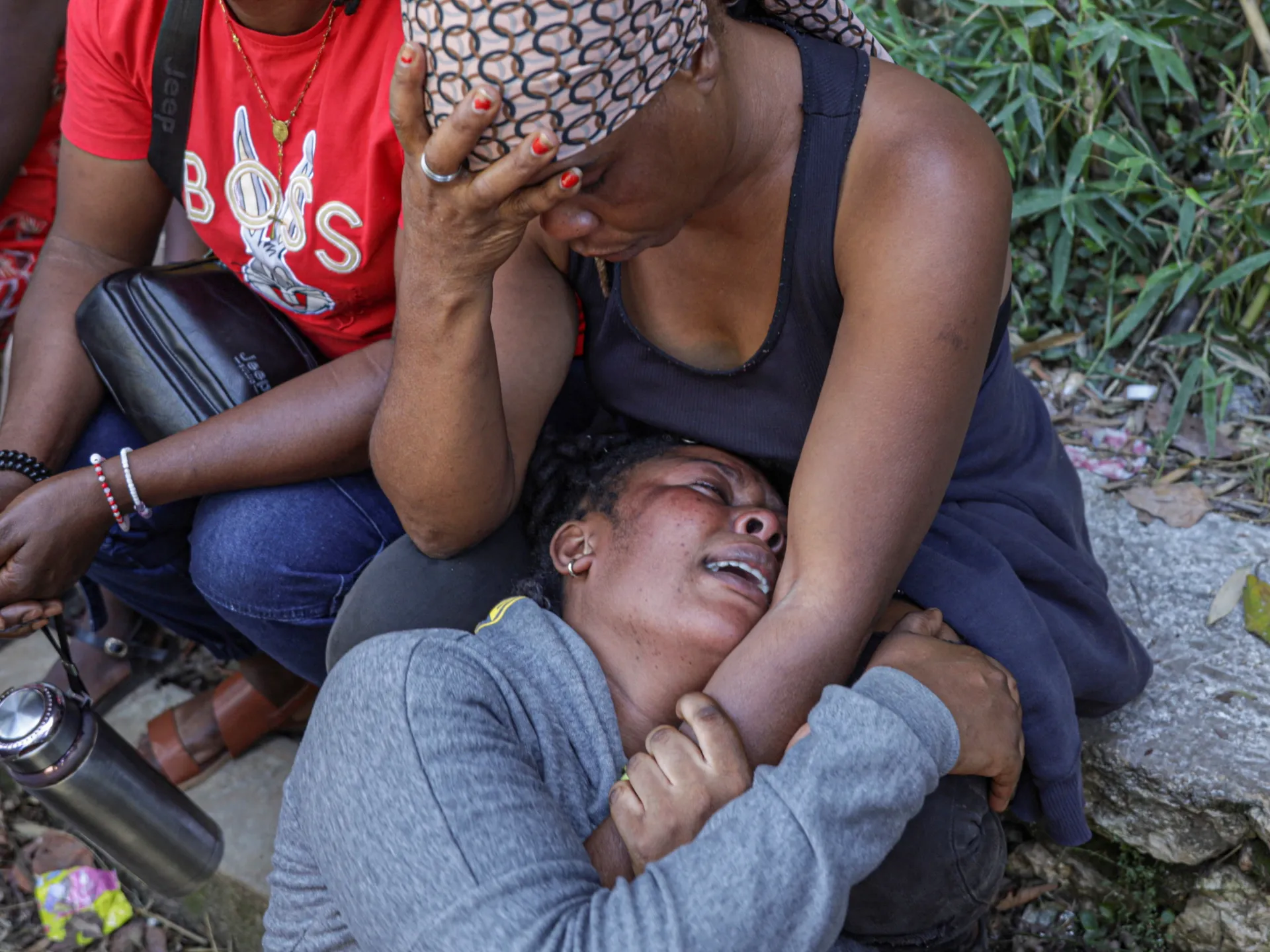
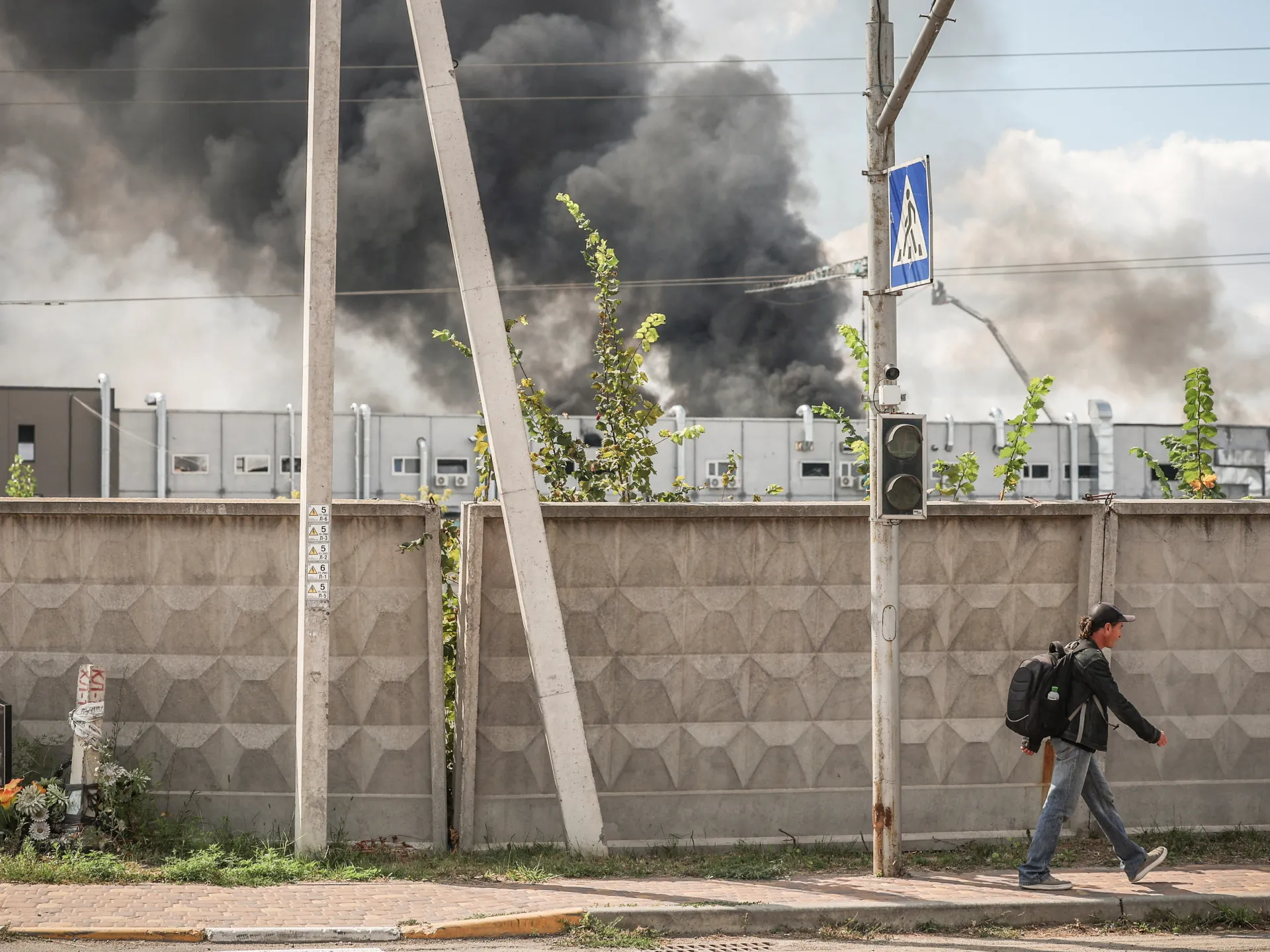
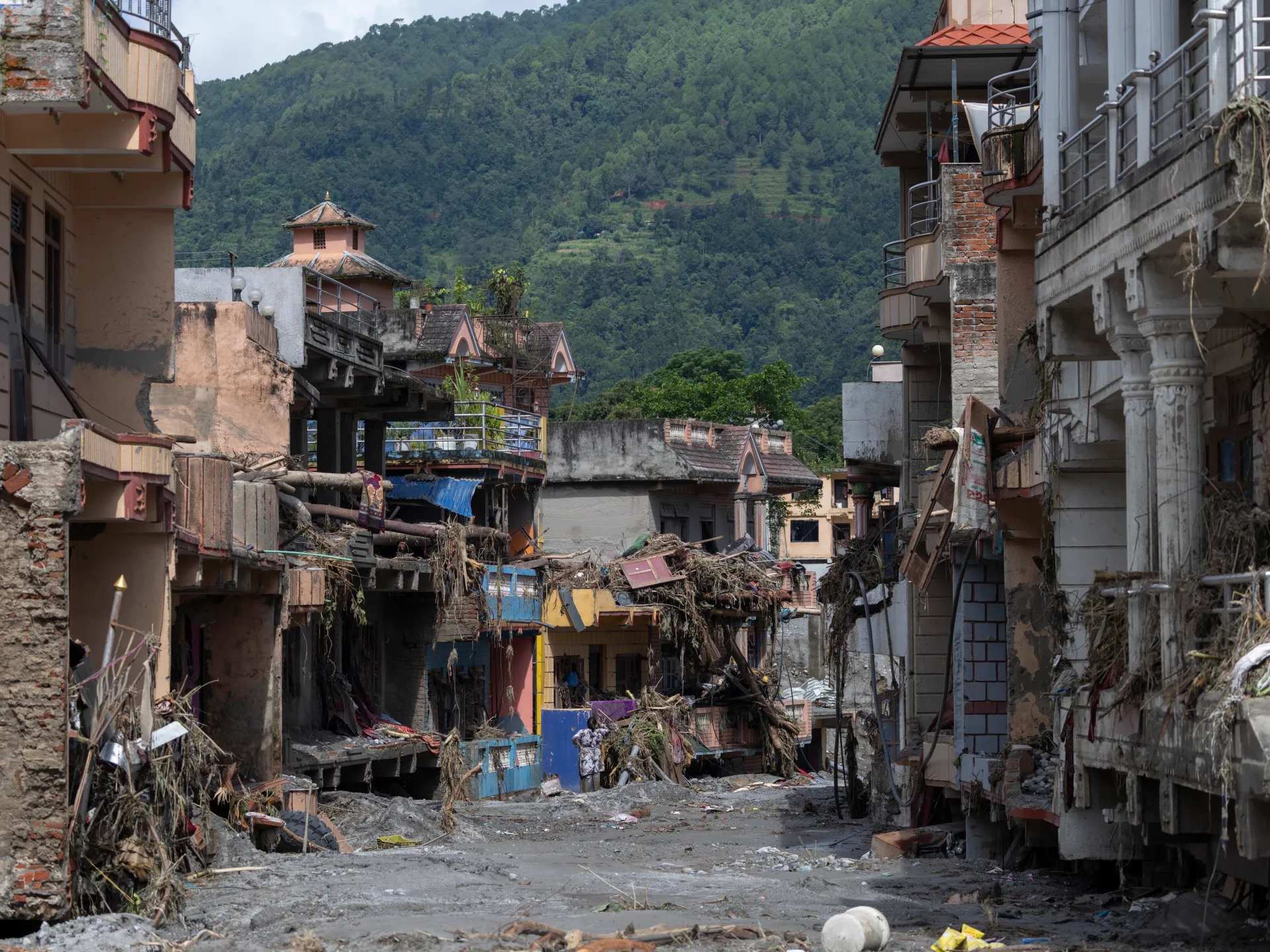
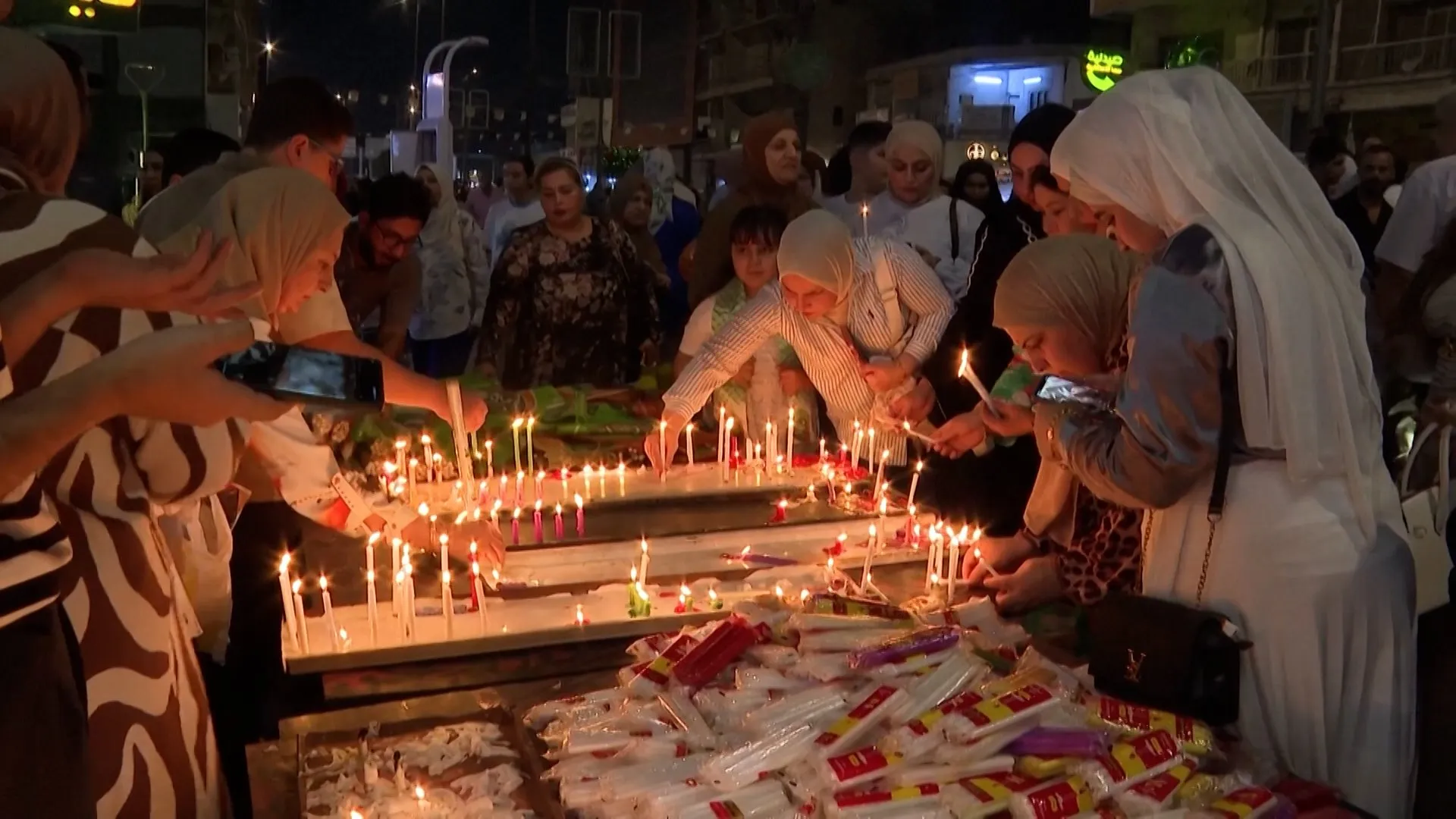
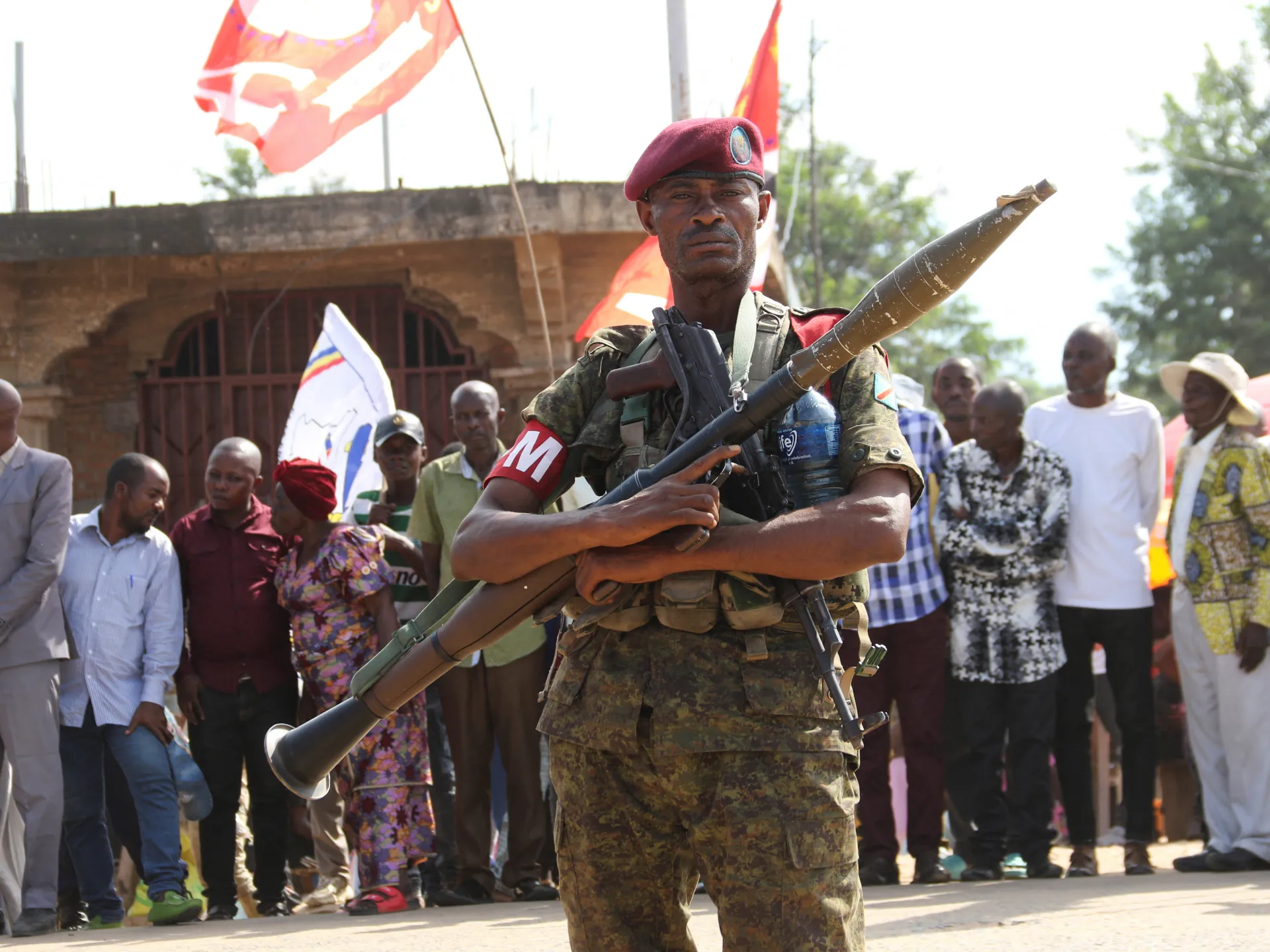
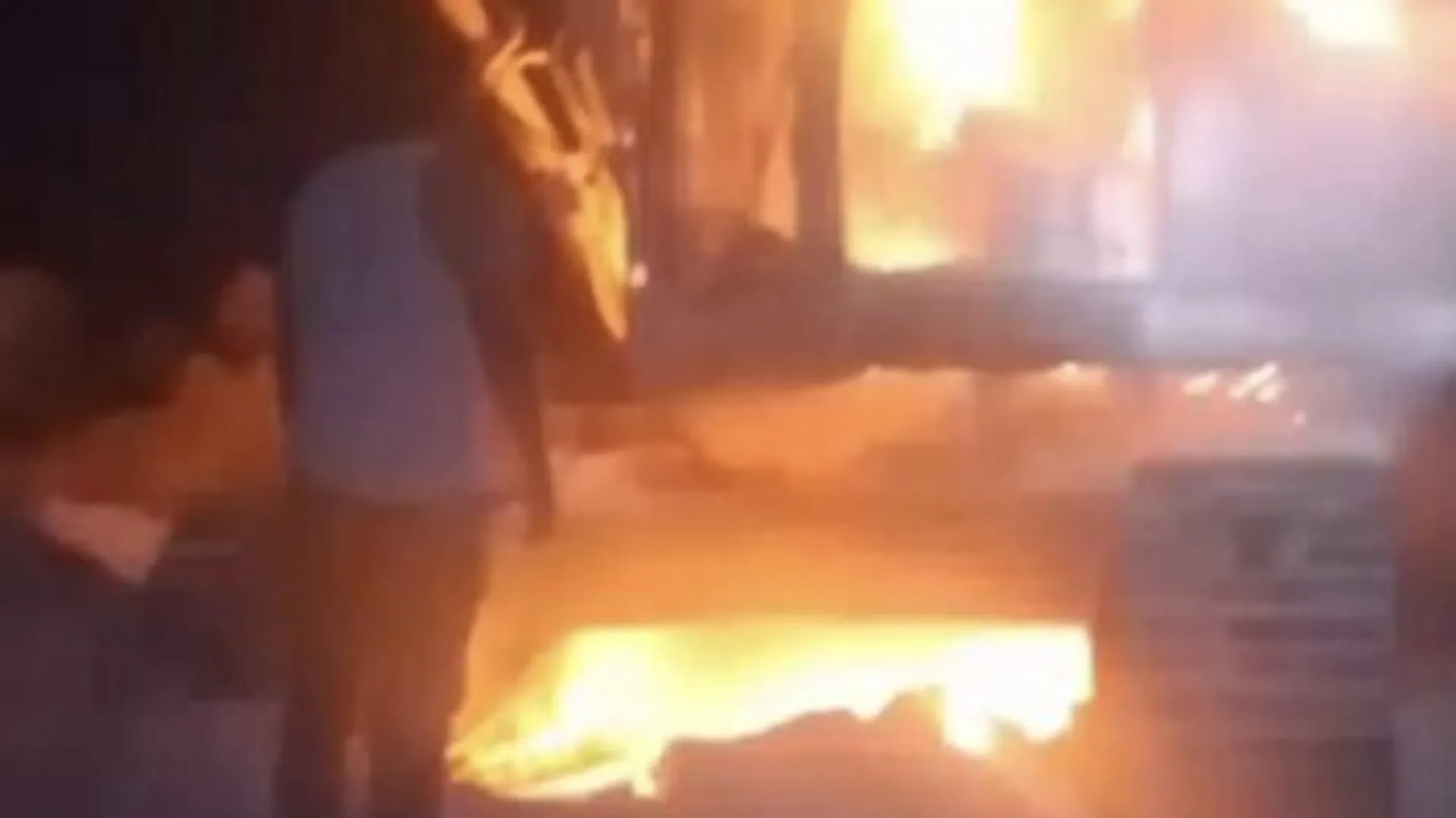
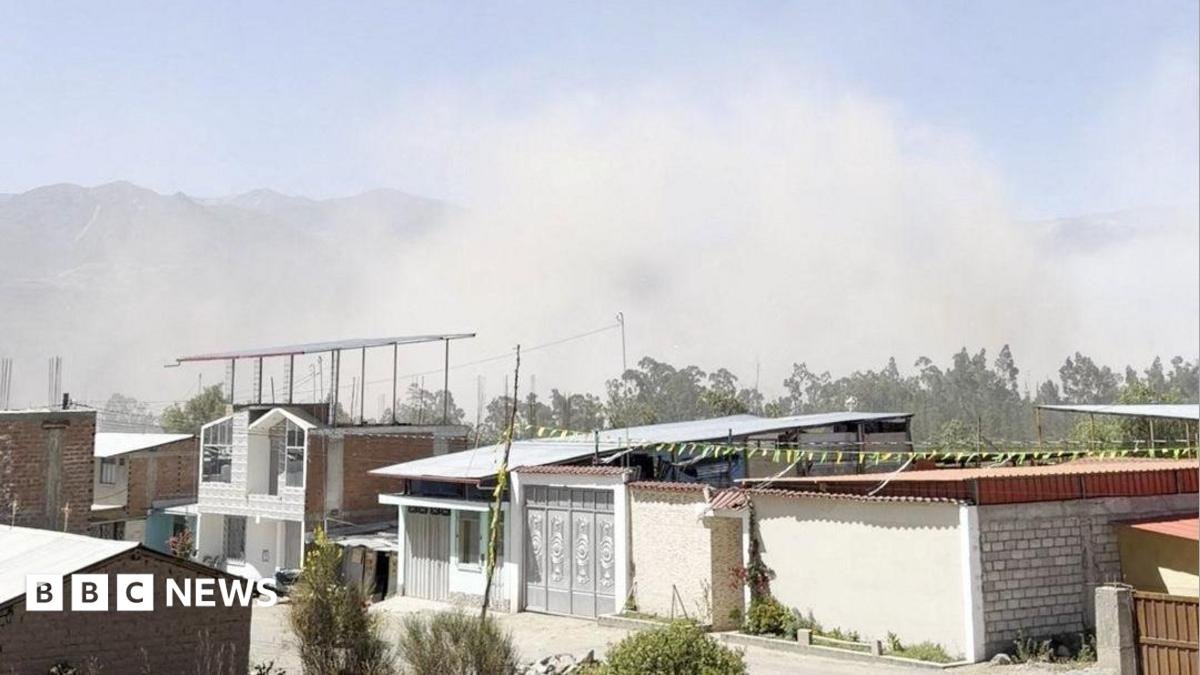
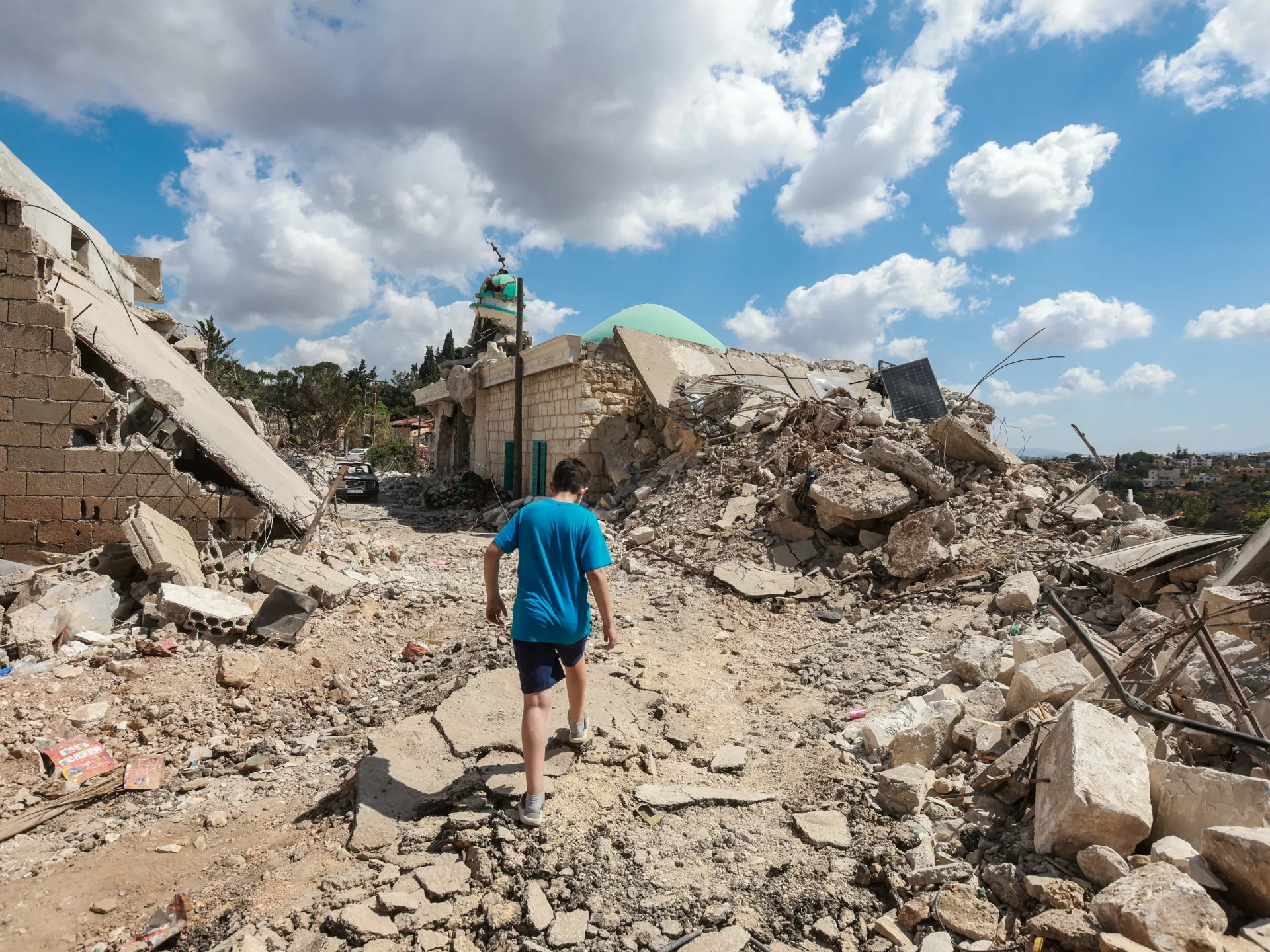
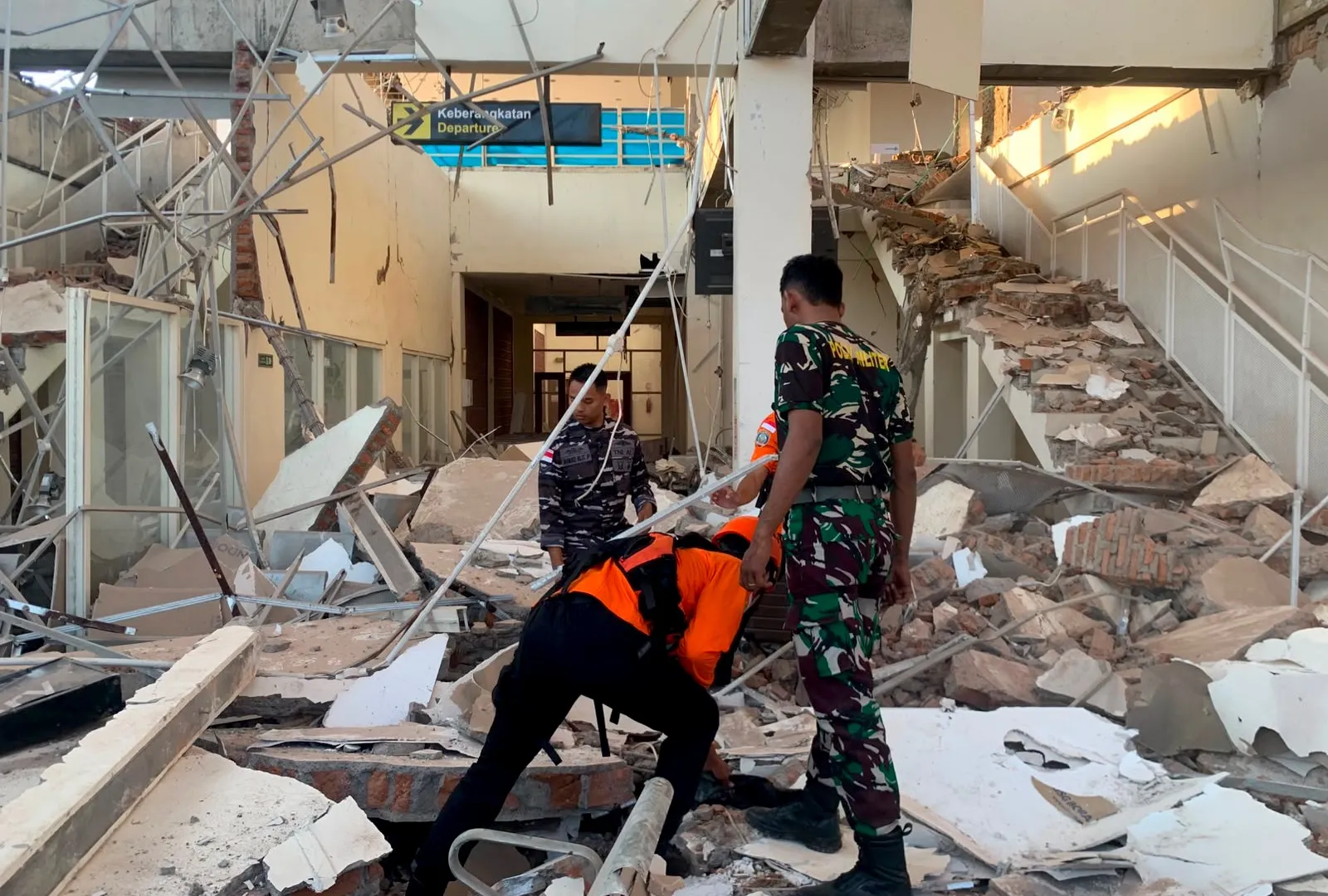
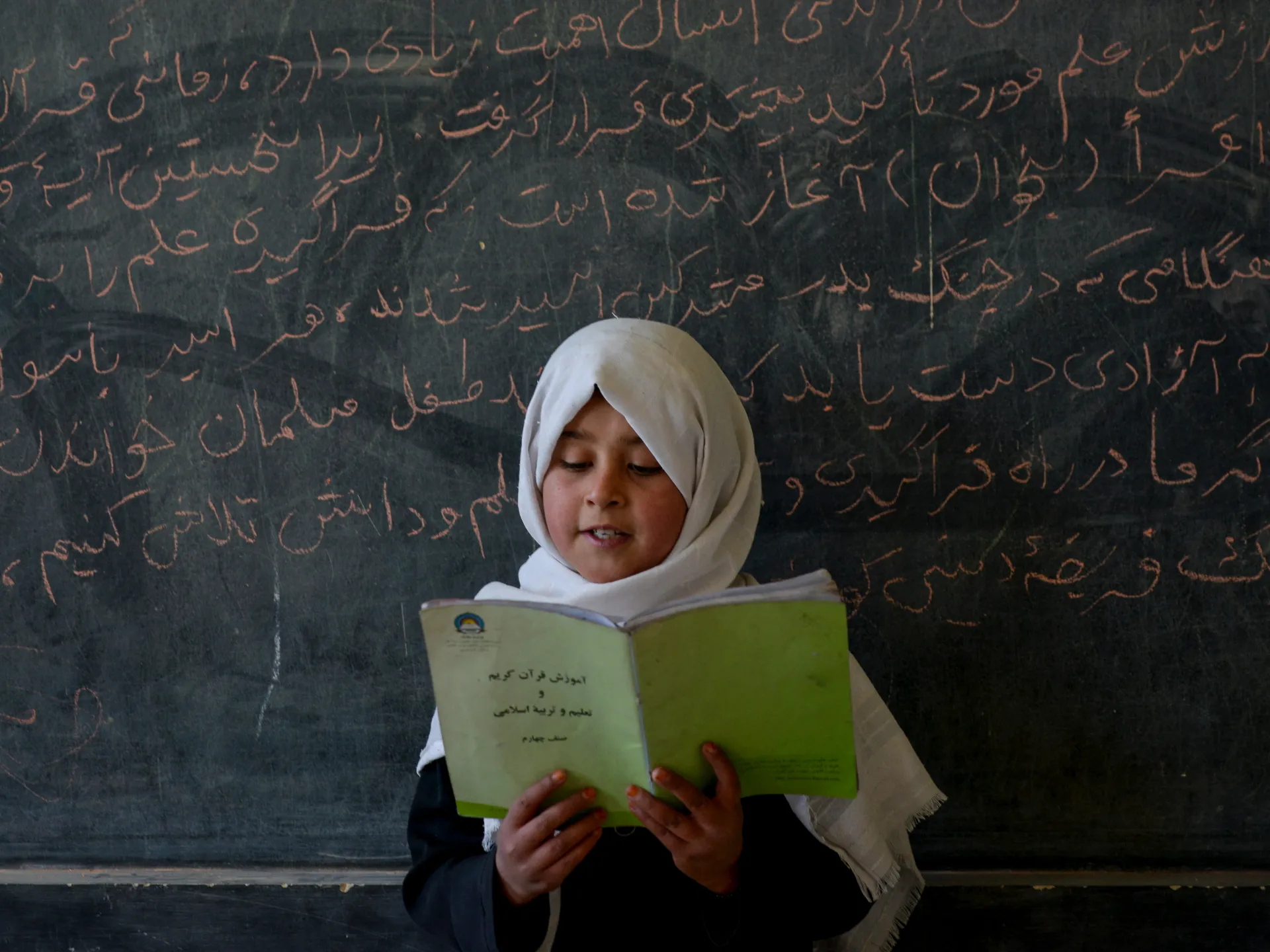
In the wake of a devastating fire that swept through the Kadutu commune in Bukavu, local authorities are struggling to manage the humanitarian fallout. While rebel-appointed officials in the area confirmed a provisional death toll of 24 schoolchildren, there is widespread apprehension that this number will climb as recovery efforts continue. The fire, which remains under investigation, did not only claim young lives but also incinerated approximately 300 homes, displacing a significant portion of the local population in one of the country's most crowded hillside cities. The government in Kinshasa, despite the region being currently under rebel control, has publicly acknowledged the tragedy and pledged to conduct assessments to ensure the continuity of education for survivors.
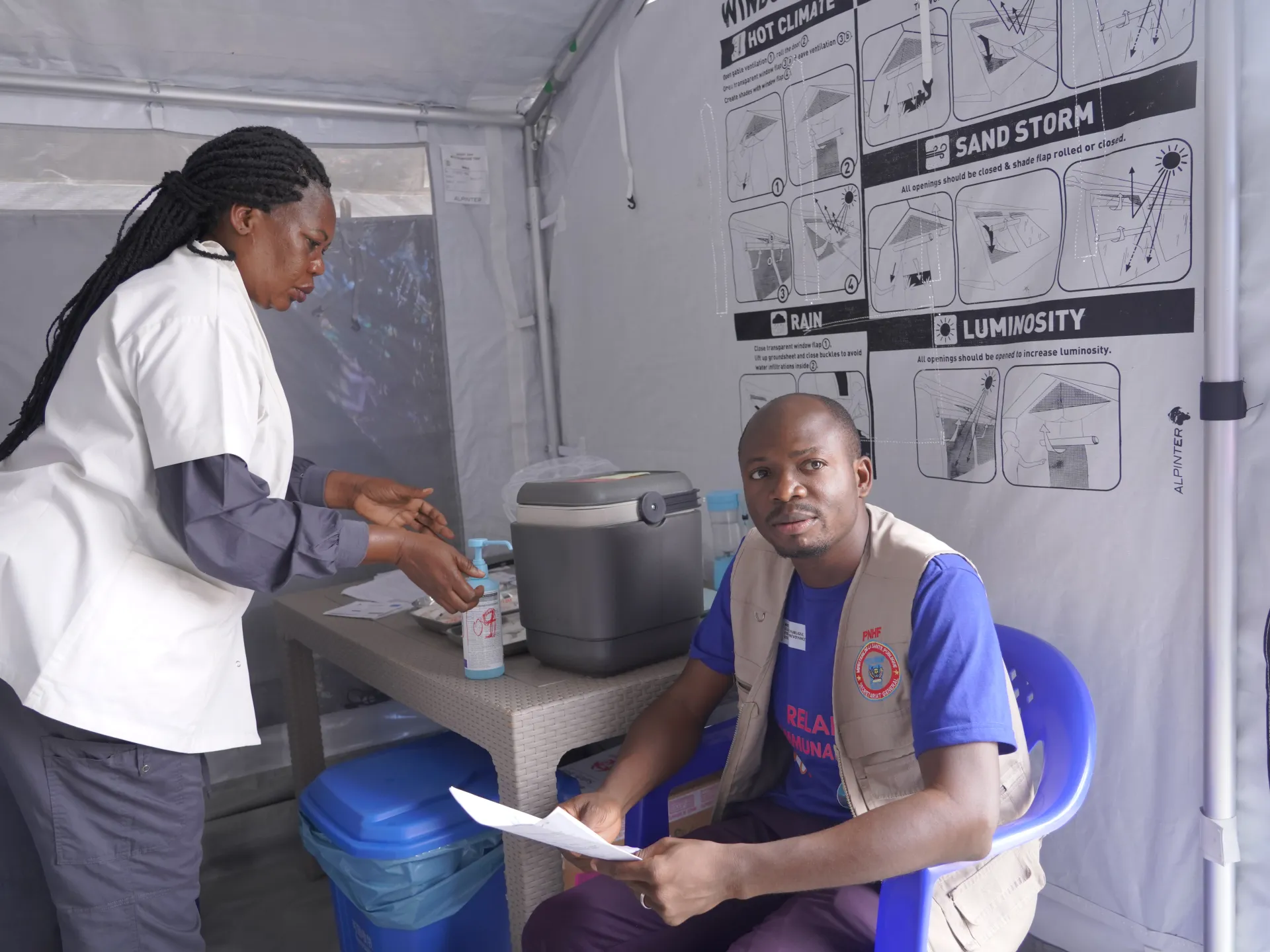
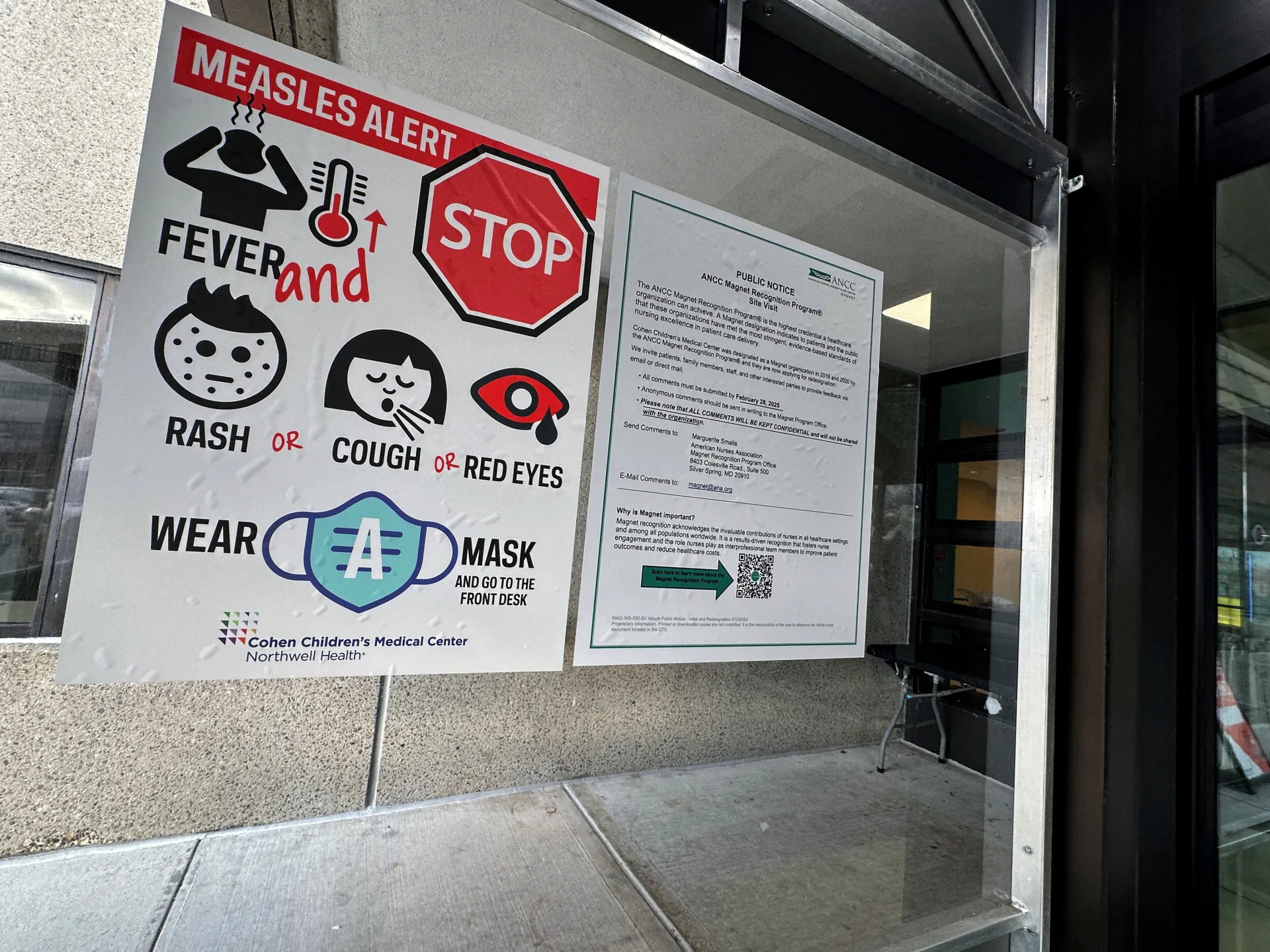
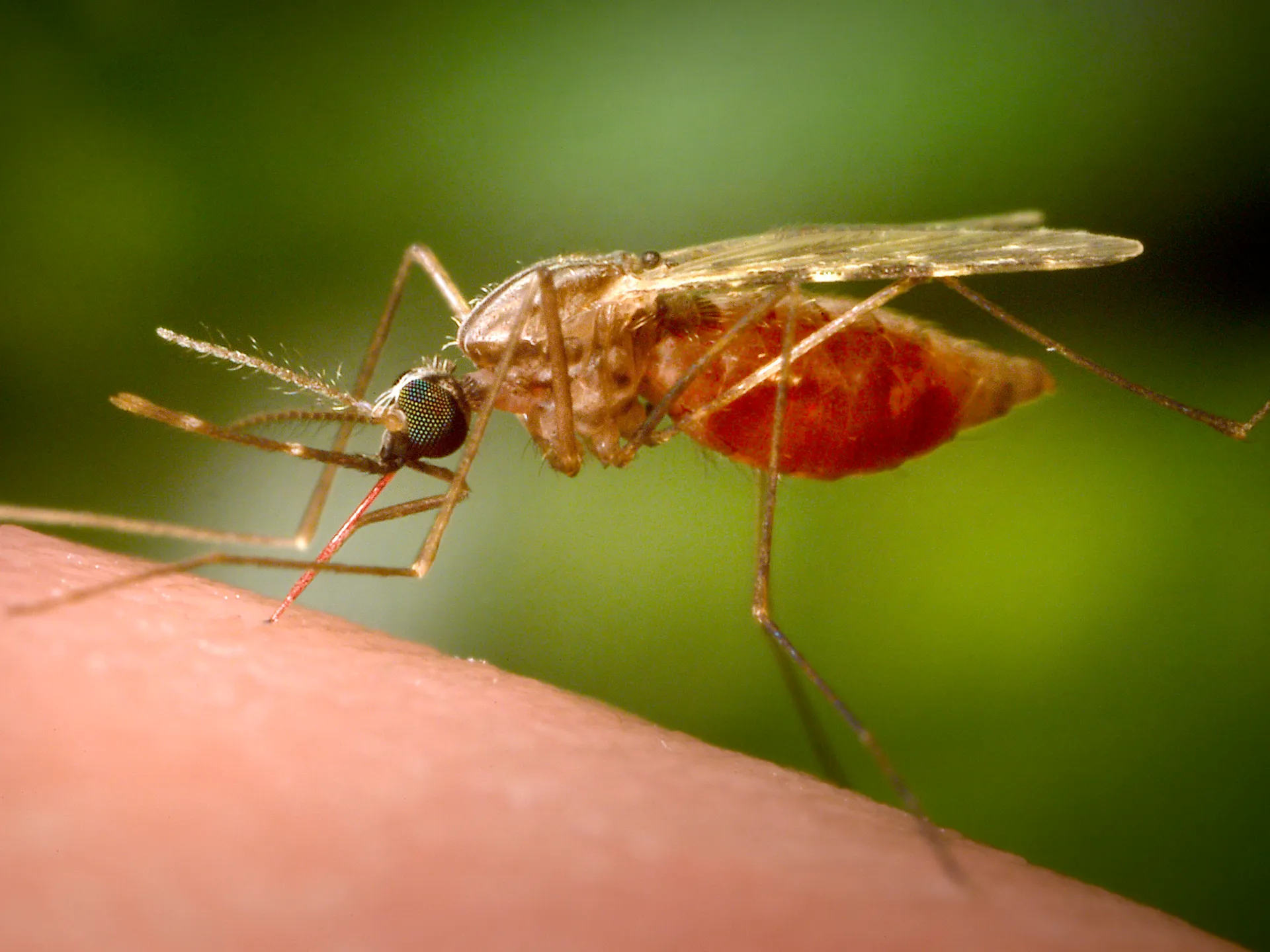
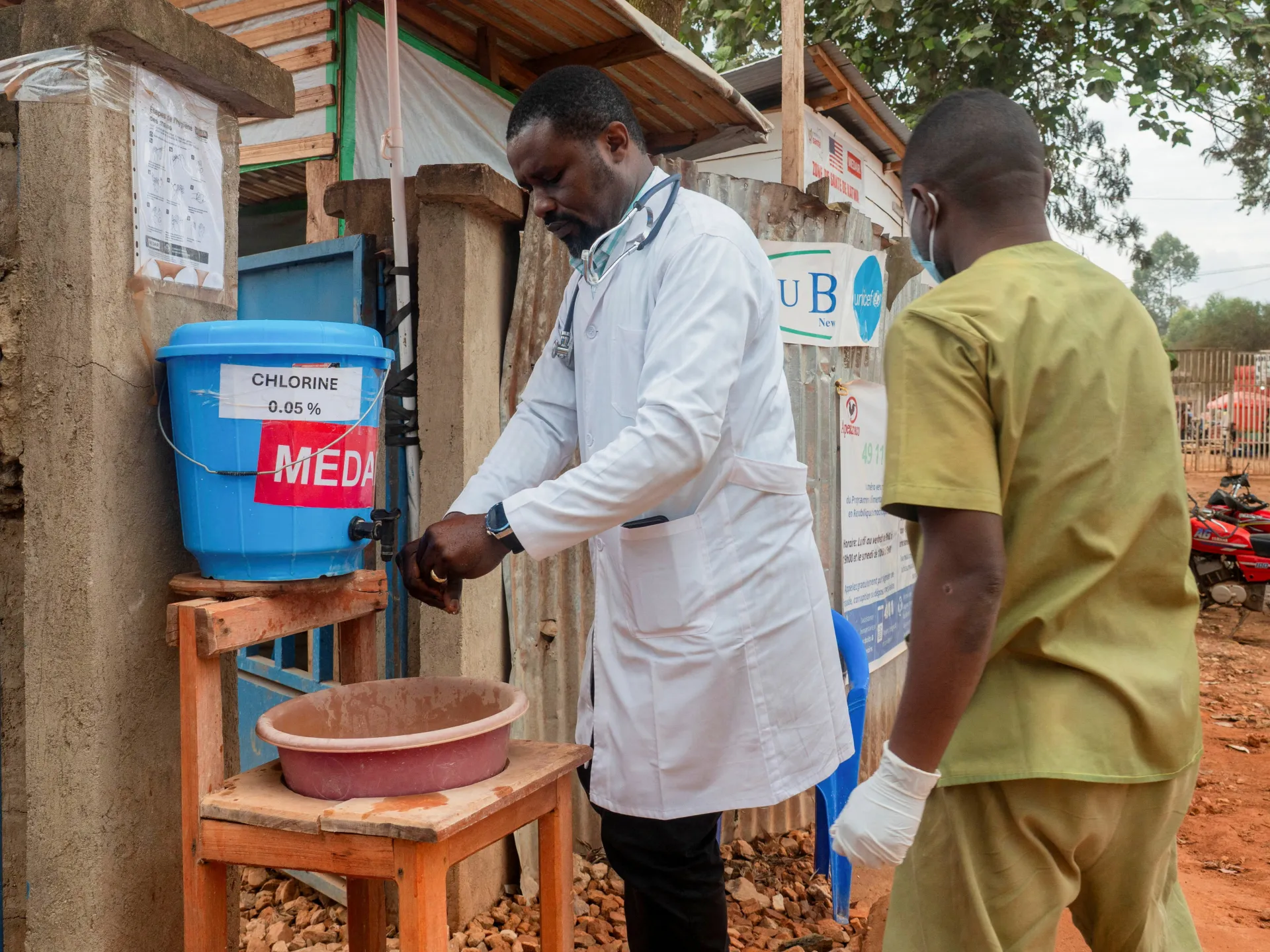
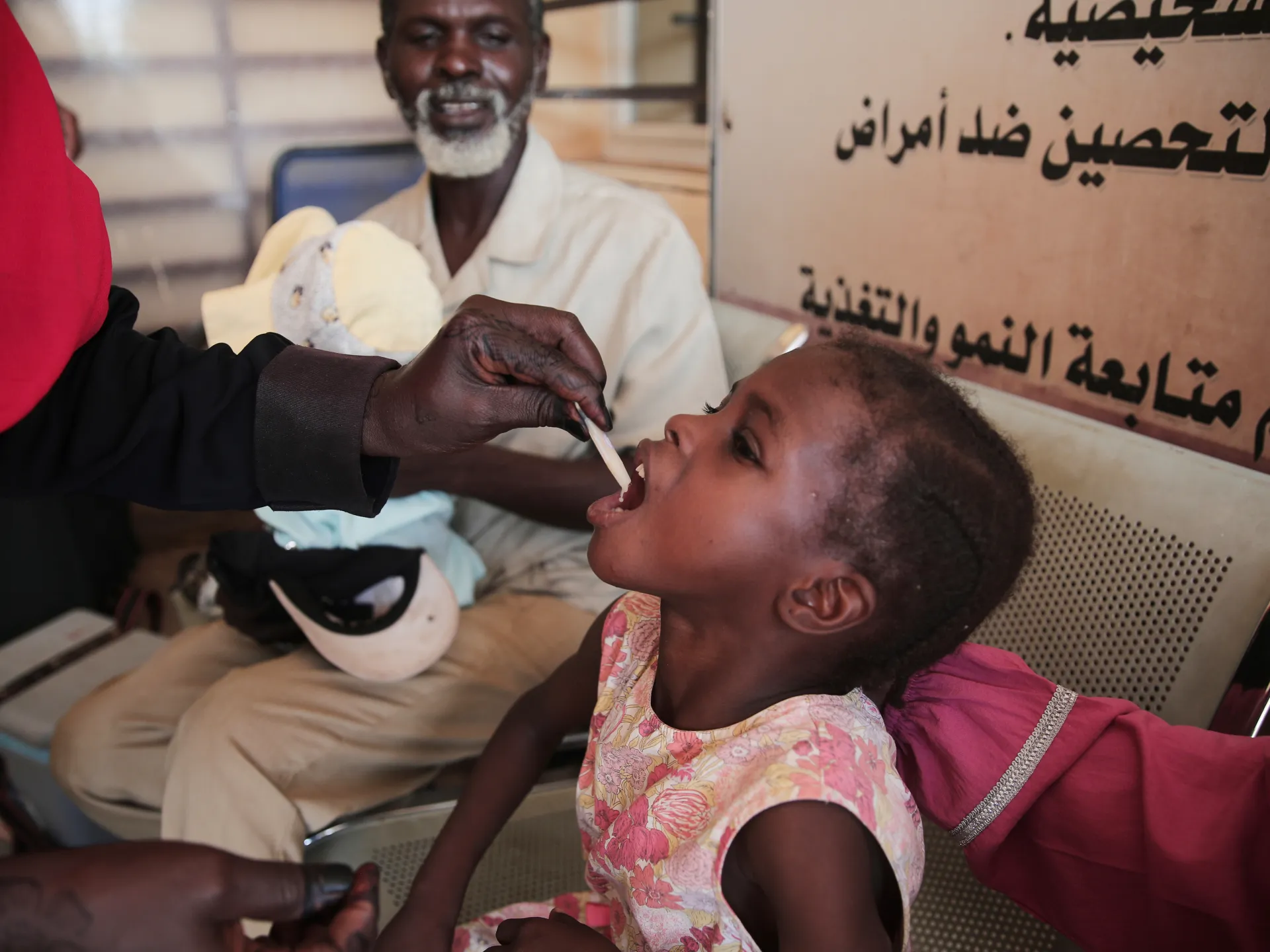
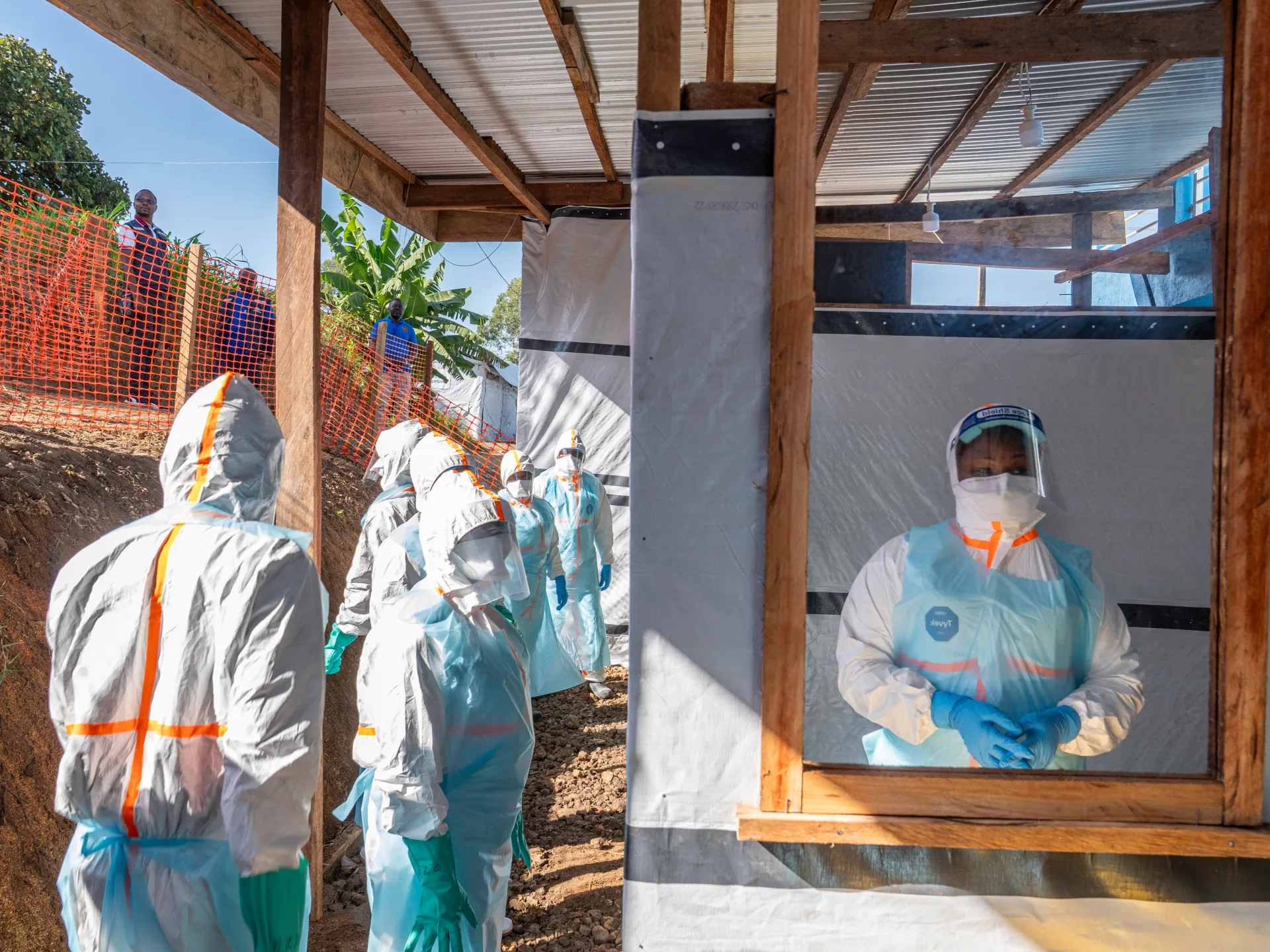
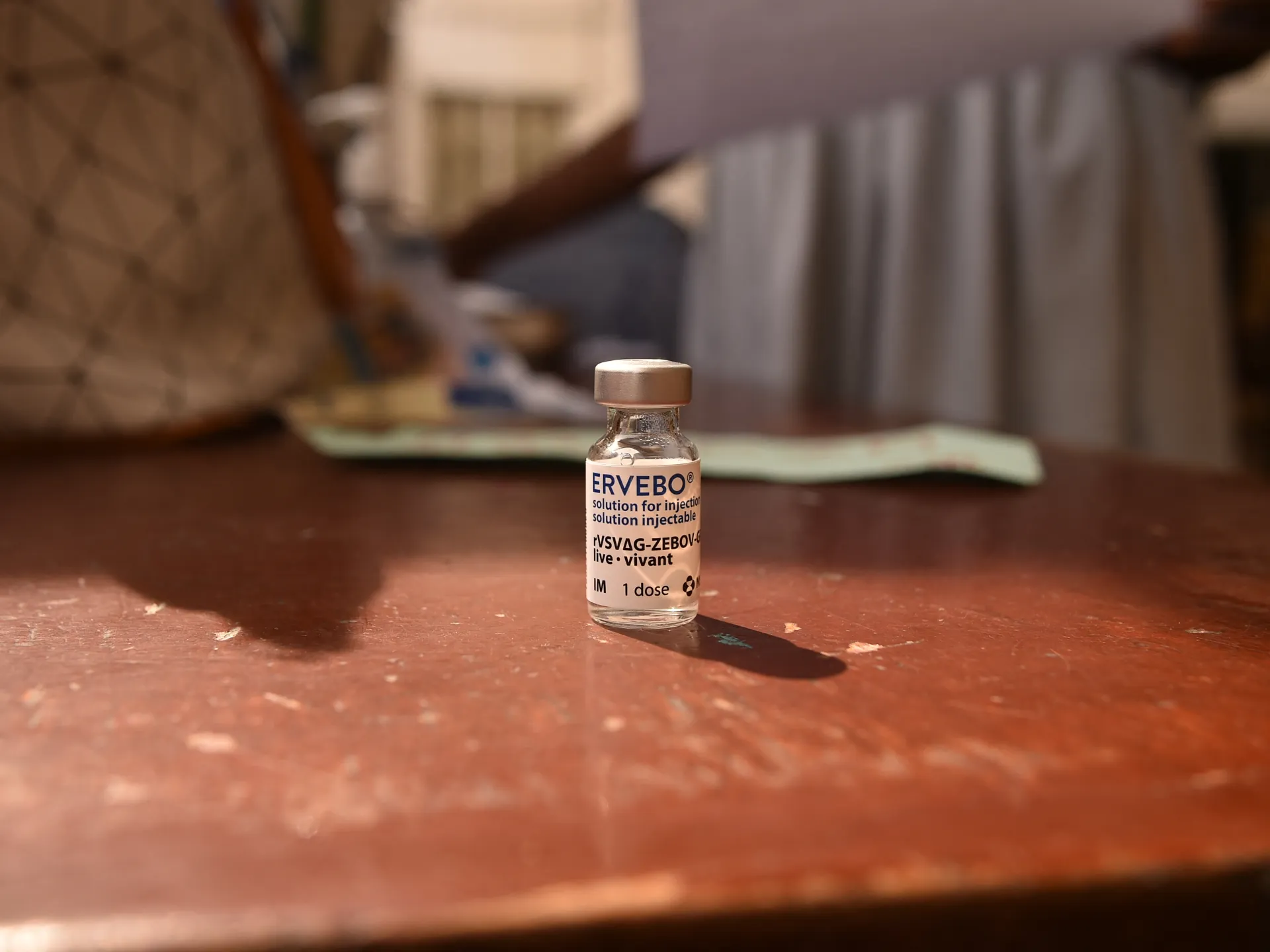
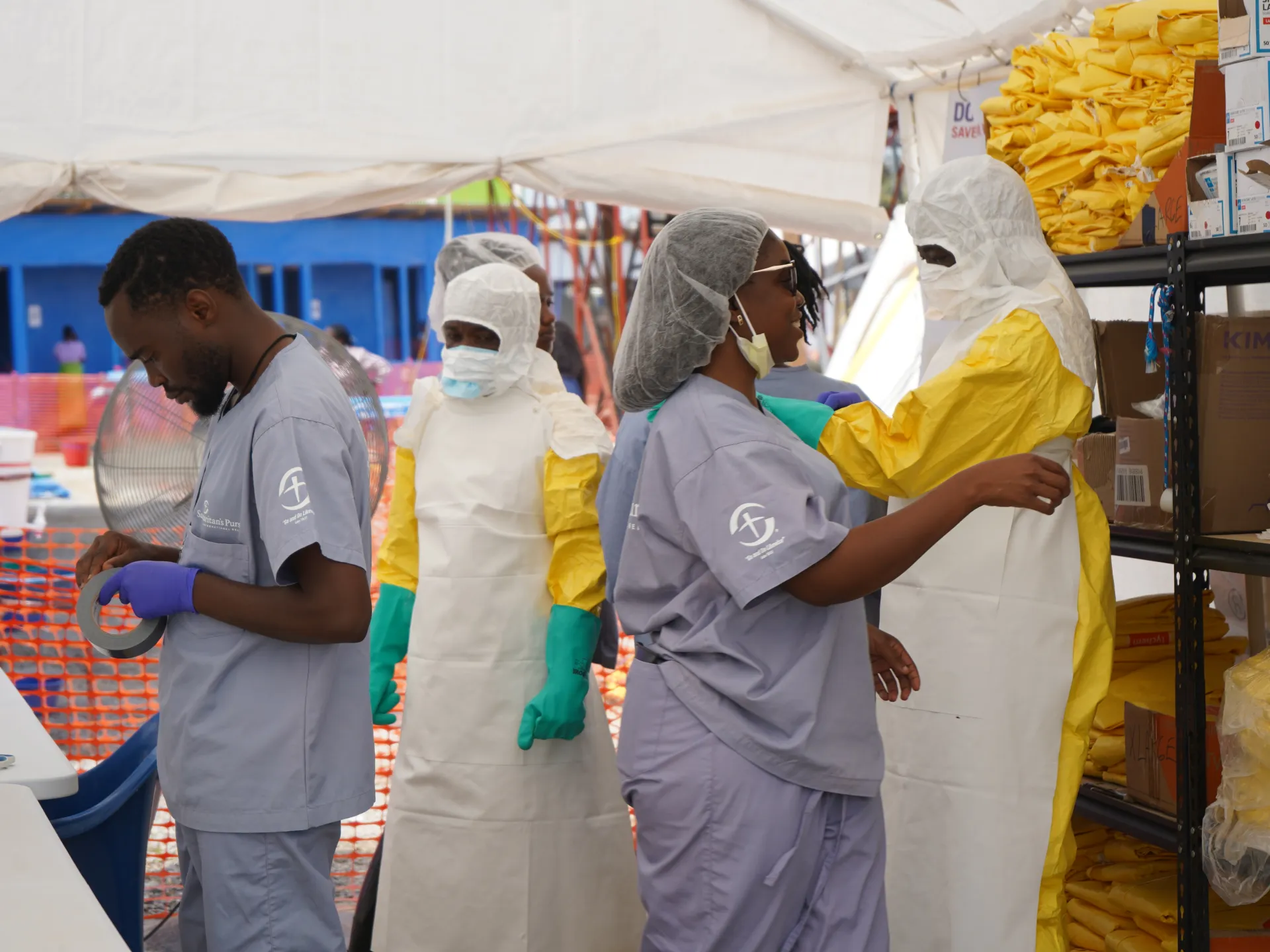
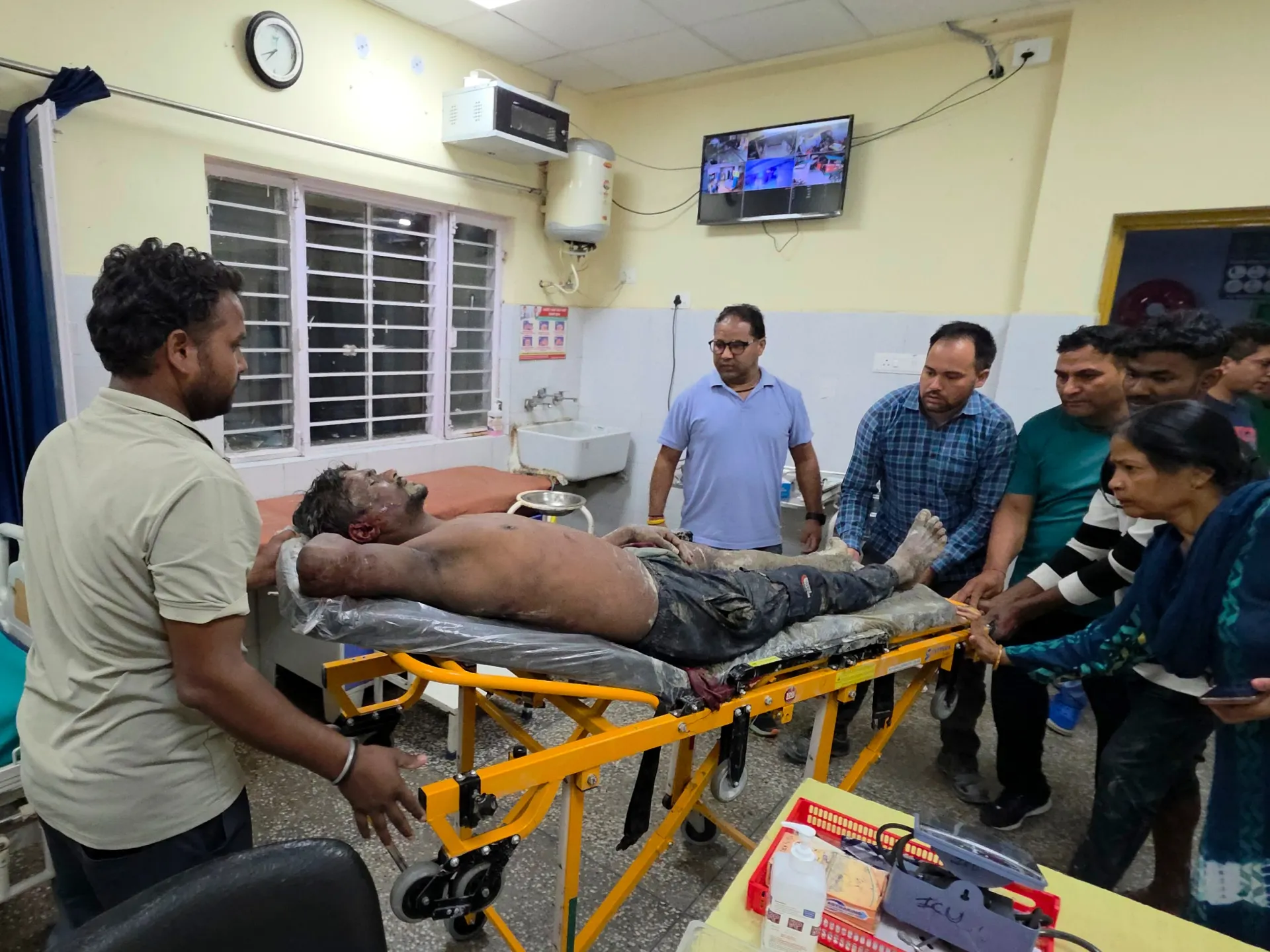
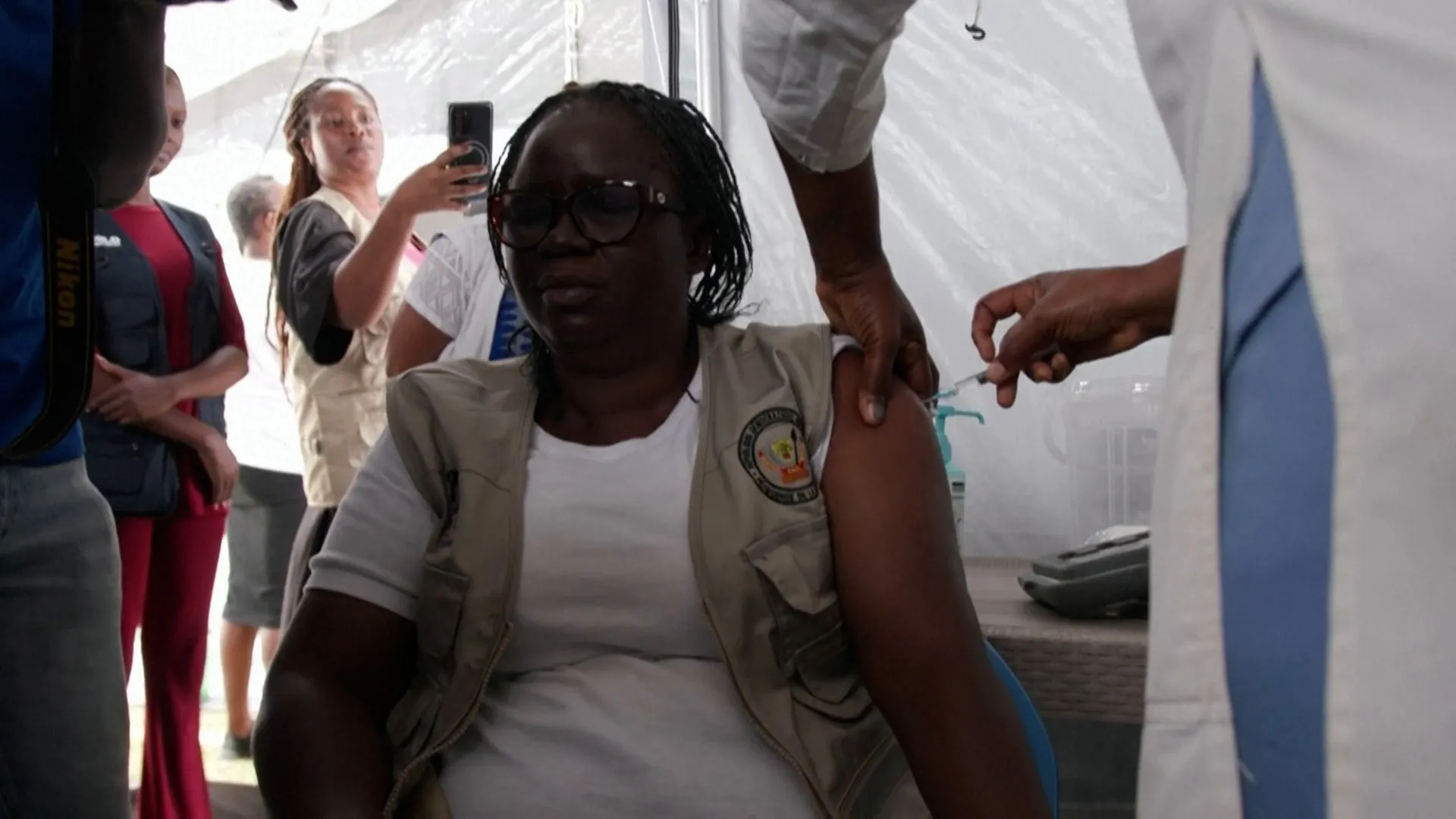
Simultaneously, the country’s healthcare system is under immense pressure as officials initiate vaccination trials for the latest Ebola outbreak. Health authorities have begun the rollout of the Ervebo vaccine, specifically targeting frontline healthcare workers who remain at the highest risk of exposure. The decision to employ the Ervebo strain follows its documented use in previous regional outbreaks, providing a baseline of hope that it will prove effective against the current variant currently circulating. The synchronization of these efforts is critical, as the nation attempts to contain a viral threat while the physical landscape of the region is still reeling from the recent fire disaster.
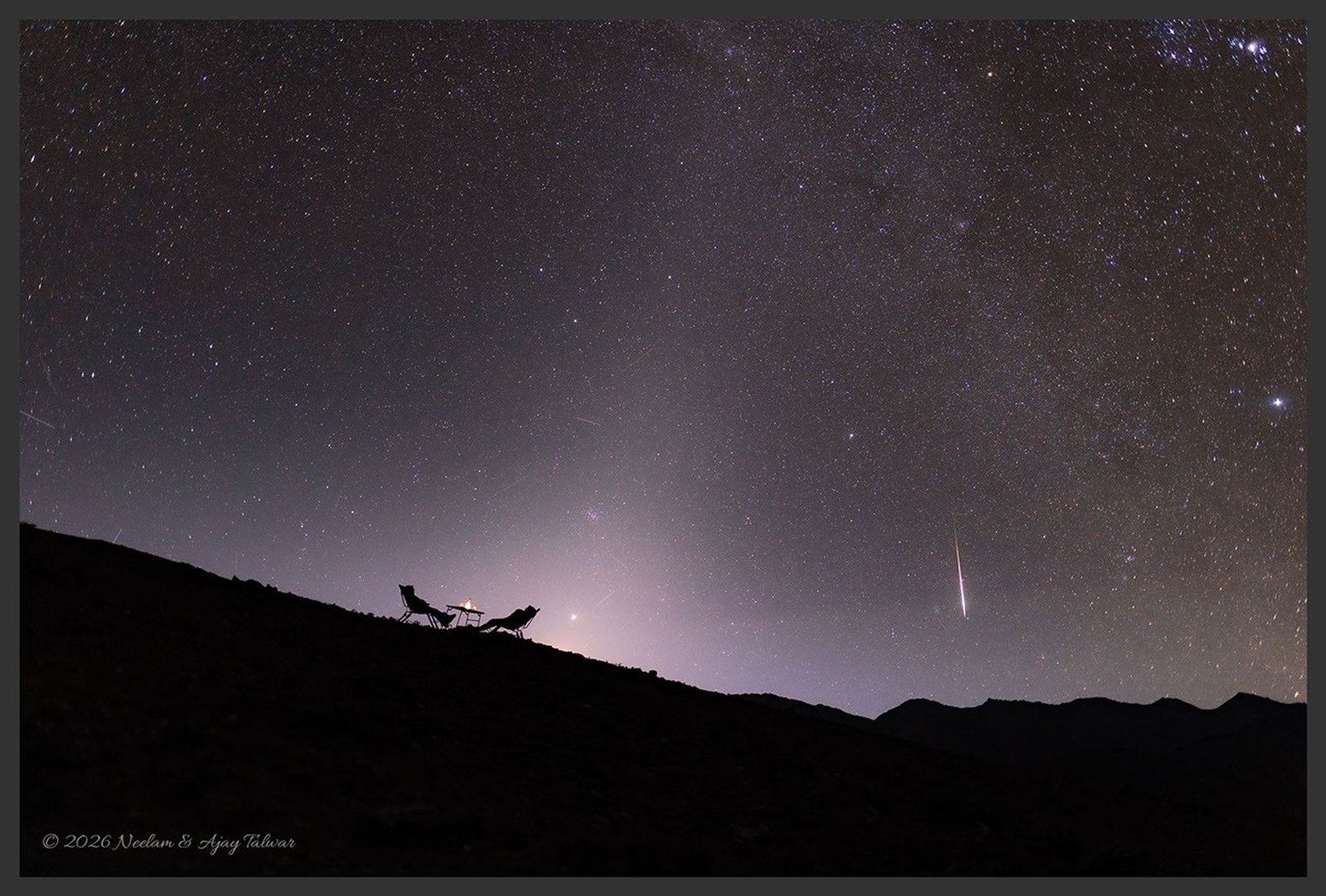
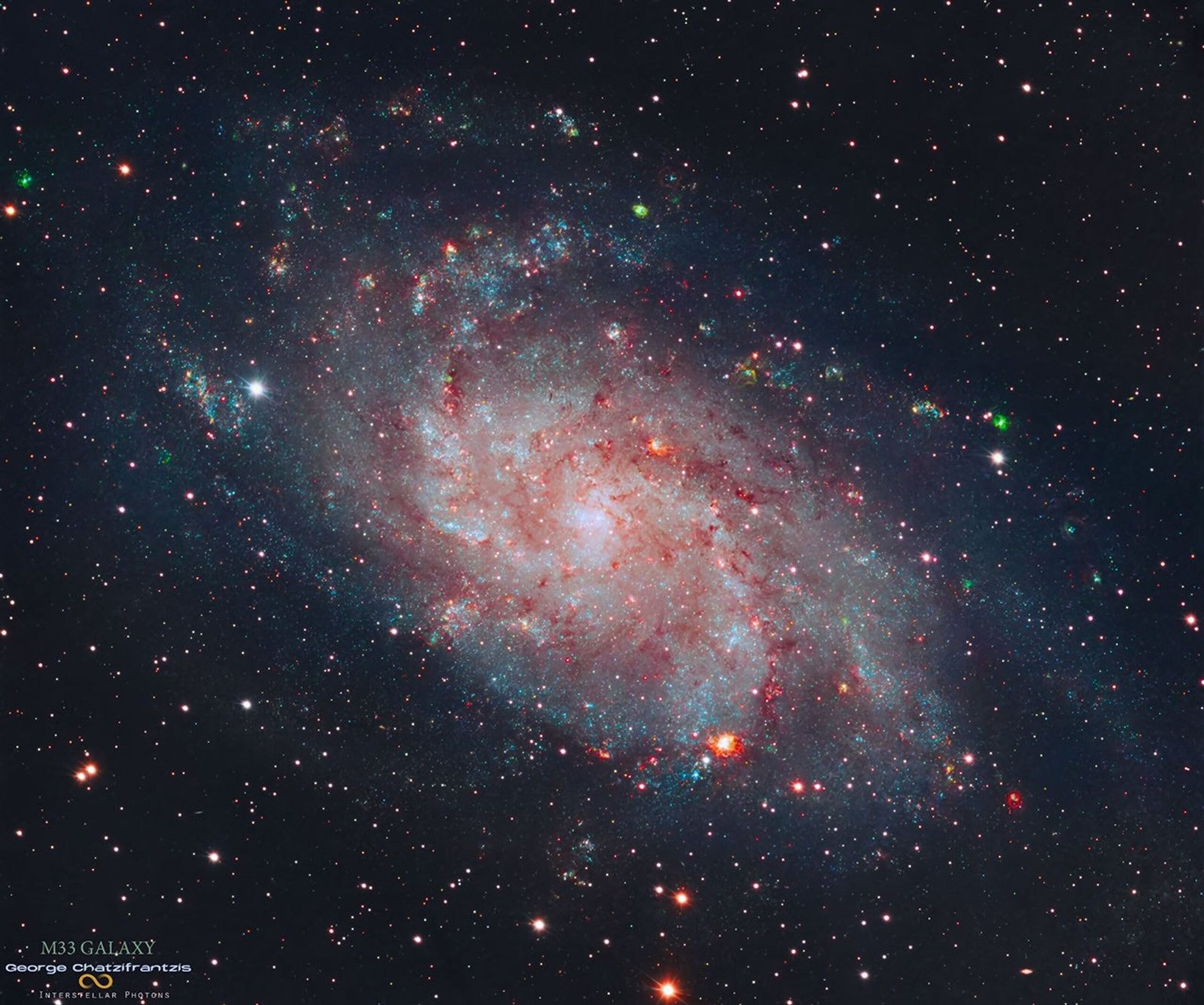
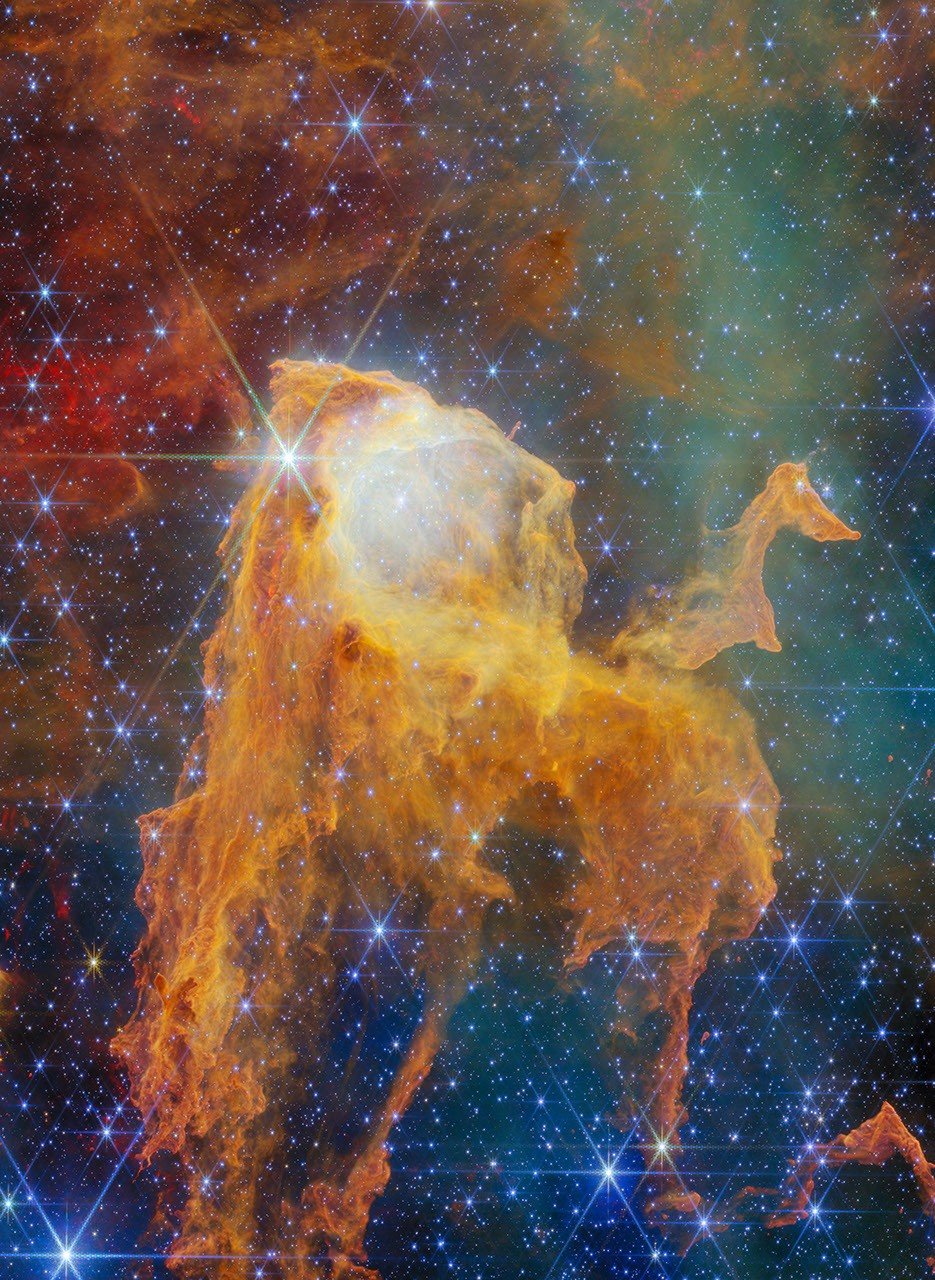
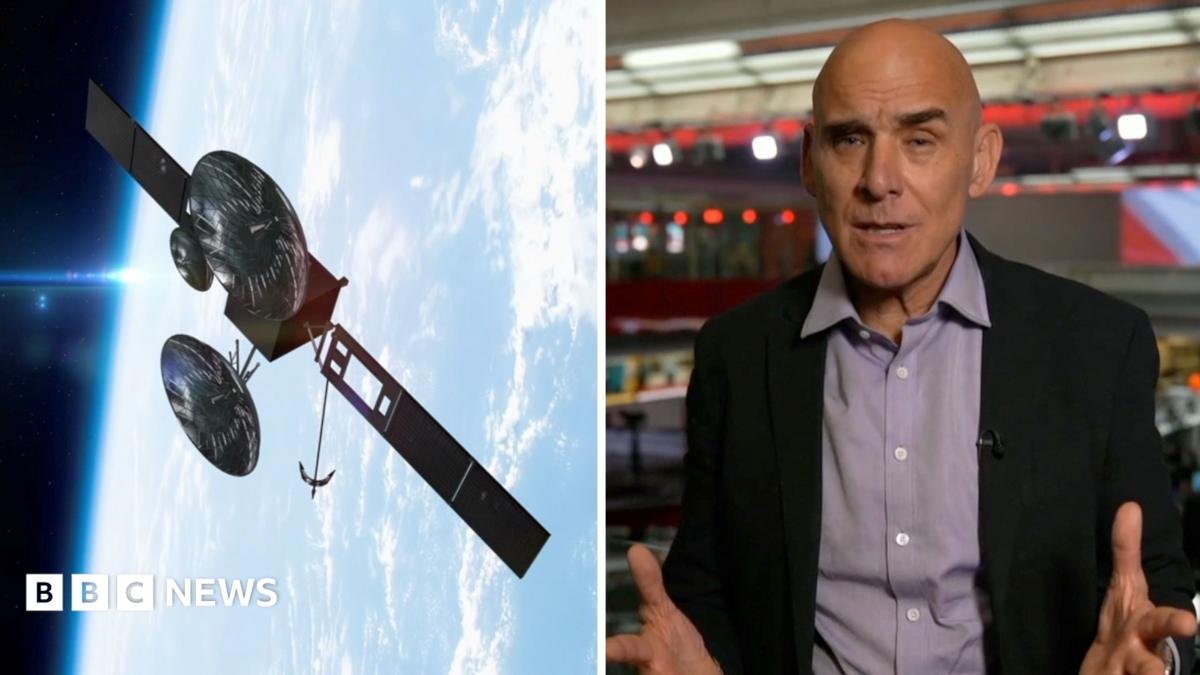
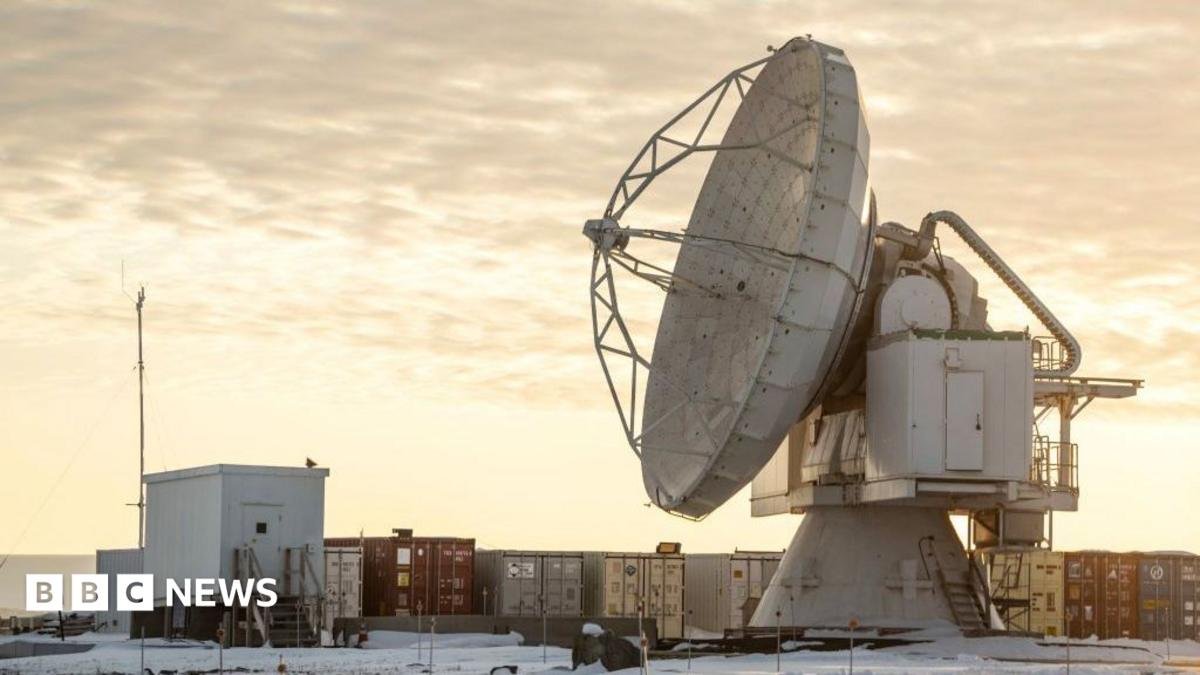
While the focus on the ground in the DR Congo remains urgent, the broader scientific community continues its push into new frontiers of observation. Recent progress on the Compton Spectrometer and Imager (COSI) telescope illustrates a global commitment to understanding cosmic phenomena. The mission, a collaborative effort involving NASA’s Goddard Space Flight Center, the University of California Berkeley, and several international partners, is designed to study high-energy processes such as the life cycles of stars and the behavior of matter and antimatter in the Milky Way. Though geographically disconnected from the immediate crises in Central Africa, these scientific developments represent the ongoing human endeavor to look toward the horizon even while addressing urgent, earthbound challenges.
Moving forward, the primary concern for the DR Congo remains the containment of the Ebola virus. Should the vaccination trials yield positive results, the government will likely push to expand the rollout to the broader community, though logistical challenges in rebel-held territory may impede distribution. Regarding the fire in Bukavu, the government's vow to enforce safety standards across the country suggests a shift toward more centralized oversight of public gathering spaces. However, the efficacy of these measures in areas outside of Kinshasa’s direct administrative control remains in doubt. Analysts expect the international community to continue monitoring both the humanitarian impact of the fire and the epidemiological data emerging from the new vaccination campaign to determine the necessary level of external support required to stabilize the region.