The newly formed Mecca Defence Alliance faces its first major test as regional tensions escalate, Houthi attacks intensify, and the Red Sea corridor becomes a flashpoint for conflict.
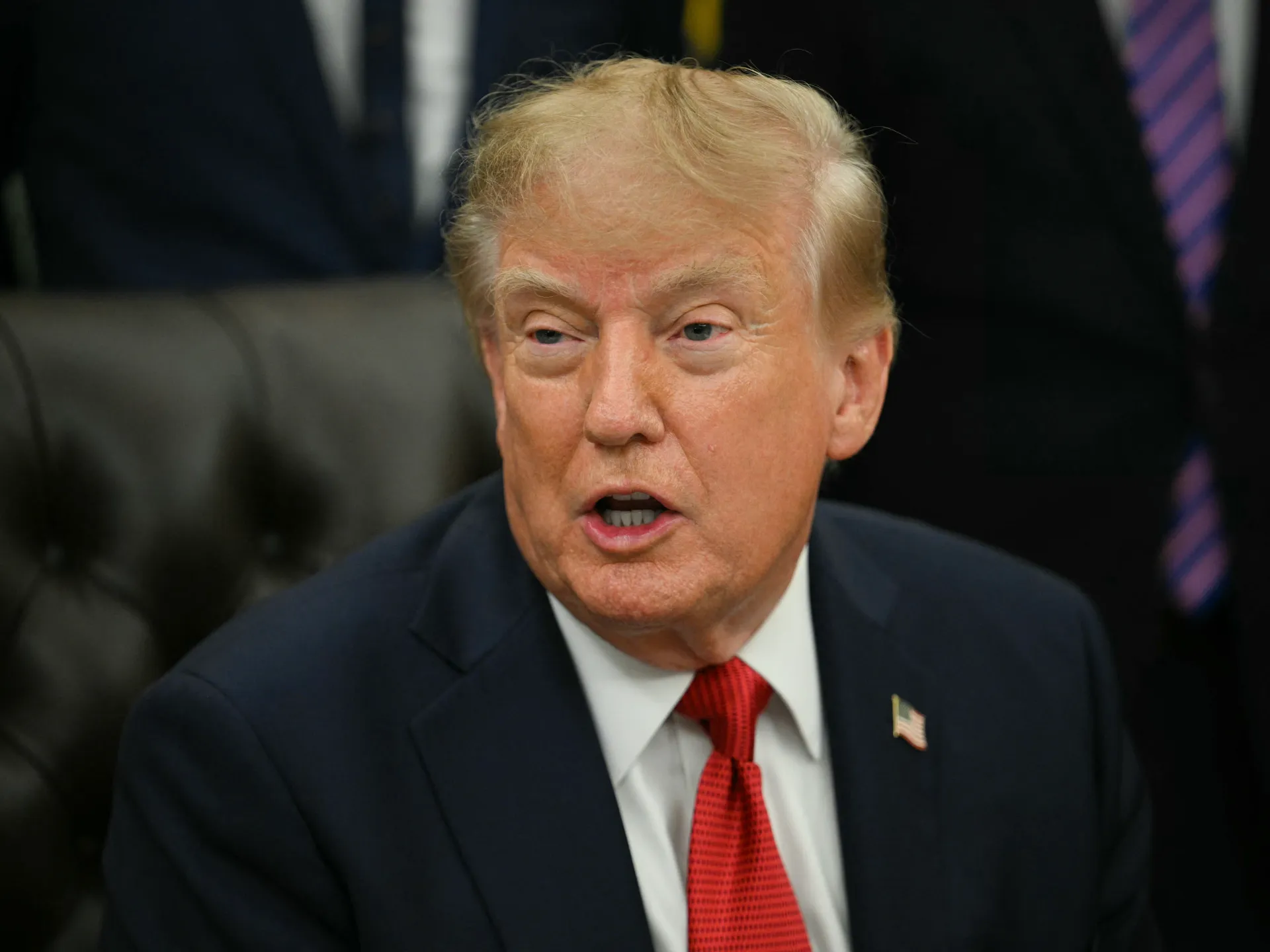
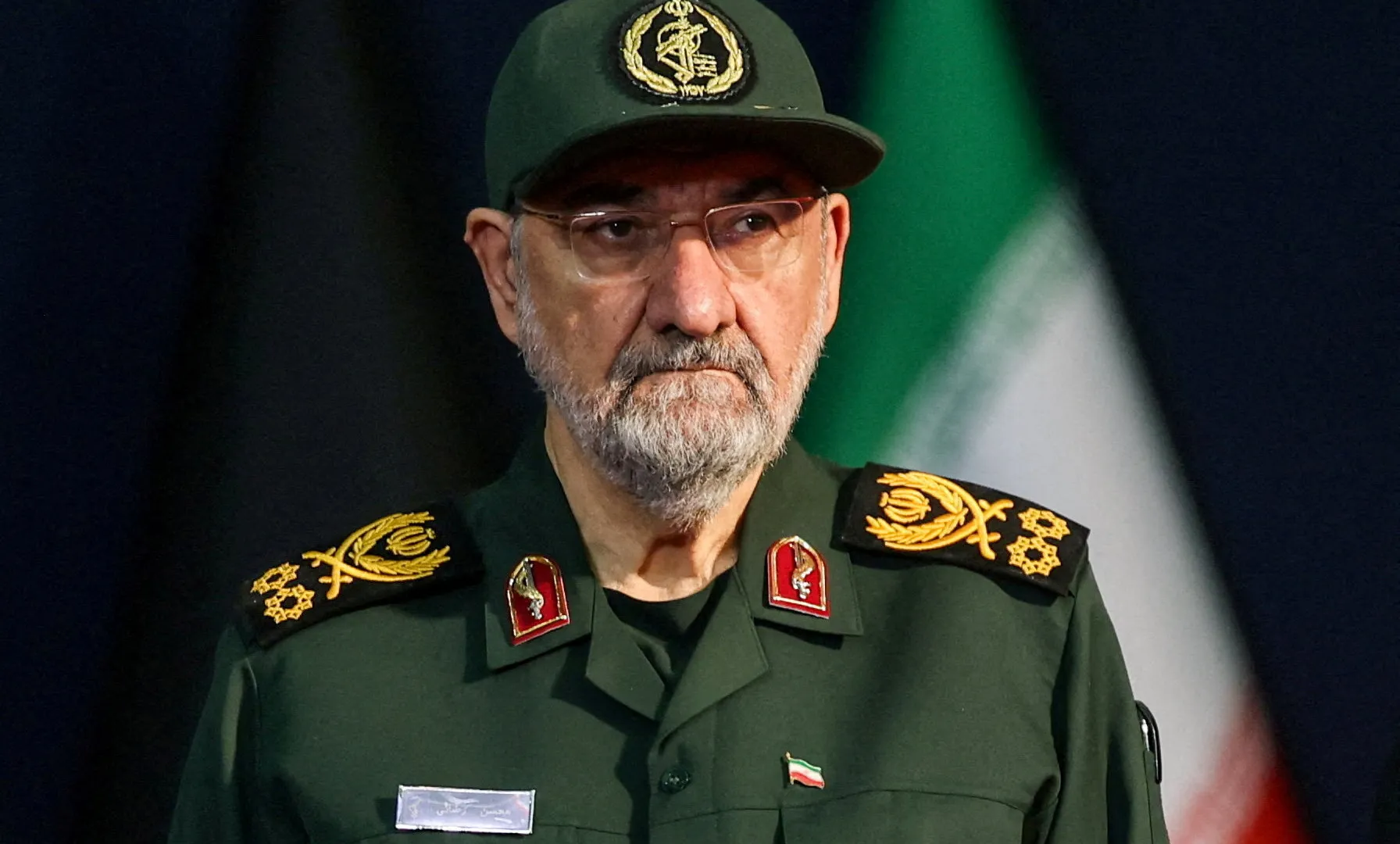
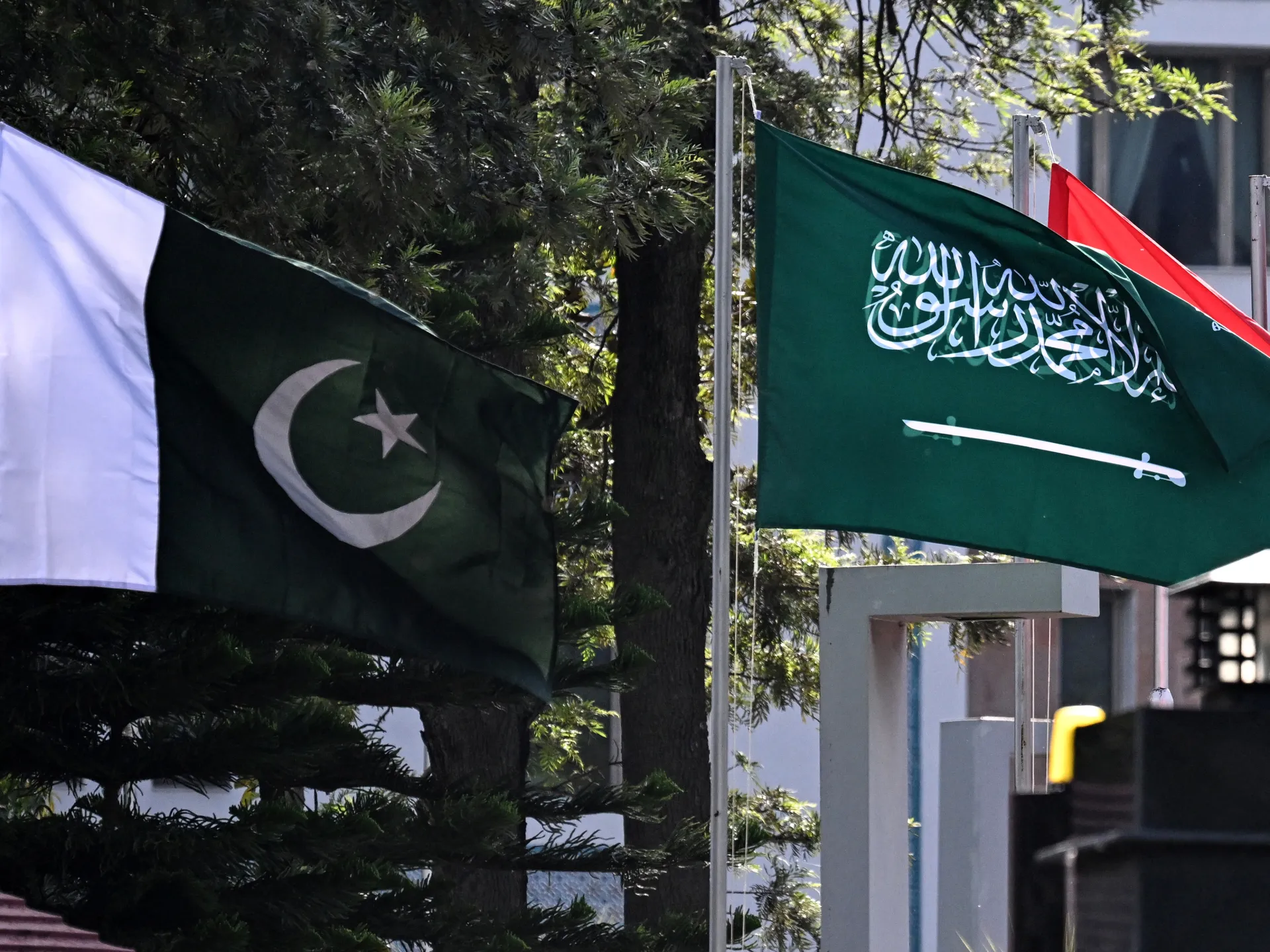
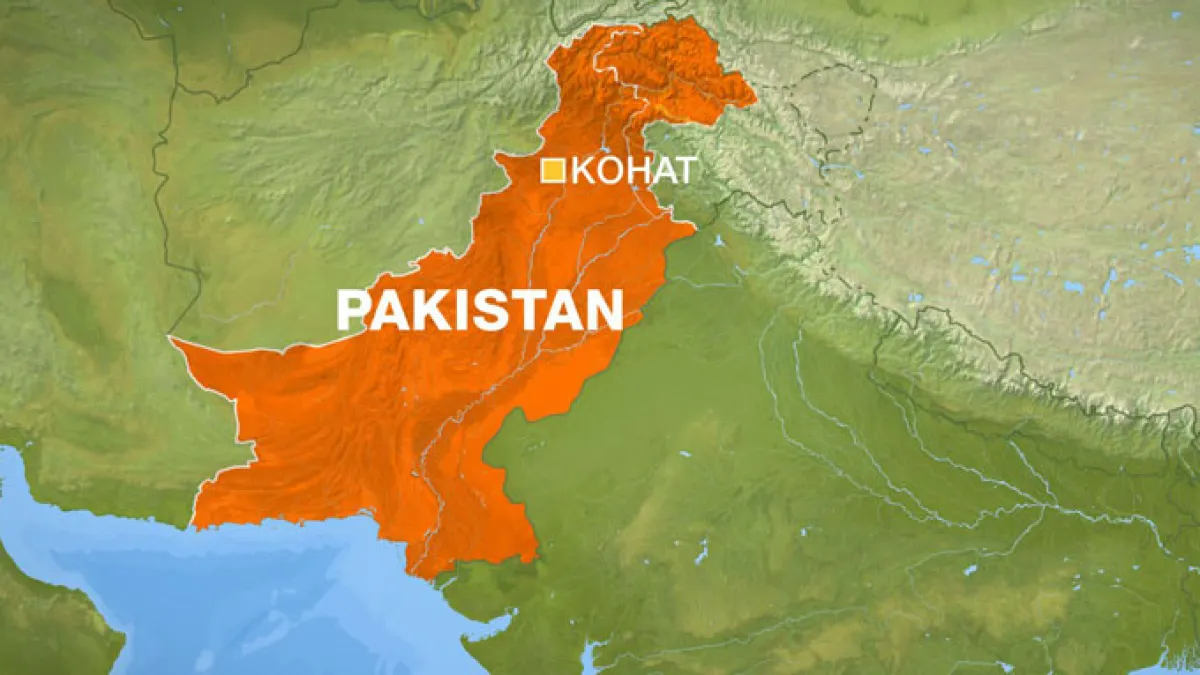
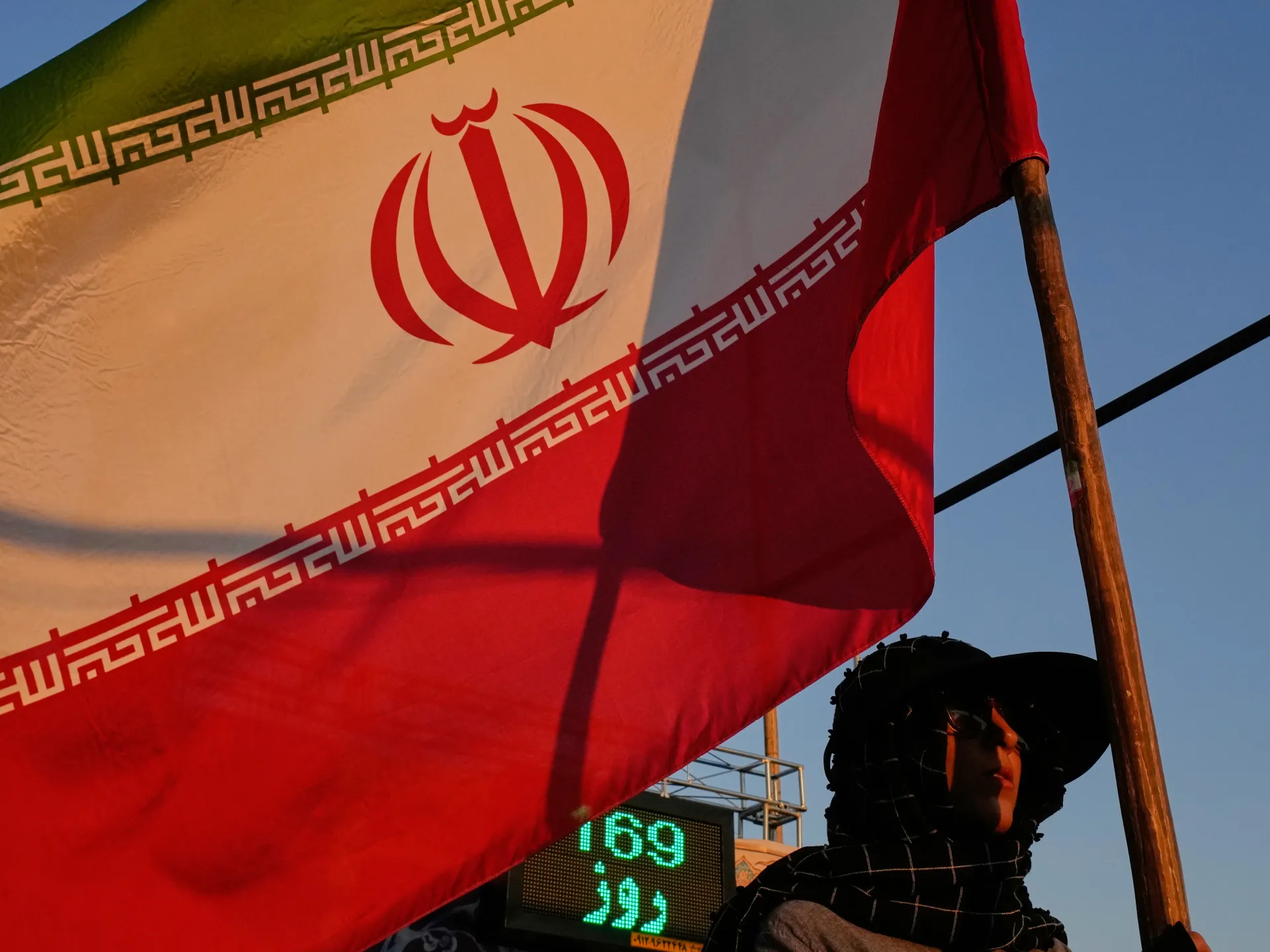
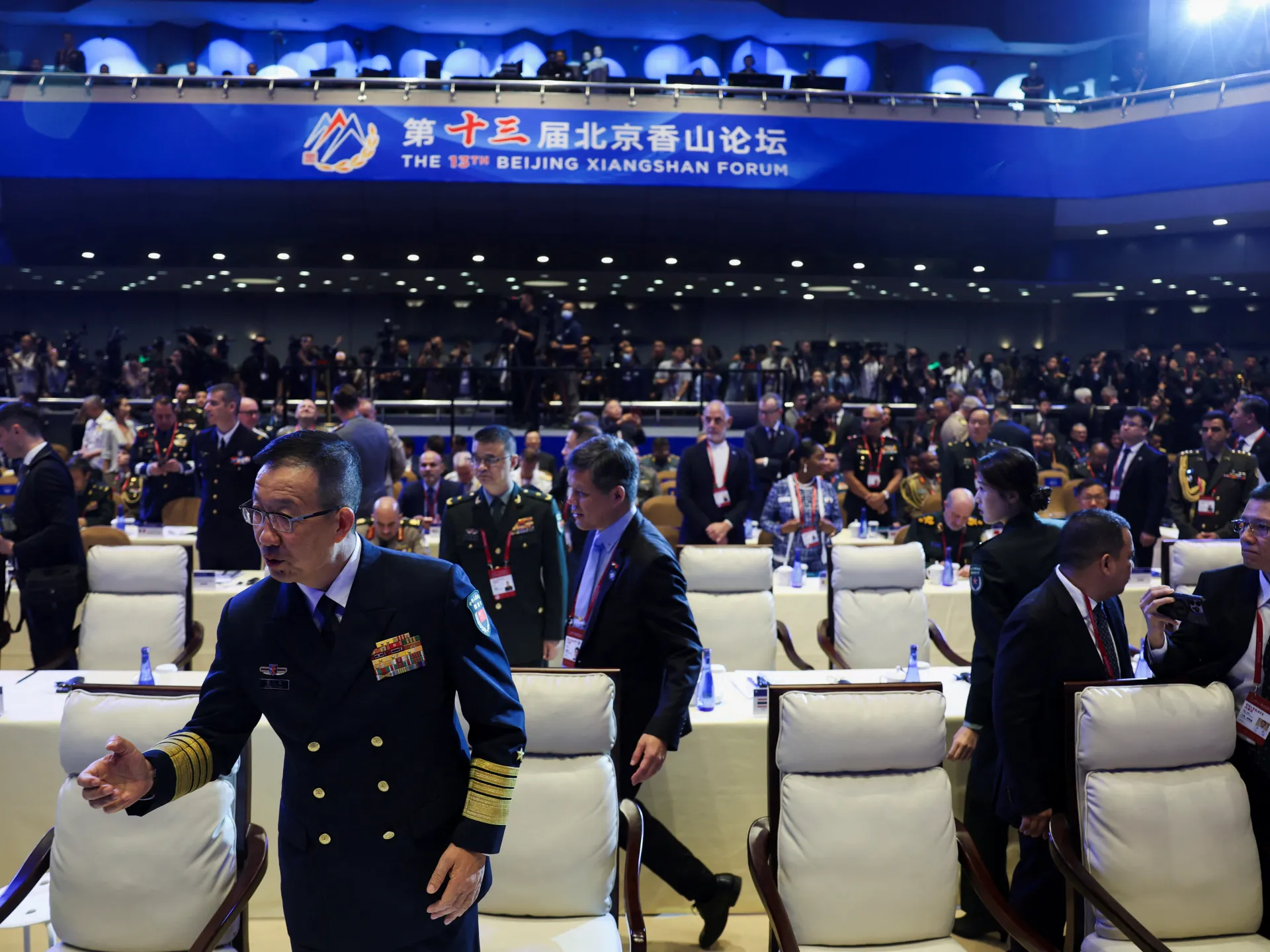
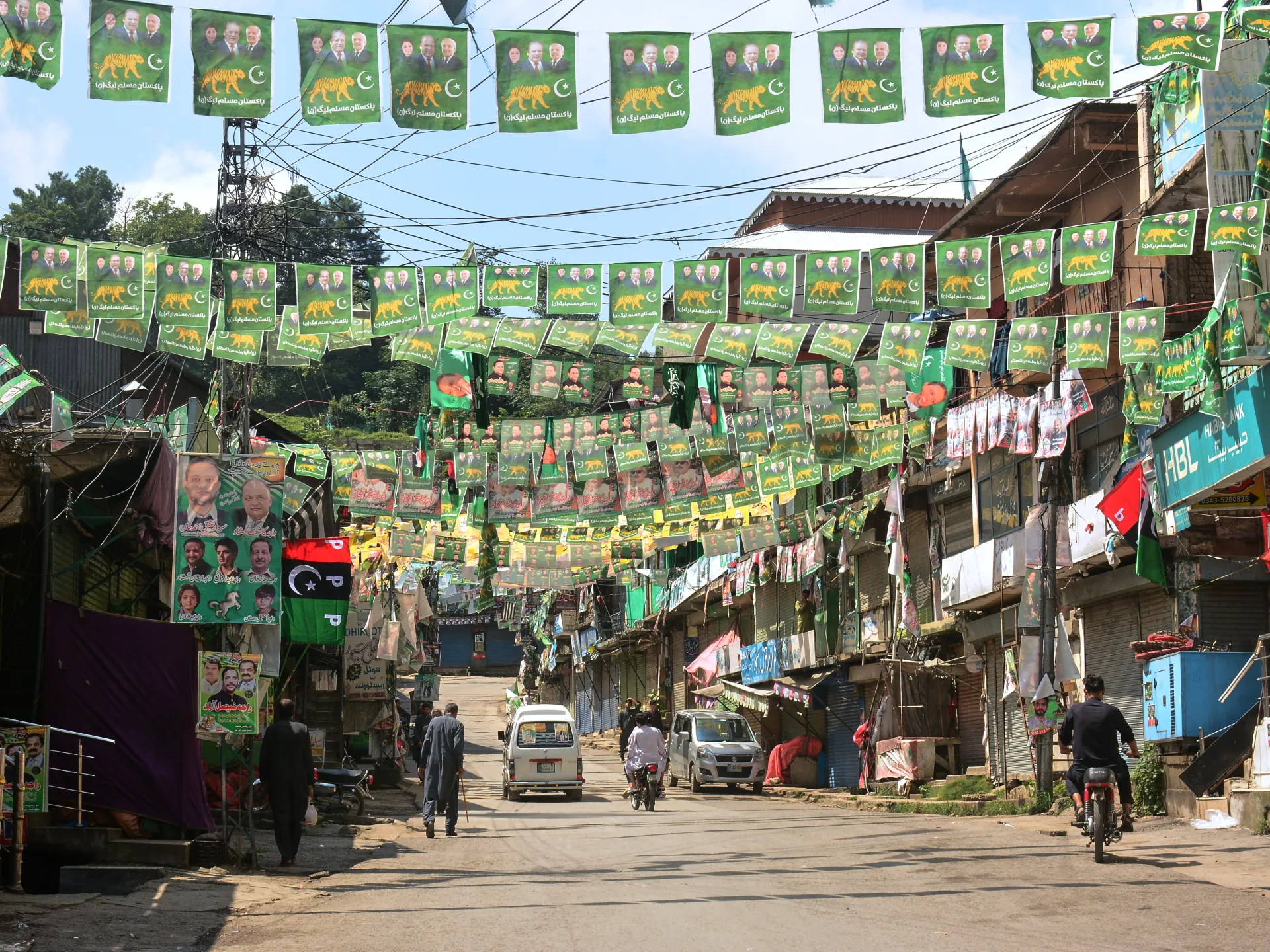
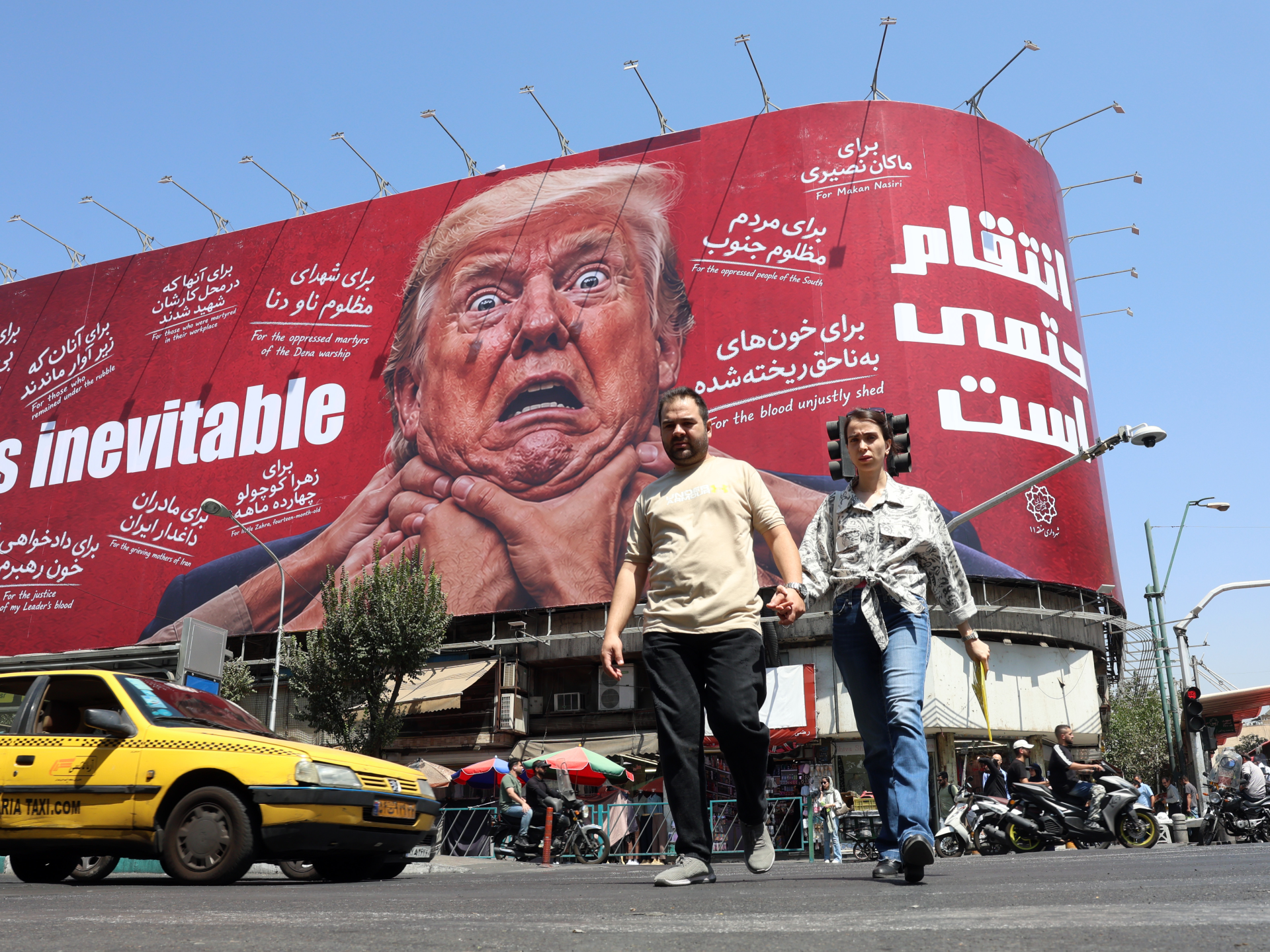
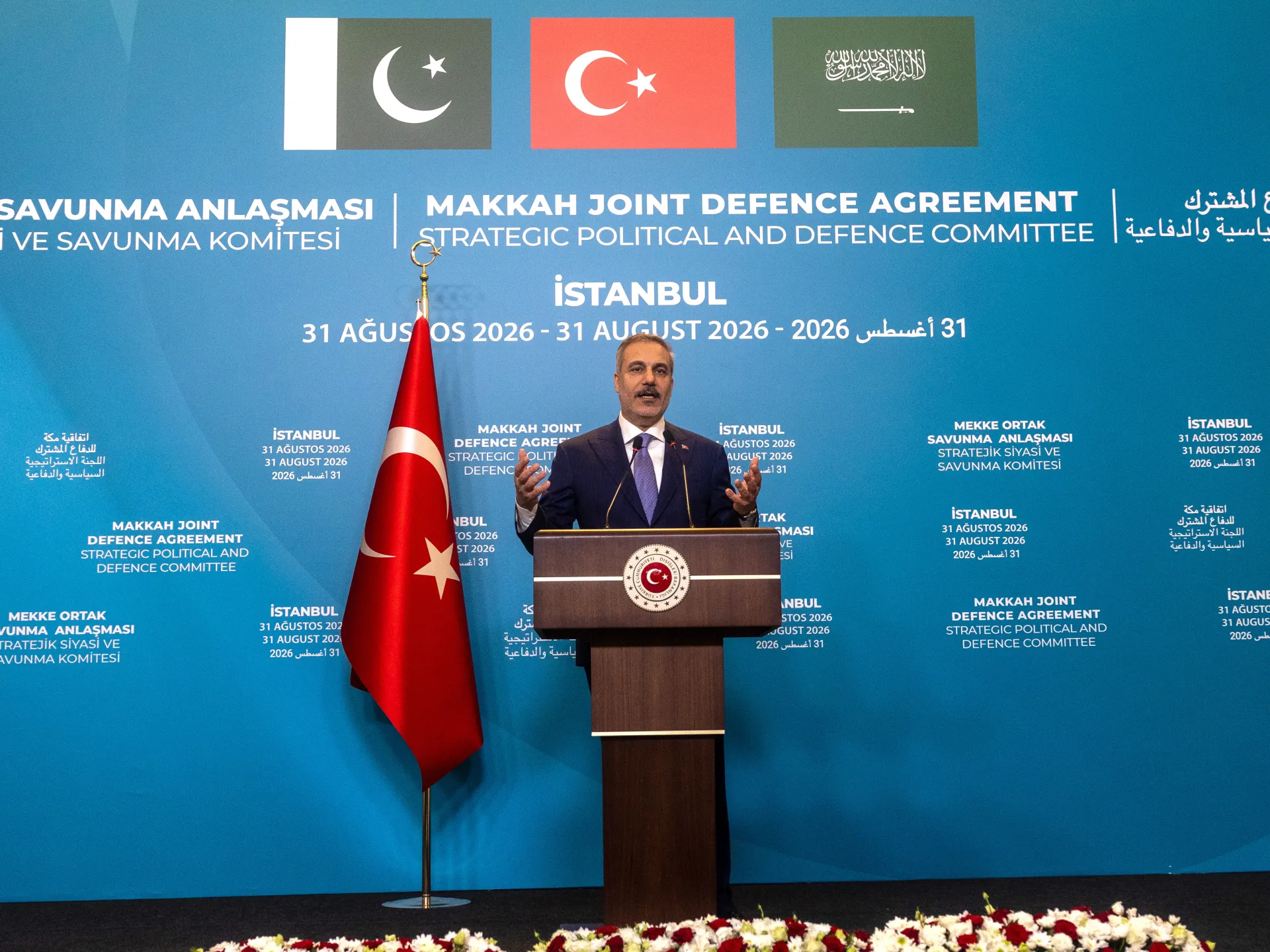
As the conflict between the United States and Iran stretches into its seventh month, the geopolitical landscape of the Middle East is undergoing a profound shift. The establishment of the Mecca Defence Alliance—a trilateral security pact between Saudi Arabia, Turkey, and Pakistan—has moved from a diplomatic milestone to a critical stress test as regional actors grapple with the spillover of a broader war. The alliance, formalized in late August, operates on the founding principle that an armed attack against one member constitutes an attack against all, yet the practical application of this doctrine remains untested as Houthi forces intensify their maritime and inland operations.
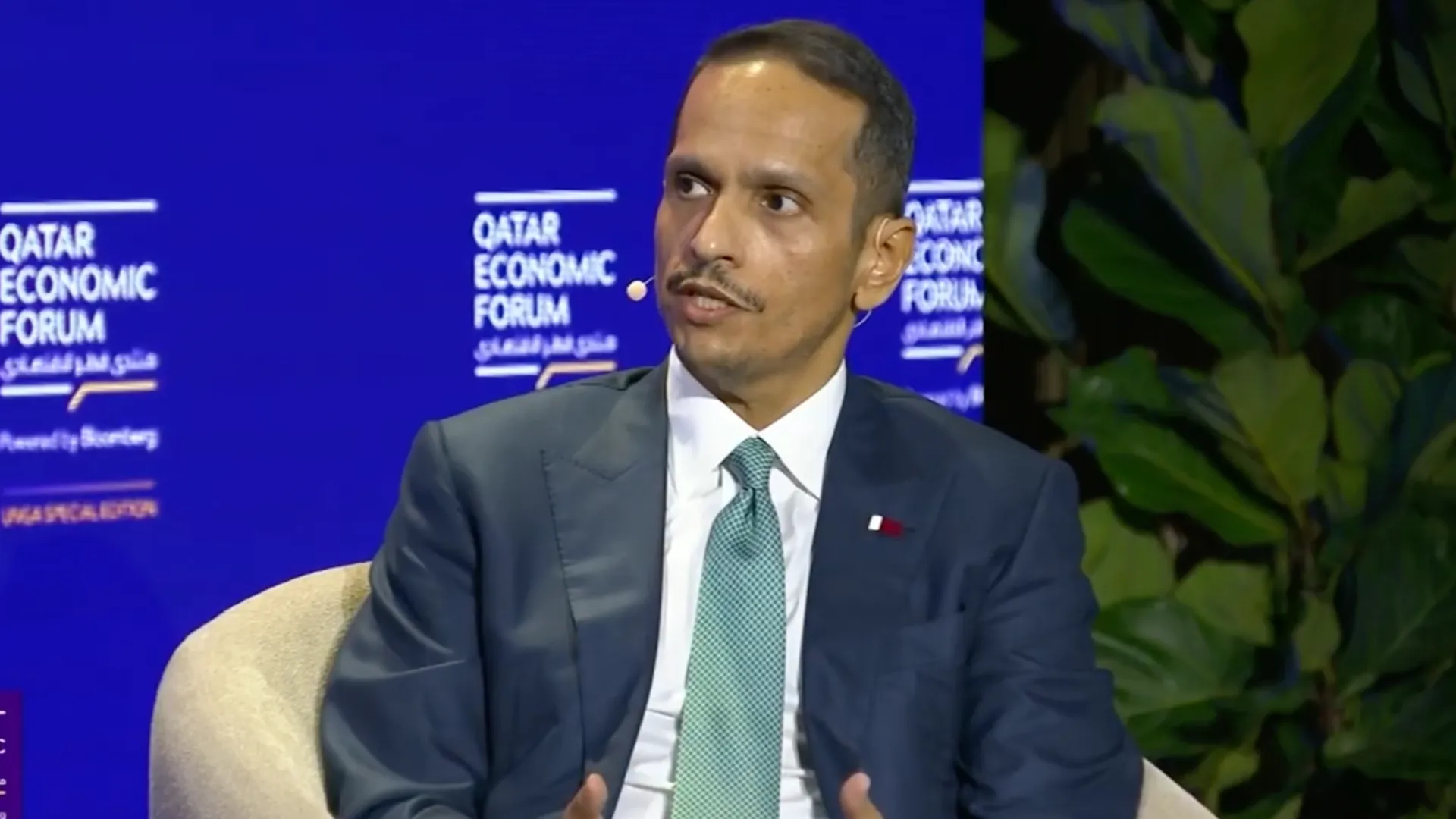
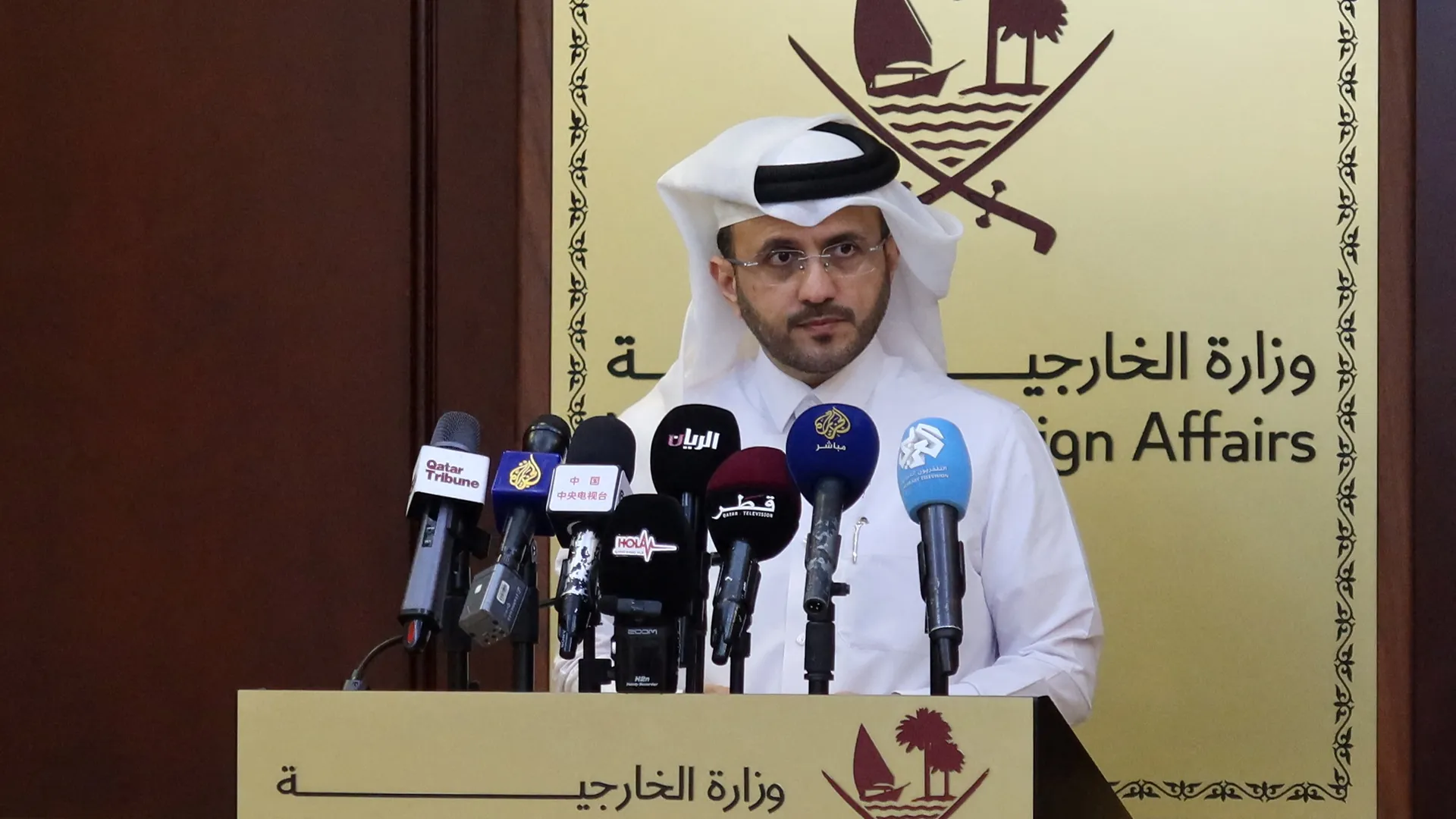
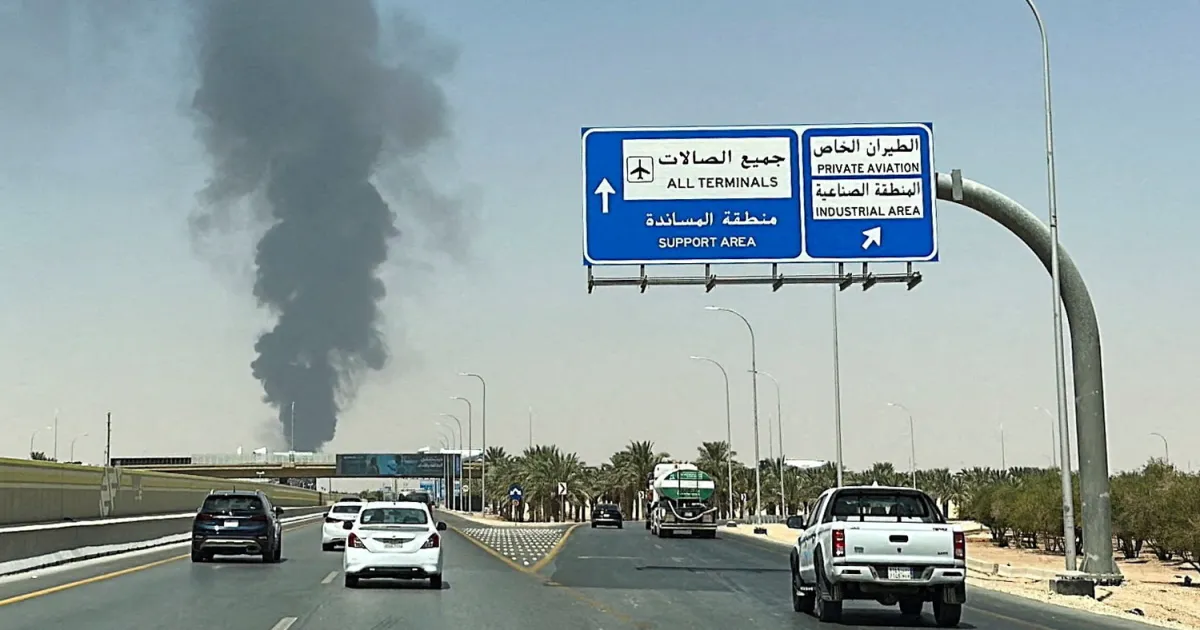
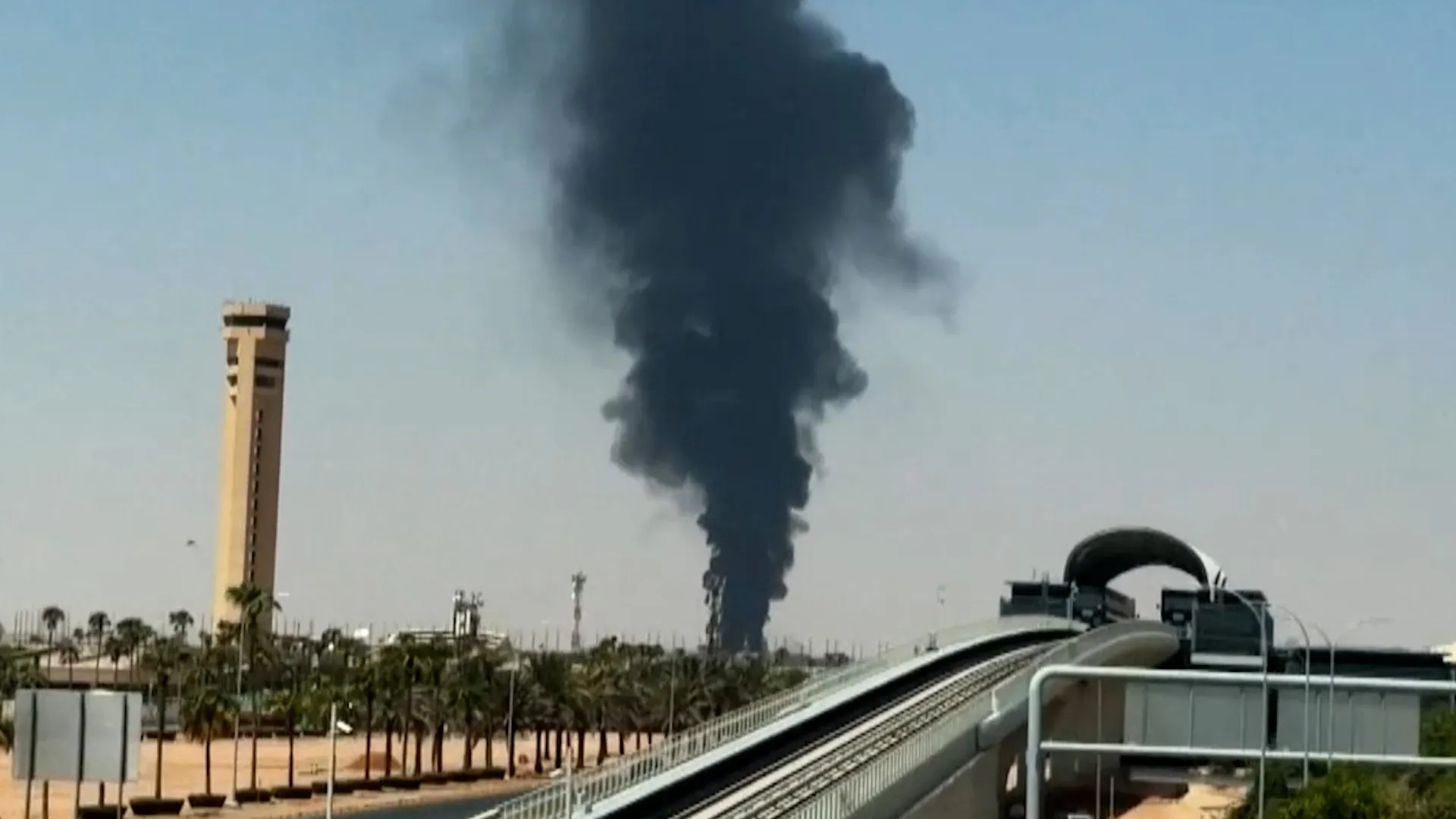
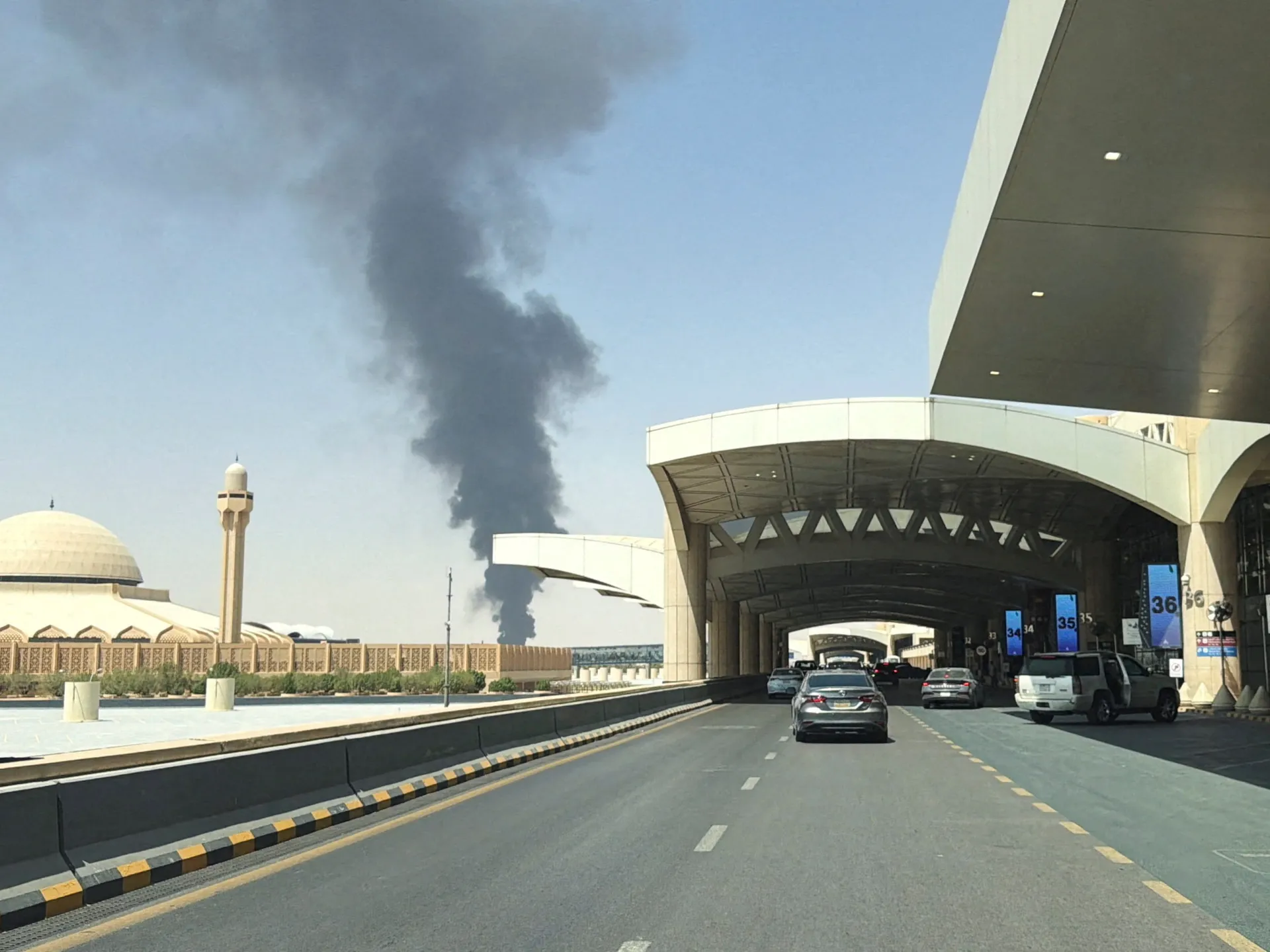
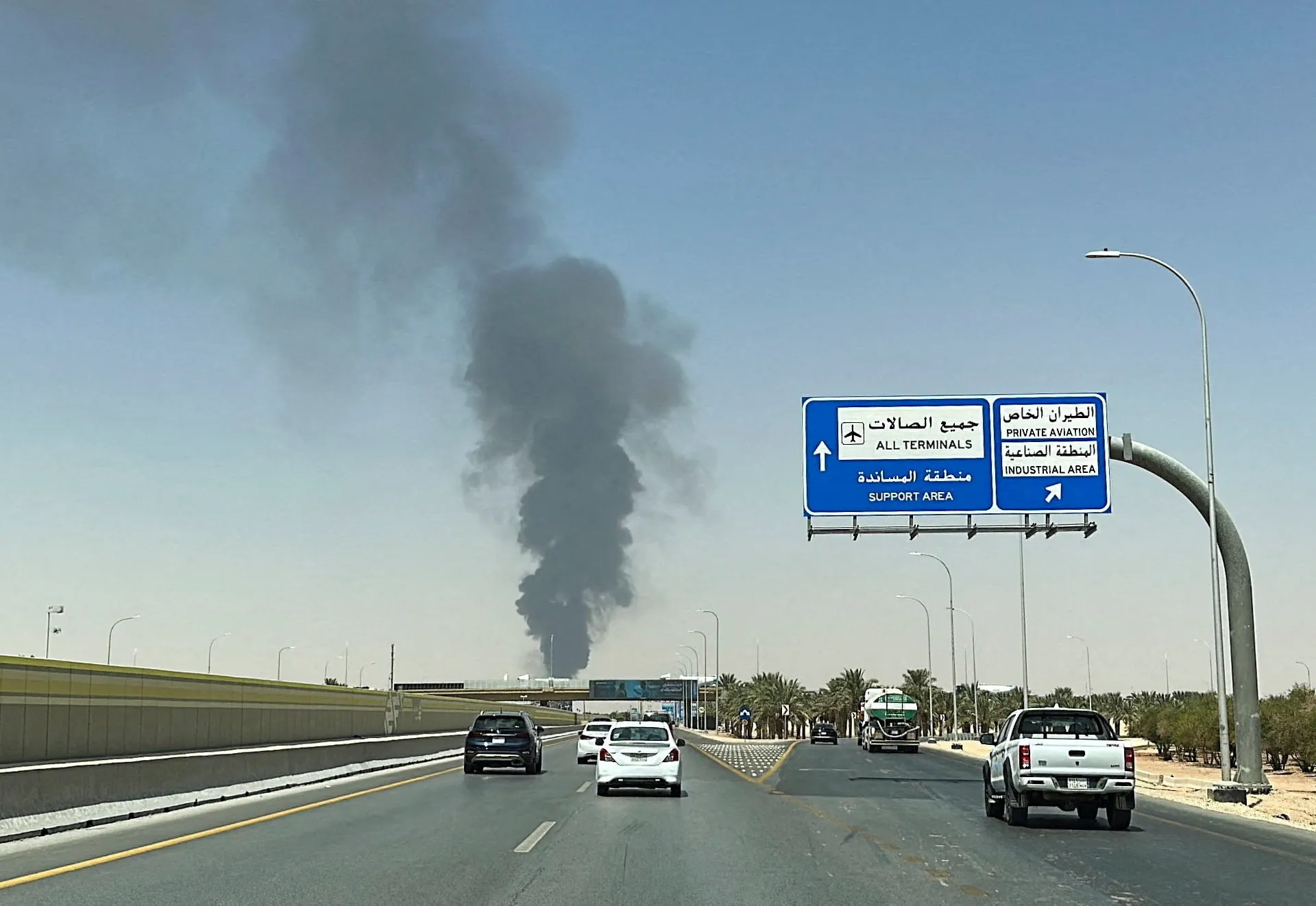
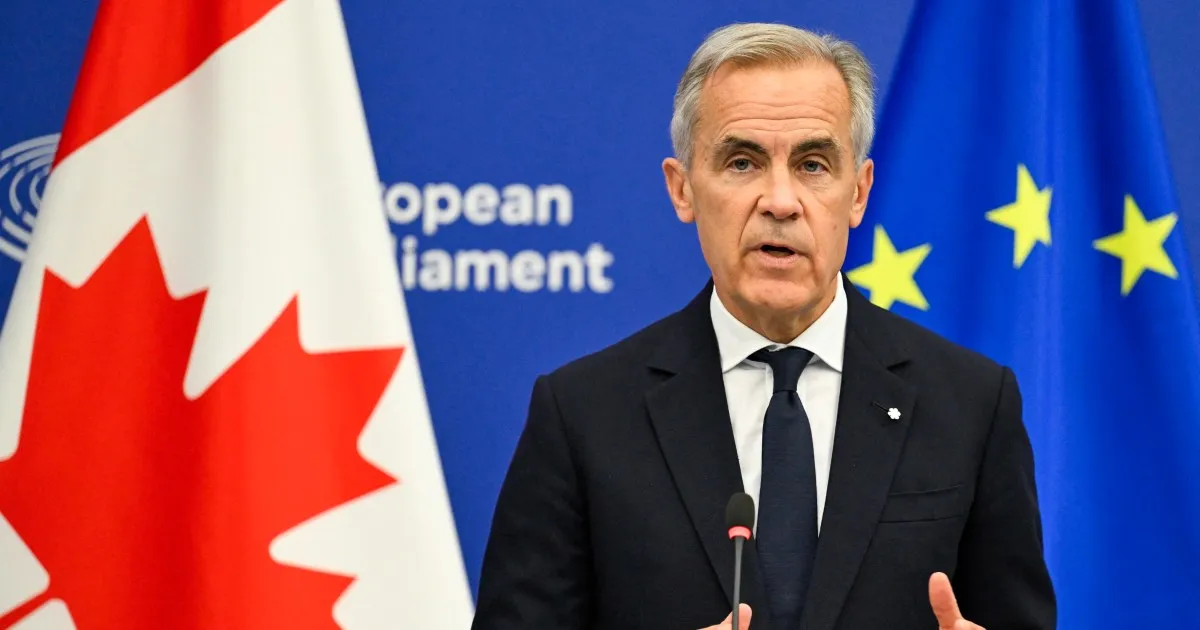
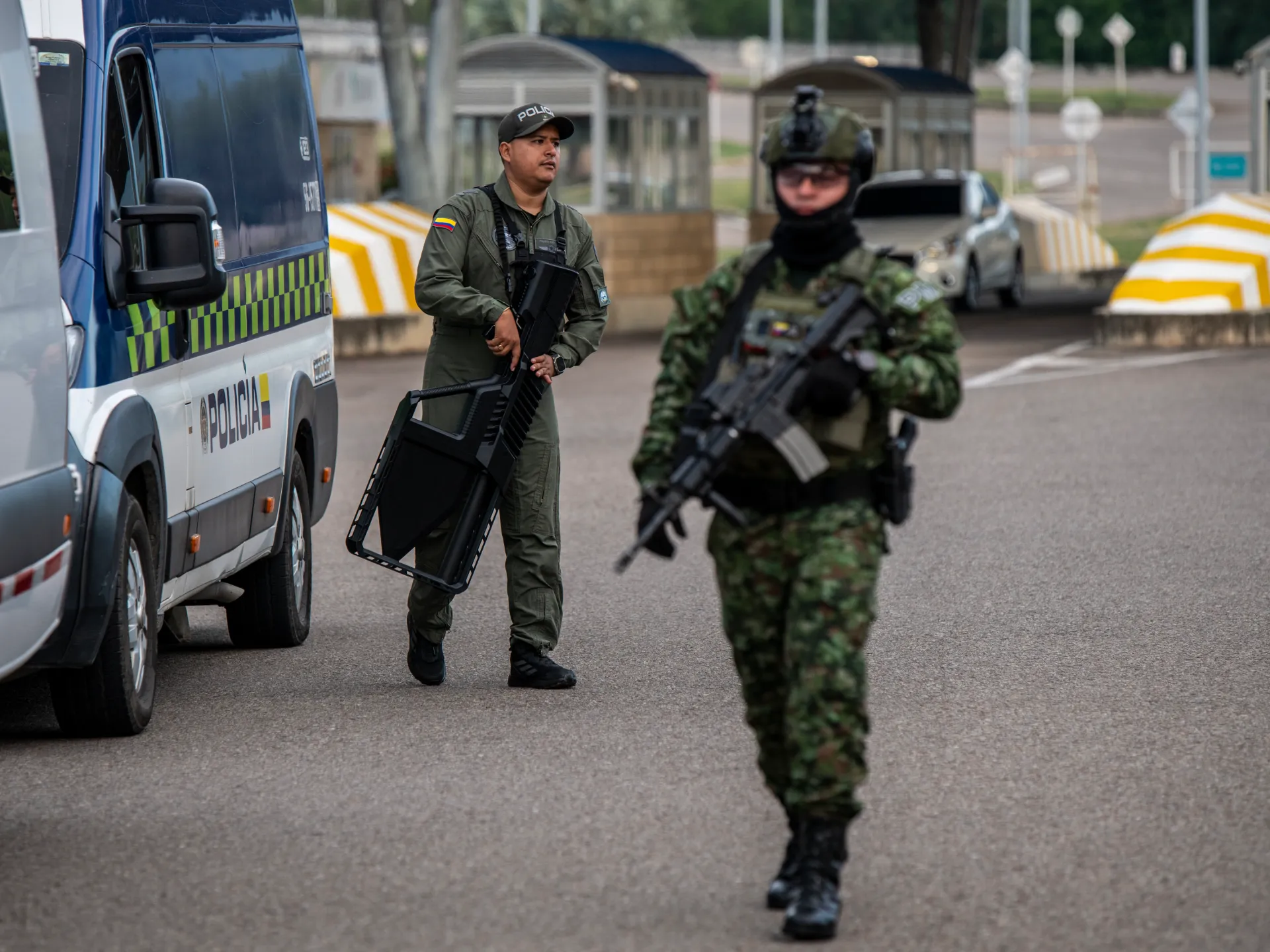
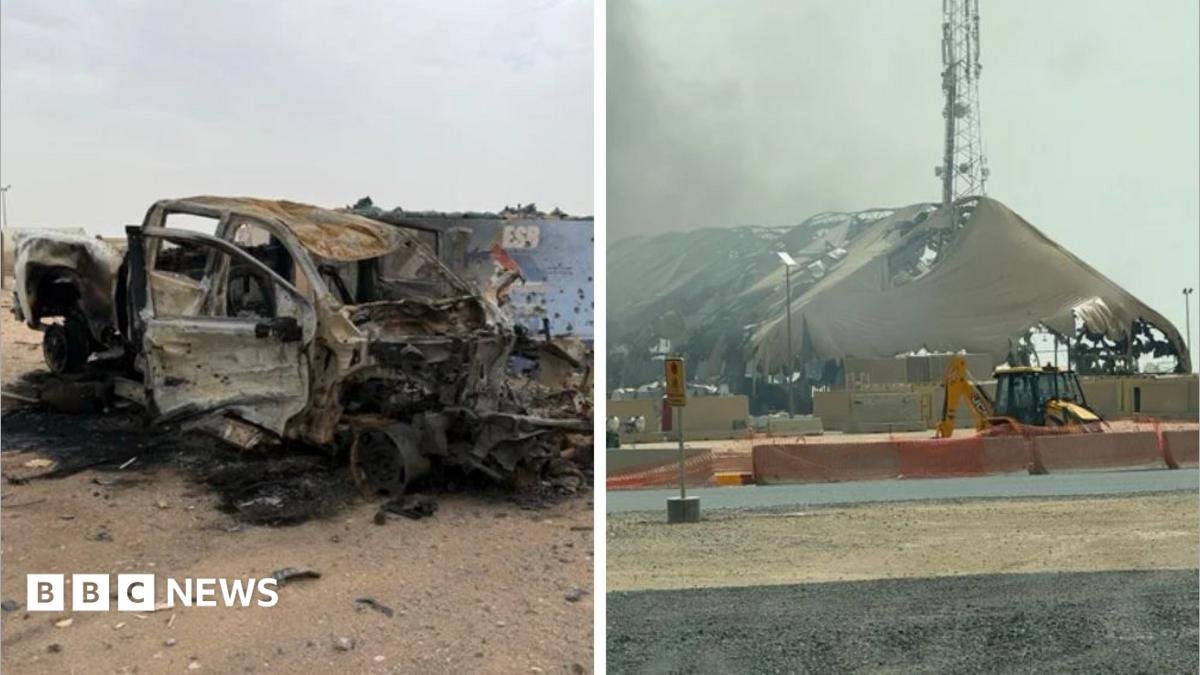
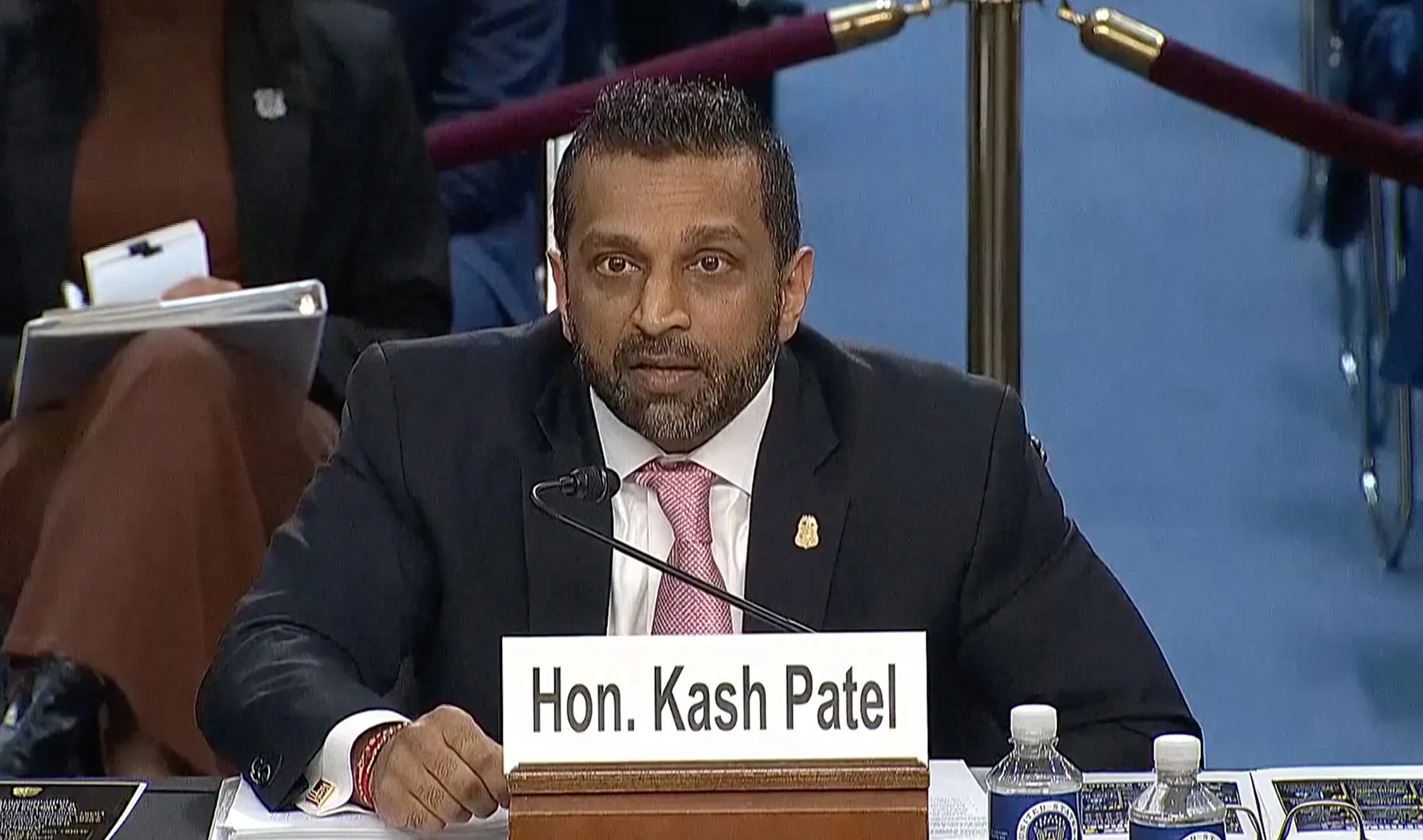
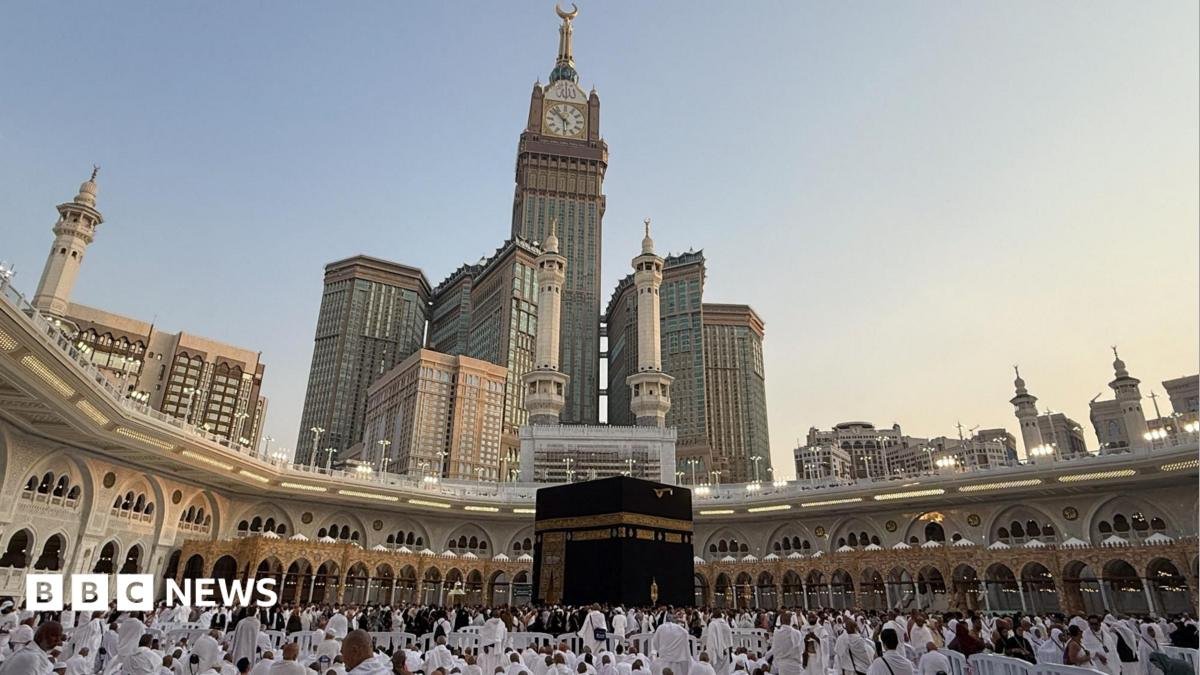
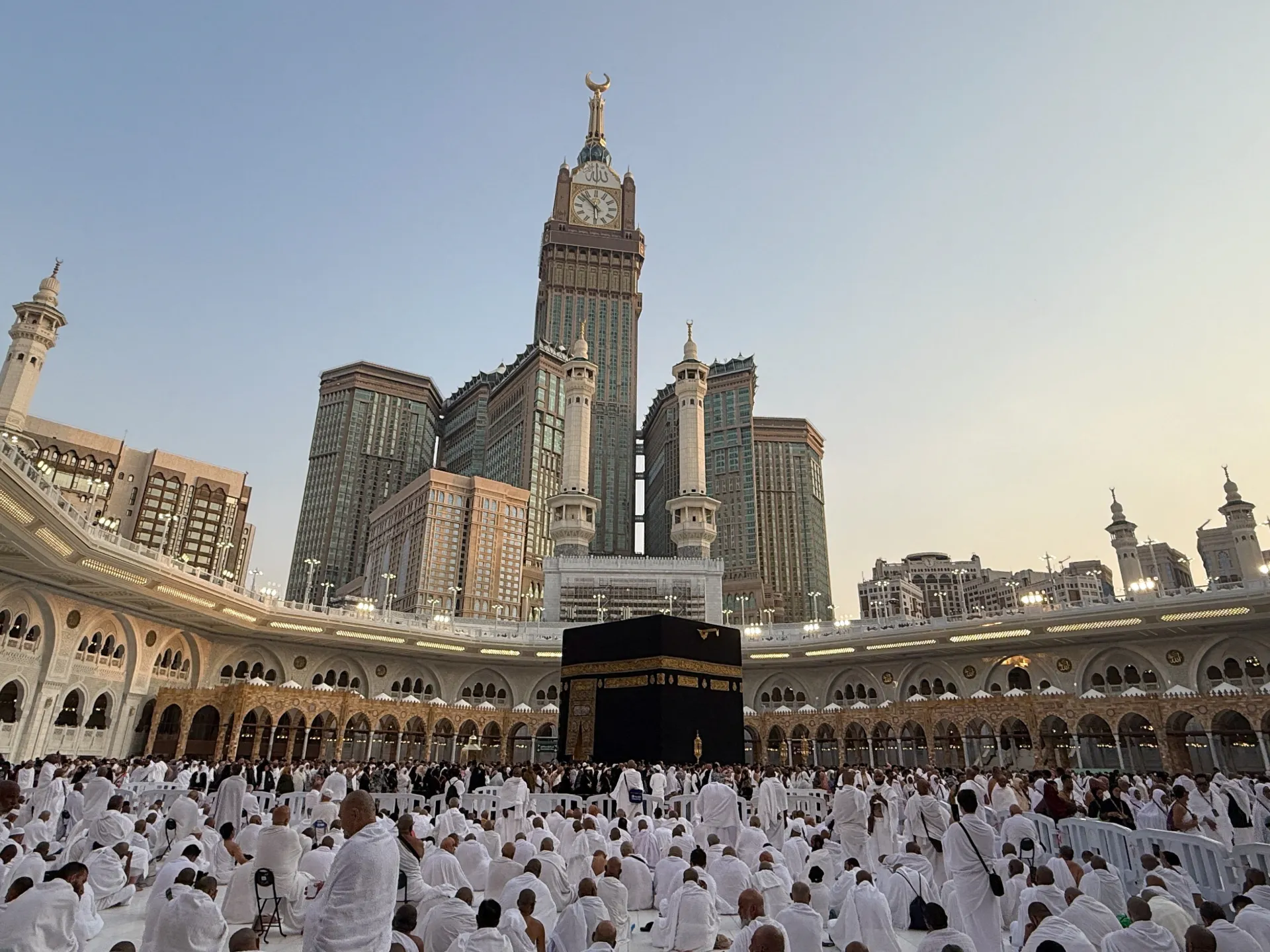
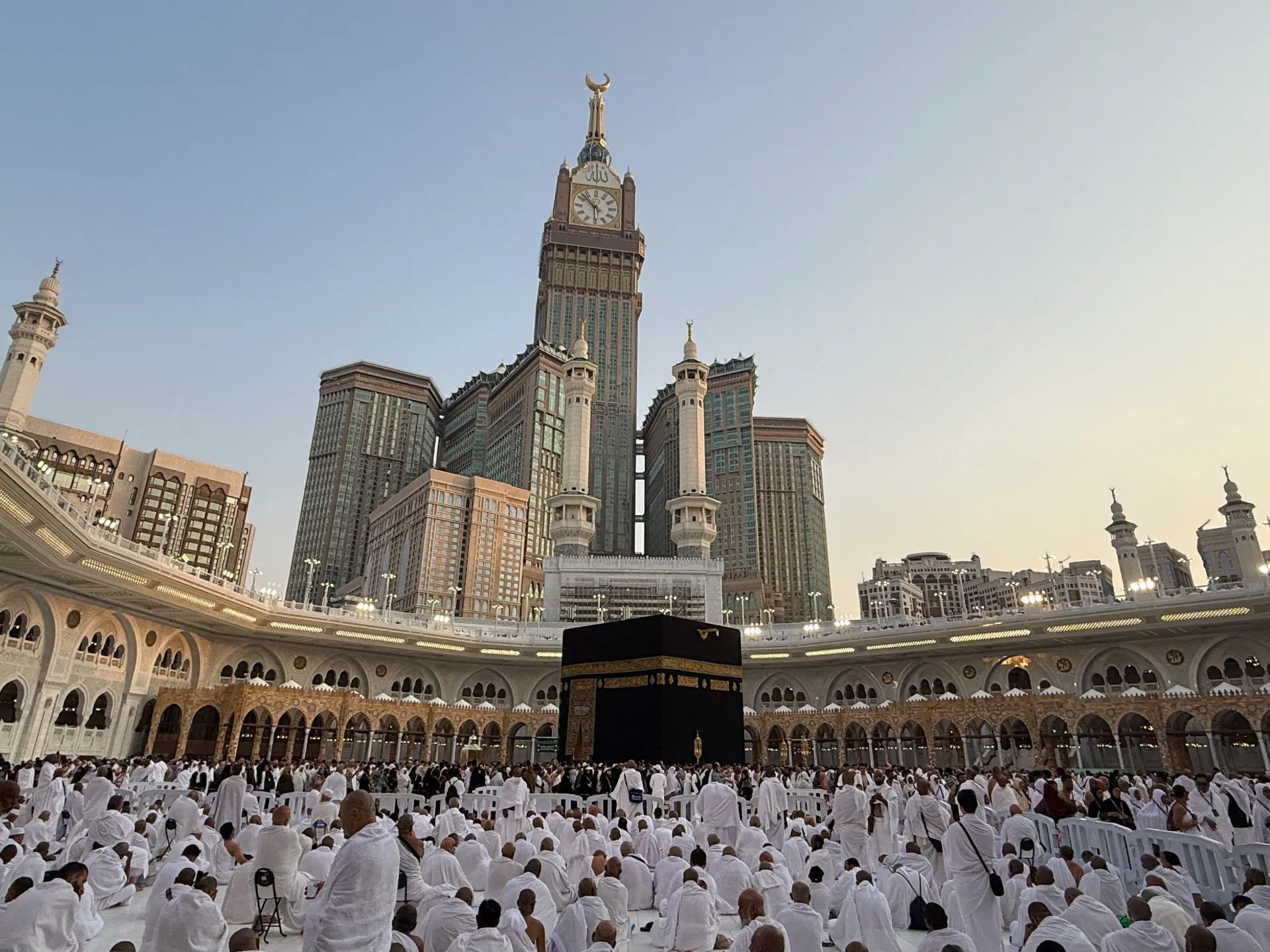
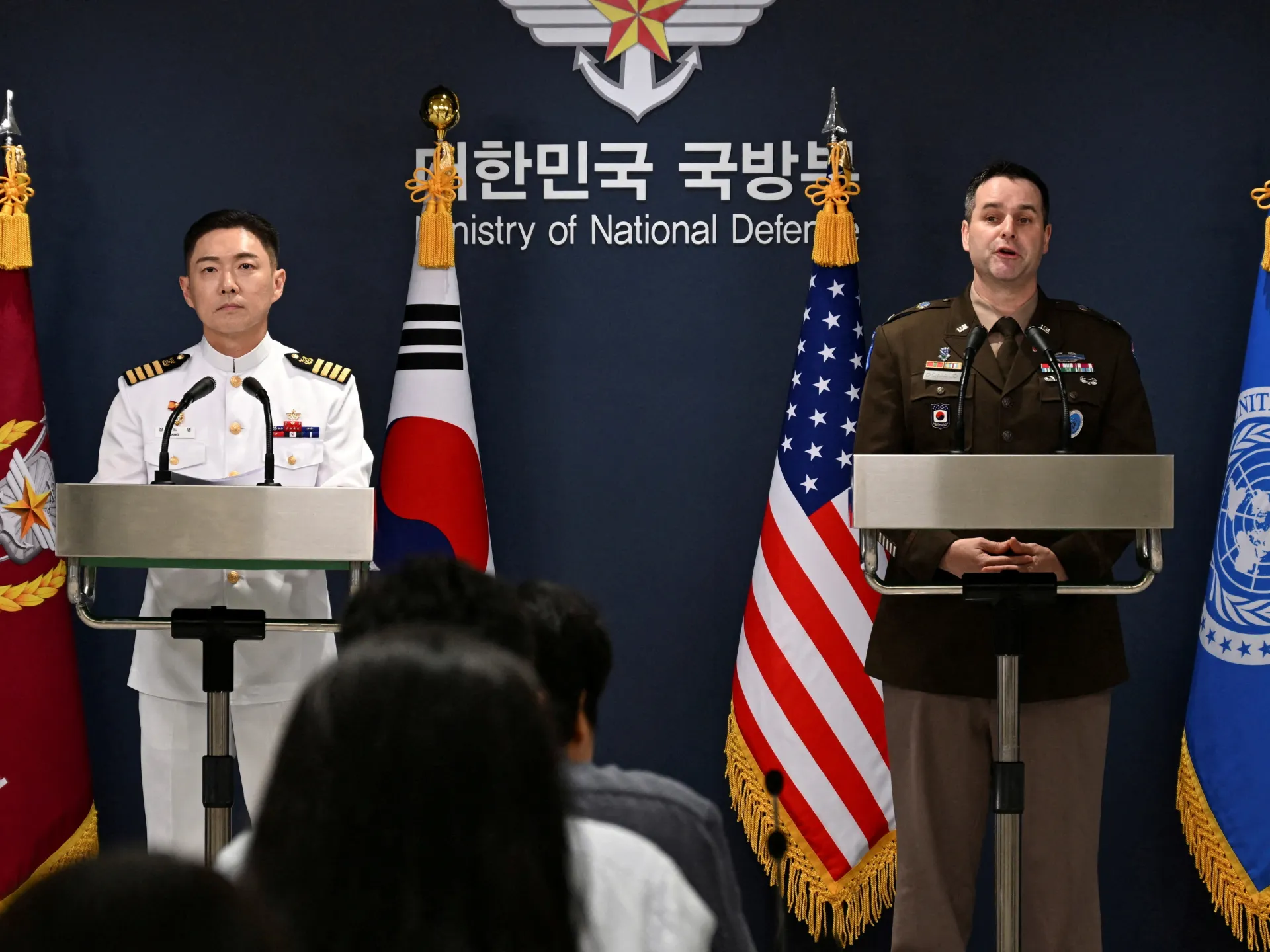
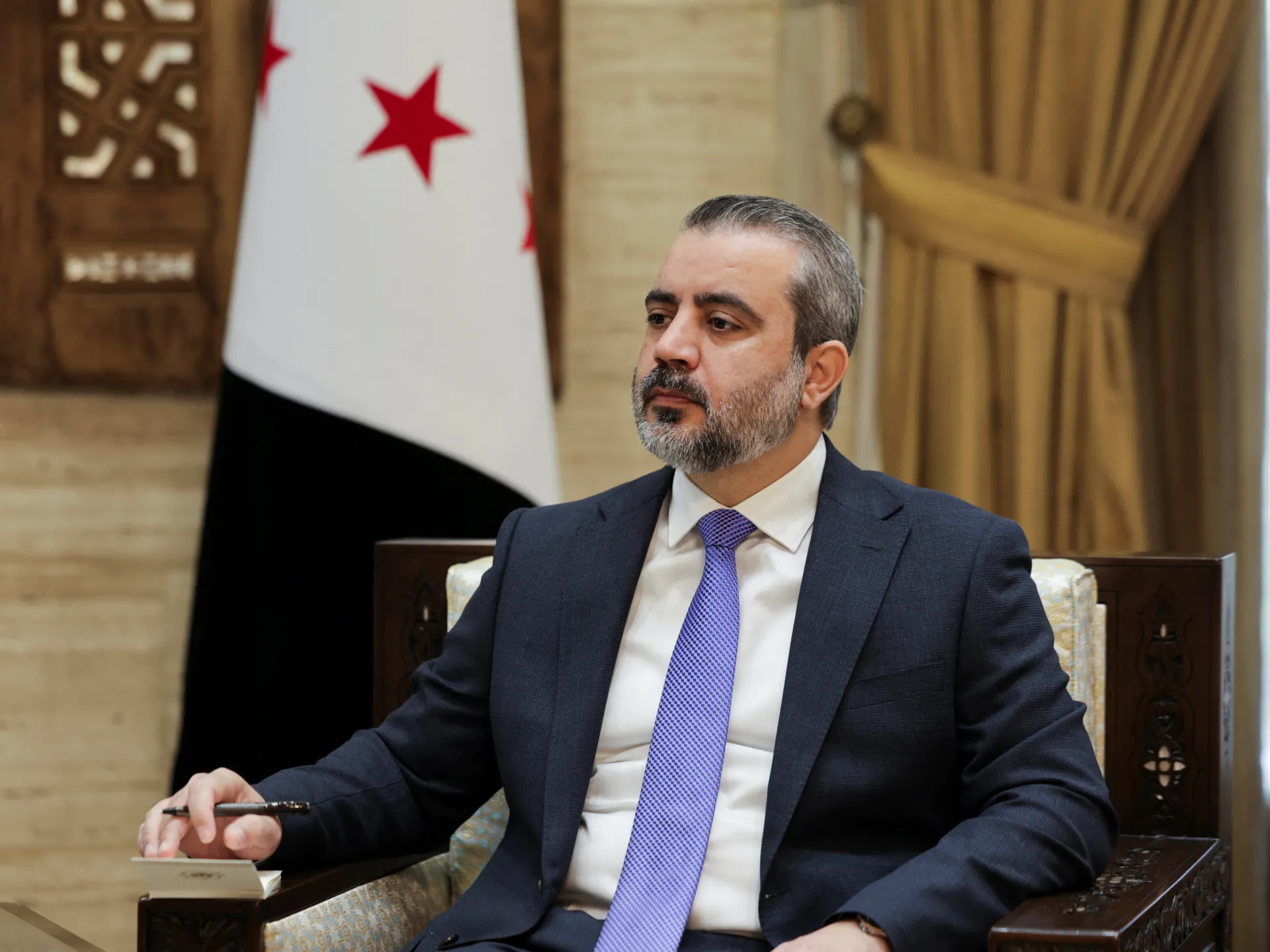
Recent security failures near the holy city of Mecca have heightened these pressures, bringing the trilateral pact into the center of the regional security discourse. While Riyadh, Ankara, and Islamabad consolidate their mutual defense commitments, the tactical reality remains fluid, with Saudi Arabia facing increased drone and missile activity that threatens both its critical energy infrastructure and domestic stability. Foreign Minister Hakan Fidan of Turkey recently signaled that Ankara stands ready to address Saudi Arabia’s “unmet military needs” under the aegis of the alliance, emphasizing that Saudi Arabia must be shielded from being dragged further into the US-Iran confrontation, a sentiment Riyadh reportedly shares.
The Mecca Defence Alliance represents a departure from traditional regional security architectures, which have historically relied on Western guarantees. ries are signaling a desire to decouple their national security interests from the volatility of the US-Iran conflict. However, the absence of an integrated command structure—similar to NATO’s operational hierarchy—leaves the pact in a precarious position. For investors, energy analysts, and regional diplomats, the question is not merely whether the pact holds, but whether it can provide a credible deterrent against non-state actors like the Houthis, who are operating outside the traditional rules of state-based warfare. This alliance essentially creates a new security buffer, but without clear protocols for triggering a collective response, the risk of miscalculation remains high.
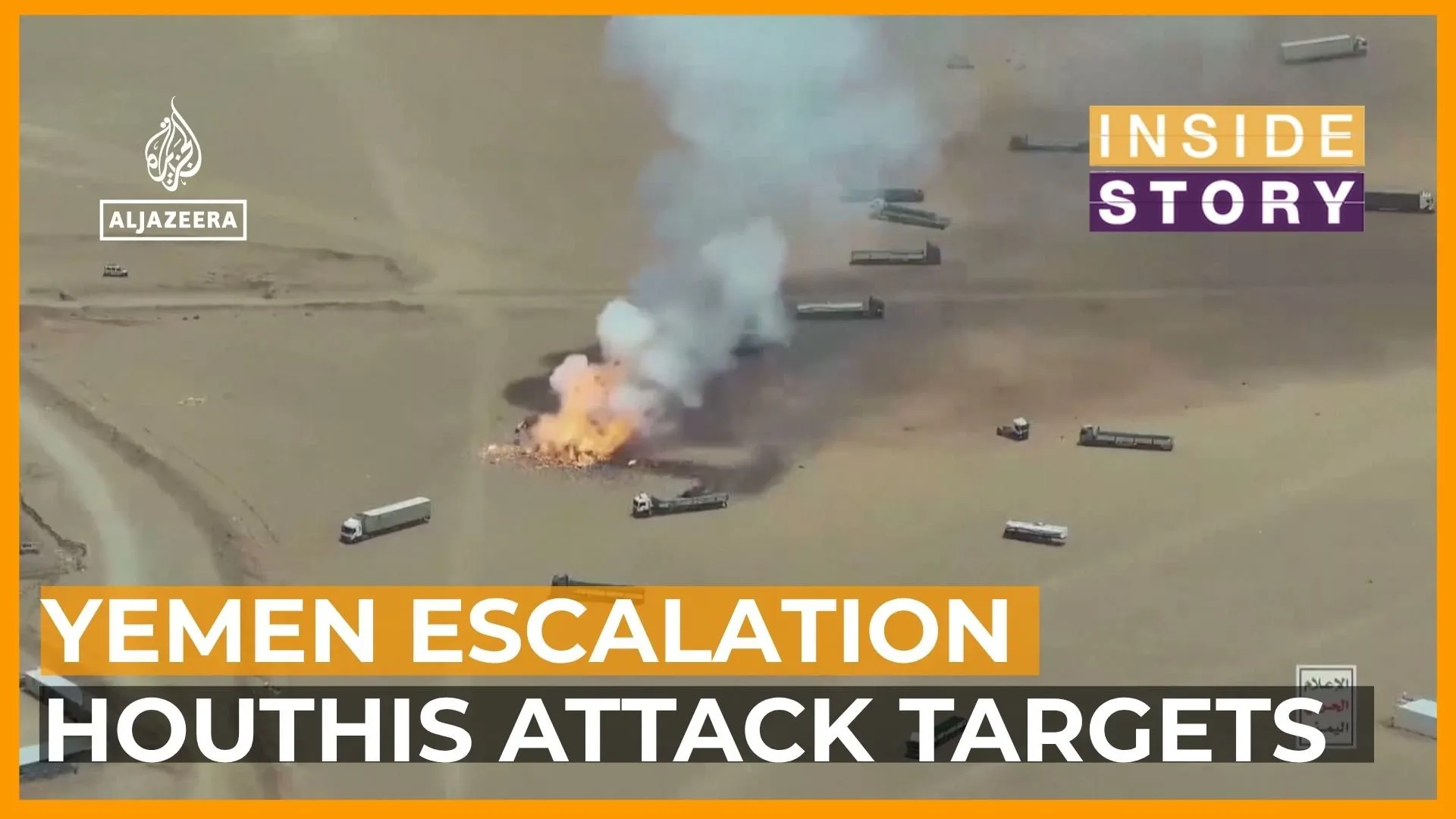
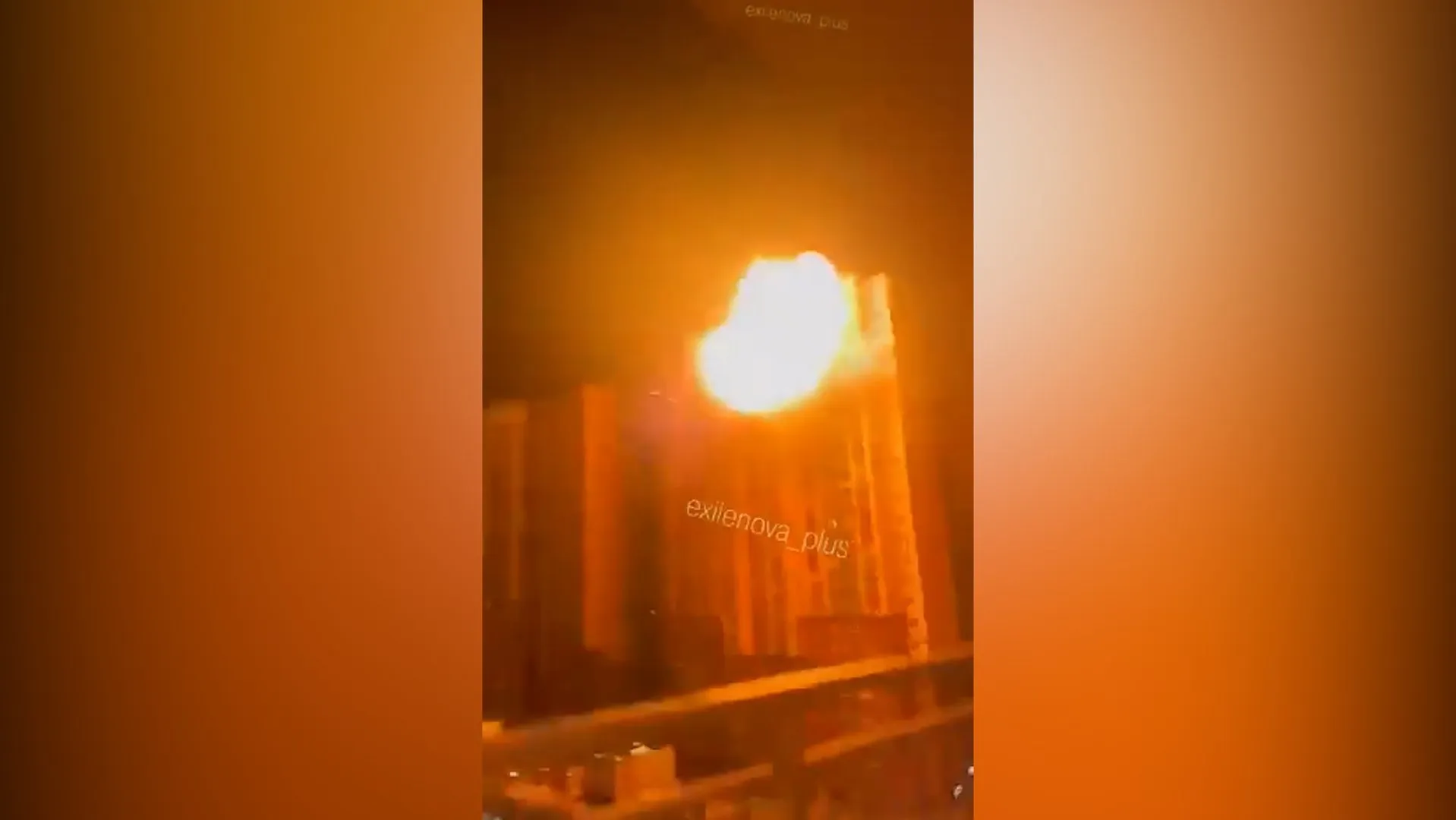
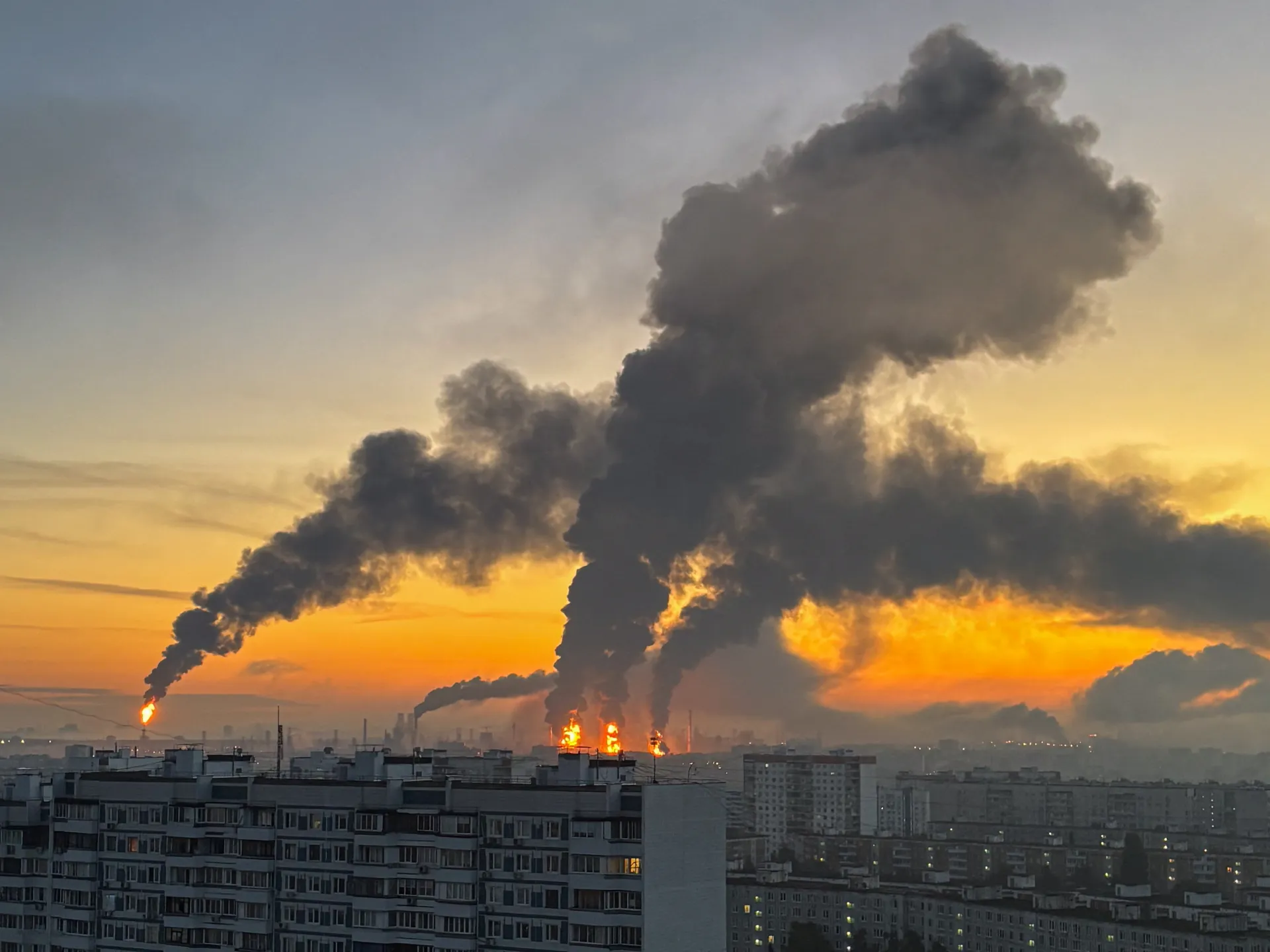
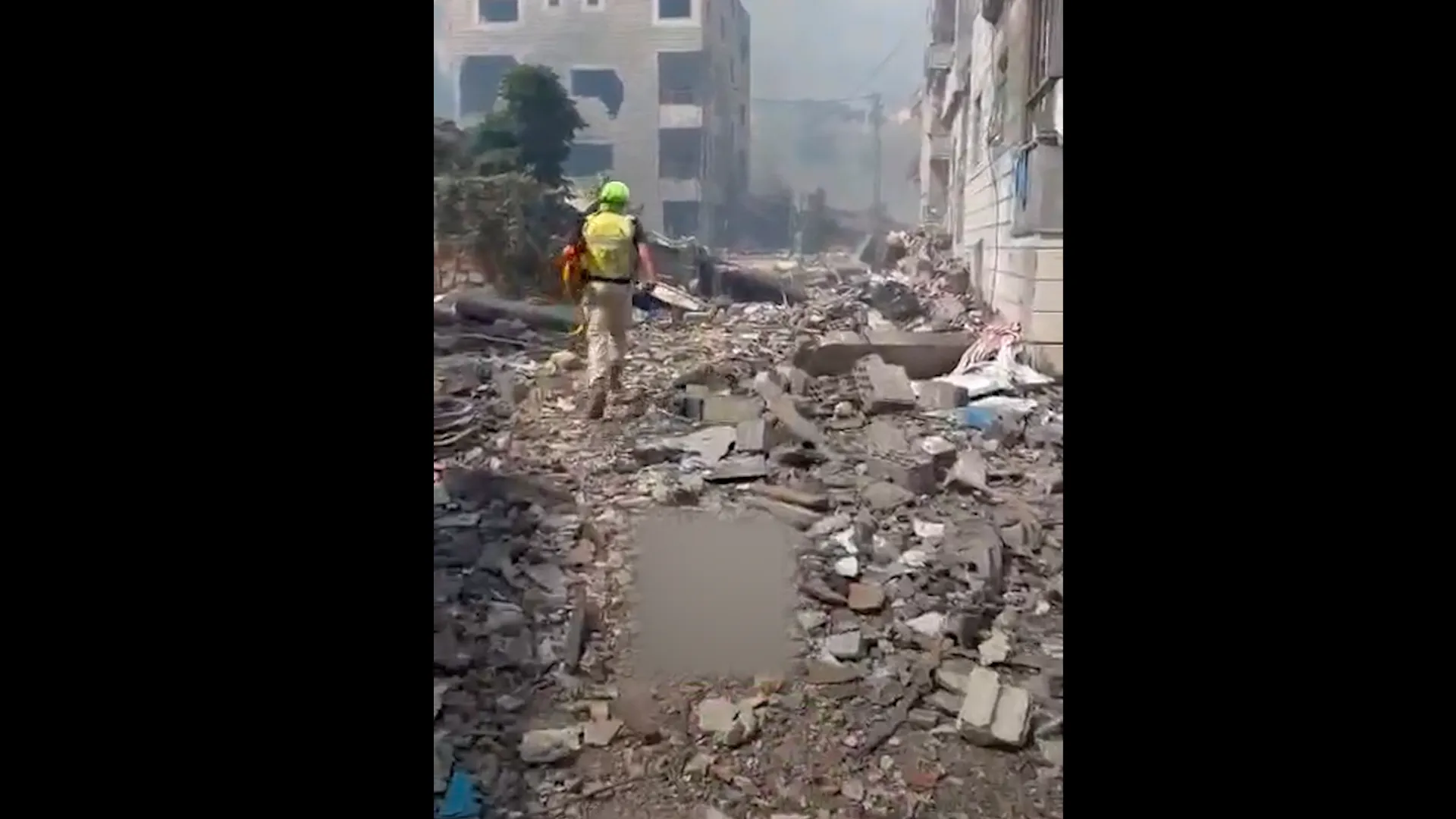
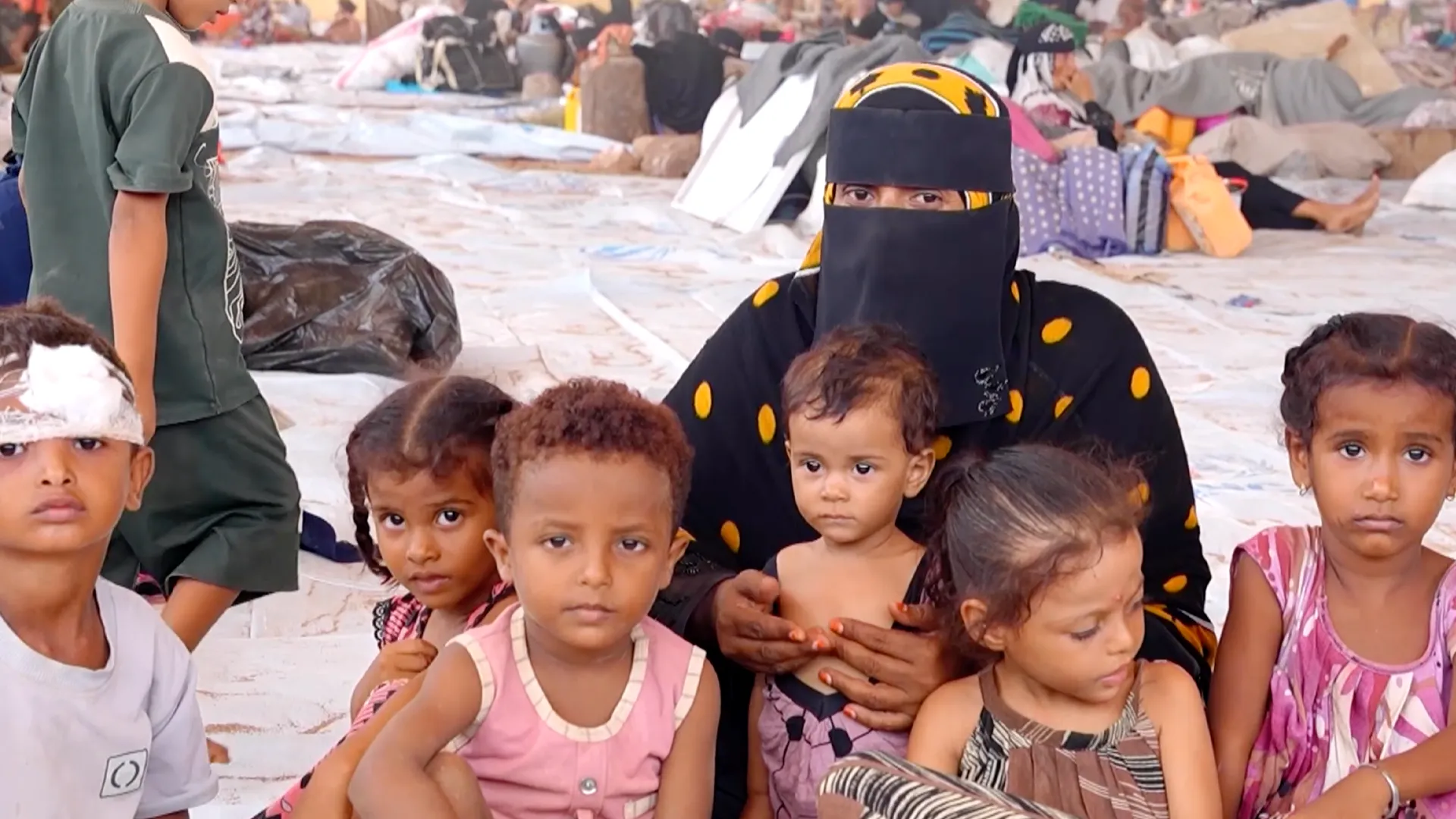
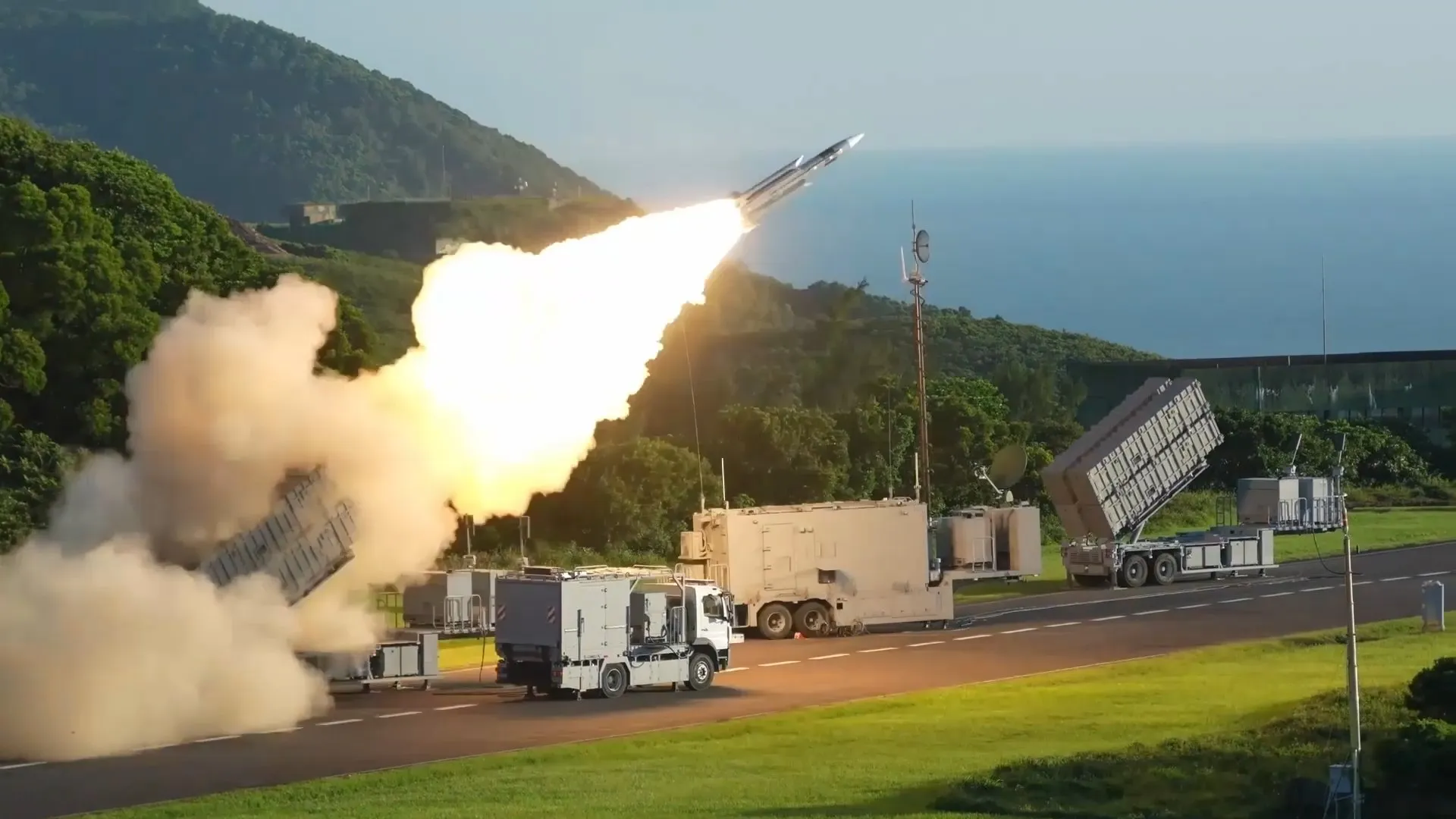
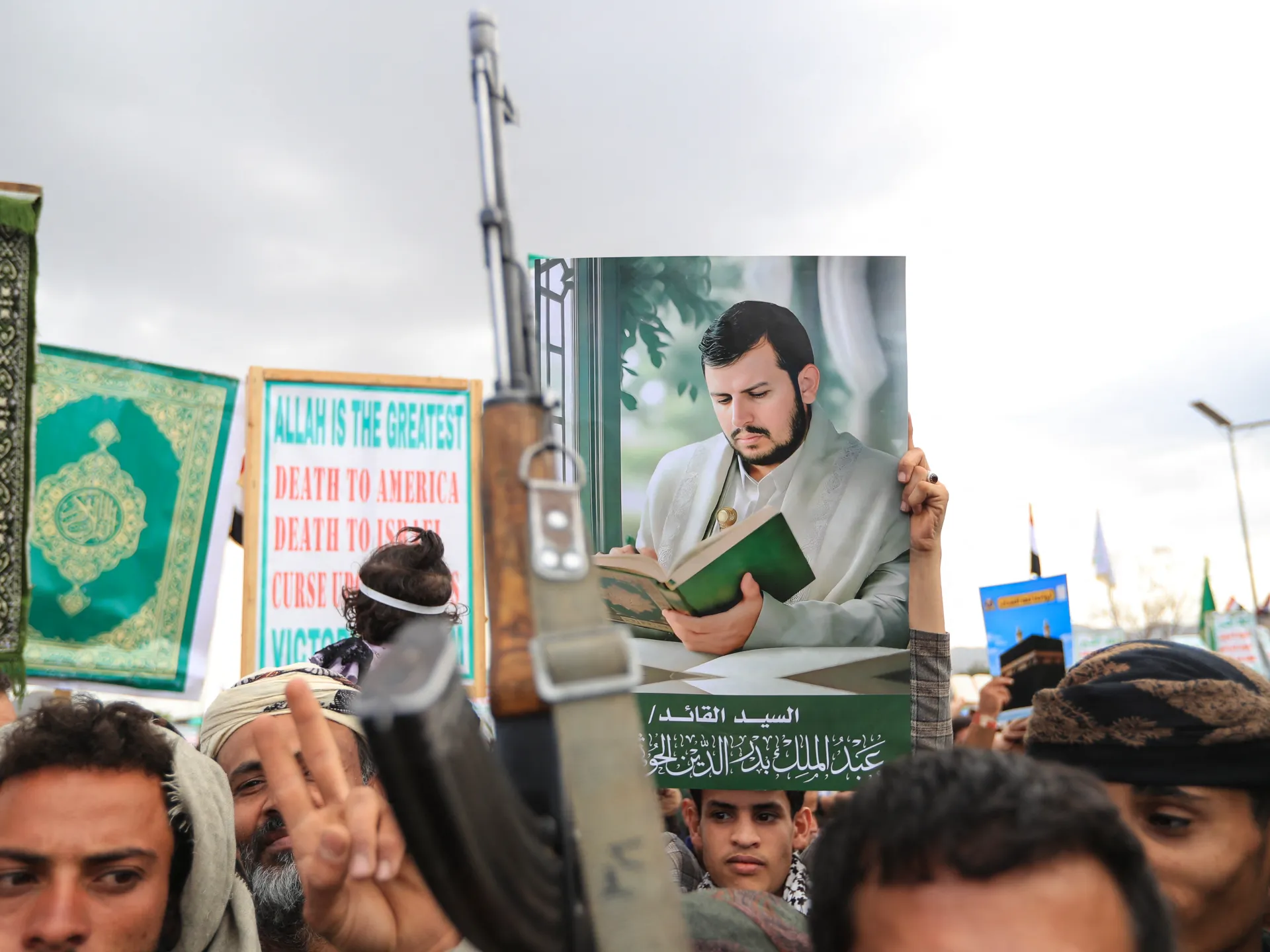
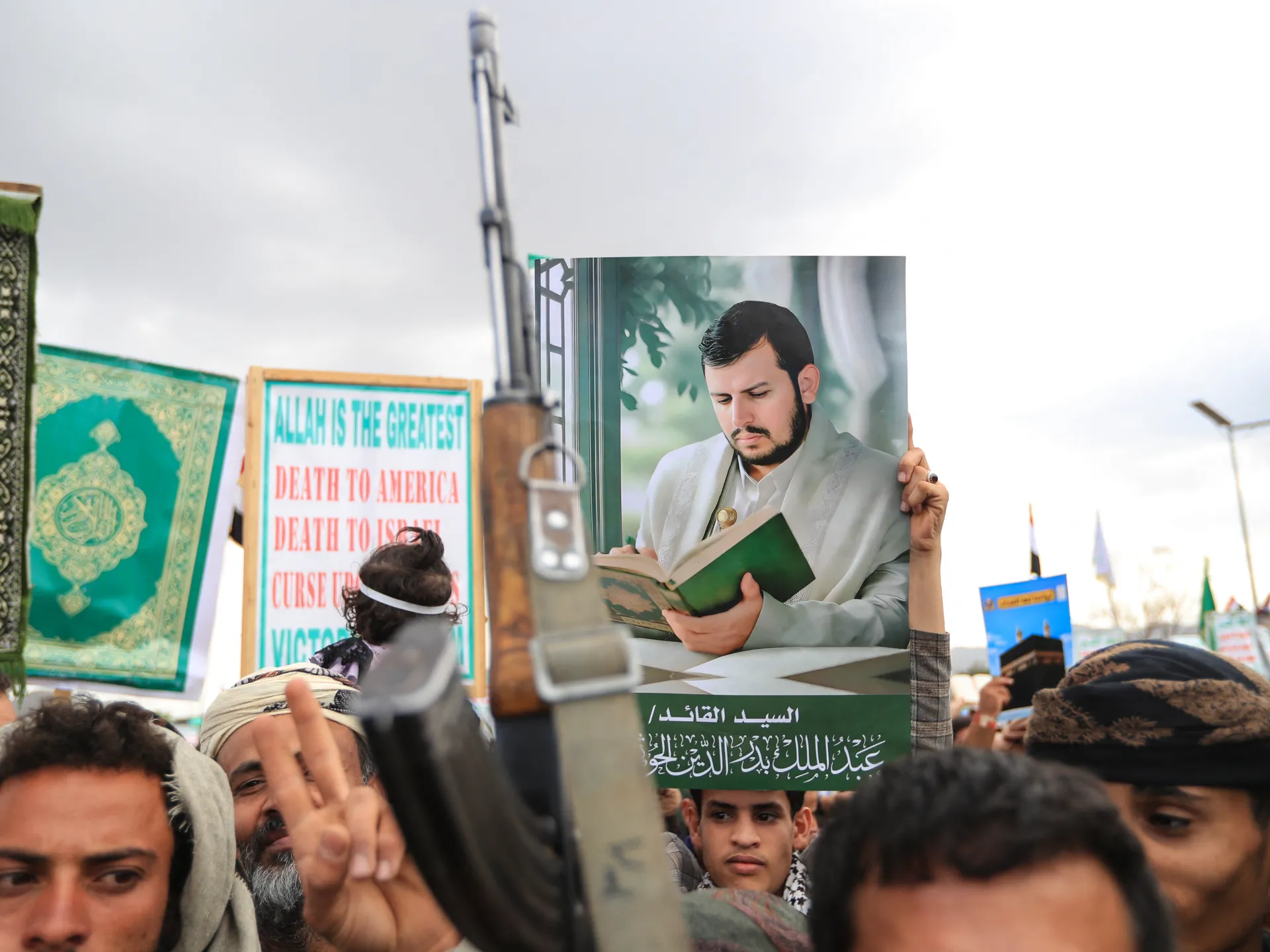
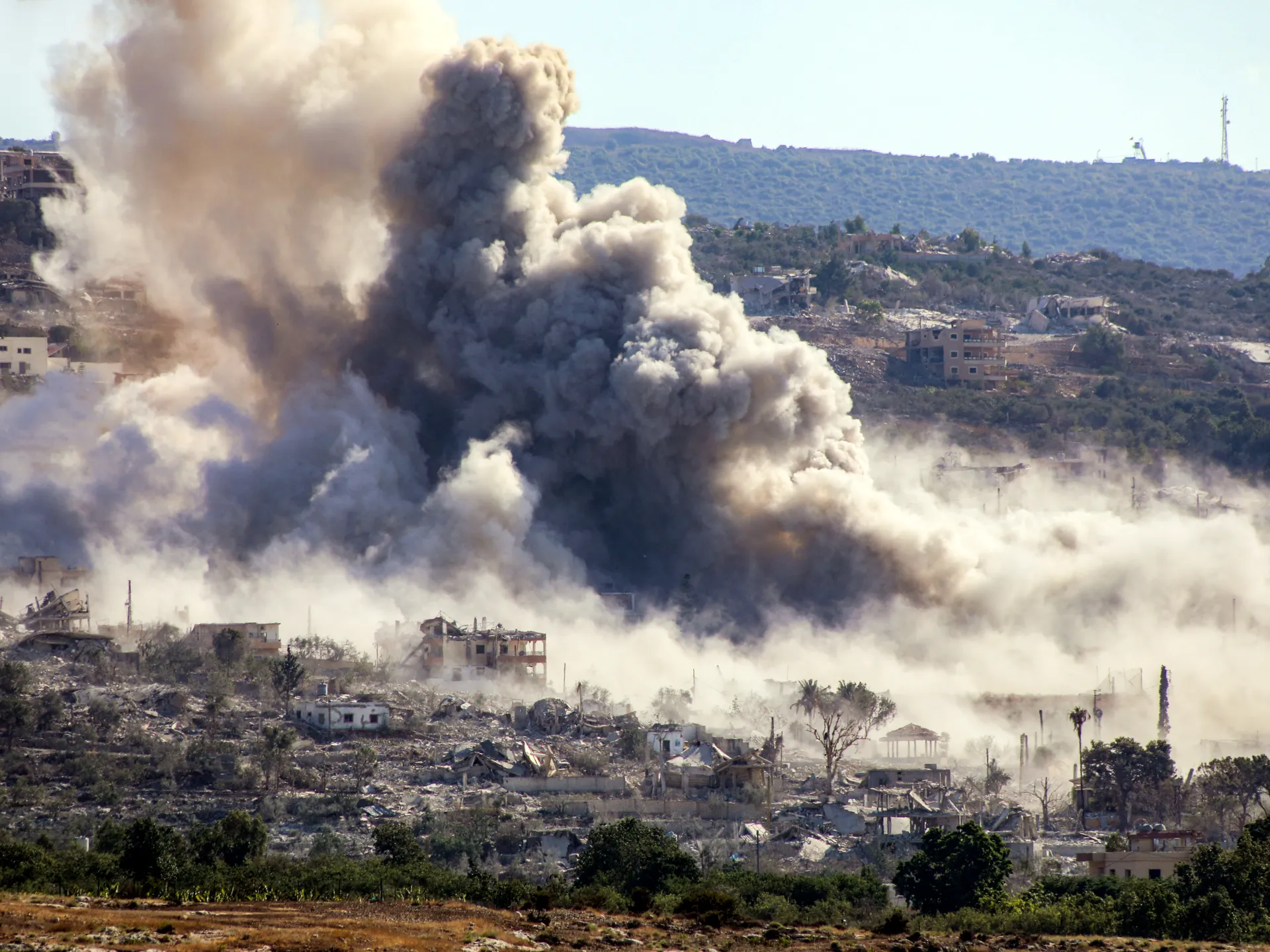
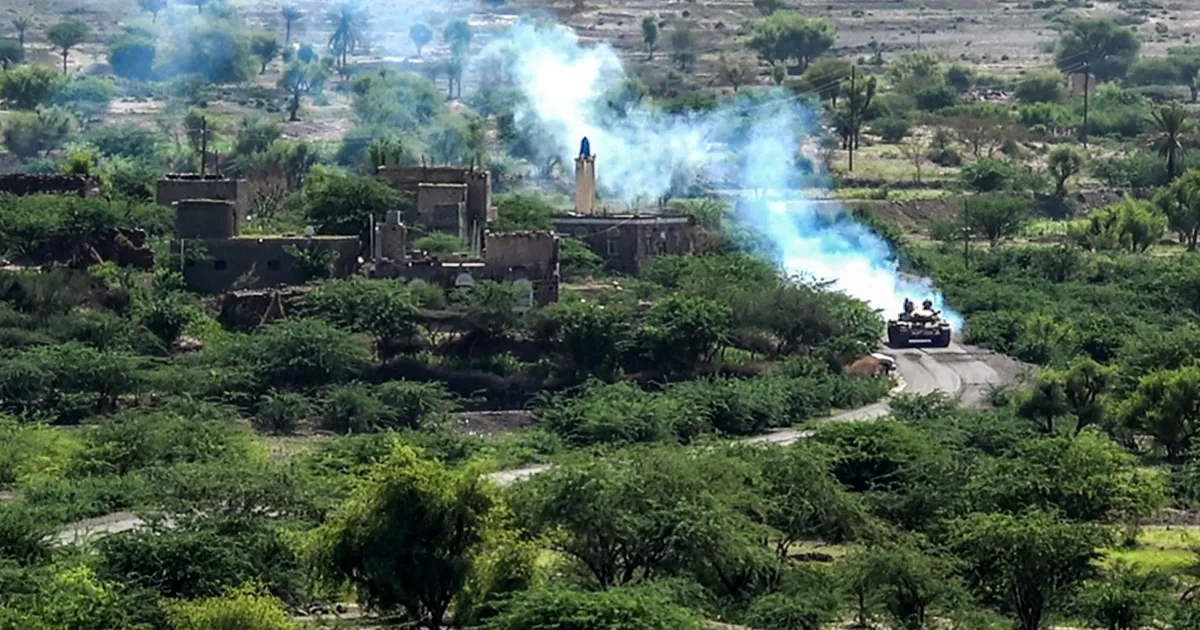
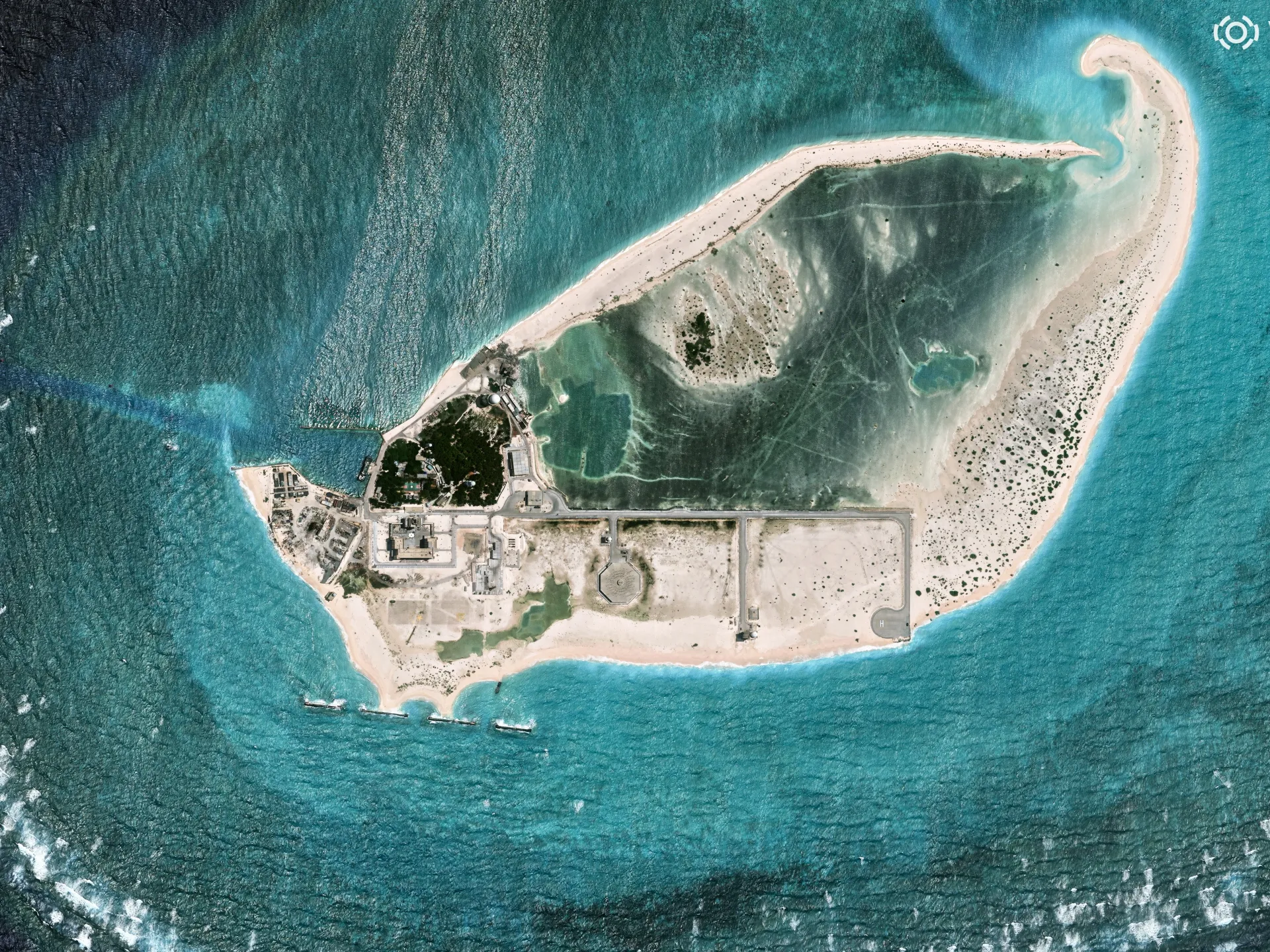
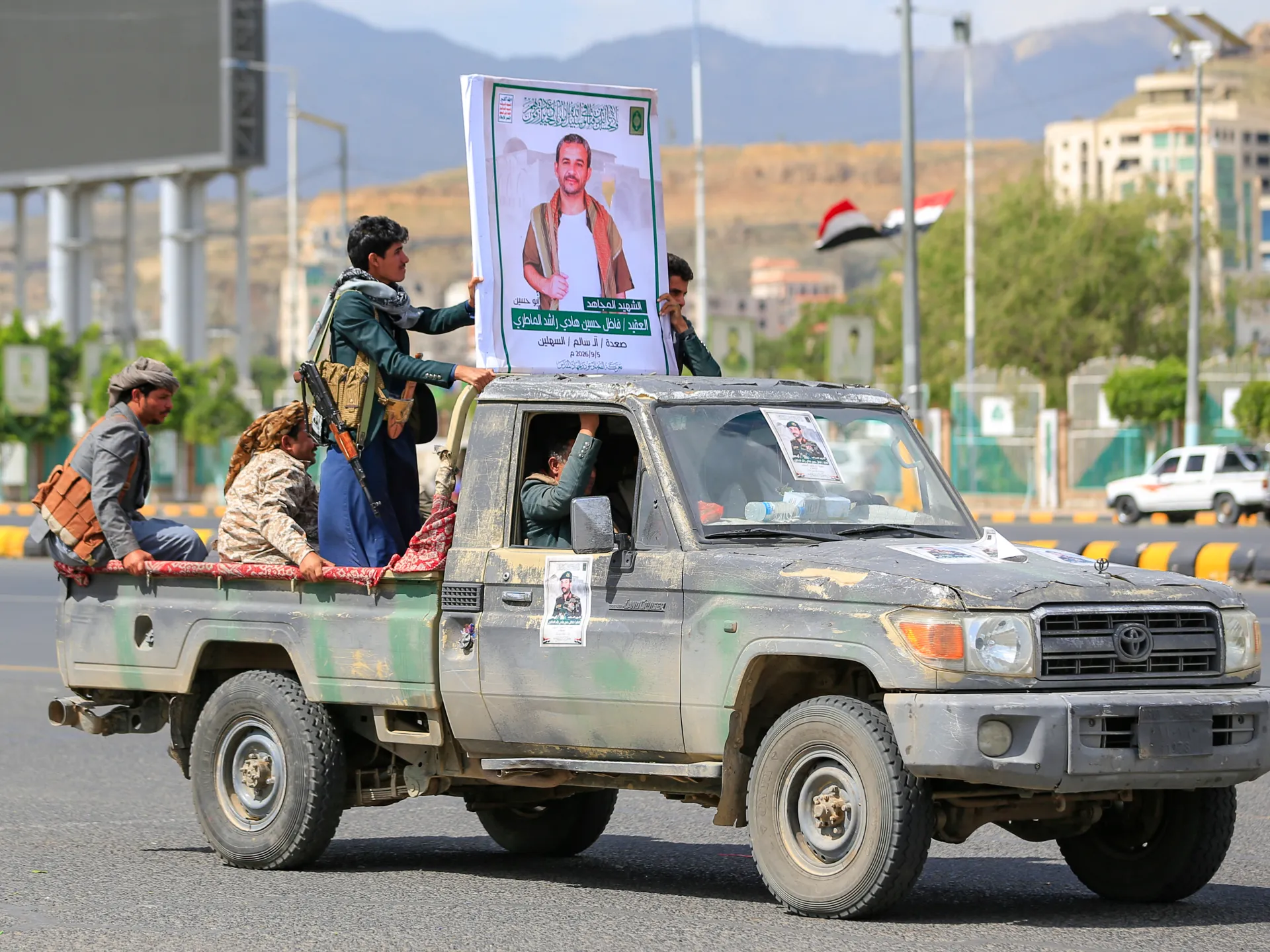
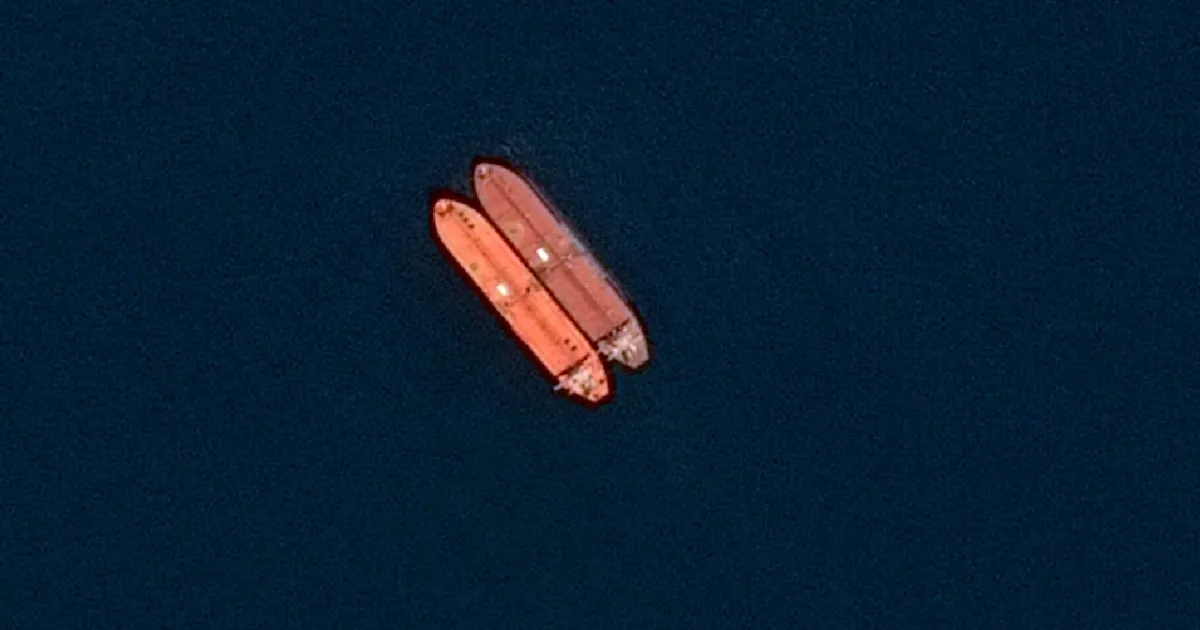
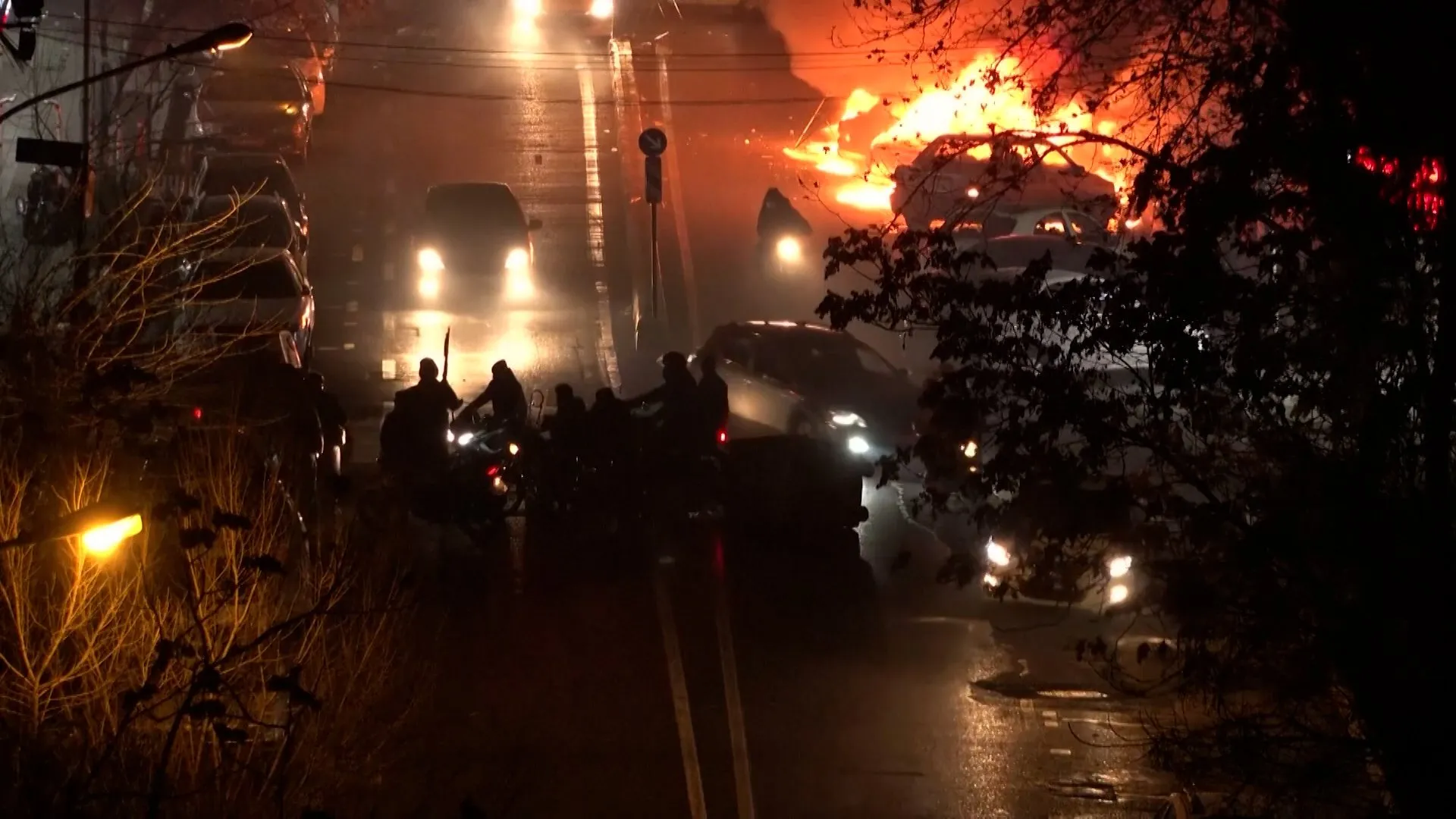
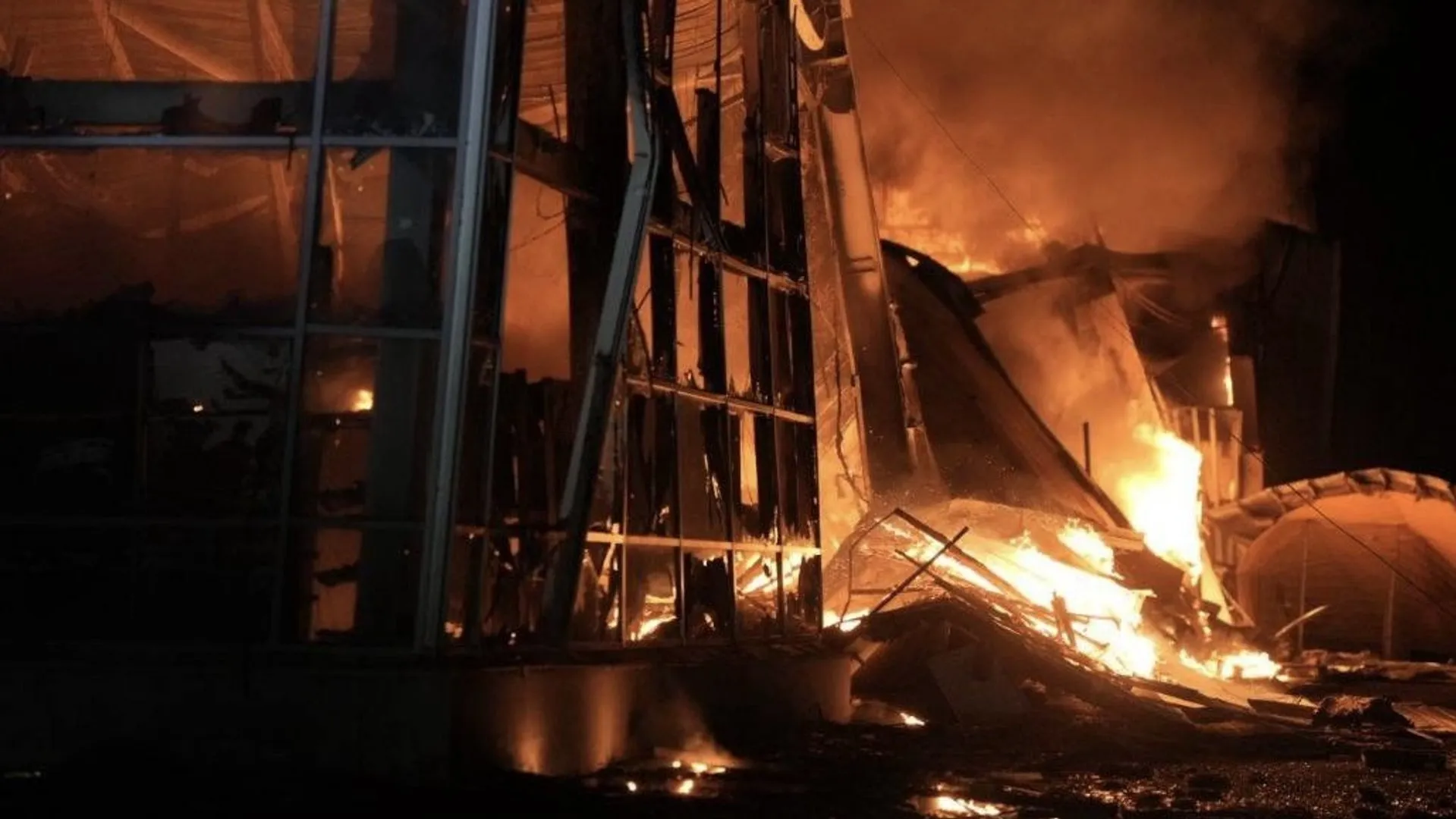
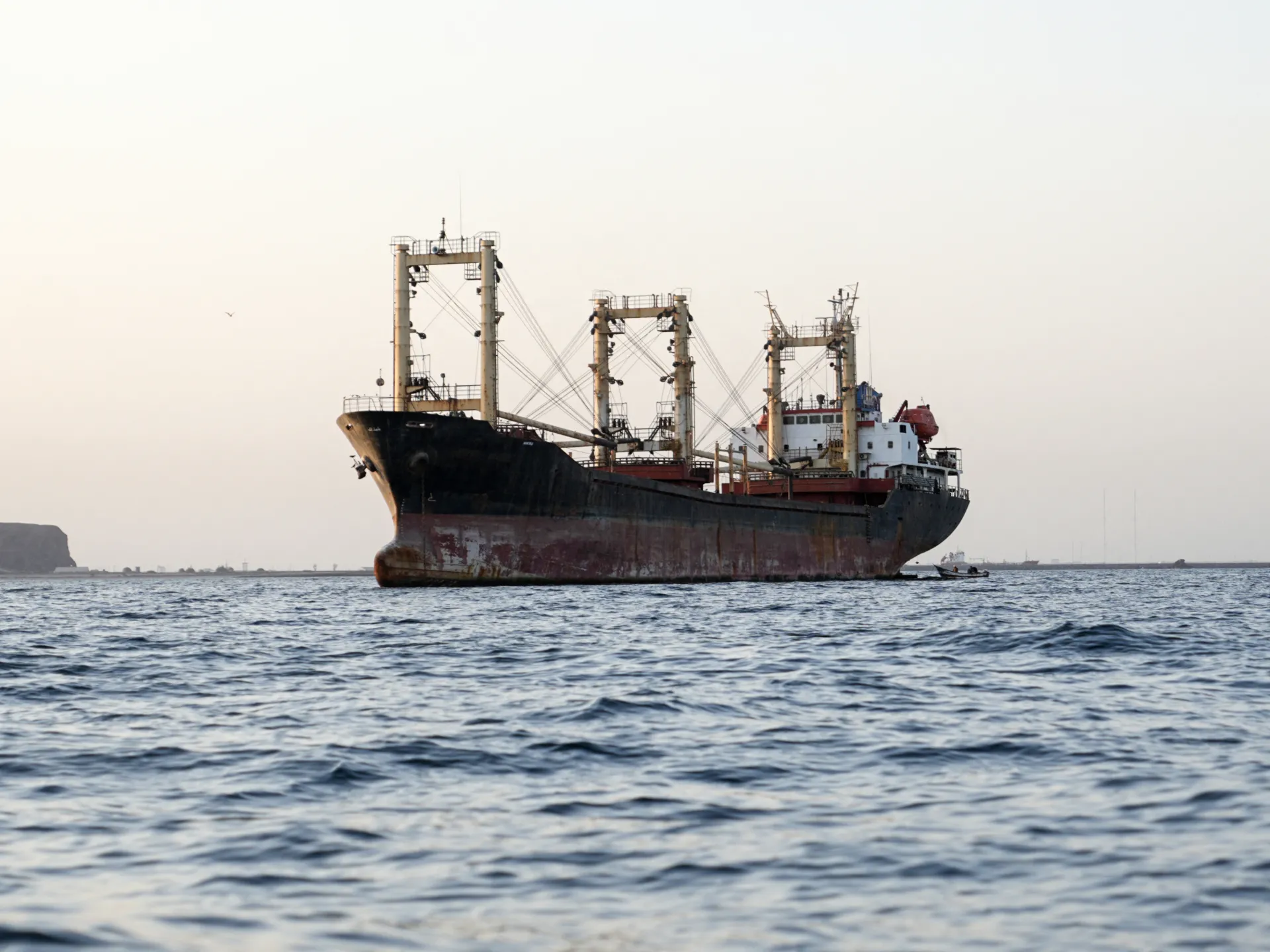
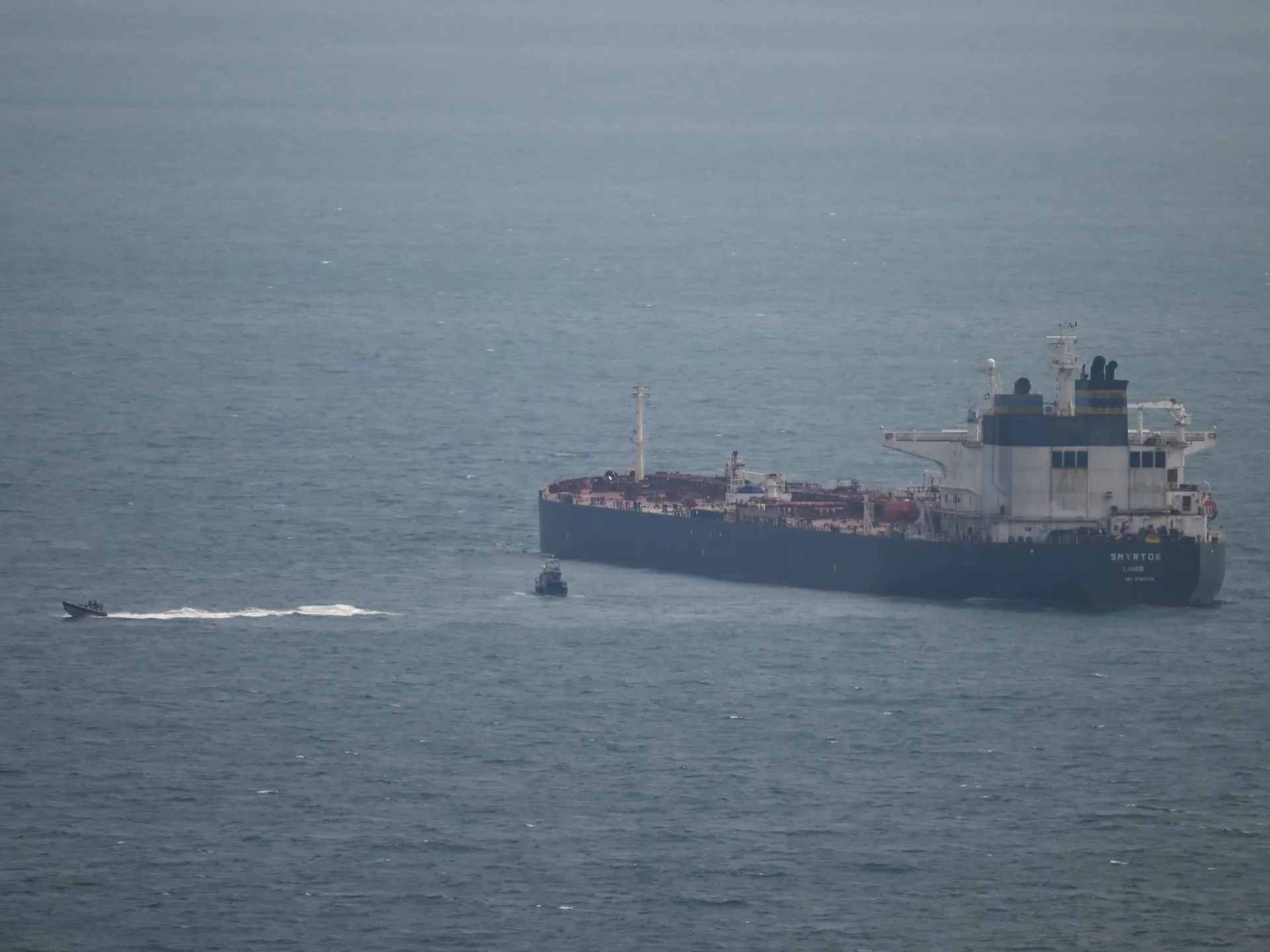
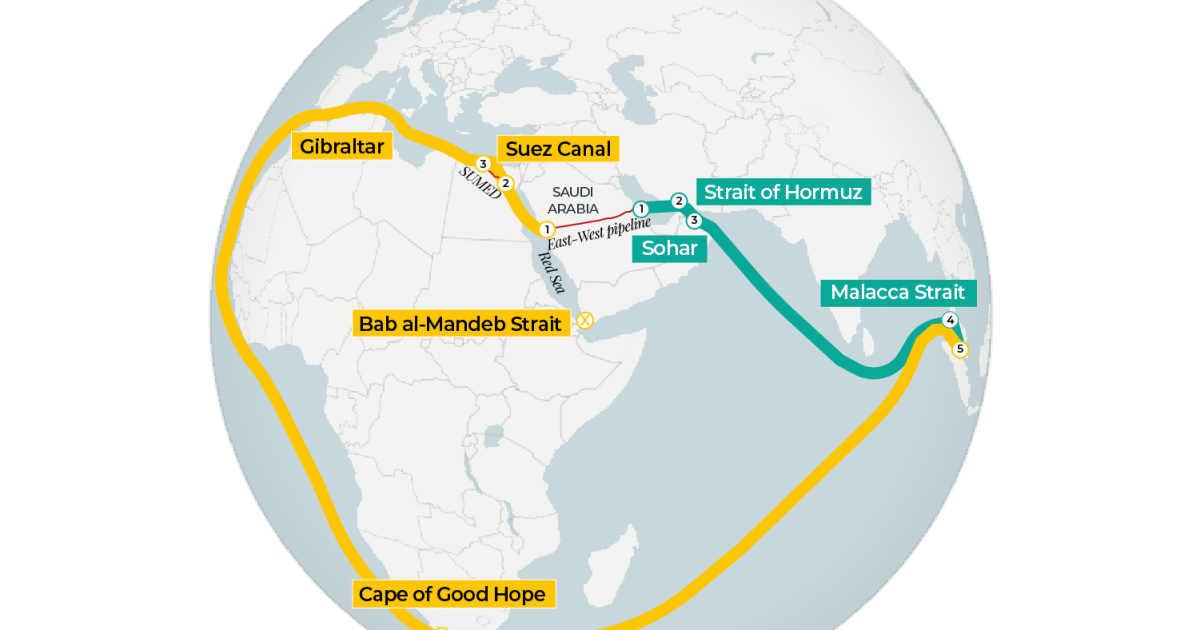
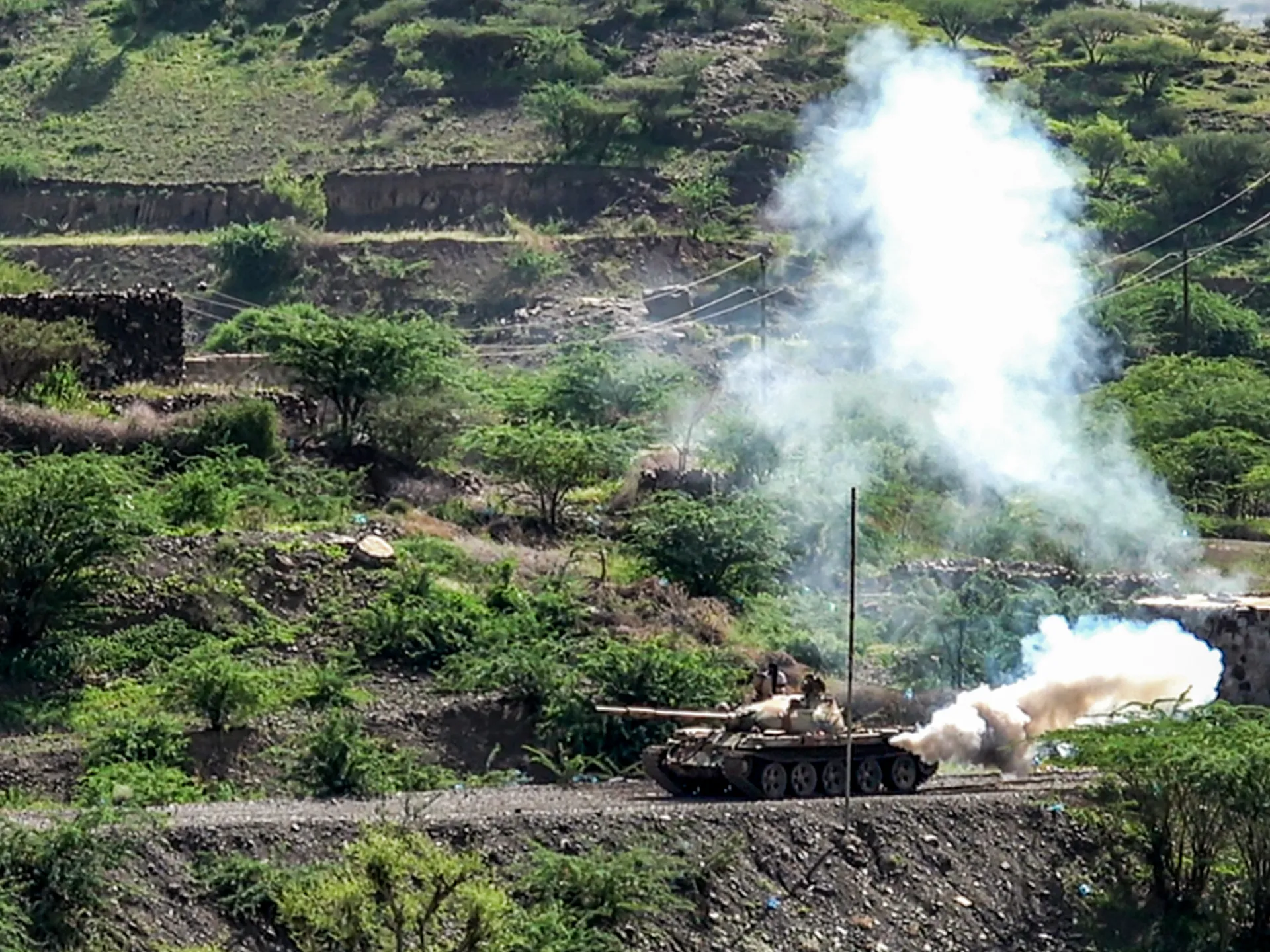
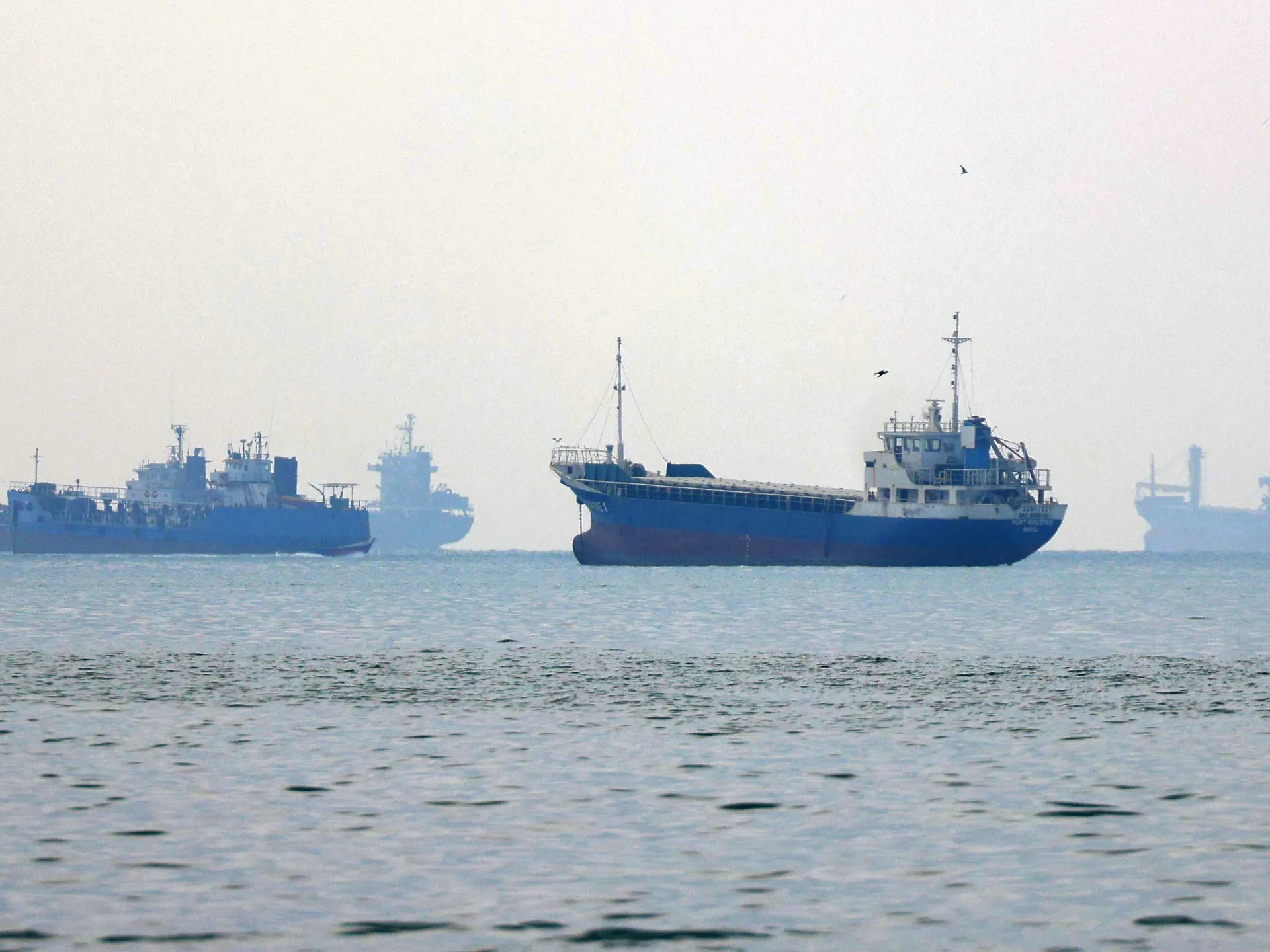
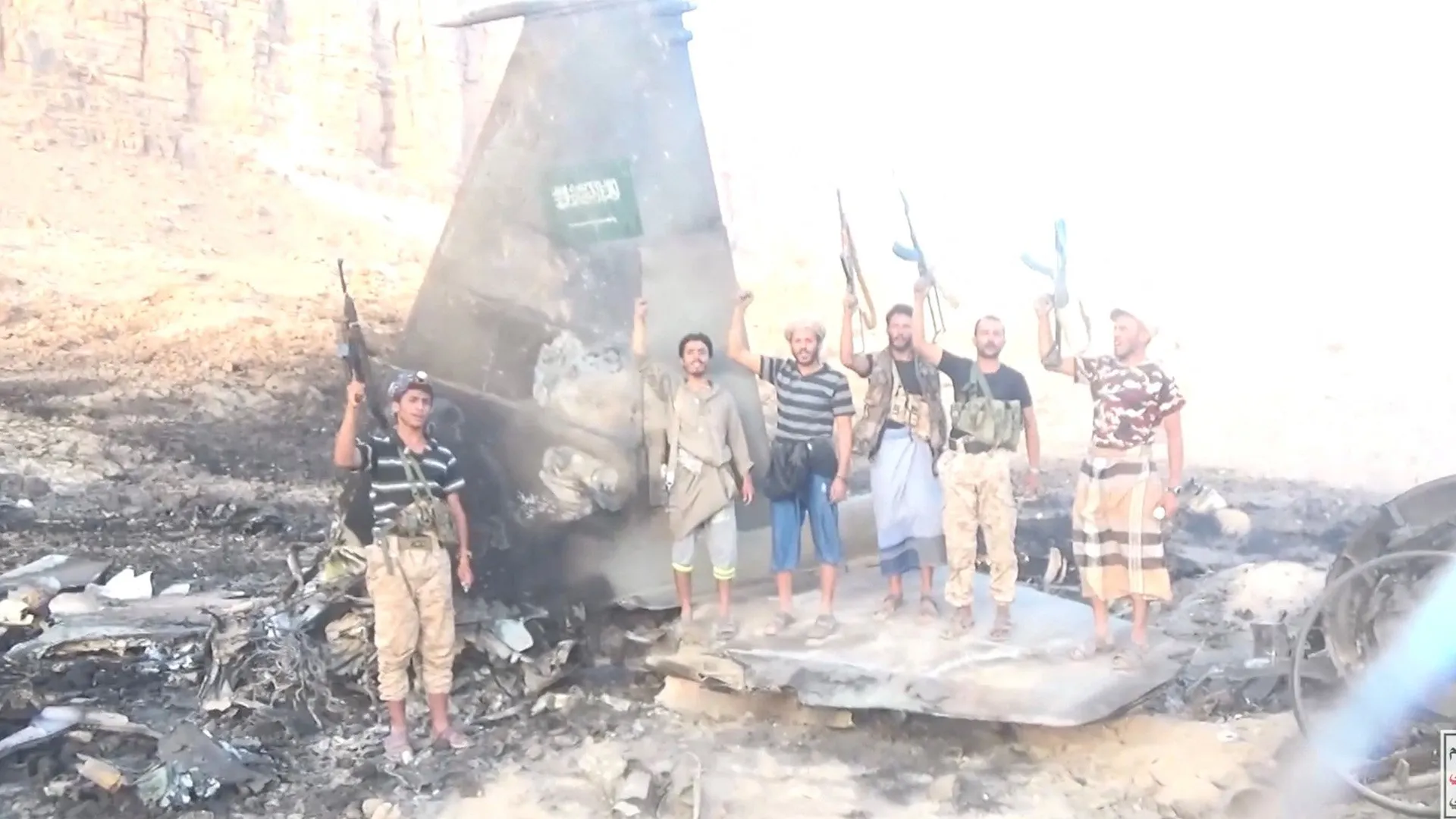
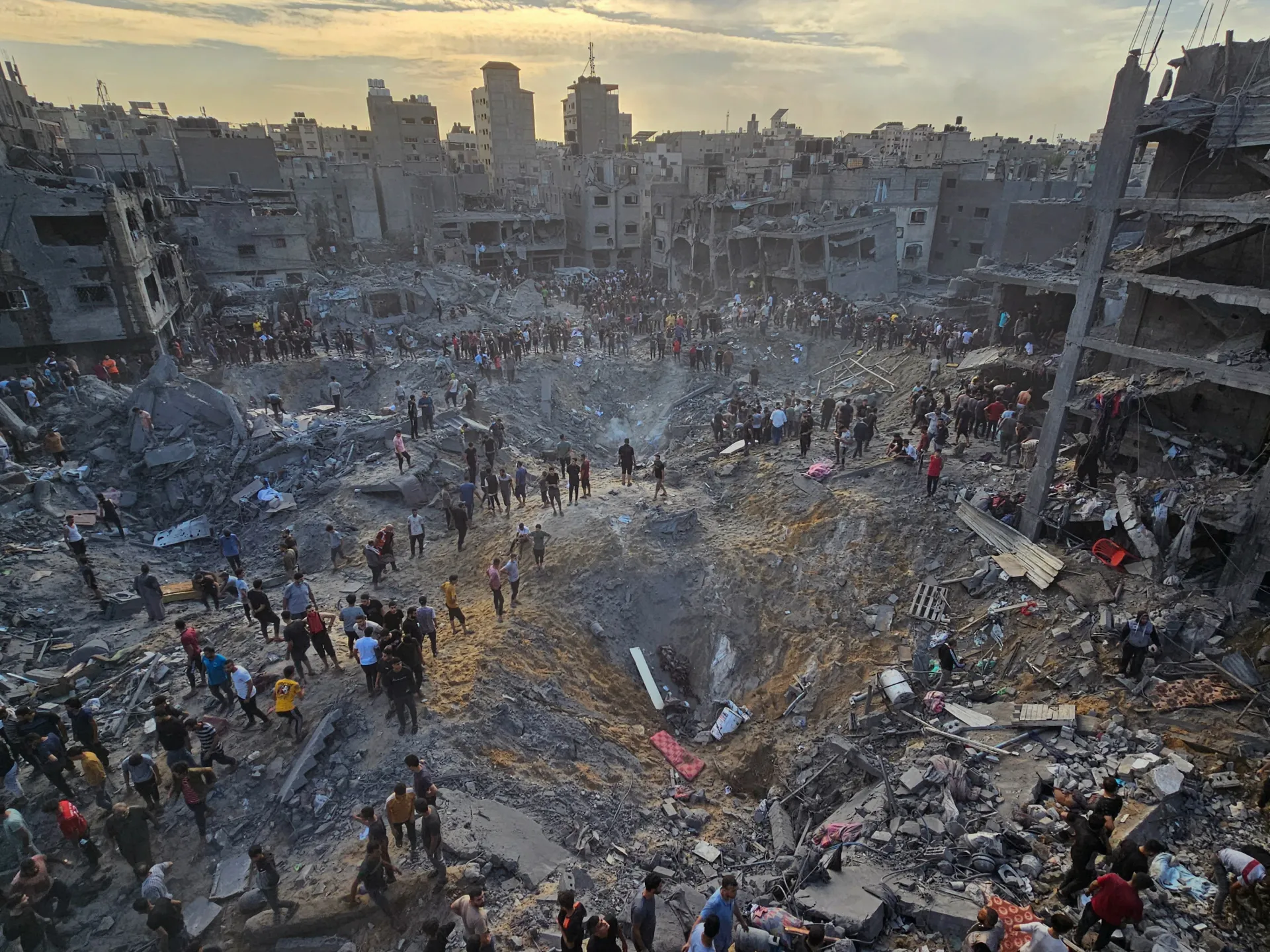
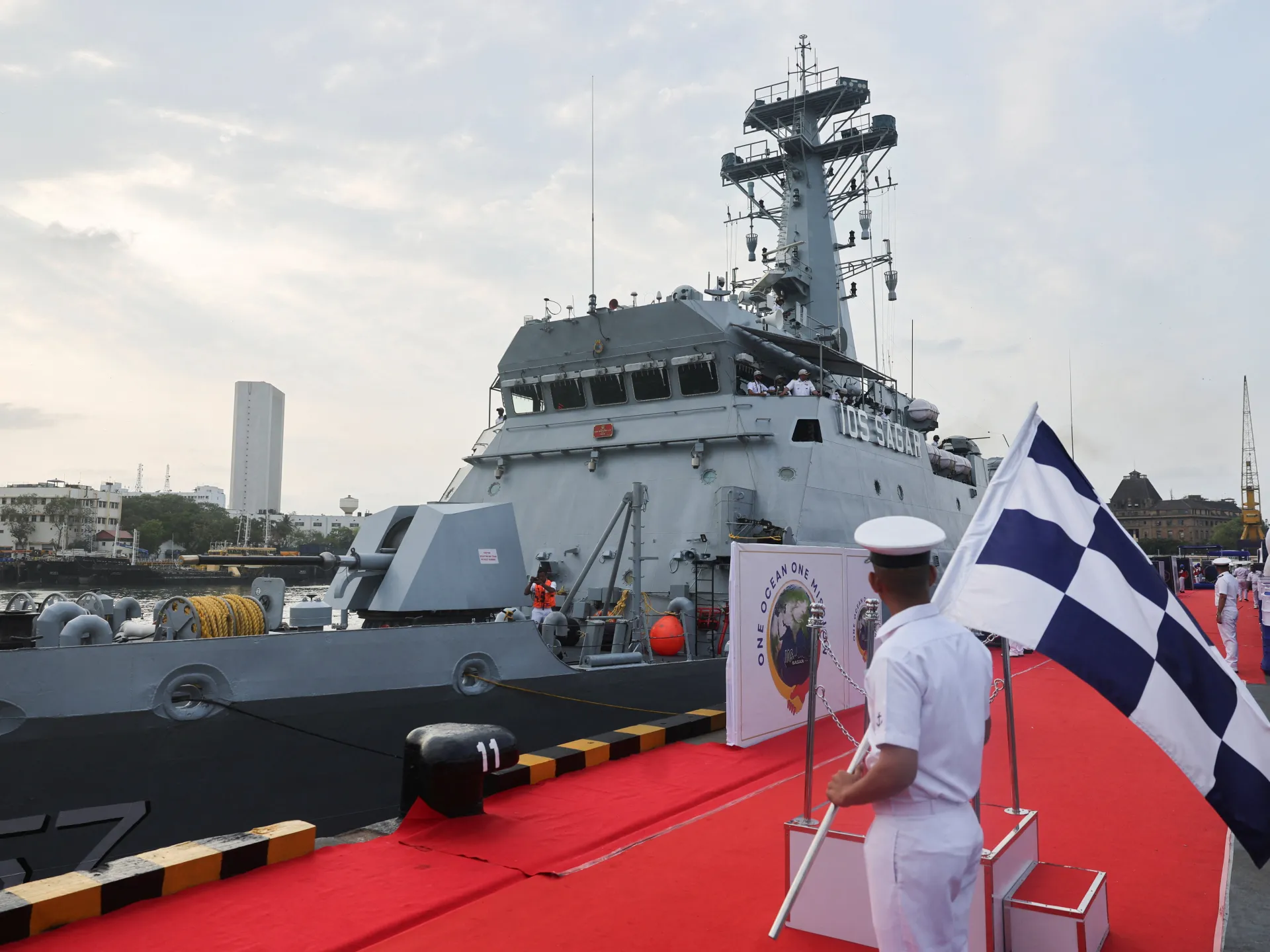
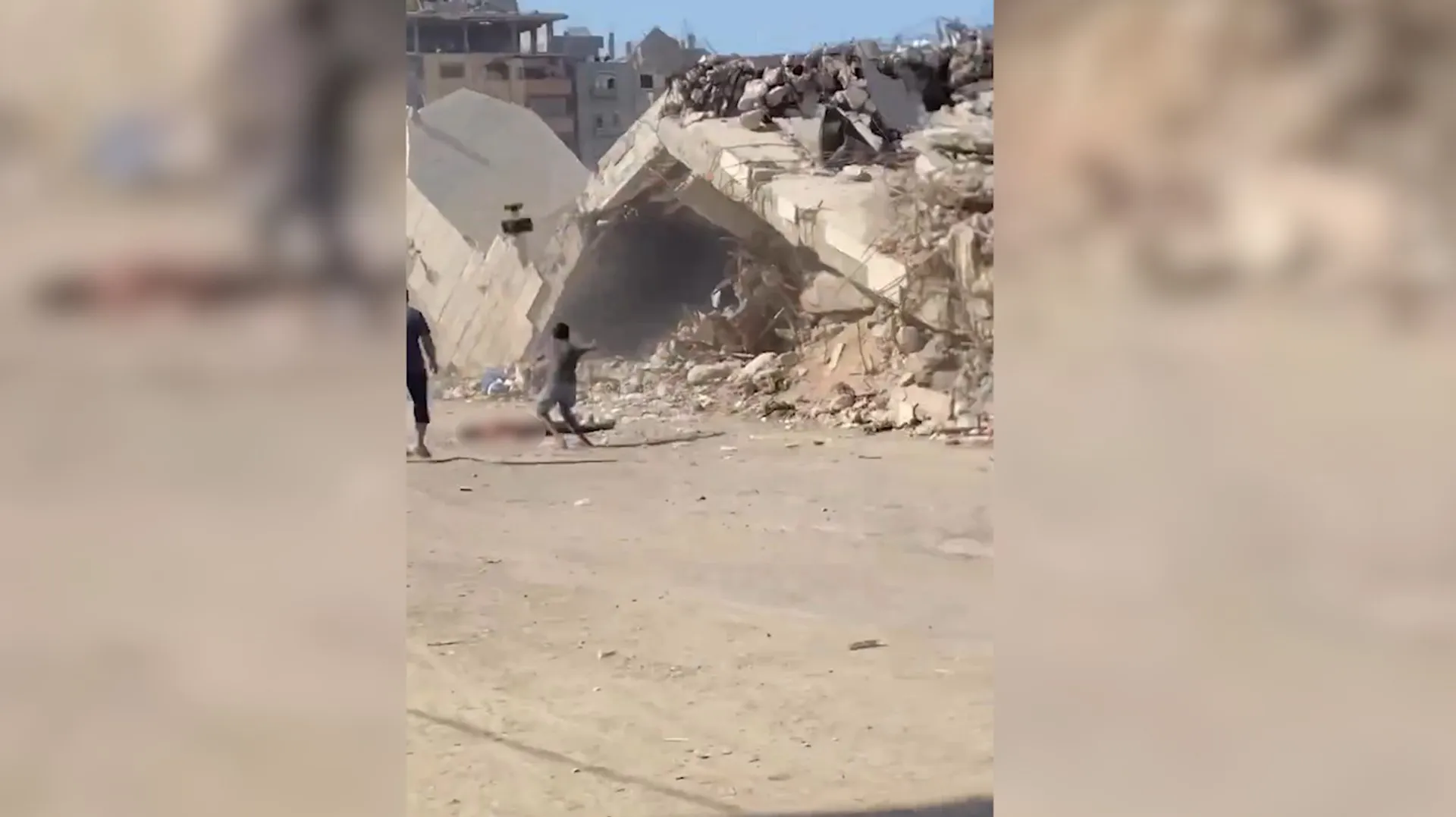
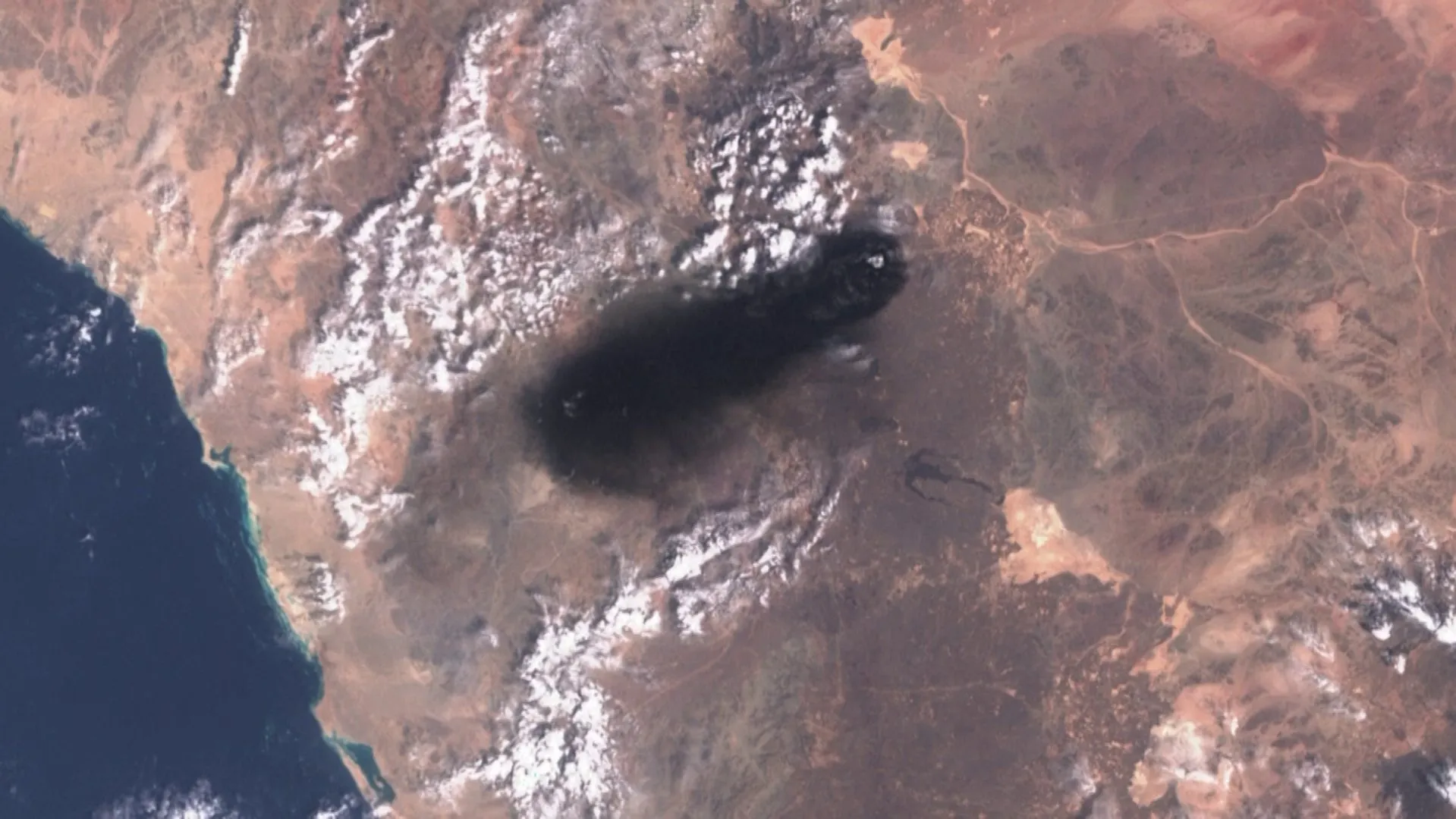
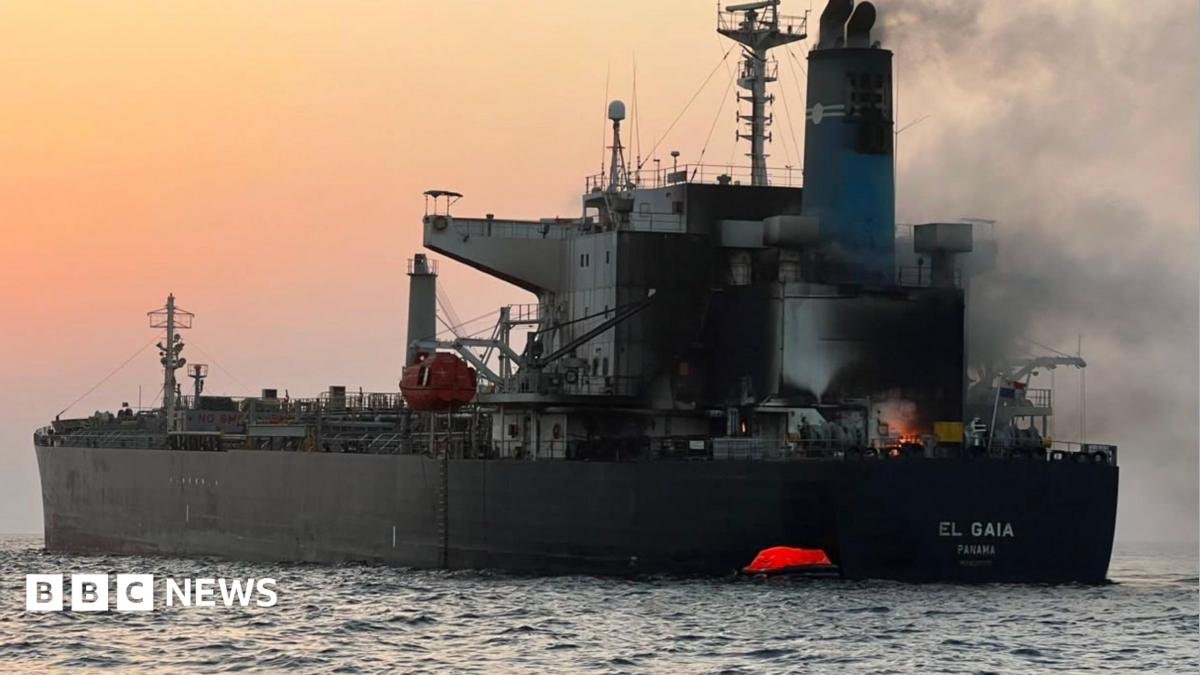
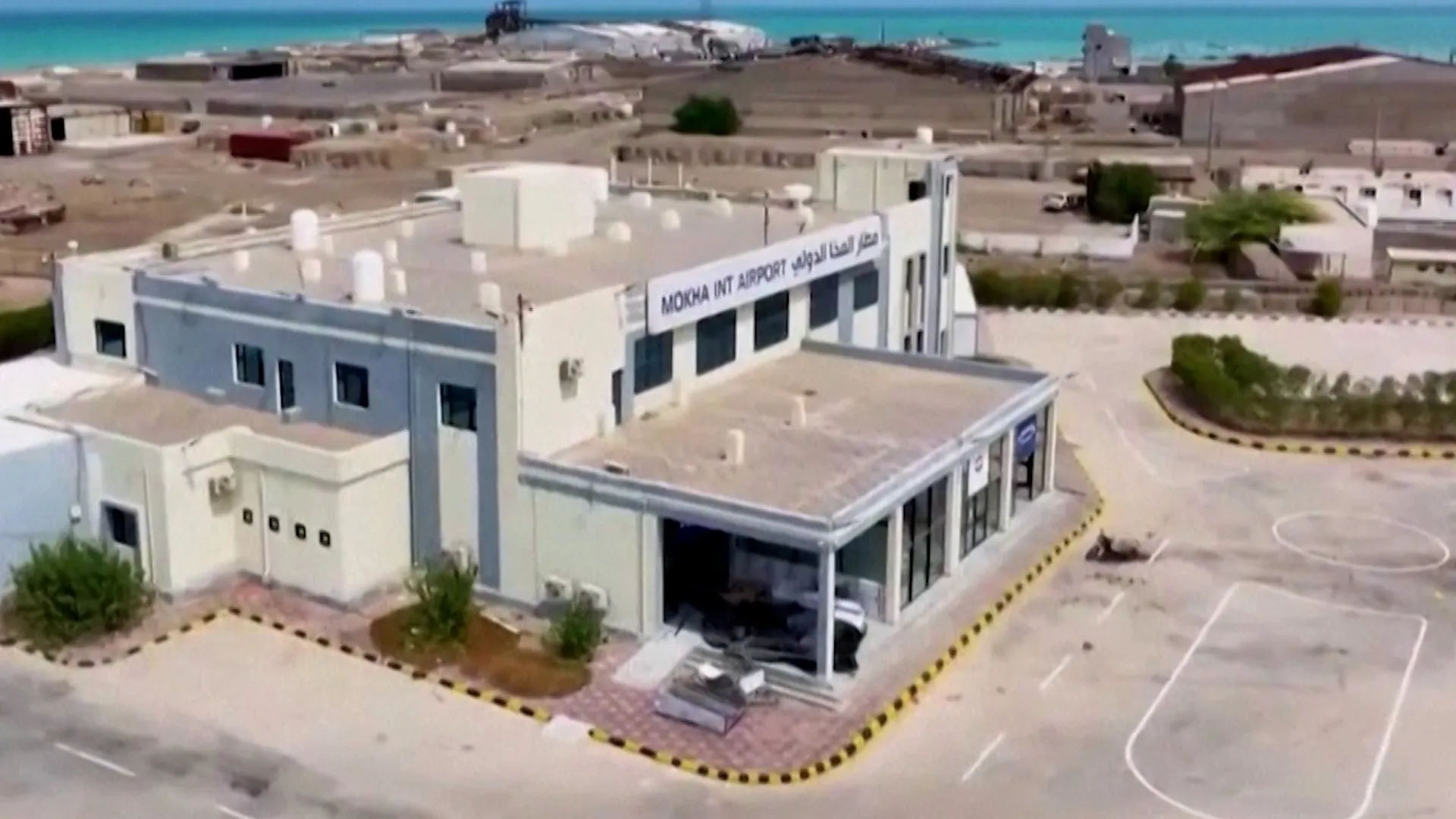
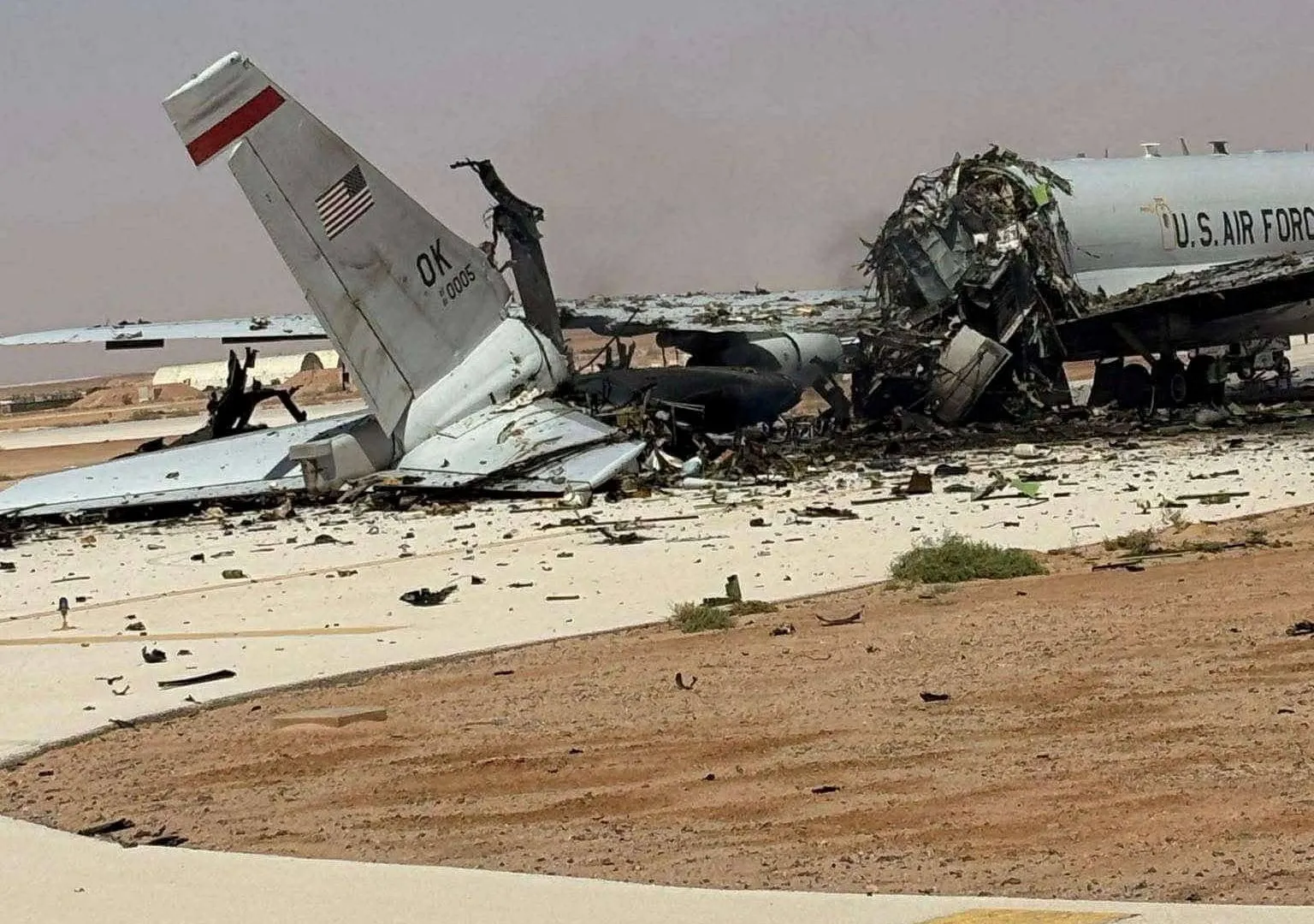
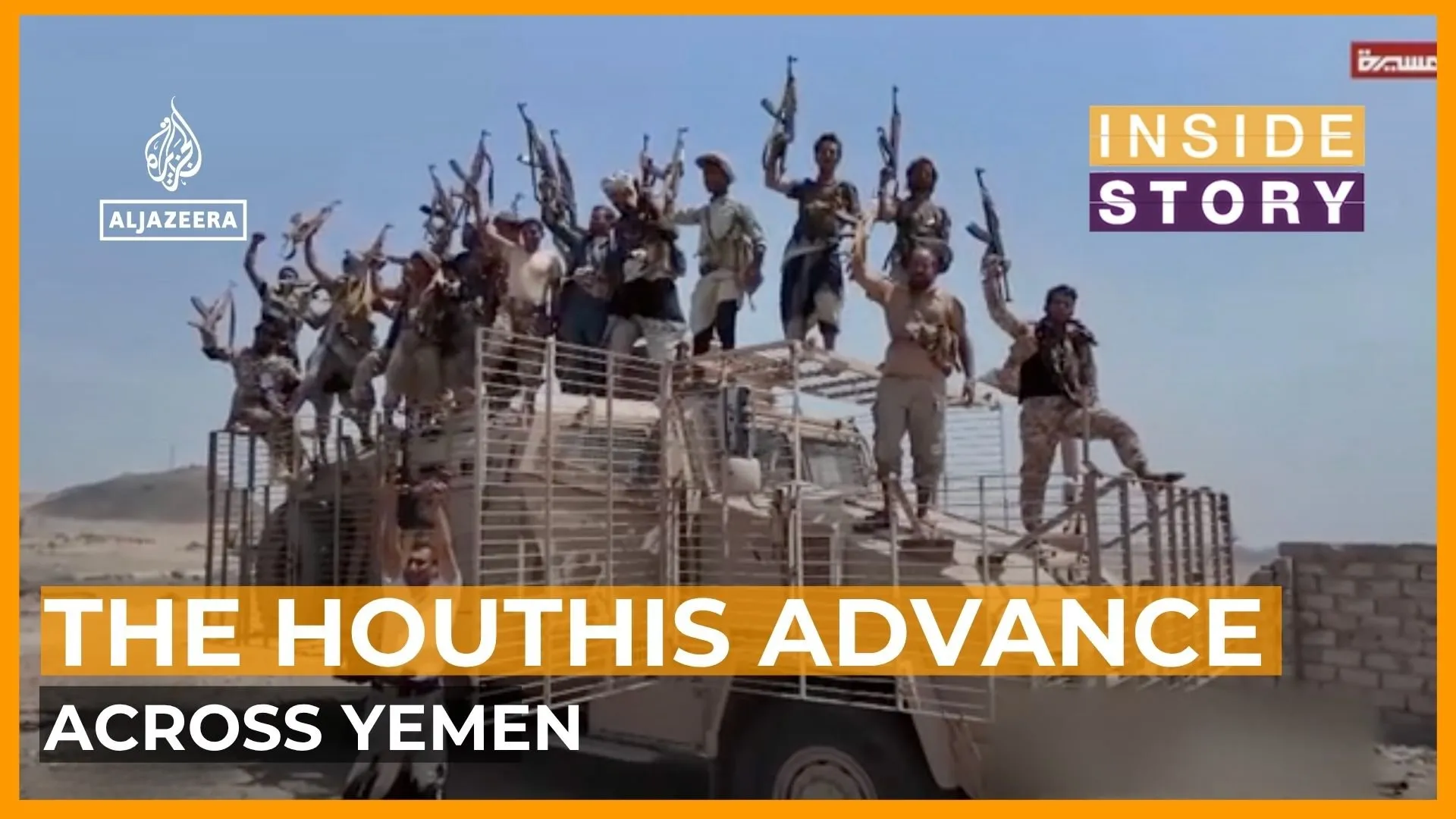
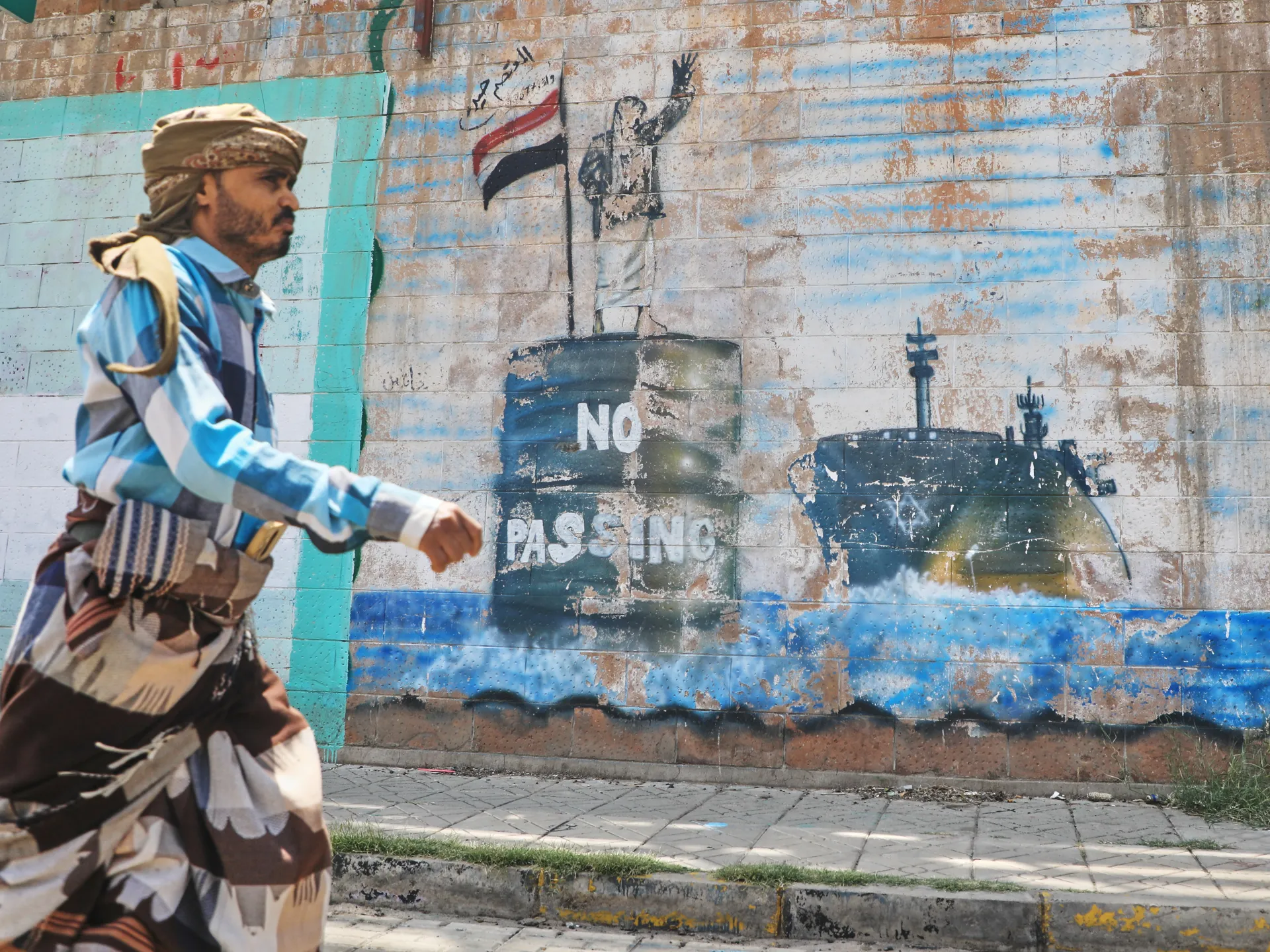
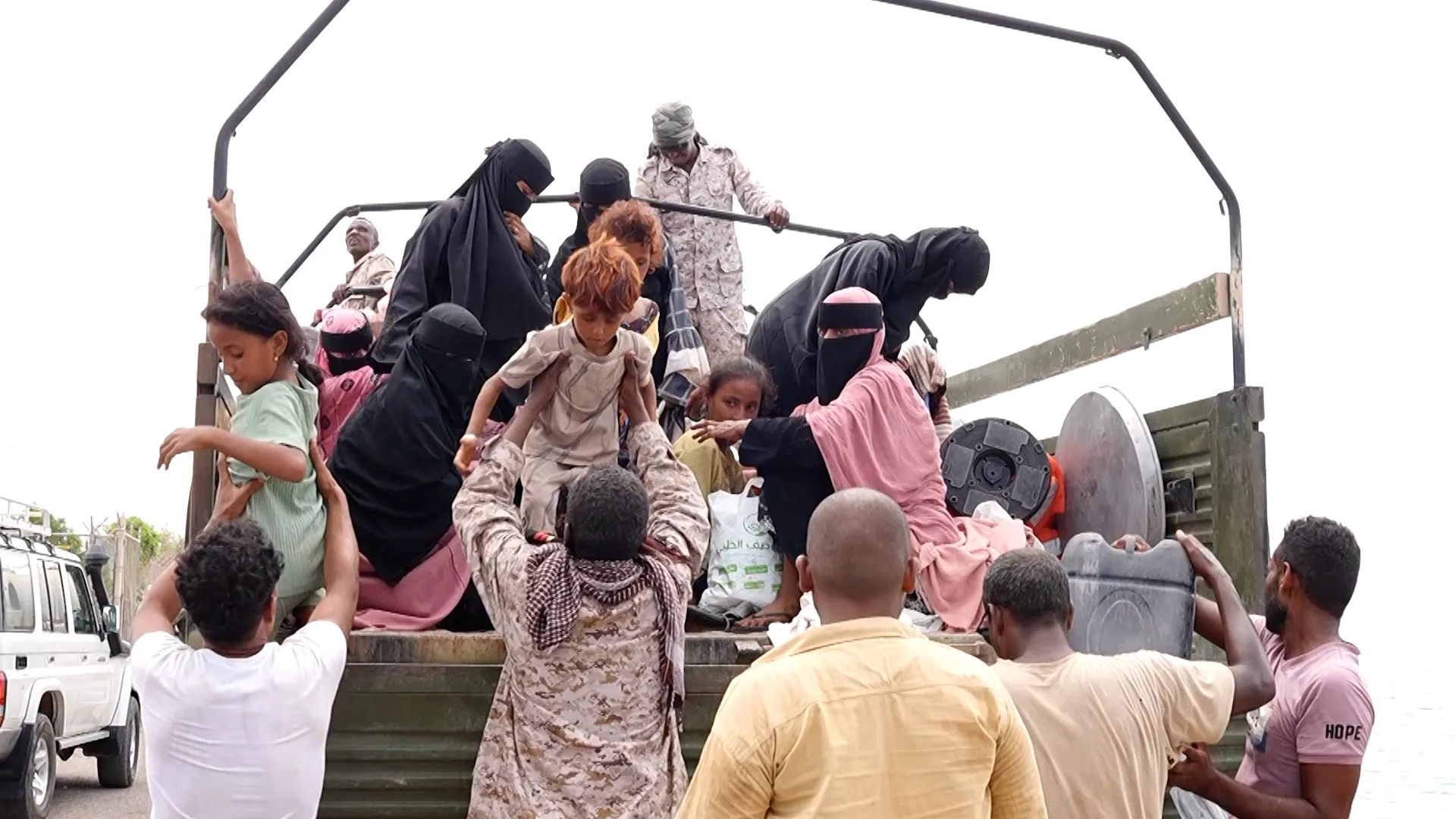
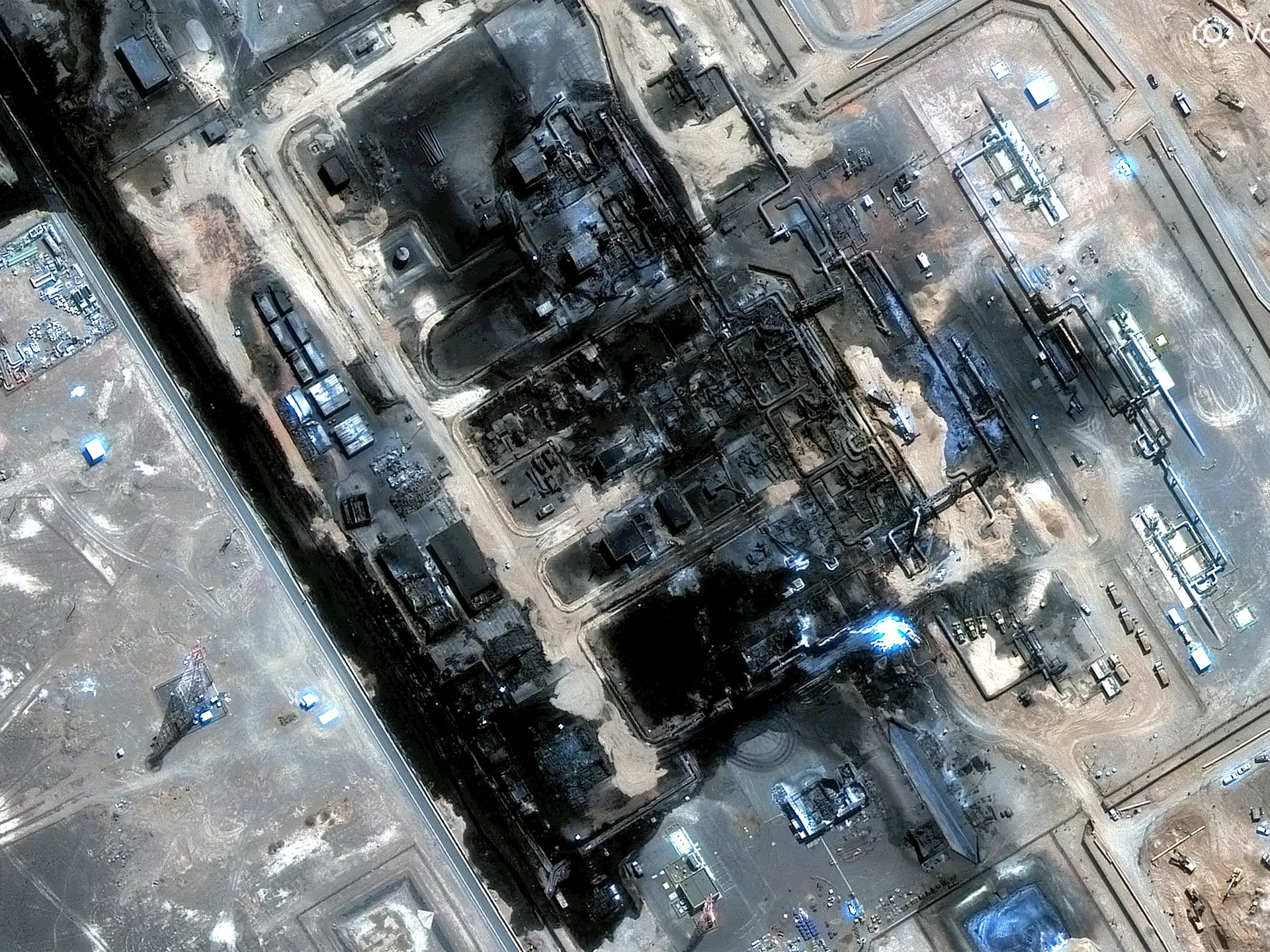
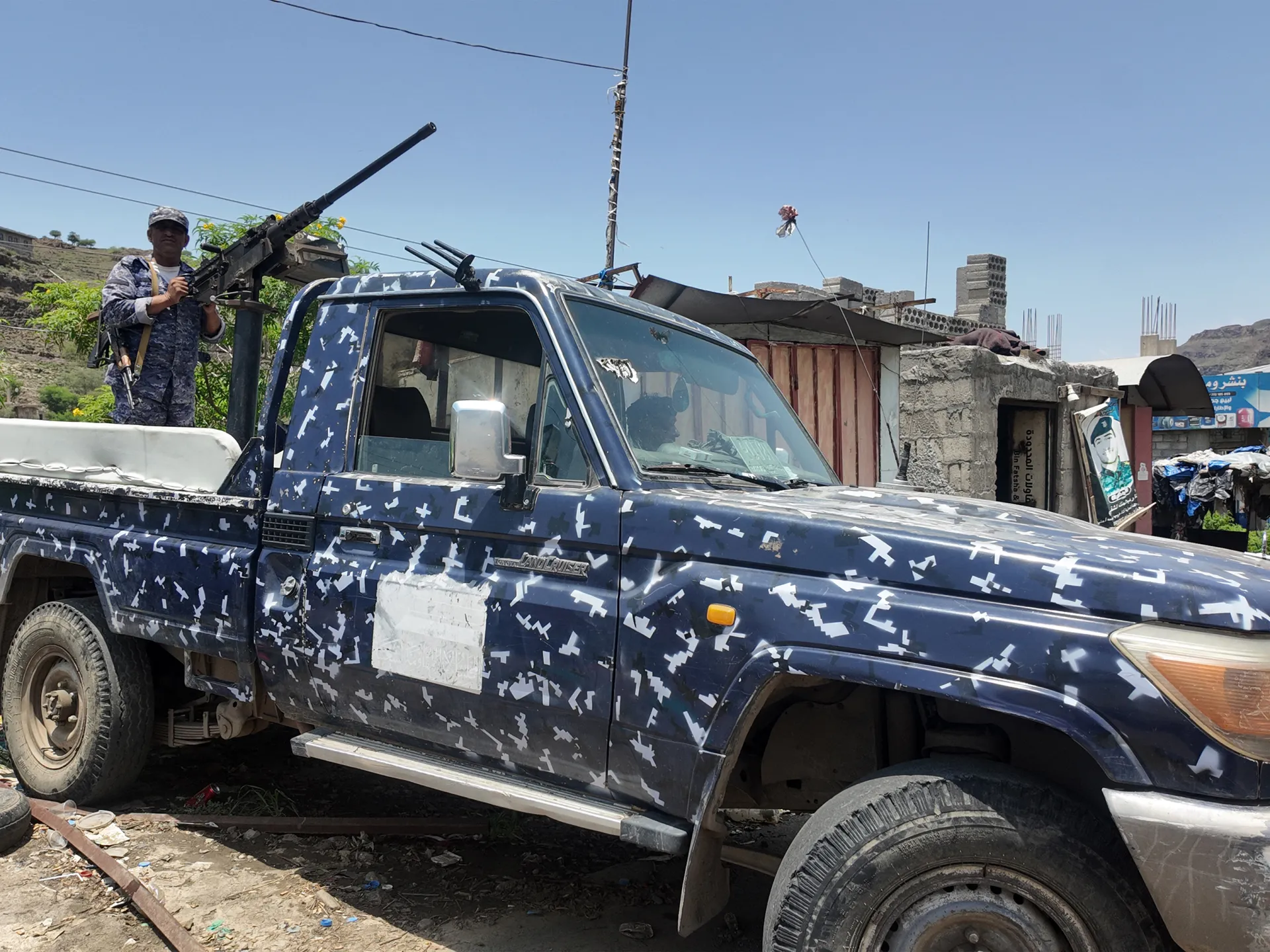
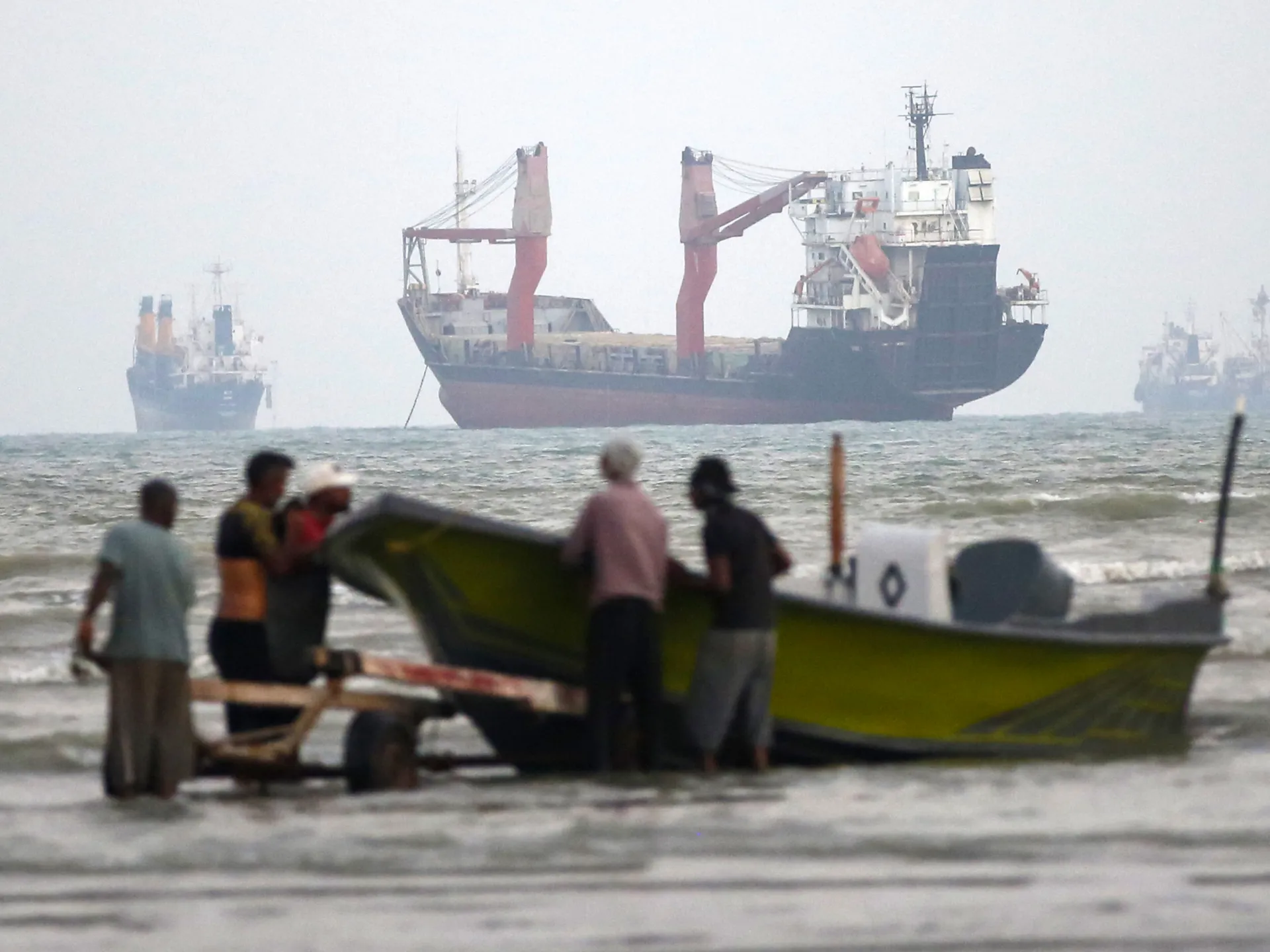
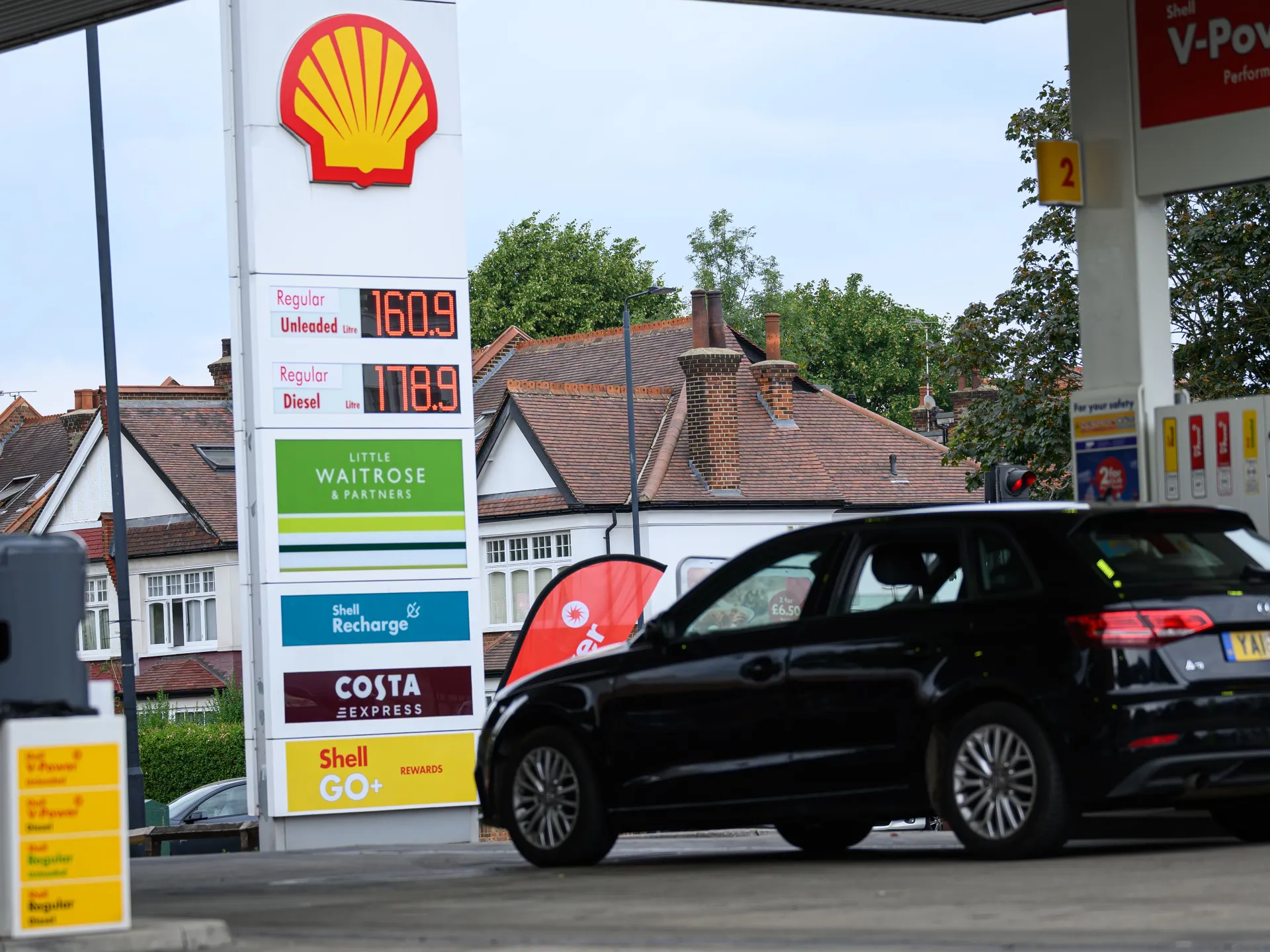
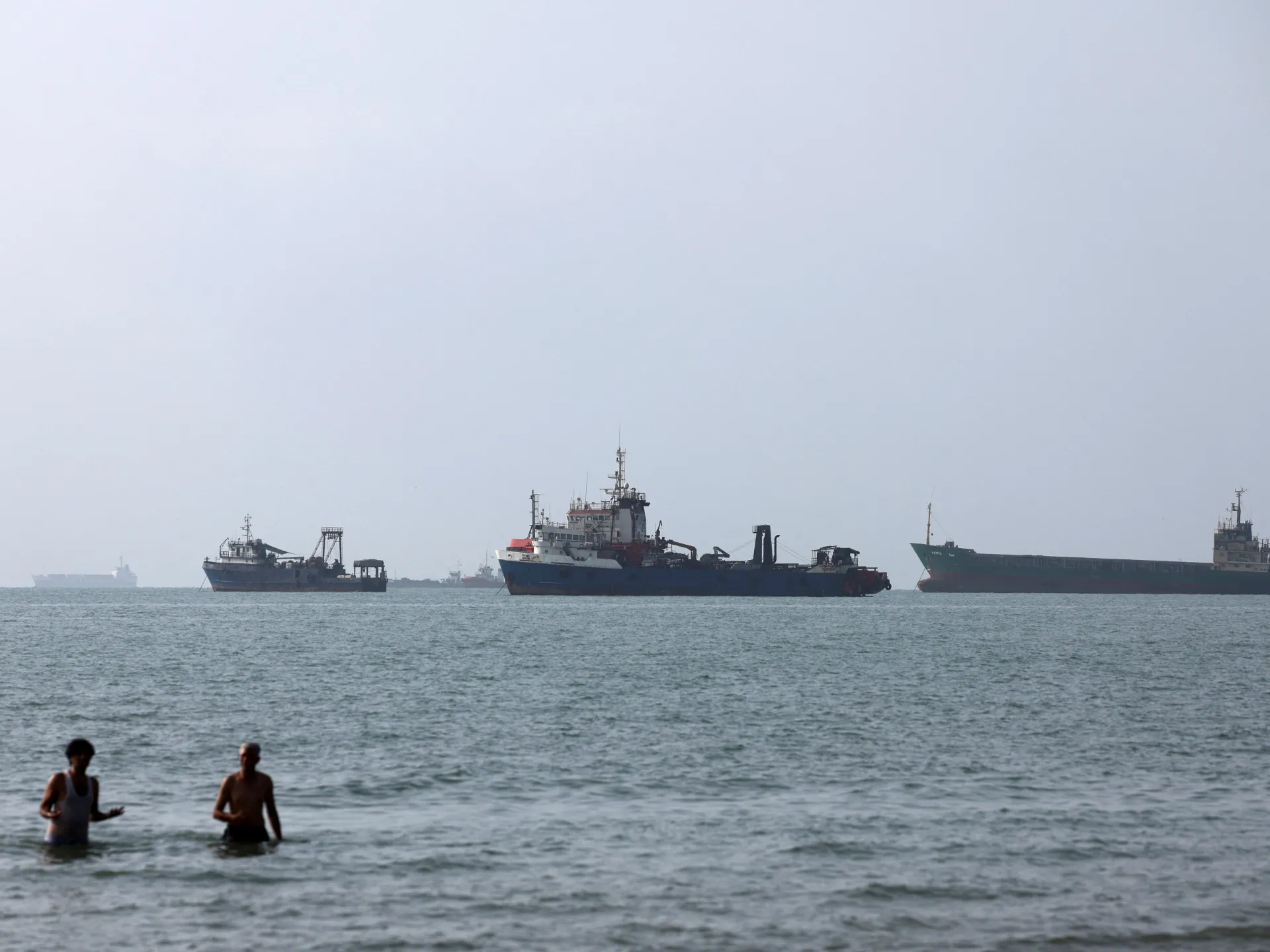
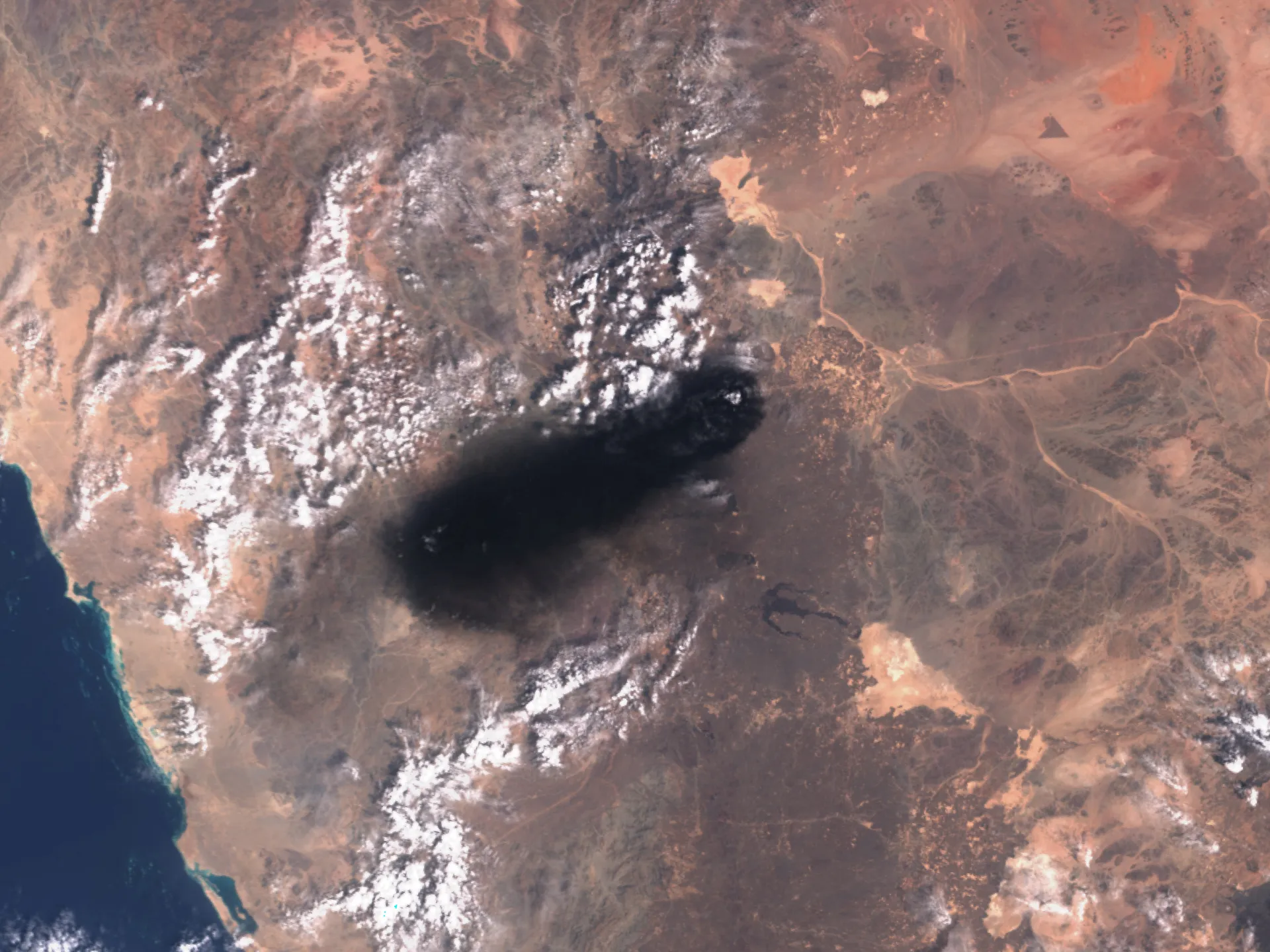
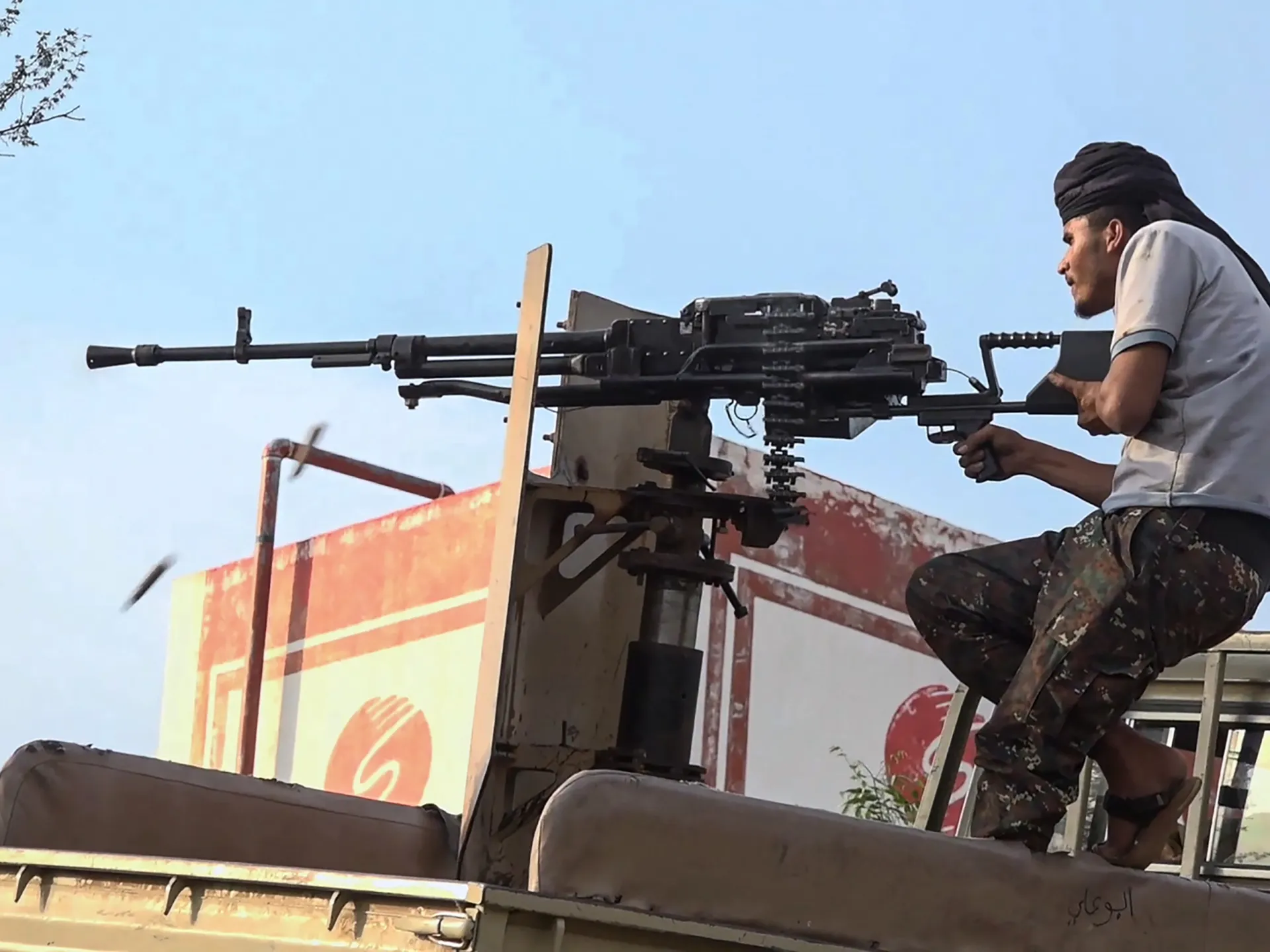
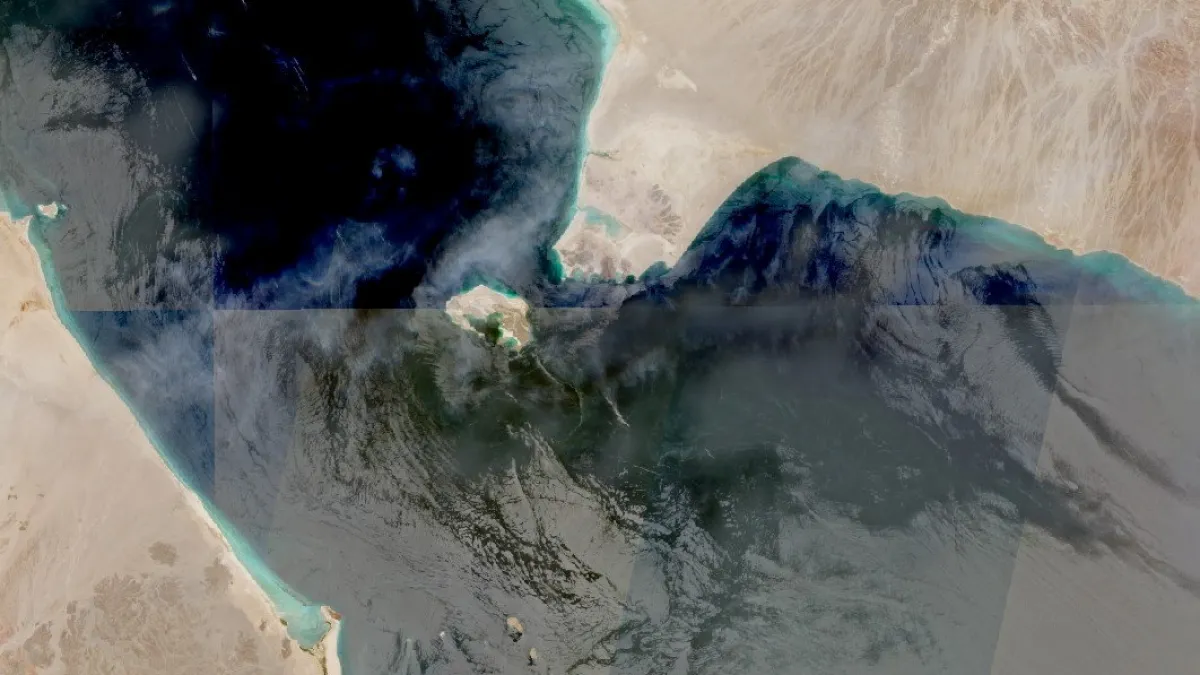
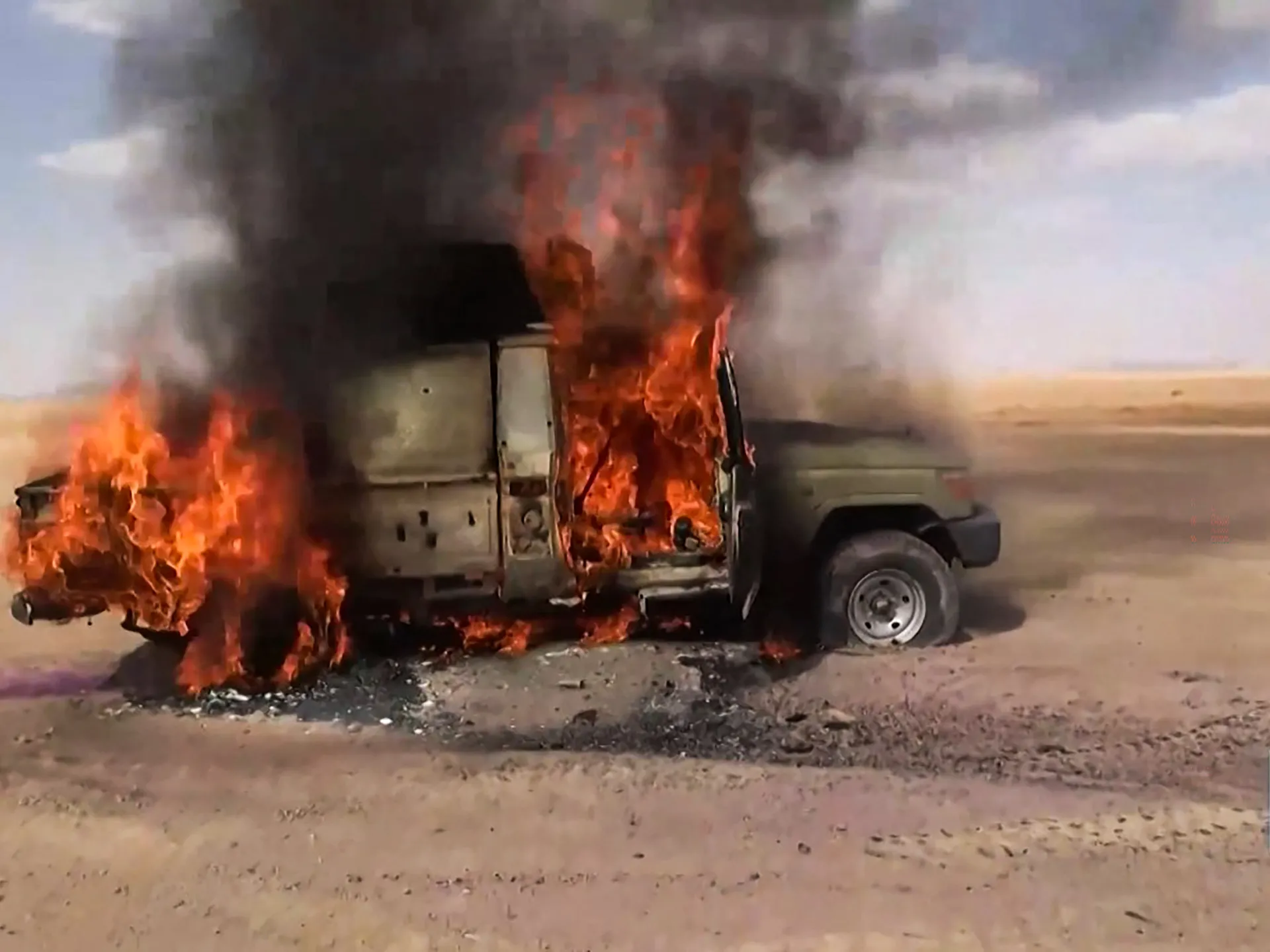
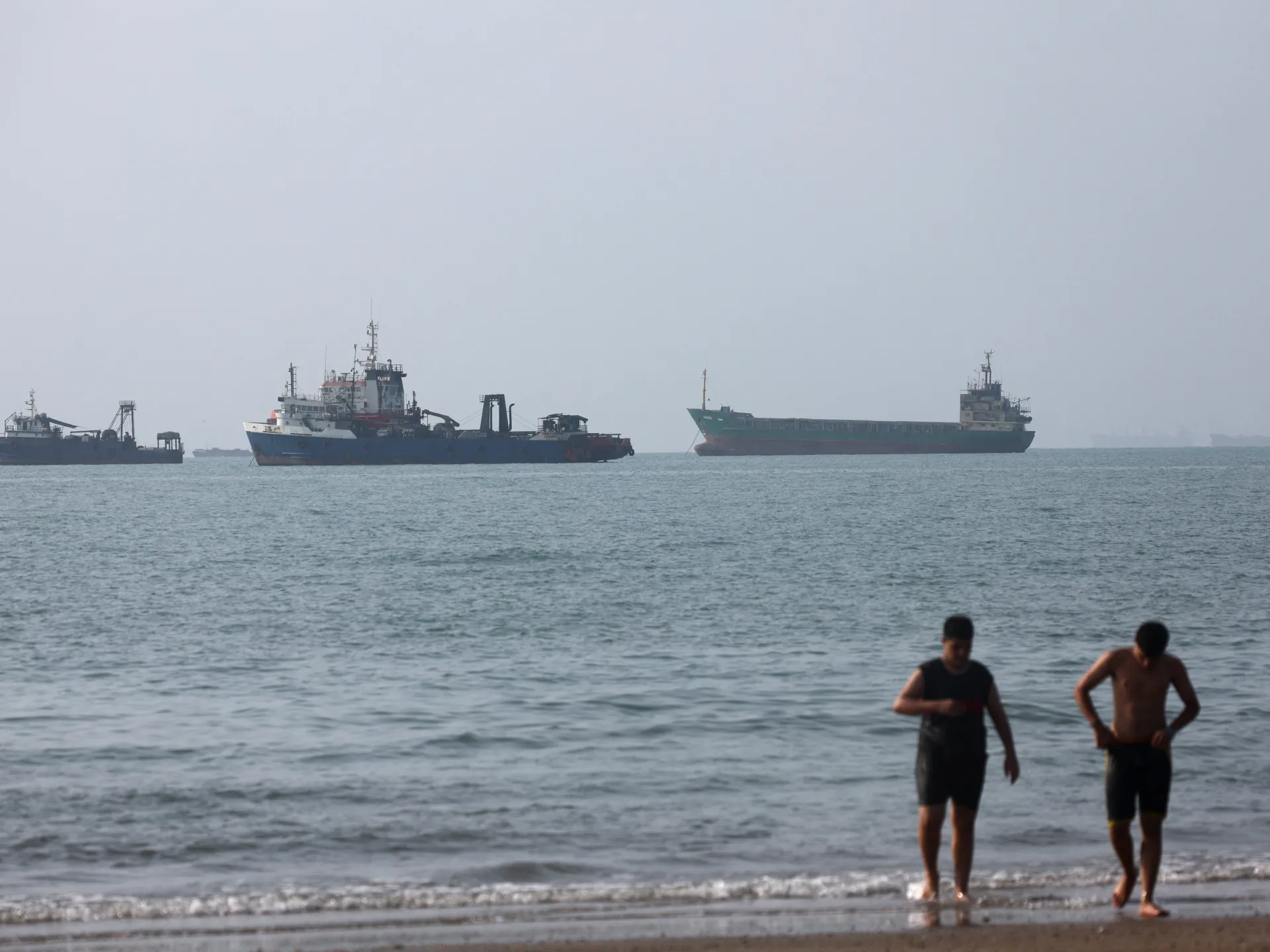
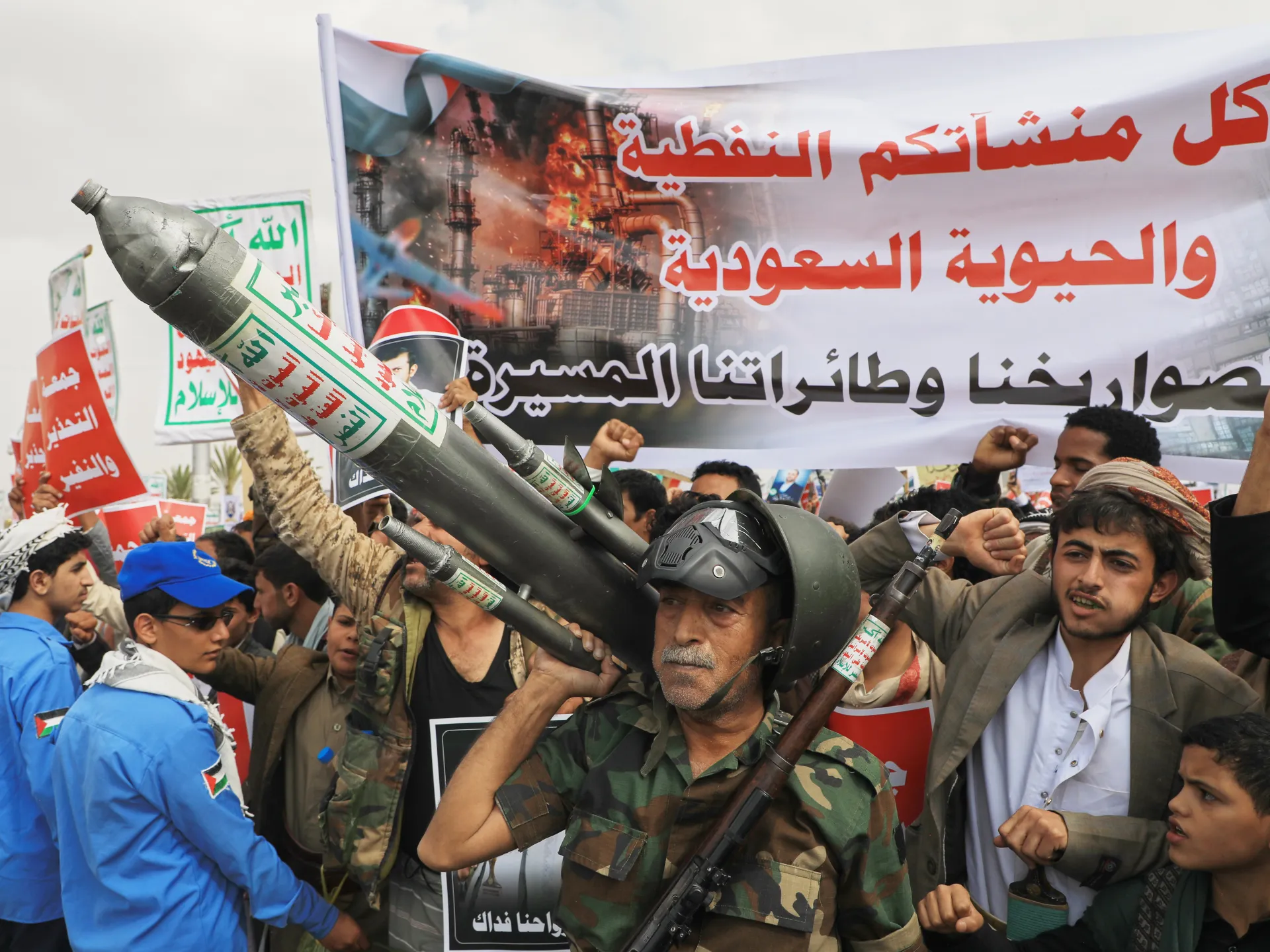
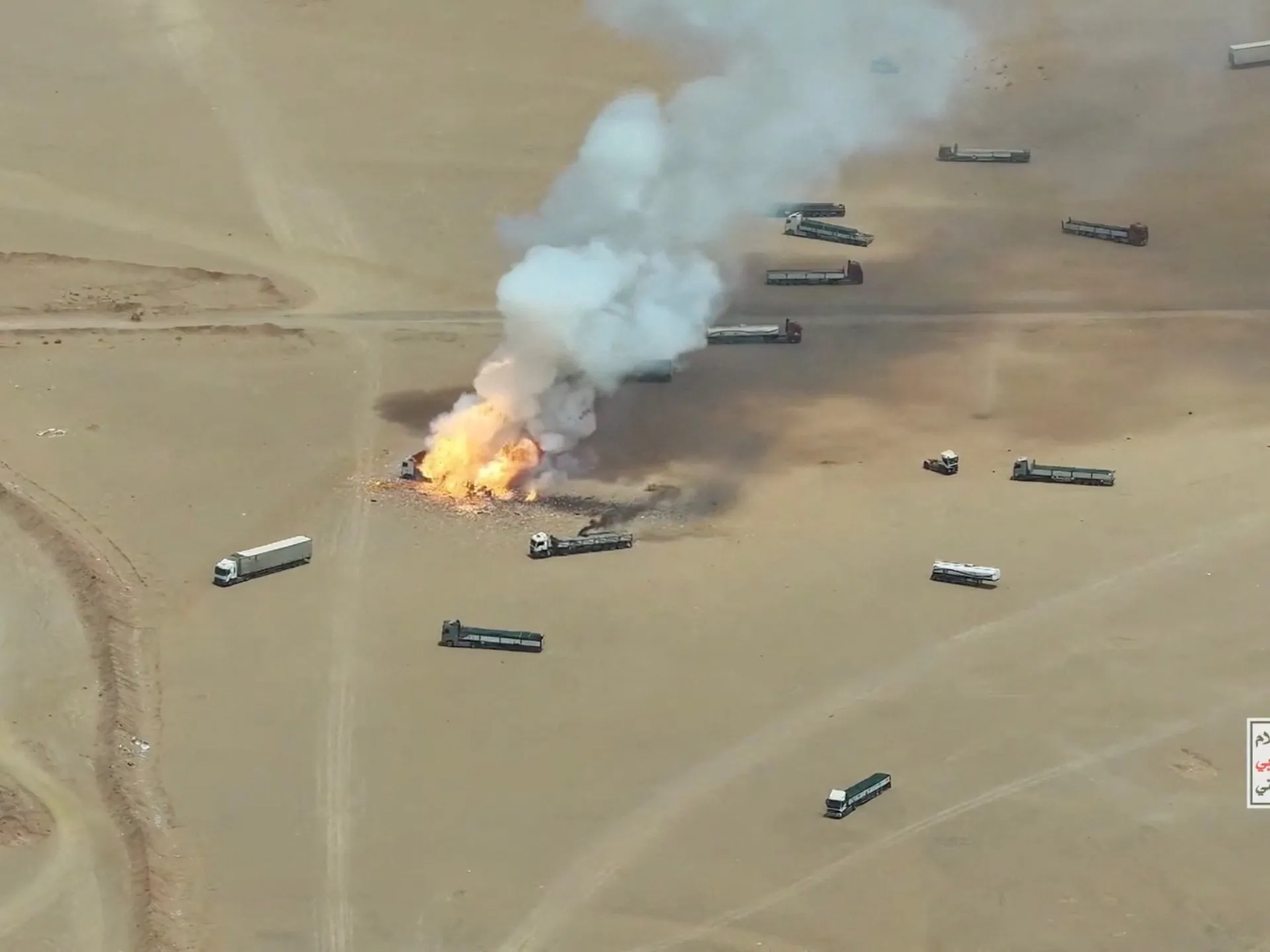
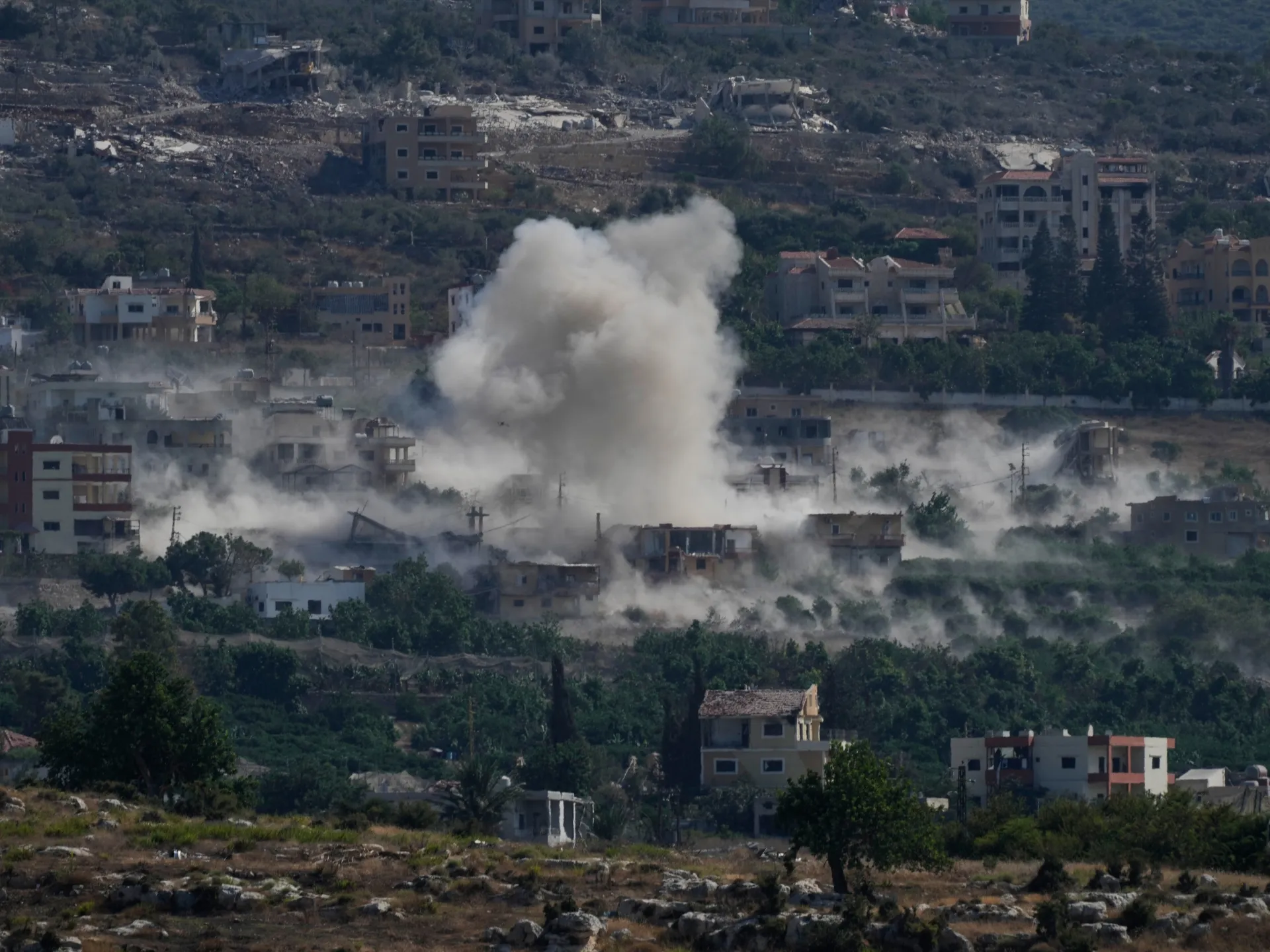
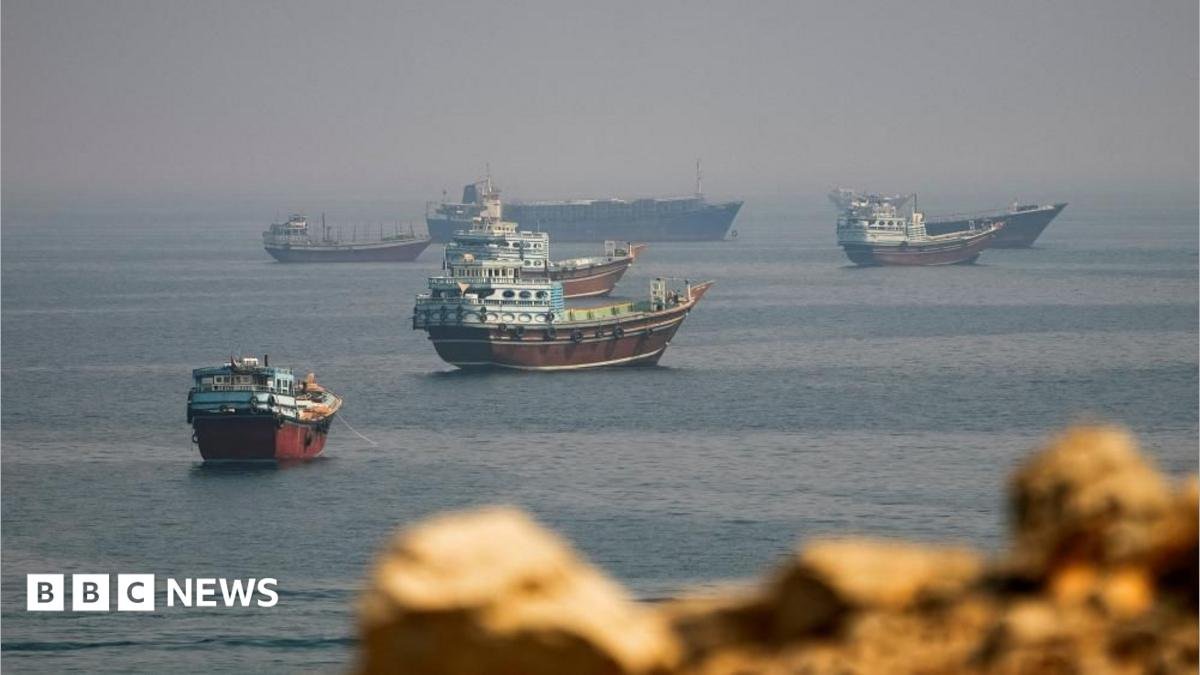
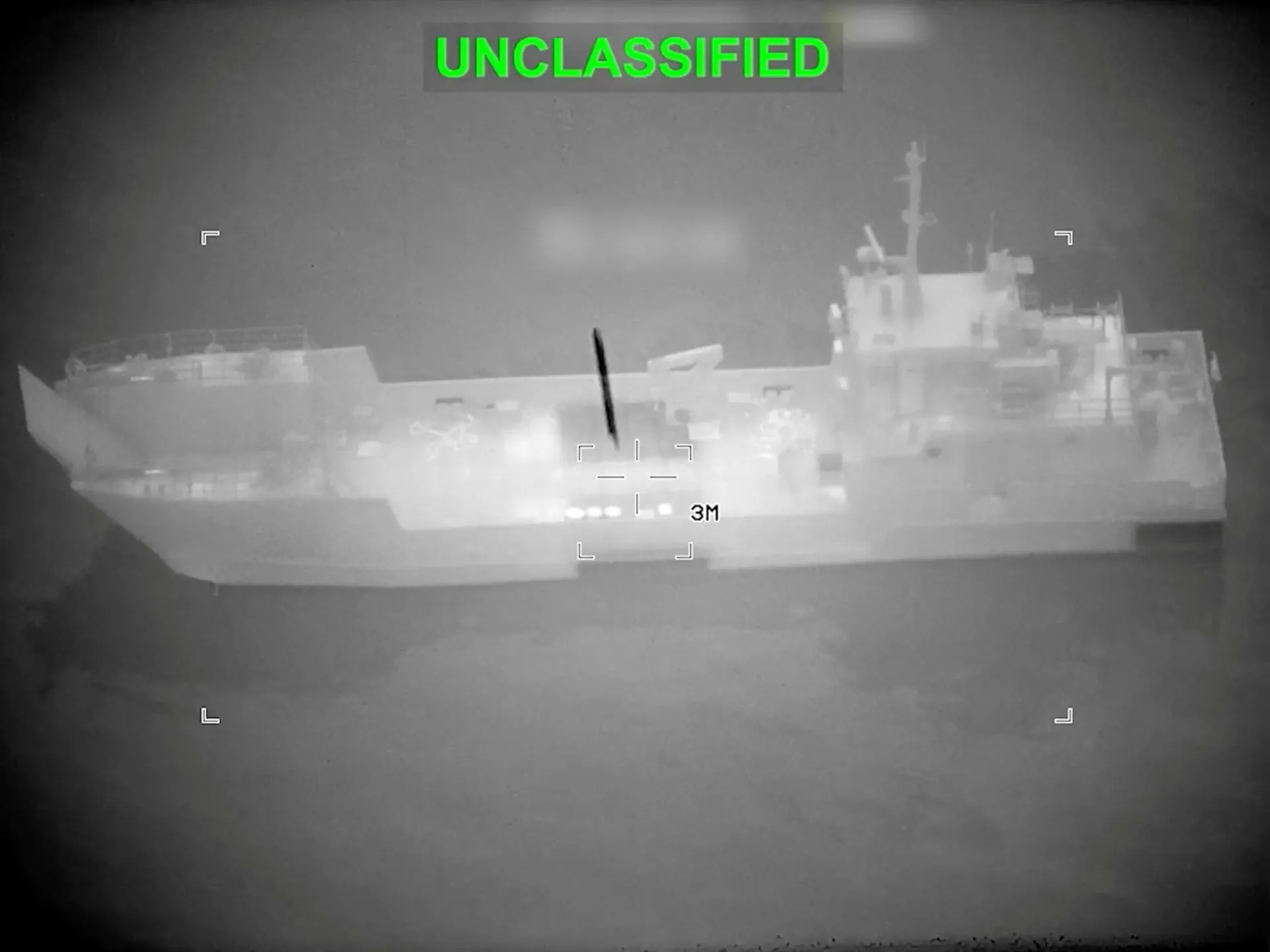
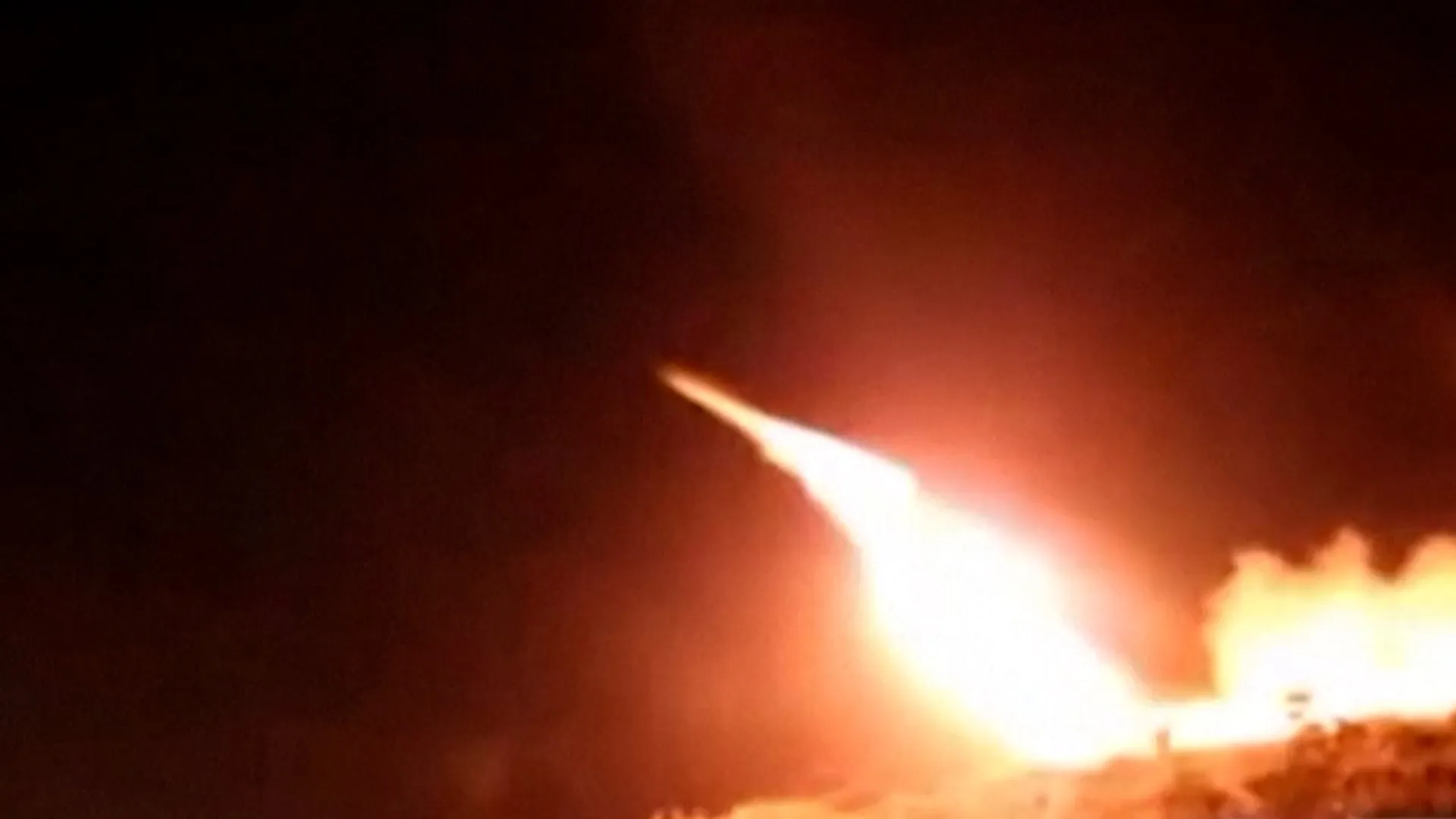
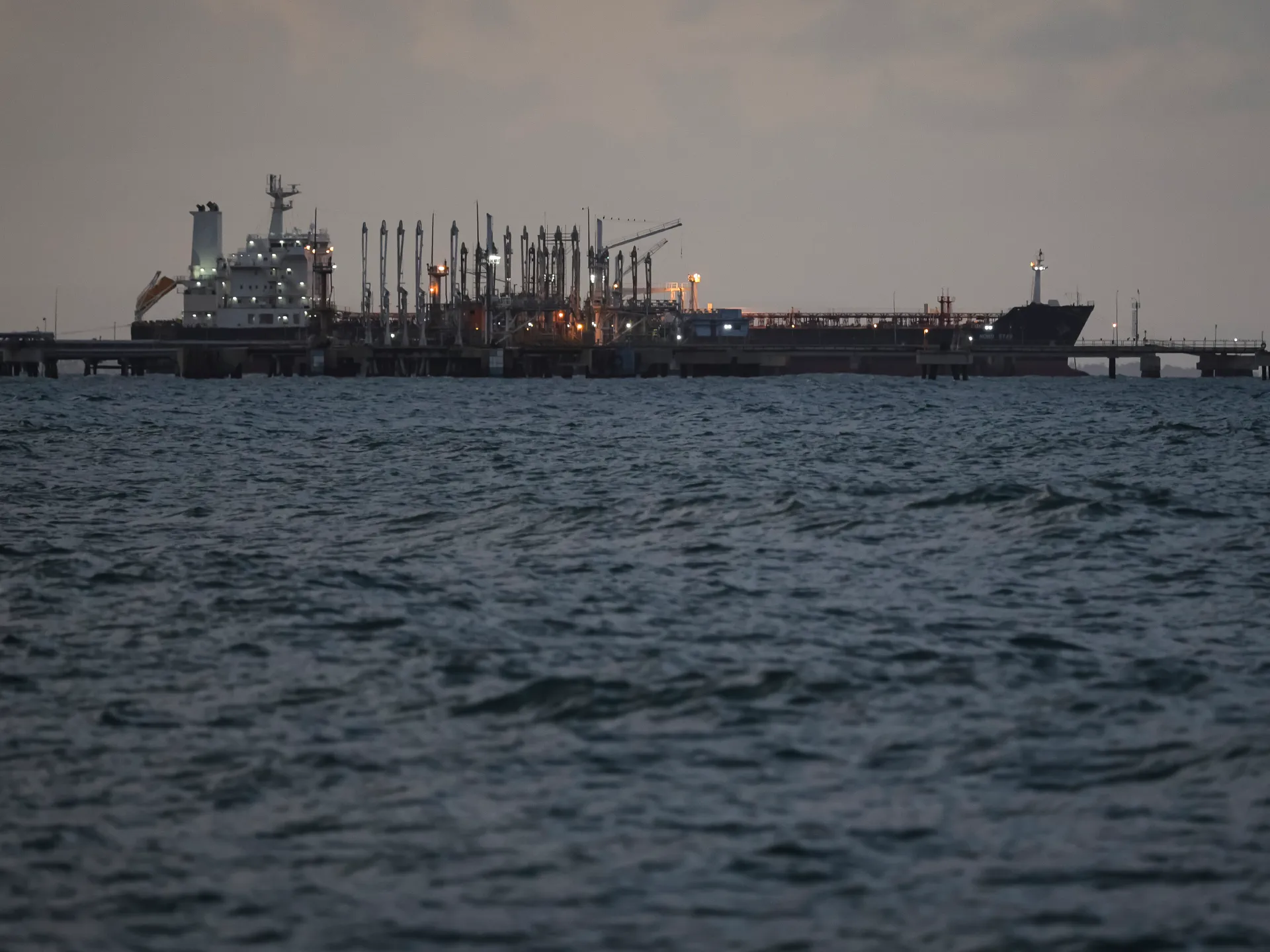
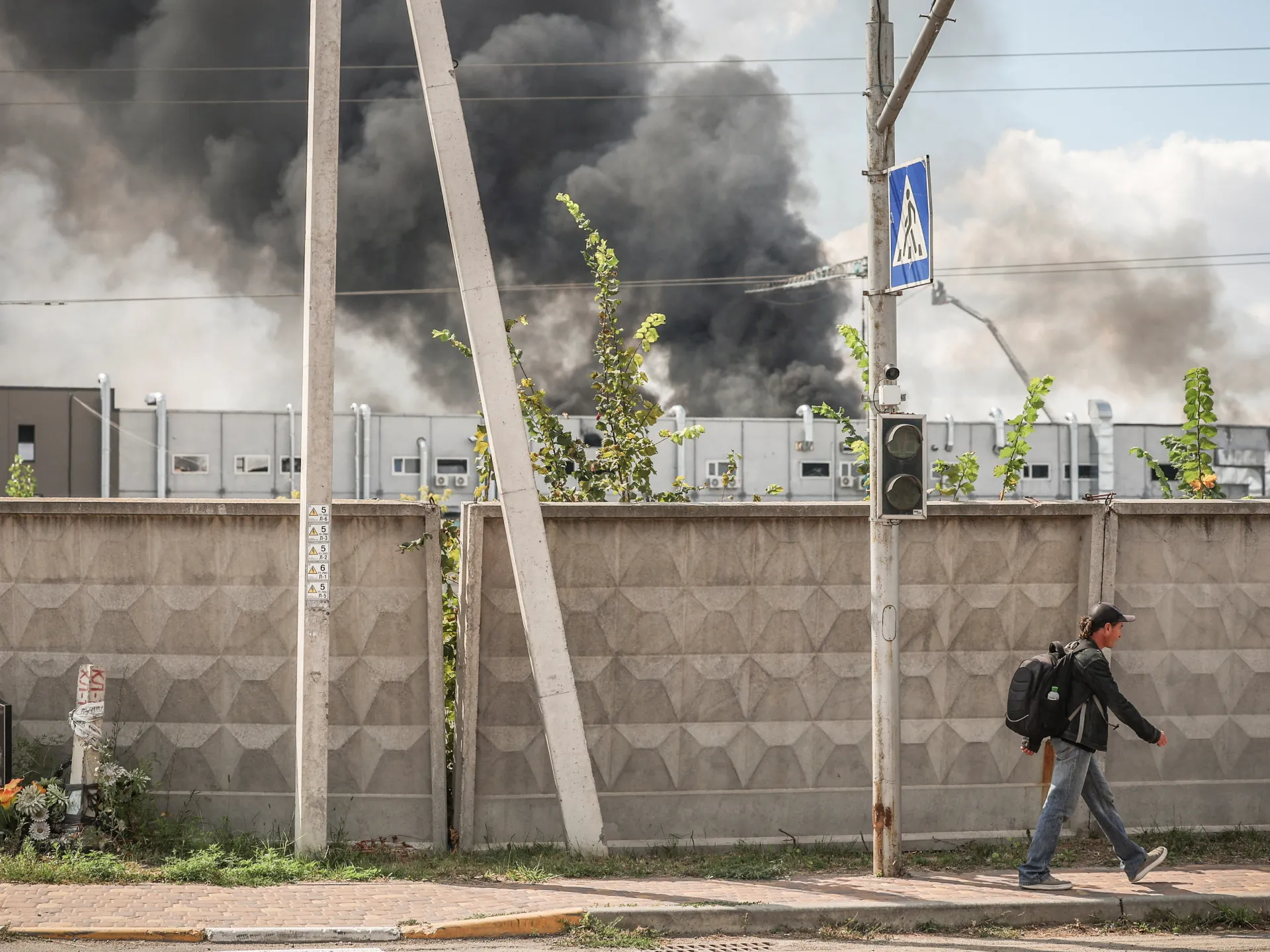
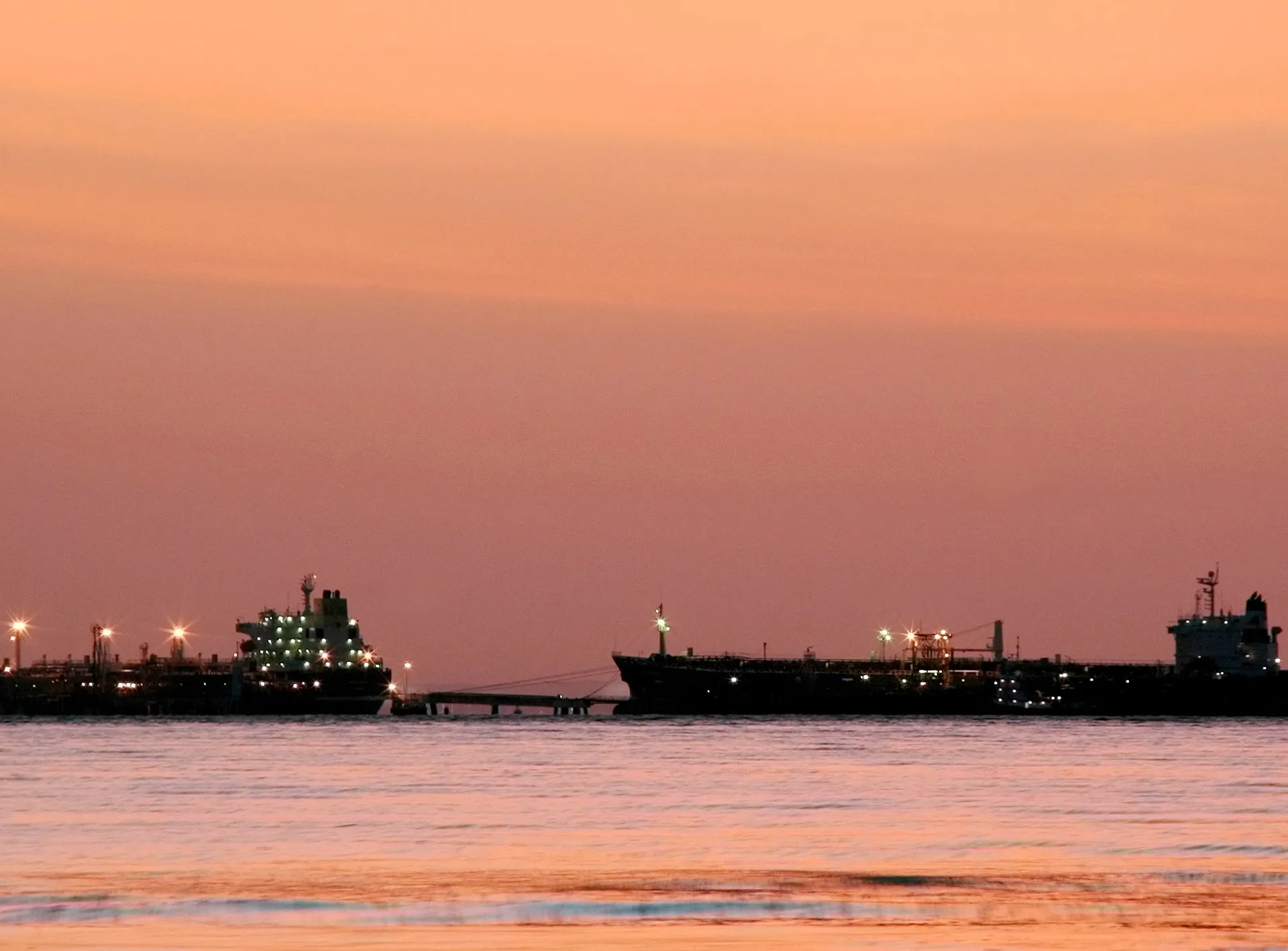
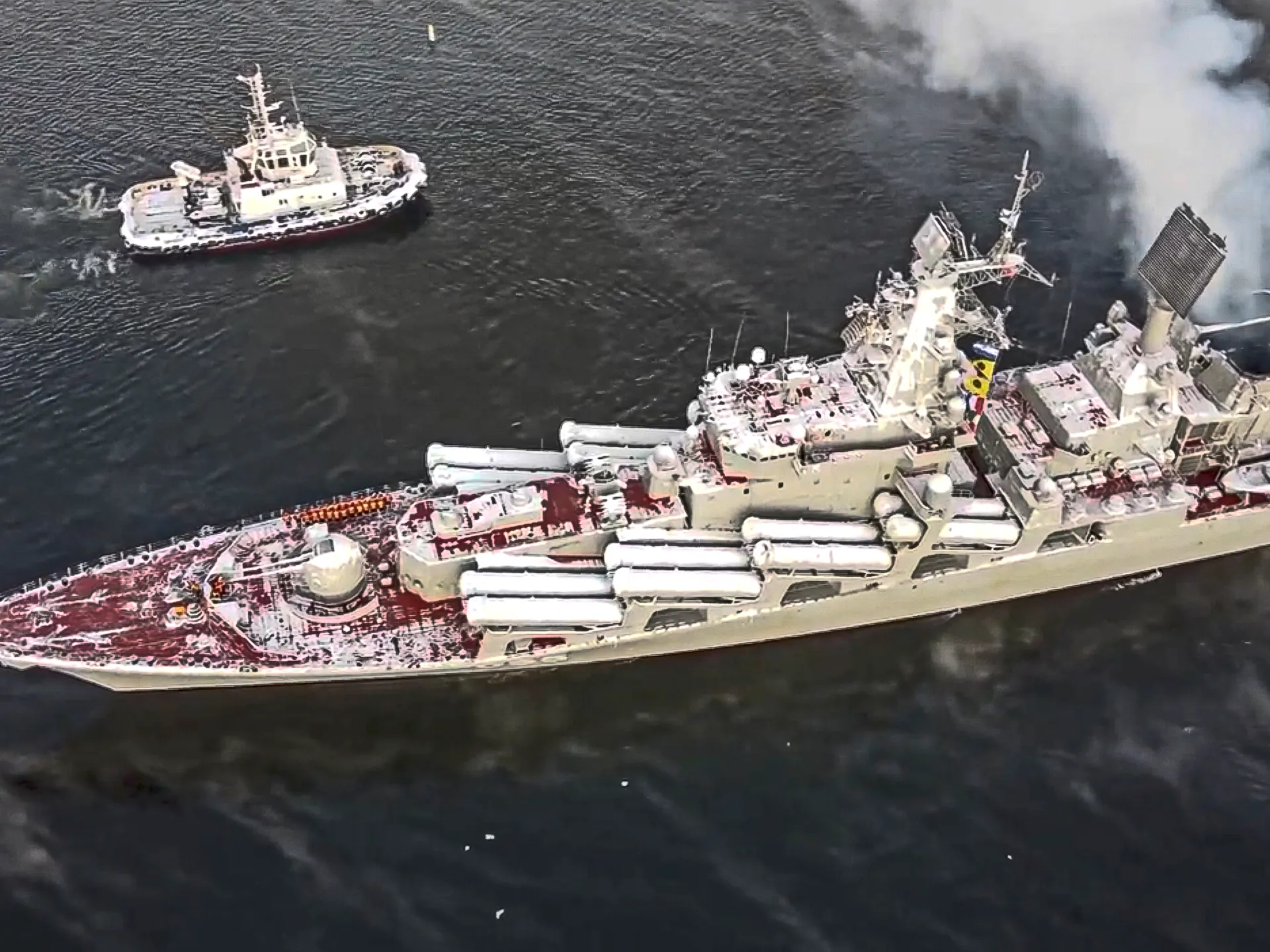
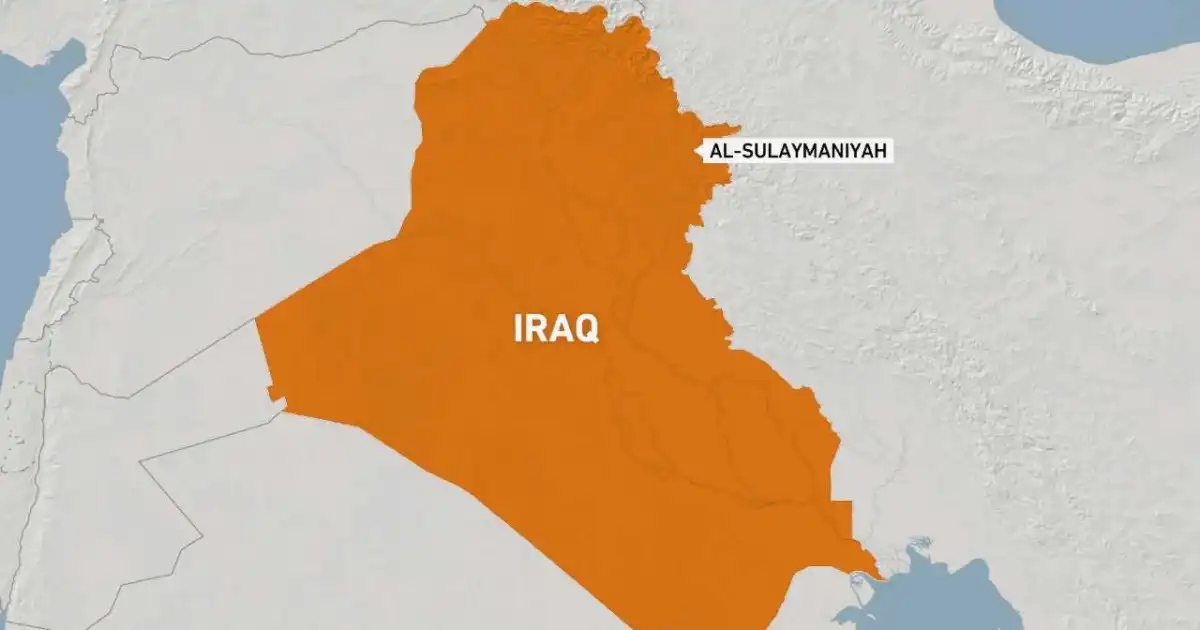
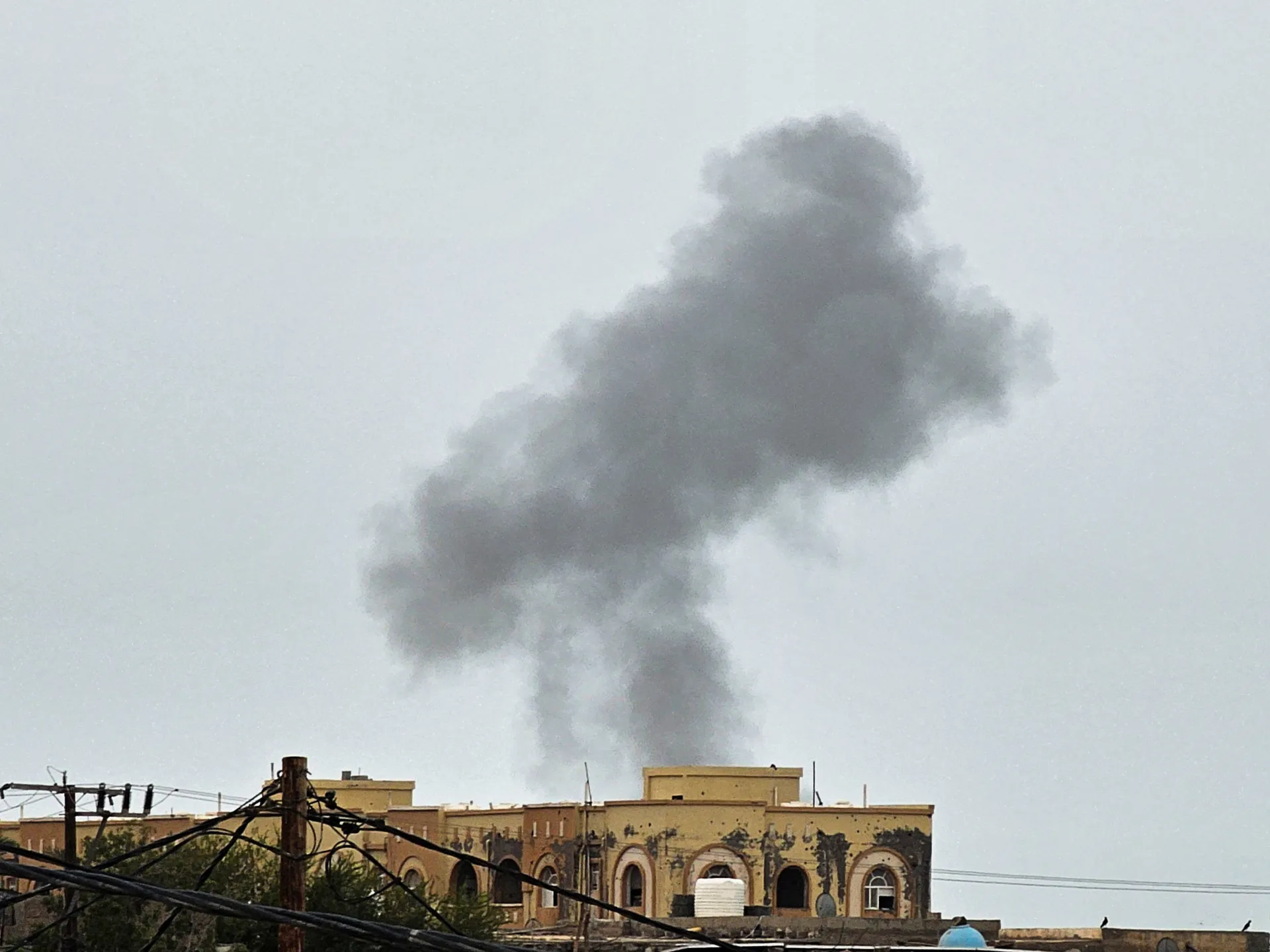
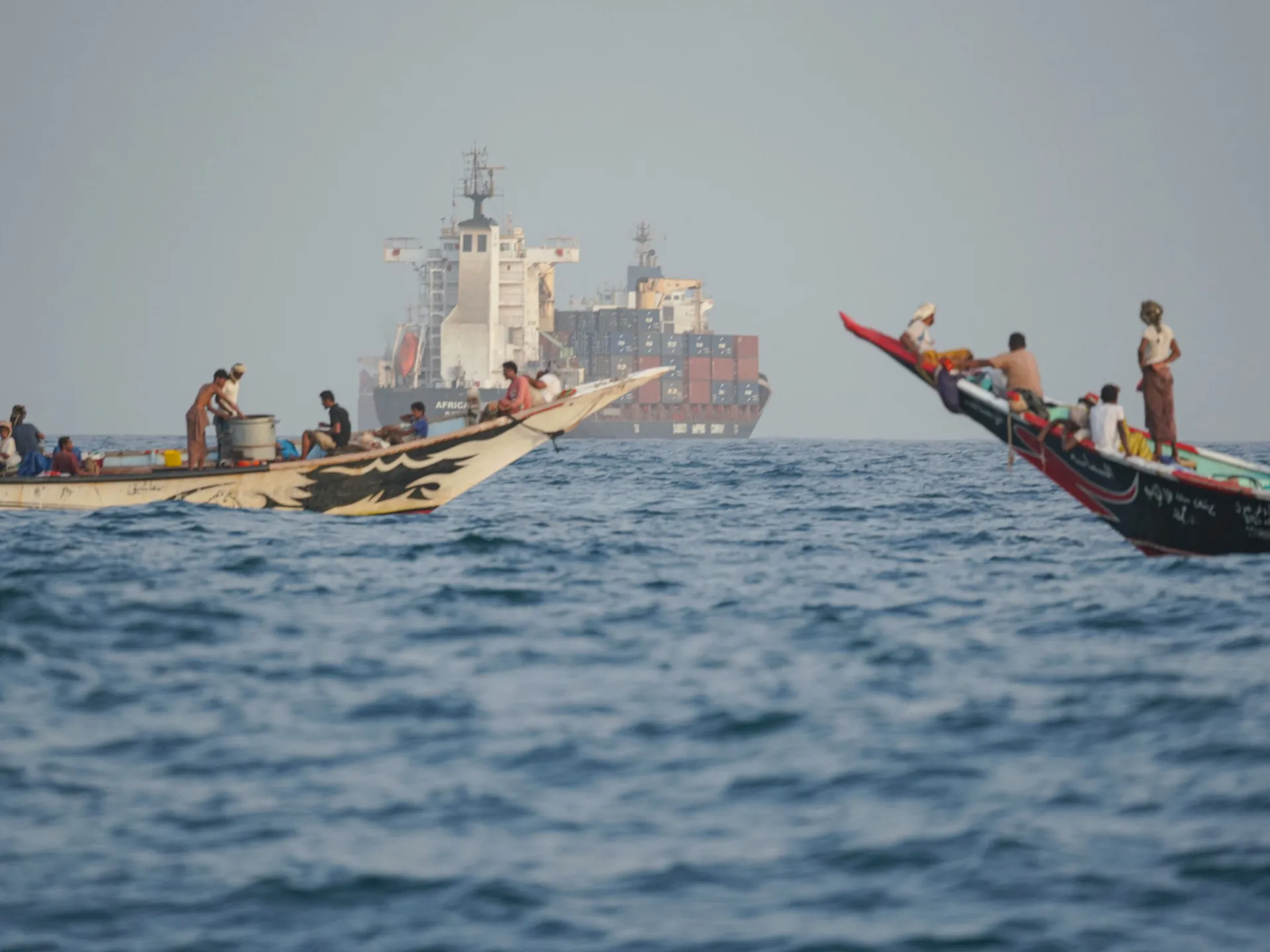
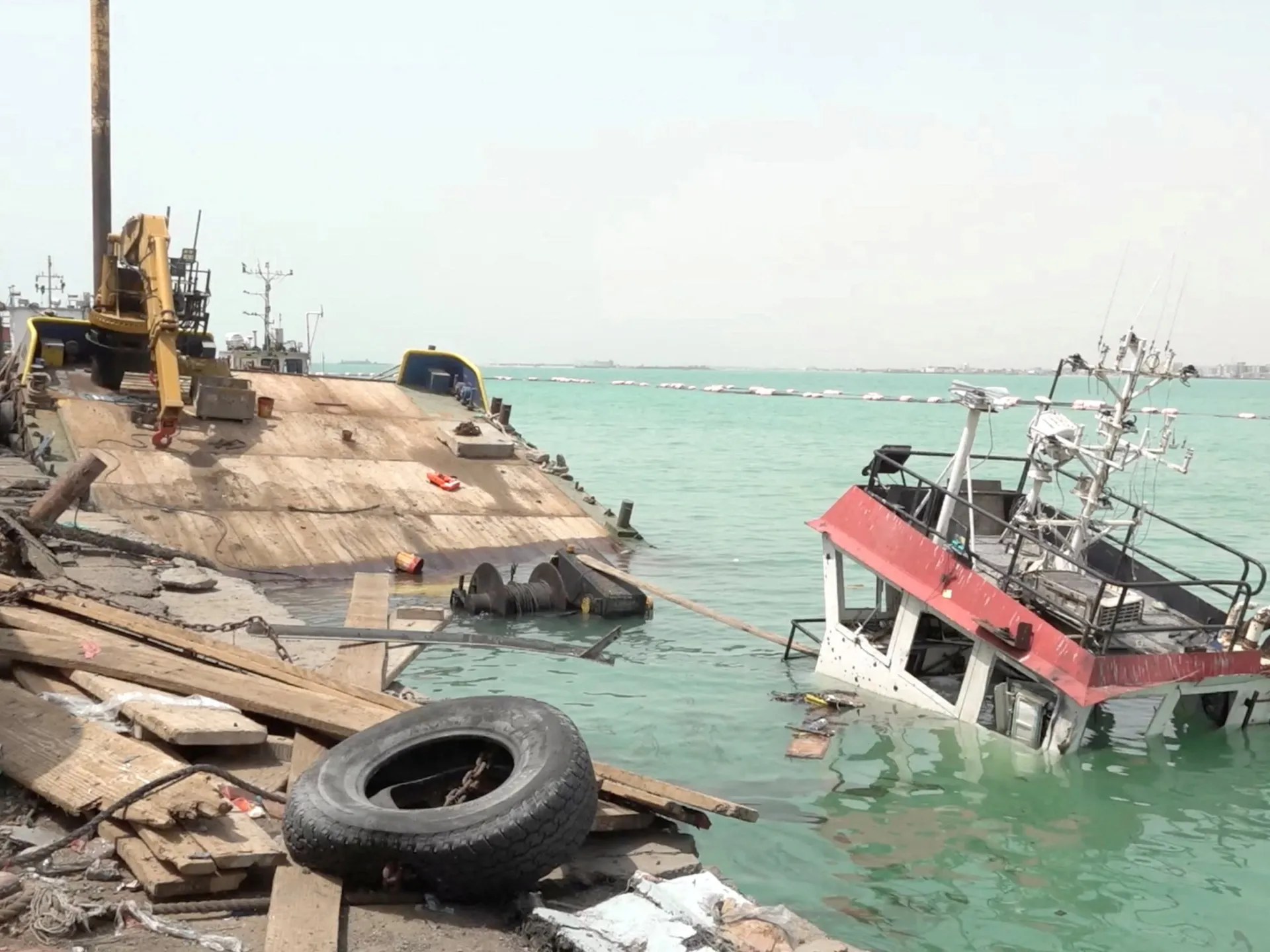
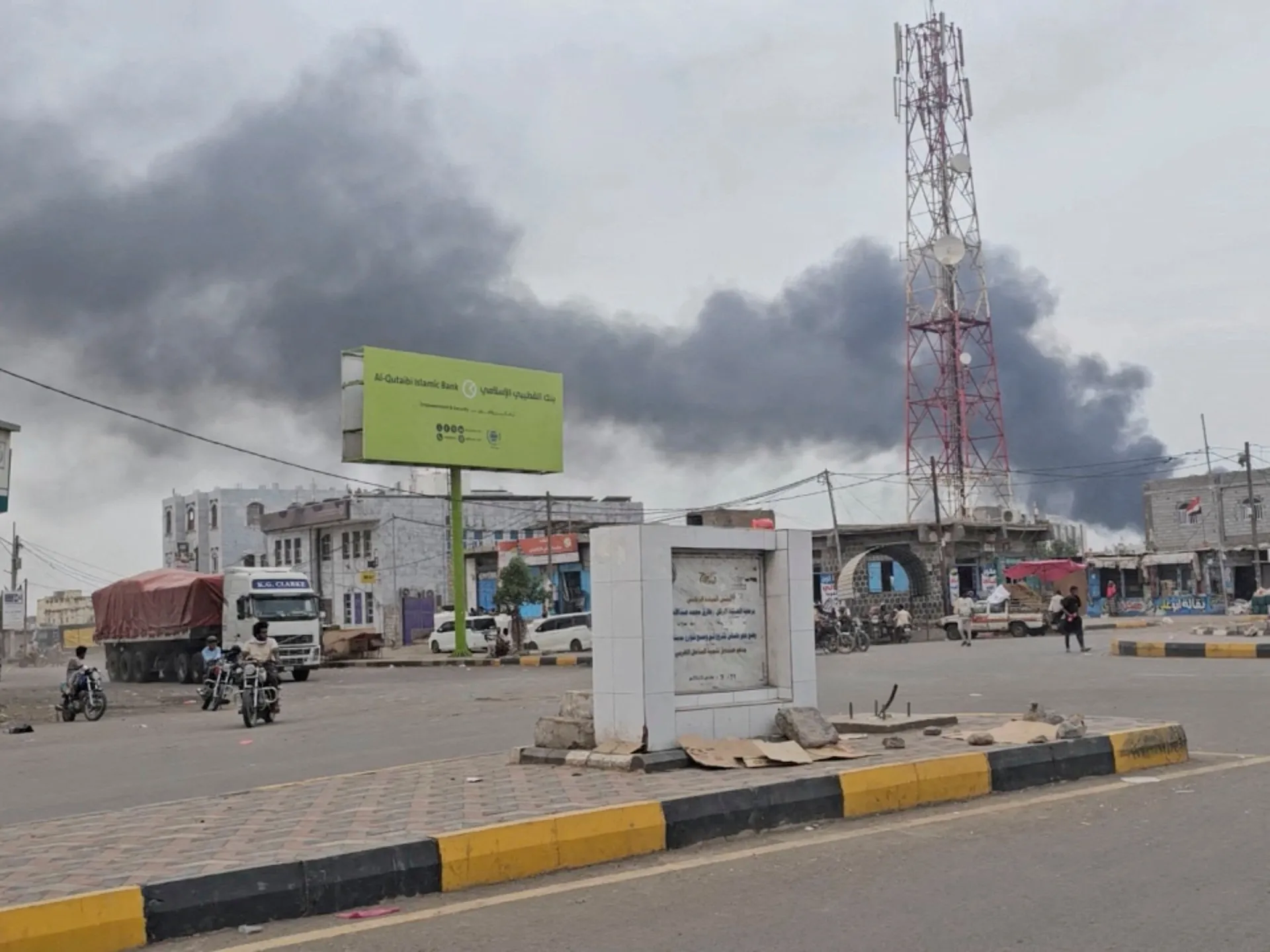
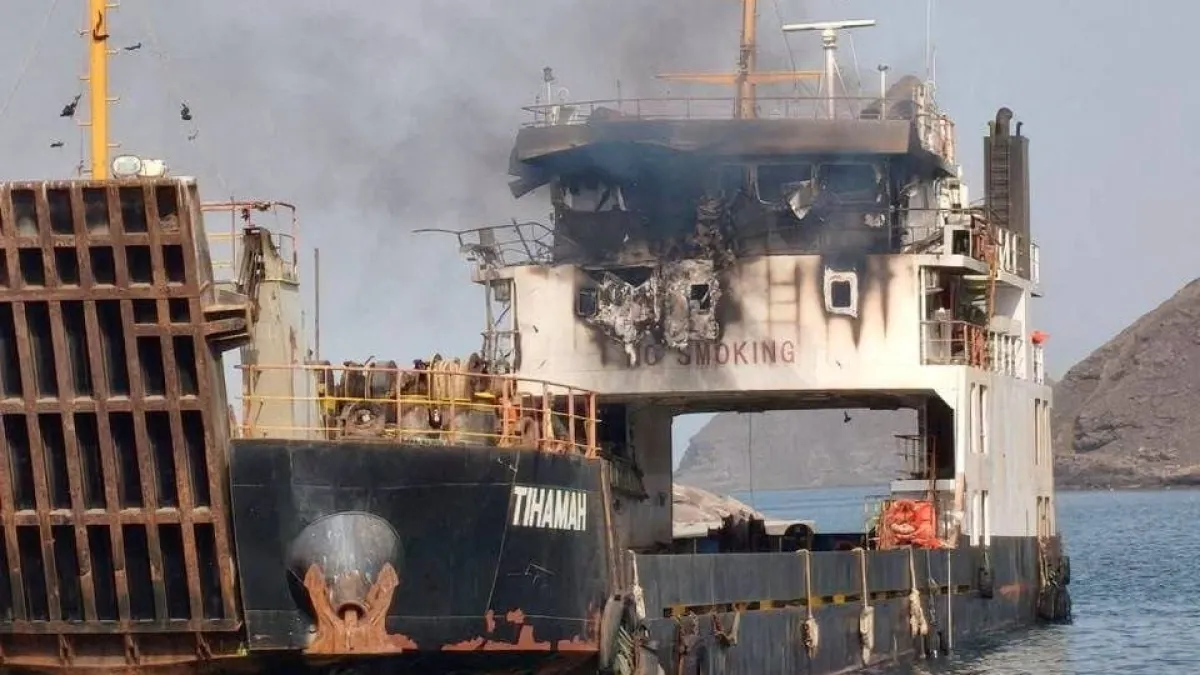
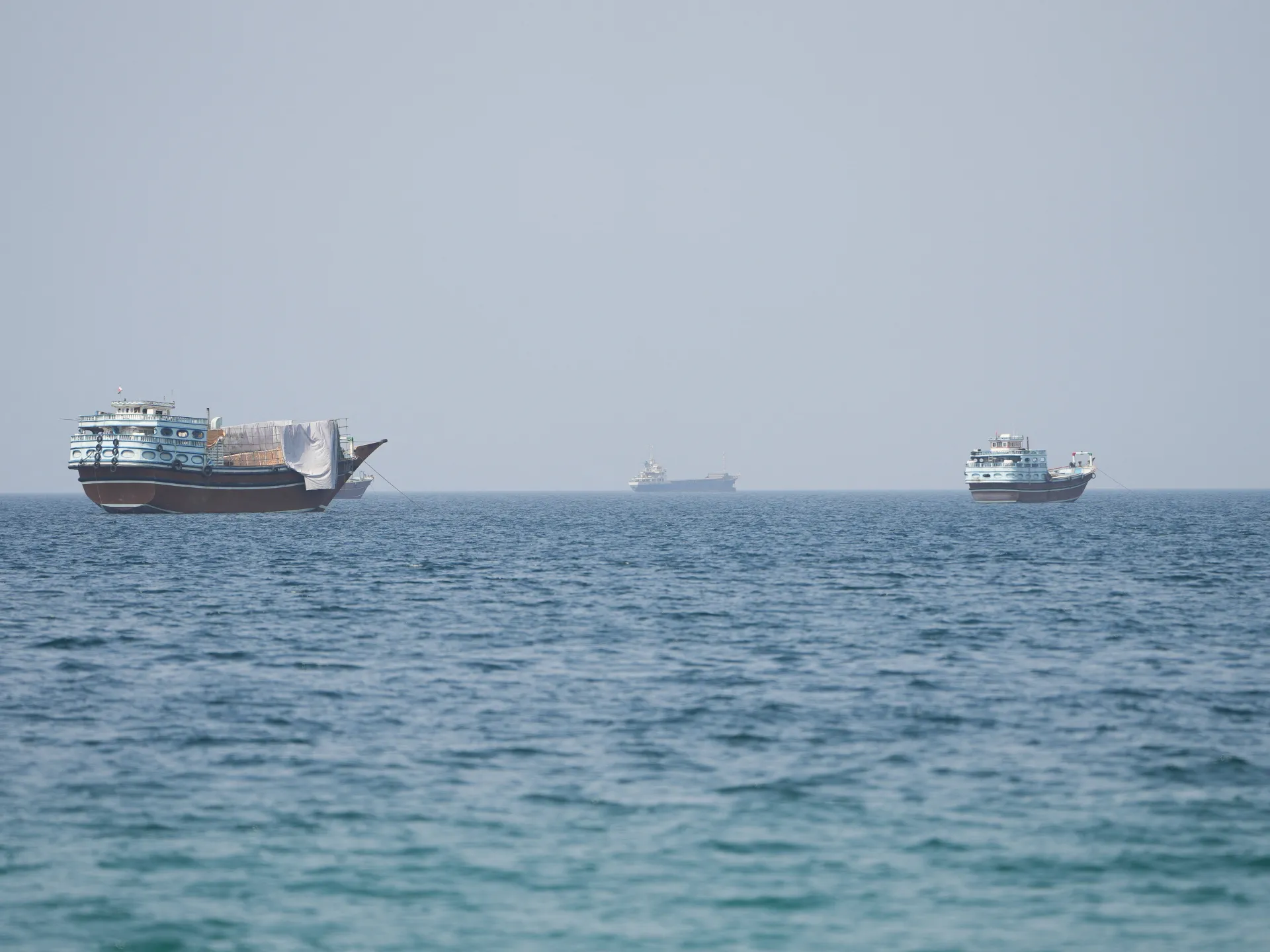
The security landscape in the Red Sea has become increasingly hostile, with the Houthis seizing control of critical strategic assets including Perim Island and the port city of Mokha. These territorial gains allow the Iran-backed group to exert significant pressure on the Bab al-Mandab Strait, a vital artery for global shipping. While the Houthis maintain that their primary targets are Saudi military installations and energy facilities, the closure of the Saudi East-West Pipeline following a recent strike underscores the vulnerability of the kingdom’s oil exports, which have become a lifeline since the closure of the Strait of Hormuz.
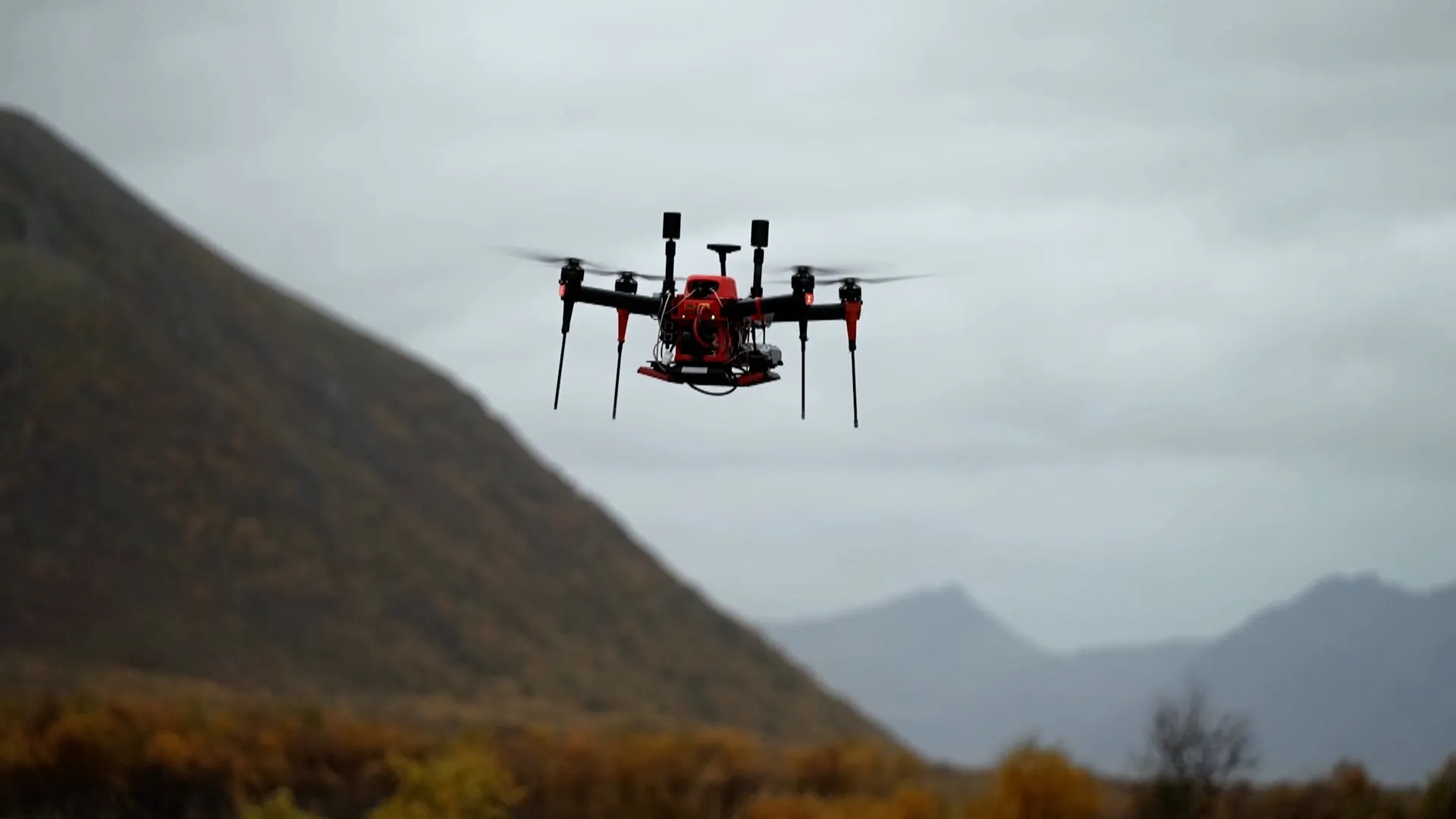
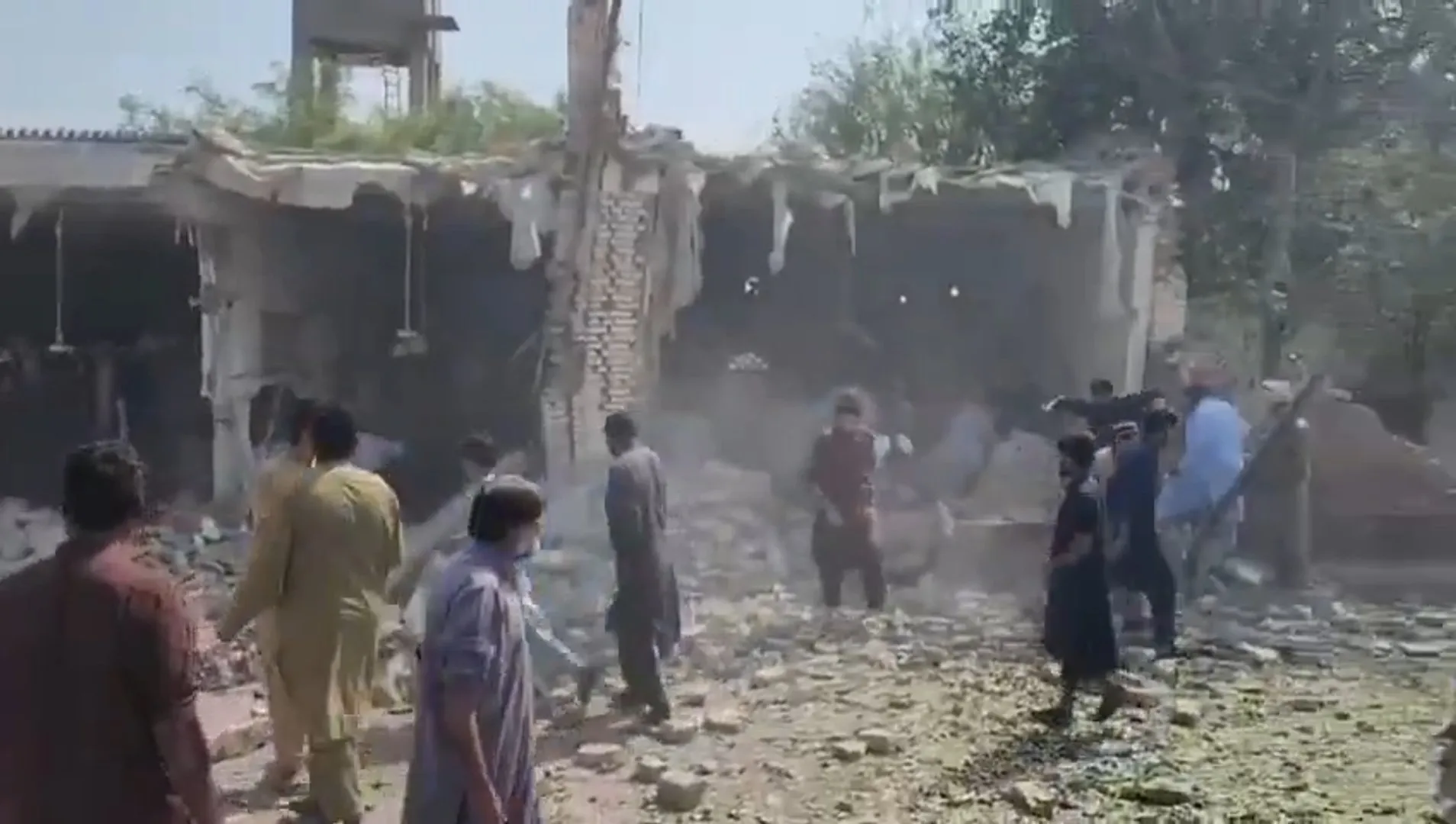
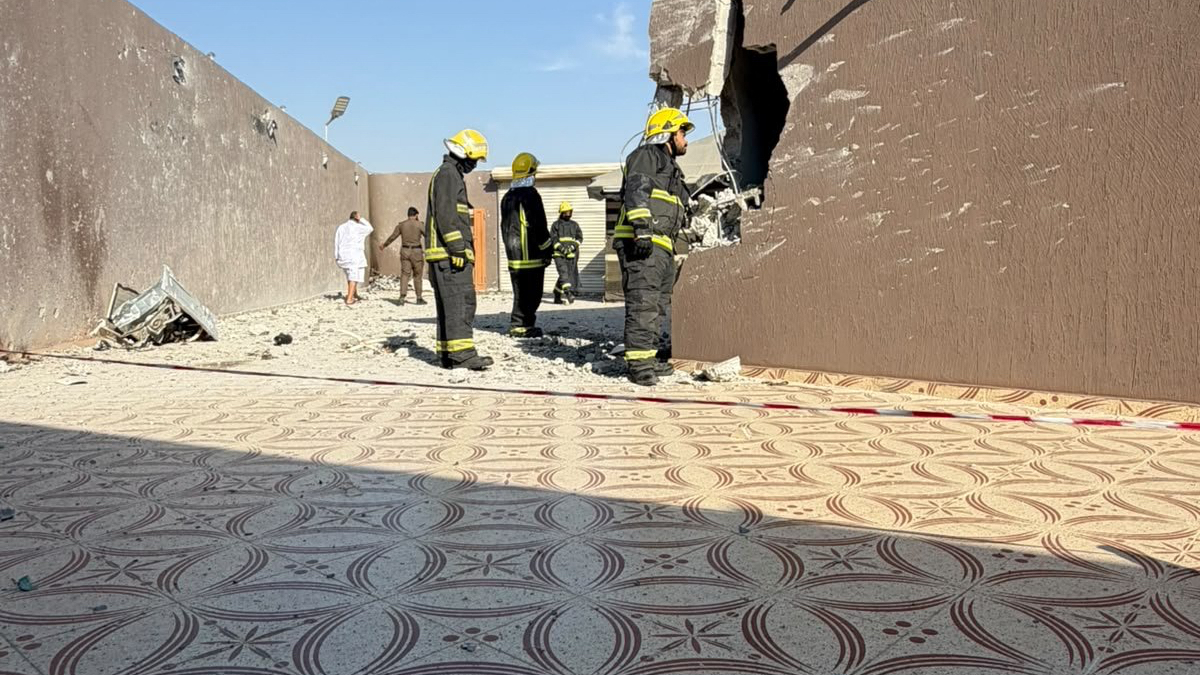
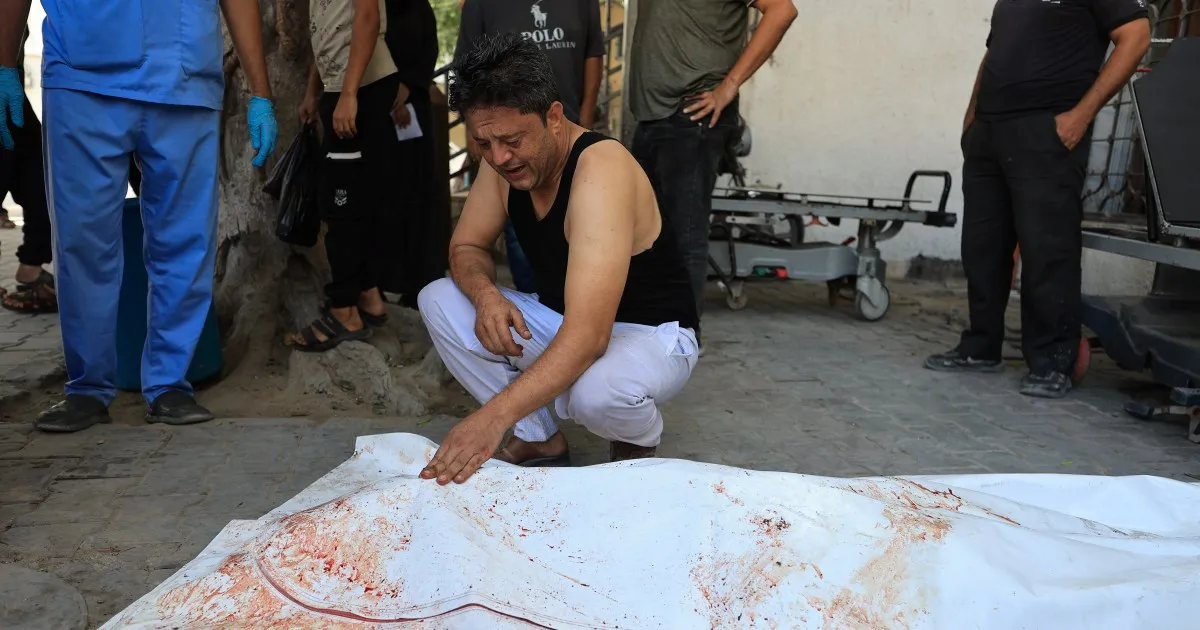
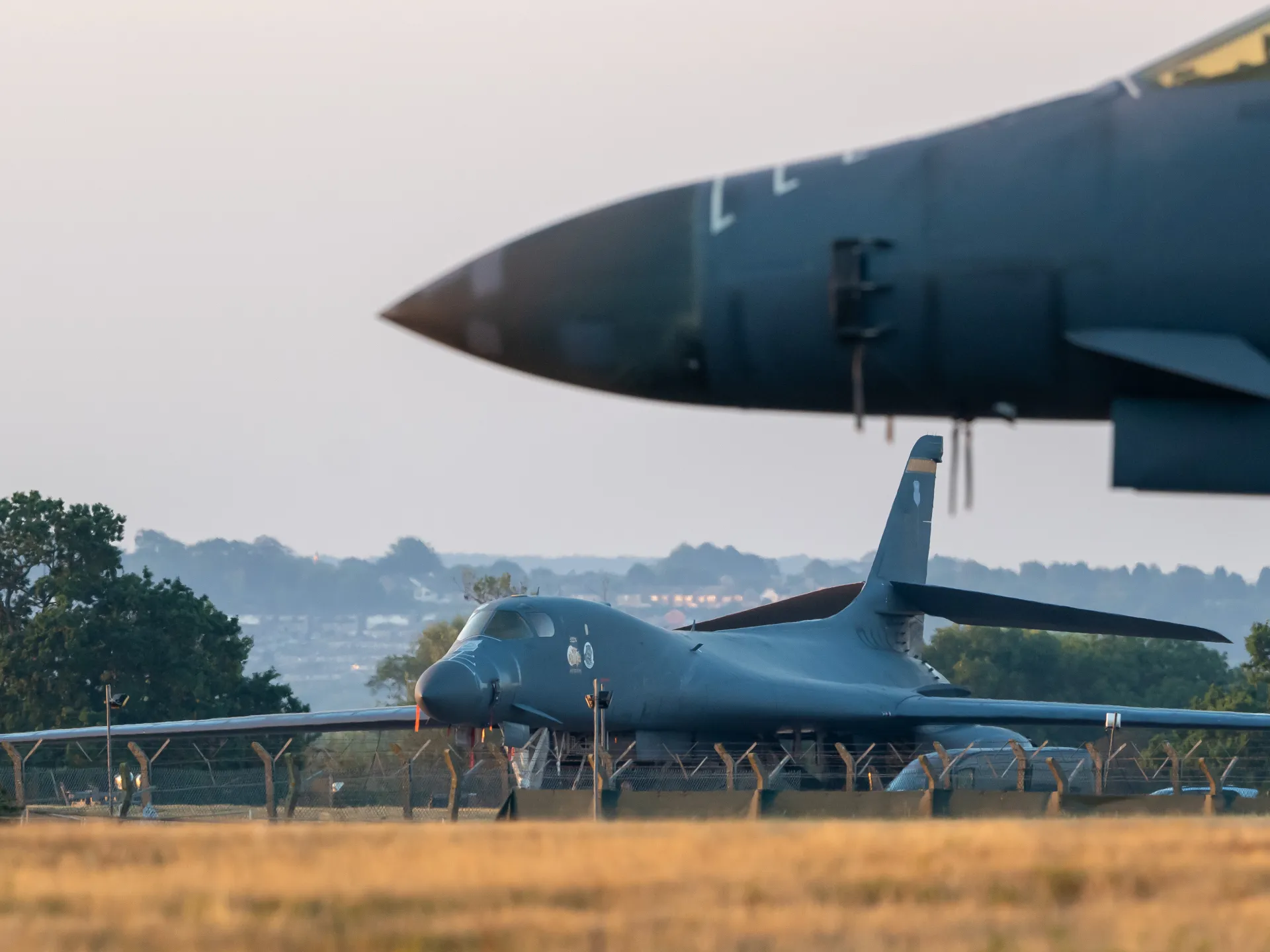
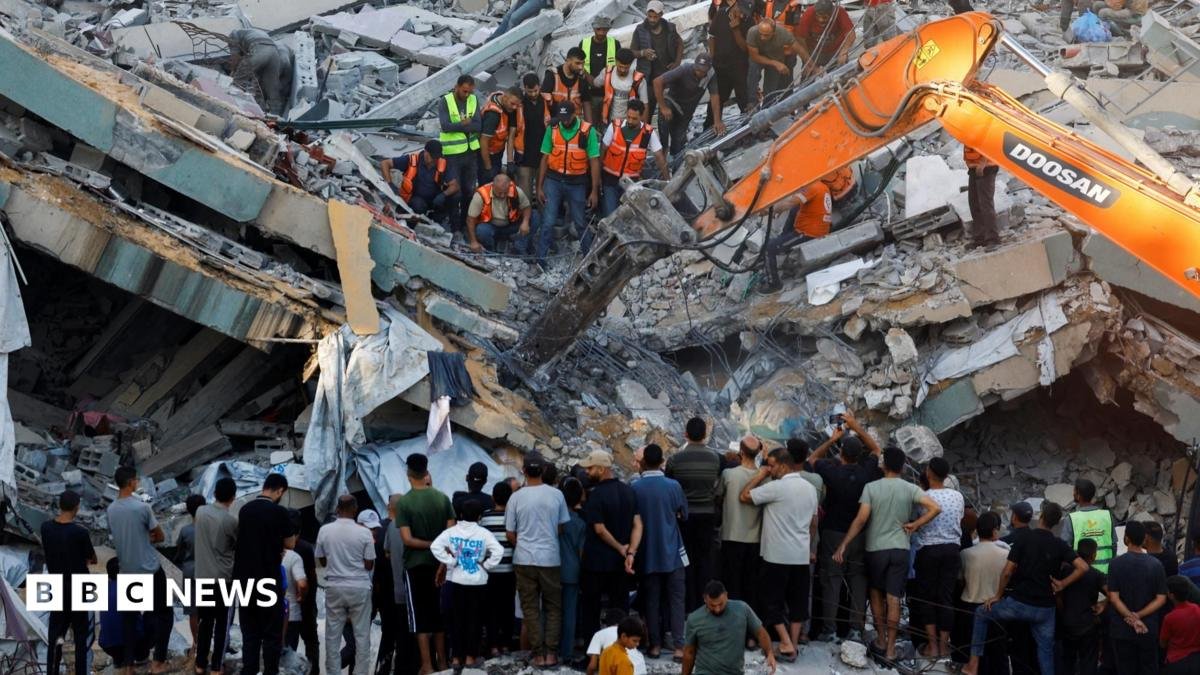
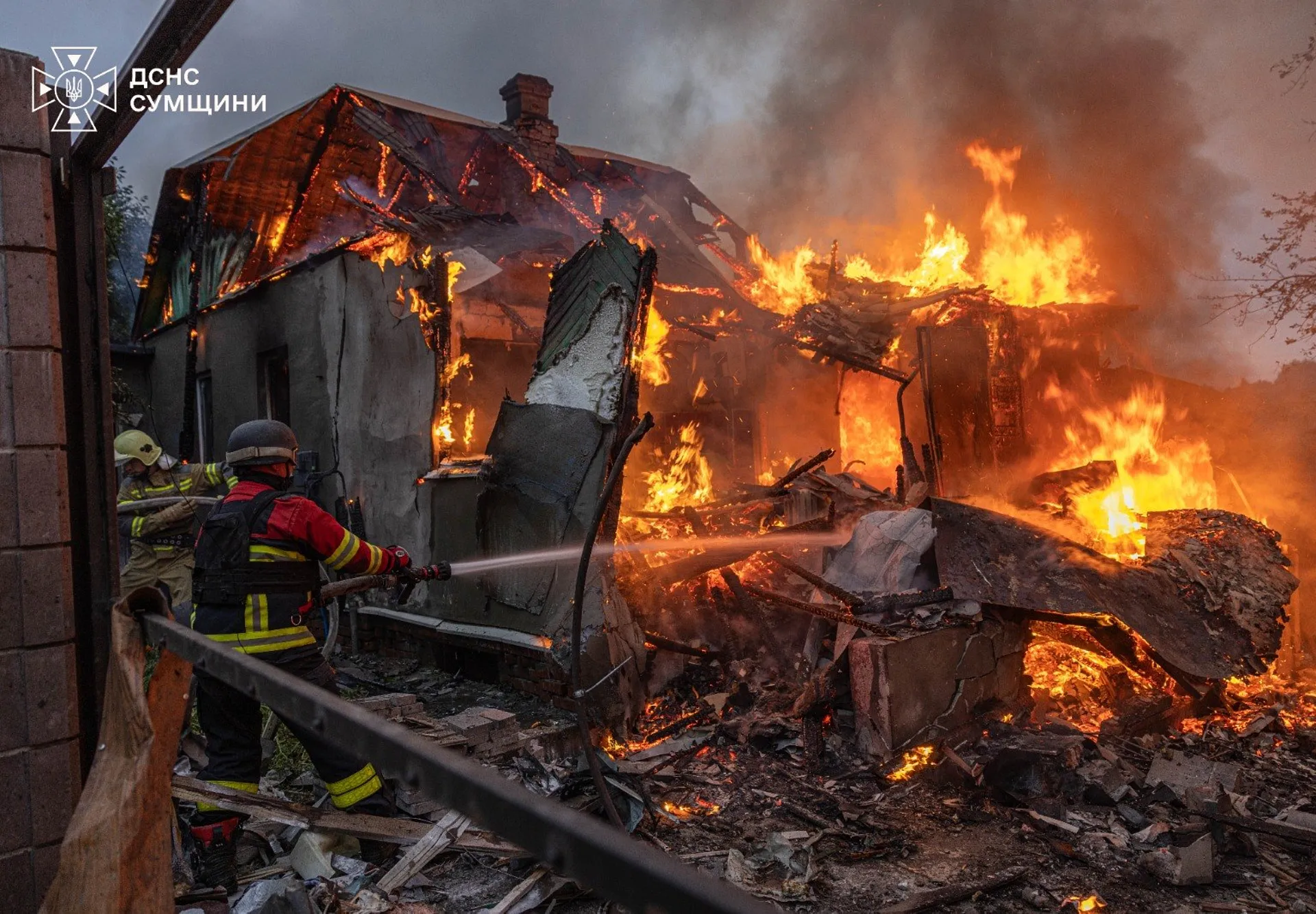
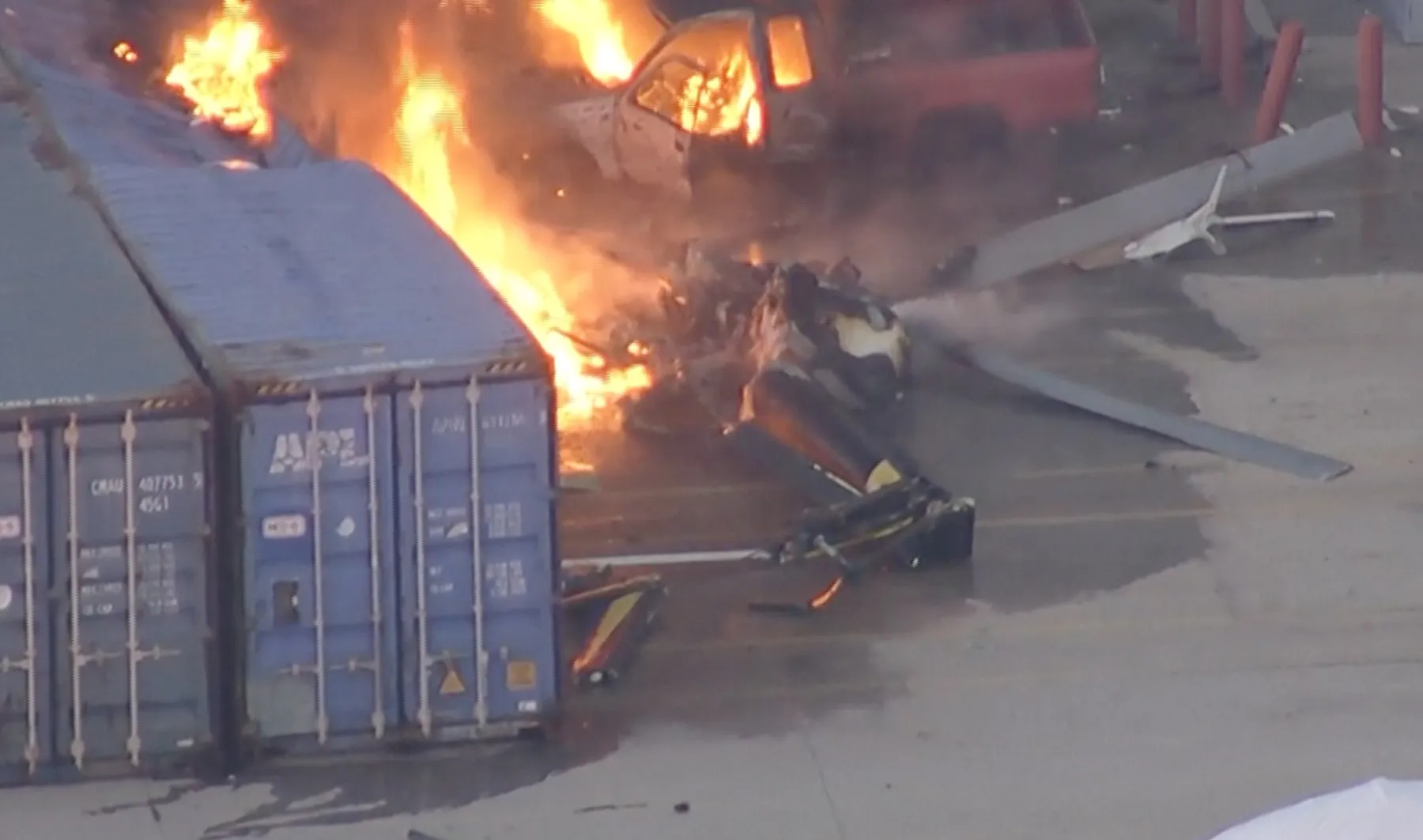
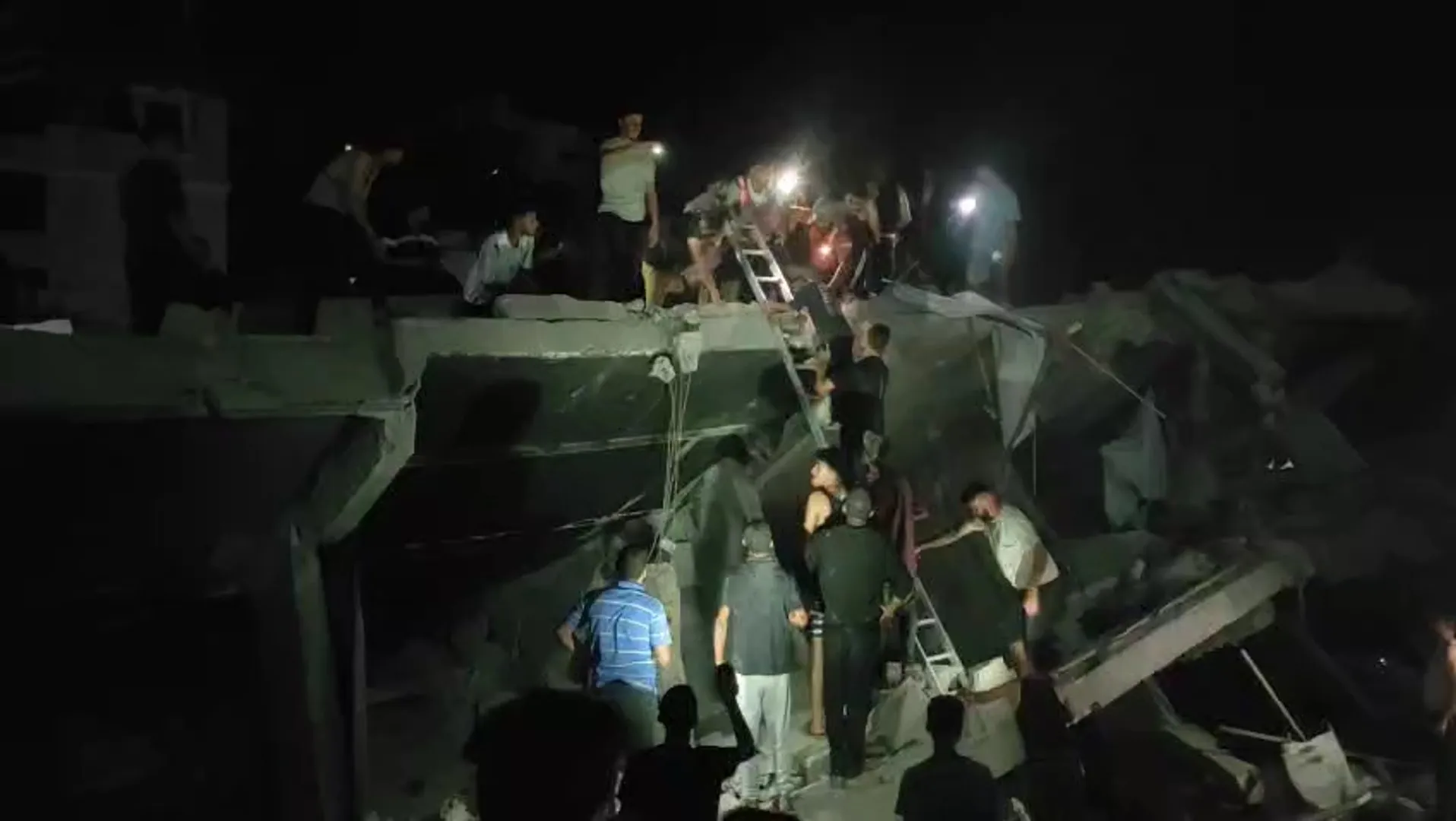
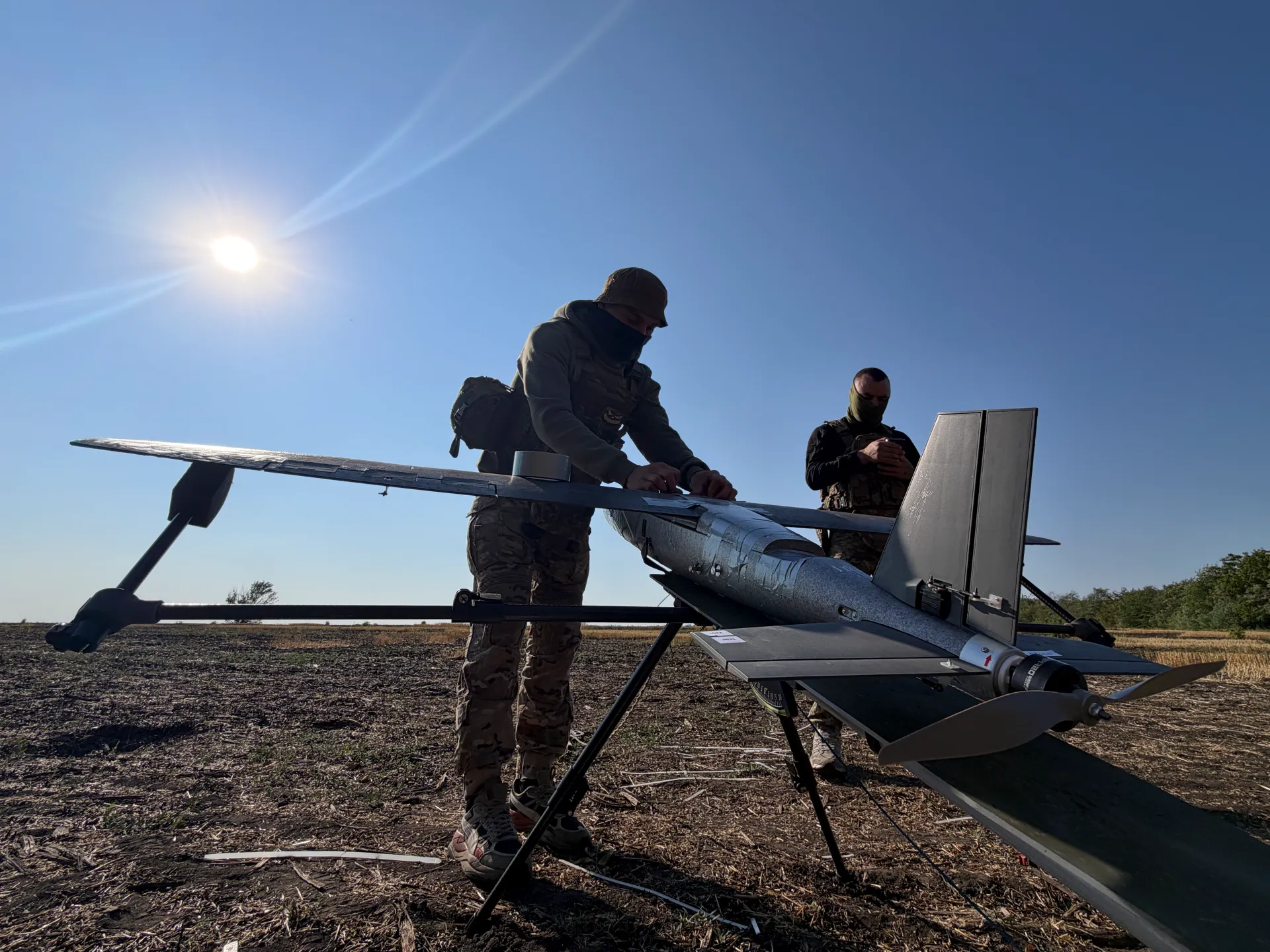
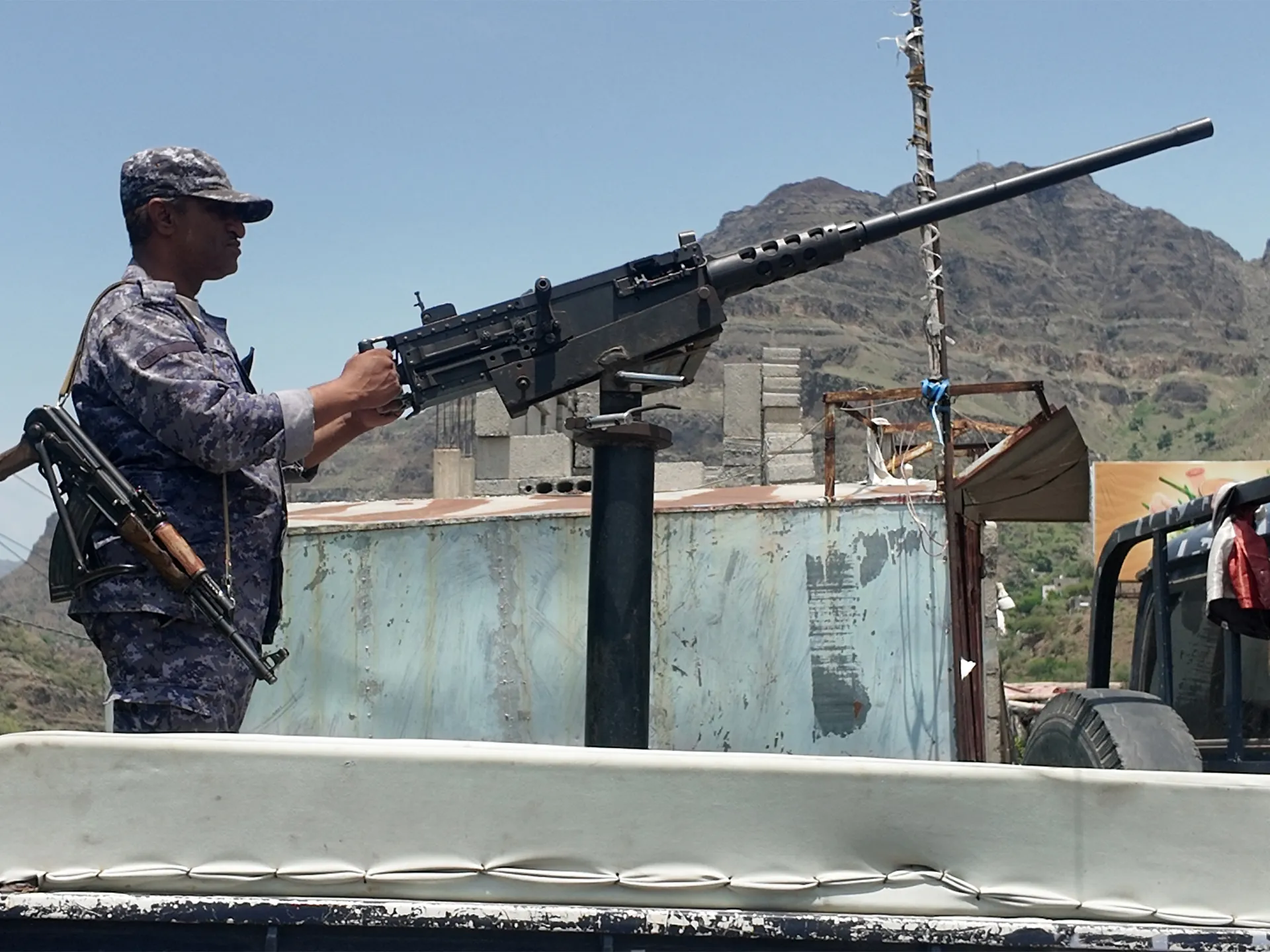
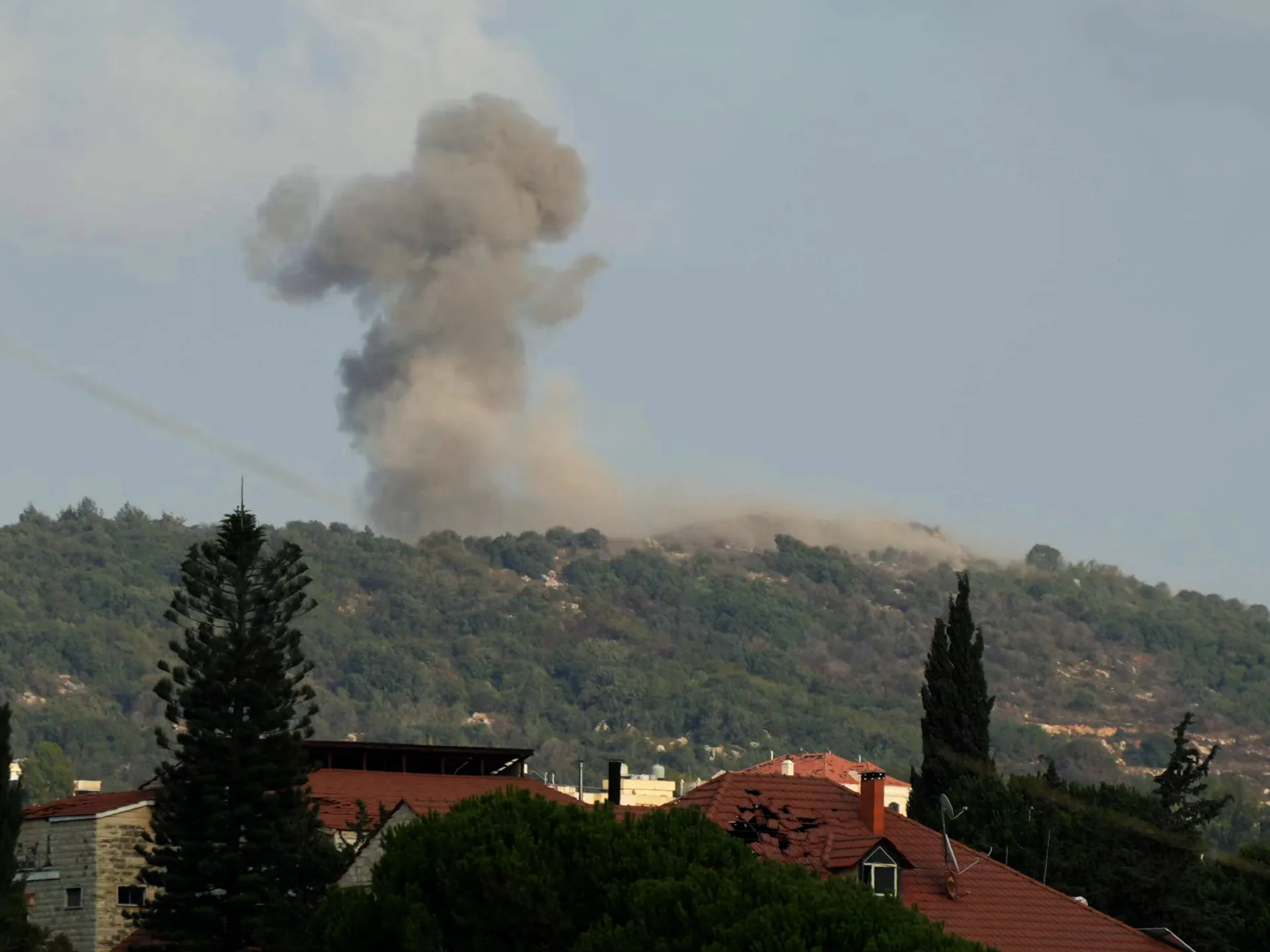
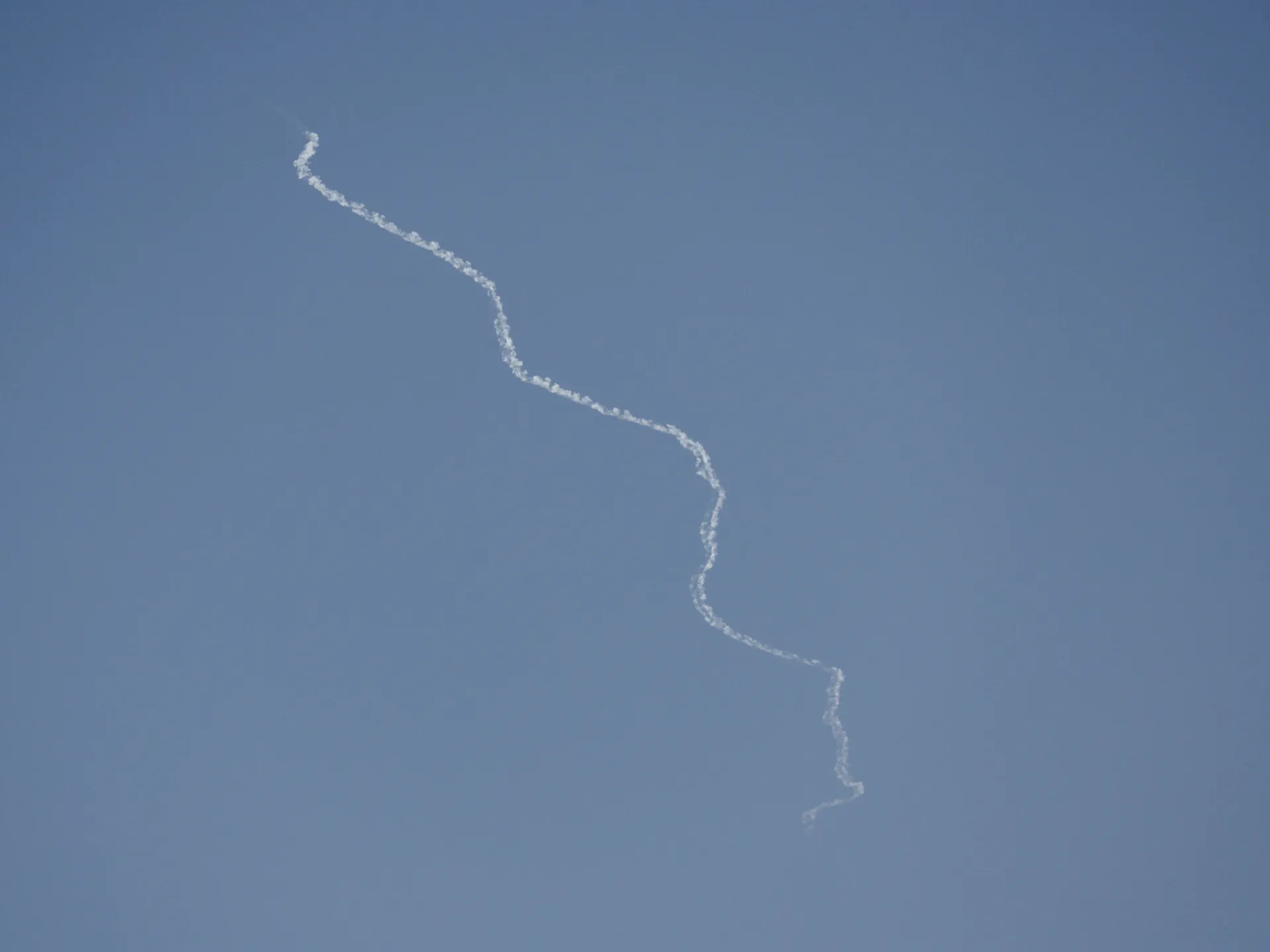
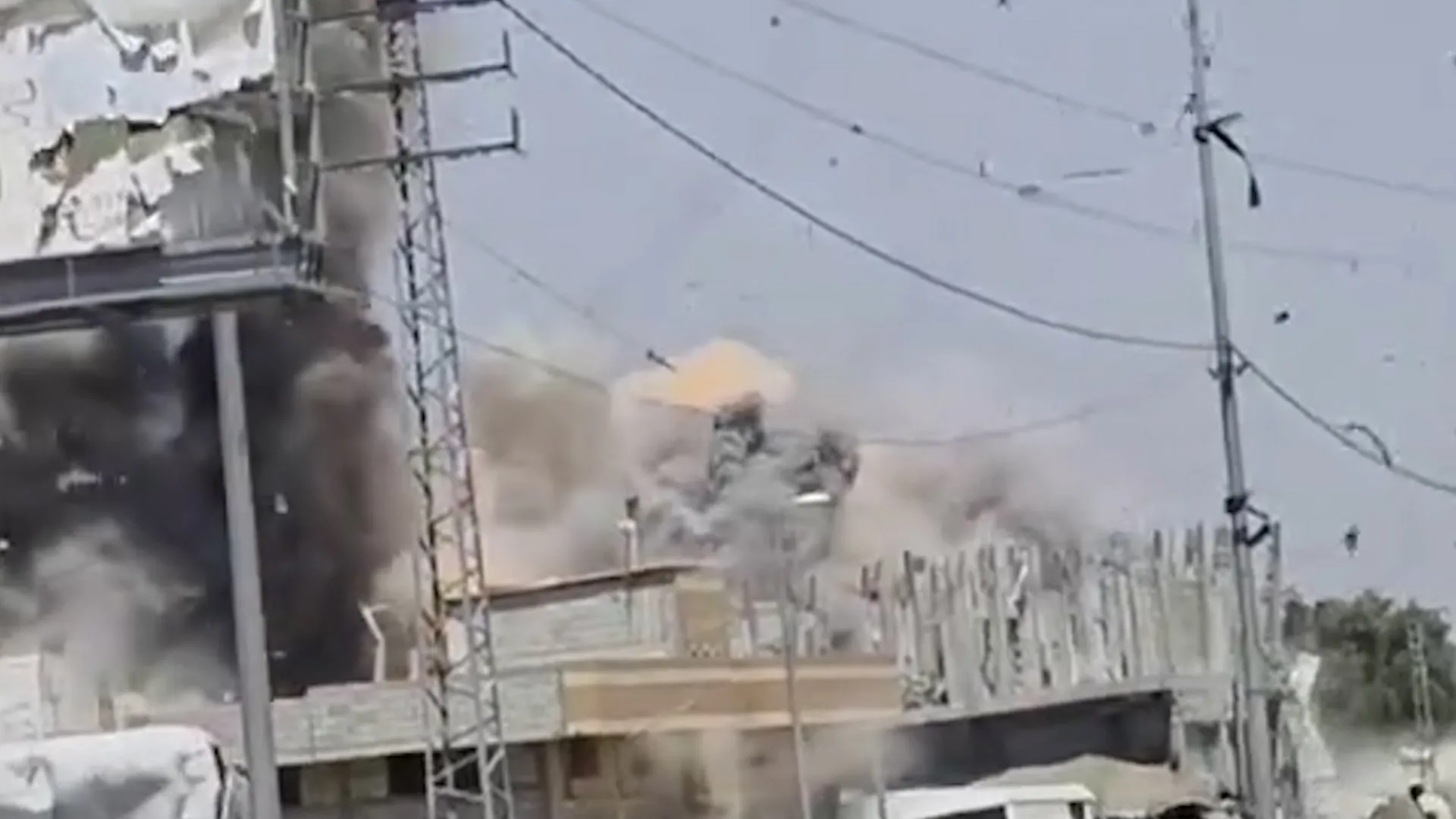
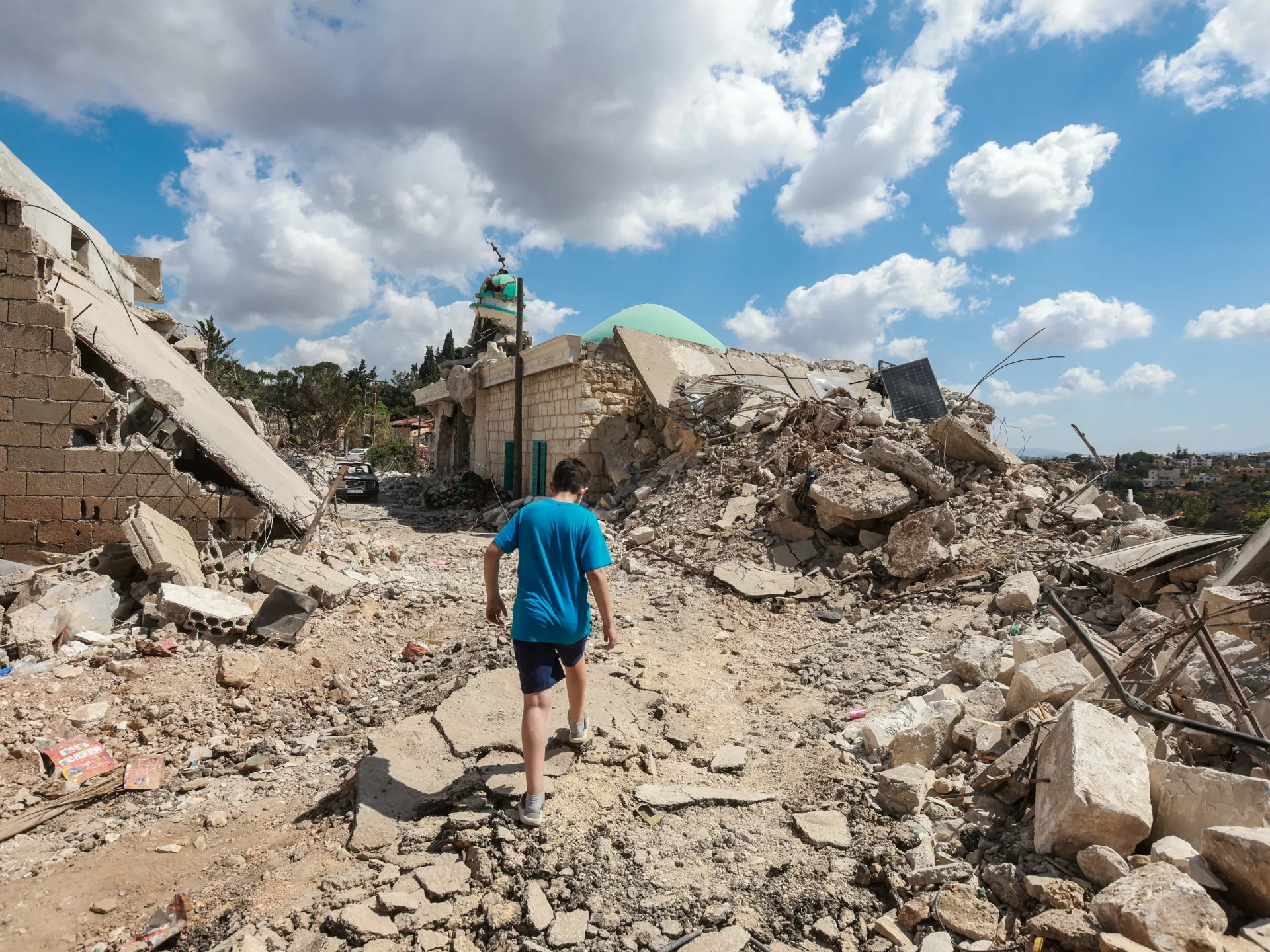
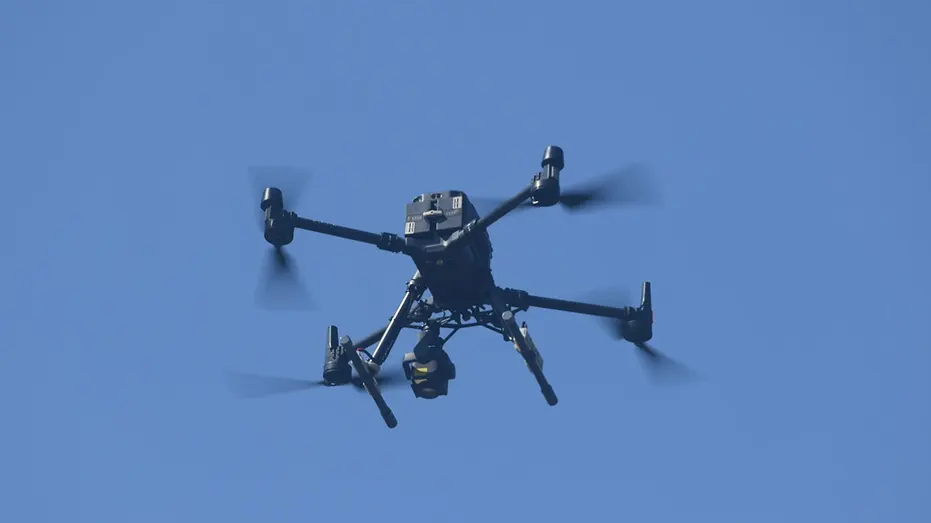
Retaliatory cycles have accelerated, with the Saudi-led coalition reporting over 450 air strikes on Houthi-held territory within the past week. Tensions reached a flashpoint when a Houthi drone was intercepted near Mecca, an act the Saudi-led coalition condemned as a "disgraceful" transgression against the sanctity of Islamic holy sites. The Houthis have vociferously denied these allegations, dismissing them as "fabrications" and insisting that their military operations are strictly confined to infrastructure, not religious sites. Despite the rhetoric, the US Embassy in Saudi Arabia has issued a “reconsider travel” advisory, reflecting the growing danger to diplomatic and civilian facilities across the kingdom.
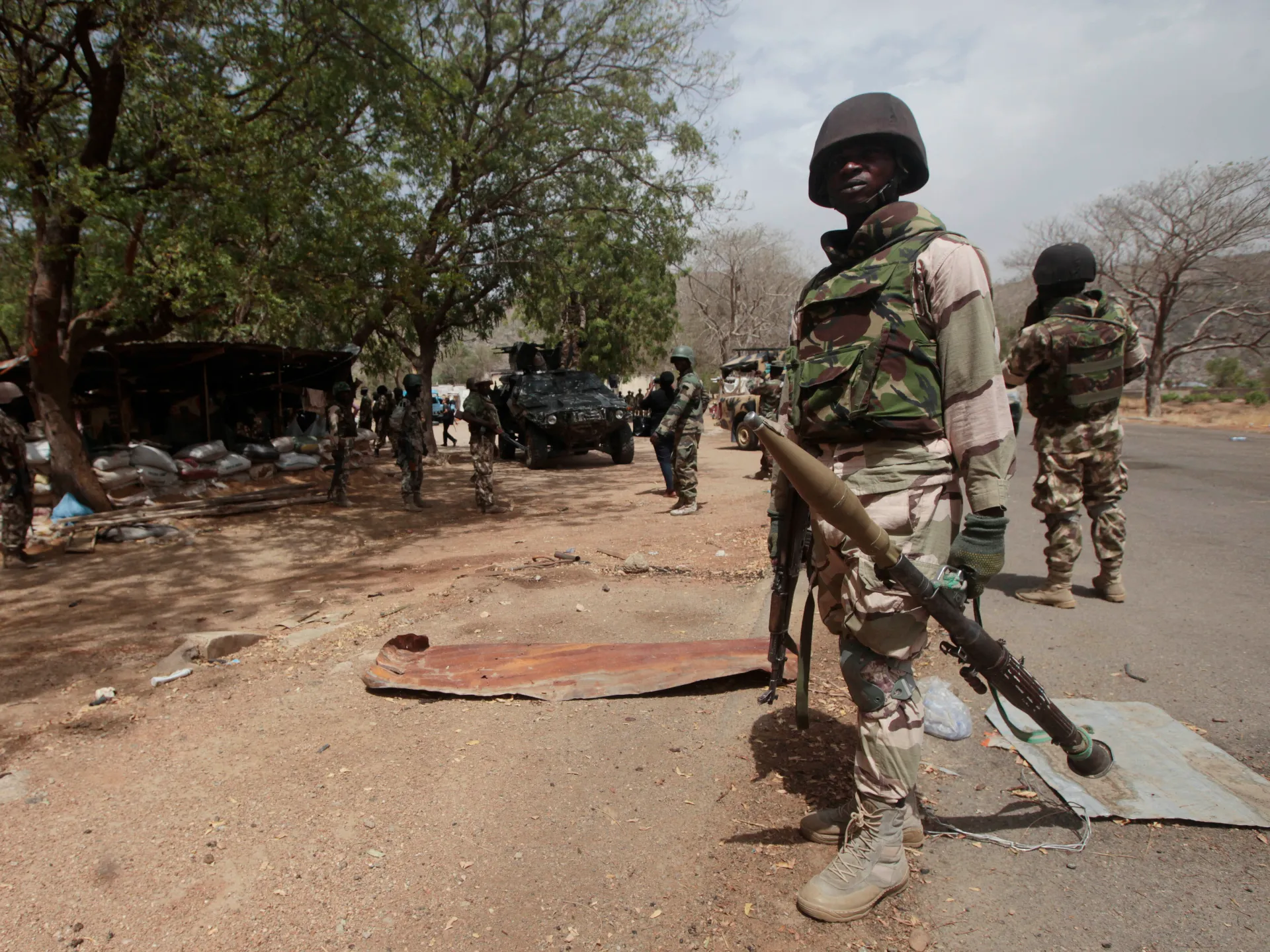
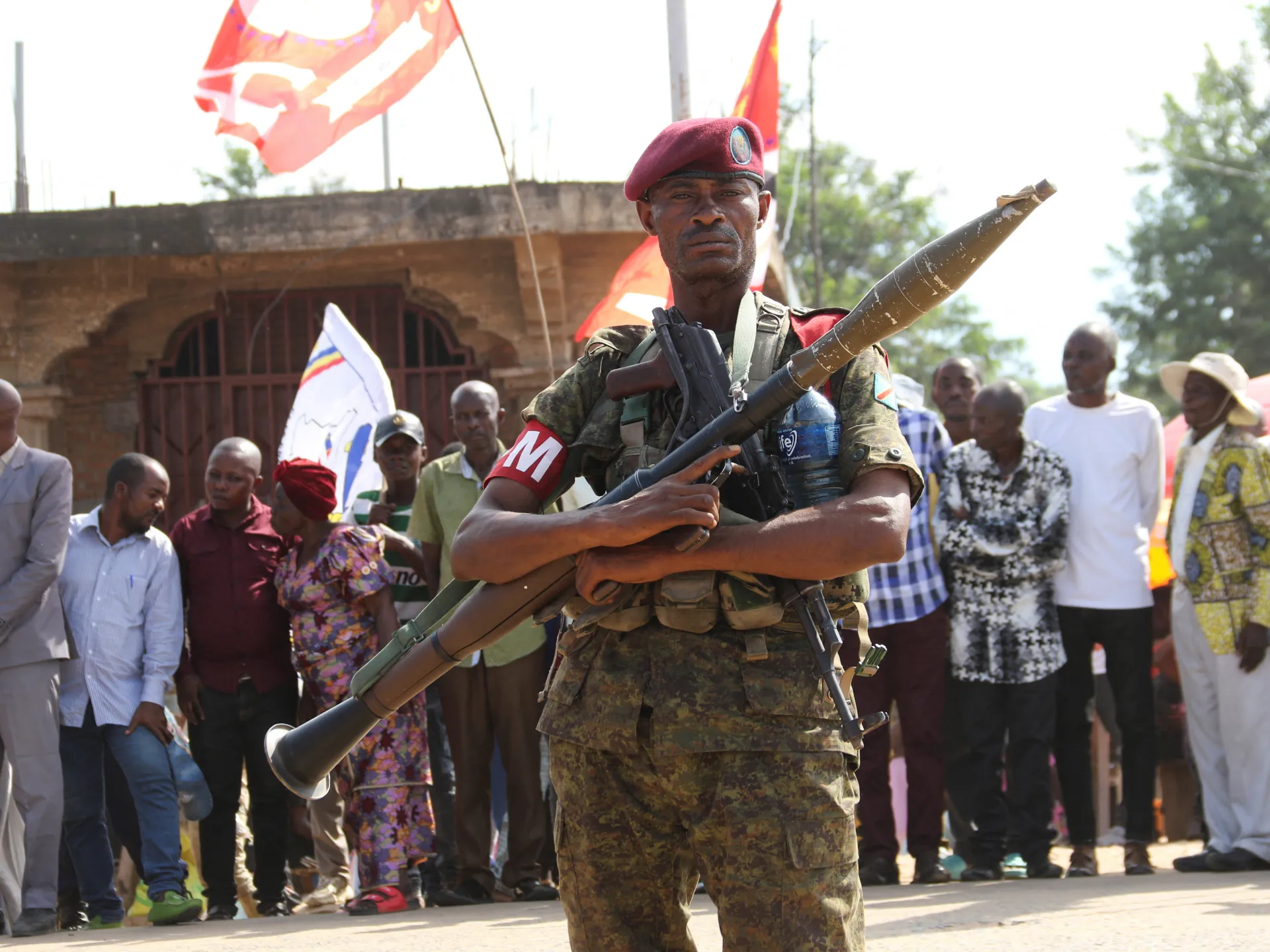
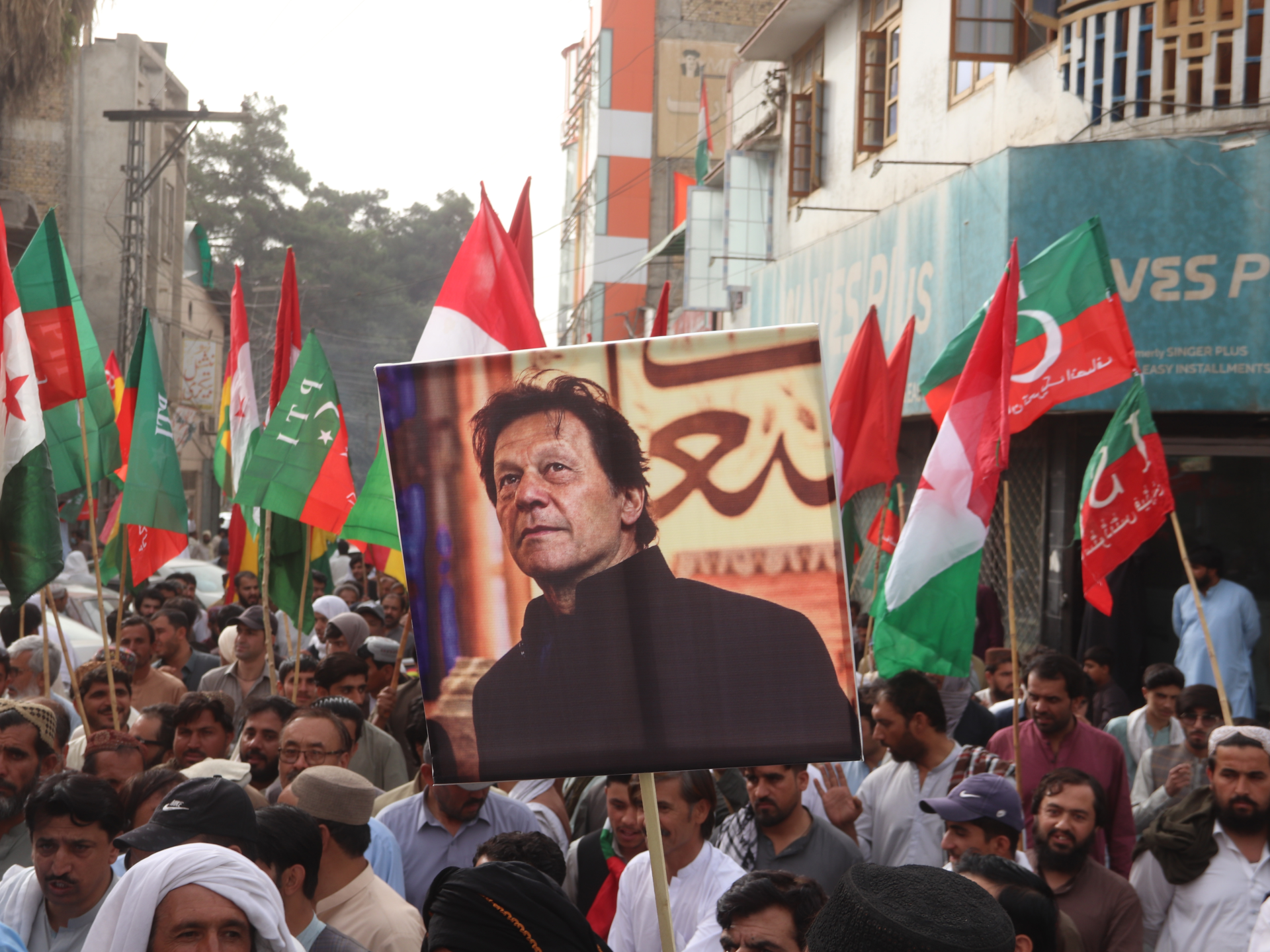
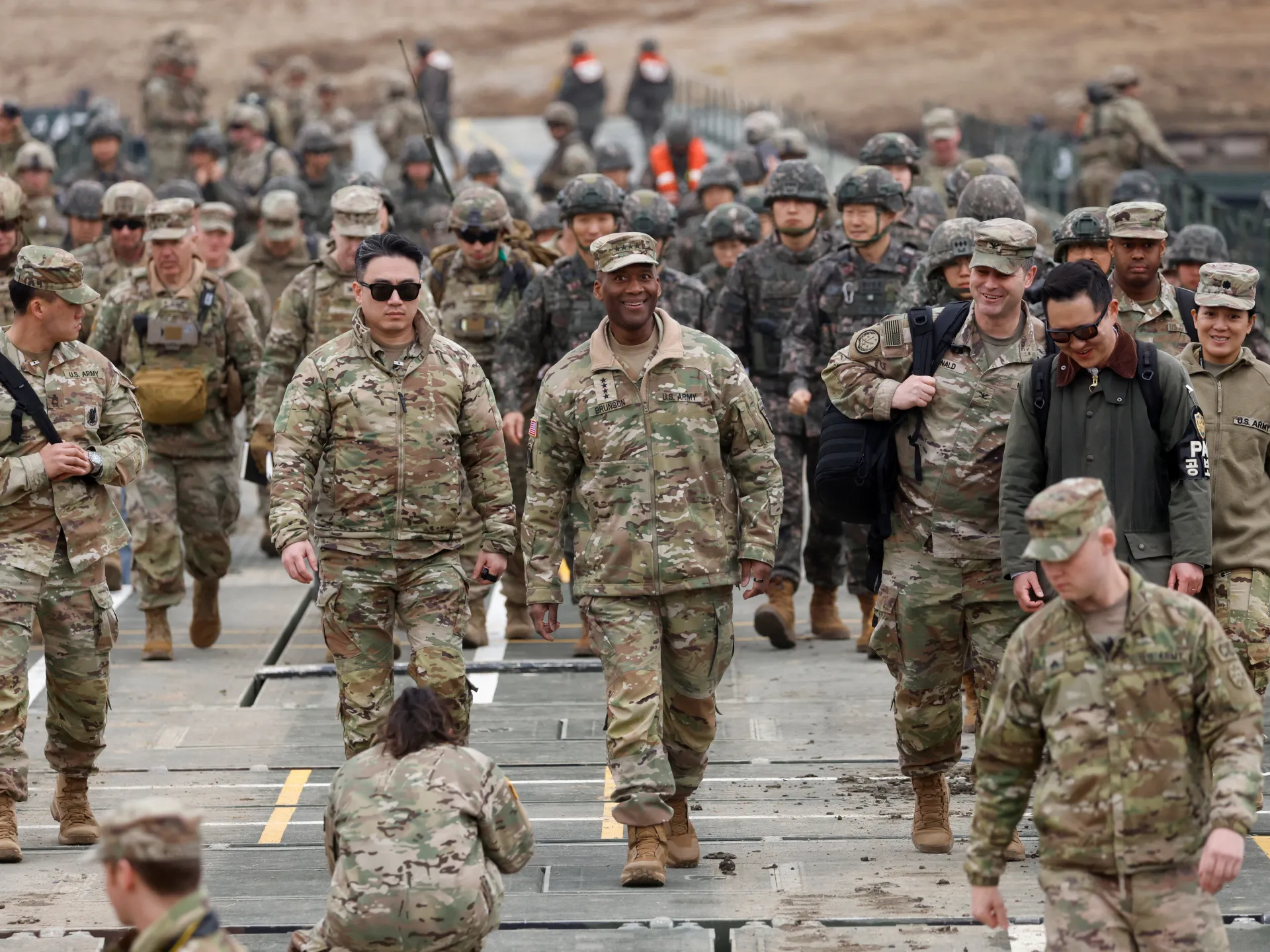
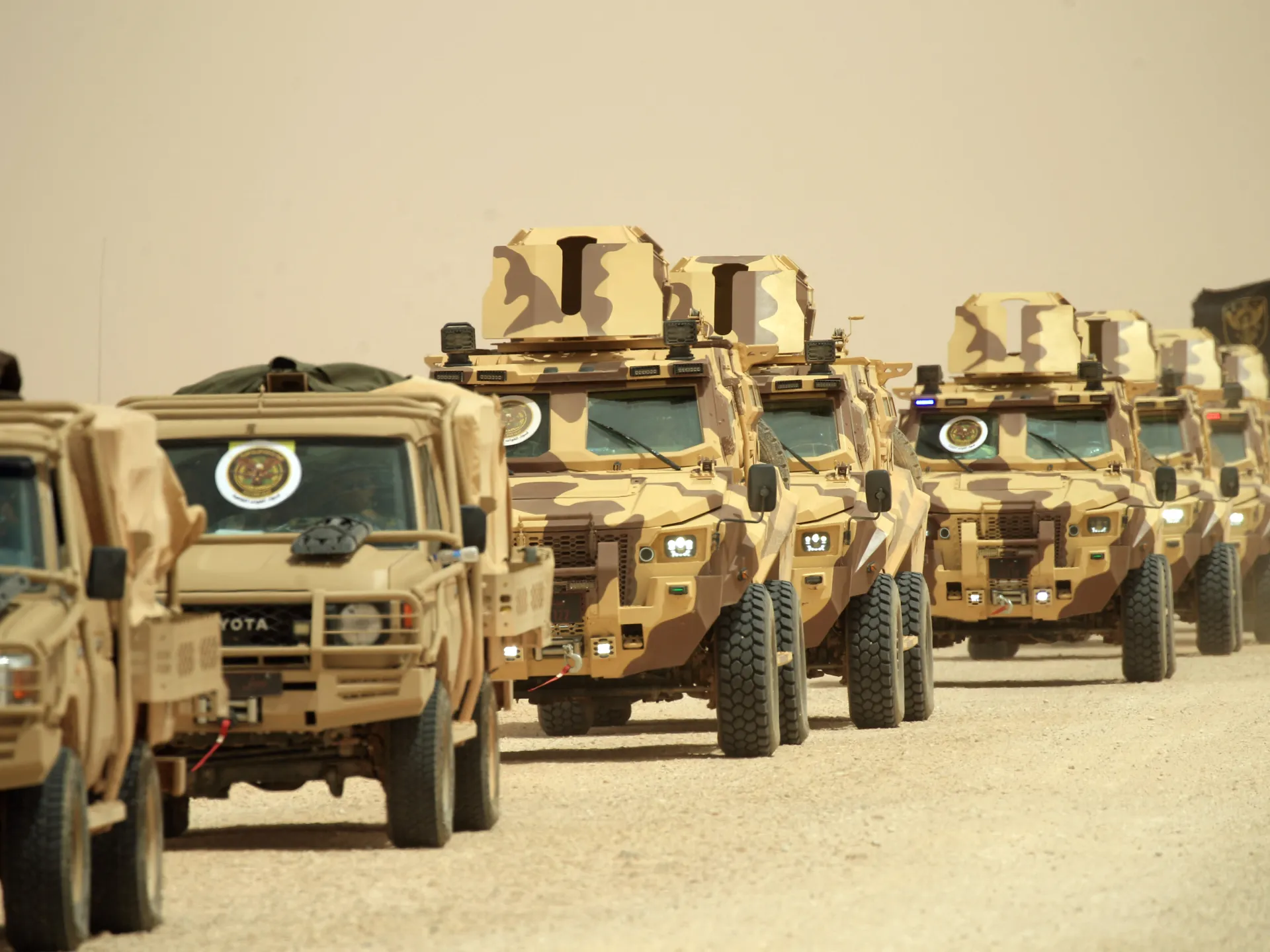
While the rhetorical commitment to collective defense is strong, the operational reality is more nuanced. Pakistan’s military leadership has affirmed that Islamabad is prepared to defend Saudi Arabia to any extent, including a physical presence, though the Foreign Office has clarified that no immediate military deployment is currently under discussion. Analysts point to the lack of a standing force as a potential weakness. The alliance, designed to respect territorial integrity and avoid interference in internal affairs, is currently navigating the delicate balance of acting as a deterrent without triggering an unwanted expansion of the war.
The next phase of this conflict will likely be defined stablish tangible security protocols. If the Houthis continue to strike at Saudi energy infrastructure, the pressure on Ankara and Islamabad to provide more than just moral support will intensify. Expect the trilateral secretariat to fast-track meetings on intelligence sharing and defensive coordination. However, should the coalition fail to secure the Bab al-Mandab Strait, the risk of a wider regional conflict increases, as global powers may feel compelled to intervene to ensure the safety of international maritime trade, further complicating the alliance’s goal of avoiding entanglement in the US-Iran war.