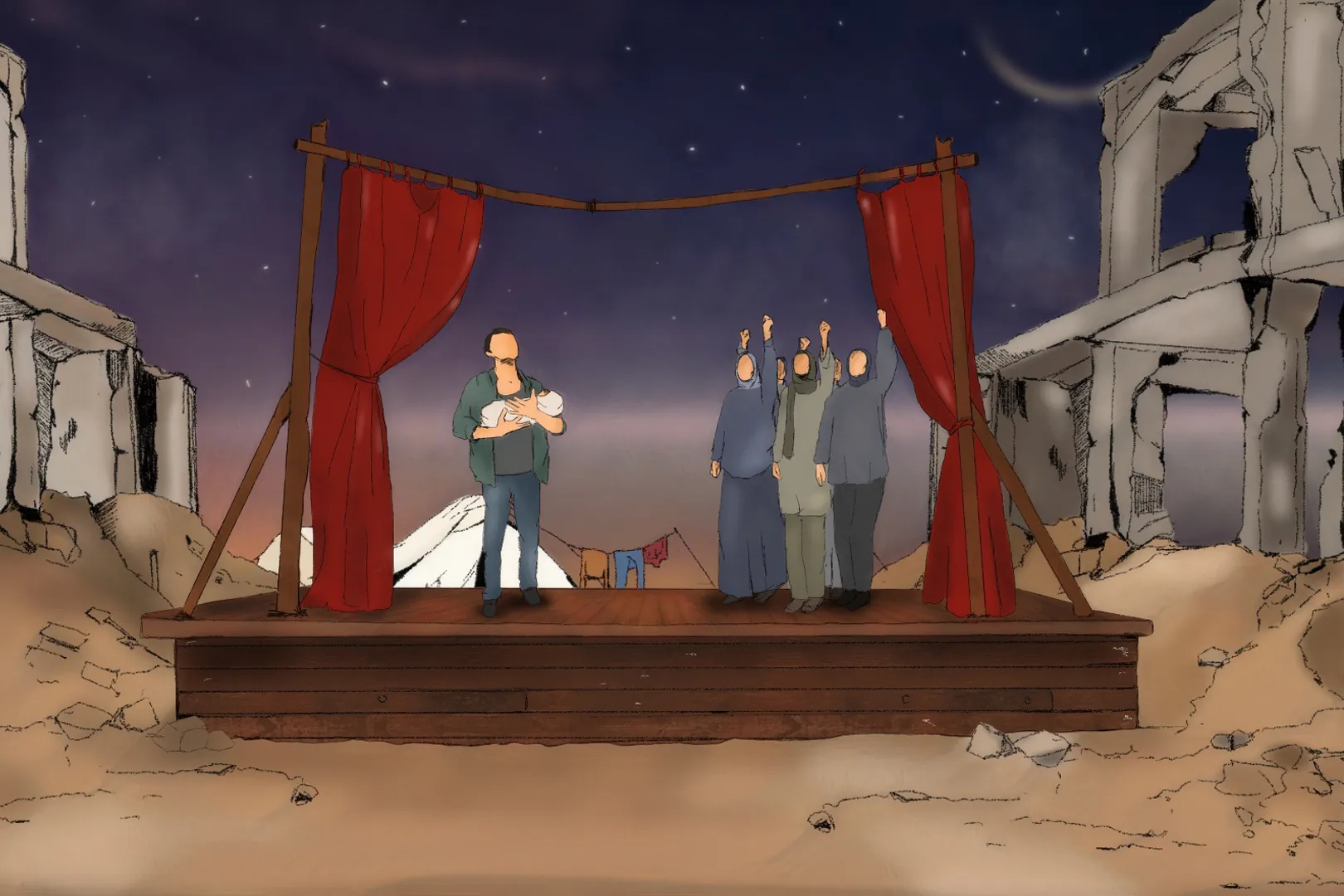
As Gaza faces a growing humanitarian crisis marked by the lethal collapse of unstable buildings, local artists are attempting to process the trauma of the conflict through stage performances.
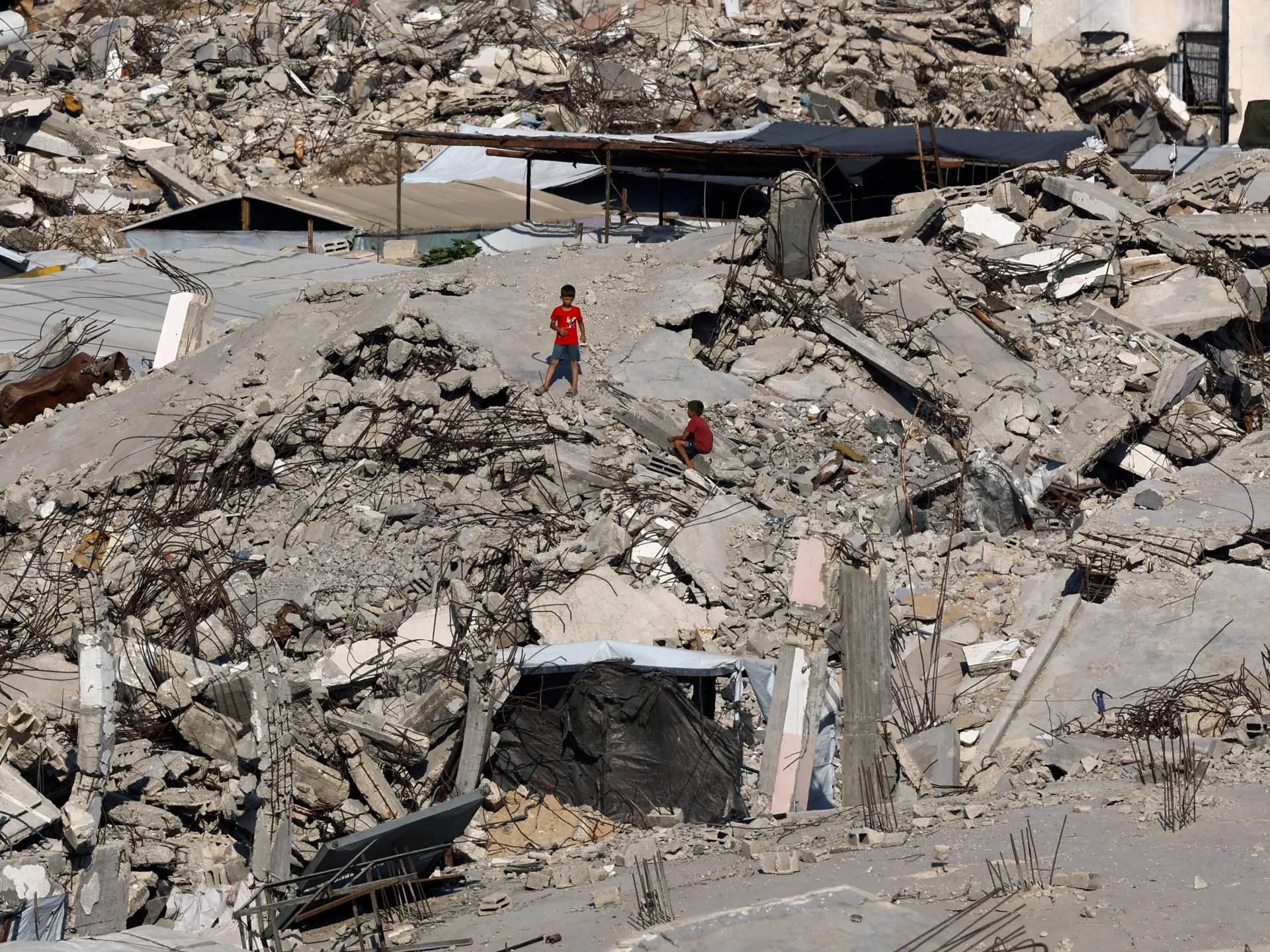
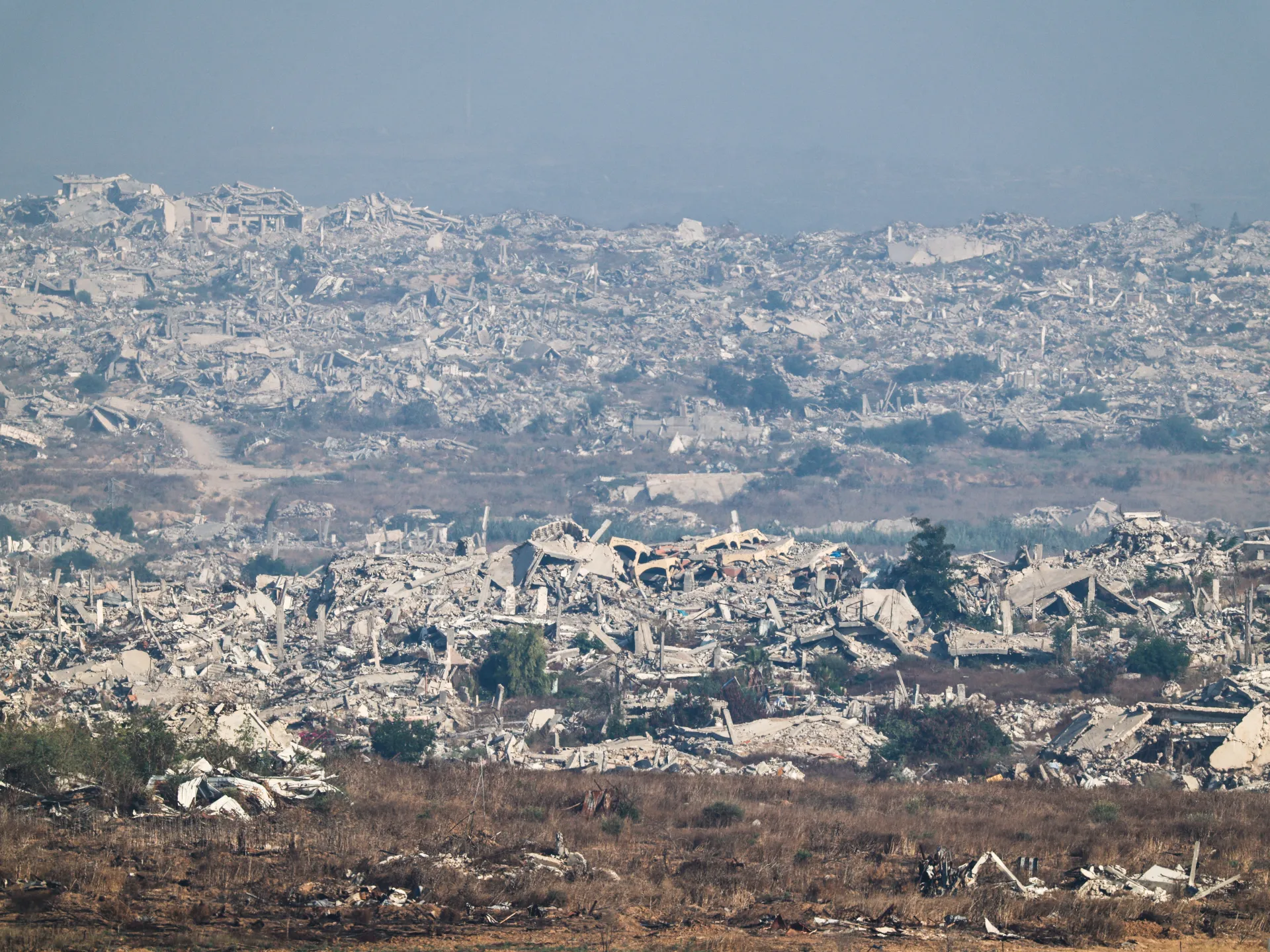
The convergence of structural decay and the persistence of artistic expression in Gaza reflects the dual reality of a population living under the extreme duress of a protracted conflict. While the physical landscape of the territory continues to disintegrate—marked ting to process this trauma through performance. The inability to secure basic needs, such as fuel for heating or safe housing, is inextricably linked to the psychological burden of those attempting to document their own survival. This environment creates a feedback loop where the line between theatrical representation and lived reality is erased, as residents find themselves mourning tragedies on stage that they have witnessed in their own neighborhoods.
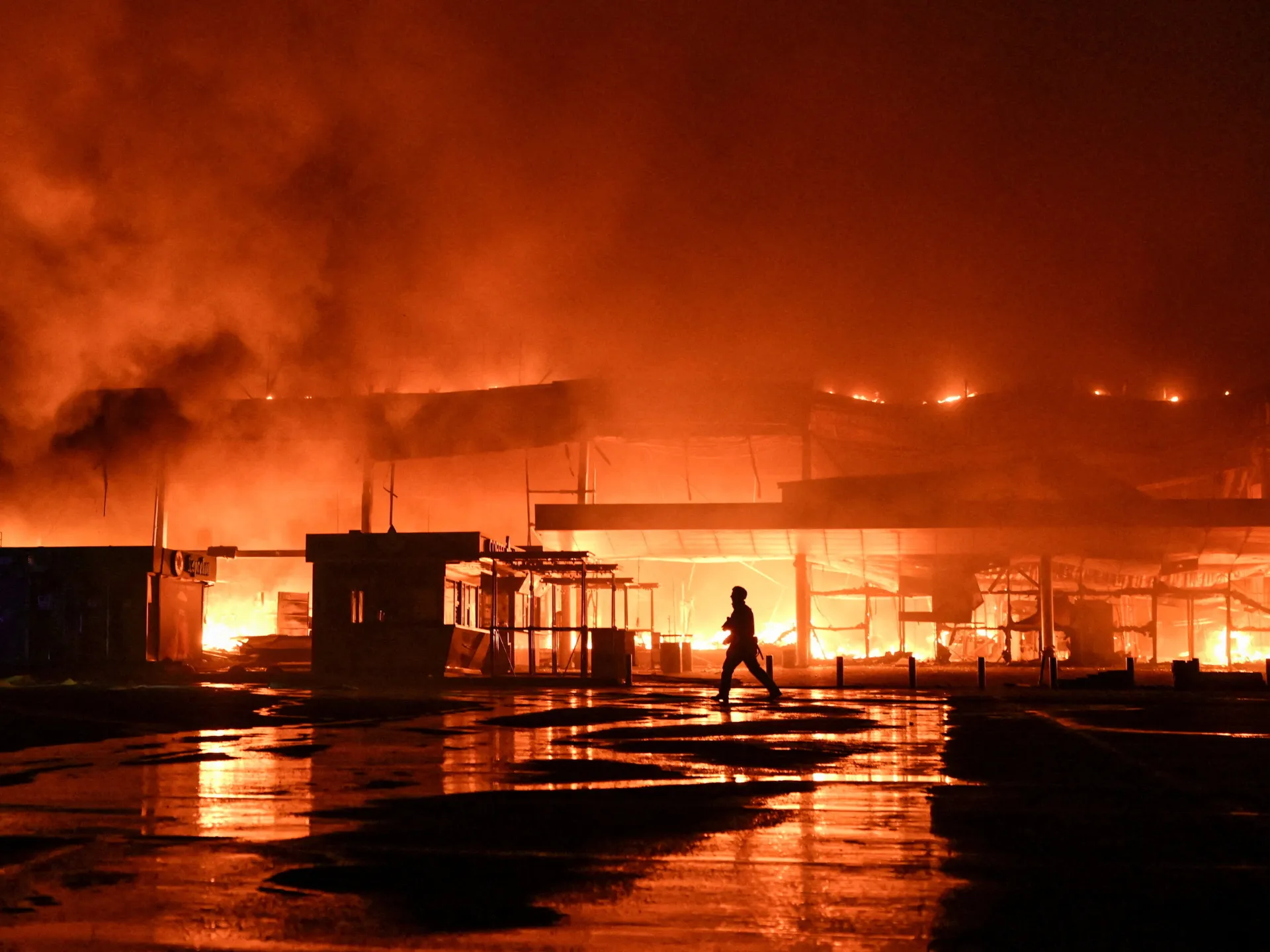
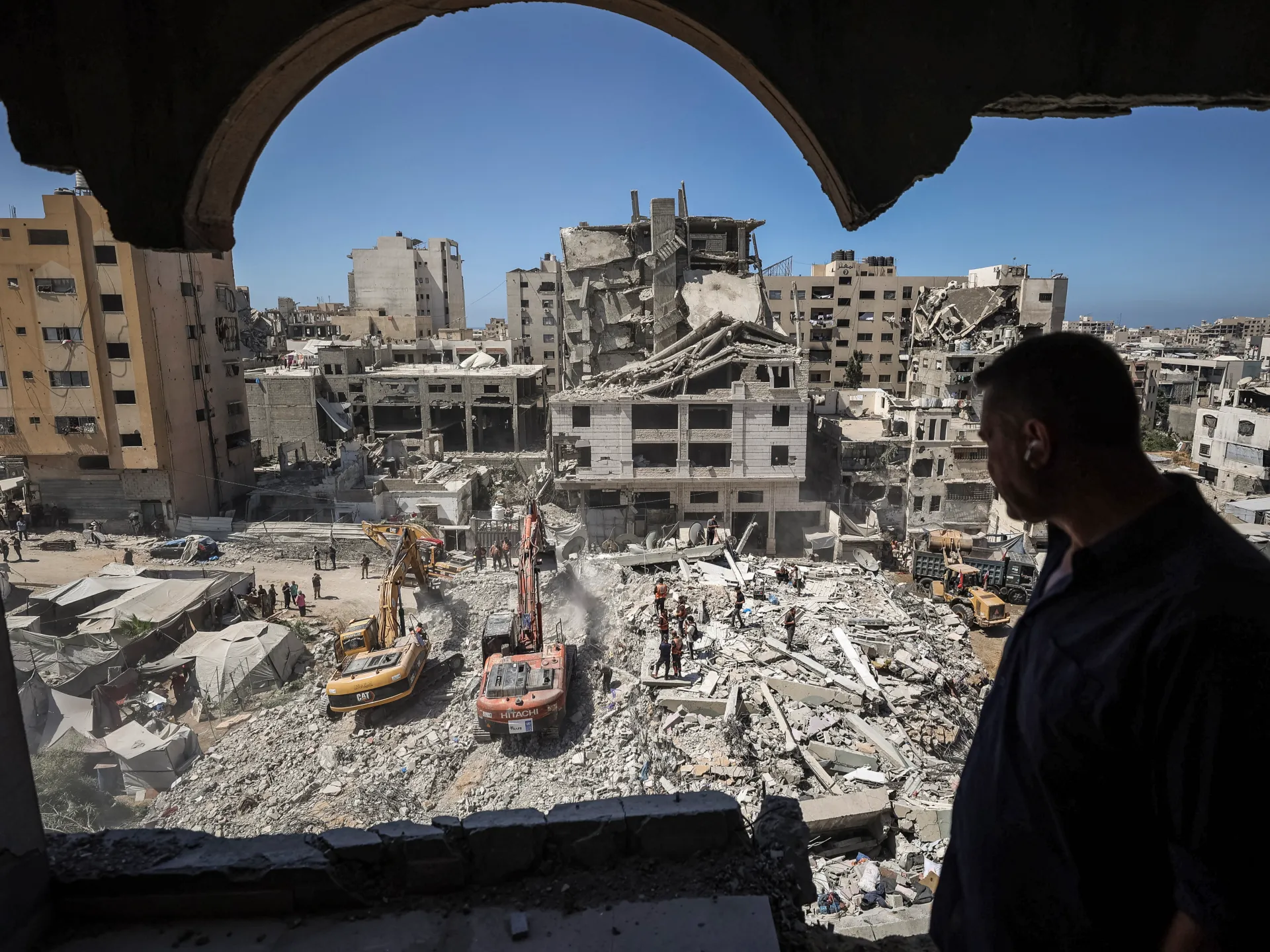
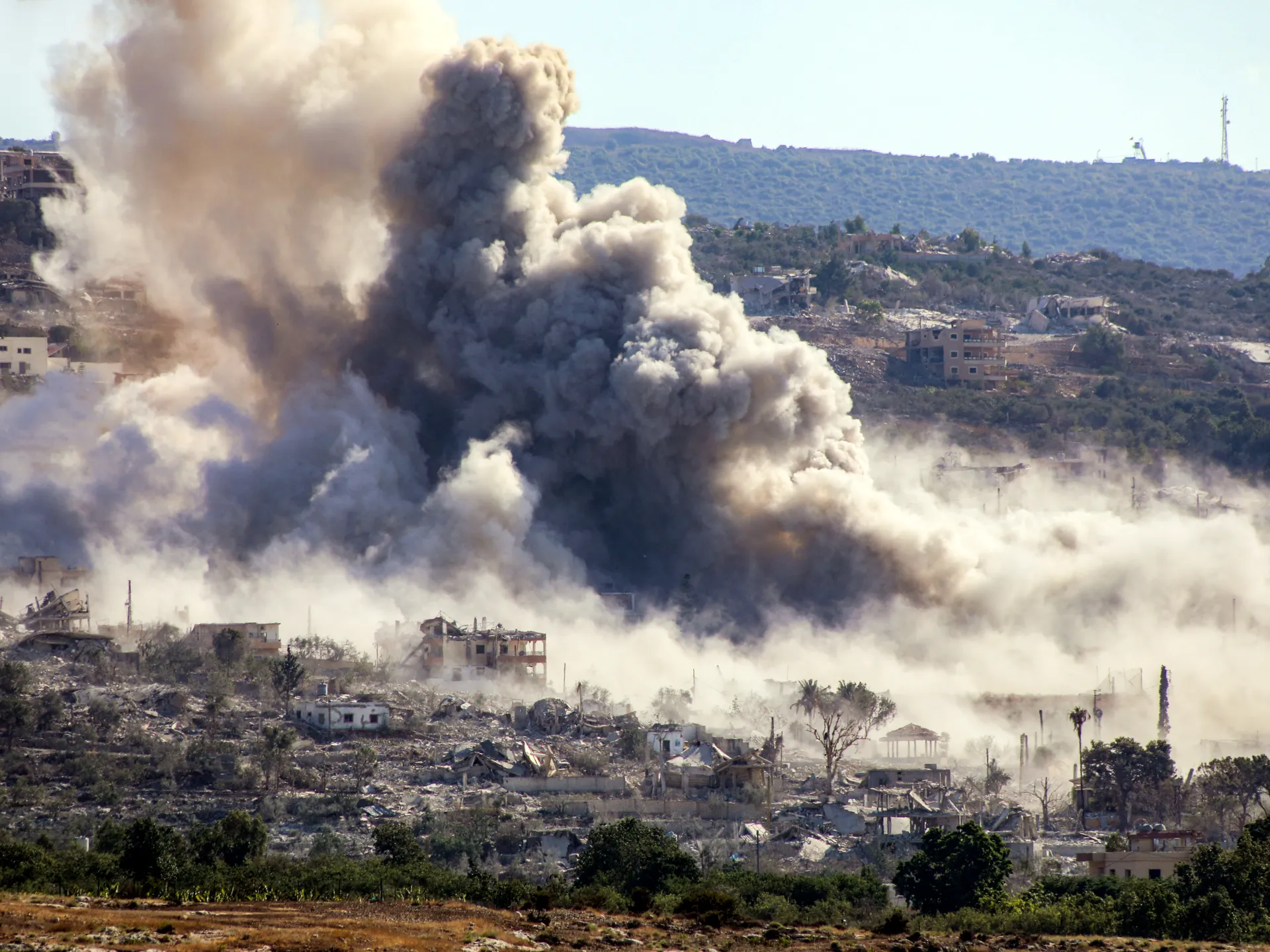
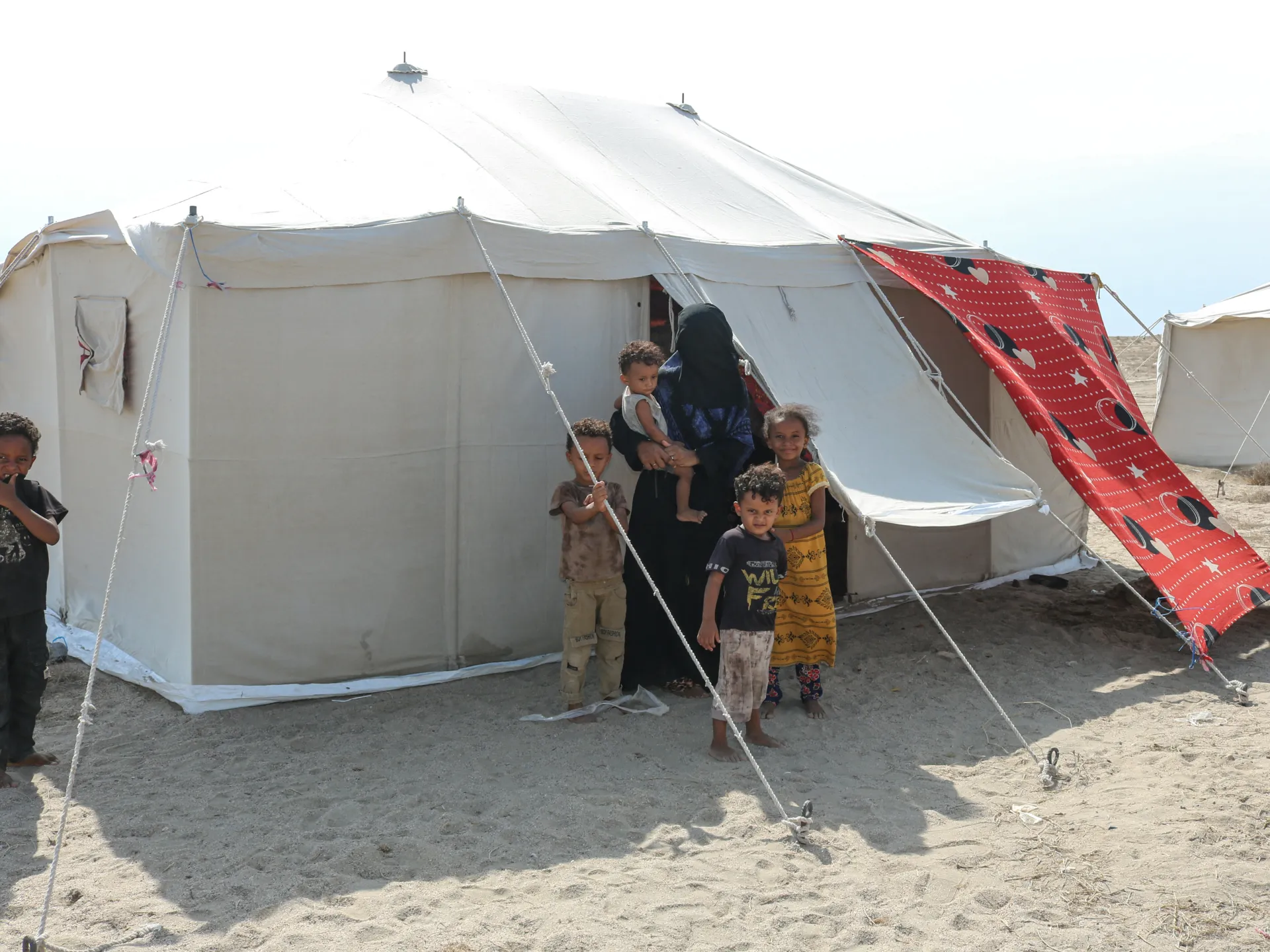
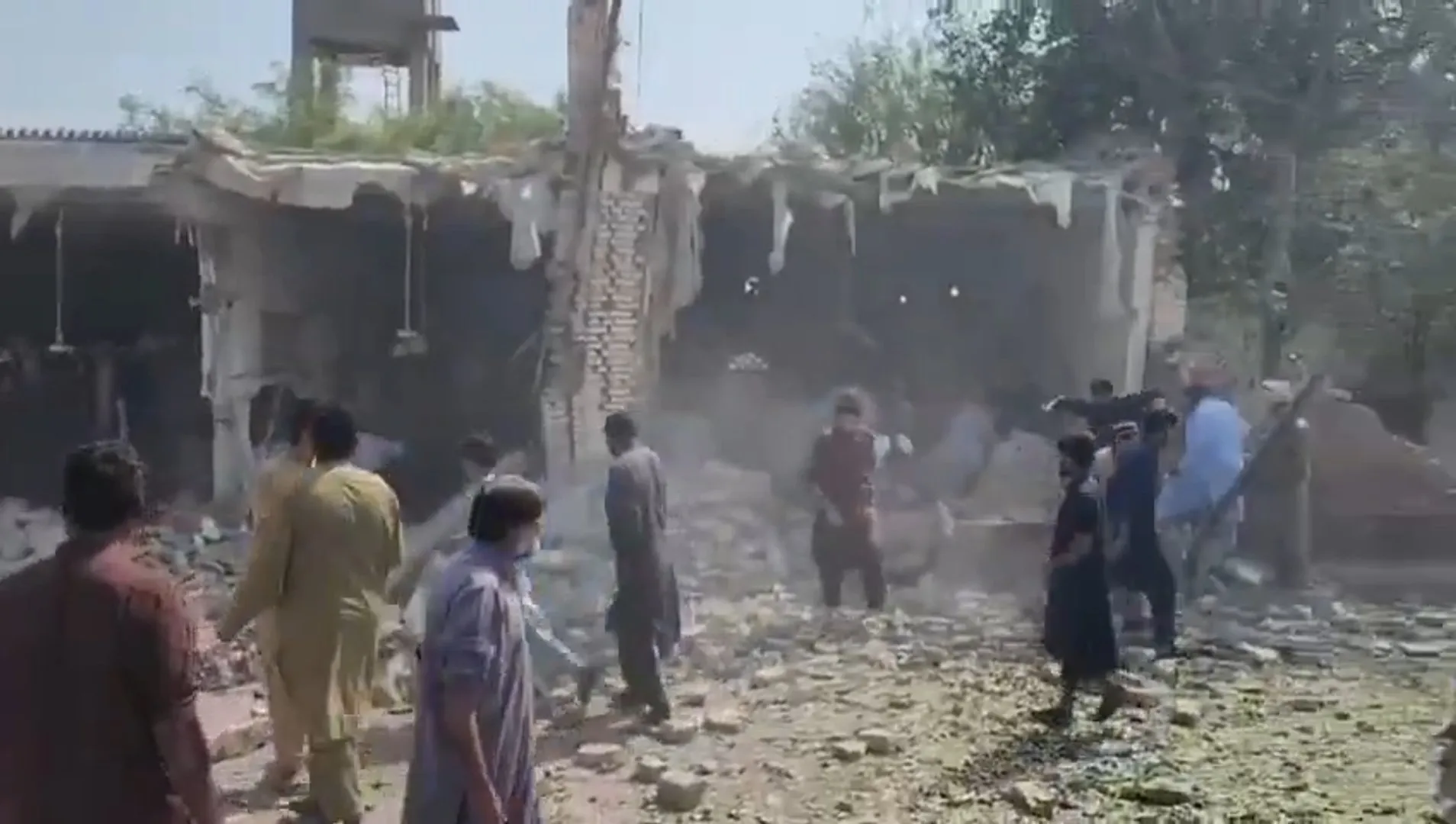
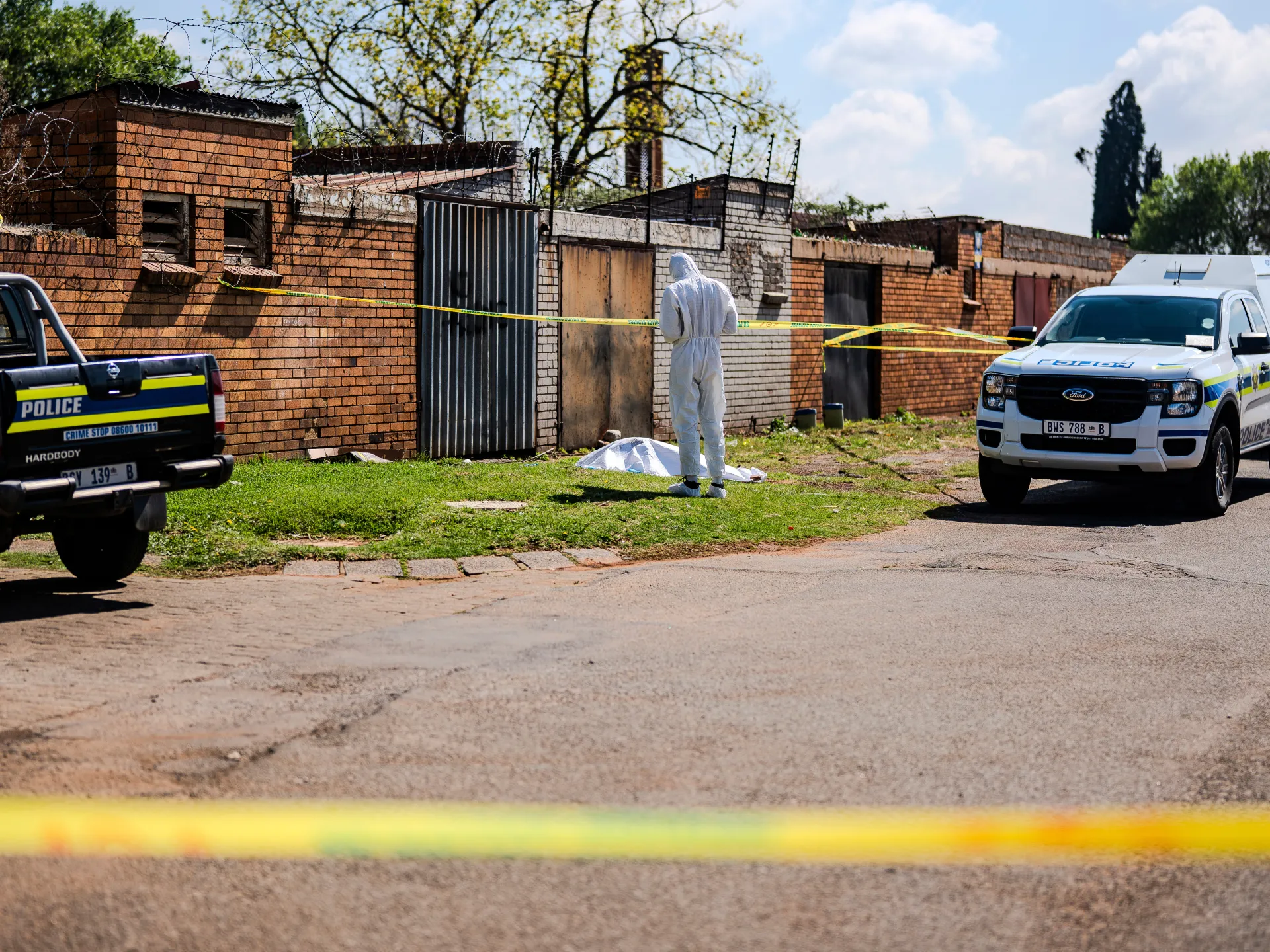
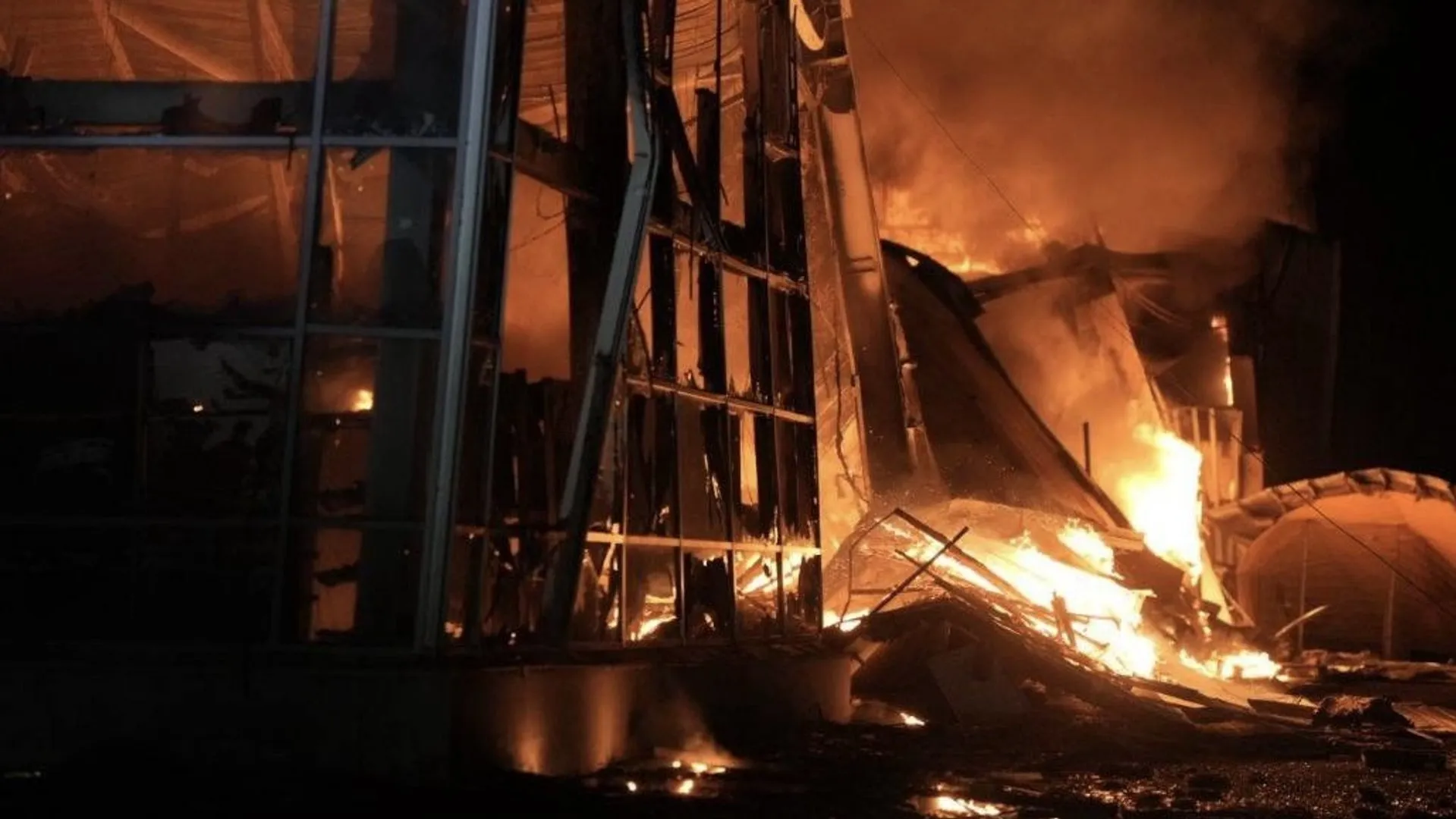
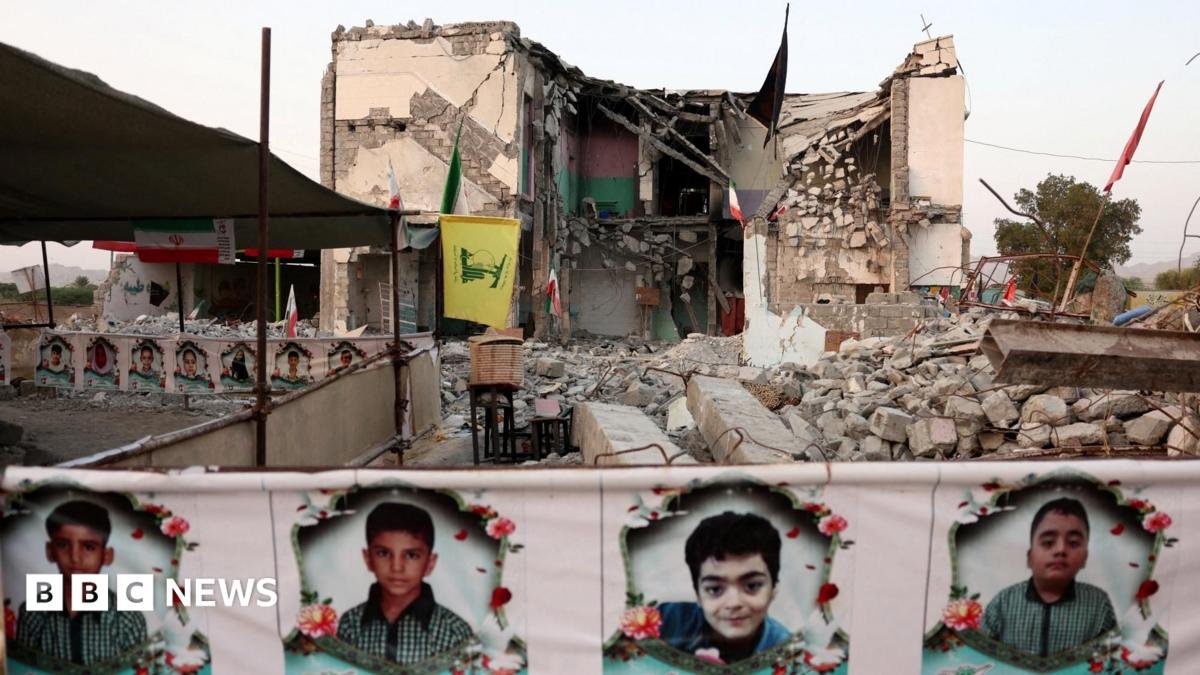
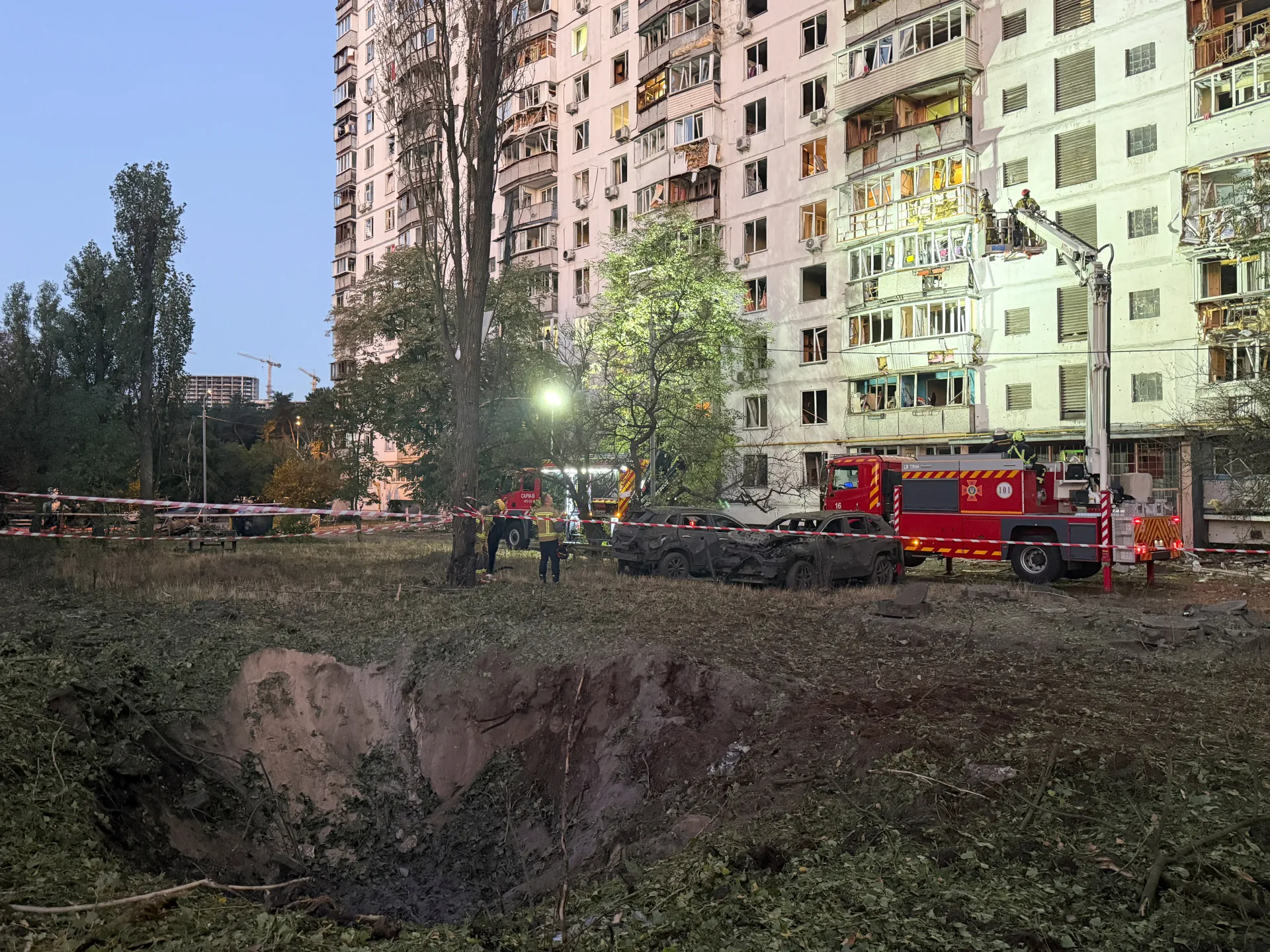
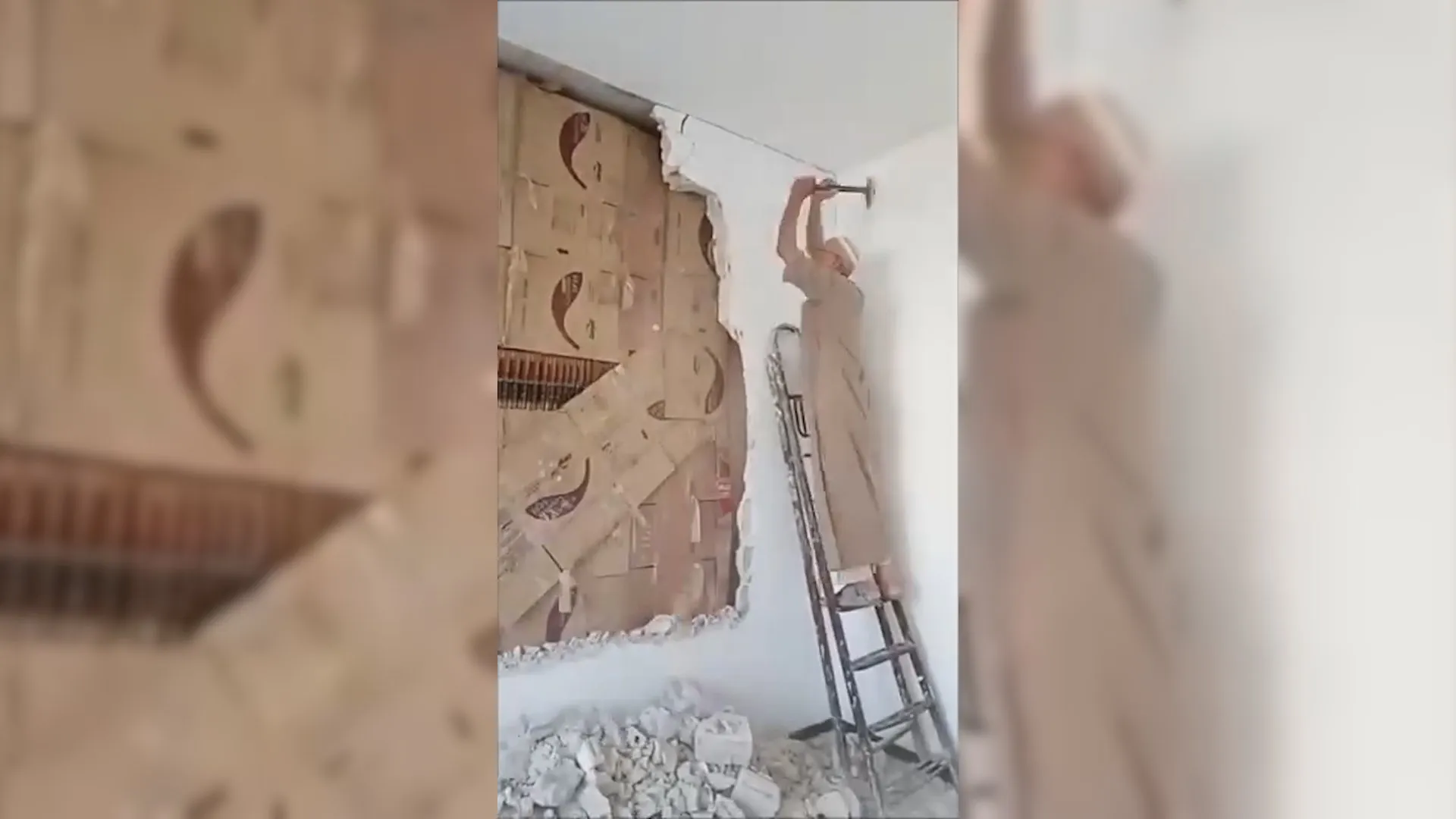
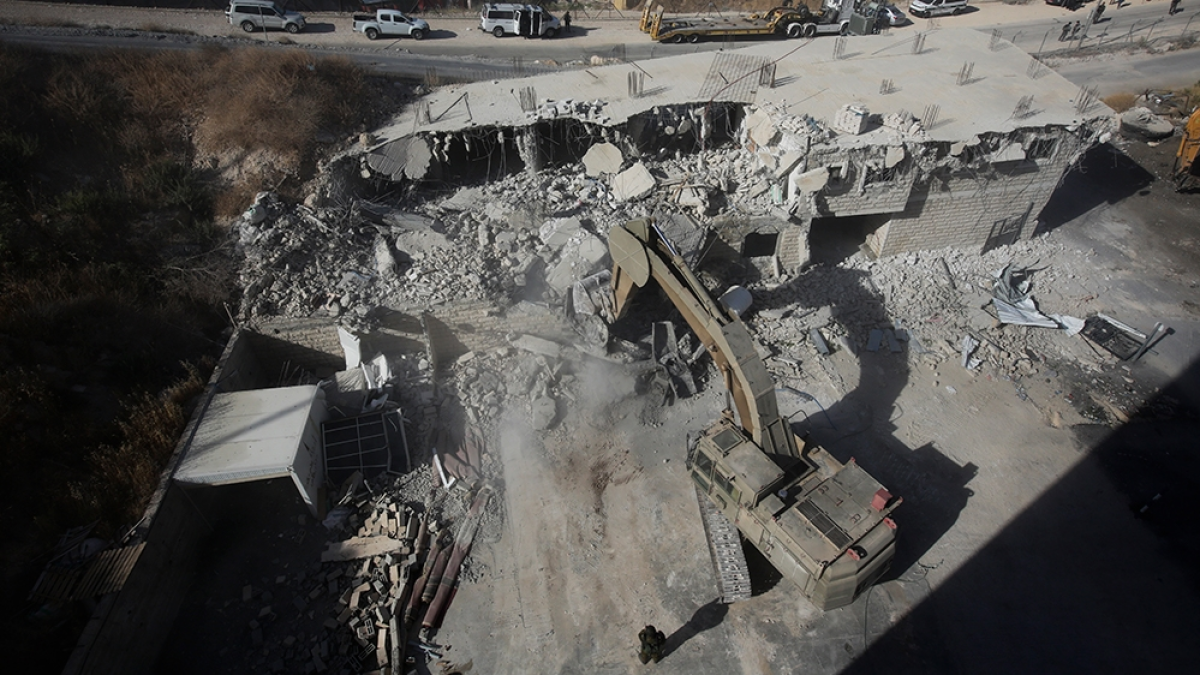
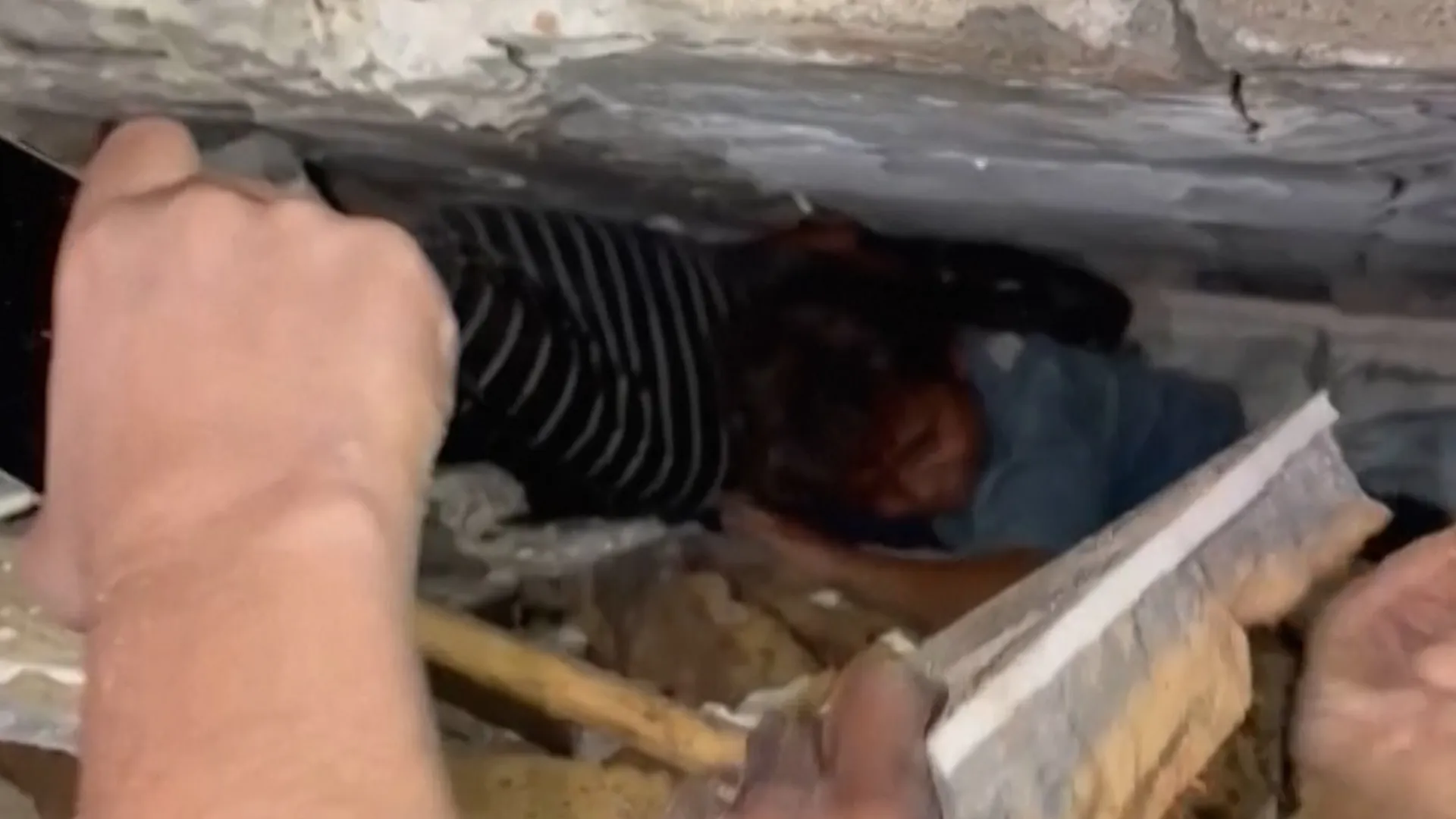
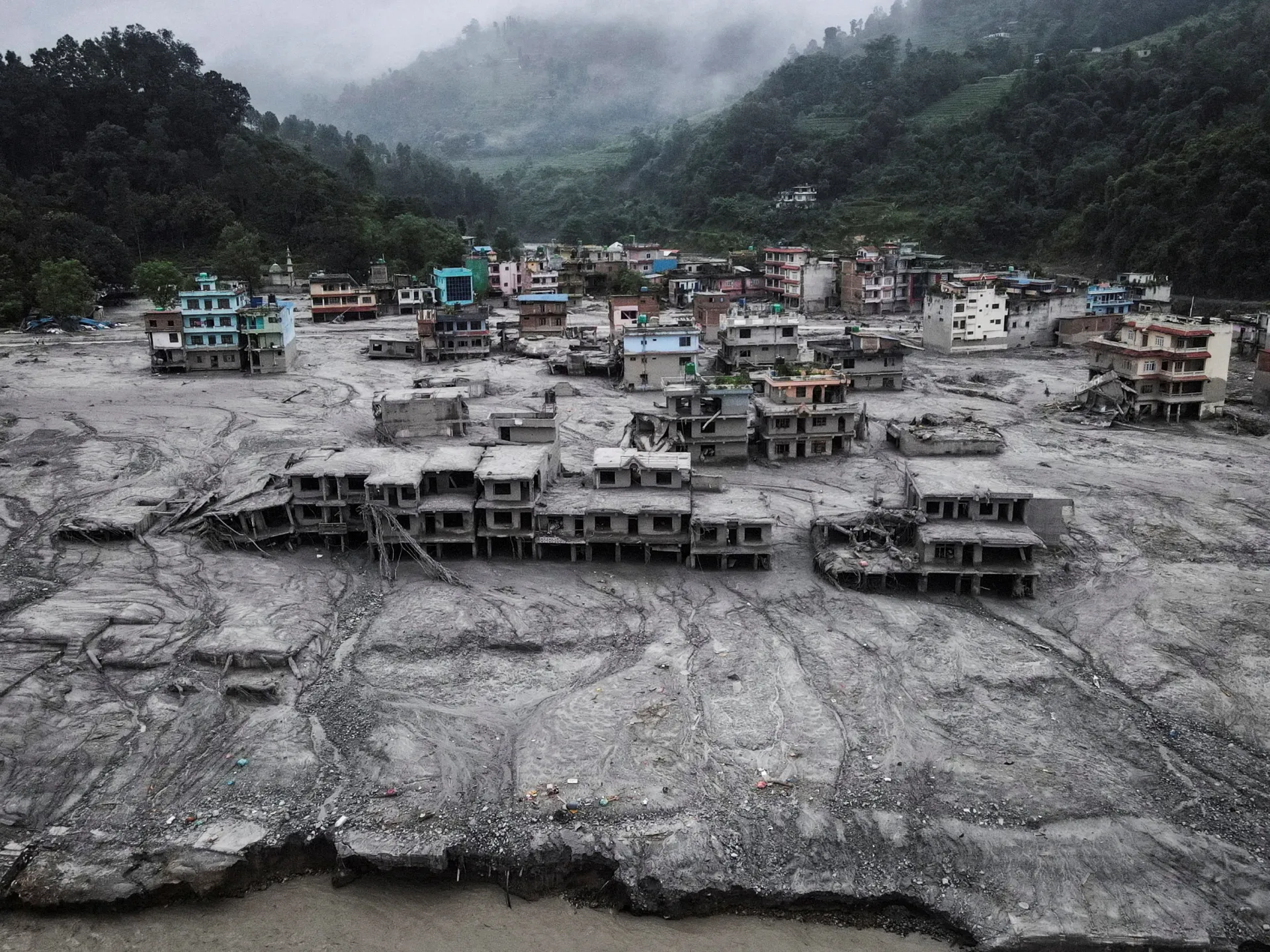
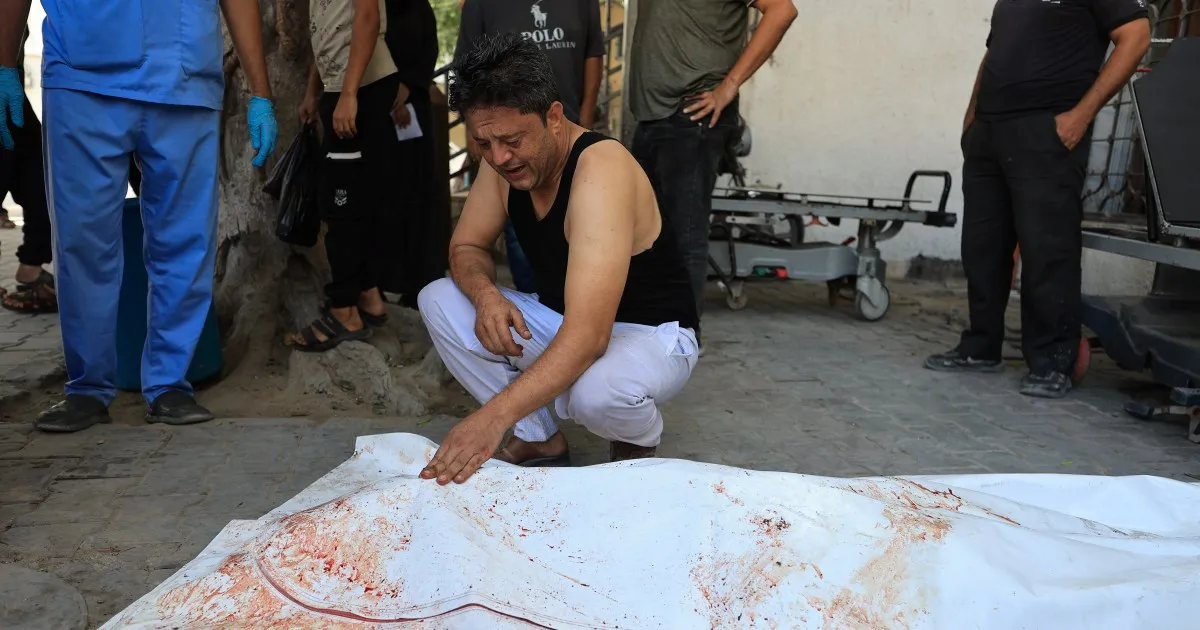
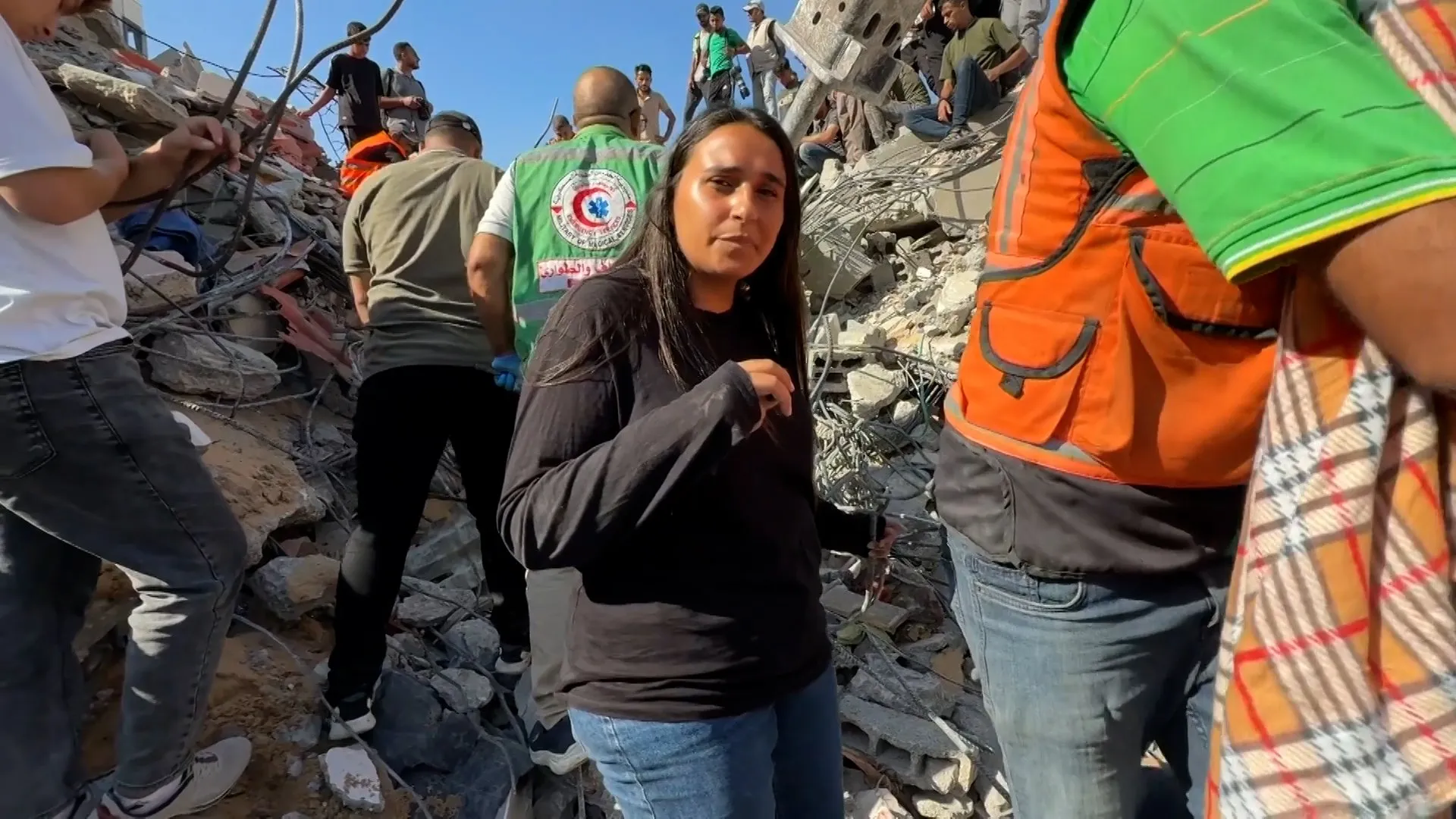
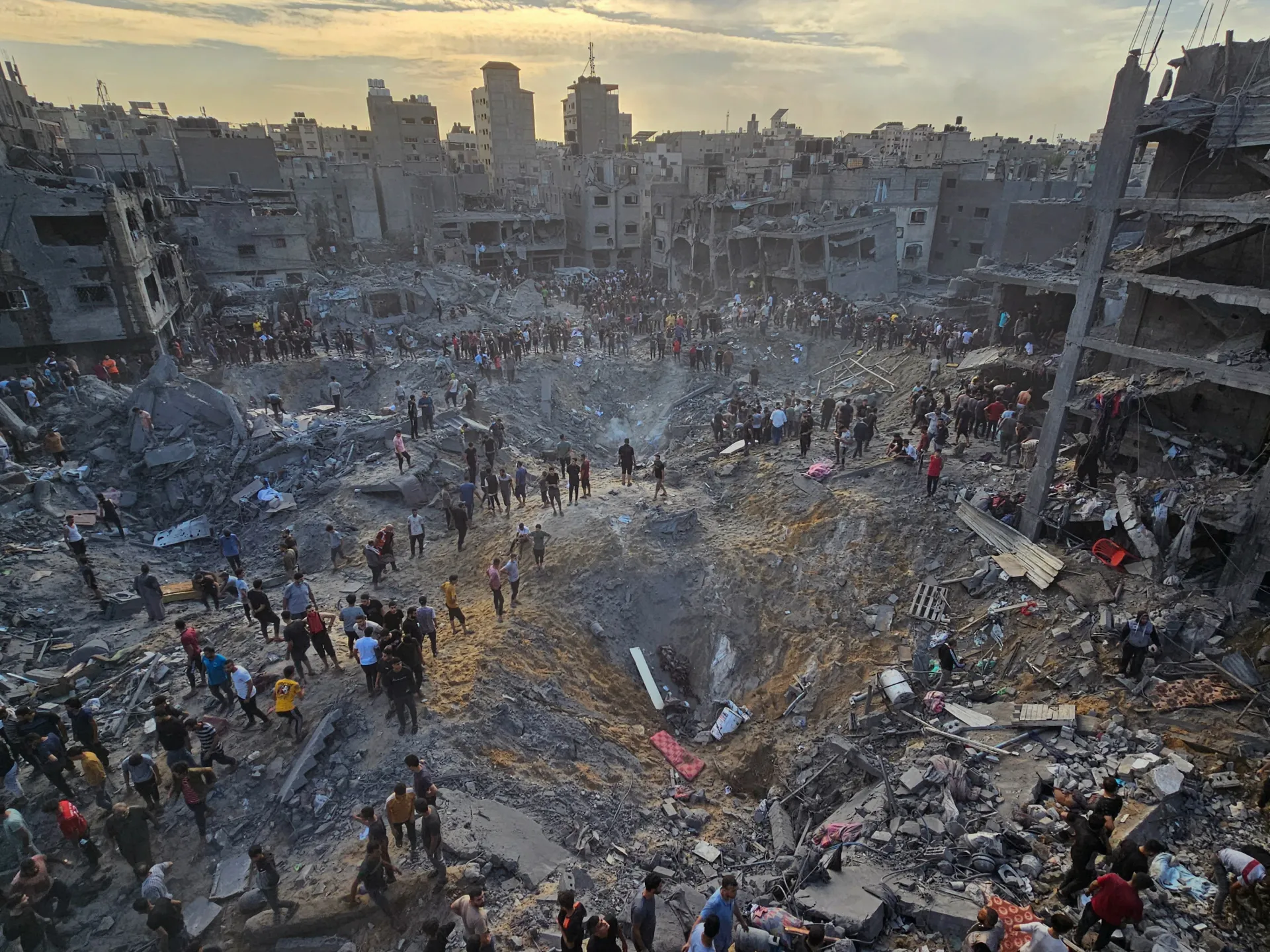
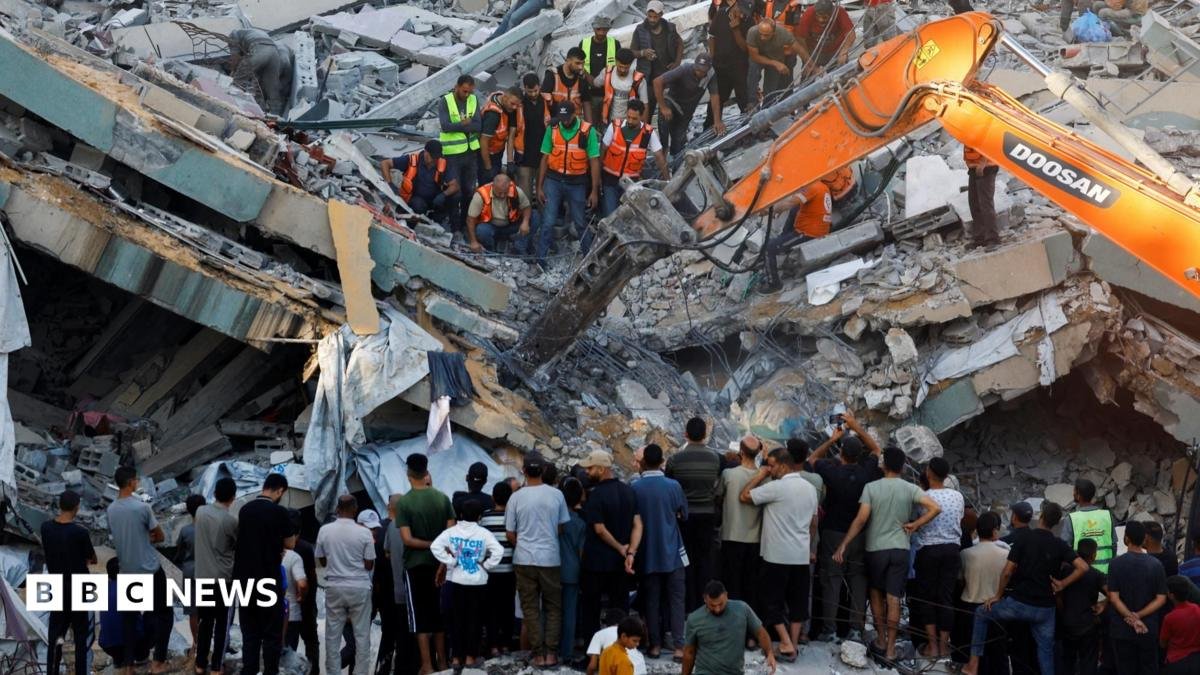
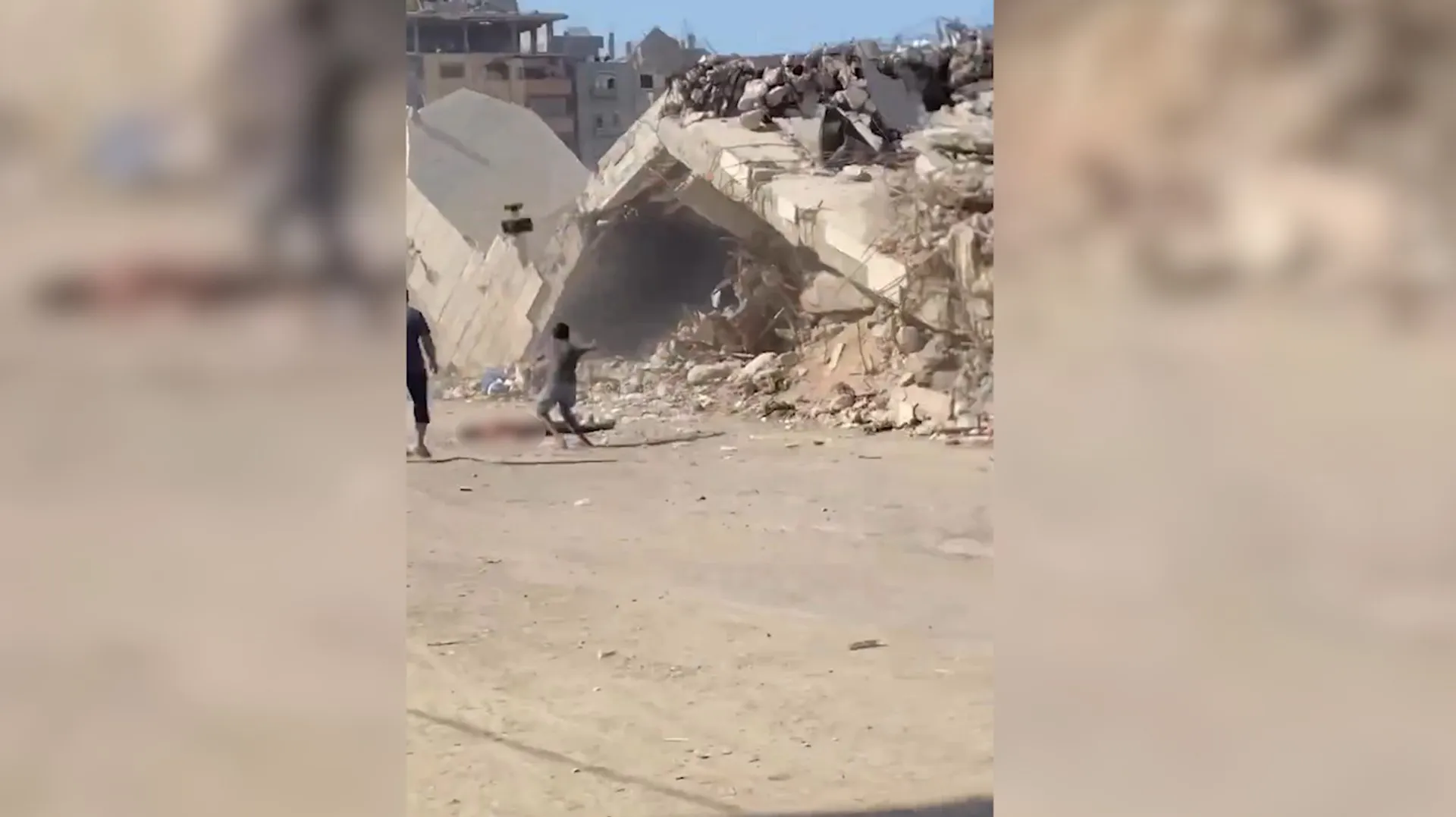
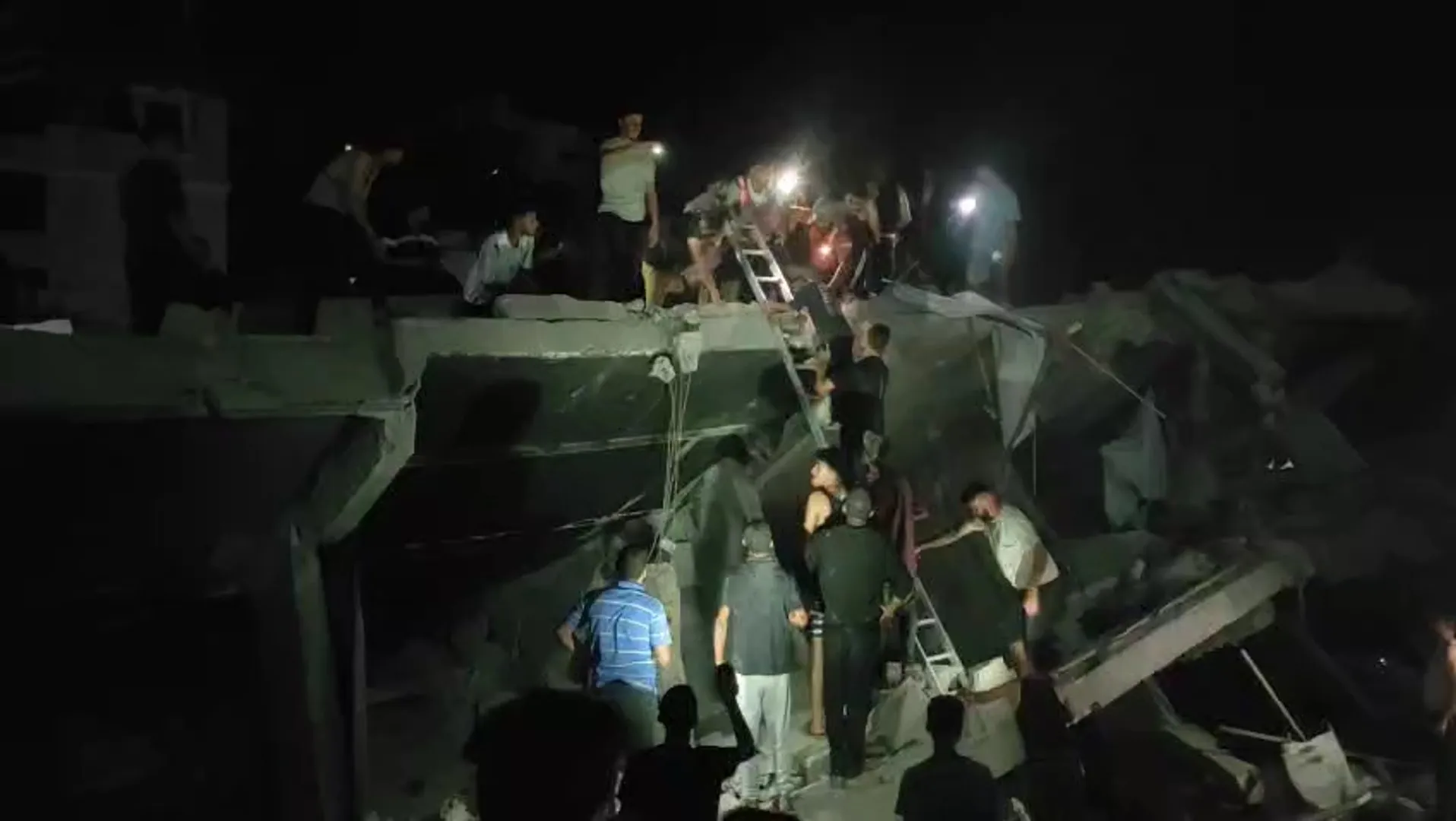
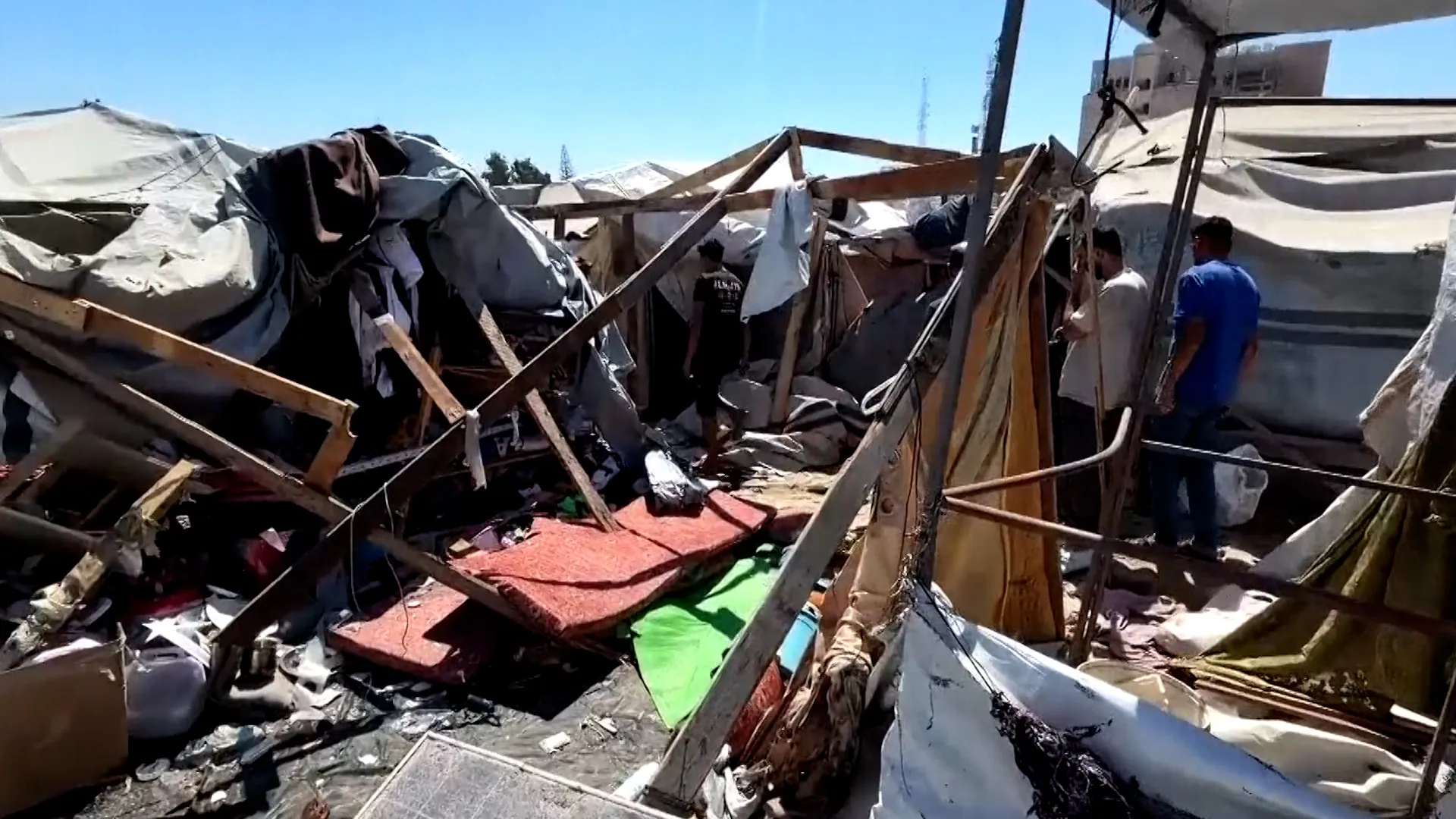
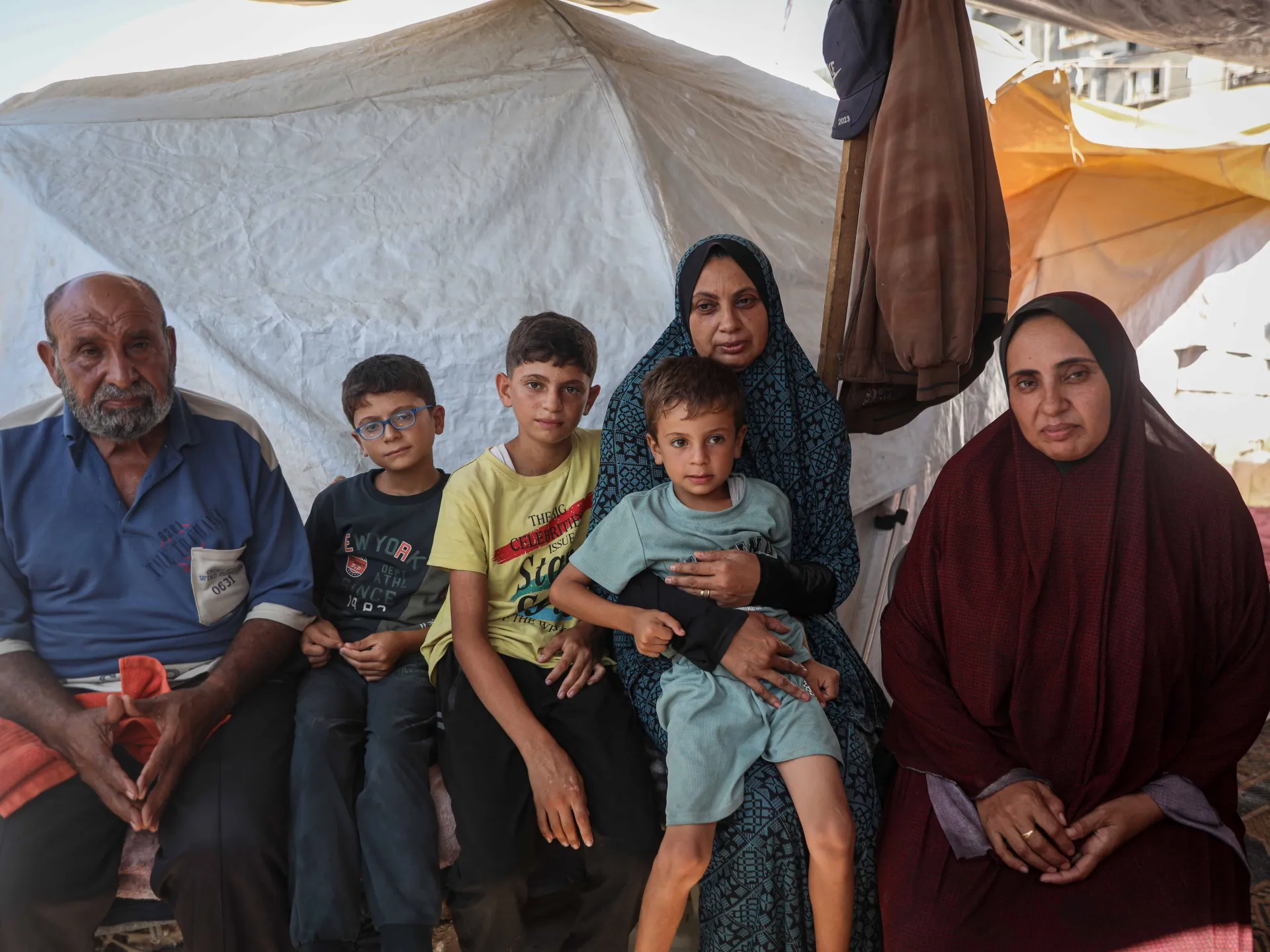
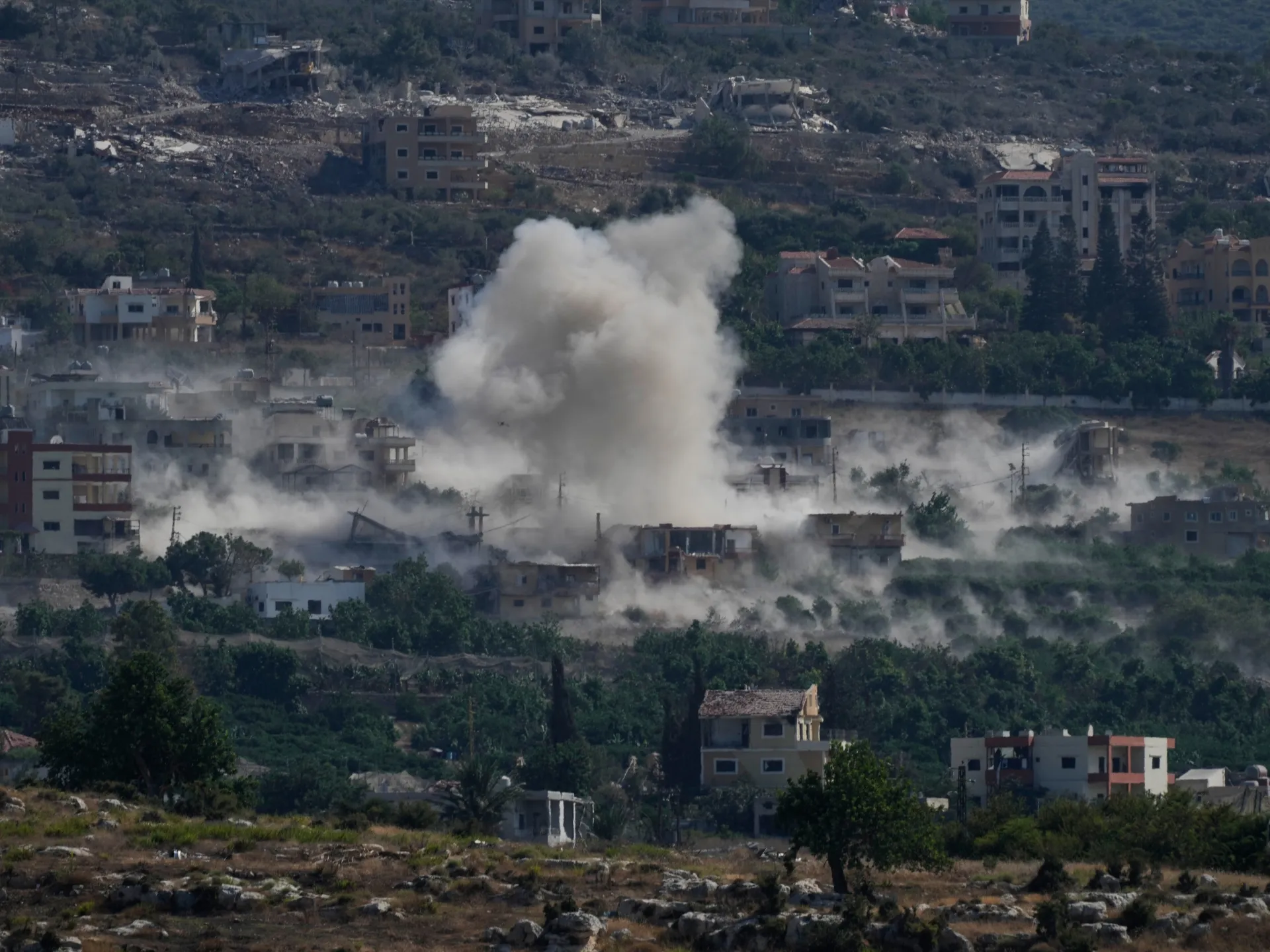
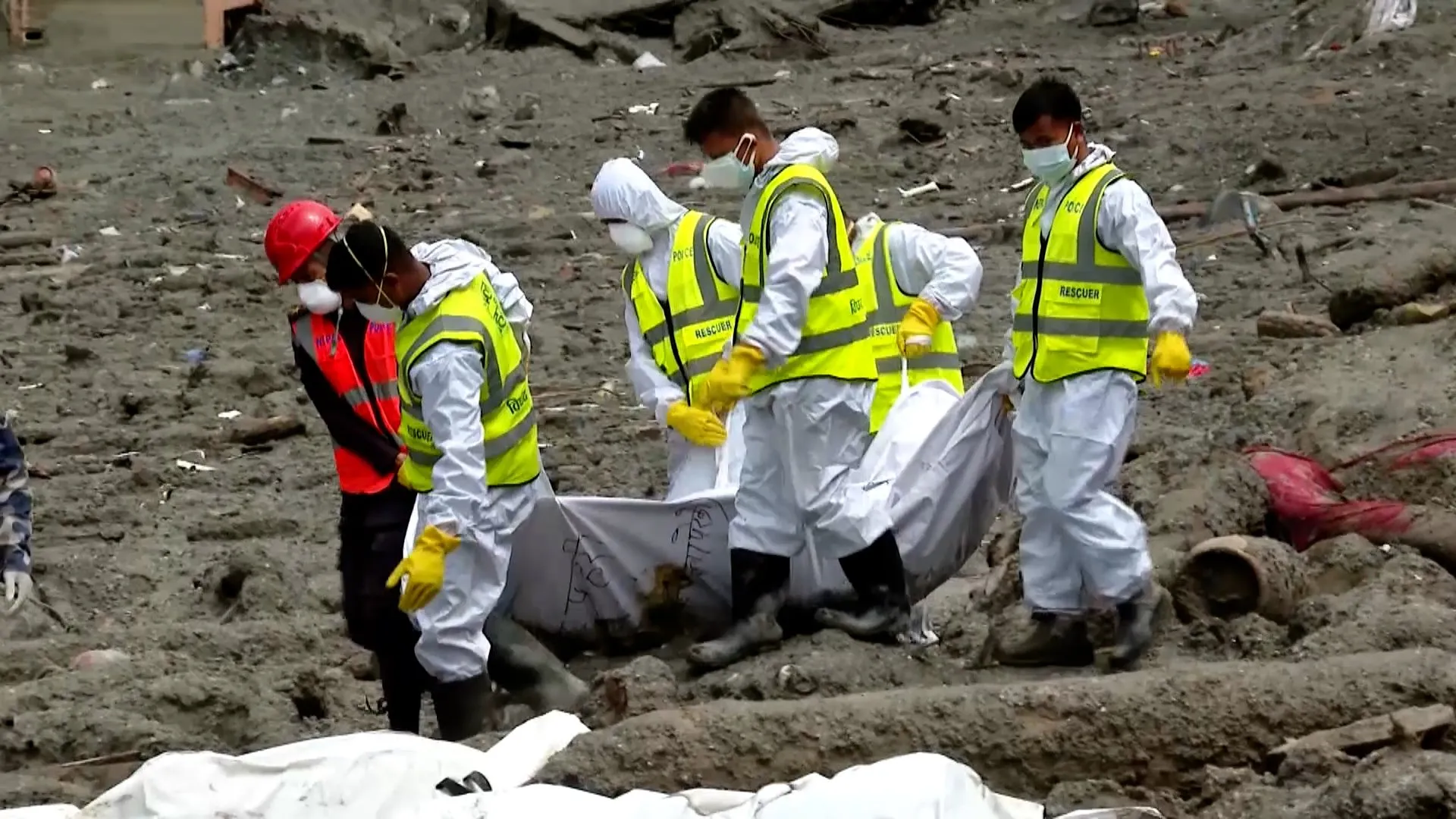
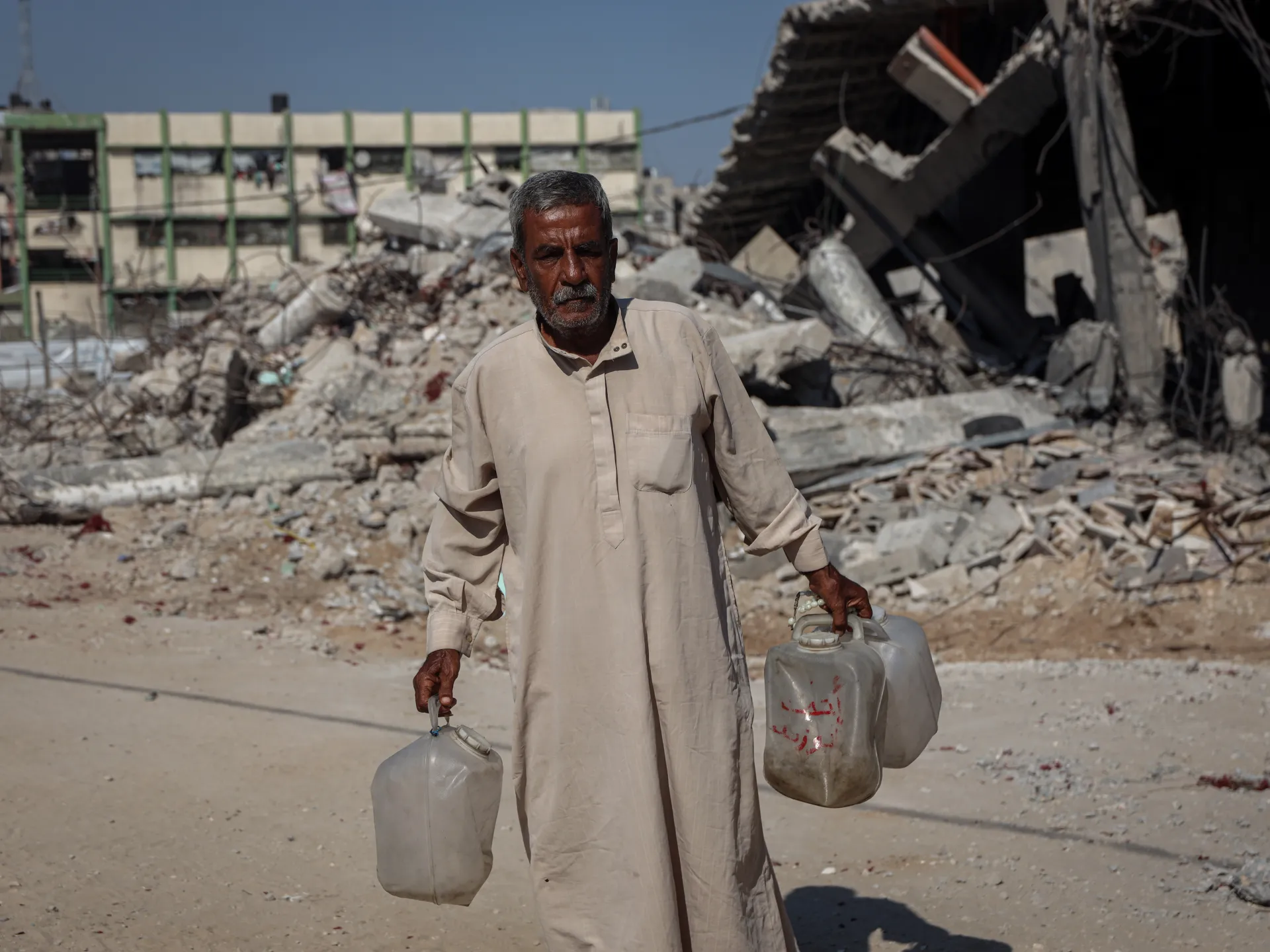
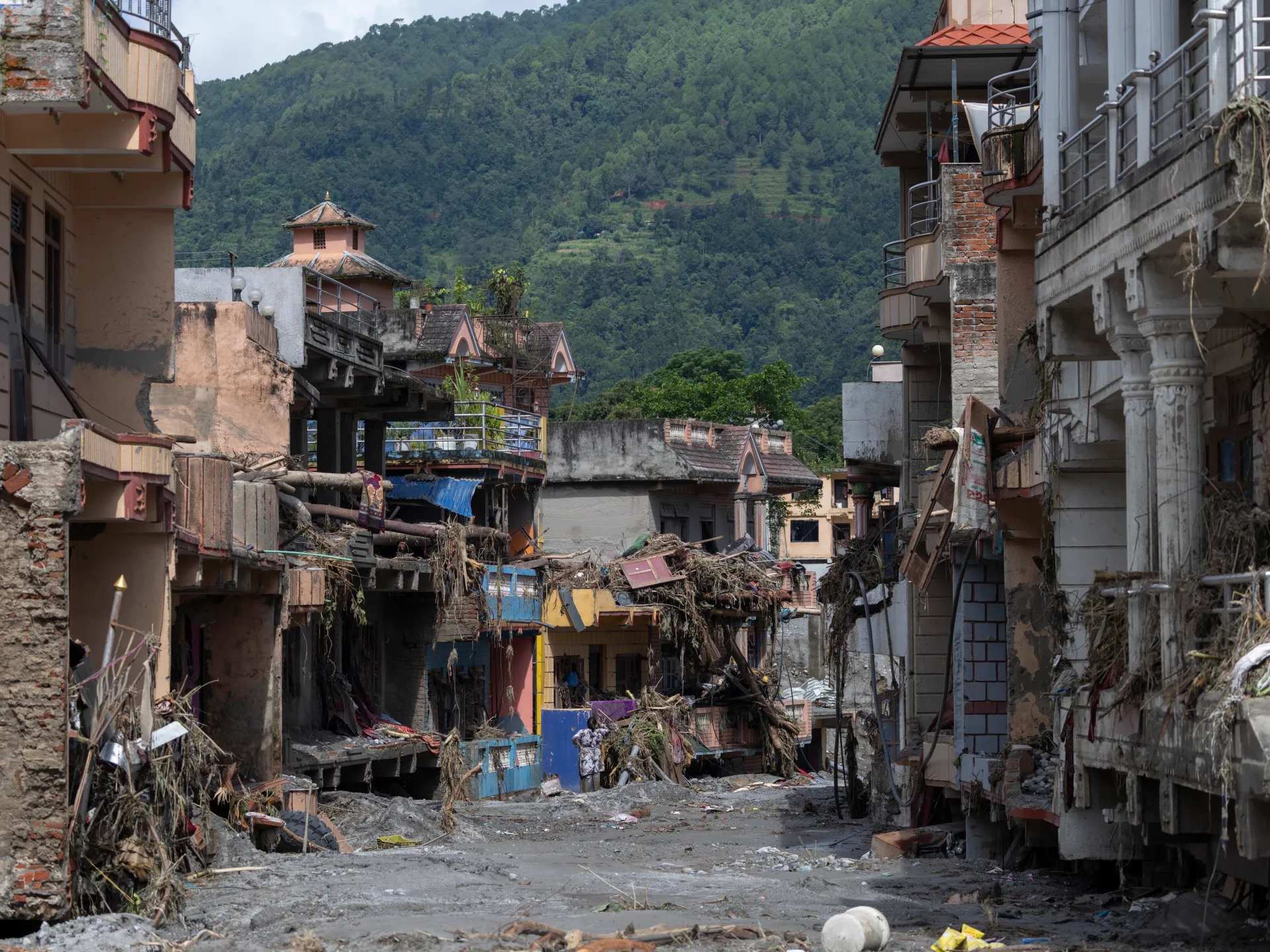
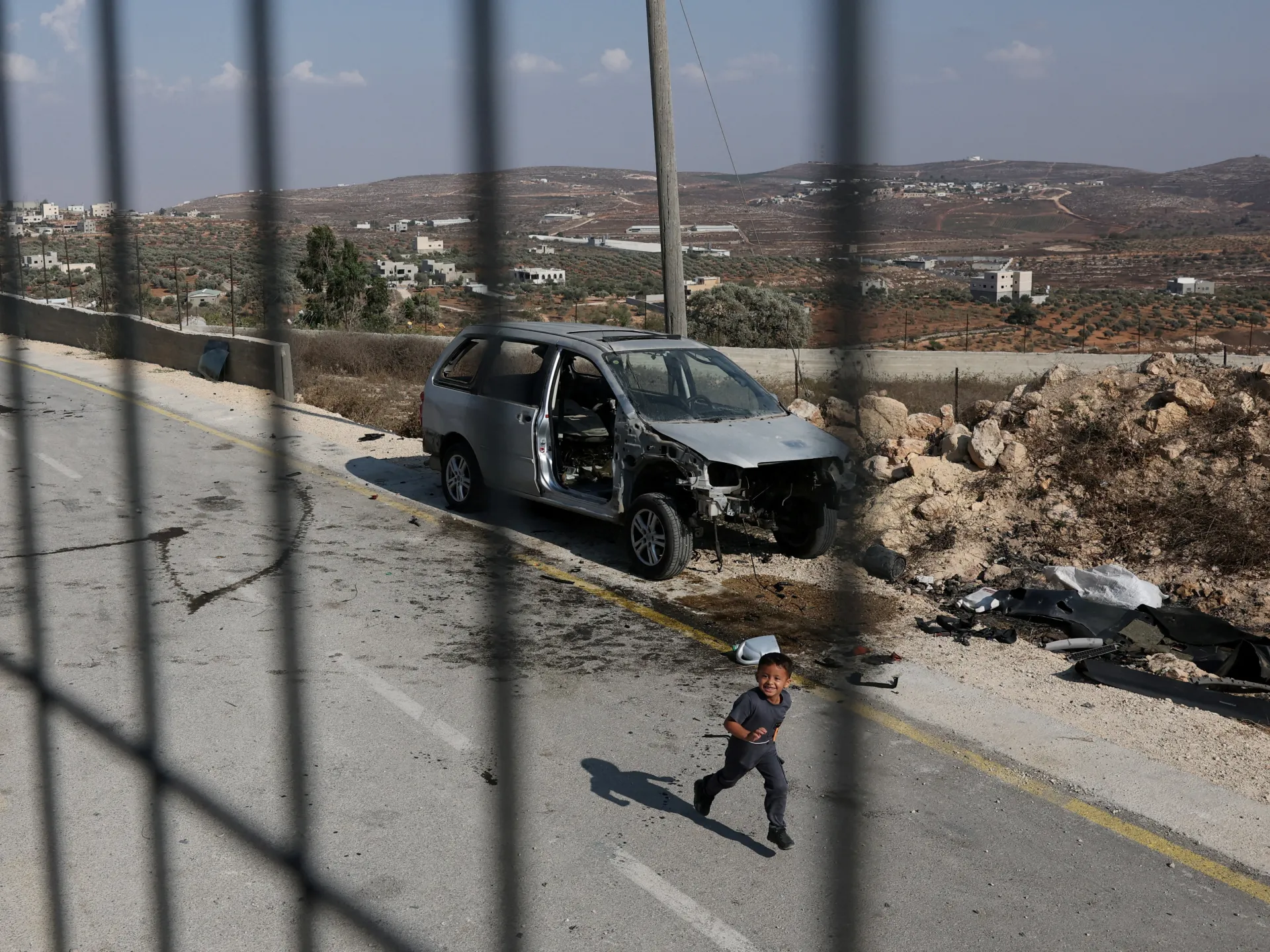
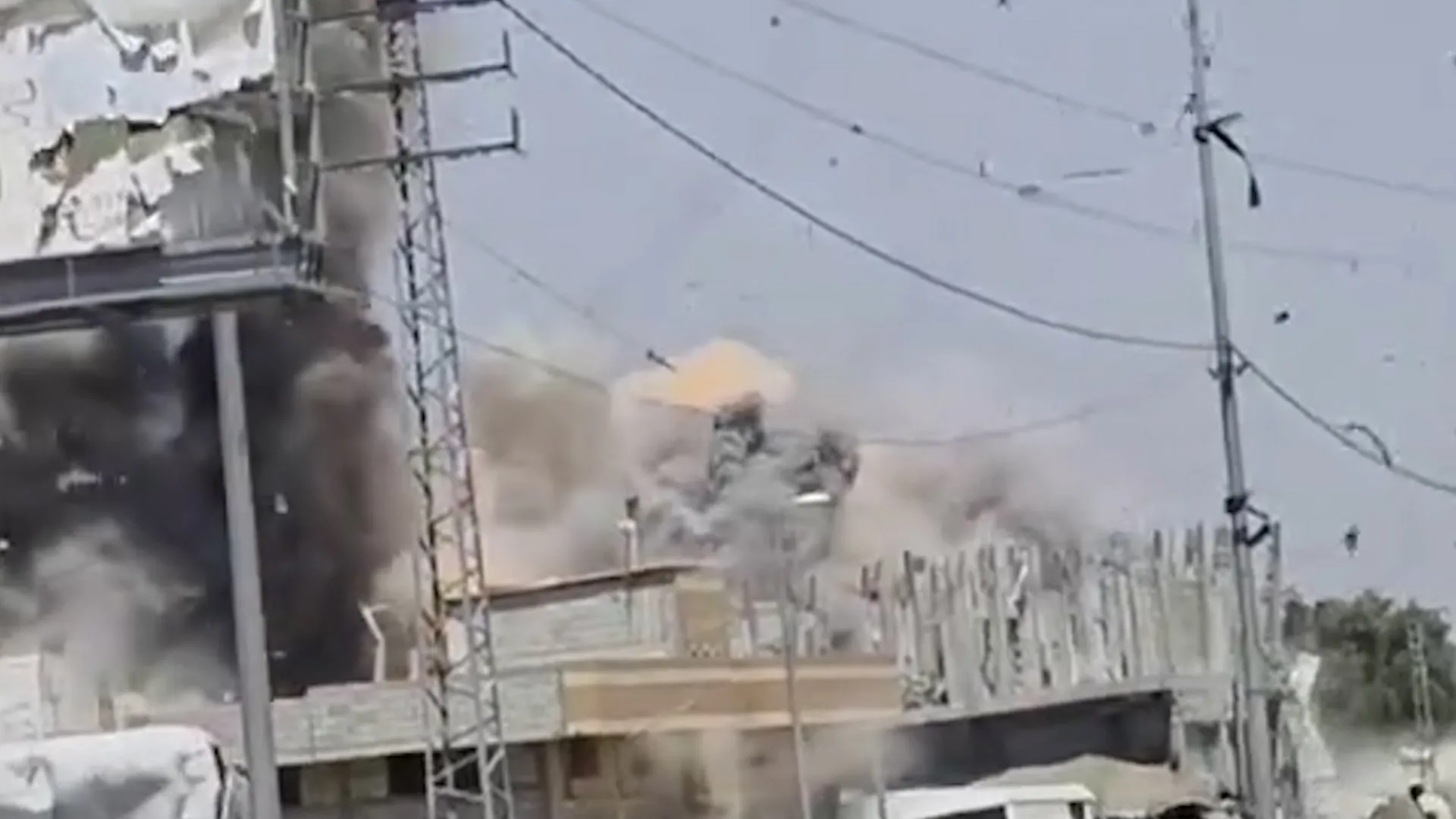
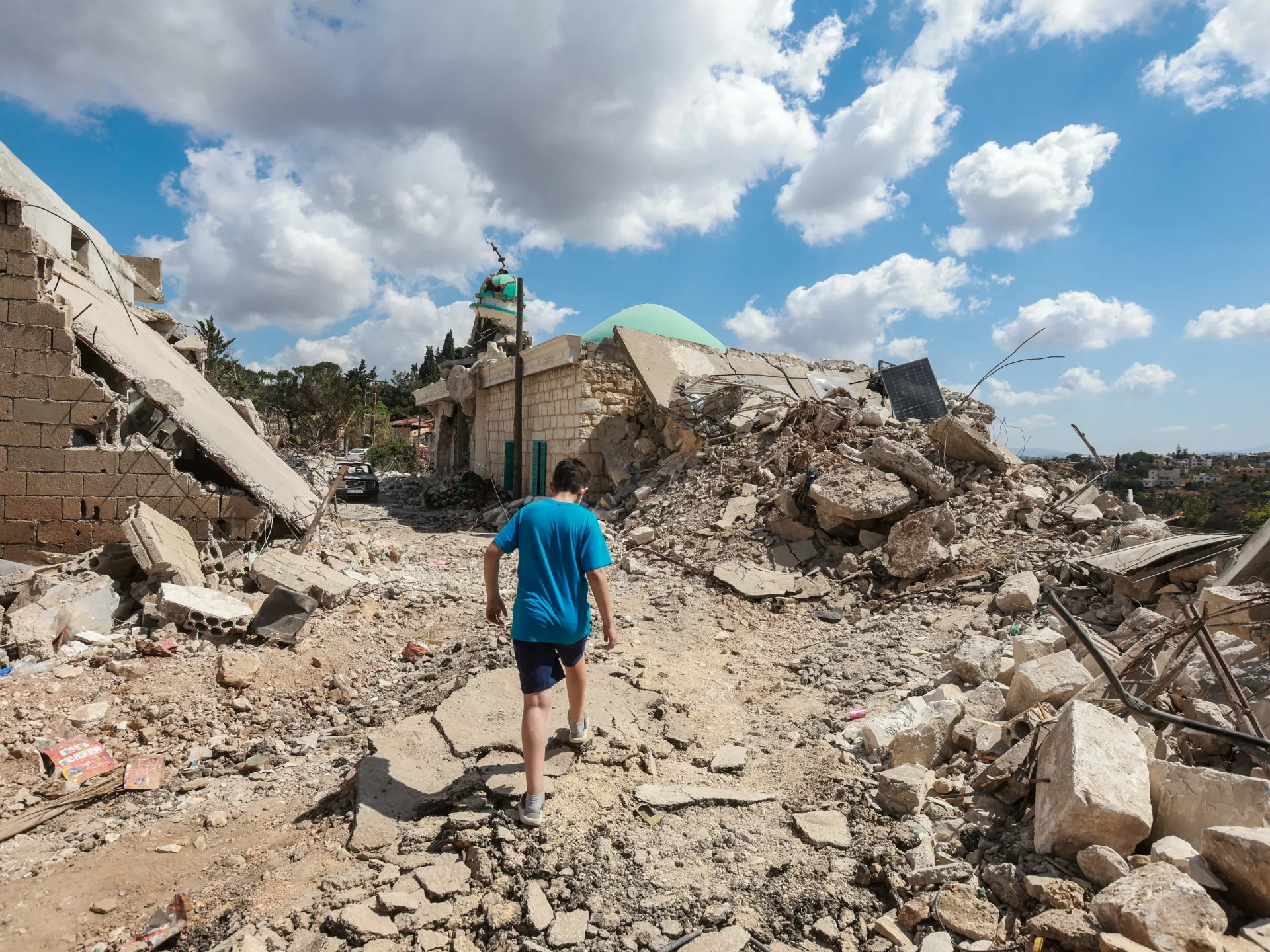
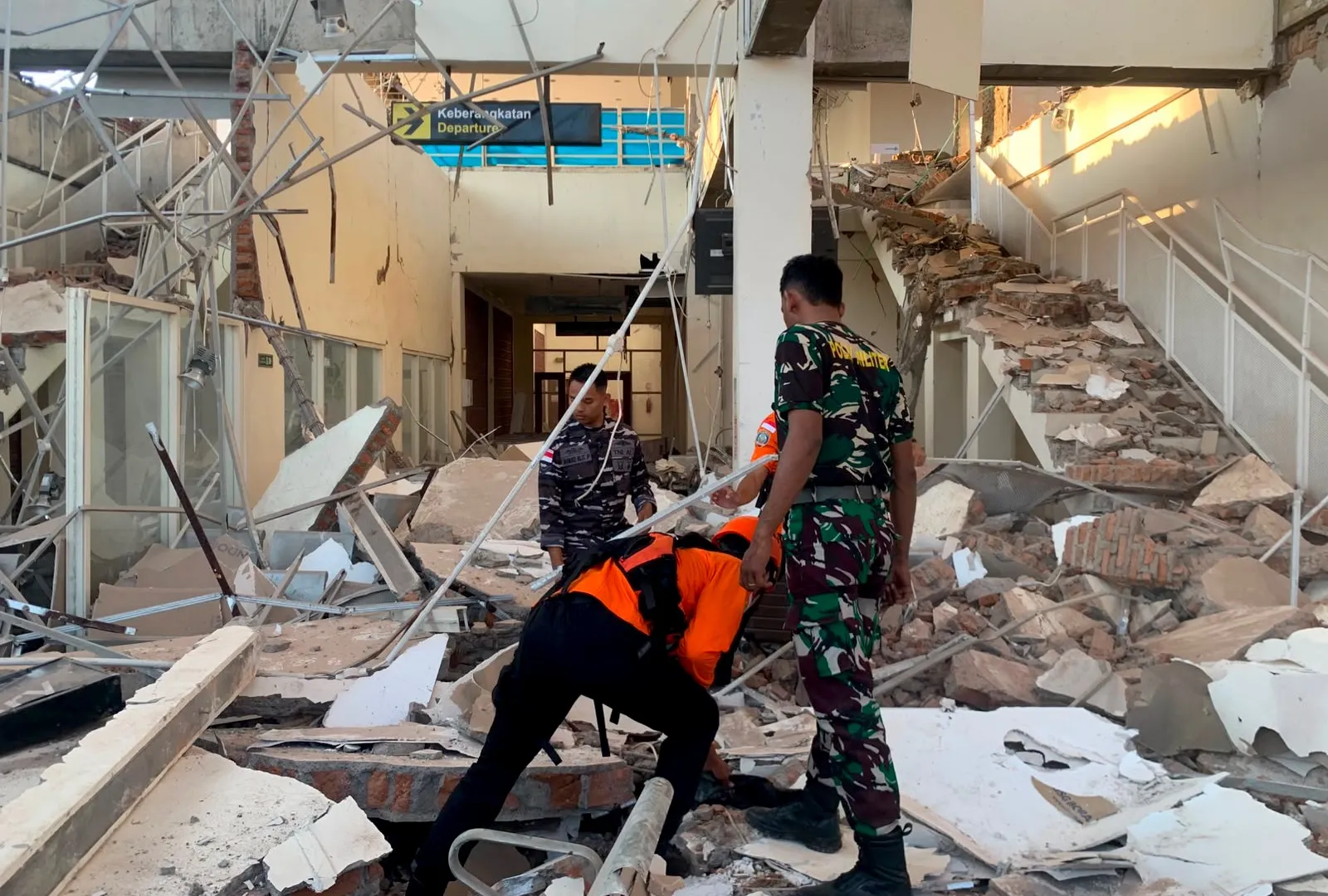
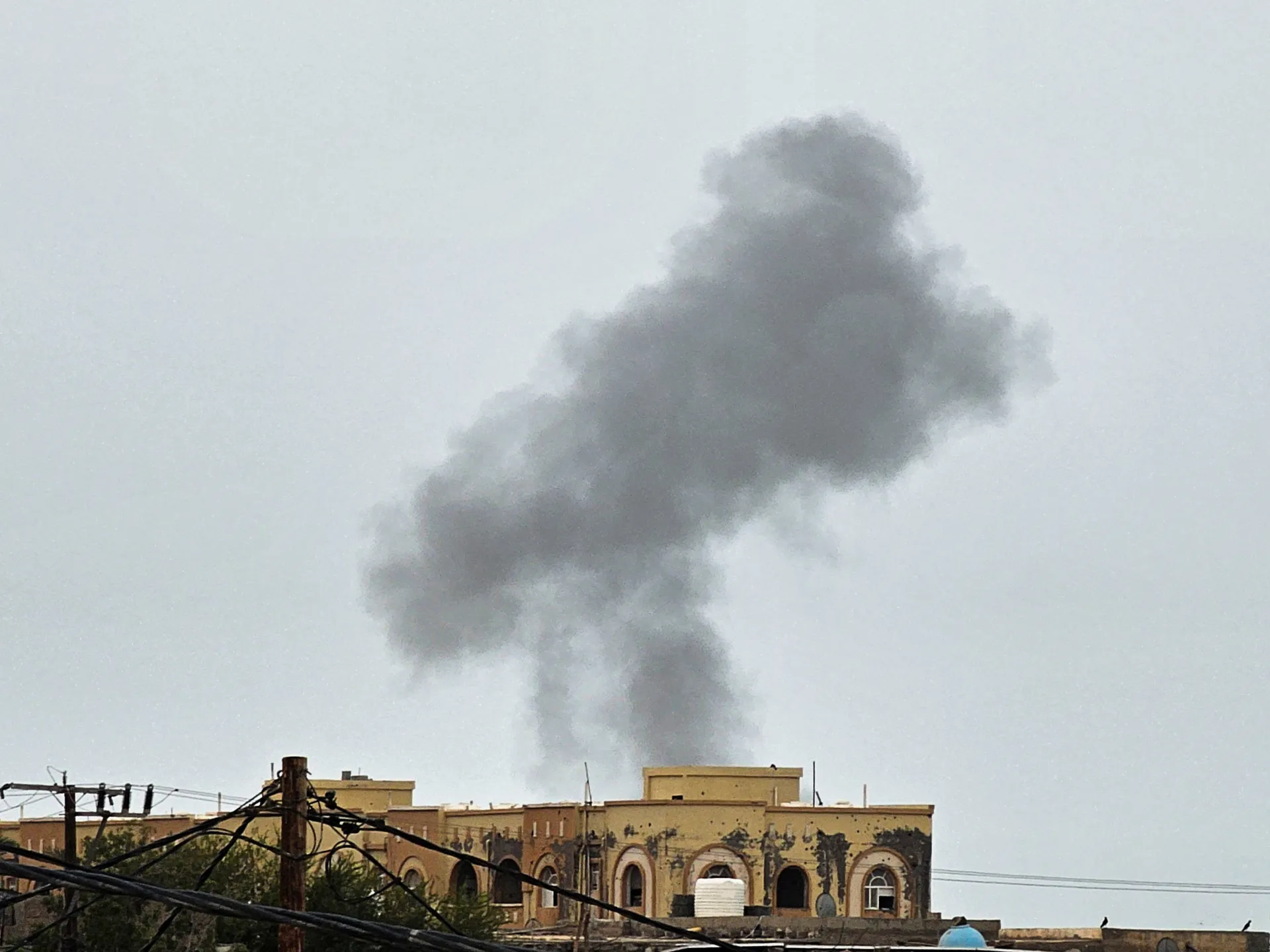
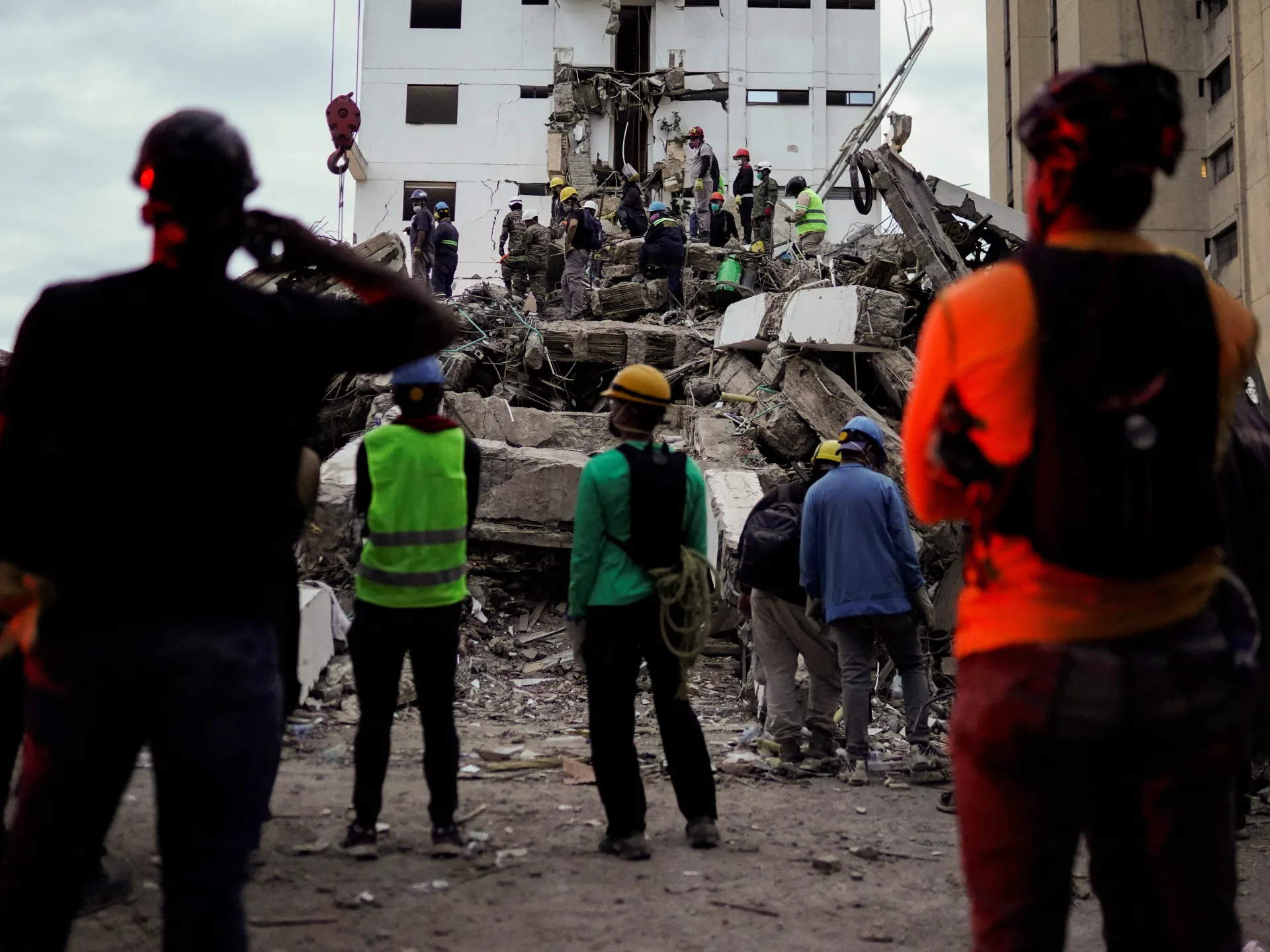
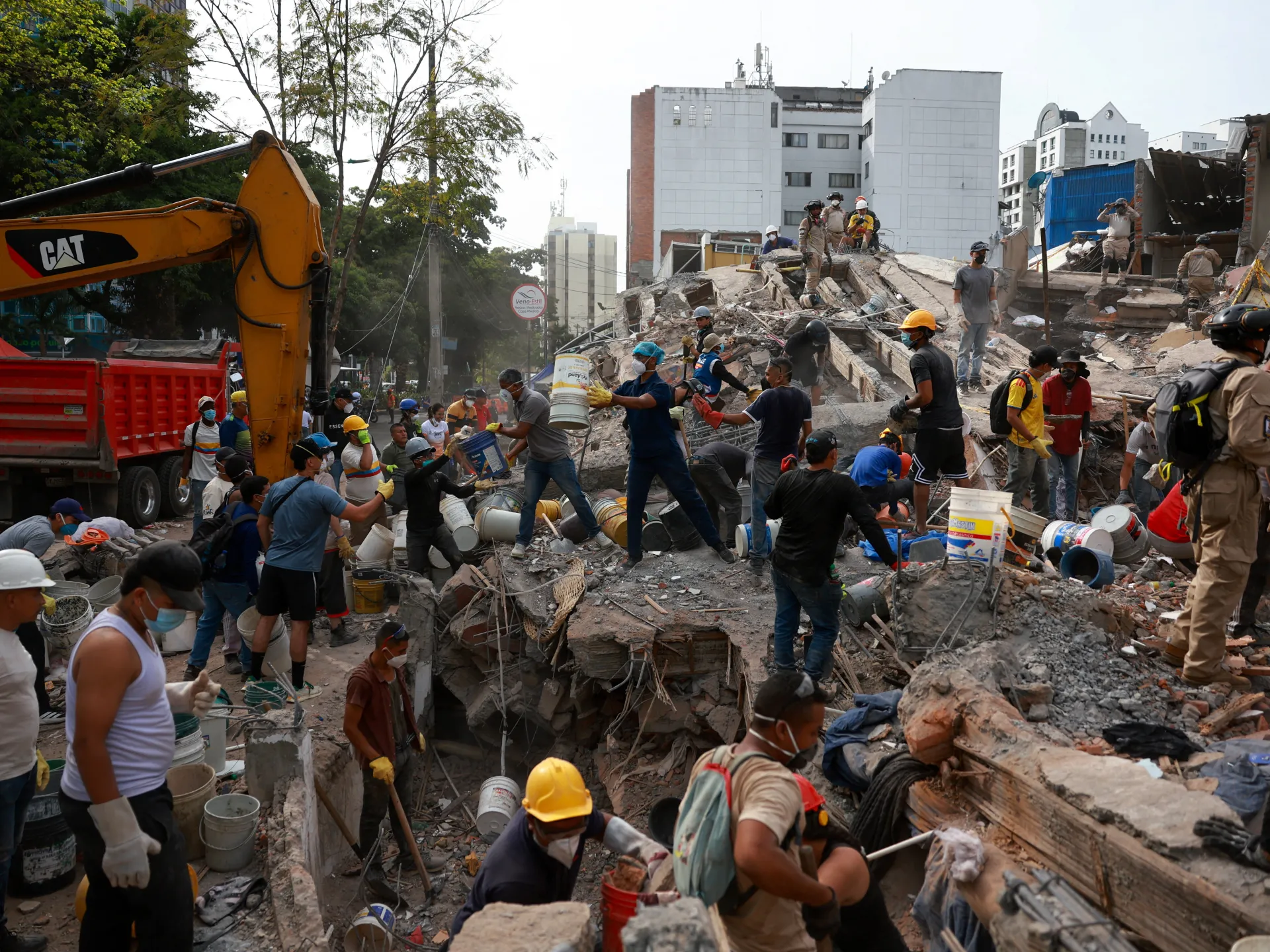
The fragile state of Gaza’s infrastructure reached a breaking point earlier this week when a six-story building in the Tal al-Hawa district of Gaza City collapsed overnight. Local residents and witnesses reported that the structure had been left tilting dangerously since an Israeli airstrike damaged it more than a year ago. Despite its unstable condition, the building had served as a desperate shelter for approximately 10 displaced families who were unable to find alternative accommodation.
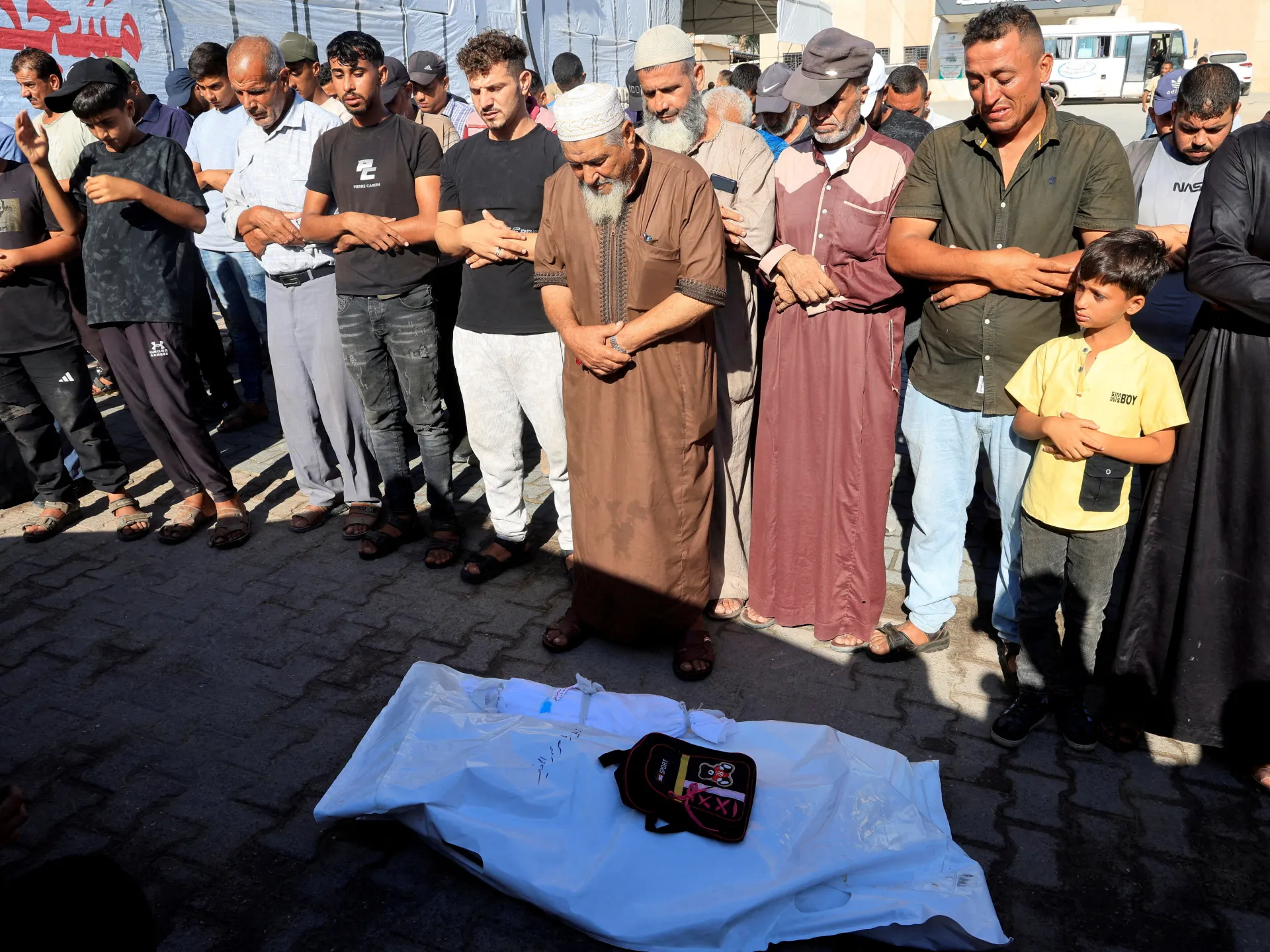
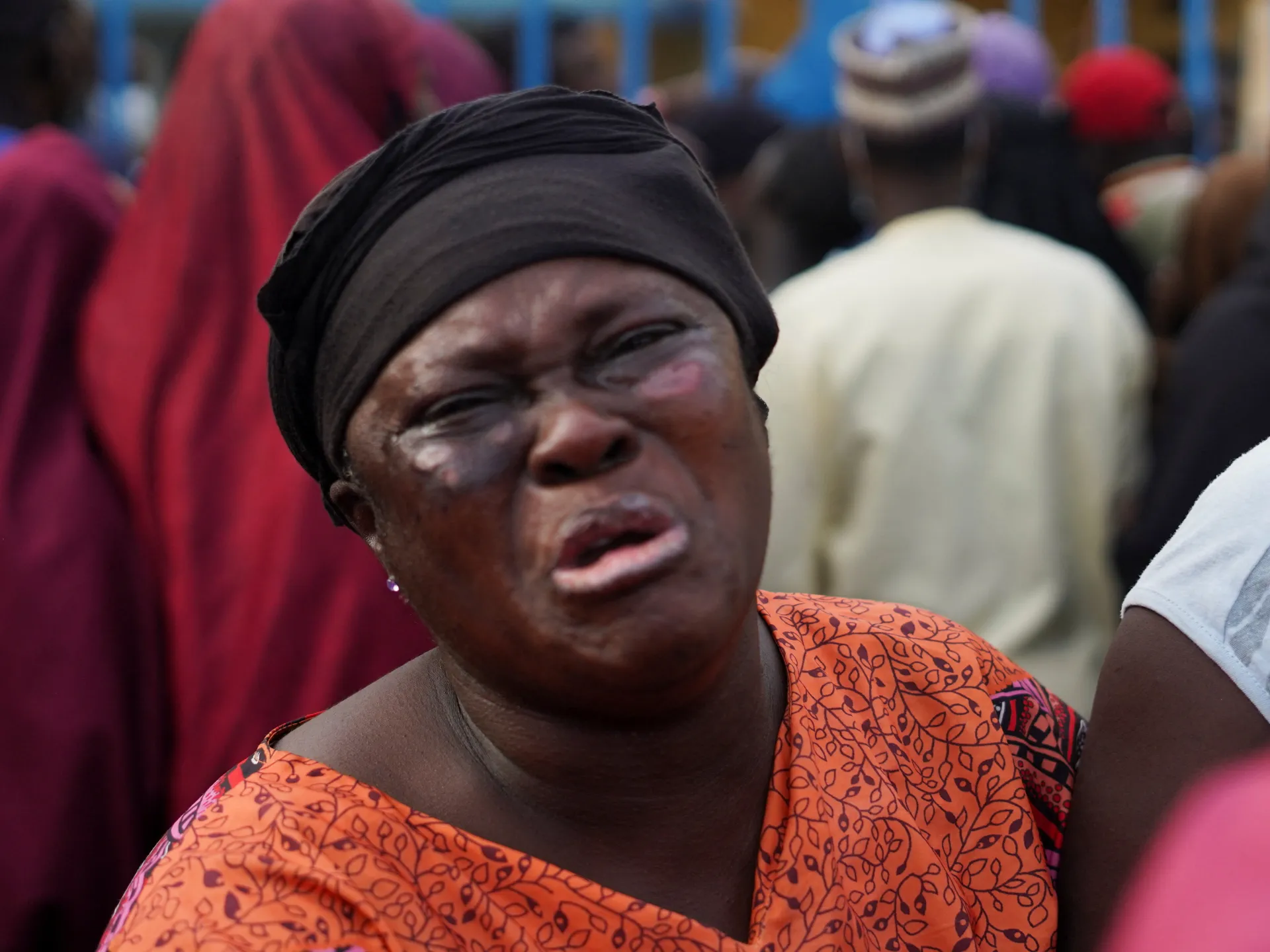
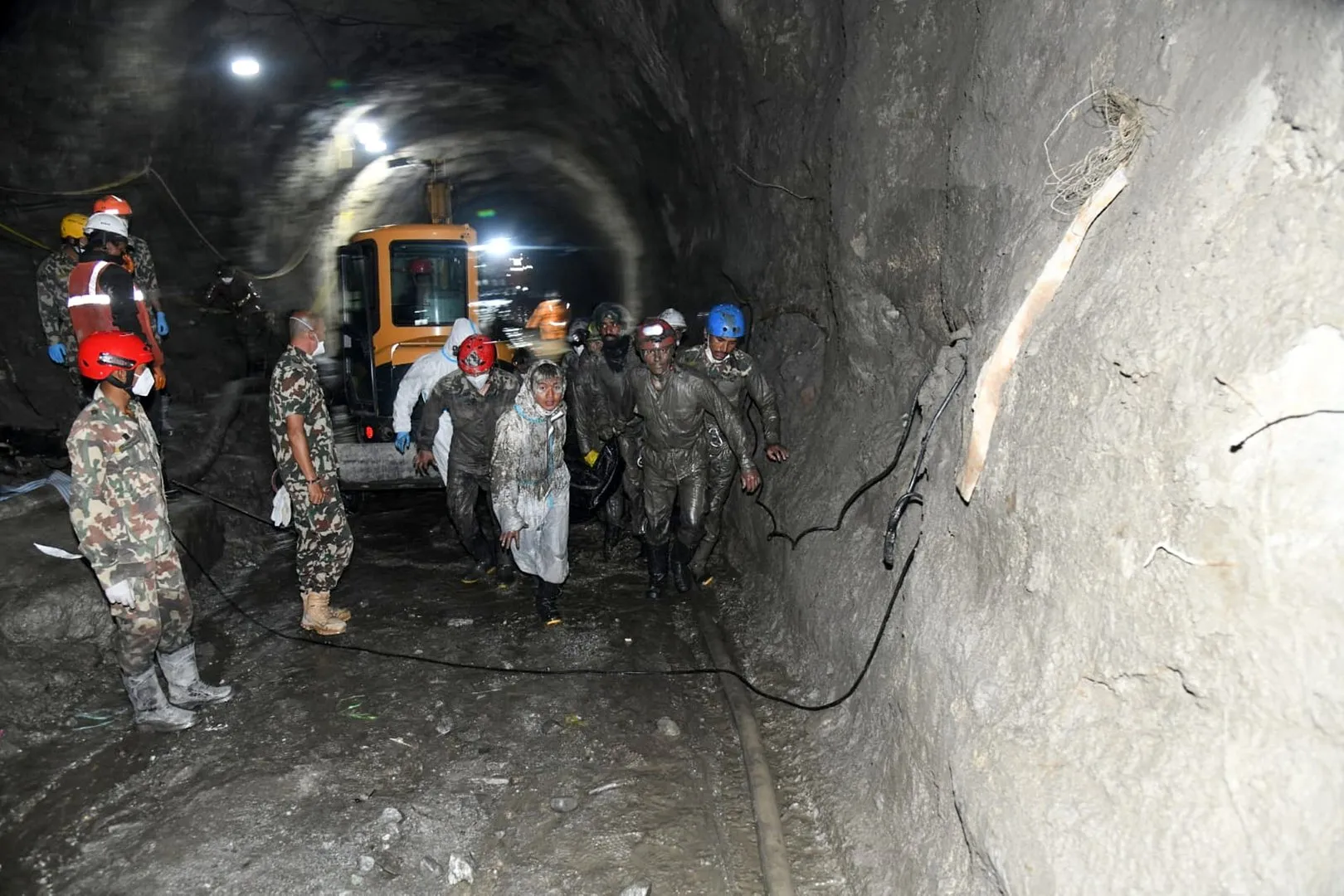
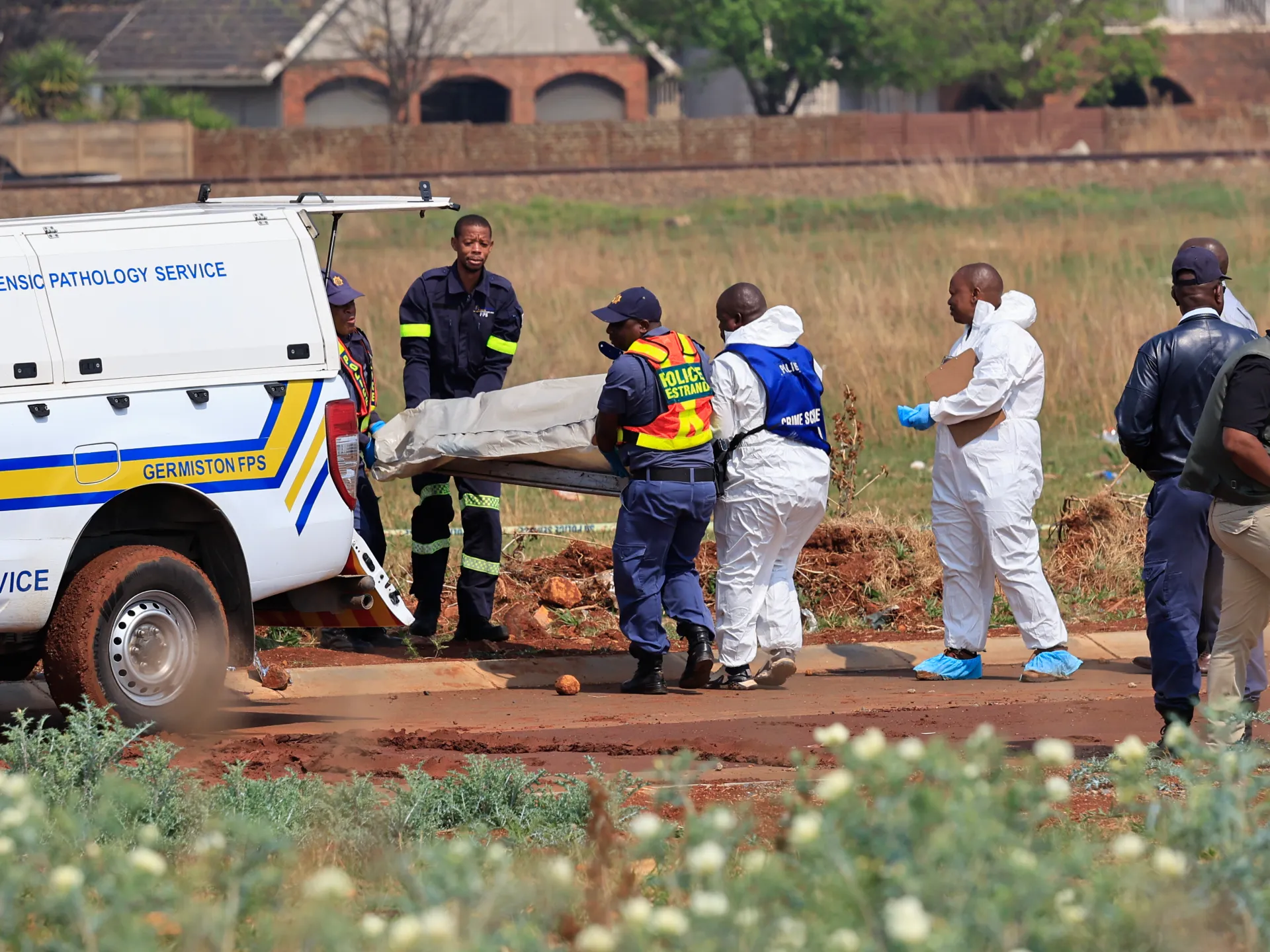
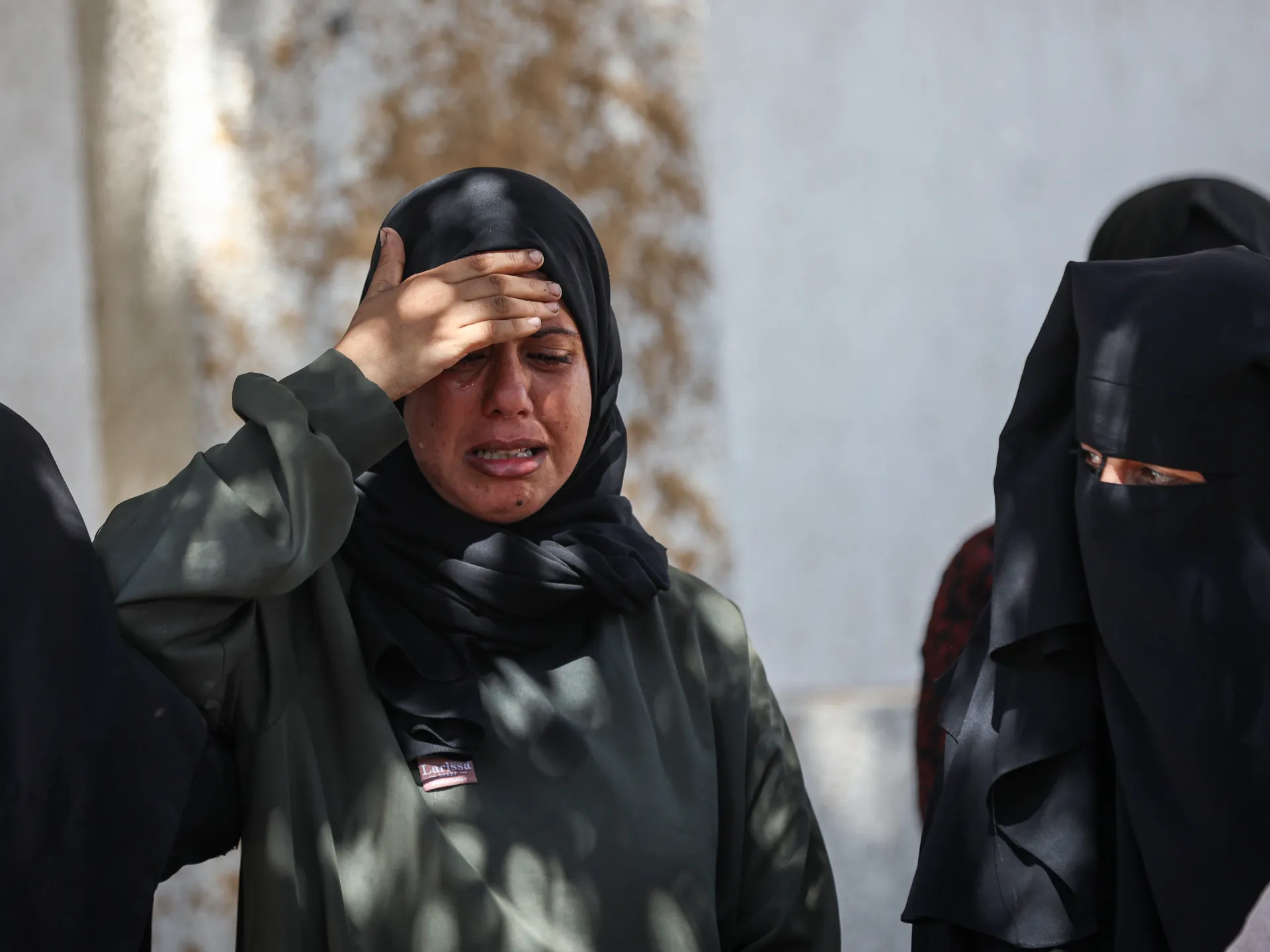
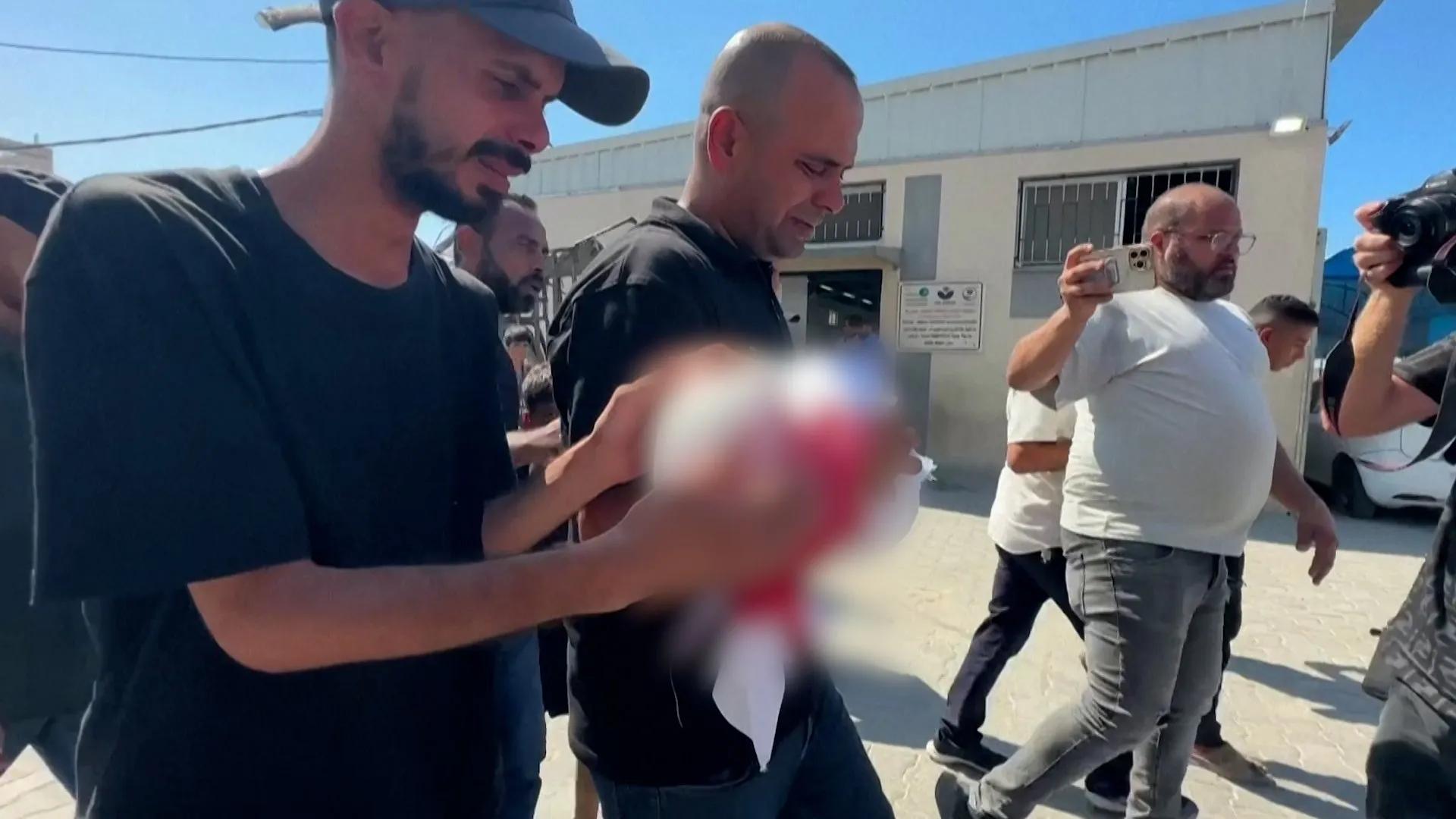
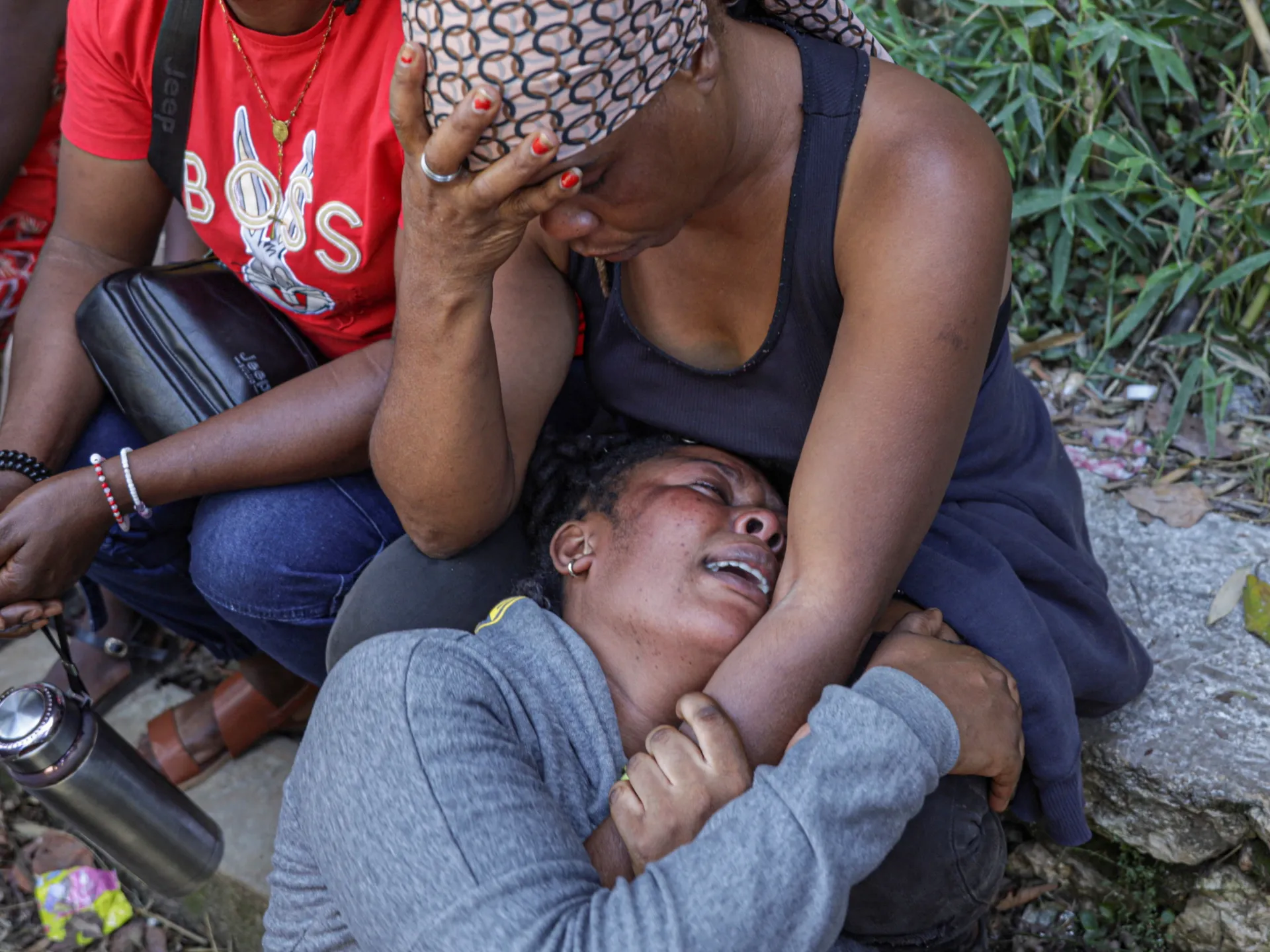
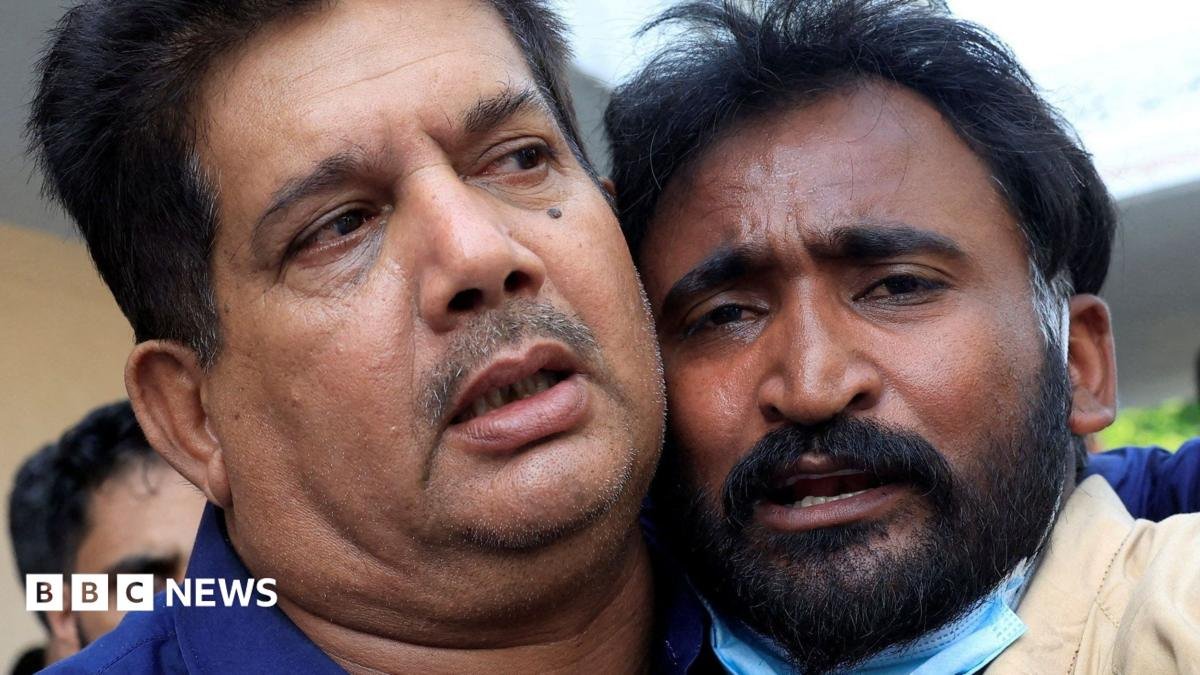
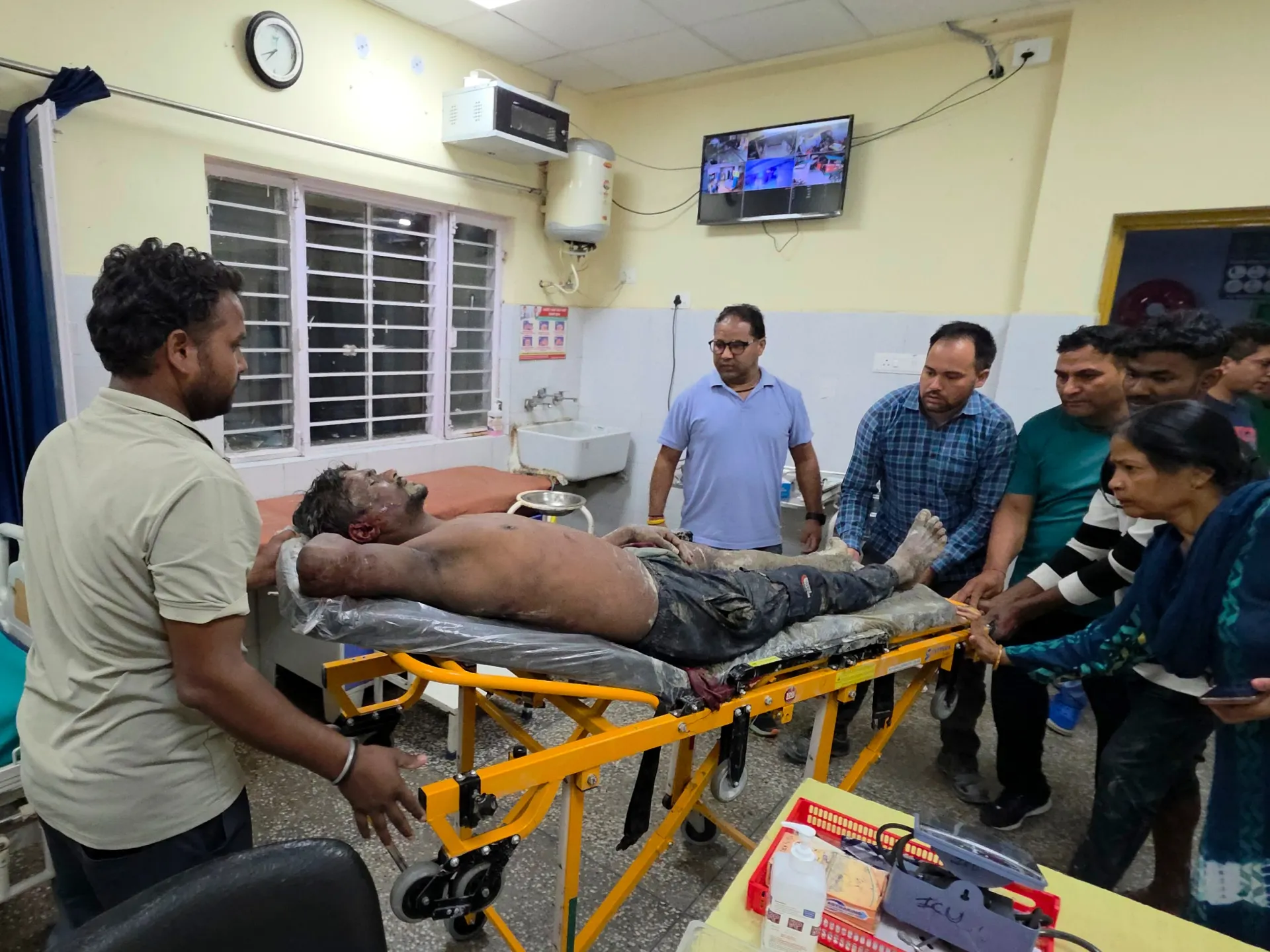
The human toll of the collapse is significant; rescuers and medical personnel have confirmed at least 21 deaths, including eight children. Emergency response efforts were hampered he Hamas-run Civil Defence agency to conduct initial search operations with their bare hands. rted to area hospitals.
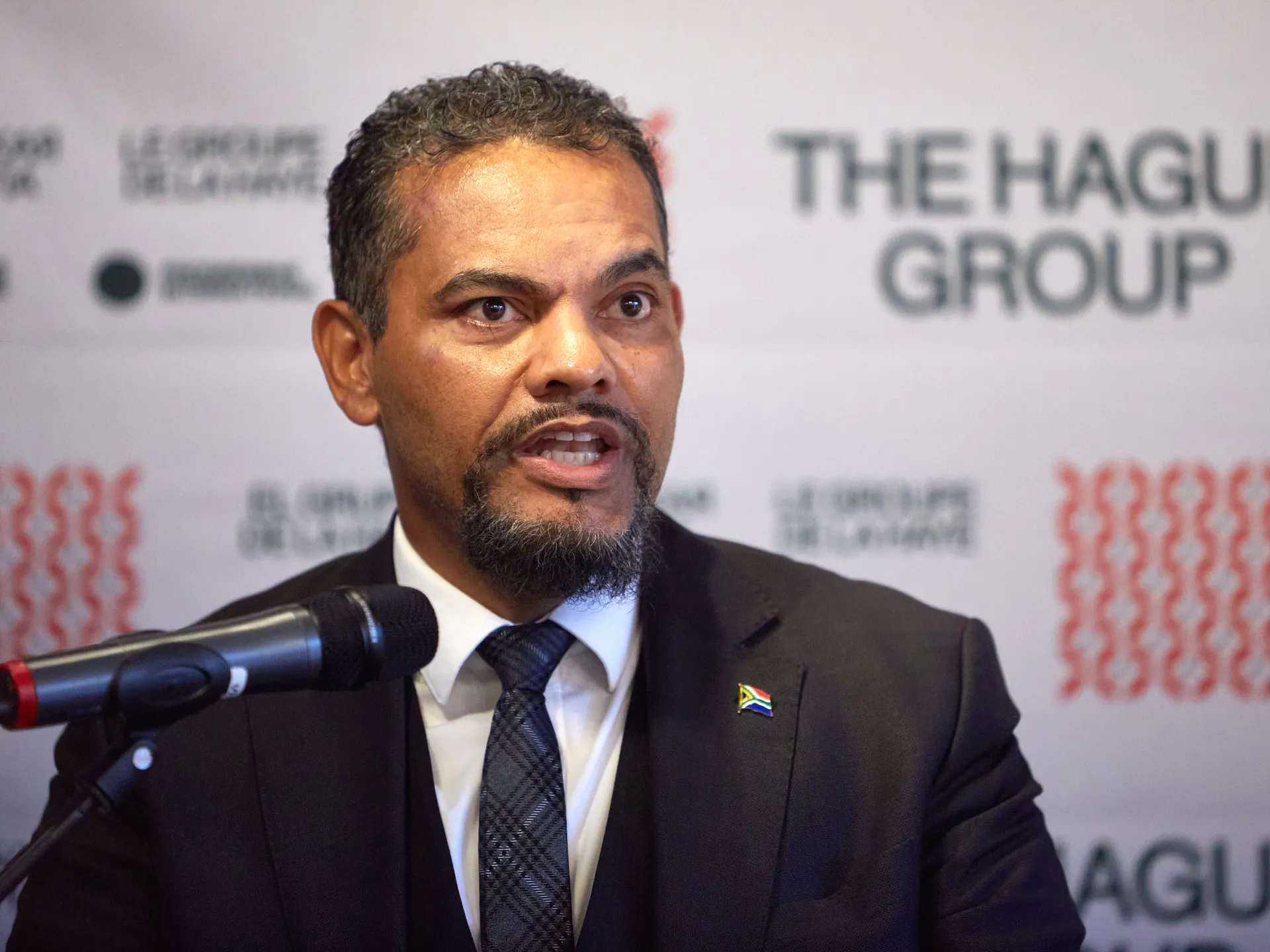
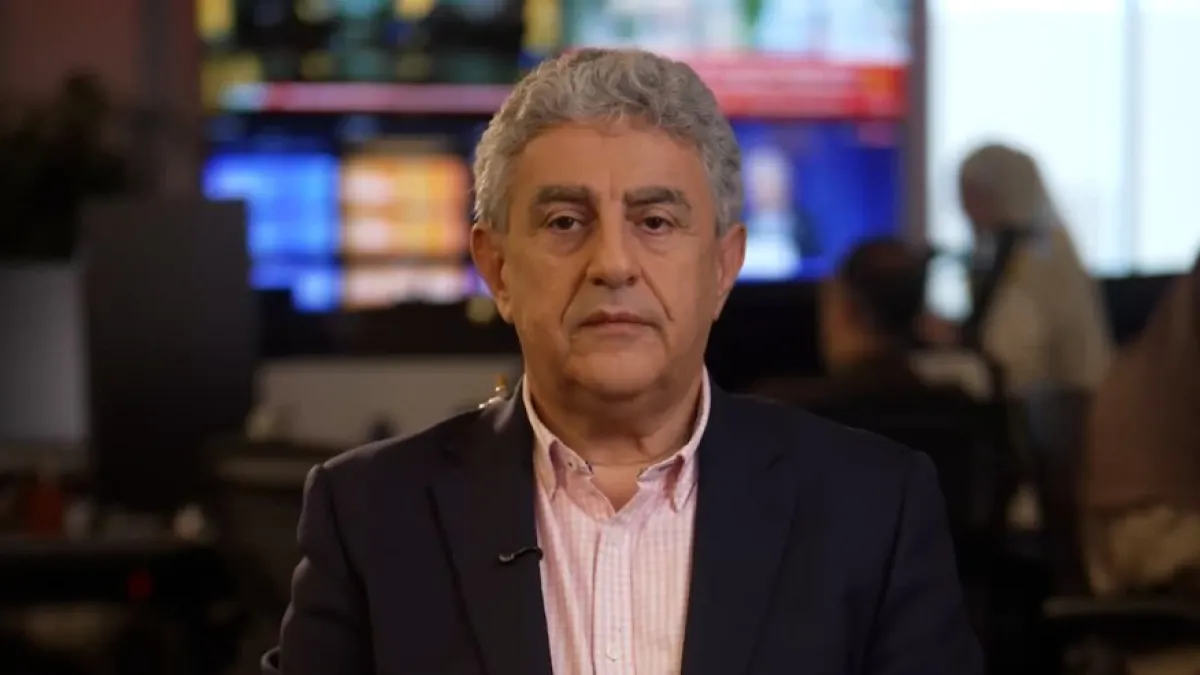
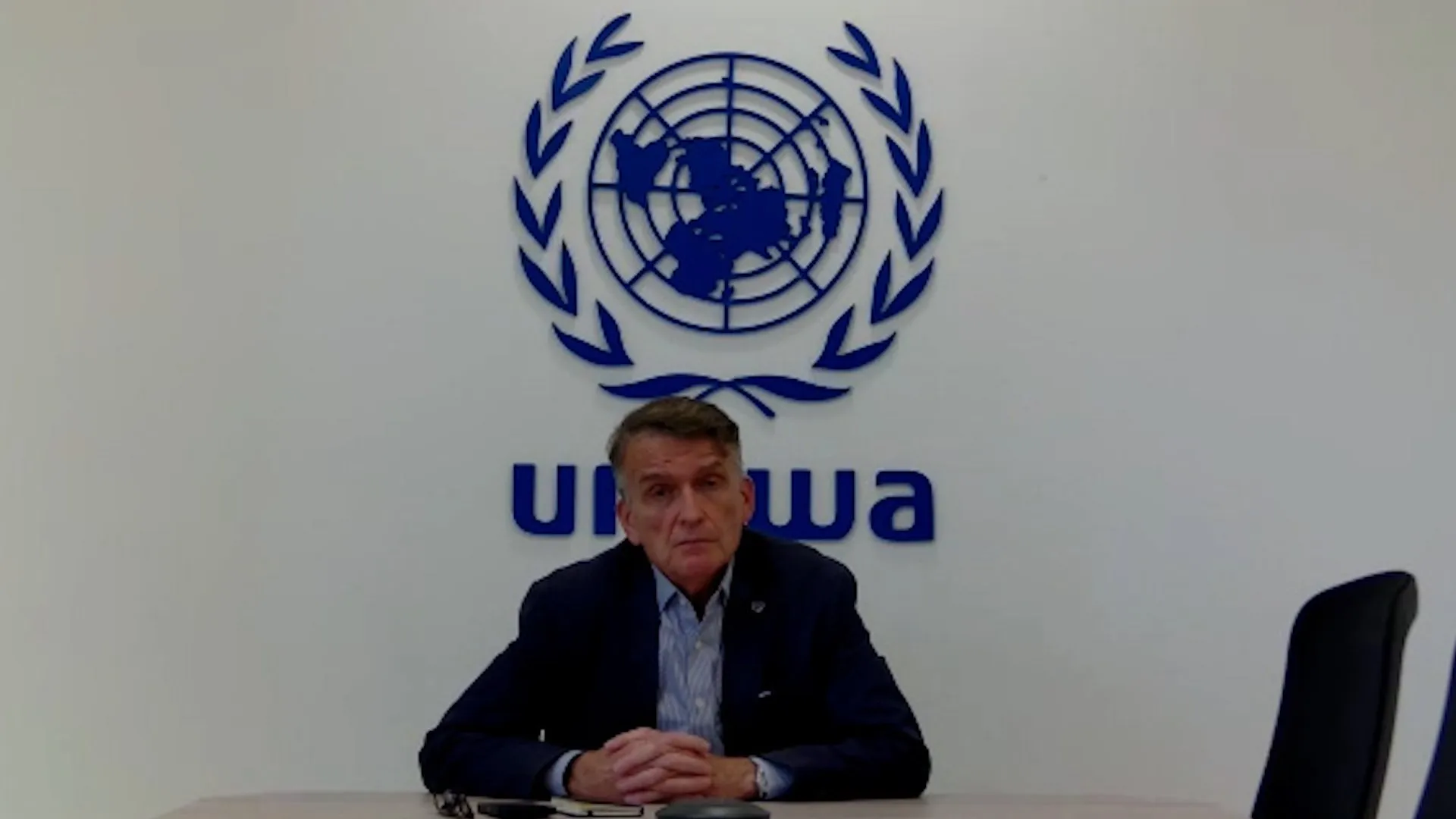
Alessandro Mrakic, head of the United Nations Development Programme (UNDP) Gaza office, noted that this tragedy is a precursor to a wider systemic danger. He warned that approximately 400 other war-damaged buildings across Gaza remain at imminent risk of collapse, a threat that is expected to intensify with the onset of winter. The lack of spare parts and industrial oil for existing machinery has left humanitarian teams unable to properly reinforce or clear these dangerous zones, leaving vulnerable families to choose between homelessness or living in structures that are effectively death traps.
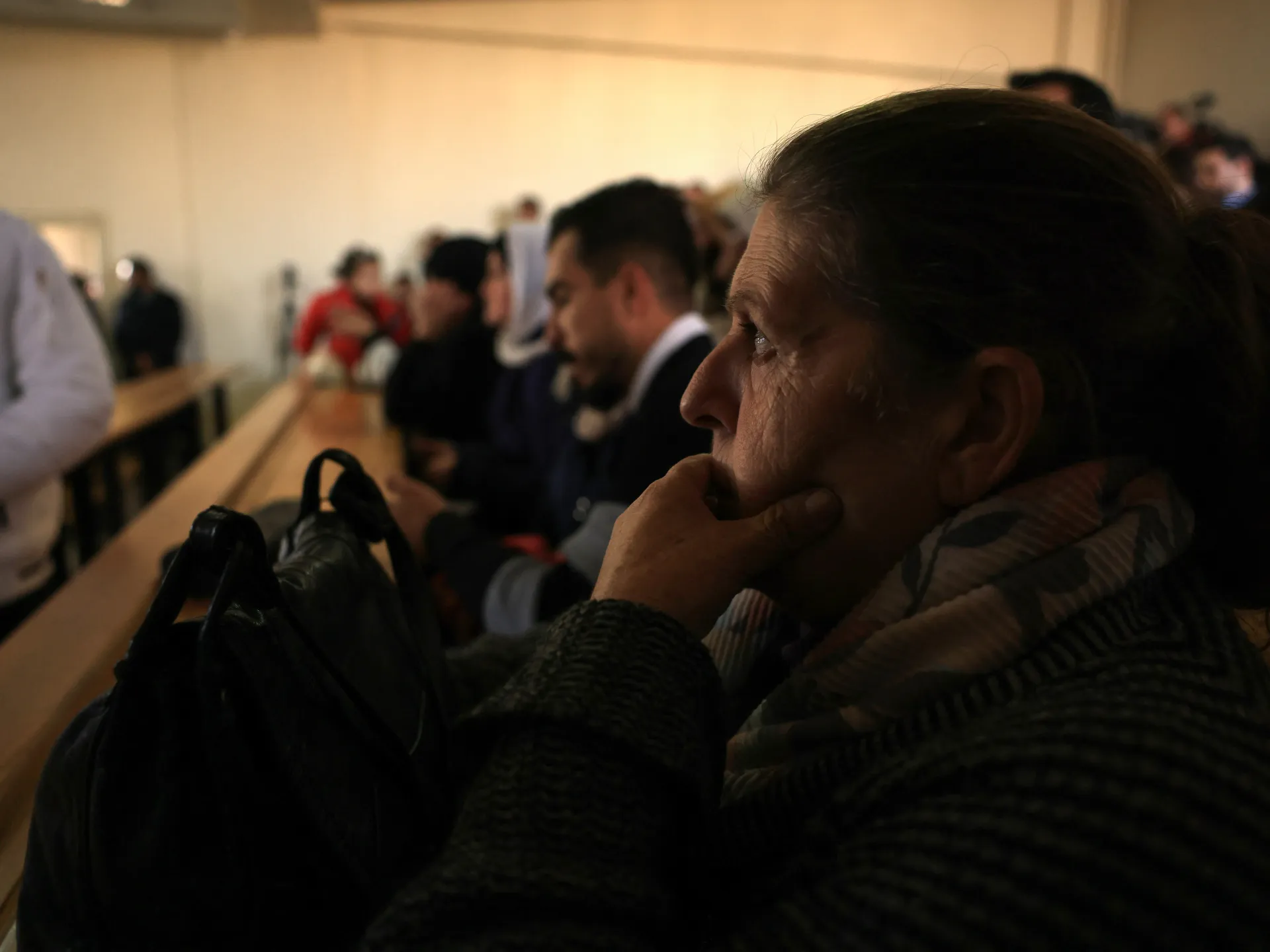
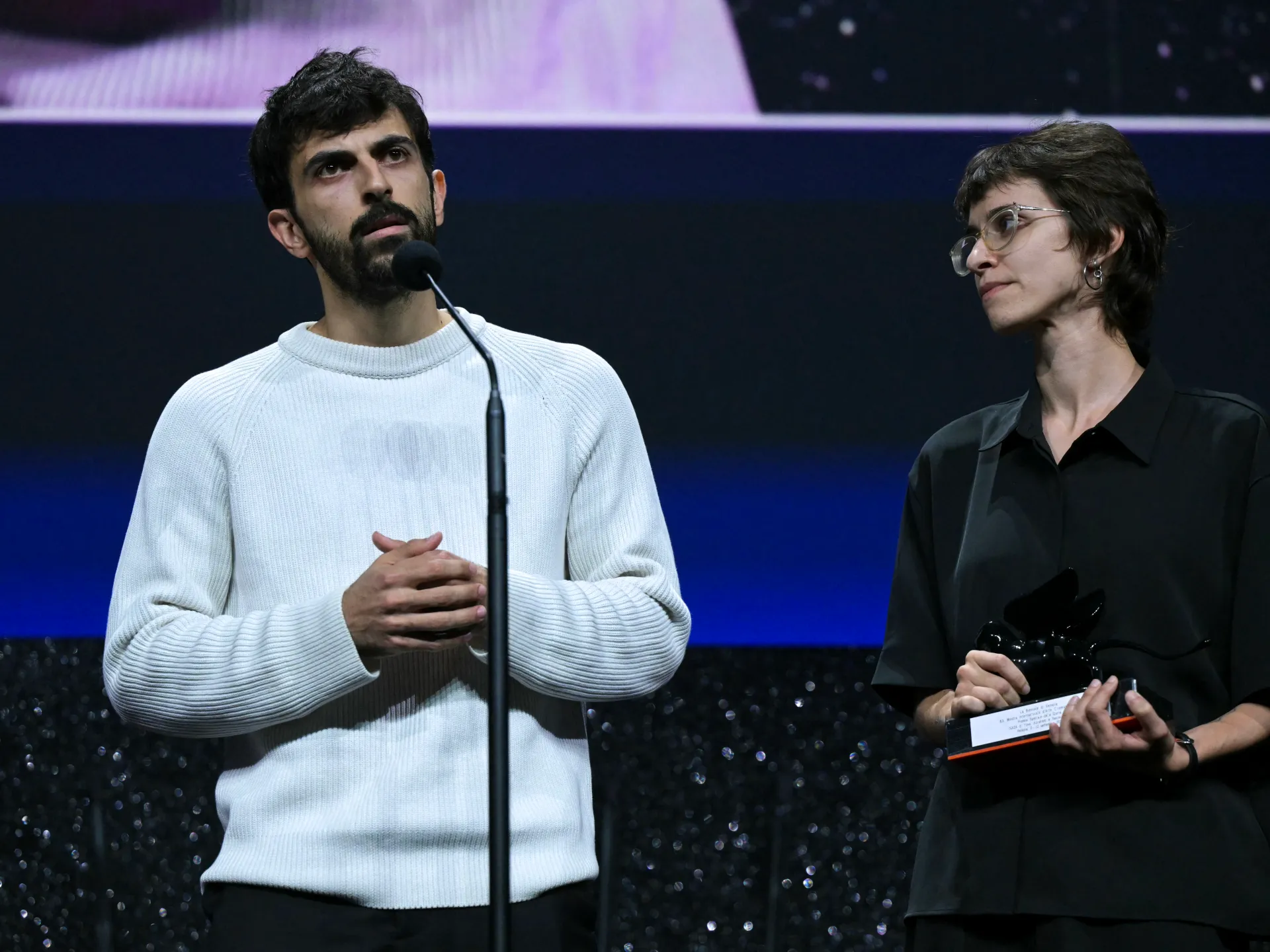
While the physical city crumbles, residents are turning to theater to grapple with the daily horrors of the conflict. At the Rashad al-Shawa Cultural Centre, actors who have been displaced asai Qaddoura, a 42-year-old former production manager turned actor, the commute to rehearsals is a two-hour trek through rubble-strewn side streets to avoid areas where active gunfire remains a constant threat. His preparation for the stage often begins with the scavenged task of finding fuel to heat his family's single-room shelter.
During rehearsals, Qaddoura portrays a doctor trapped in a hospital, forced to perform an amputation on a child. He describes the experience not as acting, but as a visceral reliving of local tragedies. The psychological toll is profound; Qaddoura frequently struggles to maintain his composure on stage, noting that the fear of losing his own children—Ghazal, 12-year-old Qusai, and 7-year-old Sham—makes the performance feel indistinguishable from reality. The director, Ali Abu Yasin, often pauses rehearsals to allow actors to process the emotional collapse that follows these intense scenes, highlighting the blurred boundary between the stage and the ongoing humanitarian emergency.
The immediate outlook for Gaza’s displaced population remains grim as winter approaches. Without a significant influx of heavy machinery, specialized engineering equipment, and construction materials, the risk of further mass-casualty building collapses is likely to rise. International aid organizations face a critical bottleneck: the inability to procure spare parts for existing infrastructure equipment means that even current, functional machines will soon become obsolete. On the social front, the persistence of local theater troupes suggests that art will remain a primary, if agonizing, outlet for the population, though the ability to sustain such efforts depends heavily on the security situation and the survival of the actors themselves.