A devastating Himalayan collapse has triggered regional catastrophe, while authorities pivot to punish online harassment of grieving families.
The tragedy in Nepal serves as a sobering case study for a warming world, illustrating that climate-induced disasters are no longer confined to predictable, seasonal patterns. As infrastructure development pushes further into high-altitude, unstable terrain, the intersection of rapid environmental change and human encroachment has created a volatile risk landscape. This disaster underscores the inadequacy of legacy early-warning systems, which often rely on singular environmental markers that fail to account for the complex, compounding chain reactions—such as debris flows and river blockages—characteristic of modern Himalayan collapses. The crisis is not merely a failure of physical infrastructure, but a failure of institutional preparedness to monitor remote, high-altitude triggers.
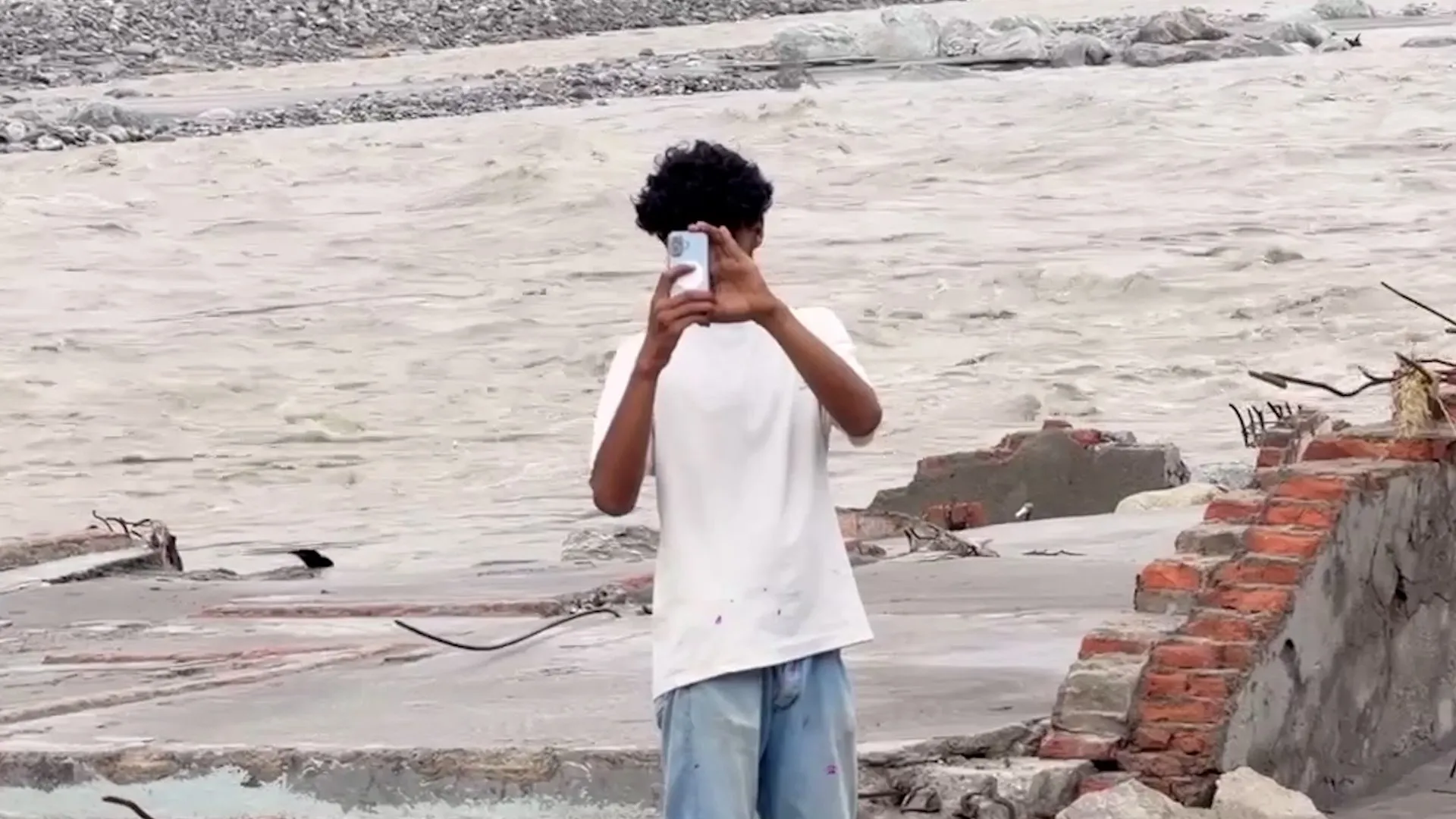
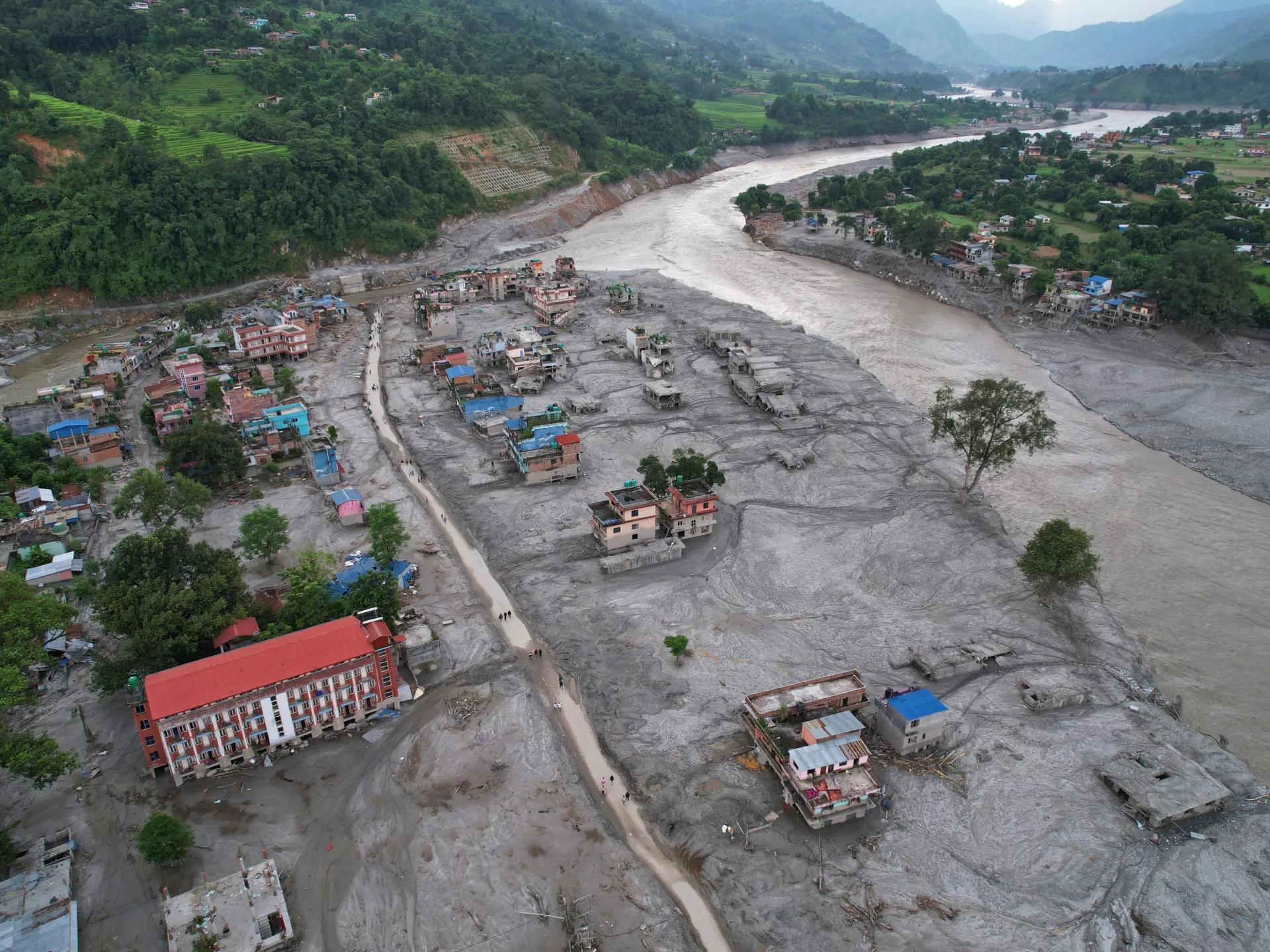
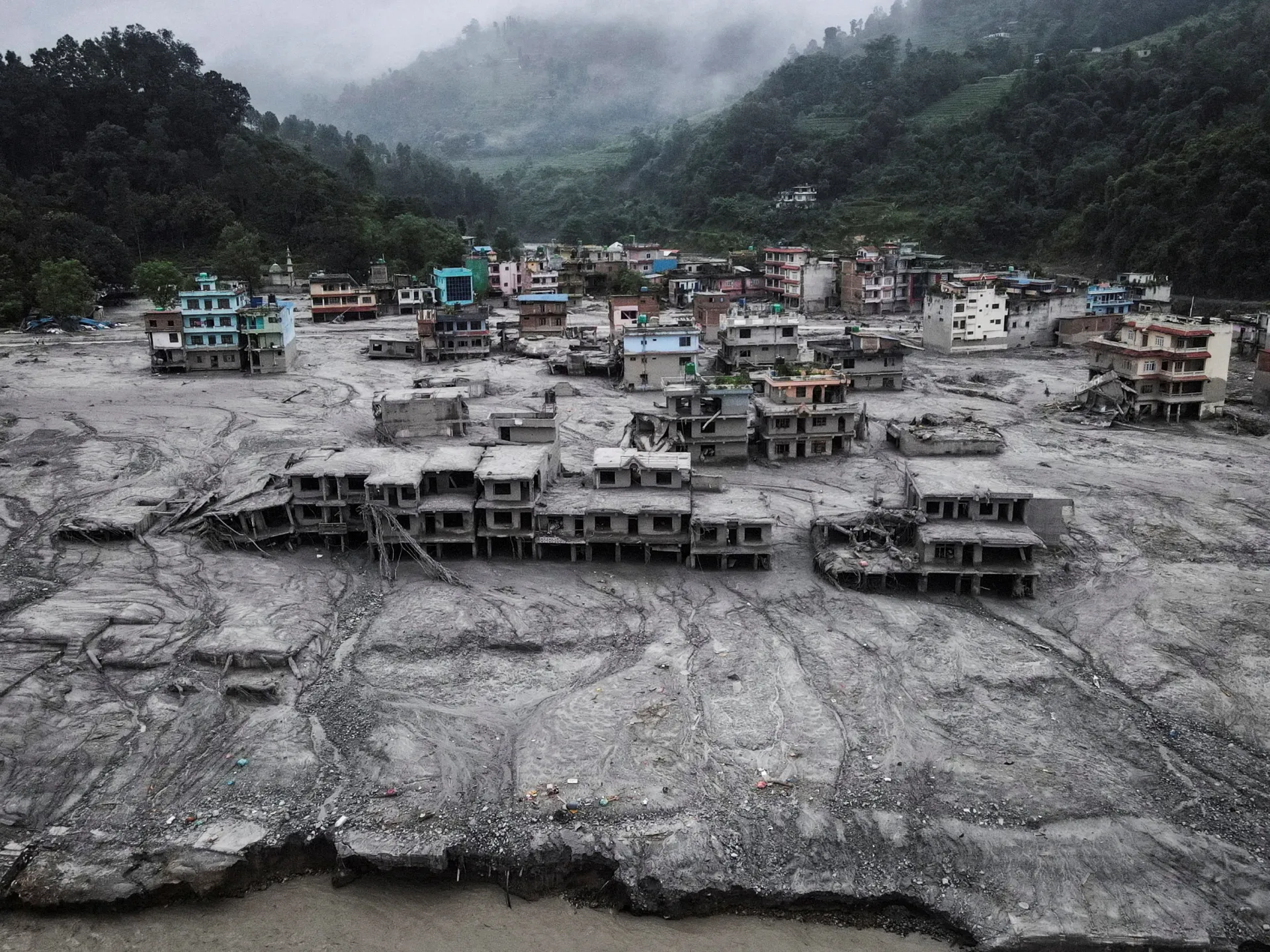
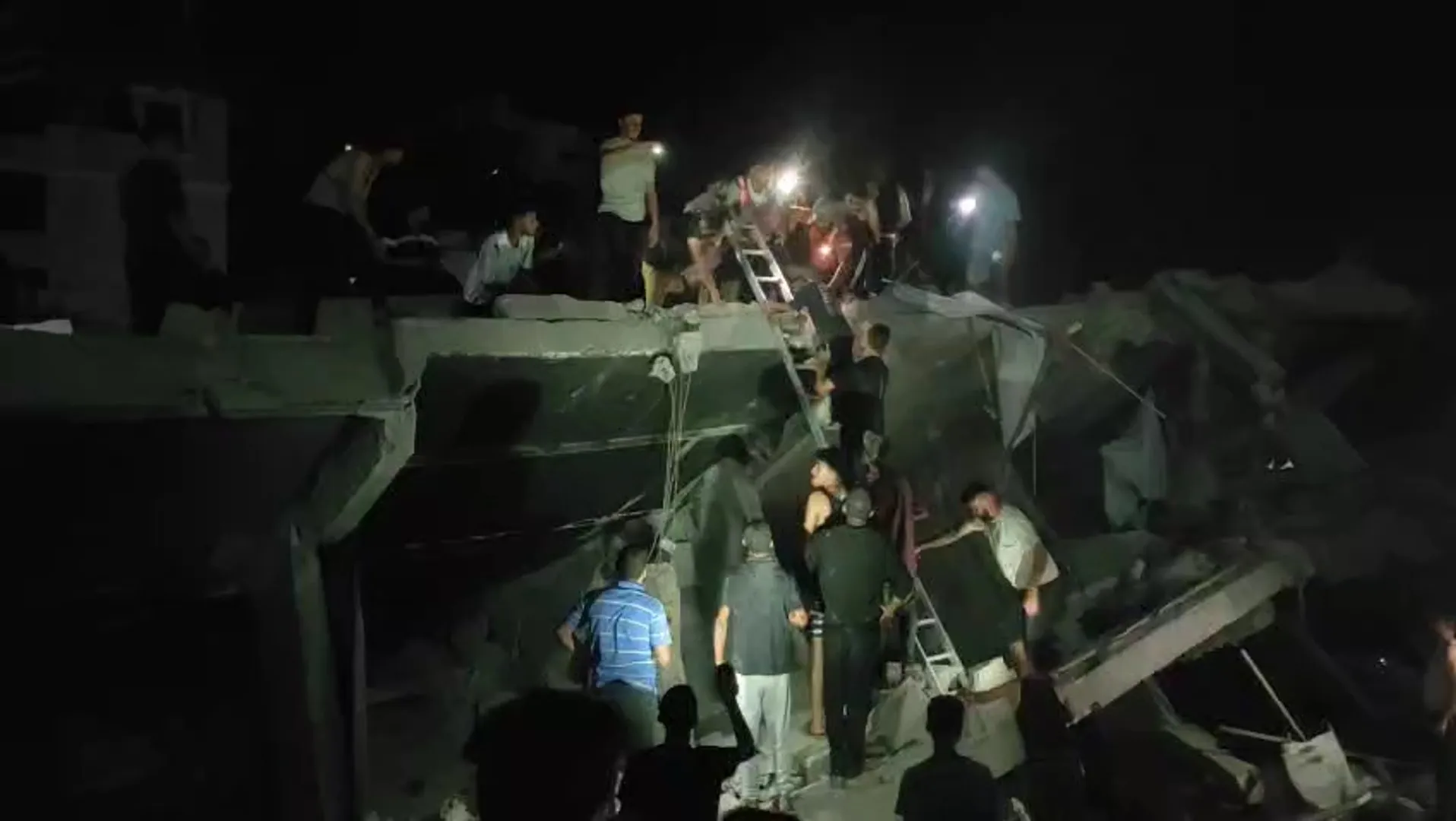
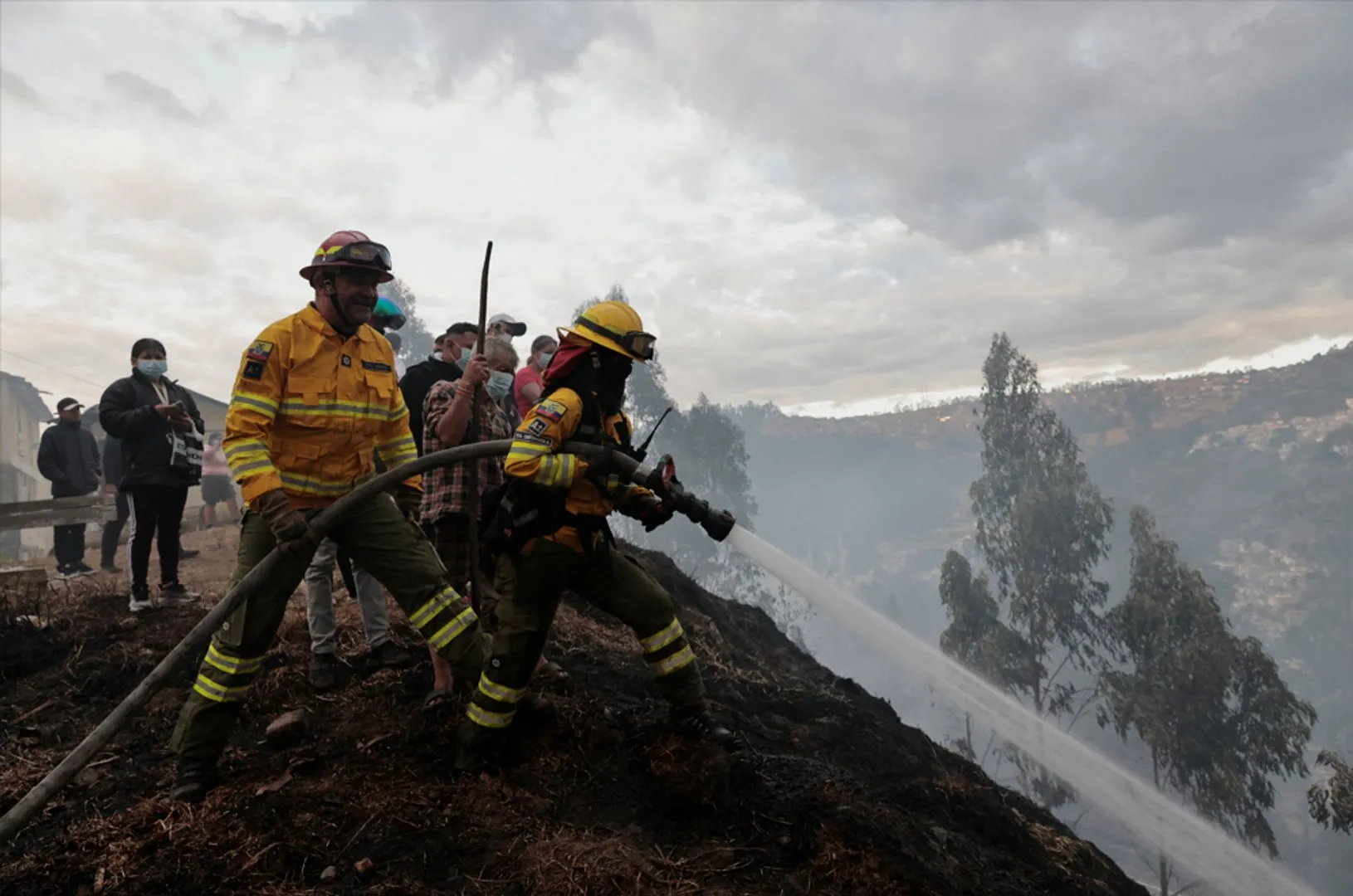
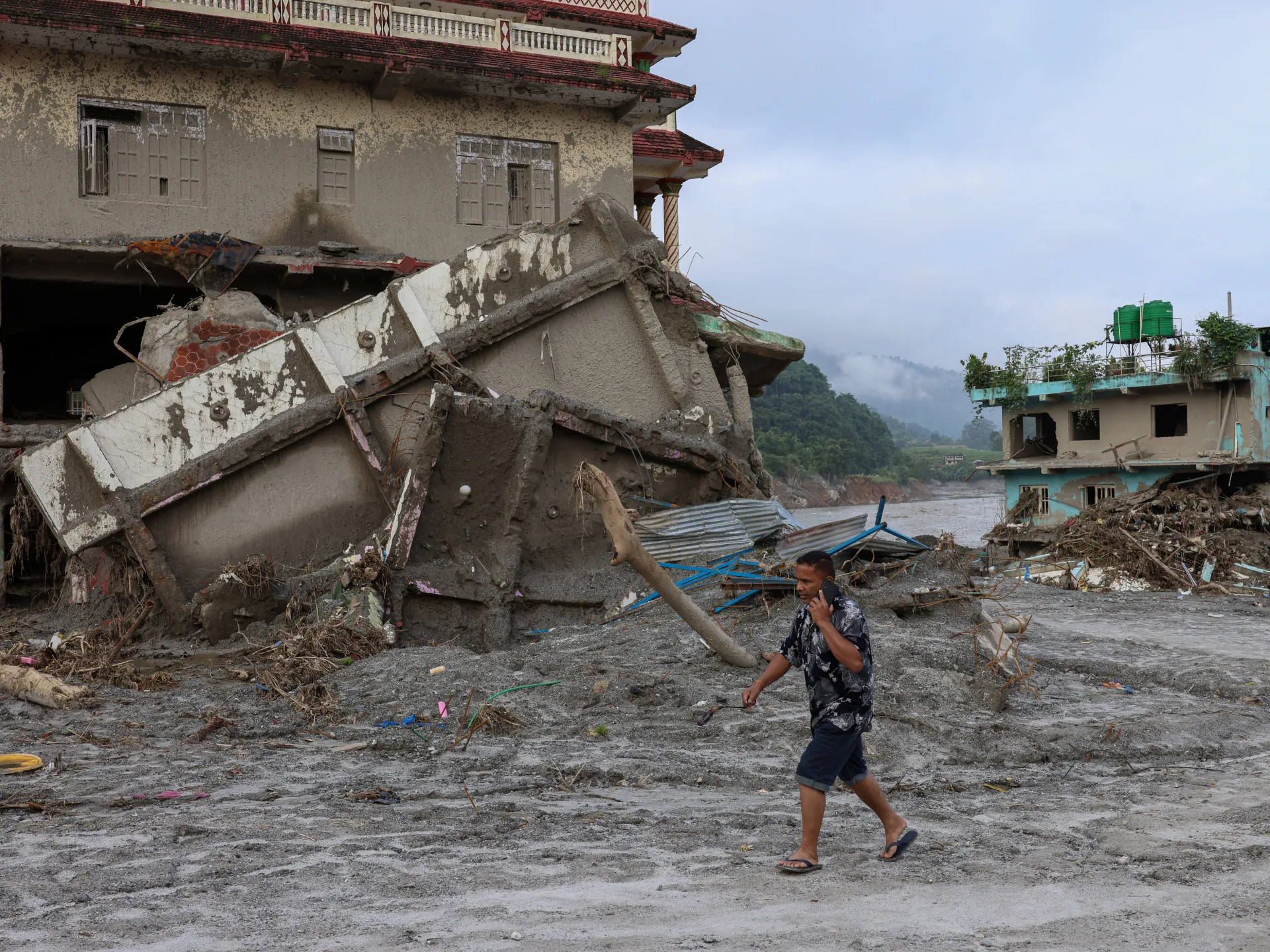
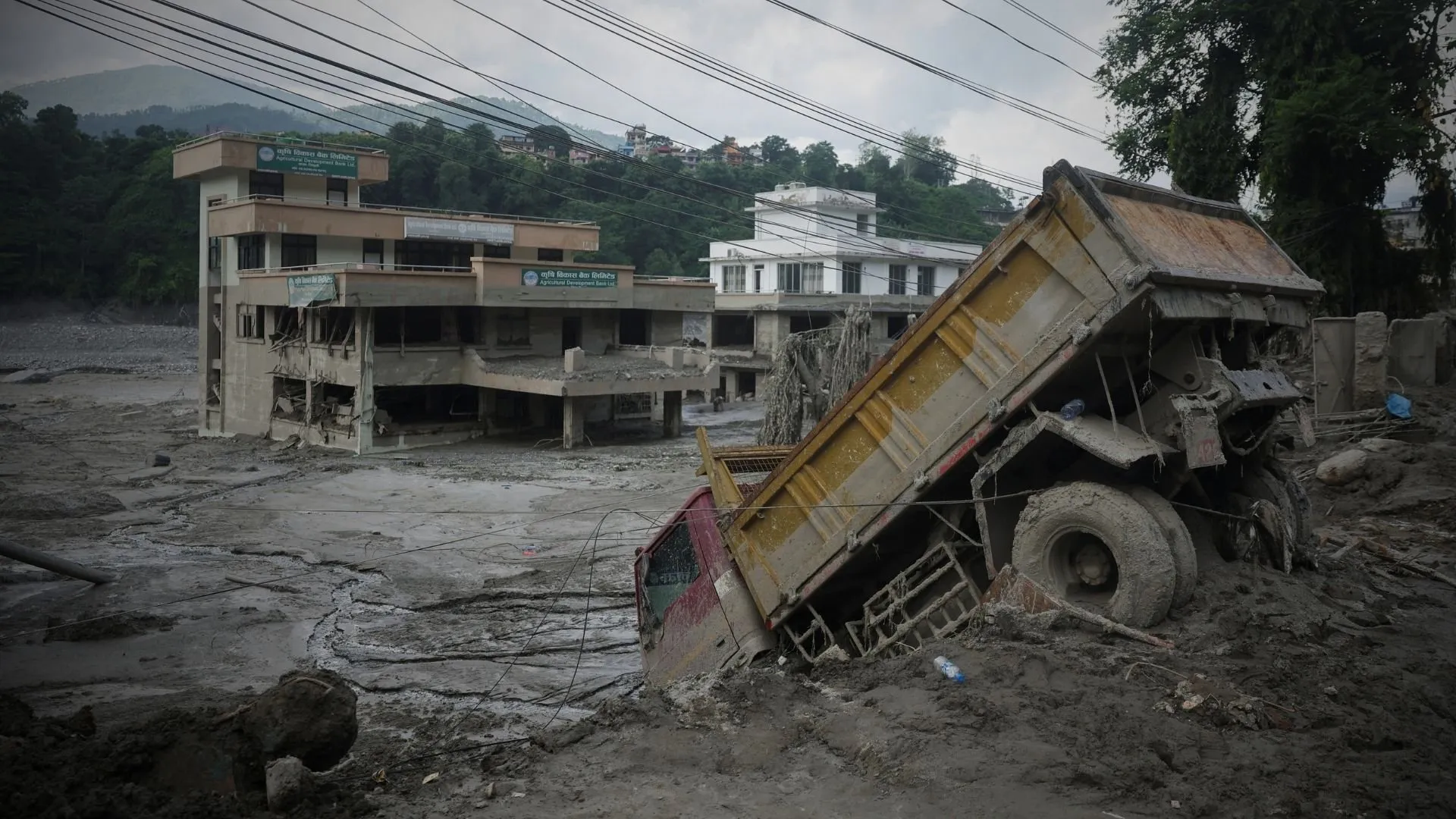
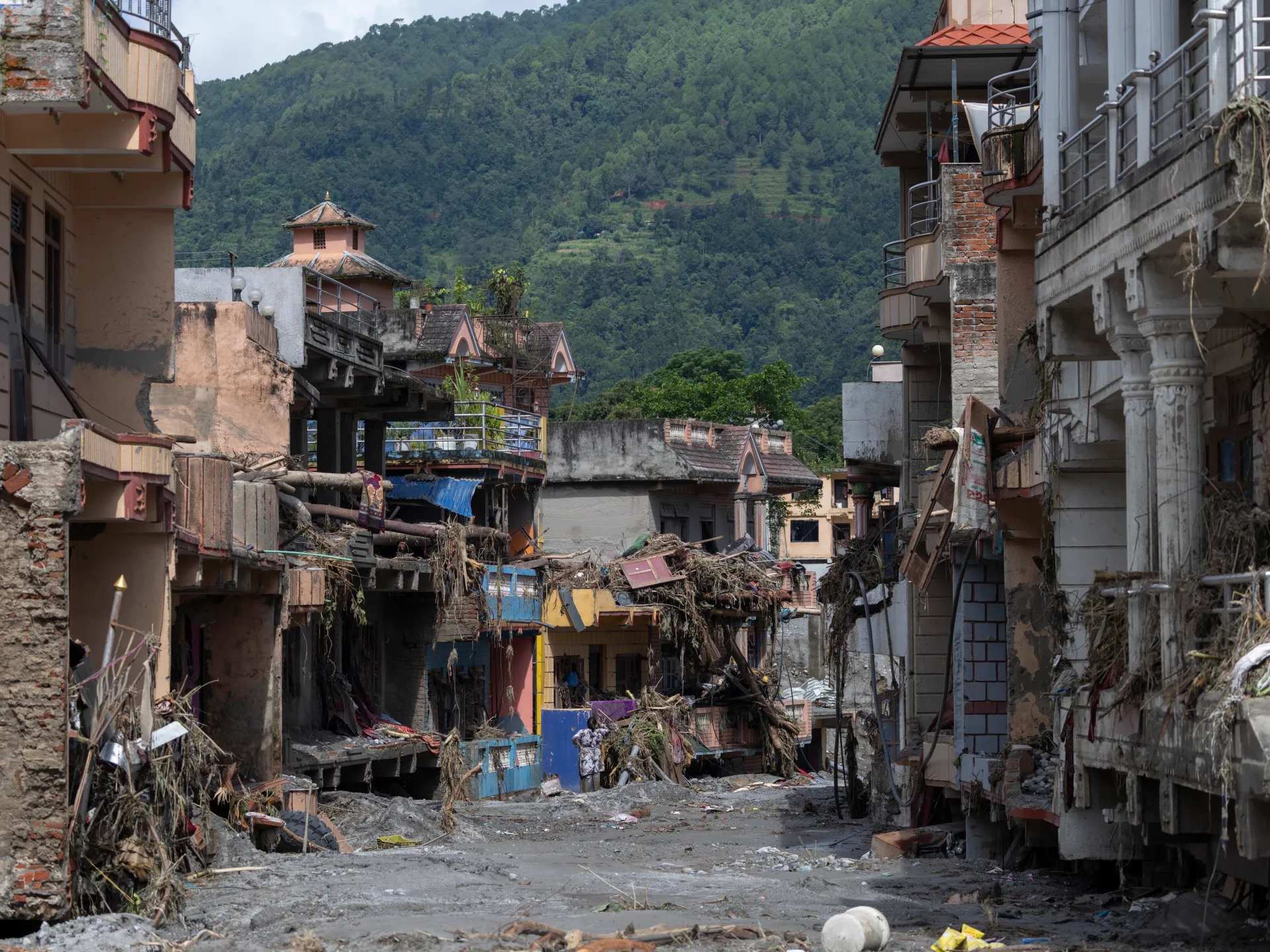
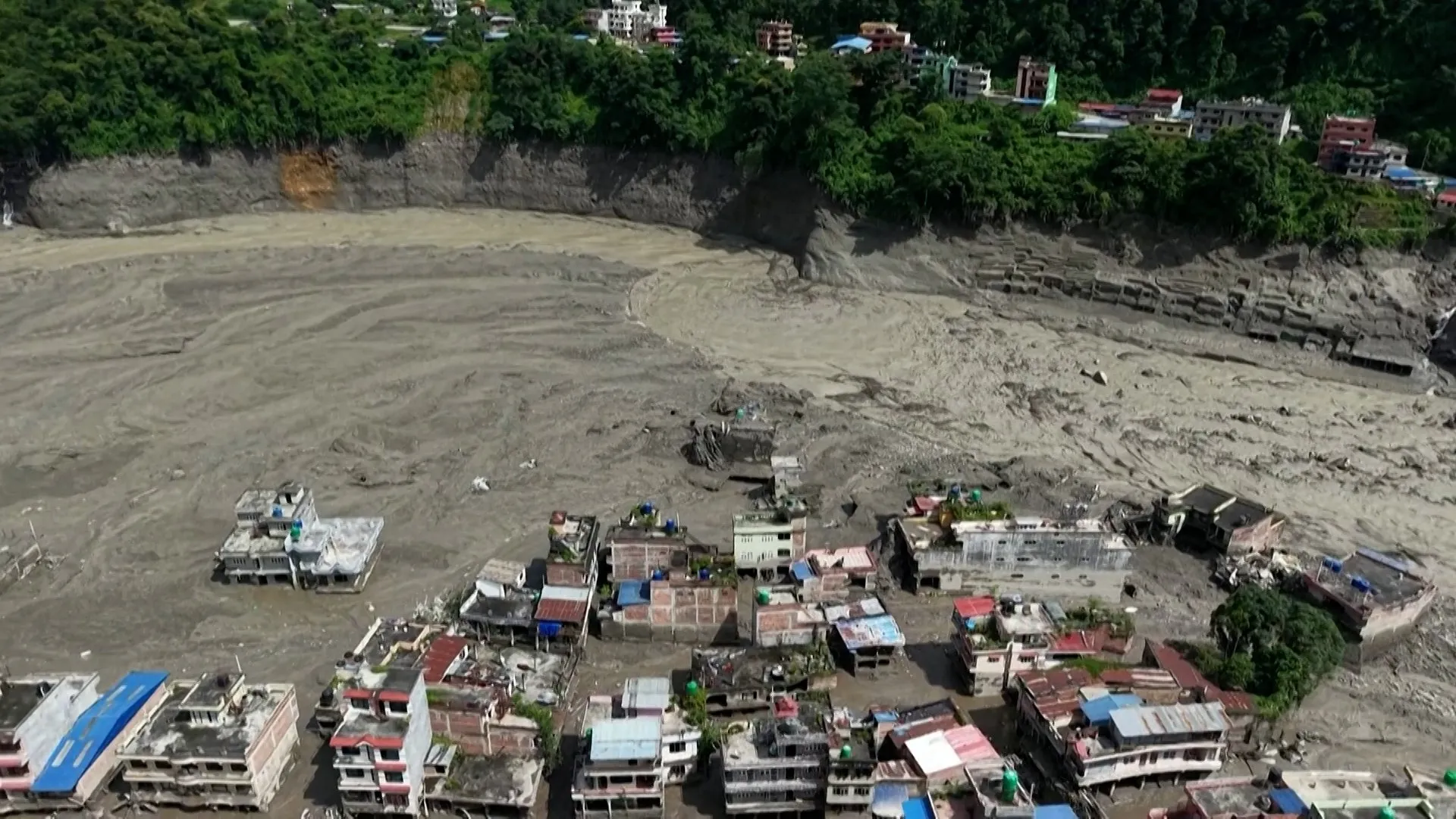
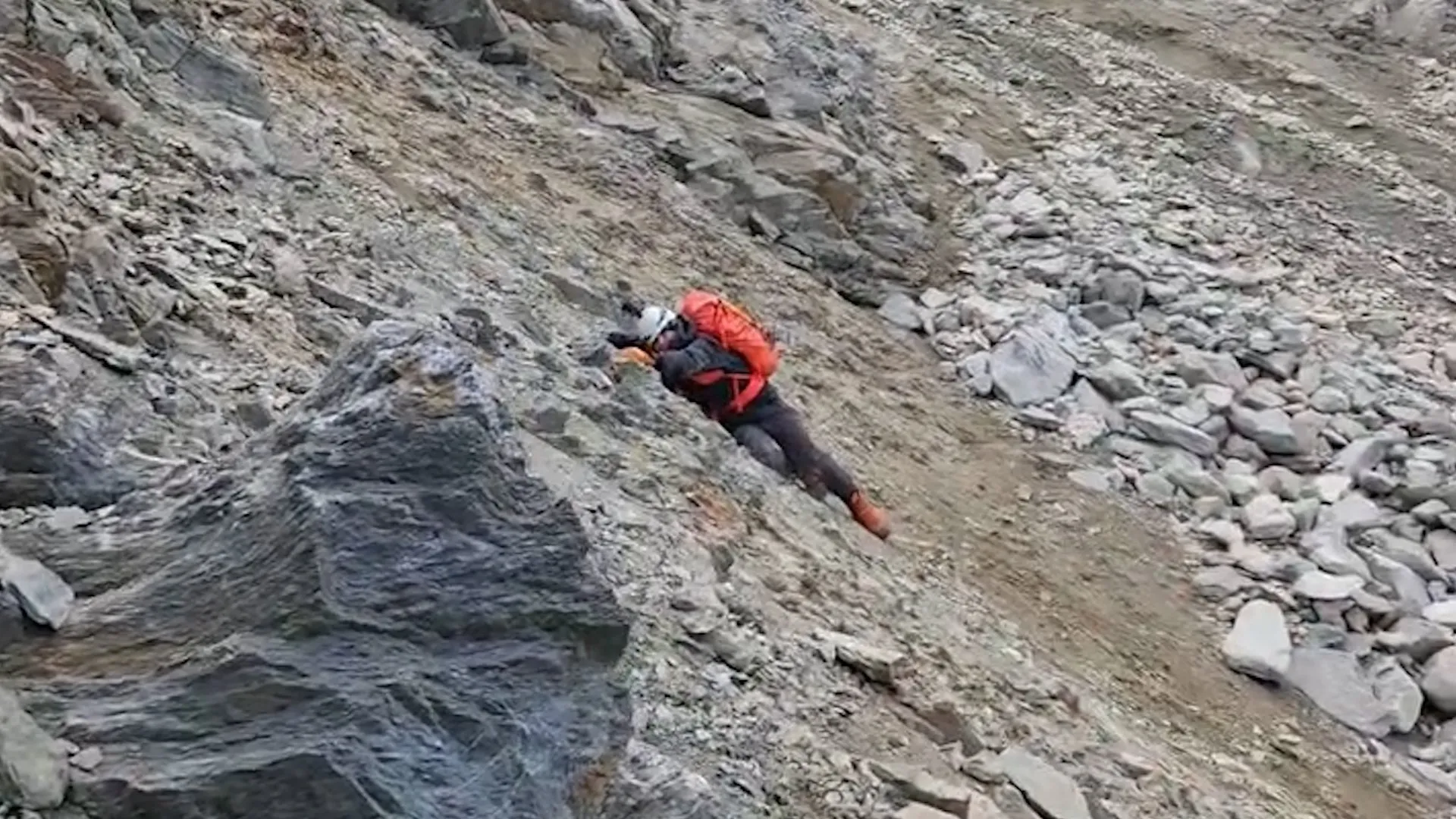
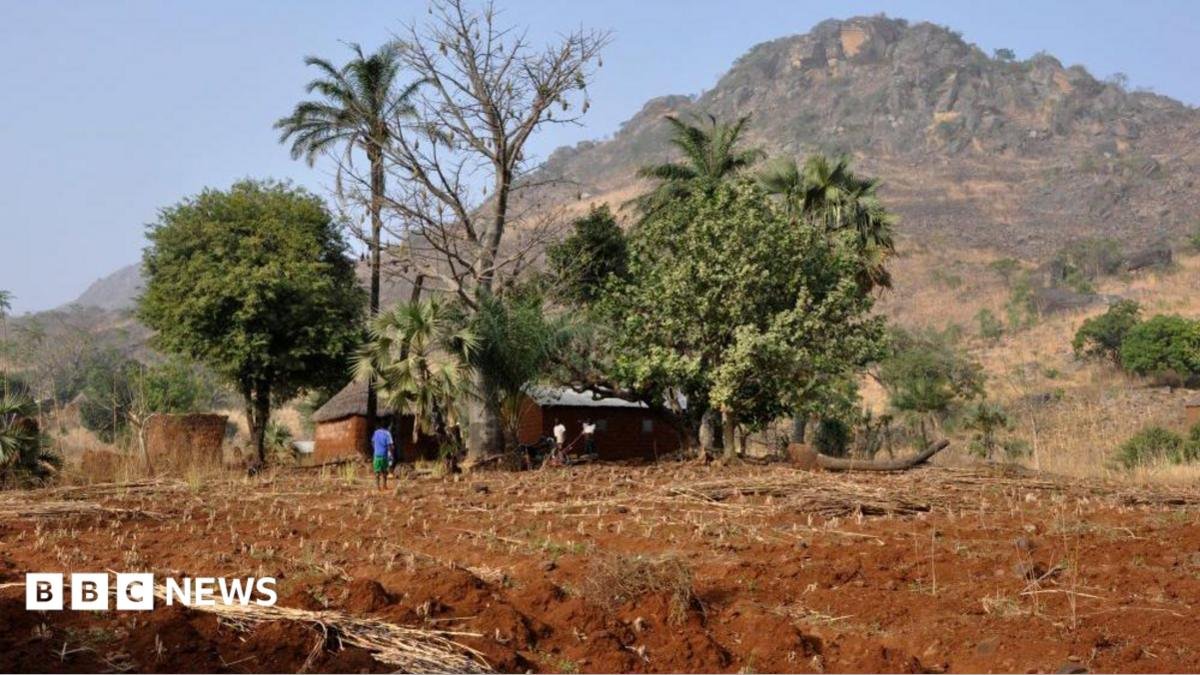
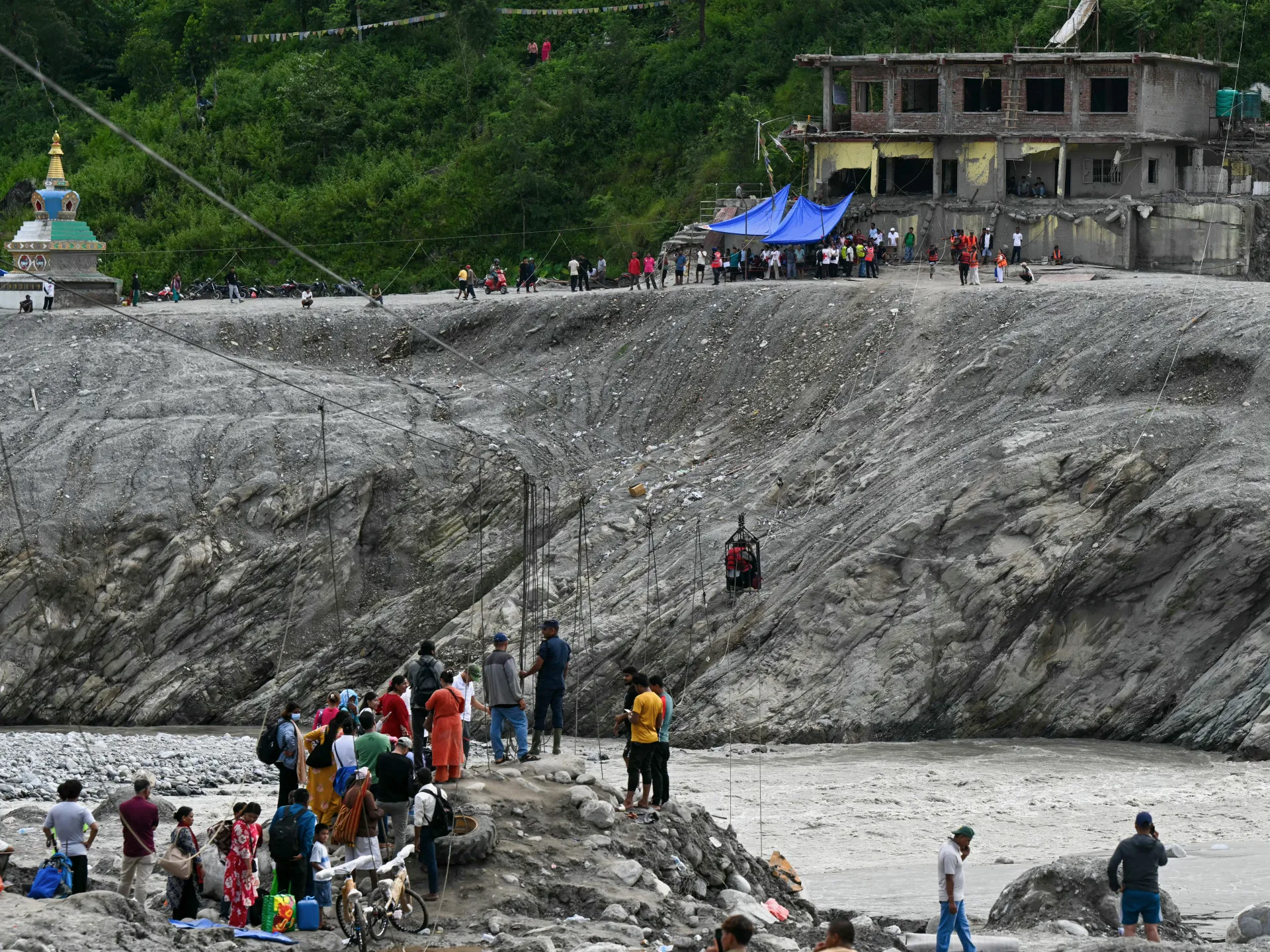
The disaster began on the morning of August 26, when a massive volume of ice and rock fractured in the high-altitude mountains above Nepal’s Rasuwa district. The resulting torrent, a violent surge of mud and debris, descended the Lhende Khola River, carving a path of destruction that crossed international borders into Tibet. The sheer kinetic energy involved in the event has led experts, including Basanta Raj Adhikari of Tribhuvan University’s Centre for Disaster Studies, to label the occurrence as unprecedented in both its reach and mechanical complexity.
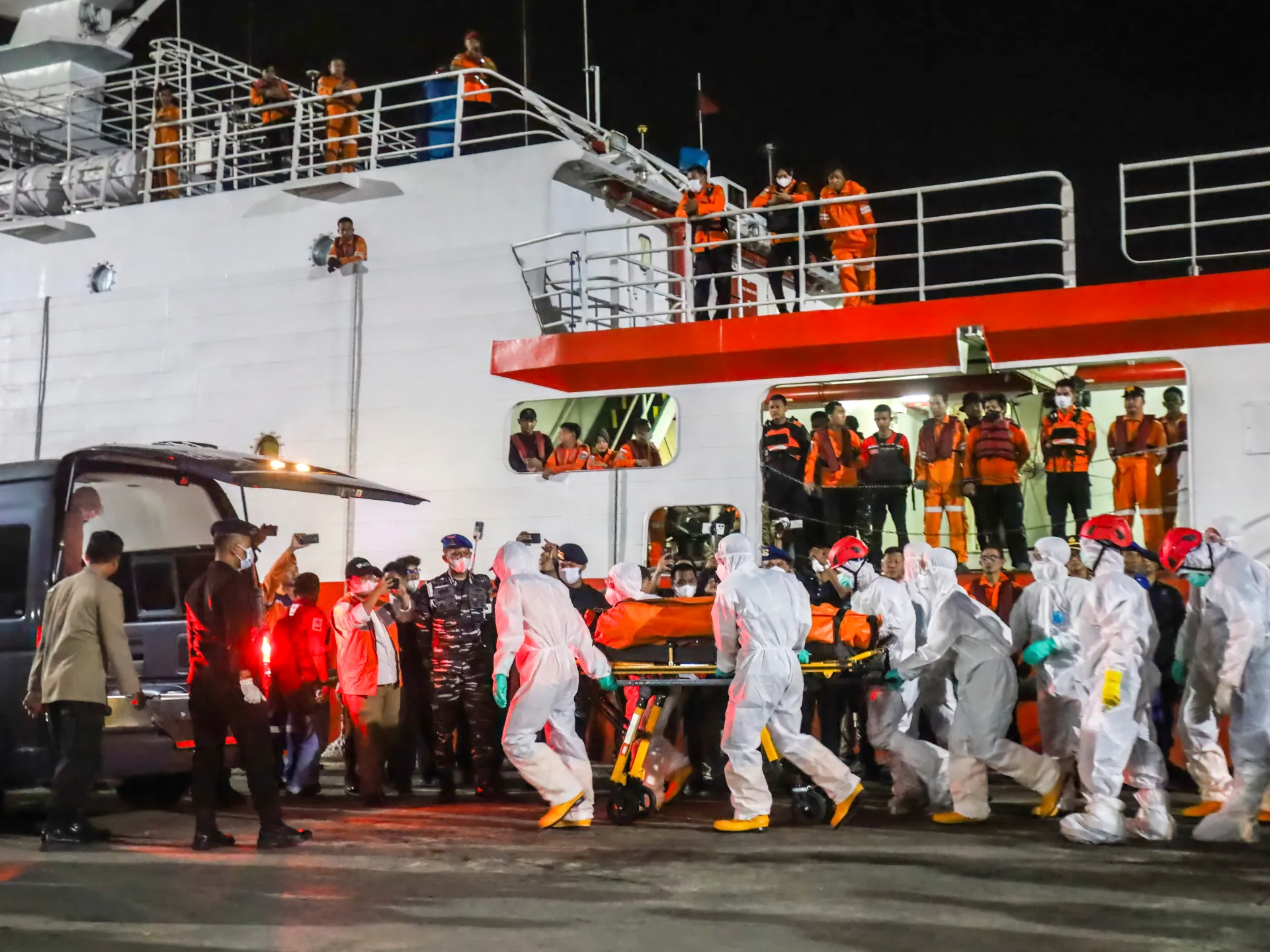
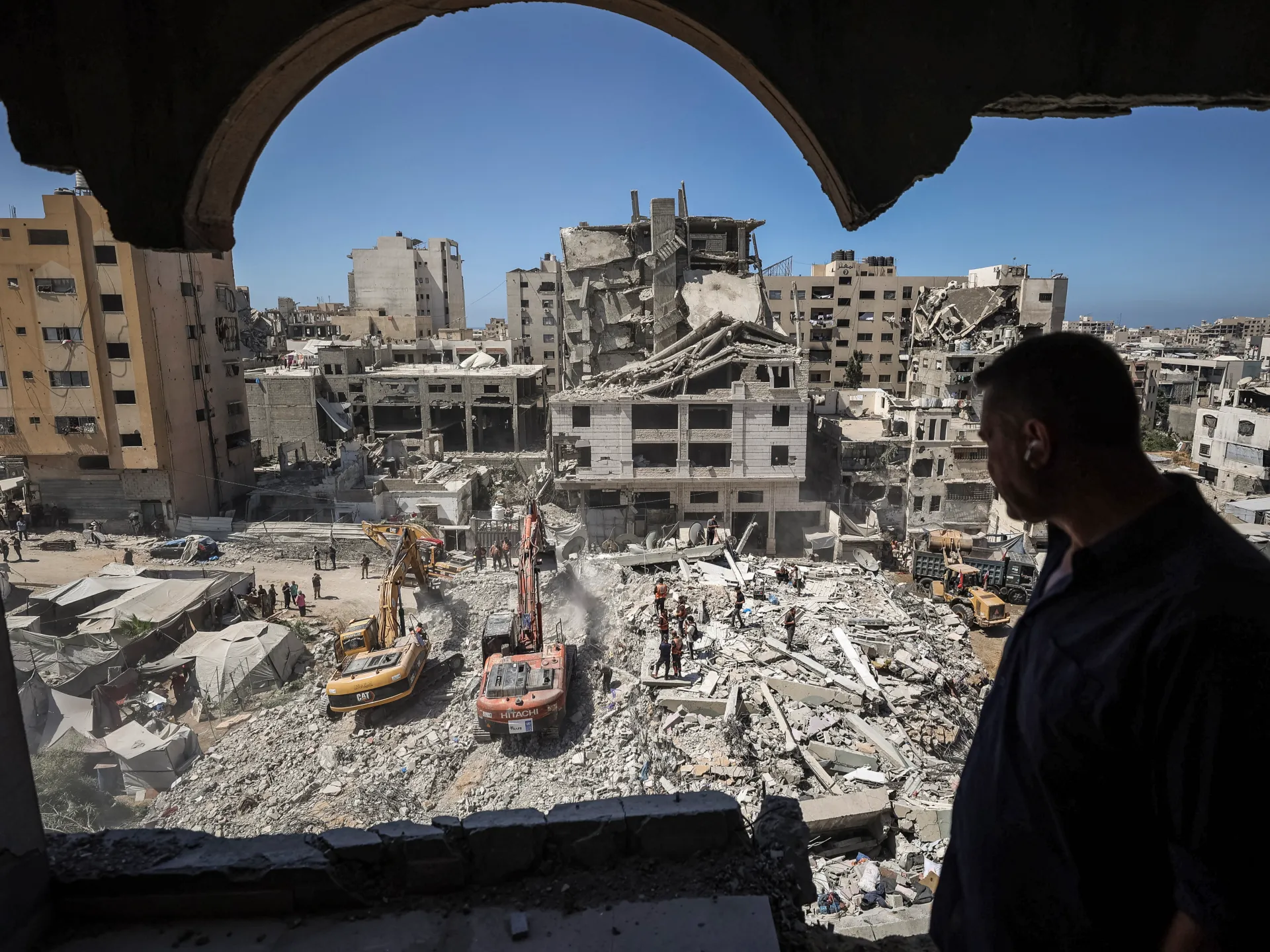
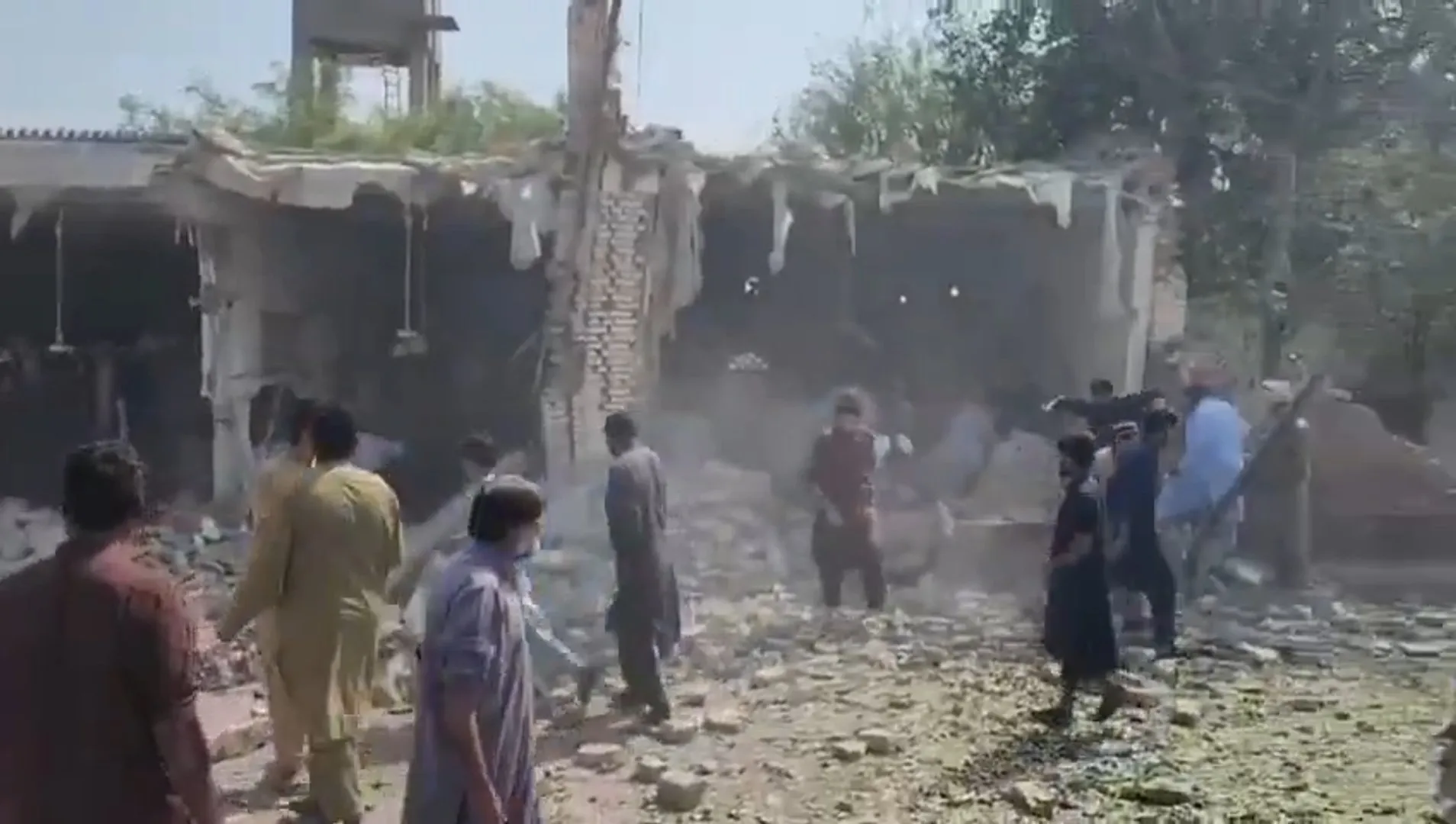
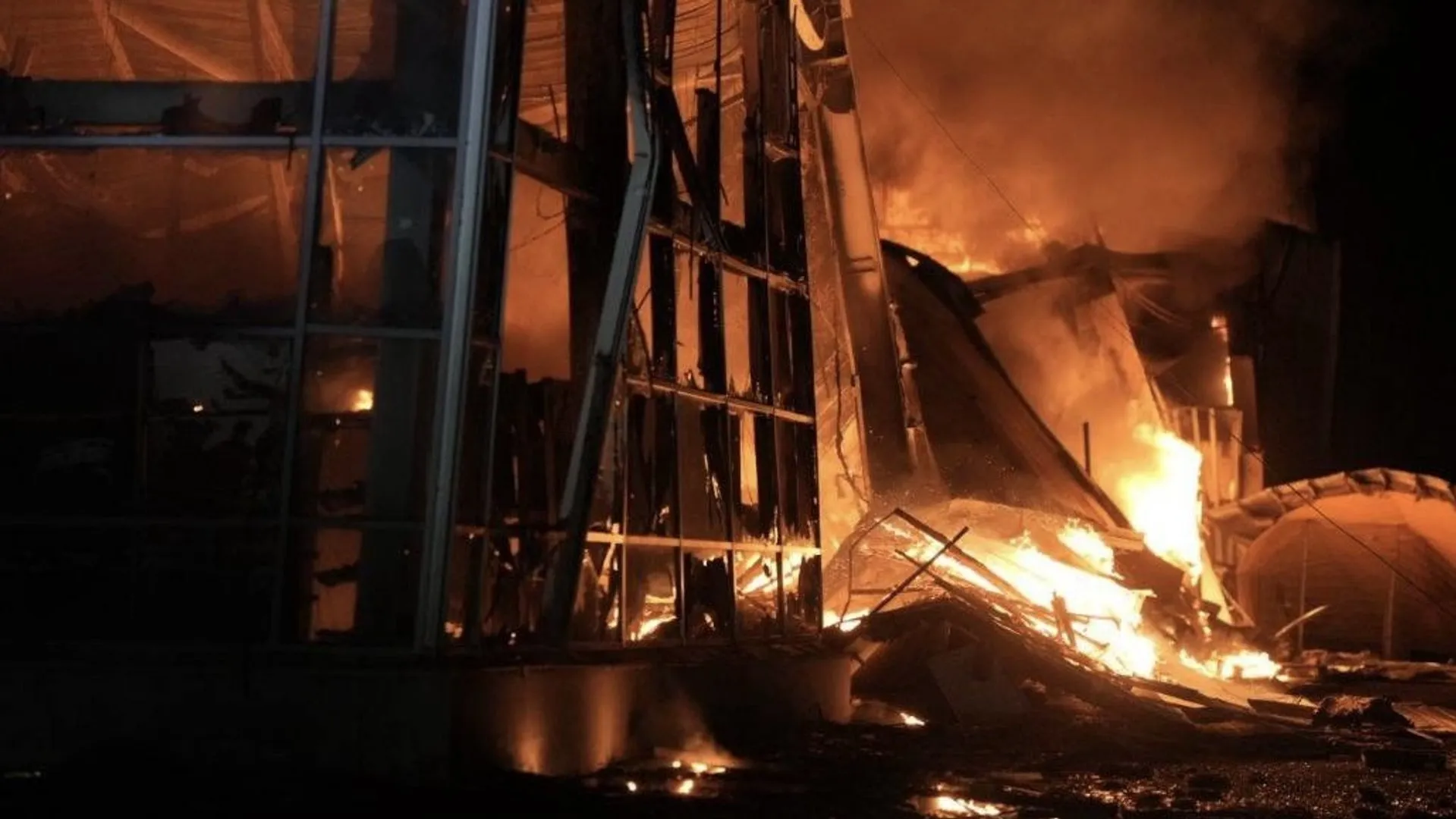
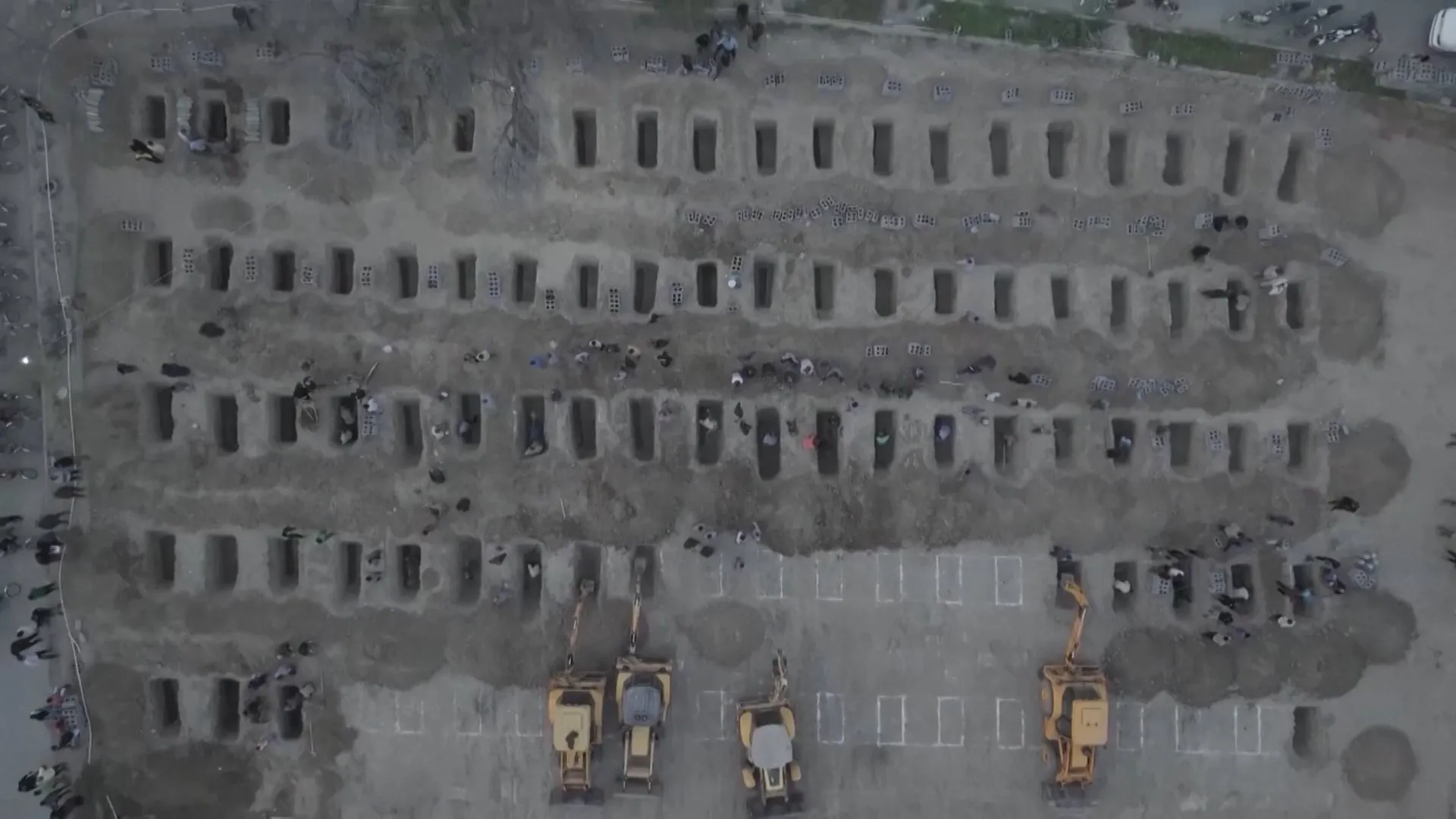
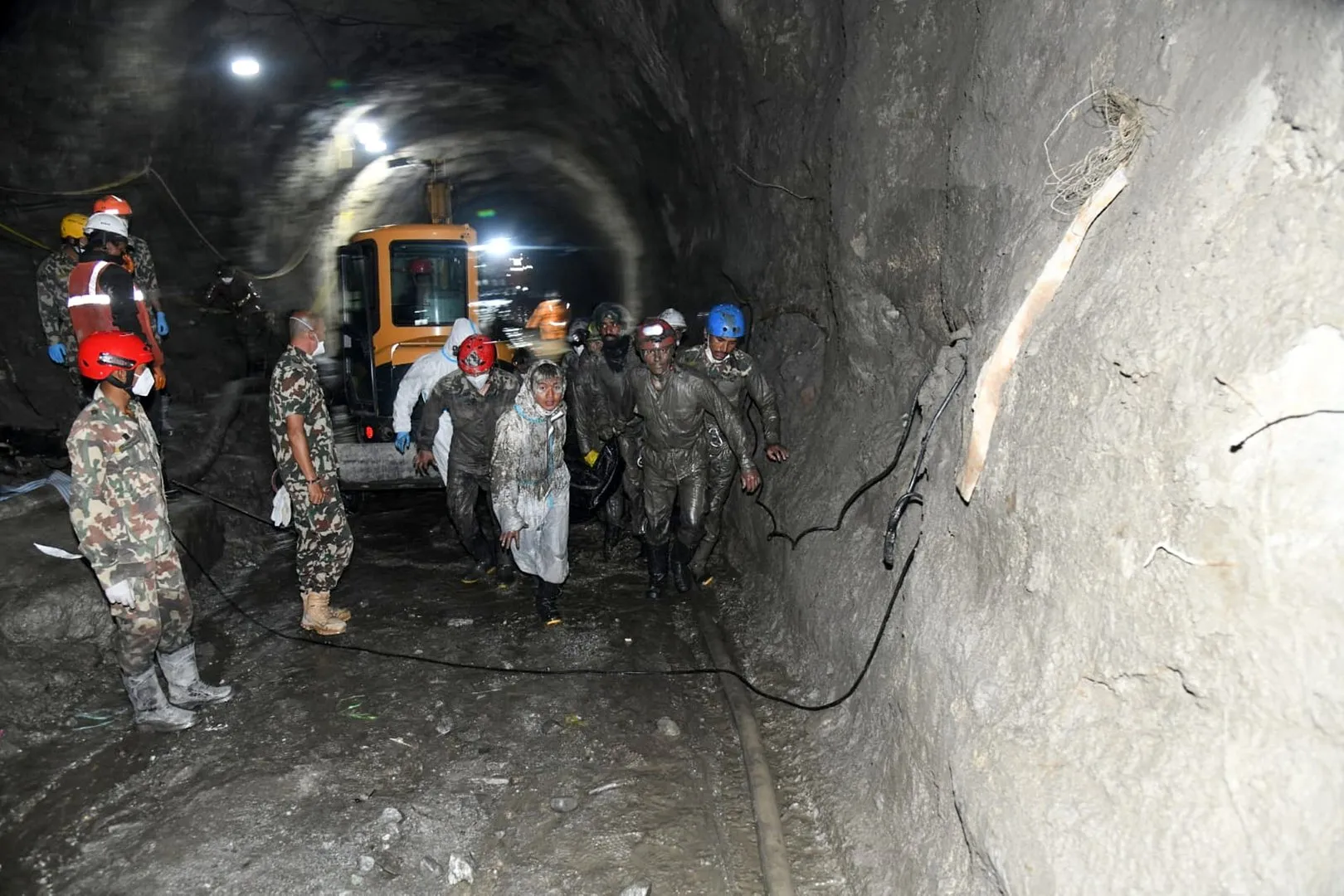
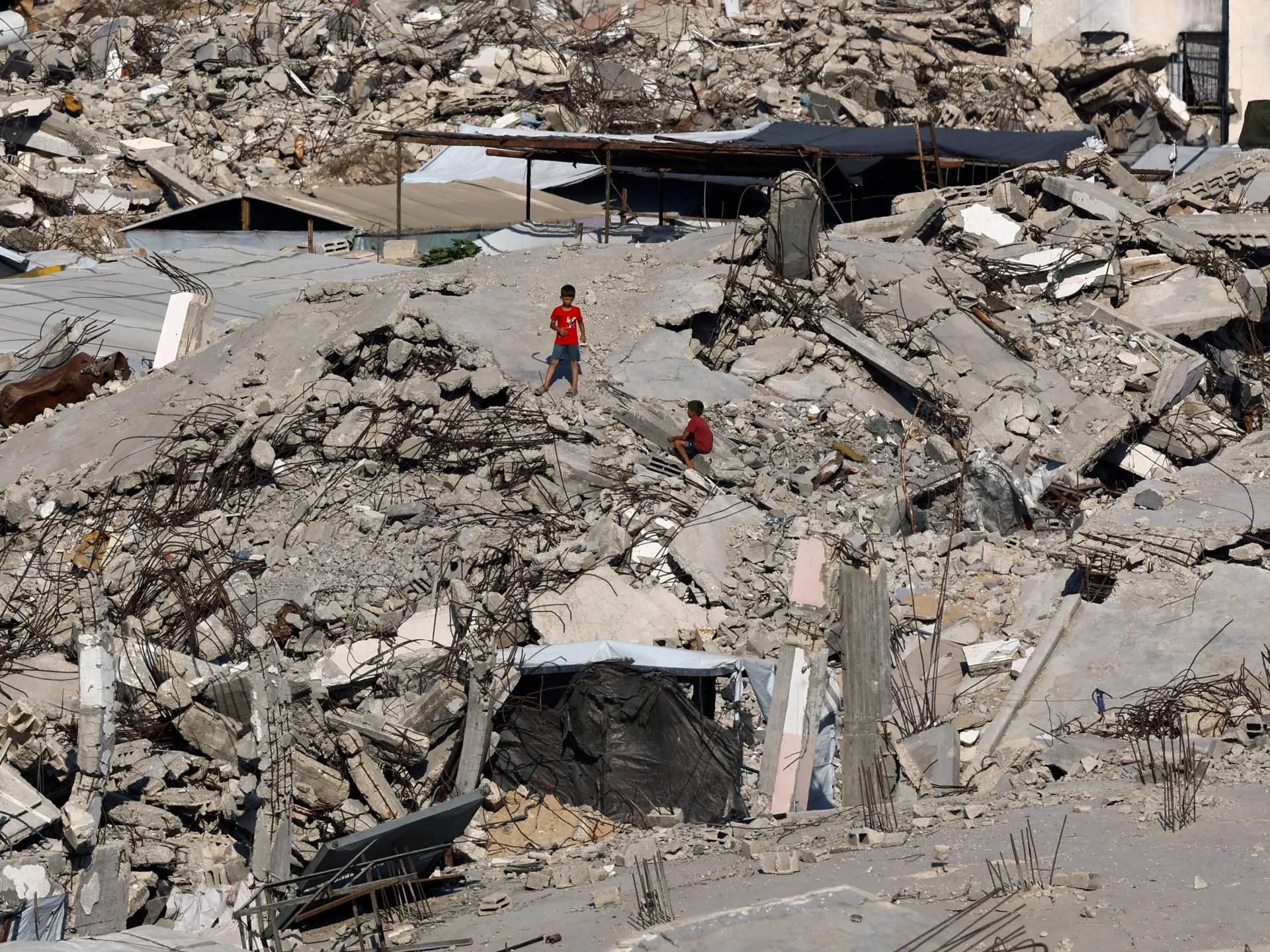
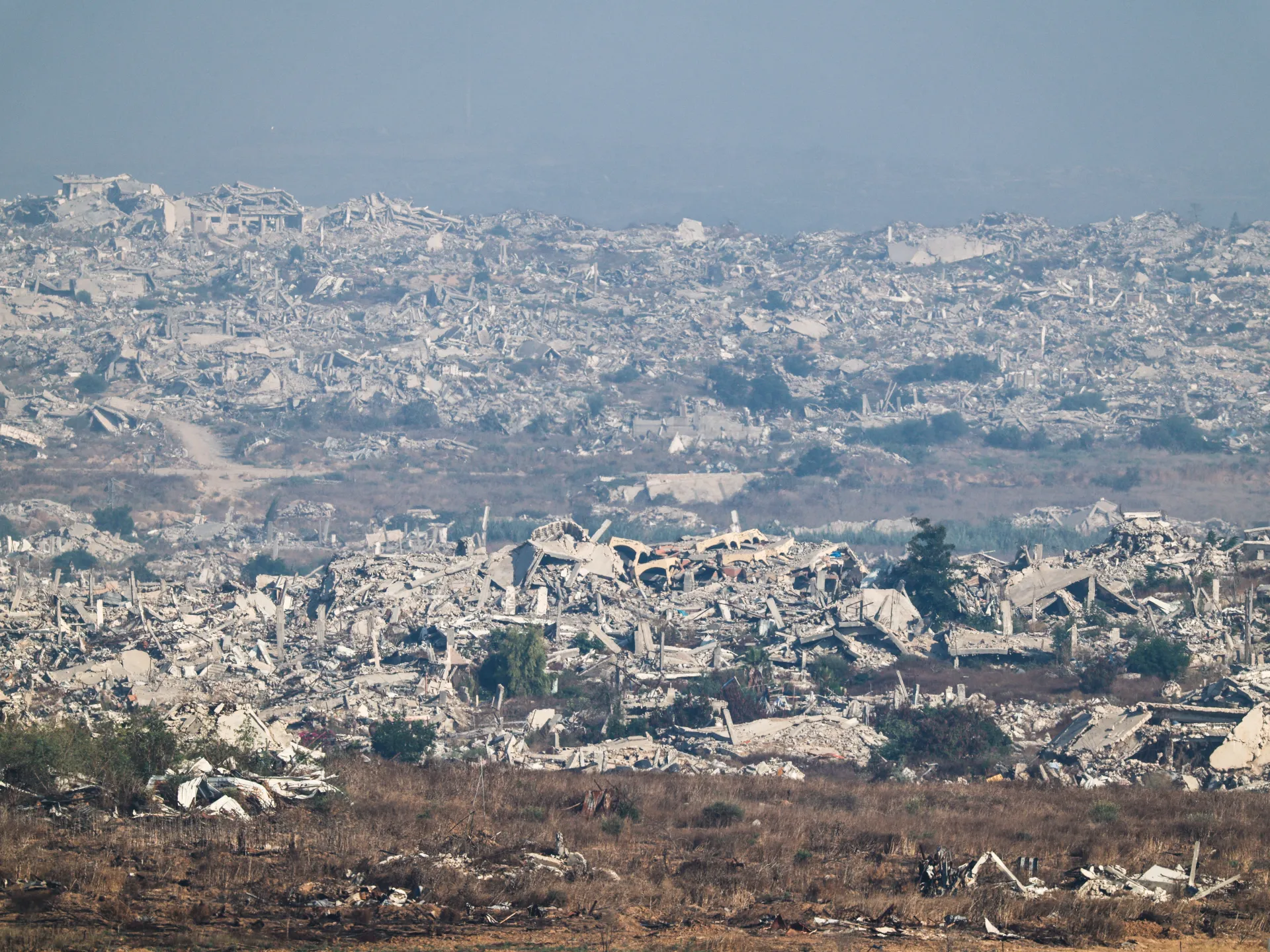
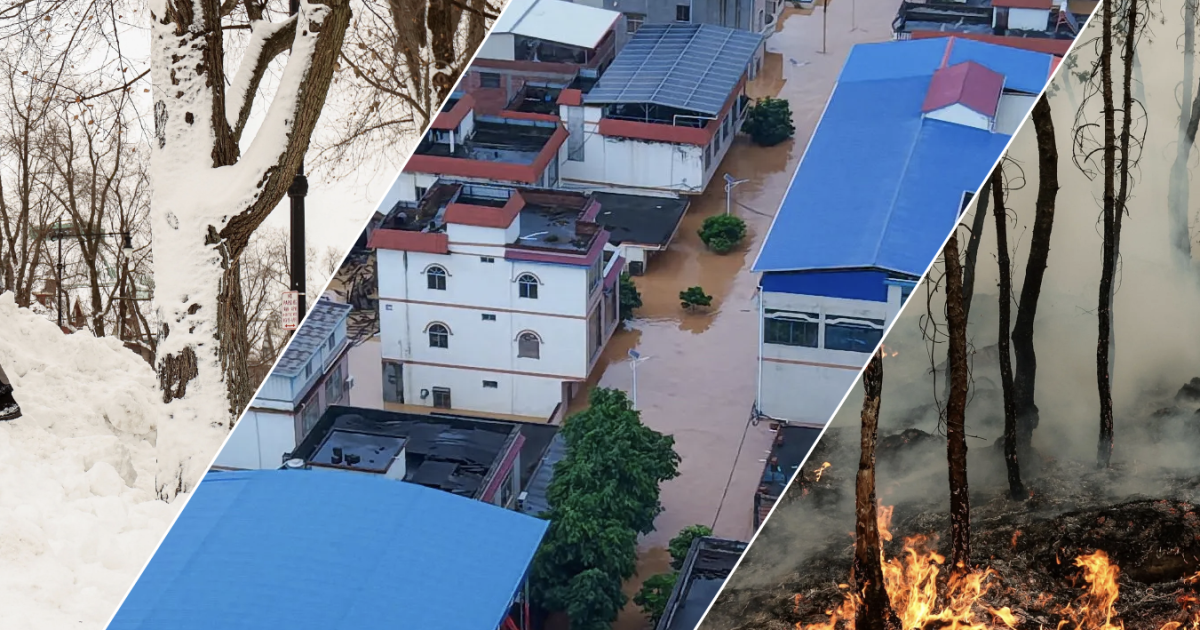
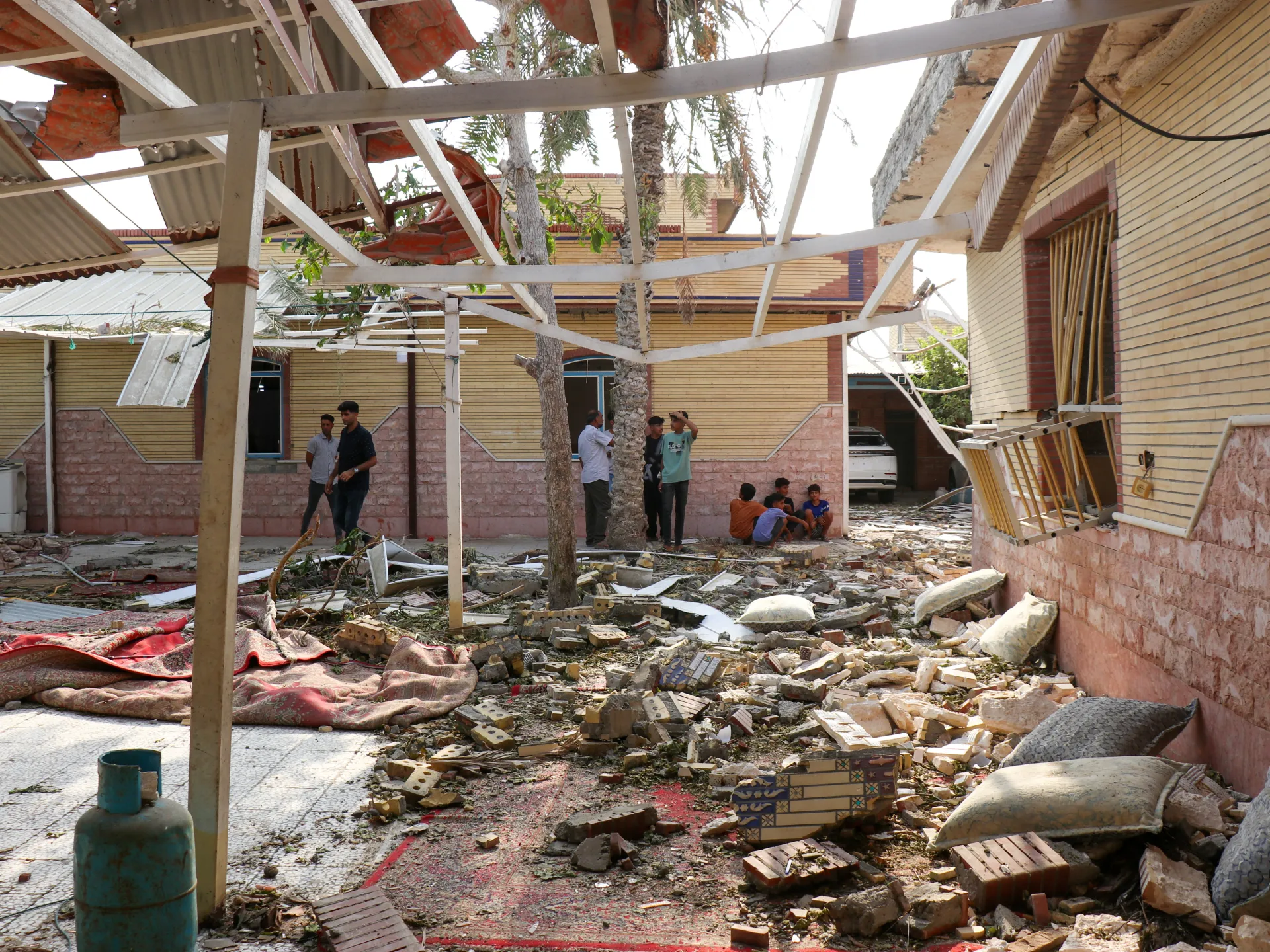
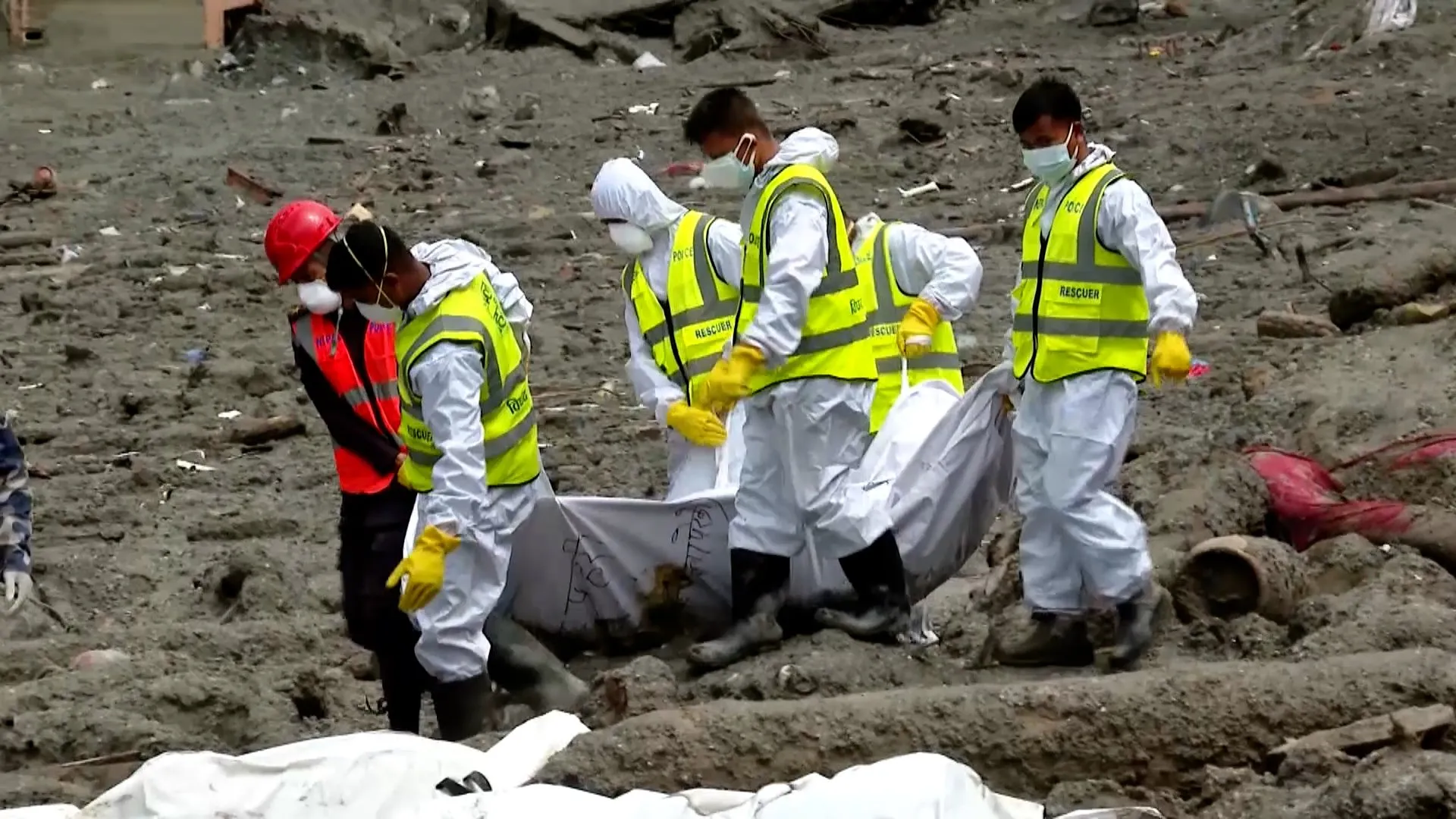
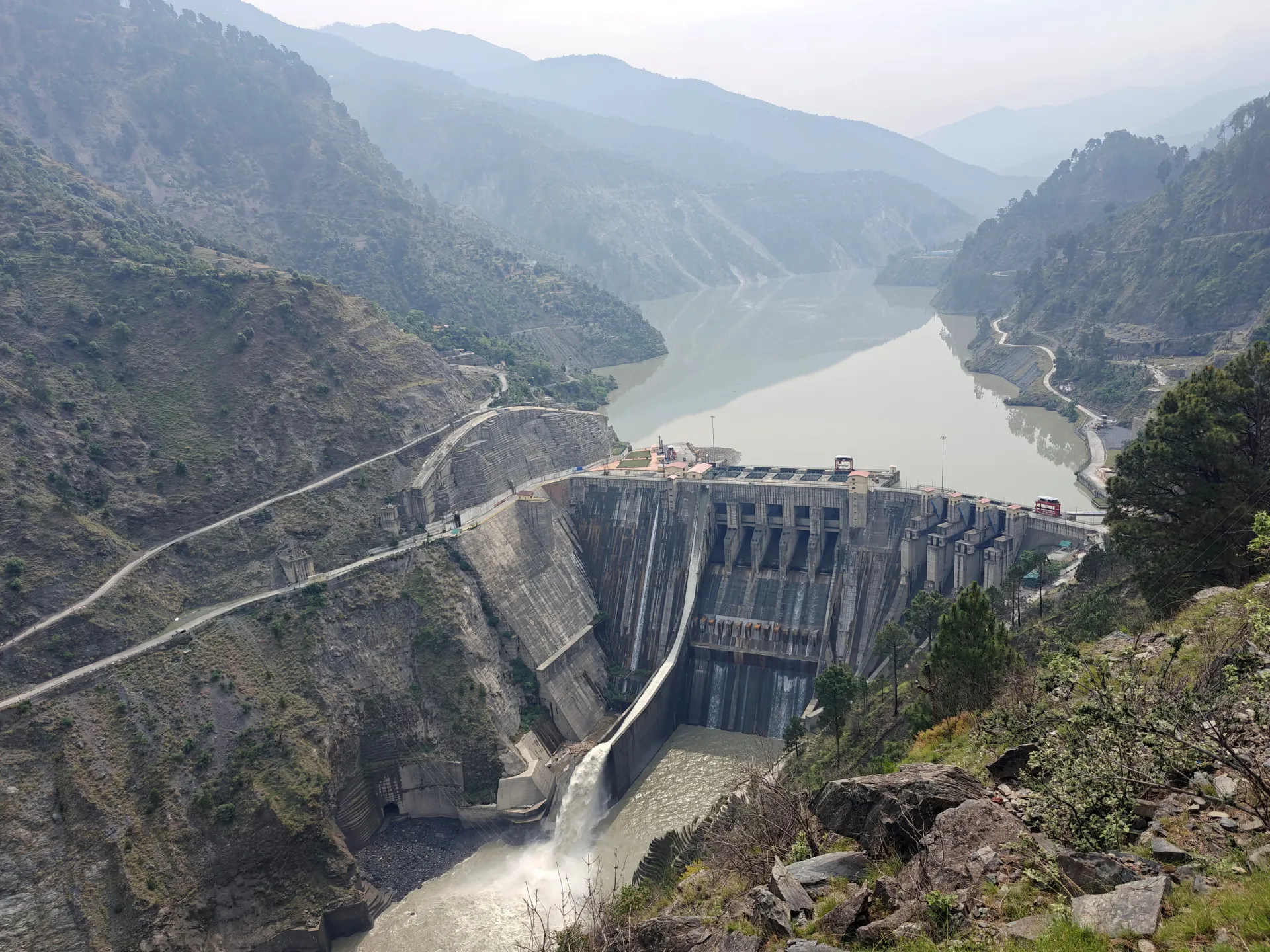
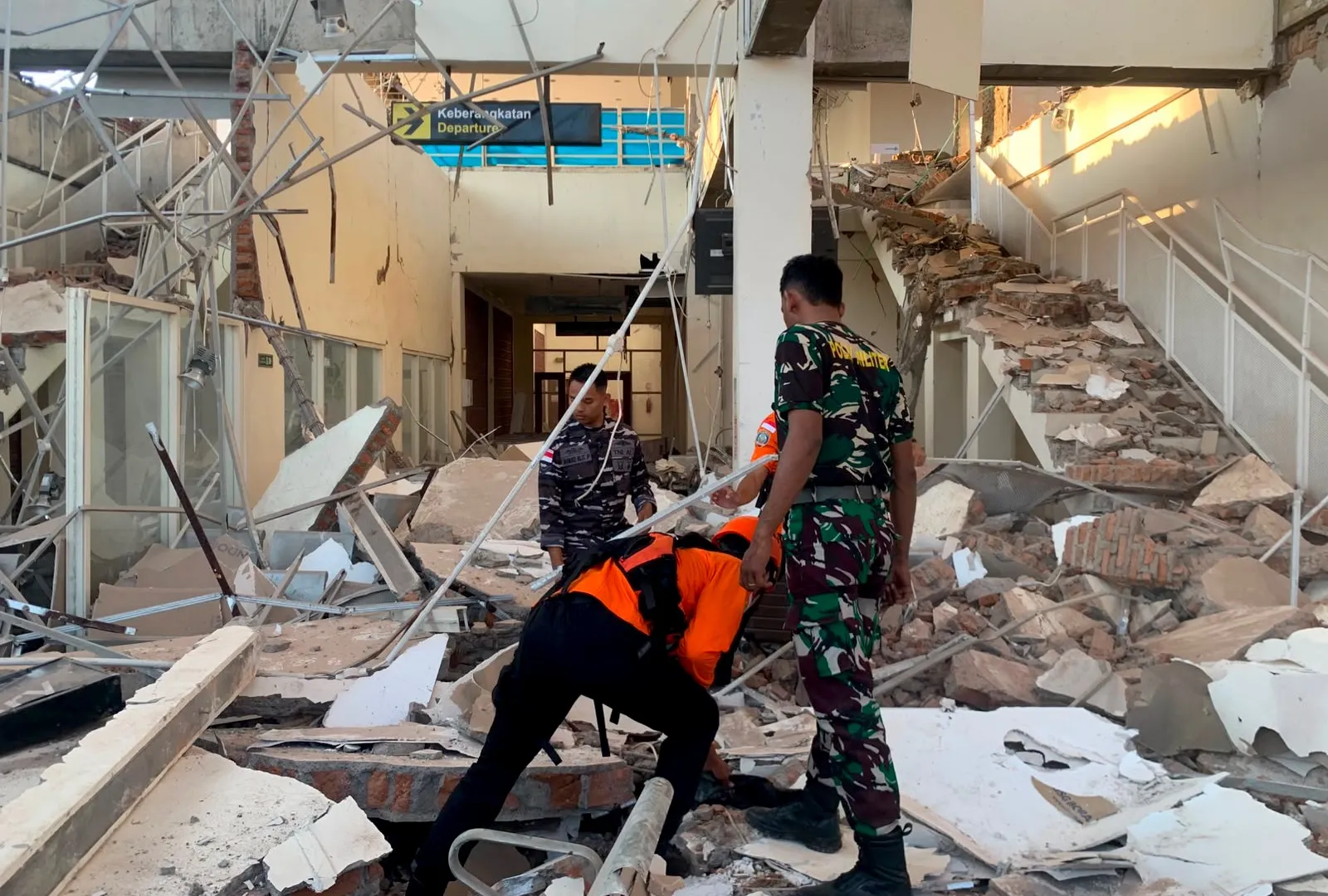
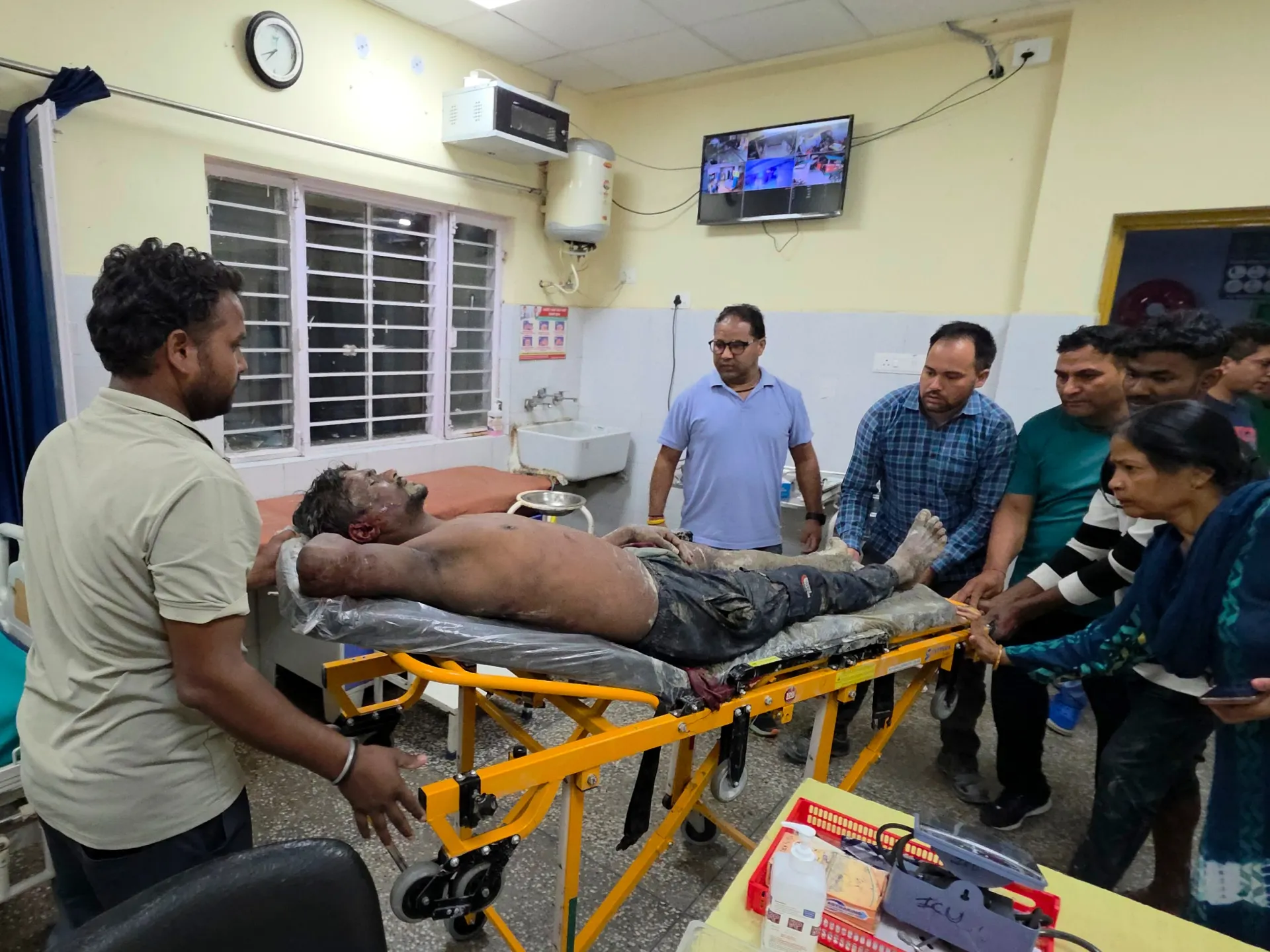
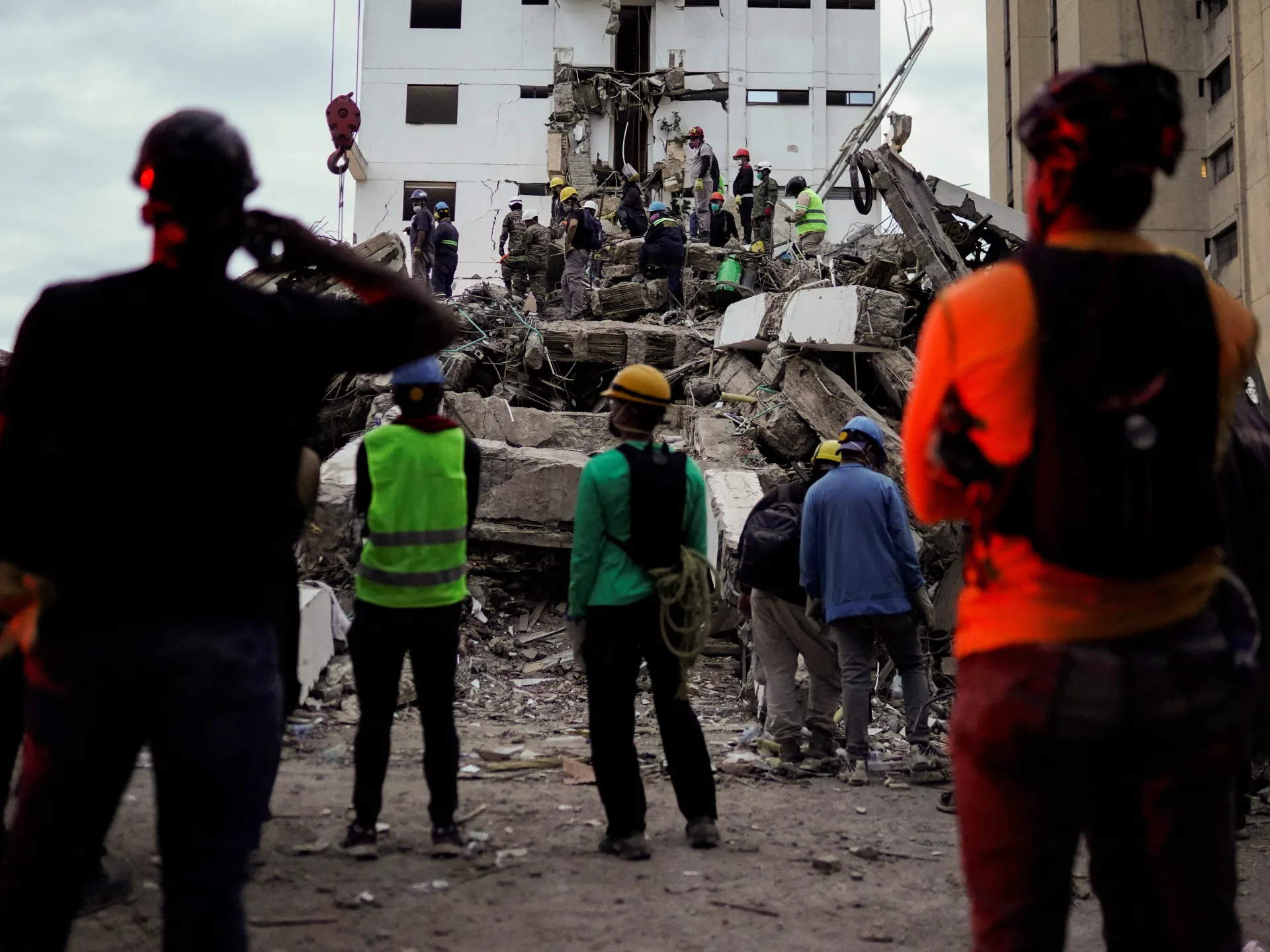
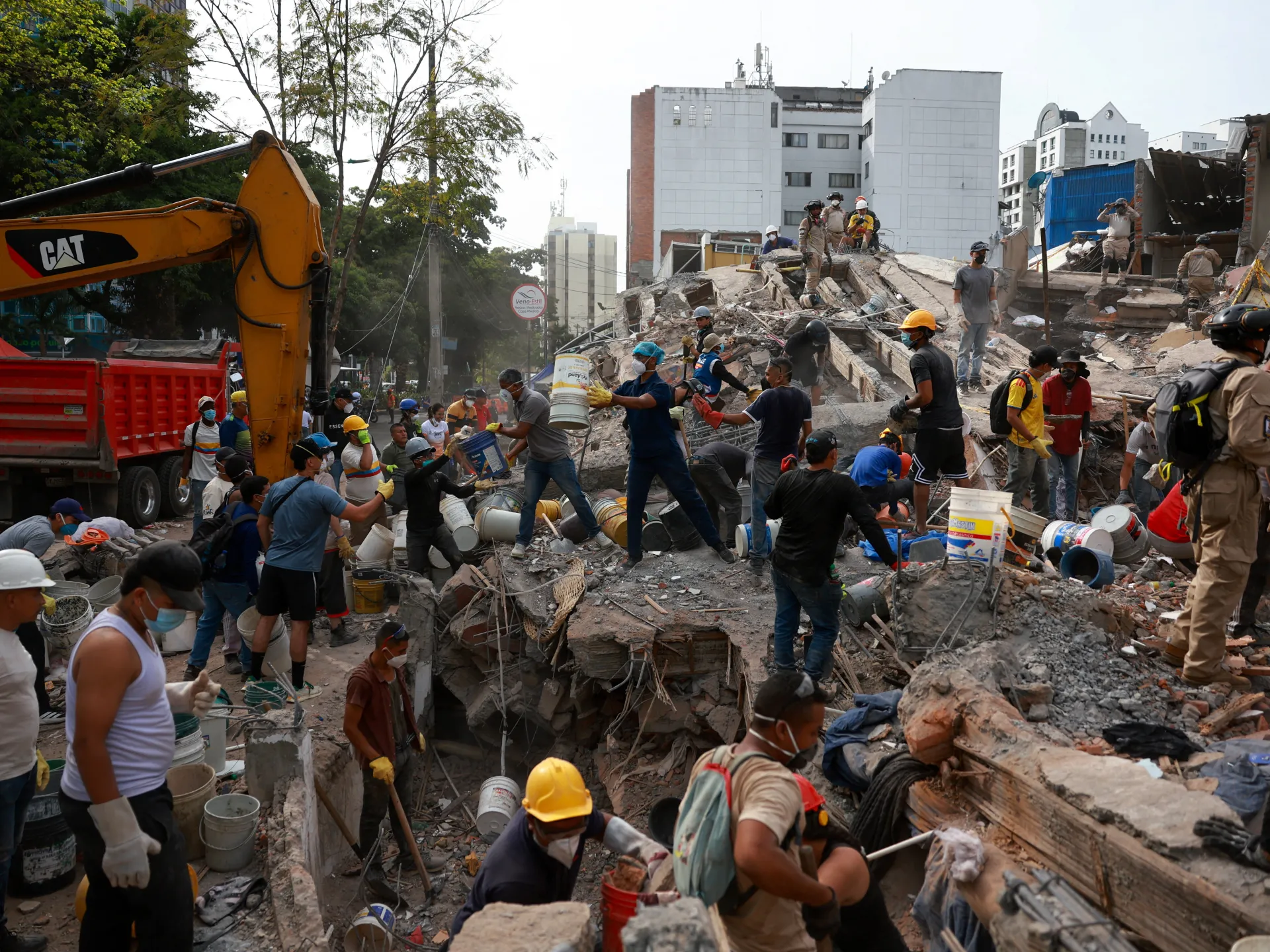
The impact was devastating. Beyond the loss of life, the region saw twelve hydropower plants incapacitated, with critical transport links—including roads and bridges—buried or swept away. While some reports from the New York Times estimate the number of missing persons to be as high as 2,400, the full scope of the tragedy remains difficult to quantify due to the remote nature of the terrain. Disaster management experts, including those from the International Centre for Integrated Mountain Development (ICIMOD), warn that the monsoon's behavior is becoming increasingly deceptive; a drier season does not equate to a safer one, as the lack of anticipated rainfall can mask underlying, high-altitude instabilities that eventually reach a breaking point.
As search and rescue efforts continue, a secondary crisis has emerged in the digital sphere. Survivors who have utilized social media to advocate for faster government intervention or to seek information about missing loved ones have reported being subjected to aggressive online abuse. This vitriol has included insults, victim-blaming, and, in some instances, harassment suggesting that grieving families are responsible for their own misfortune.
The government of Nepal has responded to the digital hostility with threats of legal action. Prime Minister Balendra Shah declared that authorities would exercise no leniency toward those who target victims, labeling such behavior as criminal. To address the issue, police have formed a 10-member committee tasked with identifying the origins of these abusive comments. Under the nation's Electronic Transactions Act, individuals found guilty of using social media to harass or defame survivors face potential penalties of up to five years in prison or fines reaching 100,000 rupees. Digital rights advocates, such as Dovan Rai of the non-profit Body & Data, suggest that much of this hostility may be driven ve engagement, regardless of the human cost.
The immediate path forward will likely be defined proliferation of online harassment. However, the more complex, long-term challenge remains the modernization of mountain hazard detection. Given the failure of current monitoring systems to provide timely alerts for this specific event, it is expected that international climate research bodies will push for the integration of multi-hazard detection technologies. These would focus on monitoring high-altitude permafrost and glacial lake levels in real-time, rather than relying on seasonal weather patterns. The sheer scale of destruction to hydropower and transport infrastructure suggests that Nepal will face years of reconstruction, likely necessitating a fundamental reassessment of how and where critical infrastructure is permitted in high-altitude zones.