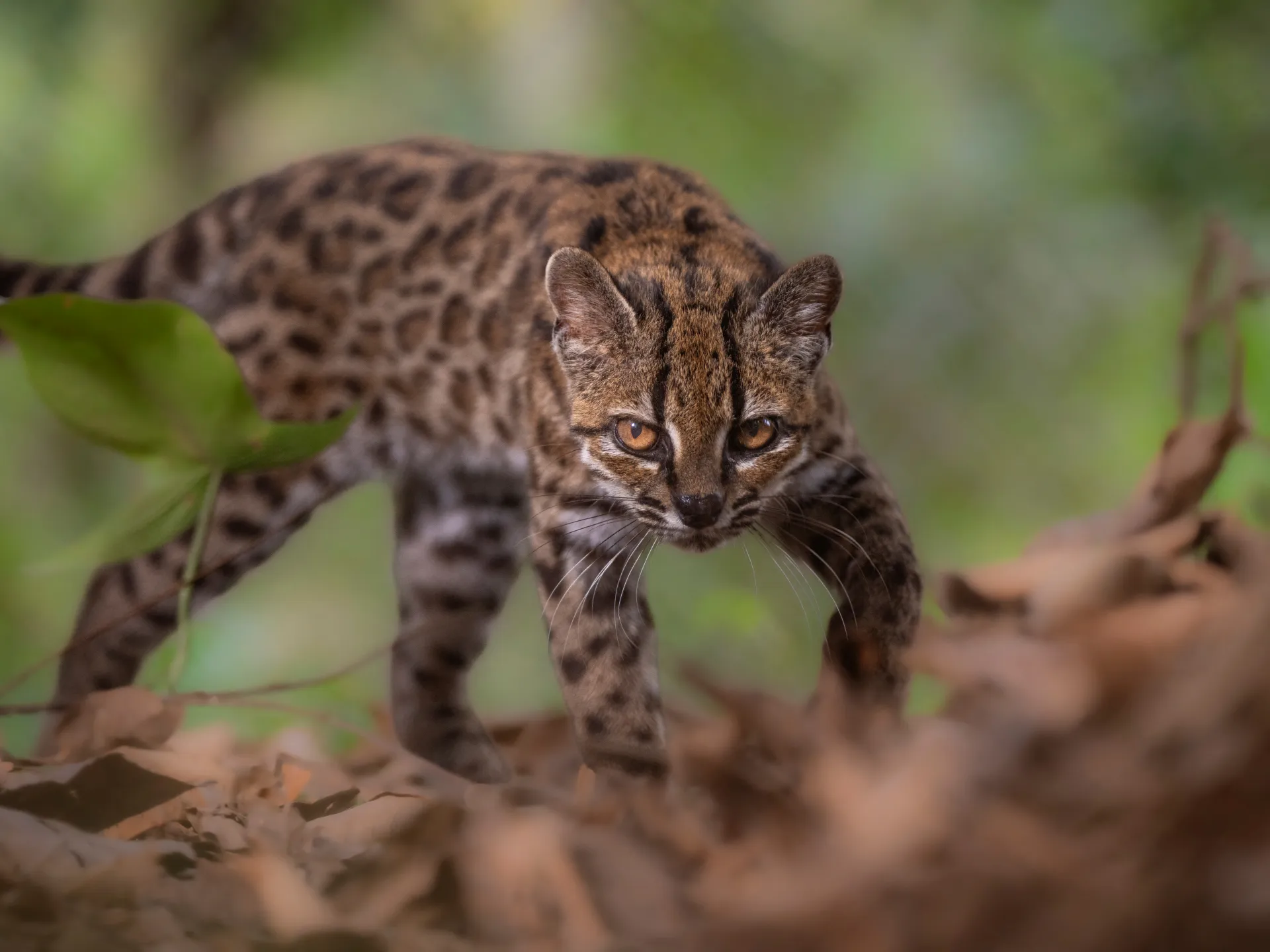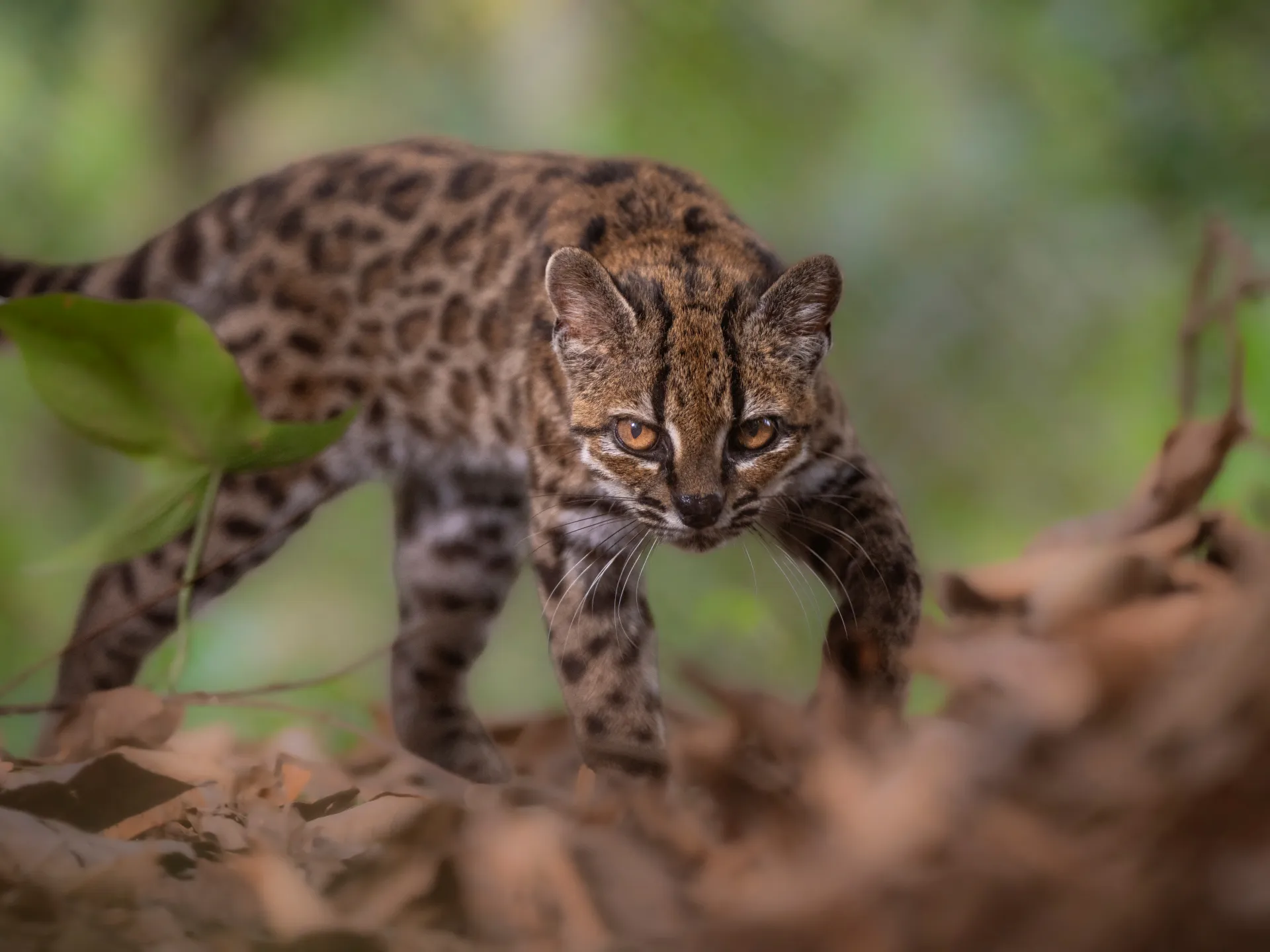
Genetic research has confirmed the discovery of a new wild cat species in Bolivia, the first such identification in over a century.
A breakthrough in feline taxonomy has confirmed the existence of a distinct wild cat species, the first such identification in over a century. Known as Leopardus tilcayo, this elusive predator inhabits the dense Yungas forests of Bolivia, a region where its presence had long been anecdotal and unverified rstanding of biodiversity, as the cat had previously been misidentified as other, more common members of the tiger cat family due to its superficial resemblance to its relatives.
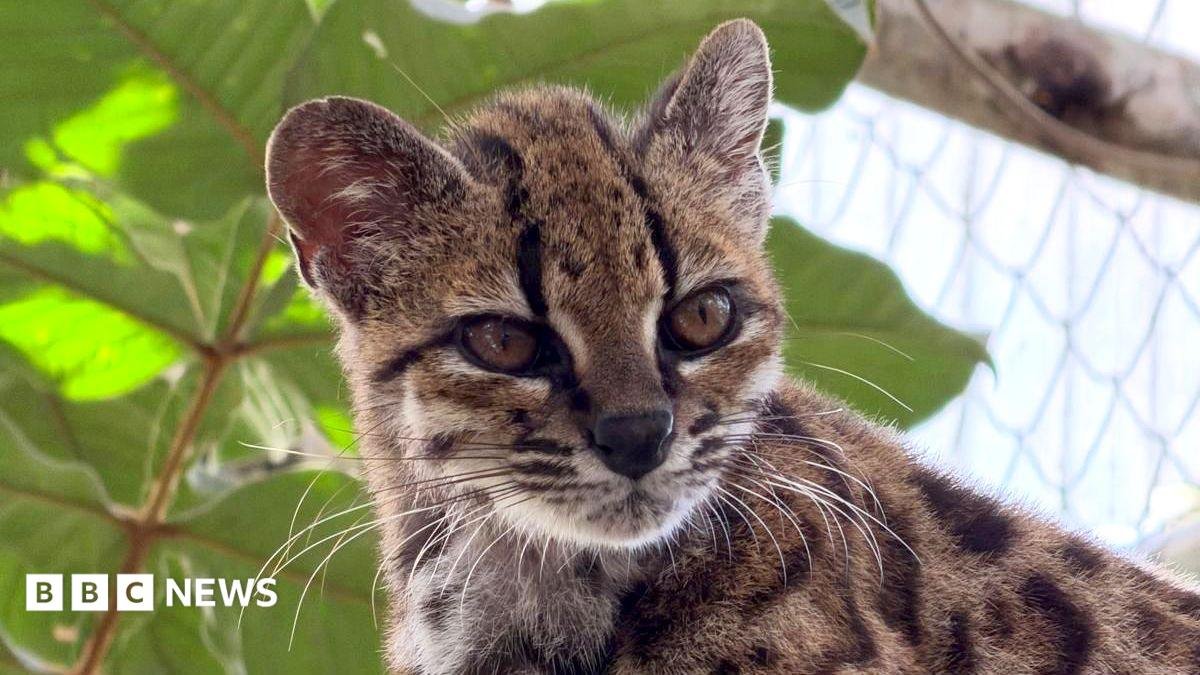
The identification process relied heavily on DNA analysis of both living animals and museum specimens, providing definitive evidence that the Leopardus tilcayo represents a unique lineage. While researchers have dubbed the cat "Tilcayo" locally, it has also been referred to ew species, its existence remains fragile; currently, only one living individual—a ten-year-old animal housed in a Bolivian wildlife sanctuary—is officially confirmed to represent the population.
This discovery serves as a stark reminder of the "hidden" biodiversity that persists even in regions where human encroachment is expanding. Leopardus tilcayo for decades, the scientific community inadvertently sidelined the conservation needs of a unique species. This precedent suggests that other small, spotted felines across Central and South America may require a rigorous genetic re-evaluation. Because these animals lack the charismatic appeal and global recognition of larger felids like lions or leopards, they often receive limited resources for habitat protection. The identification of Leopardus tilcayo provides a necessary catalyst for renewed focus on the preservation of the fragile Yungas ecosystem and the broader group of tiger cats, which are currently facing mounting environmental pressures.
The journey to this discovery began not in a laboratory, but in a rescue center. Dr. Paola Nogales-Ascarrunz, a researcher from the Universidad Mayor de San Andres in La Paz, encountered the cat while volunteering at a wildlife sanctuary. The animal had been recovered from the forest imal matured, however, its distinct behavioral patterns and physical traits drew the attention of staff.
Recognizing that the animal did not align with known domestic or wild cat profiles, Dr. Nogales-Ascarrunz initiated a collaborative study involving international experts. The investigation utilized advanced genetic sequencing to compare the sanctuary cat against other tiger cats found across a range extending from Costa Rica to Argentina. According to conservation geneticist Eduardo Eizirik, the species had effectively remained hidden simply because researchers had not prioritized a comparative analysis of these specific forest-dwelling populations. The findings, recently published in Current Biology, confirm that the species is genetically distinct from the oncilla and other related tiger cats.
The immediate priority for the scientific community is to determine the population size and distribution of Leopardus tilcayo in the wild. Since the only confirmed living specimen is currently in captivity, researchers face the difficult task of surveying the remote and rugged Yungas terrain to locate other members of the species. Furthermore, the identification of this cat will likely trigger a broader review of tiger cat populations throughout South and Central America. Conservationists are expected to use these findings to lobby for increased protections for the Yungas forest, as the discovery of a new species indicates that the region may hold further biological secrets currently threatened