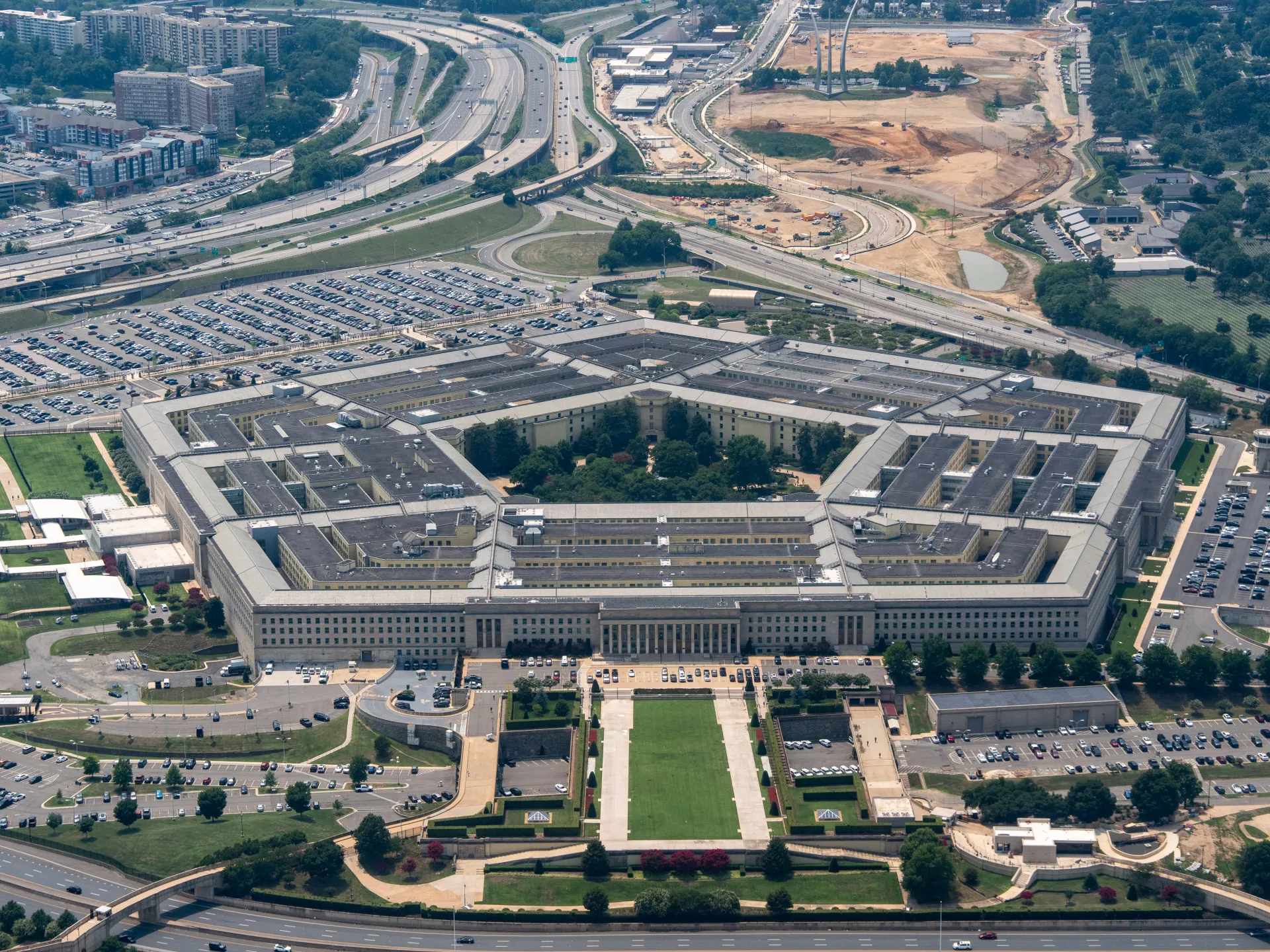
As the Pentagon implements mandatory testosterone screenings for older service members, new evidence reveals significant, previously undisclosed infrastructure damage at key Middle Eastern bases.
The simultaneous prioritization of internal biological optimization policies and the emergence of evidence regarding significant infrastructure vulnerabilities points to a shifting strategic focus within the Department of Defense. While administrative attention is increasingly directed toward the physical performance standards of individual warfighters, recent visual evidence underscores a potential gap in defensive preparedness against foreign state actors. This juxtaposition highlights a tension within current military leadership between fostering a specific vision of peak human performance and addressing the hardening of forward-deployed assets in volatile theaters.
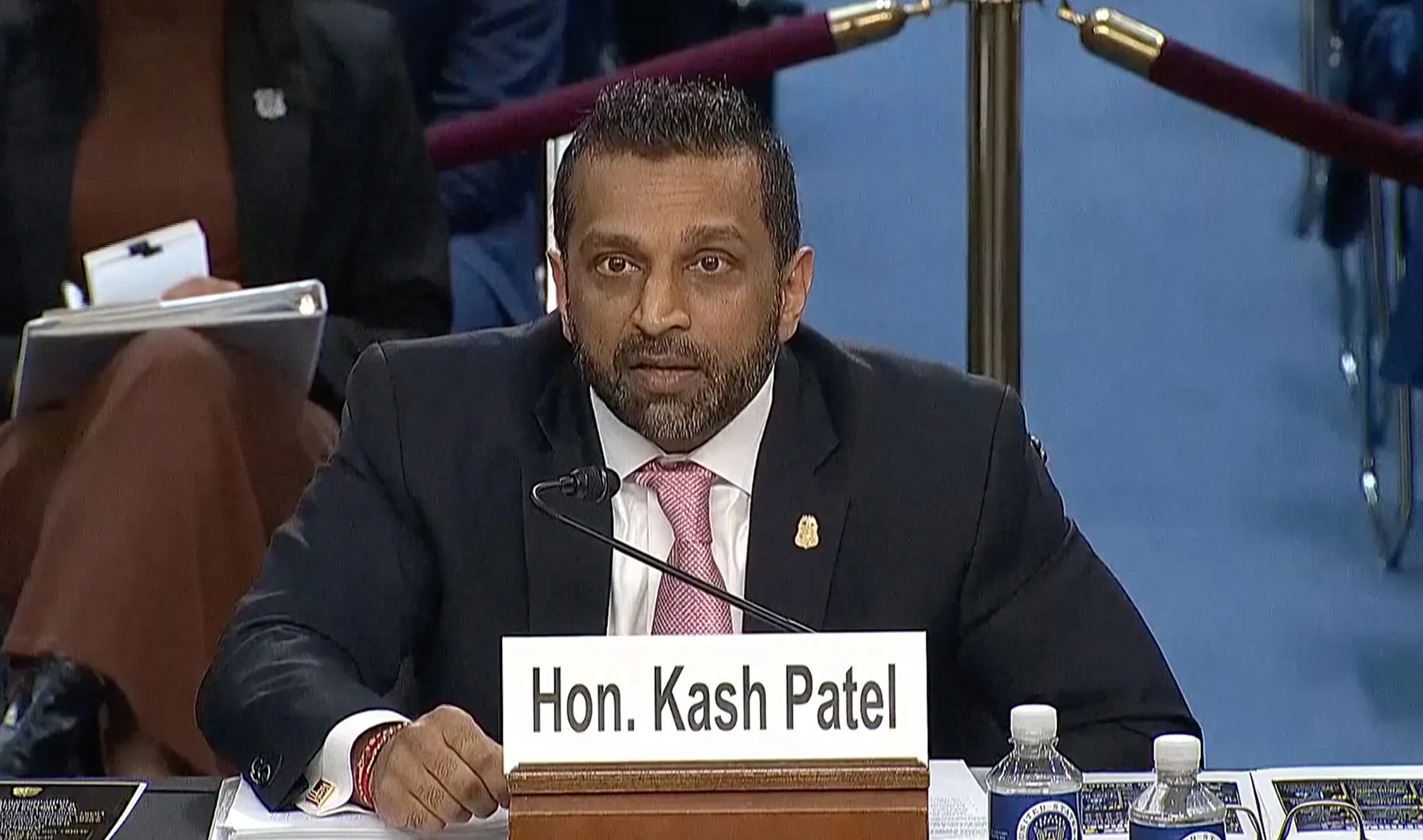
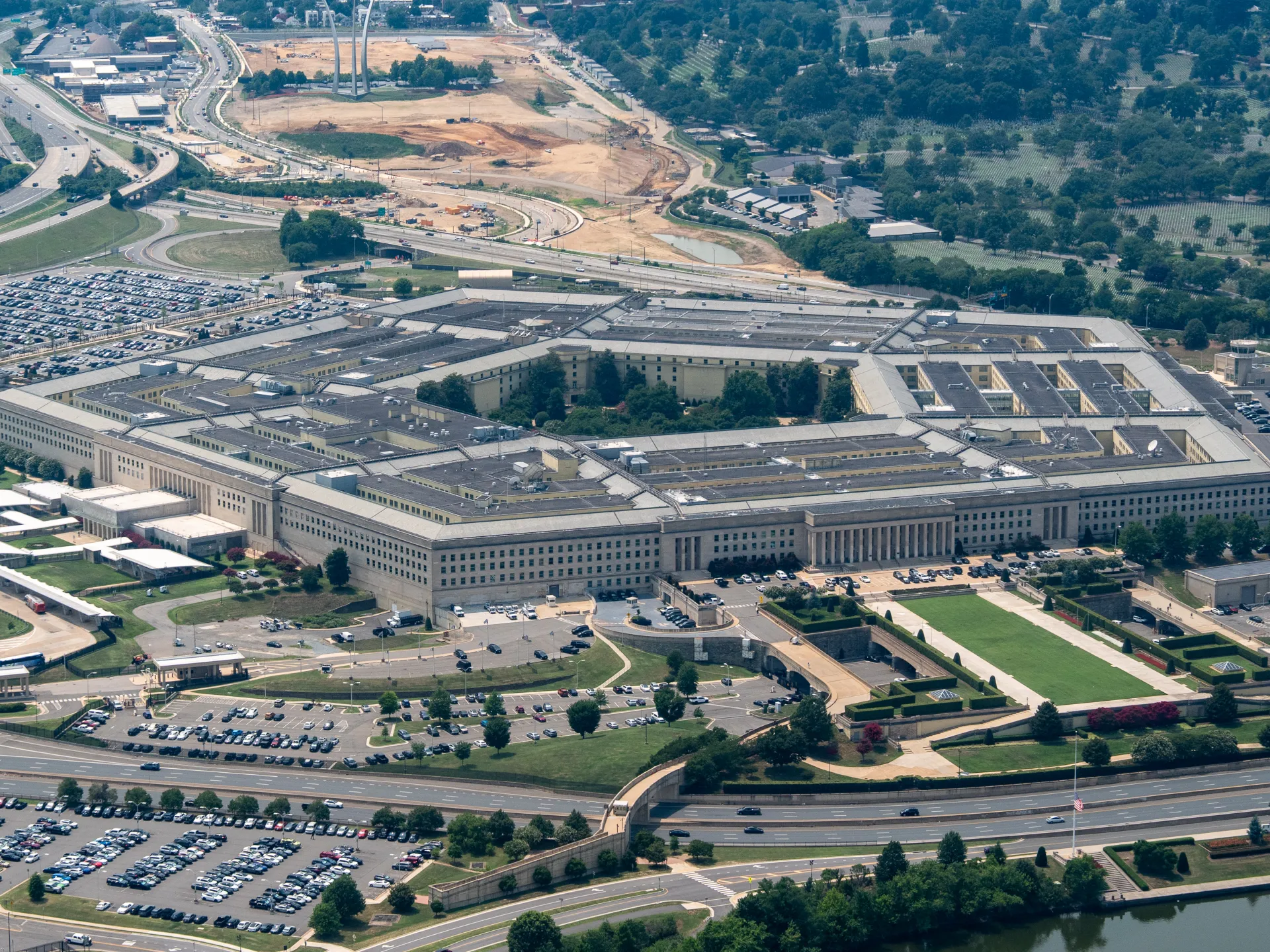
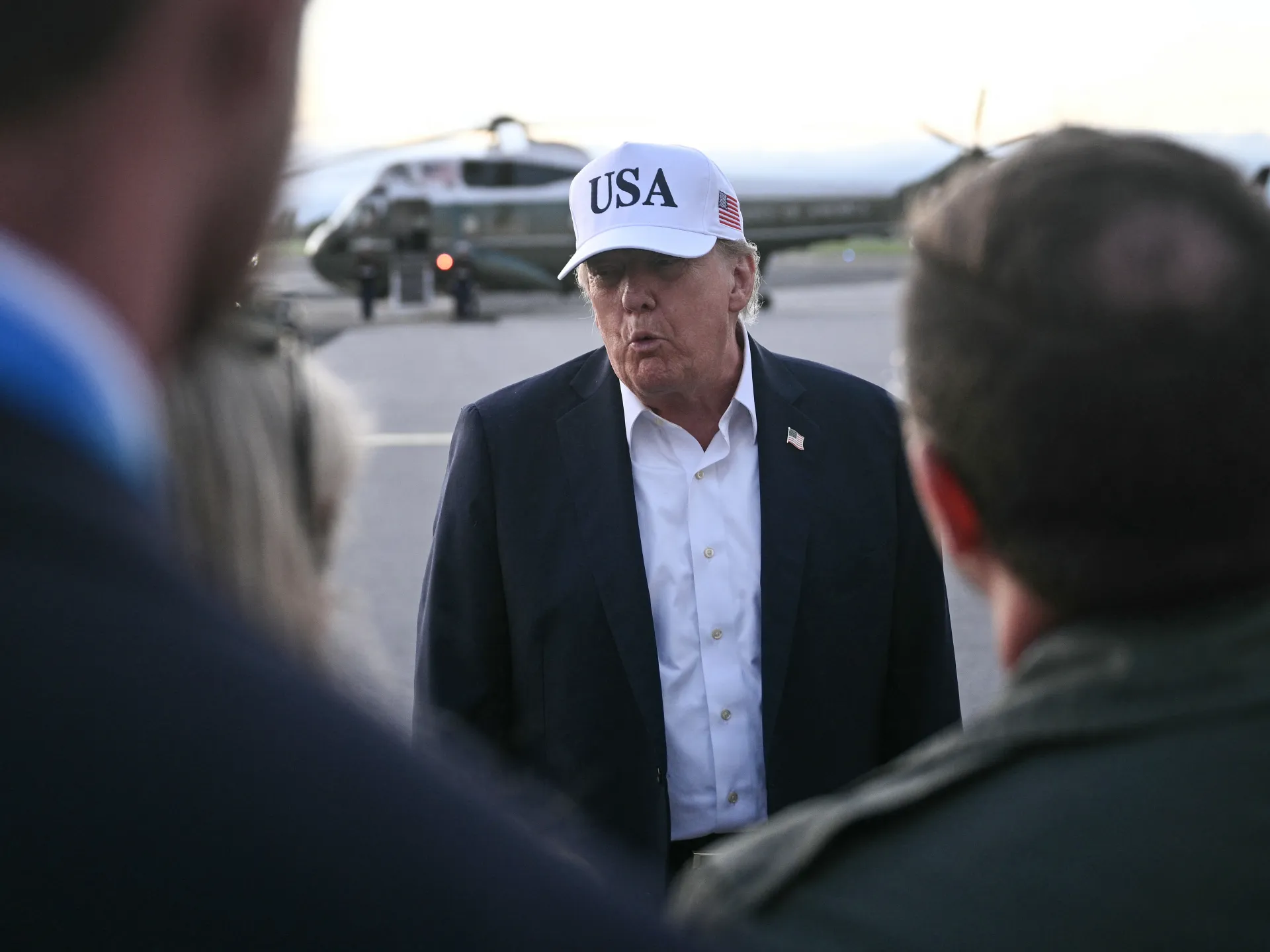
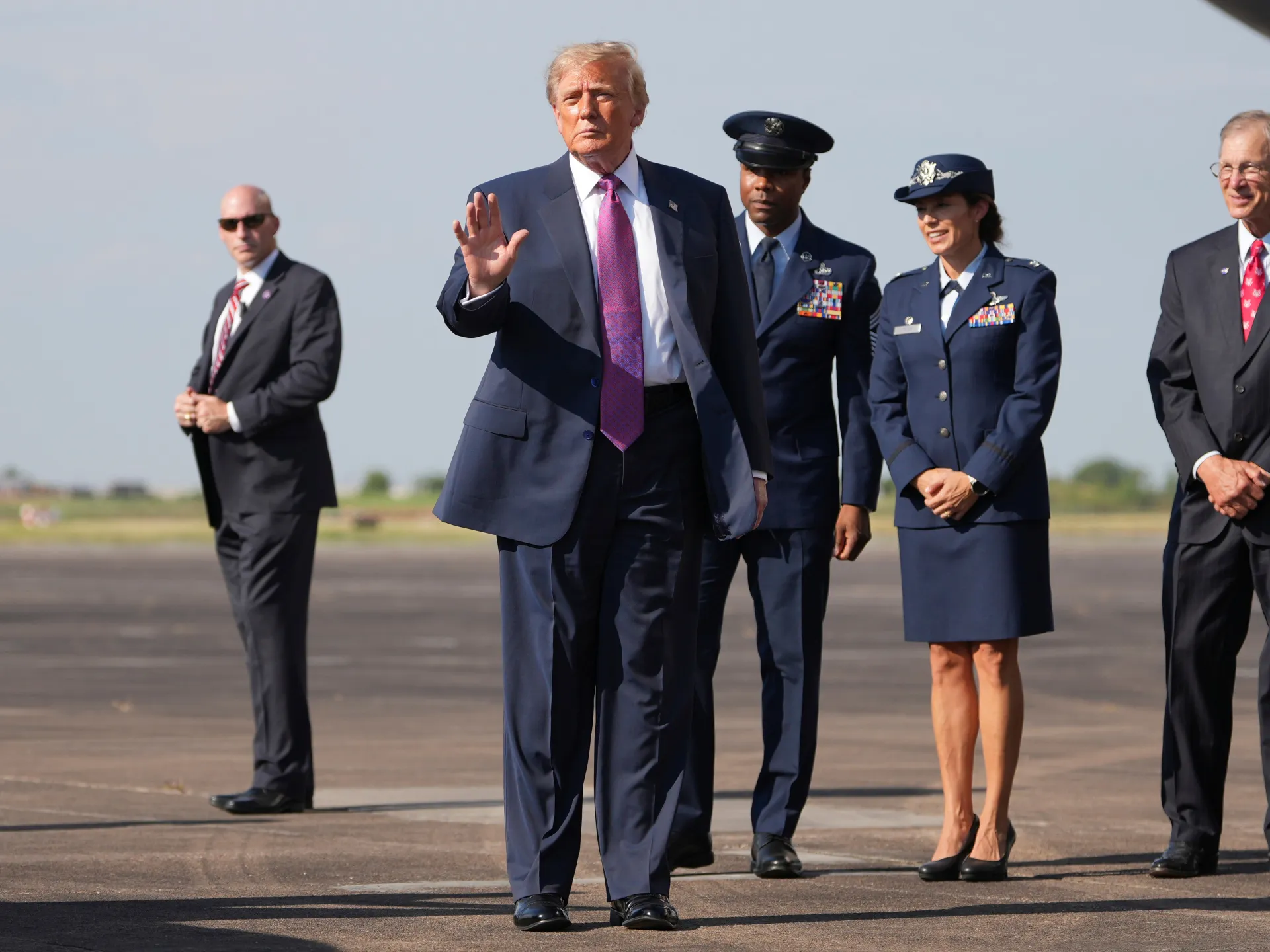
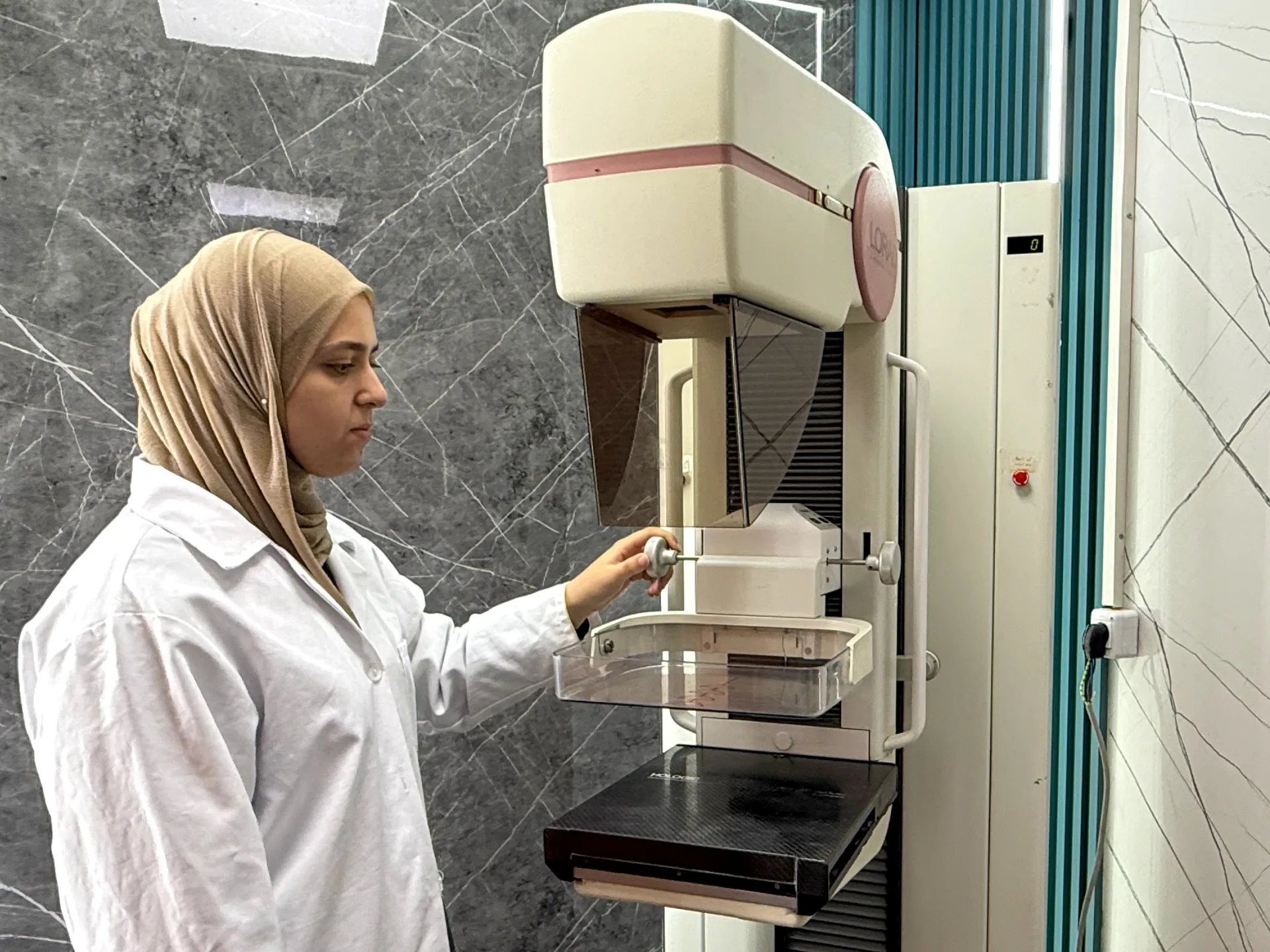
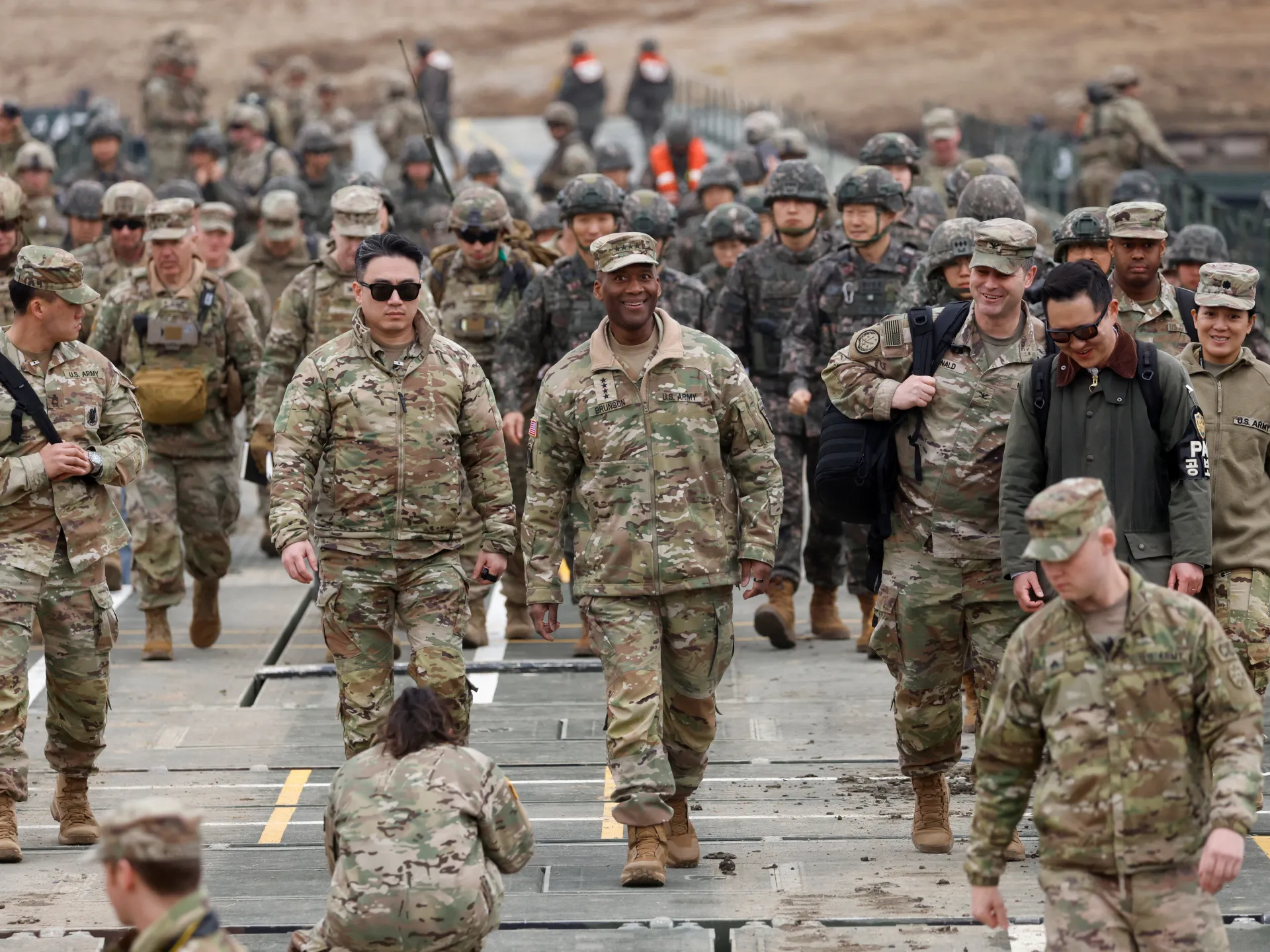
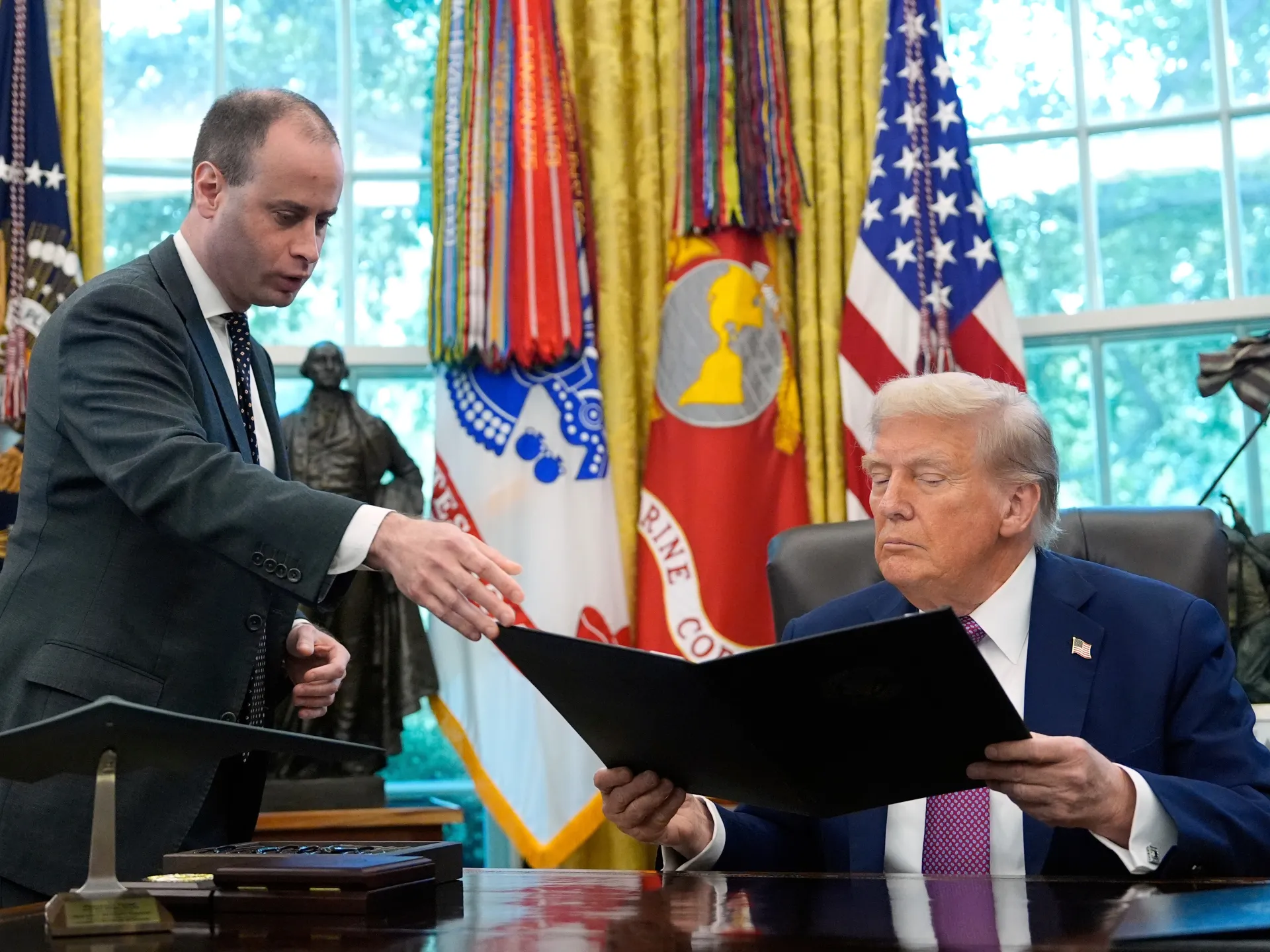
The Pentagon has officially moved forward with a mandatory testosterone screening program for male service members aged 30 and older. This initiative, championed in September intended to refine the policy’s implementation. Under the new guidelines, screening will be integrated into routine periodic health assessments and annual evaluations, with optional testing pathways provided for younger personnel.
The program has drawn criticism from medical professionals who argue that the mass screening is clinically unnecessary and carries inherent risks, including potential impacts on fertility. Despite these concerns, proponents maintain that the policy is essential for modernizing military readiness and ensuring that personnel possess the foundational health required for sustained combat operations. The move is viewed asizes individual physical standards, though critics characterize the focus as an import of external "culture war" priorities into the Department of Defense.
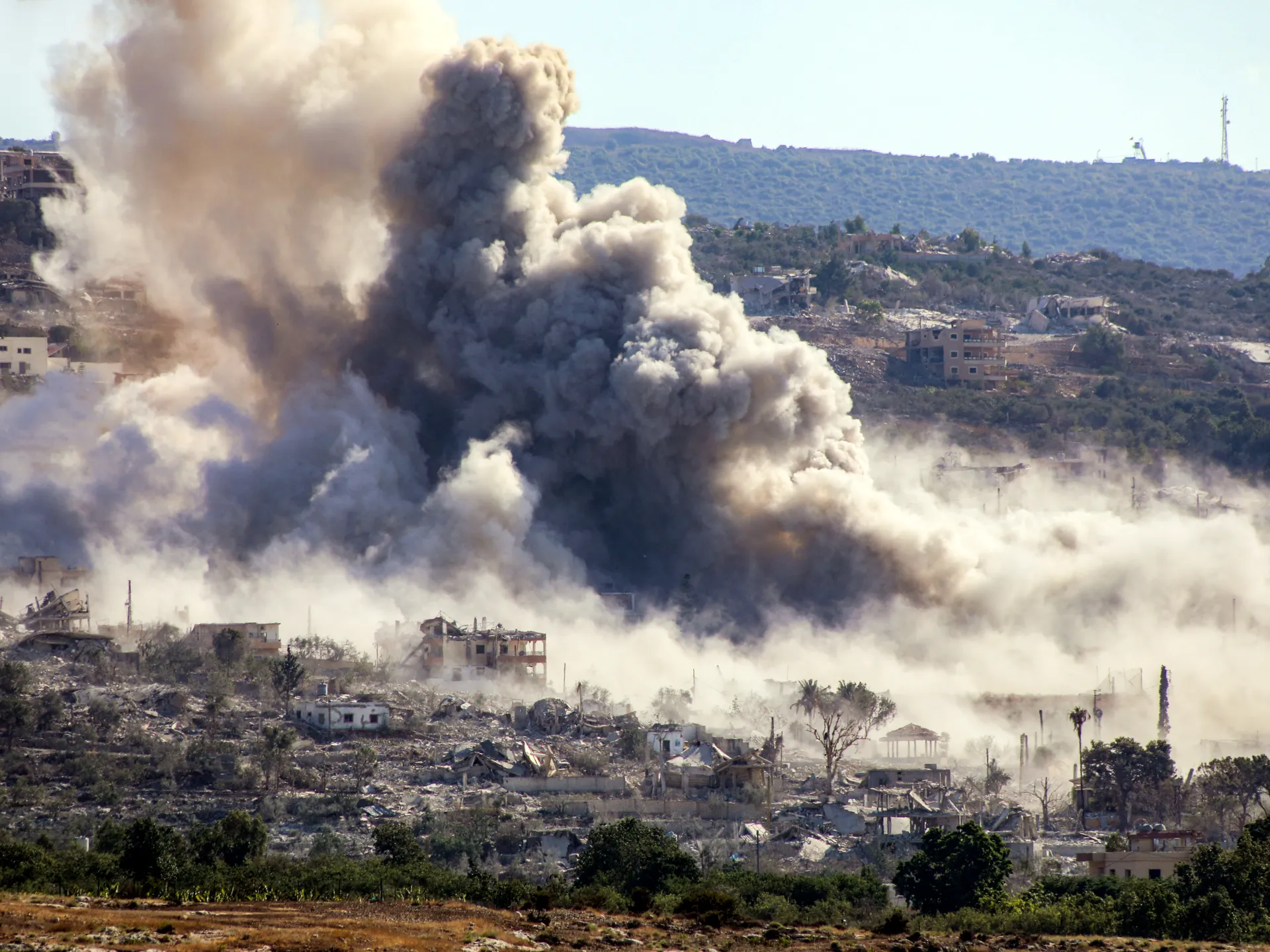
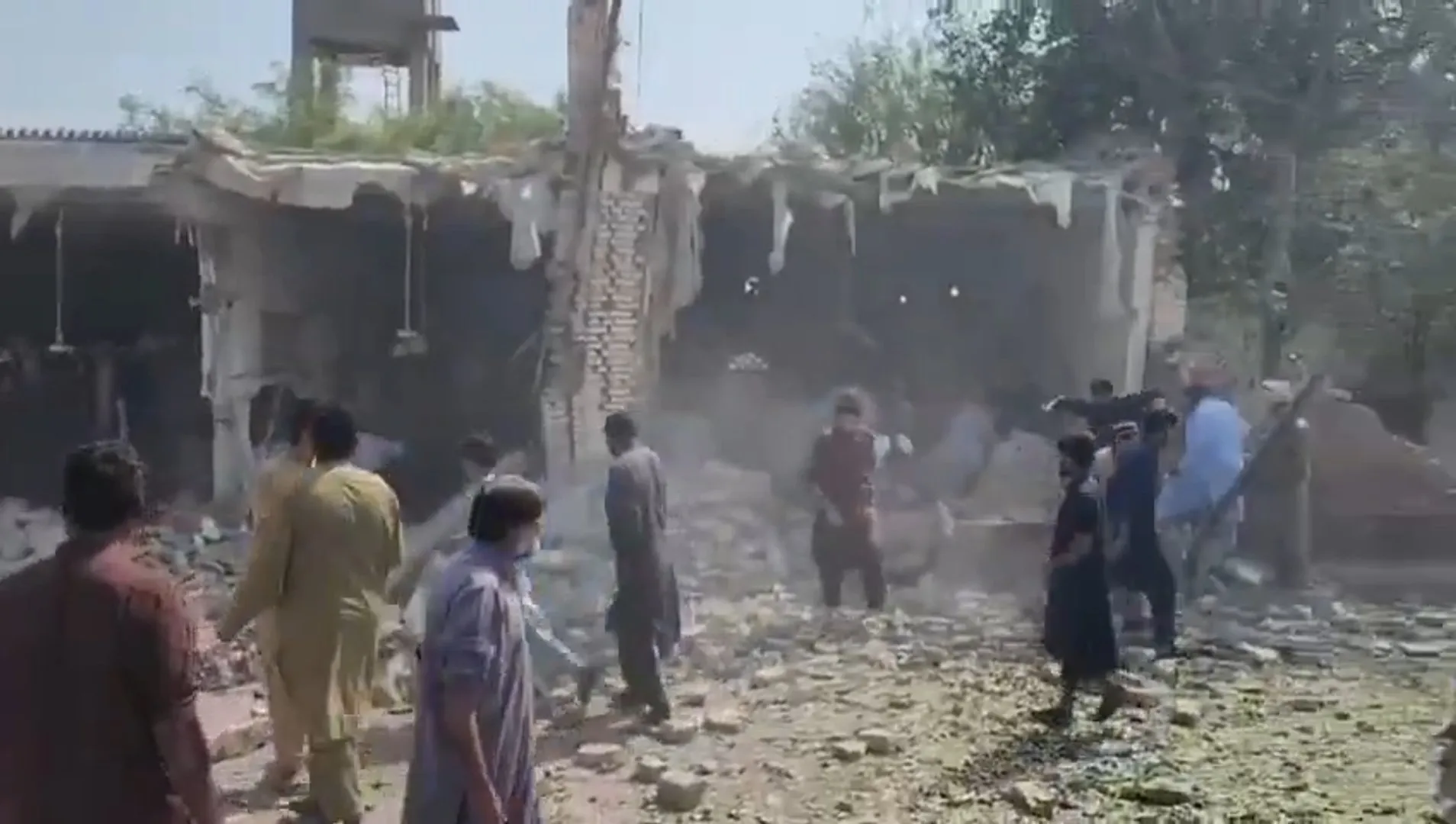
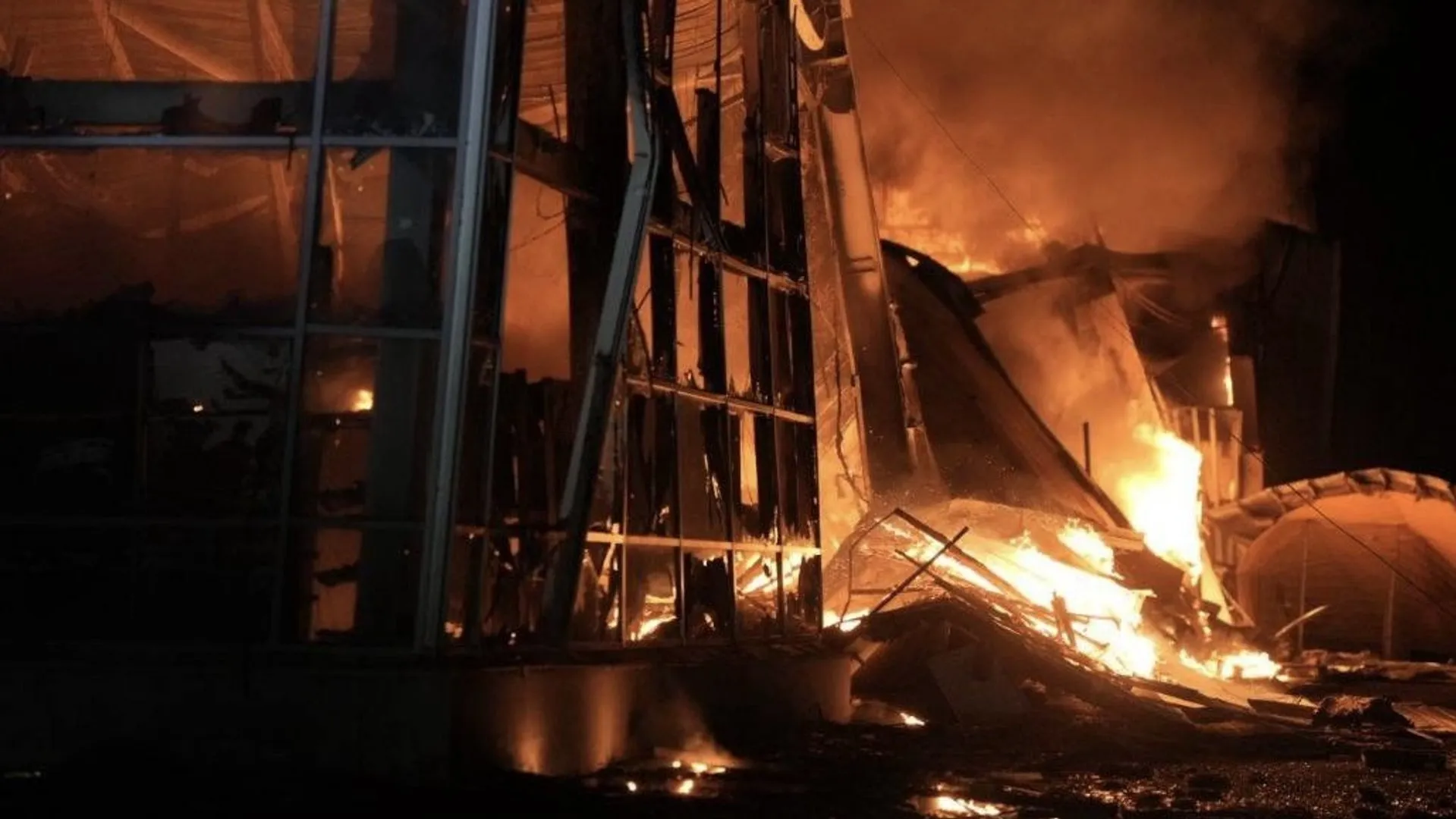
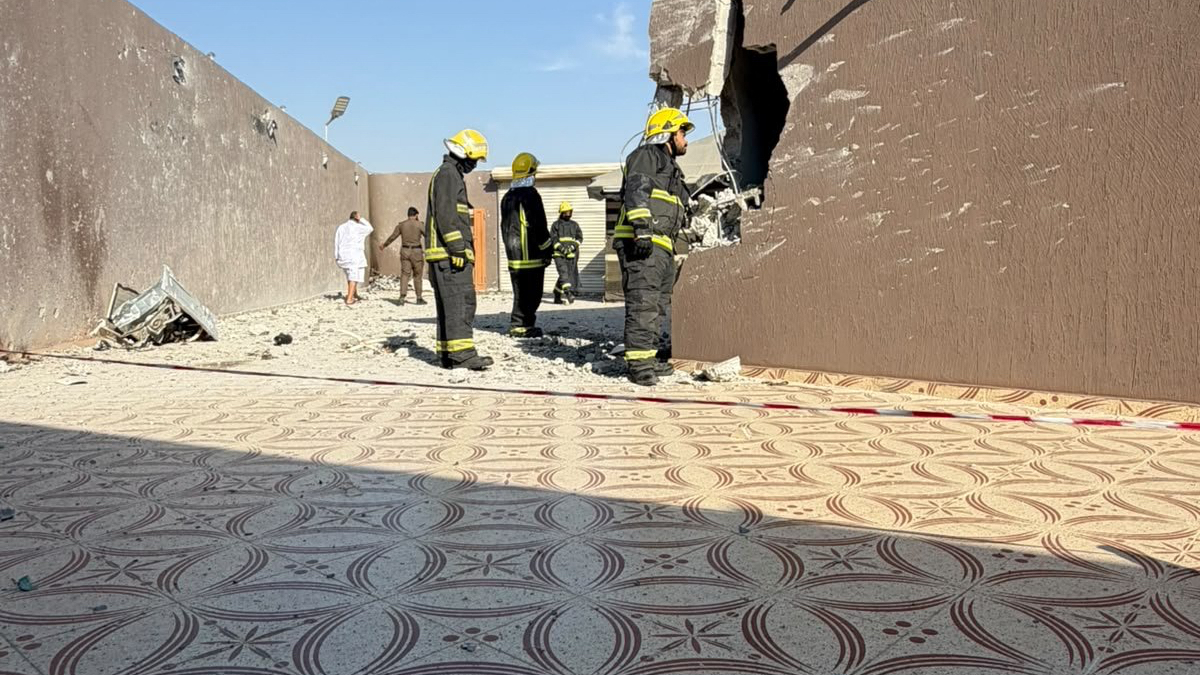
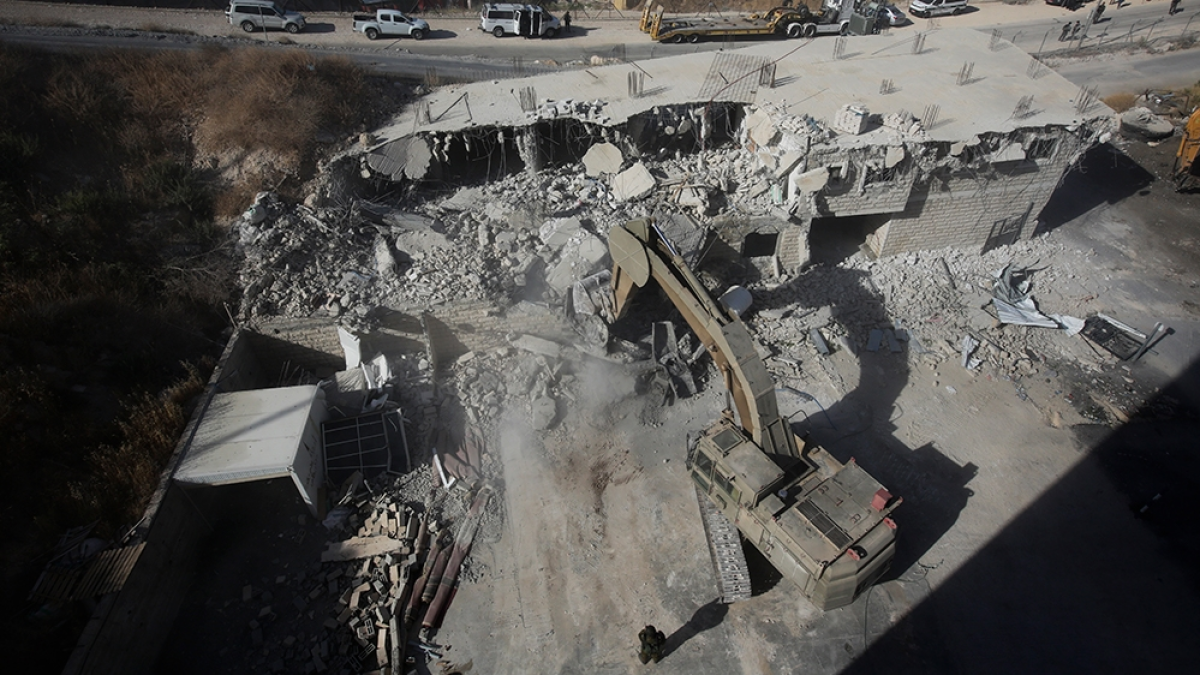
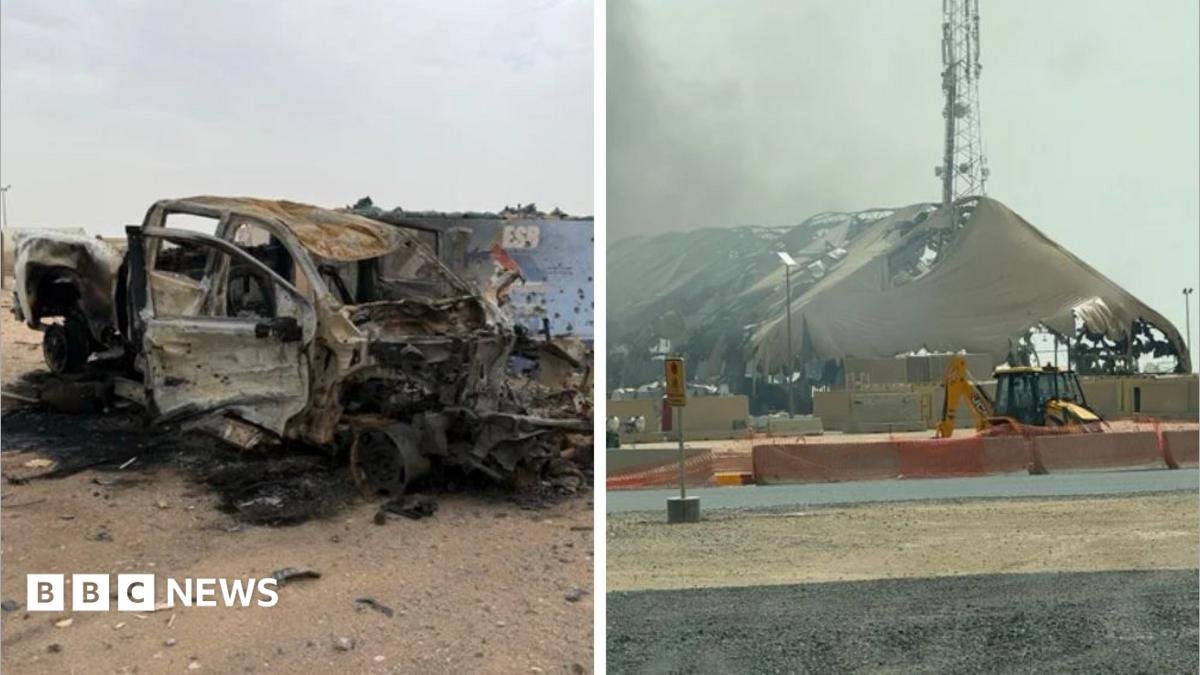
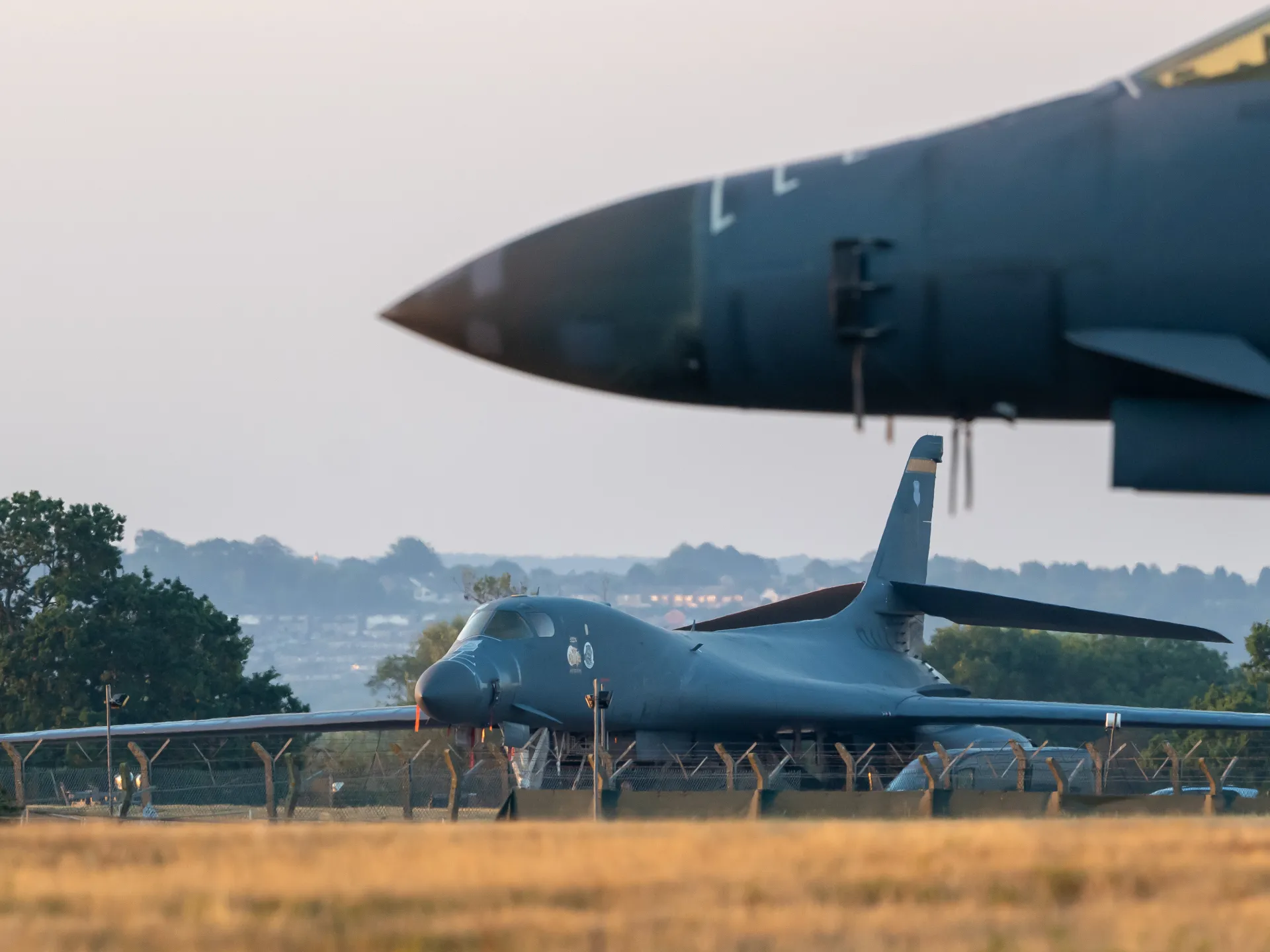
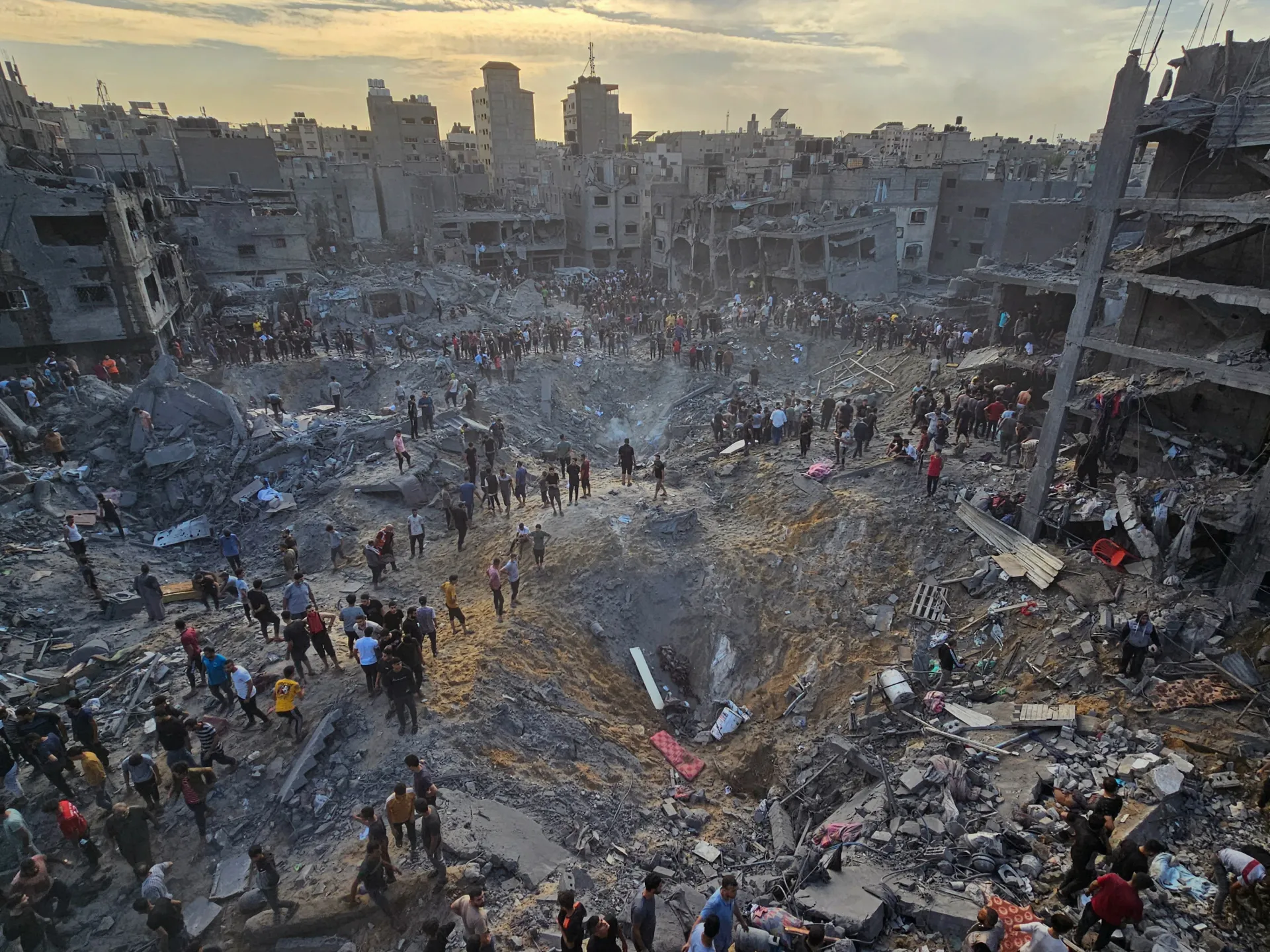
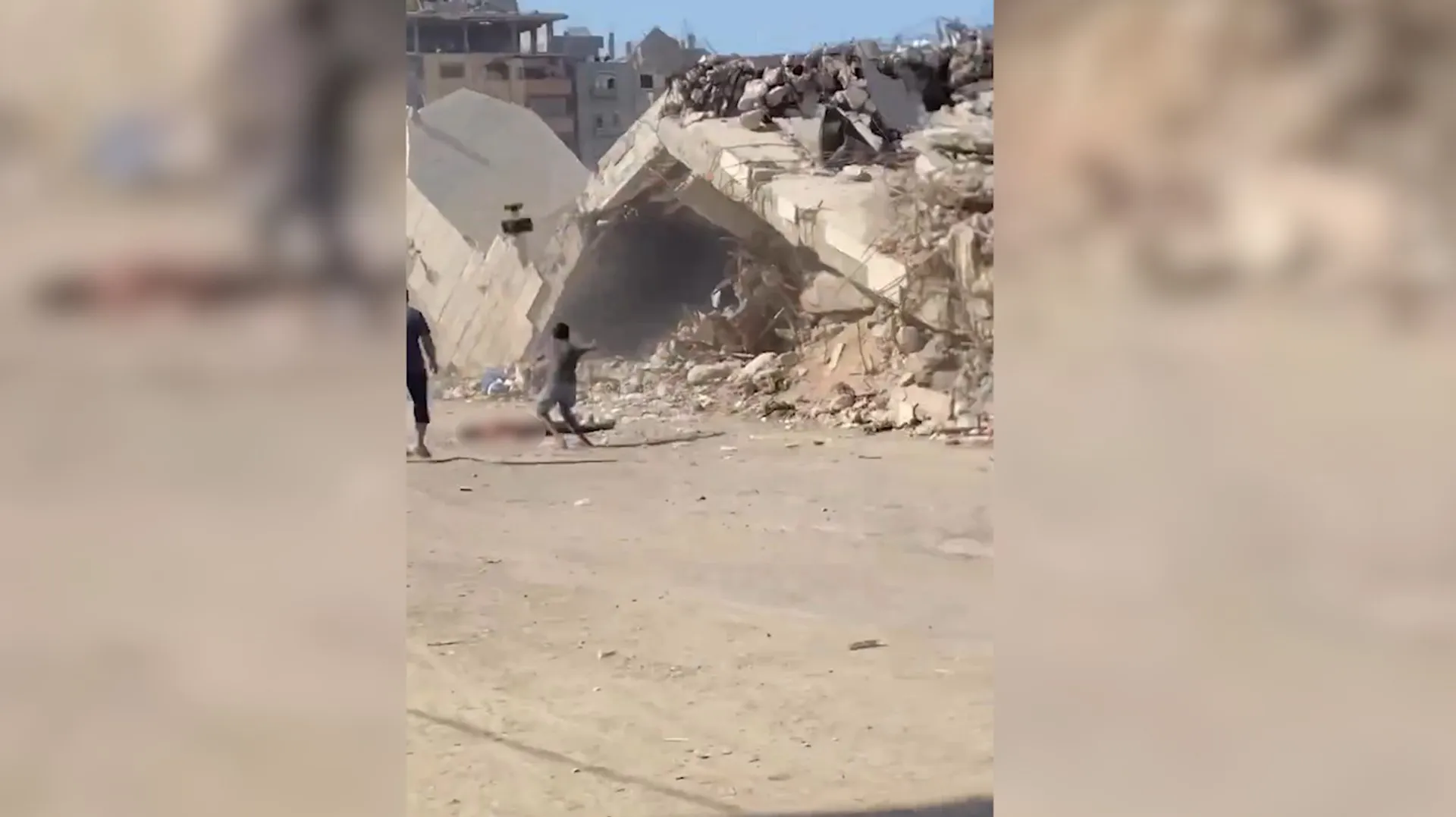
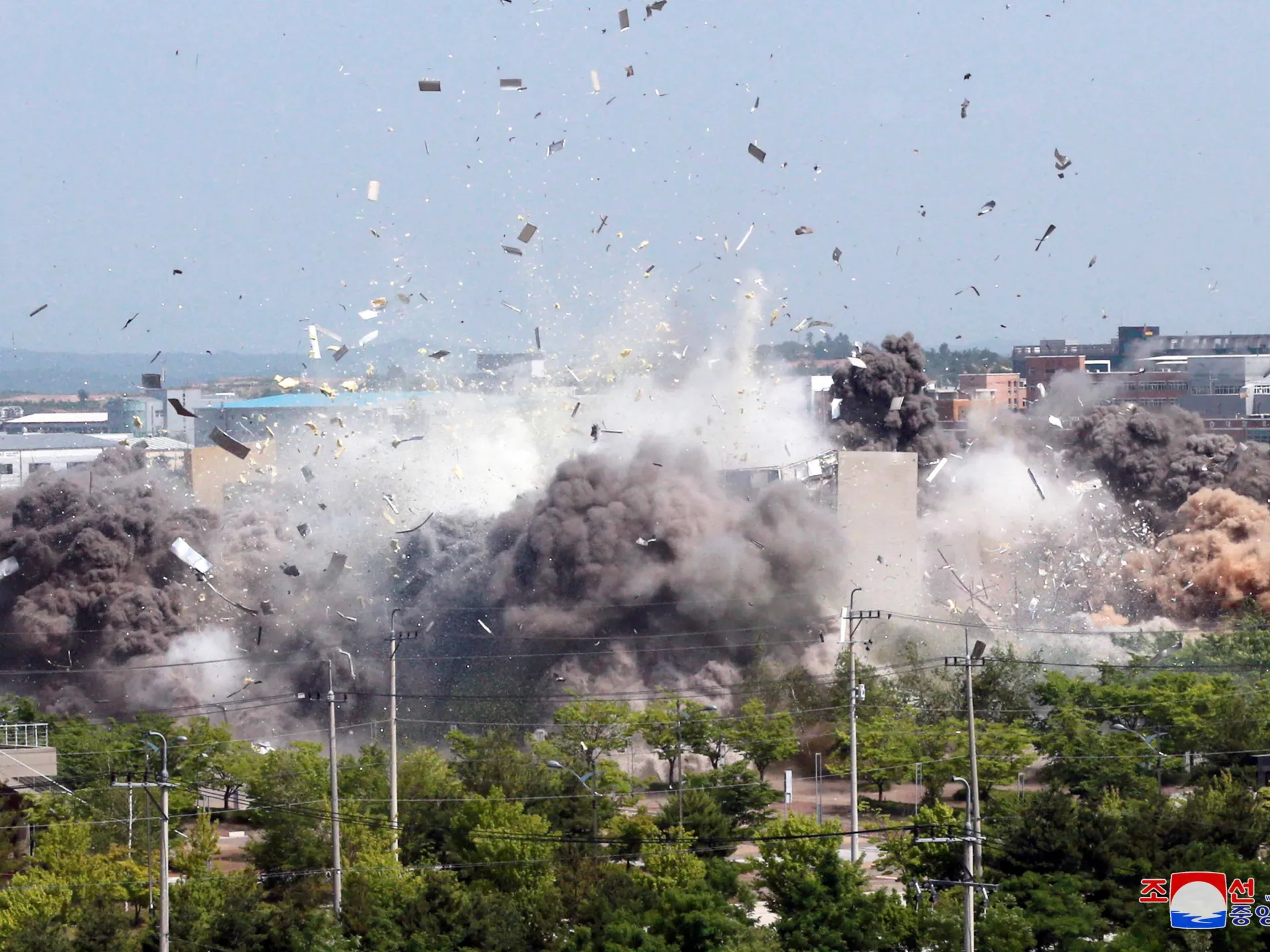
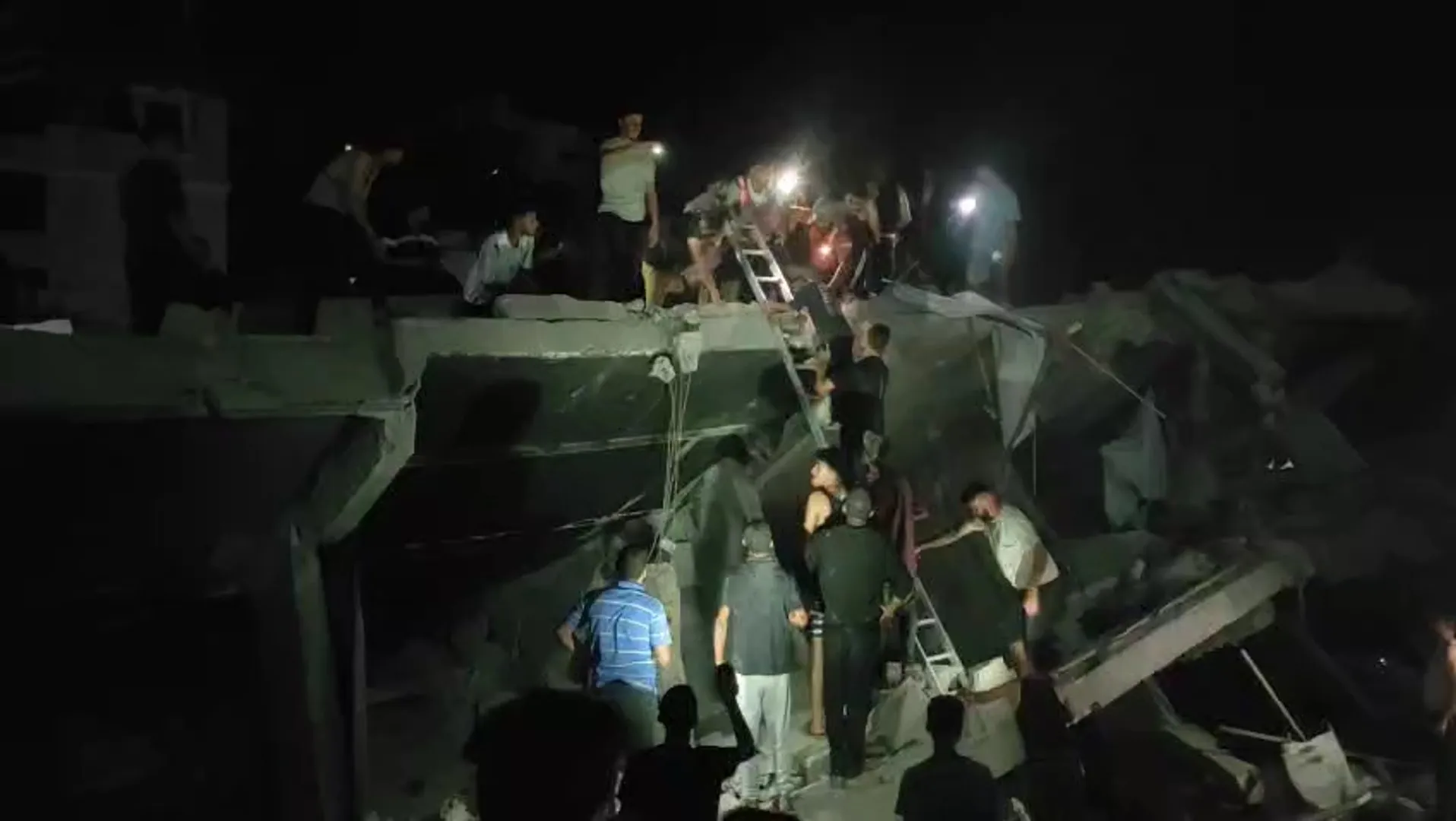
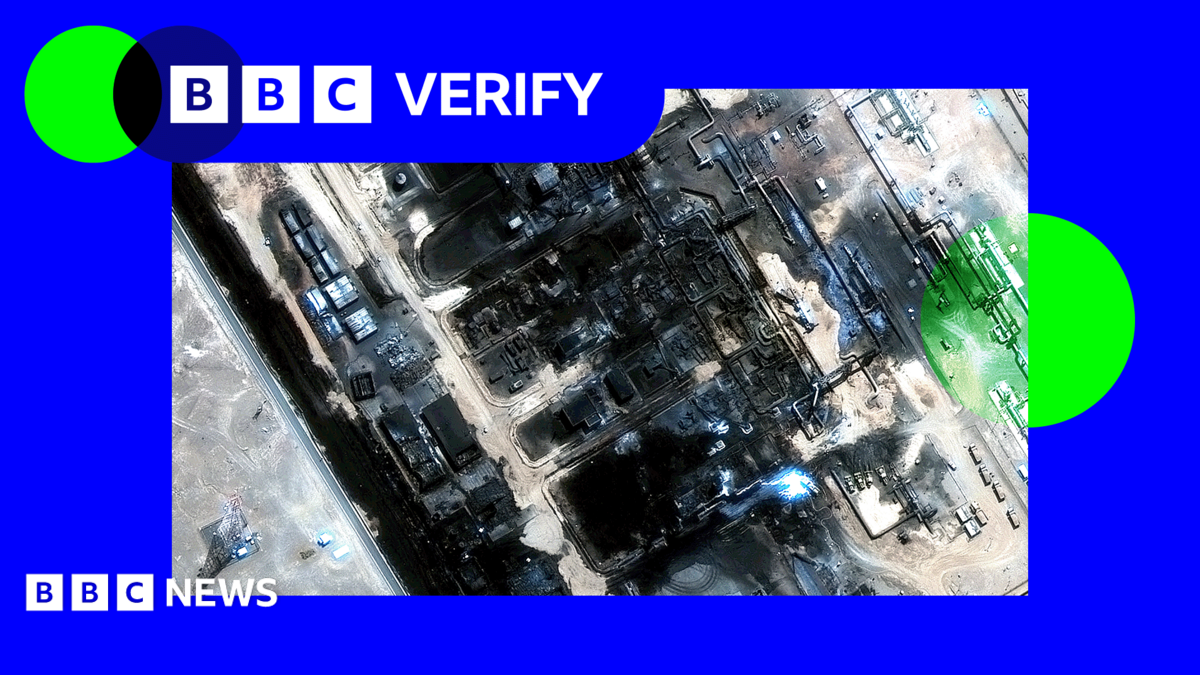
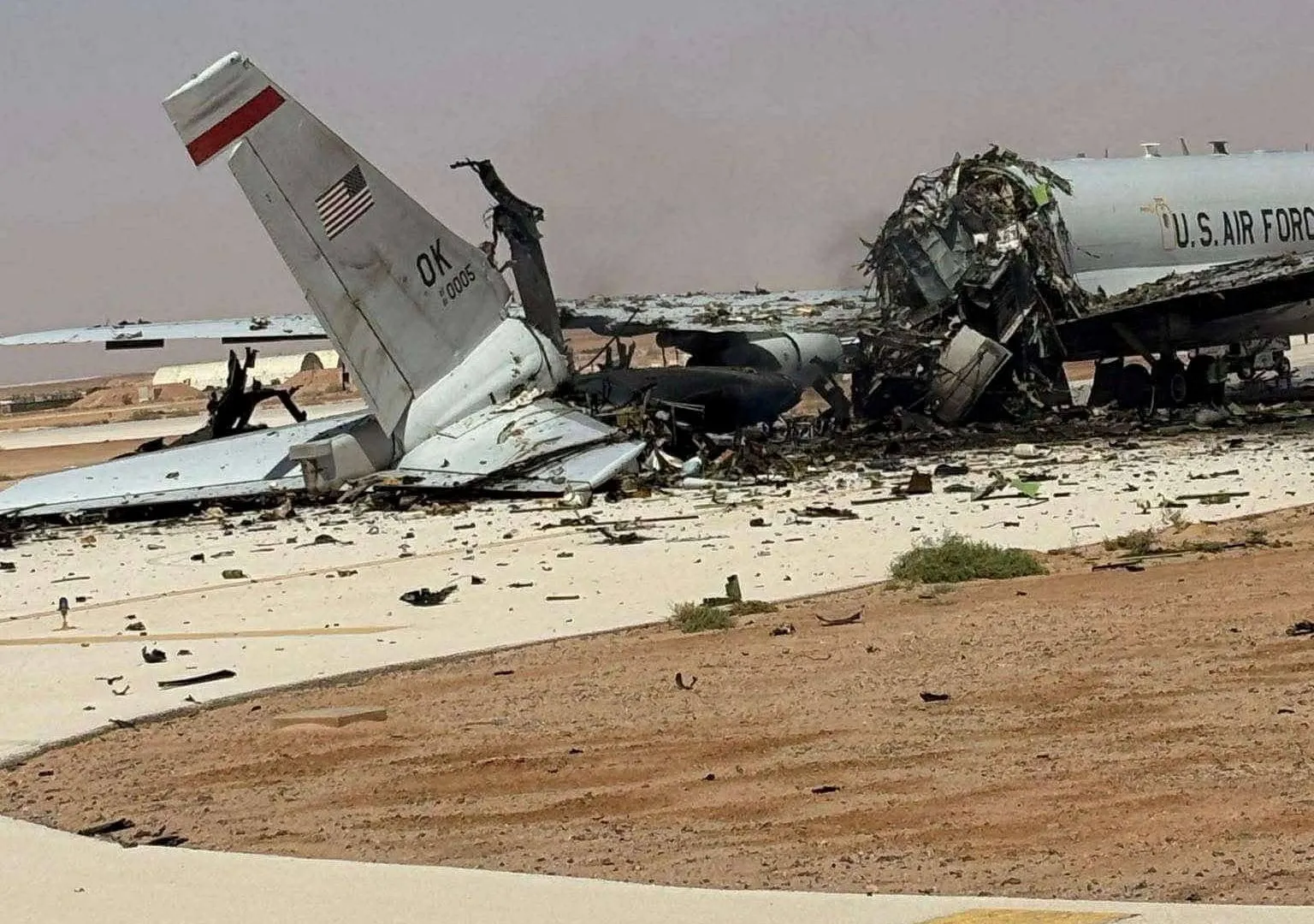
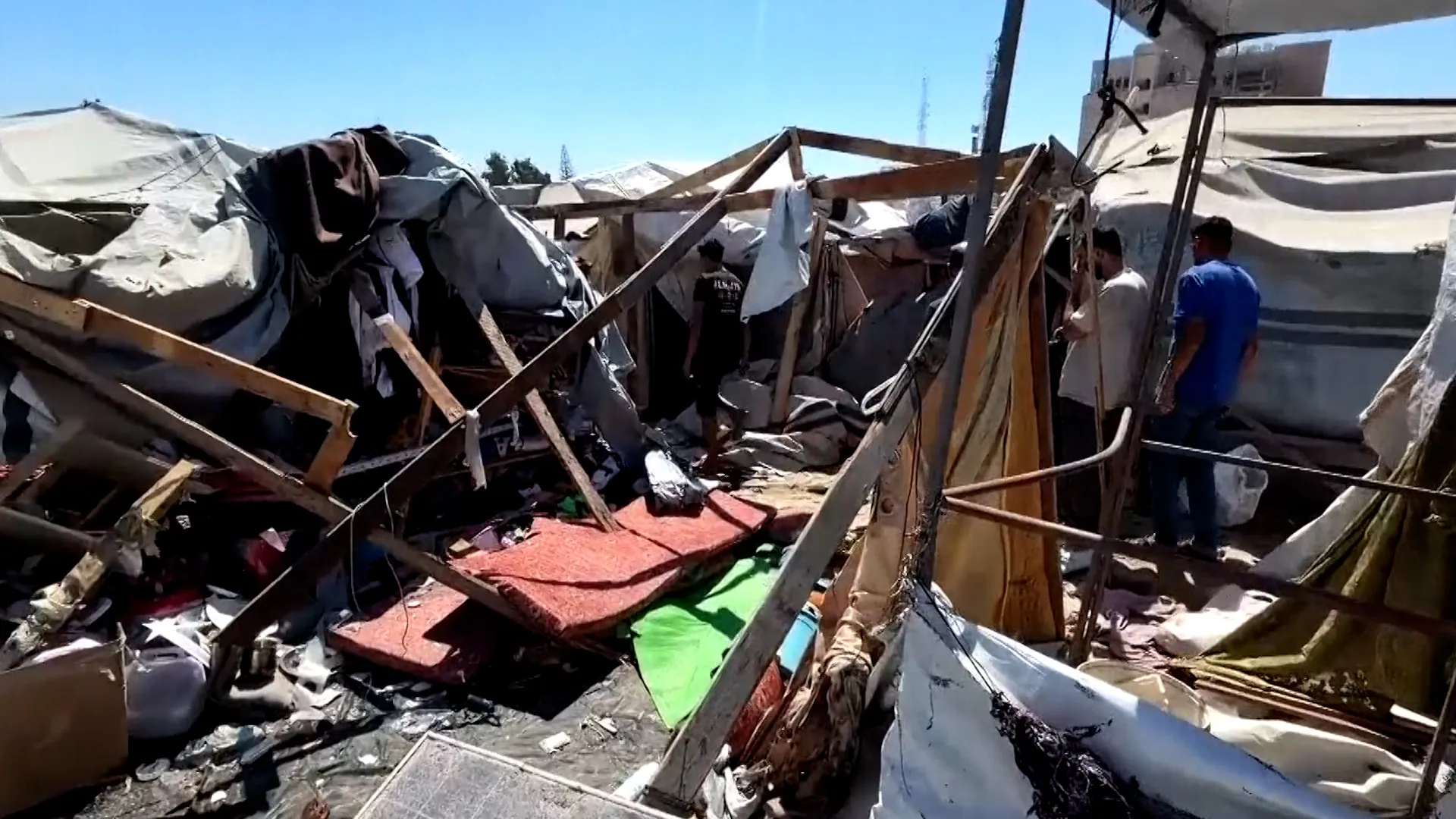
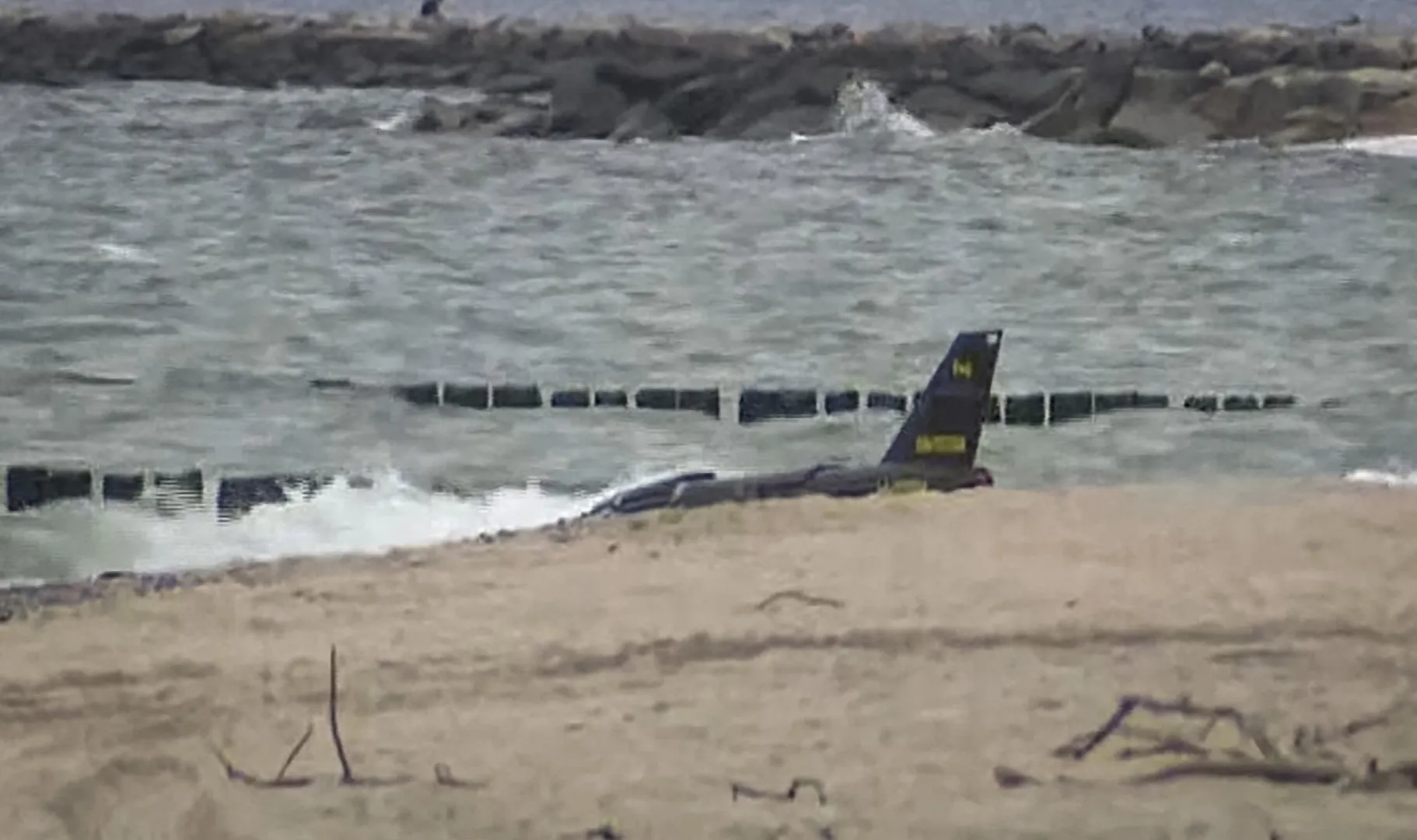
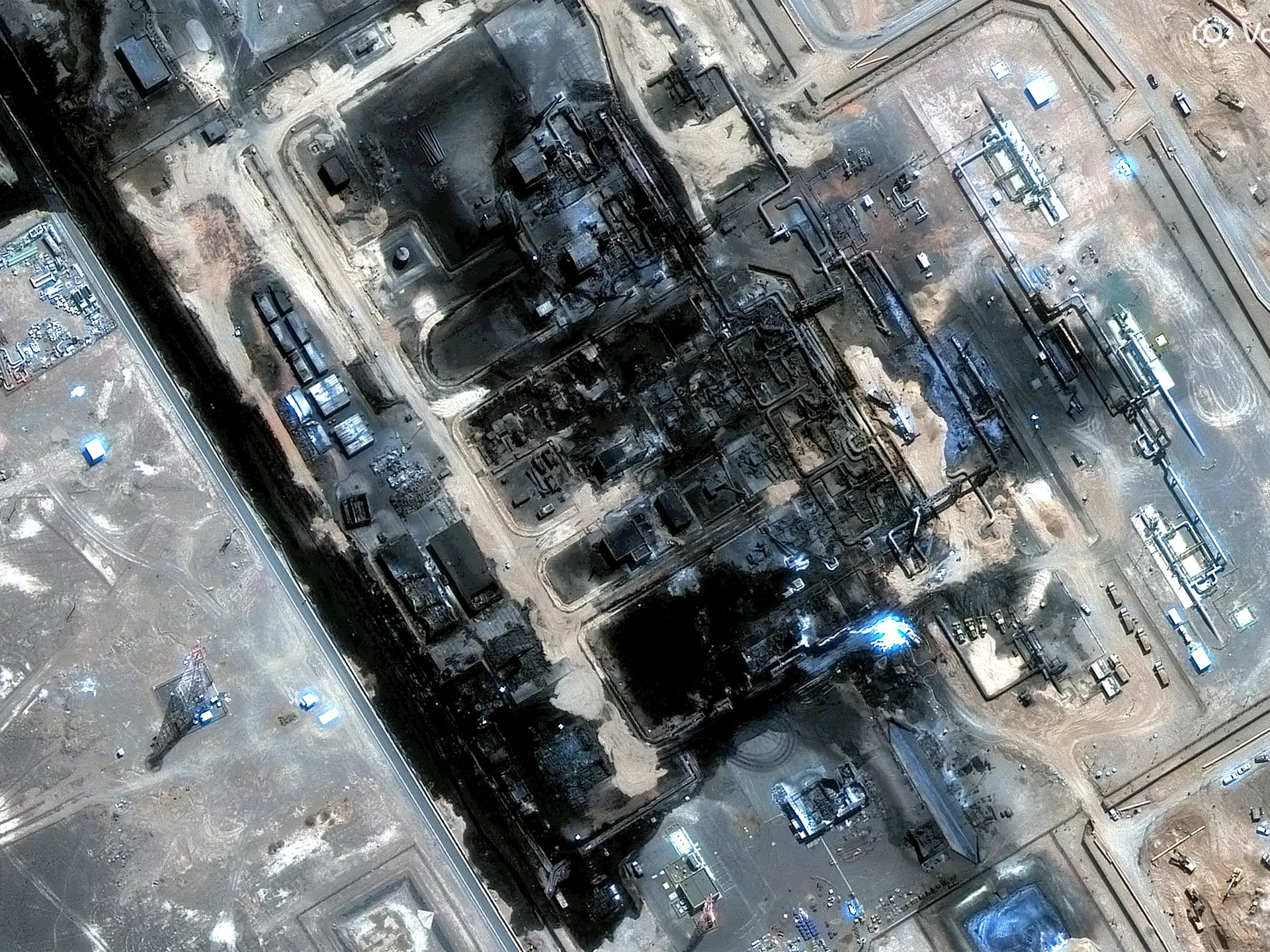
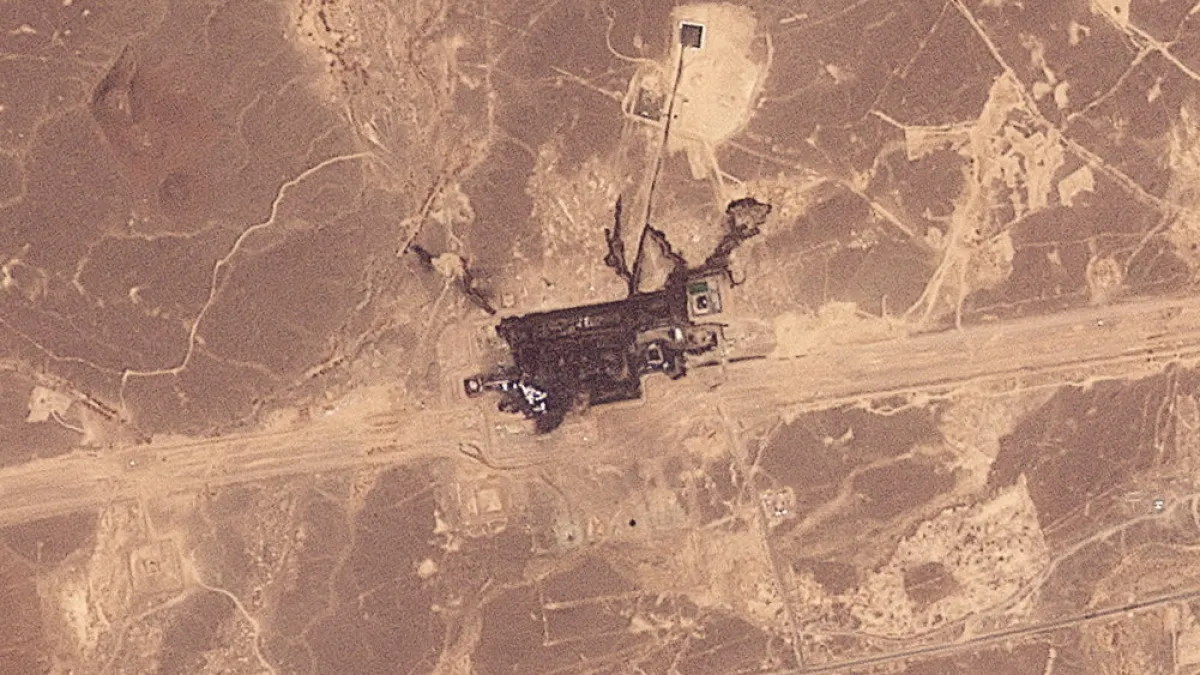
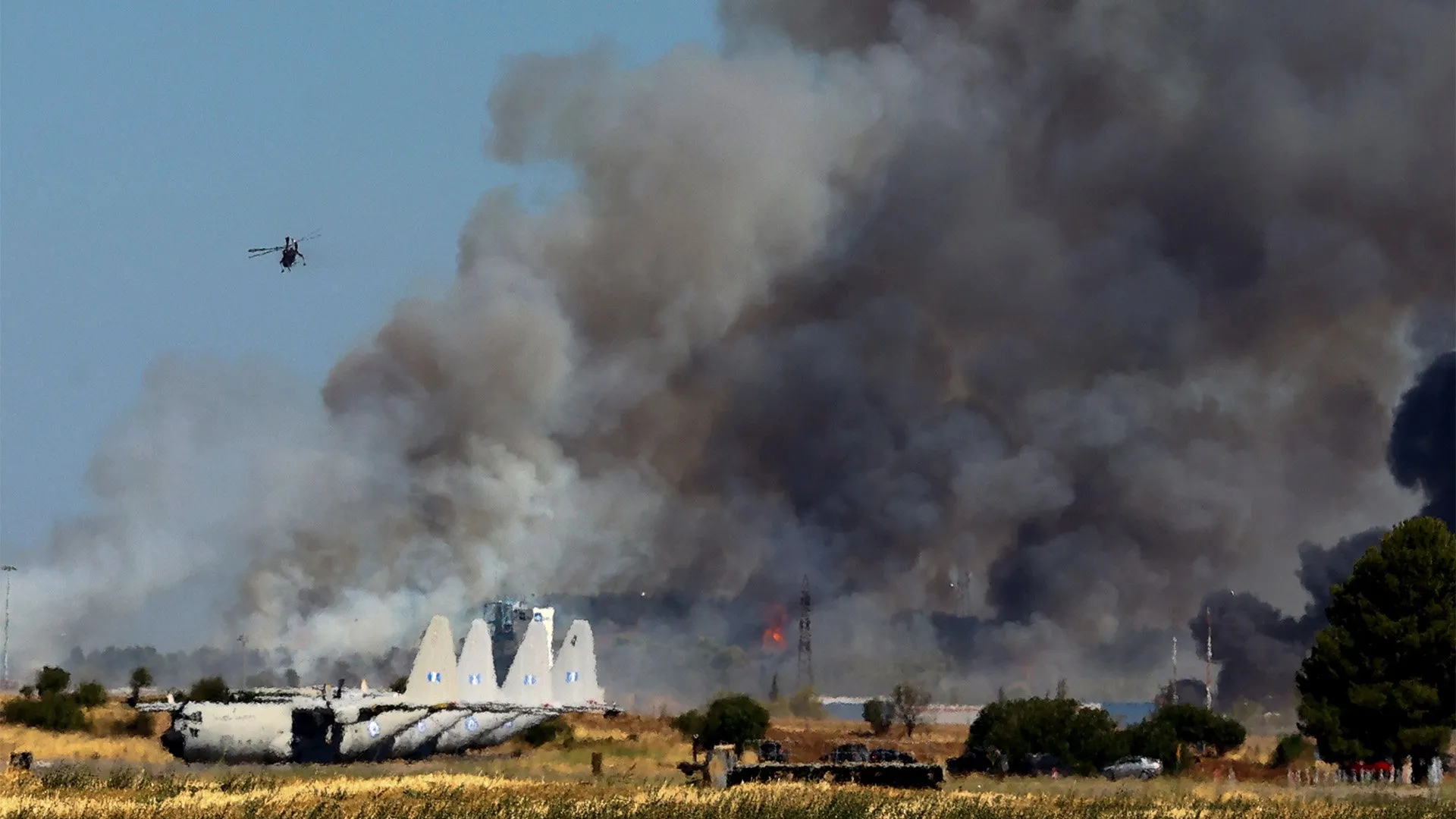
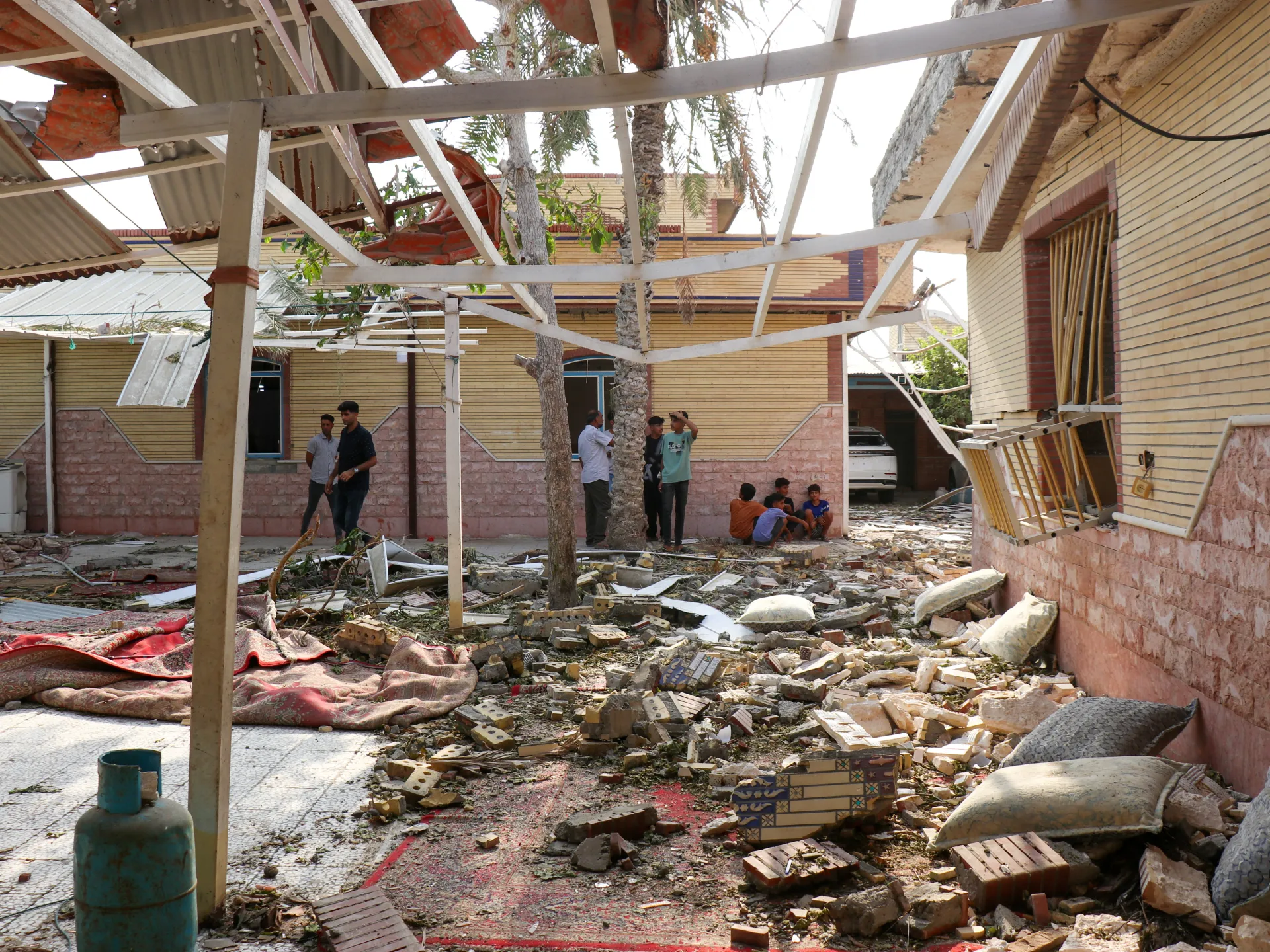
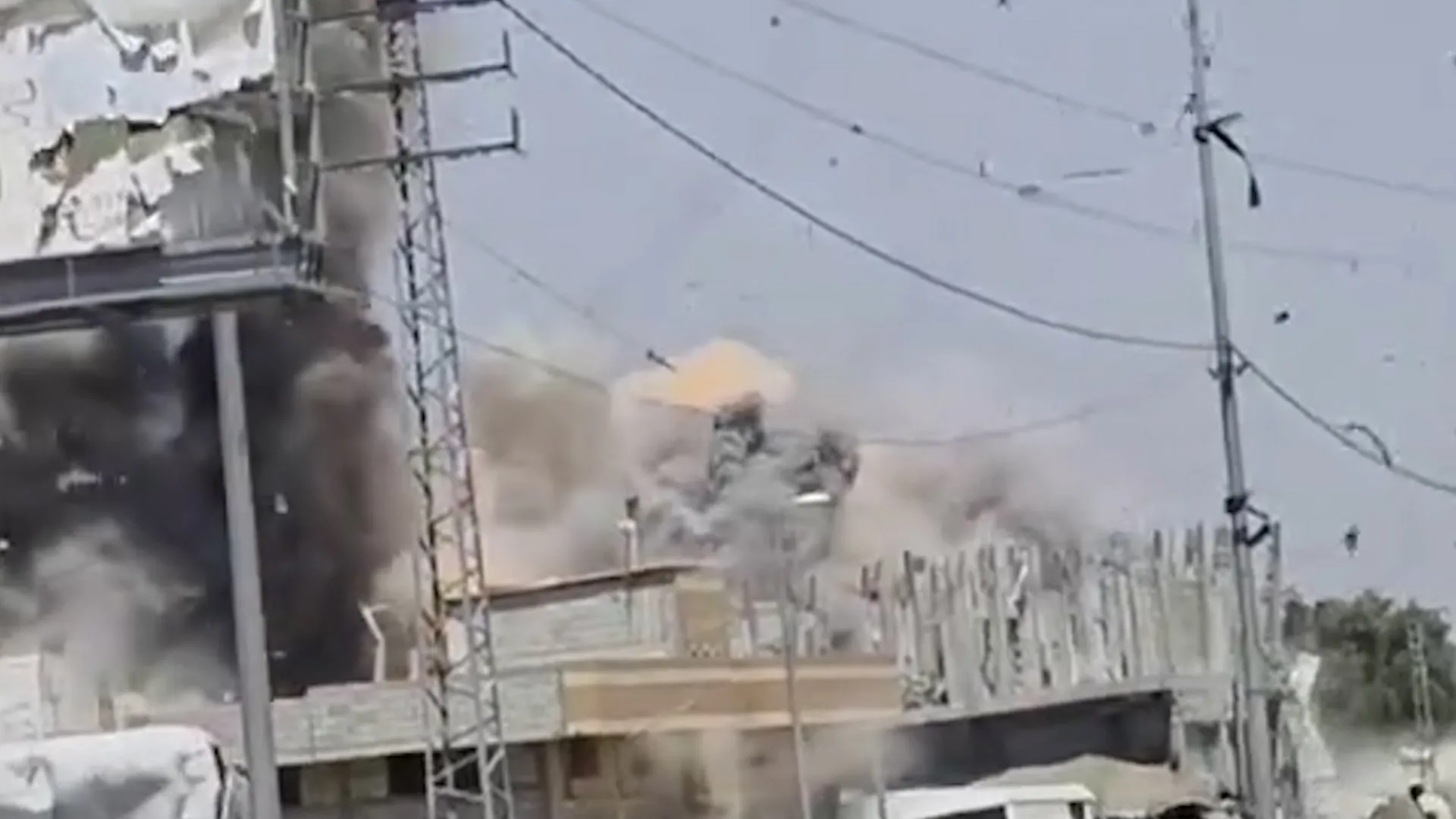
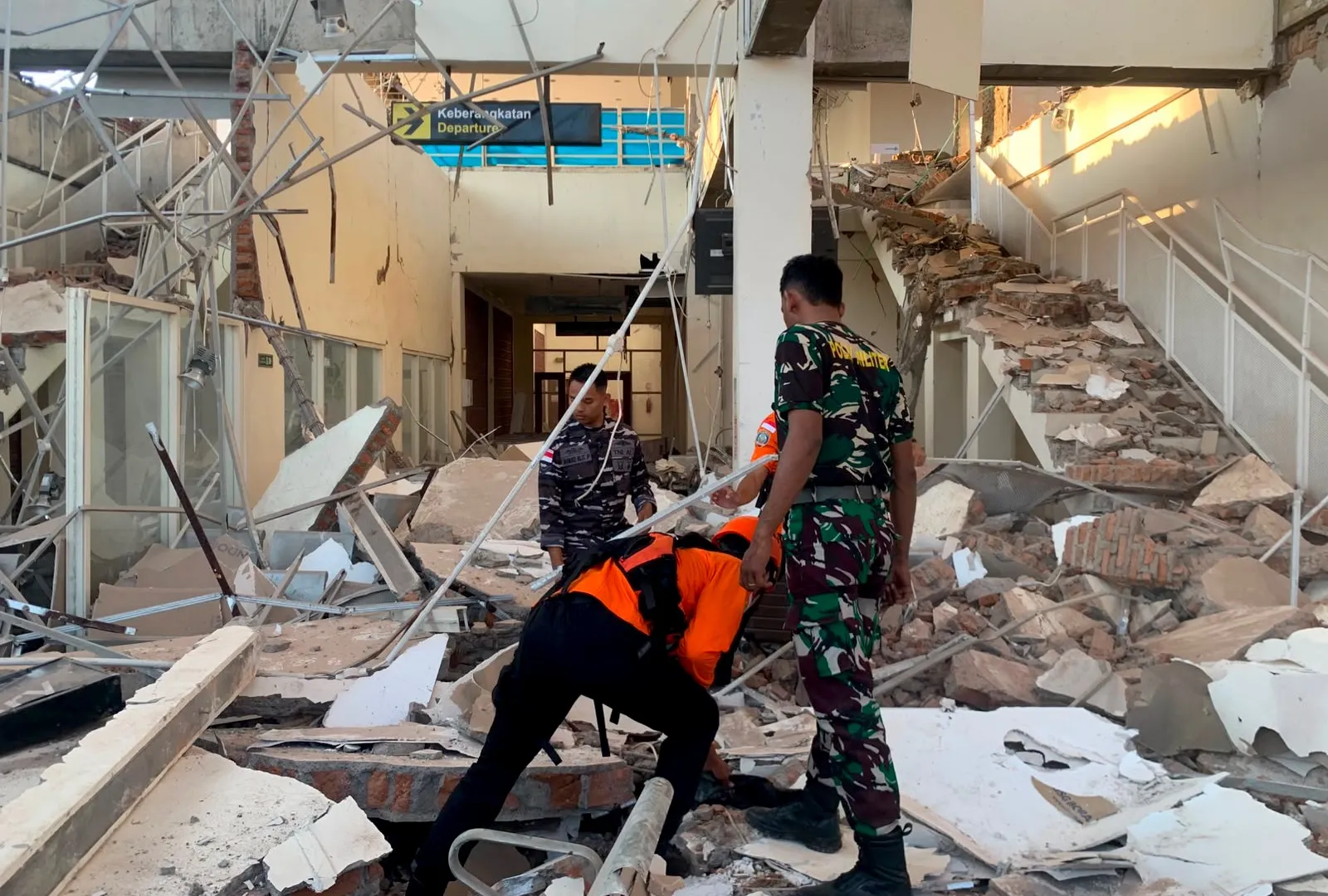
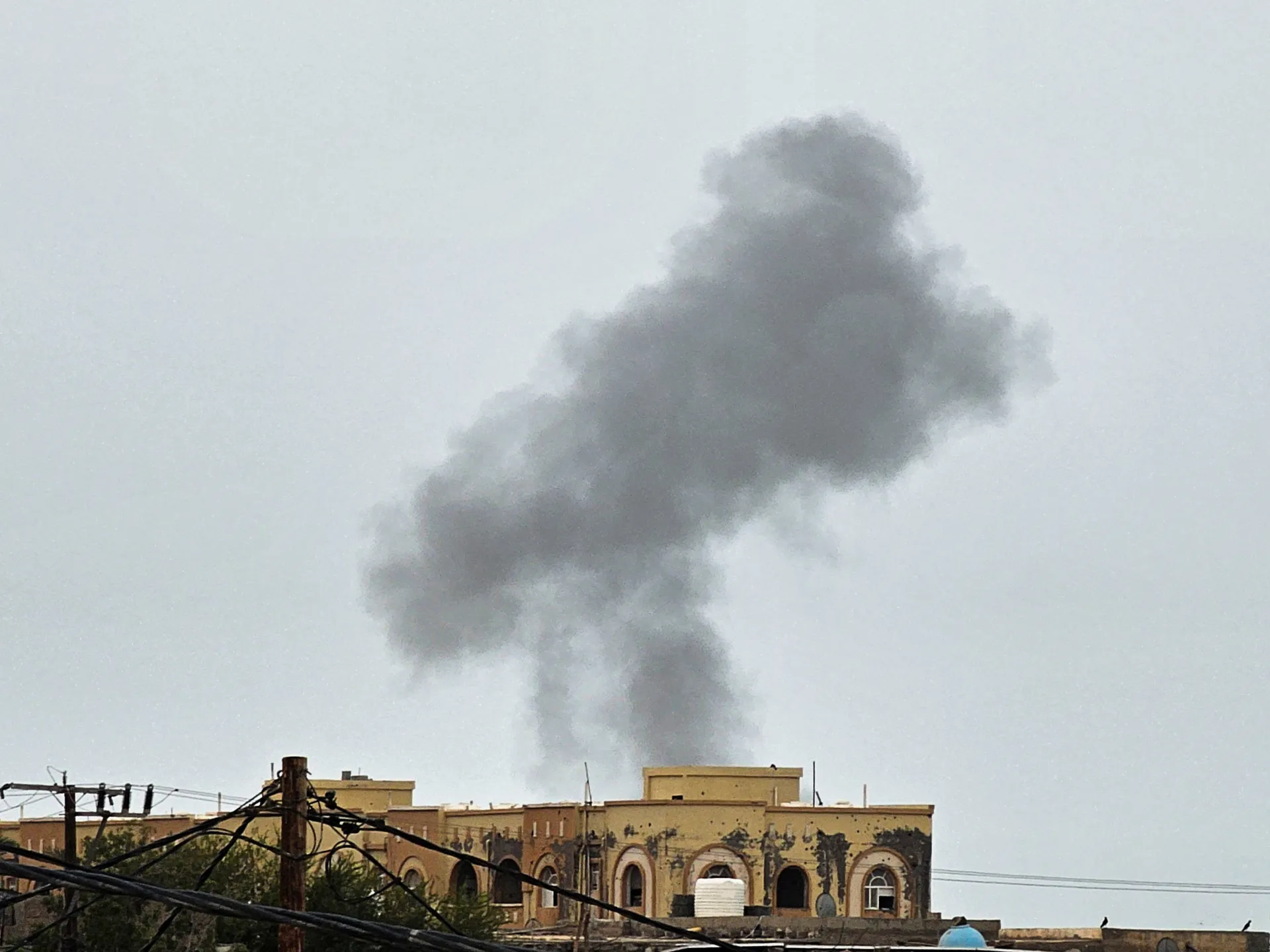
While administrative attention remains on personnel health, recent reporting—including visual evidence obtained a and Kuwait. Leaked imagery depicts severe destruction at facilities such as Prince Sultan Air Force Base, where a Boeing E-3 Sentry radar aircraft appears to have been split in half. Other images confirm significant damage to support structures at Camp Buehring and Camp Arifjan, including destroyed trailers and shredded tactical facilities.
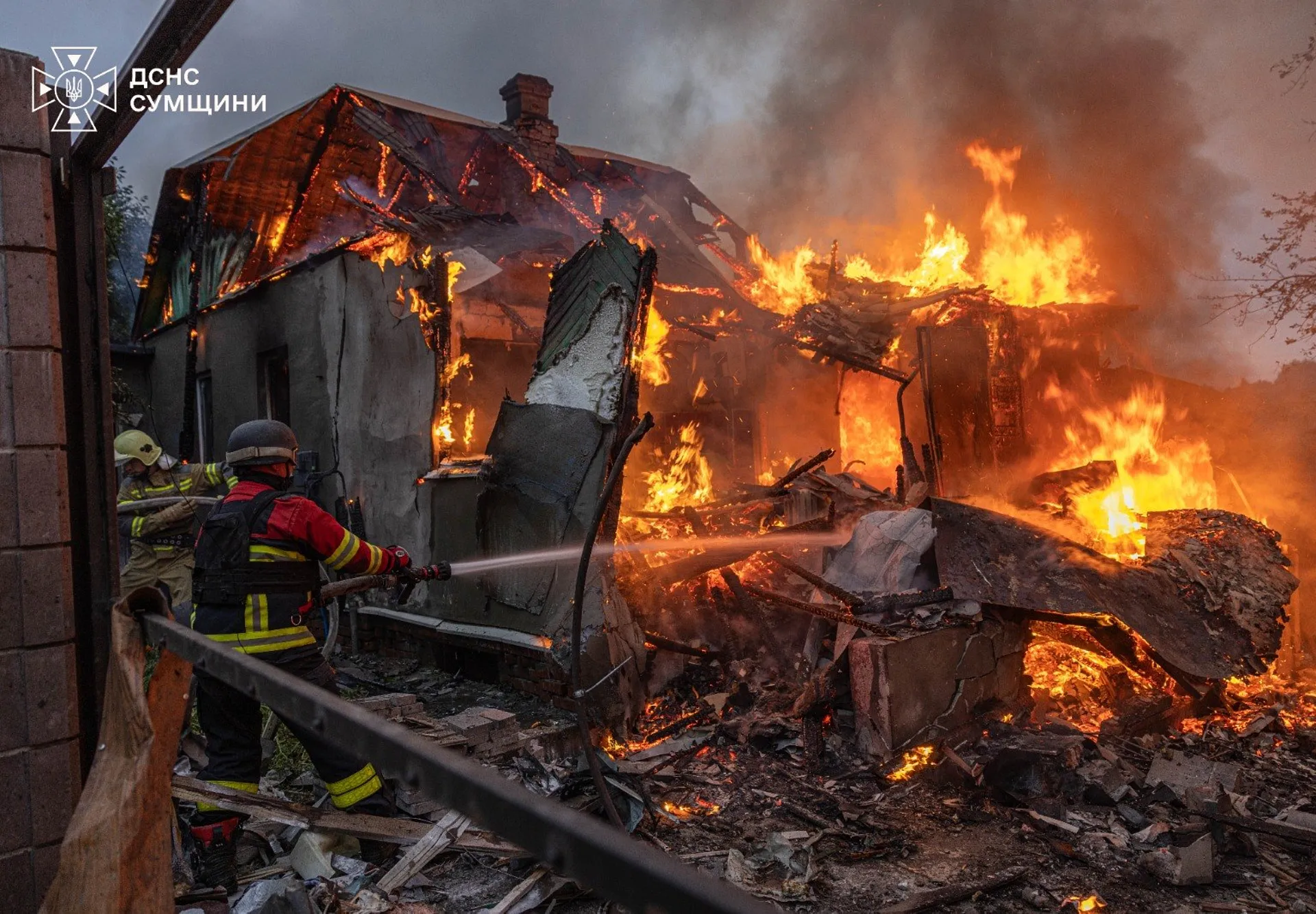
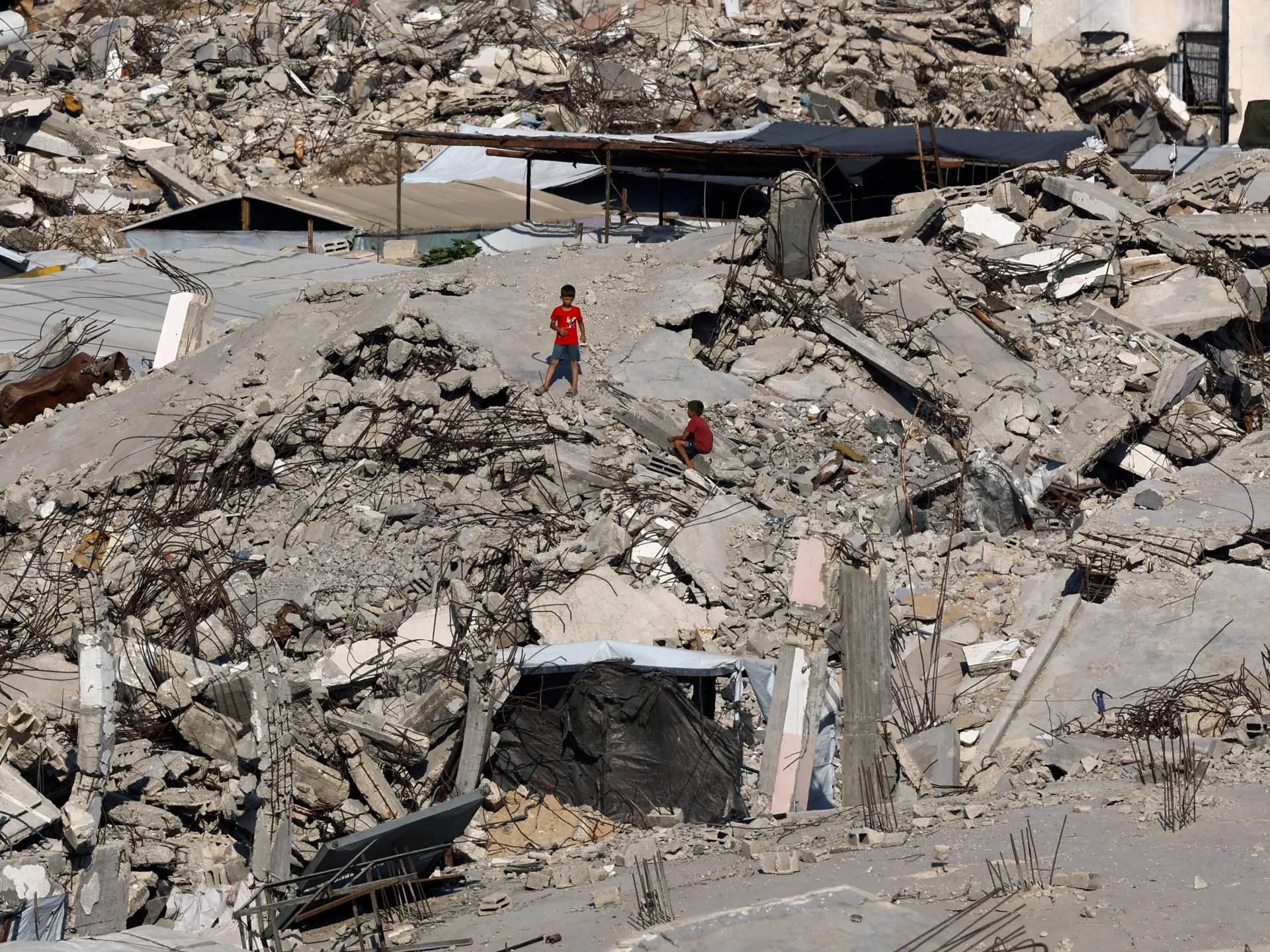
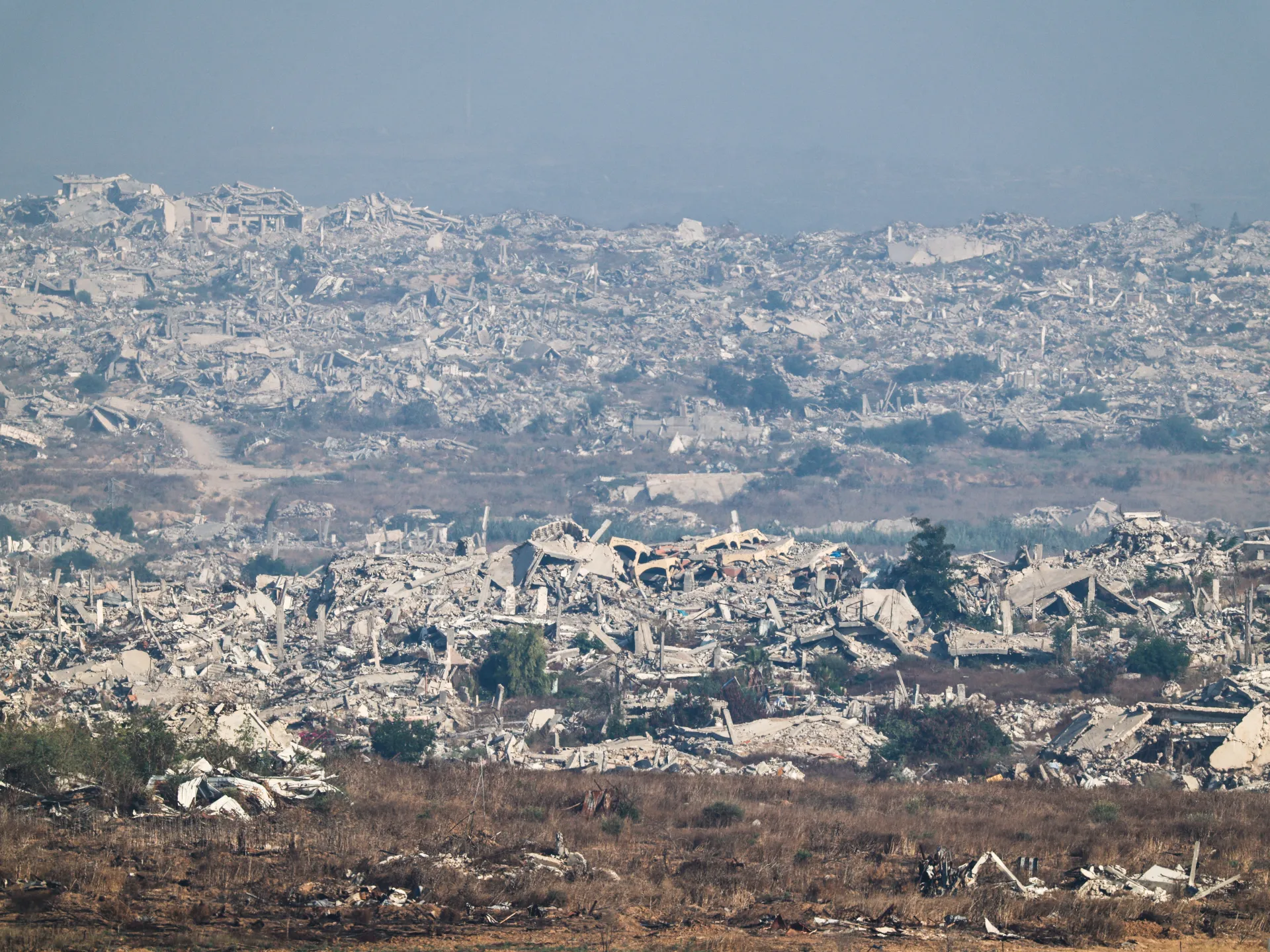
The scope of the damage appears to confirm findings from a Pentagon watchdog report, which acknowledged that hundreds of buildings and structures have been impacted rsonnel describing a lack of transparency regarding the extent of the damage, the White House has largely referred inquiries to U.S. Central Command. Expert analysis suggests that the visible destruction raises uncomfortable questions about the adequacy of existing defensive measures at these installations, prompting debate over whether the military’s current resource allocation is sufficiently prioritizing the protection of hardware against evolving regional threats.
The resumption of the testing policy will likely face continued scrutiny from medical advocacy groups, particularly regarding long-term health monitoring and the potential for off-label clinical application. Meanwhile, the surfacing of imagery depicting base damage is expected to trigger increased congressional pressure for a full accounting of infrastructure resilience. The discrepancy between the Pentagon’s public-facing health initiatives and the underlying security concerns at overseas bases may force a public debate over the prioritization of military spending, specifically regarding whether resources are being effectively balanced between human performance programs and the reinforcement of vulnerable forward-operating sites.