New research reveals an urban loneliness crisis in England, while France introduces strict levies on fast fashion and police drop a high-profile sports assault case.
In a landscape where social cohesion and economic policy intersect with individual accountability, recent developments in England and France highlight a growing focus on the structural influences behind human behavior. Whether through the lens of public health research identifying an urban loneliness crisis or government interventions attempting to reshape global commerce, the common thread is the increasing recognition that environment—physical, social, and economic—shapes outcomes. For the public, these shifts signal a transition toward more stringent regulation of consumer habits and a deeper scientific inquiry into why proximity in major cities often fails to translate into meaningful human connection.
The investigation into England cricketer Brydon Carse regarding an alleged assault at a Derby nightclub has officially concluded with police announcing that no further action will be taken. Authorities were called to Molly Malones in the early hours of August 23, where Carse was initially arrested on suspicion of being drunk and disorderly before being de-arrested. While criminal charges were avoided, the incident has had tangible consequences for his professional career.
Despite his status as a key bowler with 58 wickets in 14 Tests, Carse has faced internal disciplinary scrutiny. He was removed from the England squad for the latter half of the Pakistan series and was subsequently omitted from the limited-overs series against Sri Lanka. England’s limited-overs head coach, Brendon McCullum, has emphasized the necessity for players to maintain high standards of off-field conduct, noting that Carse must now focus on getting his affairs in order to regain his place in future team selections.
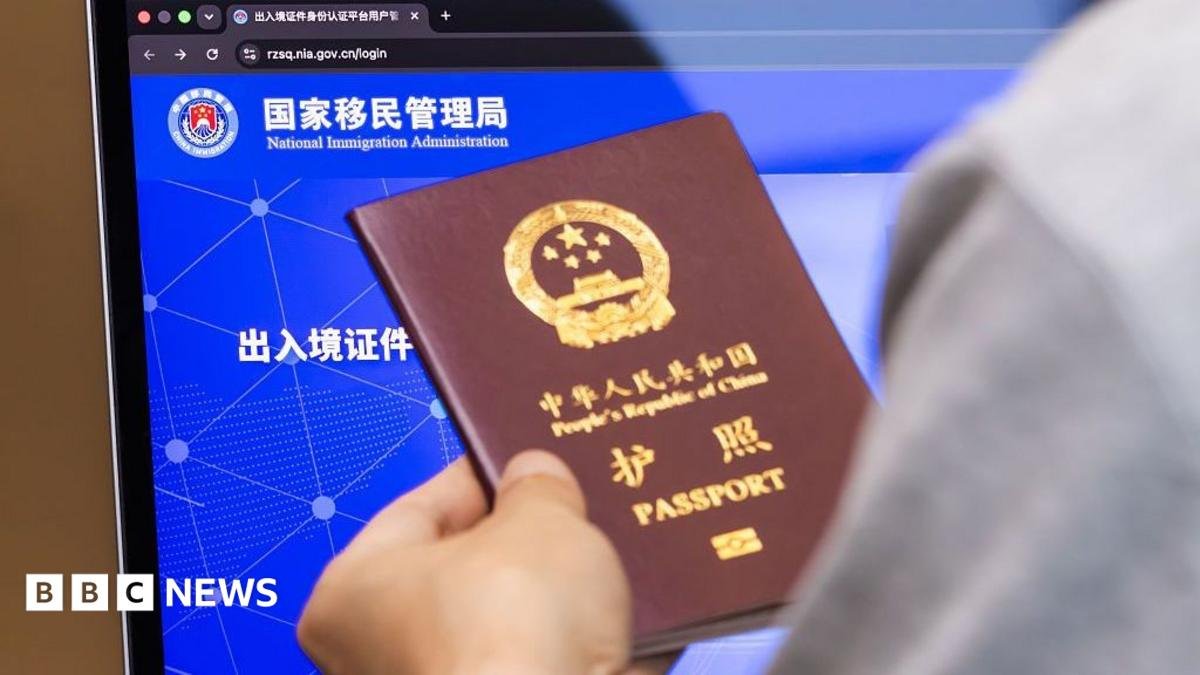
France has initiated a aggressive regulatory campaign against the fast fashion industry, implementing a new levy system designed to curb the environmental impact of ultra-fast fashion retailers. Under the legislation passed in June, items from companies like Shein, Temu, and AliExpress are subject to a per-item fee that scales based on environmental impact and repair costs. While proponents argue this is a necessary step to curb waste, Chinese trade officials have characterized the move as discriminatory, suggesting it may violate World Trade Organization principles.
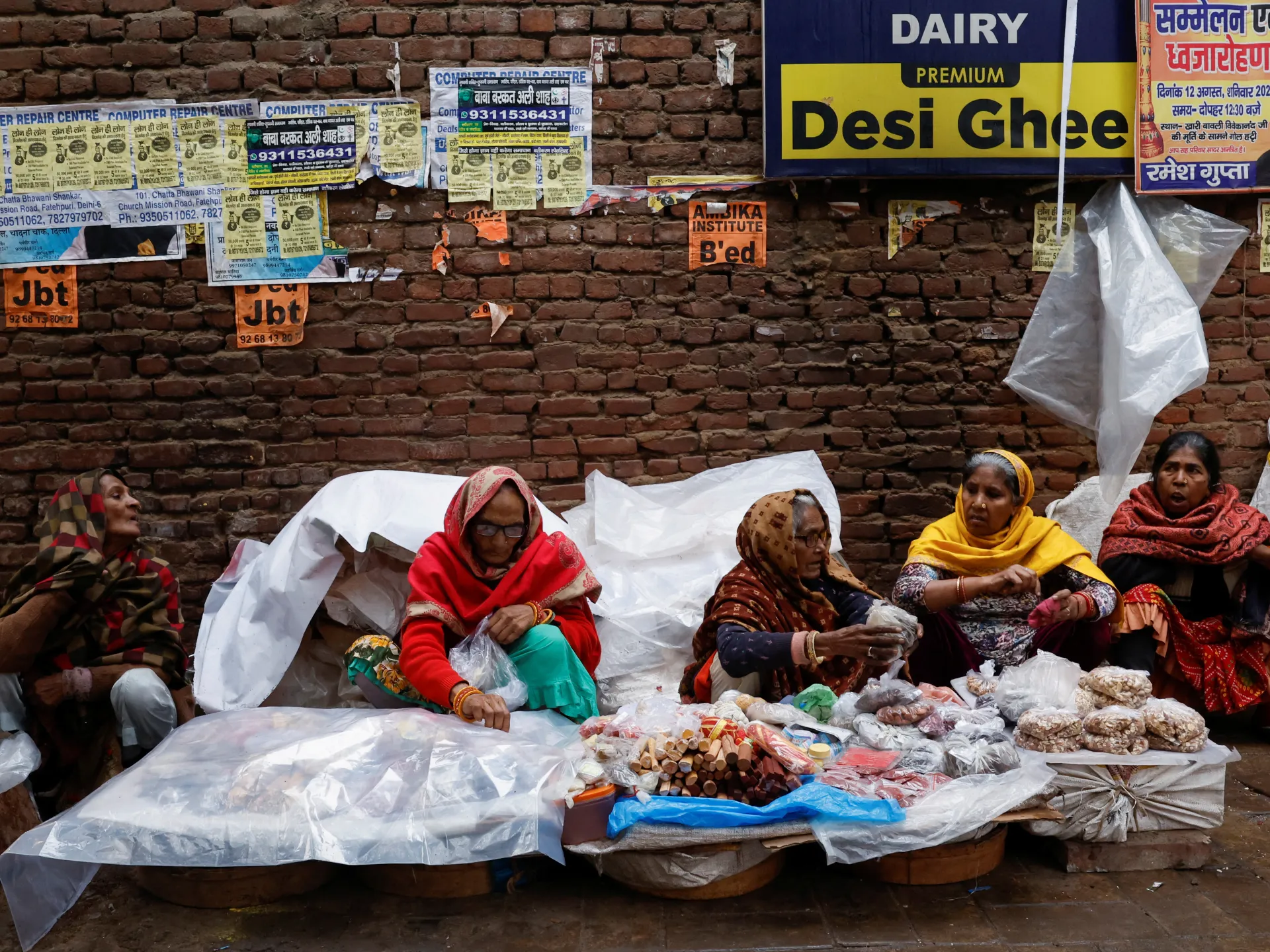
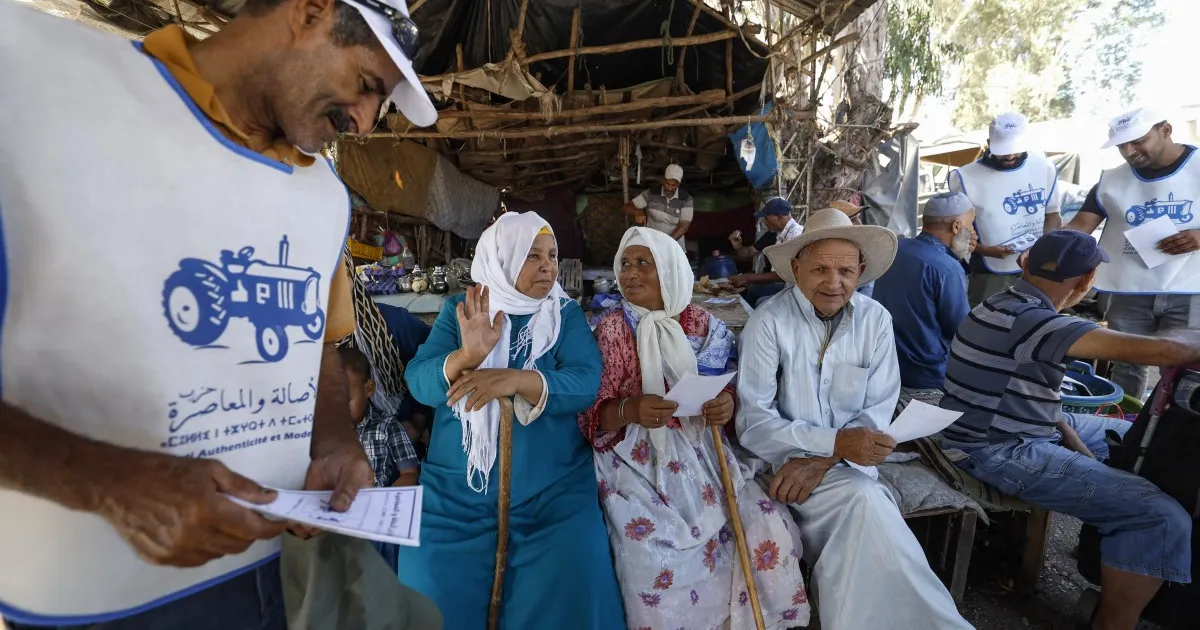
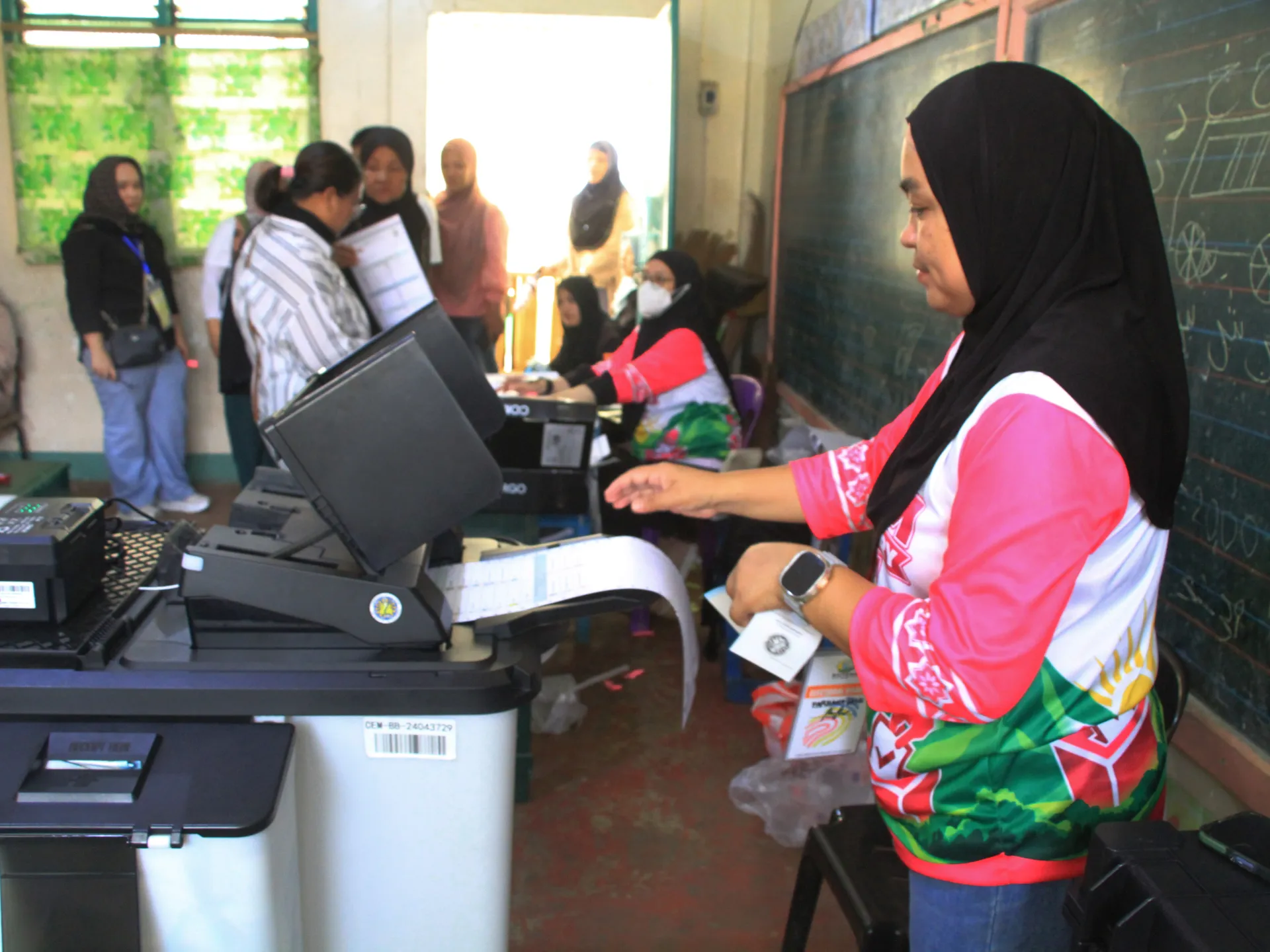
Simultaneously, a broad health study conducted ng 135,725 adults in England. The INTERACT study revealed that nearly one in six adults feels lonely "often or always," with a pronounced "urban paradox" occurring in major hubs like London and Manchester. Researchers found that despite the cultural and social advantages of these cities, residents reported higher levels of isolation, a phenomenon exacerbated ited as a primary catalyst for their current social struggles.
For the retail sector, the French levies represent a potential precedent that could be adopted at the WTO. Retailers like Shein face a difficult balancing act, needing to reconcile their low-cost business model with rising compliance costs across Western markets. Regarding the social health crisis in England, the findings from the INTERACT study suggest that future public health policy may need to pivot away from individual-focused mental health interventions toward structural changes in urban planning that foster community connectivity. Finally, Brydon Carse’s future remains contingent upon his ability to navigate potential internal disciplinary reviews within the England and Wales Cricket Board, though his exoneration in the eyes of the police is a significant first step toward a potential return to international play.