From the targeting of essential postal workers in Ukraine to the high-stakes brinkmanship over maritime chokepoints in the Middle East, global stability is increasingly tethered to the survival of civilian infrastructure.
While global leaders grapple with diverging crises, the mechanisms of state resilience are being tested in vastly different ways. In Ukraine, the struggle to maintain basic social stability has transformed the national postal service into a frontline logistical operation, while in the Middle East, high-level political rhetoric regarding a regional power shift is colliding with public dissent and escalatory threats involving international transit corridors.
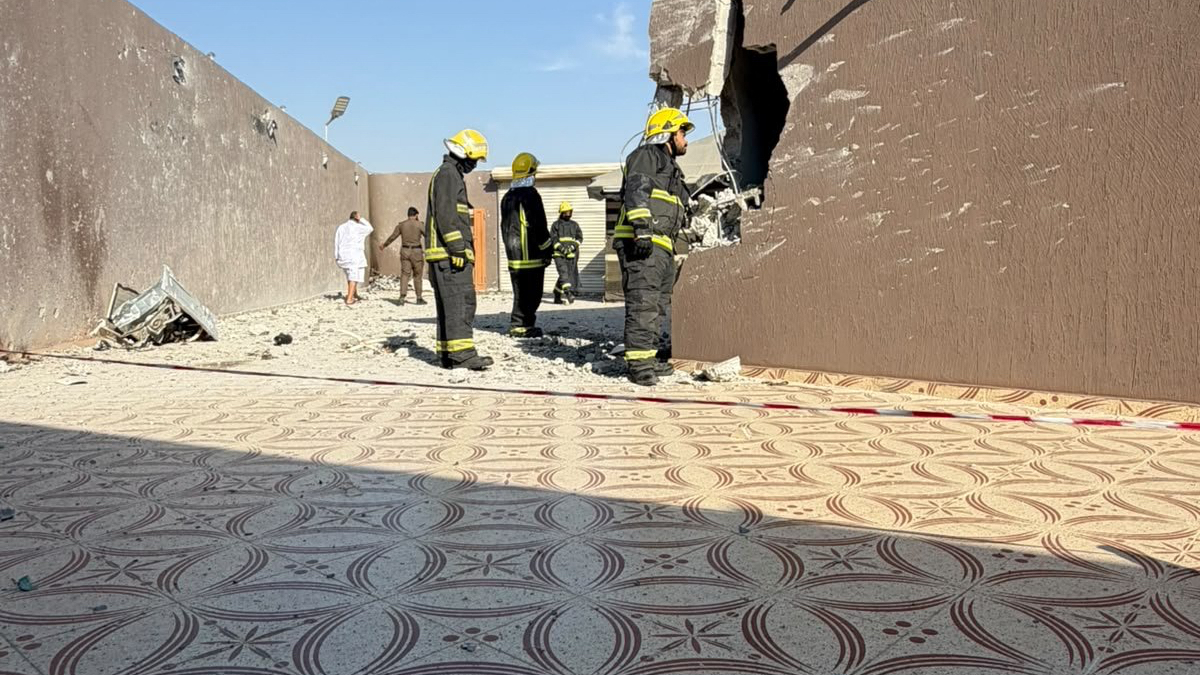
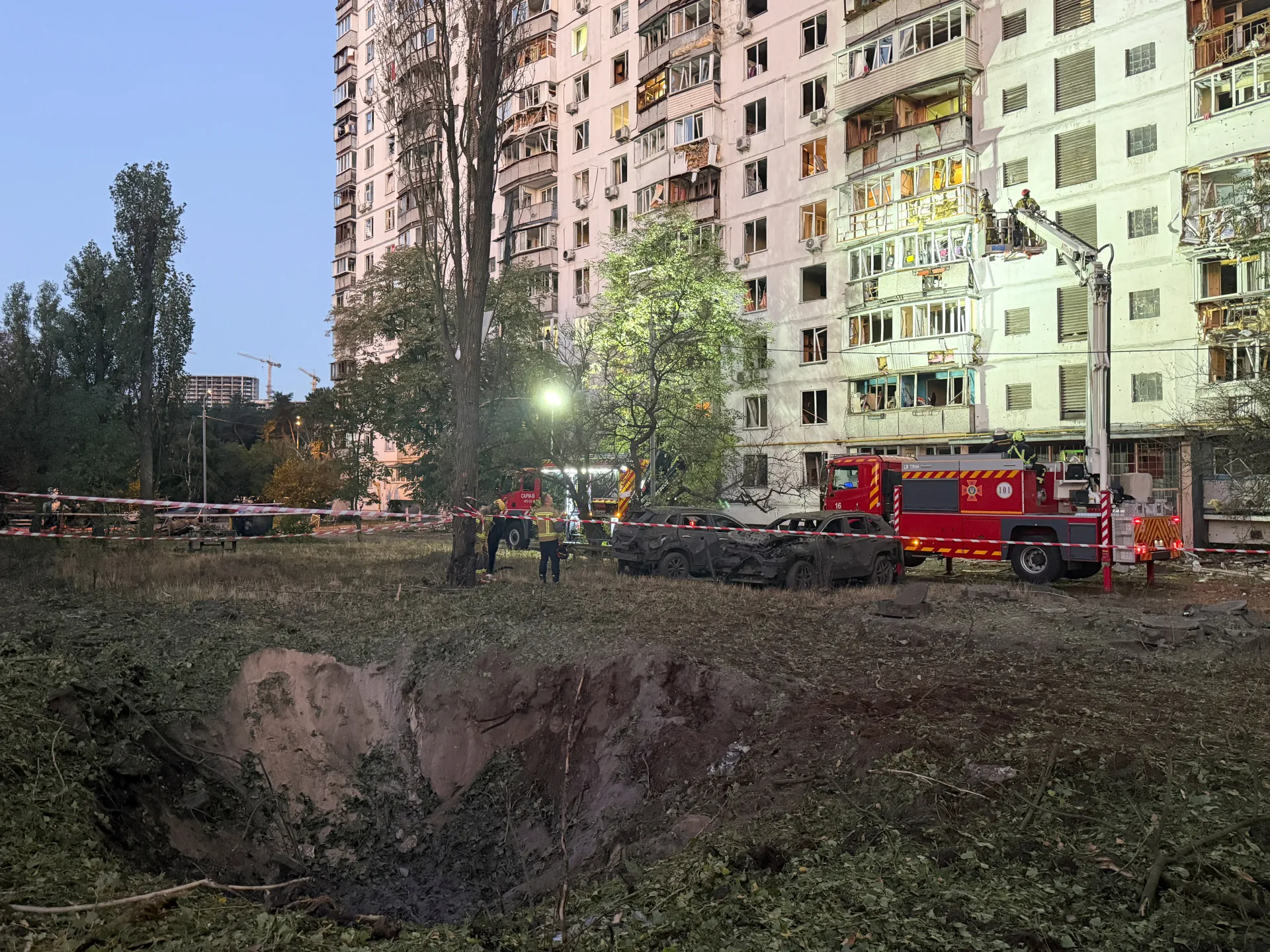
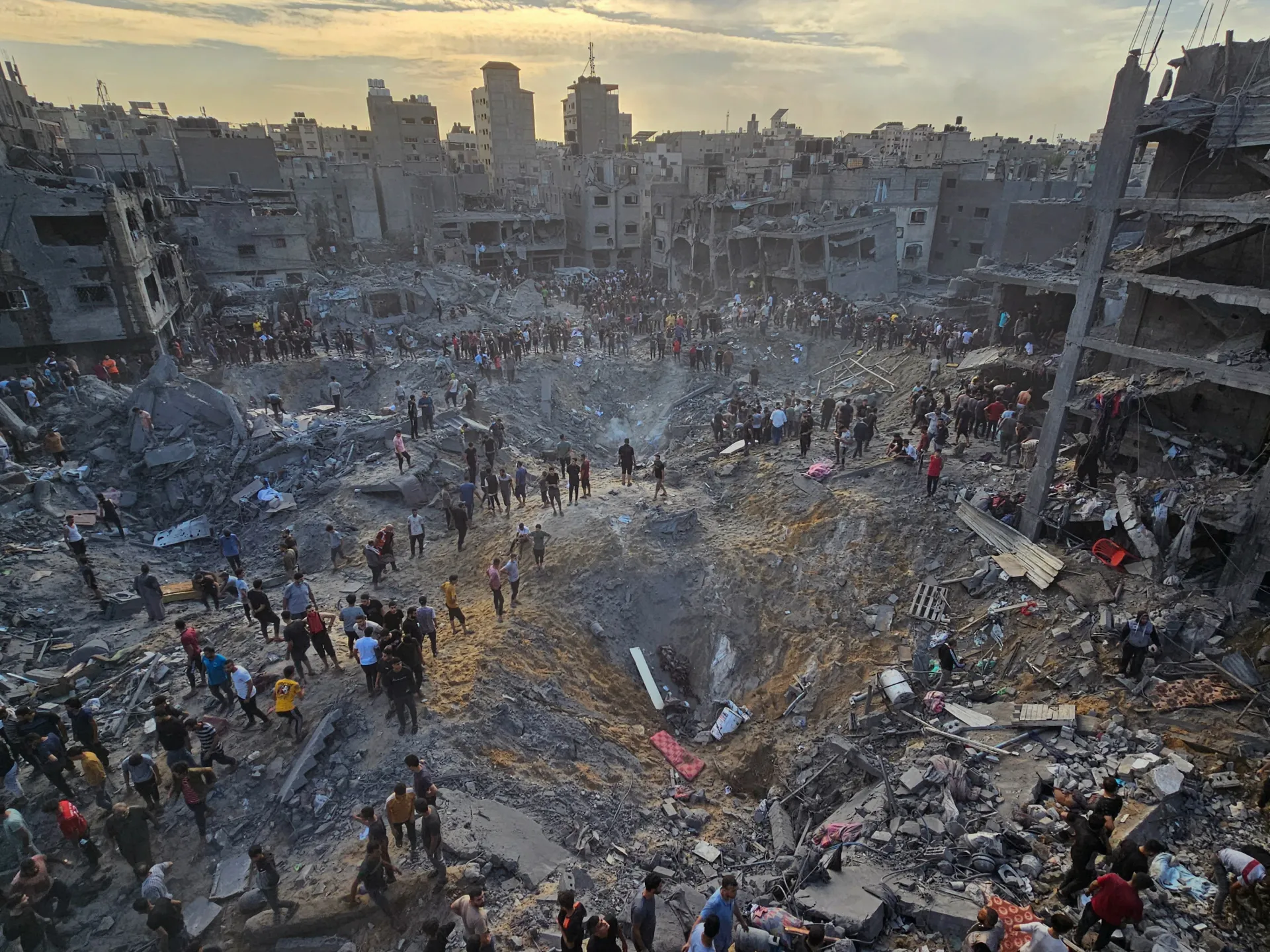
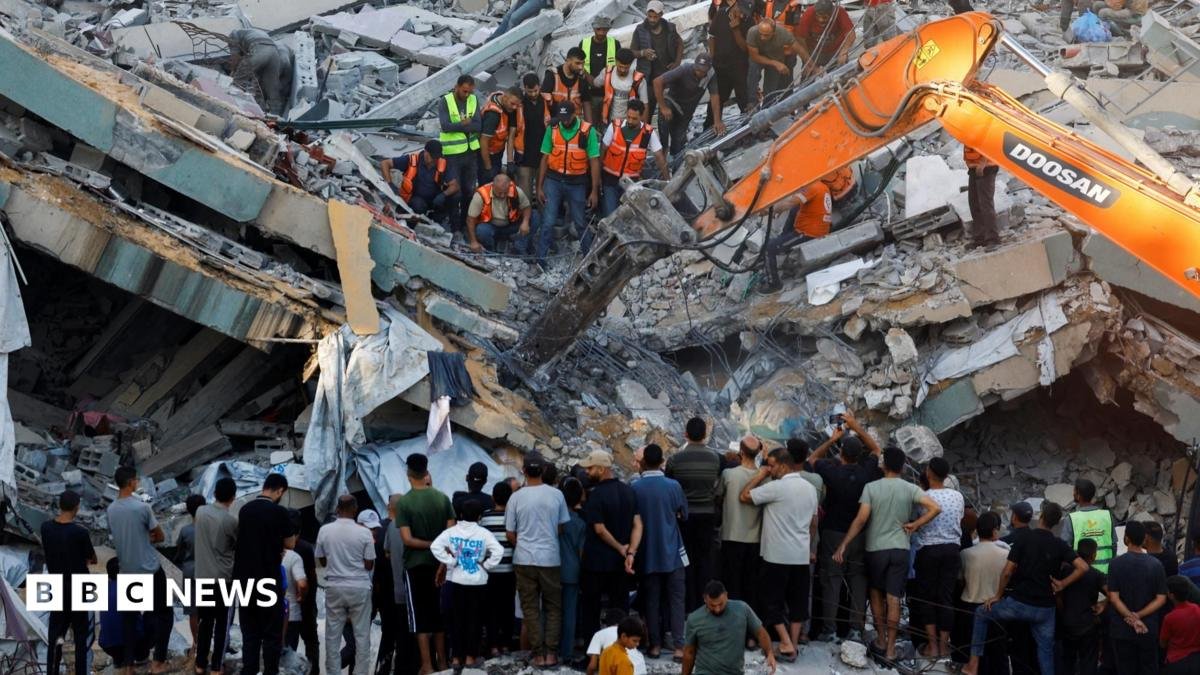
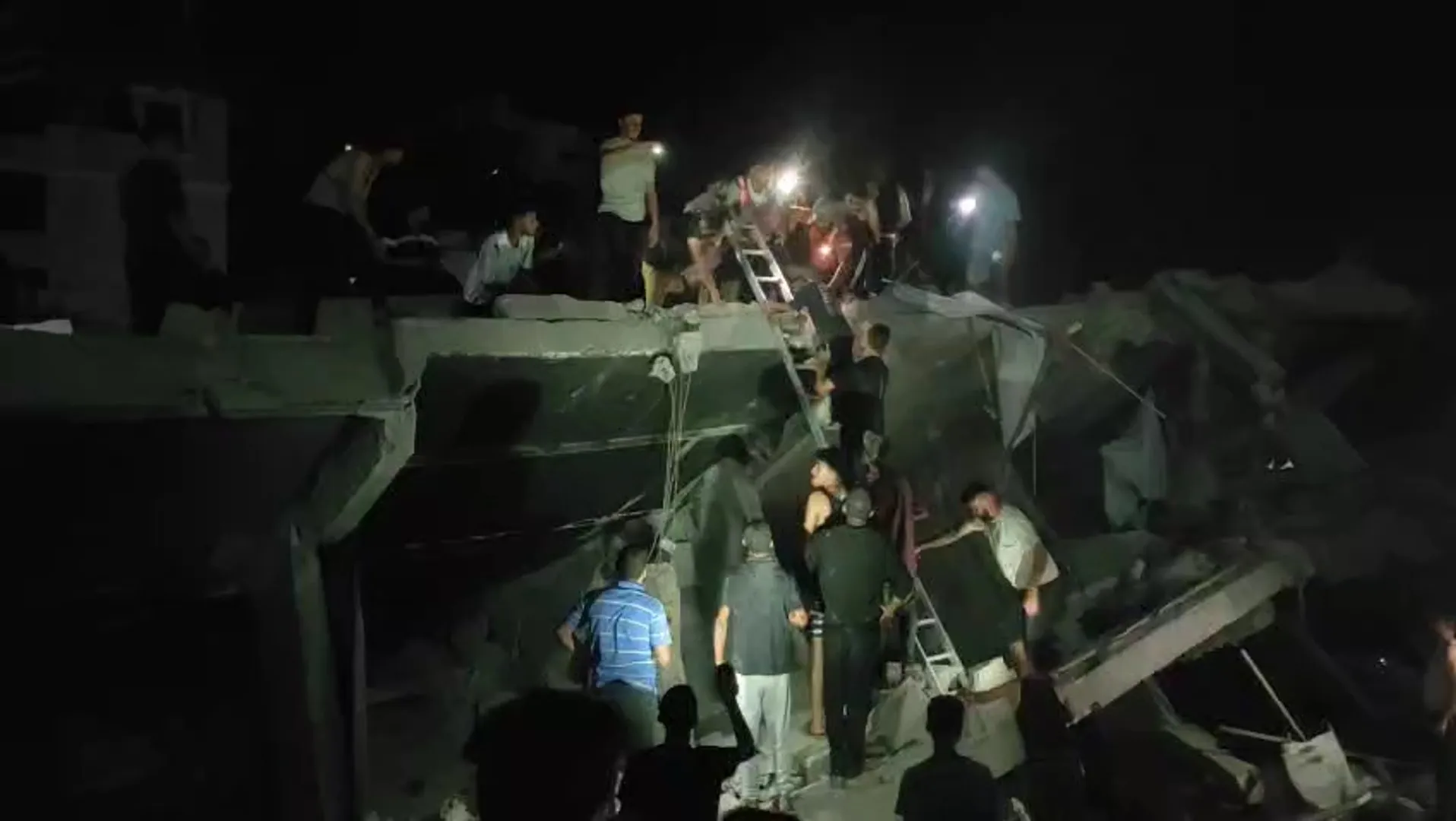
These developments underscore a growing trend where the line between civilian infrastructure and military objectives continues to blur. Whether through the direct targeting of mail delivery vehicles in Eastern Europe or the strategic leveraging of energy grids and maritime chokepoints in the Persian Gulf, the impact of these geopolitical tensions is increasingly felt in the daily lives of citizens far removed from command centers.
The convergence of these events highlights a shift in modern conflict where state legitimacy is often measured ecomes a target, it signals that an adversary is no longer focused solely on military defeat but on the psychological and material exhaustion of the population. Similarly, the use of energy infrastructure as a bargaining chip for maritime access demonstrates that the threshold for economic warfare continues to drop, potentially setting a precedent where civilian life support systems are treated as primary tactical assets in broader power struggles.
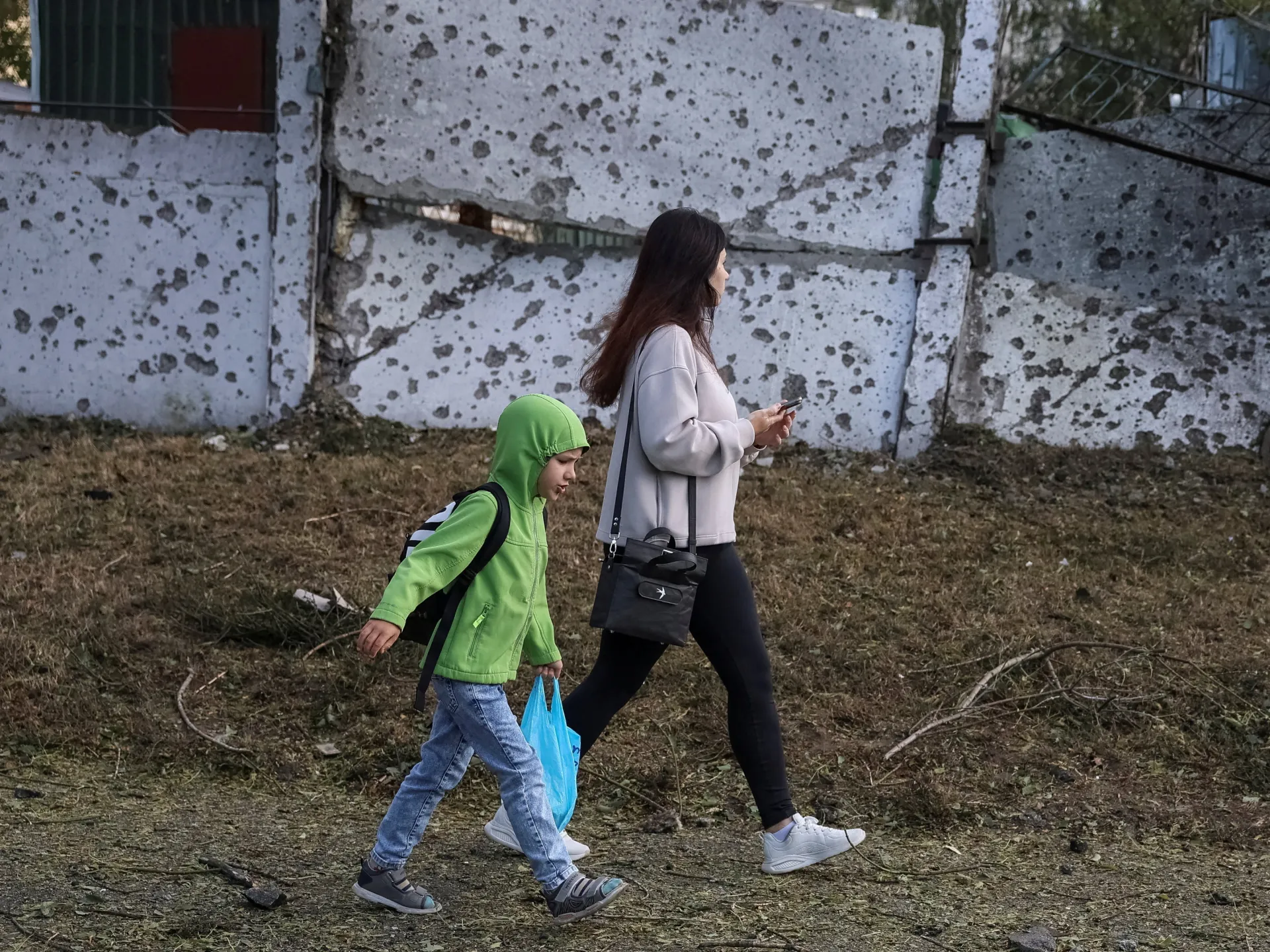
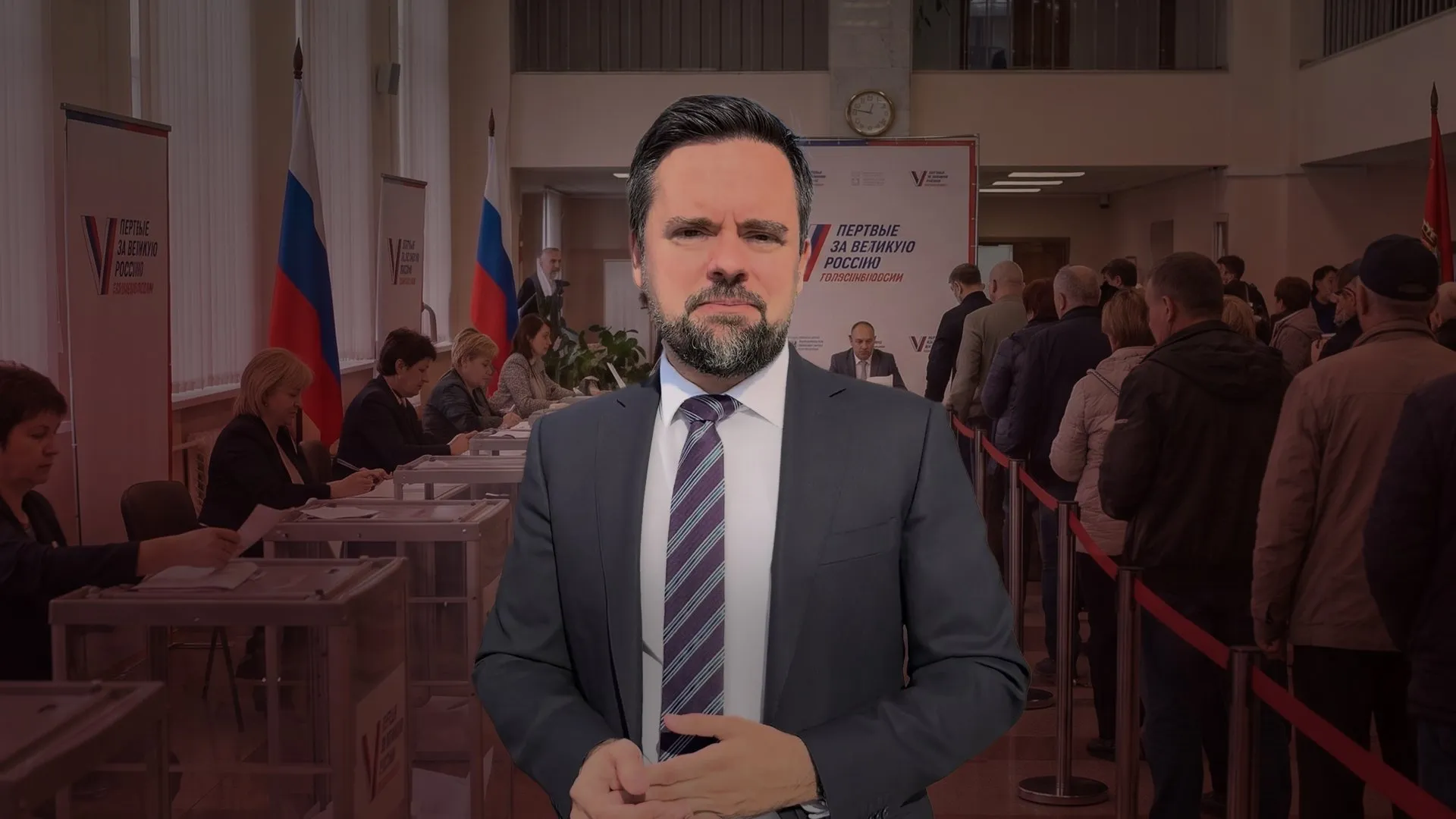
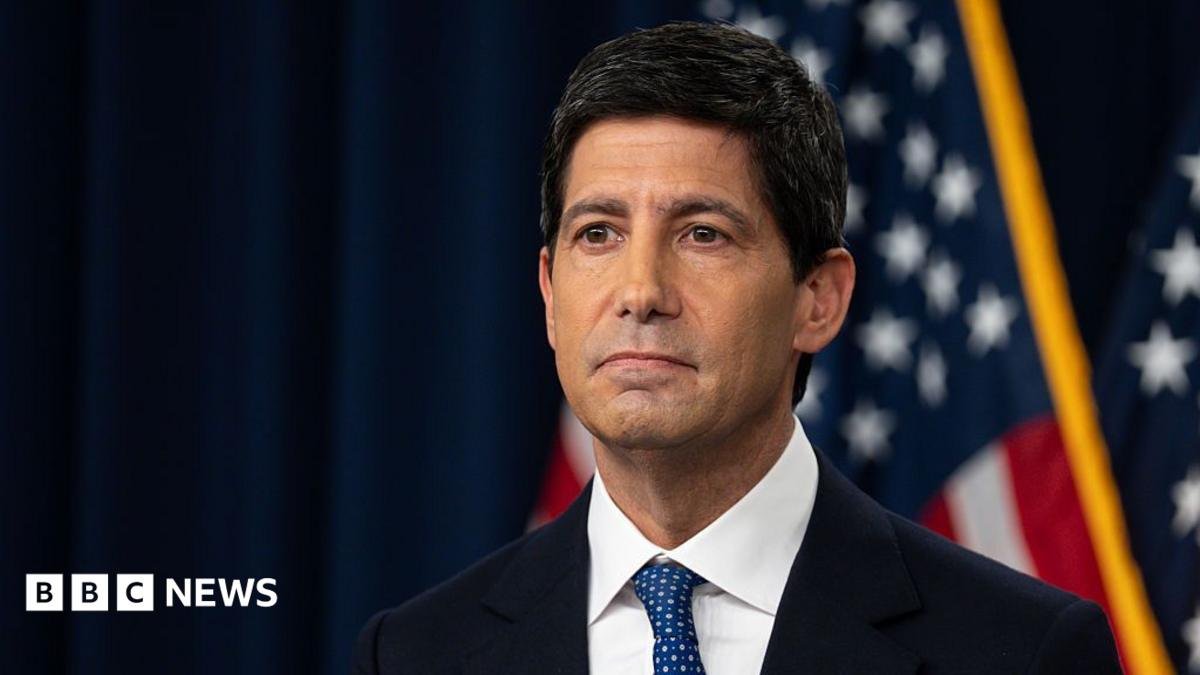
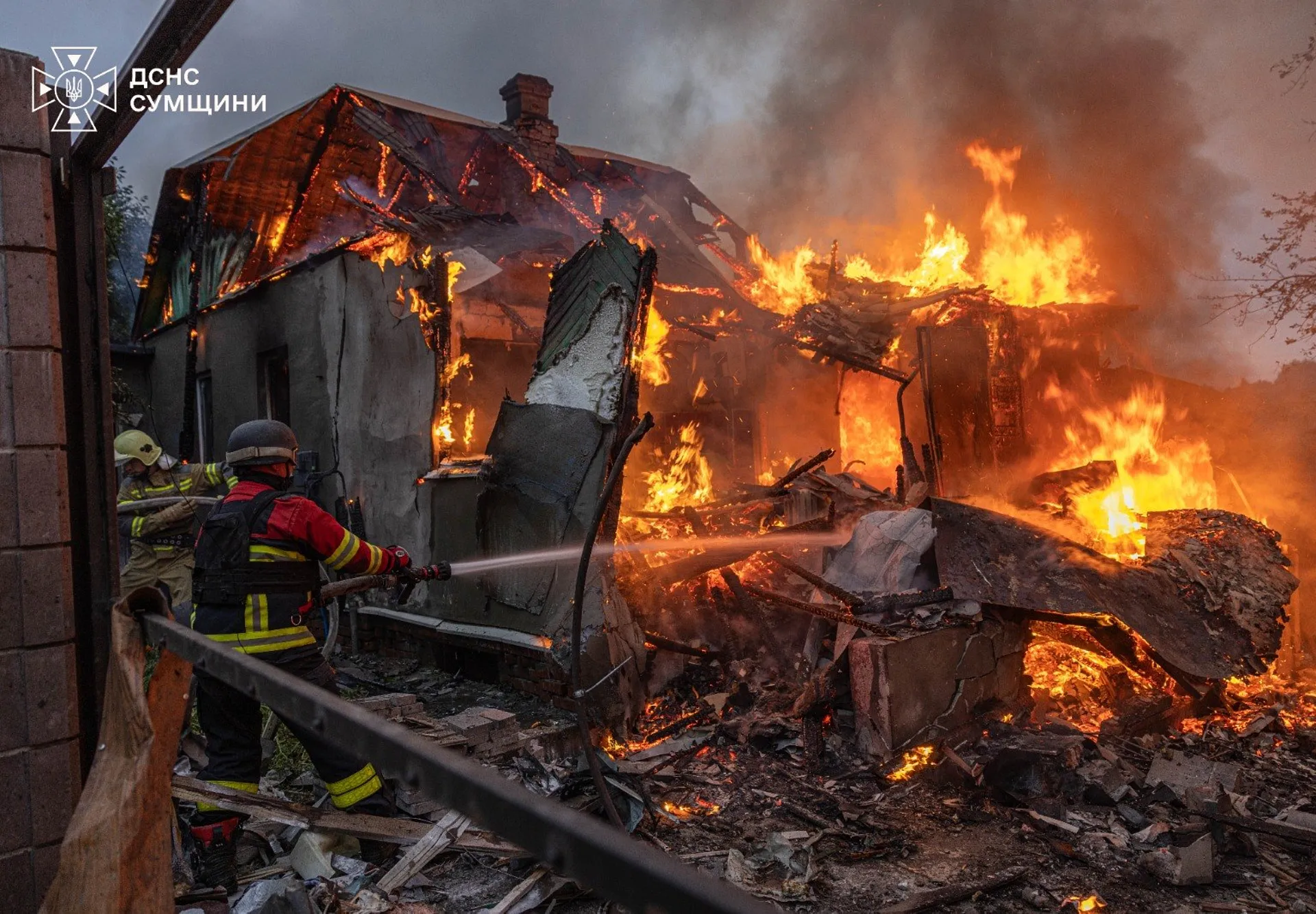
In Ukraine, the state postal service, Ukrposhta, has become an essential pillar of national endurance. Head of the service Igor Smelyansky manages a fleet of delivery vehicles that operate under the constant threat of drone strikes. These teams do not merely transport correspondence; they provide critical financial services, including pension disbursements and utility payments, to isolated communities where traditional commerce has collapsed.
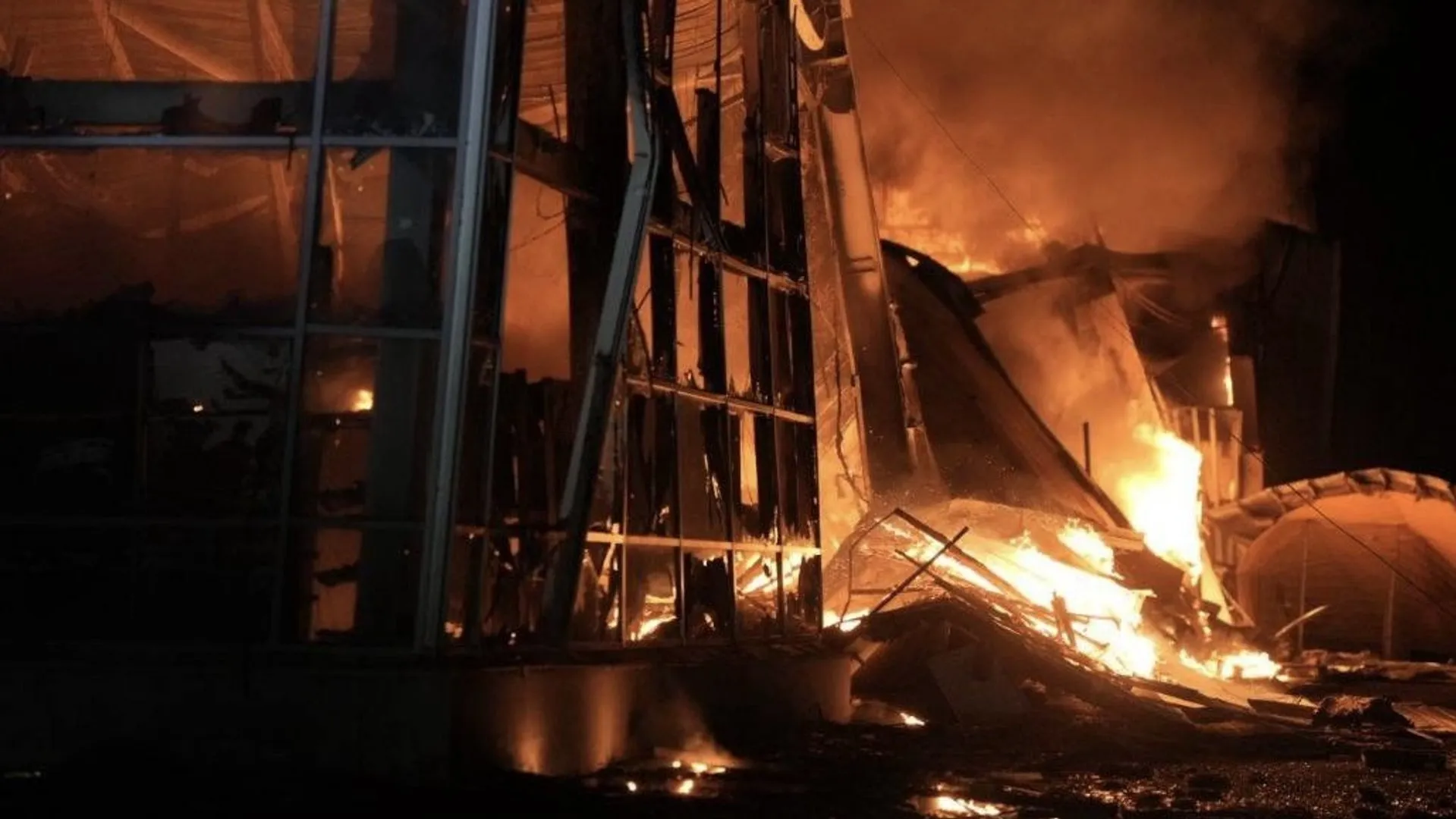
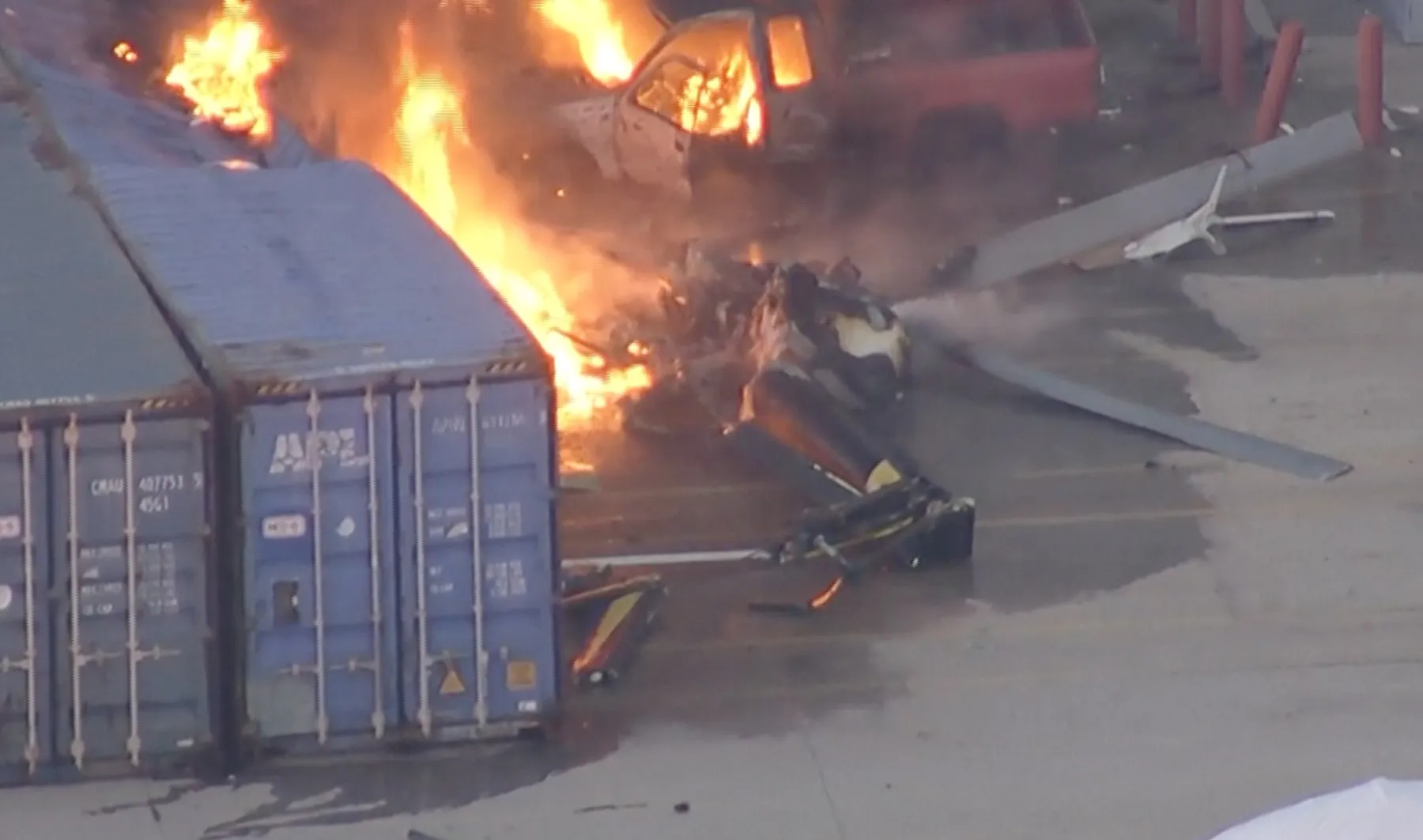
The Kremlin has intensified its campaign against these logistical hubs, explicitly linking the strikes to a broader strategy of retaliation for attacks on Russian commercial entities. Smelyansky reports that his operations face a dual risk: the physical danger of being targeted izers. The service is forced into a grim calculus, balancing the obligation to sustain vulnerable populations against the inherent risk of exposing civilians to gatherings that may draw enemy fire.
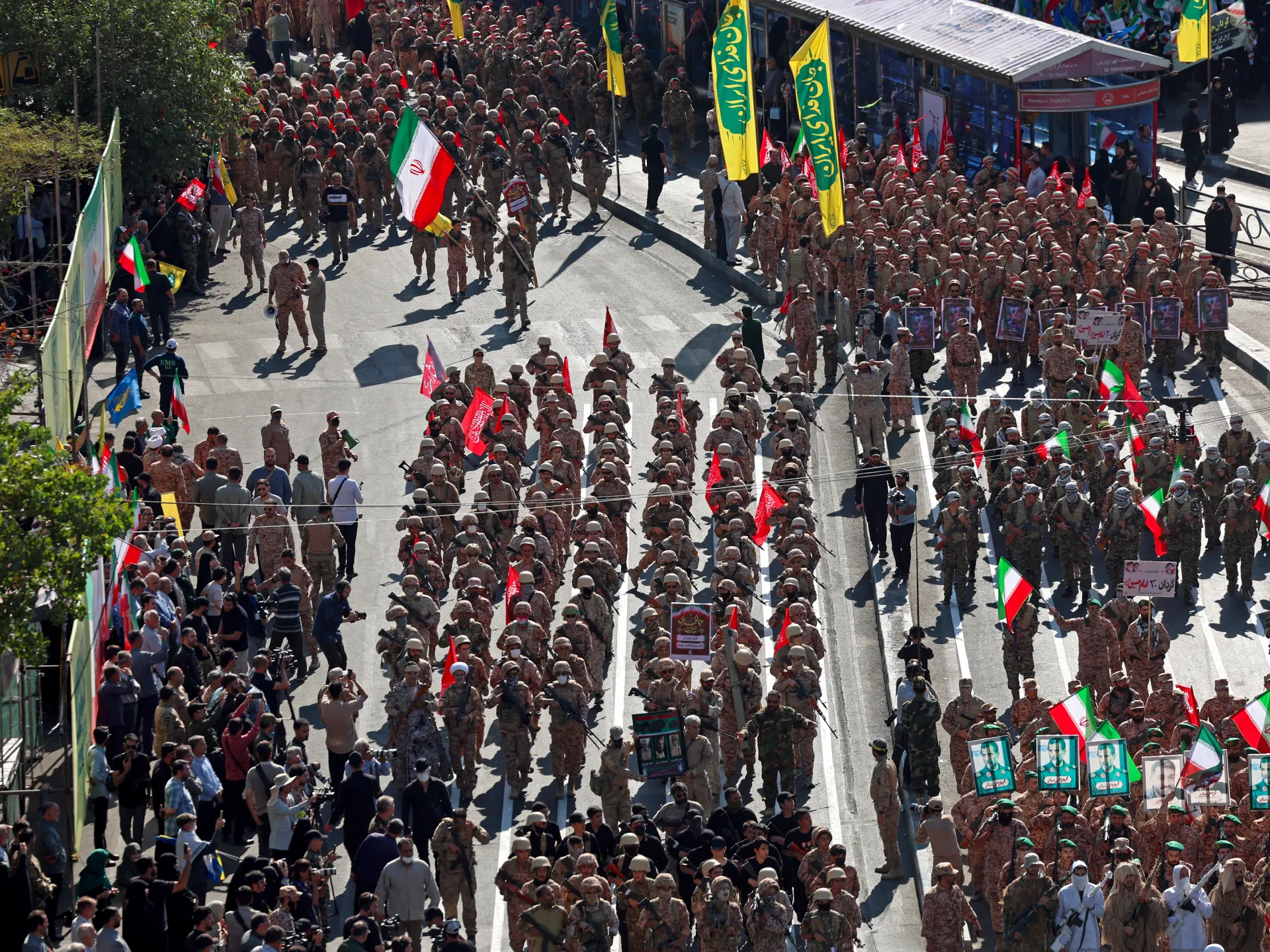
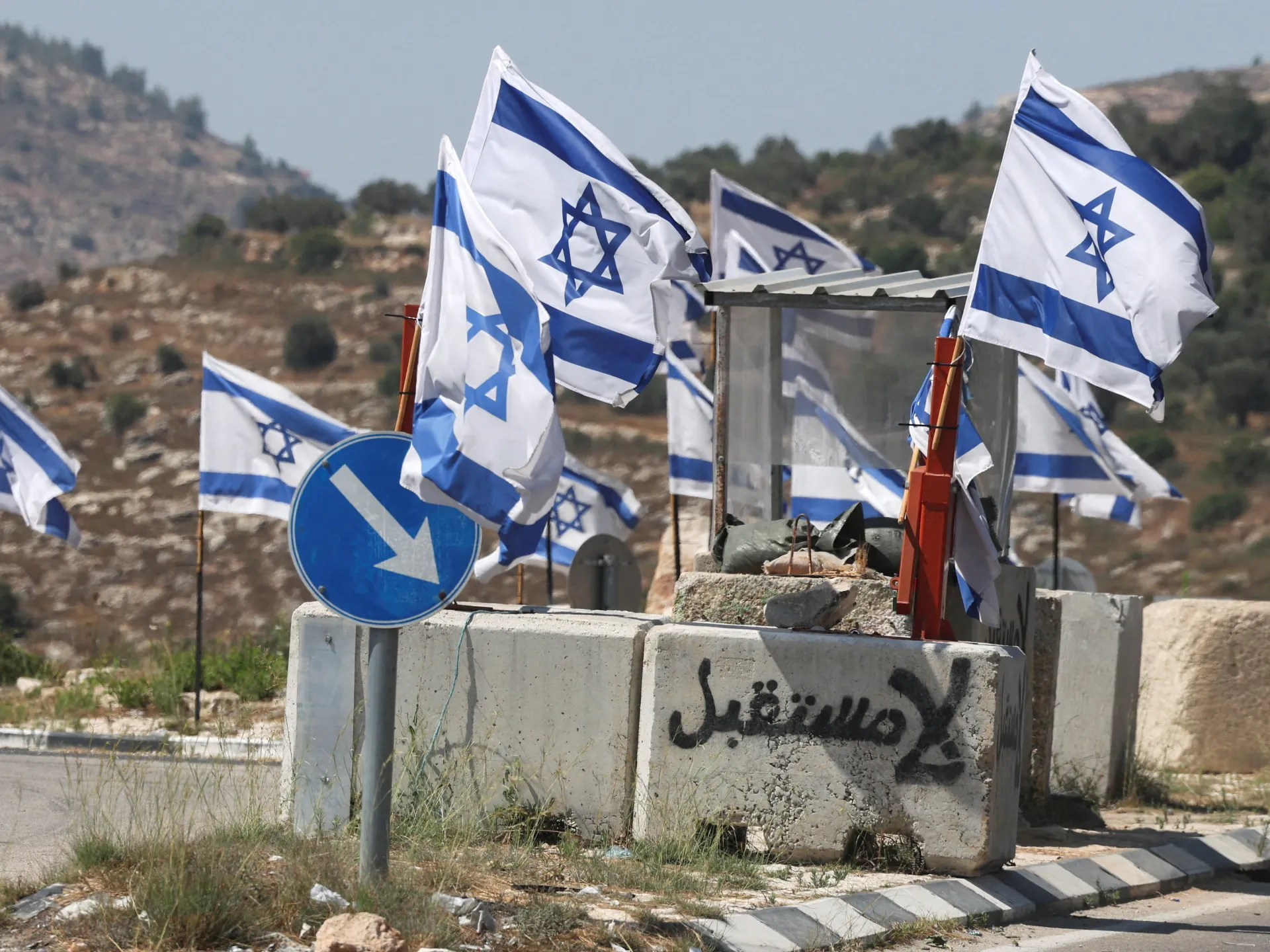
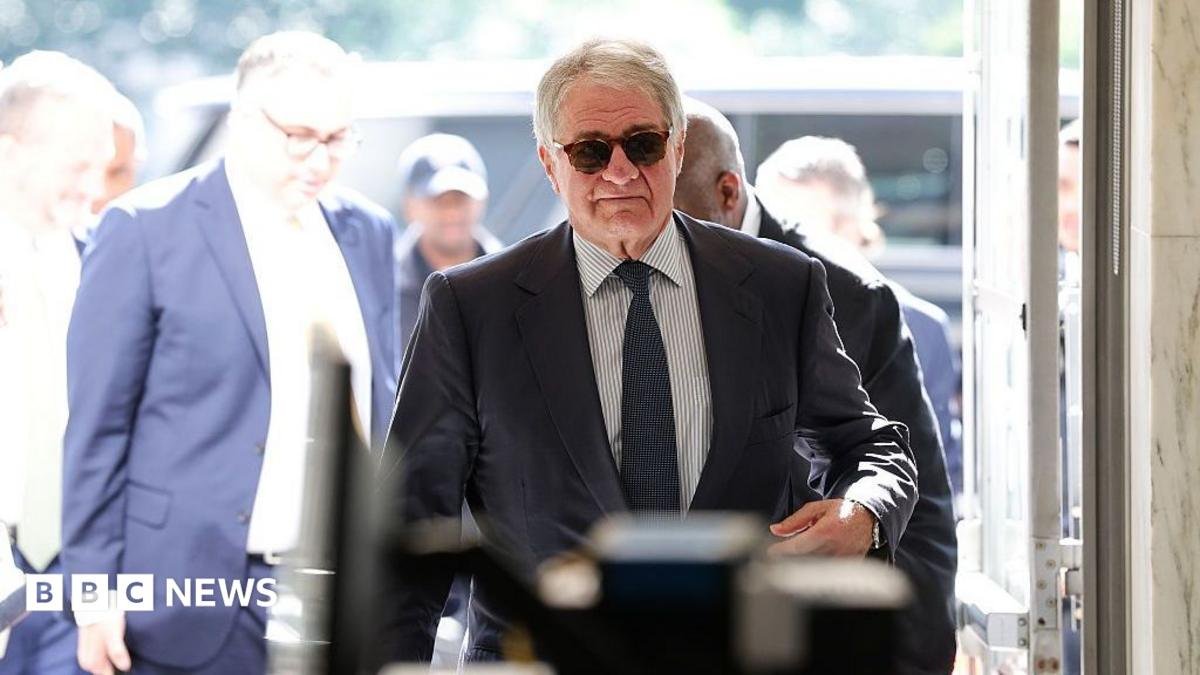
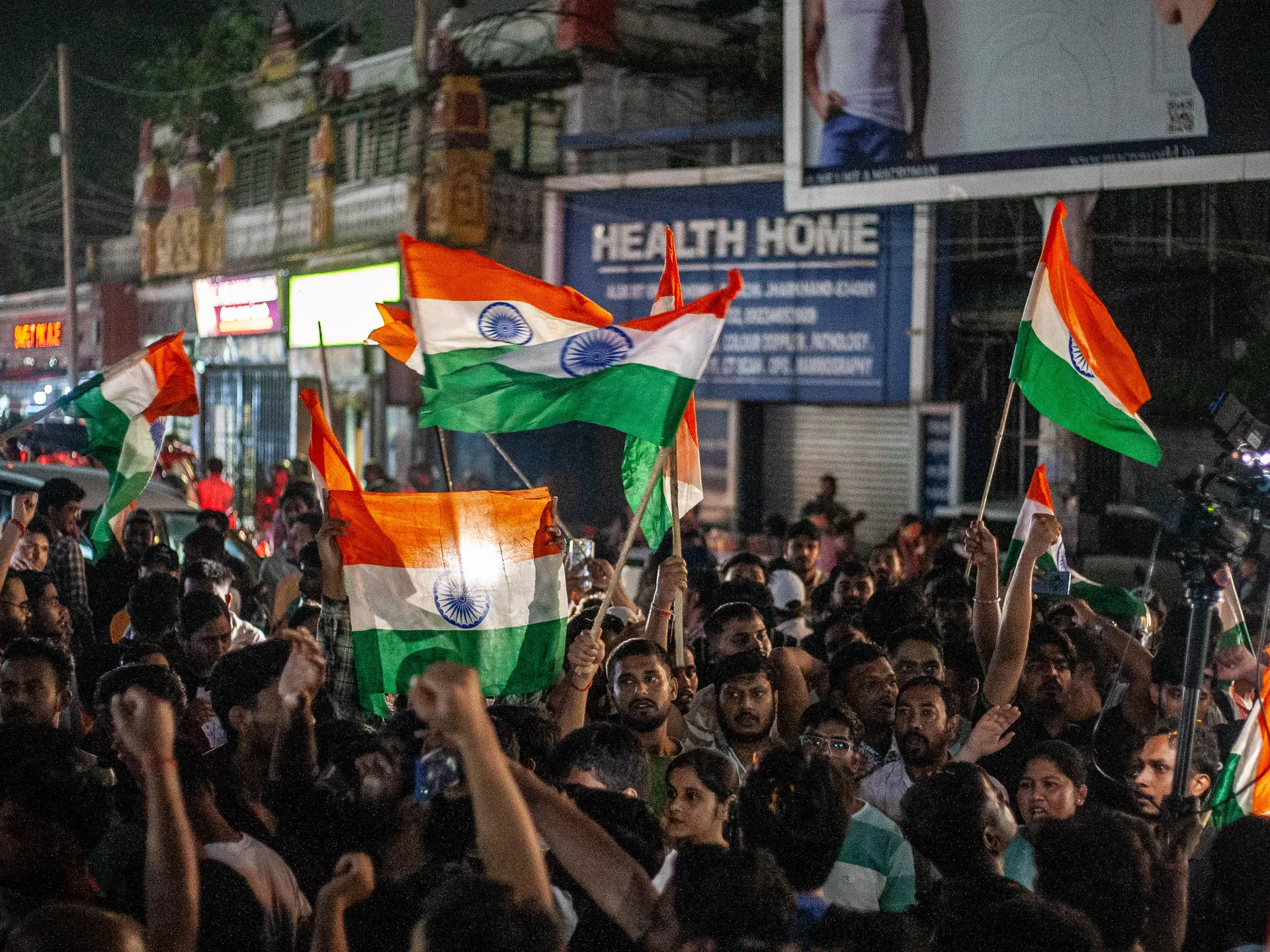
Simultaneously, the Middle East faces a period of heightened uncertainty following Prime Minister Benjamin Netanyahu’s declaration that he intends to fundamentally reshape the regional landscape. While the Israeli leader frames this ambition as a cornerstone of his Likud party’s electoral platform, his domestic standing remains fragile, evidenced rand strategic aims may be yielding diminishing returns, fueling instability rather than the promised security.
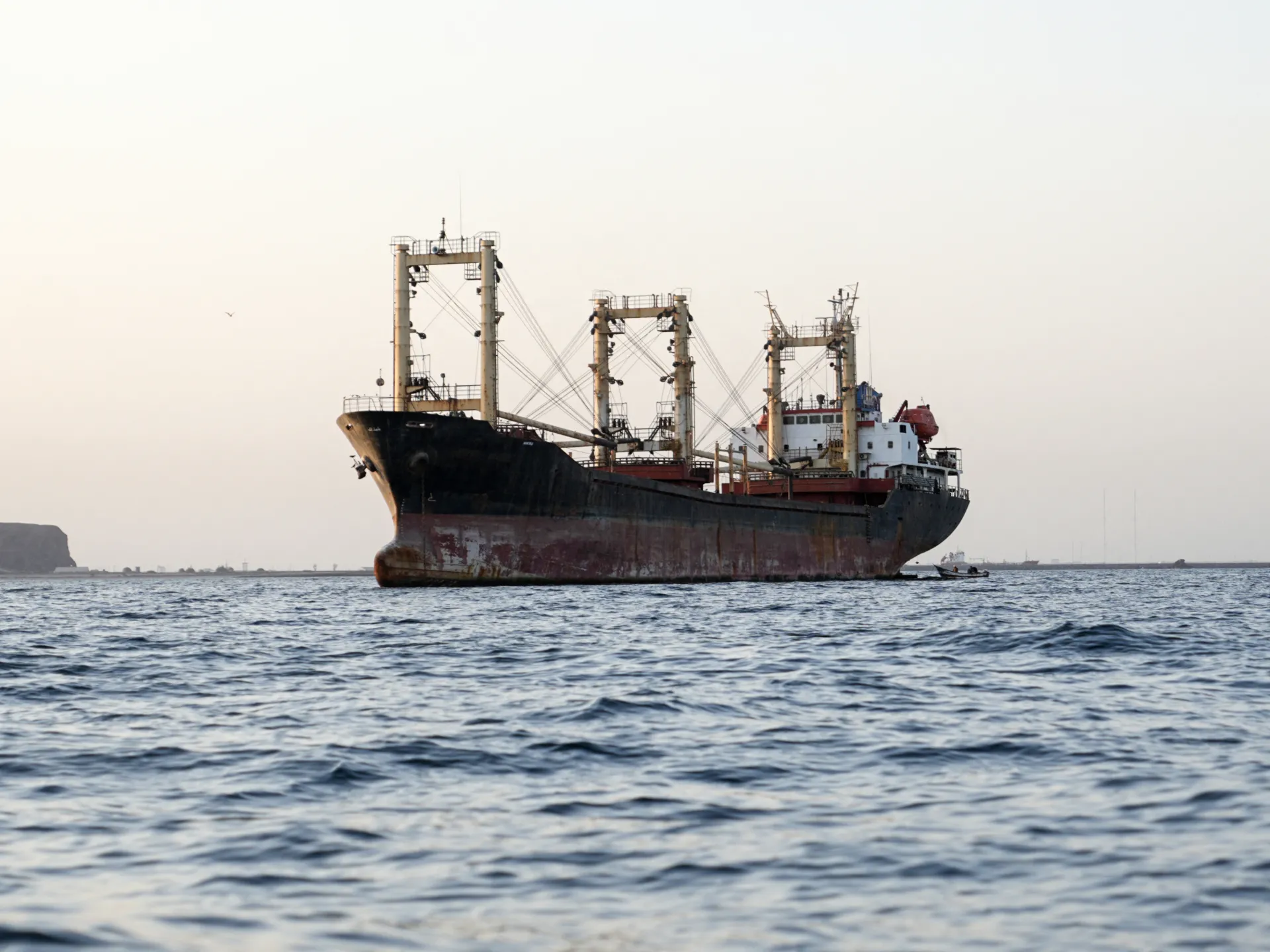
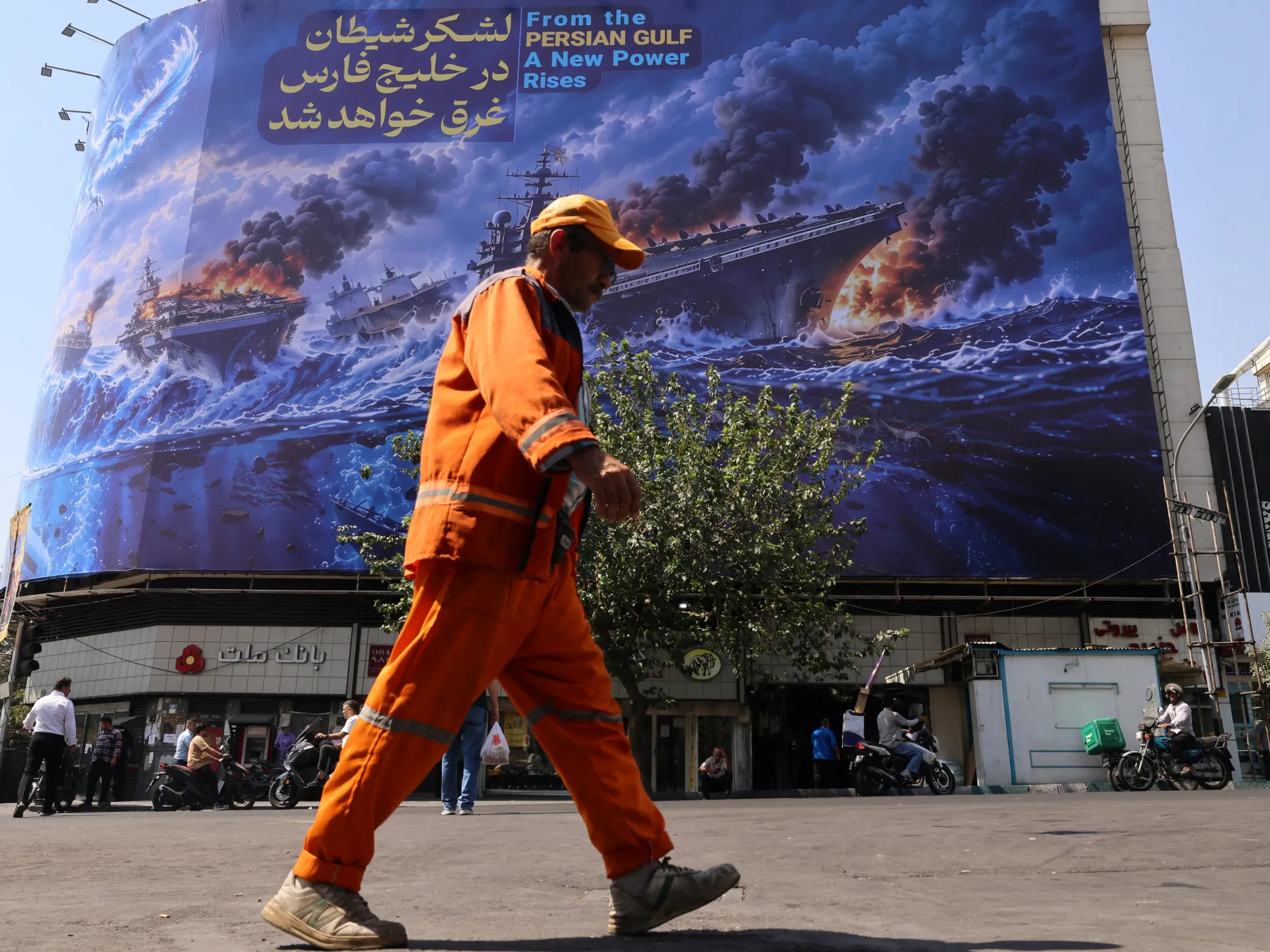
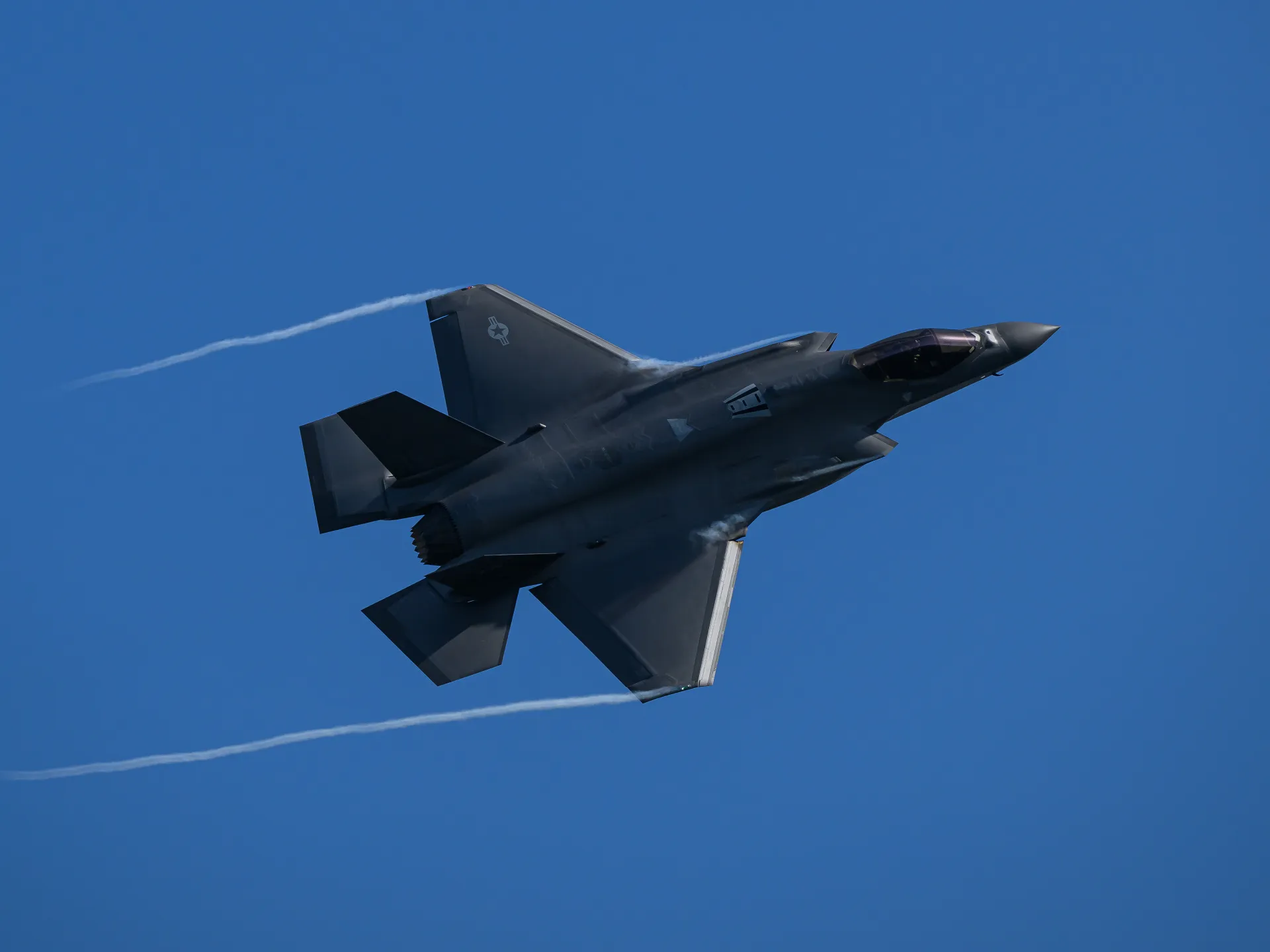
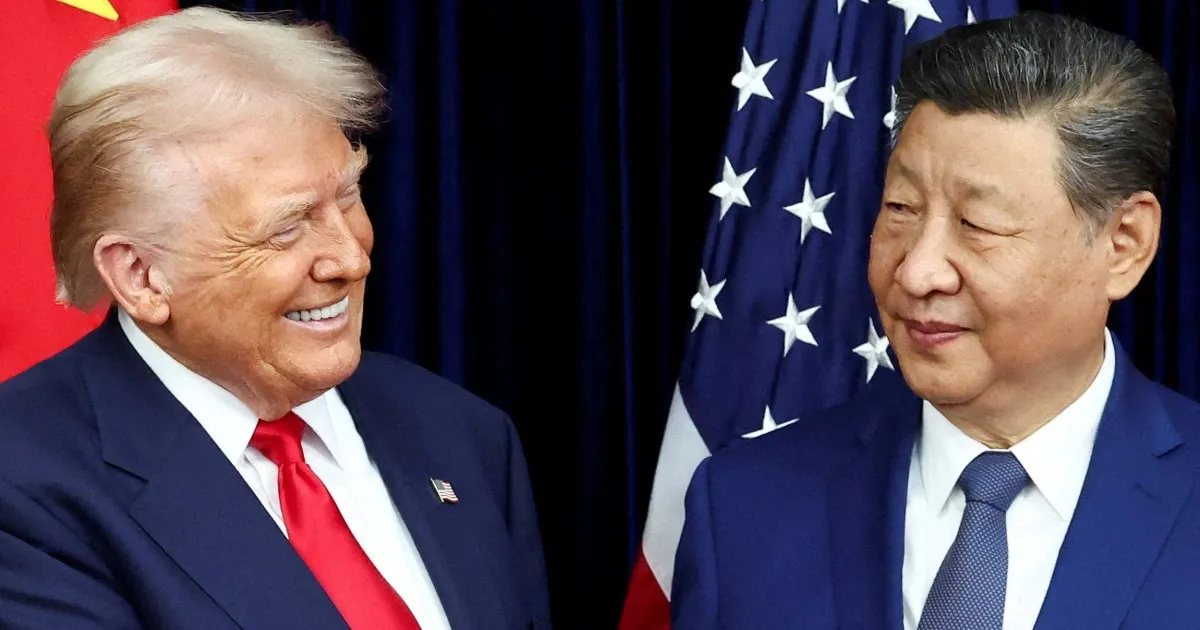
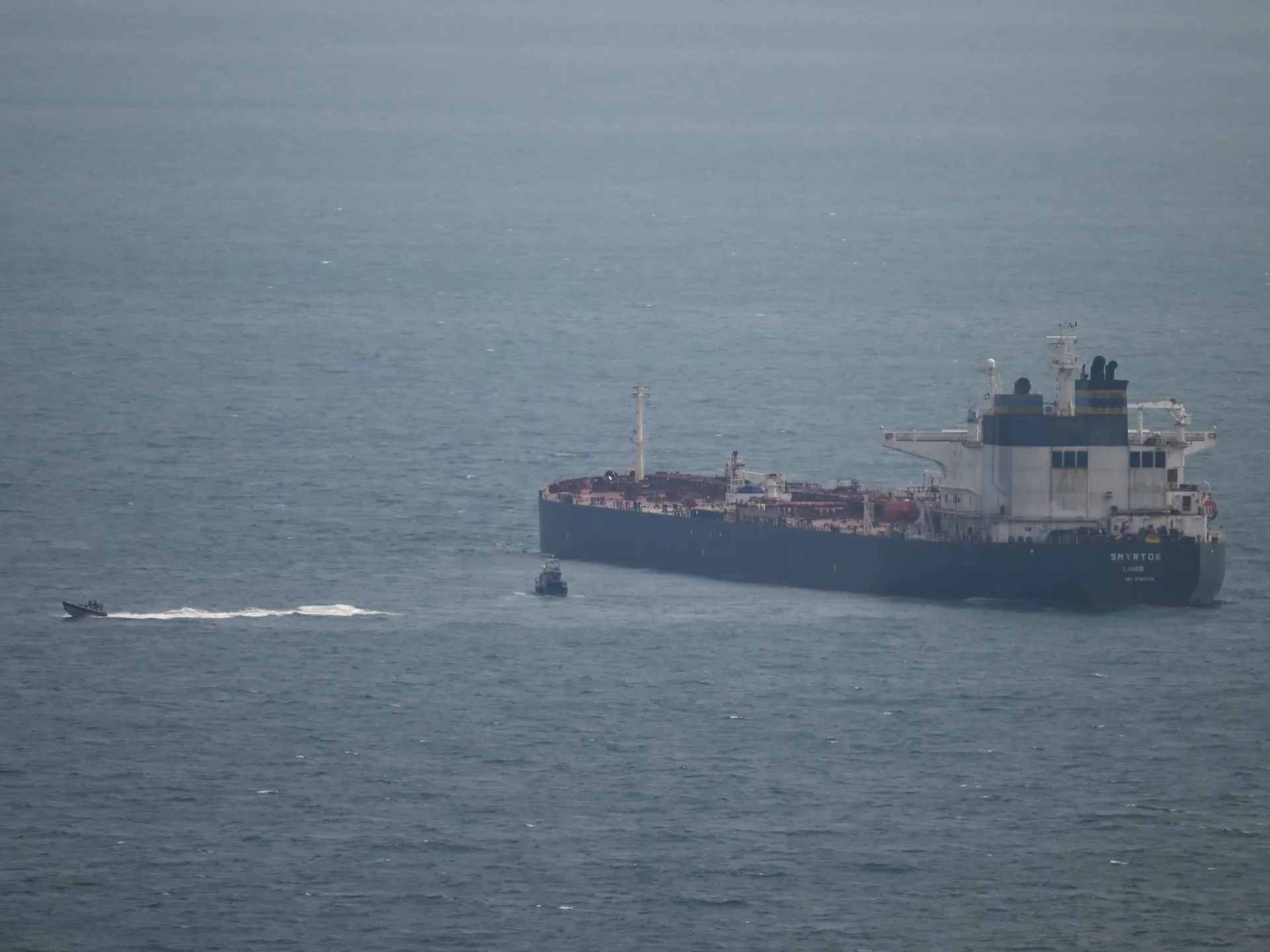
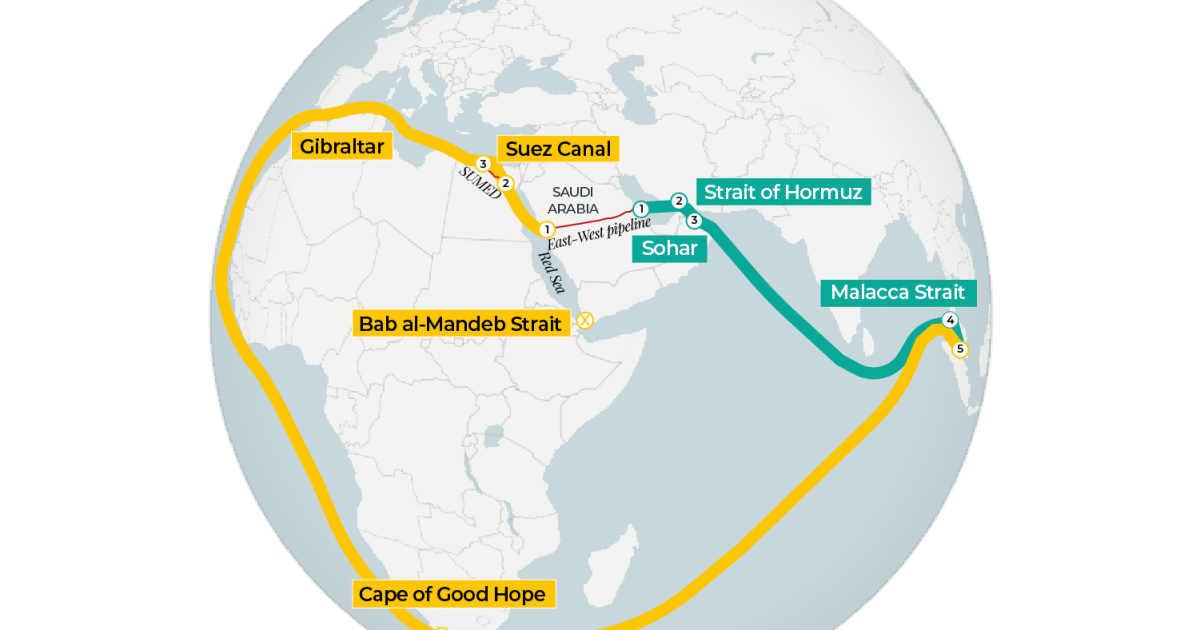
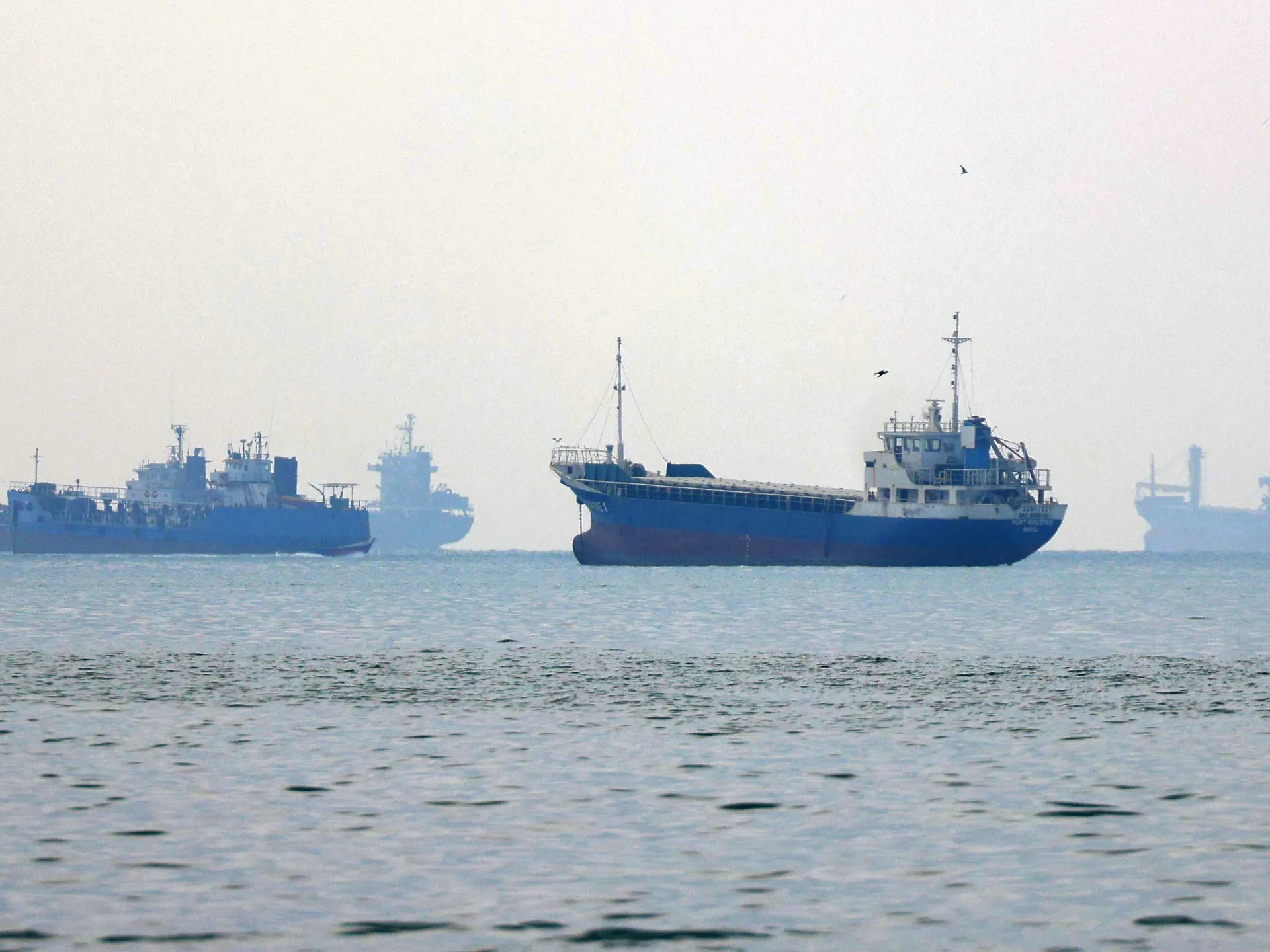
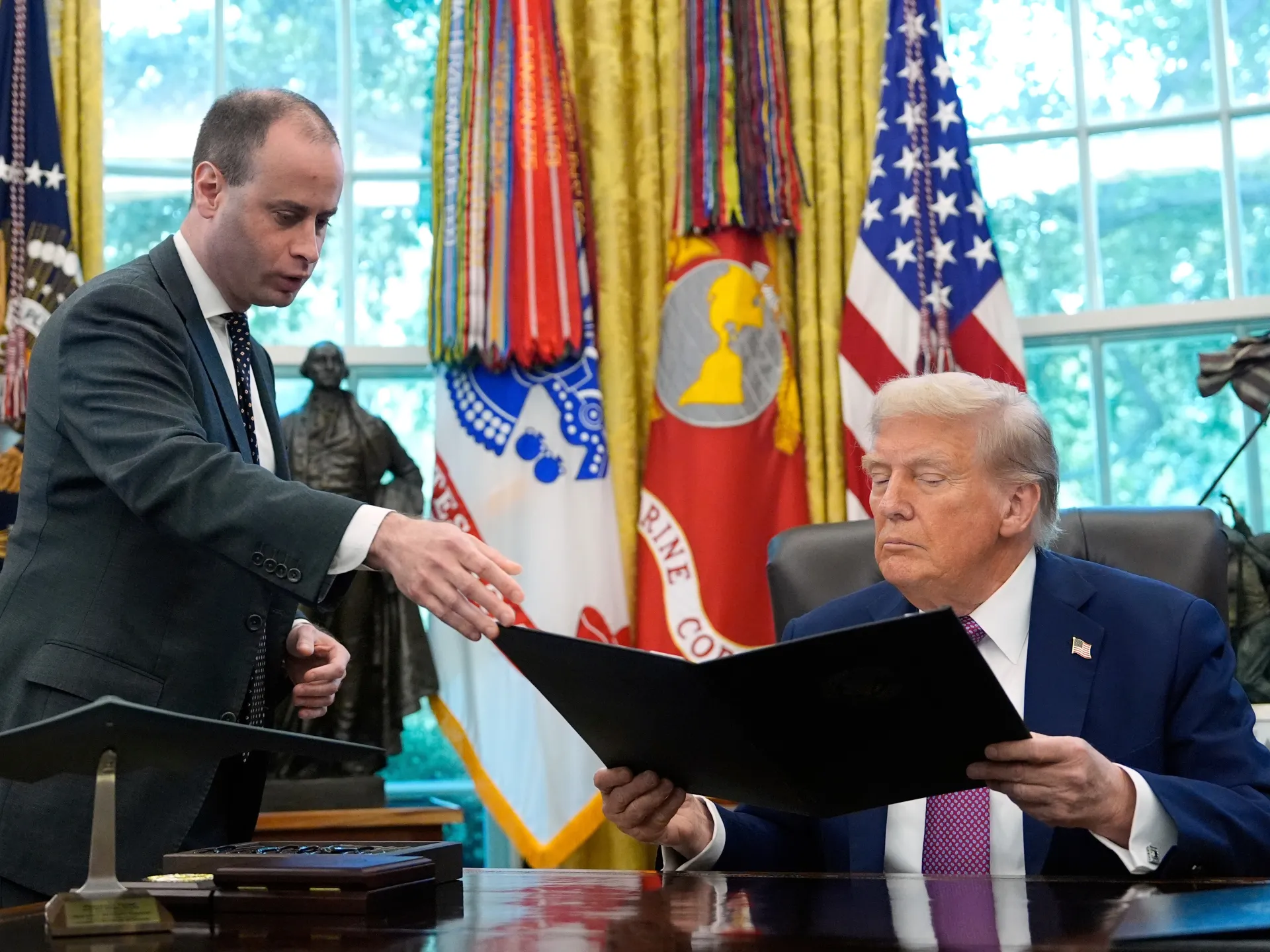
This regional friction is exacerbated tates has once again extended a deadline for Iran regarding the reopening of critical maritime corridors. The threat of strikes against Iranian power infrastructure remains on the table, marking a recurring cycle of ultimatums that keeps regional energy markets and geopolitical relations in a state of precarious suspension.
The situation in Ukraine suggests that the postal service will continue to serve as a bellwether for the country’s internal stability. As long as Russia views civilian logistics as a viable target, the pressure on the Ukrainian government to evacuate remaining frontline residents will likely increase, creating a tension between the state's desire to maintain a presence and the imperative to protect life. In the Middle East, the intersection of Netanyahu’s political survival and the looming standoff over the Strait of Hormuz suggests a period of high-stakes brinkmanship. If the deadline for the Strait remains an evolving goalpost rather than a definitive trigger, it may signal an attempt to avoid open conflict. However, the reliance on such brinkmanship inherently increases the risk of miscalculation, potentially turning these regional threats into tangible, wide-scale confrontations.