Developments in The Hague regarding the trial of Rodrigo Duterte and the ongoing migration crisis in Ceuta highlight escalating international tensions.
The convergence of high-profile judicial proceedings in Europe and volatile humanitarian pressures at Spain’s southern border underscores the increasing fragility of international stability. While the International Criminal Court (ICC) attempts to navigate the complexities of individual accountability for state-sanctioned violence, the ongoing crisis in Ceuta highlights the limitations of regional policy in the face of mass migration. Both scenarios reflect a broader tension between the rule of law and the immediate, often chaotic, demands of geopolitical management.
The trial of Rodrigo Duterte acts as a precedent-setting exercise for the ICC in asserting jurisdiction over former heads of state who claim sovereign immunity or medical incapacity. Simultaneously, the situation in Ceuta forces a confrontation between humanitarian solidarity and the logistical realities of border security. These narratives, while geographically distinct, serve as critical barometers for the health of international norms and the durability of European border frameworks.
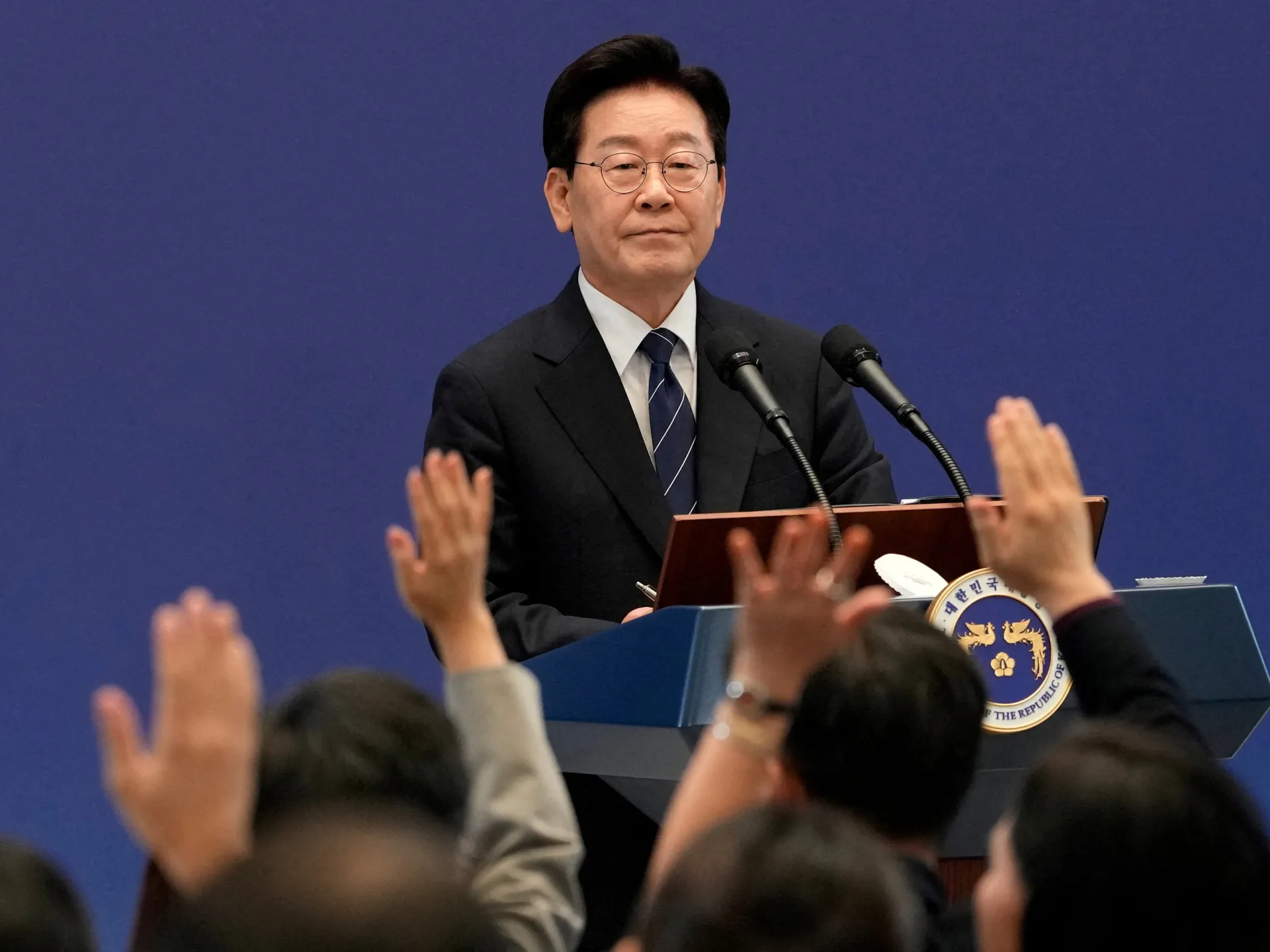
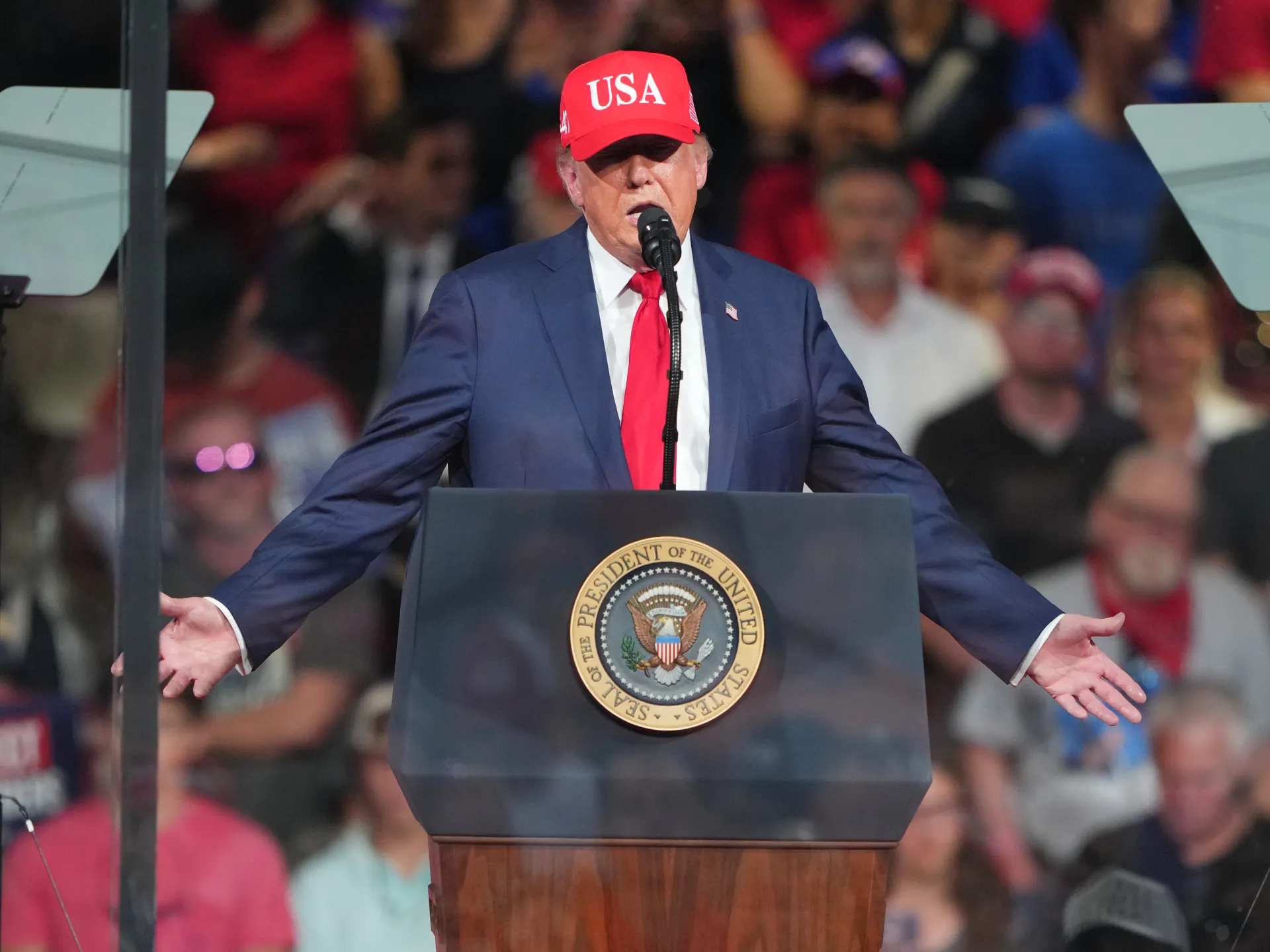
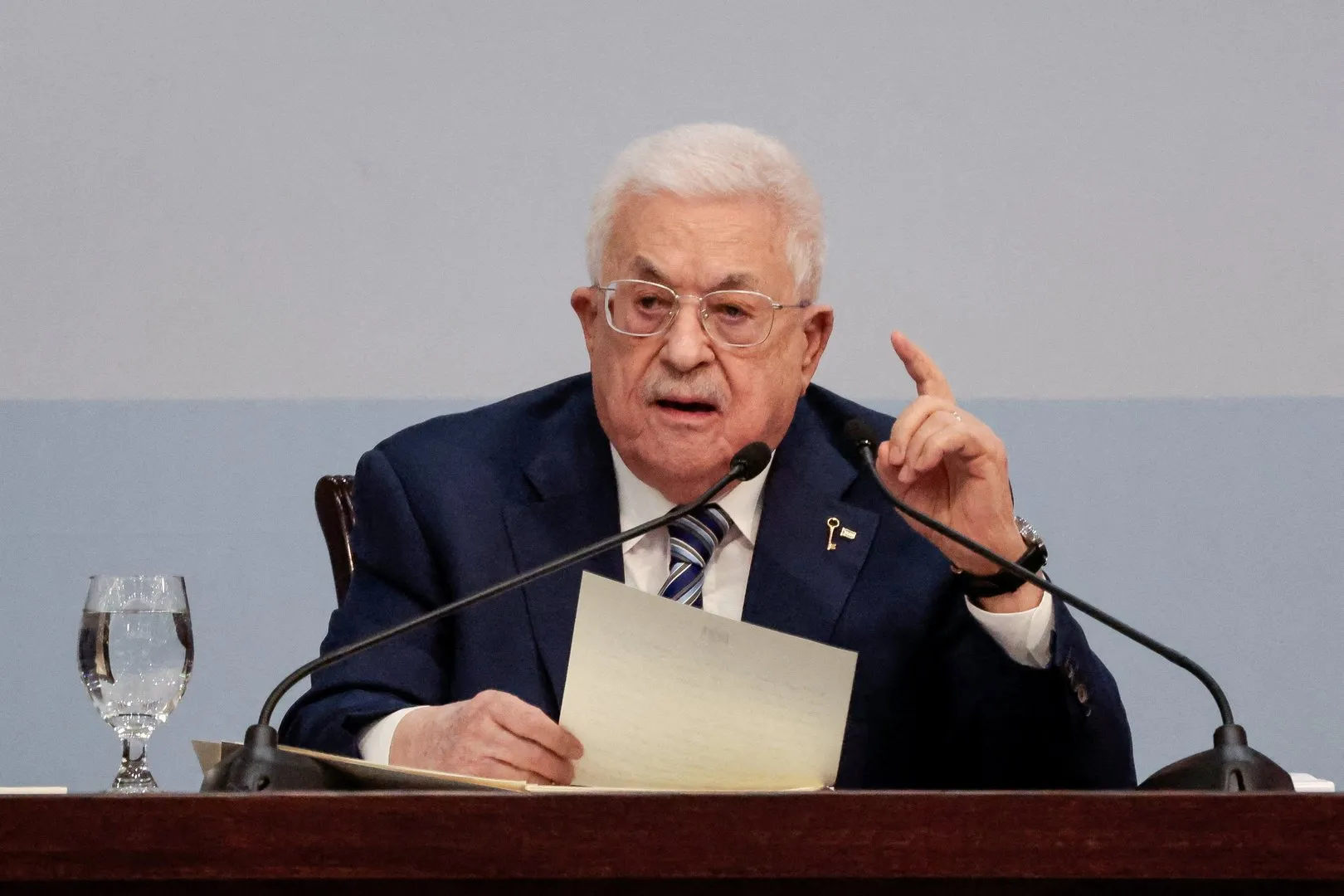
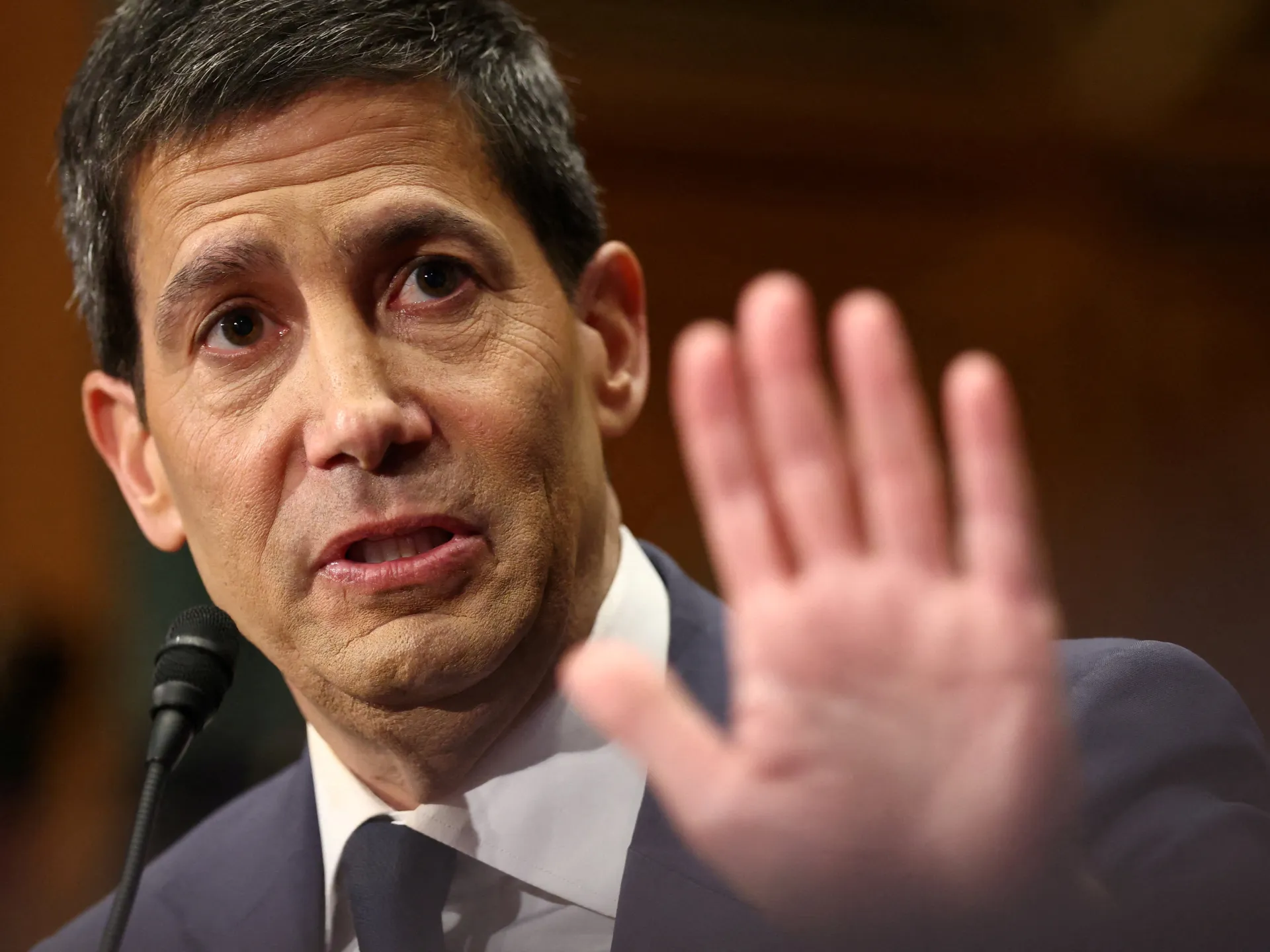
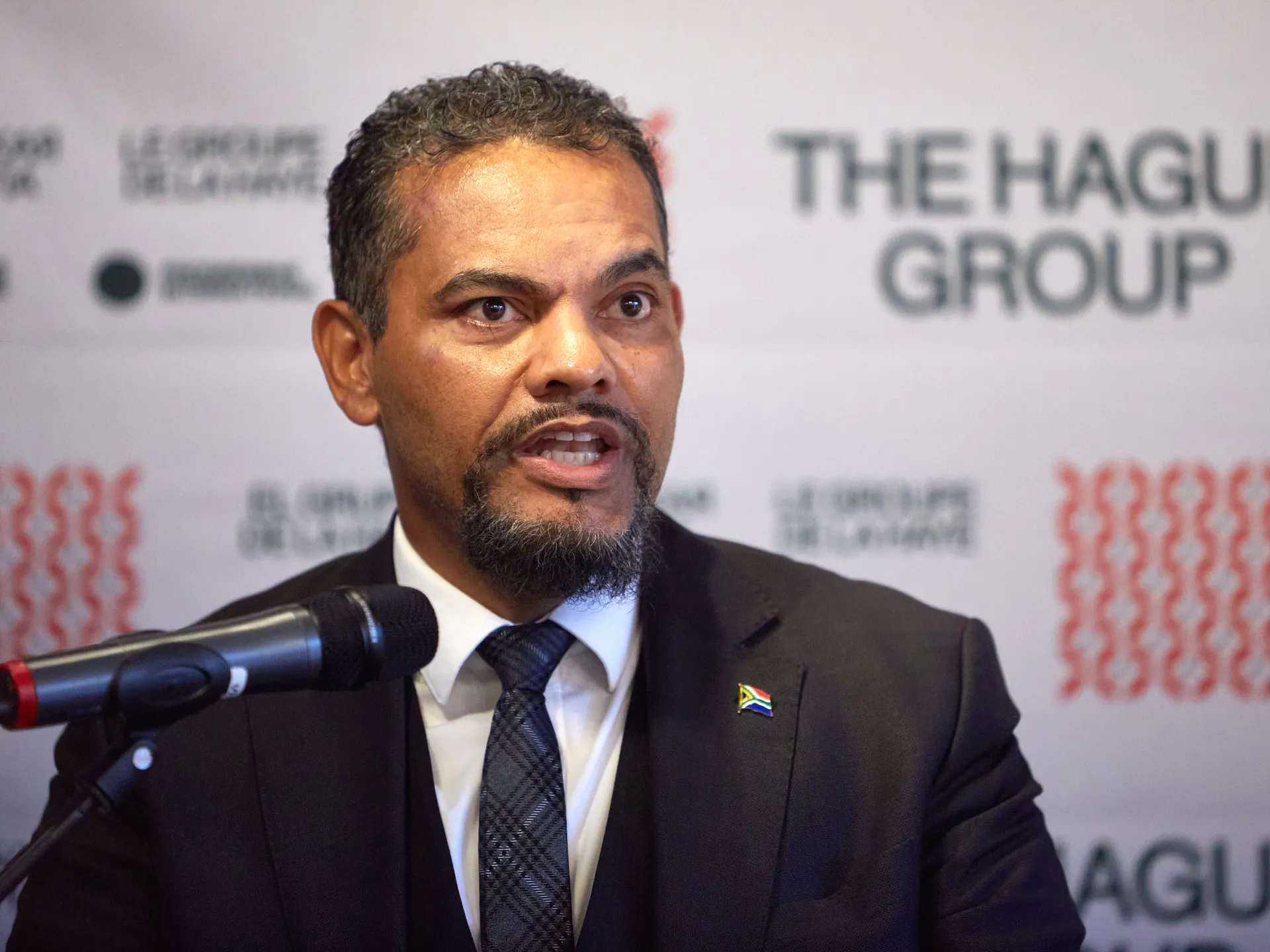
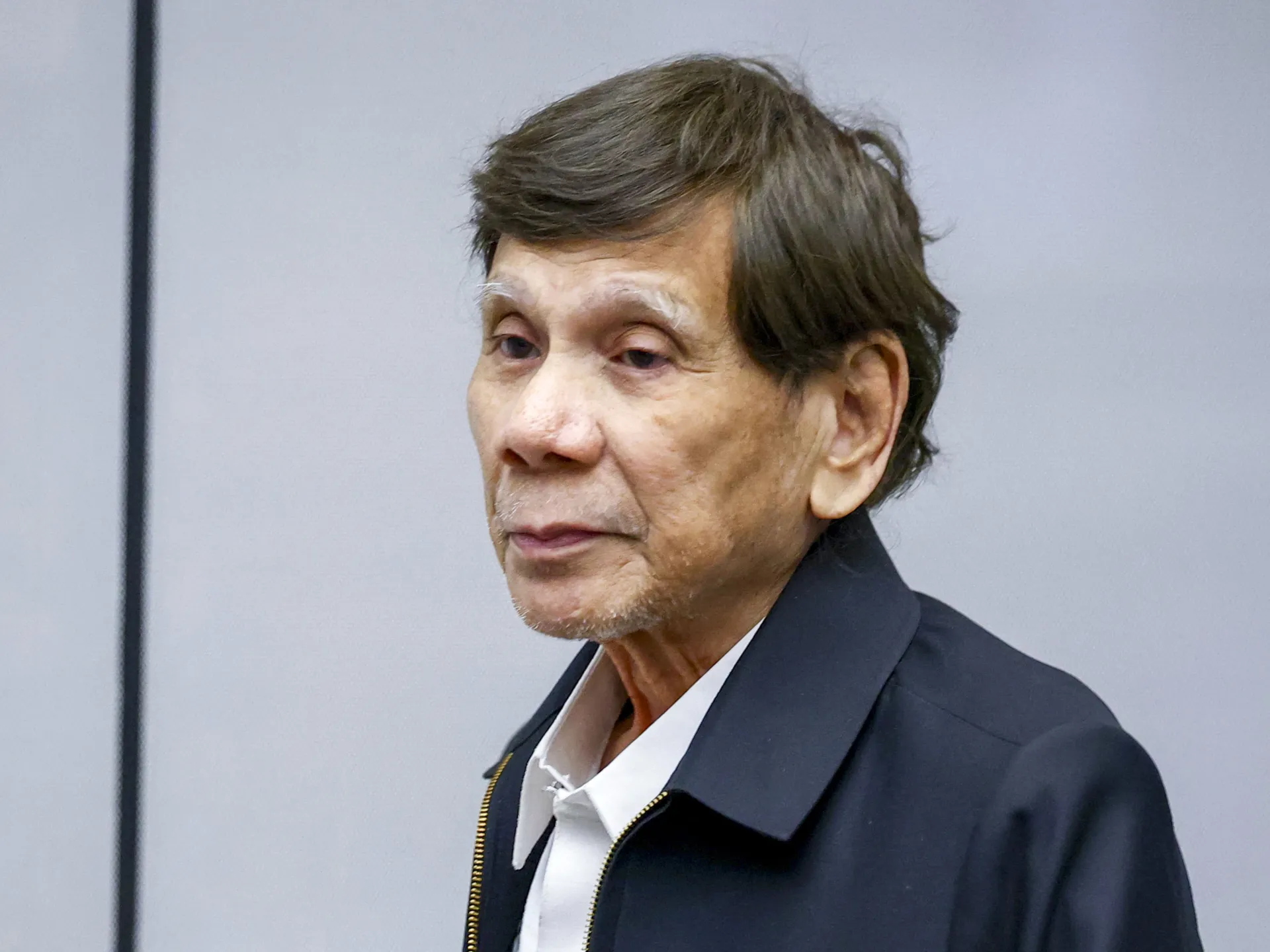
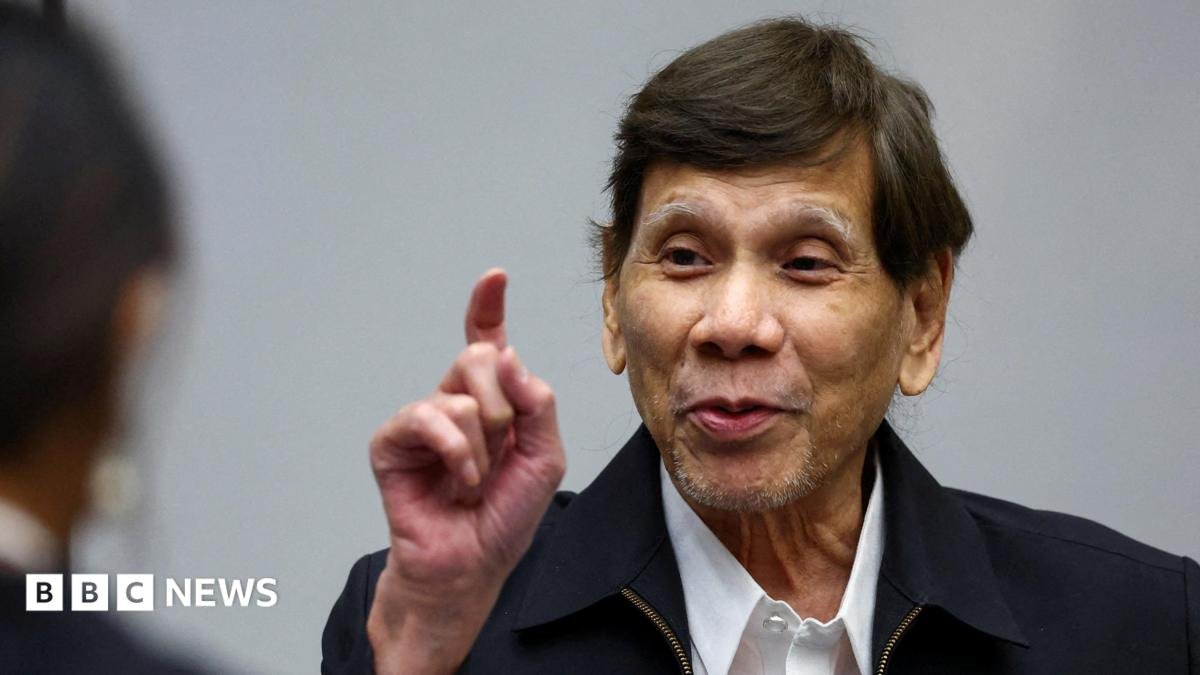
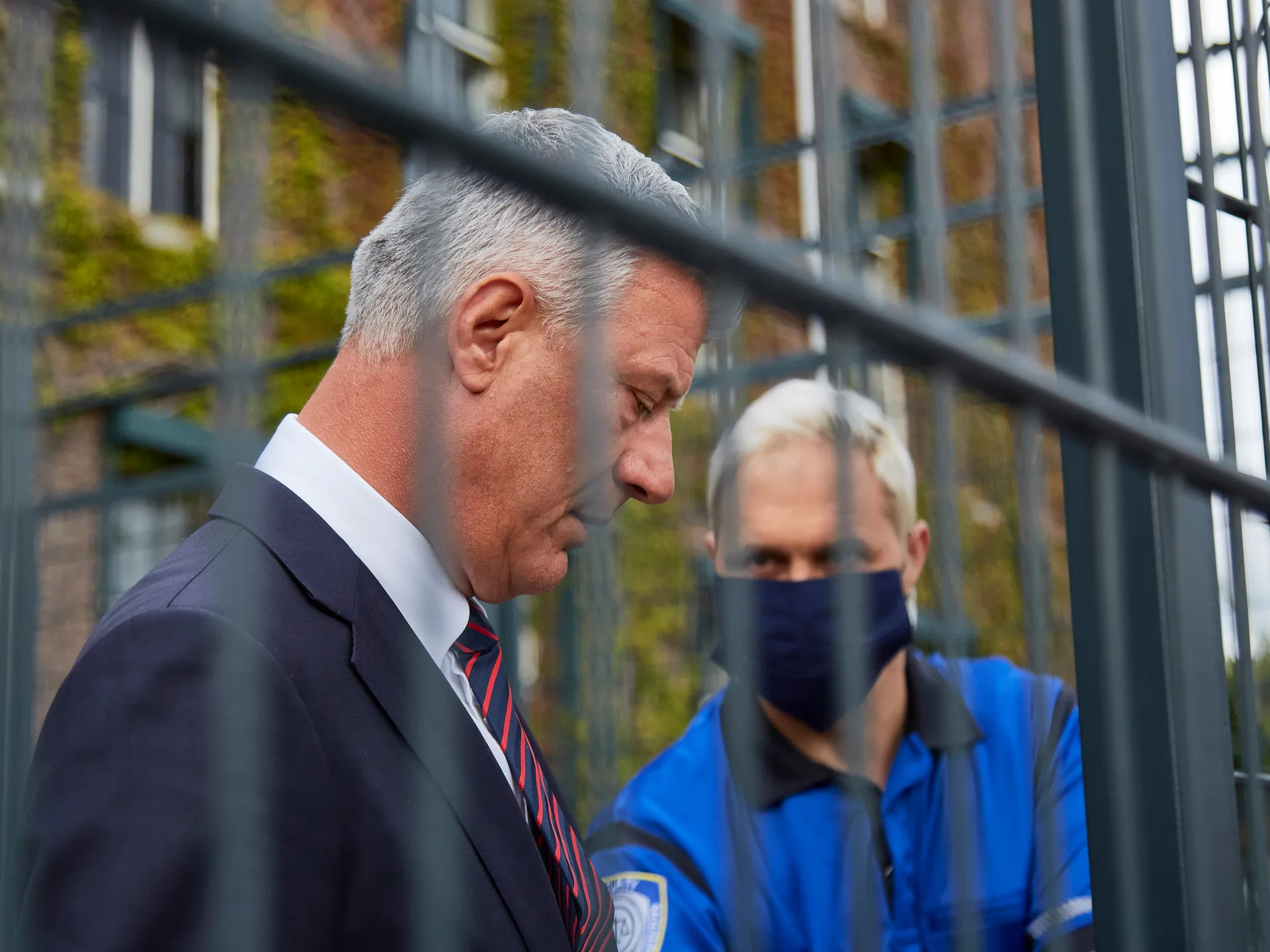
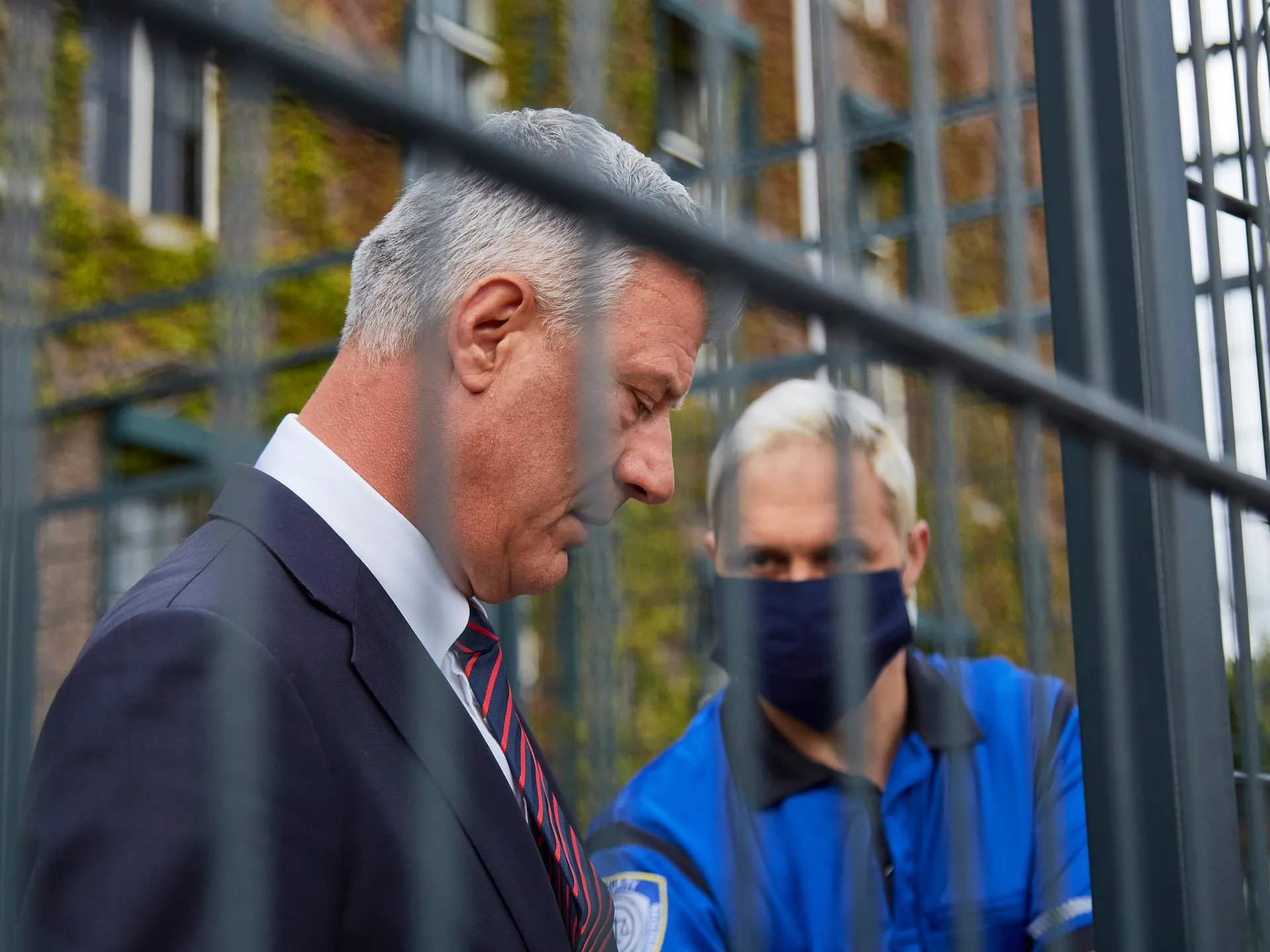
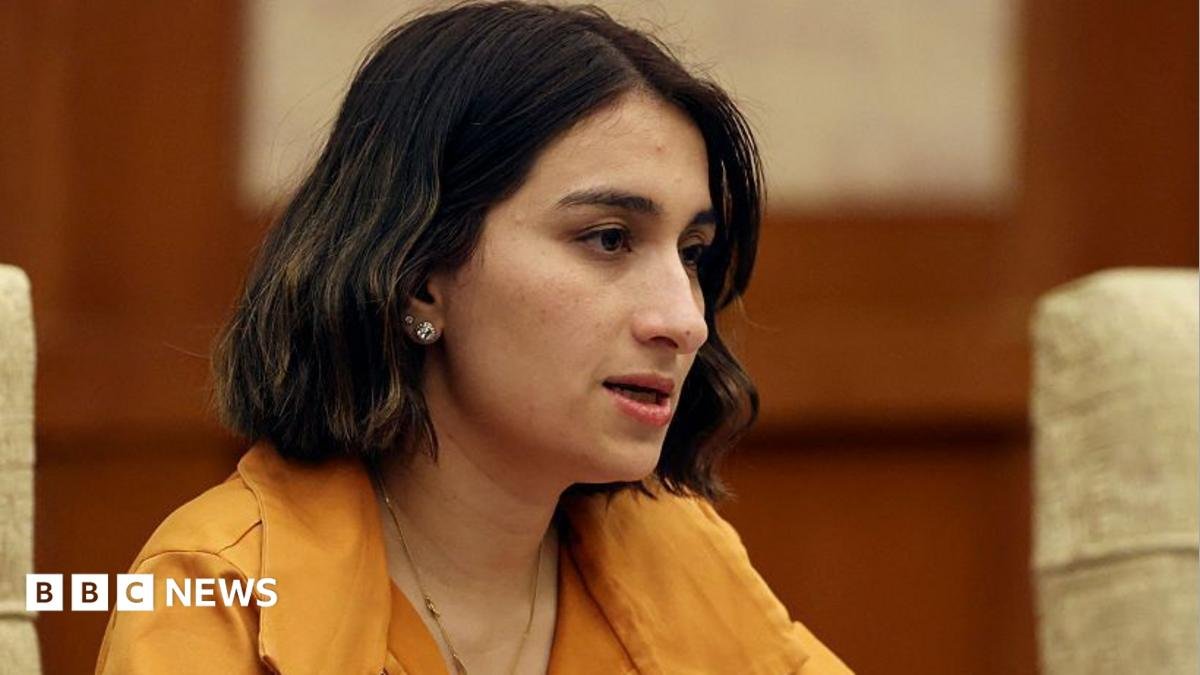
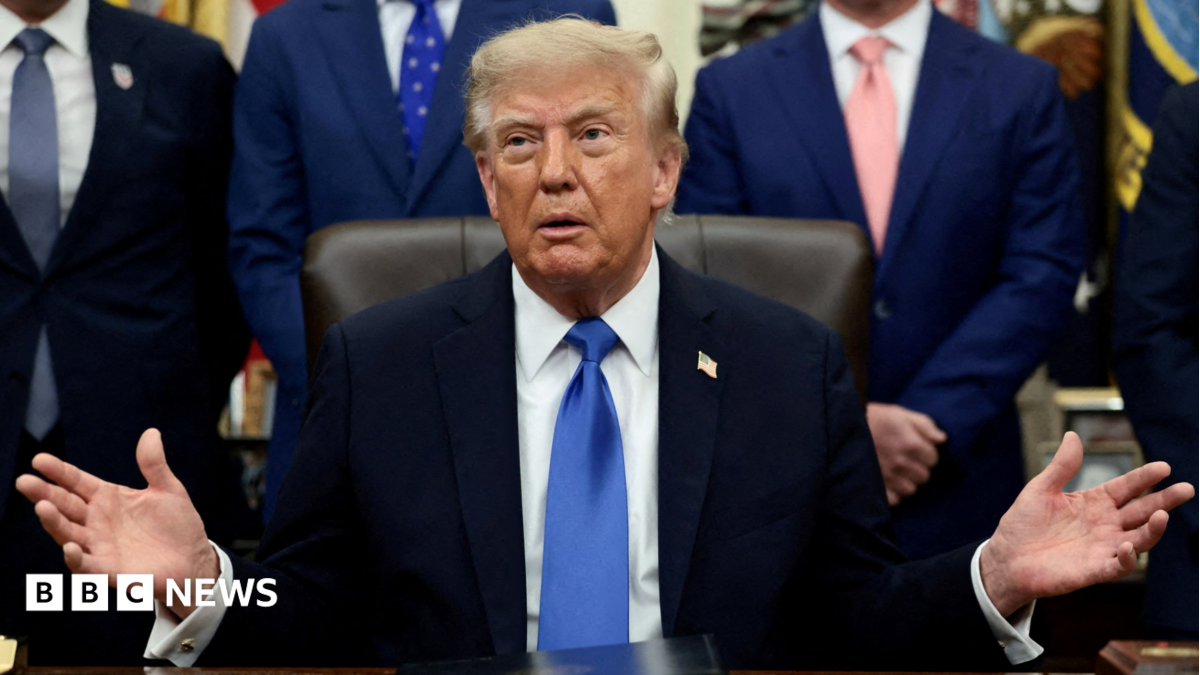
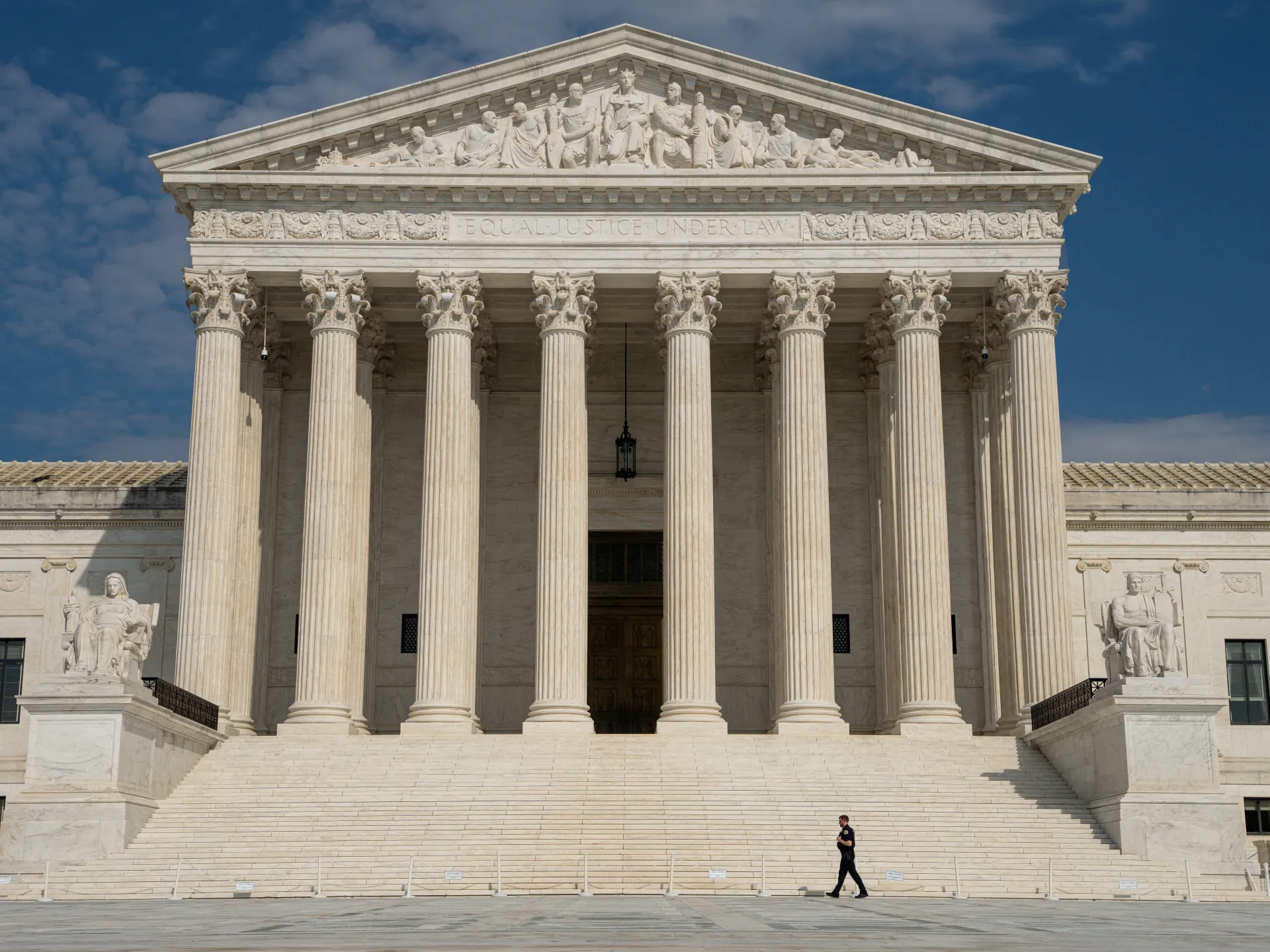
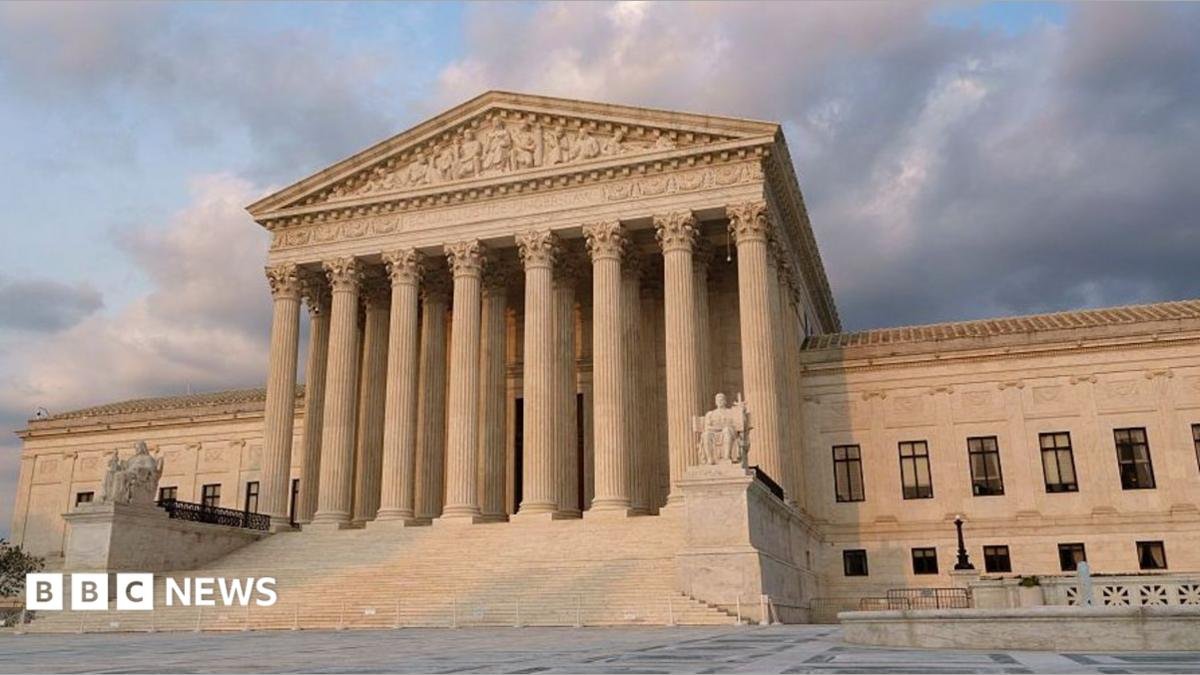
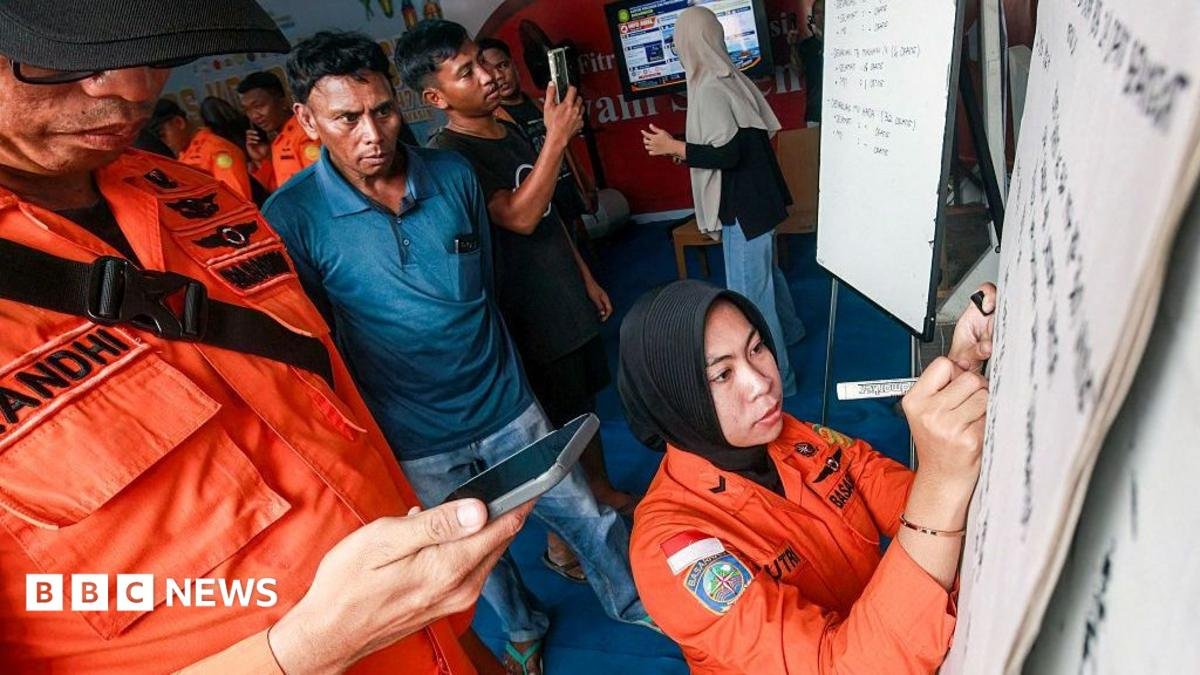
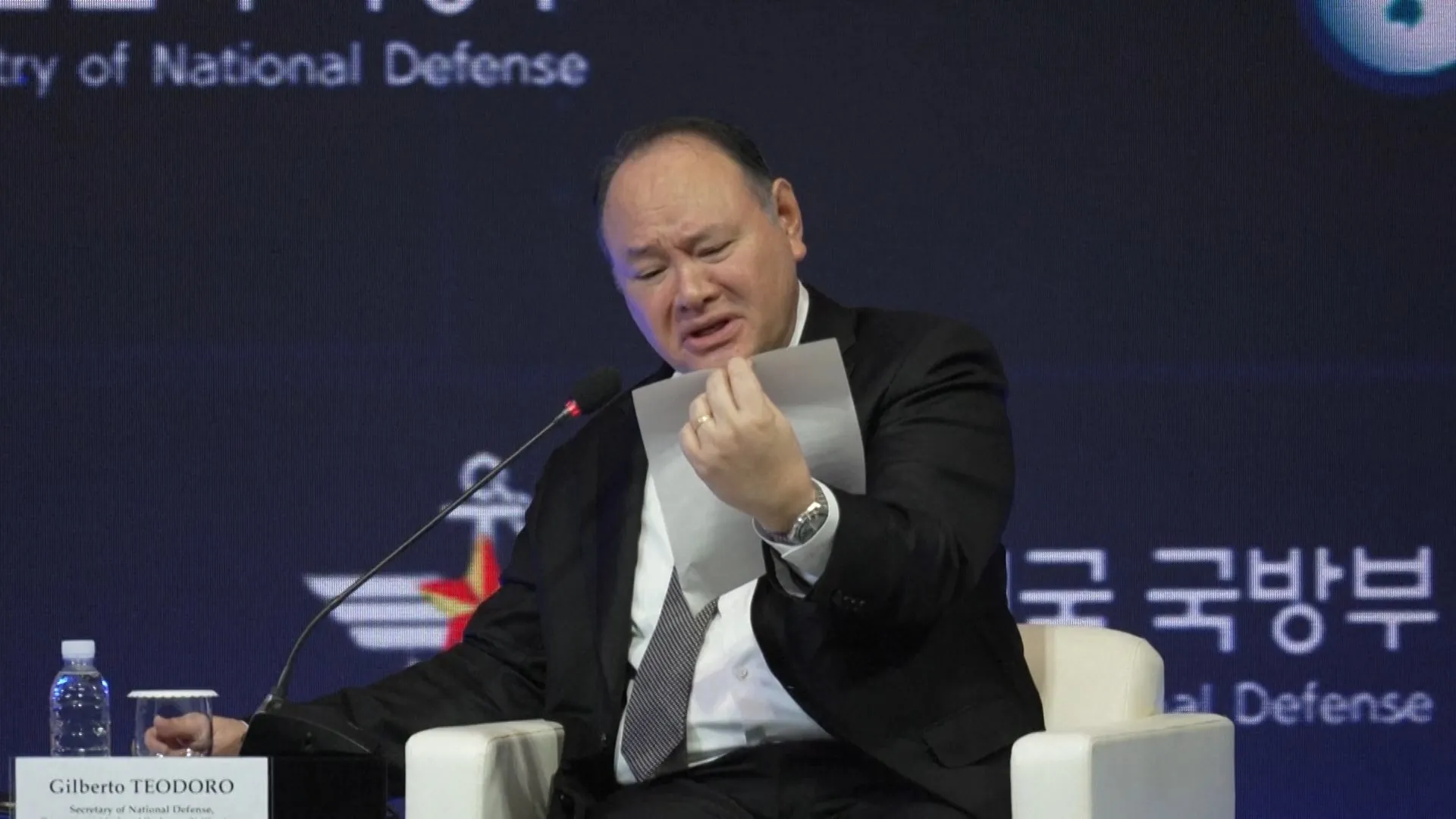
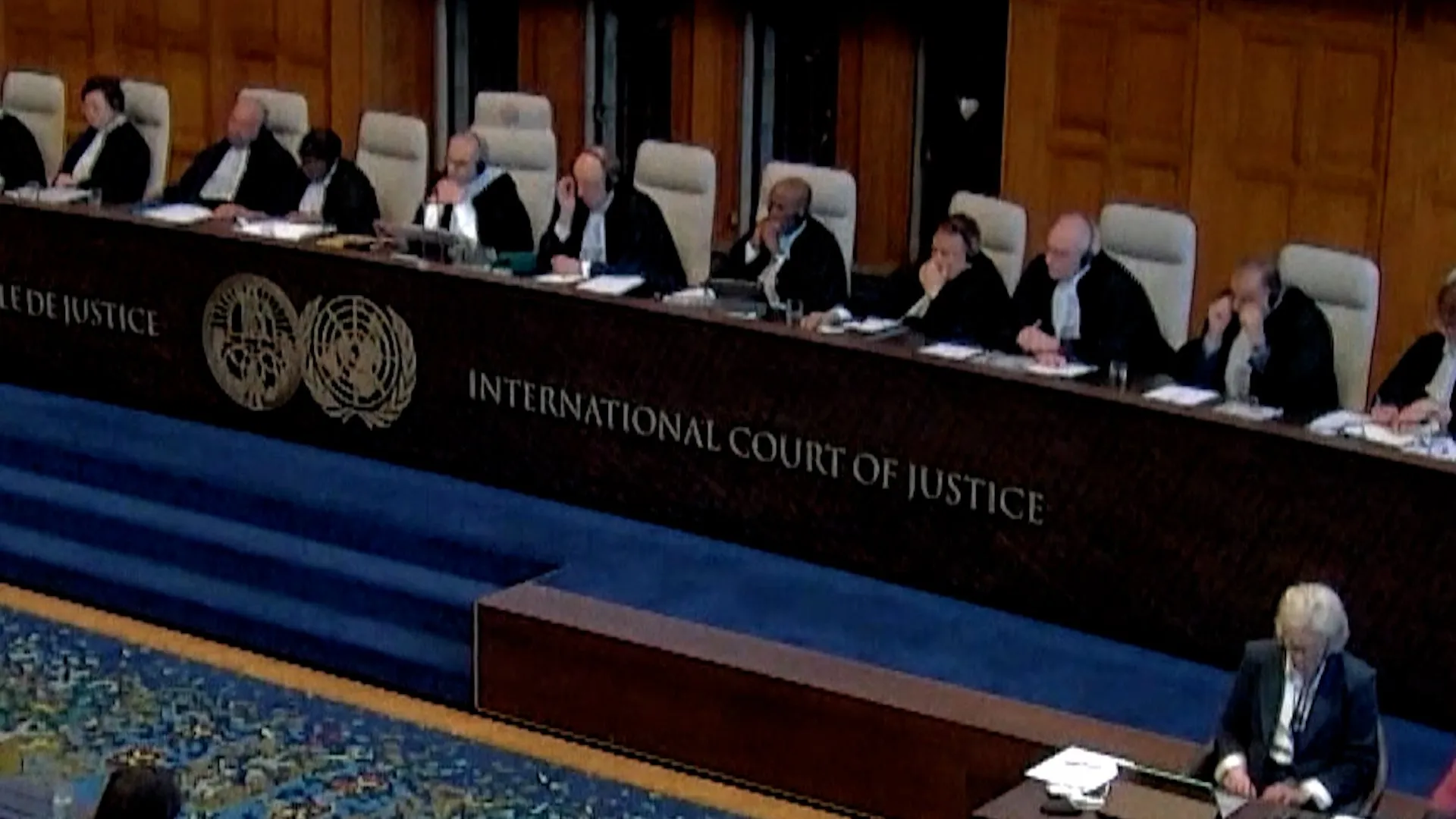
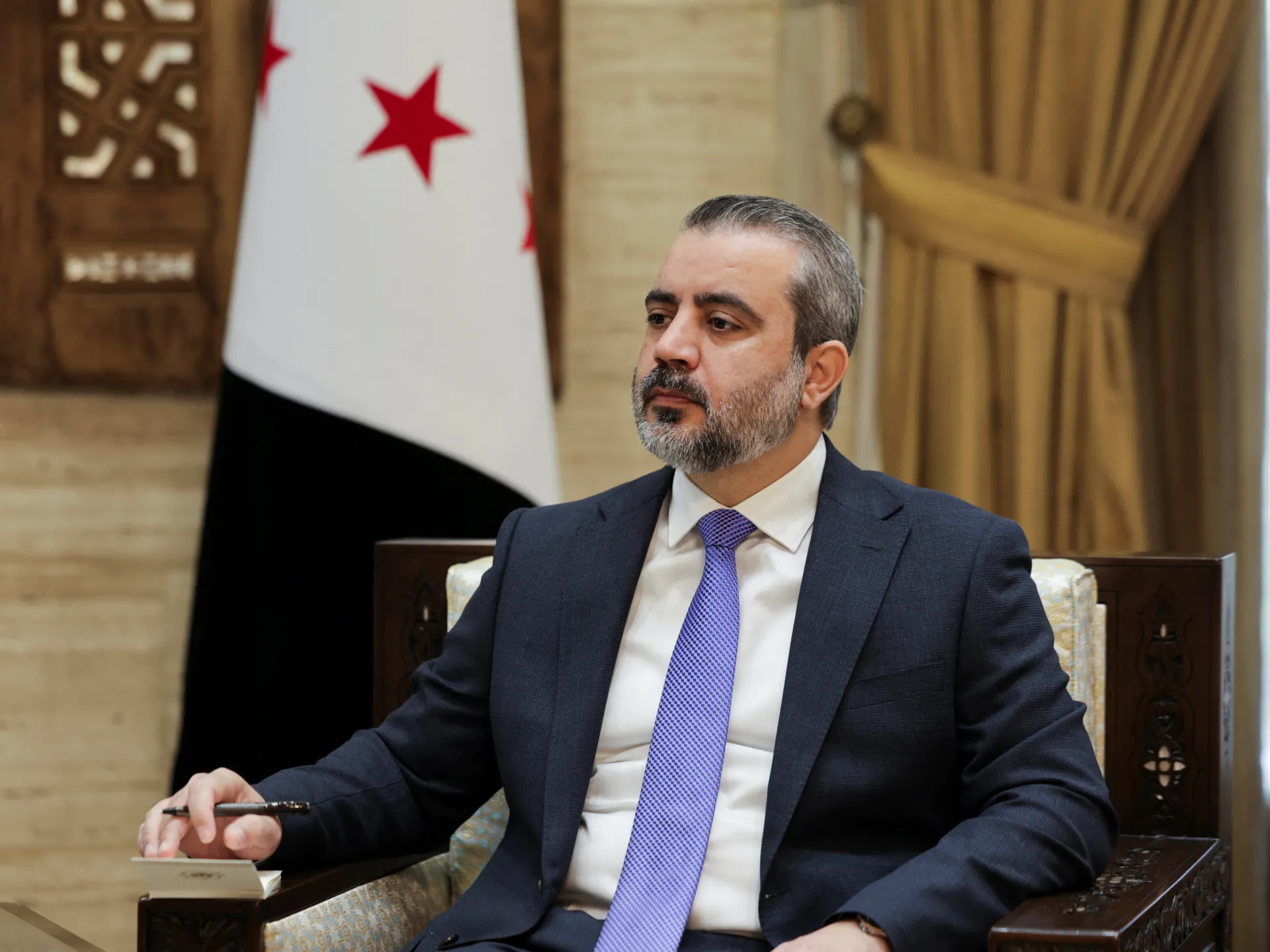
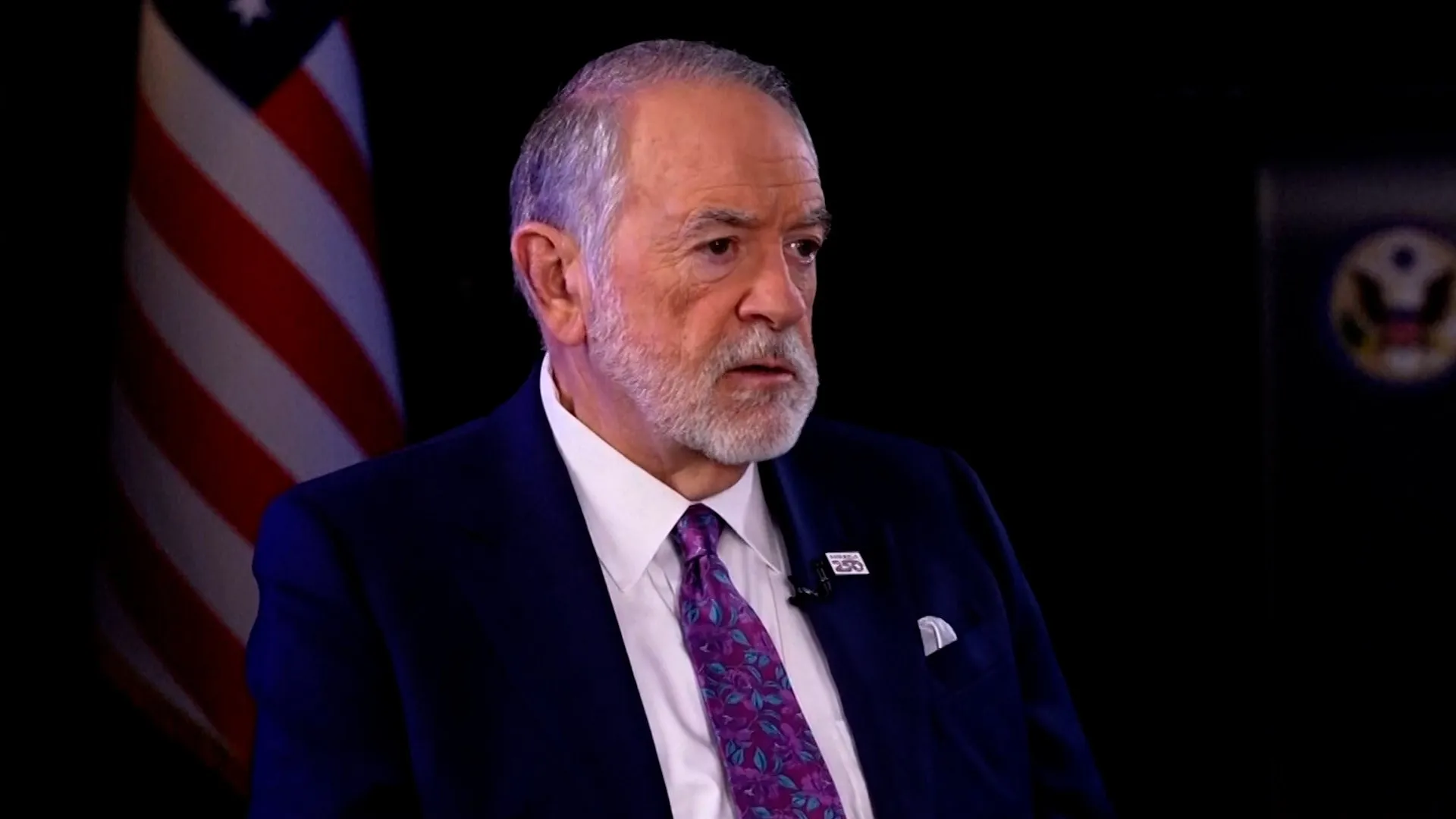
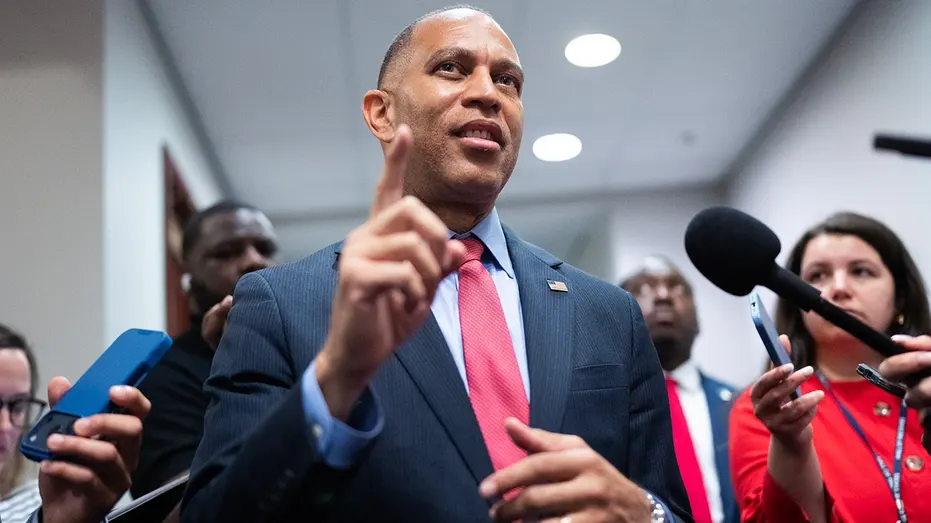
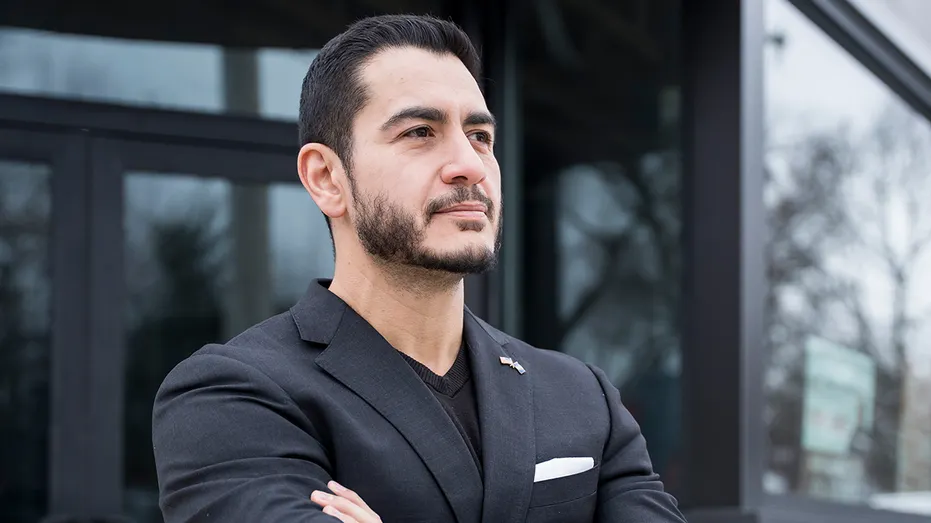
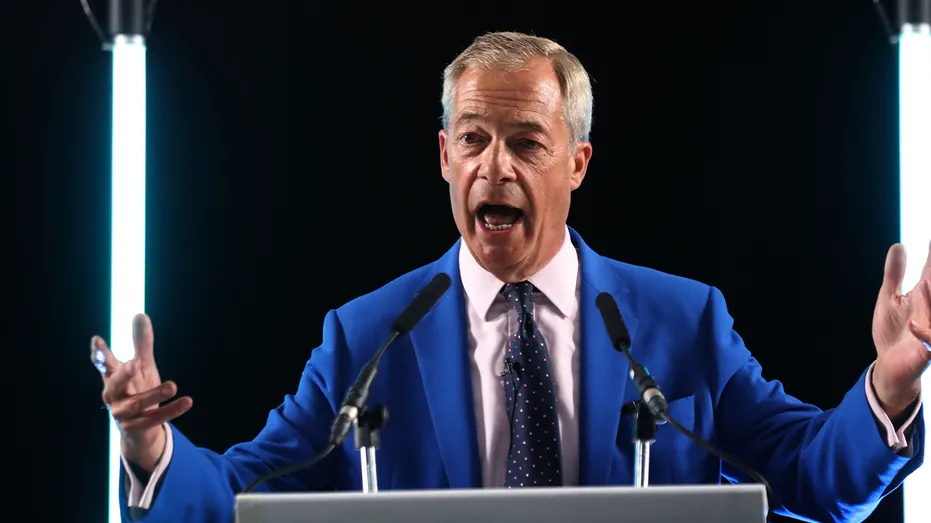
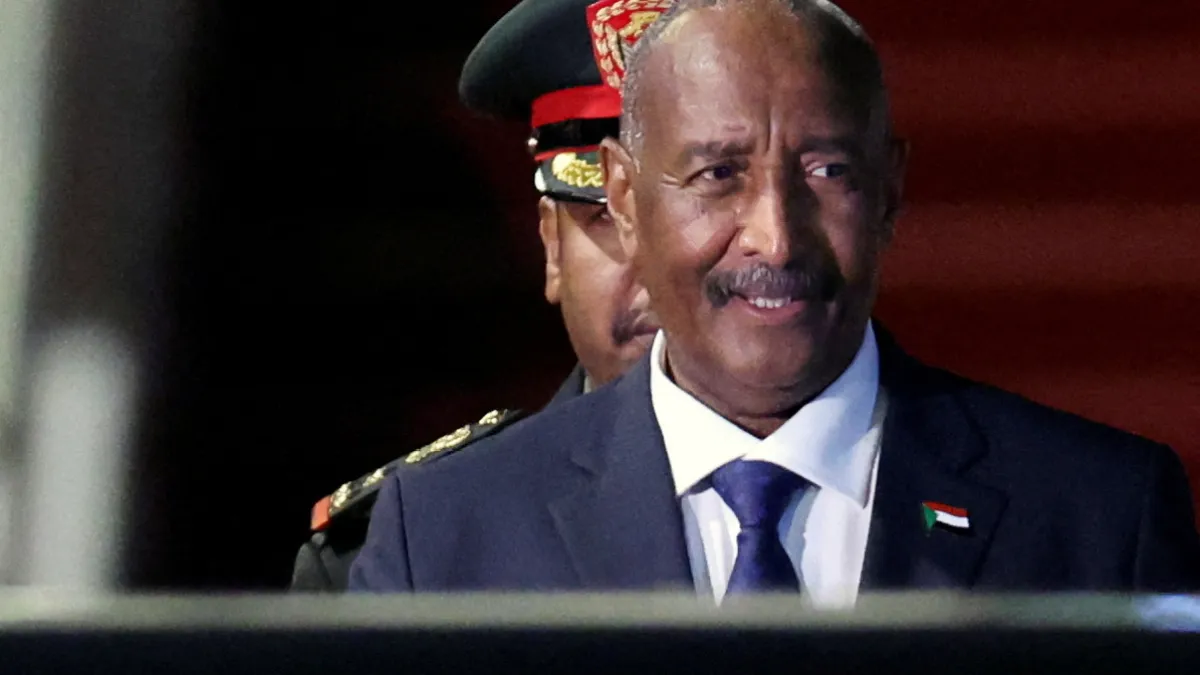
Former Philippine President Rodrigo Duterte made his first in-person appearance at the International Criminal Court in The Hague this week, marking a significant shift in his legal strategy. After being detained for 18 months following his arrest in Manila in March 2025, the 81-year-old former leader appeared in a dark suit for the status hearing. Throughout his detention, he had largely avoided the proceedings or appeared only via video link.
The court is currently determining whether Duterte is mentally fit to stand trial, following claims from his defense team, led t findings of a court-ordered medical assessment remain private, reports indicate the defense argues Duterte exhibits deep disorientation, including an inability to recall key political figures or his own age. Prosecutors have contested these claims, pushing for the trial to proceed as scheduled on November 30.
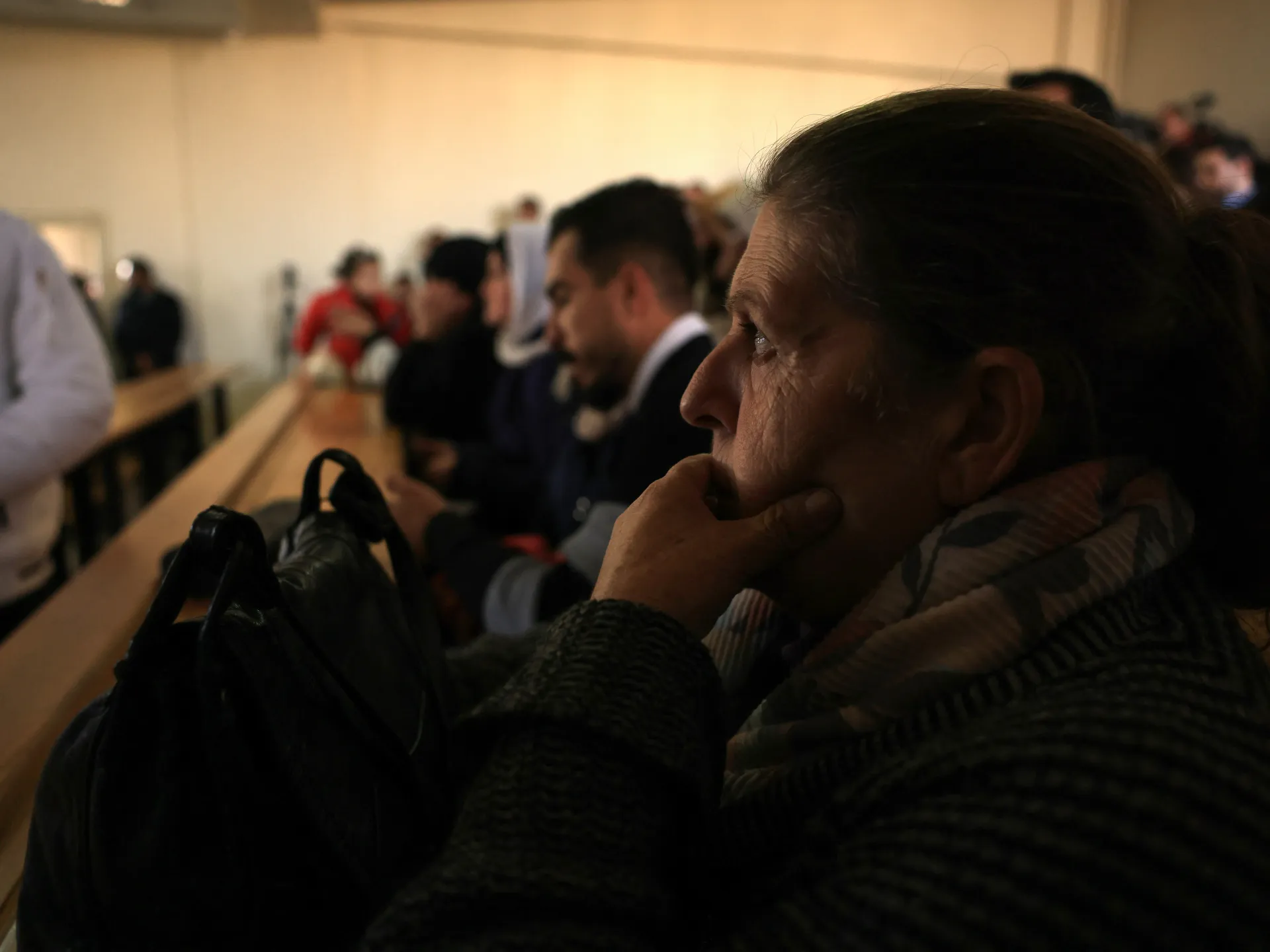
The case revolves around allegations of crimes against humanity during his “war on drugs” between 2011 and 2019. Families of the victims, who watched the proceedings via livestream from Manila, expressed cautious optimism regarding his physical presence in the courtroom. While some relatives noted his appearance seemed stable, the judicial process remains focused on the threshold of his cognitive ability to participate in his own defense.
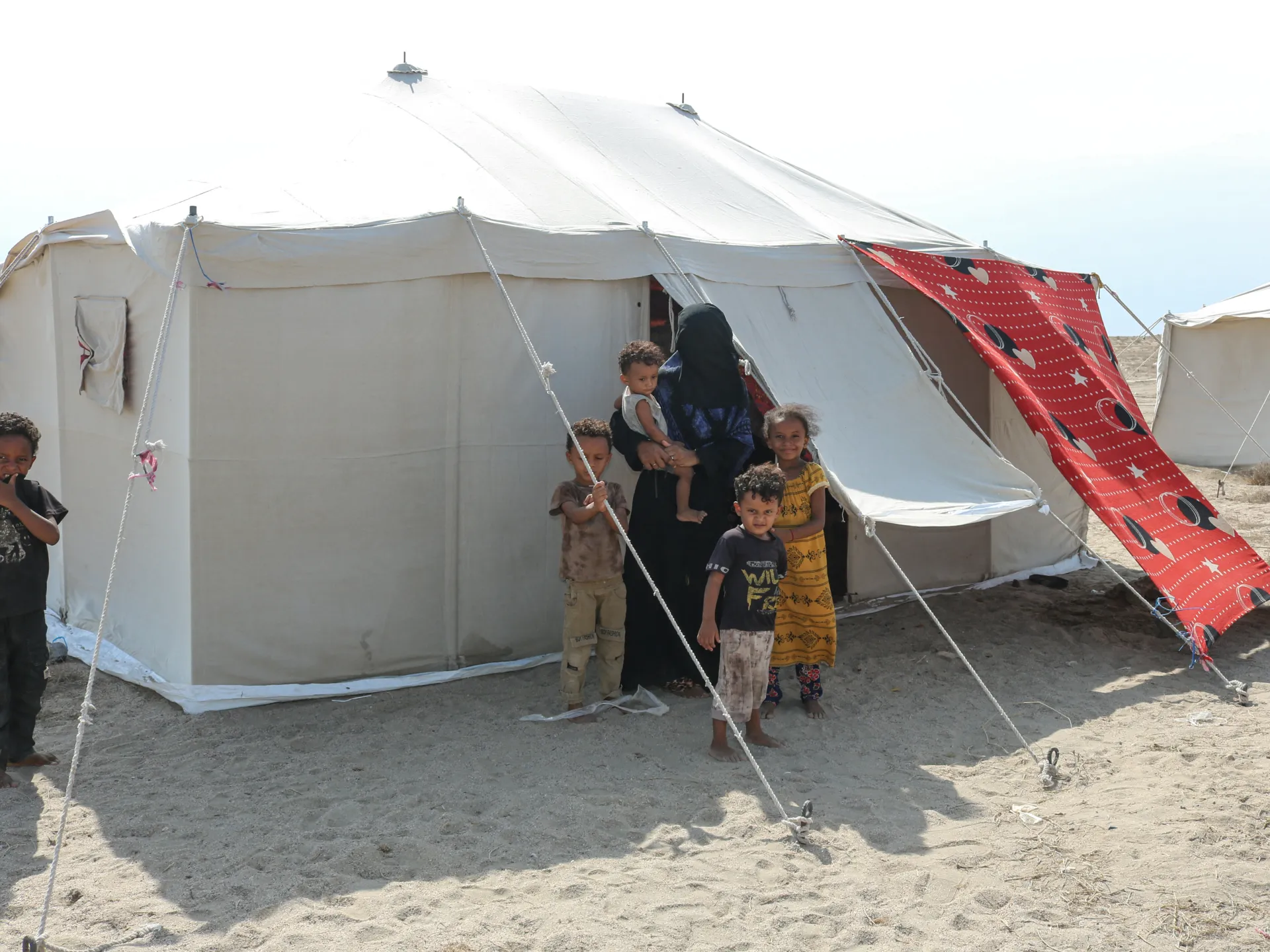
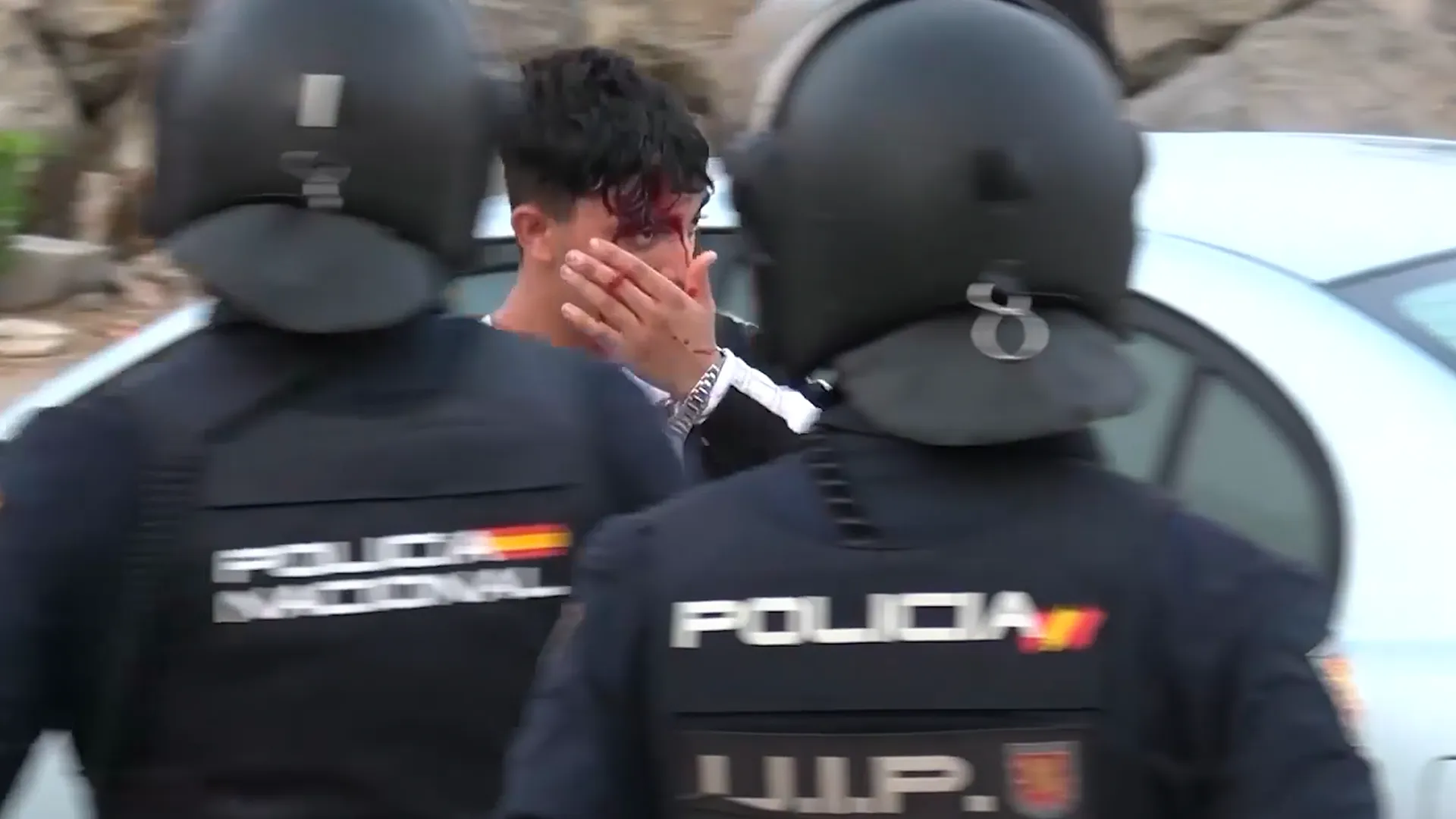
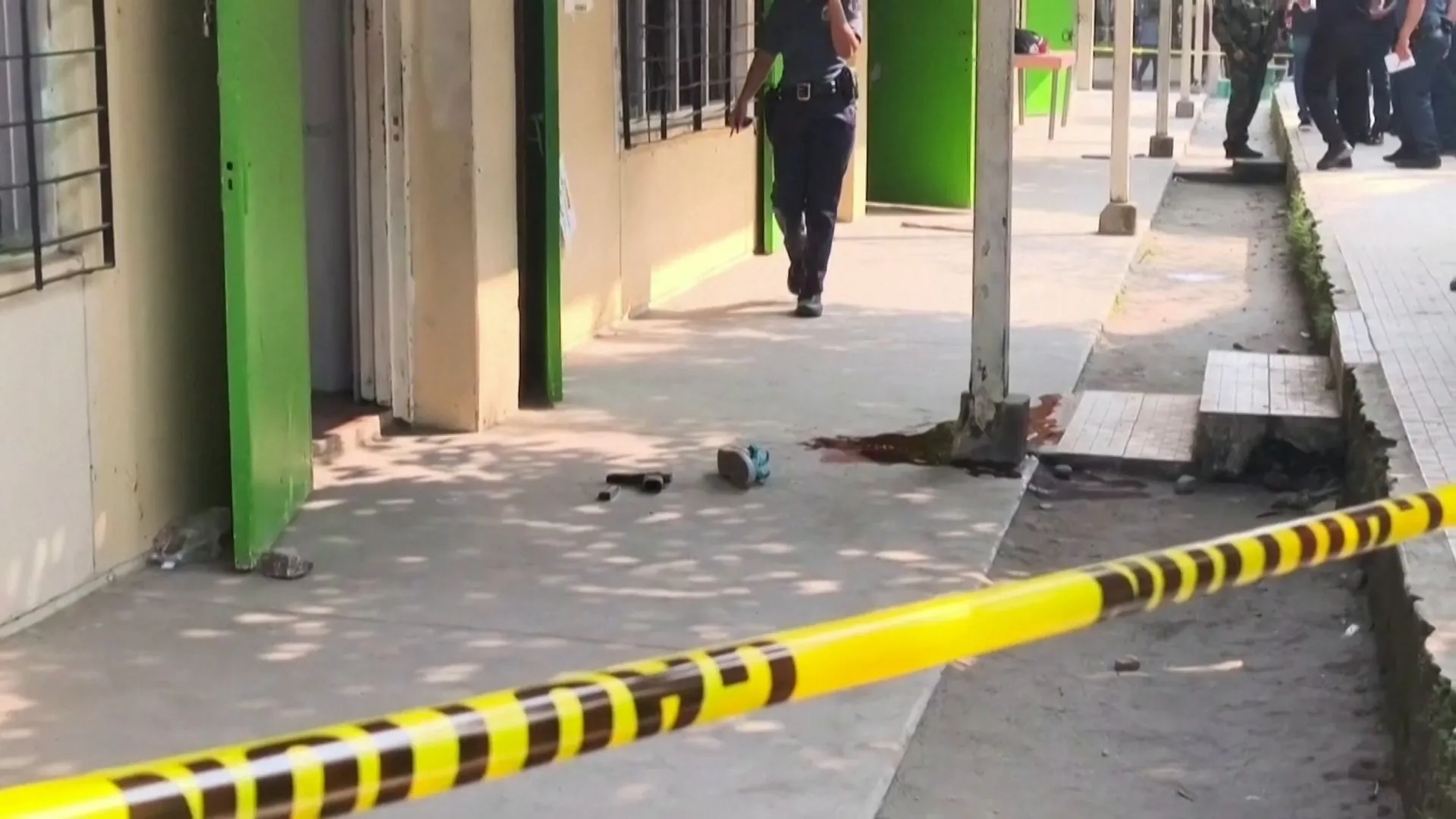
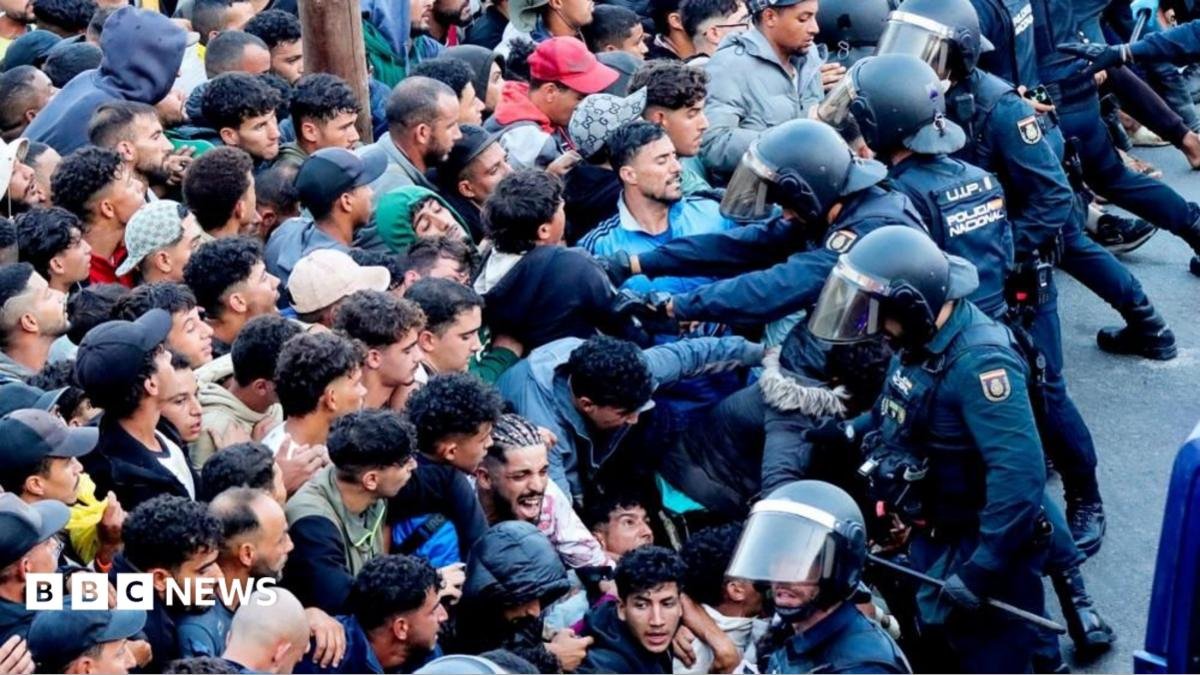
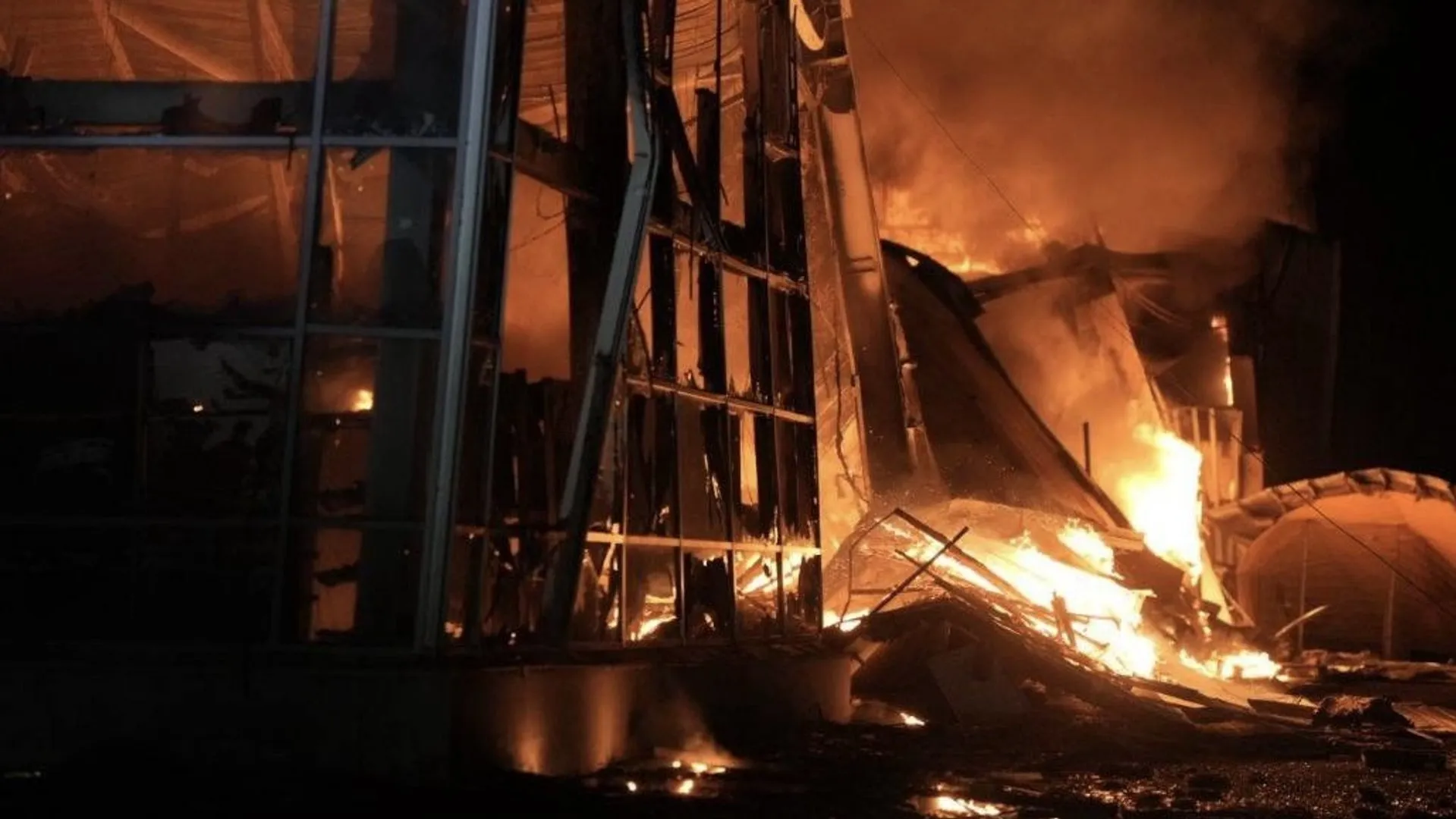
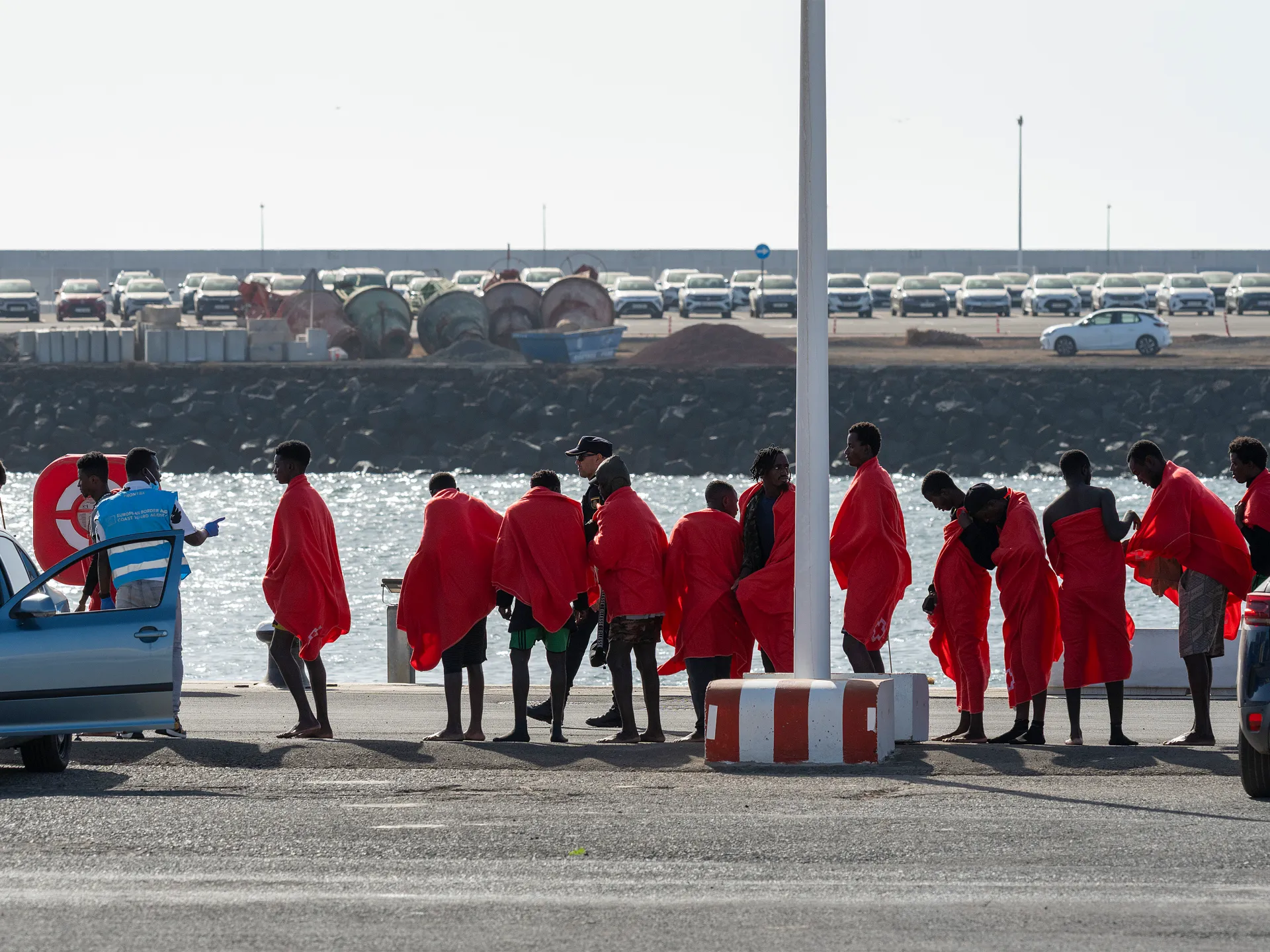
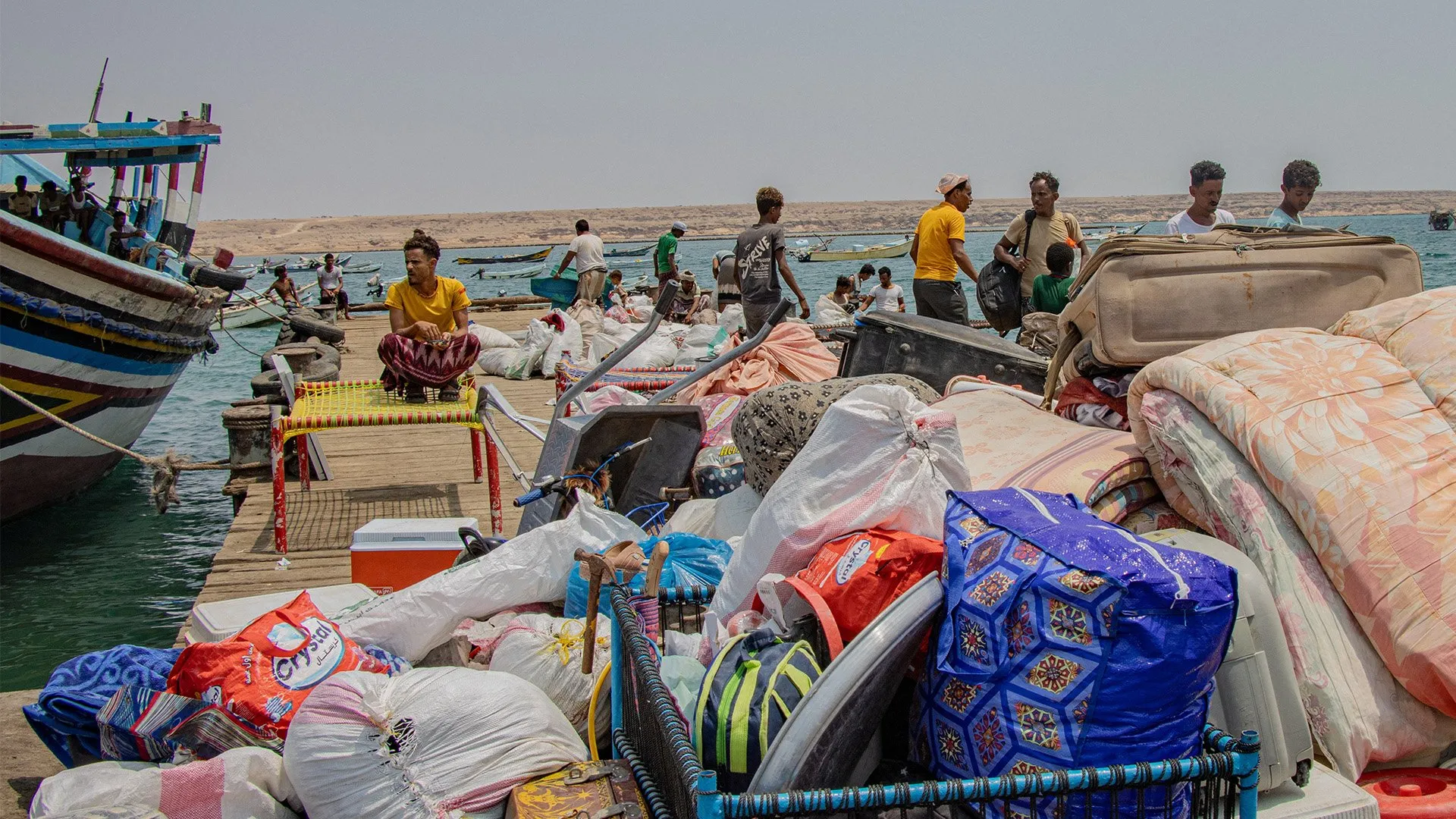
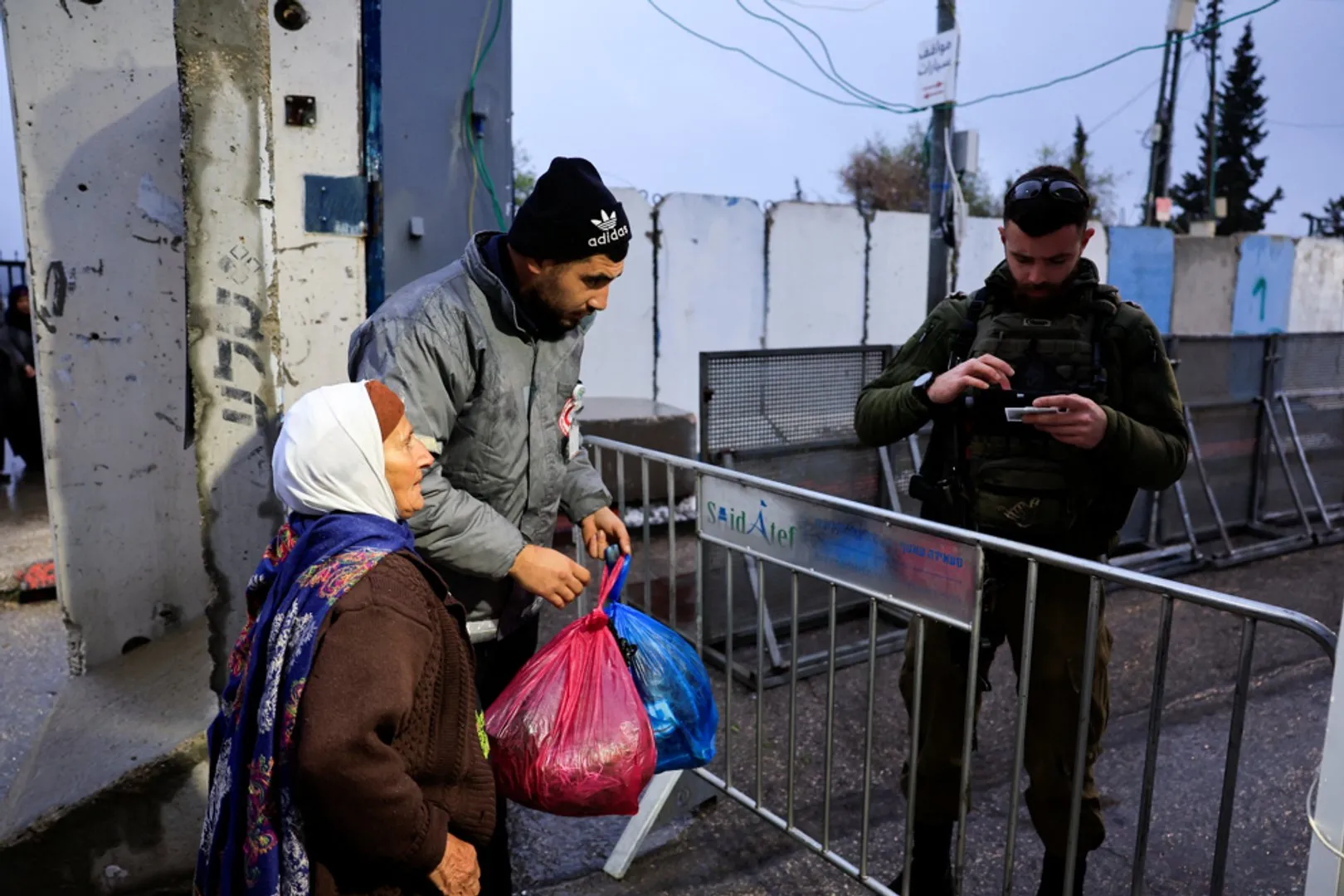
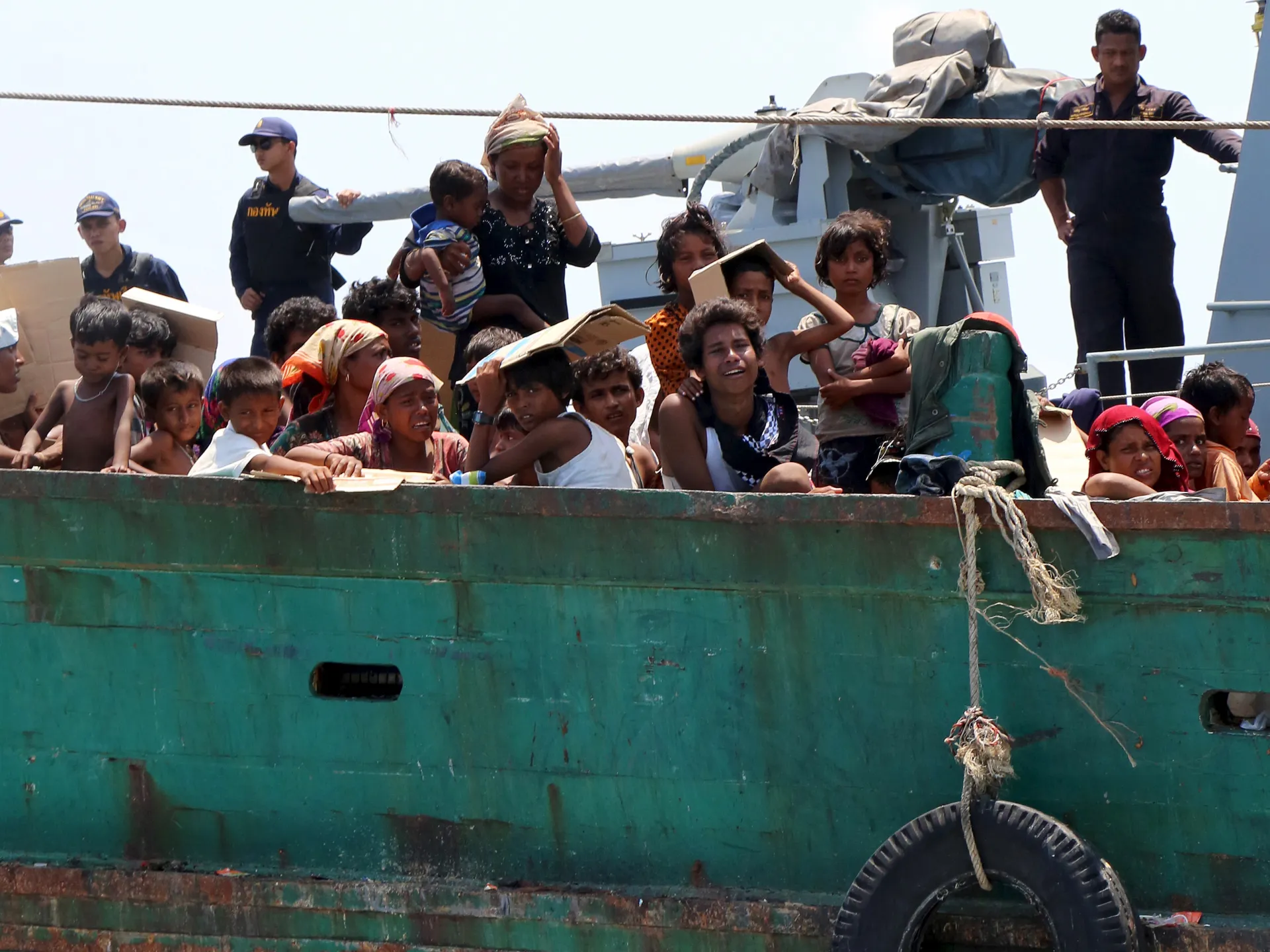
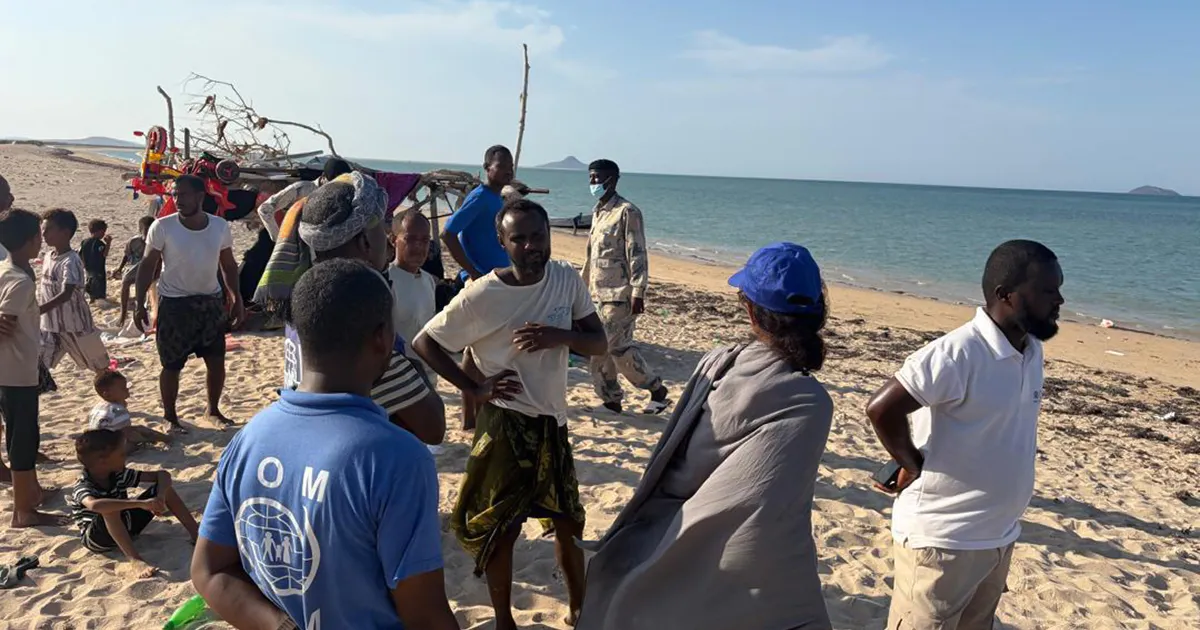
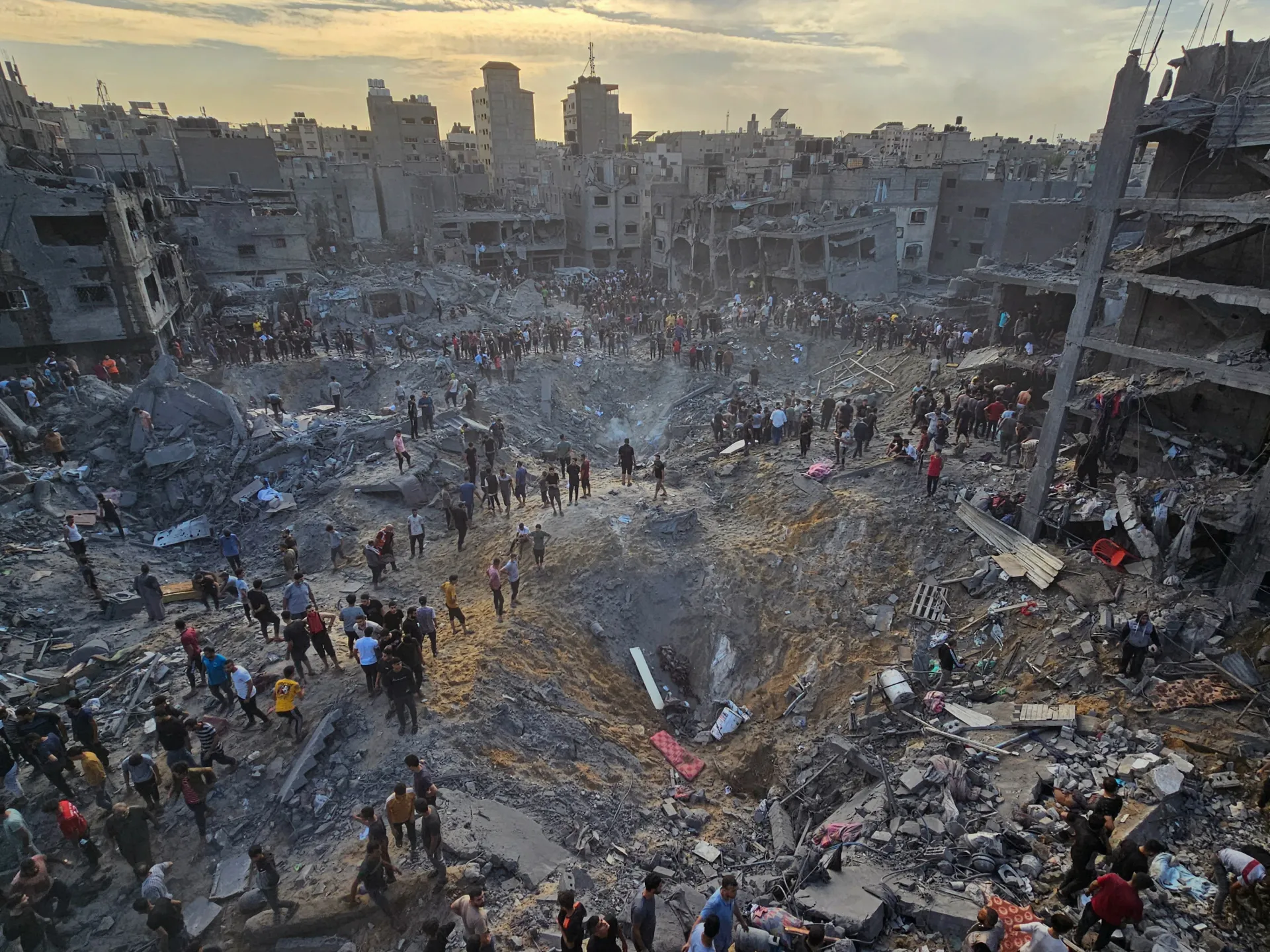
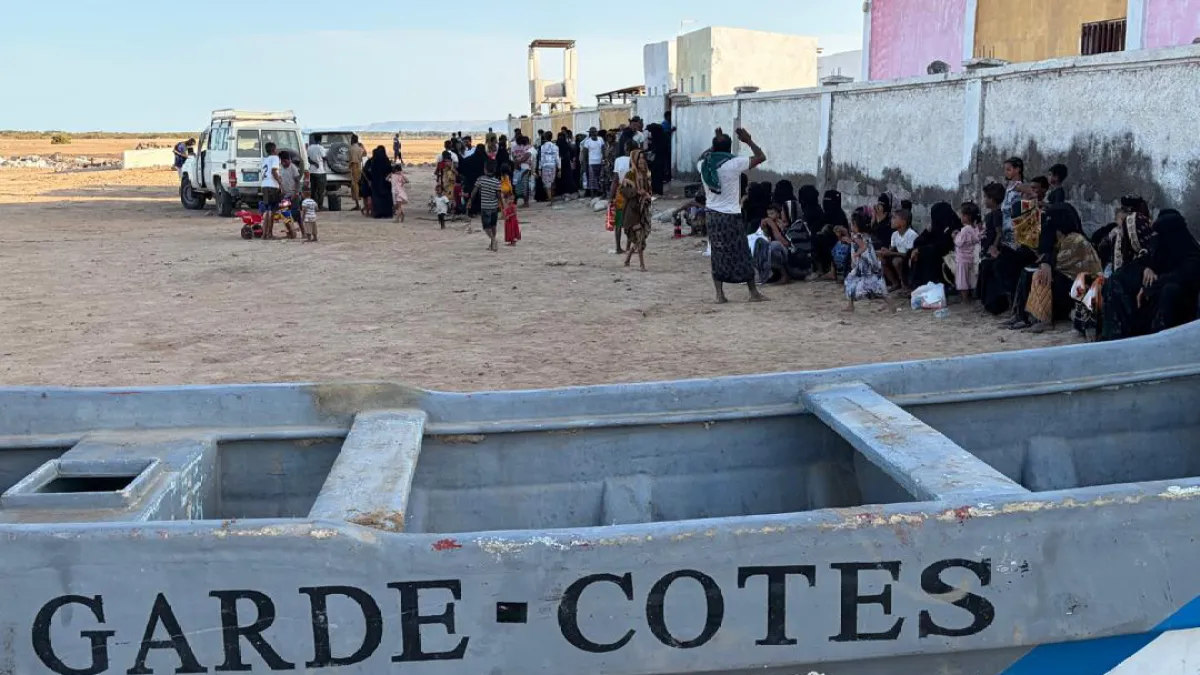
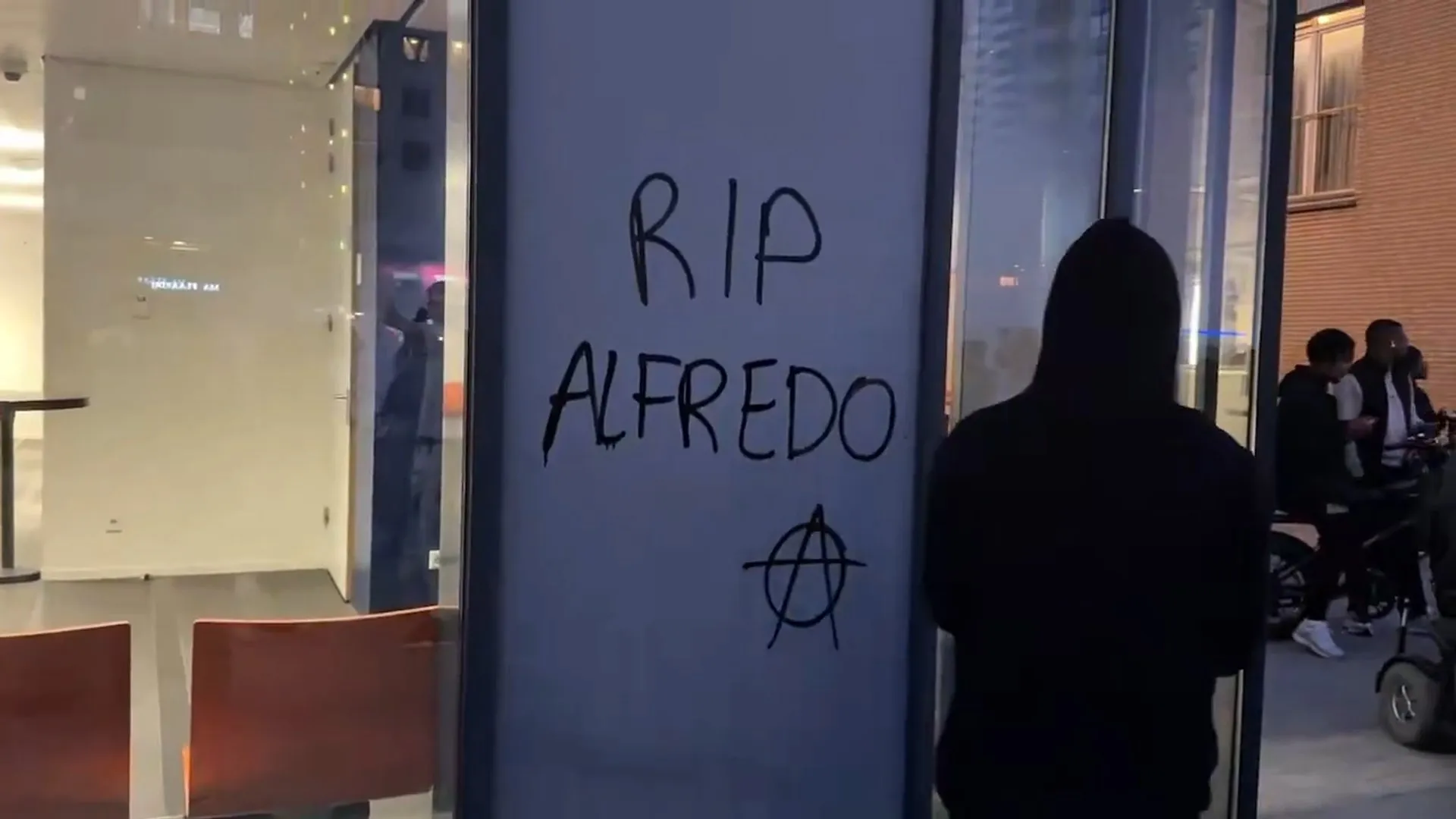
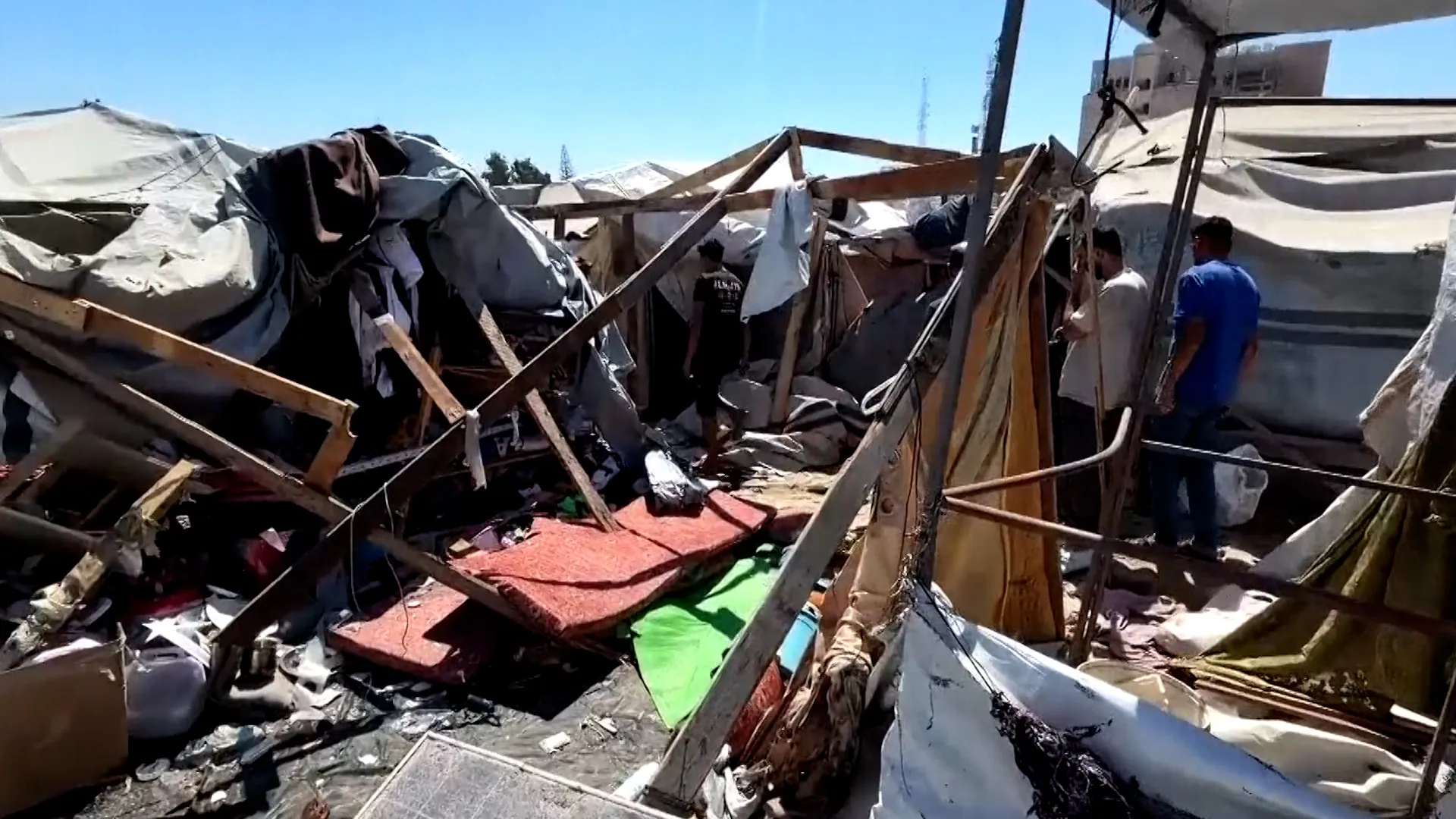
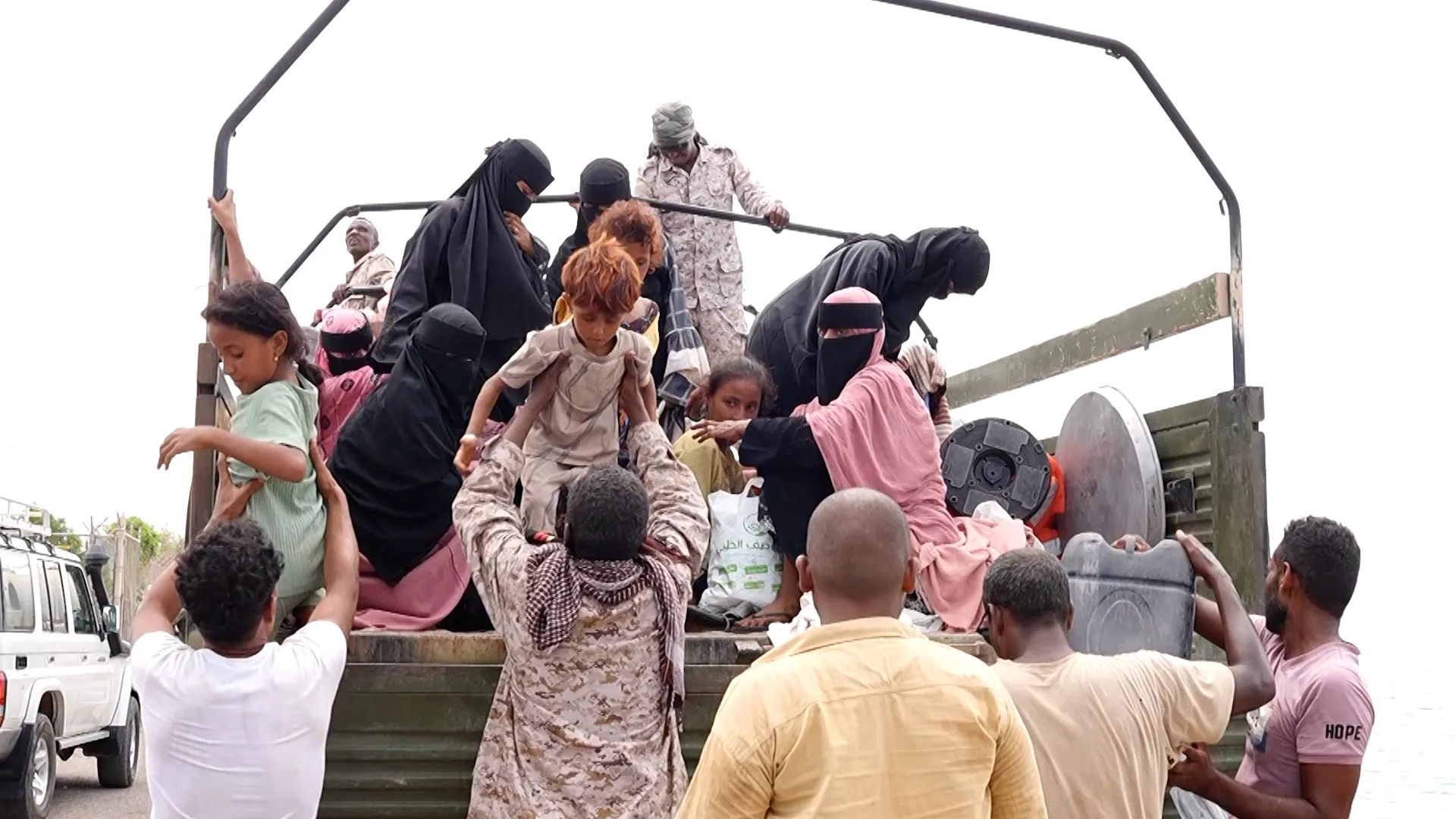
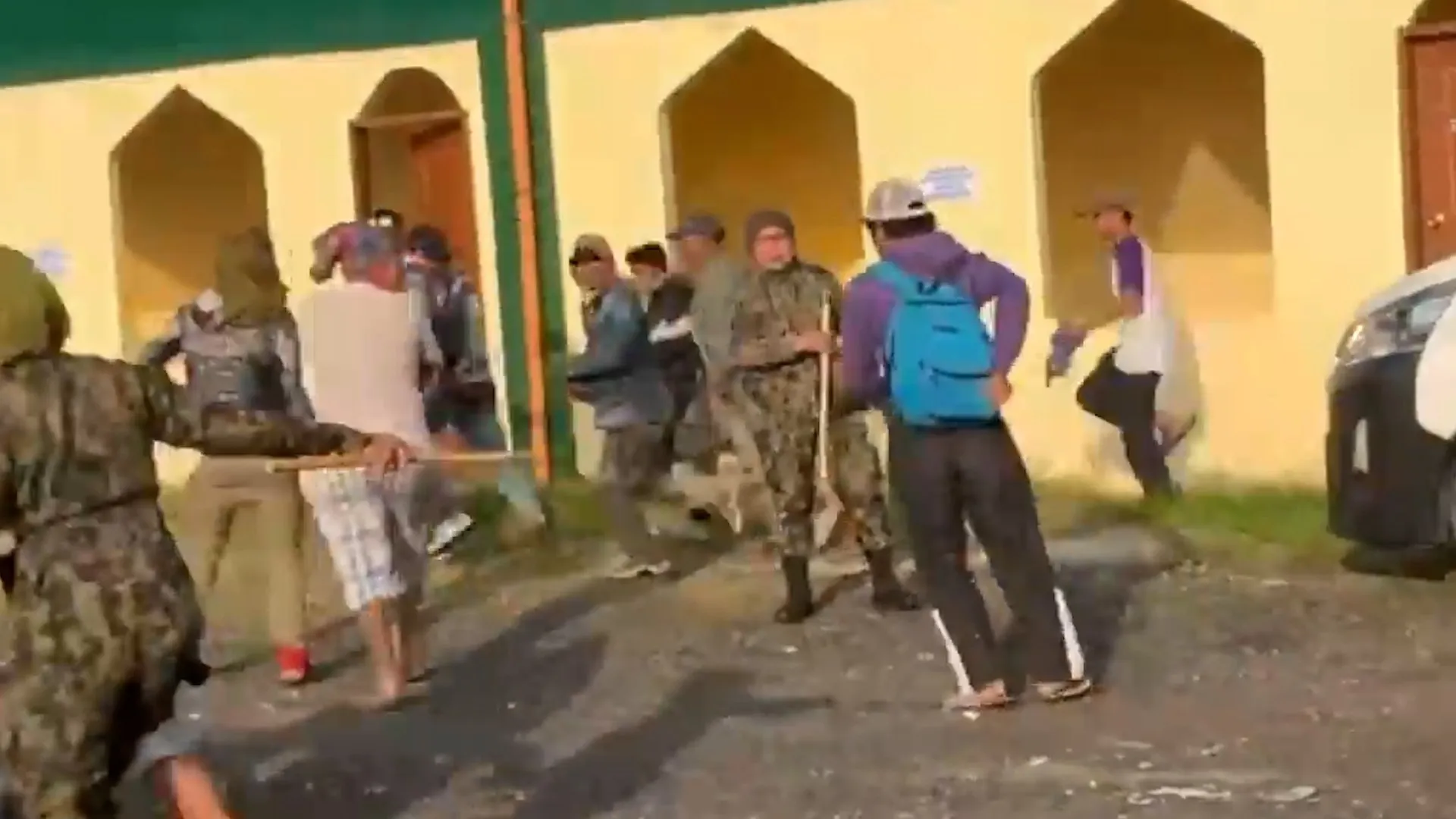
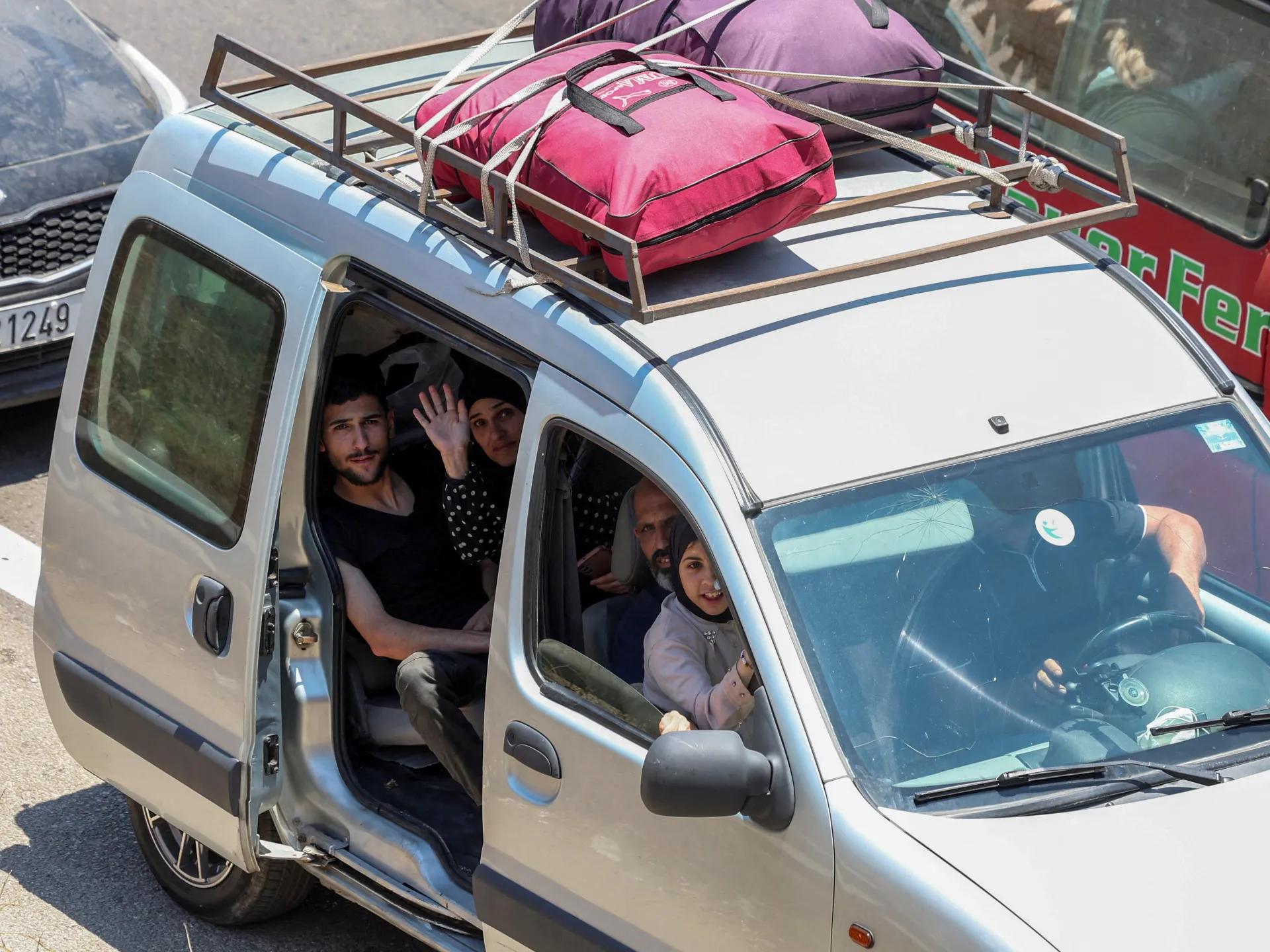
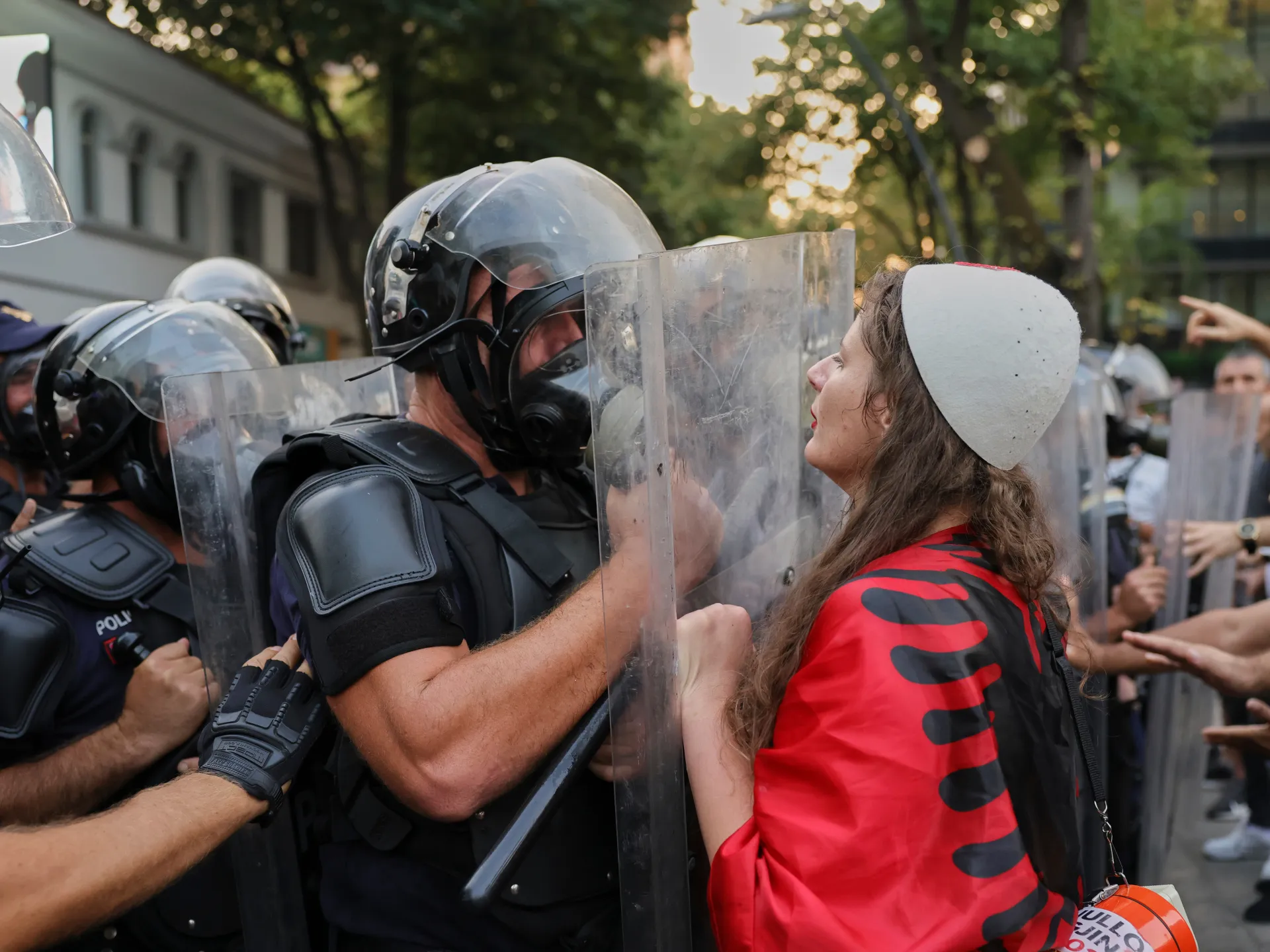
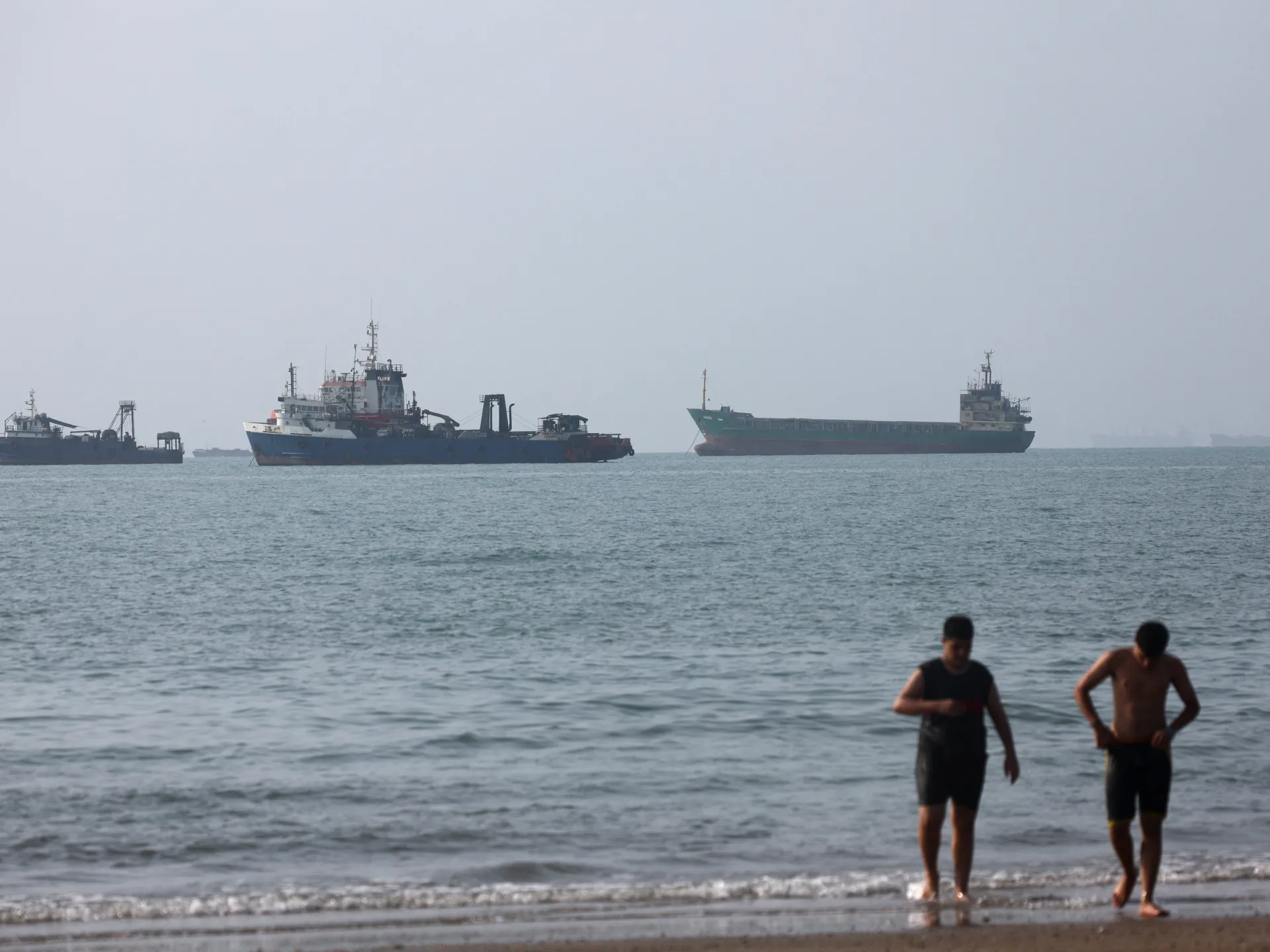
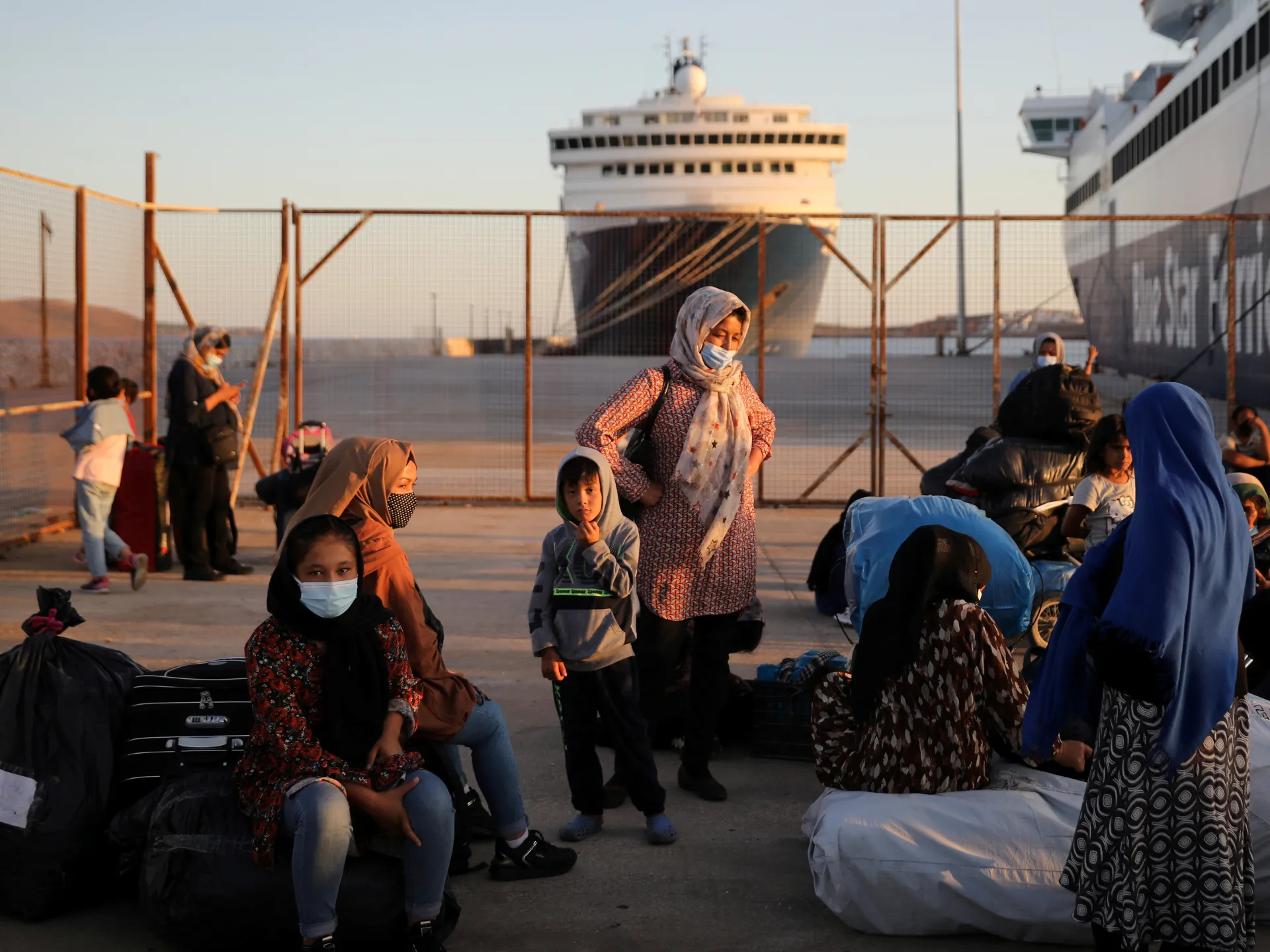
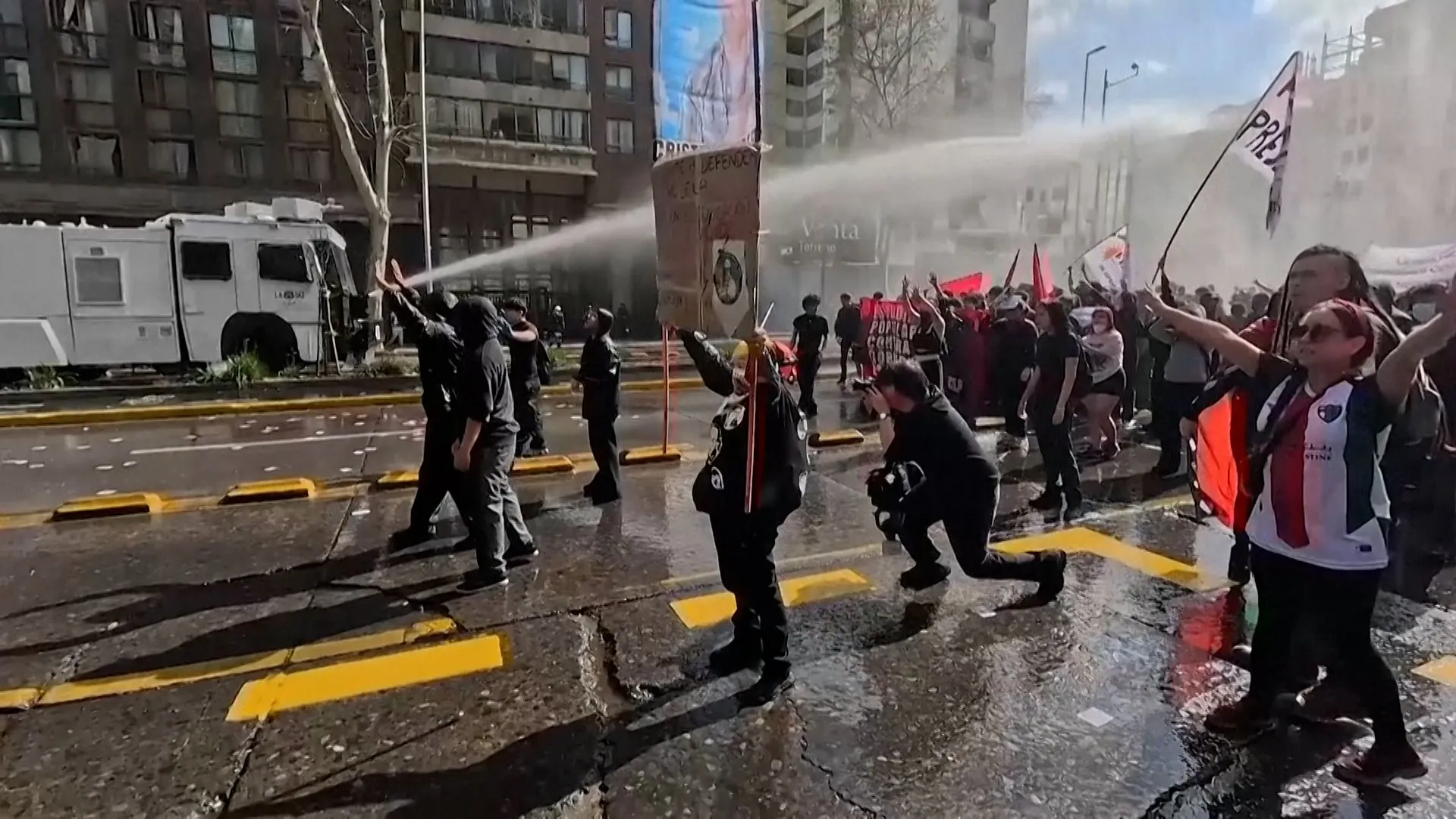
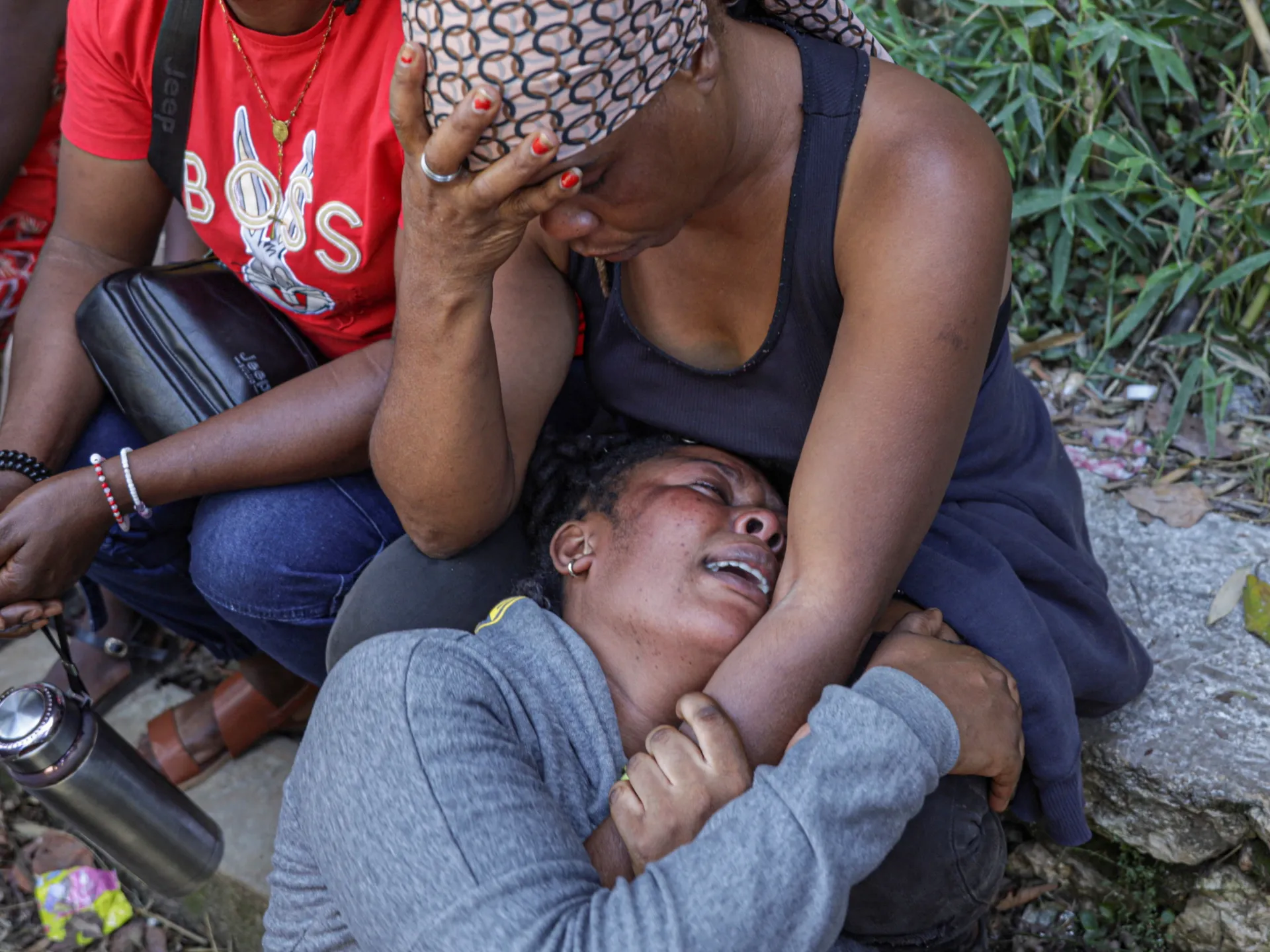
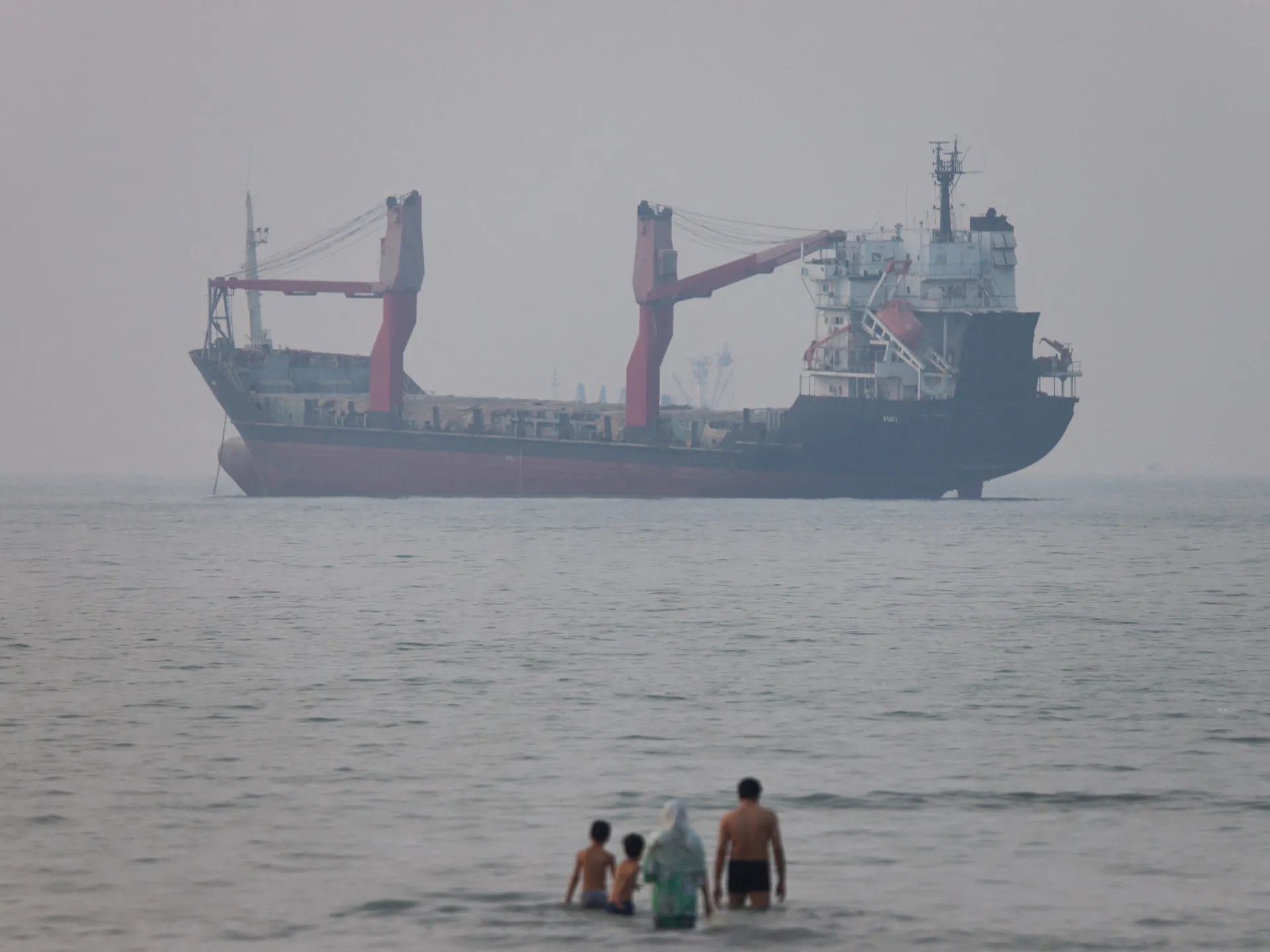
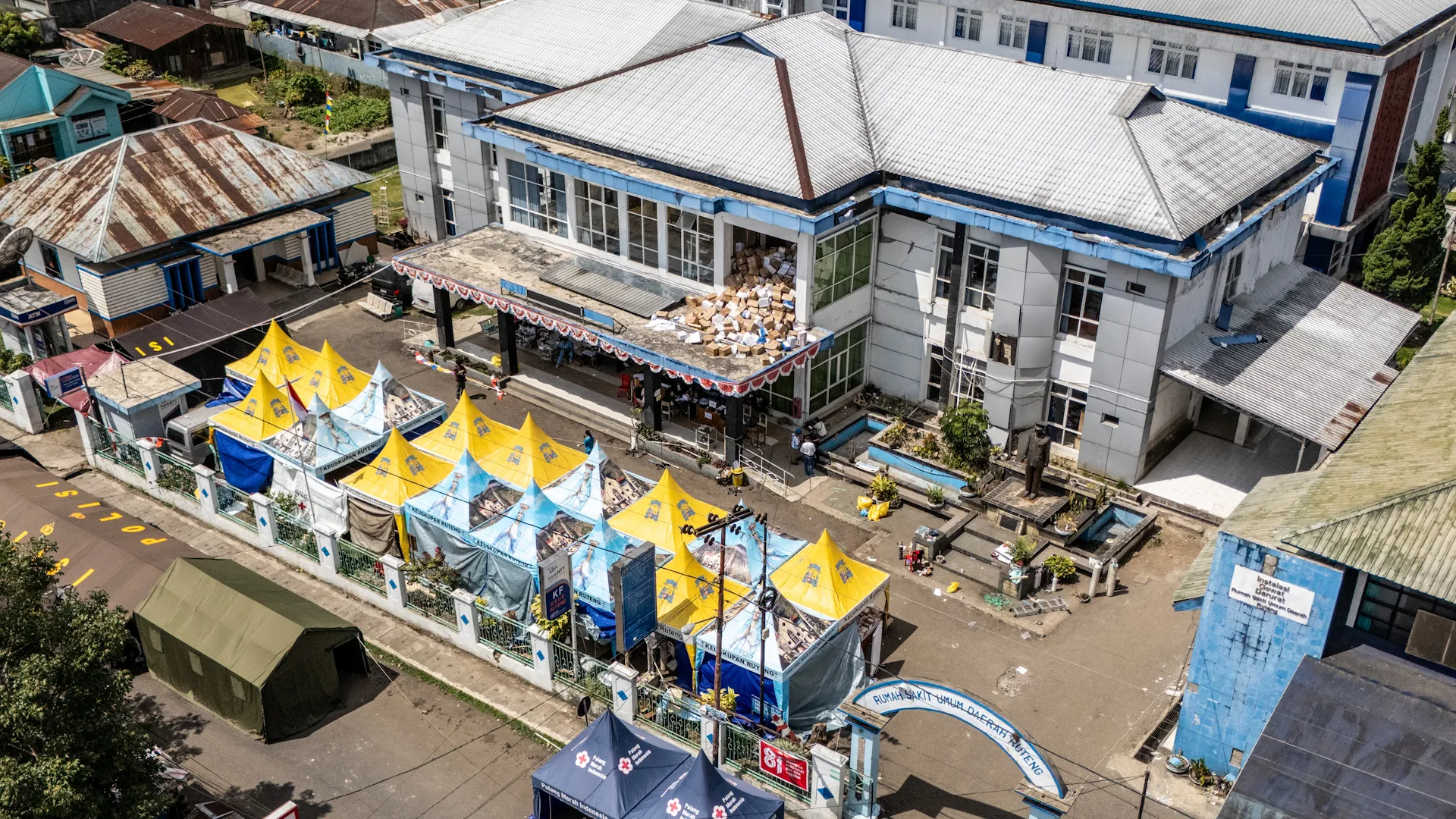
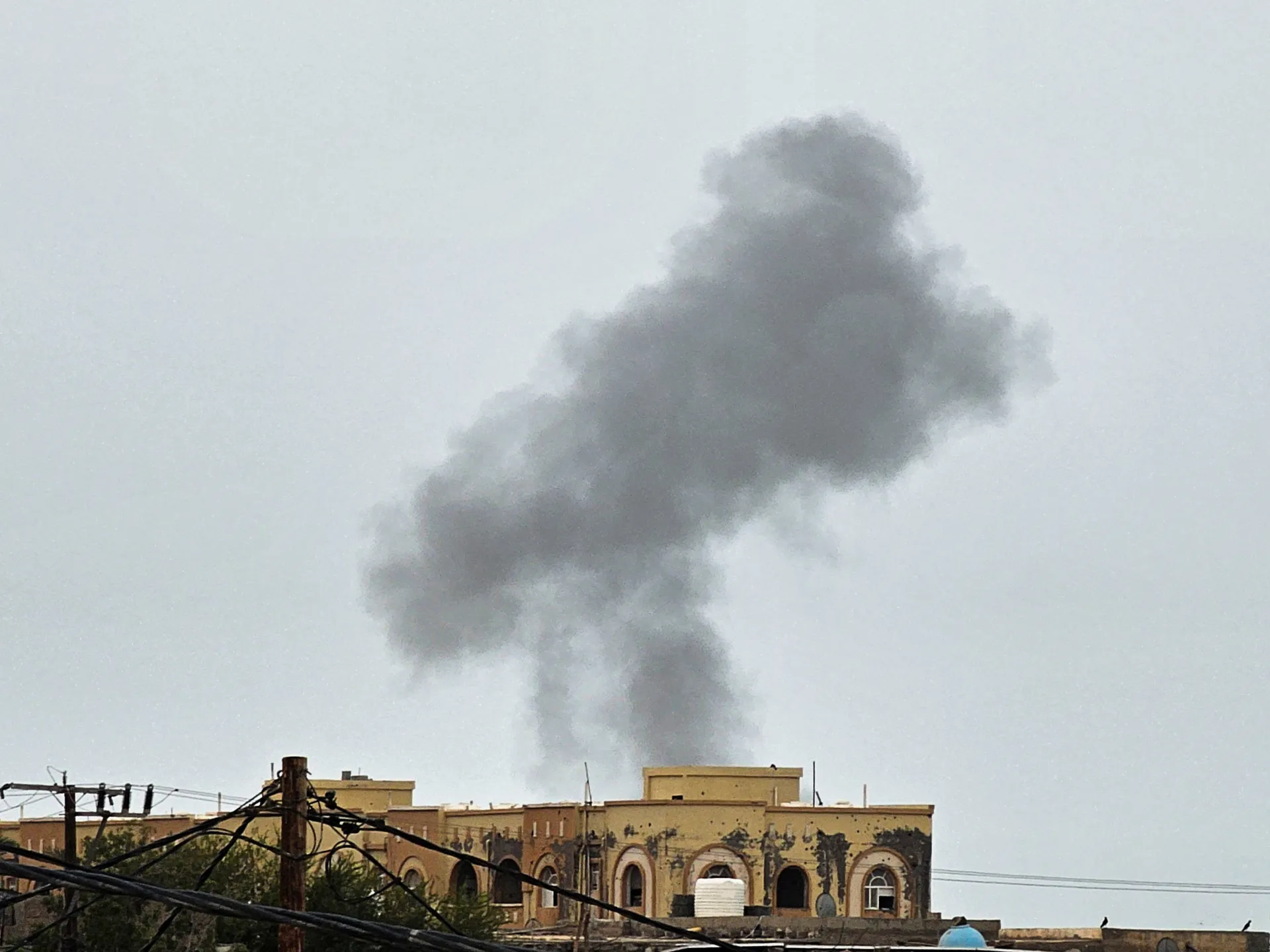
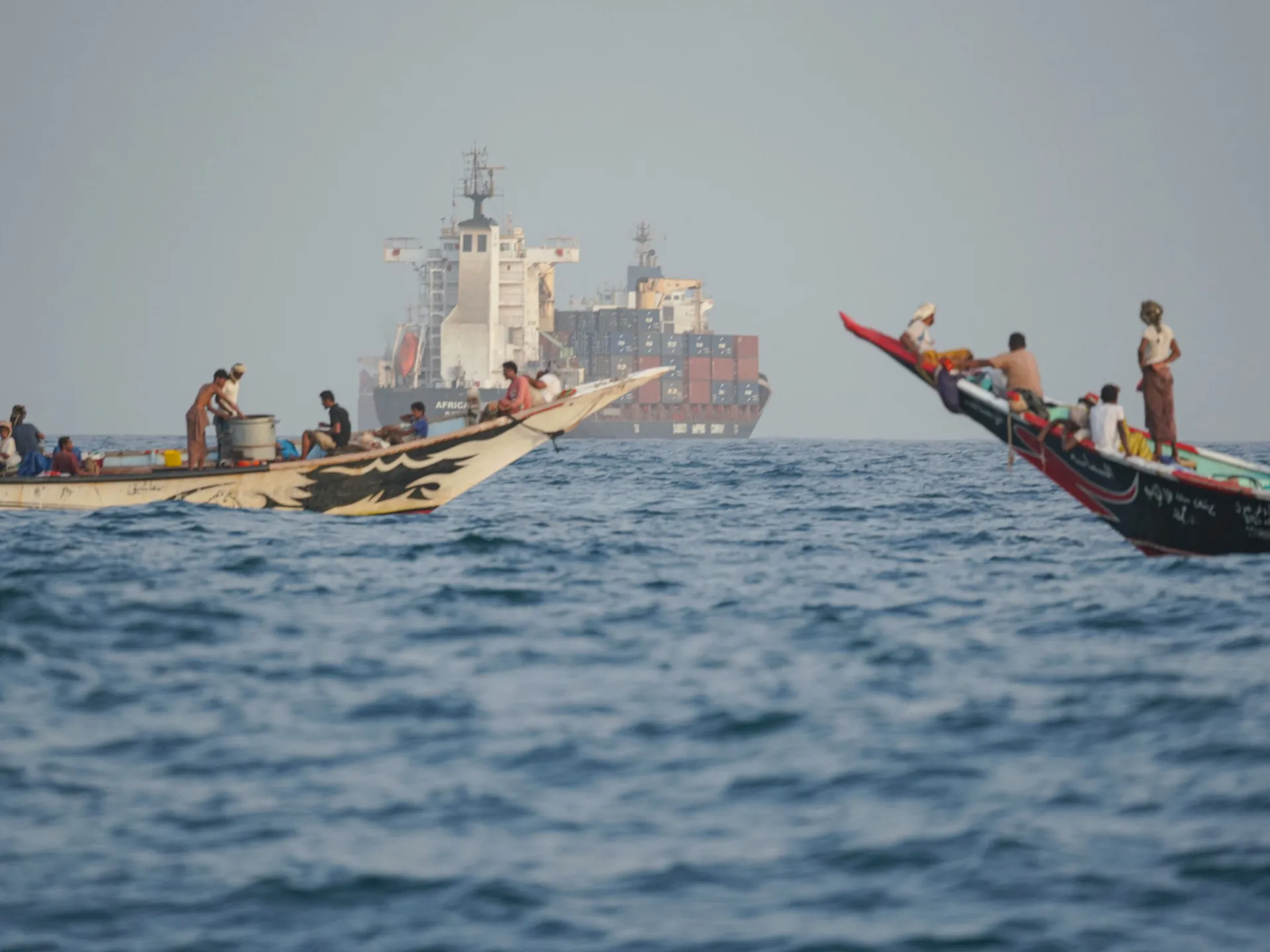
While the ICC grapples with accountability, the Spanish territory of Ceuta remains under intense pressure as migrant numbers climb. Recent reports indicate that over 60,000 individuals have reached the territory, with authorities struggling to manage the influx. Police operations to relocate migrants from beach areas have reportedly included firing warning shots to control crowds at designated tented sites.
The political response has involved both official government rhetoric and high-profile displays of solidarity. Real Madrid President Florentino Perez visited the Ceuta city hall on Friday, explicitly stating that the visit was pre-planned and unrelated to recent news or player-led activism. This followed a high-profile incident where Real Madrid players—including Kylian Mbappe, Vinicius Jr, and Ibrahima Konate—obscured slogans on their pre-match shirts, an act initially interpreted as intended to avoid prioritizing the suffering of one group over another, even as the club maintained its support for the territory.
The Spanish government continues to frame the situation as a byproduct of human trafficking networks. With tens of thousands of irregular crossings recorded since July, the crisis has become a central point of contention for local administration and national leadership alike.
The immediate future of the Duterte case rests on the judges' evaluation of the three-person medical panel's findings. If the court rules he is fit to stand trial, the proceedings will likely move to the scheduled November date. If he is found unfit, the ICC will face a complex choice regarding the indefinite suspension of a case with significant international interest.
Regarding the situation in Ceuta, the combination of continued police presence and political efforts to curb trafficking suggests that the territory will remain in a state of high alert. As Spain navigates the logistical challenge of processing tens of thousands of people, the reliance on high-profile public gestures and increased border enforcement is expected to continue without a clear resolution to the underlying migration flows.