
NASA has finalized repairs on its Guam communication hub while simultaneously expanding its orbital capabilities with the launch of the Nancy Grace Roman Space Telescope.
The resilience of Earth-based ground stations and the deployment of advanced space-based telescopes represent two sides of the same coin in modern space exploration: the necessity of maintaining a stable, constant tether to our assets in orbit while simultaneously pushing the boundaries of what we can observe. Without the reliable, high-speed data links provided ewly launched Nancy Grace Roman Space Telescope would be functionally inaccessible to researchers. The integration of these systems ensures that the transition from a purely observational space agency to one capable of sustained, complex deep-space missions remains uninterrupted
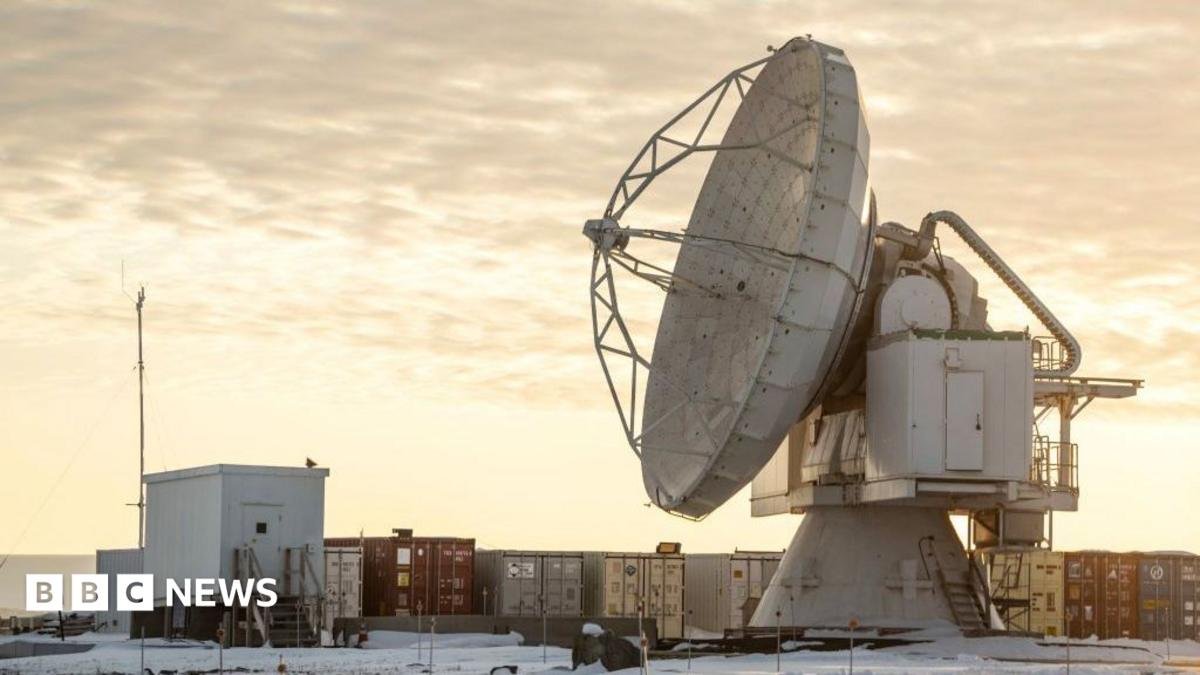
On September 10, 2026, NASA officials held a ribbon-cutting ceremony to mark the full restoration of the Guam Remote Station, concluding an arduous three-year recovery effort following the destruction wrought al ground antennas, creating a significant vulnerability in the Near Space Network. The station serves as a critical component of the Tracking and Data Relay Satellite (TDRS) constellation, which facilitates continuous communication between Earth and the International Space Station.
The facility is essential to closing the so-called “Zone of Exclusion,” an orbital stretch that would otherwise leave the International Space Station without communication for up to 20 minutes during every 90-minute orbit. Following the rebuild, which saw the central antenna returned to service on July 1, the site has been hardened against extreme weather. According to NASA, the upgraded station has already demonstrated the ability to withstand multiple super typhoons, providing a robust foundation for future mission data transmission.
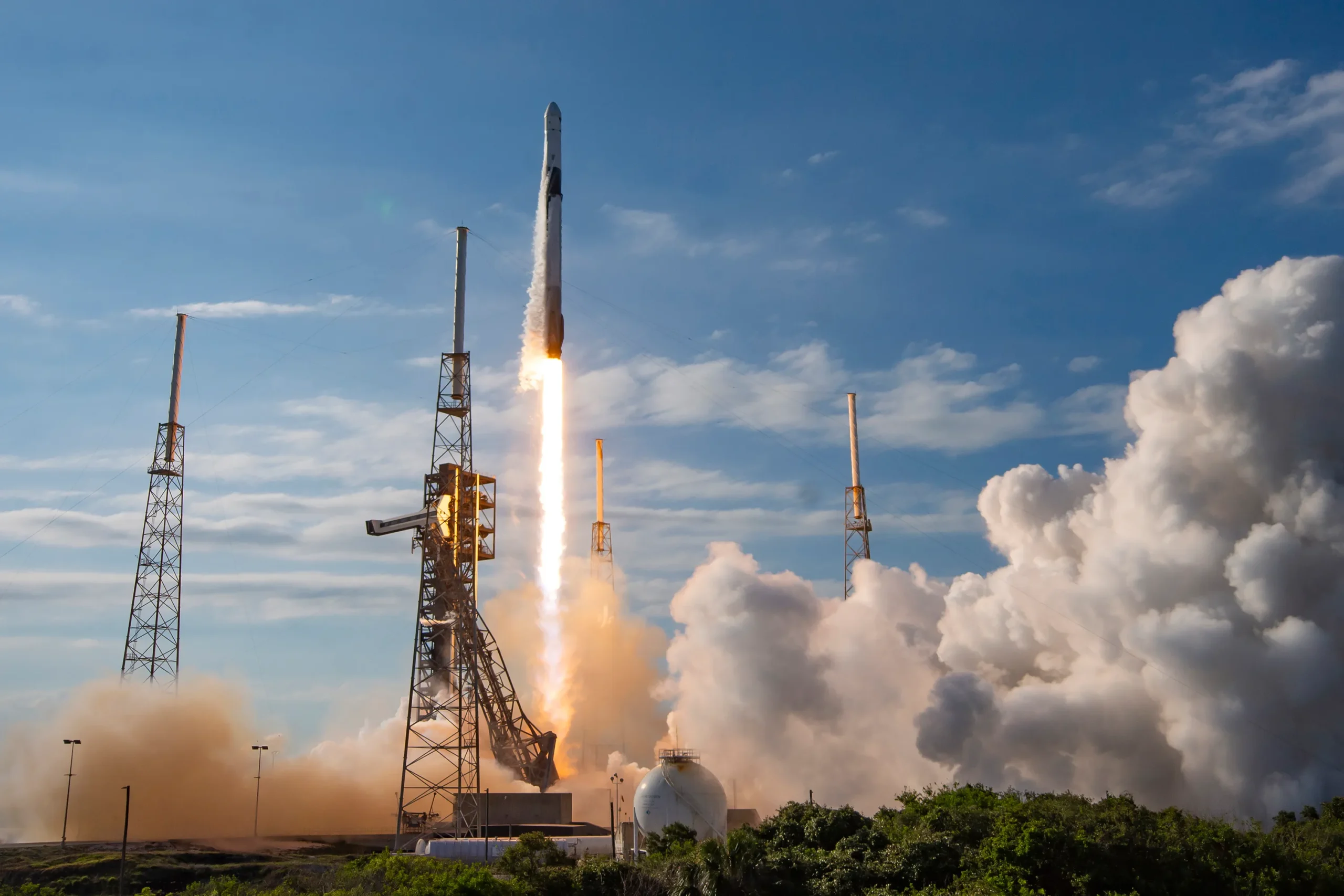
While ground operations were being stabilized in the Pacific, NASA made significant leaps in its orbital observation capabilities. In late August 2026, the Nancy Grace Roman Space Telescope was launched from the Kennedy Space Center aboard a SpaceX Falcon Heavy rocket. Designed to explore dark energy and black holes, the telescope boasts a field of vision 100 times larger than its predecessors, Hubble and James Webb. It is currently on a 100-day journey to a vantage point one million miles from Earth, where it will begin a mission to identify tens of thousands of exoplanets.
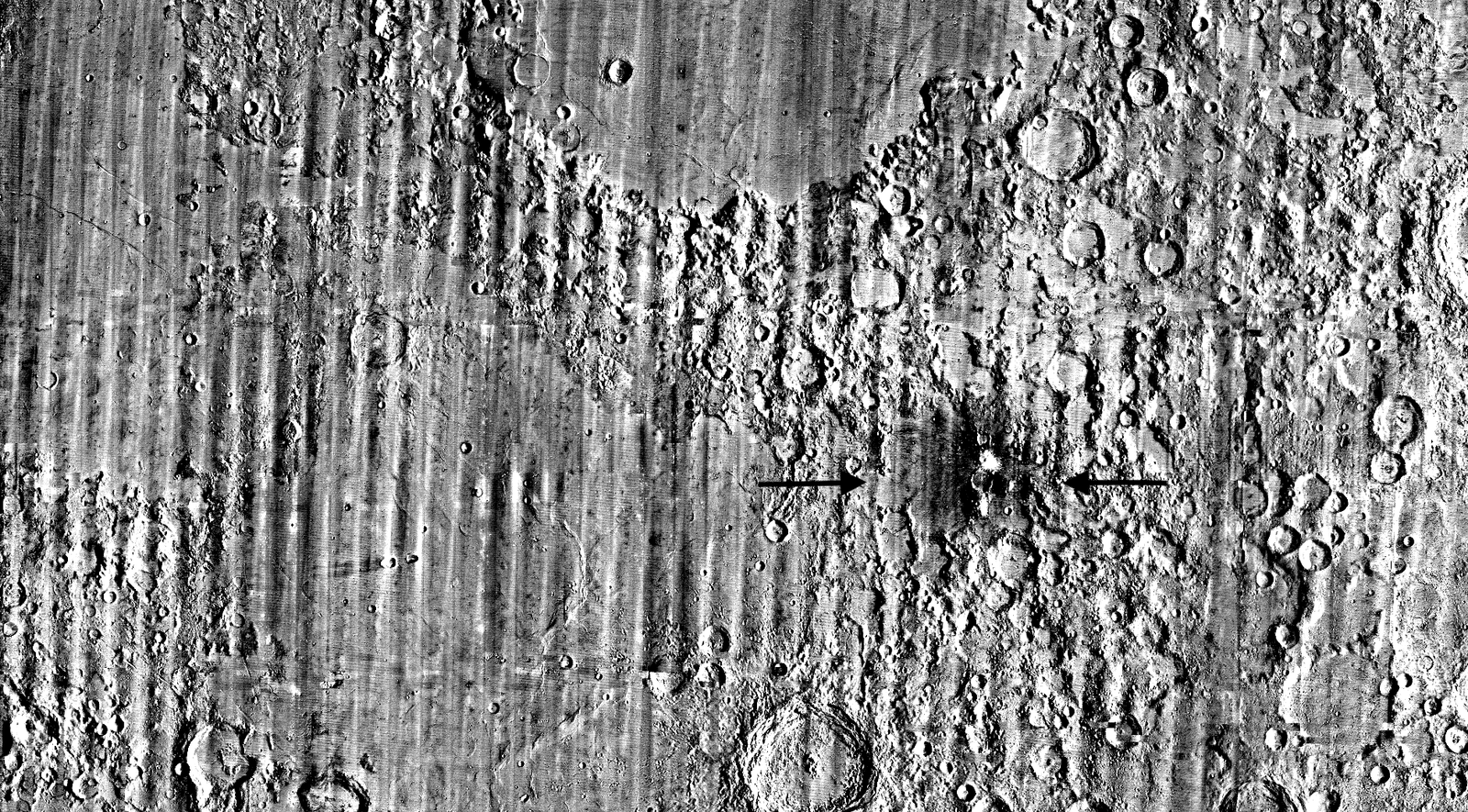
Complementing these deep-space efforts, researchers are also utilizing the Lunar Reconnaissance Orbiter (LRO) to monitor the moon’s surface. Scientists recently identified a "once-in-a-century" crater formation, officially named McGetchin, which was created 1 feet deep, provides a rare look at the dynamic nature of the lunar landscape. This discovery highlights the continued importance of the LRO’s long-term mapping mission as NASA works to establish a sustained human presence on the Moon.
The coming months will serve as a critical operational phase for the agency. The Nancy Grace Roman Space Telescope is expected to reach its intended orbital position, where it will undergo rigorous calibration before commencing its primary mission. Concurrently, the successful hardening of the Guam facility signals a shift toward more resilient ground infrastructure, allowing NASA to shift its focus back to the data-intensive demands of the Roman telescope. On the lunar front, researchers will likely integrate data from the McGetchin crater discovery into ongoing models for site selection for future lunar landings, as the agency continues to balance the risks of space impact events with the necessity of long-term lunar habitation.