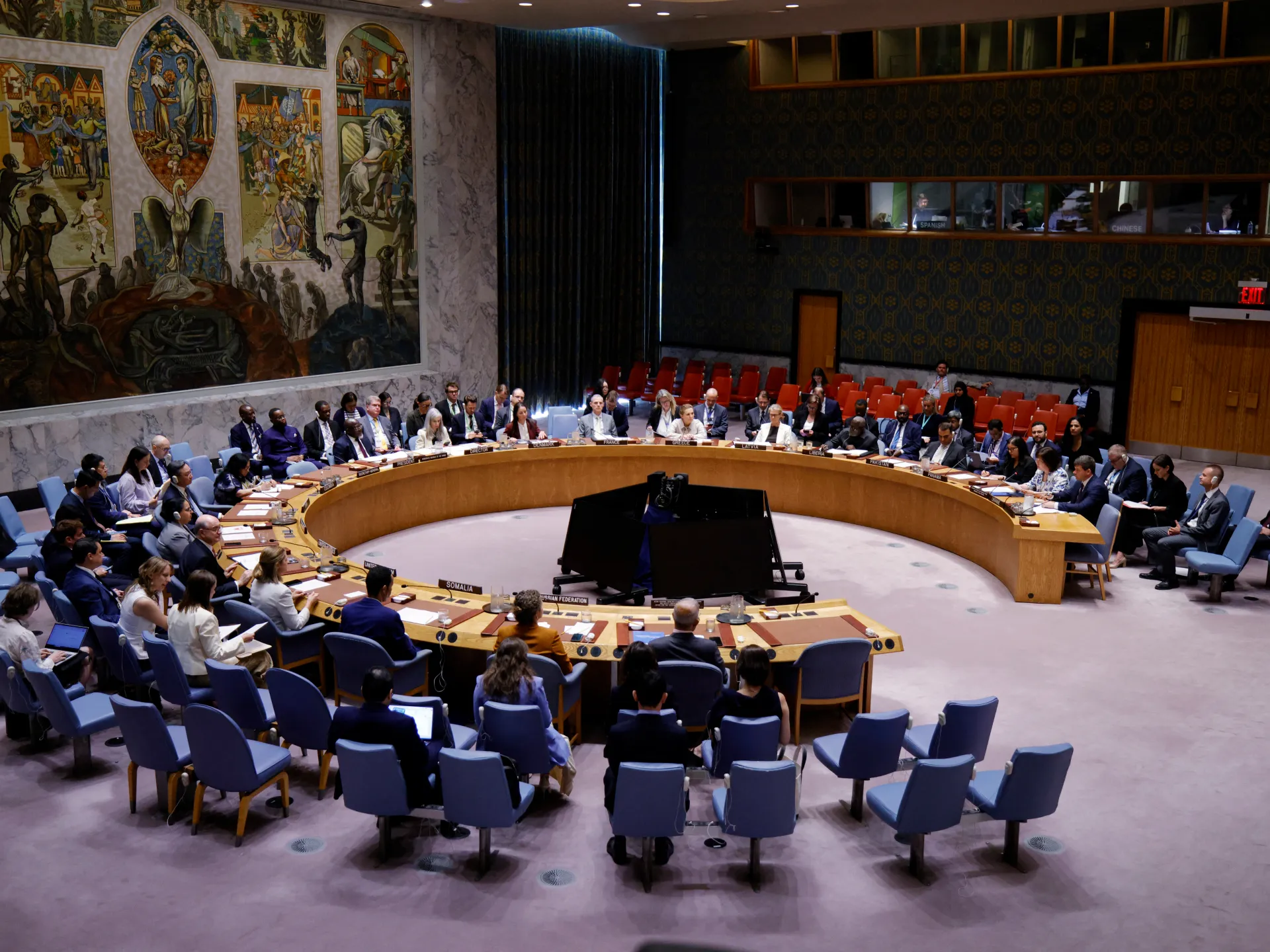
Russia and China have blocked a US-backed UN resolution that sought to establish a team of experts to monitor international sanctions against Iran.
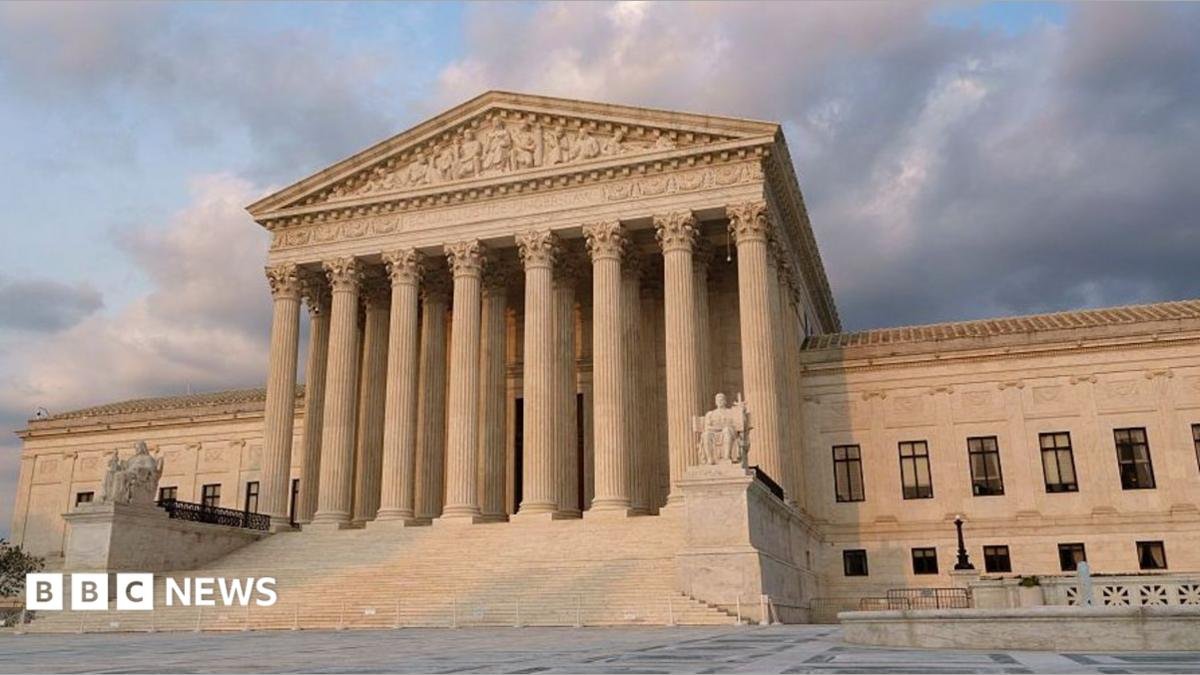
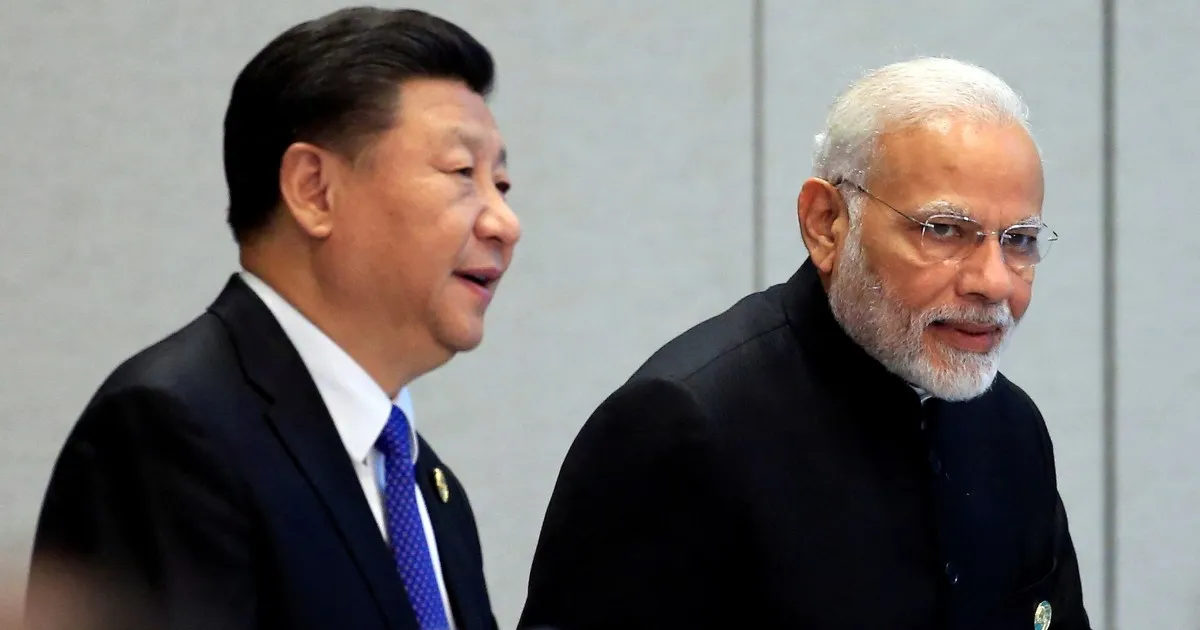
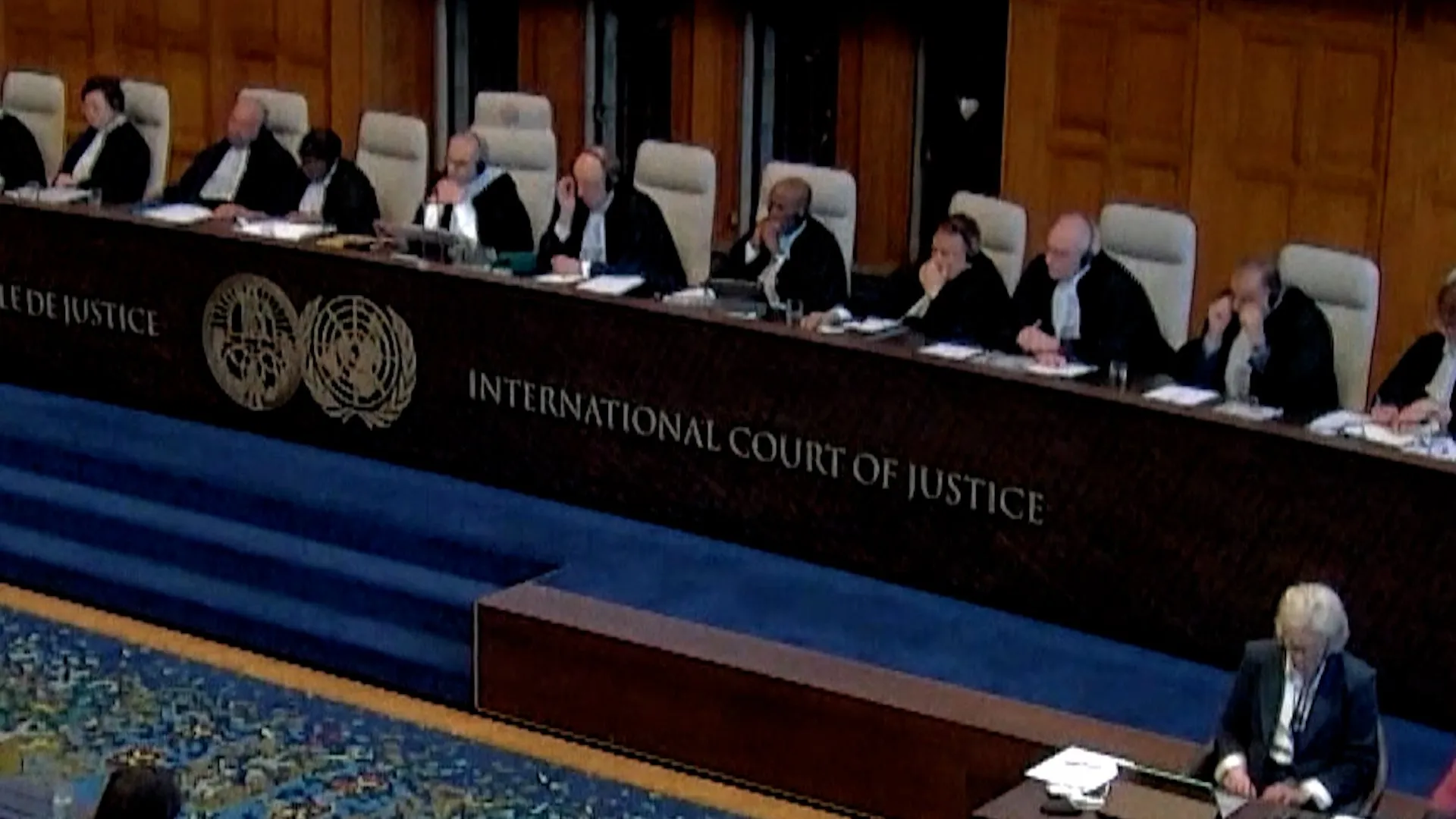
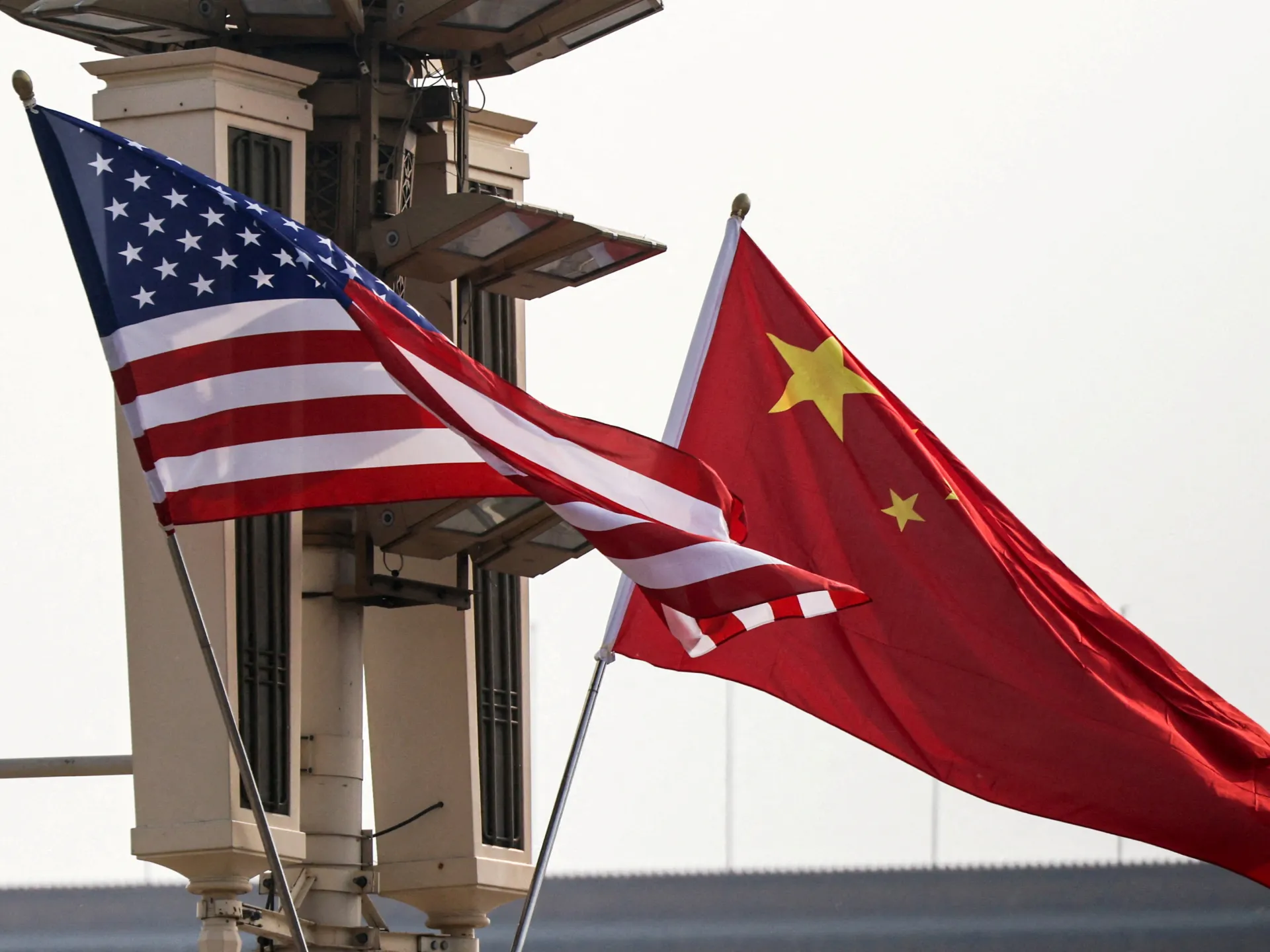
The United Nations Security Council recently reached a significant impasse as Russia and China exercised their veto power to block a US-backed resolution. This measure aimed to authorize a team of independent experts to oversee the enforcement of sanctions against Iran. The failure to pass the resolution highlights the growing geopolitical divide within the council regarding how to manage Iran’s nuclear and military ambitions.
The proposed mandate was intended to extend the authority of a monitoring body designed to track compliance with international restrictions. These sanctions were reinstated in 2025 following allegations from western powers that Tehran had failed to uphold the terms of the 2015 nuclear pact. Iran continues to maintain that its nuclear activities are purely for civilian purposes and denies any violation of international agreements.
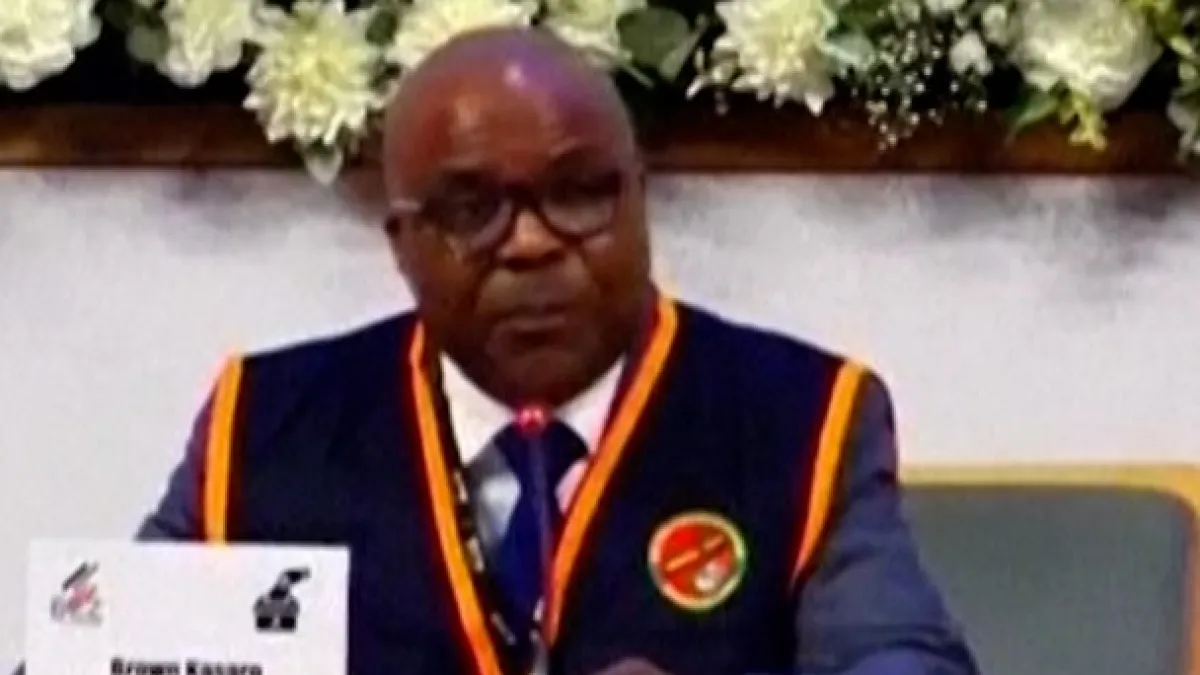
Following the vote, Russian UN Ambassador Vassily Nebenzia warned against what he termed “dangerous actions” ts to reach a stable resolution in the Persian Gulf, suggesting that the focus should be on diplomacy rather than restrictive measures.
The history of this oversight panel has been fraught with internal disagreement since its inception in 2025. Although the Security Council originally established the panel to provide impartial, evidence-based reporting on sanctions violations, the experts were never formally appointed. This failure stemmed from a lack of consensus among the 15-member council, rendering the mechanism largely symbolic rather than functional.
The recent vote saw 11 members in favor of extending the mandate, while Pakistan and Somalia chose to abstain. Despite the majority support, the vetoes from two permanent members effectively nullified the resolution. The absence of this panel creates a significant monitoring gap, which critics argue will allow for increased sanctions evasion and weaken the international framework designed to curb prohibited Iranian activities.
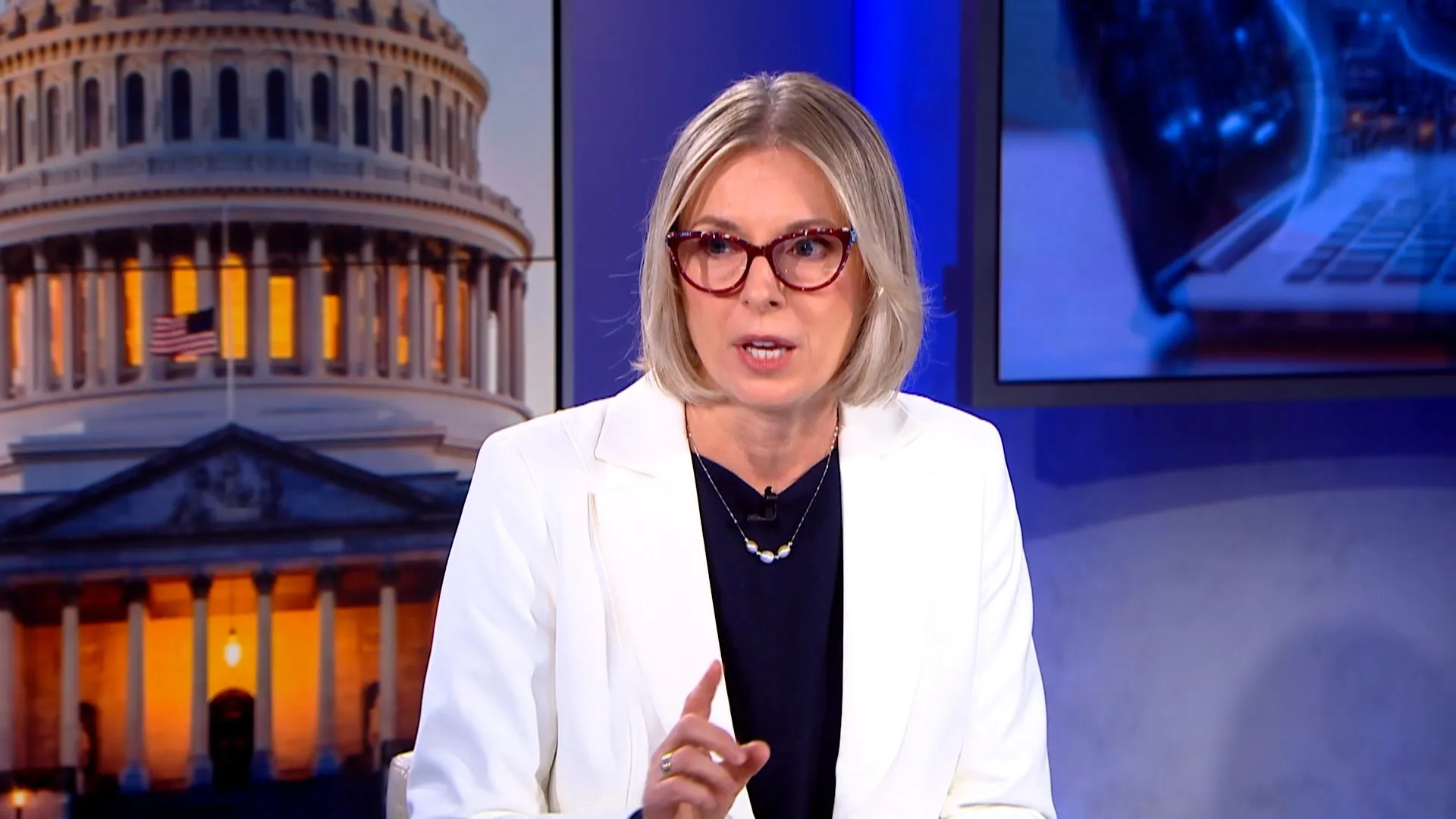
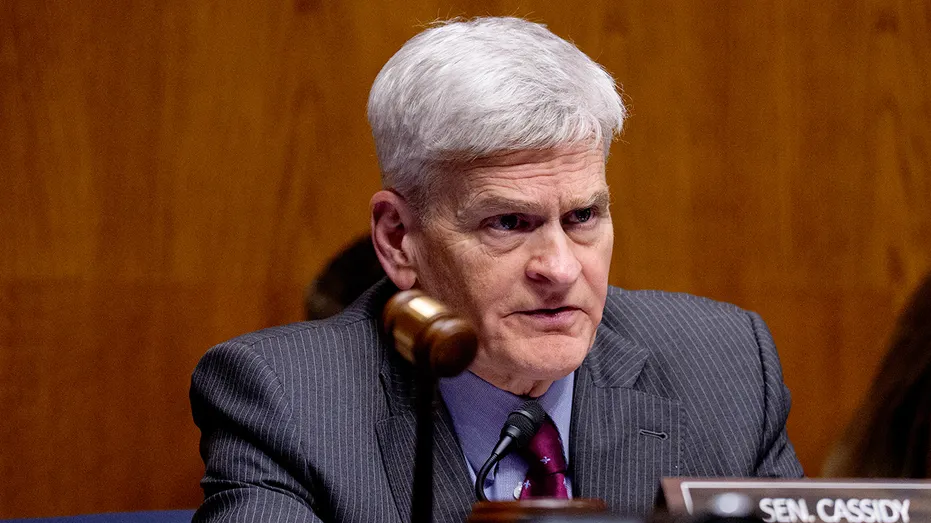
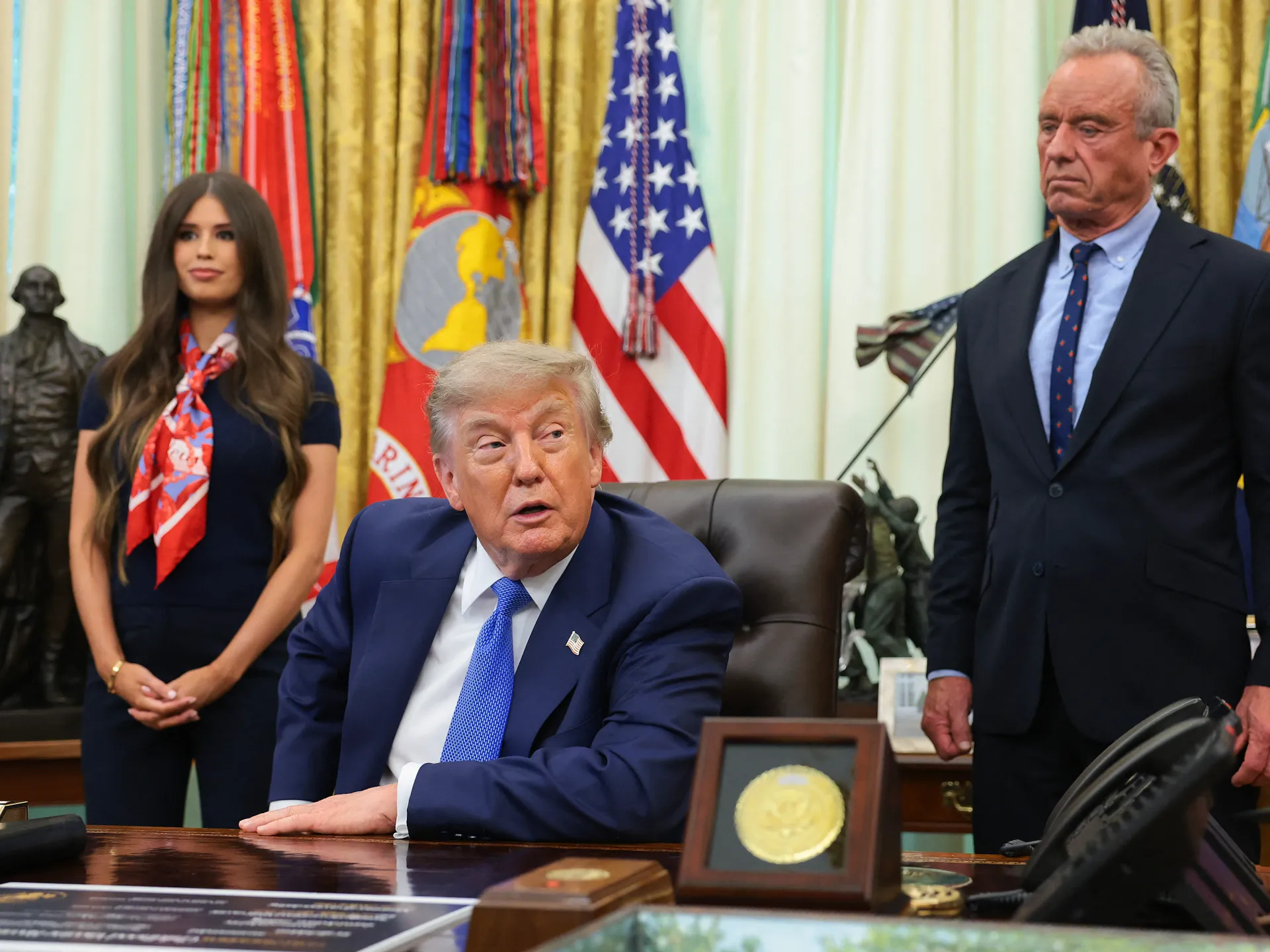
US officials expressed deep frustration regarding the outcome of the vote. Deputy US Ambassador to the UN, Jennifer Locetta, emphasized that without an independent panel, the Security Council loses its most reliable source of information regarding compliance. She noted that the current situation primarily benefits the Iranian regime and those who assist them in bypassing international restrictions.
The controversy is rooted in the 2025 invocation of the “snapback” mechanism curity Council resolutions, effectively imposing a wide array of economic and military sanctions on Iran. These measures were triggered under the premise that Iran had drifted away from its commitments under the original nuclear agreement, leading to a state of heightened international scrutiny.
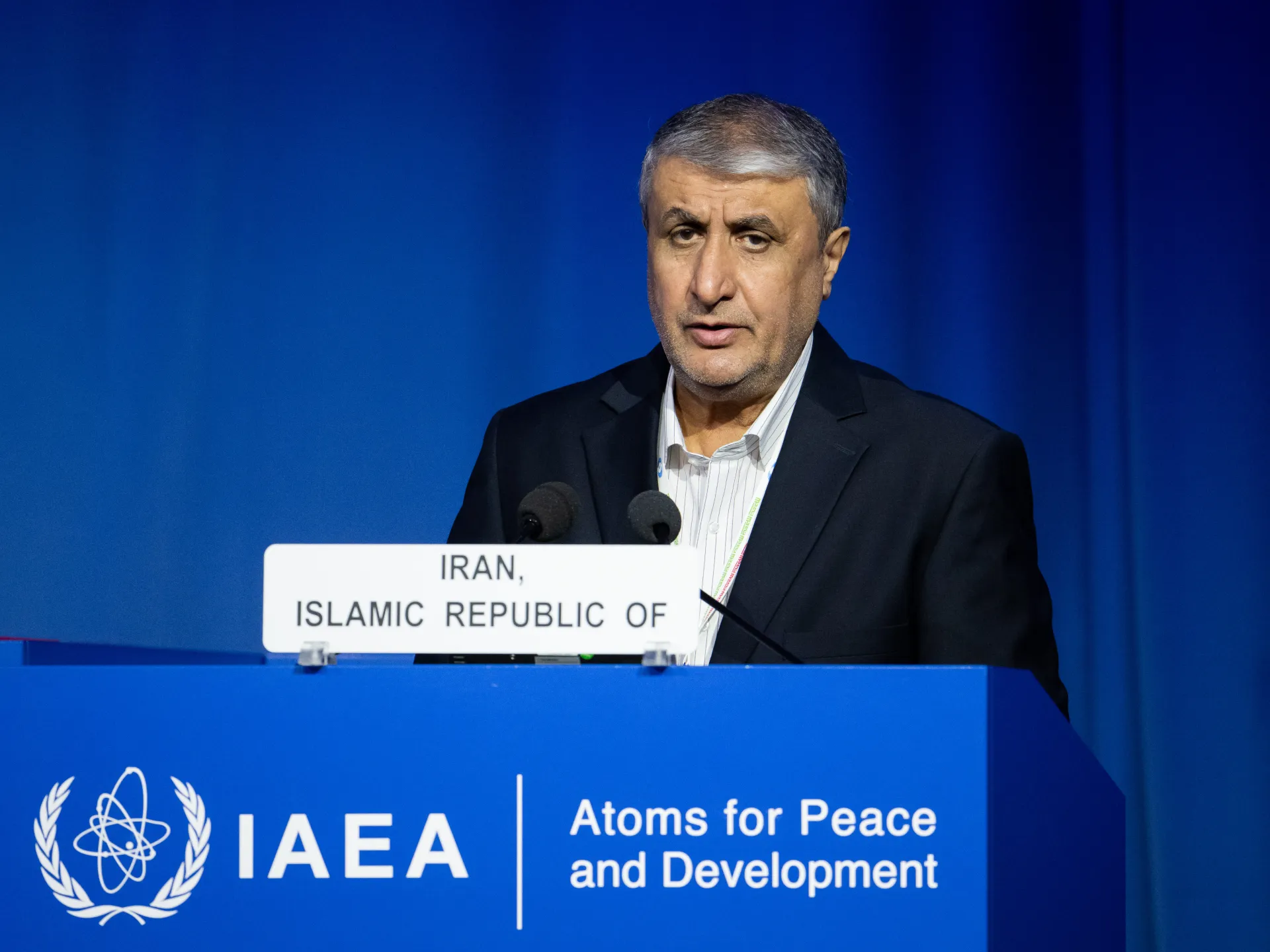
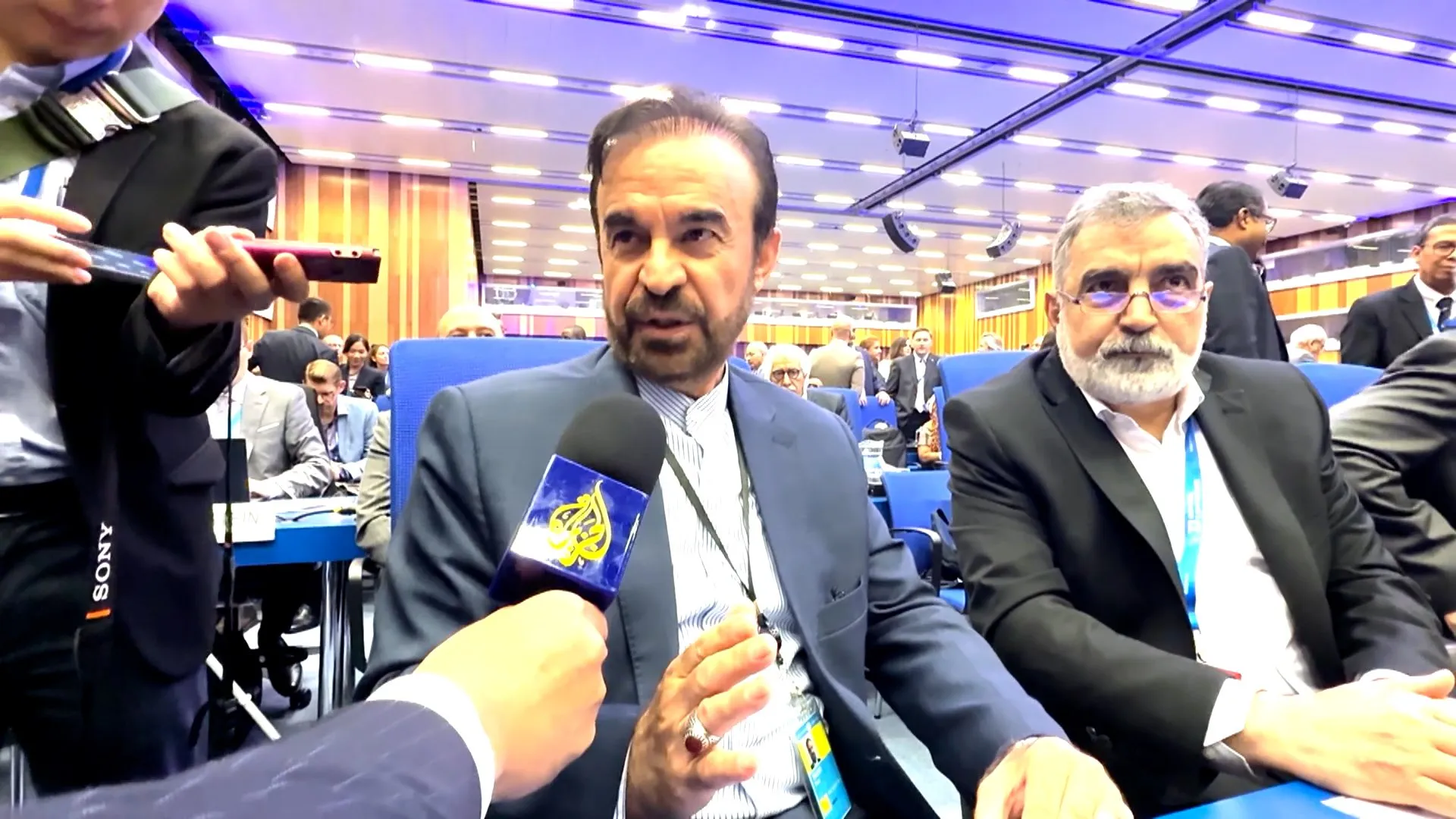
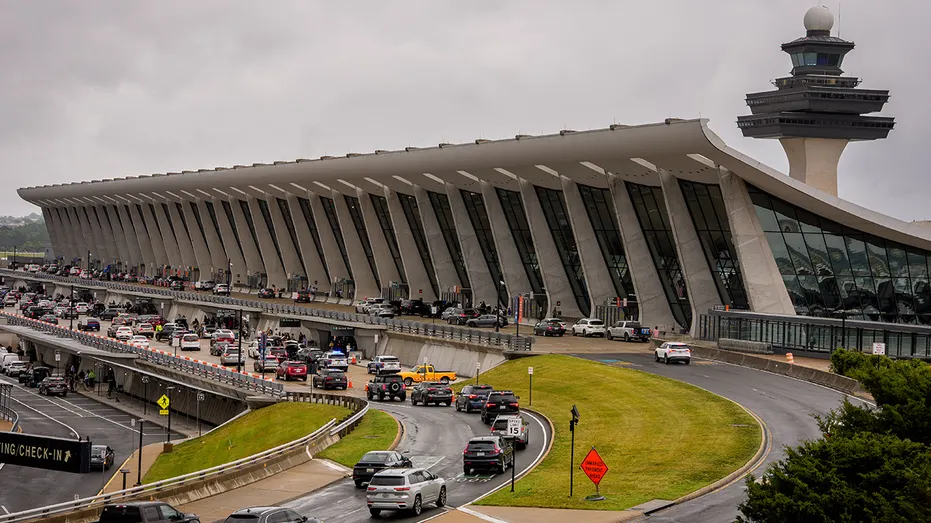
The friction extends beyond the UN chamber into the realm of international travel and diplomatic engagement. Recently, the United States blocked Iran’s nuclear chief, Mohammad Eslami, from participating in the International Atomic Energy Agency’s annual conference in Vienna. Because Eslami is subject to travel bans under the snapback sanctions, the Security Council refused to grant a waiver for his attendance, and Austria subsequently revoked his visa.
Iran has responded tion as “politically motivated.” In an official statement, the Iranian mission to the UN thanked its allies for their “principled positions,” claiming that the vetoes prevented another attempt to use international institutions for what they described as cynical purposes. This rhetoric underscores the hardening positions of all parties involved as the international community struggles to find a unified approach to the Iranian nuclear dossier.