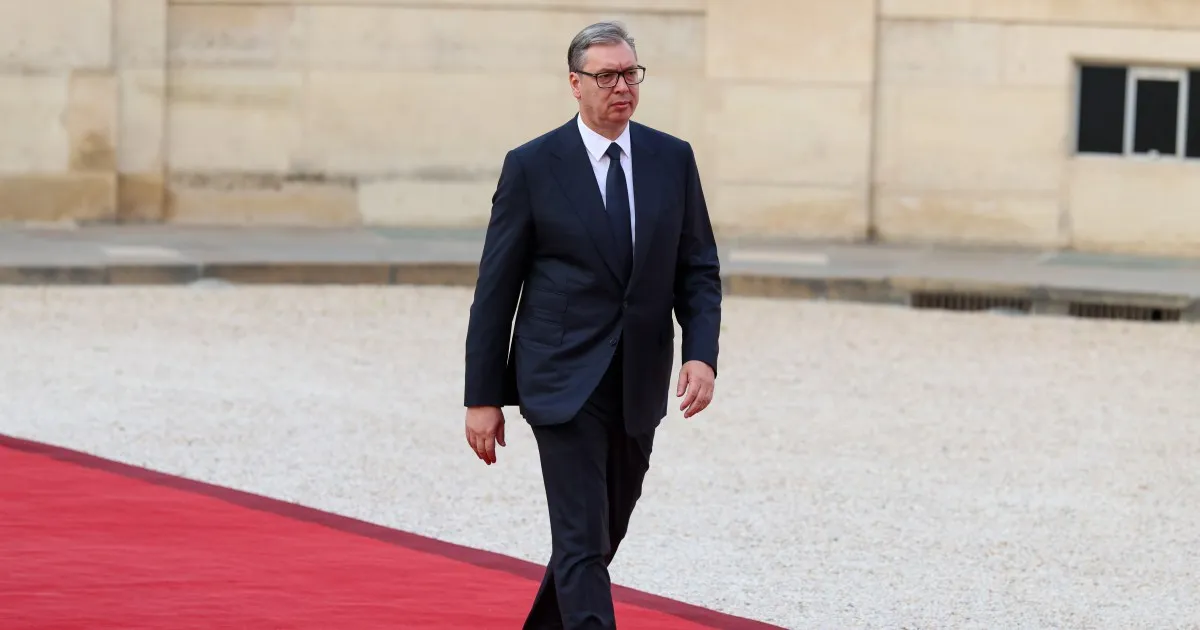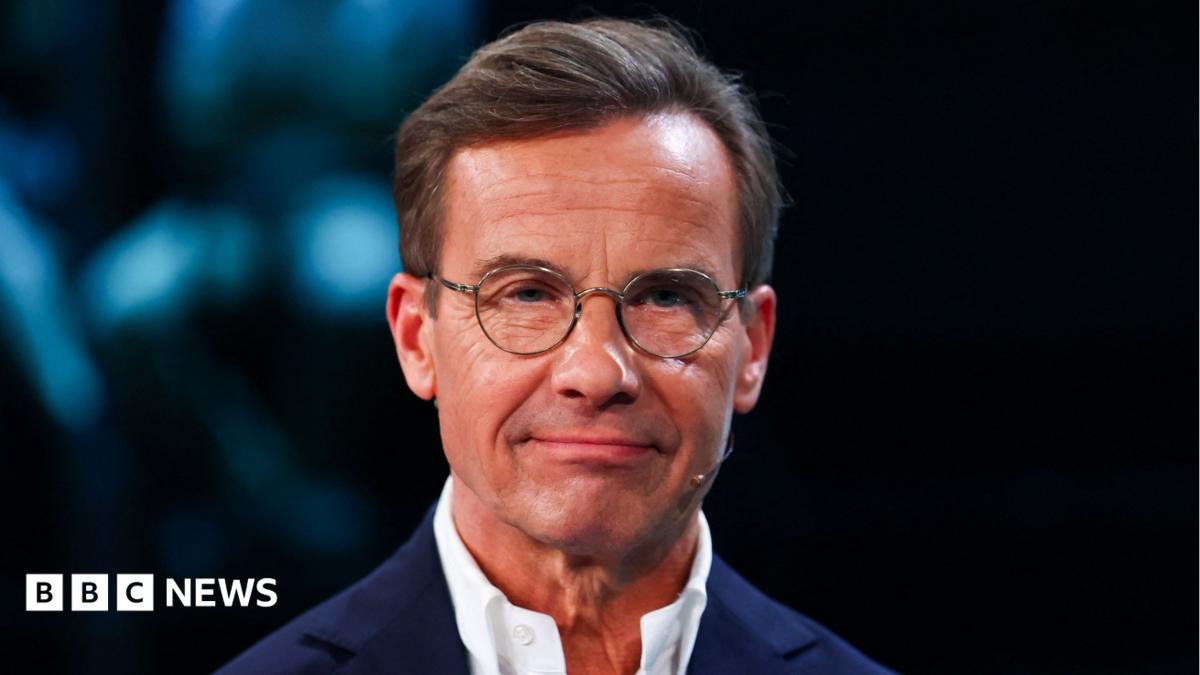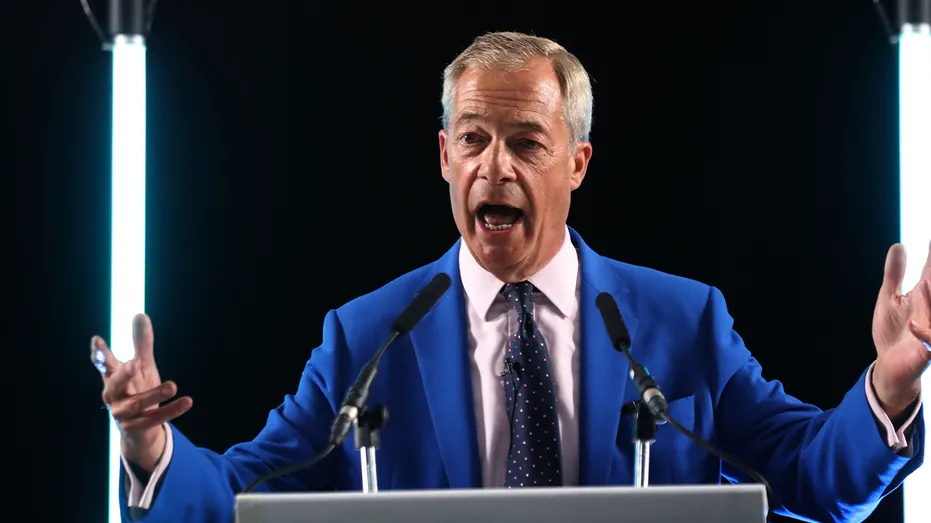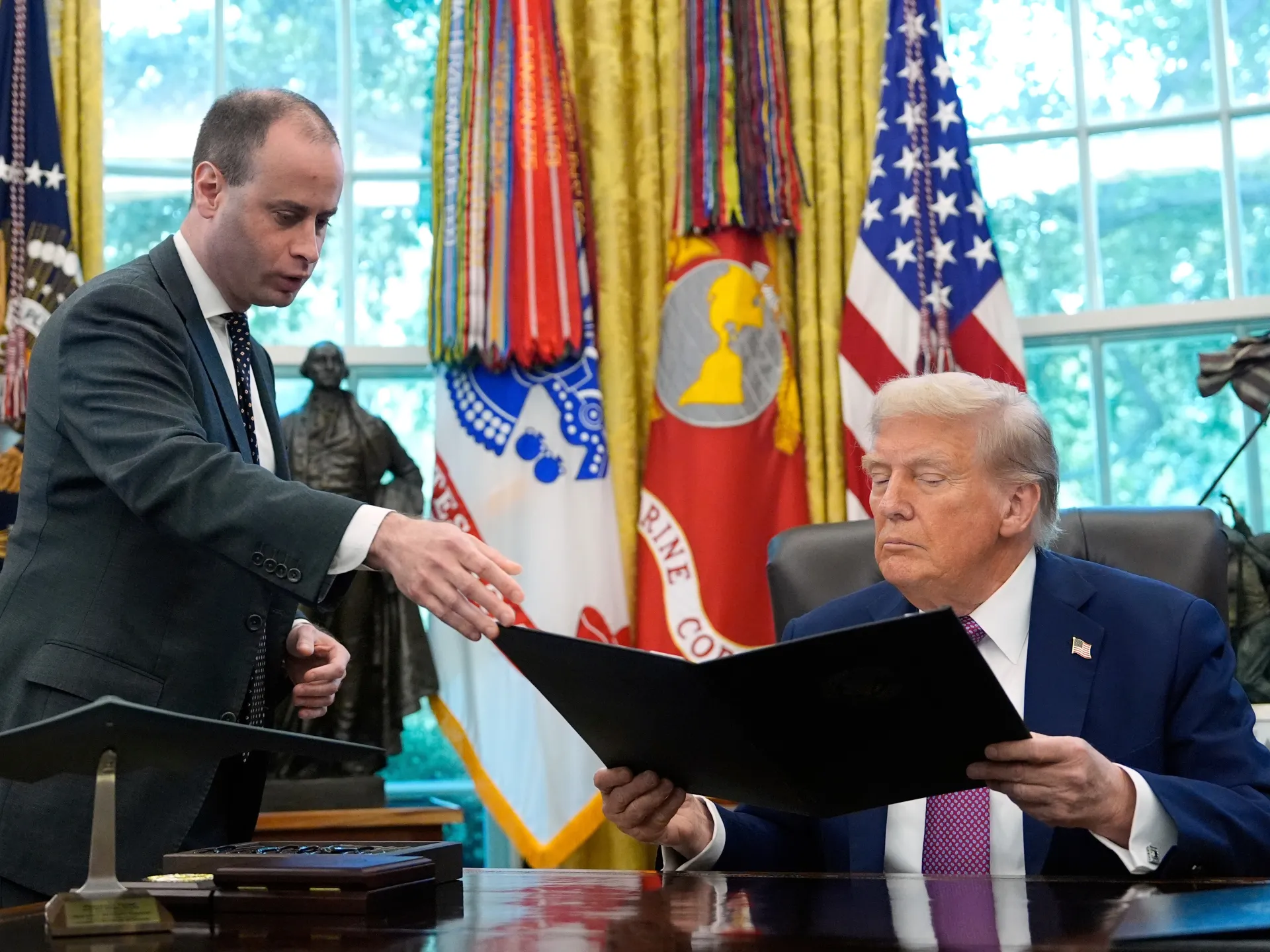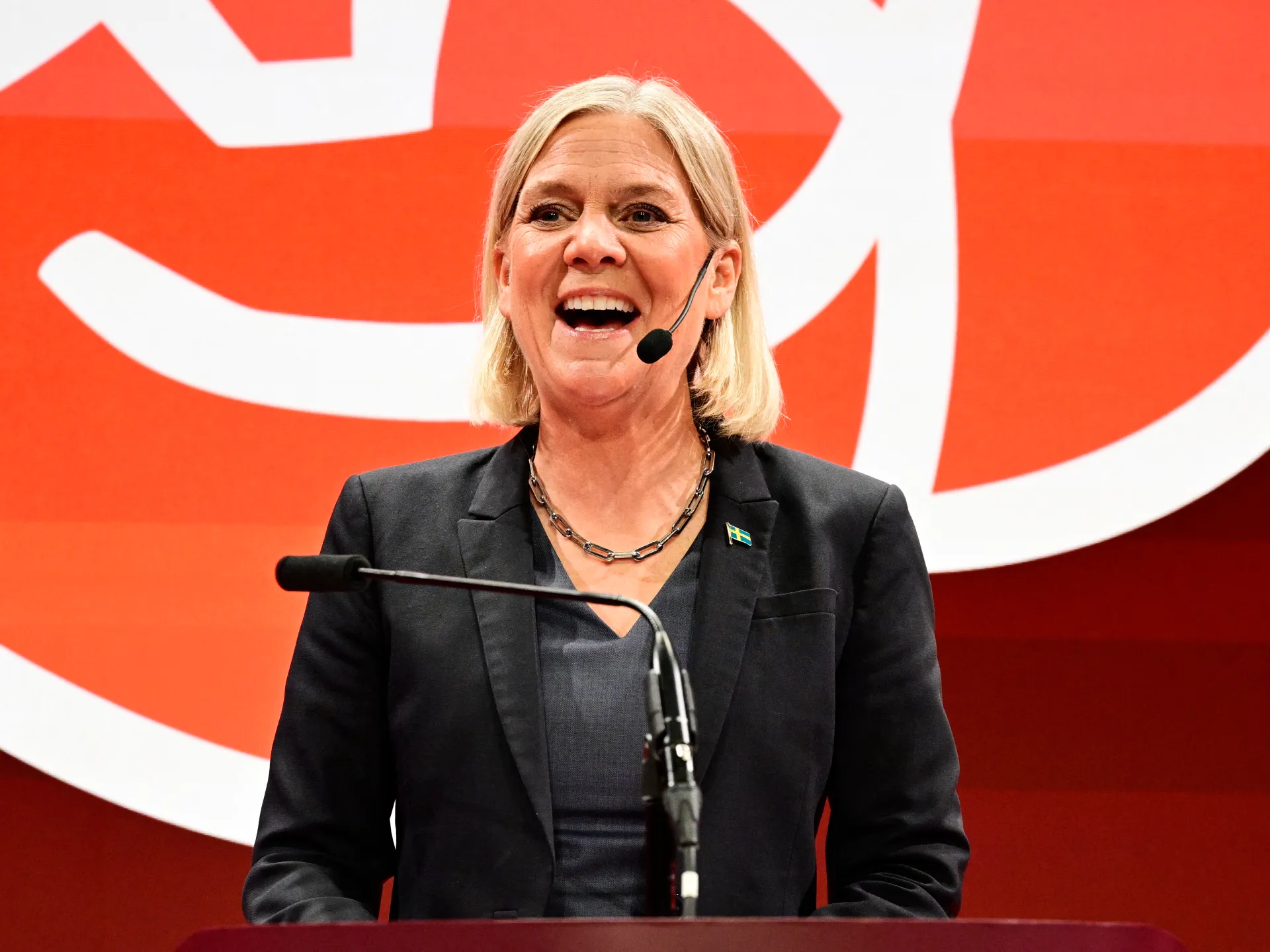
Prime Minister Ulf Kristersson has announced his resignation after the left-wing opposition secured a slim majority in the Swedish general election.
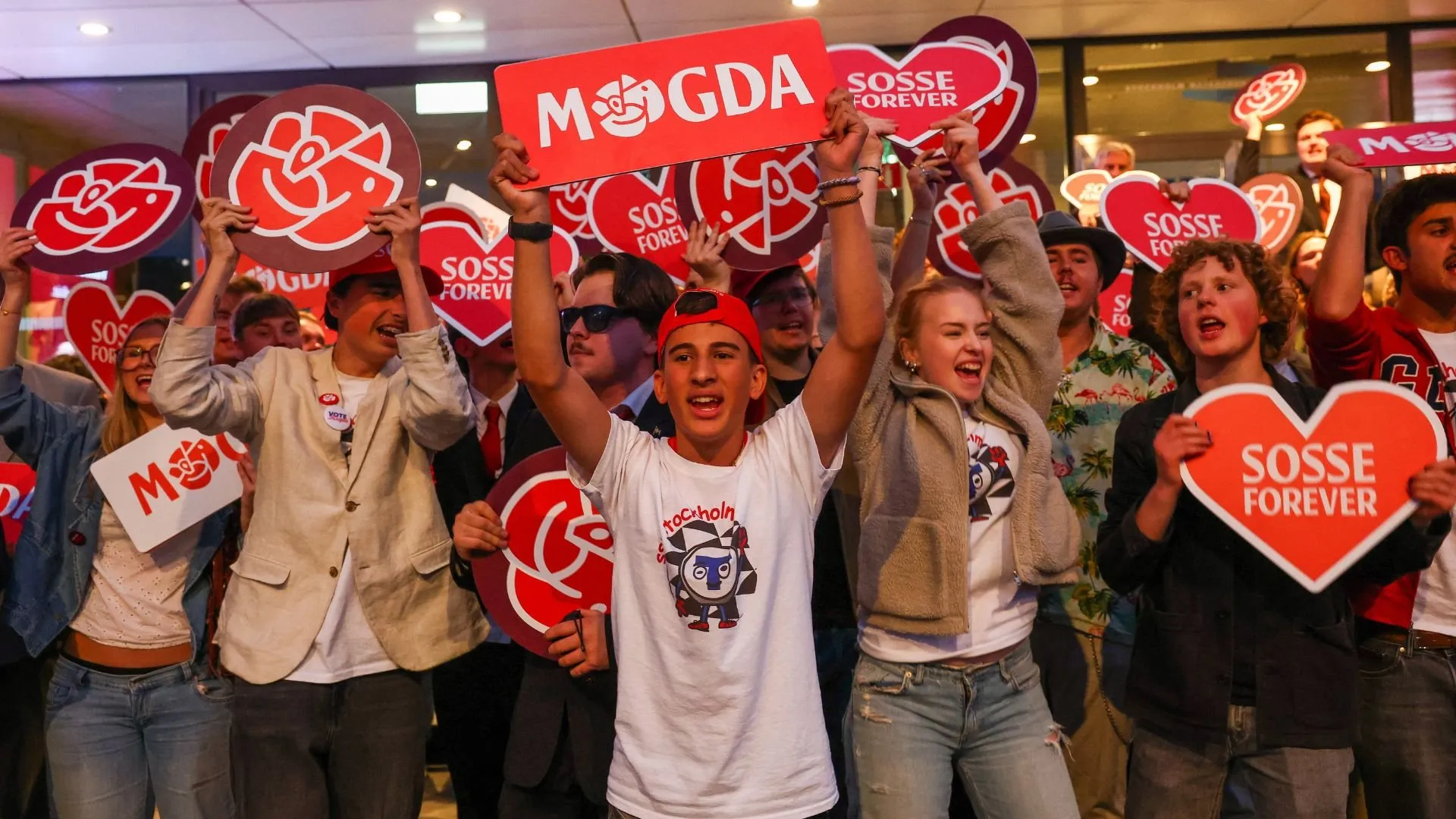
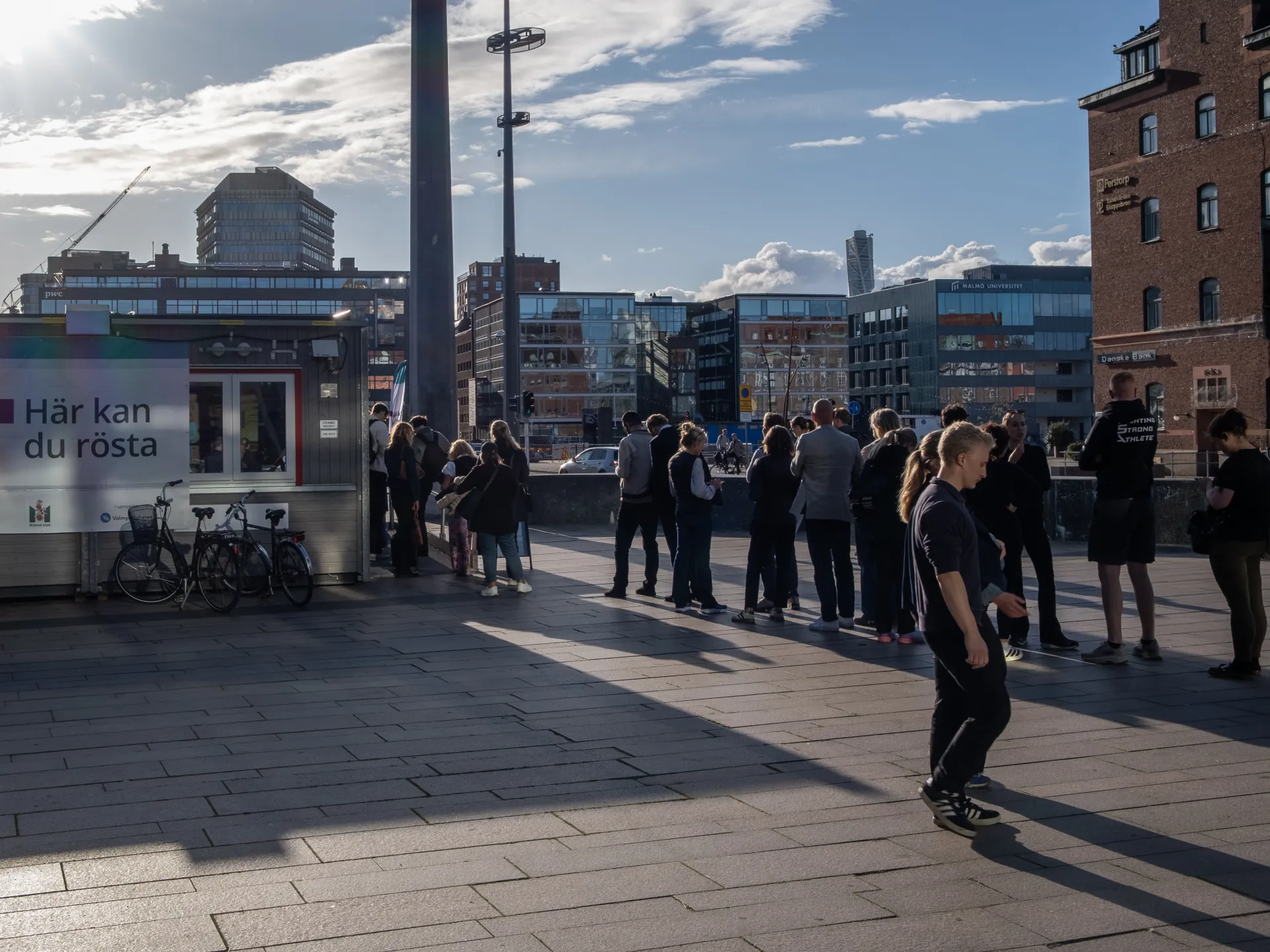
Sweden is entering a period of political transition following the conclusion of its recent general election, which resulted in a narrow but decisive victory for the country’s left-wing opposition bloc. The final tally, confirmed eaning coalition secured 176 seats in the 349-member Riksdag. This outcome provides a slim three-seat majority, effectively ending the tenure of the conservative-led government that has held power for the past four years.
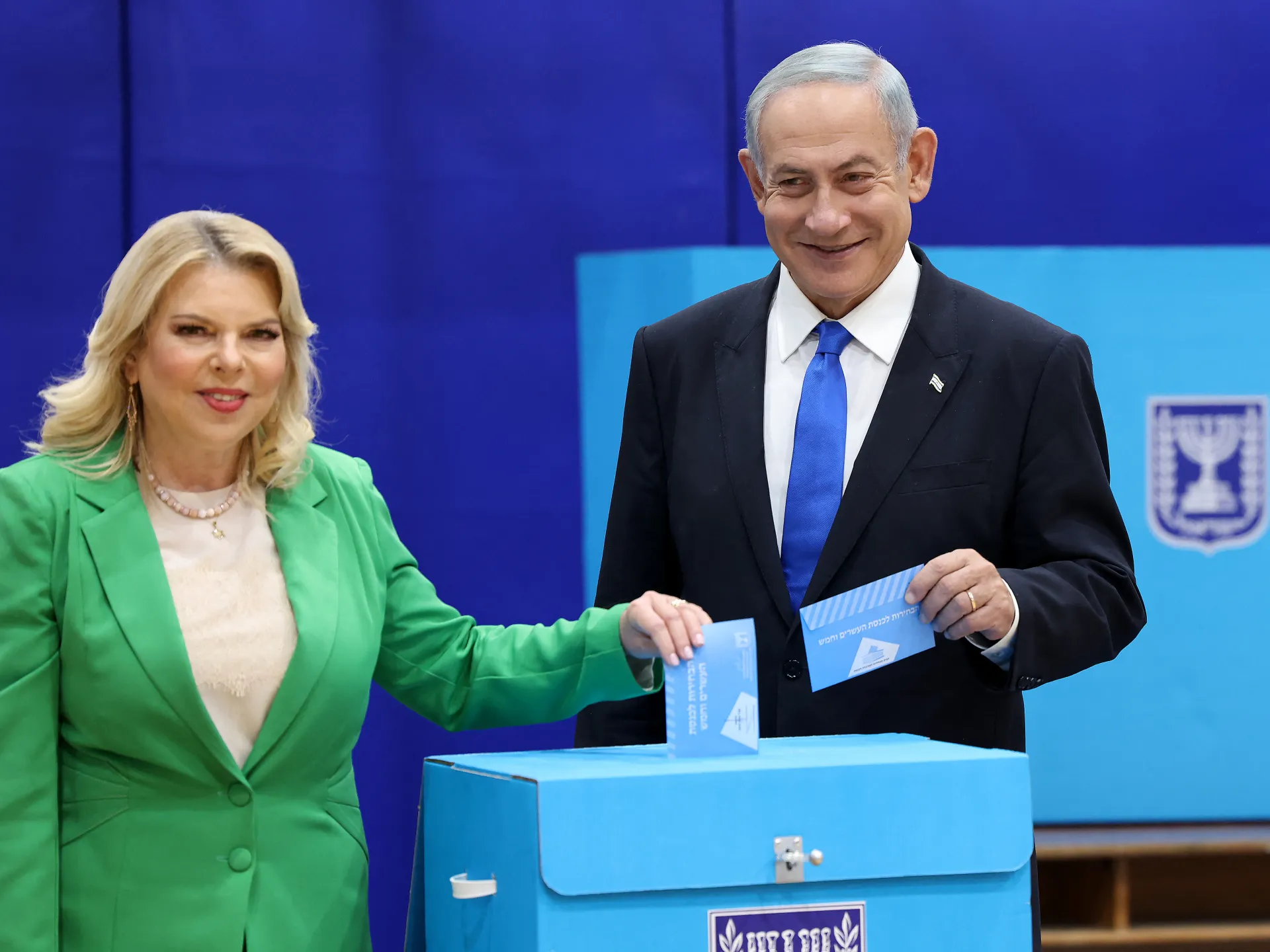
The electoral contest proved to be exceptionally close, with a margin of only 50,000 votes separating the two primary ideological factions in a nation of 10.6 million people. In the immediate aftermath of the confirmed results, Prime Minister Ulf Kristersson formally announced his intention to resign. He has already submitted his request to be relieved of his duties, signaling a formal handover process to the speaker of the parliament, who will now oversee the complex negotiations required to establish a new executive administration.
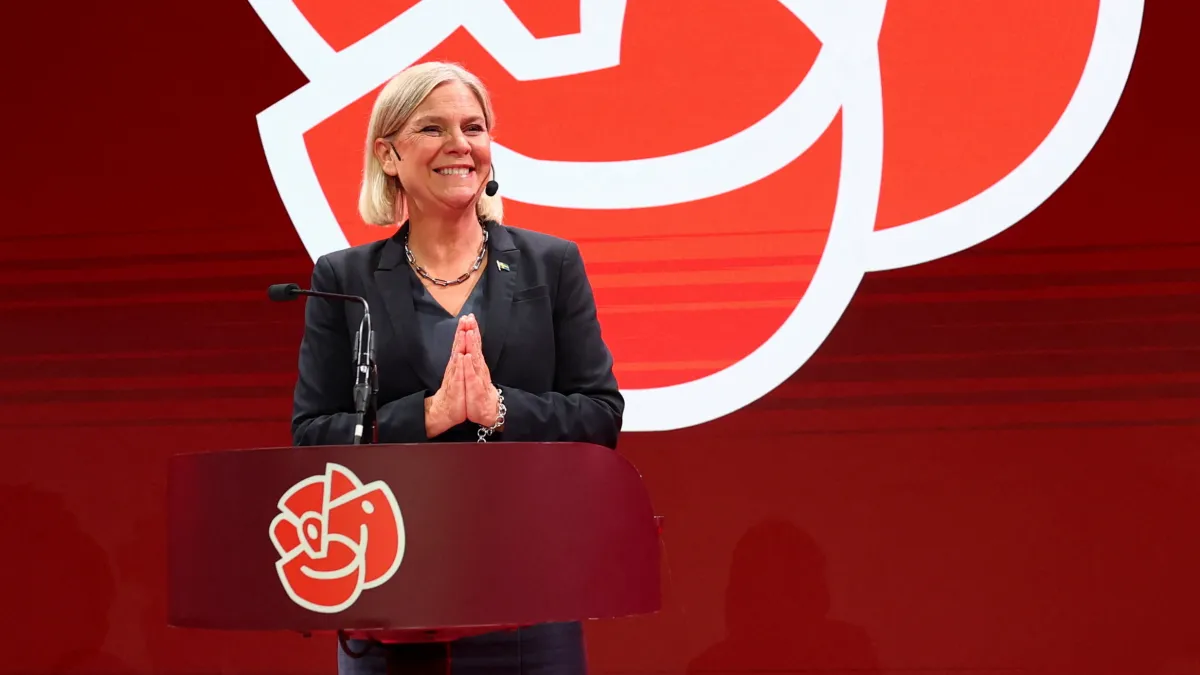
Former Prime Minister Magdalena Andersson, who leads the Social Democrats, stands at the center of the political recovery. Despite her party experiencing a slight dip in support, the Social Democrats remain the largest single political force in the Swedish parliament. Andersson’s potential return to the premiership represents a significant shift for a leader who previously held the office from 2021 to 2022 and served as the nation’s finance minister for seven years prior to that role.
However, securing the top office will not be a straightforward endeavor for the former prime minister. While the left-wing bloc has collectively secured a majority, the coalition is comprised of ideologically diverse entities, including the Social Democrats, the Left Party, the Green Party, and the Centre Party. Reconciling the disparate policy goals of these groups will be the primary challenge for Andersson as she attempts to build a stable cabinet that can command the support of the Riksdag.
The path to a functioning government is complicated involves the role of the socialist Left Party. The Centre Party has explicitly stated its refusal to participate in or support a government that grants cabinet positions to the Left Party. Meanwhile, the Left Party has signaled that it expects ministerial representation in exchange for its support.
Andersson has attempted to navigate this standoff yet she remains dependent on their parliamentary support to ensure her legislative agenda passes. This delicate balancing act is further compounded cted to conduct a formal vote on the next prime minister no earlier than September 29, leaving a narrow window for these high-stakes negotiations to reach a consensus.
The election results also provided a notable development regarding the Sweden Democrats, an anti-immigration party that has been a significant force in Swedish politics since entering parliament in 2010. For the first time in over a decade, the party saw a decline in its electoral support, falling to 17.5 percent—a three-percentage-point drop from the 2022 election. This unexpected downturn suggests a potential recalibration of voter priorities across the country.
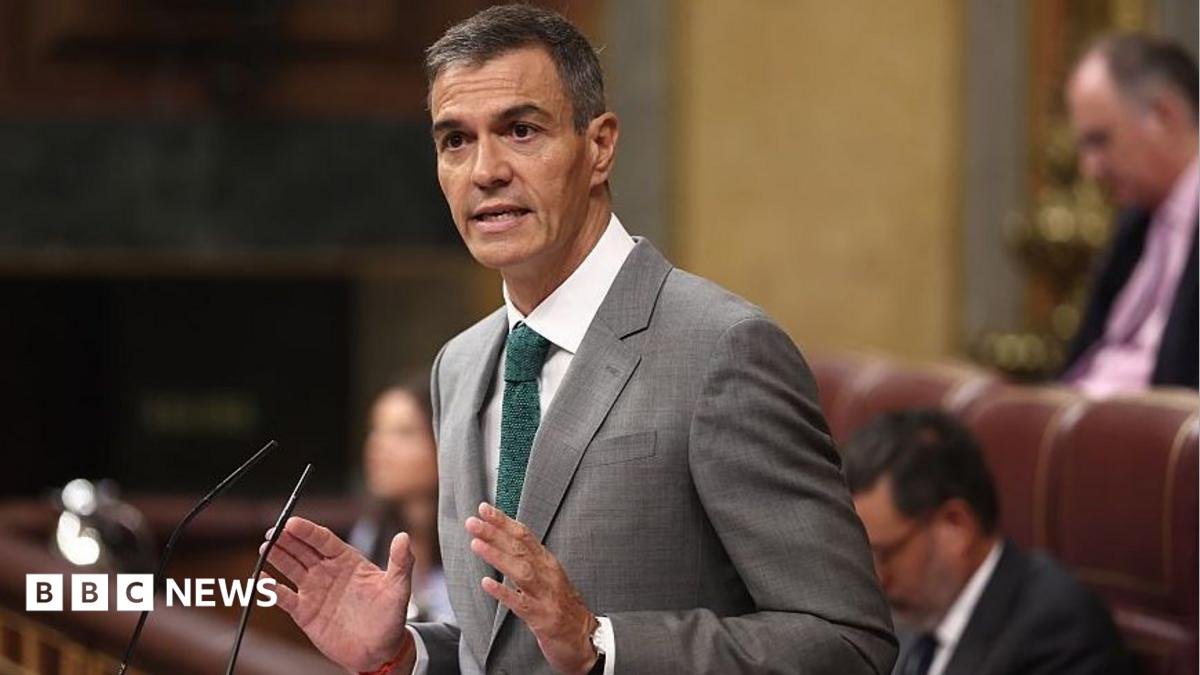
International reactions to the Swedish election have been swift, with European leaders closely monitoring the transition. Spanish Prime Minister Pedro Sanchez offered public support for the result, framing the election of the left-wing bloc as a broader endorsement of the European welfare state, social justice initiatives, and environmental policies. As the transition of power begins, the focus remains on whether Andersson can successfully bridge the gaps within her coalition to provide the stability required for the next term of governance.