Slovenian farmers report significant potato harvest losses due to a brutal summer drought, highlighting broader agricultural challenges across Europe.
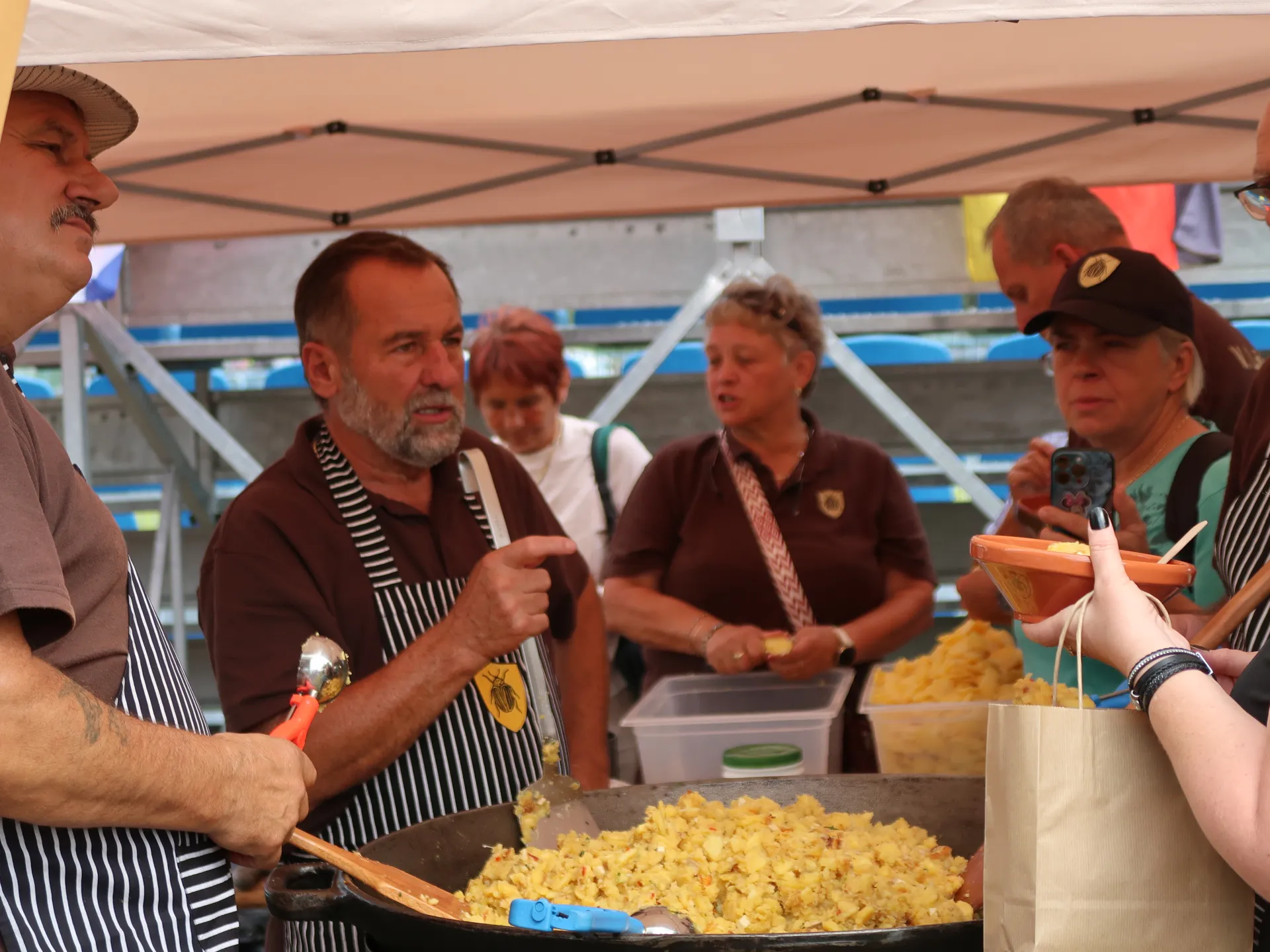
In the quiet village of Lipovci, located in the flatlands of northeastern Slovenia, the air recently filled with the savory aroma of roasted potatoes. The occasion was the 26th international festival dedicated to the humble tuber, an event that brings together farmers, cooking societies, and passionate enthusiasts from across the nation. For many Slovenians, the potato is more than just a staple; it is a cultural cornerstone. A popular local idiom even equates having potatoes with being incredibly lucky, highlighting the deep-seated connection between the population and this versatile crop.
However, the festive atmosphere masked a growing anxiety among the farming community. While attendees celebrated the tradition of roasting potatoes—often incorporating regional ingredients like tarragon, pork fat, or sausage drippings—the reality of the harvest tells a starkly different story. Farmers are grappling with significant yield losses that threaten both local food security and the traditional practices that have defined Slovenian culinary history for centuries.
The 2026 agricultural season has been particularly unforgiving for Slovenian potato growers. Farmers report that the severe drought, which reached its peak intensity during the first half of August, has left an indelible mark on their fields. For many, the result has been a drastic reduction in harvest volume, with some producers estimating losses of up to 50 percent of their expected output. The intense heat specifically targeted later potato varieties, leaving plants stunted and harvests diminished.
The consequences of these weather patterns extend beyond the potato fields. Farmers have noted that the drought also devastated corn yields, which are vital for livestock feed, and damaged grape crops used for wine production. For small-scale farmers who cultivate potatoes for their own households or local markets, the labor-intensive process of harvesting smaller, fewer tubers has become a symbol of a broader struggle against an increasingly unpredictable climate.
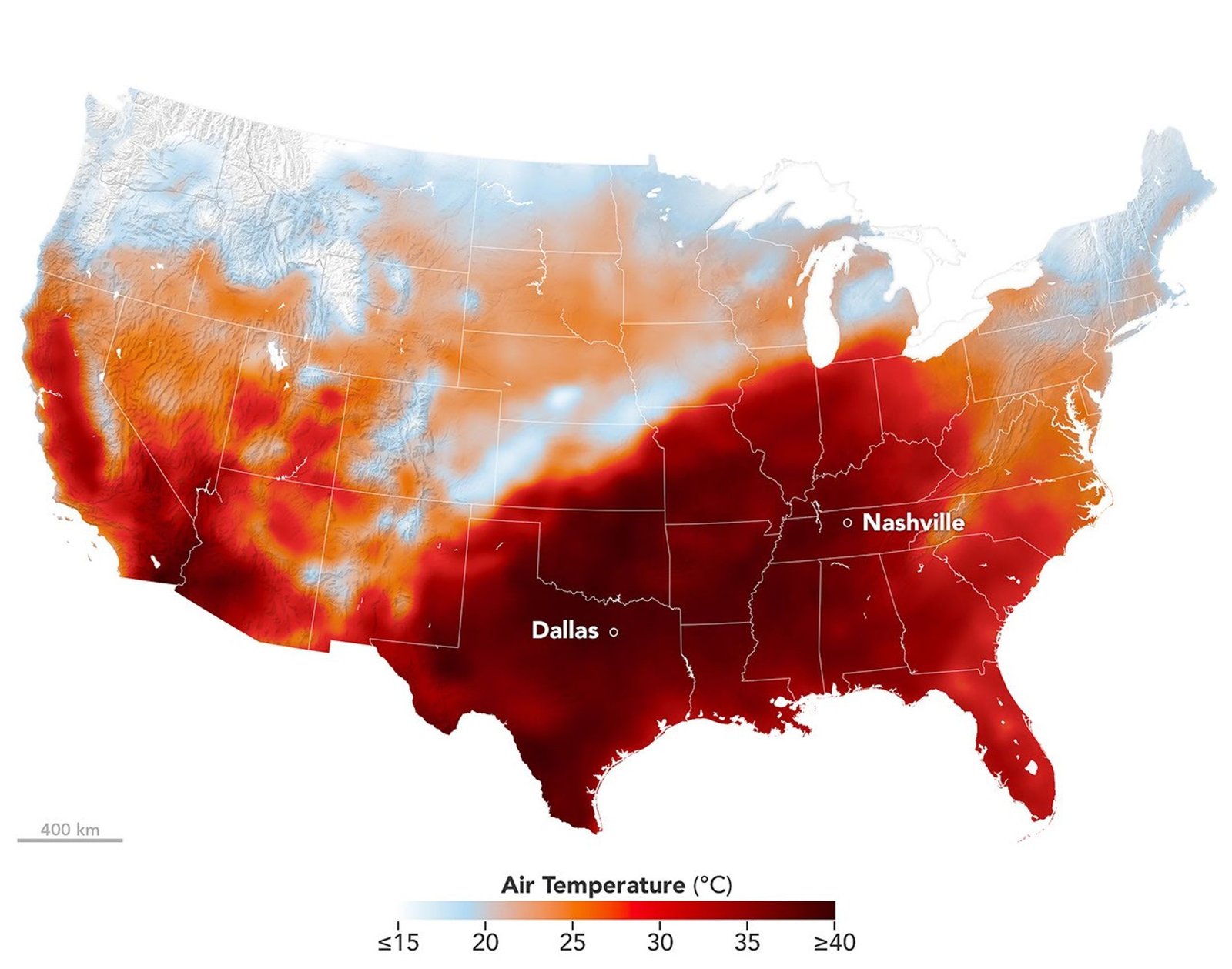
Slovenia is not alone in this crisis. The challenges faced nations such as Germany, Belgium, France, and the Netherlands. Analysts warn that record-breaking summer heat has significantly impacted production, with industry estimates suggesting a potential deficit of millions of tonnes across the continent. Because potatoes are a water-intensive crop, they are particularly vulnerable to the prolonged dry spells that have become more frequent in recent years.
Beyond climate-related factors, the Slovenian potato industry is struggling with a confluence of economic pressures. Rising costs for essential fertilizers, combined with stricter regulations regarding pesticide usage and historically low purchase prices, have created a difficult environment for growers. In recent years, domestic production has struggled to keep pace with national consumption, leading to a reliance on imports that leaves the local market vulnerable to international supply chain fluctuations.
Despite the adversity, the spirit of the potato festival remains resilient. Originally launched in the early 2000s as a lighthearted gathering, the event now serves a more serious purpose: advocating for the potato to be recognized as a main dish rather than a mere side. The festival organizers, who famously use the potato bug as their society’s emblem, continue to promote the crop through song, debate, and the sharing of heirloom recipes. For participants, the event is a reminder of the historical significance of the potato, which was introduced to the region in the 18th century under the decree of Empress Maria Theresa.
As the agricultural sector looks toward the future, the focus remains on finding a balance between traditional farming methods and the necessity of adaptation. While the current harvest numbers are concerning, the dedication of farmers and enthusiasts at events like the one in Lipovci highlights a collective desire to protect their food heritage. Whether through selective breeding of drought-resistant varieties or improved land management, the community remains committed to ensuring that the roasted potato continues to hold its place of honor on the Slovenian dinner table.