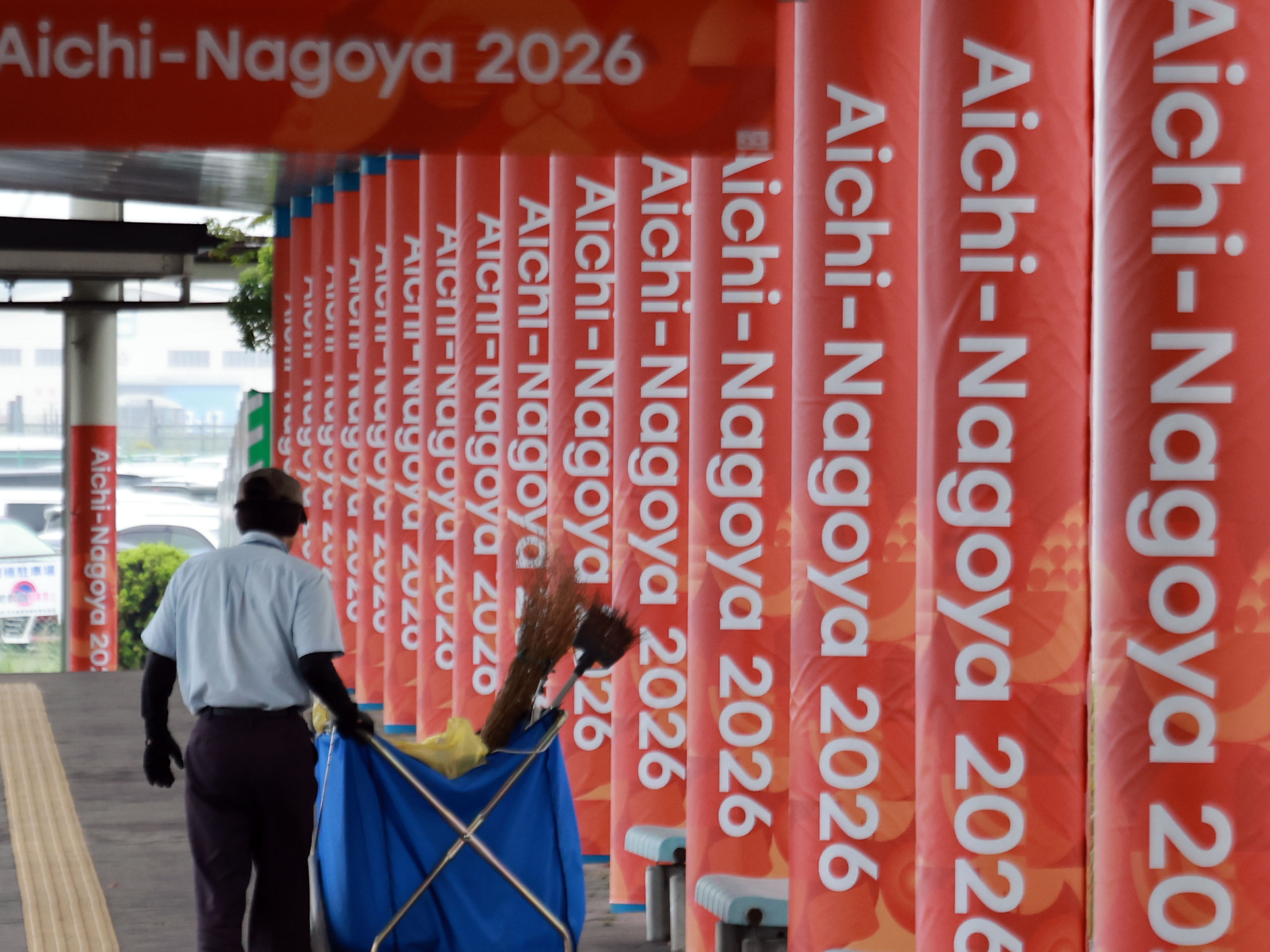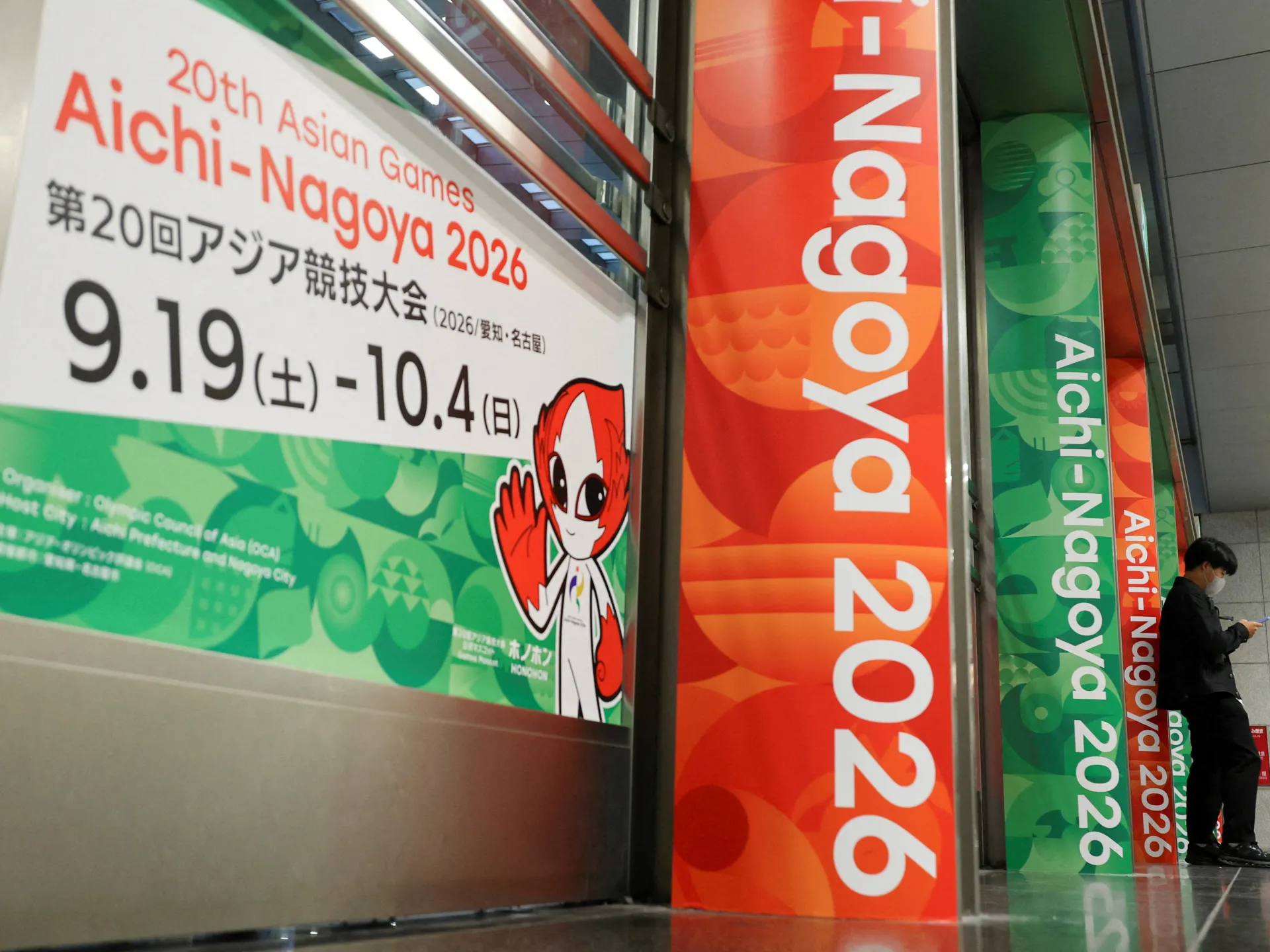
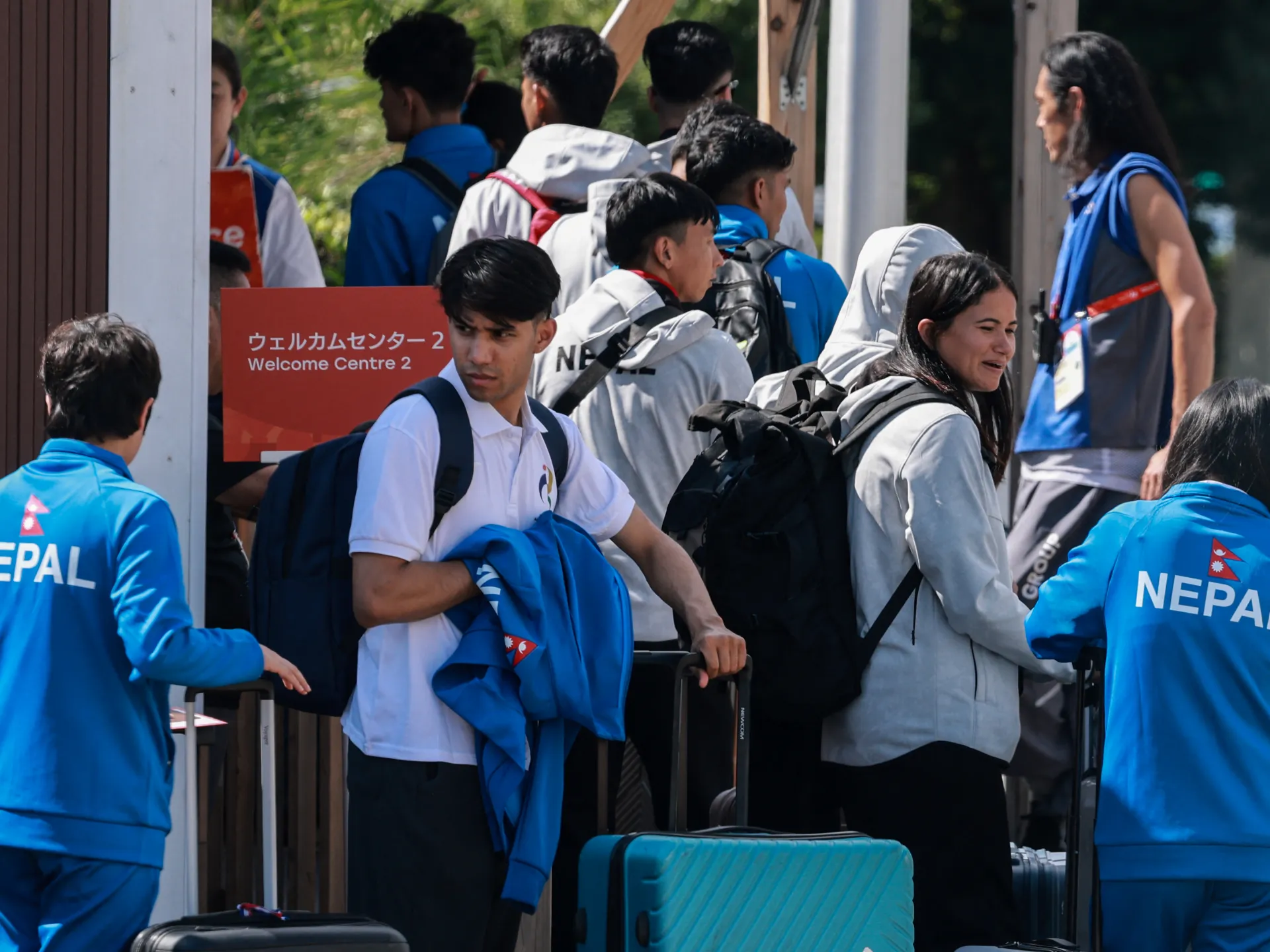
Organizers of the Aichi-Nagoya Asian Games are struggling to provide adequate housing for thousands of athletes following a decision to forgo a traditional village.
The Aichi-Nagoya Asian Games have commenced under a cloud of logistical uncertainty, specifically regarding the housing of the 17,000 athletes and officials arriving in Japan. Unlike previous iterations of the continental competition, host organizers opted against constructing a centralized, purpose-built Games village. Instead, the decision to prioritize cost-cutting measures led to a distributed accommodation strategy relying on a cruise ship, temporary wooden cabins, and existing hotel infrastructure.
The scale of the crisis became apparent as the expected number of participants ballooned beyond initial projections. Organizers had originally planned for 15,000 individuals, but the inclusion of new, diverse sports—such as mixed martial arts, padel, surfing, teqball, and virtual taekwondo—placed an unforeseen strain on the available facilities. Aichi prefecture governor and chief organizer Hideaki Omura maintains that the committee is actively responding to feedback and that the modular cabins were vetted
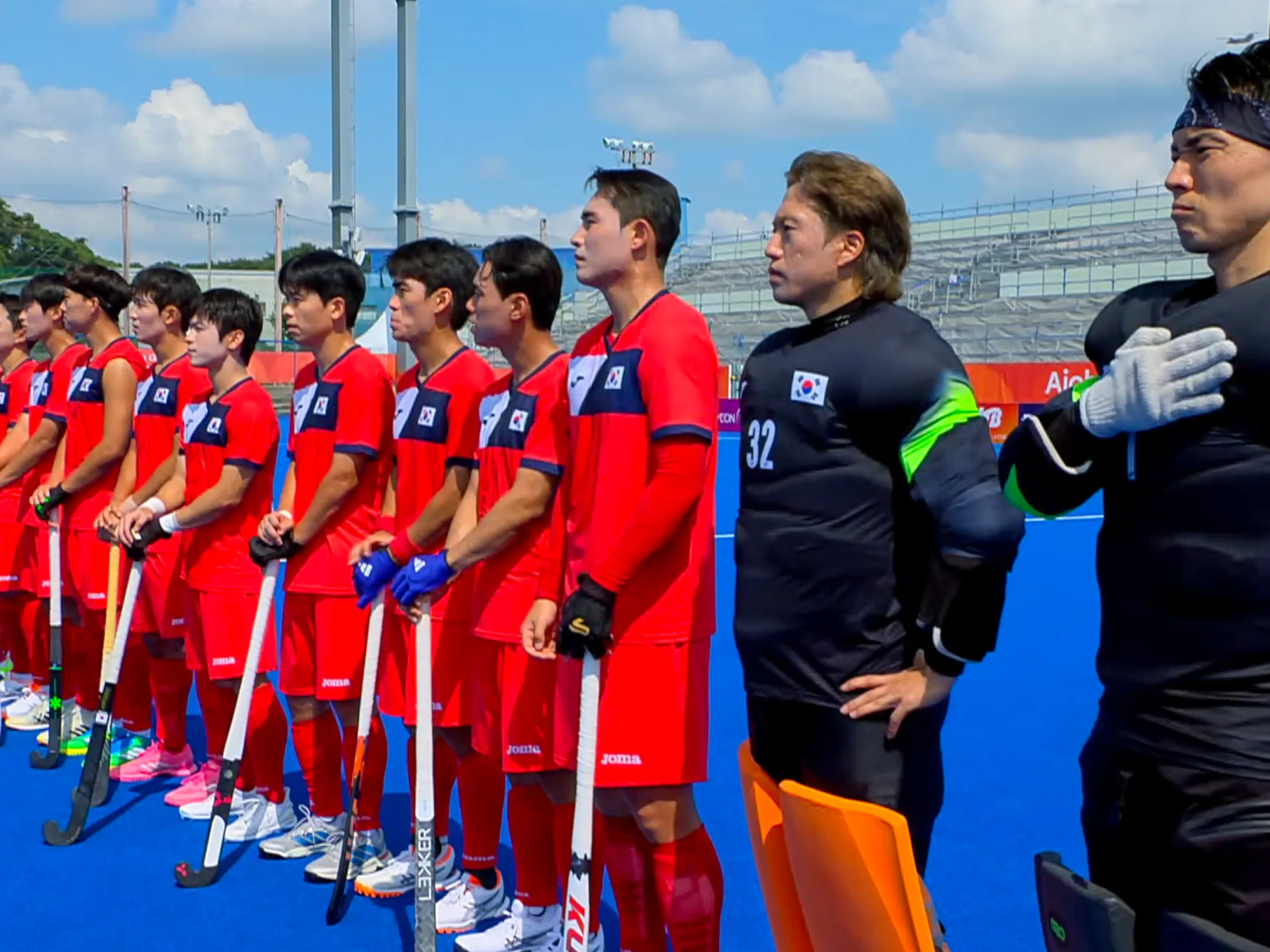
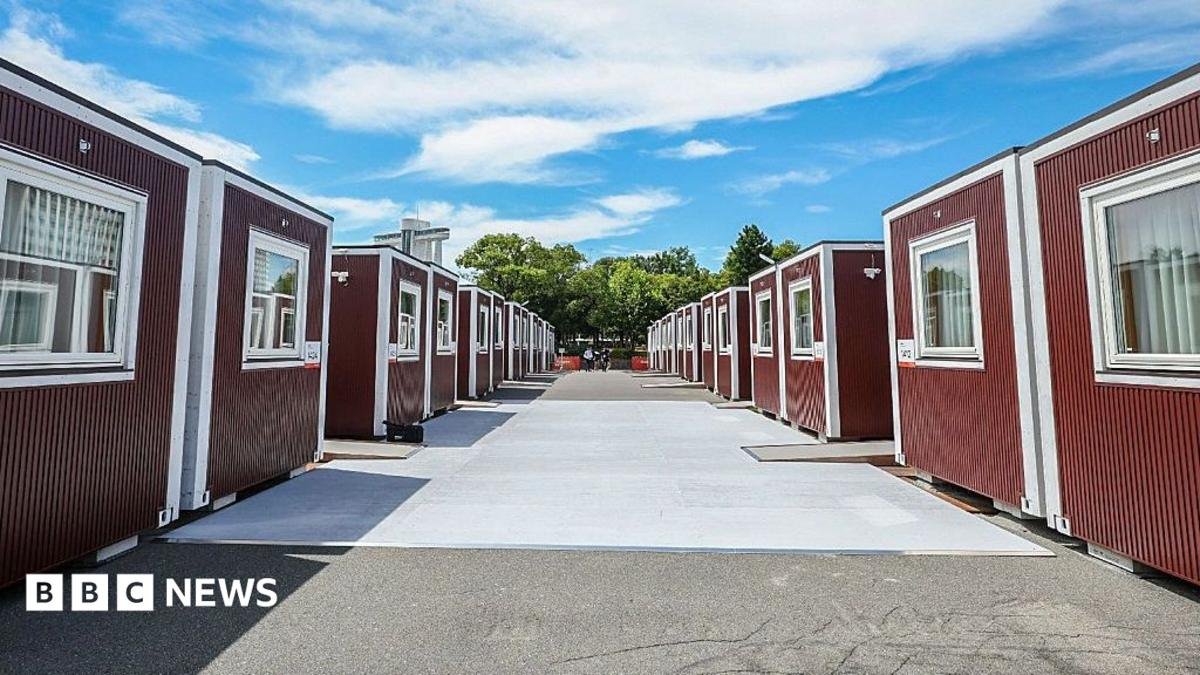
Despite official assurances, the reality on the ground has drawn sharp criticism from participating delegations. South Korean officials have been particularly vocal, describing the shipping container-style huts as the “worst-ever” facilities for elite competitors. Specific complaints have centered on the ergonomics of the furniture, with basketball team leadership noting that the beds are insufficient for athletes over two meters tall, making it impossible for them to rest comfortably.
Beyond the size of the accommodations, reports of structural issues have surfaced on social media. Athletes have documented maintenance failures, including leaking plumbing that resulted in water-damaged floors within the cabins. Furthermore, administrative blunders in room assignments have created awkward and impractical living arrangements, such as placing coaches and athletes in the same quarters or failing to account for basic privacy needs when assigning rooms based solely on numerical capacity.
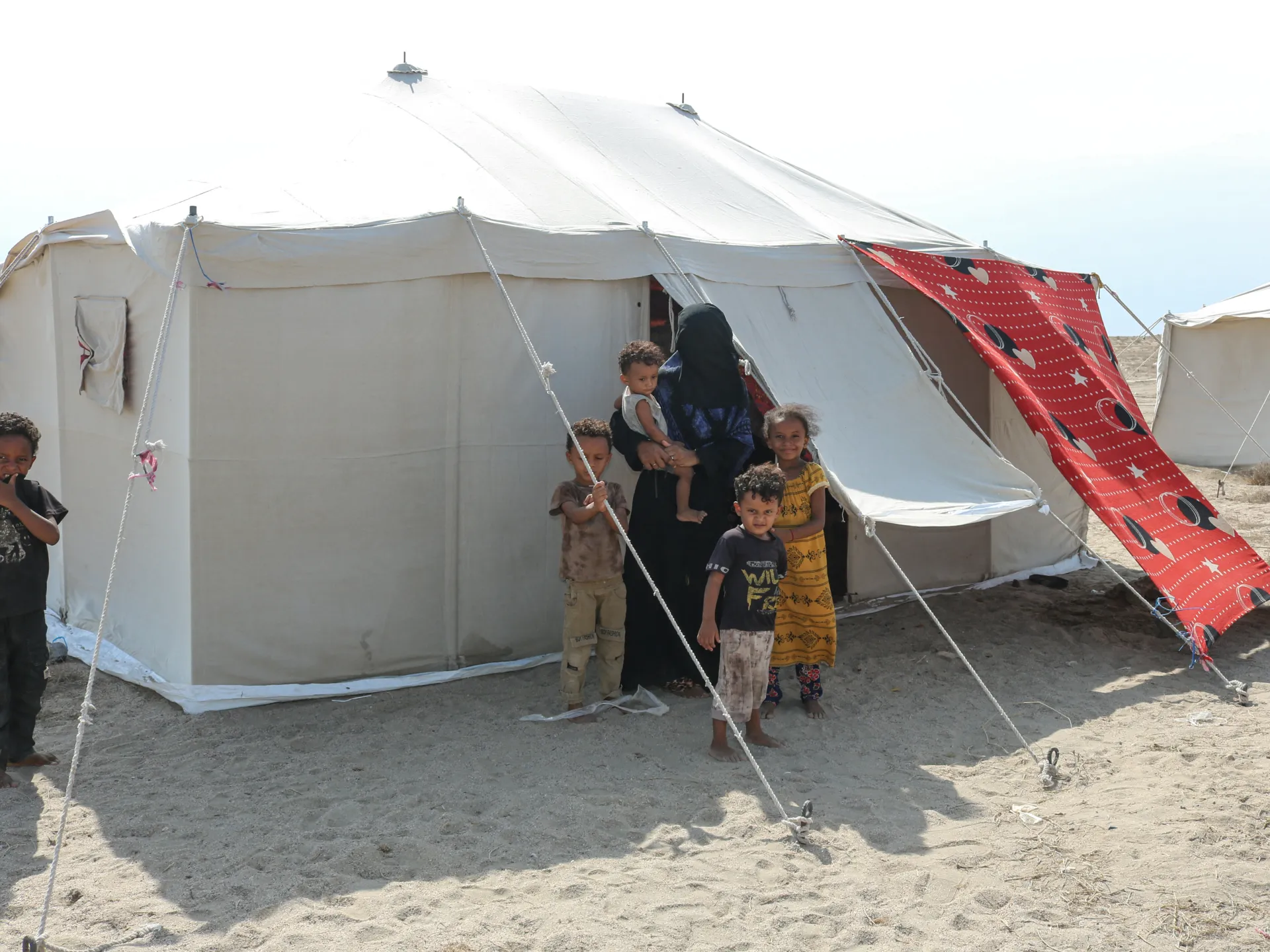
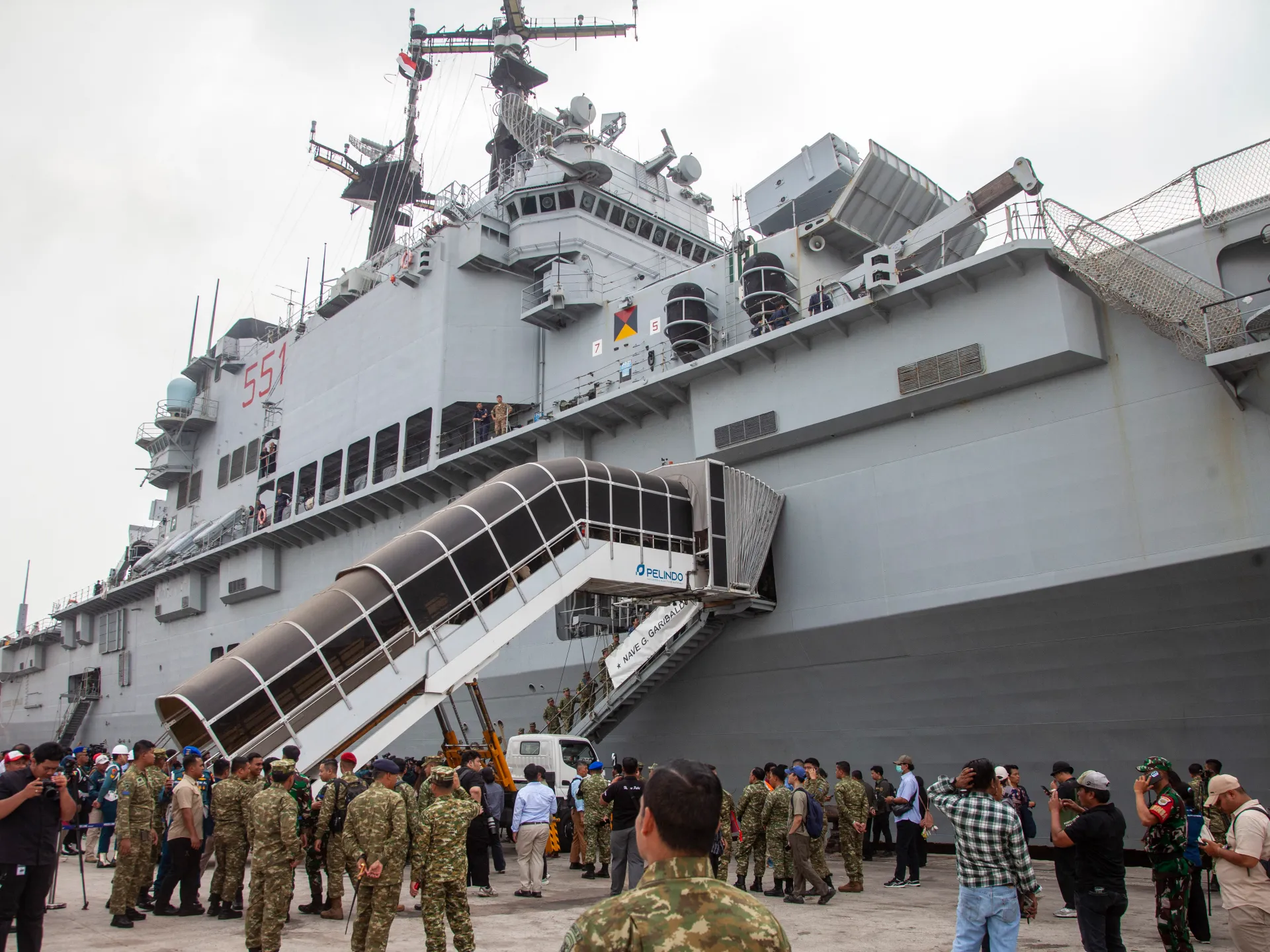
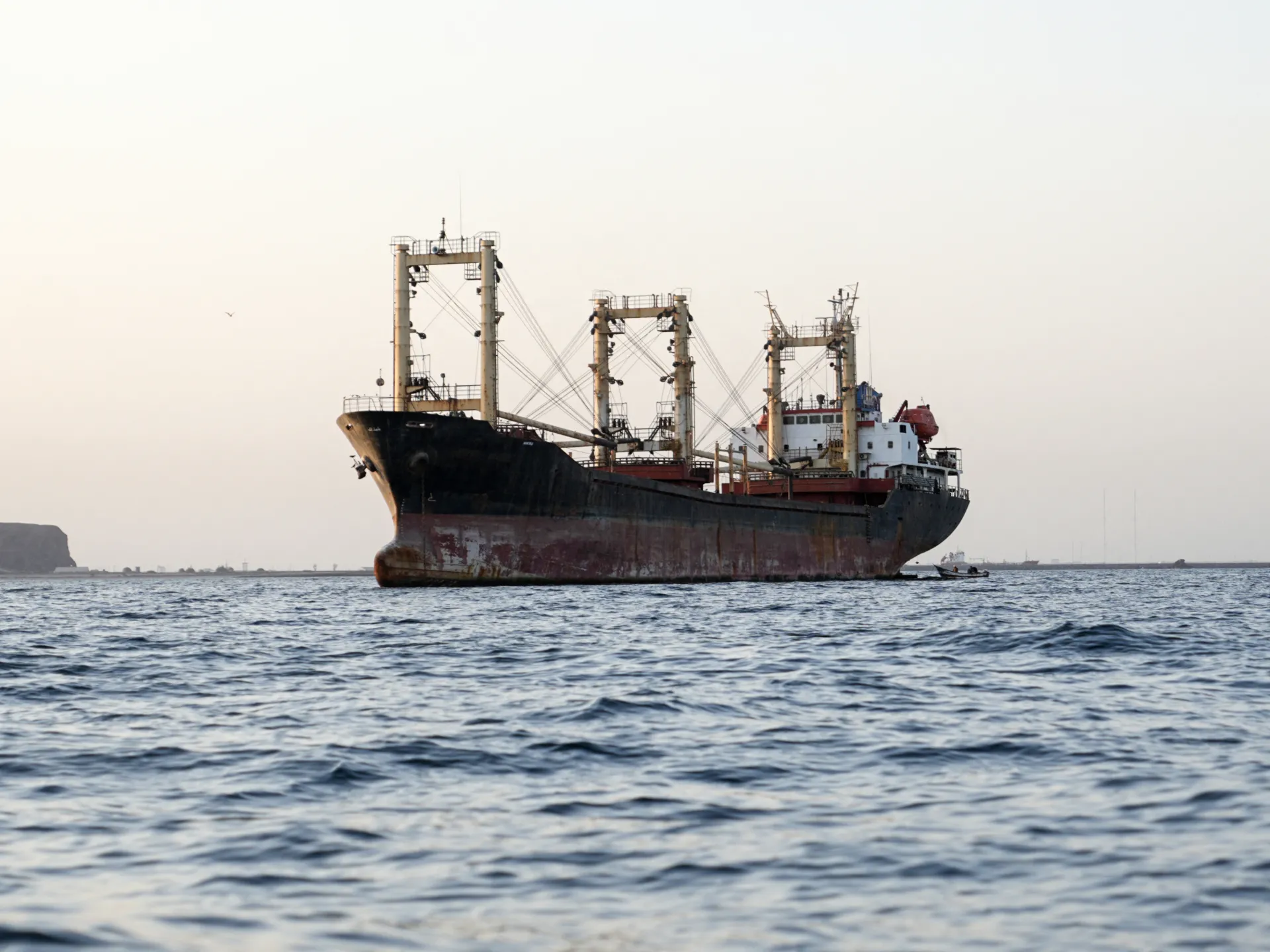
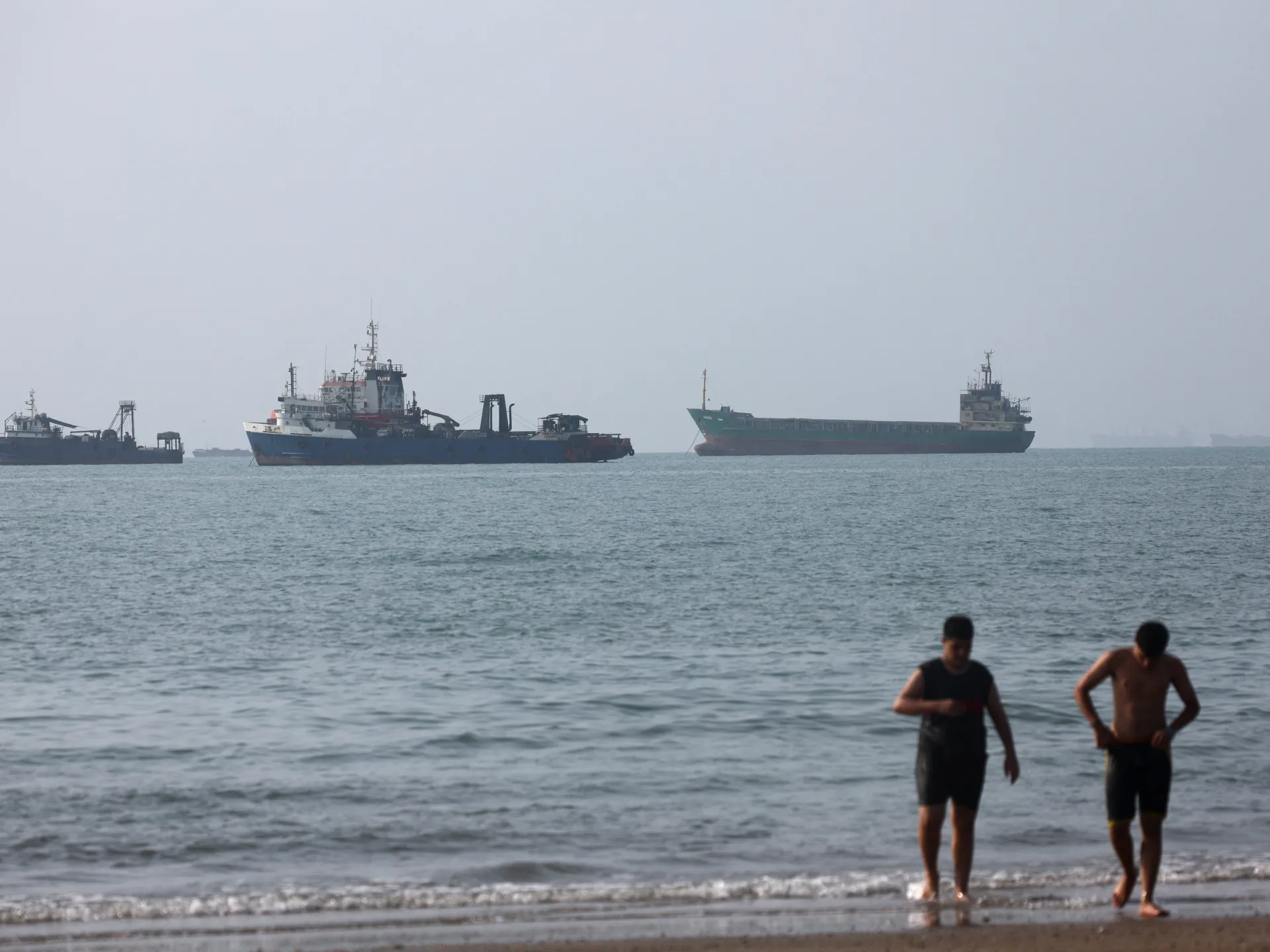
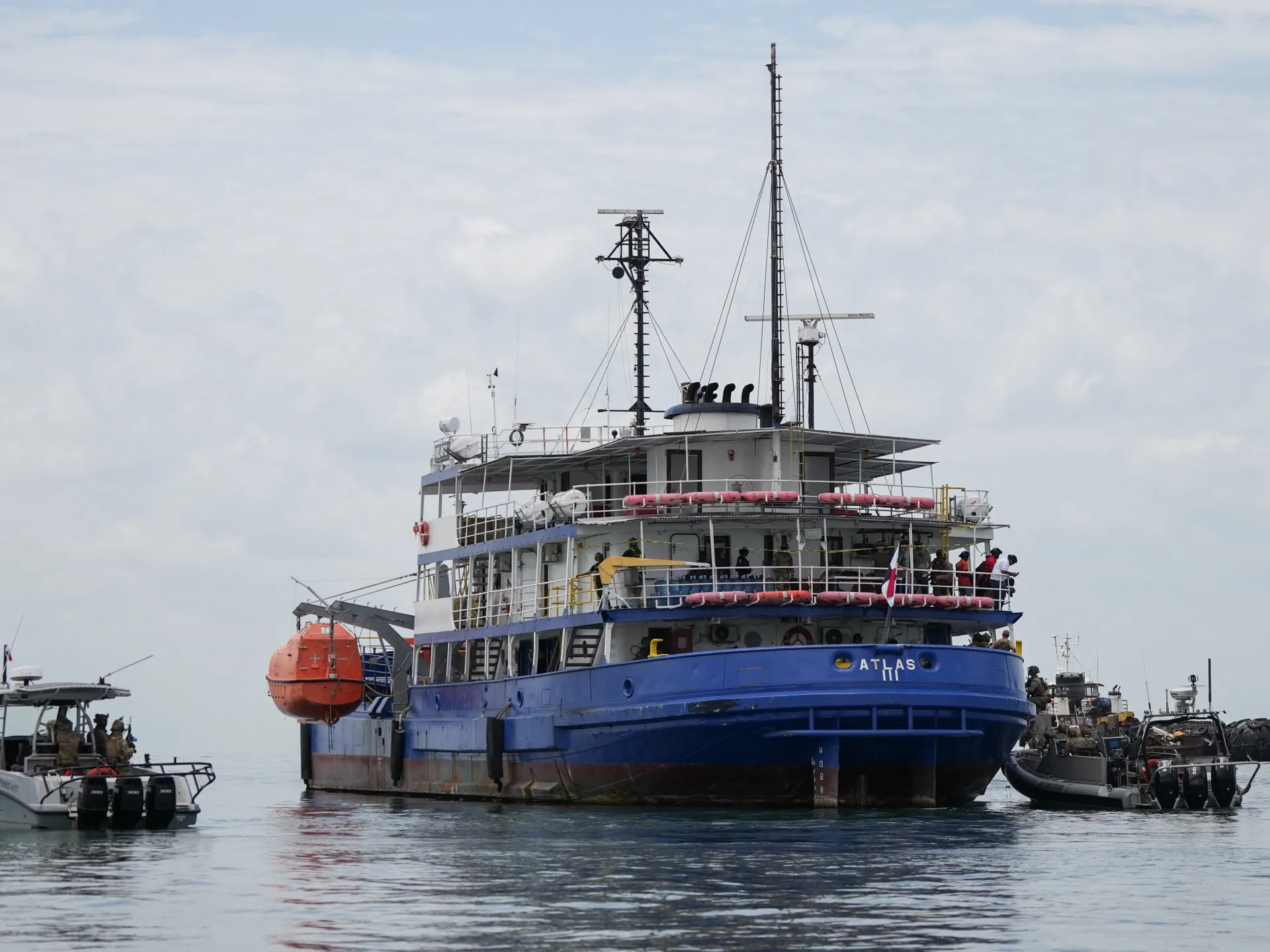
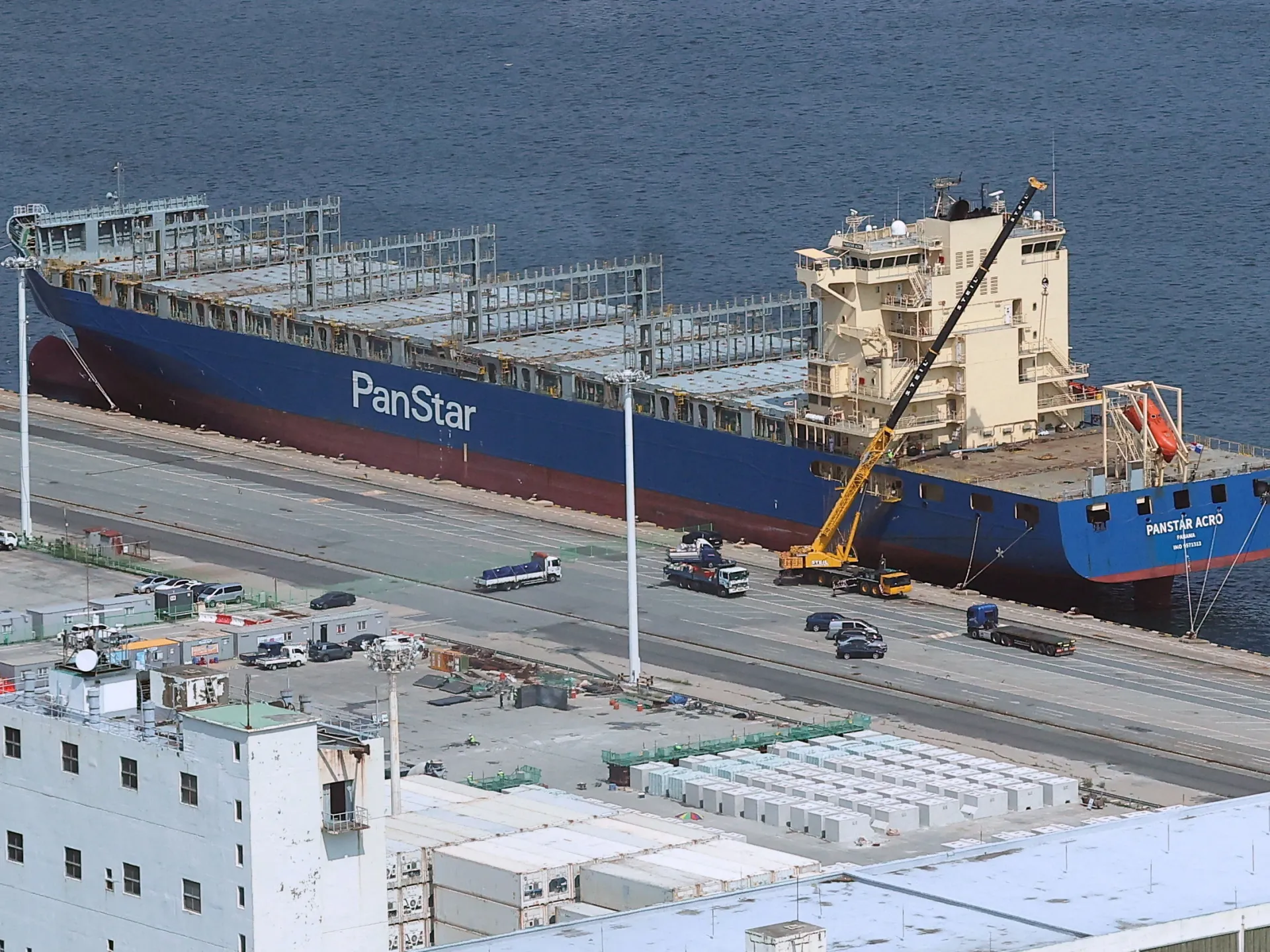
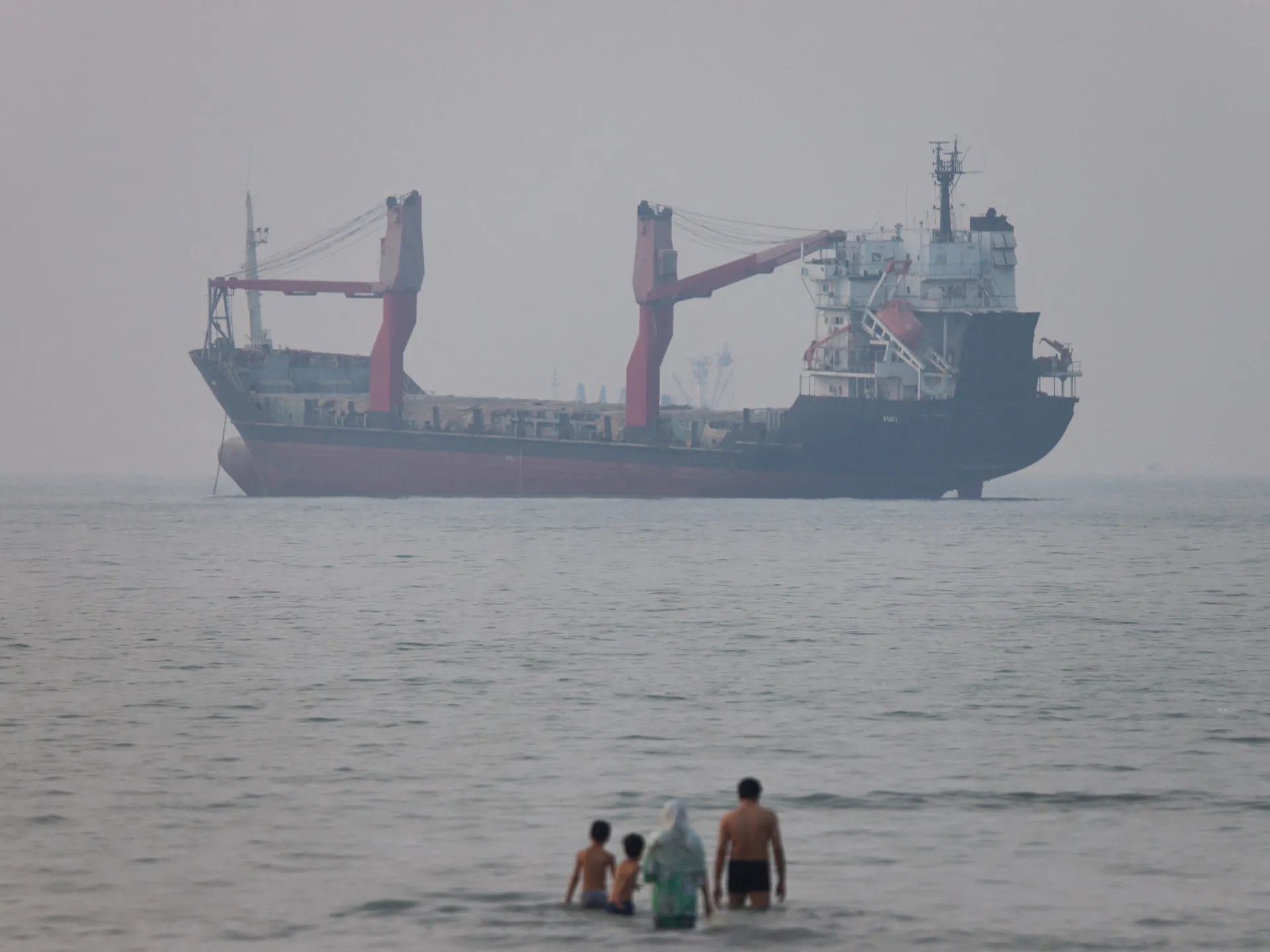
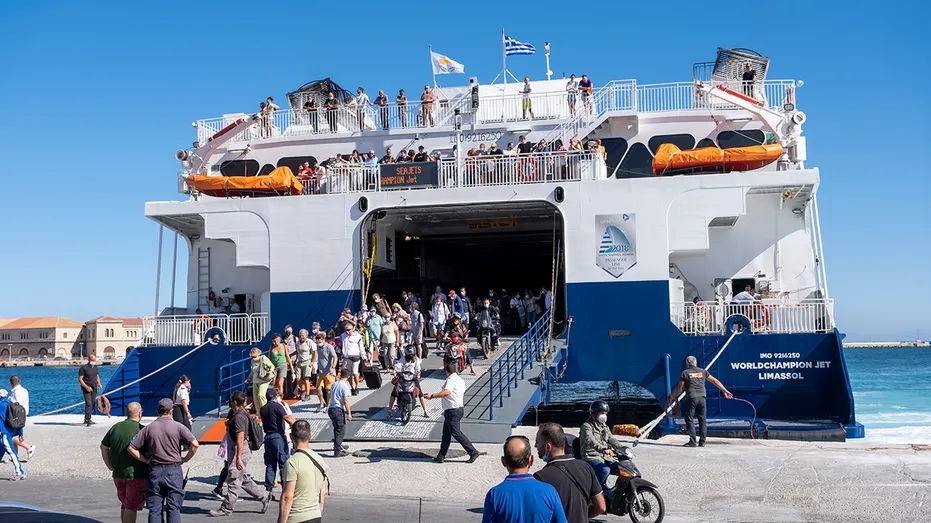
To manage the overflow, organizers have deployed the Costa Serena cruise ship, which is expected to host approximately 4,000 guests. Additionally, a dockside area has been transformed into a temporary village consisting of 2,000 units designed to resemble shipping containers. The logistical complexity of managing these disparate sites has led to significant confusion, with some team officials being relocated to external hotels or private rentals at the last minute.
The Japanese Olympic Committee (JOC) has acknowledged these challenges and revealed that they secured backup hotel reservations in Nagoya well in advance. As the situation evolves, organizers are attempting to negotiate reassignments to address the most urgent complaints. However, the disparity in quality remains a point of contention, particularly as some sports, such as cricket, have secured hotel accommodations through separate arrangements, leading to claims of inequity among different athlete groups.
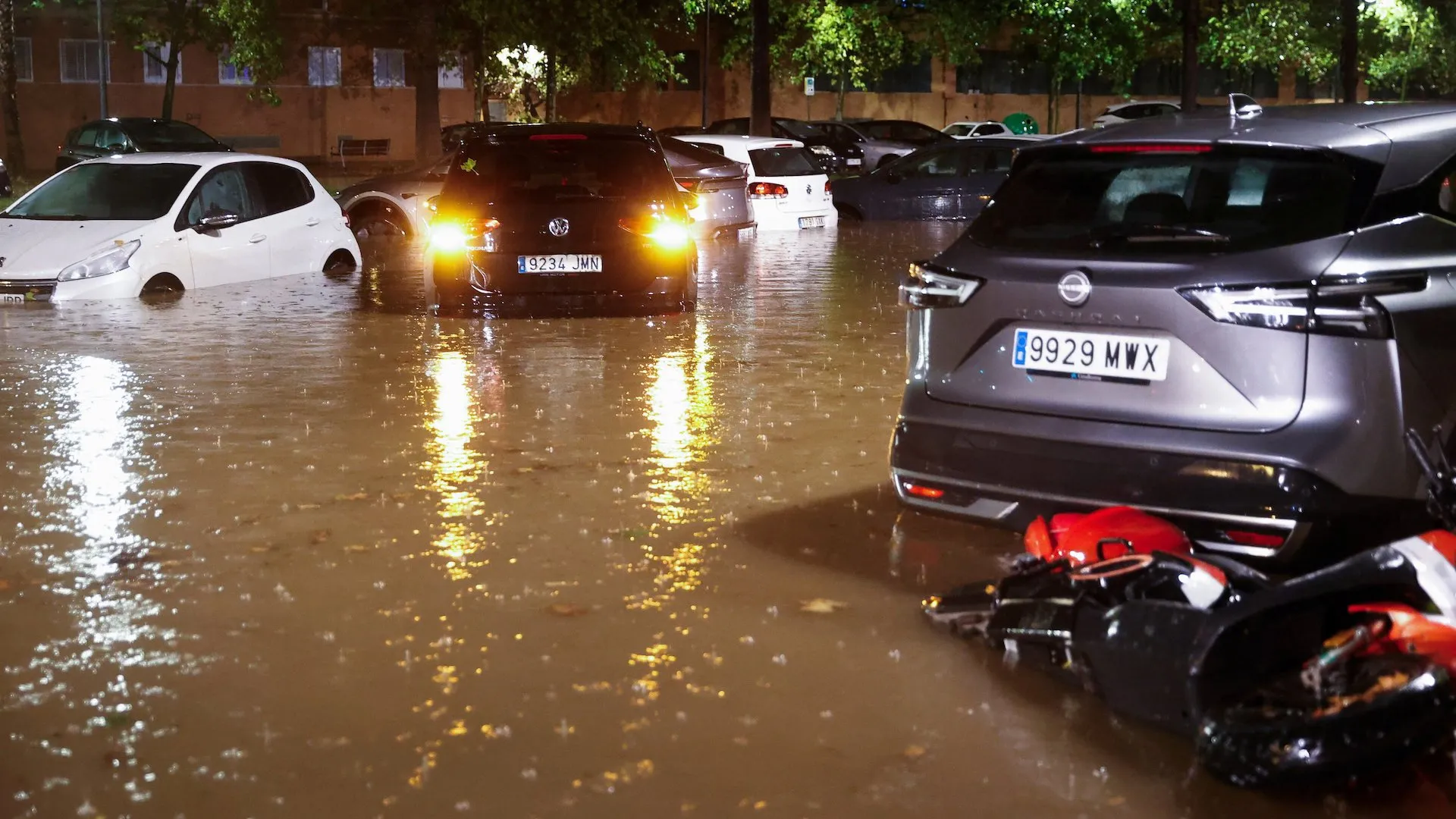
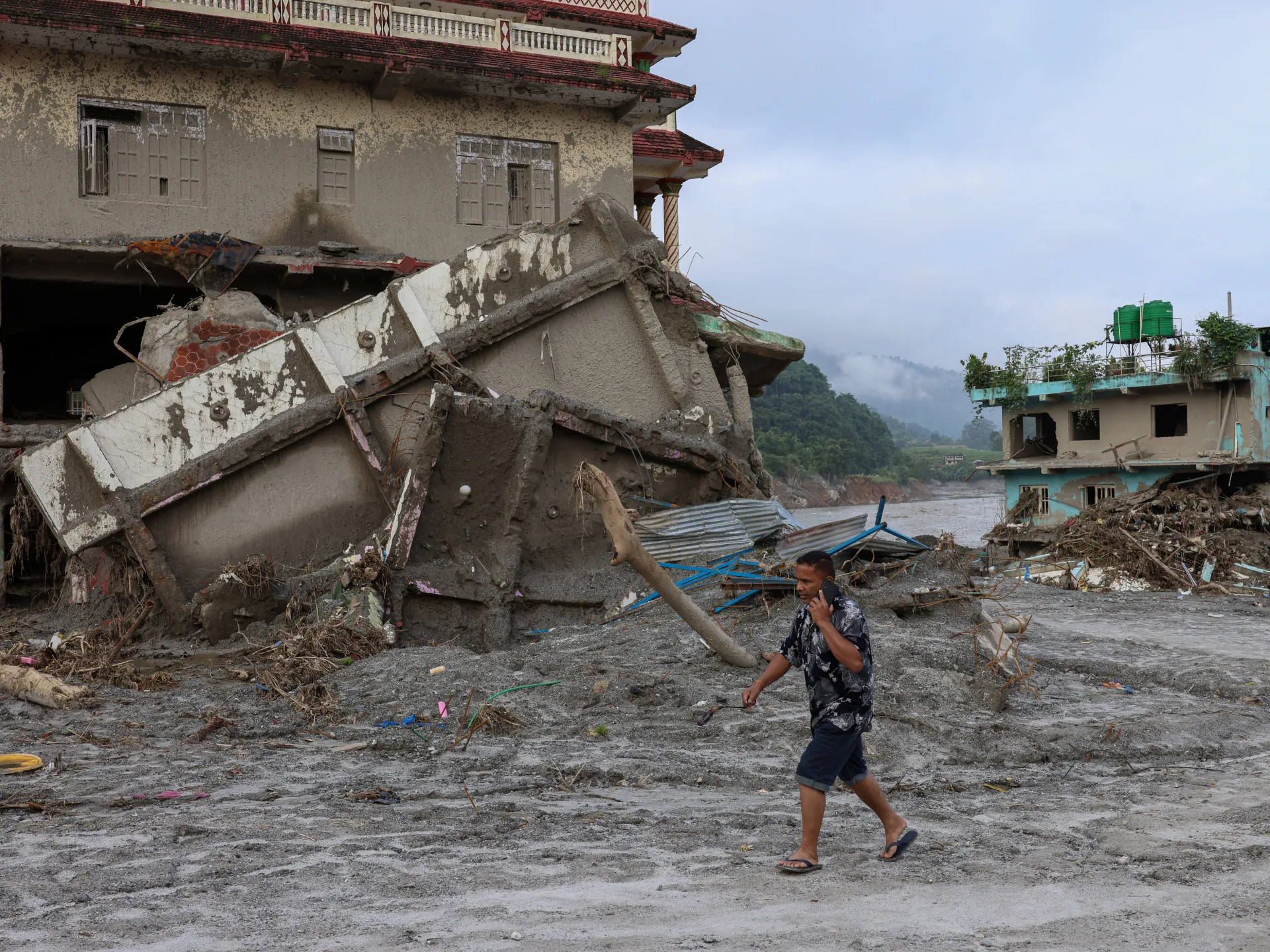
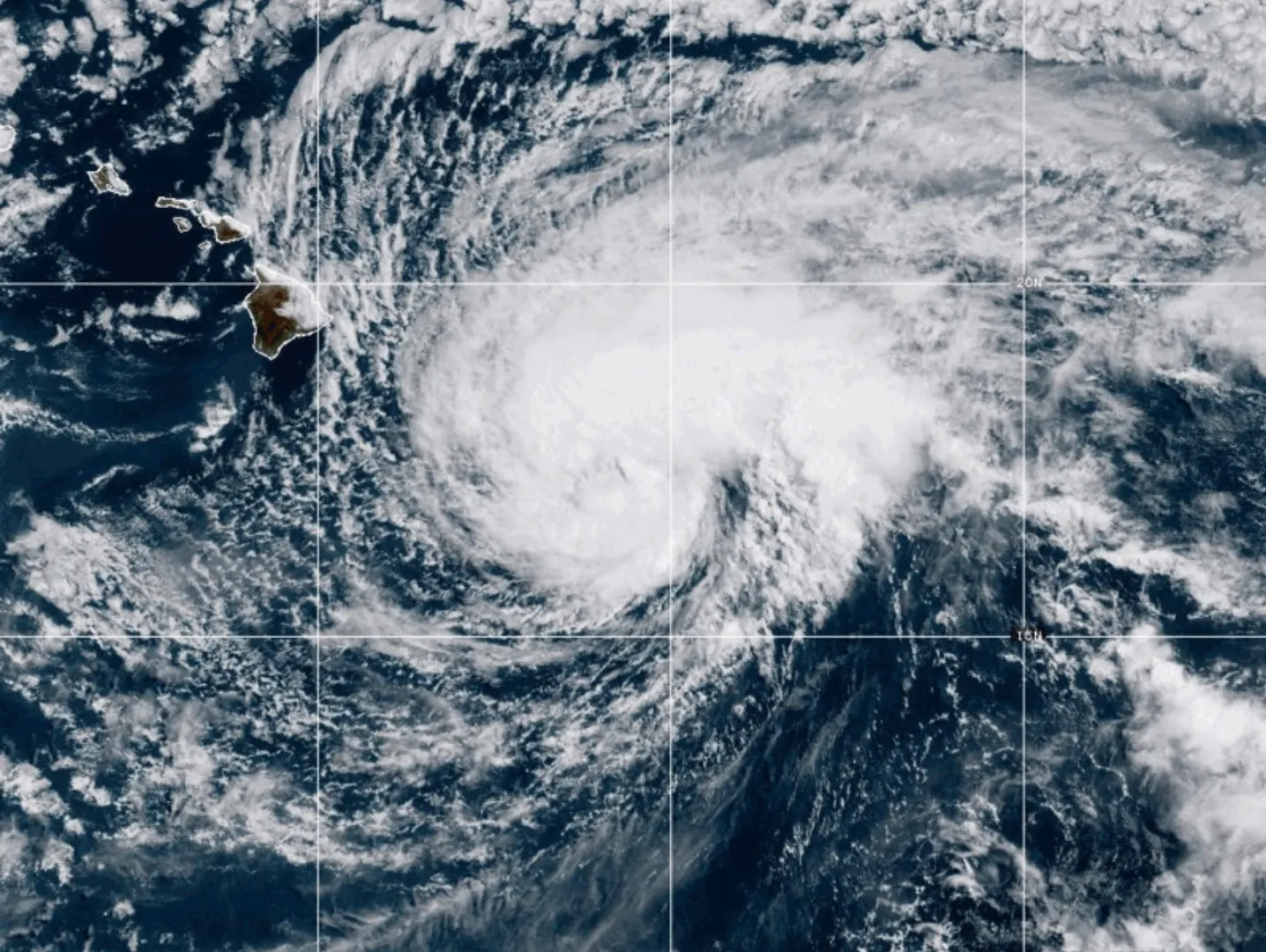
The accommodation crisis is being further exacerbated the closure of schools and the suspension of local train services, causing temporary evacuations of several hundred athletes from their assigned quarters. The threat of further disruption remains high, with meteorological reports tracking Tropical Storm Dujuan as it moves toward the region.
JOC leadership has confirmed that the weather has already necessitated the delay or postponement of several preliminary matches, including events in football, basketball, and hockey. With the potential for a typhoon to impact the area during the competition, organizers are working around the clock to ensure that the infrastructure remains secure and that the athletes are not left vulnerable to the elements. The combination of housing shortages and environmental risks has made these Games one of the most operationally challenging in recent history.