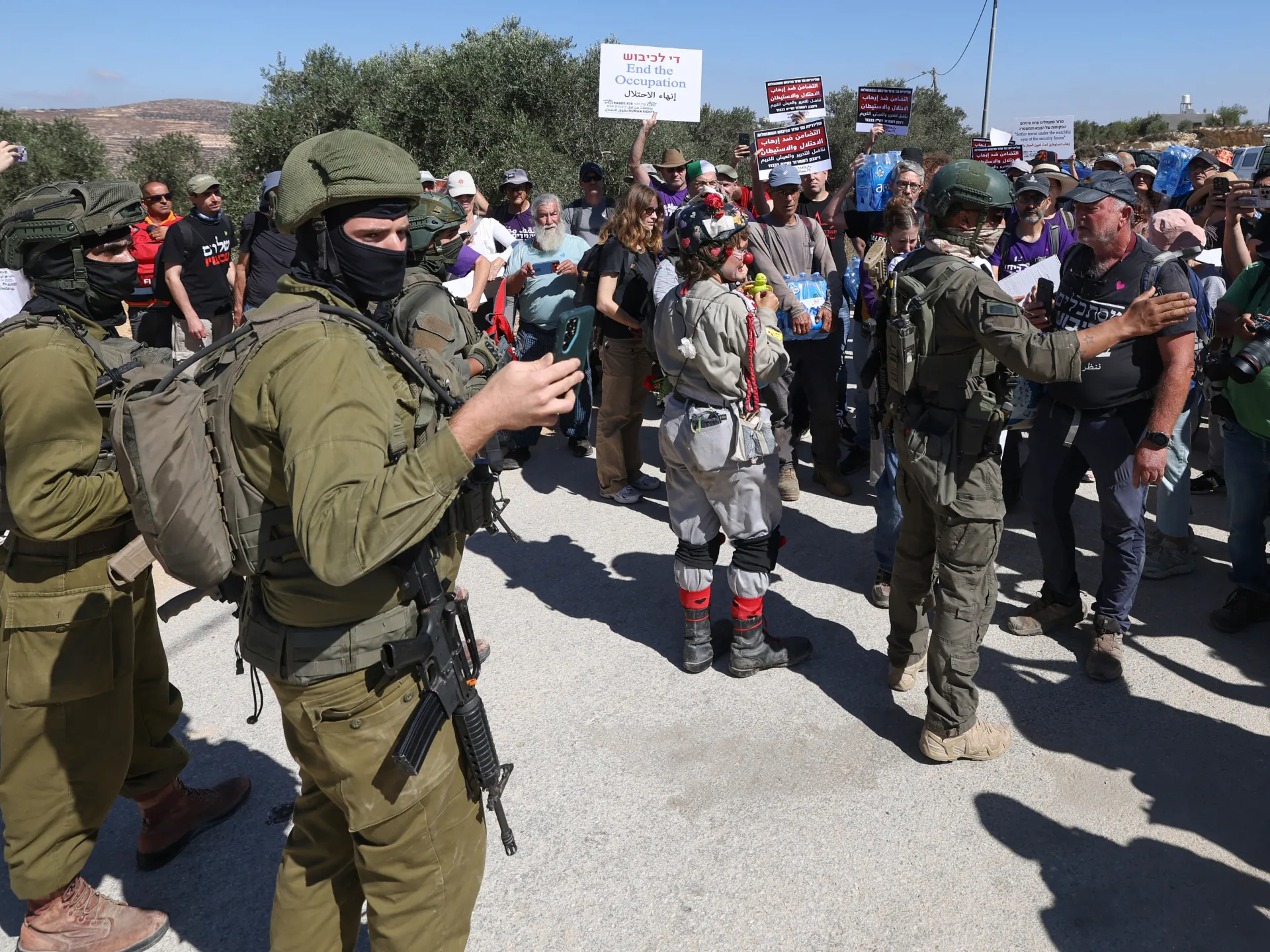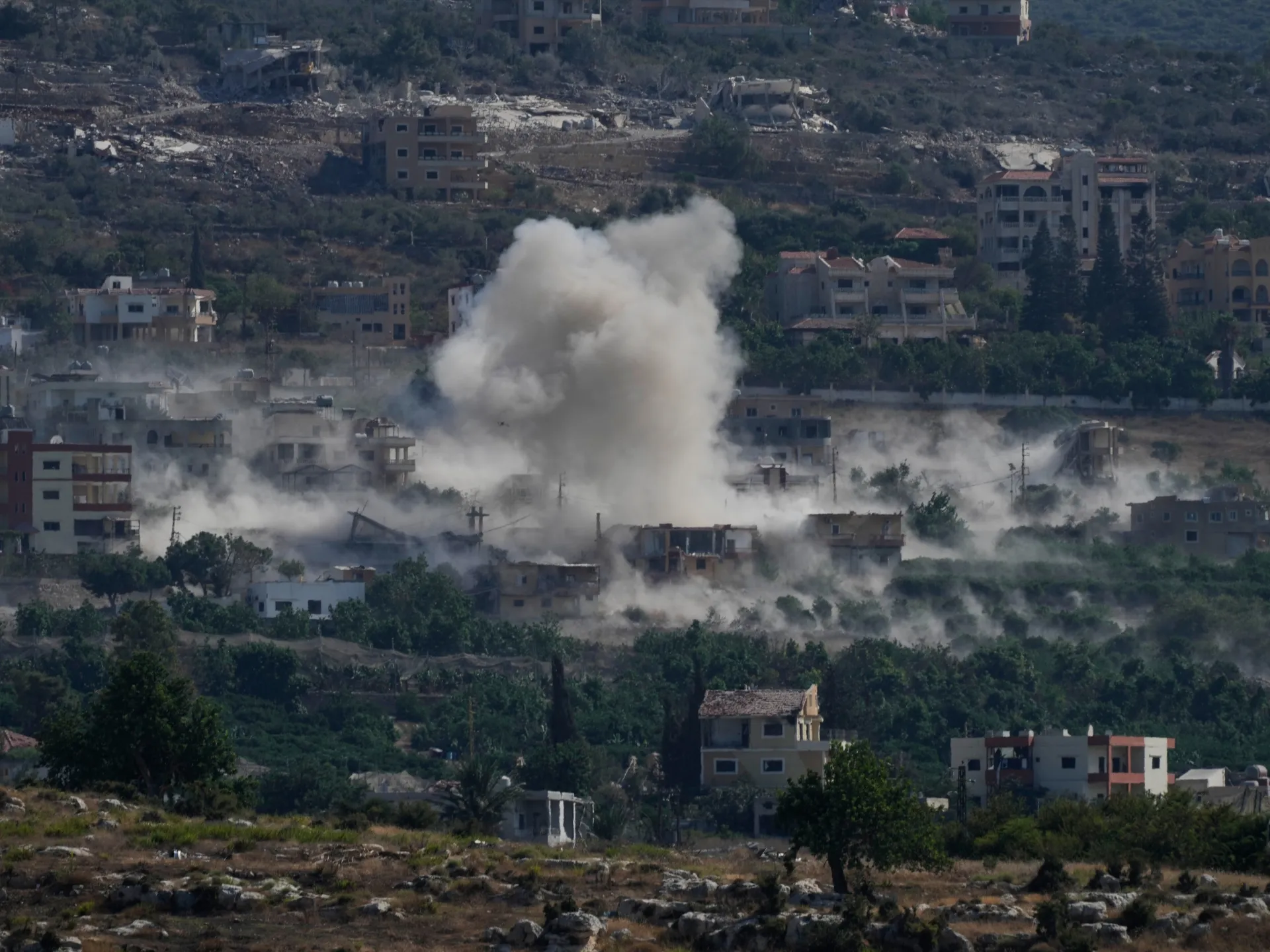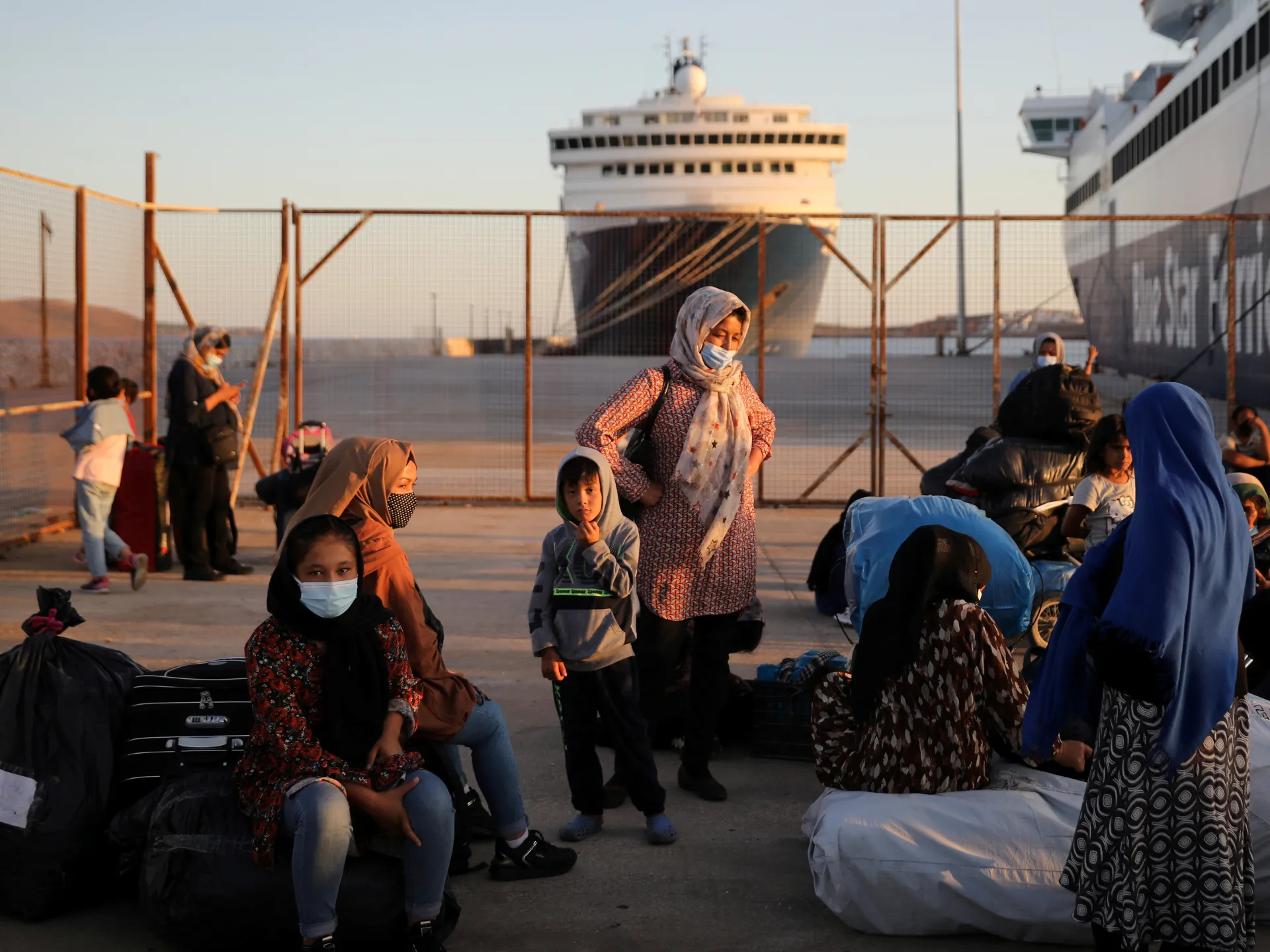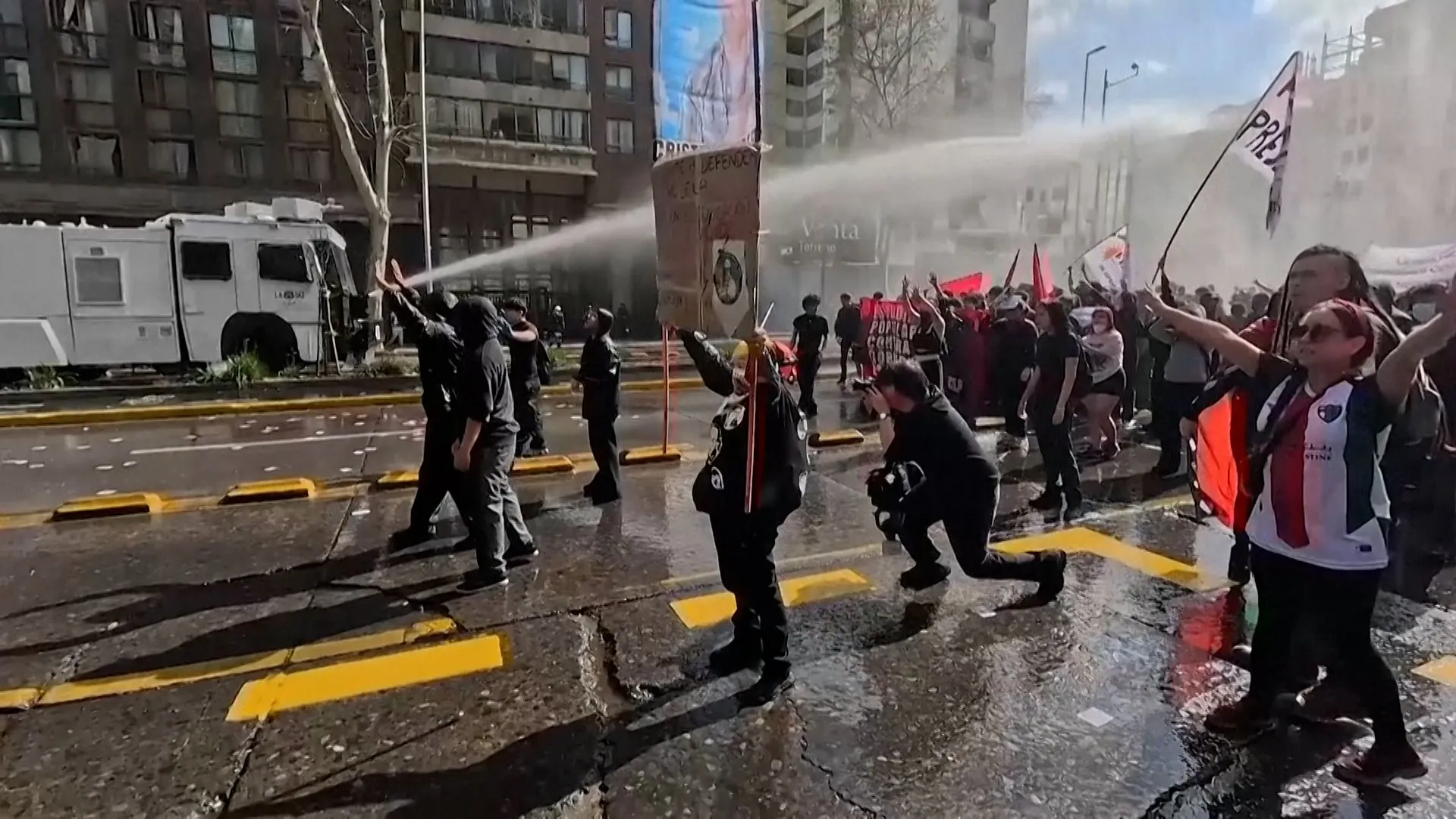
The current vocabulary of international relations is heavily skewed toward Western dominance, masking the systemic harm caused by global superpowers. A new framework is required to address the reality of the "pernicious state."
In the landscape of international relations, terminology is rarely neutral. It is frequently shaped s. For decades, the dominant lexicon has been authored geopolitical interests while marginalizing the perspectives of the Global South. mies, discredit dissent, and provide justifications for aggression, effectively manufacturing a reality that suits their strategic goals.
This linguistic imbalance has led to the proliferation of stigmatizing labels, such as the "rogue state," which are frequently used to marginalize weaker nations while conveniently ignoring the systemic harms caused lawed but also serve as instruments of power that prioritize narrative control over objective reality. To address this disparity, there is a growing need for a new grammar in international relations—one that accounts for the structural violence of powerful states that often operate with total impunity under the guise of an orderly, rules-based system.
The term "pernicious state" offers a necessary corrective to existing international relations discourse. Unlike occasional instances of harm caused gineered to inflict injury as a sustainable way of life. This is not a reactive behavior but an institutionalized strategy. The capacity for such harm is inherently tied to a state’s overall power; the more dominant a nation becomes, the greater its potential to inflict damage on a civilizational scale, far surpassing the reach of smaller, less equipped actors.
A pernicious state does not merely ignore international norms; it systematically rewrites them to ensure its own immunity. This involves a complex interplay of legal, economic, and cultural mechanisms designed to extract wealth and maintain dominance while deflecting accountability. , structural violence of superpowers, this framework highlights the glaring blind spot in current academic and diplomatic circles, which often overlooks how the most powerful actors orchestrate global instability.
Pernicious power operates through a sophisticated blueprint that extends beyond direct military invasion. Economically, these states often utilize predatory lending and asymmetrical trade agreements to keep developing nations in a state of structural dependence. This prevents the growth of sovereign domestic industries, ensuring that the global market serves primarily as an engine for extraction rather than mutual development. To mask this predation, these powers deploy "civilizing myths," framing their interventions as noble efforts to promote human rights, democracy, or development, while simultaneously marginalizing local cultures.
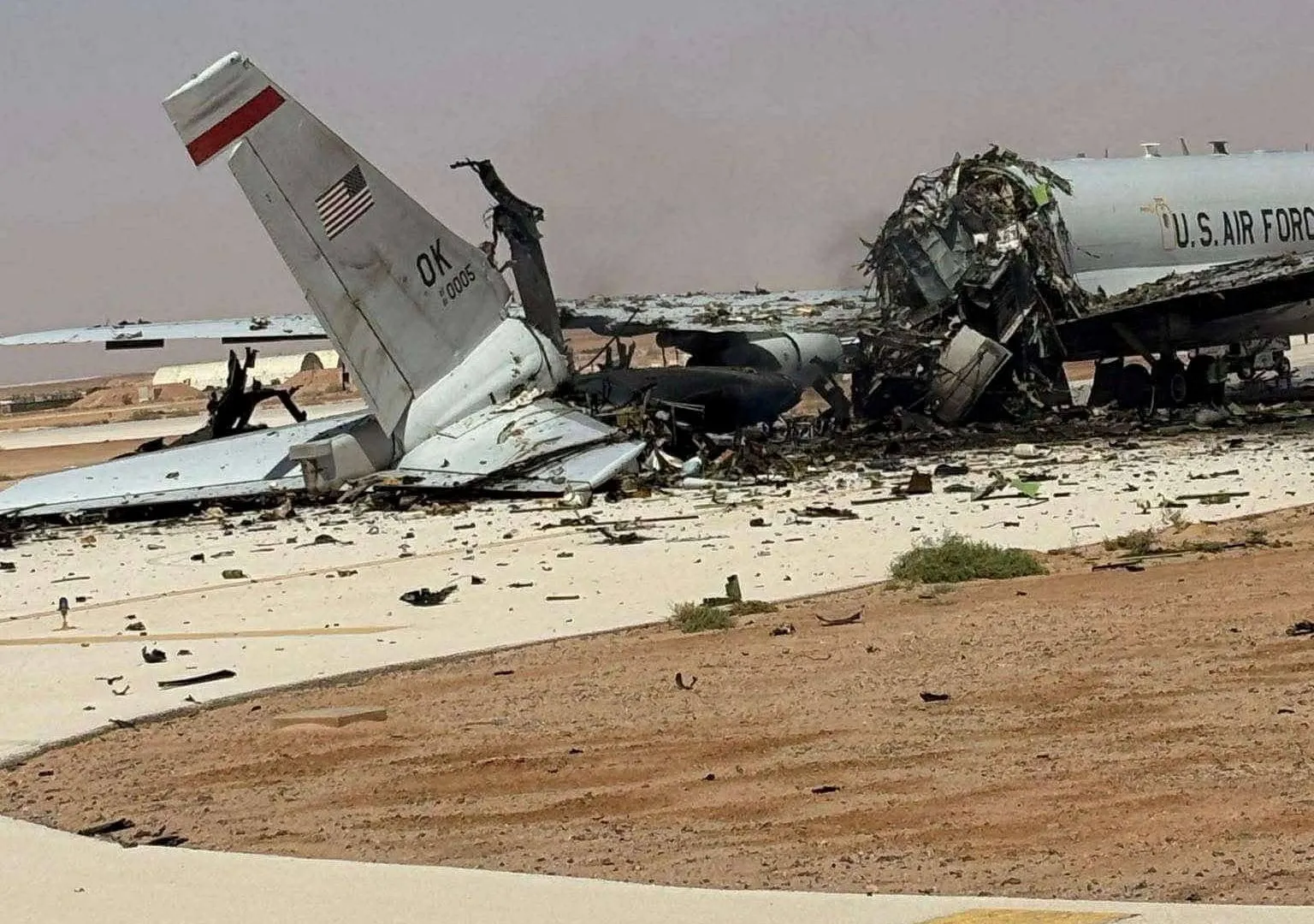
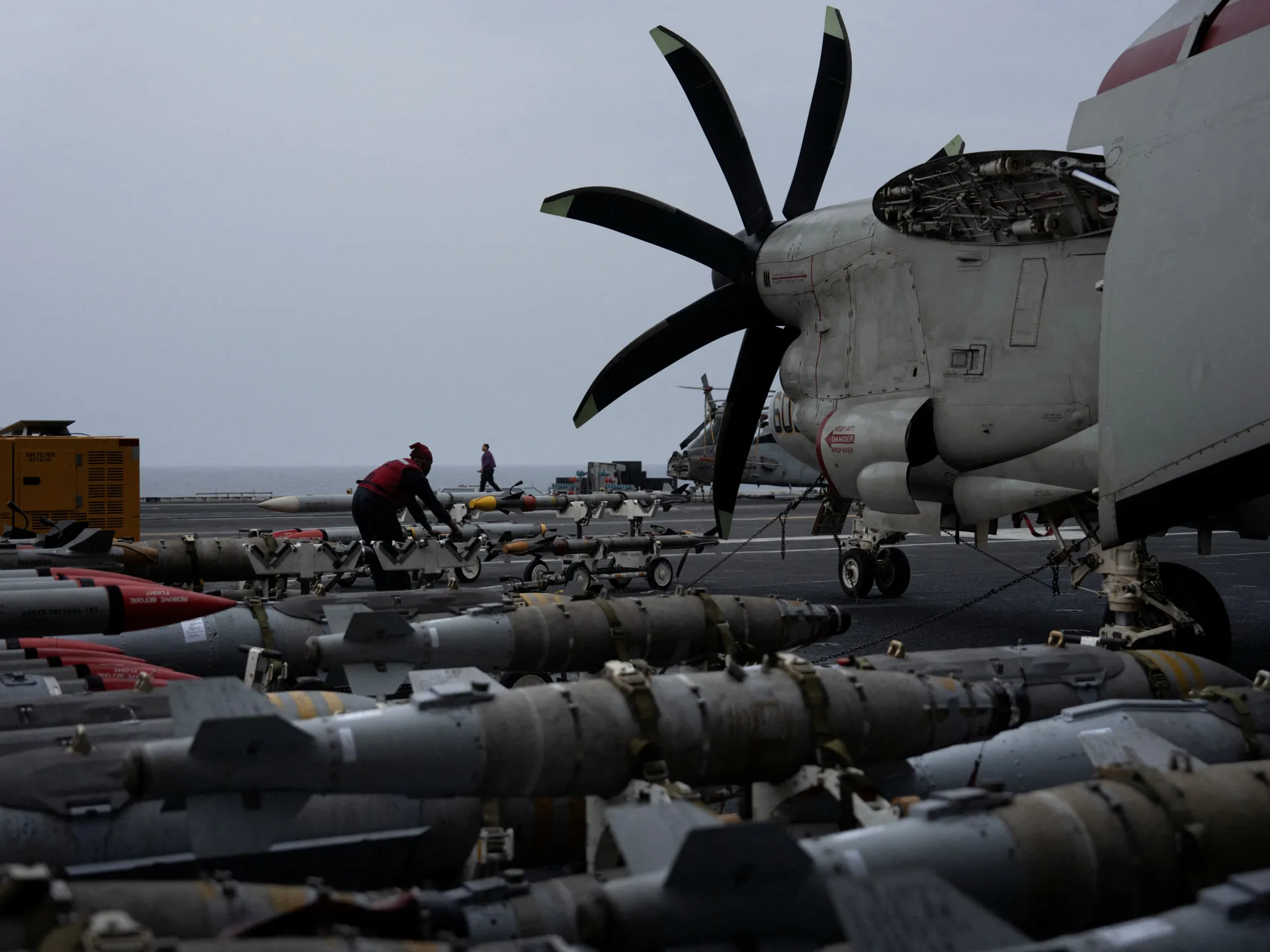
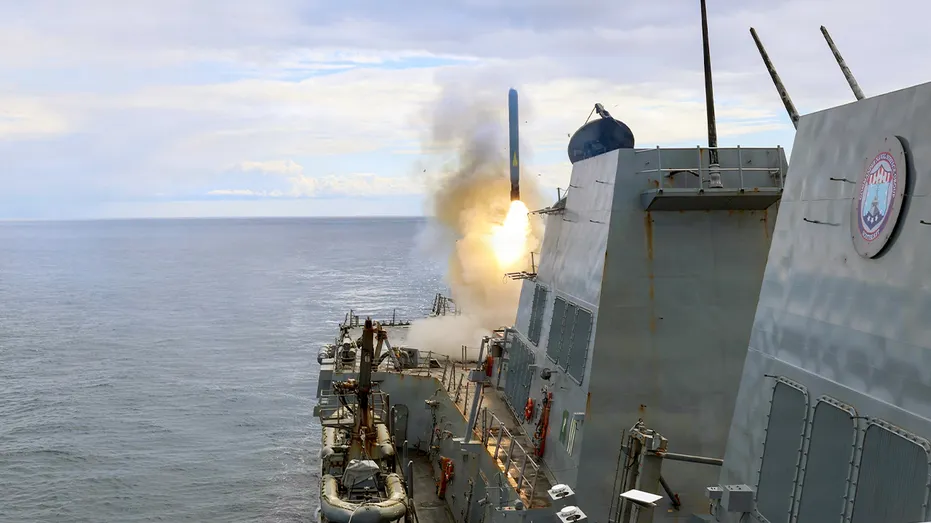
Legally and militarily, the pernicious state acts as a judge, jury, and executioner. These nations often champion a "rules-based international order" only when it serves their interests, frequently exempting themselves from international treaties like the Rome Statute. When soft power fails, they turn to covert operations, including funding insurgencies or imposing collective punishment through sweeping unilateral sanctions. These sanctions, which can cripple healthcare and food access for civilian populations, are often presented as necessary diplomatic tools rather than the instruments of violence they truly are.
The modern pernicious state is the evolution of classical imperial models. Historically, powers like colonial Britain utilized corporate monopolies to drain the Indian subcontinent of wealth while weaponizing ethnic and religious divisions to ensure long-term instability. Similarly, colonial France employed a "civilizing mission" to justify cultural erasure and the use of indigenous codes to force labor and suppress native populations. These historical patterns of extraction, cultural suppression, and legal apartheid have not disappeared; they have been modernized.
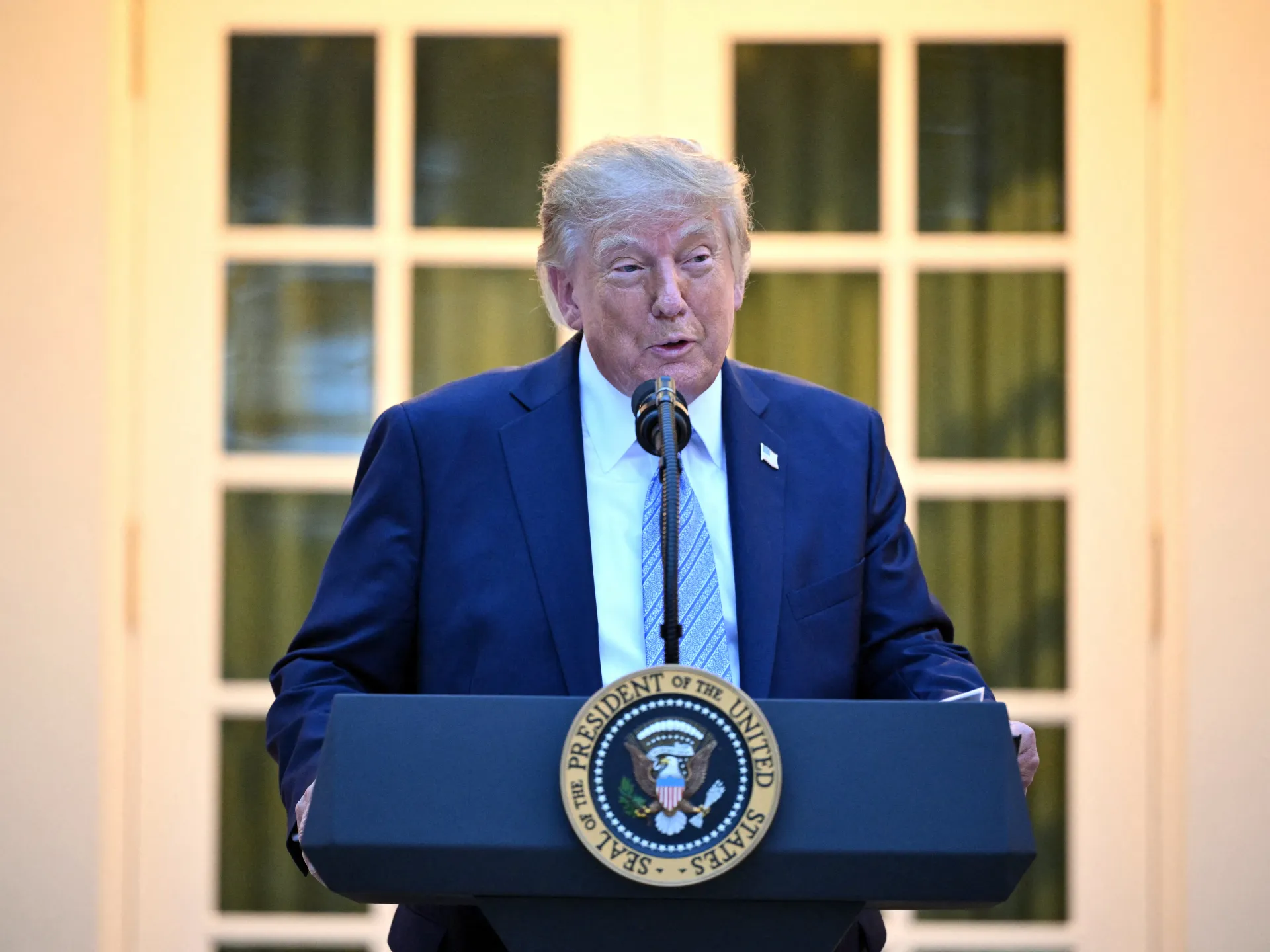
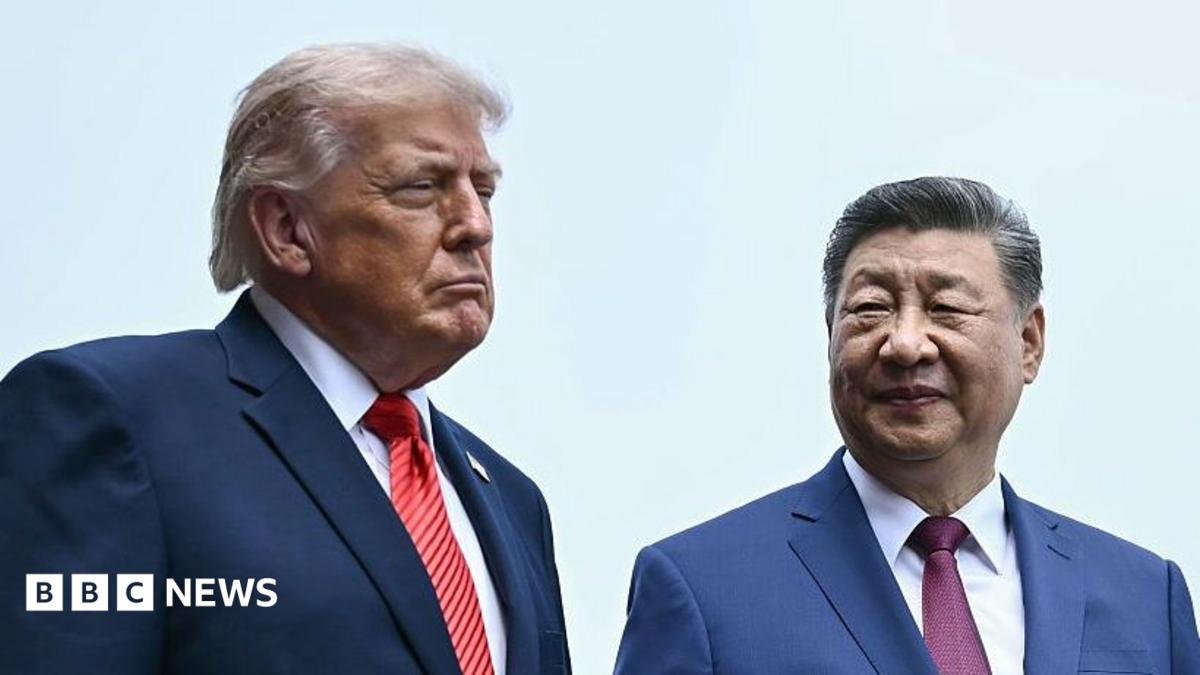
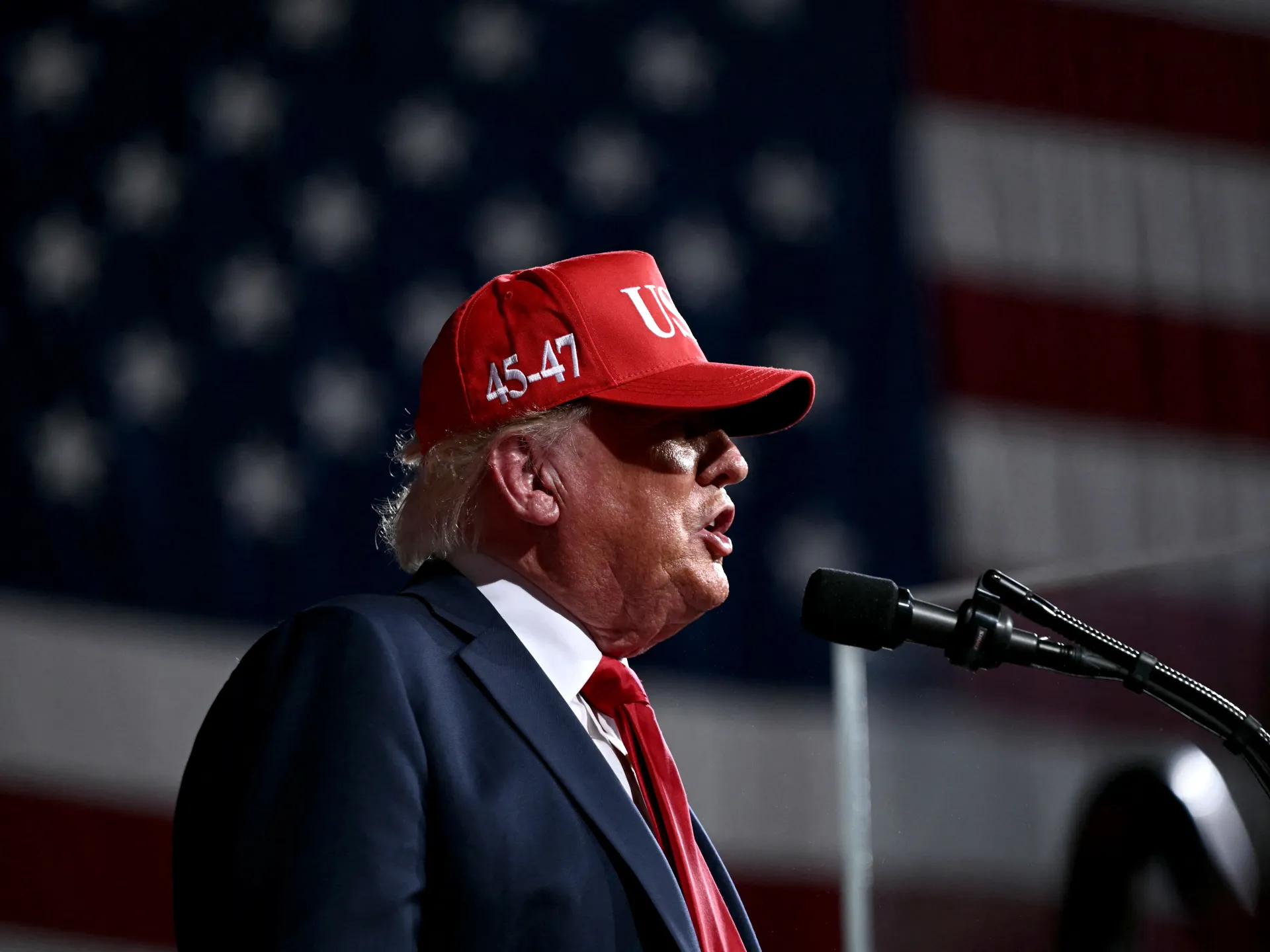
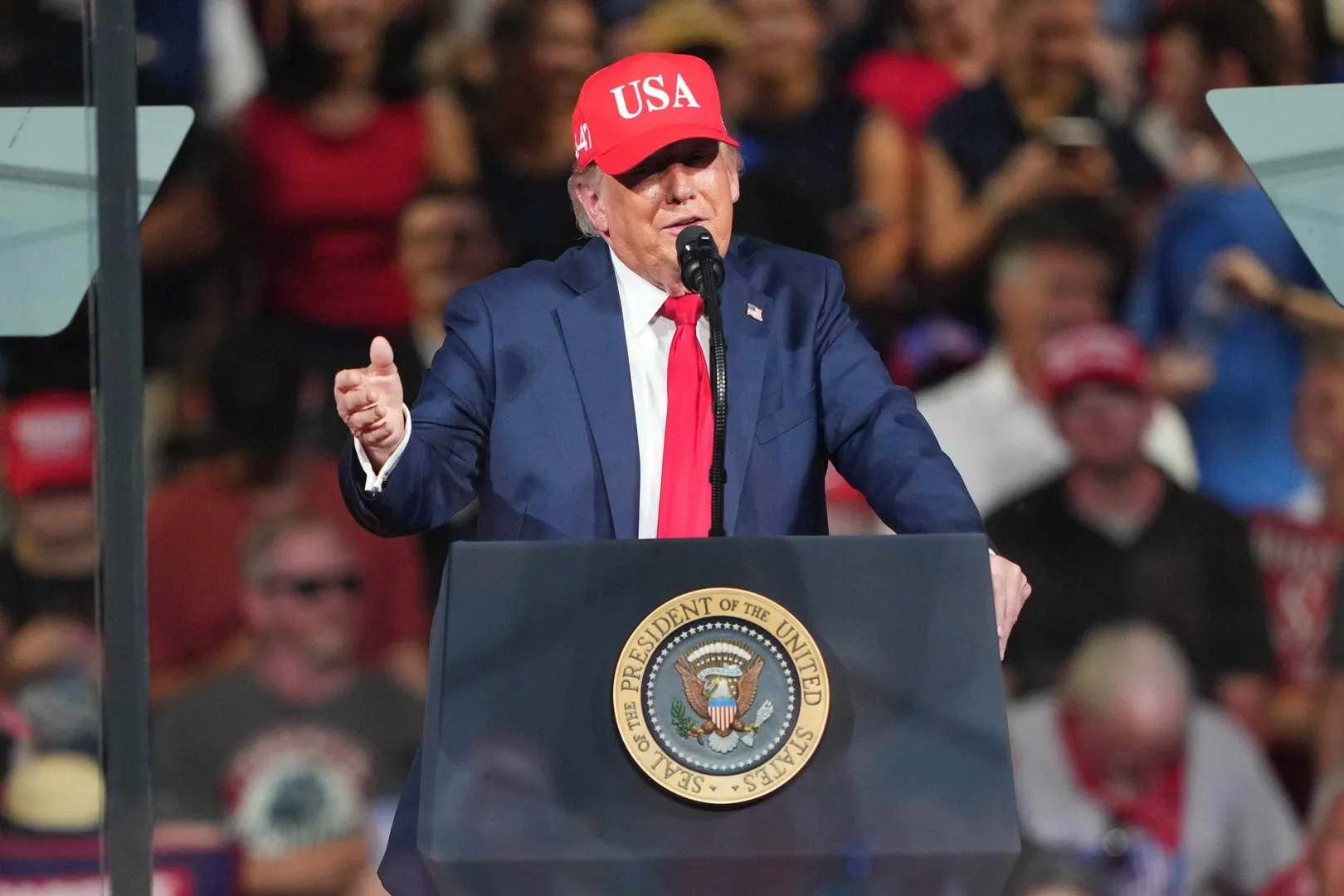
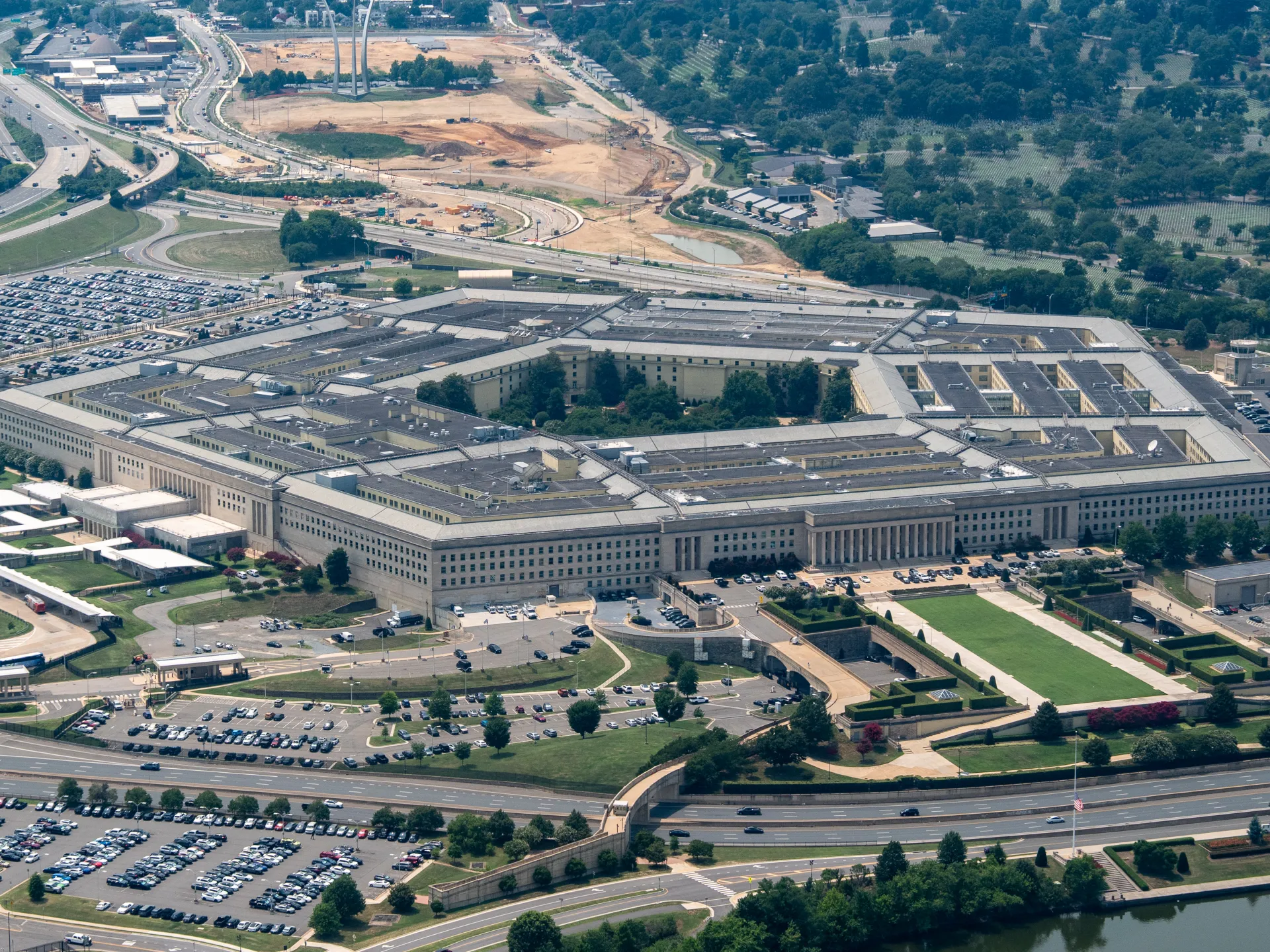
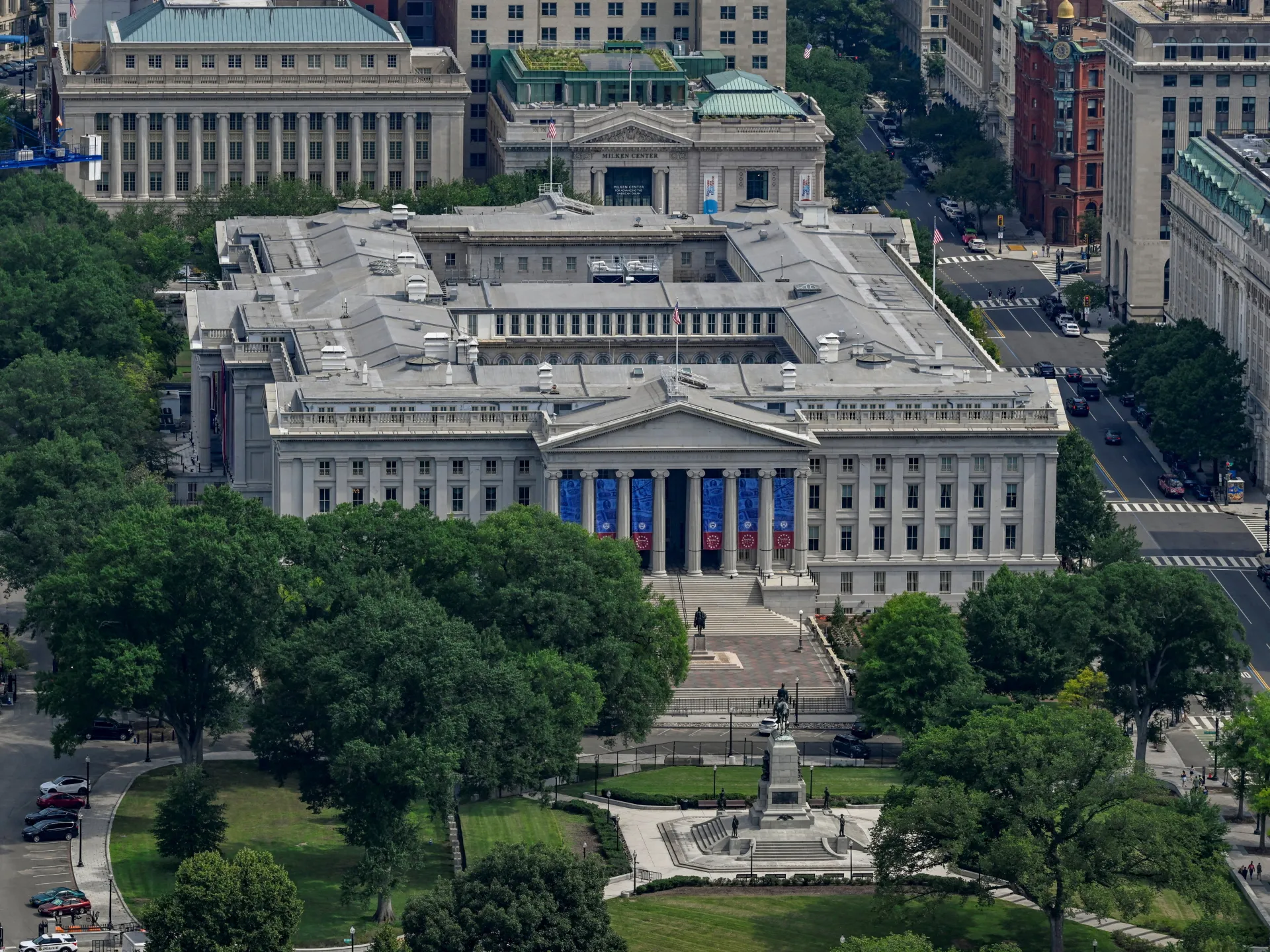
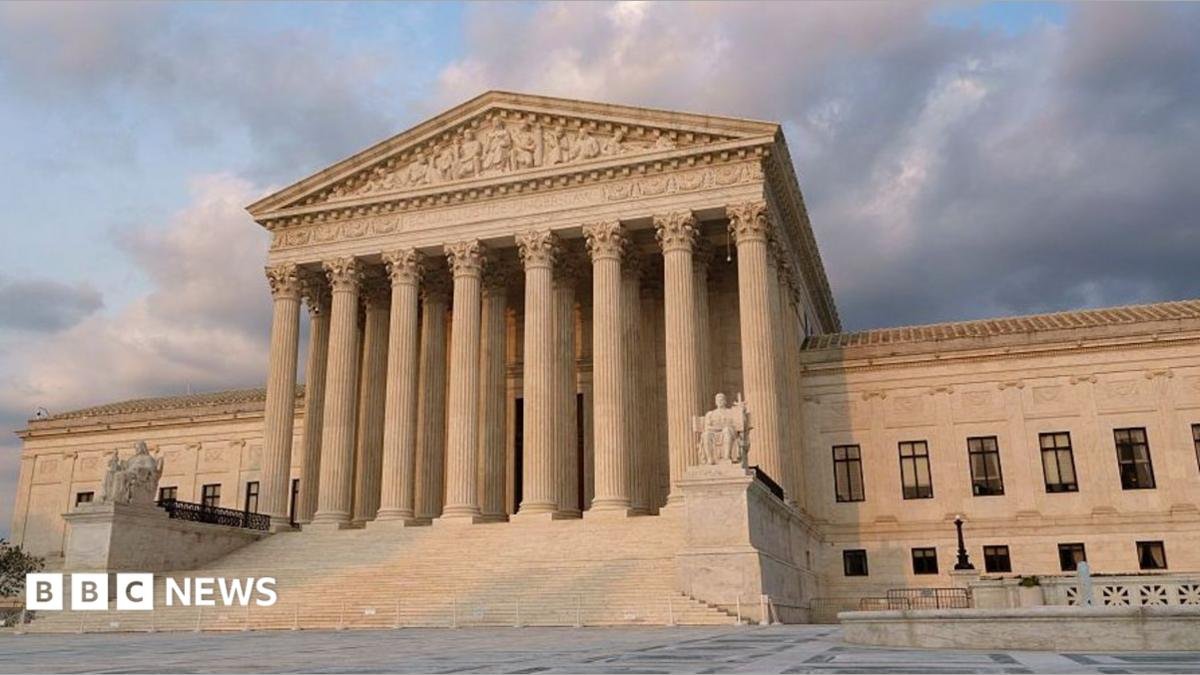
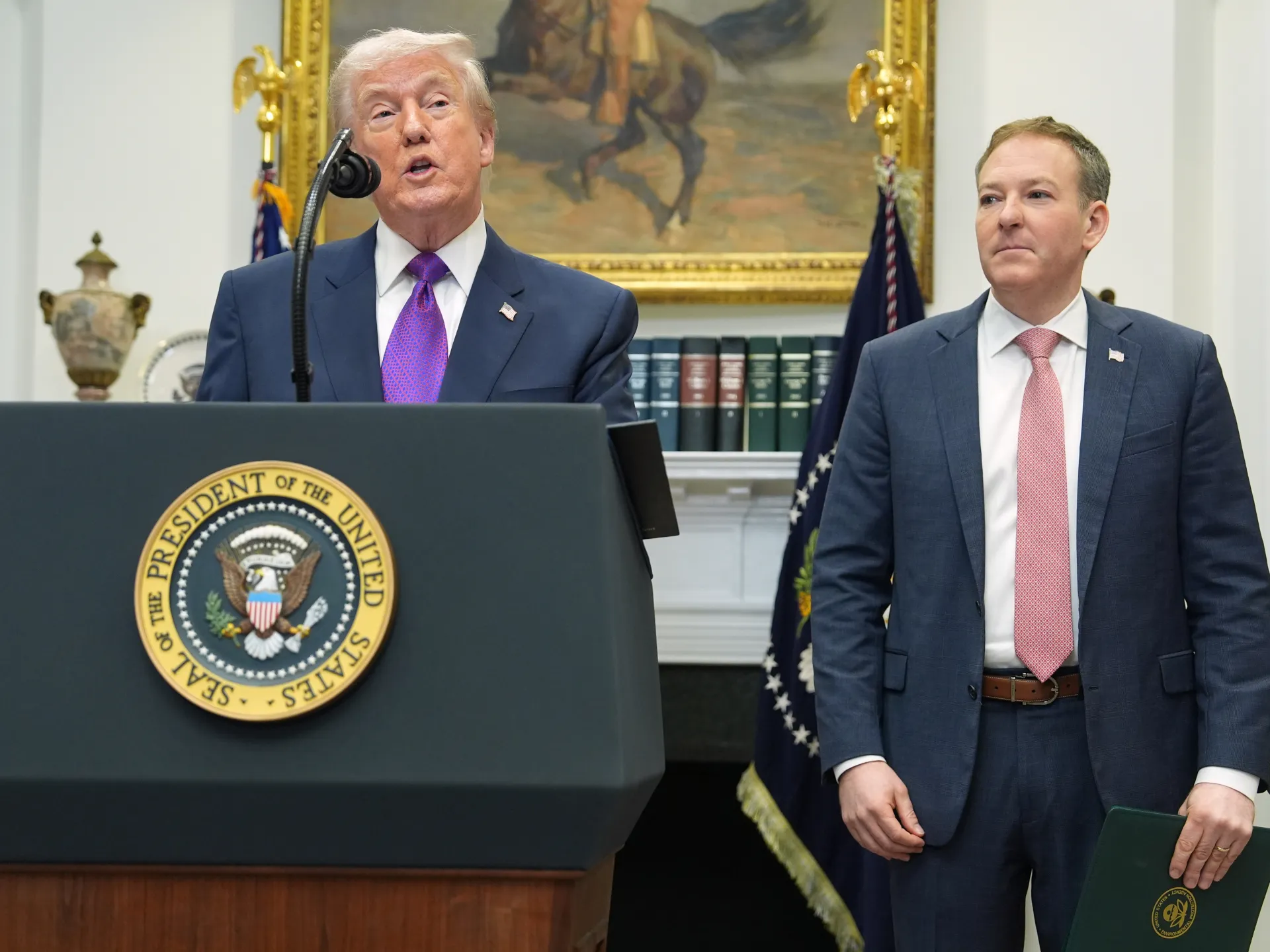
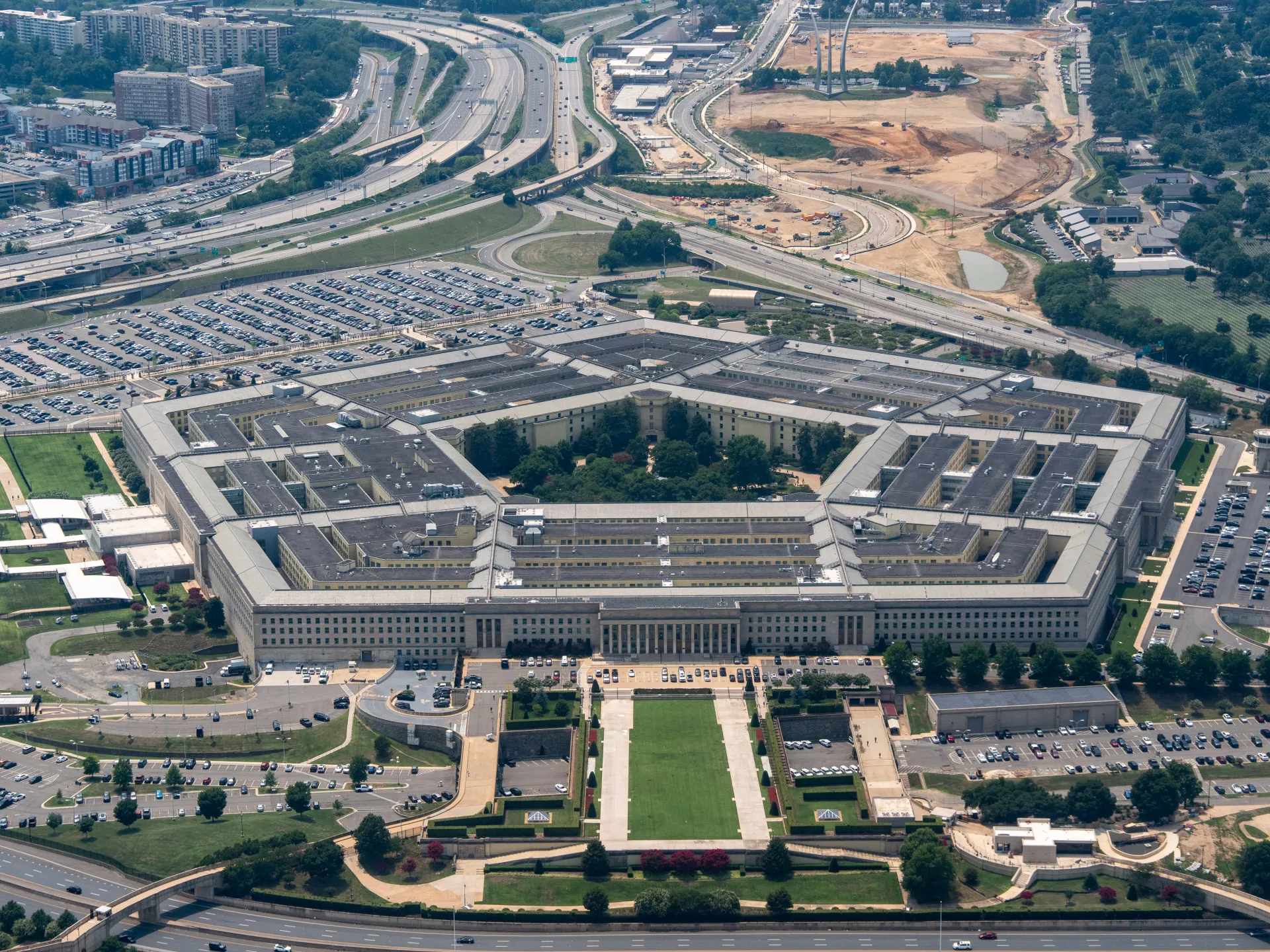
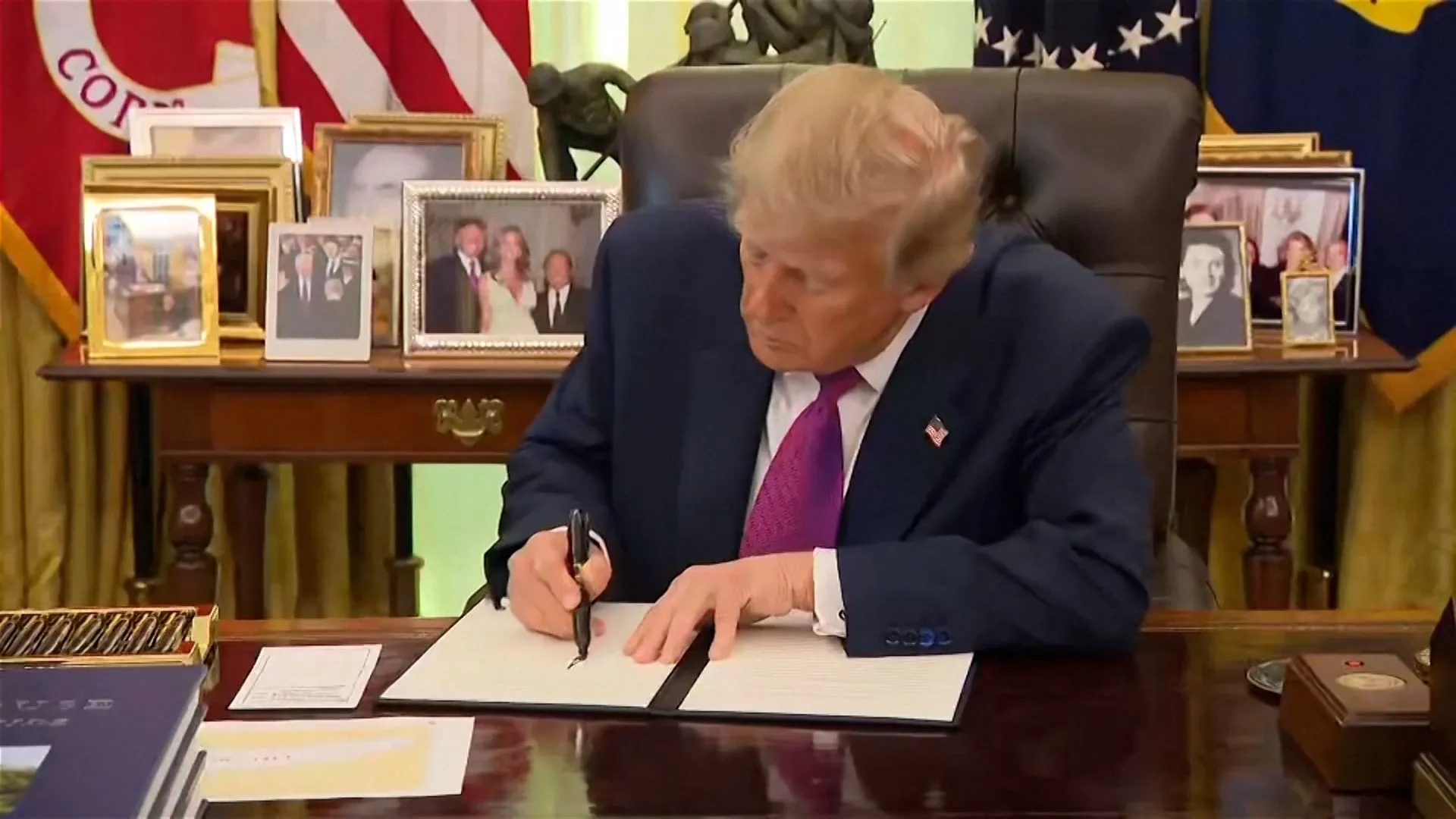
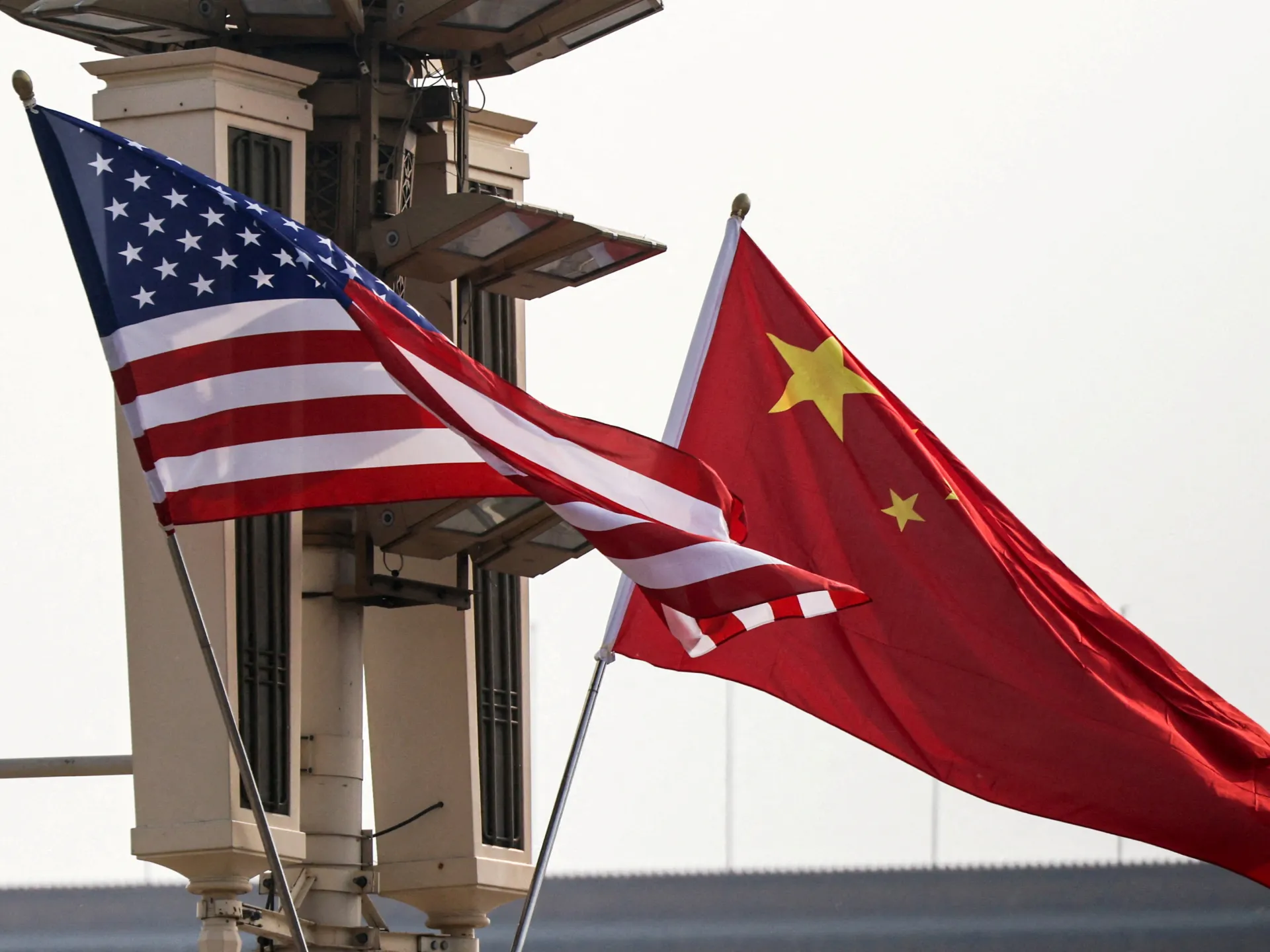
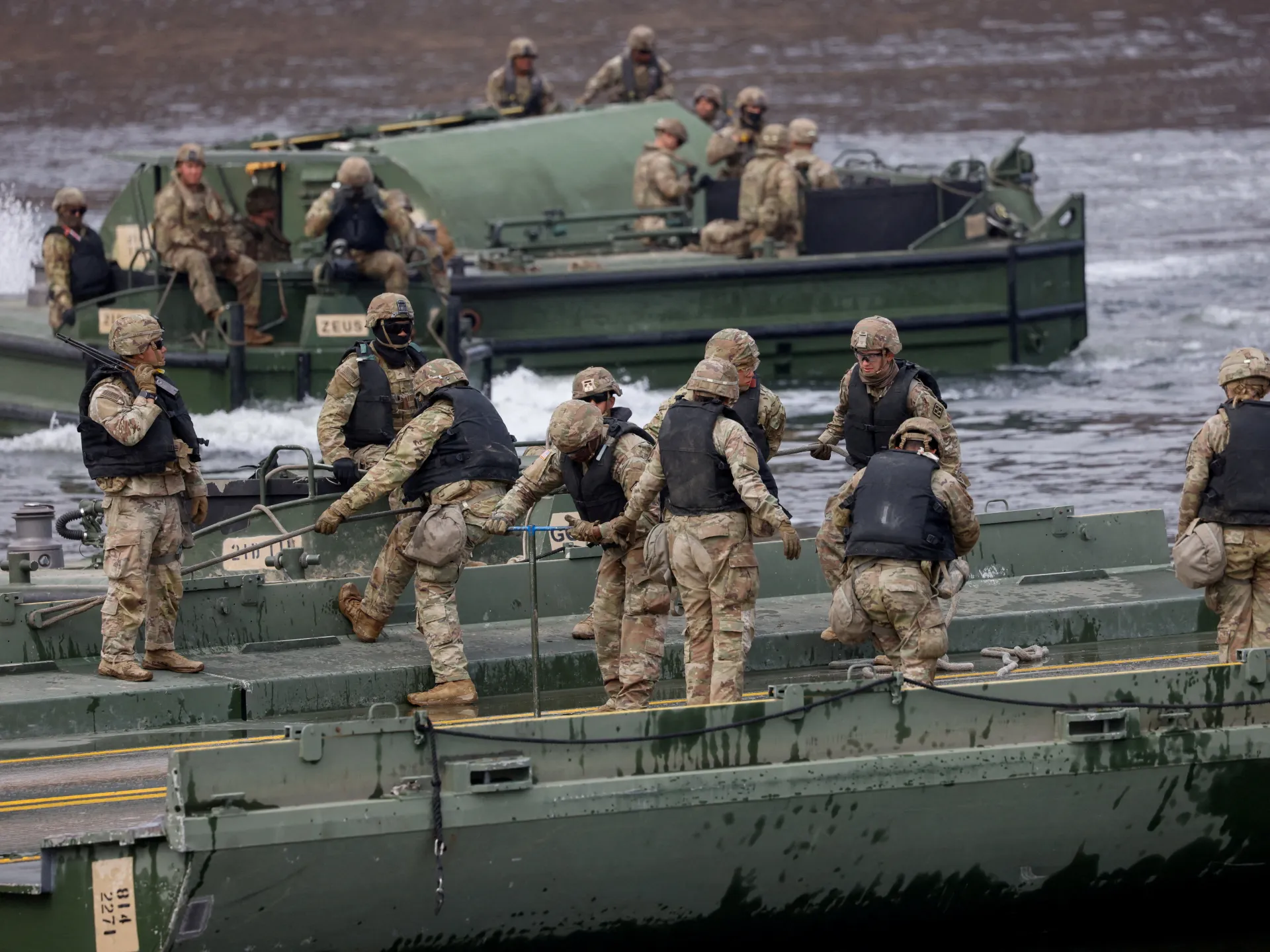
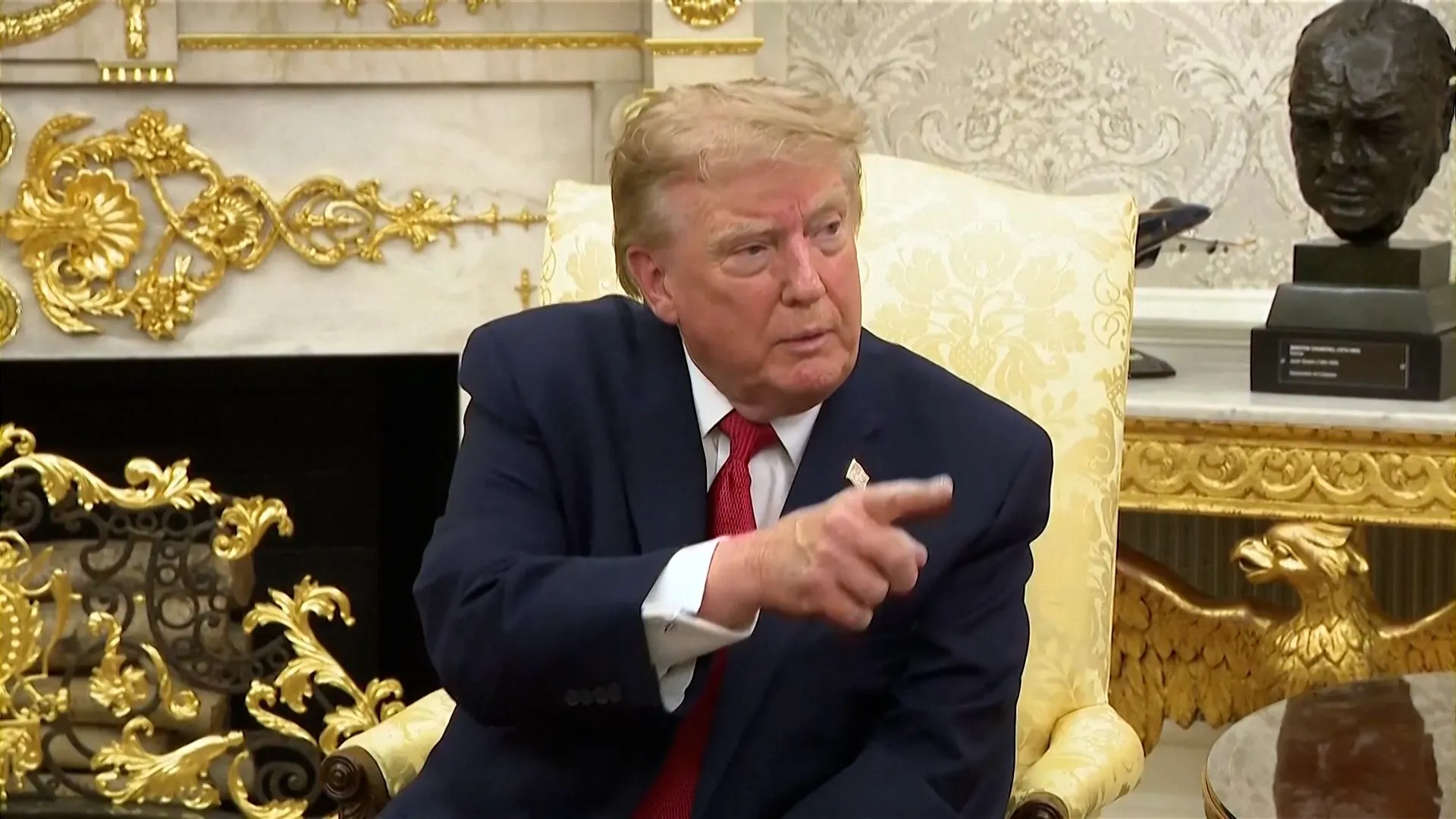
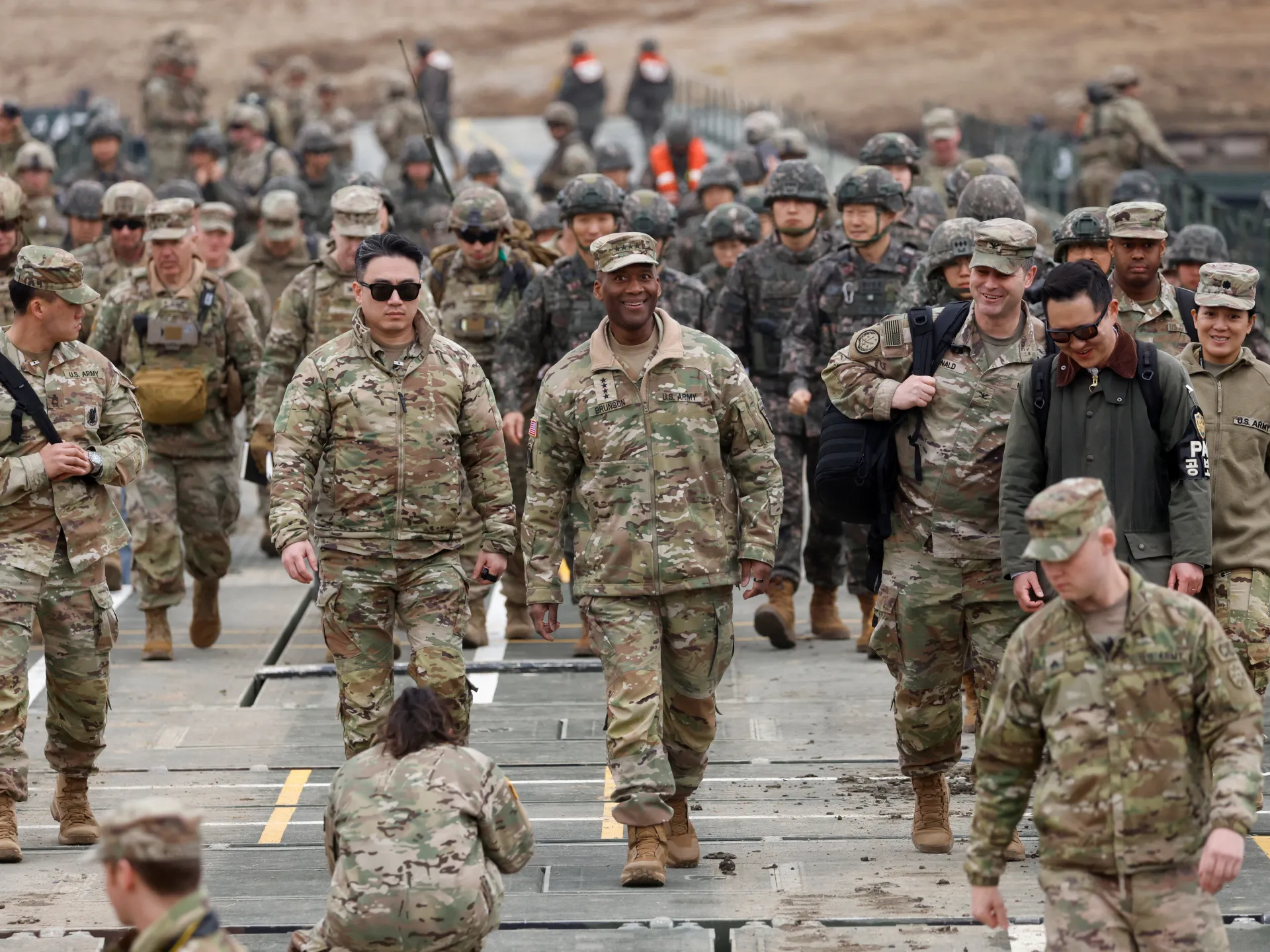
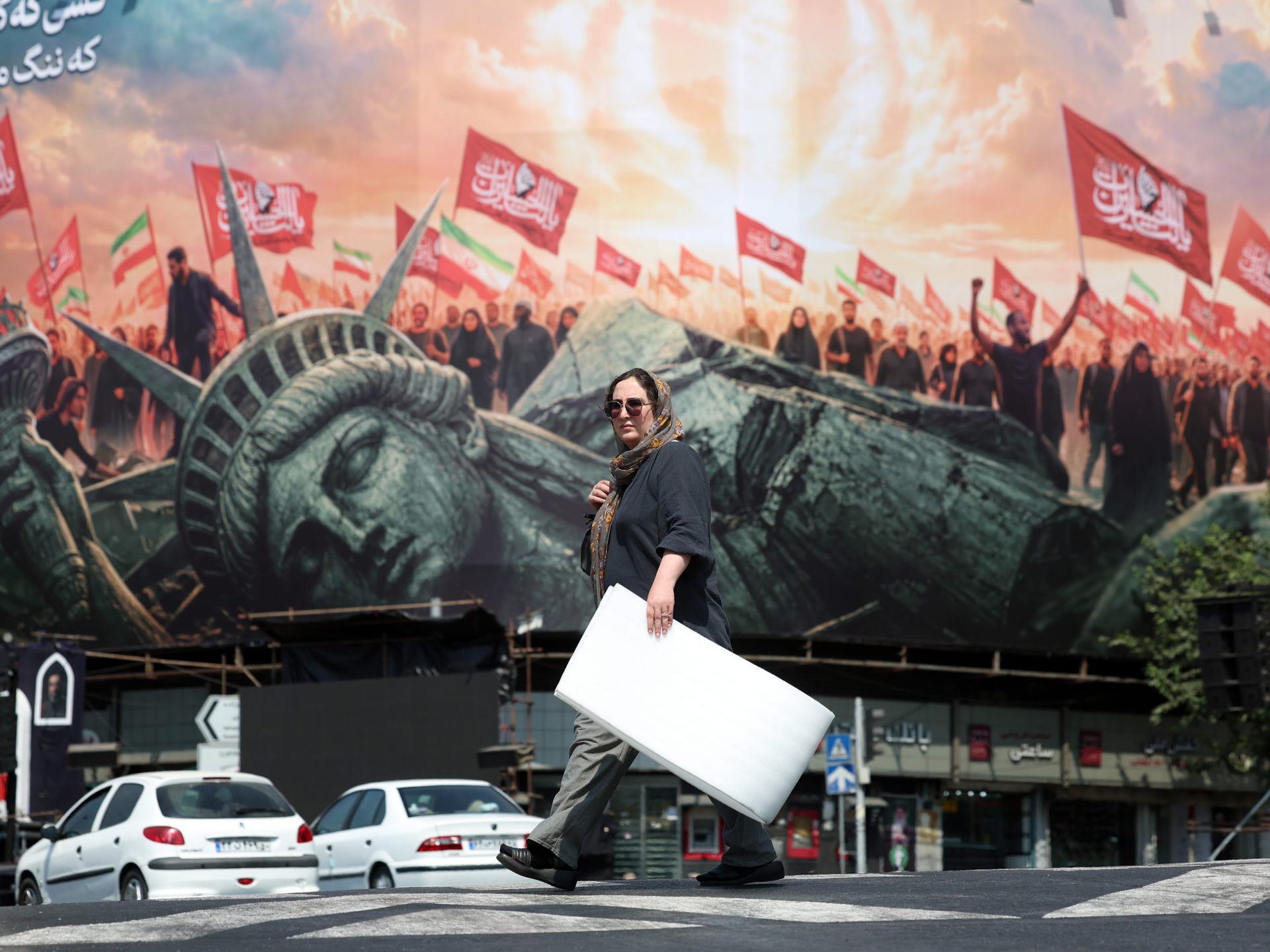
Today, the United States represents this evolution, maintaining a global network of military bases and commanding the primary arteries of global finance. rom the rest of the world while remaining immune to the very laws they enforce elsewhere. The concept of the pernicious state serves to challenge this imbalance, forcing a necessary reevaluation of which states possess the power to shape the global order, evade its restraints, and institutionalize their own impunity at the expense of global peace.