Swedish officials have expelled an Iranian embassy employee after accusing Tehran of using criminal proxies to target Jewish and Israeli interests.
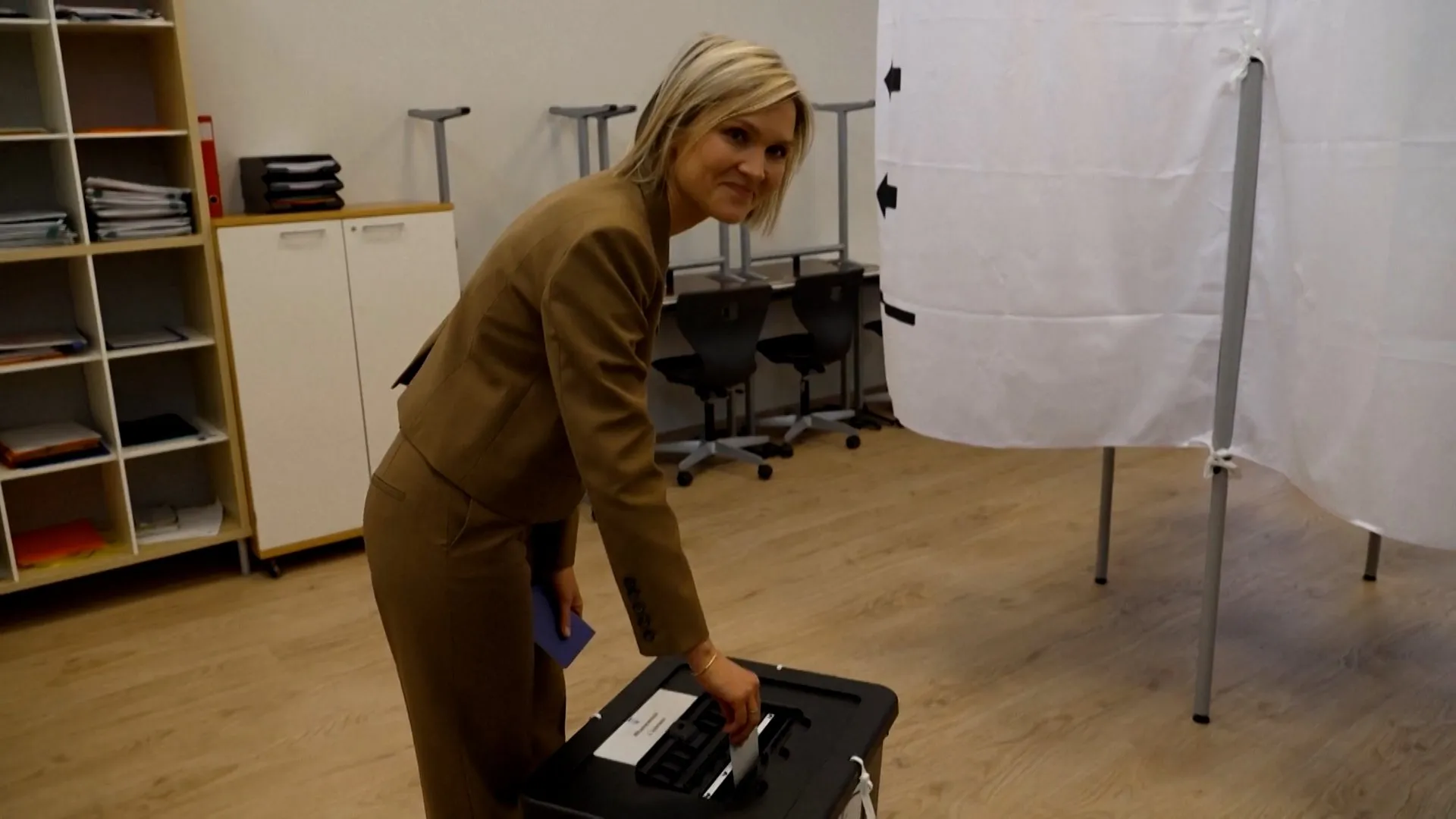
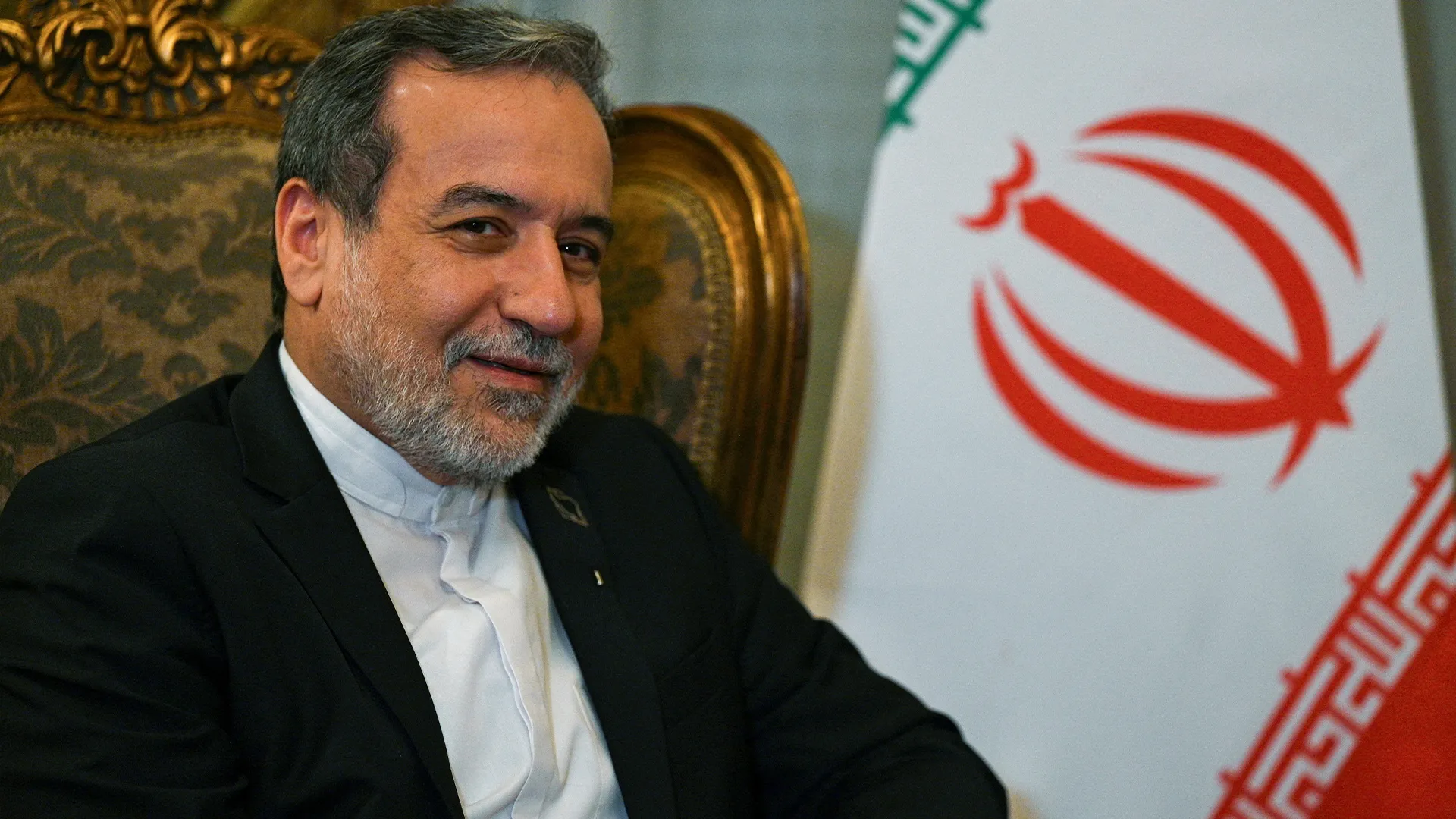
The Swedish government has taken the decisive step of expelling an employee from the Iranian embassy in Stockholm, citing activities that fall outside the acceptable scope of diplomatic conduct. The decision was formally communicated to the Iranian government, and the Iranian ambassador was subsequently summoned to discuss the matter. Swedish Foreign Minister Maria Malmer Stenergard confirmed the move, noting that the individual's actions were inconsistent with the Vienna Convention on Diplomatic Relations, which governs the protocols and responsibilities of foreign diplomats stationed in host countries.
While initial reports were limited in scope, the Swedish authorities have since clarified that the expulsion is directly linked to ongoing security threats. The government emphasized that the decision was made as a necessary precaution to ensure the safety of Swedish citizens and to protect the interests of those currently residing within its borders. Although specific details regarding the individual's identity or the precise nature of their alleged actions remain classified, the government's stance underscores a growing concern regarding foreign interference in Swedish internal affairs.
Following the expulsion, Justice Minister Gunnar Strommer provided further context, explicitly linking the security concerns to Iran's alleged campaign against Jewish and Israeli targets within Sweden. According to the Swedish government, there is evidence that Tehran has been orchestrating activities over an extended period that compromise national security. These efforts reportedly involve monitoring and threatening individuals who dissent against the Iranian regime, as well as broader attempts to intimidate Jewish and Israeli communities.
The Swedish Justice Ministry has observed a concerning pattern in these activities, noting that state-linked actors are increasingly leveraging criminal networks to carry out their objectives. of attempting to distance itself from direct culpability while still exerting pressure on its perceived enemies. Swedish officials assert that this strategy of using proxies to conduct acts of violence is a direct violation of Sweden's sovereignty and a significant threat to public safety.
The Swedish Security Service has been monitoring these trends closely, particularly in light of events that unfolded in 2024. During that period, security officials publicly accused Iranian actors of actively recruiting members of criminal gangs to carry out violent acts against Israeli interests. This intelligence suggests that the collaboration between foreign state actors and domestic criminal elements has become a primary focus of Swedish counter-intelligence and law enforcement agencies, as they work to prevent potential attacks on Swedish soil.
This is not the first time Sweden has faced provocations linked to Iranian interests. In 2023, the Swedish government accused the Islamic Revolutionary Guard Corps (IRGC) of orchestrating a large-scale cyber operation. In that instance, the IRGC allegedly hacked a local SMS operator to distribute thousands of text messages. These messages were intended to incite unrest and call for retaliation following incidents where the Quran was burned during public protests in Sweden. The government viewed the hack as a clear attempt to destabilize the social fabric of the nation and manipulate public sentiment.
Despite the mounting evidence presented ities. Tehran maintains that the allegations are unfounded and has dismissed the accusations of proxy violence and cyber-interference. The diplomatic standoff highlights the deteriorating relationship between Stockholm and Tehran, as Sweden continues to prioritize national security over maintaining traditional diplomatic protocols with nations accused of hostile actions.