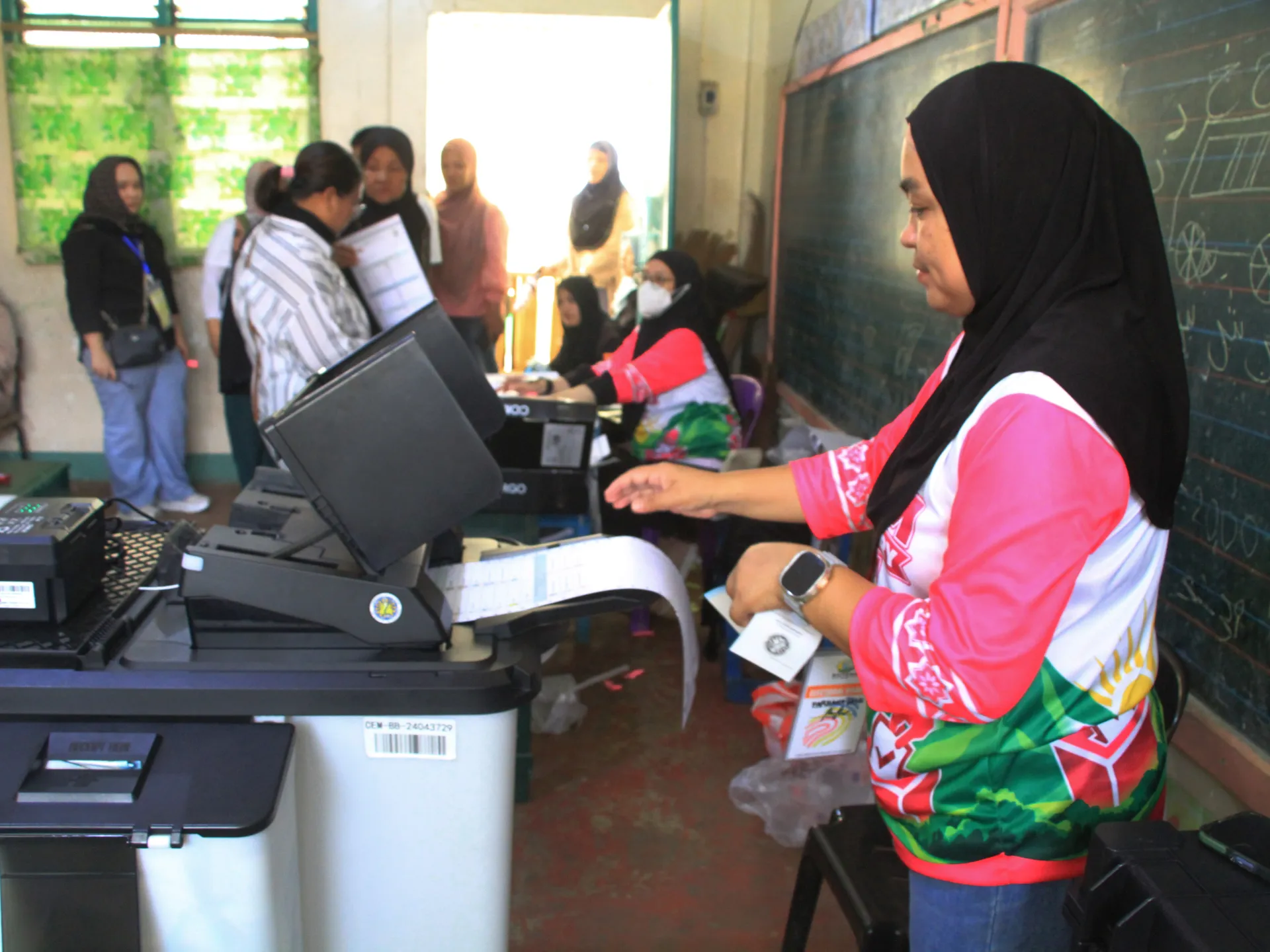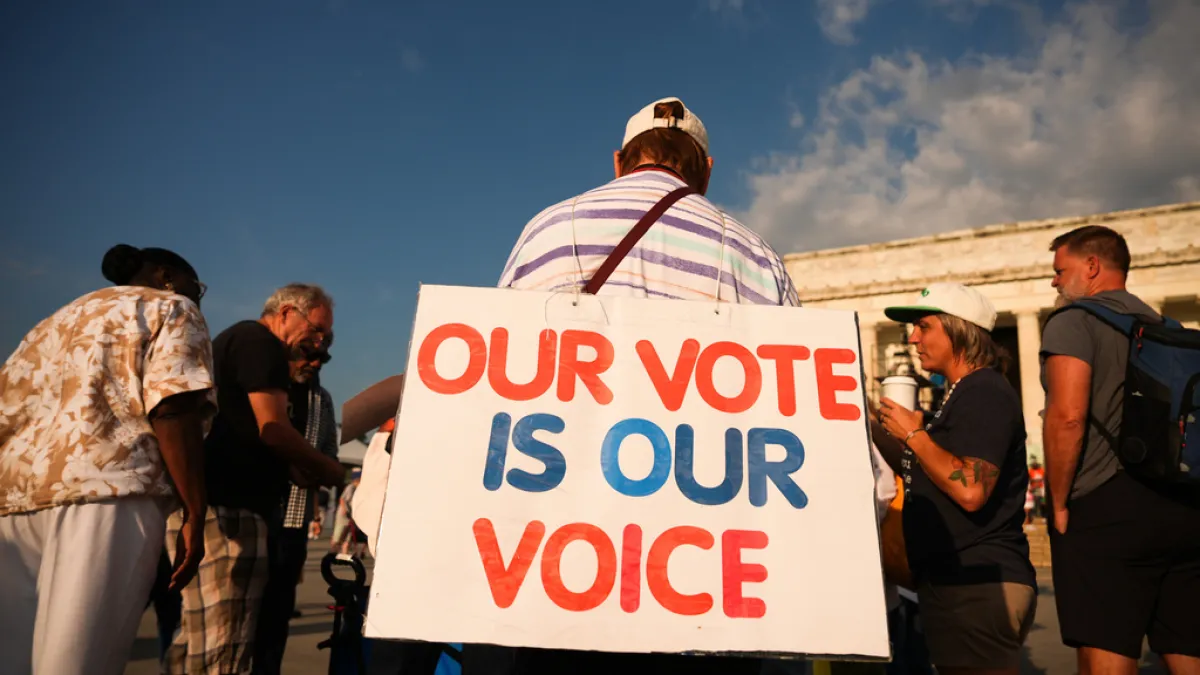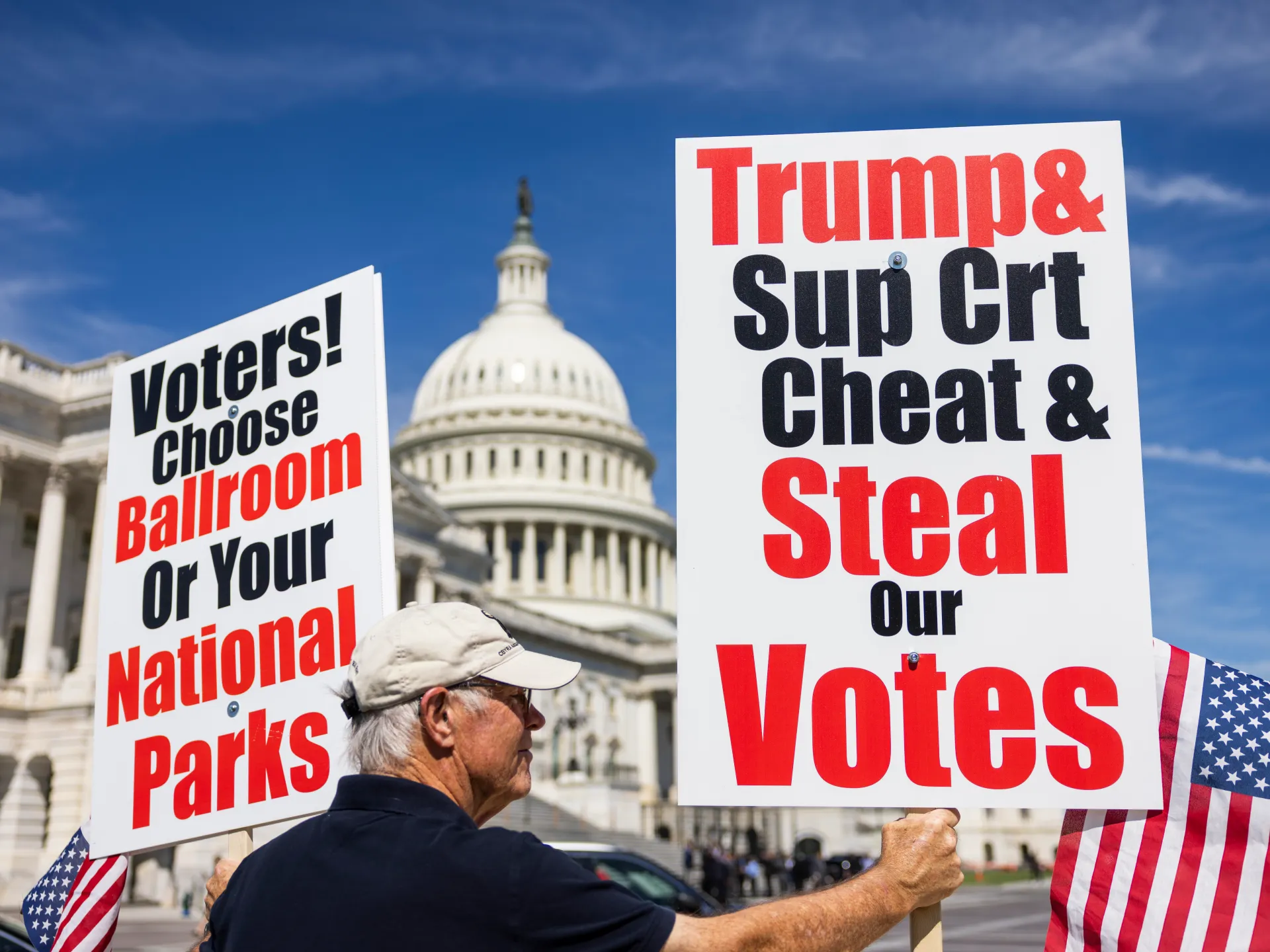
Election officials nationwide are bolstering legal defenses and public outreach efforts as they navigate intensifying federal pressure and administrative uncertainty ahead of the midterm elections.
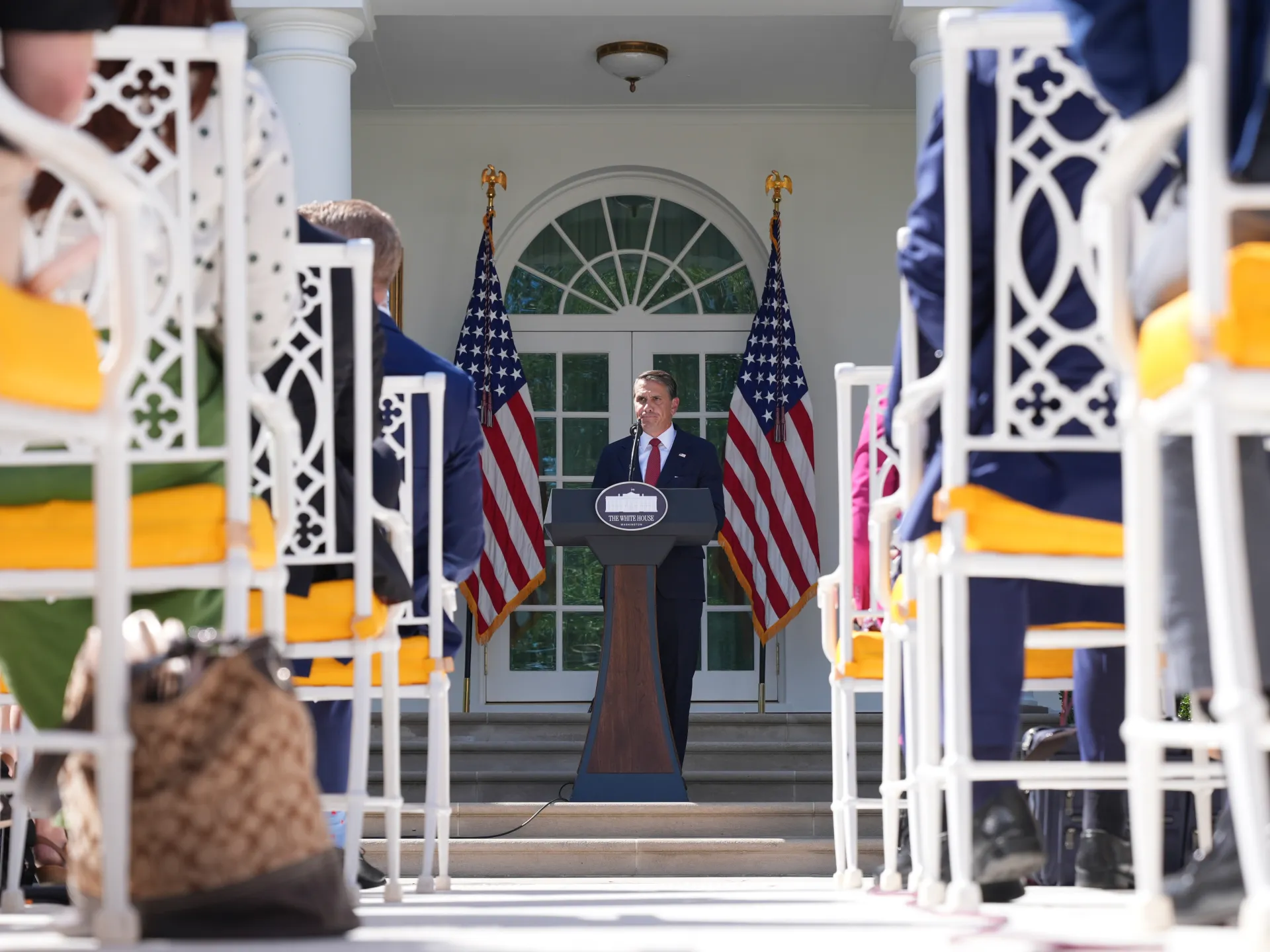
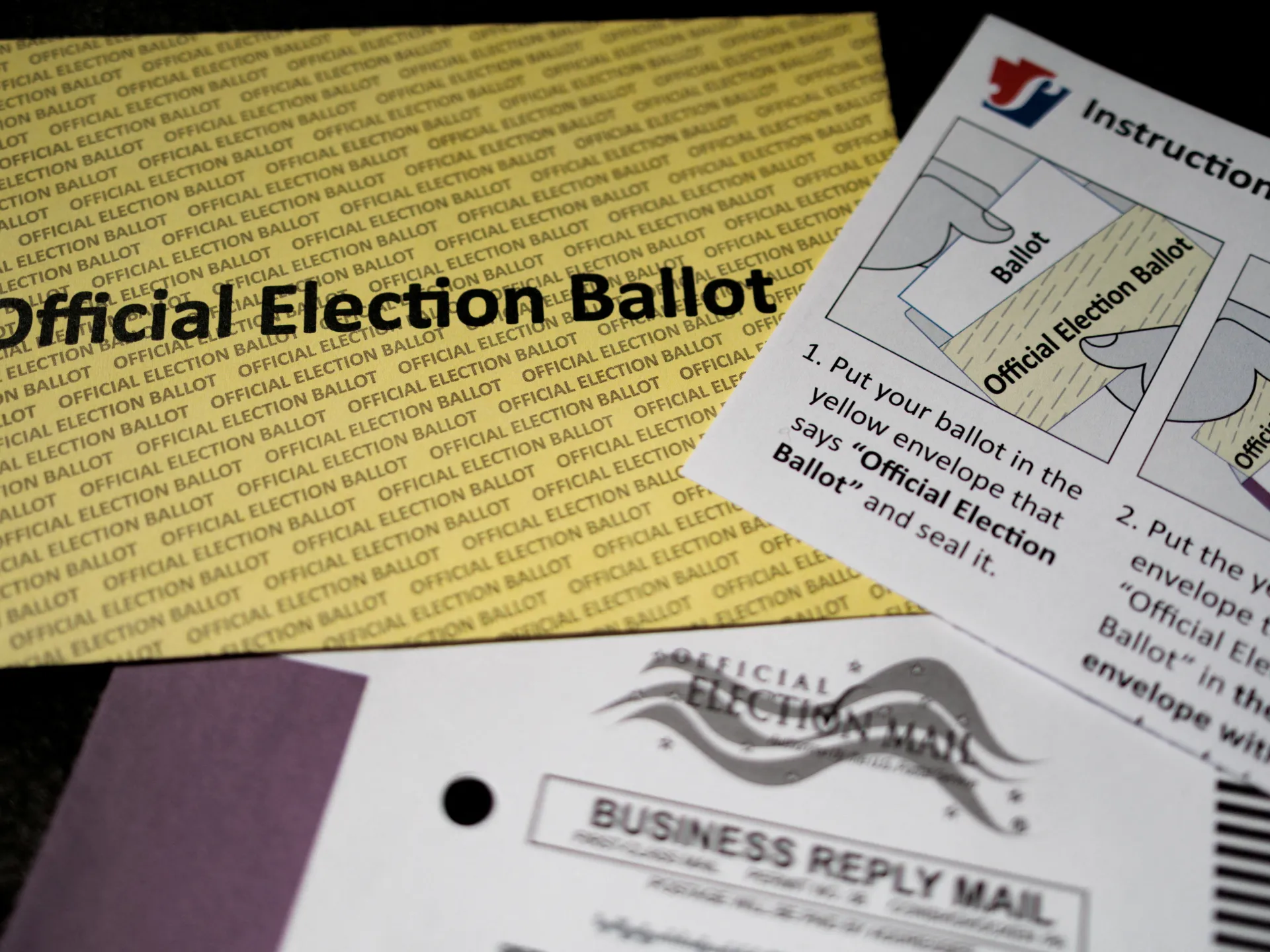
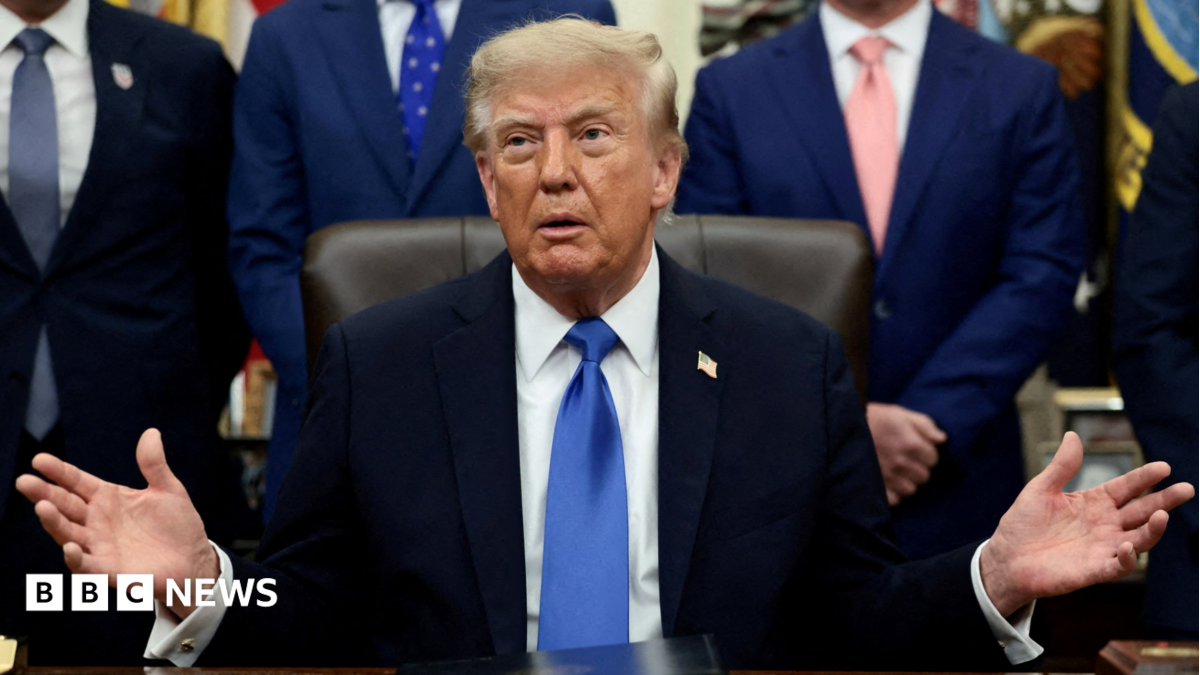
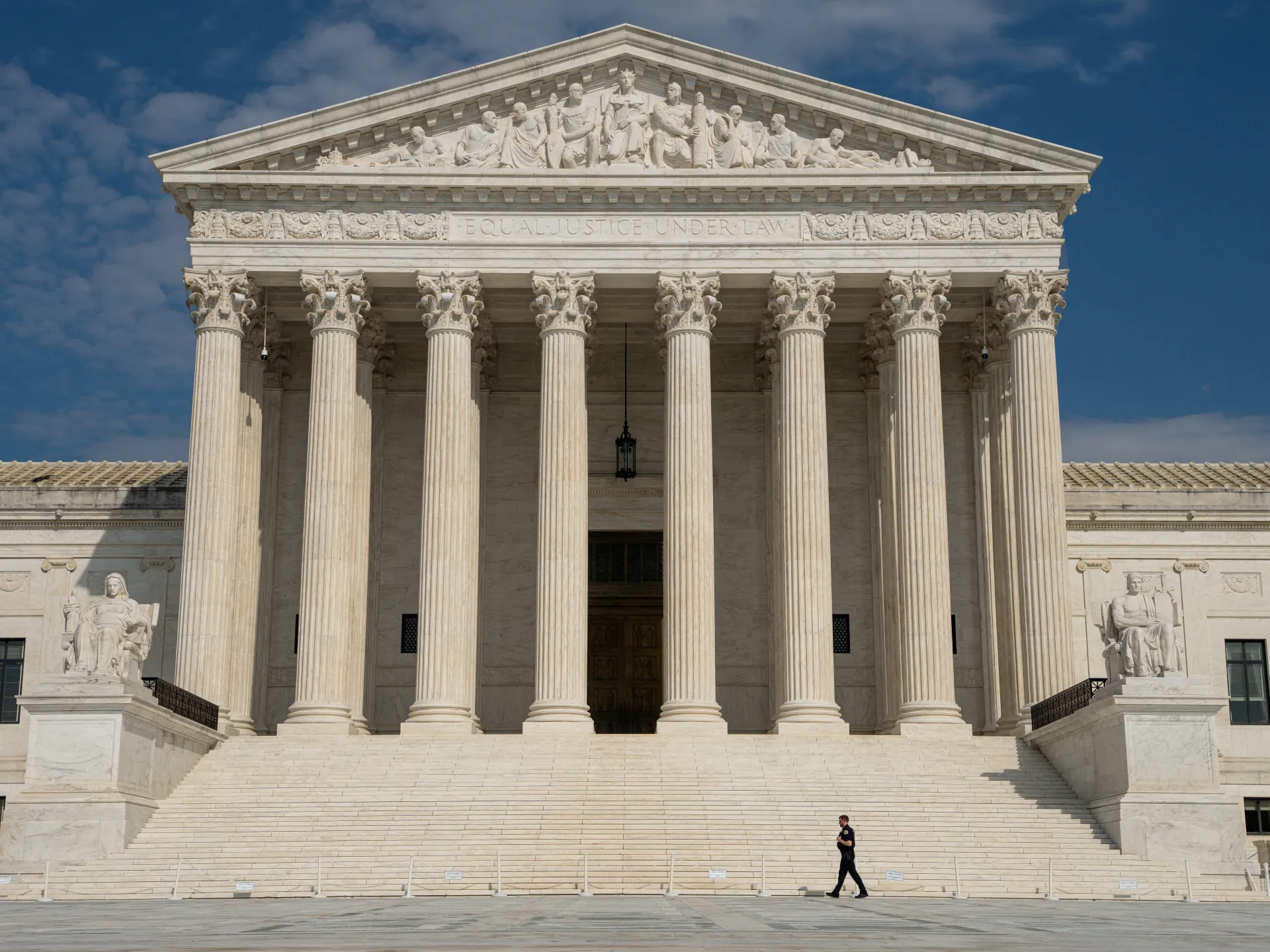
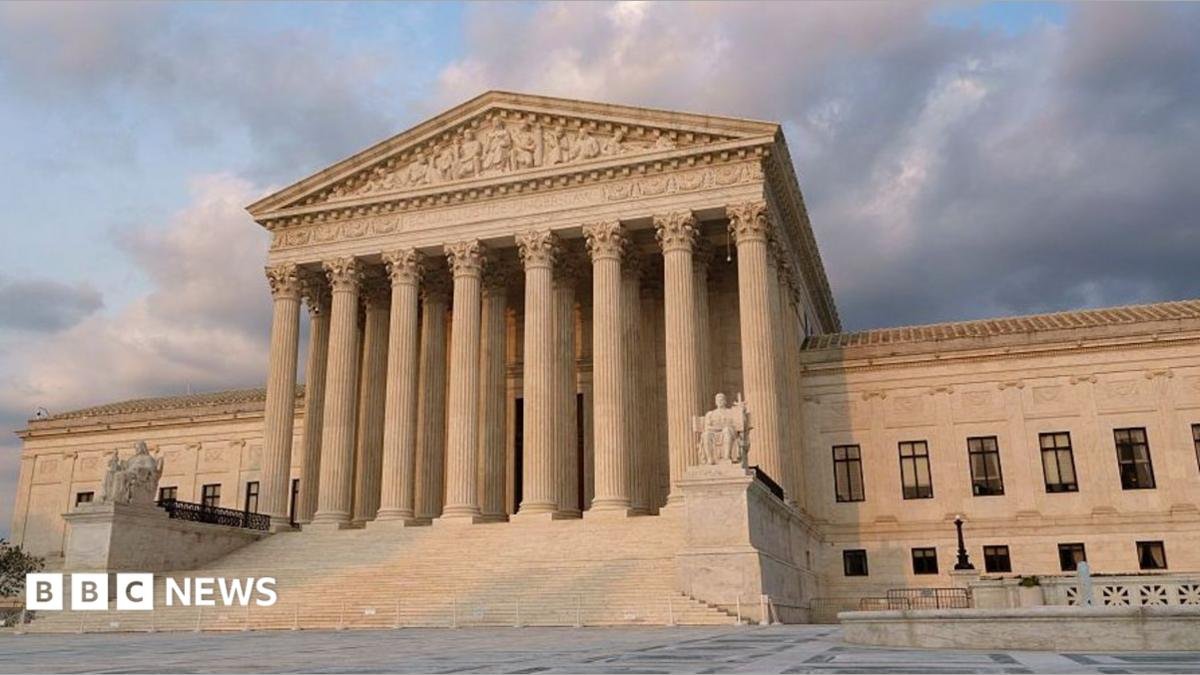
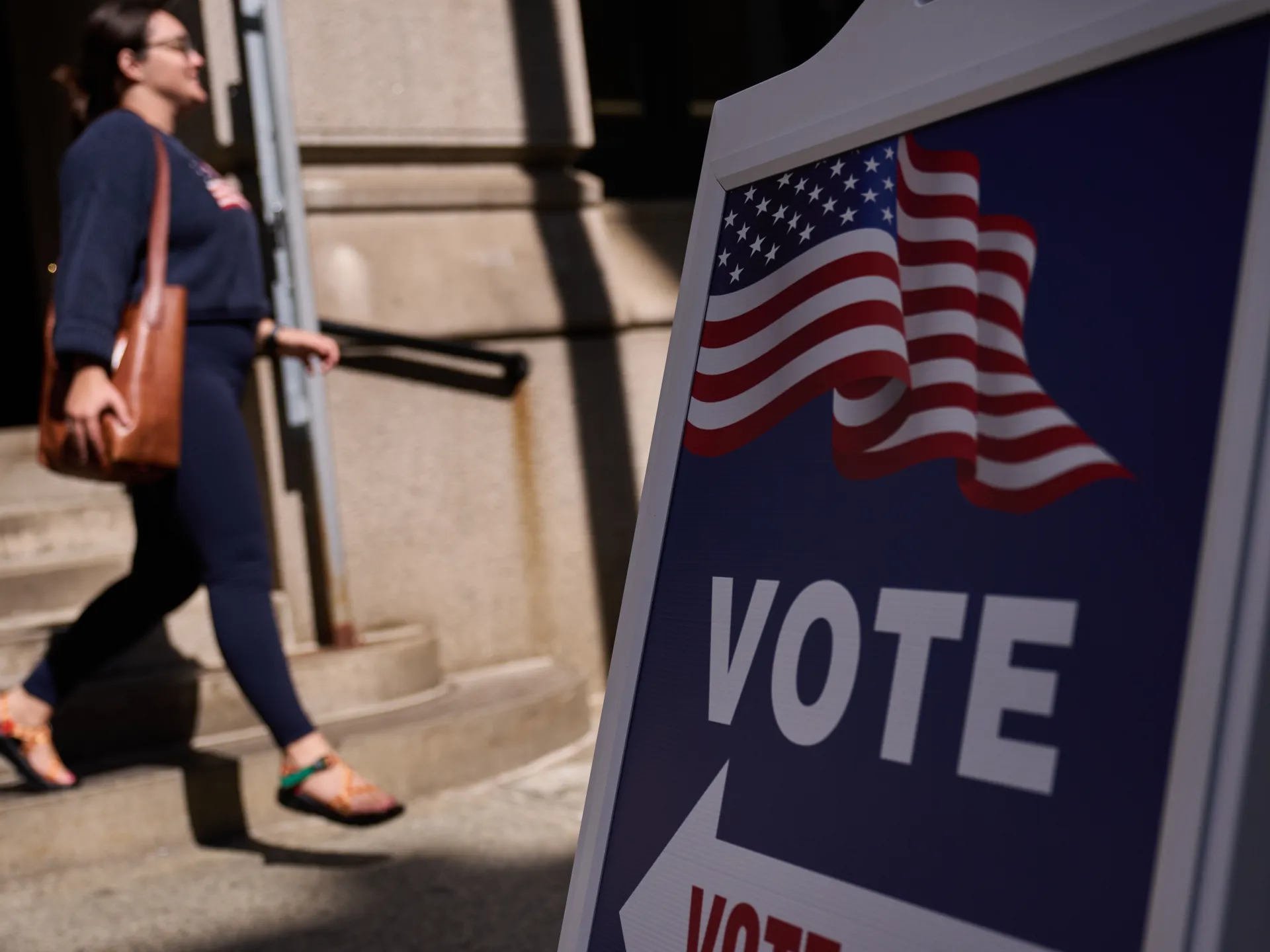
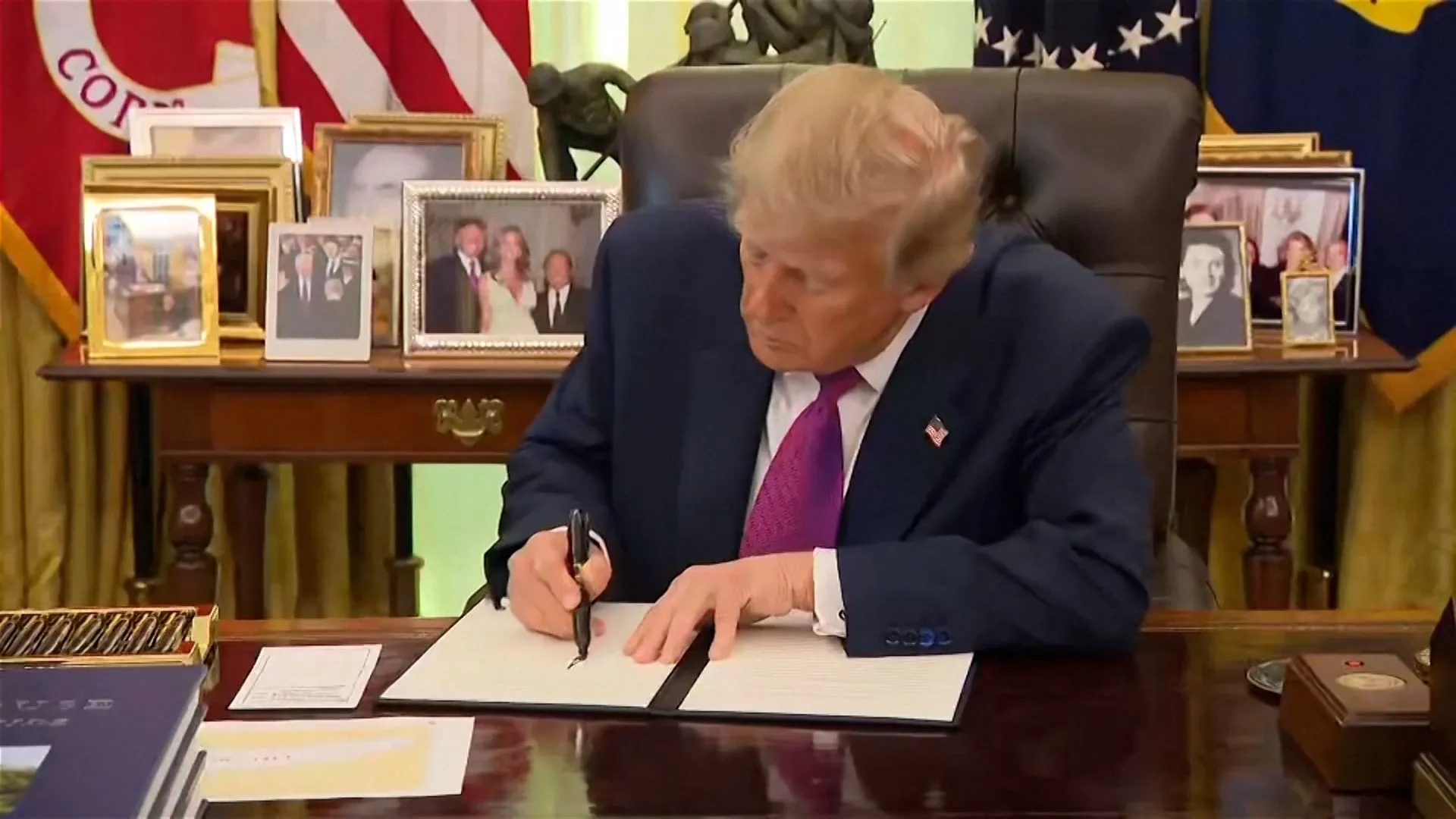
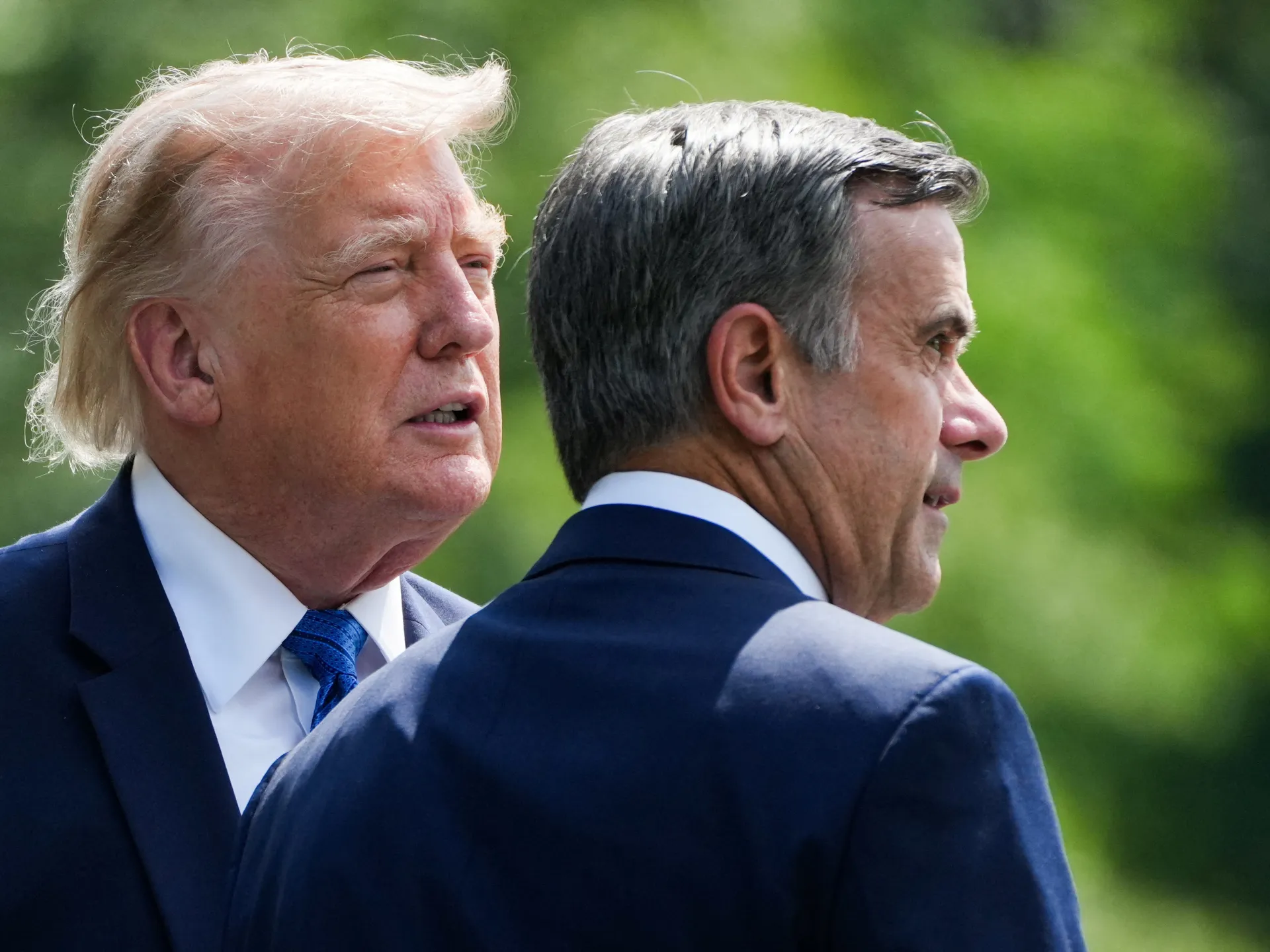
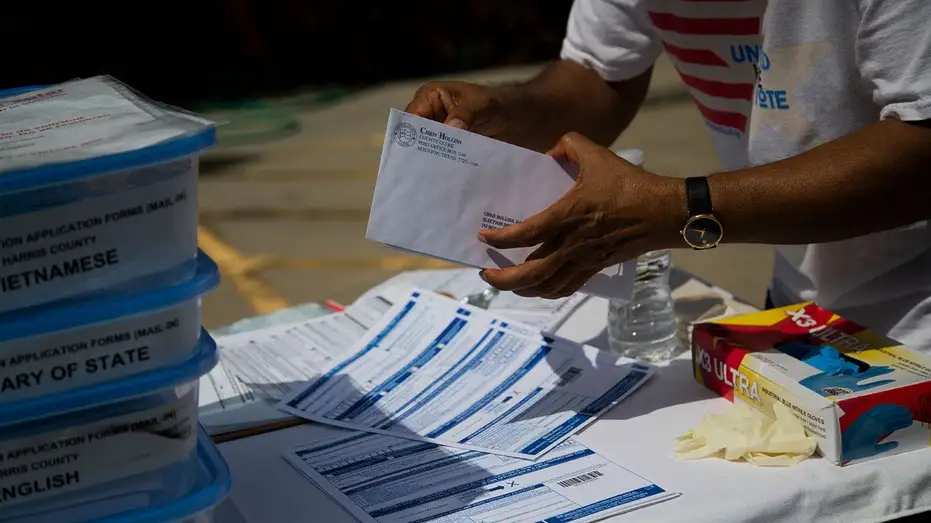
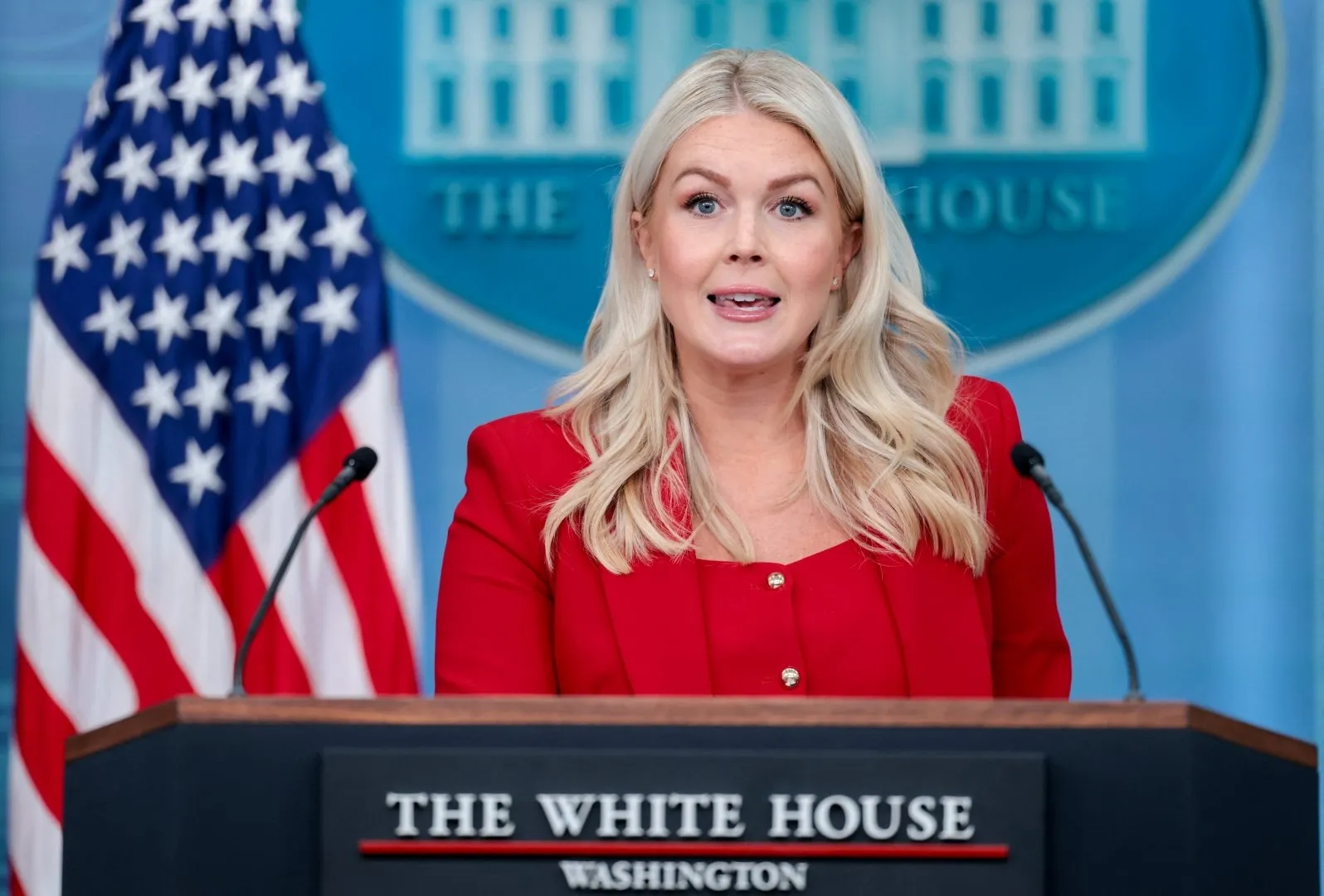
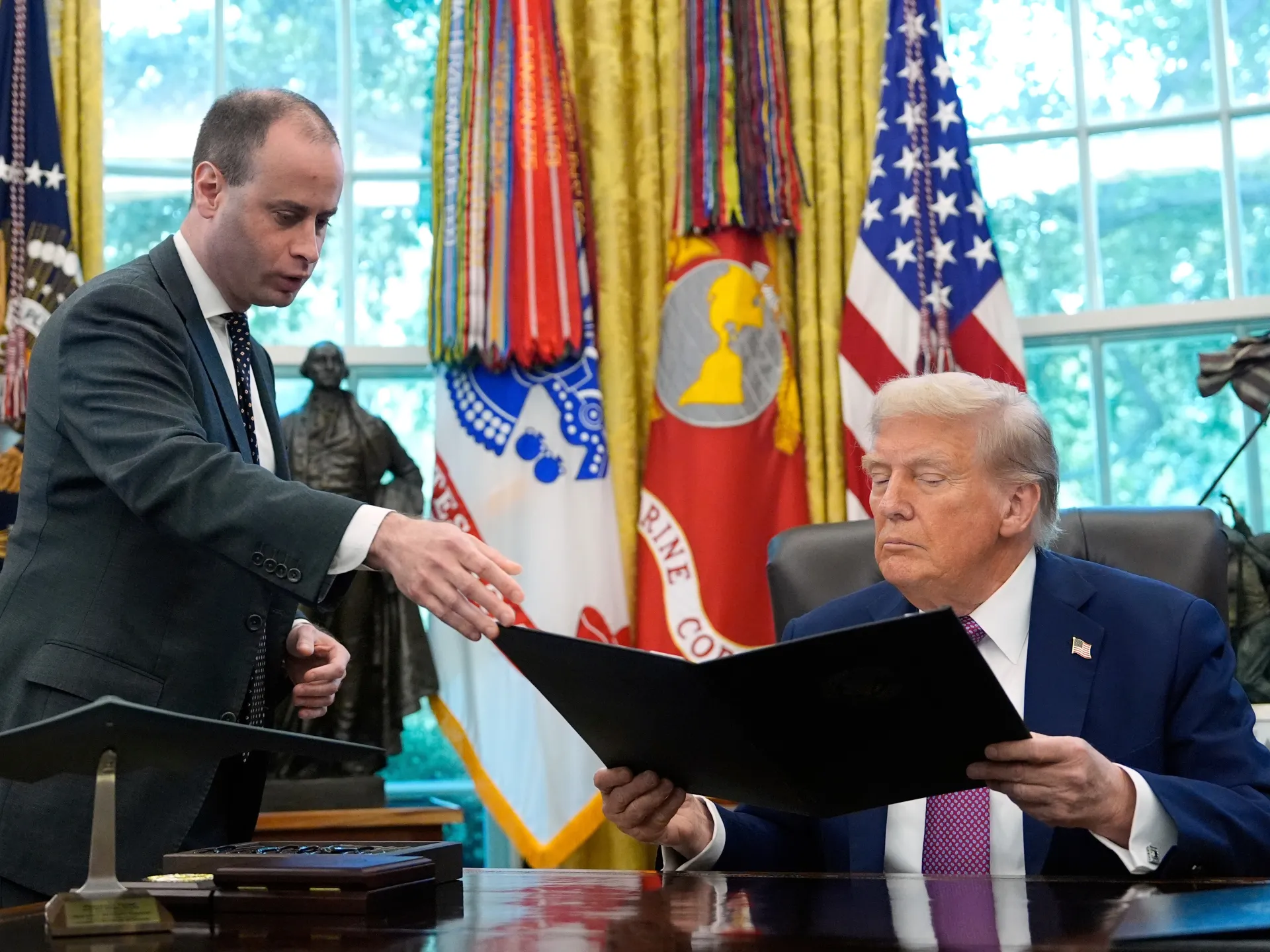
Election officials across the United States are currently navigating an increasingly complex landscape as they prepare for the upcoming midterm elections. Recent friction between the executive branch and the judiciary has heightened concerns regarding the limits of presidential authority over state-run electoral processes. A recent Supreme Court decision to reject an attempt to restrict mail-in voting has served as a flashpoint, leading to public criticism from the administration and raising broader questions about potential federal efforts to influence election outcomes.
State and local administrators are now operating under a heightened state of vigilance. The central issue revolves around the balance of power, as the Constitution designates the administration of elections primarily to individual states and Congress. Despite the Supreme Court's ruling, which maintains the status quo for mail-in and absentee ballots—a method utilized stration may explore alternative avenues to exert influence over the voting process.
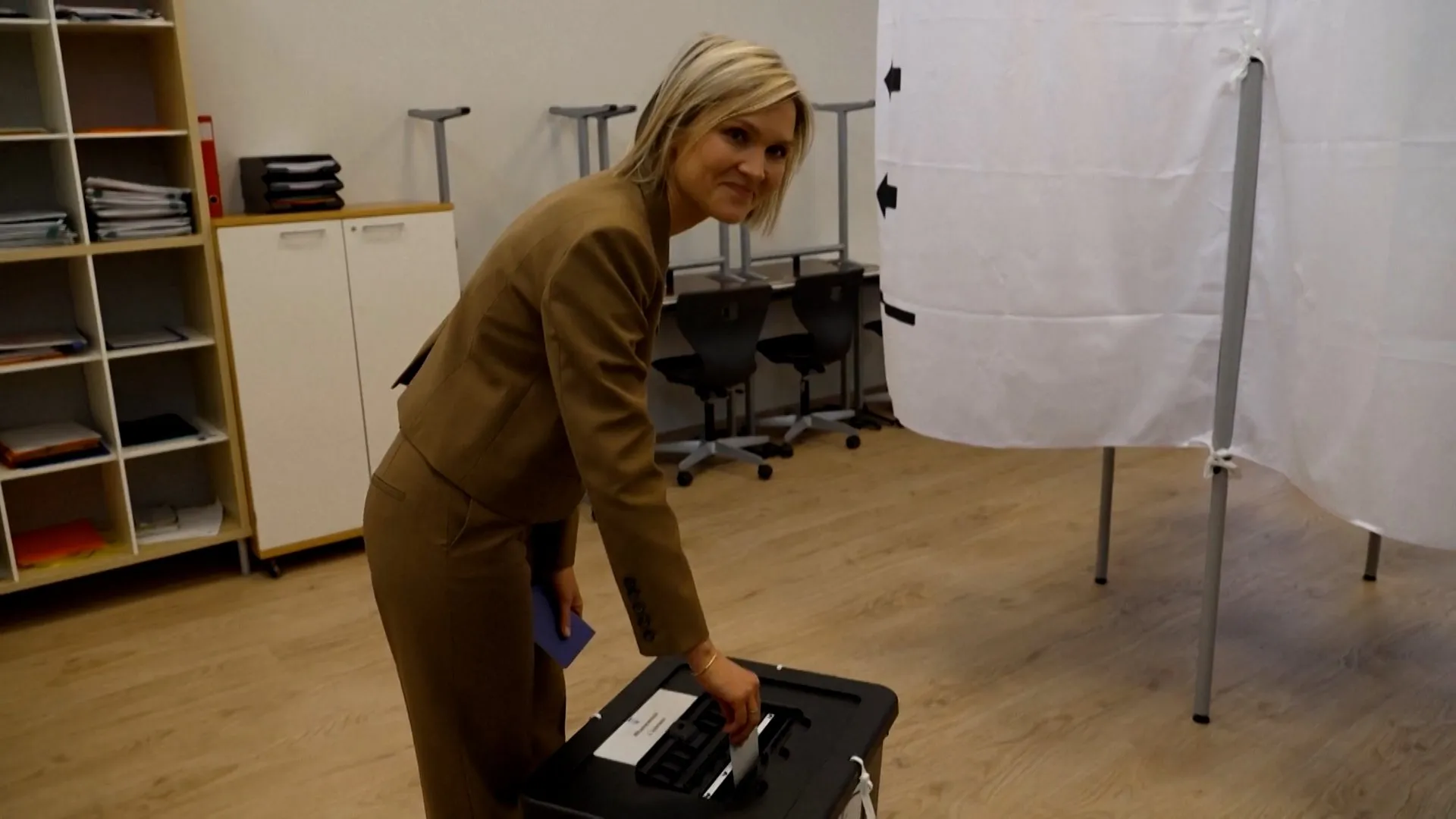
In response to the evolving political climate, election offices nationwide are adopting new operational strategies to safeguard the integrity of the midterms. Reports indicate that local officials are increasingly prioritizing legal preparedness. Many jurisdictions have begun hiring outside counsel or seeking specialized legal training to equip their staff to respond to potential administrative demands, ballot inquiries, or formal investigations that could disrupt normal polling operations.
Beyond legal preparation, there is a significant push to combat the spread of misinformation regarding election security. A substantial number of election offices are expanding their public outreach initiatives and social media campaigns. These efforts are designed to counter false narratives that suggest the voting system is inherently corrupt. th the public, officials hope to sustain voter confidence in the face of persistent political rhetoric that casts doubt on long-standing voting procedures.
The administration's efforts to alter voting procedures through executive action have faced fierce resistance from legal advocacy groups and members of Congress. Organizations such as the American Civil Liberties Union and the Brennan Center for Justice have challenged these directives in court, arguing that the president lacks the constitutional authority to dictate federal election rules. This perspective is shared erting that such executive overreach violates the separation of powers.
Critics characterize these administrative maneuvers as attempts to inject unnecessary confusion into the electoral process. The debate is particularly focused on attempts to integrate the US Postal Service into the regulation of mail-in ballots. Opponents argue that neither the president nor the postal agency has the legal mandate to determine how states conduct their elections, noting that these actions threaten the rights of citizens, including military personnel and Americans living abroad, to participate in the democratic process.
A significant portion of the current conflict is rooted in persistent, unsubstantiated claims regarding the security of mail-in ballots. While the administration argues that its measures are necessary to prevent illegal voting and ensure system integrity, these claims are frequently contradicted ations, indicates that instances of non-citizen voting are exceptionally rare, accounting for a negligible fraction of the over one billion votes cast in recent decades.
Despite these findings, the administration continues to push for stricter registration requirements, including the demand for documentary proof of citizenship. Concurrently, executive orders have been issued directing federal agencies to take a more active role in monitoring voter rolls and enforcing new standards for ballot envelopes. This has led to ongoing legal disputes, as the Department of Justice has requested voter registration lists from dozens of states, resulting in a series of lawsuits against those that have refused to comply with these federal demands.