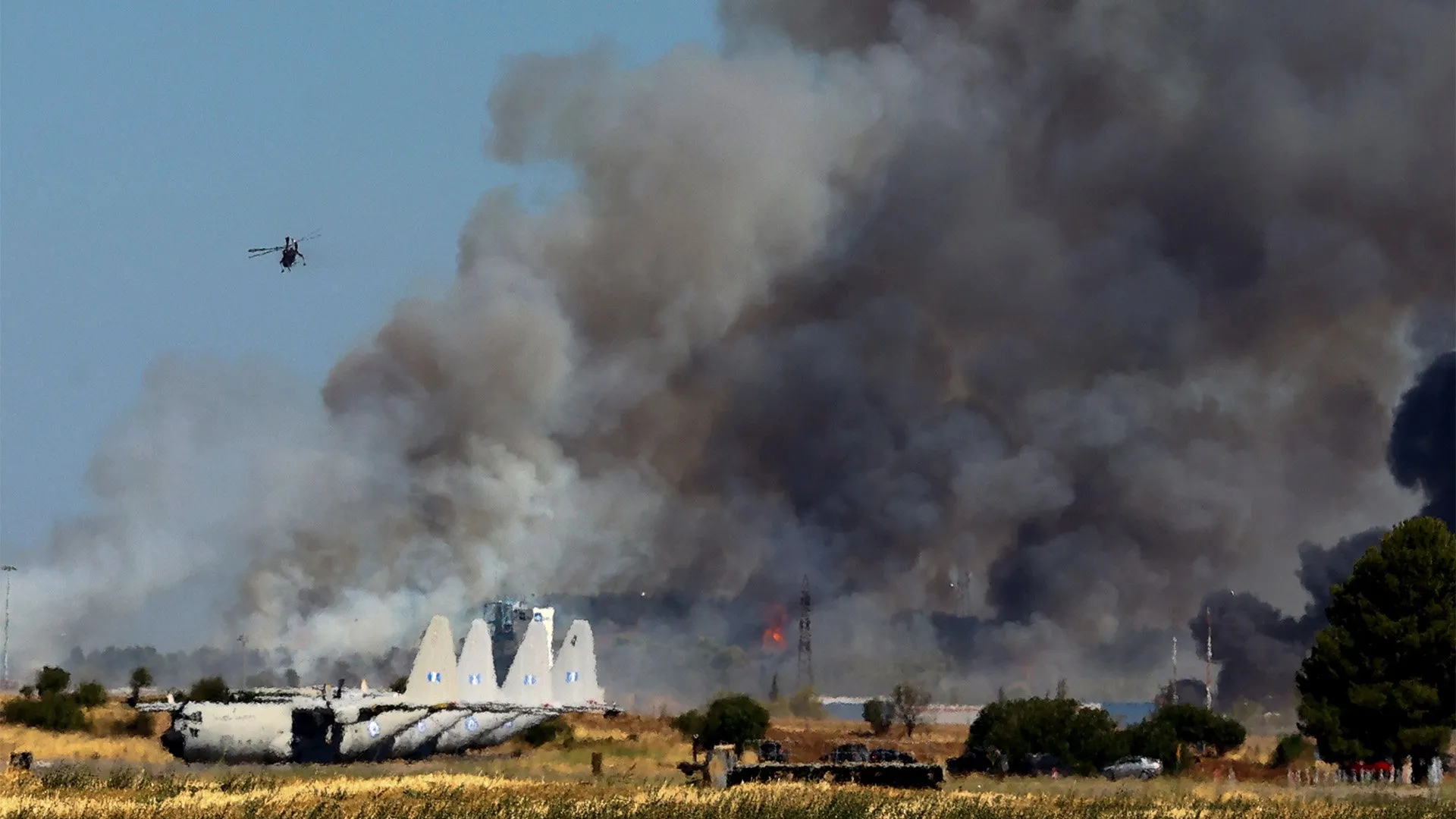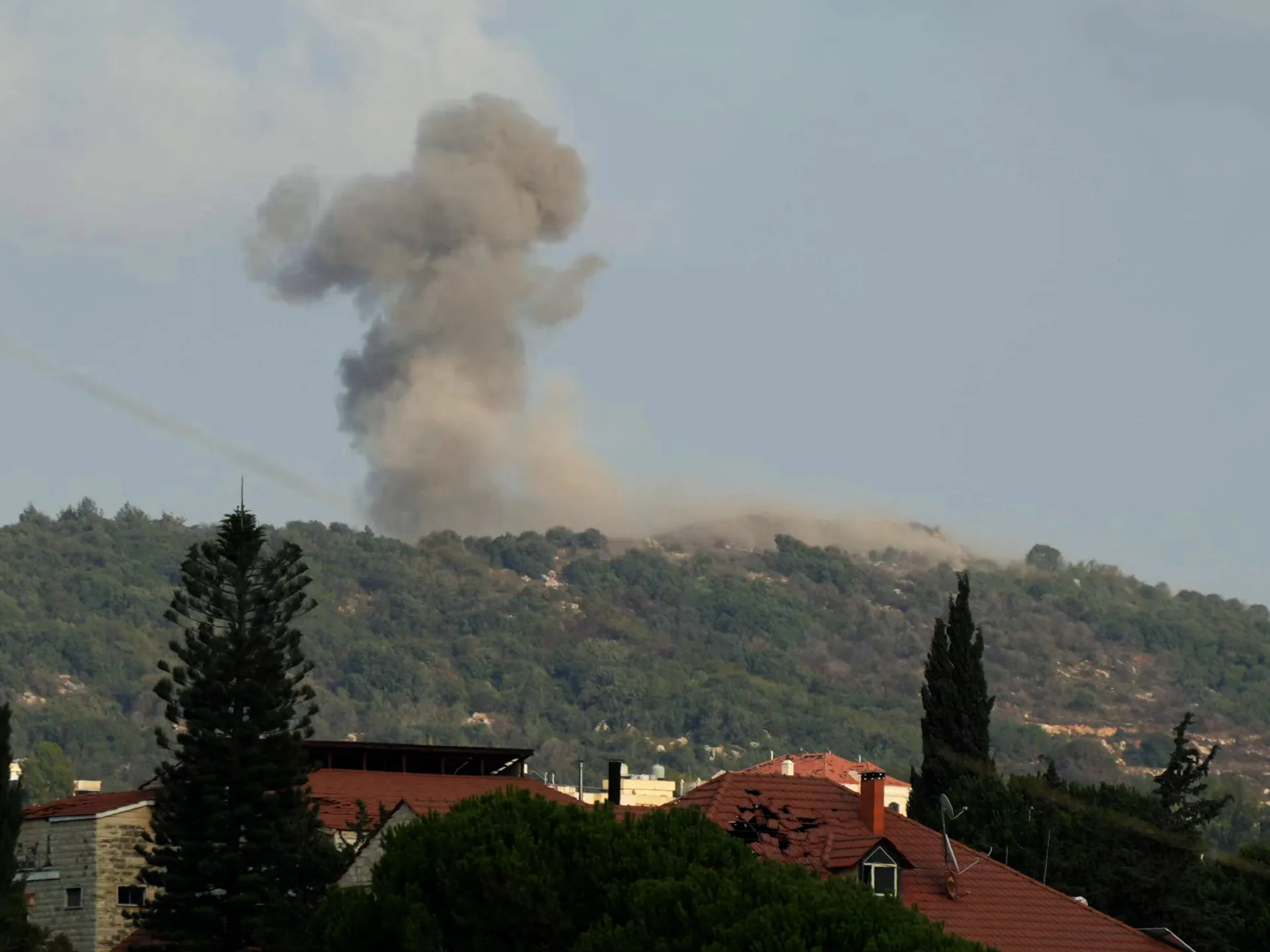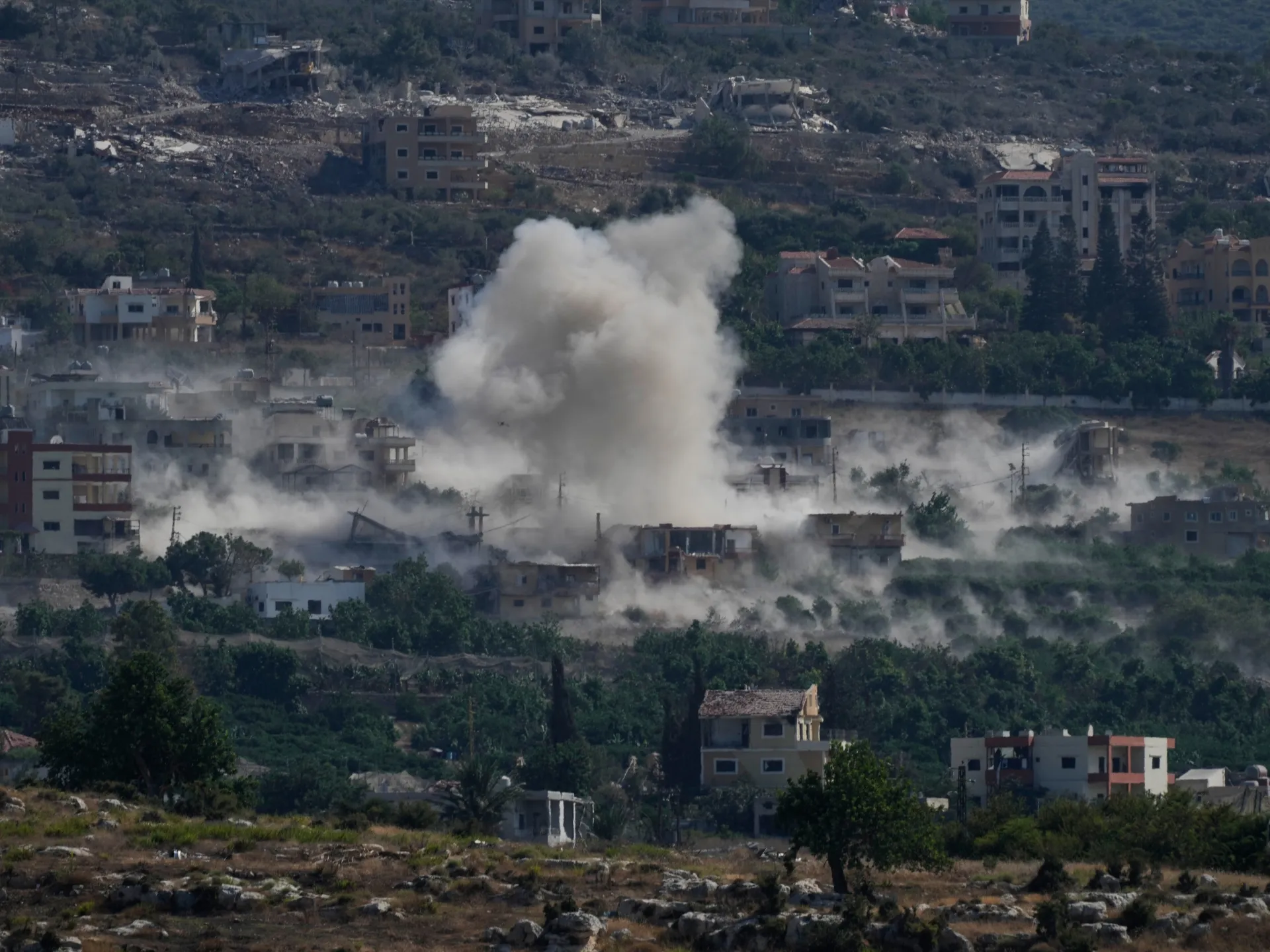
New drone footage reveals that Yemen's Mocha International Airport sits abandoned under Houthi control, raising alarms over the safety of critical Red Sea trade routes.
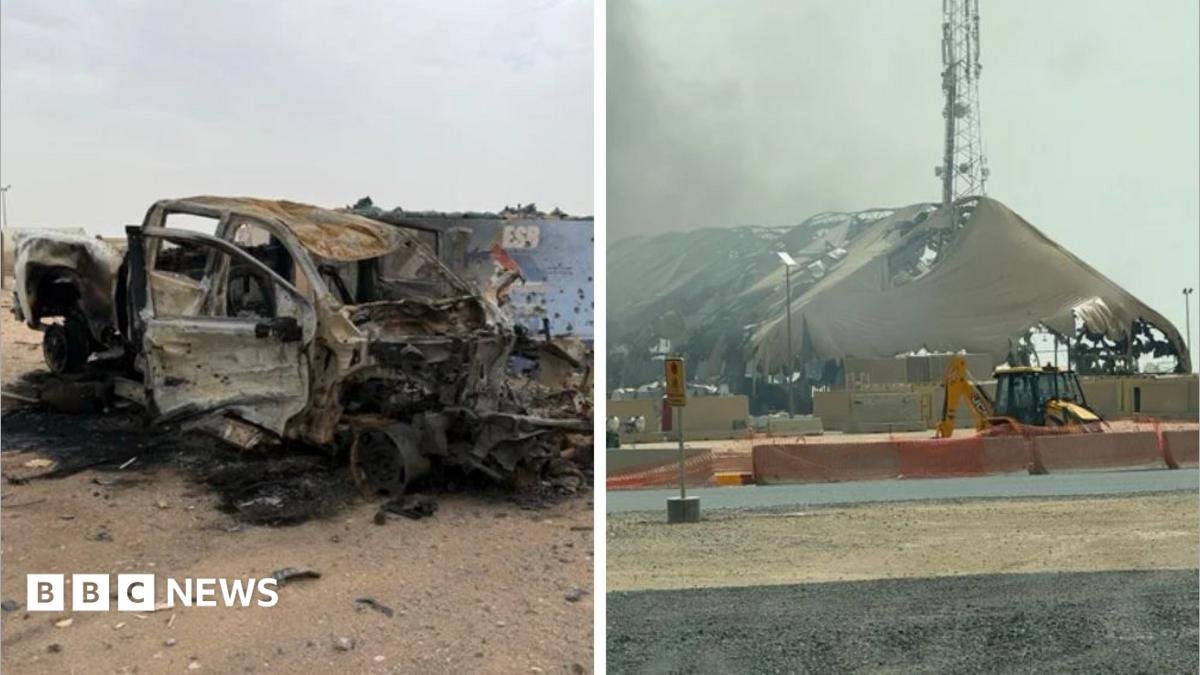
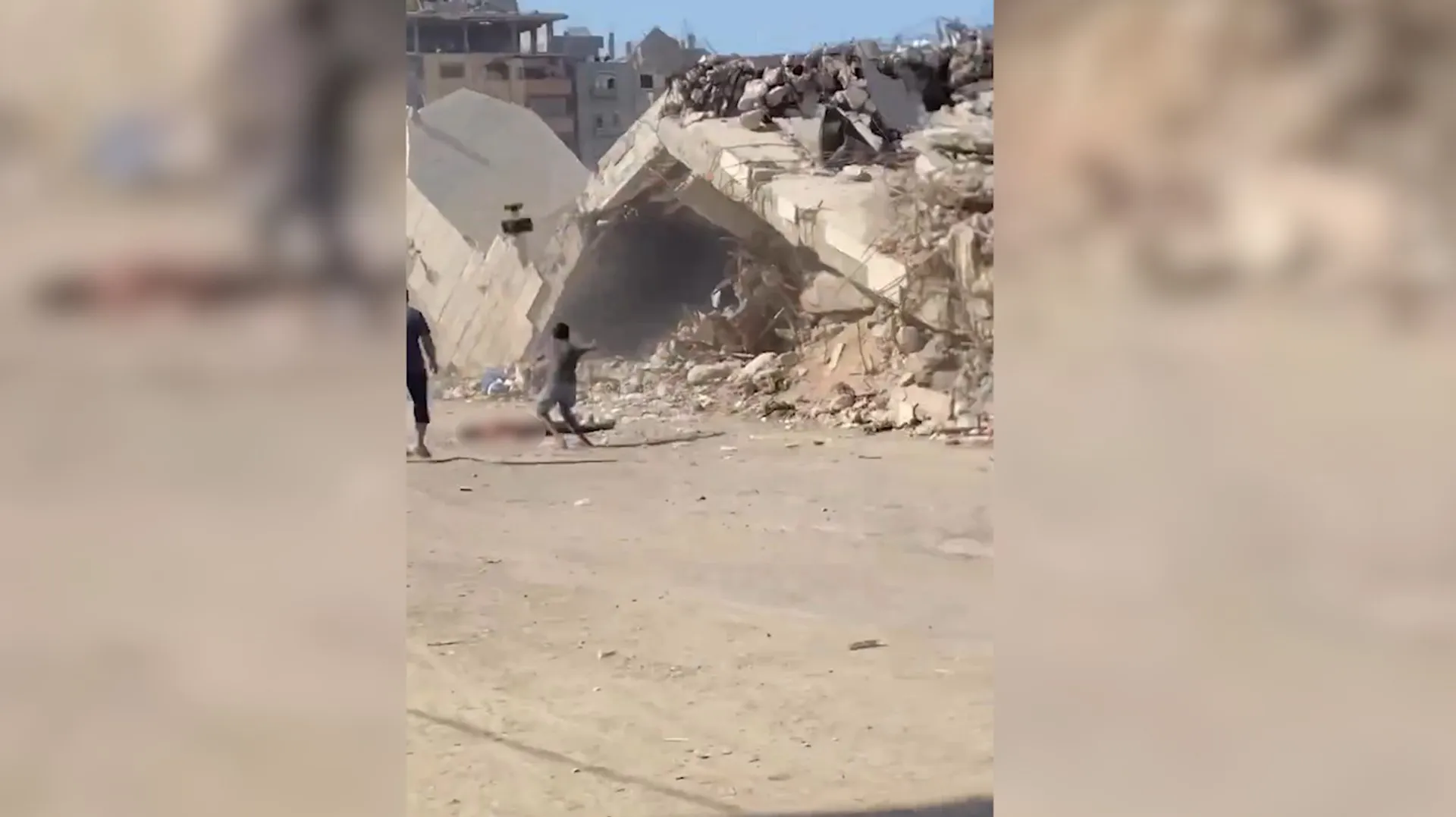
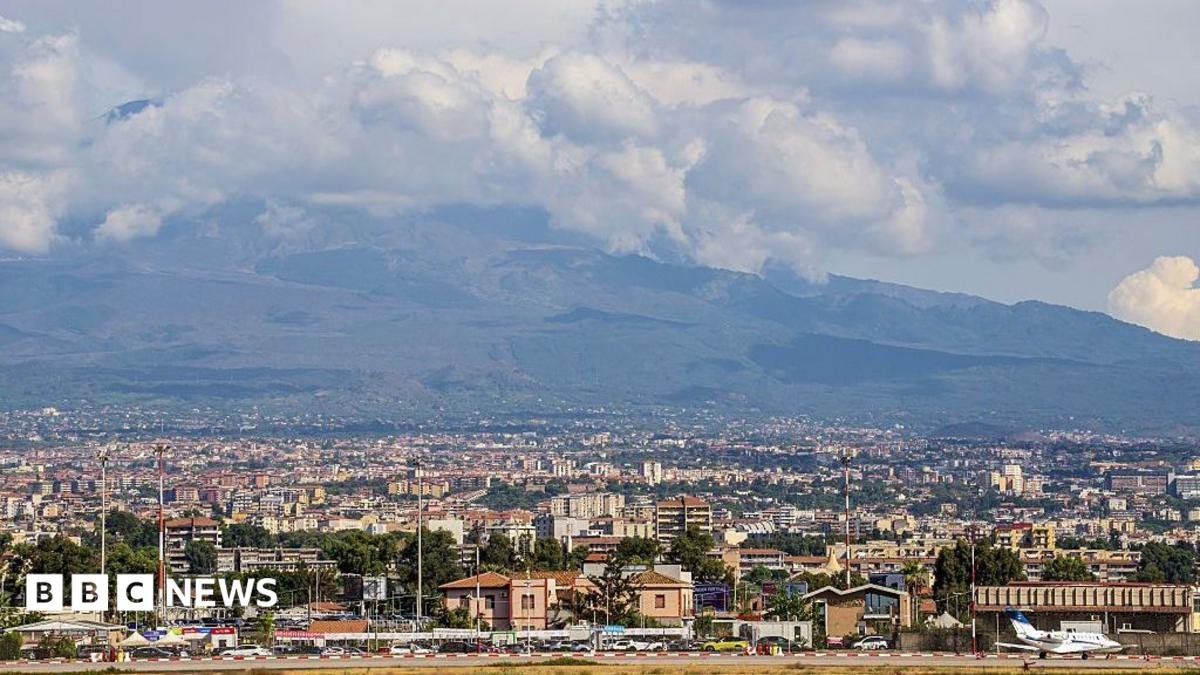
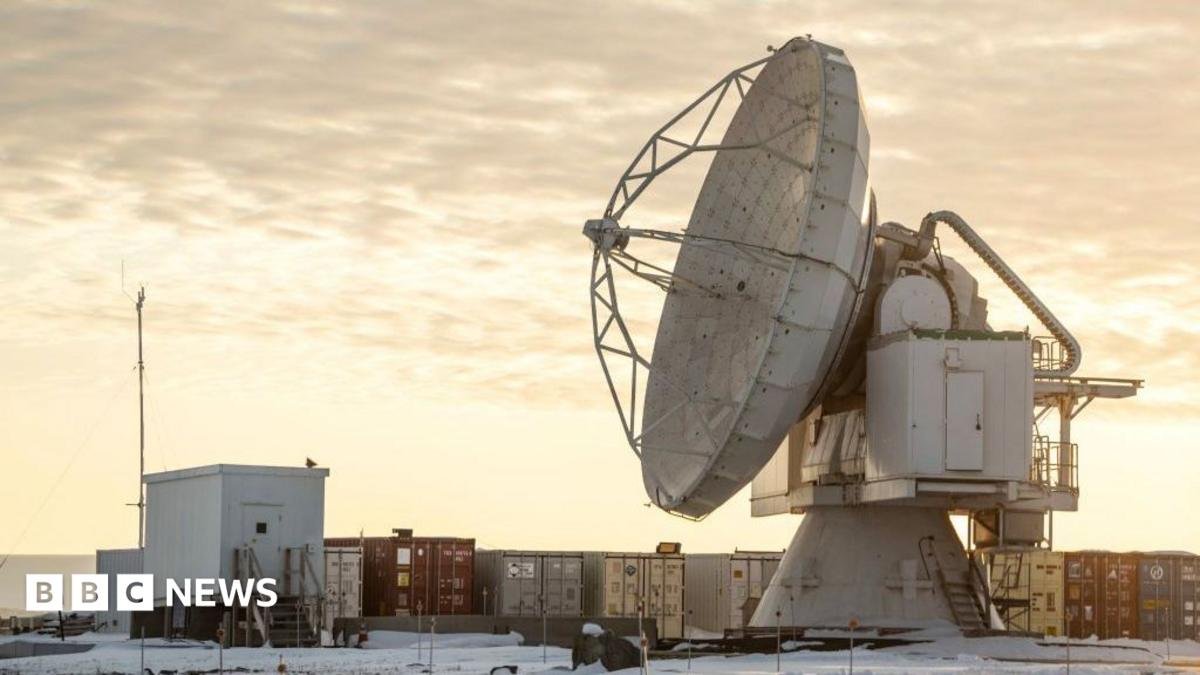
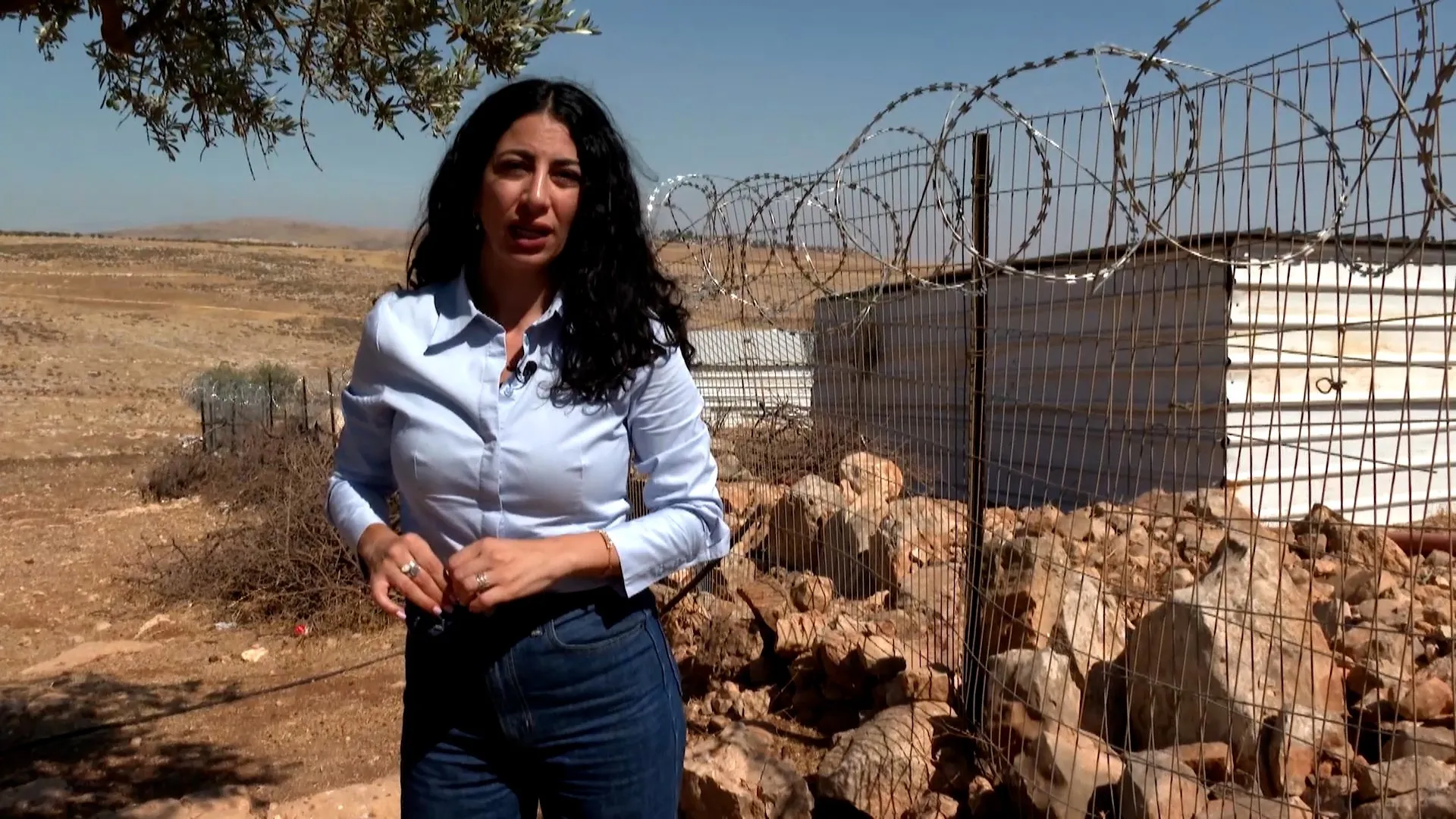
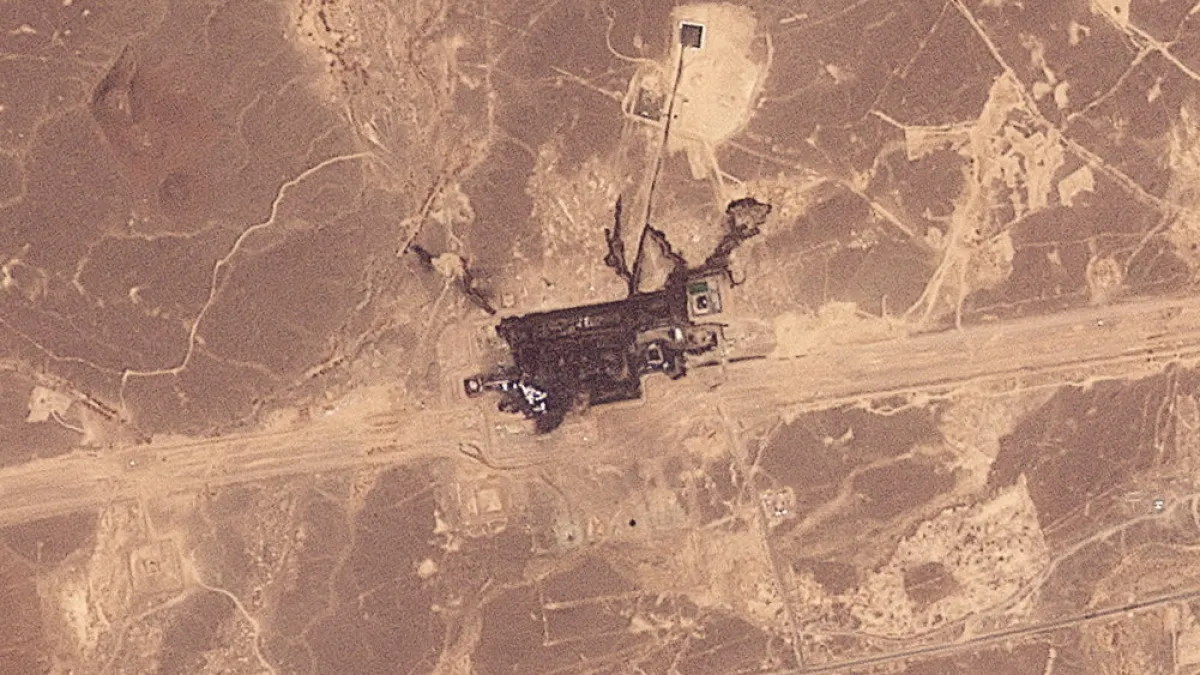
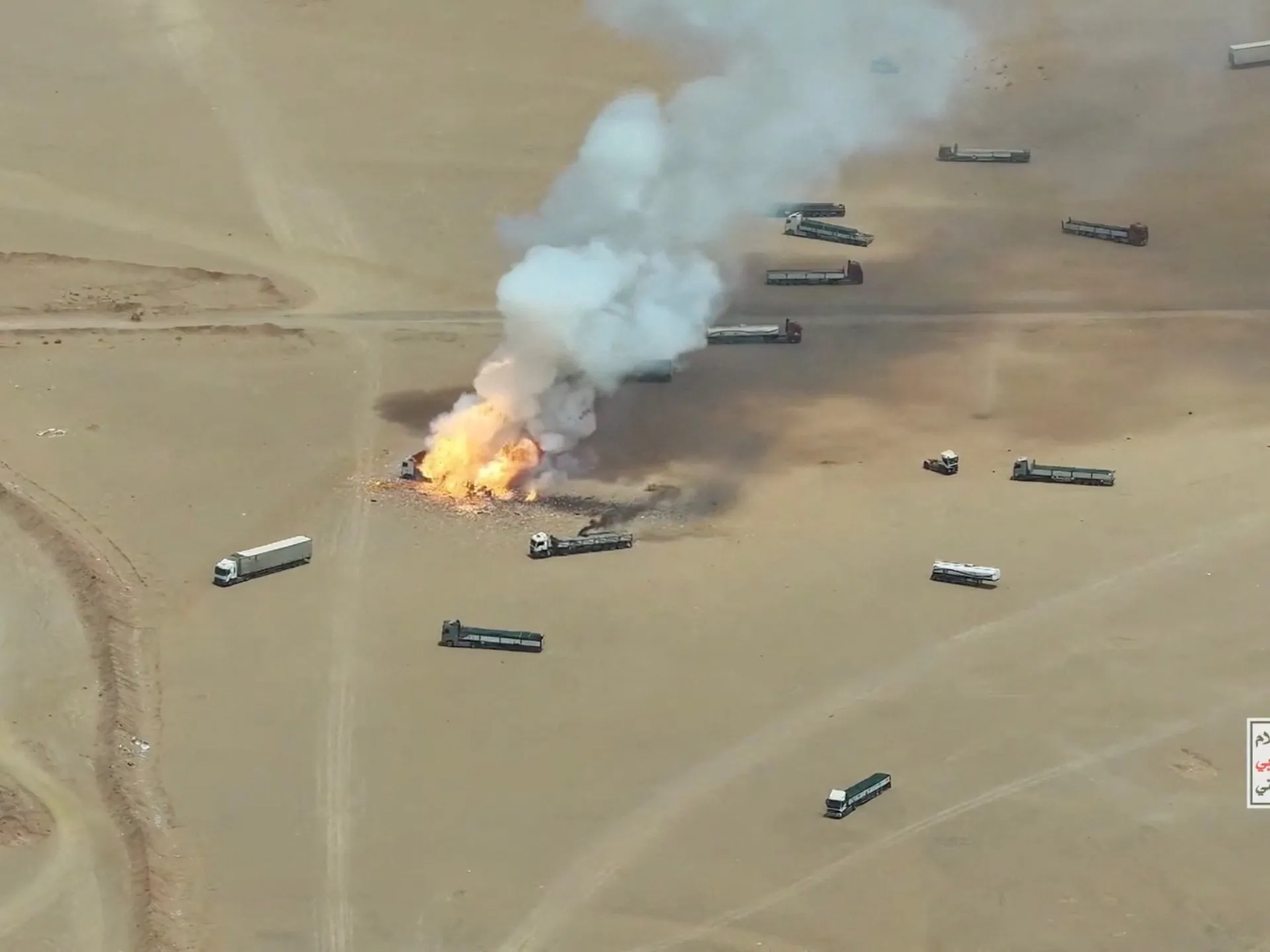
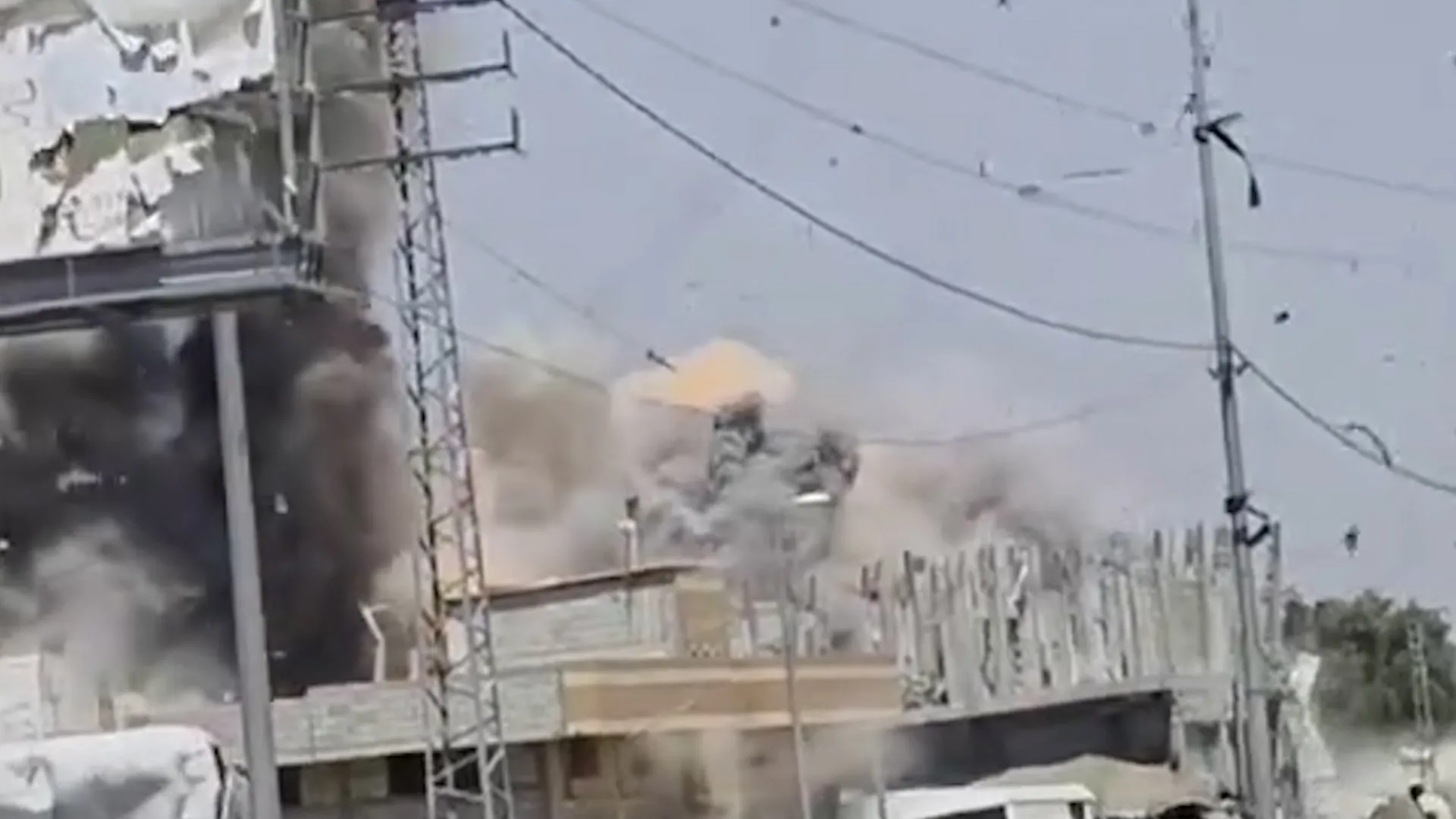
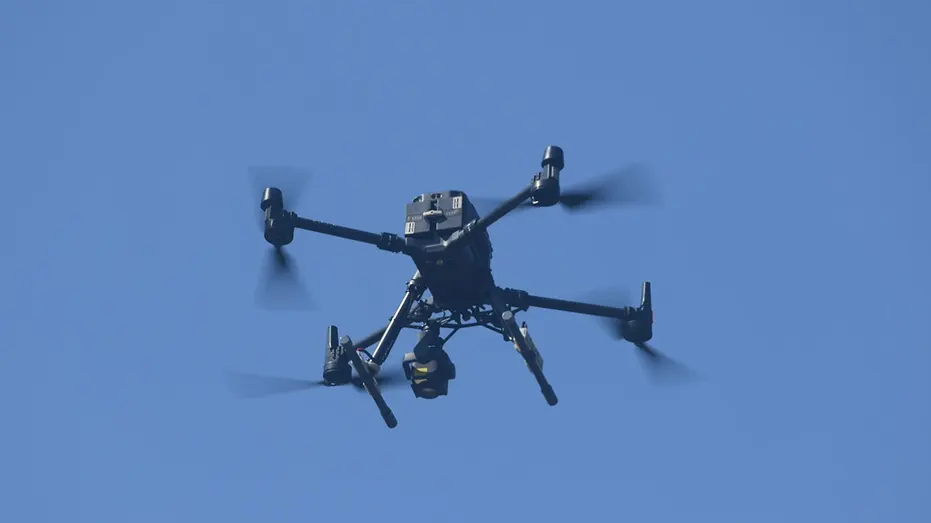
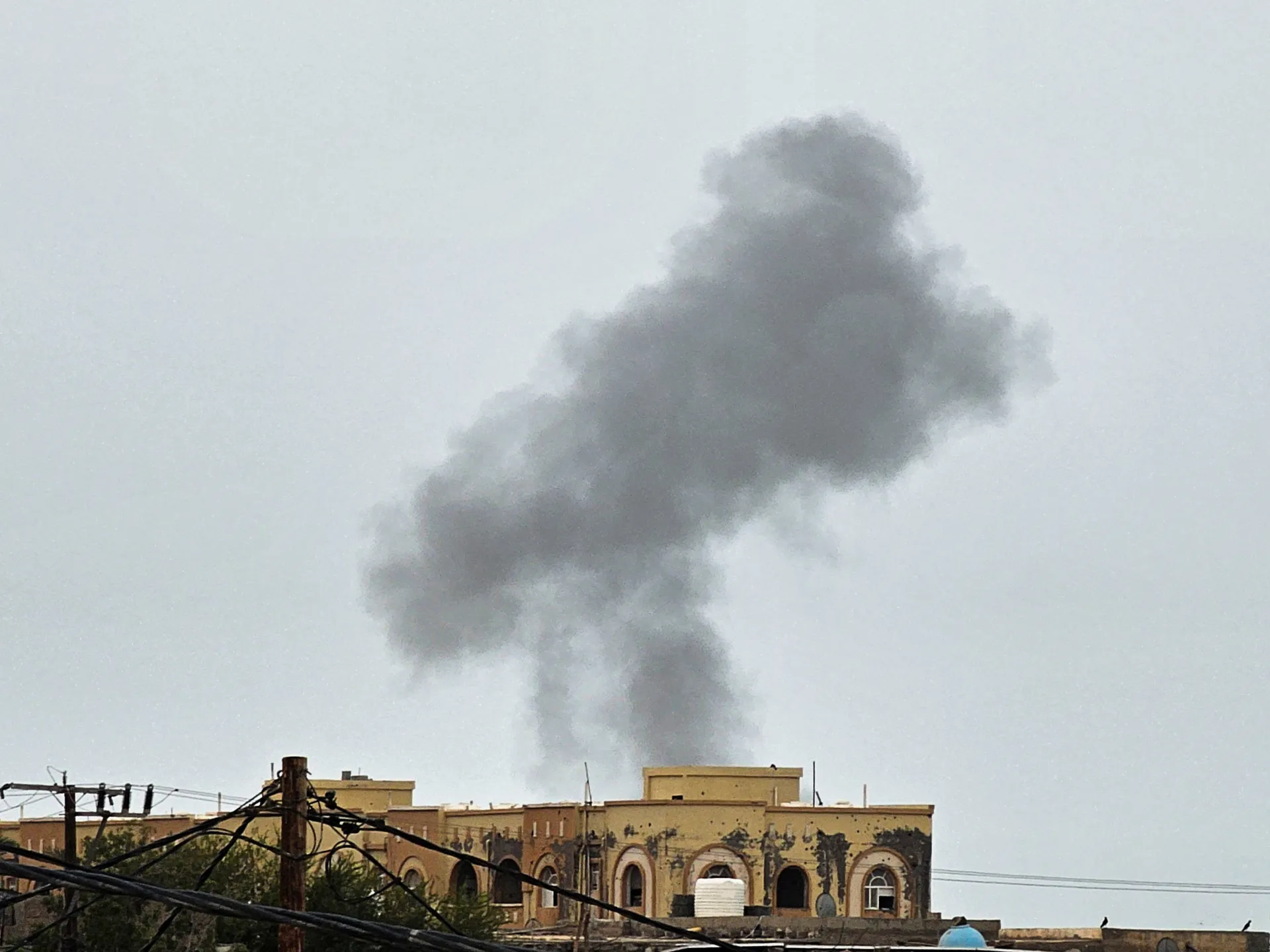
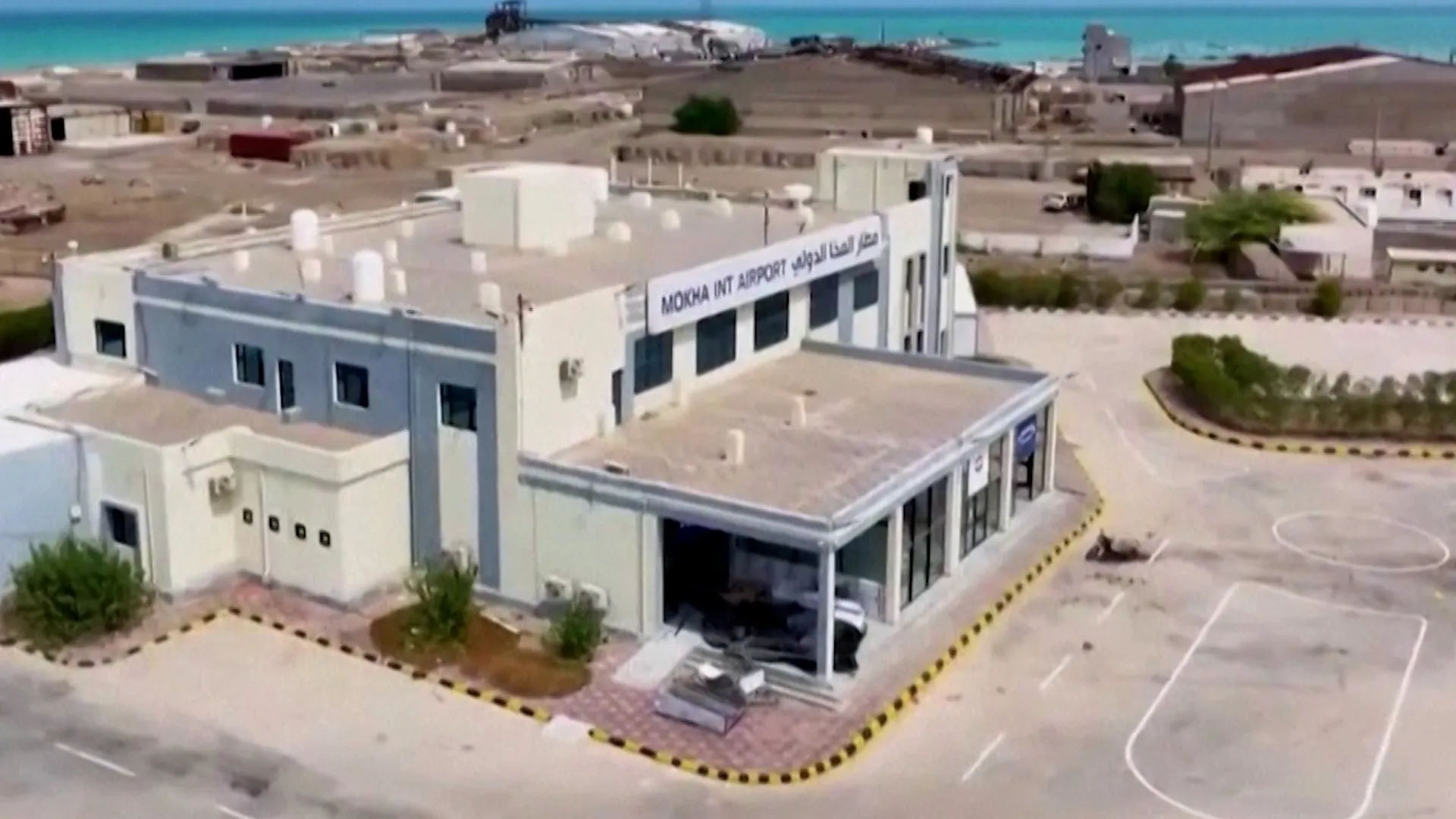
Recent visual evidence broadcast f Mocha International Airport. Drone footage captured at the site reveals a facility that appears completely deserted, with no signs of operational activity or commercial traffic. The imagery highlights the stagnation of what was once intended to be a vital piece of infrastructure for Yemen’s Red Sea coast.
The abandonment of the airport serves as a physical manifestation of the broader instability currently plaguing the region. While the airport was designed to facilitate economic growth and connectivity for the coastal city of Mocha, its present condition suggests that these development goals have been sidelined operational personnel indicates that the site is currently non-functional for both civil and logistical purposes.
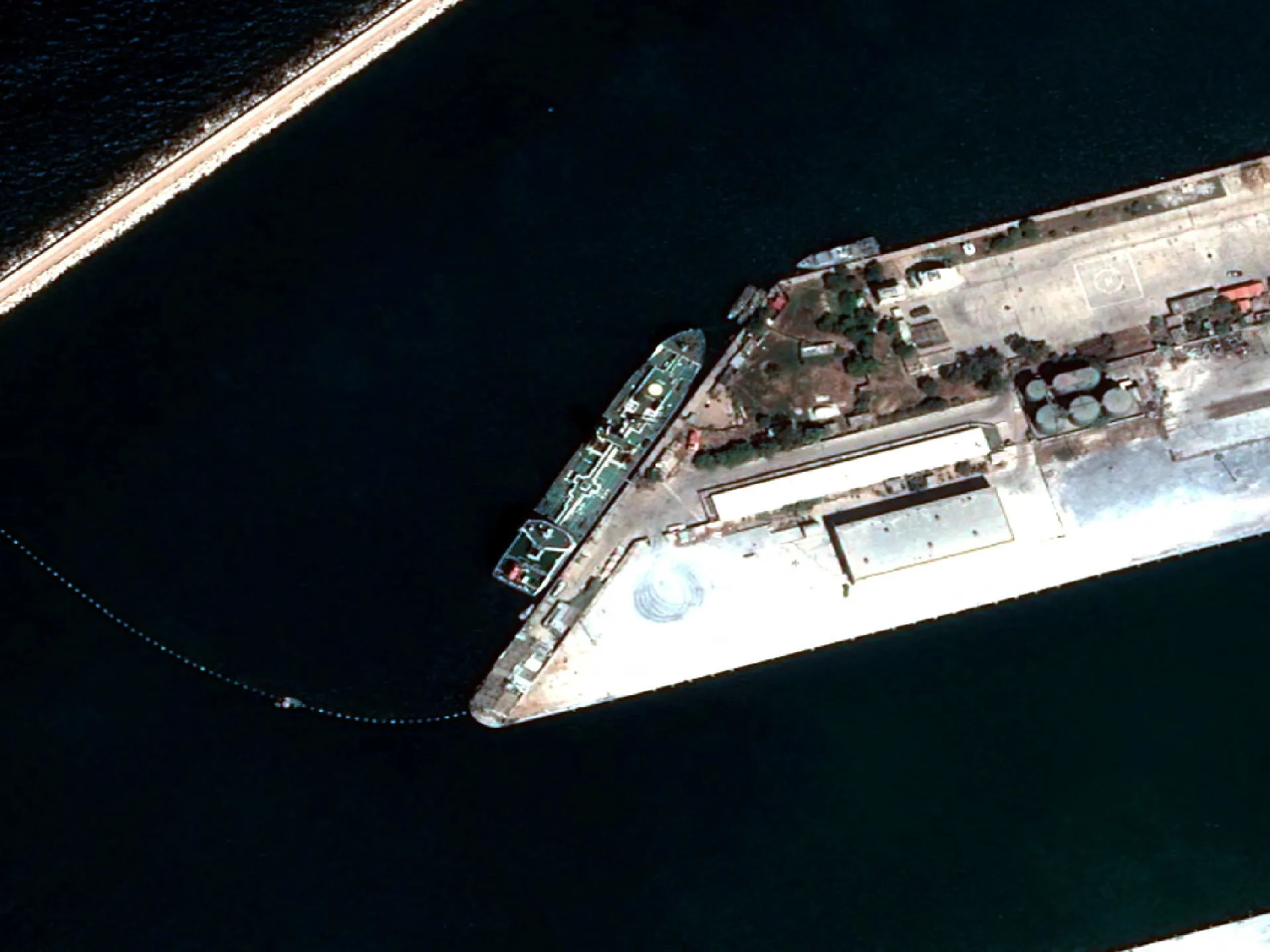
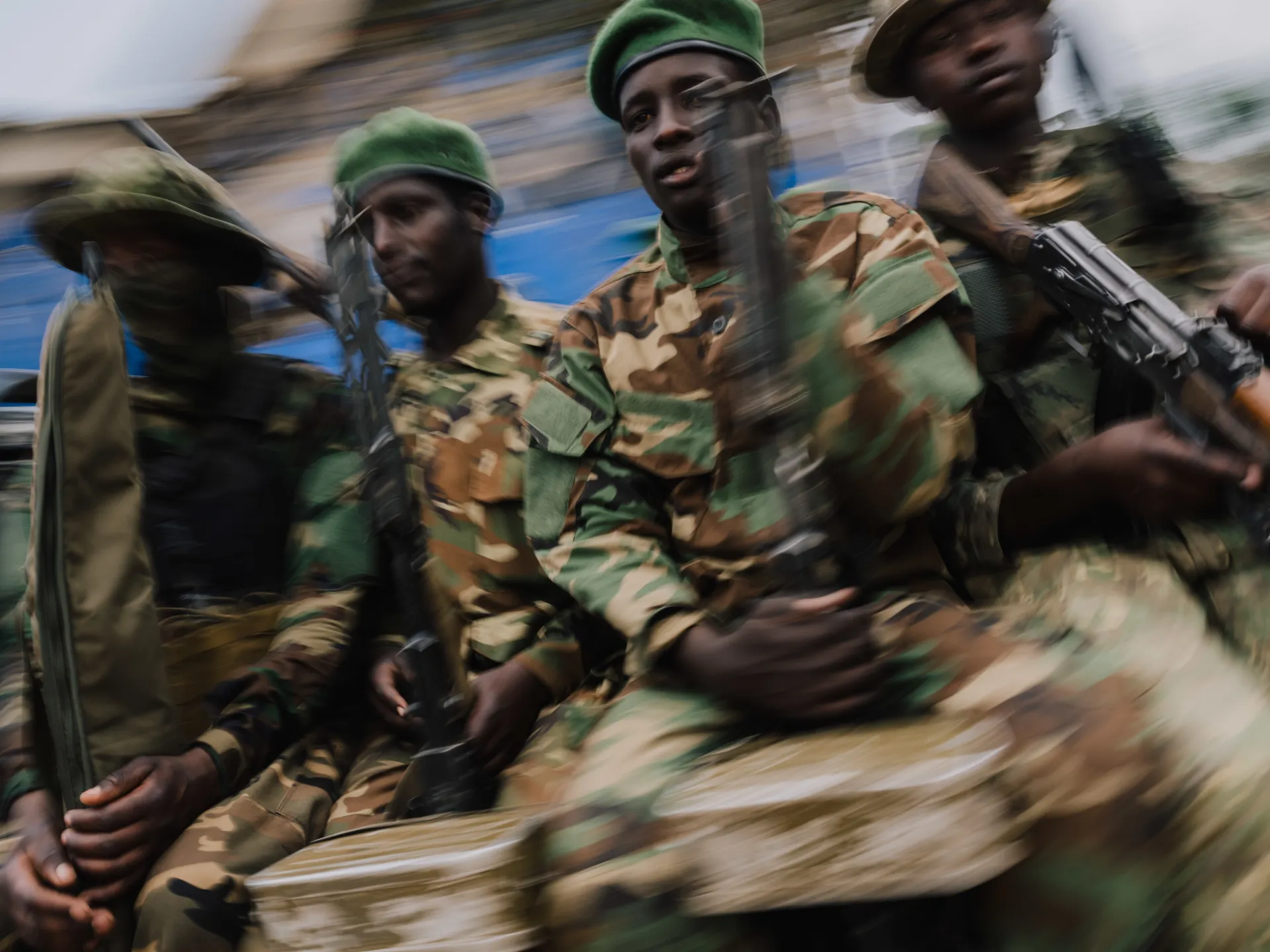
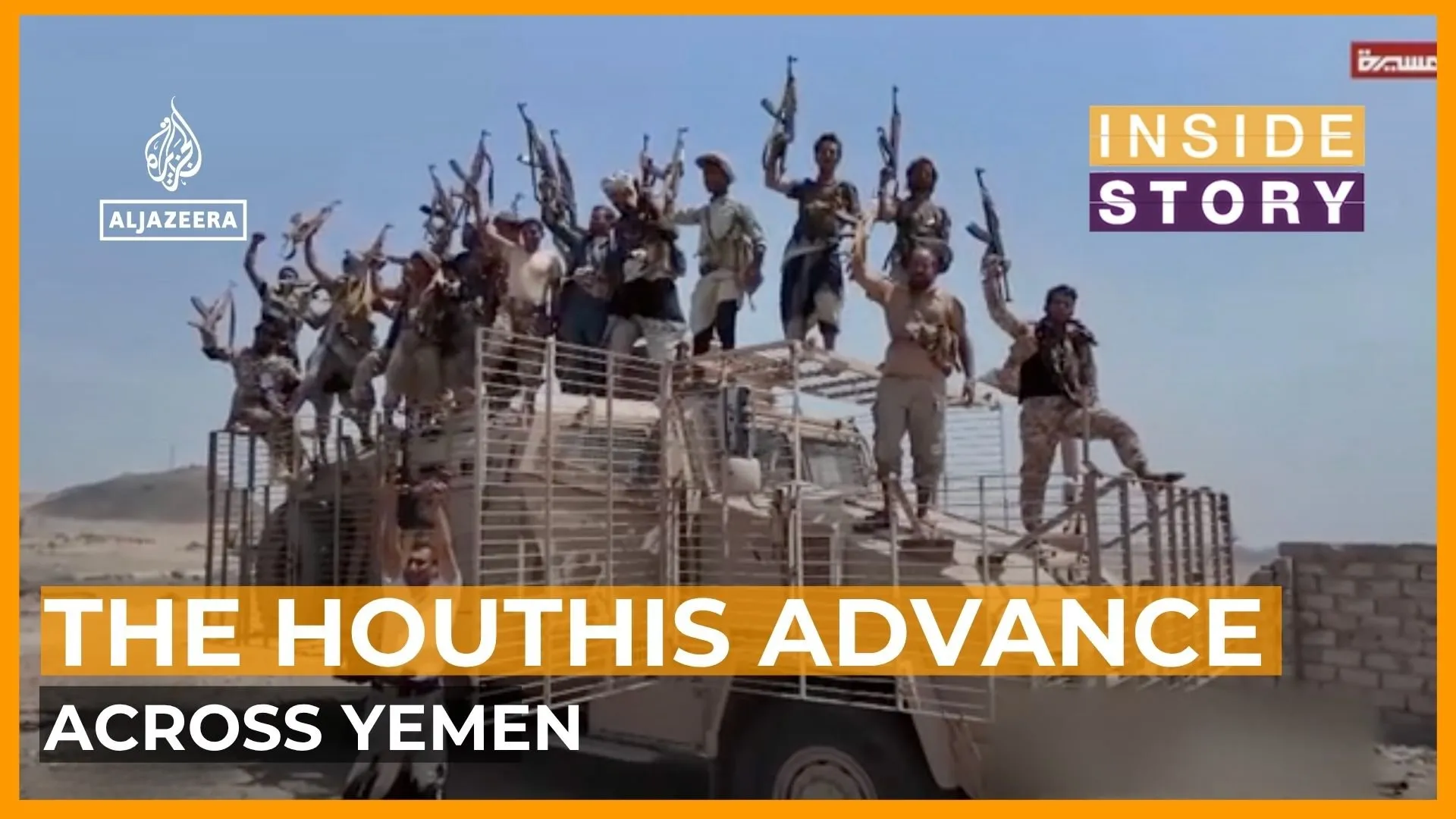
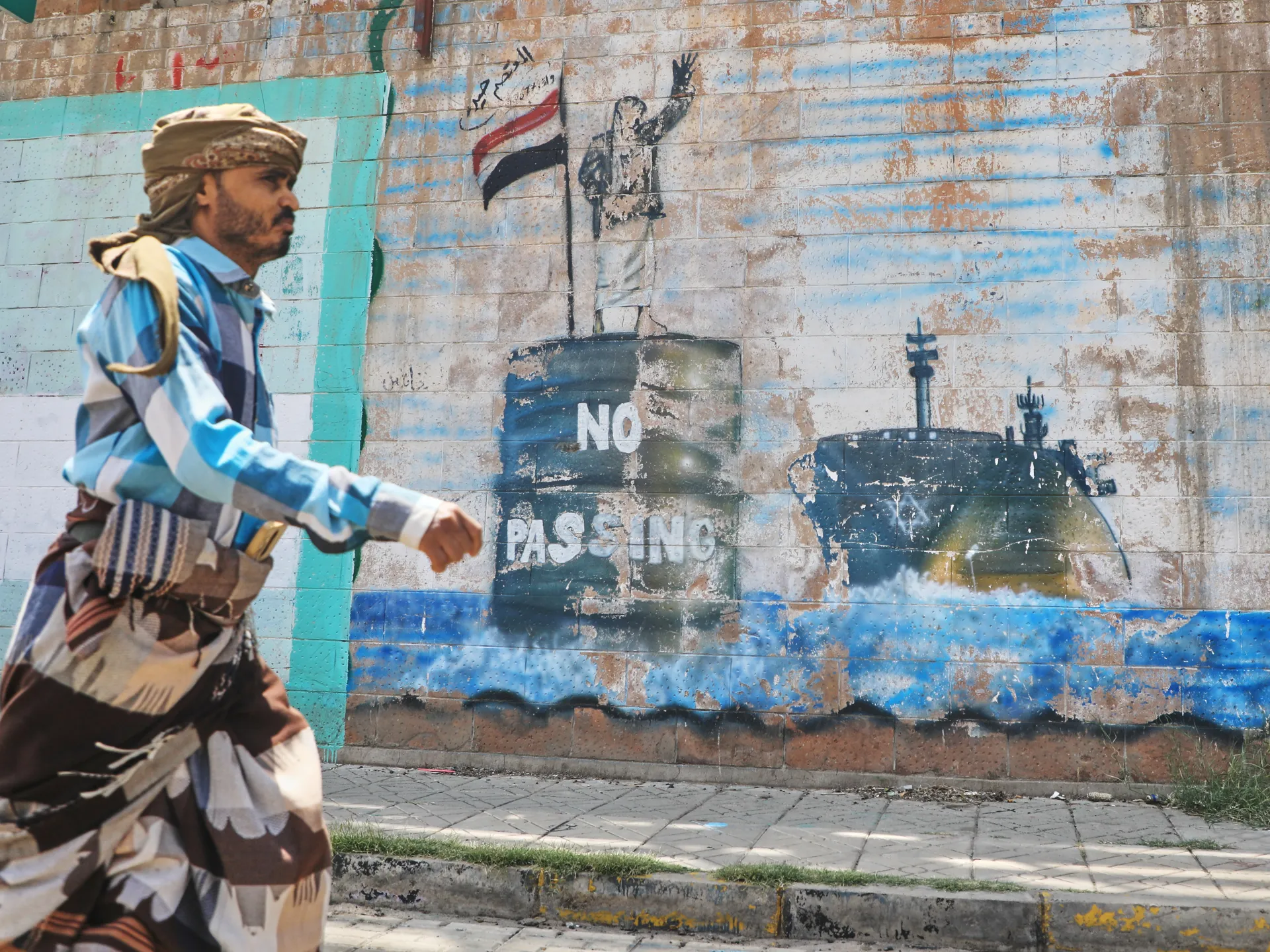
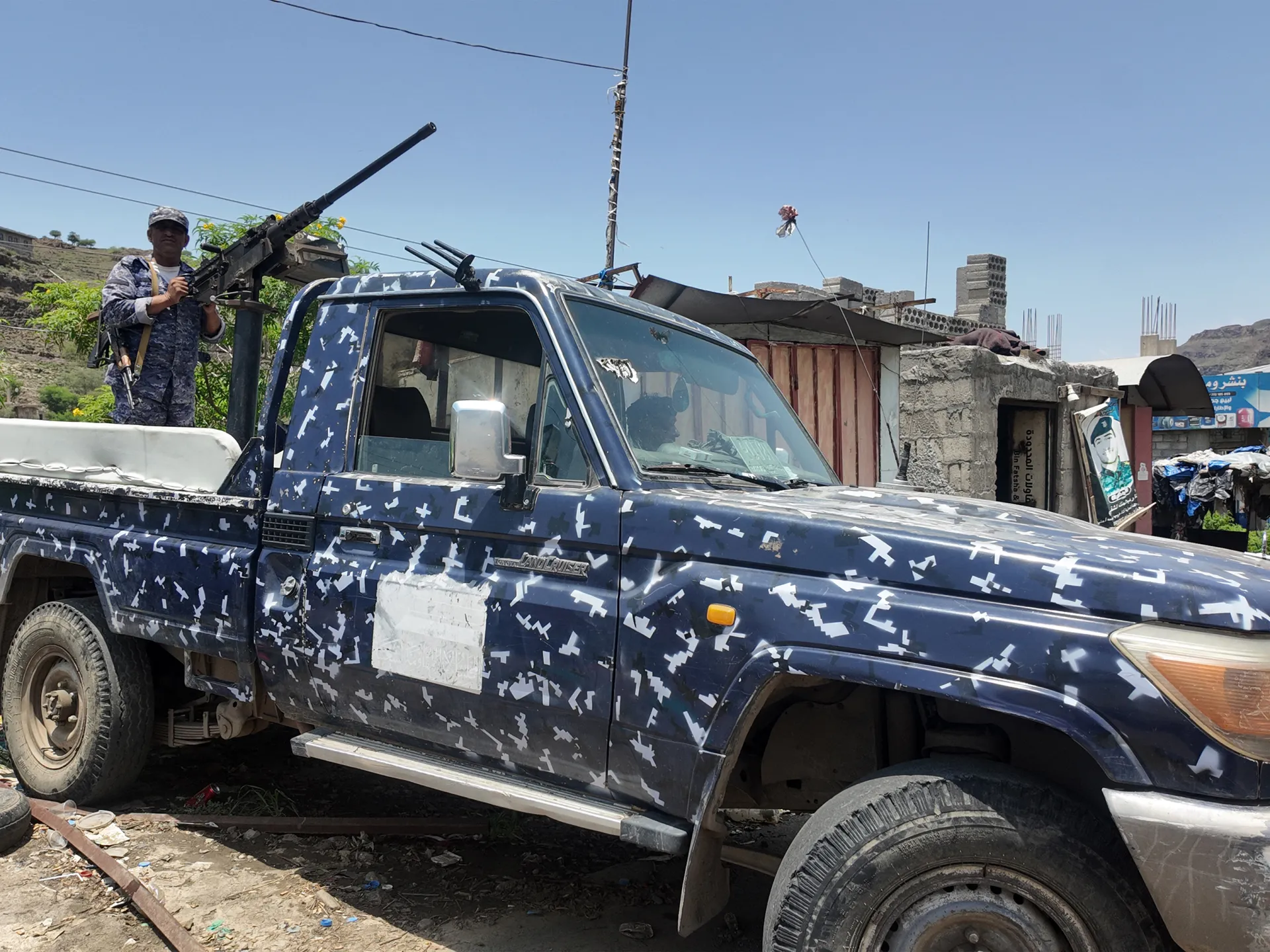
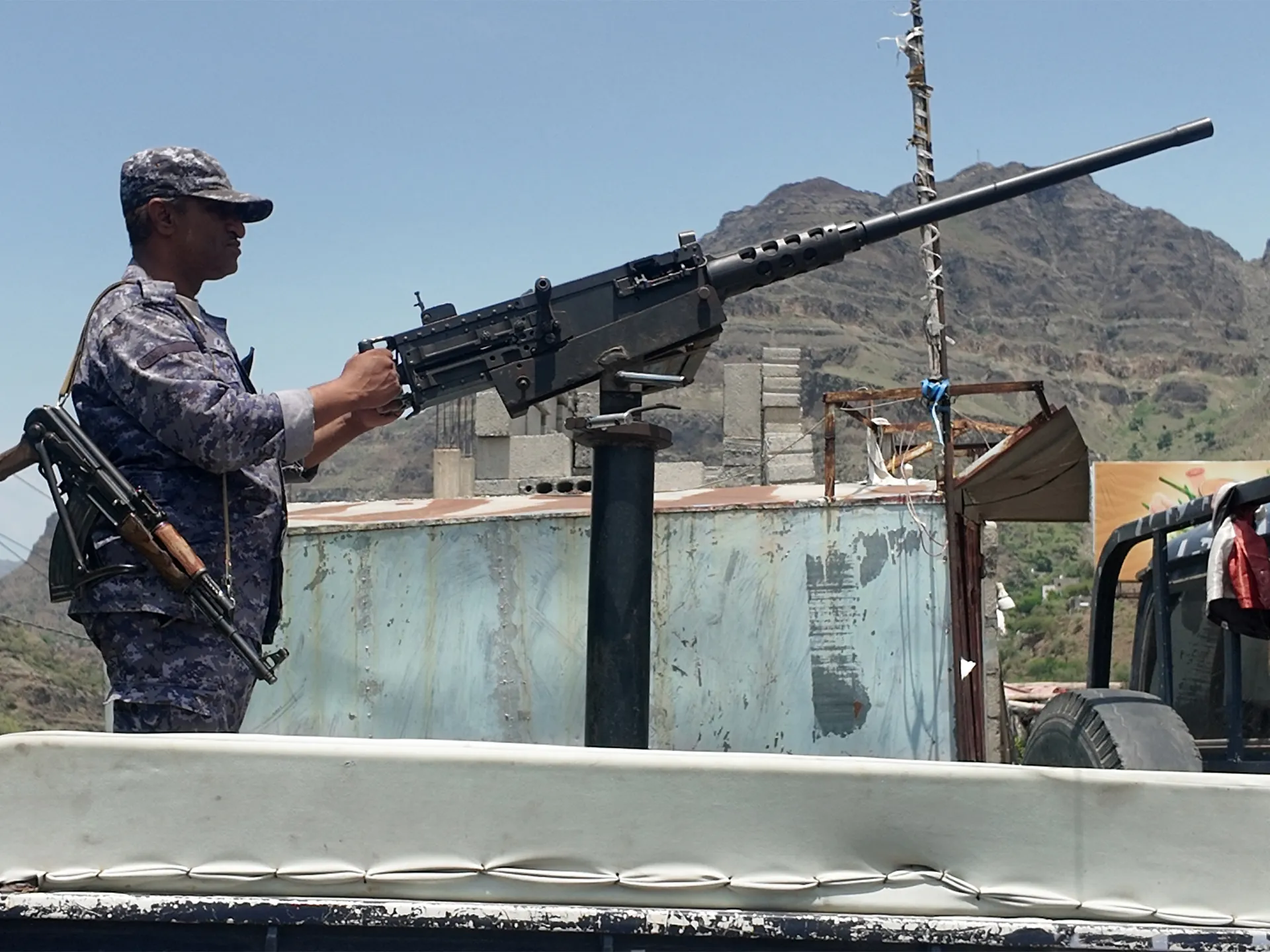
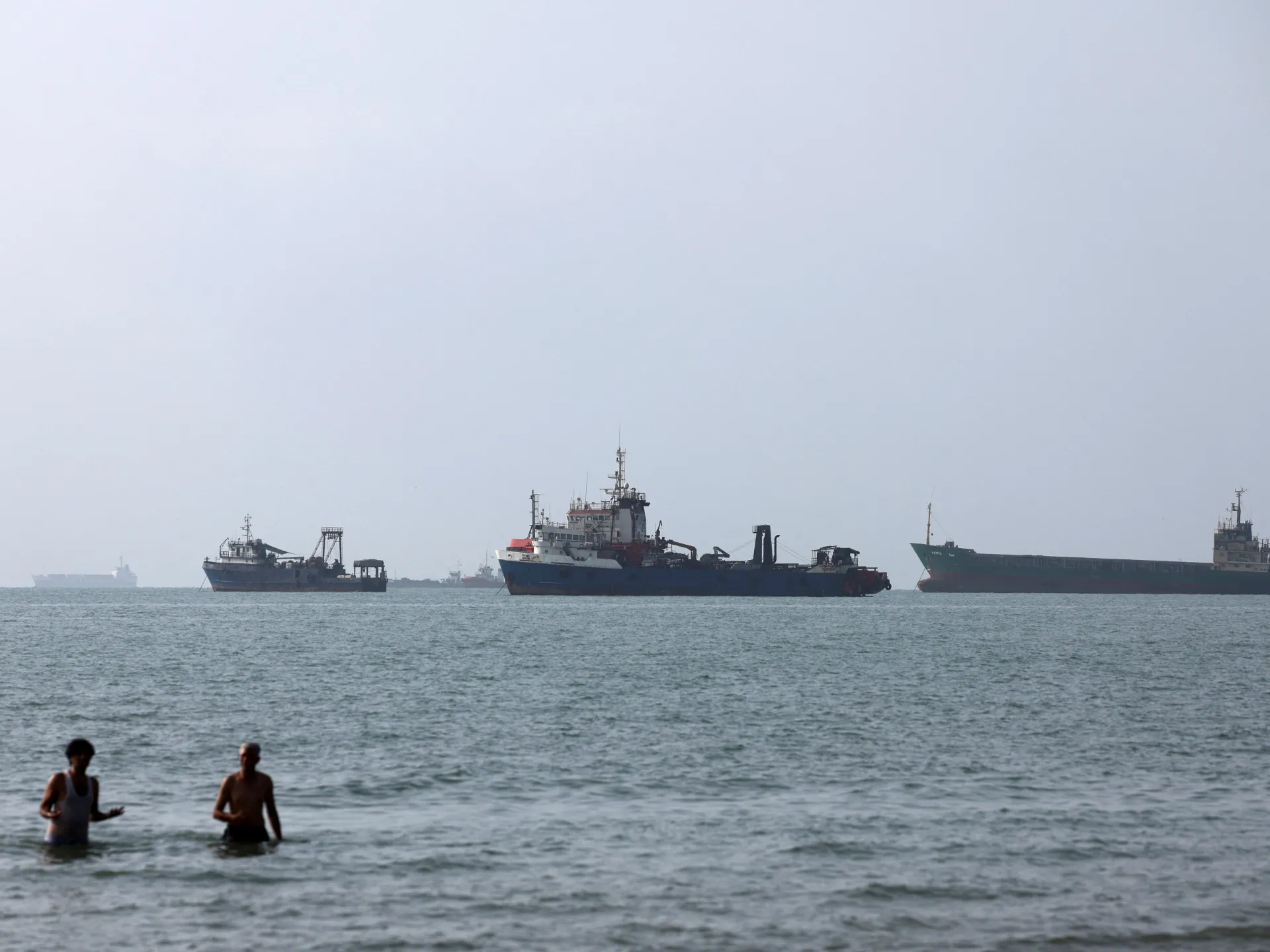
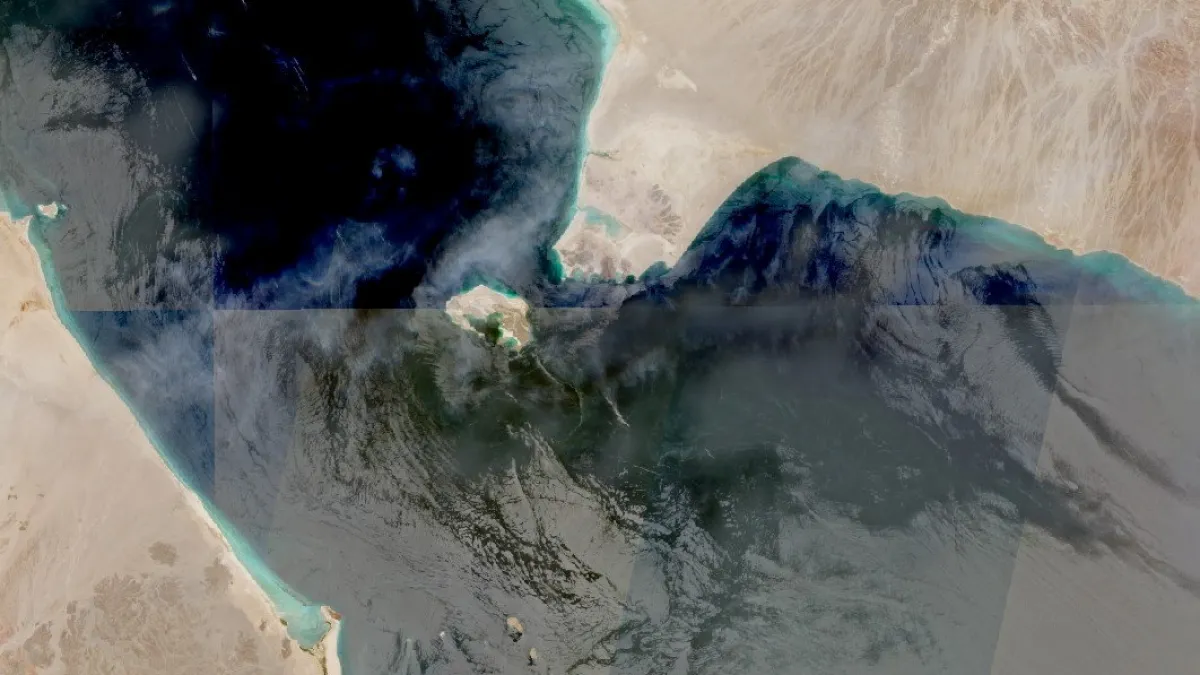
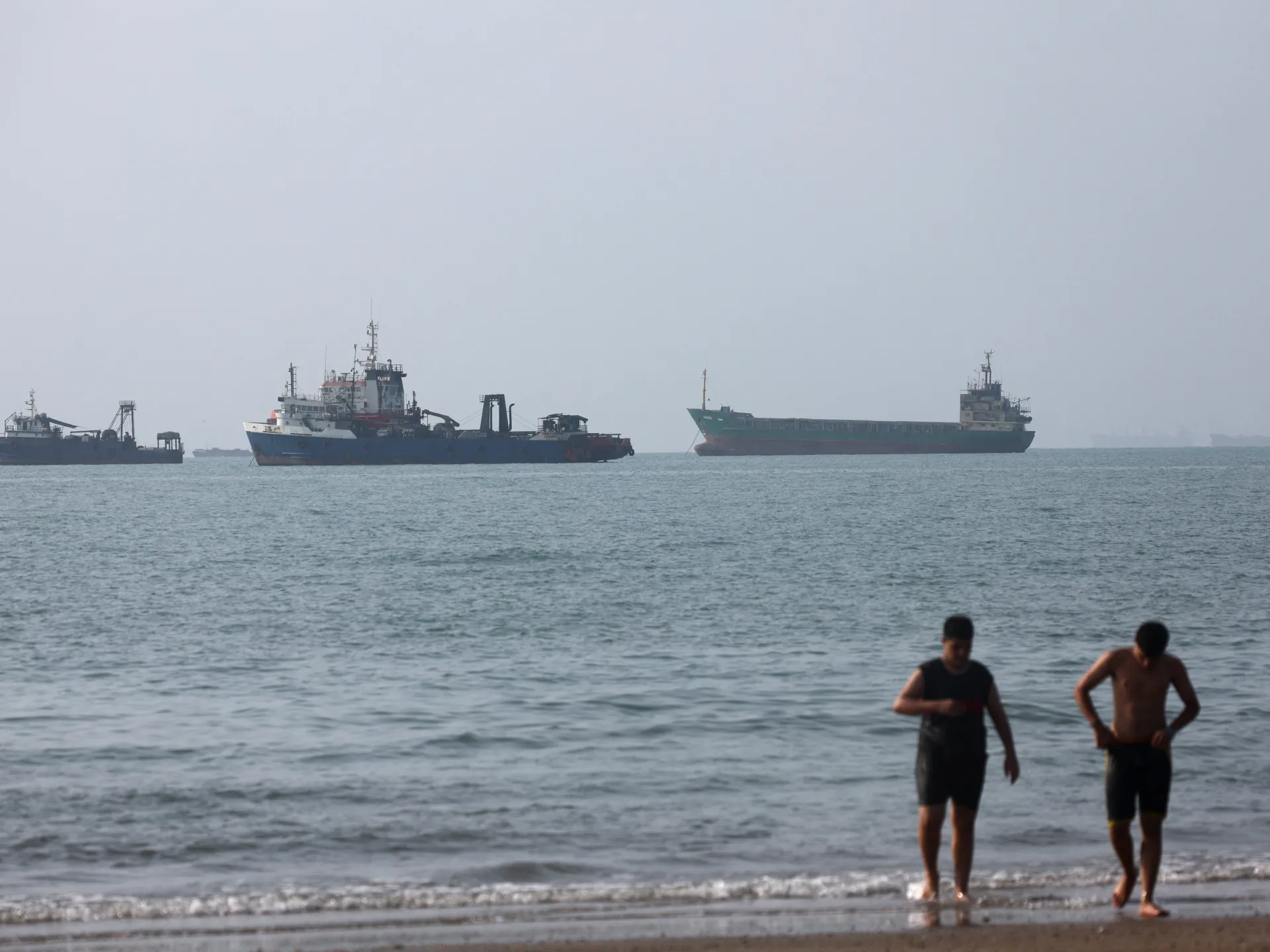
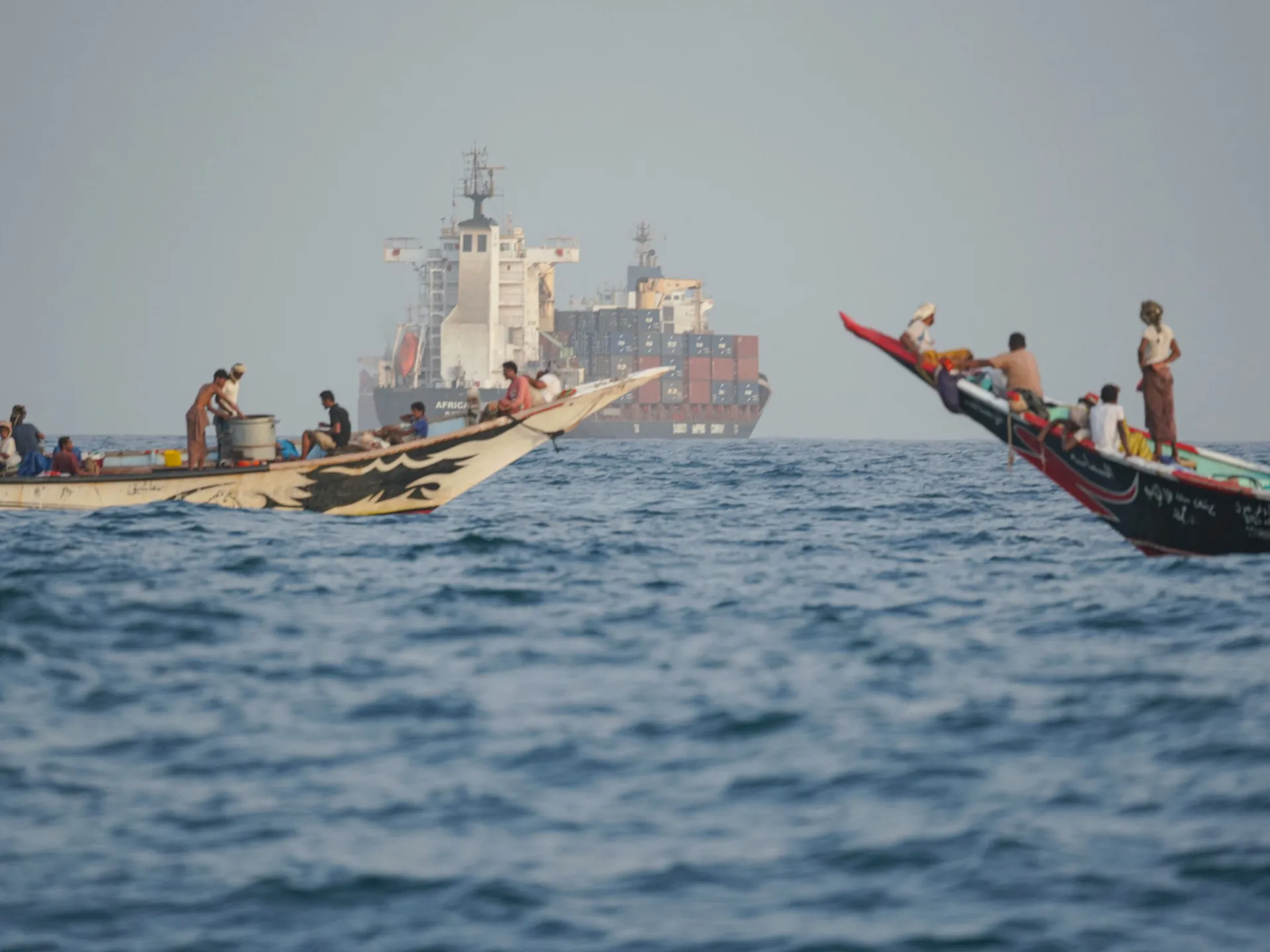
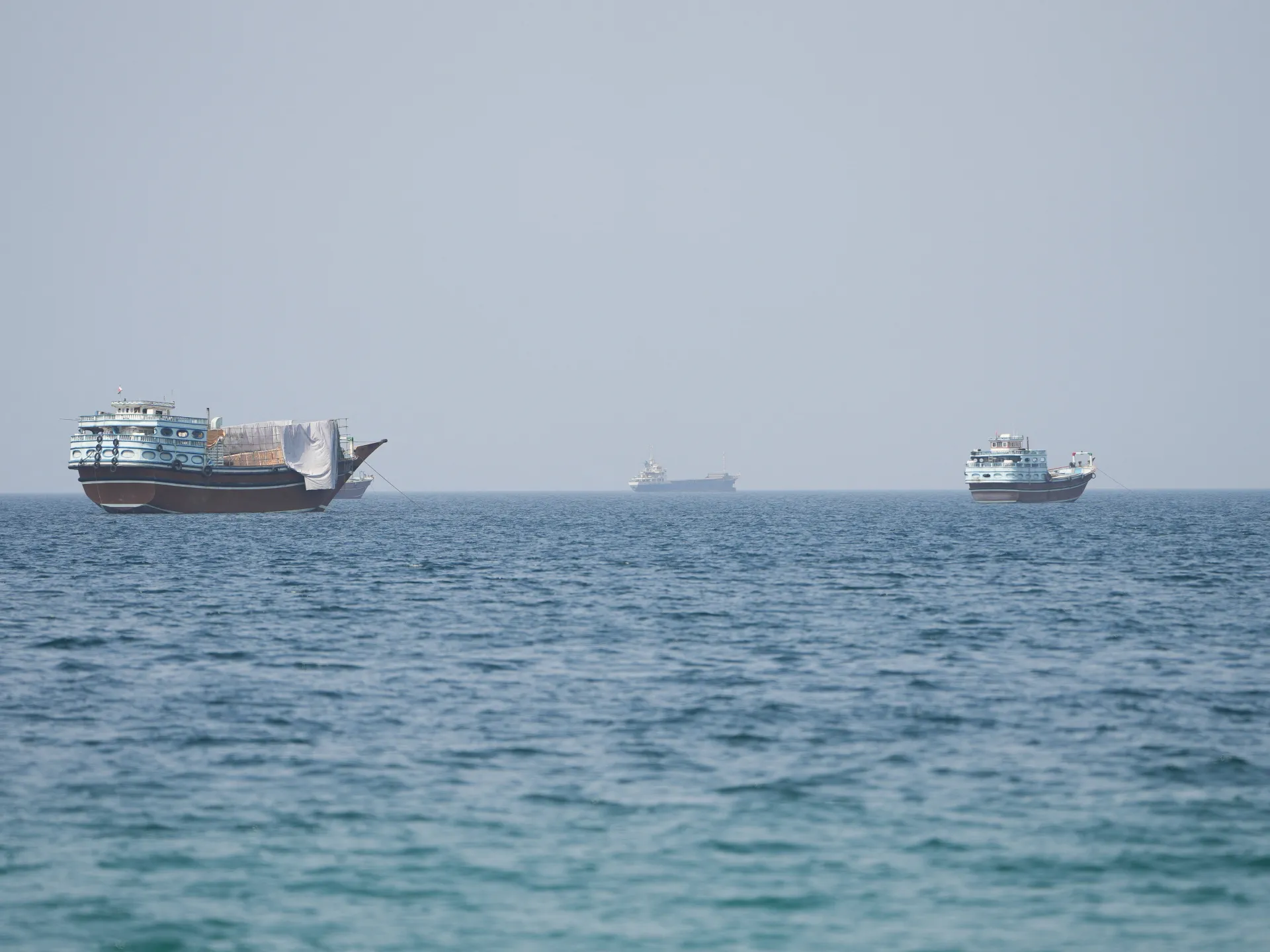
The transition of control over Mocha into the hands of the Houthi movement carries significant weight for international observers. Situated along the Bab el-Mandeb Strait, Mocha occupies one of the most critical maritime chokepoints in the world. ased its influence over the pathways used ving between the Indian Ocean and the Mediterranean Sea.
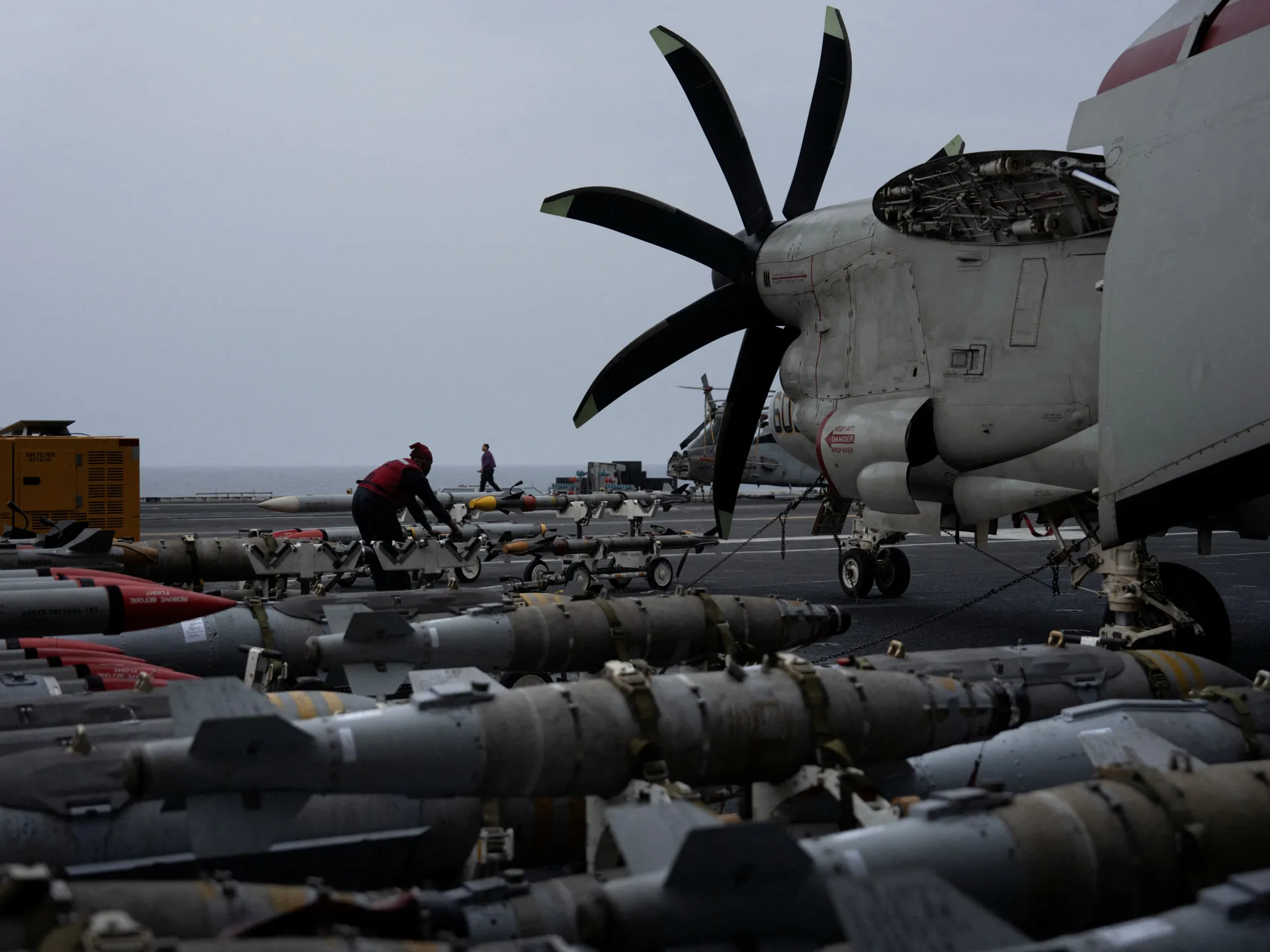
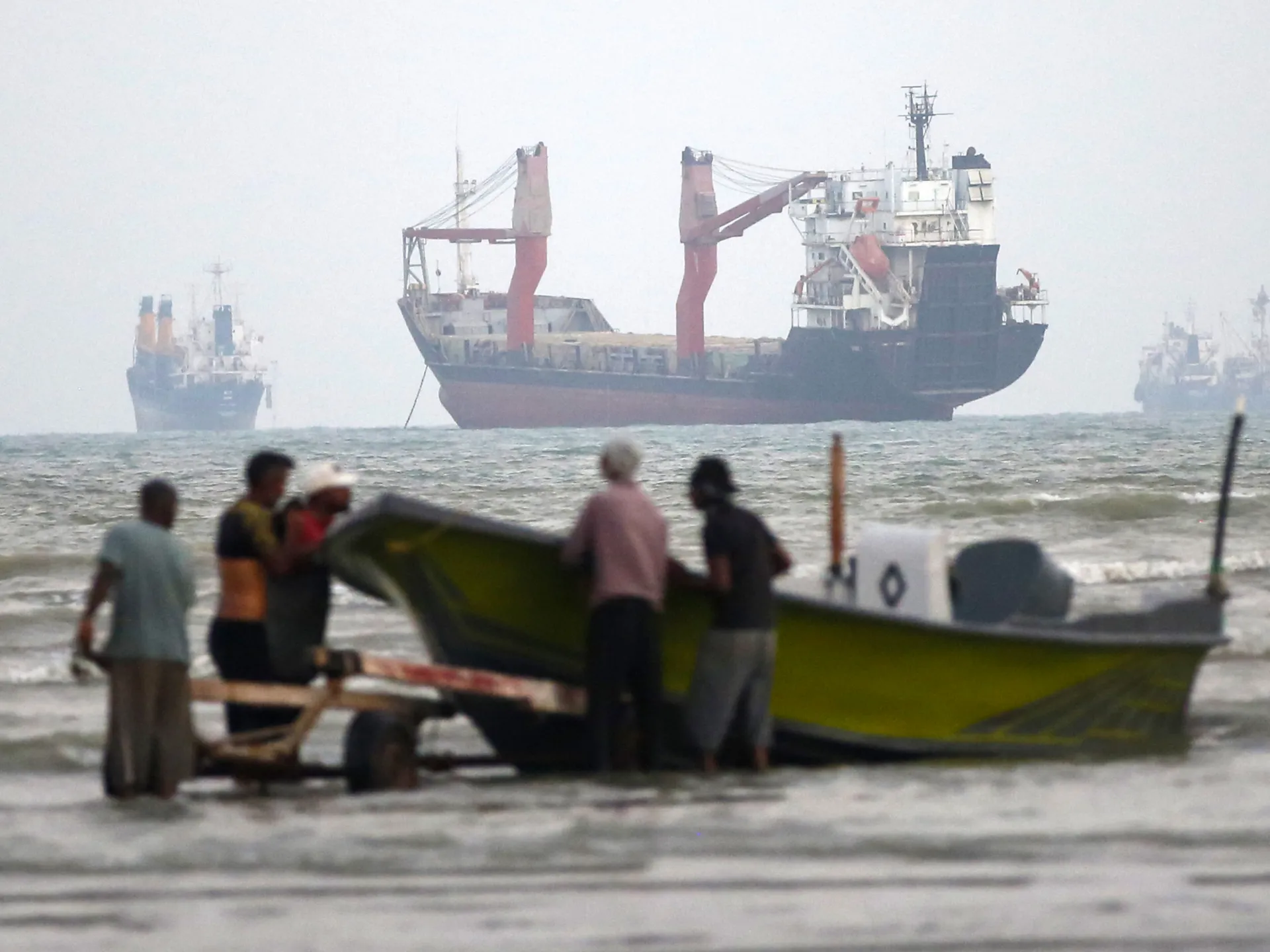
International stakeholders are increasingly wary of how this territorial consolidation might impact the safety of merchant vessels. The ability to project power from the coastline, combined with the control of adjacent logistical hubs like the airport, provides the group with a strategic advantage that could be leveraged to disrupt or threaten international shipping lanes. The situation has prompted renewed calls for enhanced security measures to protect the integrity of these vital trade routes.
Beyond the immediate military and geopolitical concerns, the closure of Mocha International Airport represents a profound setback for local economic development. The facility was originally envisioned as a gateway for exports and international commerce, which could have provided a much-needed boost to the local economy. In its current state of abandonment, the airport contributes nothing to the livelihood of the residents of Mocha, who continue to grapple with the long-term effects of the ongoing conflict.
The loss of infrastructure of this magnitude deepens the humanitarian challenges faced ds were essential components of the post-conflict recovery plans for the area. With the airport remaining idle, the region suffers from increased isolation, further complicating the delivery of humanitarian aid and the potential for commercial revitalization in the years ahead.
The future of Mocha’s infrastructure remains highly uncertain as the regional power struggle continues to evolve. Whether the airport will be repurposed, rehabilitated, or left to further decay depends largely on the trajectory of the conflict and the shifting priorities of those currently in power. For now, the site remains a silent witness to the broader struggles for control over Yemen's strategic coastal regions.
Analysts suggest that as long as the area remains a focal point of military activity, significant investment in civil infrastructure is unlikely to materialize. The international community continues to monitor the situation closely, particularly regarding the potential for further escalation that could jeopardize the global supply chain. For the people of Mocha, the dream of a functioning international gateway remains firmly on hold, overshadowed