

As the Syrian government focuses on national reconstruction and international reintegration, its policy of restraint toward Israeli military strikes faces growing domestic and strategic risks.
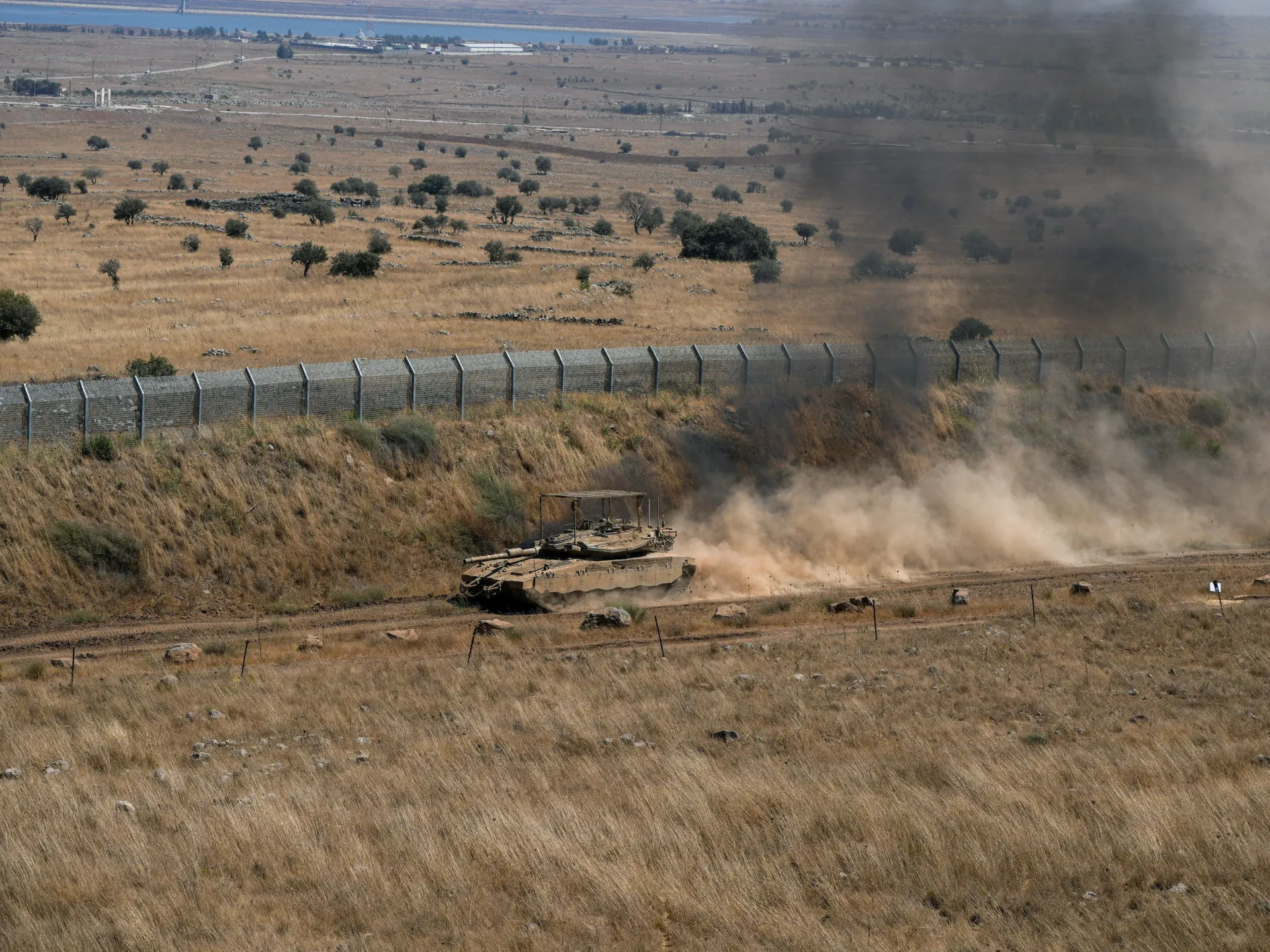
The government of Ahmed al-Sharaa currently finds itself in a precarious geopolitical position, balancing the urgent necessity for national reconstruction with persistent military incursions d in Quneitra, highlight the ongoing friction between the two nations. These actions, which followed a significant strike on the Abu al-Duhur military base, occur despite Damascus's explicit efforts to utilize diplomatic channels to de-escalate tensions. The Israeli administration continues to assert that such operations are essential for preventive security, while Damascus views these acts as direct infringements on its sovereignty.
For the current Syrian leadership, the primary objective remains the restoration of state authority, which was severely compromised following the collapse of the Bashar al-Assad regime in 2024. Al-Sharaa’s administration is tasked with assembling a cohesive security architecture from fragmented institutional ruins. to secure the resources necessary to govern effectively. However, the recurring nature of these military strikes forces Damascus to choose between a potentially catastrophic confrontation and a policy of restraint that may erode its long-term strategic autonomy.
Rebuilding a nation devastated and international cooperation. The World Bank has estimated that the reconstruction of physical infrastructure alone will require approximately $216 billion. To meet this staggering demand, the Syrian state requires more than just military strength; it needs functioning banking systems, stable energy supplies, and foreign investment. Recognizing these constraints, the al-Sharaa government has made significant strides in mending relations with Western powers.
The removal of Syria from the United States' State Sponsors of Terrorism list in August 2025 and the subsequent lifting of broad economic sanctions ic achievements are not merely outcomes of a peaceful policy; they are essential tools for state building. onment where the state can eventually exercise genuine control over its territory. Yet, this reliance on international stability creates a paradox: the very diplomatic and economic support Syria needs to rebuild could be jeopardized cities that Damascus hopes will eventually secure its borders.
Beyond the logistical challenges of rebuilding, the Syrian government faces the delicate task of maintaining public trust. There is a palpable tension between the government’s pragmatic approach and the sentiments of the Syrian populace, who overwhelmingly view Israel as a significant threat to regional stability. Public opinion research indicates that while Syrians support the current government's foreign policy direction, there are clear, non-negotiable red lines, particularly regarding the status of the Golan Heights and the refusal to normalize relations without significant concessions.
The current government’s strategy represents a fundamental departure from the era of the al-Assads, who often relied on armed networks and regional alliances to project power while avoiding direct conflict. Al-Sharaa is attempting to trade that model for one based on institutional strength and sovereign control. The success of this bet rests entirely on the government's ability to demonstrate that its patience will yield tangible results. If the Syrian public perceives that their leadership is incapable of defending the nation’s integrity as the state apparatus matures, the legitimacy of the current administration could be severely undermined.
Ultimately, the dispute over the rebuilding of Syria’s military capacity highlights a clash of visions for regional security. Israel’s demand for the demilitarization of specific provinces and its opposition to certain military partnerships reflect a desire to maintain a strategic buffer. Conversely, Damascus argues that a state which cannot determine its own military deployments or training partners is not truly sovereign. This ideological divide ensures that the risks inherent in the current policy of restraint will continue to grow.
As Syria continues its path toward institutional stabilization, the government must find a way to reconcile its need for international investment with its requirement for territorial integrity. Whether this can be achieved through continued diplomatic engagement or whether it will eventually necessitate a shift in security posture remains the central question for the future of the region. The al-Sharaa administration is currently banking on the idea that a stronger, more integrated Syrian state will eventually command the respect and territorial security that is currently being denied