

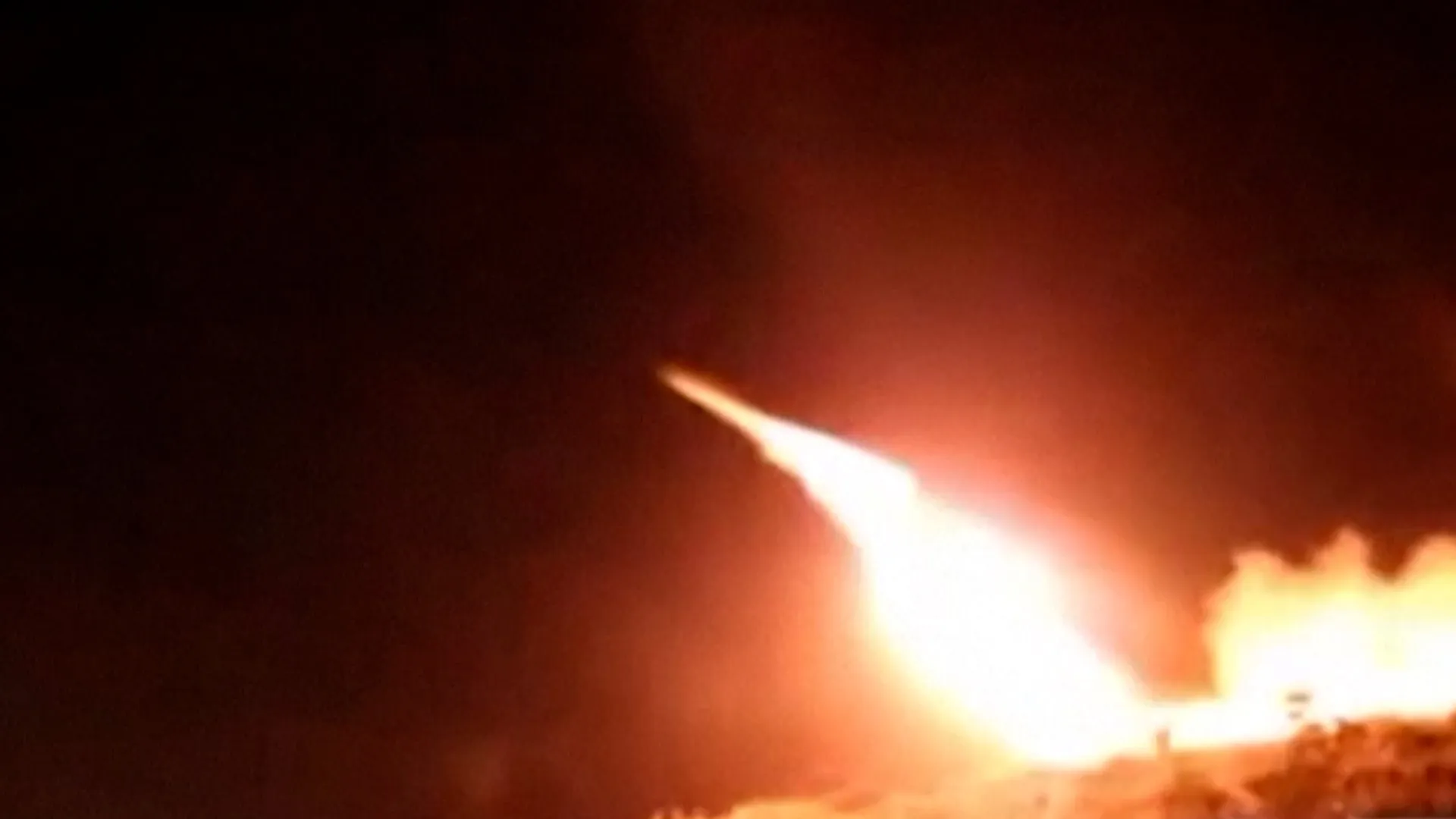
A recent exchange of military strikes between the United States and Iran has raised concerns after American forces targeted Larak Island and Iran retaliated against bases in Jordan.
The geopolitical situation in the Middle East has entered a precarious new phase following a significant exchange of fire between United States military assets and Iranian-backed forces. After a month-long period of relative operational silence in terms of direct offensive strikes, the United States conducted targeted military operations against infrastructure located on Larak Island. This strategic move was framed e escalation in the ongoing shadow conflict between the two nations.
The strikes on Larak Island, a key geographic point in the Strait of Hormuz, serve as a clear signal of the United States' willingness to project power despite the risks of wider regional entanglement. onstrated a capability to disrupt Iranian logistics and command structures, even after weeks of de-escalation efforts. This action has predictably triggered a swift and aggressive reaction from Tehran, further complicating the diplomatic landscape.
In a direct response to the American offensive, Iranian forces launched a series of missile strikes aimed at military installations in Jordan that currently host United States personnel. This maneuver represents a significant shift in Iranian strategy, as it attempts to project force into a country that has historically maintained a delicate balance in regional security affairs. The decision to target assets within Jordanian borders suggests that Tehran is willing to expand the physical theater of conflict beyond the immediate coastal regions of the Persian Gulf.
Despite the severity of the Iranian response, U.S. officials have reported that all incoming projectiles were successfully intercepted and neutralized before reaching their intended targets. The defense of these Jordanian bases highlights the effectiveness of current integrated air defense systems deployed cture damage were reported, the mere act of targeting a sovereign nation hosting U.S. troops carries heavy political implications for the stability of the Levant.
Jordan has long served as a vital strategic partner for the United States, playing an essential role in counter-terrorism operations and regional intelligence sharing. The recent attempt s an attempt to pressure the Jordanian government into reconsidering its military cooperation with Western powers. nal actors to continue hosting a foreign military presence under the threat of direct retaliation.
Furthermore, the incident underscores the difficulty of maintaining a stable security environment when regional proxies and state actors engage in tit-for-tat military escalations. The United States remains committed to protecting its personnel and maintaining its operational footprint in the region, yet each exchange increases the likelihood of accidental miscalculation. Diplomatic channels are currently being scrutinized to determine if there is any pathway to prevent further rounds of retaliatory strikes that could lead to a broader regional conflagration.
As the dust settles from these recent exchanges, the international community is closely monitoring the potential for further violence. The intersection of maritime security around Larak Island and the protection of inland bases in Jordan creates a complex security challenge for the U.S. Department of Defense. Military planners are now tasked with balancing the necessity of deterrence against the need to prevent a full-scale regional war that neither side may be prepared to sustain.
Looking ahead, the stability of the Middle East will likely depend on the ability of regional powers to manage these tensions through back-channel communications or third-party mediation. However, with both Washington and Tehran showing little inclination to back down, the current climate remains highly volatile. Observers are particularly concerned that the targeting of Jordan may signify a new doctrine of Iranian retaliation that disregards previous norms of engagement, potentially leading to a more unpredictable and dangerous security environment for all countries involved in the region.