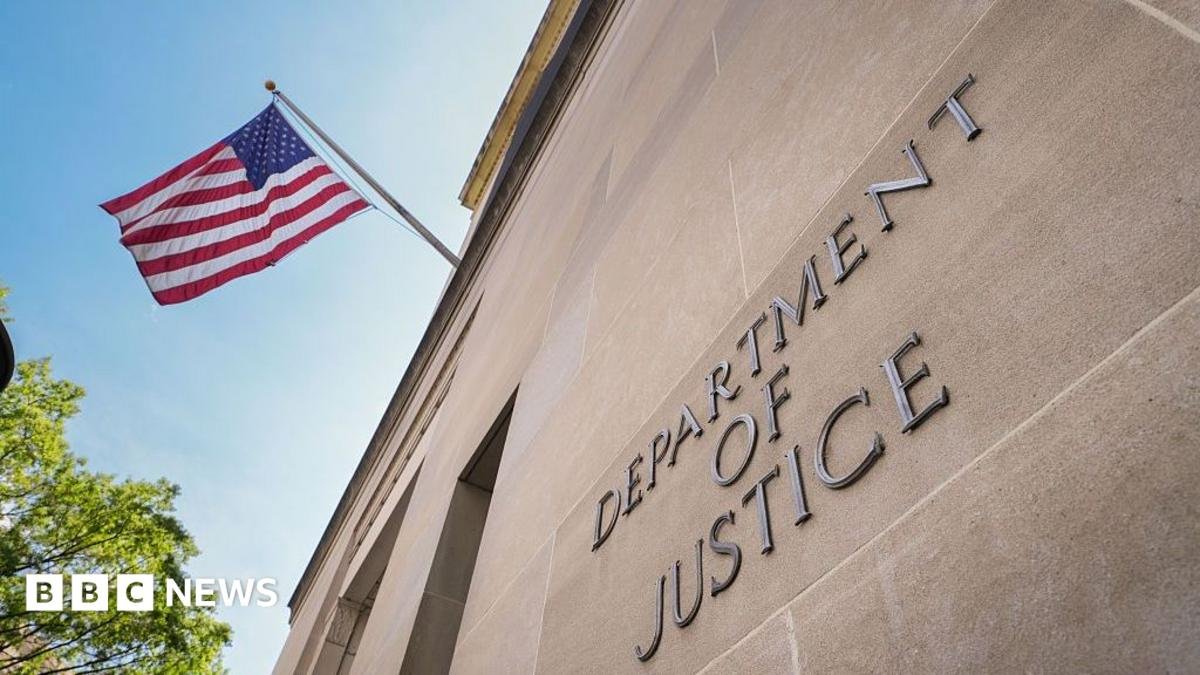
Justice Department attorneys have warned that the Kennedy Center could face demolition if court-ordered blocks on renovations and naming rights continue.
The future of the John F. Kennedy Center for the Performing Arts has become the subject of a contentious legal battle between the current administration and federal oversight authorities. Recent court filings reveal that Justice Department attorneys have issued a stark warning: if the planned renovations for the iconic Washington, D.C. venue are blocked This threat marks a significant escalation in the ongoing struggle to define the site's identity and physical state.
At the center of this dispute is the administration's push to proceed with a comprehensive two-year closure of the venue to facilitate major structural upgrades. The government’s legal team argues that these renovations are not merely cosmetic but are essential to preventing the building from falling into a state of irreparable decline. According to the filings, the facility is currently viewed urgent intervention to avoid being forced to raze the site for safety reasons.
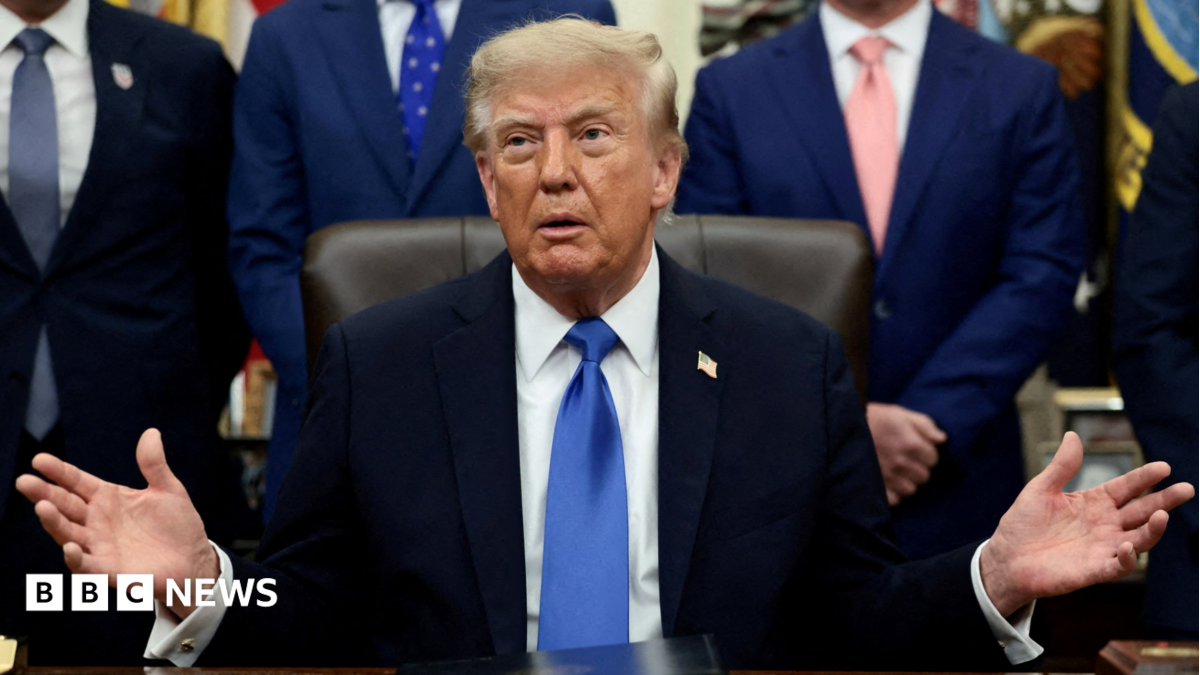
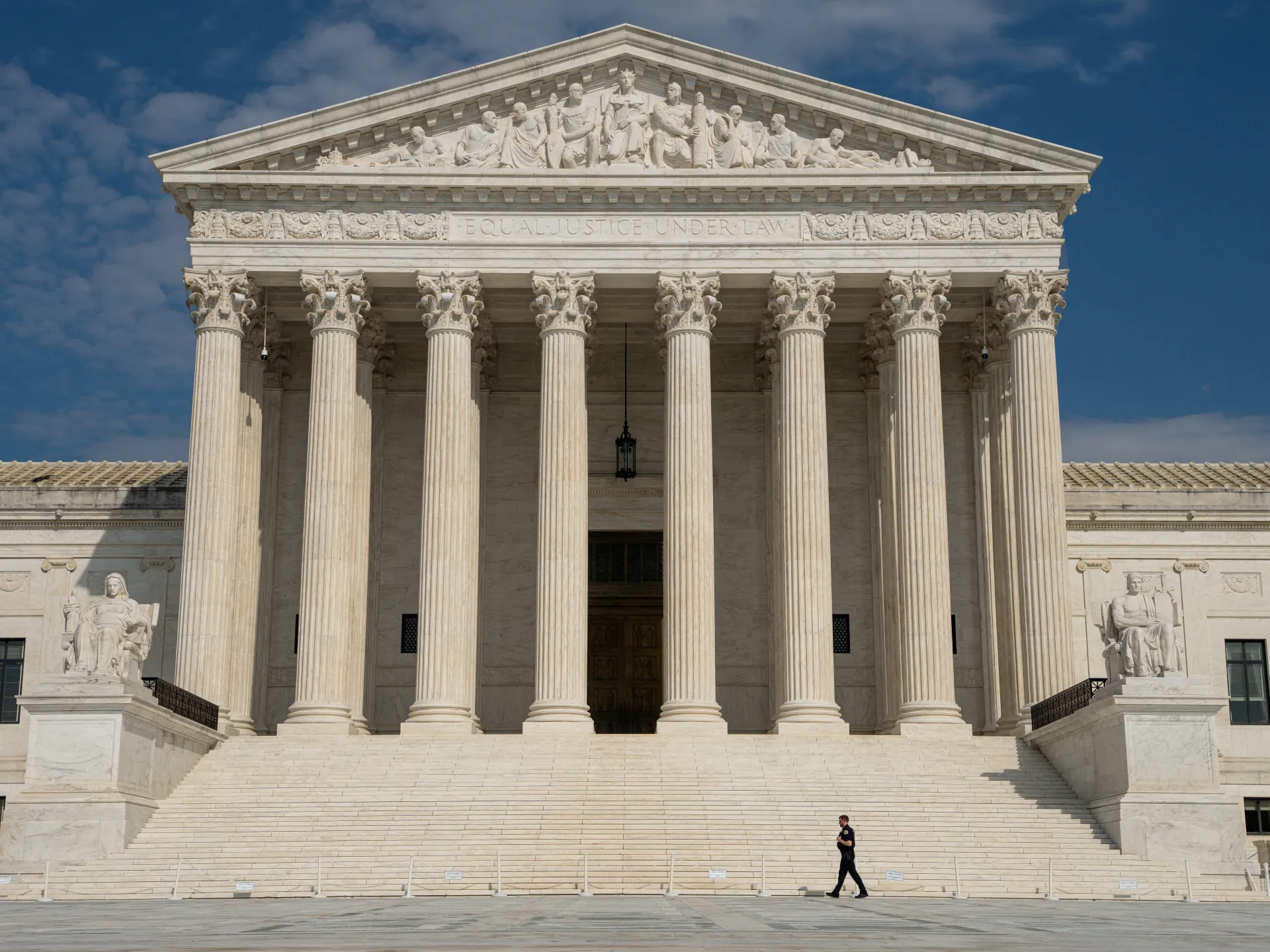
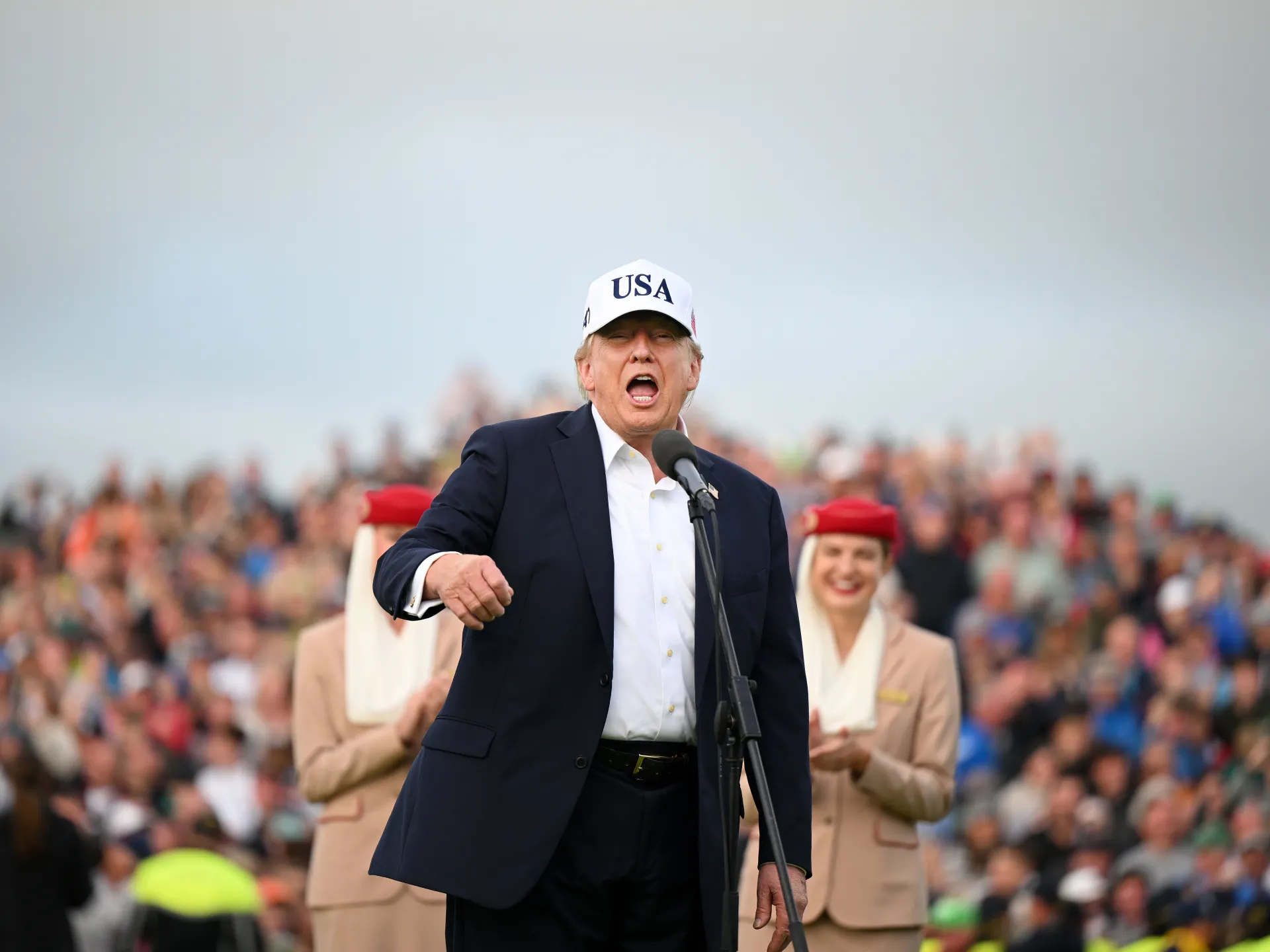
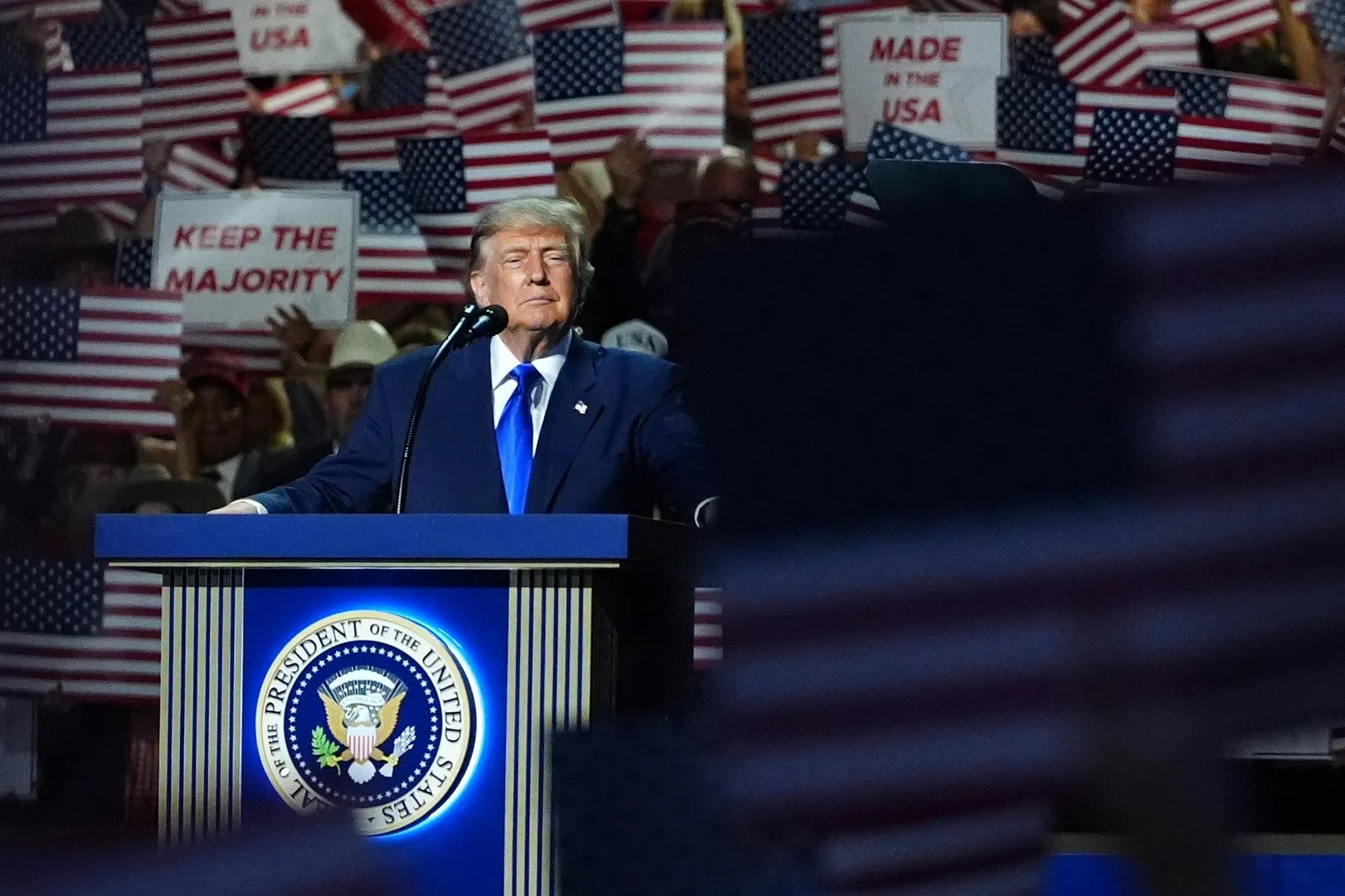
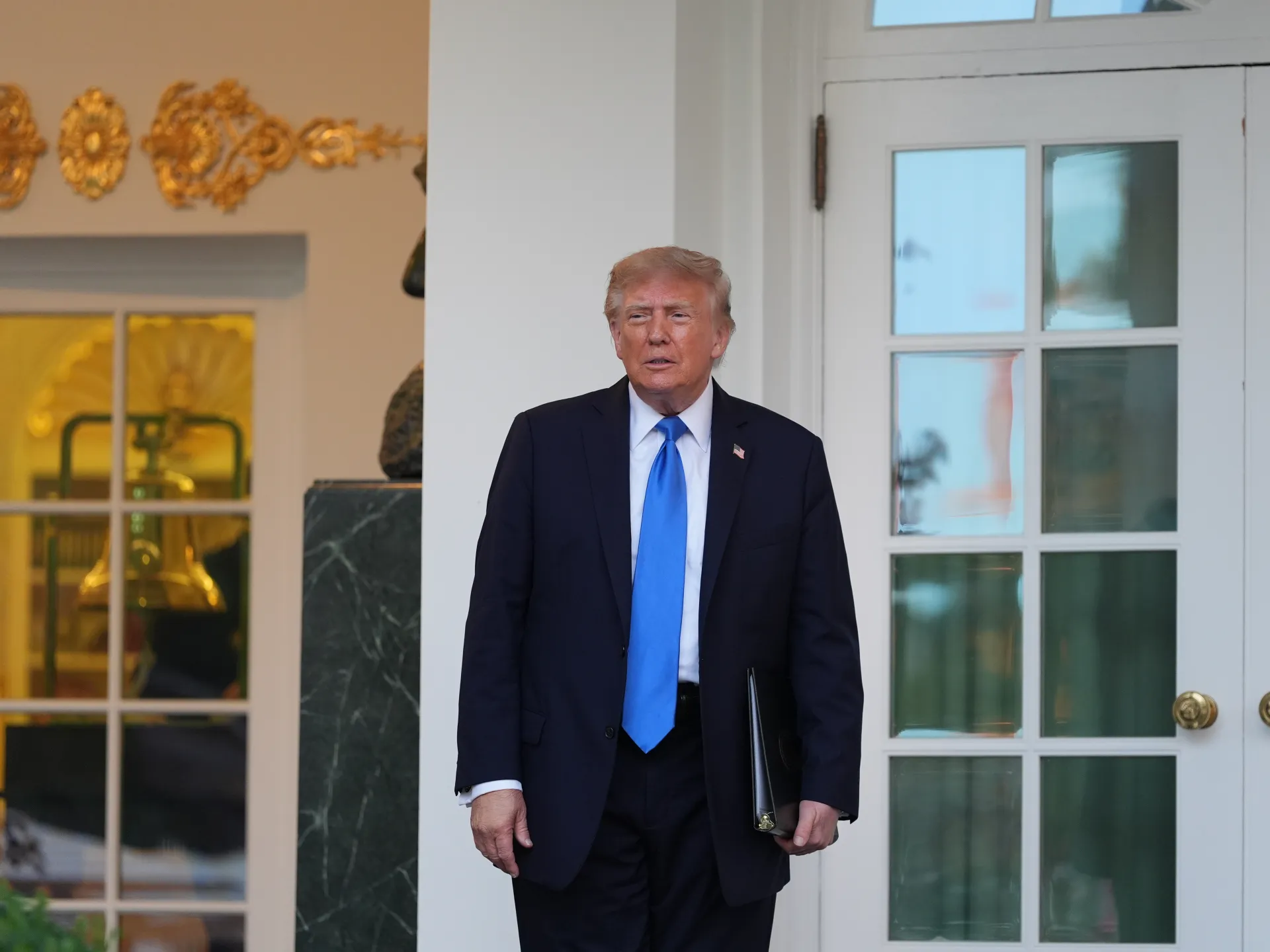
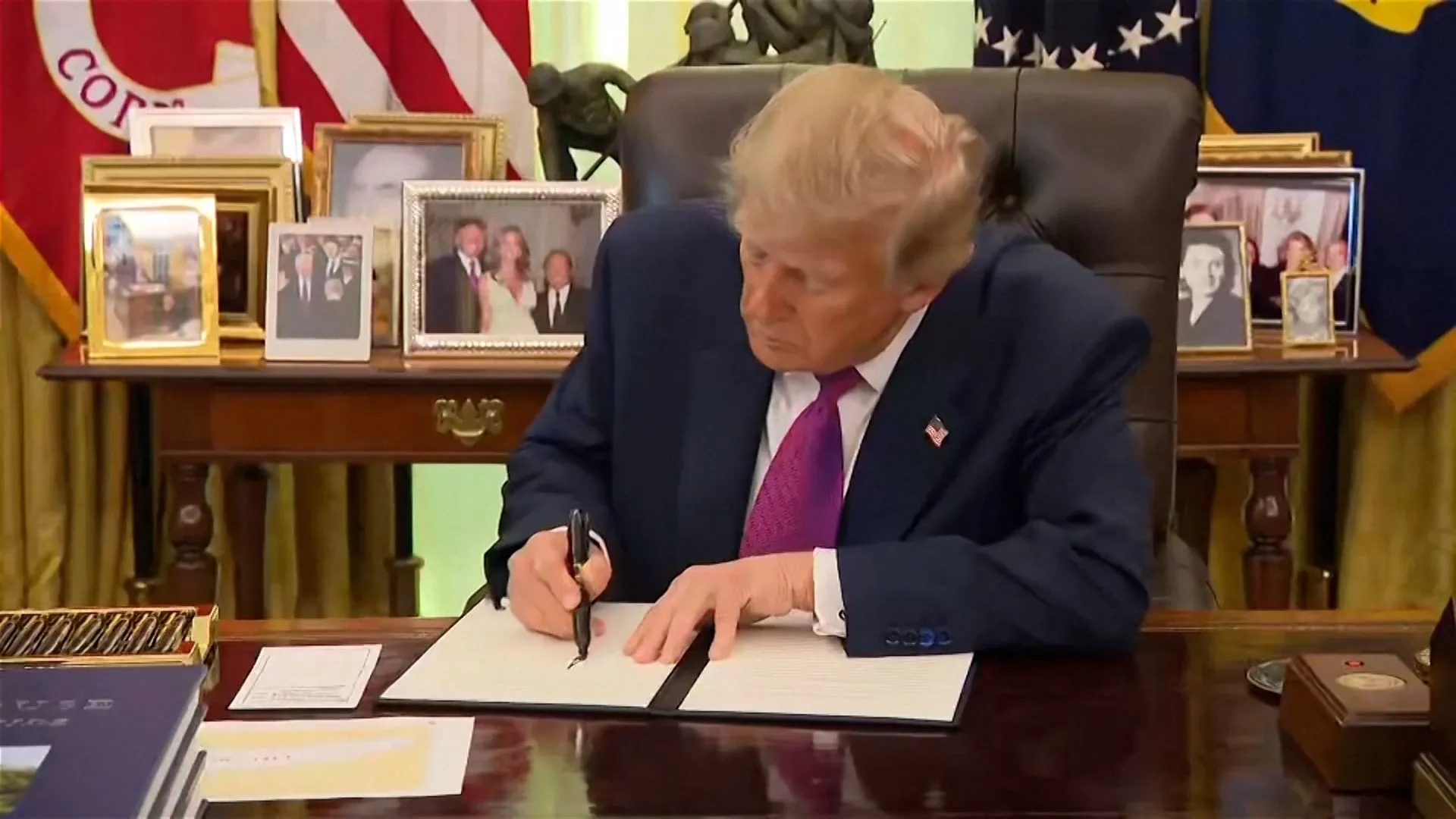
Beyond the structural arguments, the conflict is deeply rooted in the issue of naming rights. In a previous ruling earlier this year, a federal judge determined that the addition of President Trump’s name to the institution had been carried out unlawfully. The court noted that because the Kennedy Center serves as a designated memorial to President John F. Kennedy, any change to its identity requires explicit authorization from Congress. Consequently, the signage was removed in June, a move that the administration is now actively fighting to reverse.
Justice Department lawyers have contended that an order preventing the Board from recognizing the current president is detrimental to the institution's fiscal health. They argue that the inability to honor the president discourages potential donors and threatens the influx of financial contributions necessary to sustain the facility. tion is attempting to force a reversal of the court's earlier decision regarding the facade.
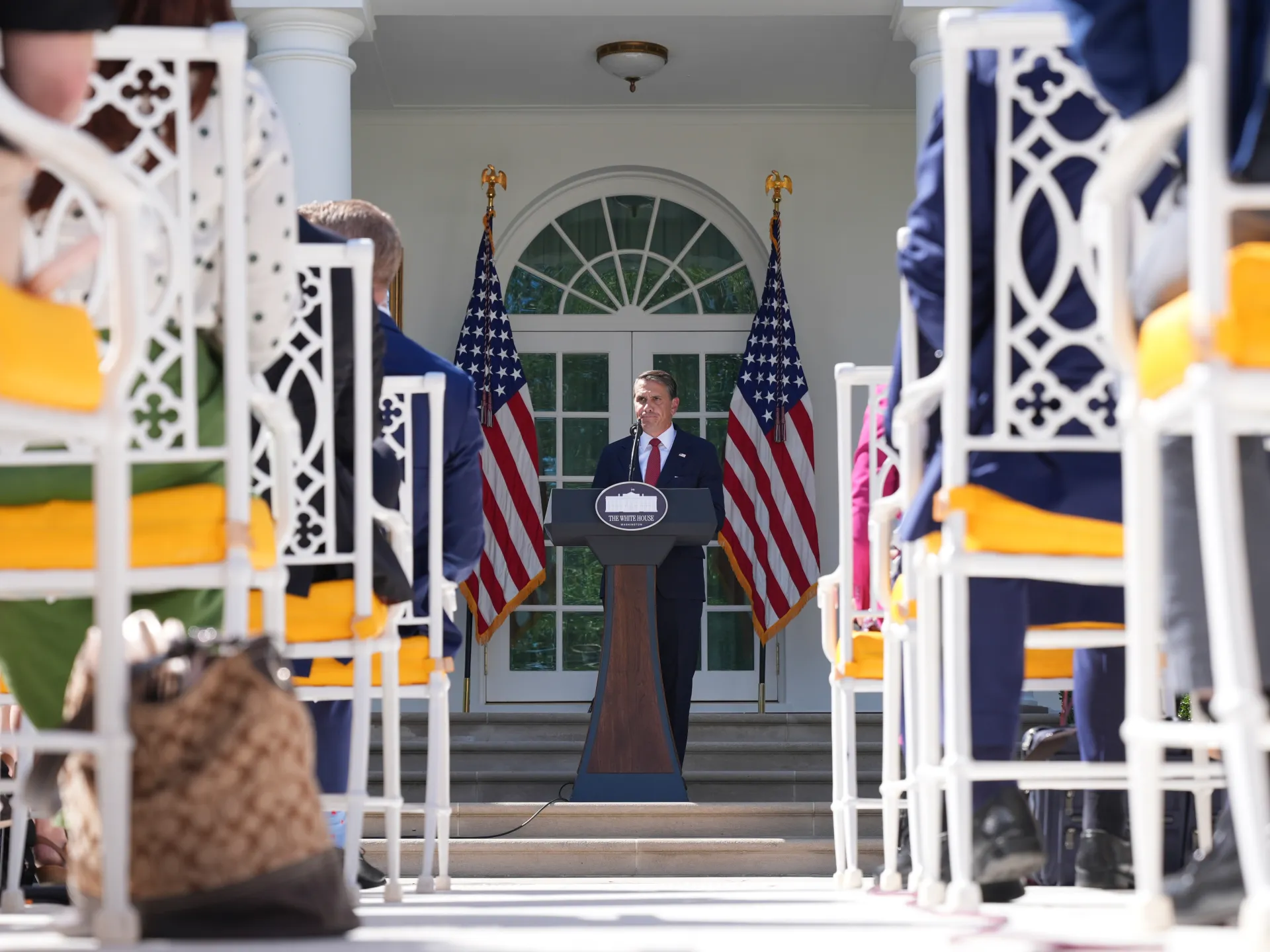
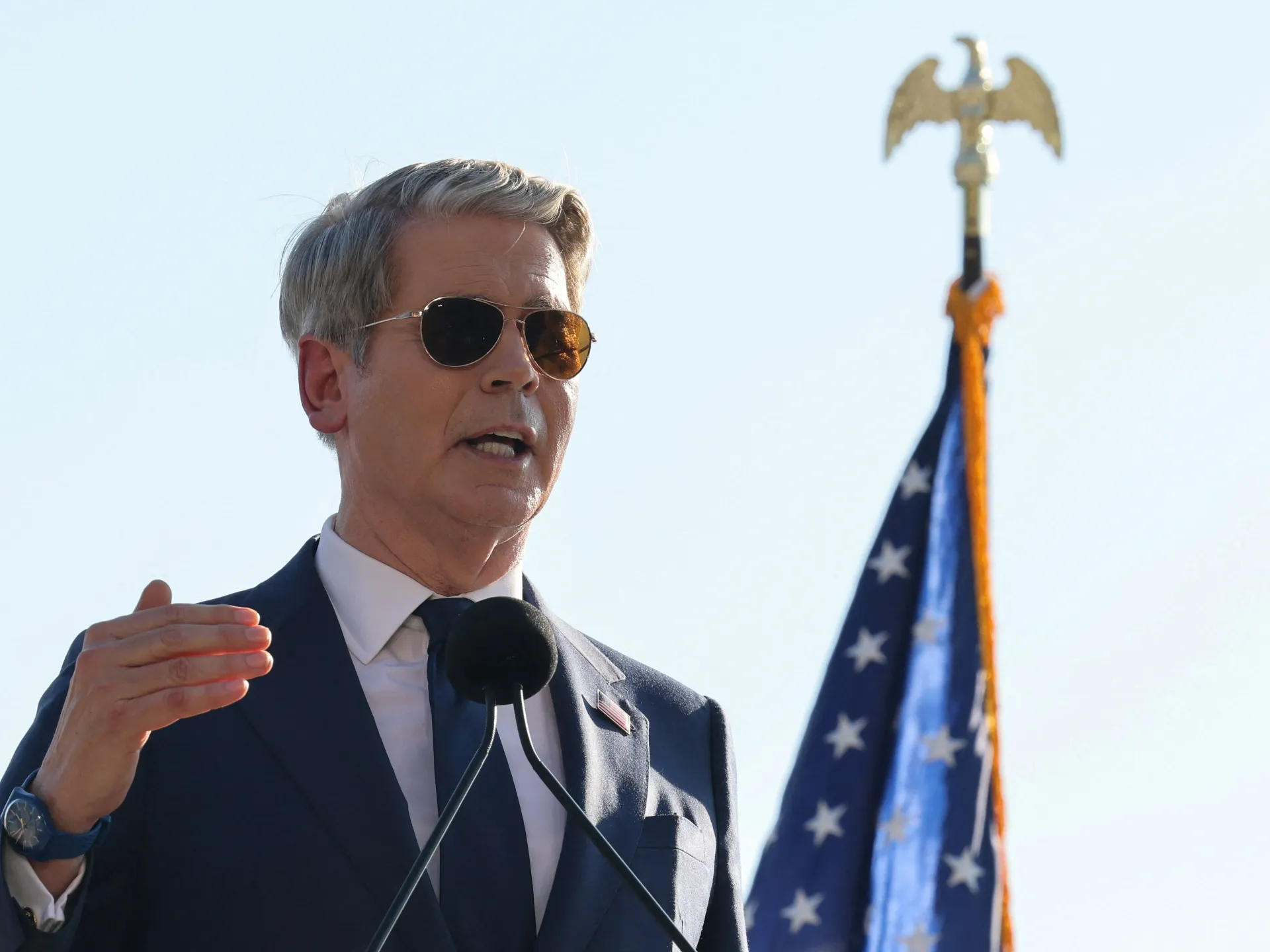
Should the legal path for the proposed renovations remain blocked, the administration has outlined a potential alternative for the prime real estate along the Potomac River. Attorney Brantley Mayers, representing the government, indicated that the site would be evaluated for new development if the existing structure is deemed a total loss. This includes the possibility of constructing a large-scale outdoor amphitheater, which would represent a radical departure from the current indoor performance mission of the Kennedy Center.
The board overseeing the center, which currently includes several allies appointed ar closure and the reinstatement of the presidential name. This alignment between the board’s vision and the administration's goals highlights the political weight placed on the institution. As the legal proceedings continue, the fate of one of Washington's most prominent cultural landmarks remains uncertain, leaving the arts community and city officials waiting for a final resolution from the courts.
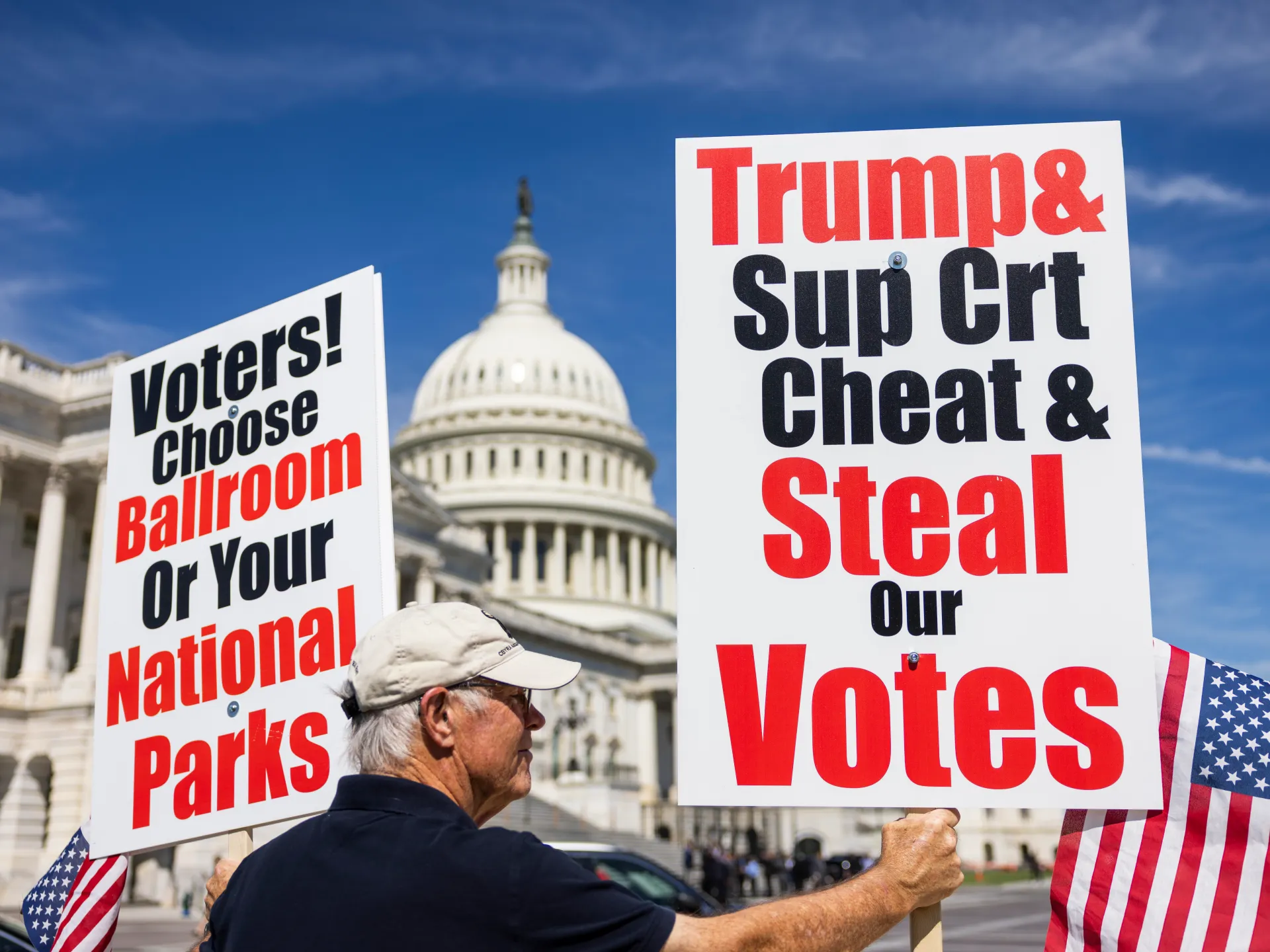
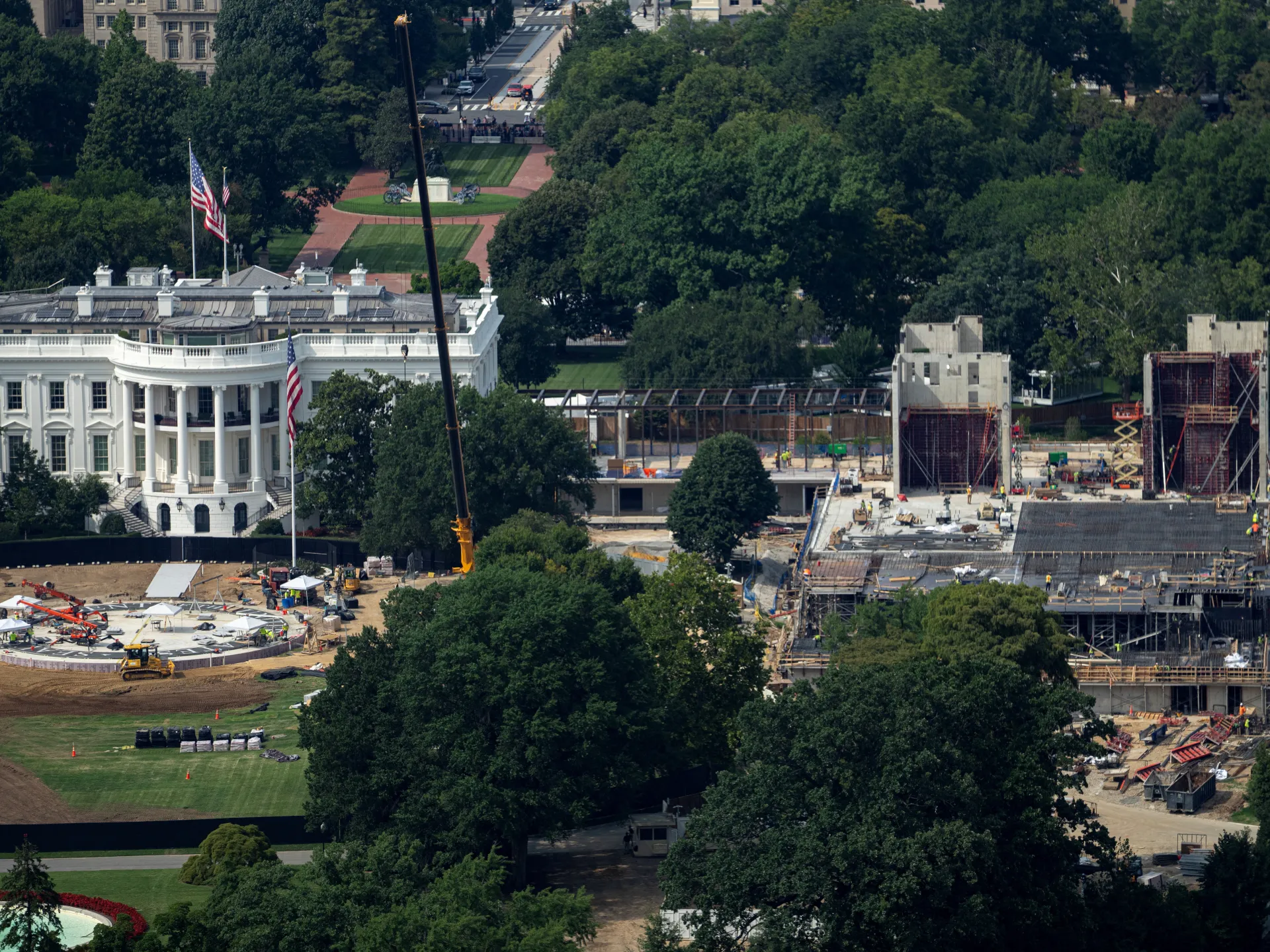
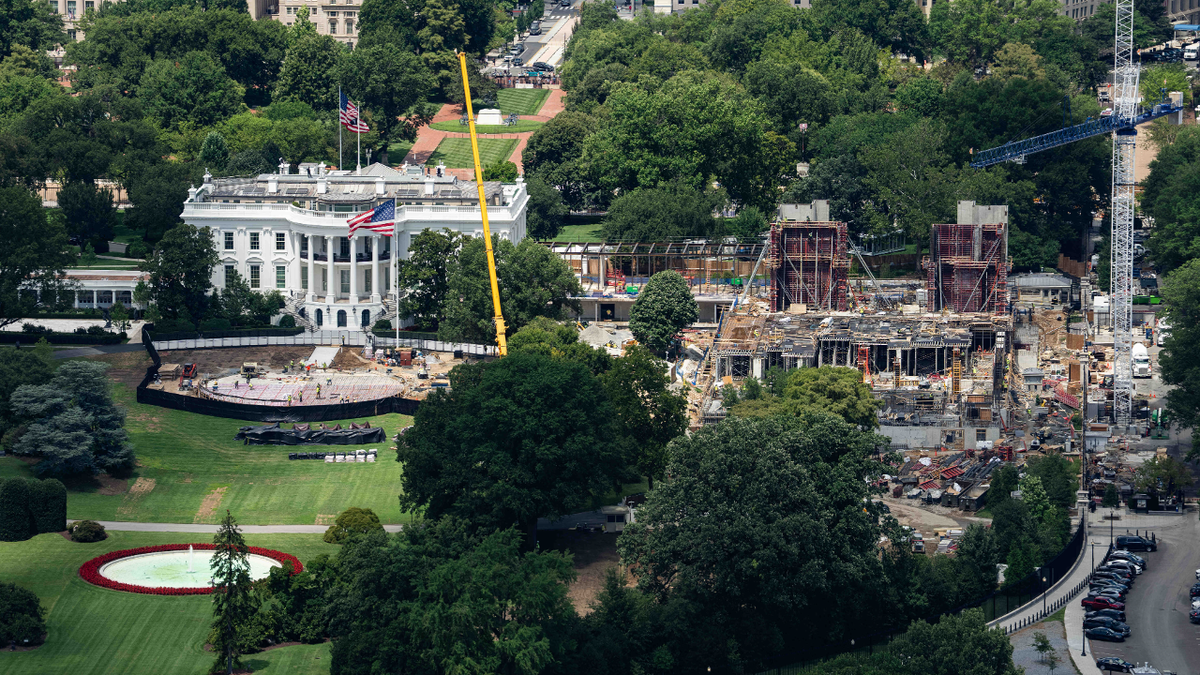
This dispute is part of a broader pattern of architectural and institutional modifications initiated National Mall, such as the renovation of the reflecting pool, and the proposal for a massive 250-foot victory arch. Additionally, the administration has moved to alter other federal landmarks, such as the demolition of the White House East Wing to make room for a new ballroom and the addition of presidential branding to the United States Institute of Peace.