

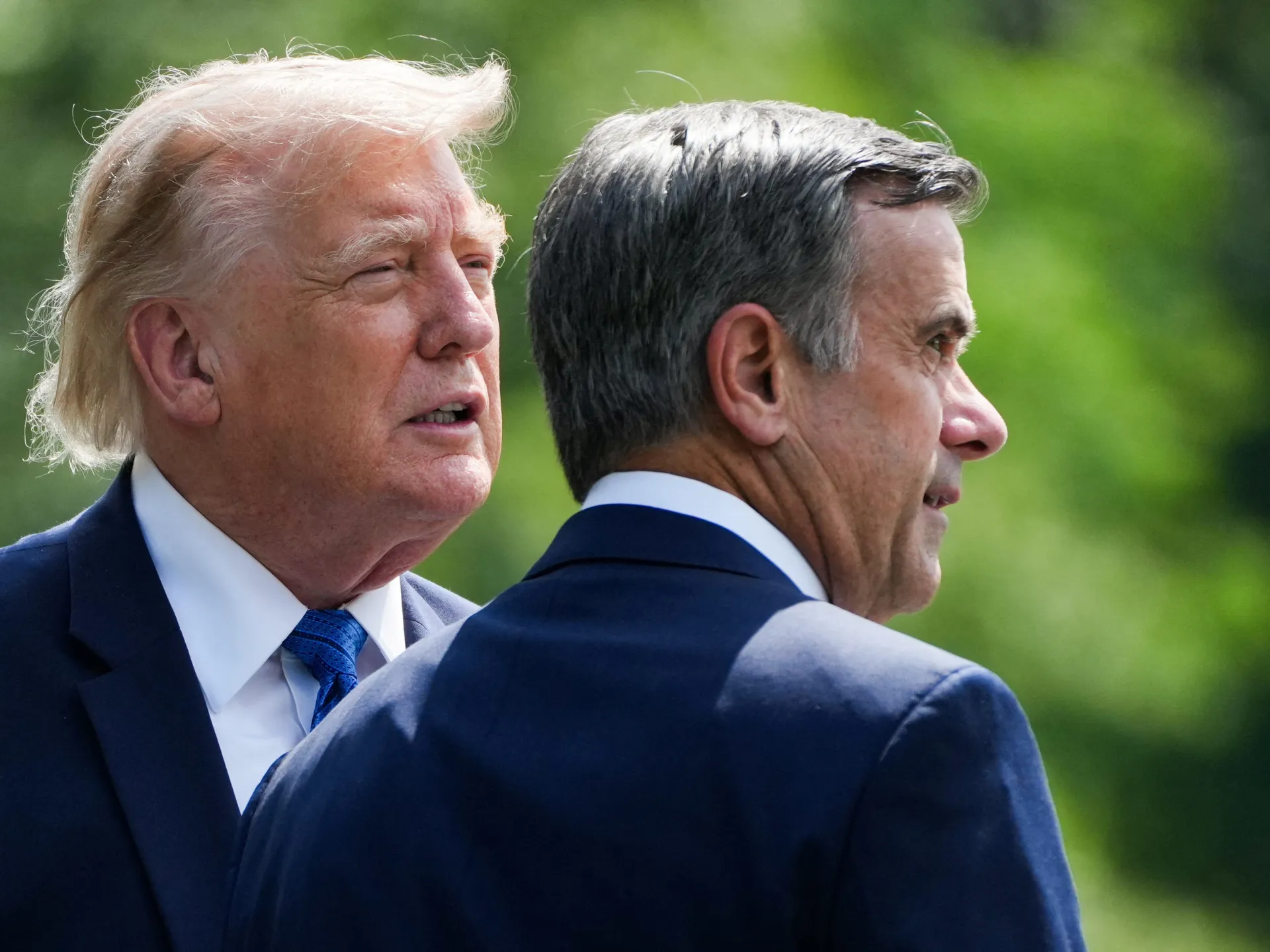
Despite reports of CIA Director John Ratcliffe visiting Moscow, the Kremlin has denied that any formal diplomatic talks are scheduled between the two nations.
Recent reports have placed CIA Director John Ratcliffe in Moscow, sparking widespread speculation regarding the nature of high-level diplomatic channels between the United States and Russia. While American media outlets, including CBS News and Axios, have indicated that the intelligence chief arrived in the Russian capital earlier this week, the Kremlin has maintained a stance of official denial. Spokesperson Dmitry Peskov explicitly informed the press that no negotiations or formal talks between Russian officials and American envoys are currently on the agenda for the week.
The uncertainty is further complicated sport aircraft. According to information retrieved from Flightradar24, a C-17 aircraft traveled from Riga, Latvia, to Moscow on Tuesday morning. Despite the public availability of this data, Peskov stated that he had no information regarding the landing of such a military vessel, deepening the disconnect between public flight records and official government statements.
If the visit rent geopolitical climate, marking the first such trip eriod of heightened activity regarding prisoner exchanges, a domain in which Ratcliffe has reportedly played a central role since the start of the current administration. These exchanges, including the release of high-profile detainees, have been one of the few areas of successful diplomatic engagement between the two nations.
Beyond the logistical details of the flight, the visit coincides with stalled peace efforts regarding the ongoing conflict in Ukraine. The persistence of the war remains a primary point of contention in international relations, and any high-level communication between Washington and Moscow is often viewed through the lens of potential de-escalation. However, the lack of transparency surrounding the meetings suggests that if discussions are occurring, they are likely focused on specific, narrow objectives rather than broad peace agreements.
Reports from various media sources suggest that the United States took the step of informing Ukrainian officials about the delegation's travel to Moscow in advance. This communication reportedly included a request for a temporary pause in military strikes in the vicinity to ensure the safety of the delegation while it was on the ground. Such coordination highlights the delicate balancing act Washington must perform when managing its support for Ukraine while simultaneously maintaining back-channel communications with the Kremlin.
Furthermore, the broader regional context involves the ongoing influence of Iran, a key ally of Moscow. As Washington continues to navigate its relationship with Tehran, the intersection of Iranian policy and Russian military strategy remains a critical concern for US intelligence. The presence of a senior American official in Moscow suggests that the scope of these discussions likely extends beyond bilateral US-Russia issues to include the complex web of proxy conflicts and regional rivalries that currently define global security.
The denial of formal talks al intelligence-led discussions. In the realm of international espionage and diplomacy, "official" denials are often utilized to protect the integrity of sensitive negotiations or to prevent domestic political backlash in both countries. Given the history of CIA involvement in managing high-stakes prisoner releases, it is plausible that the visit, if it occurred, was intended to resolve specific operational issues rather than to initiate a new diplomatic rapprochement.
As the situation develops, observers will remain focused on any tangible outcomes resulting from this reported visit. Whether it leads to further humanitarian releases or provides a rare opening for dialogue on regional security, the trip highlights the enduring necessity of communication lines between the world's two largest nuclear powers. For now, both Washington and Moscow appear committed to keeping the details of these interactions largely out of the public eye.