
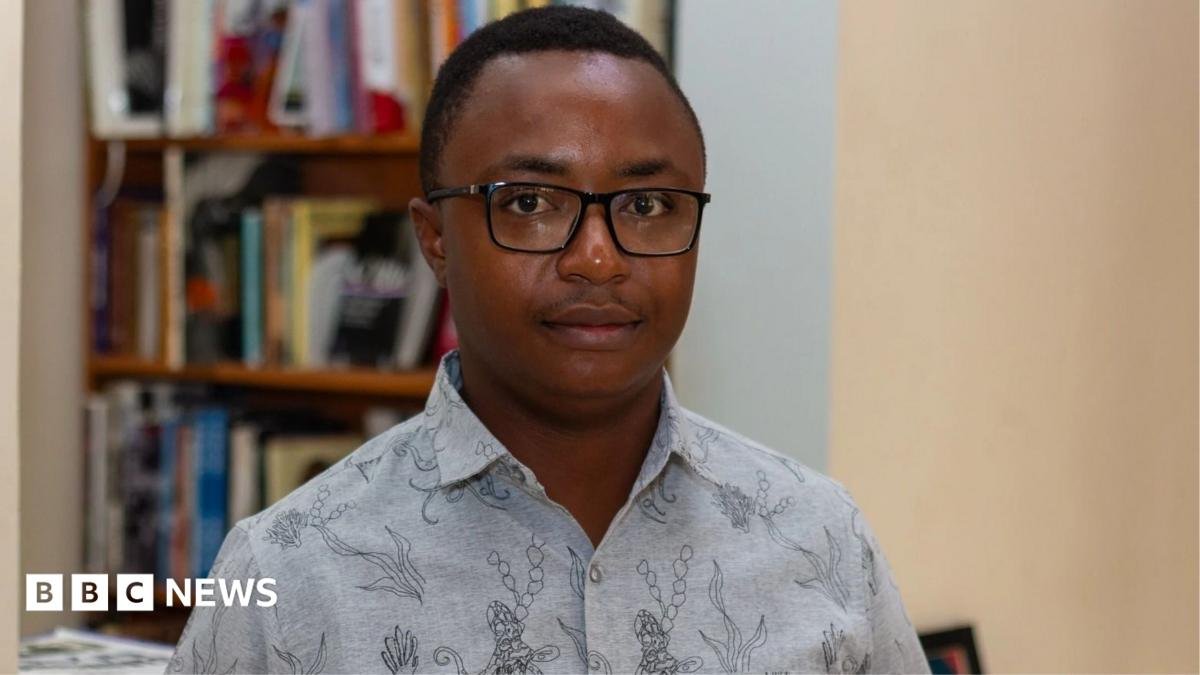
A Zimbabwean author fights claims that he used AI to write his prize-winning story. This sparks a larger debate about bias in detection tools.
Why this matters
Technology tools now challenge how the world defines human creativity. Software designed to detect AI writing creates deep fear in the arts. These tools often flag original work as fake without human proof.
Also, this situation highlights a growing divide in the publishing industry. Many writers feel that AI detection software targets specific groups unfairly. Critics argue these programs focus too much on non-white authors.
Meanwhile, the debate raises questions about fairness and digital oversight. People worry that biased algorithms could destroy careers without a fair trial. The Caine Prize now faces pressure to defend its selection process.
Finally, these accusations create a toxic environment for new authors. Writers fear that a simple software error might ruin their reputation. The literary community must find better ways to verify original content.
The Dispute Over Authorship
Simbarashe Kundizeza recently won the prestigious Caine Prize for African Writing. He received a cash prize of £10,000 for his story, The Blue Fighter. Soon after, an article in The Atlantic claimed his work was written by AI.
However, the author strongly denies these serious claims. He insists on his social media account that he wrote the story alone. He says his work reflects his own life and creative effort.
Next, the Caine Prize board expressed shock over how the story was handled. They believe the magazine should have investigated more thoroughly. They argue that the magazine tainted the prize and the author unfairly.
After that, other writers spoke out to support Kundizeza. Many African publishers argue that these tests show clear bias against Black authors. They question why software created by Silicon Valley should be the final judge.
Broader Patterns in Literature
Several other authors faced similar accusations throughout the year. For instance, the Commonwealth Short Story Prize faced heat over alleged AI use. Another author withdrew from a French award after facing similar claims.
Still, critics of the detection software argue that it is flawed. They point out that the software itself relies on AI to function. They ask how an AI can accurately judge if a human wrote a text.
Then, the Caine Prize chair decided to start an internal review. Kundizeza will submit his early drafts to prove he wrote the story. This process aims to clear his name and confirm his authorship.
How we got here
- Early 2026: Various literary awards face public pressure regarding the use of AI tools.
- October 2026: Simbarashe Kundizeza wins the Caine Prize for African Writing.
- One week later: The Atlantic publishes an article citing AI-detection software that flags the winning story.
- October 14, 2026: Kundizeza denies the claims on social media while the Caine Prize board announces a formal investigation.
What happens next
Now, the Caine Prize board must review the author's draft history. They plan to look at his writing process to verify his work. This evidence will determine if the committee keeps his award.
Next, the publishing world will likely debate new rules for submissions. Publishers need a way to verify work without relying solely on software. Expect more focus on human-led investigations for future prize winners.
Finally, the creators of detection software face calls for better transparency. Experts will likely pressure these companies to explain their error rates. The industry needs a clearer standard to prevent future false accusations.