
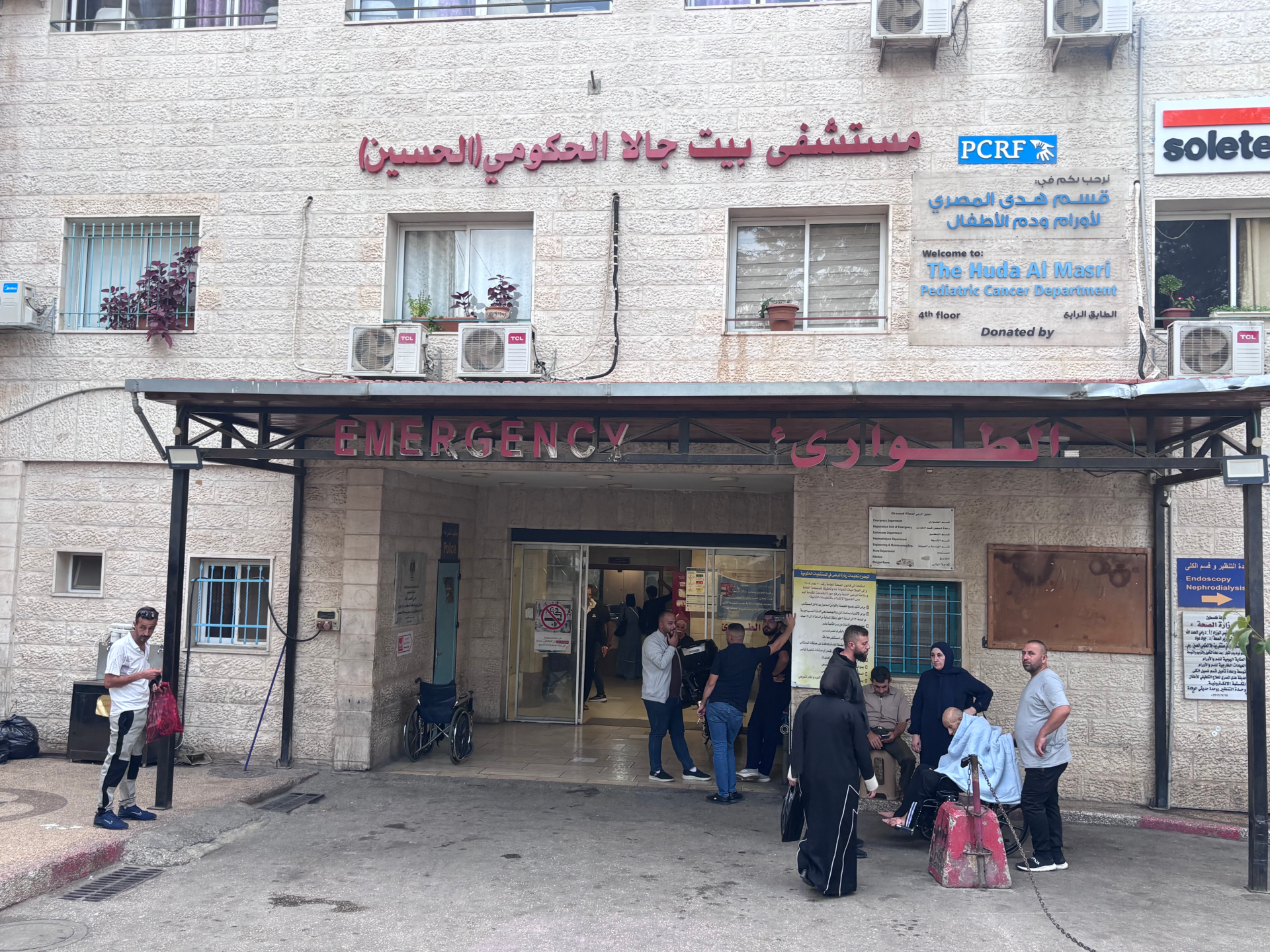
Financial blocks from Israel are causing the West Bank healthcare system to fail, leaving doctors and patients in a difficult situation.
Khaldoun Atwan manages the oncology ward at Beit Jala Government Hospital. He faces daily struggles to reach his workplace. The ongoing situation creates massive barriers for medical staff.
The Nabi Yunis checkpoint in Halhul remains shut most of the time. Atwan often leaves his car behind to navigate the commute. He relies on taxis to finish his journey from Hebron.
Meanwhile, the broader healthcare system in the West Bank suffers greatly. Israel continues to block vital tax funds meant for the Palestinian Authority. This financial freeze impacts the entire region.
Next, hospitals now face severe shortages of essential medicine and supplies. Doctors cannot provide basic care to many sick patients. The lack of funding stops many necessary medical procedures.
Also, the political tension directly hurts vulnerable people needing cancer treatments. Patients struggle to access the care they require to survive. Many families worry about the future of their local clinics.
However, the financial crisis deepens as the blockade persists. Hospitals operate with limited electricity and equipment. Staff members work under extreme stress every single day.
As a result, the quality of health services continues to drop. Medical professionals like Atwan try their best to serve the public. They face impossible choices while resources remain trapped by these policies.
Finally, the future of healthcare in the West Bank looks grim. Without a change in funding, the system might collapse entirely. Patients and doctors wait for a resolution to this conflict.