
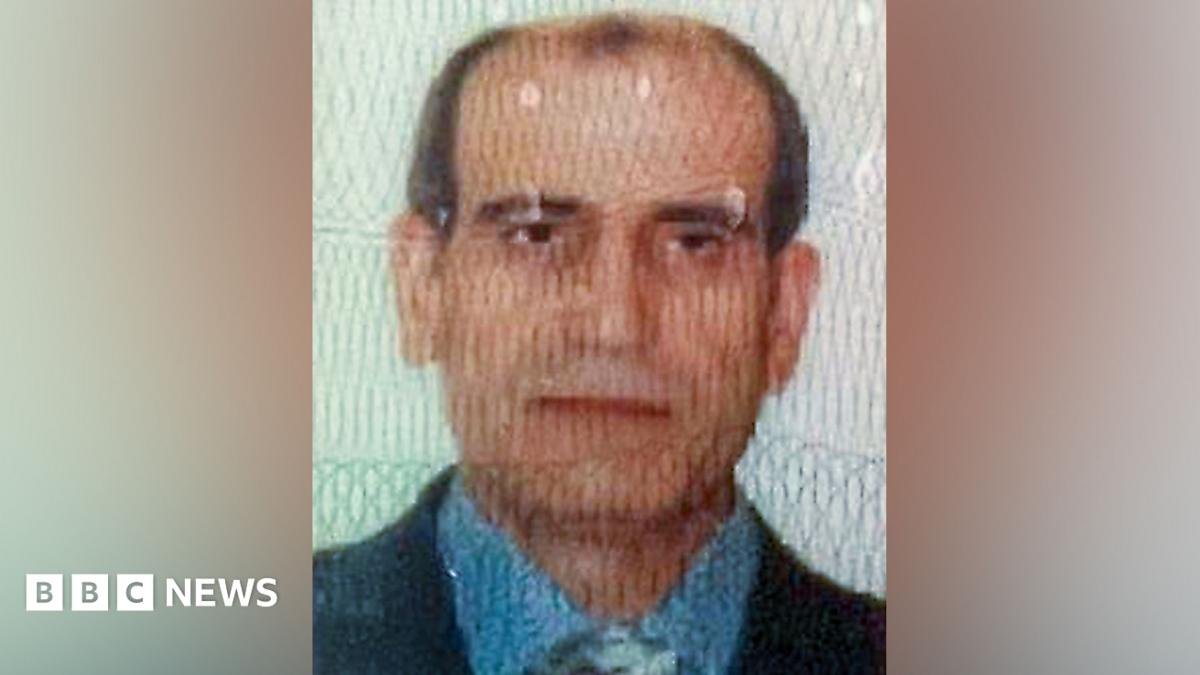
A former Syrian general receives US protection in Lebanon. Officials hope his intelligence will solve the 2012 kidnapping of journalist Austin Tice.
A former Syrian general receives protection and money from US officials. Bassam al-Hassan helped manage Syria's chemical weapons. He also advised former President Bashar al-Assad.
Now, he lives in Lebanon under a secret arrangement. The FBI and other agencies support his stay. They want details about missing journalist Austin Tice.
Tice vanished in Syria in 2012. Records show Hassan helped plan the kidnapping. Officials confirm Hassan receives funds through an intermediary.
Why this matters
This case shows a clash between justice and national security. The US government wants answers about a missing citizen. However, this strategy creates a moral crisis.
Also, the US protects a man linked to war crimes. Critics call this action offensive. It suggests the government values intelligence over human rights.
Furthermore, the Syrian government wants Hassan returned for trial. They claim the US prevents this process. This interference weakens international law.
Finally, the Tice family feels betrayed by these deals. They want justice for their son. They argue that tax dollars should not fund a war criminal.
The Secret Protection Deal
The BBC and NPR uncovered this hidden agreement. They reviewed records of a meeting in Lebanon. US and Lebanese officials sat with Hassan during the talk.
Then, the agencies offered him residency and safety. They promised to pay for his living needs. In exchange, Hassan provides intelligence on the Tice case.
Meanwhile, the US government officially sanctions Hassan. This makes the arrangement very controversial. It contradicts public policies against known war criminals.
Also, the FBI refuses to discuss the specific deal. They only repeat past statements about the Tice case. They remain focused on bringing the journalist home.
The Broader Regional Context
Lebanon remains an unstable place for this arrangement. Israeli forces recently destroyed infrastructure in southern villages. Many residents lost their homes in the conflict.
After that, the situation for displaced people grows worse. They wonder if they can ever return home. Political chaos makes it hard to track such deals.
Next, the Syrian government continues to demand Hassan's return. They see his presence in Lebanon as an issue of sovereignty. They claim they have little power to stop it.
How we got here
- 2012: Austin Tice disappears while working as a journalist in Syria.
- 2024: The Assad regime collapses in Syria.
- 2024-2026: Bassam al-Hassan begins living in Lebanon with US protection.
- September 2026: Reports reveal US agencies pay Hassan for information on Tice.
What happens next
The US government faces intense pressure to explain this deal. Public anger may force officials to change their tactics. They must balance the search for Tice with public trust.
Also, the Syrian government might take legal action. They could push harder to retrieve Hassan from Lebanese authorities. This could cause new tension between nations.
Finally, investigators will keep digging into the Tice case. They need to verify if Hassan's information is true. The truth about his role will likely face more scrutiny.