

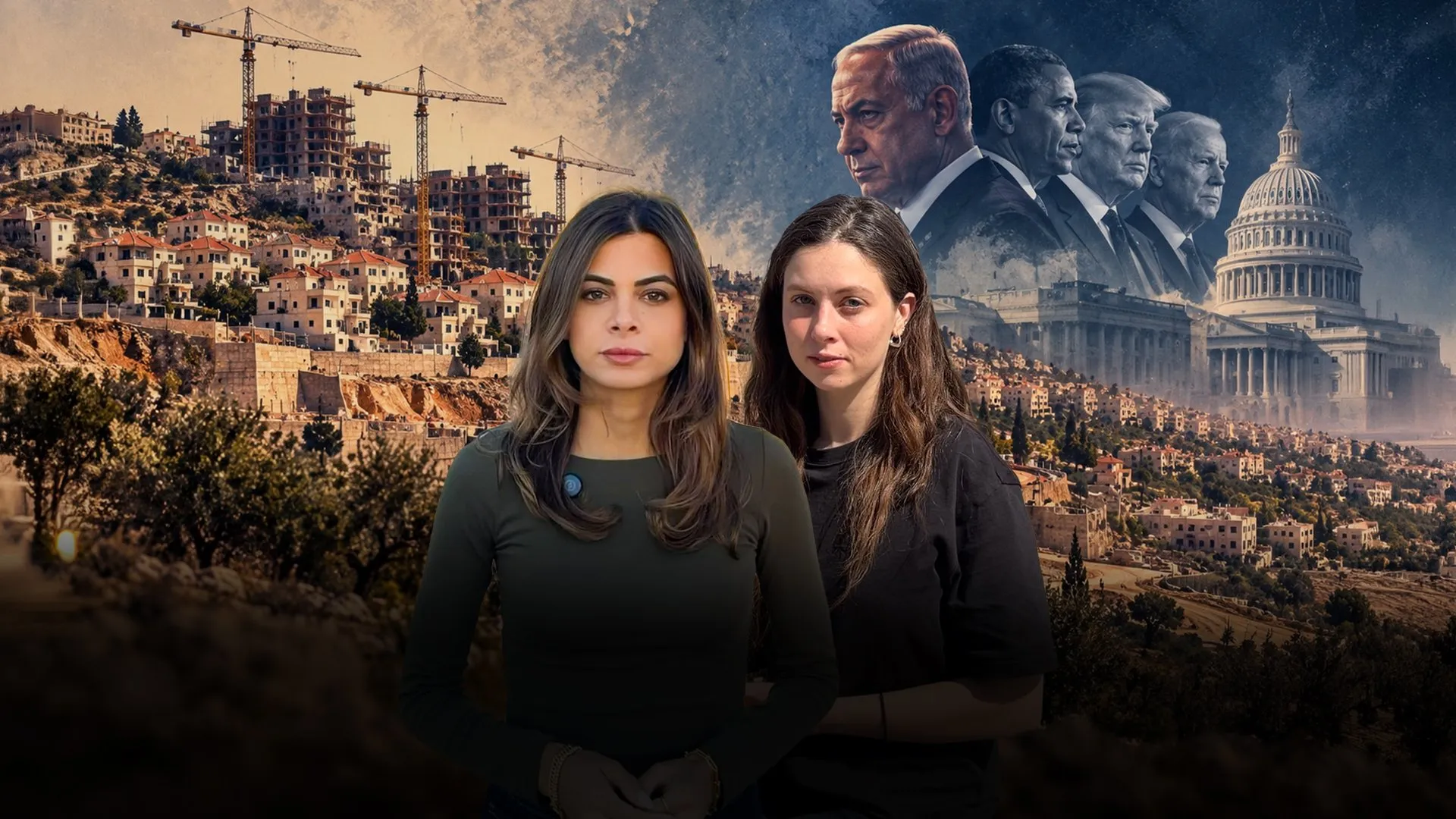
New political leaders take office in the United States and Israel, but policies regarding Palestinian land settlements remain largely unchanged.
Voters in the United States and Israel frequently choose new leaders. Presidents leave office and new ones arrive. Governments in Israel also shift over time.
However, many core policies remain the same. One major example involves the expansion of settlements. These projects occur on occupied Palestinian land.
Observers often wonder why this trend continues. They ask what keeps these policies in place. The expansion happens regardless of who holds power.
Experts Leila Warah and Noor Wazwaz discuss this topic. They explain the forces behind these consistent actions. Both nations maintain their long-term goals.
Meanwhile, the international community watches these developments closely. Critics argue that settlement growth harms peace efforts. They point to the ongoing loss of territory.
Also, the political systems in both countries face unique pressures. Domestic needs often drive foreign policy choices. These factors influence how leaders handle regional issues.
Next, the reporters look at the historical context. They analyze how past decisions shape current events. This helps explain the lack of significant change.
Finally, the report highlights the complexity of these relations. It shows how deep-seated interests guide government behavior. Leaders might change, but the path remains steady.
As a result, the situation for Palestinians stays difficult. The expansion of settlements creates new obstacles every year. This reality persists despite frequent election cycles.
Still, voters continue to participate in their democratic processes. They hope for different outcomes from their elected officials. The debate on these policies stays very active.