

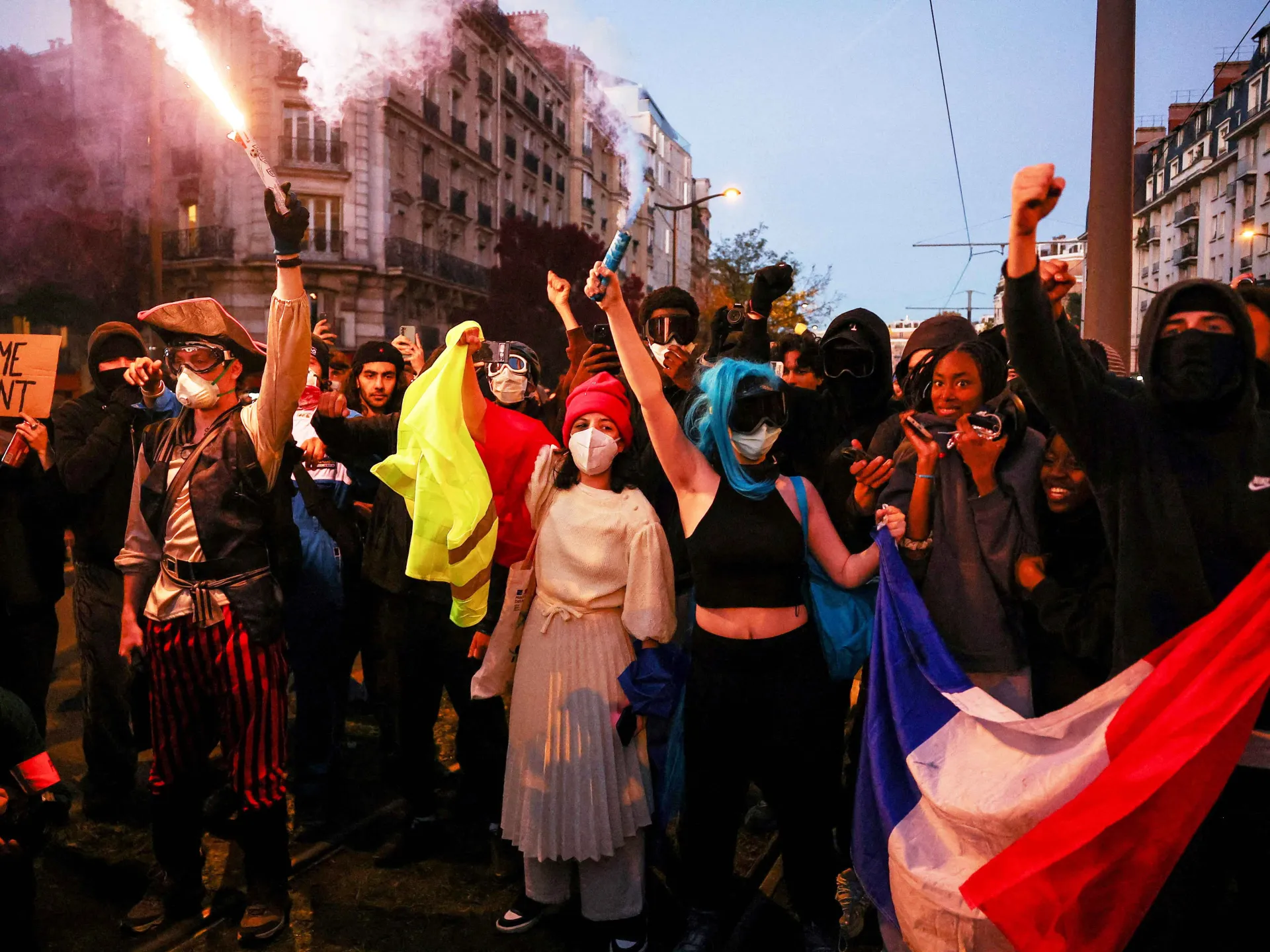
Recent international media reports claim France is in a state of chaos. This article explores the long history of social protest and unrest in the nation.
Recent media reports claim that France is currently burning. These headlines focus heavily on violent acts during student protests. They often ignore the peaceful goals of these movements.
Many people use the term violence to describe many different actions. This includes broken windows or burning cars. It also includes police hurting protesters during demonstrations.
However, these reports often group property damage with physical harm. They treat citizen revolts and state repression as the same thing. This view lacks important historical context.
Experts often distinguish between different types of violence. One form is the injustice that oppresses people daily. Another is the revolt that follows such unfair treatment.
Also, we must consider the violence of inequality and social humiliation. A society may look peaceful on the surface. Yet, it can remain inherently unfair to many citizens.
Next, we see that French history involves many such cycles. The 1789 storming of the Bastille was a major uprising. It was a reaction against an oppressive monarchy.
Then, the French Revolution saw many violent events. Peasants burned property deeds to end feudal control. These acts were responses to systemic abuse and deep social inequality.
Meanwhile, the 19th century brought more collective anger. Parisians established the Paris Commune in 1871. They fought against government forces during a period of intense conflict.
After that, labor movements used similar tactics. Miners and textile workers sometimes attacked machinery or managers. They felt desperate due to their poor working conditions.
Later, the 1968 student protests ignited wider labor strikes. Demonstrators used barricades and burned cars to demand change. These actions were common throughout the 20th century.
Still, recent movements like the Yellow Vests continued this trend. They targeted public buildings to show their frustration. Many protests also faced harsh police responses.
Finally, we must recognize that popular violence is not new in France. It often acts as a political language. It targets symbols of power that ignore the public's needs.