

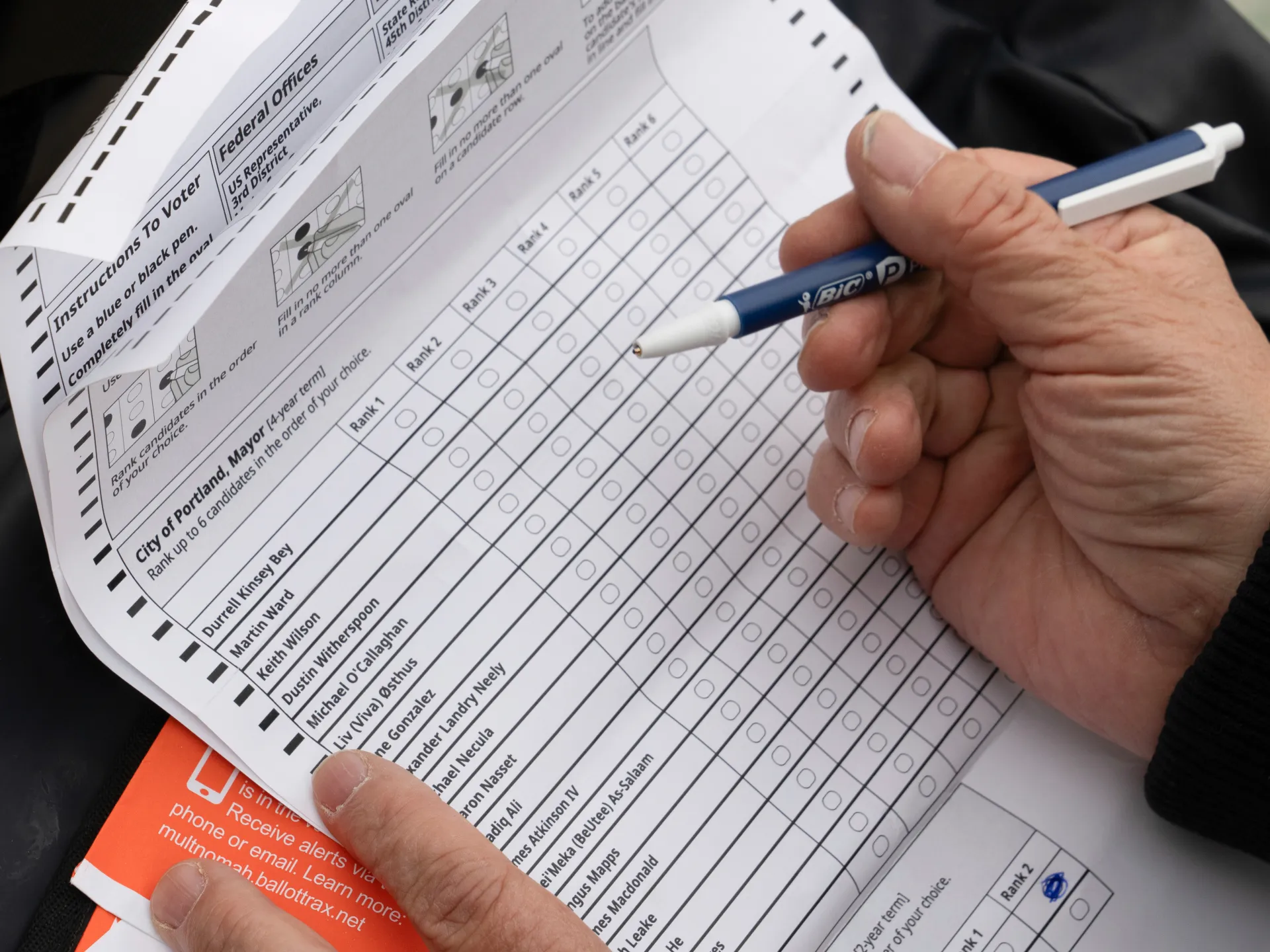
Ranked-choice voting lets voters rank candidates by preference. This system is currently used in Alaska, Maine, and several major U.S. cities.
Ranked-choice voting is gaining attention in the United States. This system allows voters to rank candidates by preference. It differs from traditional methods where voters pick only one person.
Currently, only Alaska and Maine use this system statewide. Some major cities, like New York, also use it for local elections. It may impact upcoming midterm races.
Supporters claim this method frees voters from strategic voting. People can support their favorite candidate without fear. It also helps reduce the spoiler effect from minor candidates.
Next, the system works by counting first-choice votes. A candidate wins immediately with over 50 percent of the vote. If no one reaches that threshold, officials remove the candidate with the fewest votes.
After that, the system redistributes those ballots to the second choices. This counting process continues until someone secures a majority. It avoids the need for a separate runoff election.
However, critics argue the system is confusing. Some fear it slows down election results. A 2025 study noted that some ballots are marked incorrectly.
Meanwhile, Alaska faces a unique challenge in its Senate race. Two candidates named Dan Sullivan appear on the ballot. This situation creates concerns about voter confusion.
Also, the incumbent Senator Dan S. Sullivan faces a challenger named Daniel J. Sullivan Jr. Republicans worry the similar names will hurt the incumbent. The challenger claims his candidacy is real.
As a result, President Trump sued Alaska to block the final results. He argues the name similarity creates unfair outcomes. Alaska officials and Democrats oppose this federal lawsuit.
Finally, states handle their own election rules. While some states adopt this method, others ban it entirely. About 19 states have laws restricting ranked-choice voting today.