

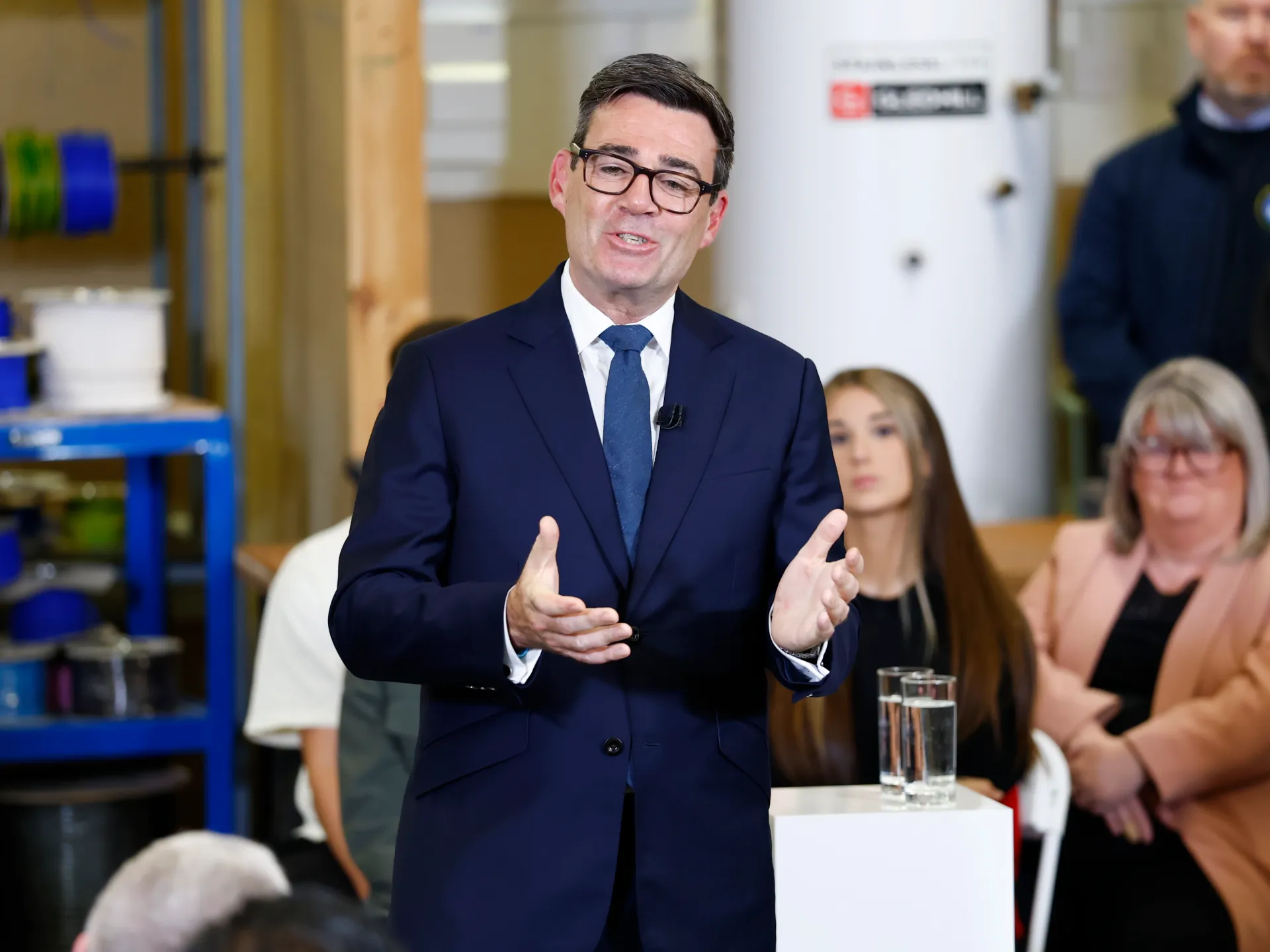
The UK government balances the need for cost-of-living relief with strict budget limits and high national debt.
The United Kingdom currently navigates a tough economic landscape. The Labour Party wants to assist families struggling with daily expenses.
However, officials face significant financial hurdles. High inflation rates continue to strain the national budget. These rising costs limit what the government can do.
Also, the country manages high levels of national debt. Paying interest on this debt consumes a large portion of public funds. This leaves little room for extra spending programs.
Meanwhile, the government seeks to maintain steady economic growth. Leaders hope to boost the economy while supporting citizens in need. Balancing these two goals remains a primary challenge.
As a result, ministers must weigh their options carefully. They need to provide relief without harming the nation's long-term financial health. Every policy decision requires a delicate touch.
For example, new aid packages could potentially spark more inflation. Experts warn that spending too much money too quickly might backfire. The government must proceed with extreme caution.
Still, many households demand more help right now. Food and energy prices remain high for many working families. This creates pressure on political leaders to act soon.
Next, the government will likely review its current fiscal plans. They need to find ways to money elsewhere. This will help them fund necessary support for the public.
Finally, the future of the British economy remains uncertain. The Labour Party must convince voters that their plan will work. They aim to achieve stability in these difficult times.