
Tunisia struggles with high inflation and unemployment seven years into President Kais Saied's term. Citizens face rising costs and limited job growth.
Tunisian taxi driver Houssam Oueslati struggles with rising costs. Engine oil prices have spiked significantly since 2018. He now works longer hours just to maintain his income. His story reflects the broader economic challenges facing Tunisia today.
President Kais Saied took power promising a fairer state. Since then, Tunisia has faced global food and energy price shocks. The COVID-19 pandemic also created major obstacles for the nation. Experts now question how effectively the government has managed these crises.
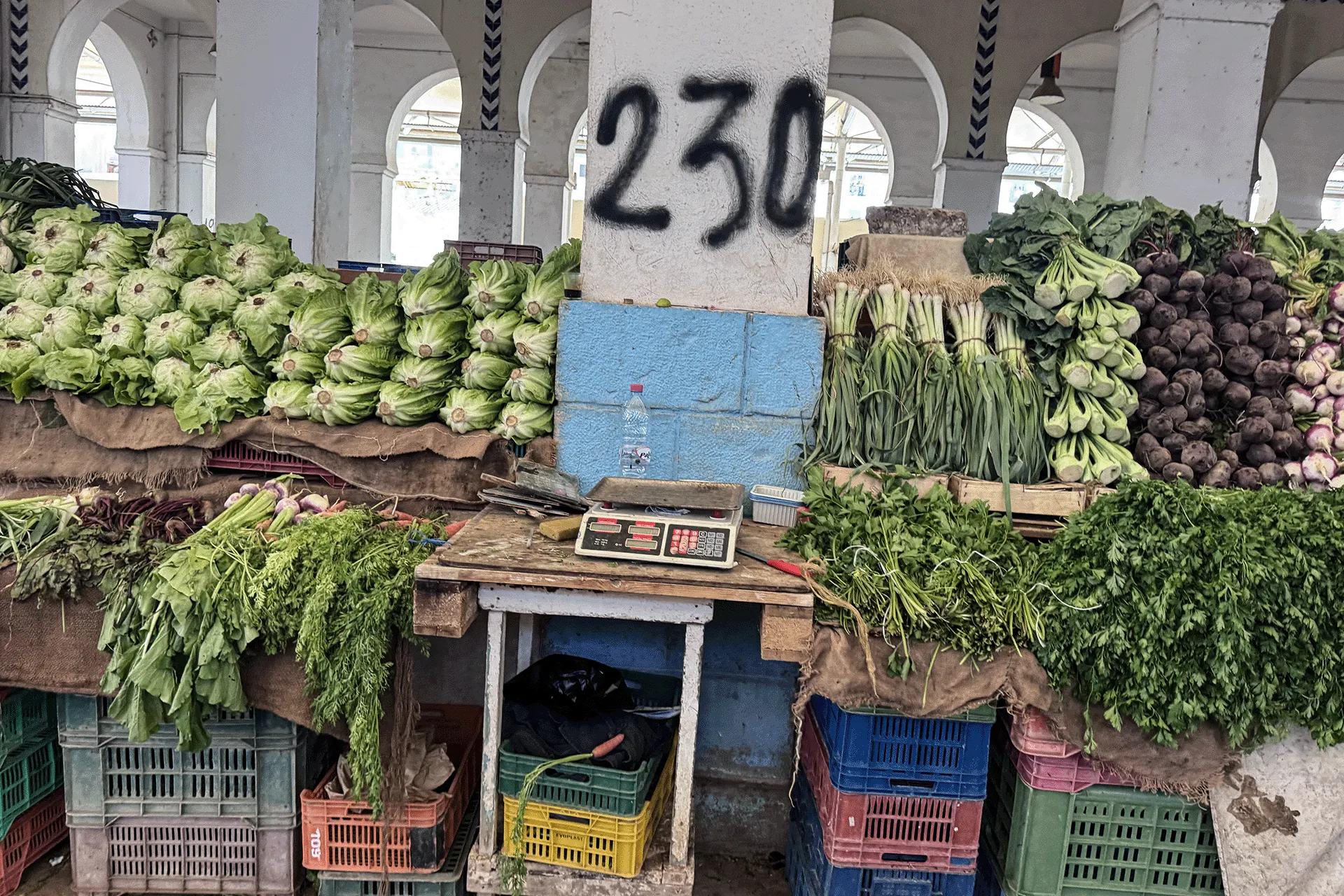
Meanwhile, the annual inflation rate climbed to 5.6 percent in September 2026. Food and beverage prices rose even faster during the same period. Poultry and fruit prices saw double-digit increases. These rising costs reduce the purchasing power of many households.
Also, the government struggles to balance its budget. High public debt limits the state's ability to invest in growth. Officials rely on domestic borrowing to fund state operations. This can make it harder for private businesses to secure necessary loans.
Next, the labor market remains a major concern for the country. Overall unemployment dropped slightly to 14.9 percent in 2026. However, youth unemployment remains very high at over 35 percent. Many young people struggle to find stable, productive jobs.
Furthermore, President Saied targets monopolies to control rising prices. Critics argue that some of these policies disrupt essential supply chains. They suggest that better infrastructure is needed to keep goods affordable. Simply blaming speculation does not solve the underlying production issues.
As a result, the government faces pressure to maintain fuel subsidies. Higher oil prices forced the state to spend heavily on these protections. This expenditure leaves less money available for public investment projects. Policymakers must now find ways to shield citizens without hurting long-term growth.
Finally, supporters argue that Saied inherited a declining economy. They claim his actions were necessary to fix structural problems. However, citizens still face high costs and limited opportunities. The ultimate success of these policies depends on real improvements in daily life.