

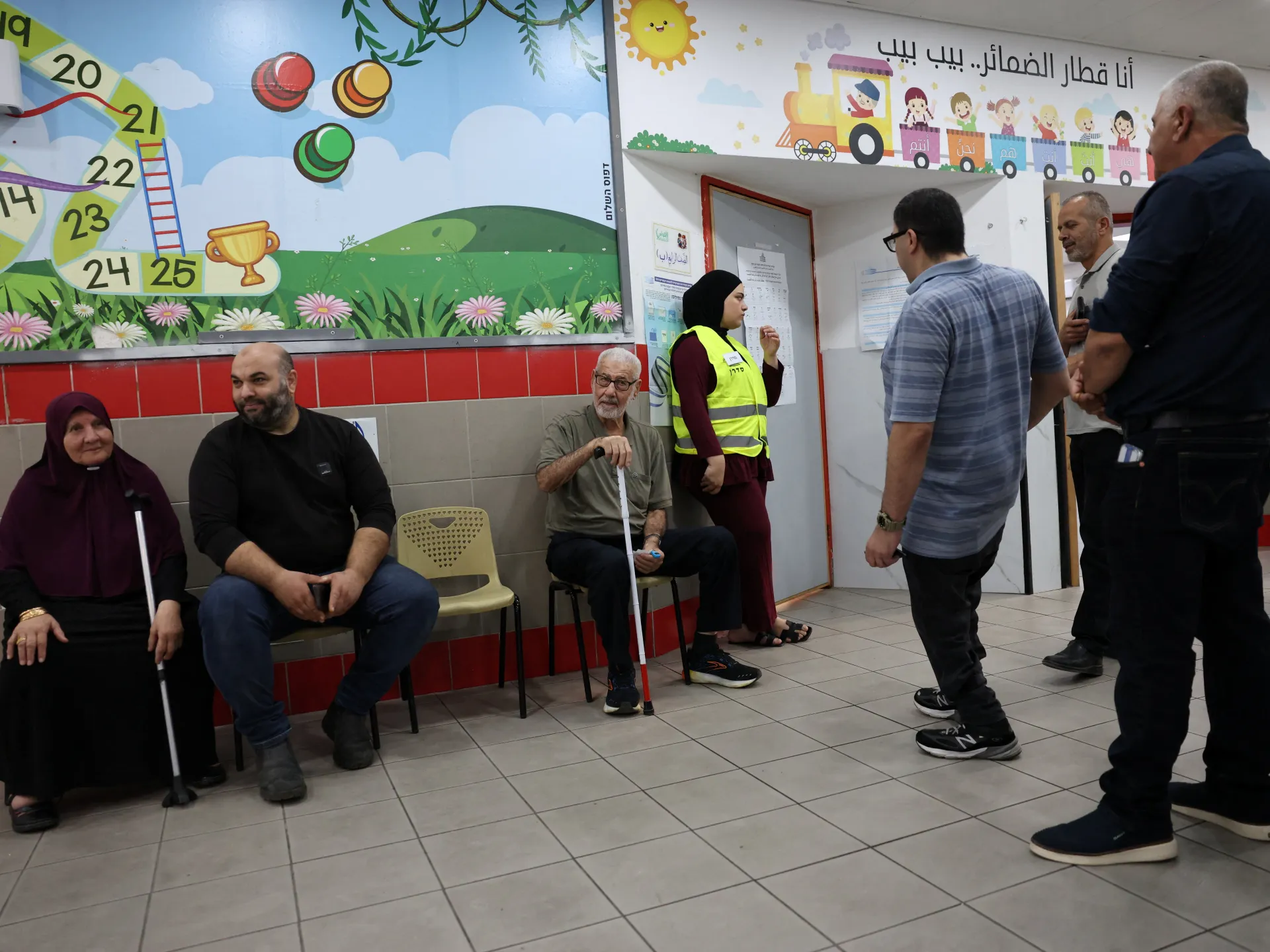
High voter turnout among Palestinian citizens has sparked political tension and calls for restrictions within the Israeli Knesset.
Thirty-eight parties competed in the Israeli elections held on October 27. Only two of these parties supported peace and equality. These two groups represent Palestinian citizens of Israel. They secured 19 seats in the Knesset after a high turnout.
Next, about 80 percent of Palestinian citizens cast their ballots. This record participation prevented Benjamin Netanyahu from gaining a majority. His bloc won 53 seats while the opposition secured 48.
Meanwhile, the pro-Netanyahu camp attacked this electoral success. Supporters claimed the election was stolen. Some politicians now call for new restrictions on the Arab vote.
Also, Palestinian citizens face a difficult dilemma. They must vote to stop the right-wing from gaining power. Yet, their participation does not guarantee better policies for their communities.
After that, Jewish-led parties often refuse to work with Palestinian representatives. Far-right politicians argue that including these parties threatens Jewish political dominance. This logic creates a system of formal inclusion but informal exclusion.
Then, the government of Naftali Bennett and Yair Lapid included the Ra’am party. This coalition eventually collapsed when members resigned. They refused to sit in a government with Palestinian representatives.
Furthermore, the political climate became more hostile after October 7, 2023. Authorities investigated anti-war speech and fired employees for social media posts. The Central Elections Committee even tried to ban Palestinian party lists.
However, the Supreme Court reversed these bans. Despite this, media analysis shows that many campaign posts by the right-wing were hostile toward Arabs. Police also raided the homes of activists without warrants.
Still, Palestinian citizens continue to organize and vote in large numbers. They assert their right to political equality. They seek a meaningful say in the nation's future.