
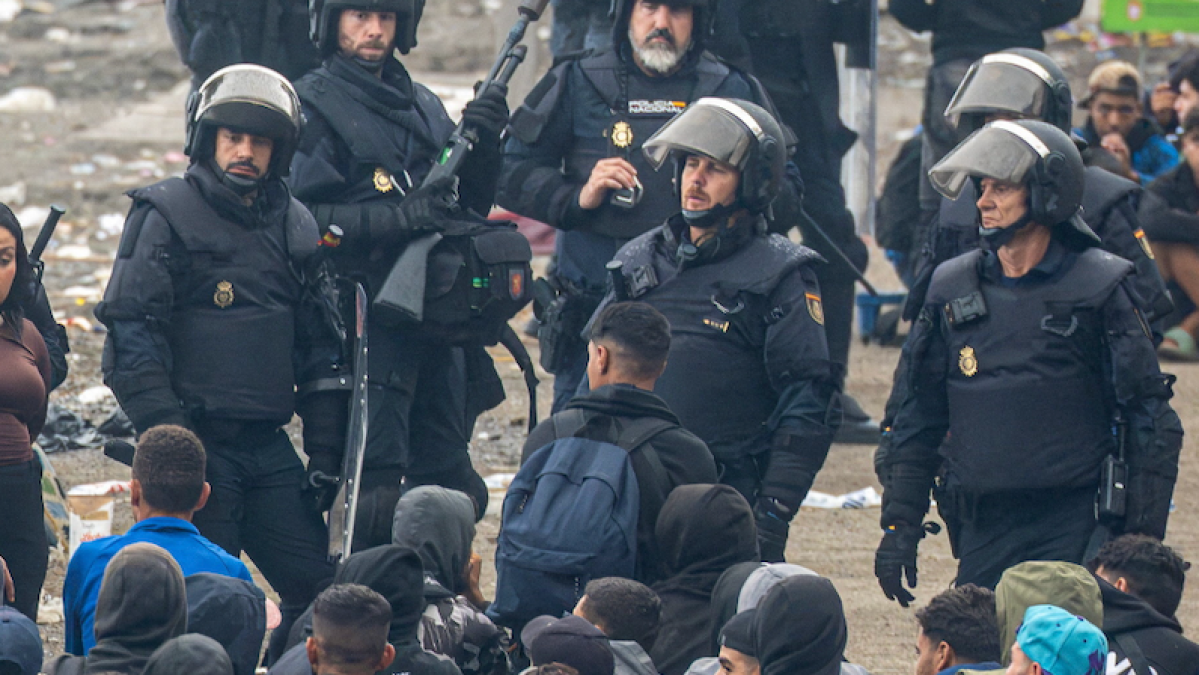
Spanish authorities moved thousands of migrants into new facilities in Ceuta. The operation sparked allegations of abuse ahead of a planned royal visit.
Spanish police moved hundreds of migrants to a new tented camp in Ceuta. This action happened ahead of a planned royal visit to the region. Many people now claim that soldiers beat them during the relocation process.
Meanwhile, the atmosphere in the North African enclave remains very tense. Morocco still claims ownership of this Spanish territory. These conflicting interests make the border situation complex and dangerous.
Why this matters
This situation shows the struggle between border safety and human rights. Ceuta acts as a major gateway between Africa and Europe. Many migrants seek a better life by crossing this difficult border.
However, local residents now fear for their safety and daily routines. The city mayor describes the area as a pressure cooker. Political leaders in Spain also argue about who is to blame for the crisis.
The Relocation Operation
Police started the transfer early on a Friday morning. They moved thousands of people to a new site at the port. This facility holds up to 1,700 people at one time.
Also, officers struggled to control the large crowds during the move. Some people broke through police lines along the road. News reports say police fired shots into the air to calm the situation.
Next, the government deployed over 170 officers to manage the area. They used drones to watch the crowds from above. Officials claim they now have the situation under control.
Allegations of Misconduct
After the move, many migrants spoke out about their treatment. They allege that Spanish soldiers used force against them. These reports emerged just days before the king and queen planned their arrival.
However, the government insists the relocation is necessary for safety. They need to identify each person and check their status. This process takes time and requires organized housing.
Still, the opposition party criticizes Prime Minister Pedro Sanchez. They claim he ignored warnings before the mass crossing began. The government denies these claims and insists the event was hard to predict.
How we got here
- July: A massive number of migrants breached the border from Morocco into Ceuta.
- Early September: Ceuta’s mayor warned European officials about the city’s extreme pressure.
- Mid-September: Police began moving migrants from beaches to a new port facility.
- October: Authorities cleared camps in preparation for a royal visit.
What happens next
As a result, officials will likely continue the identification process for all migrants. They want to determine who can stay and who must leave. This will likely cause more strain on local resources.
Next, political debate in Spain will probably grow even louder. The opposition will continue to press for answers about the initial border breach. The upcoming royal visit will bring extra security and attention to the region.