
A Tennessee death row inmate recovers after a rare botched execution. In Africa, health officials work to contain a growing Ebola crisis.
Why this matters
Two separate events currently test the limits of human health and legal systems. An inmate survived a rare lethal injection failure in Tennessee. Meanwhile, a deadly Ebola outbreak creates new worries across the African continent.
These situations highlight deep gaps in our current knowledge. One case questions the safety and success of state-sanctioned executions. The other shows how quickly a virus can threaten global security.
A failed execution creates legal questions
Christa Pike remains in a hospital after a failed execution attempt in Tennessee. Lawyers confirm that Pike is now conscious and speaking. She survived two doses of lethal injection on September 30.
However, her recovery remains quite fragile. Medical experts describe her survival as an unprecedented event in legal history. She is the only person to receive a lethal dose and live.
Meanwhile, the prison staff faces intense scrutiny for the botched procedure. Experts note that officials followed standard protocols during the attempt. Despite this, the chemicals failed to kill the prisoner.
Also, the victim's family expressed deep frustration with the result. They pushed for the death penalty for decades. Now, the state must figure out how to handle a living prisoner who survived the process.
Ebola fears grow across borders
Across the globe, public health experts monitor a dangerous Ebola outbreak. Recent reports indicate that the death toll has climbed above 3,000 people. This surge has forced authorities to declare a major emergency.
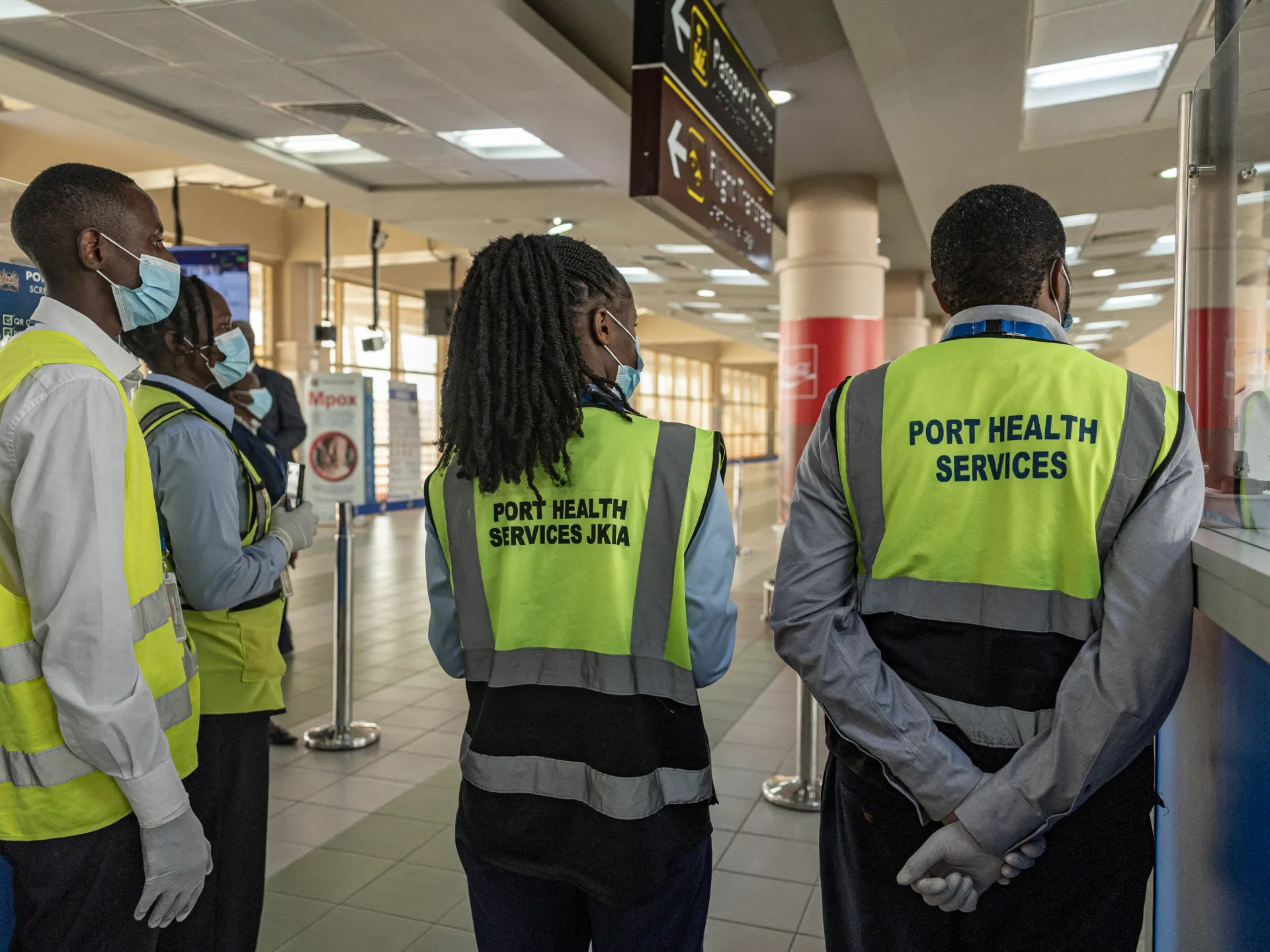
Next, international teams have increased screening efforts at major airports. Kenya now checks all incoming passengers to prevent further spread. The goal is to isolate cases before they reach large cities.
However, the virus spreads easily through contact with infected fluids. This makes containment very difficult in crowded regions. Health agencies warn that the risk of a wider spread remains high.
After that, countries are racing to provide enough medical supplies. They need more protective gear and trained staff to treat patients. Global cooperation is essential to slowing down the rising number of deaths.
How we got here
- 1995: Christa Pike murders Colleen Slemmer.
- September 30, 2026: Tennessee attempts to execute Pike via lethal injection.
- October 6, 2026: Lawyers confirm Pike is conscious and recovering in a hospital.
- October 7, 2026: Health officials in Kenya begin screening travelers for Ebola symptoms.
- October 8, 2026: Experts report over 3,000 deaths in the ongoing Ebola outbreak.
What happens next
Legal analysts expect a long court battle over Pike's future. The state must decide if it will try to execute her again. Her lawyers will likely argue that further attempts are cruel and unusual.
Meanwhile, medical teams will continue to treat her complex injuries. Dr. Joel Zivot noted that her long-term prognosis remains unclear. She still faces significant risks as she clears the toxins from her system.
Finally, the Ebola crisis will require massive funding to control. Governments must act quickly to stop the virus from crossing new borders. Experts say that early detection remains the best defense against this outbreak.