

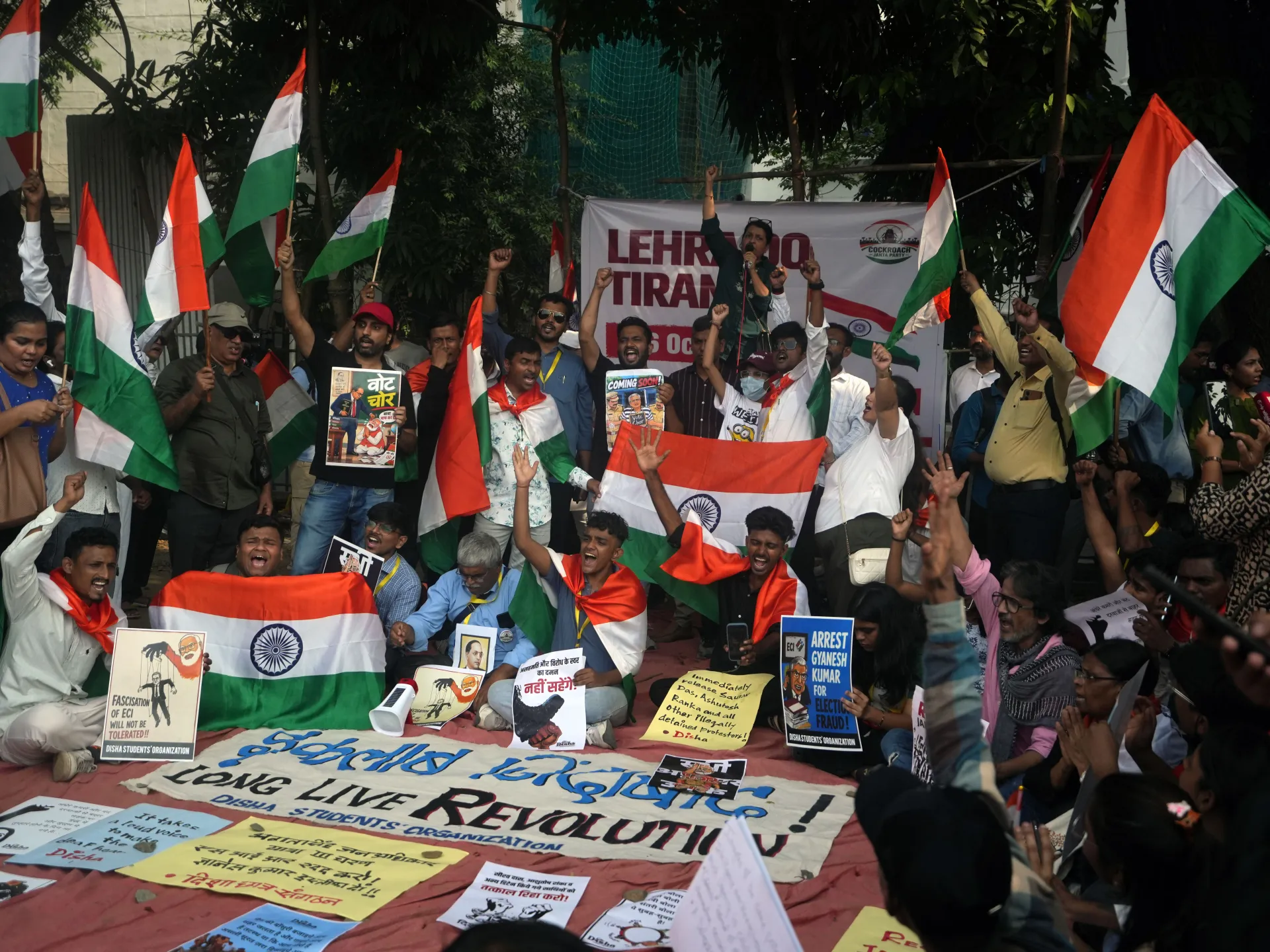
Protesters in India are fighting against mass voter list removals, but critics argue the movement lacks solidarity with marginalized groups.
Opposition groups, farmers, and students across India are protesting a massive update to voter lists. Officials have removed roughly 130 million names from these rolls. Protesters want the old lists restored and demand the resignation of the Chief Election Commissioner.
This process, called the Special Intensive Revision, forces voters to prove their eligibility. Many people must present outdated documents to stay on the list. This creates major hurdles for those without easy access to government records.
Meanwhile, many citizens now worry about exclusion. Six years ago, Muslims warned that such paperwork requirements could cause widespread disenfranchisement. At that time, many other Indians ignored those warnings and even opposed the 2019 protests.
However, the current movement shows a sense of hypocrisy. Protesters now demand protections for themselves while ignoring the discriminatory Citizenship Amendment Act. This law specifically excludes Muslims from fast-tracked citizenship pathways based on their religious identity.
As a result, the government uses official discretion to remove voters. In West Bengal, researchers found that Muslims faced higher rates of removal than other groups. While Hindu refugees often have legal routes to regain status, Muslims face long, complex tribunal processes.
Also, the impact is widespread across the country. In Delhi, nearly half of the voters in some neighborhoods were dropped from the rolls. These areas include communities that previously led anti-discrimination protests.
Still, the current opposition movement remains narrow in its focus. Their list of demands focuses on administrative errors rather than challenging the law itself. They avoid addressing the underlying religious bias that the state uses against specific groups.
Finally, true solidarity requires a broader approach. The movement must defend the rights of all citizens, including those deemed inconvenient. Leaders should also demand the release of activists still imprisoned since the 2020 protests.
If the protesters fail to challenge the discriminatory citizenship laws, they leave the core problem unsolved. They must stand for everyone, not just those who fit a specific political narrative. Real justice requires protecting the most vulnerable members of society.