
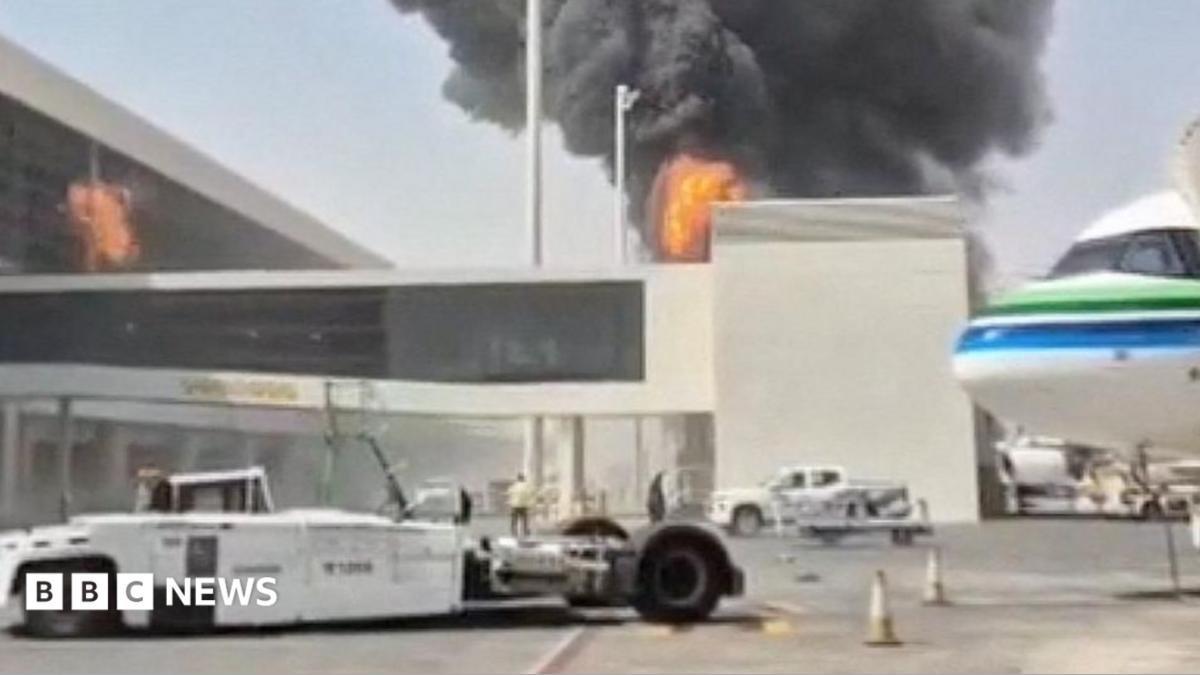
Saudi Arabia promises a major response after Houthi missile strikes killed civilians at a key airport. The conflict in Yemen continues to threaten regional stability.
Saudi Arabia promises a serious response to recent missile attacks. Houthi rebels hit two international airports inside the kingdom recently. These strikes killed civilians and damaged critical energy facilities.
Prince Abdul Aziz bin Salman spoke at an energy meeting in Riyadh. He declared that the kingdom must answer these deadly acts. The recent violence marks a dangerous shift in the ongoing regional conflict.
Why this matters
The conflict now threatens global energy supplies in a new way. Yemen's civil war has spilled over into Saudi Arabia's borders. This puts international air travel and oil exports at high risk.
Also, the attacks force other nations to pick sides in the war. The United Nations and several countries condemned the violence as a war crime. Tensions remain high as both sides prepare for more military action.
Details of the recent attacks
Houthi fighters launched missiles at King Khalid International Airport in Riyadh. Reports on the death toll vary between the sources. The BBC reported that one Pakistani man died in a Sunday attack. Al Jazeera claimed at least 12 people died and over 300 suffered injuries.
Meanwhile, the attacks follow a clear pattern of retaliation. The Houthis say they hit these targets because of Saudi air strikes. They blame the kingdom for a blockade on Yemeni ports and airports.
However, Saudi officials deny these claims of aggression. They state that their air strikes target military threats. The Saudi-led coalition remains committed to protecting its territory from further harm.
Military escalation in the region
The fighting has expanded to the Red Sea coast recently. Houthi forces seized areas near the Bab al-Mandab Strait last month. This waterway is a vital path for global oil shipments.
Also, the Yemeni government started a new push to retake lost land. They rely on Saudi air support to fight the rebels. Both sides seem ready for a long and difficult military campaign.
Still, the impact on civilians remains the biggest concern. A child died in a recent Saudi air strike in Sanaa. The cycle of violence shows no sign of stopping soon.
How we got here
- 2014: Houthi rebels ousted the Yemeni government from the capital city.
- 2015: A Saudi-led coalition intervened to restore the previous government.
- July 2026: An informal four-year ceasefire between the groups began to break down.
- Last Month: Houthi forces seized land near the Bab al-Mandab Strait.
- Last Week: The Yemeni government launched a new offensive to regain territory.
- Sunday: Deadly missile strikes hit King Khalid International Airport in Riyadh.
What happens next
Saudi Arabia will likely increase its military operations in Yemen. Prince Abdul Aziz signaled that the response will be serious and direct. This could lead to more intense air strikes against Houthi positions.
Next, the international community may increase pressure to reach a peace deal. The humanitarian situation in Yemen will likely get worse as fighting continues. Global oil prices might stay high due to regional instability.