
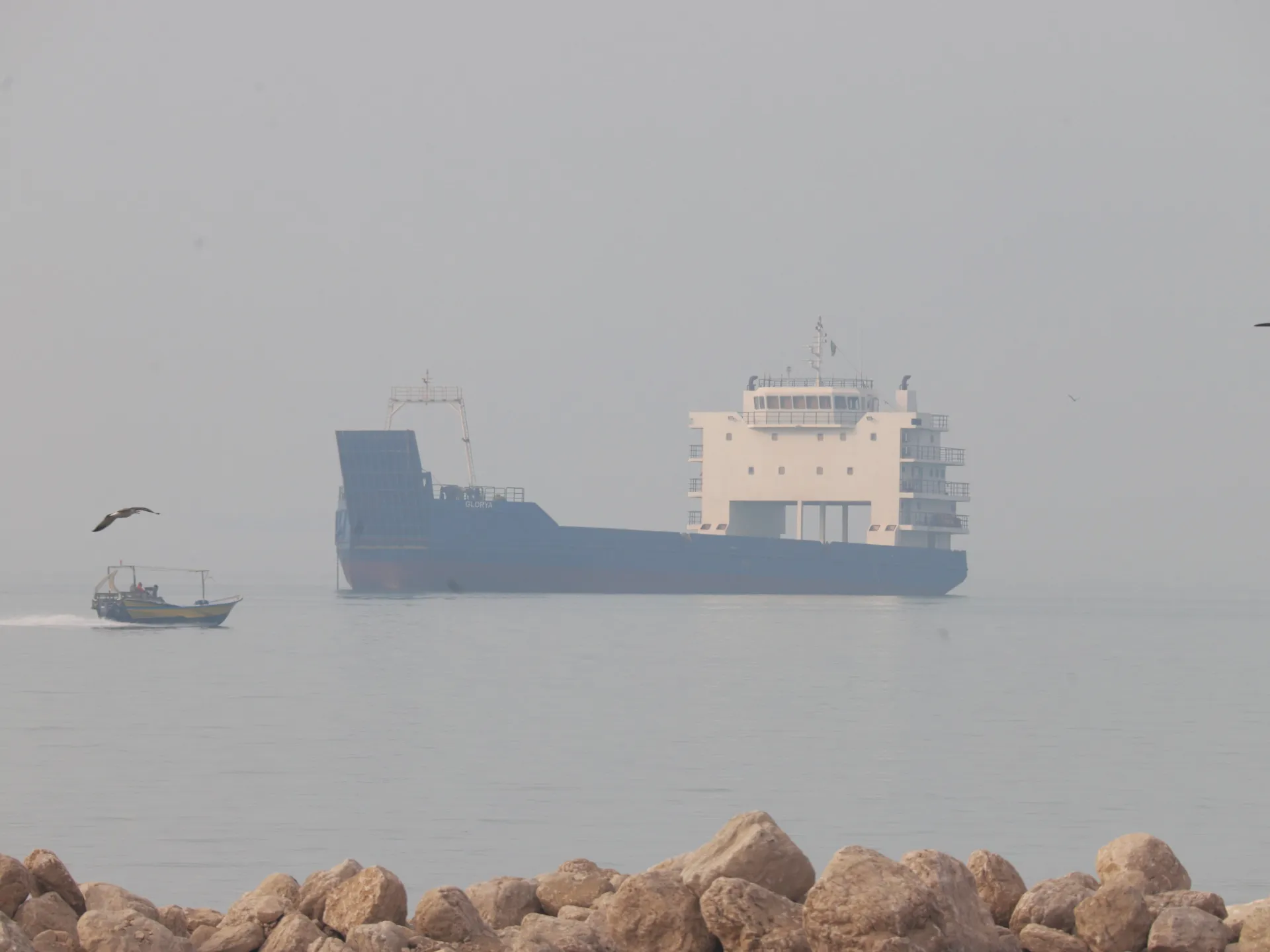
Sailors face record-high danger pay as violence in the Strait of Hormuz chokes global shipping routes. Disputes over attack causes complicate the situation.
Dangerous conditions now plague the Strait of Hormuz. Commercial ships face attacks from both missiles and drones. Sailors receive huge pay bonuses to risk these transit routes.
Meanwhile, rescue teams search for missing crew members. Violence continues to disrupt global energy supplies. The waterway remains nearly empty as a result.
Why this matters
The Strait of Hormuz carries a huge portion of the world's oil. Closure of this path spikes energy costs for every nation. Global markets feel the strain of this shipping bottleneck.
Also, the conflict forces shipping companies to change their business models. Many firms now pay extra hazard wages to retain crews. These costs eventually reach the average consumer at the gas pump.
However, the risks involve more than just money. Seafarers face real threats to their lives every day. Recent reports show over 20 sailors have died since February.
Still, governments cannot agree on the cause of these attacks. Iran blames naval mines for fires on board tankers. The United States military rejects these claims as false.
Rising Violence in the Waterway
The tanker El Gaia recently suffered a major engine room fire. Officials say it hit an unknown projectile near Oman. Two sailors went missing after this attack.
Next, the US military provided its own account of the incident. It claimed an Iranian missile struck the ship last month. A drone strike followed over the weekend.
Meanwhile, Iranian media reported separate attacks on local fishing boats. The Fars news agency claimed enemy drones struck near Kargan. This incident left several local fishermen missing.
Also, US forces intervened against Iranian small boats recently. The US Navy stopped an attempt to steal a sea drone. Capt. Tim Hawkins stated that US forces responded with force.
Ongoing Conflict Escalation
Earlier, the tanker Sidr caught fire in the same region. Iran claimed the vessel hit a hidden naval mine. Saudi officials argued that Iran actually targeted the ship.
After that, maritime security firms confirmed projectile damage on the vessel. These conflicting reports confuse the situation for the public. Truth remains a casualty in this regional war.
Finally, the International Maritime Organization tracks these dangerous events. They report 79 confirmed incidents since late February. These numbers highlight the volatility of the region.
How we got here
- Late February 2026: War starts between the US, Israel, and Iran.
- Early September 2026: Iran claims the tanker Sidr hit a mine, killing two sailors.
- September 15, 2026: The tanker El Gaia suffers a fire after an attack near Oman.
- Mid-September 2026: US forces destroy Iranian small boats attempting to steal a sea drone.
- October 2026: Commercial shipping activity drops as hazard pay for sailors reaches record highs.
What happens next
Analysts expect the blockade of Iranian ports to continue. Tensions will likely keep oil prices high for the near future. Shipping companies will avoid the region whenever possible.
Then, international pressure might mount to secure the waterway. Diplomatic talks could emerge to lower the risk for crews. Without a deal, the dangerous status quo will persist.