

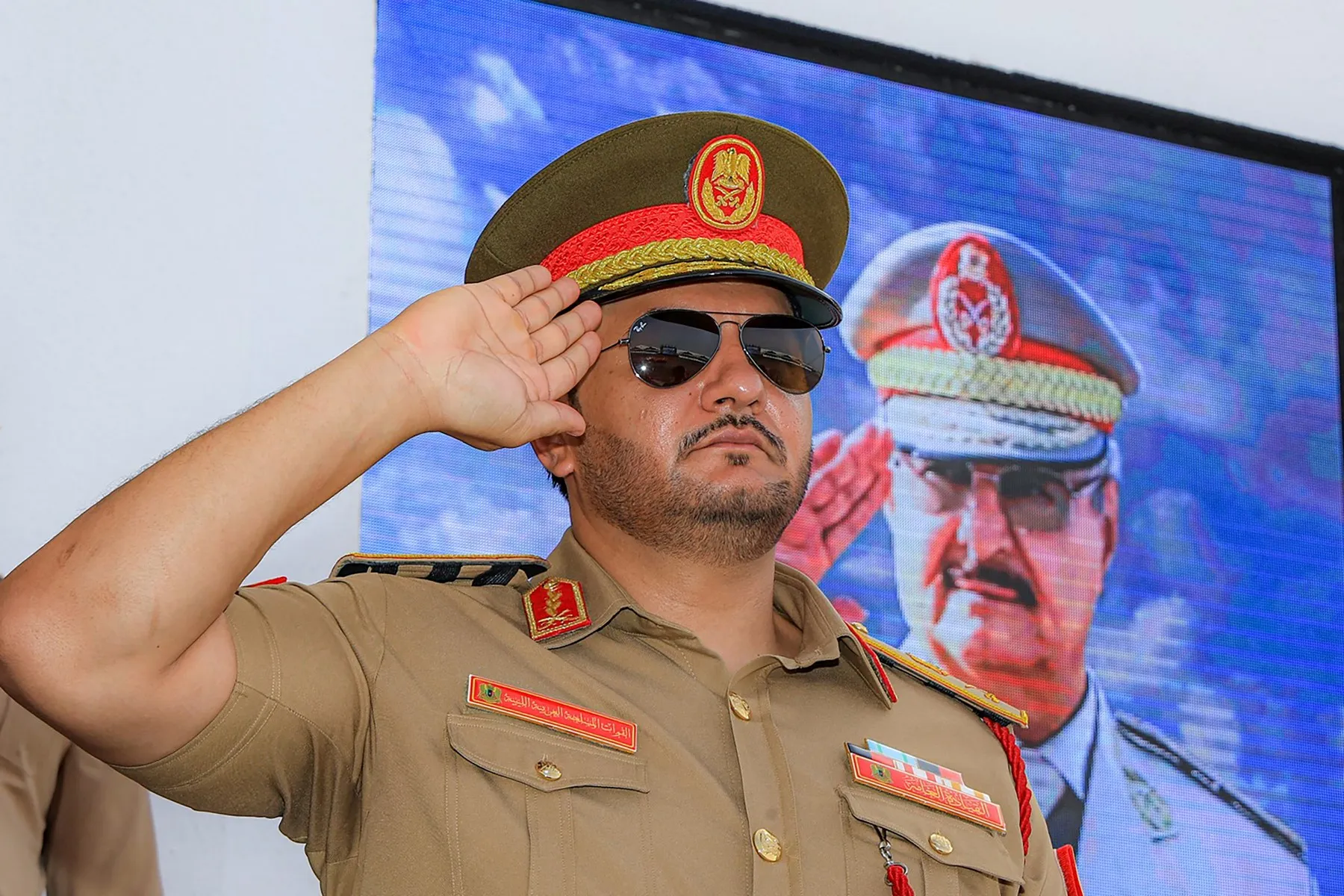
Saddam Haftar is actively working to become the next president of Libya. He is using new maritime deals and political maneuvering to gain support.
Saddam Haftar is making a bold play for the Libyan presidency. He is the son of powerful military commander Khalifa Haftar. Recently, the eastern Libyan legislature ratified a maritime deal with Turkiye. This move signals a major shift in regional politics.
Also, the House of Representatives approved the agreement in just one session. This deal was previously opposed by eastern leaders for seven years. Now, it serves as a key tool for Saddam to gain international influence.
Next, Saddam orchestrated a quiet power shift by removing the longtime speaker of the House. By replacing Aguila Saleh, he cleared a major hurdle to his political rise. This change helps solidify his control over eastern Libyan institutions.
Furthermore, Saddam seeks support from the United States government. He hopes for a power-sharing deal between Tripoli and Benghazi. This plan is reportedly backed by senior advisers to President Donald Trump.
Then, the ratification of the maritime deal aims to secure Turkiye's approval. Ankara holds significant sway over western Libya. Saddam believes their blessing is essential for his path to the presidency.
Meanwhile, the European Union and several nations expressed strong disapproval of the vote. However, their influence in the region remains limited. European leaders currently struggle to address migration issues effectively.
As a result, Saddam hopes to leverage these alliances to overcome objections from Greece, Israel, and Egypt. He is betting that American interests will outweigh these regional concerns. This strategy creates a complex diplomatic challenge.
Still, Egypt remains a critical player in this situation. Cairo is concerned about its own economic interests in the sea. It may eventually support a different candidate if its needs are not met.
Finally, Saddam faces significant risks by aligning himself so closely with Ankara and Abu Dhabi. He must balance these relationships carefully. His success depends on whether Washington supports his bid for power.
History shows a strange irony in this situation. The maritime deal once helped stop his father's offensive on Tripoli. Now, the son hopes this same agreement will secure his own future dynasty.