

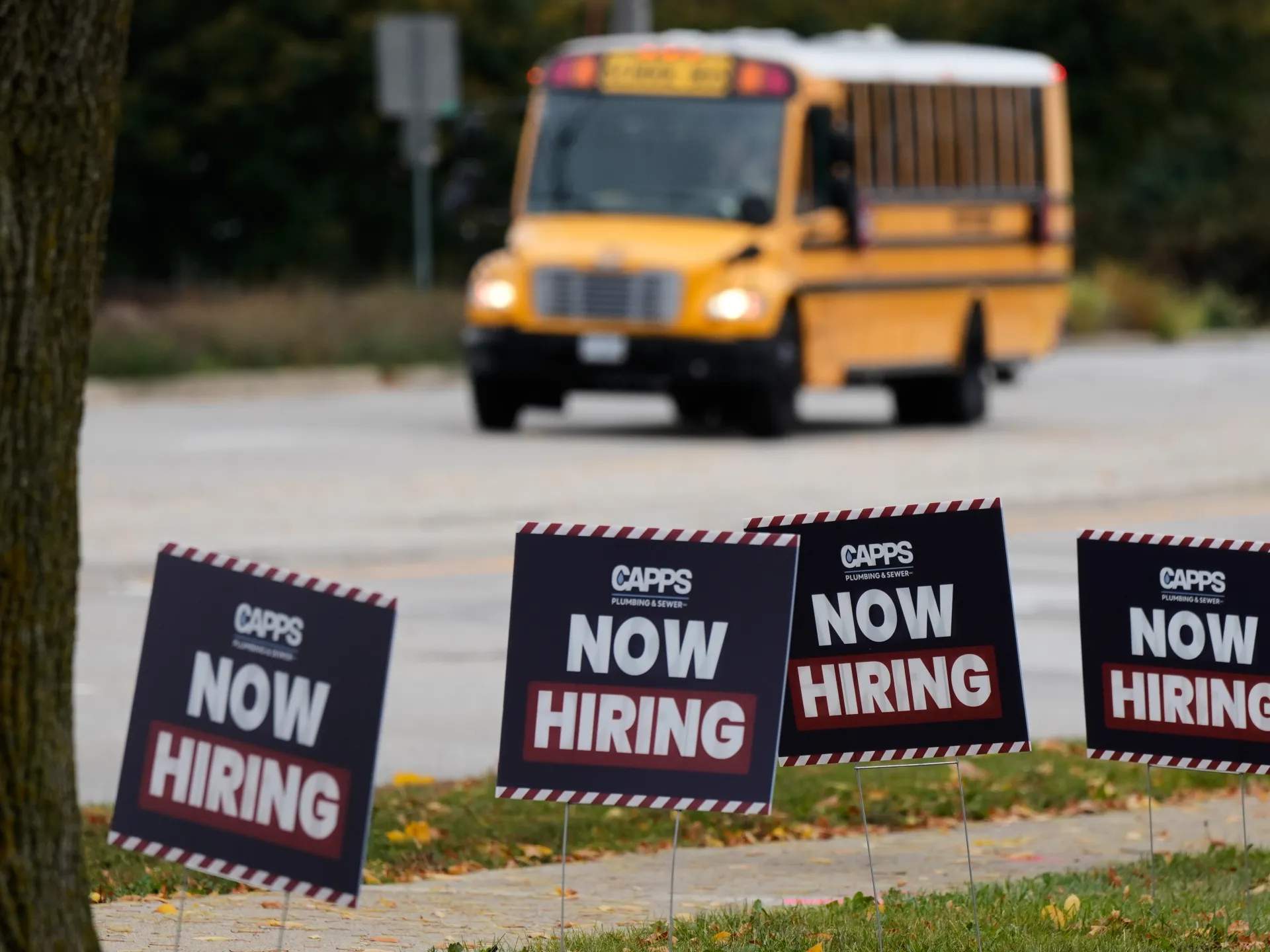
Rising costs and inflation are putting a major strain on American families. These economic pressures are influencing voter sentiment before the midterms.
Stacy Eichel lives in Florida. She worked two jobs for many years to pay her bills. One role involved the healthcare industry. She also ran a small business on the side.
Her company made custom items for corporate clients. She produced products like T-shirts and coffee mugs. These items often appeared at holiday parties or business conferences.
For Eichel, this work meant more than just money. She enjoyed staying busy with new projects. She always looked for the next big opportunity.
Also, her business grew when companies had extra cash. Firms bought these small trinkets to make their events memorable. It served as a fun addition to standard corporate meetings.
However, the economic climate now feels much different. Many Americans face rising costs for basic needs. These high prices strain family budgets across the nation.
Meanwhile, voters worry about their financial futures. Many people feel the pinch of inflation every single day. This mood affects how they view upcoming elections.
Next, experts note that economic stress changes consumer habits. Businesses often cut back on extra spending first. This hurts small entrepreneurs like Eichel who rely on corporate orders.
As a result, many households feel uncertain about the economy. They struggle to balance their monthly expenses. Political leaders face pressure to solve these ongoing money issues.
Still, citizens look for solutions from their elected officials. They want relief from expensive prices. These concerns play a major role in the current political season.
Finally, the situation highlights a tough reality for many workers. They must navigate a difficult market while preparing for future changes. The midterm elections will reflect these widespread economic frustrations.