
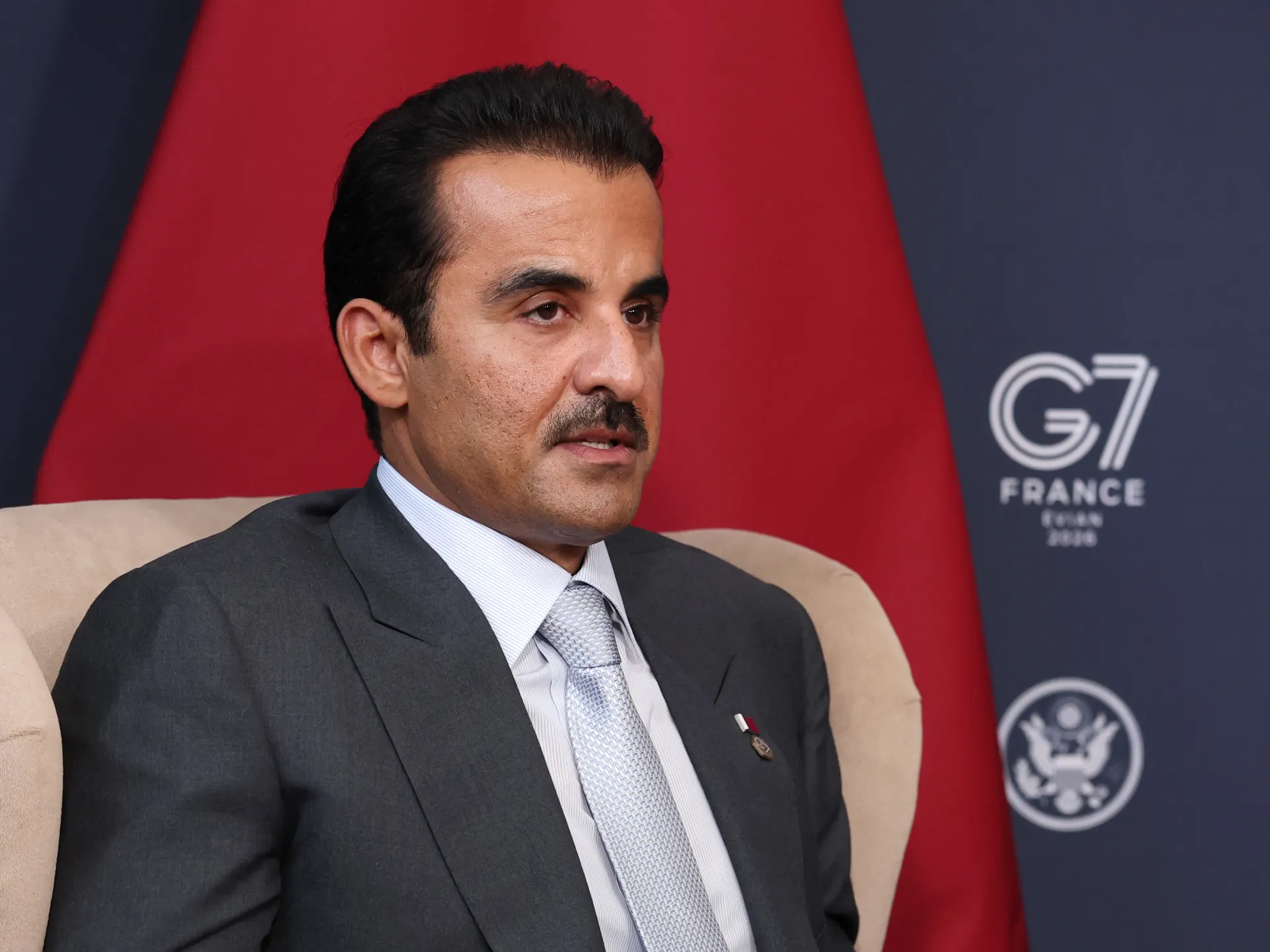
The Emir of Qatar praises his country's strength as new attacks on tankers threaten global oil shipments in the Gulf.
Qatar’s leader recently spoke about the difficult events facing the Gulf region. Emir Sheikh Tamim bin Hamad Al Thani addressed the Shura Council this week. He praised the strength of his nation during this regional crisis.
Meanwhile, new violence threatens the safety of ships near the Qatari coast. A tanker recently suffered hits from multiple projectiles in the Gulf. This attack highlights the ongoing danger for global energy transport.
Why this matters
The Gulf region serves as a vital artery for the world's energy supply. Attacks on ships here drive up costs for consumers everywhere. They also create deep worry for nations that rely on these oil shipments.
Furthermore, the stability of Gulf states remains critical for global politics. If these countries lose their ability to export fuel, economies around the world will suffer. Leaders like the Emir of Qatar must balance their national safety with the needs of global trade.
These events show how quickly regional war can disrupt daily life. The risks extend far beyond the Middle East. They force a rethink of how the world protects its most important sea lanes.
Shipping dangers and security
The latest attack occurred about 51 nautical miles from Madinat al-Shamal. Reports confirm that the ship, named the Acers, sustained damage from these strikes. This incident marks a rare, deep-water attack within the Gulf.
However, this is not an isolated event. Since February, at least 24 sailors have lost their lives in similar incidents. The UN’s International Maritime Organization tracks these dangerous encounters closely.
Also, shipping companies now face higher costs for insurance and protection. Many vessels now rely on the United States Navy for escort through the area. These guards help maintain the flow of oil despite the constant threat of drones.
The Emir’s vision for stability
Sheikh Tamim highlighted the need for peaceful dialogue to solve these issues. He insists that the security of Gulf nations is not open for debate. Protecting energy facilities remains a top priority for his government.
Next, the Emir called for more efforts to secure the Strait of Hormuz. This narrow waterway serves as a major path for global oil exports. He believes that safeguarding these routes must be a shared goal for all regional neighbors.
Finally, the Emir pointed to the strength of Qatar’s state institutions. He credited early policy planning for the country’s ability to survive the war. This focus on internal stability acts as a shield against outside forces.
How we got here
- February 28, 2026: The war between the United States, Israel, and Iran officially begins.
- March 2026: Iran strikes Qatar’s Ras Laffan gas facility, the world’s largest LNG site.
- June 2026: A short-lived peace deal to reopen the Strait of Hormuz collapses after renewed attacks.
- September 9, 2026: An attack on the El Gaia tanker kills two sailors near the Strait of Hormuz.
- October 8, 2026: A tanker north of Qatar reports damage from multiple projectiles.
What happens next
Experts suggest that shipping in the Gulf will remain very dangerous for the foreseeable future. Iran will likely keep using its influence to control the waterway. This creates a stalemate that hurts global oil markets.
Then, the United States will likely continue its naval presence to protect commercial tankers. These patrols are the only thing keeping the current trade route open. Expect more diplomatic pressure on Iran to stop its strikes on civilian ships.
Finally, regional leaders will continue to meet to discuss collective security measures. They know that a total shutdown of the Strait would be a disaster. The path forward remains difficult and requires constant vigilance from all parties.