

Palestinian citizens of Israel are torn between cynicism and the urgent need to vote against a far-right government in the upcoming election.
Palestinian citizens of Israel face a difficult choice in the upcoming general election. Many feel deep disillusionment with the political system. However, they also fear the potential re-election of Benjamin Netanyahu.
For many, this vote feels like a necessary act of survival. Nineteen-year-old Laila Atamneh plans to vote for the first time. She sees it as a way to support Palestinians in the West Bank and Gaza.
Meanwhile, some voters struggle to engage with the process. They feel excluded from Hebrew-language media and political discussions. Many believe major parties fail to address the concerns of younger Palestinian voters.
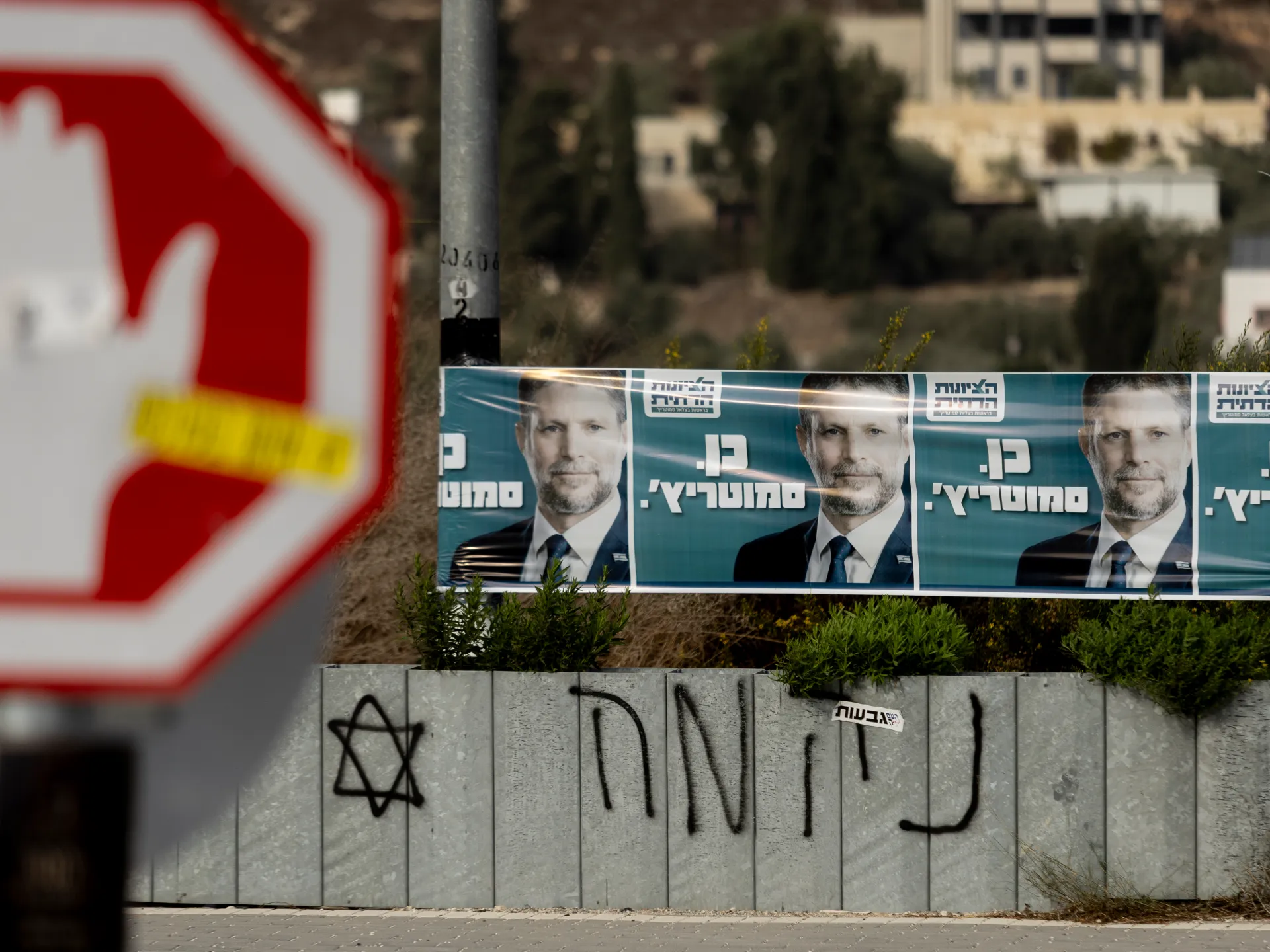
Also, the political atmosphere remains tense. Experts note that many citizens fear the current government's hard-right policies. Recent actions by settlers and campaign rhetoric have increased this sense of danger.
Then, the Central Elections Committee attempted to disqualify Arab-led parties. Although the Supreme Court overturned these decisions, the move signaled growing hostility. Some activists believe this pressure might actually boost voter turnout.
Next, campaigners hope for a high turnout to influence the balance of power. They aim to prevent small, right-wing parties from entering the Knesset. A strong showing could theoretically shift the political landscape.
However, the options remain limited for many voters. Some worry that Arab-led parties lack real influence within the government. Others feel that voting validates a system that does not serve their interests.
Still, many view the election as their only chance for equality. They hope to replace the current government to stop further harm. Even supporters of a boycott now argue that the stakes are too high.
Finally, the election outcome remains uncertain. Major Zionist opposition leaders refuse to openly partner with Arab-led lists. Nevertheless, some experts believe these parties could still act as essential kingmakers after the results come in.